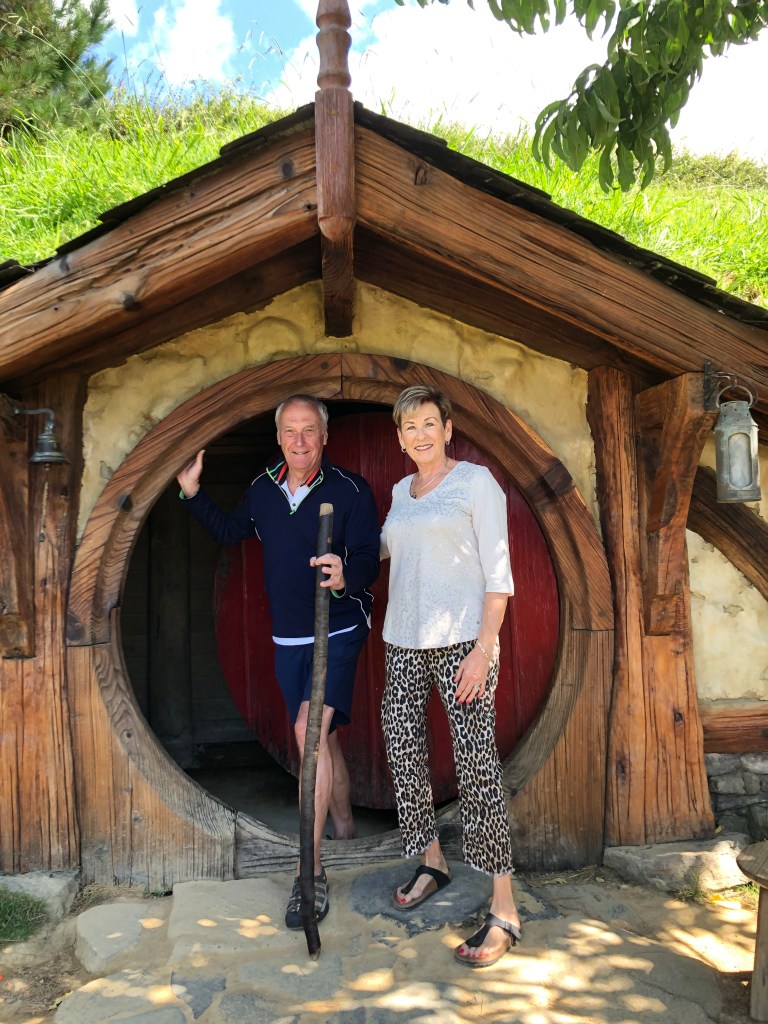
The planning for this trip was helped immensely by New Zealand friend and fellow Living Theorist, Pip Bruce Ferguson, who gave us information on many of the things that we did. We also consulted friends like Sue and Gerry Hilhorst who had been there, Lonely Planet (2018) and Trip Advisor. We booked the flights, cruise, cars and accommodation, primarily Airbnb, in advance. During the months before we arrived, the terrible fires had been raging in Australia. The Lonely Planet provided invaluable advice.
For the descriptions of events on the cruise, we received a daily “journal de bord” which outlined the activities of the day and some details of locations where we anchored or docked. I used this information for this blog.
Monday, Jan 27, 2020 Jackie’s birthday!
Air Canada flight from Toronto to Vancouver (5 hours) to Auckland 14 hours and 20 minutes with a 2 hour layover in Vancouver was uneventful and we were more comfortable because we paid for the bulkhead seats.
Wednesday-Saturday, January 29-February 1
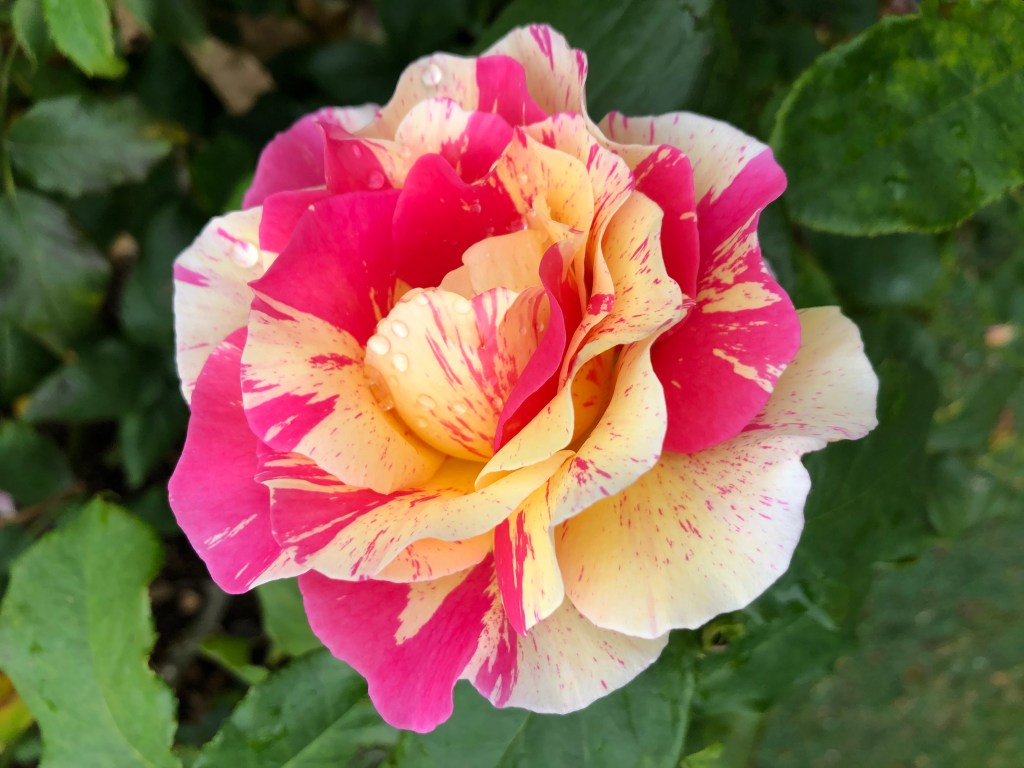
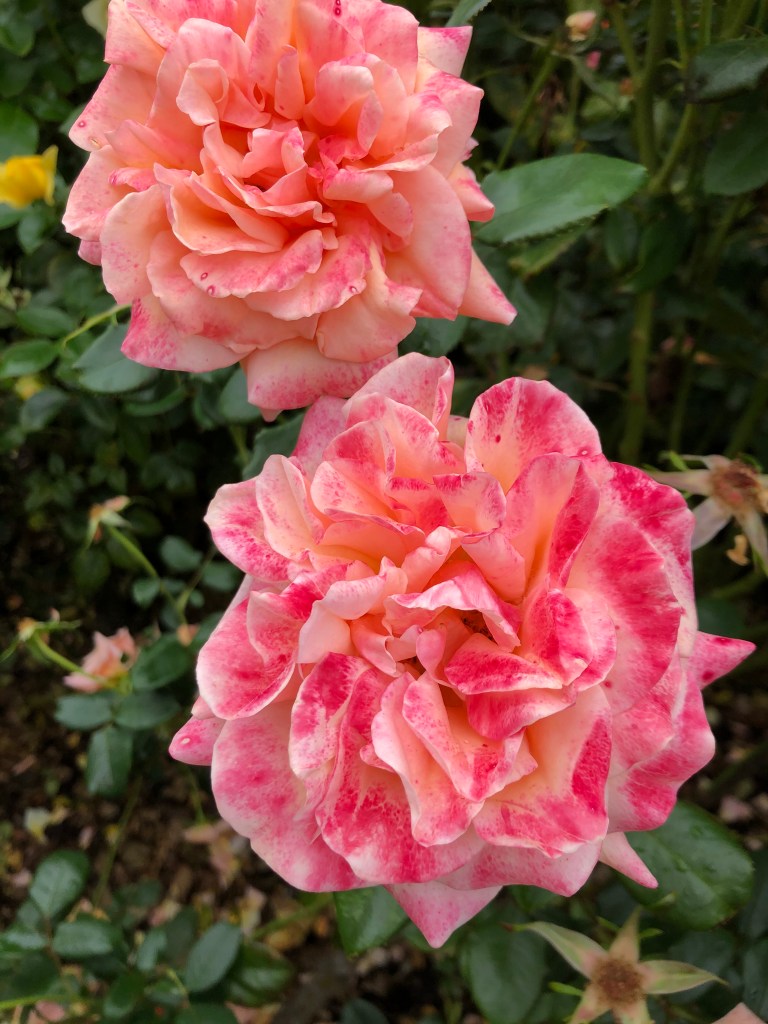
We arrived in Auckland at 11:30, bought a New Zealand SIM card for the phone, got the shuttle to Mode Rentals, picked up an electric rental car, a Nissan Leaf, and arrived at Sheldon’s Parnell Garden Apartment, Cleveland Rd, airbnb, without any problems. At this point we were unaware of the problems ahead with the electric car as we did not need it in Auckland. We walked up to the Rose Garden at the top of Cleveland Rd and then for dinner walked down the hill to Paddington Pub.
Thursday, January 30
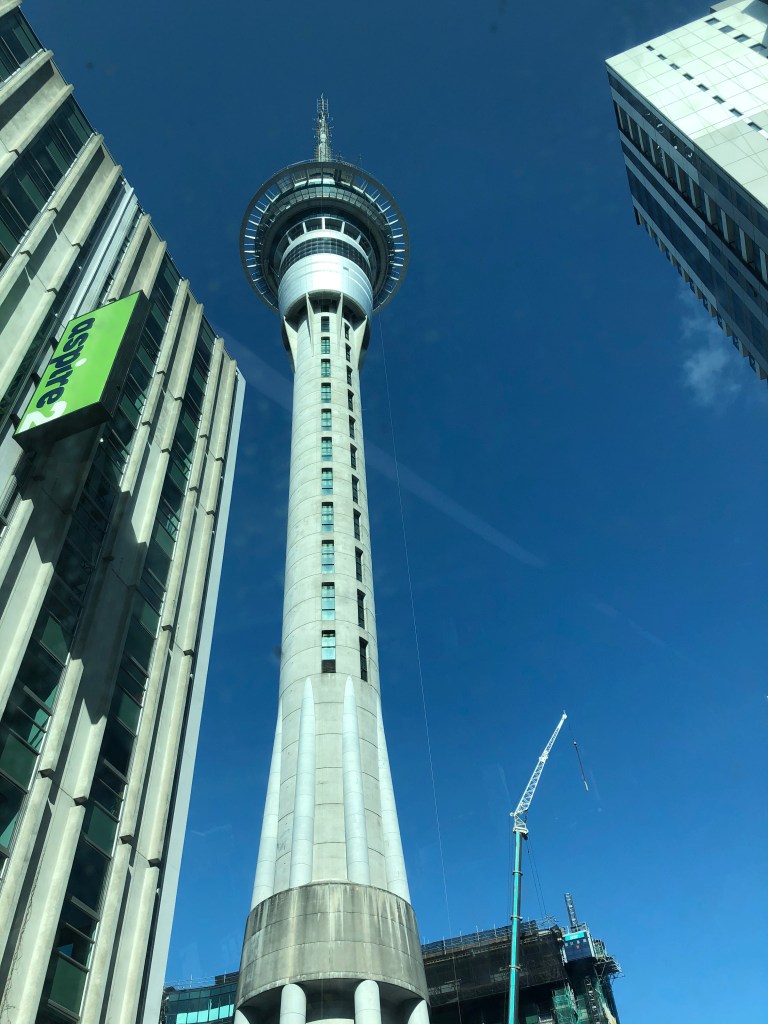
We walked downtown, bought the hop on hop off bus ticket for Auckland, for the ferry to Waiheke Island and the bus on the island combo ticket for $100. We got on the bus and toured Auckland getting the lay of the land, had lunch on the water front and came home on the bus.
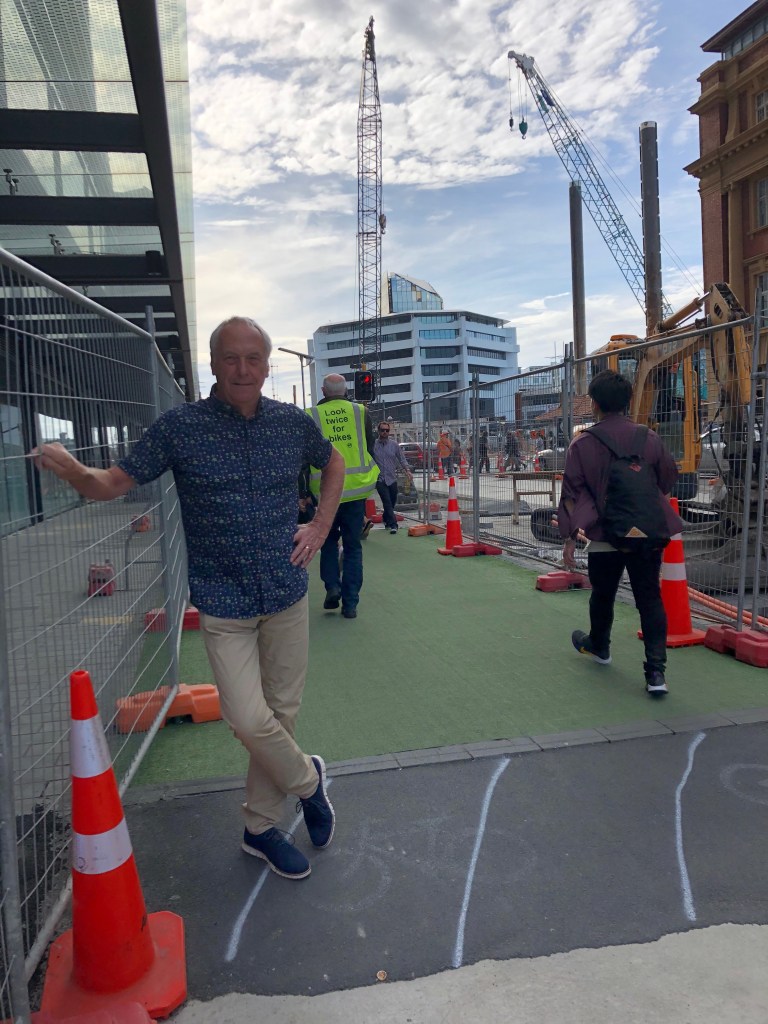
Auckland is preparing for the 2021 America’s Cup sailing competition so there is road and building construction everywhere.
After a nap we walked up the hill to the village of Parnell and shared butter chicken at Oh Calcutta, an Indian restaurant. The walk back, downhill, was considerably easier.
Friday, January 31
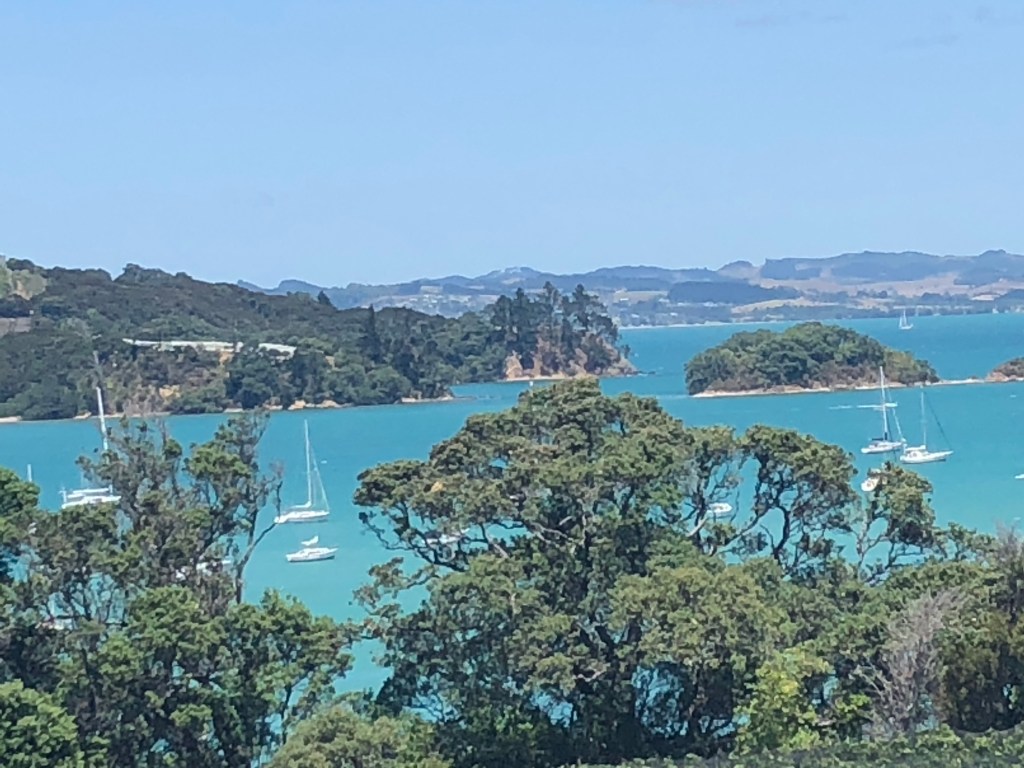
We got the 10:30 ferry to Waiheke Island, got on the bus and stayed on for the full loop, getting off in Ostend where we were told there was a seafood market. There was but it was for the sale of fresh fish, not a restaurant so be took the bus to Goldie Winery, bought a great picnic lunch and bottle of wine and took our basket up on the hill.
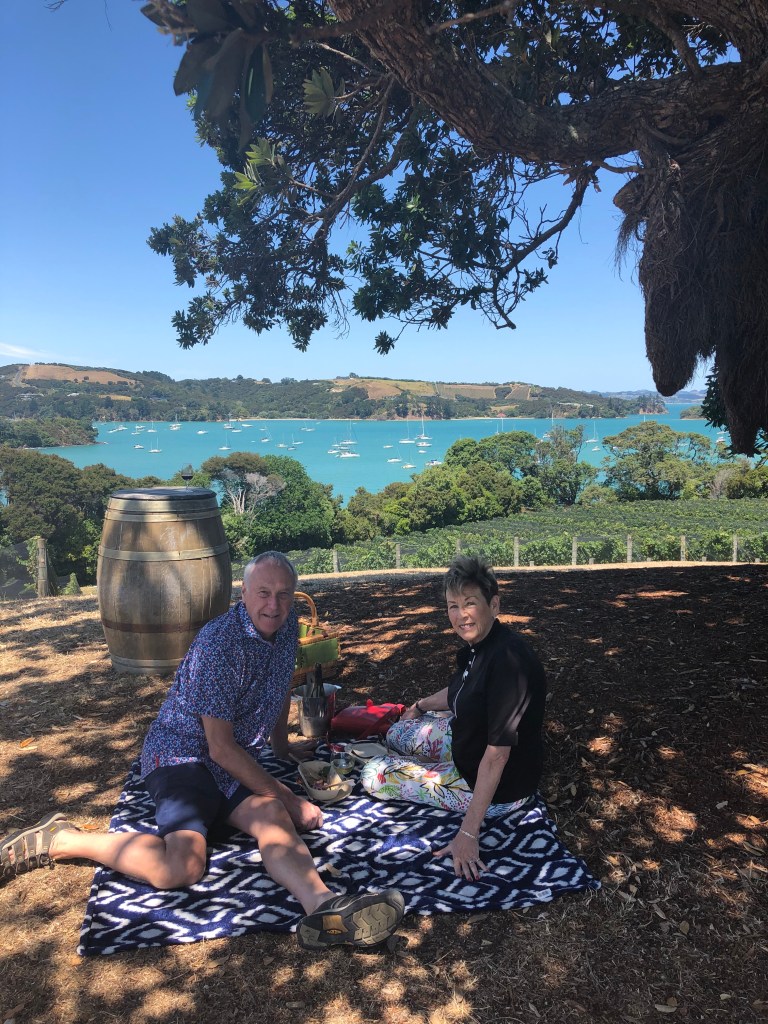
The view from the hilltop was beautiful and the lunch excellent.
We walked the beach.
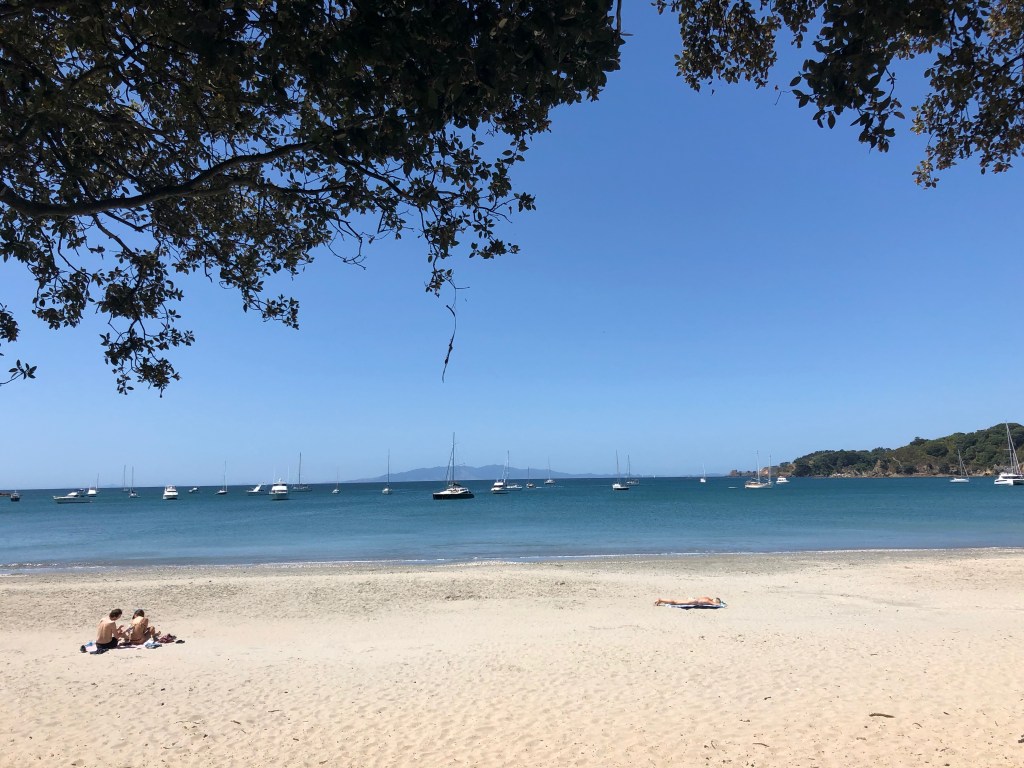
We got the 4:30 ferry back and arrived around 5:15 too late for the hop on bus so we took a taxi back. We brought the left overs from the picnic home and ate them for dinner.
Saturday, February 1. Auckland to Tauranga
This is where the fun begins with the car. We fretted all the way from Auckland to Tauranga about getting there with enough juice. The percentage on the dash kept going down and we could not find the charging stations and had not known to download the correct app. We finally found a charging station next to a library (after stopping at a golf club and asking) in Thames which was at least a half hour out of our way. We reached Pip and Bruce Ferguson’s apartment in Greenwood Park Village in Welcome Bay 2 + hours late for lunch.
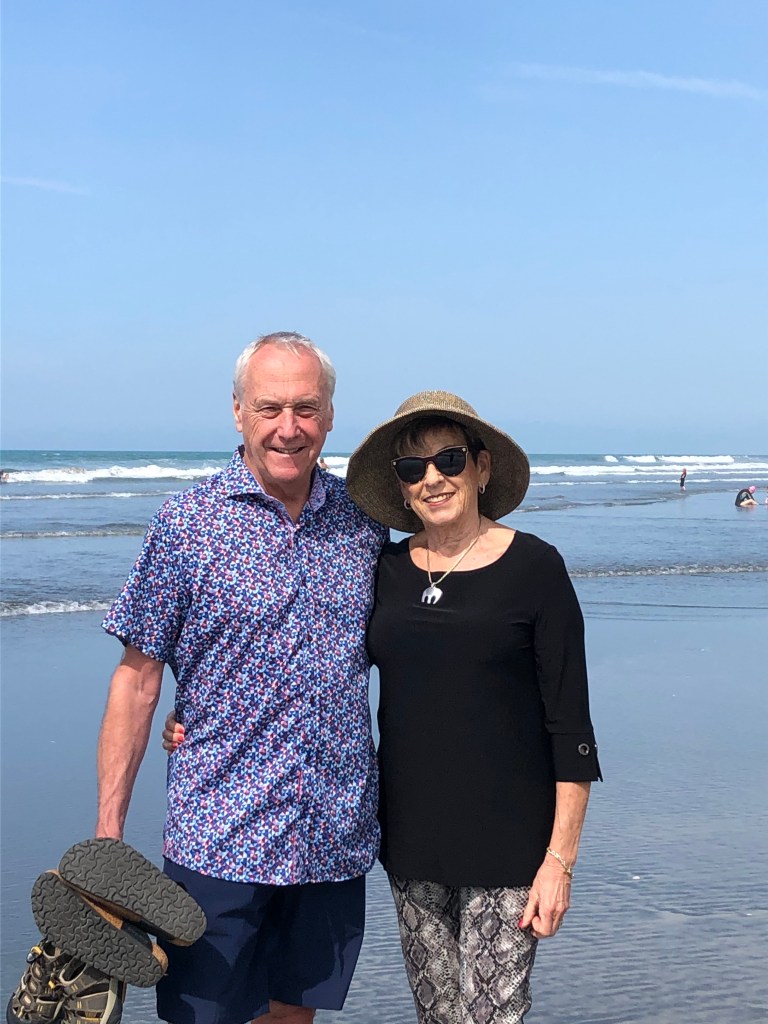
After lunch, they drove us to Ohope Beach an hour away on the coast. We walked the beach and looked for White Island where the volcano erupted but the smoke from the Australian bush fires was blocking the view. We had dinner and slept well that night.
Sunday, February 2. Tauranga
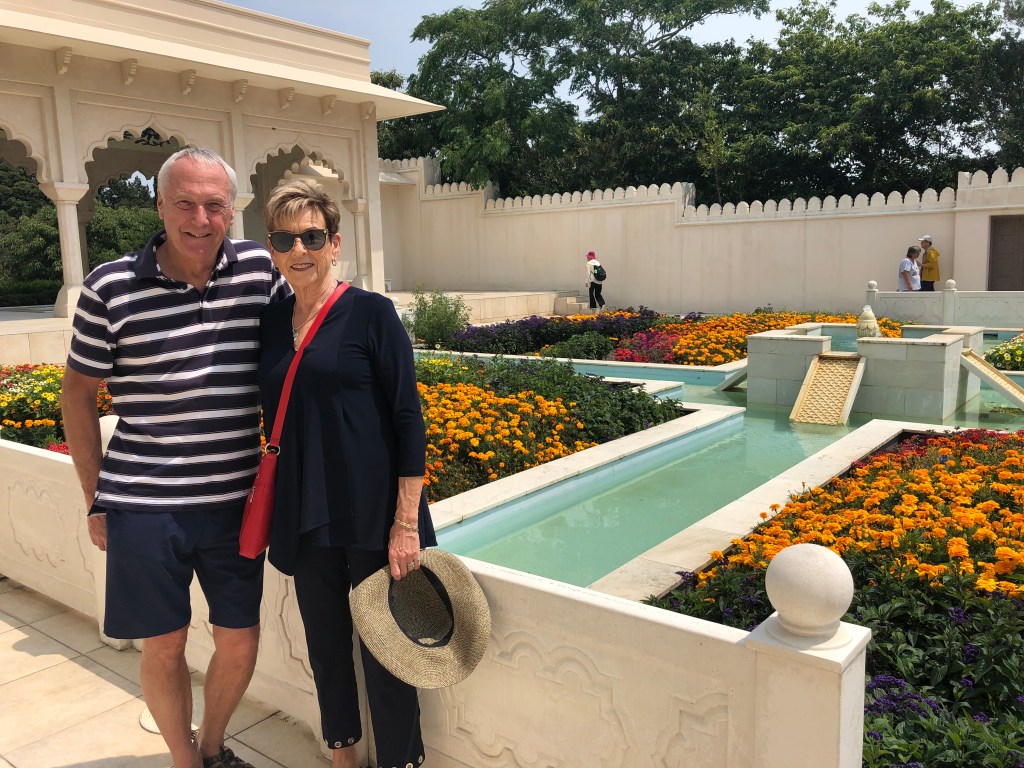
After breakfast, having downloaded the Chargenet app, Bill and Bruce headed out with very little charge (15 km) to find a charging station. Pip and I called the rental company to find out where the closest one was and if we could change the electric car for a gas-powered one. No, we couldn’t. We would have to make it work. We were directed to the closest charge station and Bill and Bruce made it with the dash flashing and no percentage of charge visible. After they returned, we had lunch and headed in Bruce’s car to Hamilton to the Botanical Gardens. It was hot but we had a great time enjoying the various theme gardens.
Bruce spent a great deal of time mapping out distances and charging stations for the rest of our trip on the North Island.
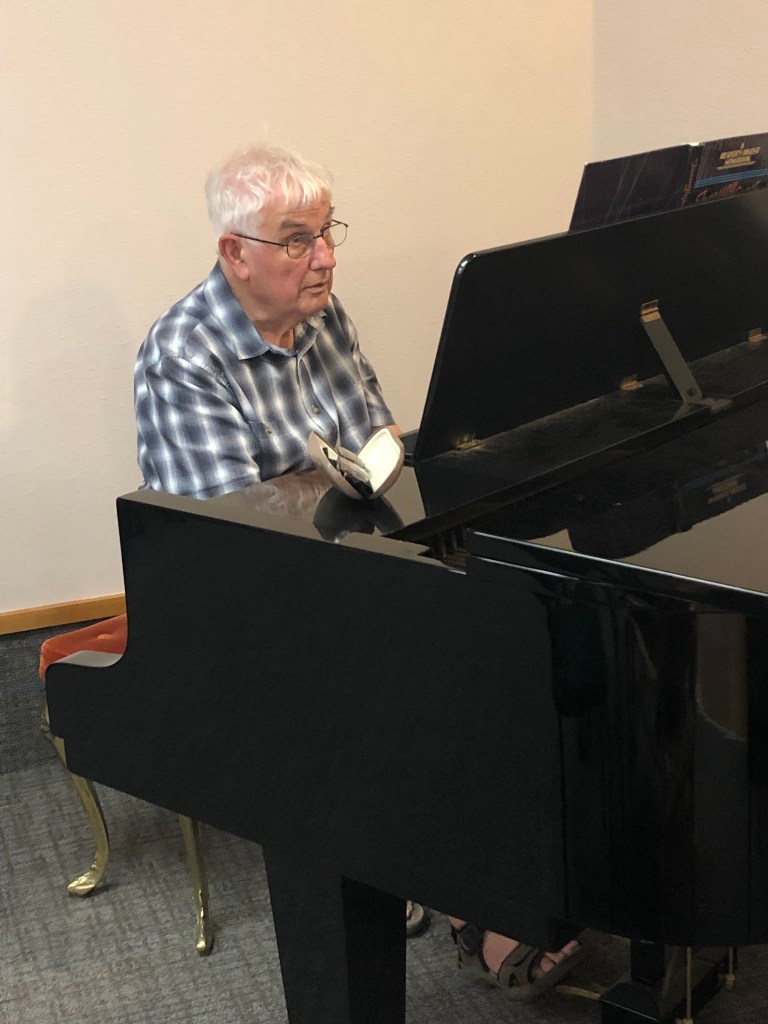
We went for dinner at FishFace, where we had a great dinner. We booked the Hobbiton Movie Tour for Sunday the 9th while in Rotorua so we could be sure of getting tickets. In the tour of their apartment complex, Bruce played the grand piano for us.
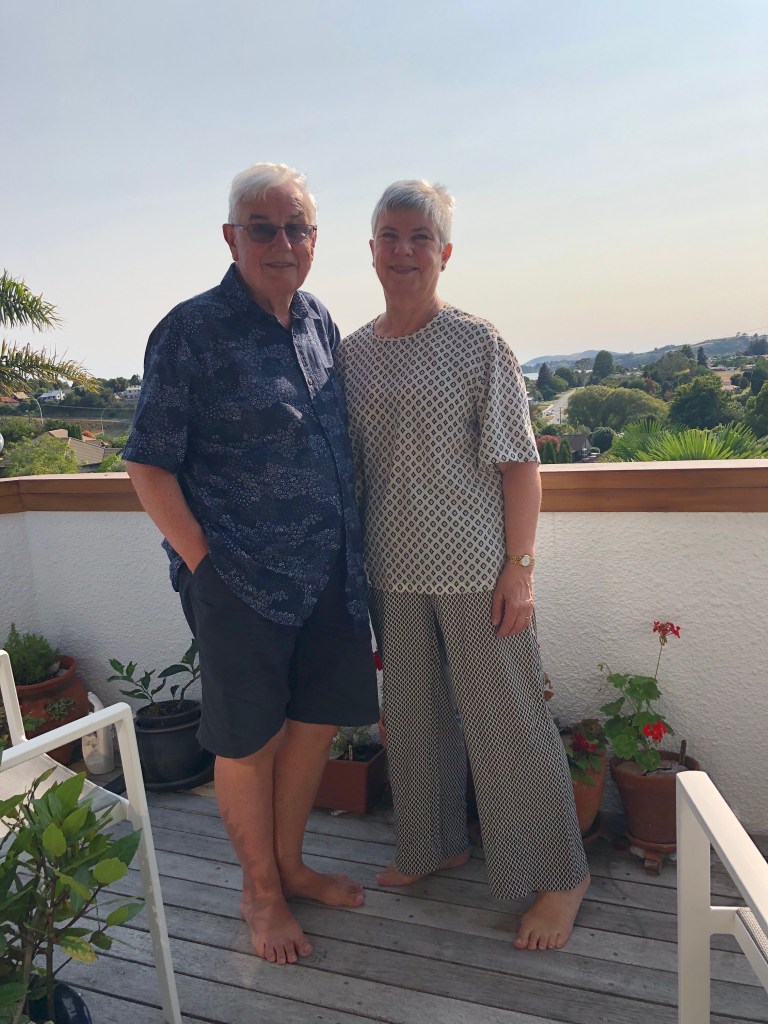
Monday, February 3. Tauranga to Taupo
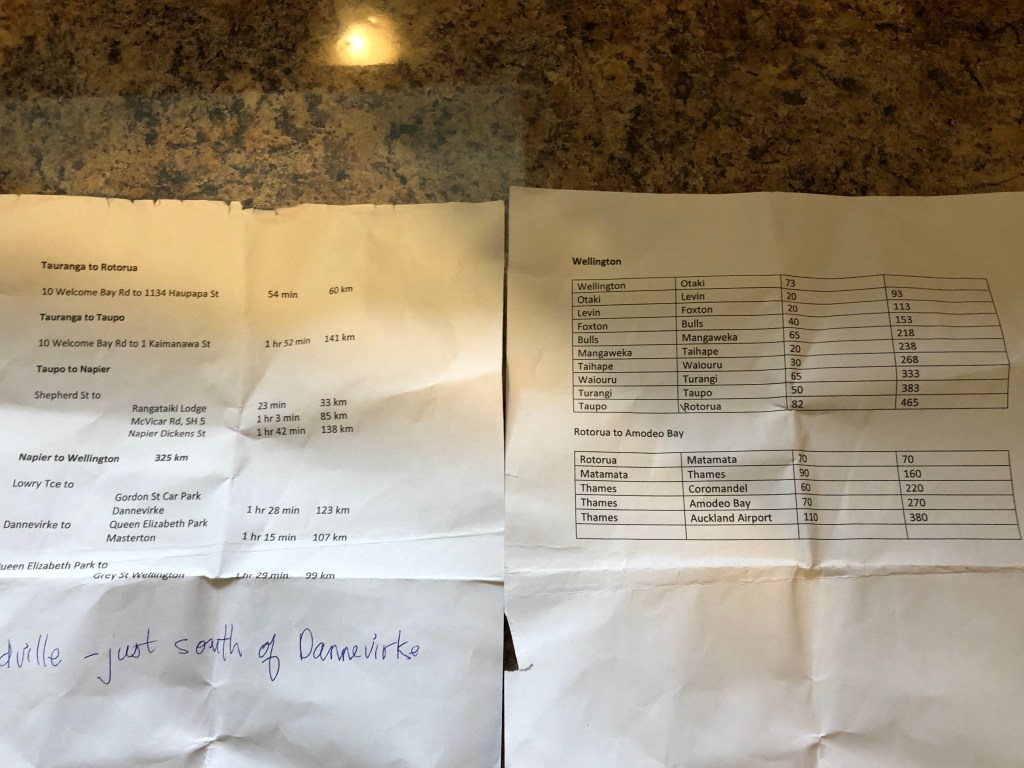
With Bruce’s distances and charging locations in hand, we stopped in Rotorua next to the Information Centre and spent the 30 minutes getting info for the rest of our trip. We stopped again as we entered Taupo at noon and went to a nearby restaurant and shared Fish tacos for lunch.
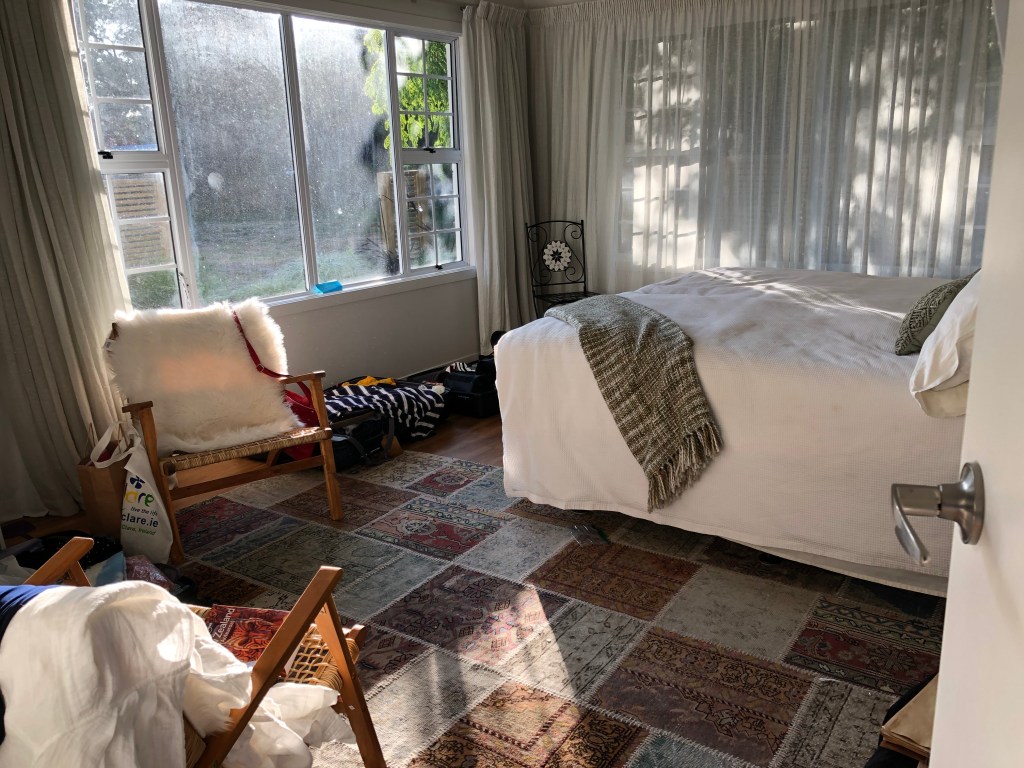
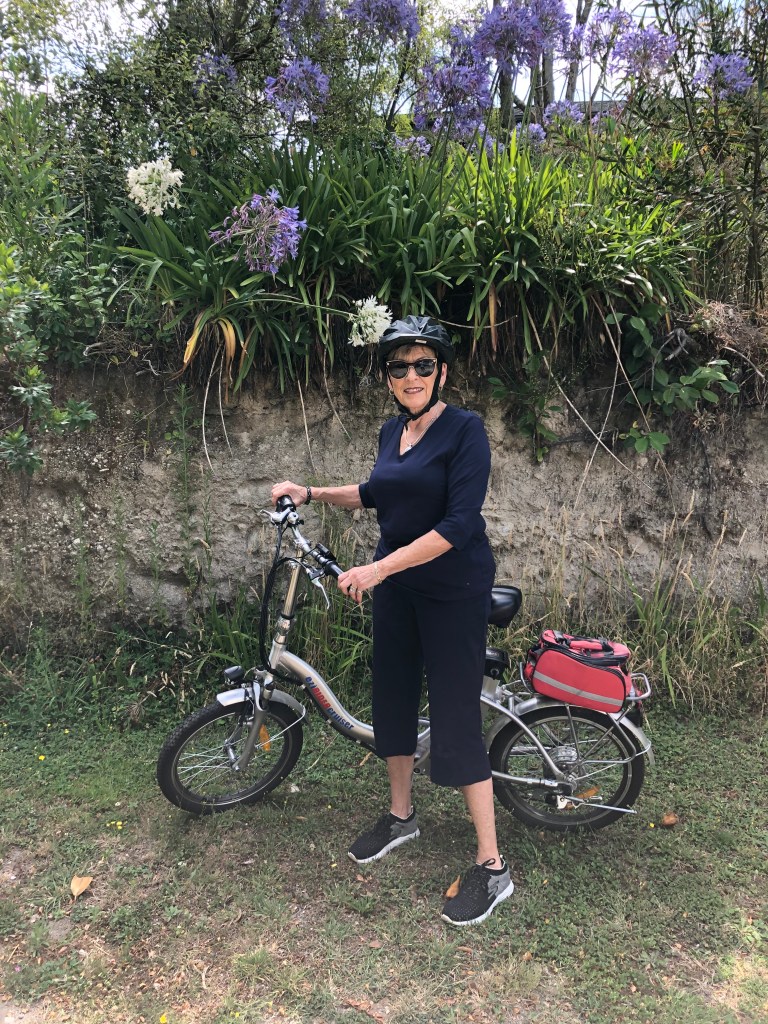
We arrived at Kristin’s Garden Retreat inc Breakfast+ebikes, Shepherd Rd as directed. She was home and we saw that she had a Nissan Leaf. She said that she loves it but only uses it around town. Her husband has one as well but with an hour and a half distance to work, he traded it because it was consuming too much time. Yeh, right. This airbnb is very new and very lovely. We have bedroom, bathroom, kitchen and outdoor seating area which we used a great deal.
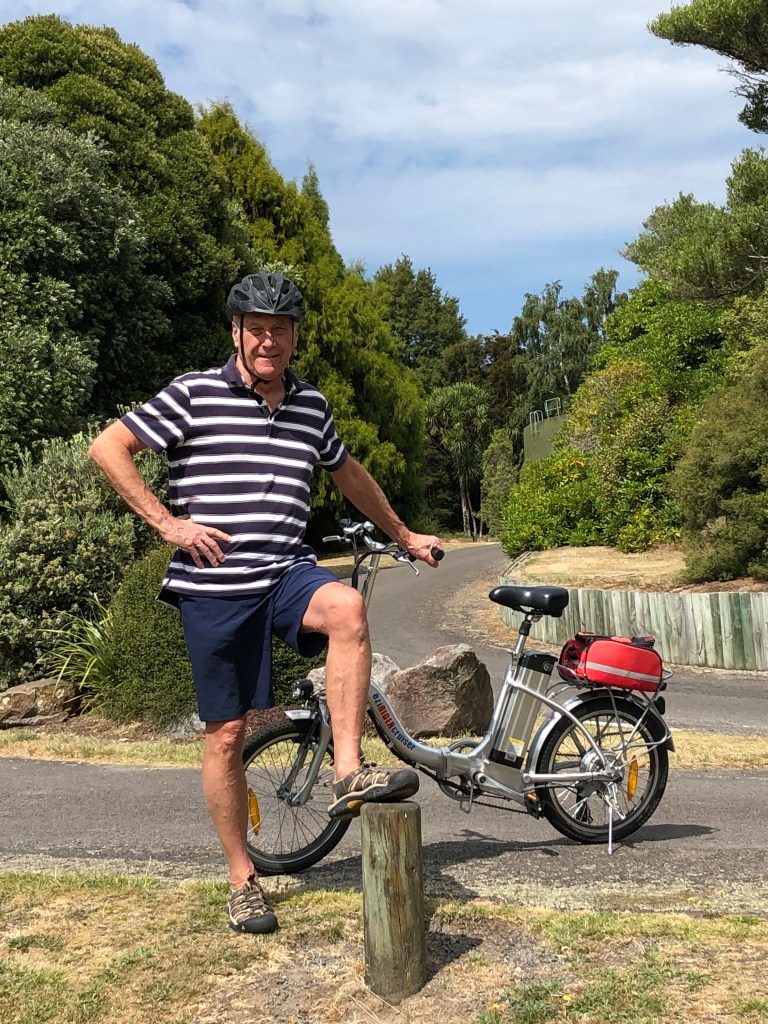
We also have bikes that we took on a tour of the Botanical Gardens just up the road from the airbnb.
We went to The Vine for dinner as recommended by Kristin and other people who signed the guest book. The dinner was a shared plate of large mussels and Rack of Lamb: both delicious but quite expensive. With a $20.00 minimum wage, the meals are more expensive but there is little or no gratuity.
Tuesday, February 4. Taupo
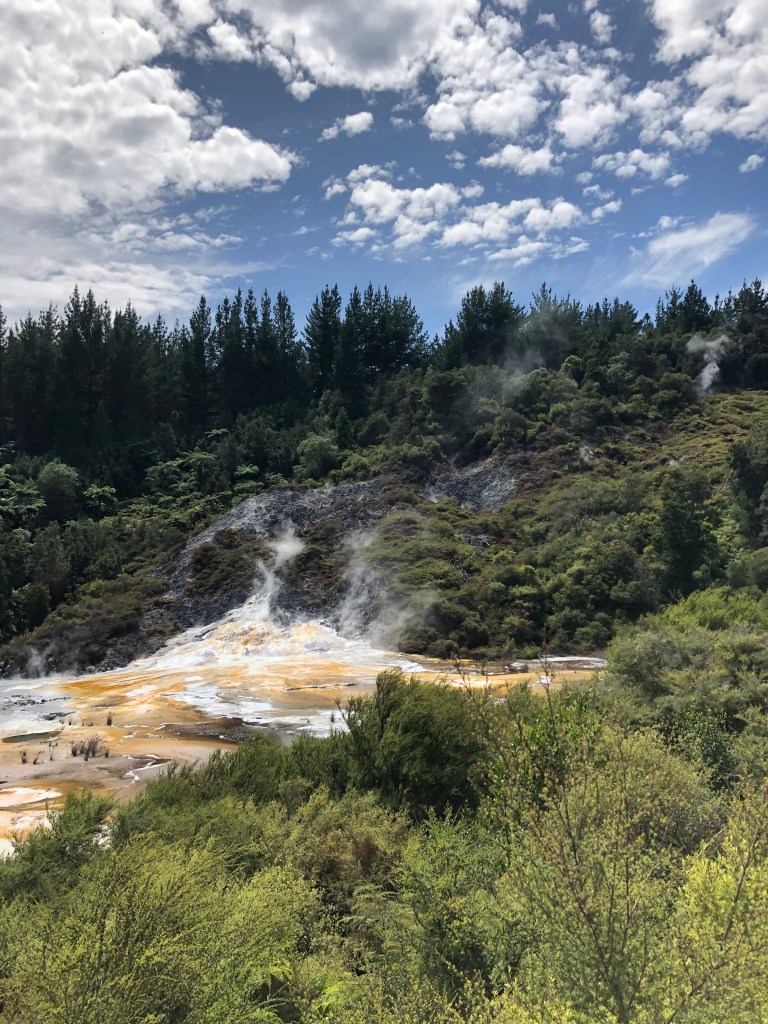
After breakfast of coffee, granola and toast, we headed to the Information Centre. We wanted a walk and to see the thermal areas. We bought tickets for Orakei Korako, described by Lonely Planet as “arguably the best thermal area left in New Zealand” for $30 each. It is 30 minutes outside of town and a very enjoyable drive through hilly rural areas with sheep and cows and brown fields. The water taxi took us across the lake and we walked on a wooden path up and down stairs for an hour and a half. The large geothermal field straddles the Waikato River at Lake Ohakuri.
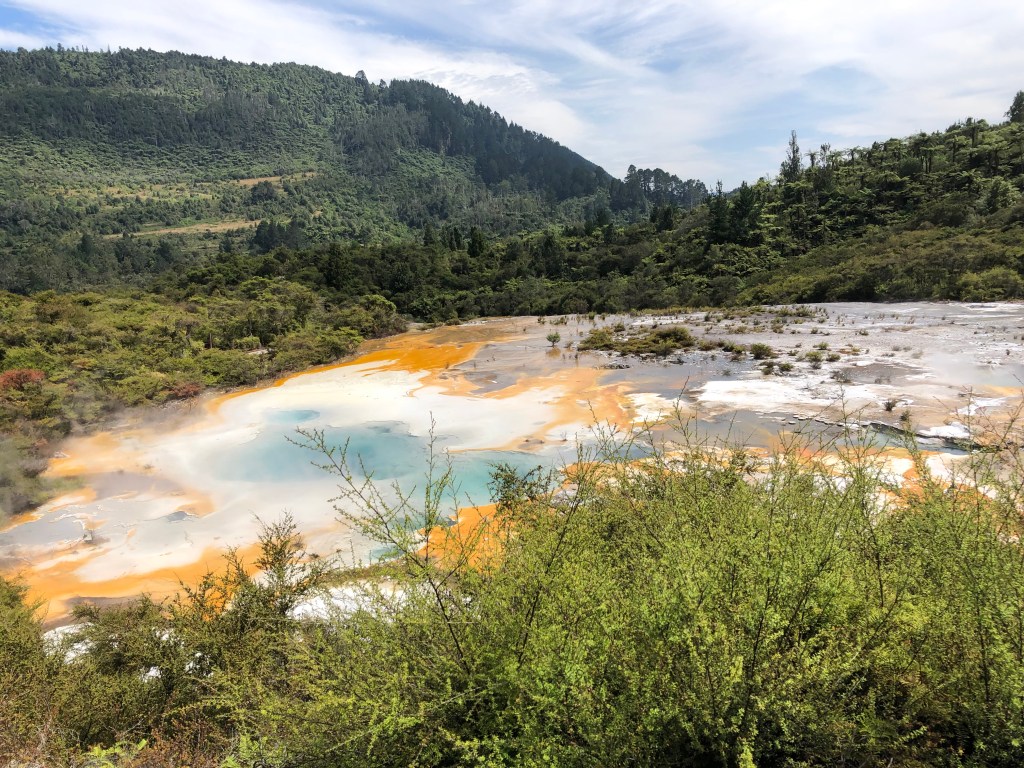
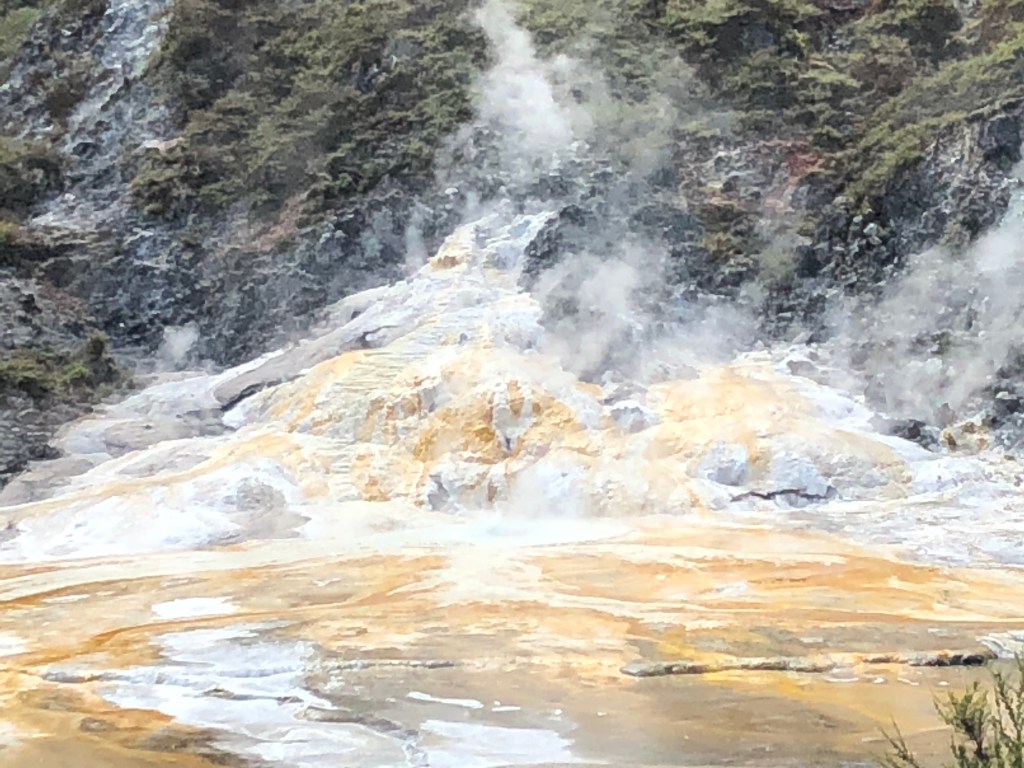
The terraces are active with steam and water and bubbling mud. Incredible, vibrant colour, gurgling Mud Pools, Volcanic Hot Springs and a Geothermal Cave. It was already a hot day and with the heat from the steam from the subterranean geysers and the smell of sulphur, it was an incredible experience.
On the way back to Taupo, we stopped at Huka Falls the most visited and photographed natural site in NZ. Nearly a quarter of a million litres of water per second erupt from the gorge and thunder 11 metres into the Waikato River.
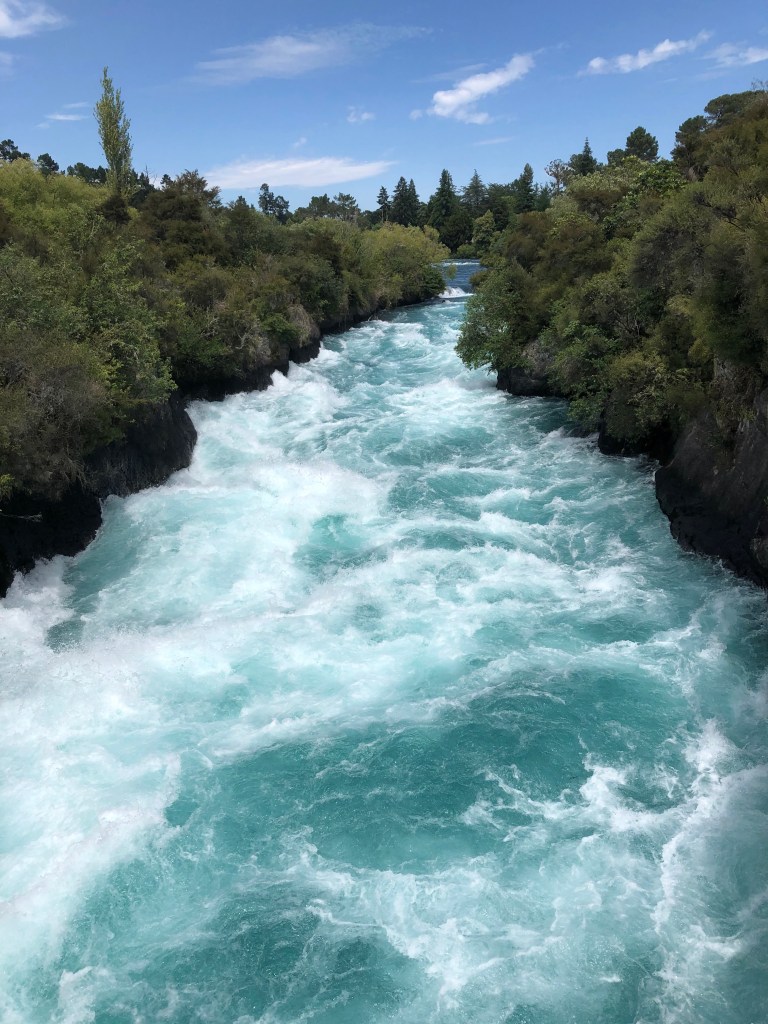
The force is caused by the Waikato River being forced to narrow as it passes through a hard volcanic canyon. This increases flow, causing water to burst out with great force as the gorge ends.
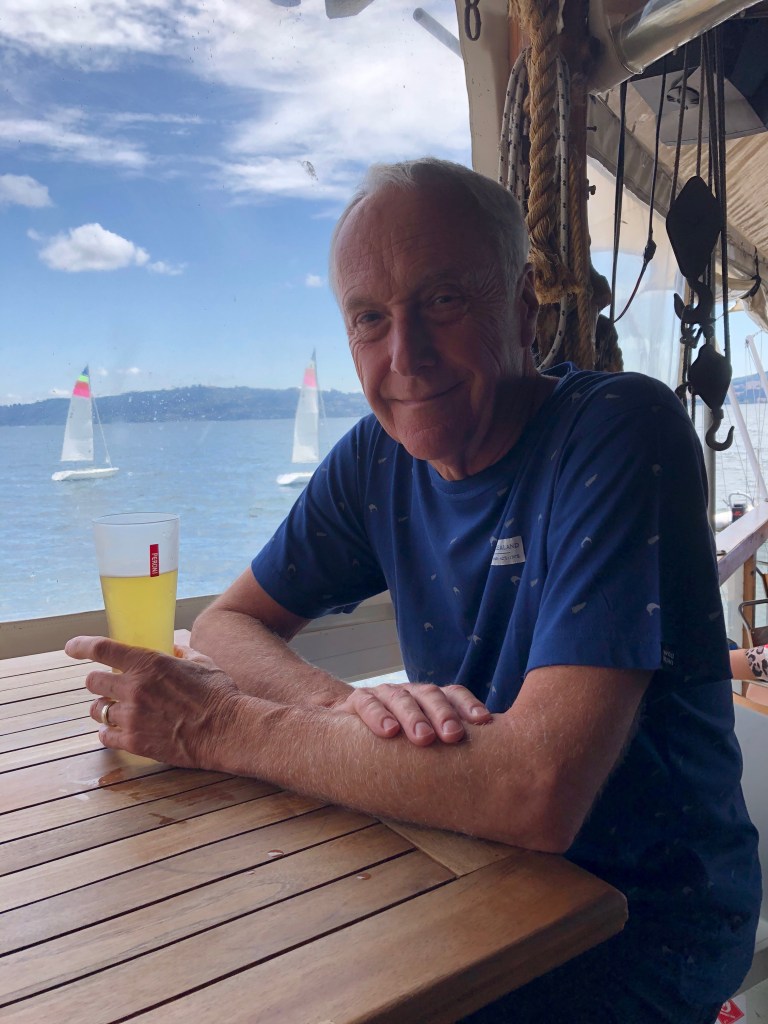
We spilt a sandwich for lunch at Two Mile Bay Sailing Club. While the environment is entertaining, especially the guys learning to paddle board in rough water, the wait time to get served was inordinately long. Then it was time for charging the car so we waited for 3o minutes, bought groceries for dinner and came home.
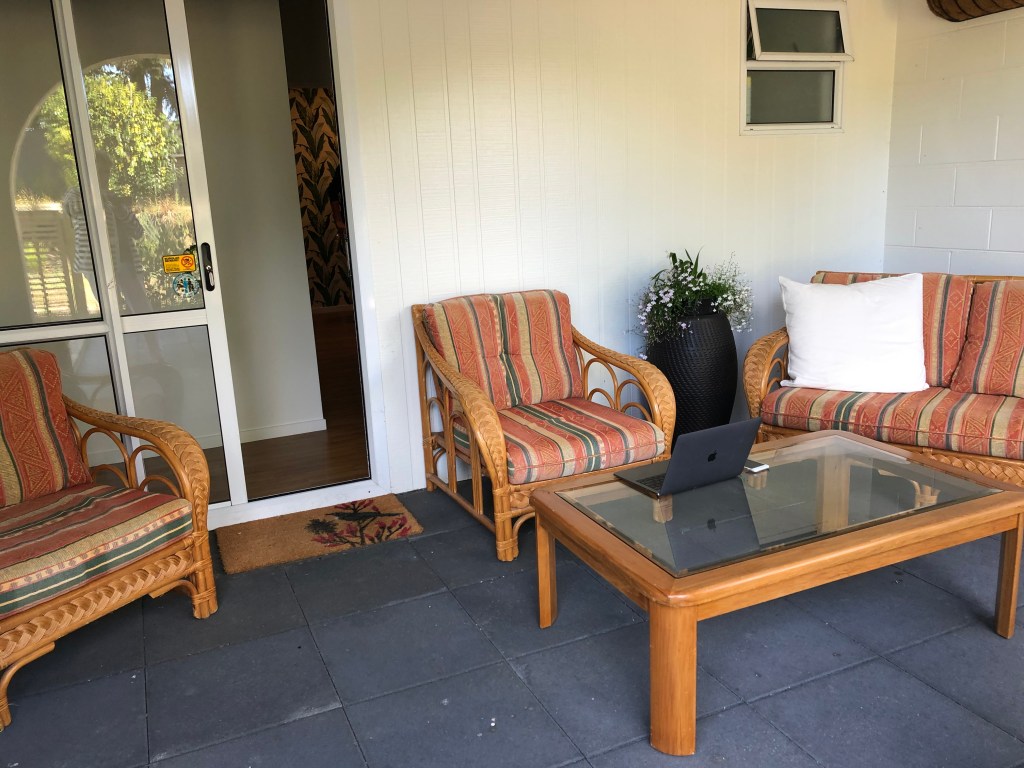
There is an electric grill here that Bill used to cook the dinner of vegetables and lamb chops – excellent with the bottle of wine that Bruce and Pip sent with us.
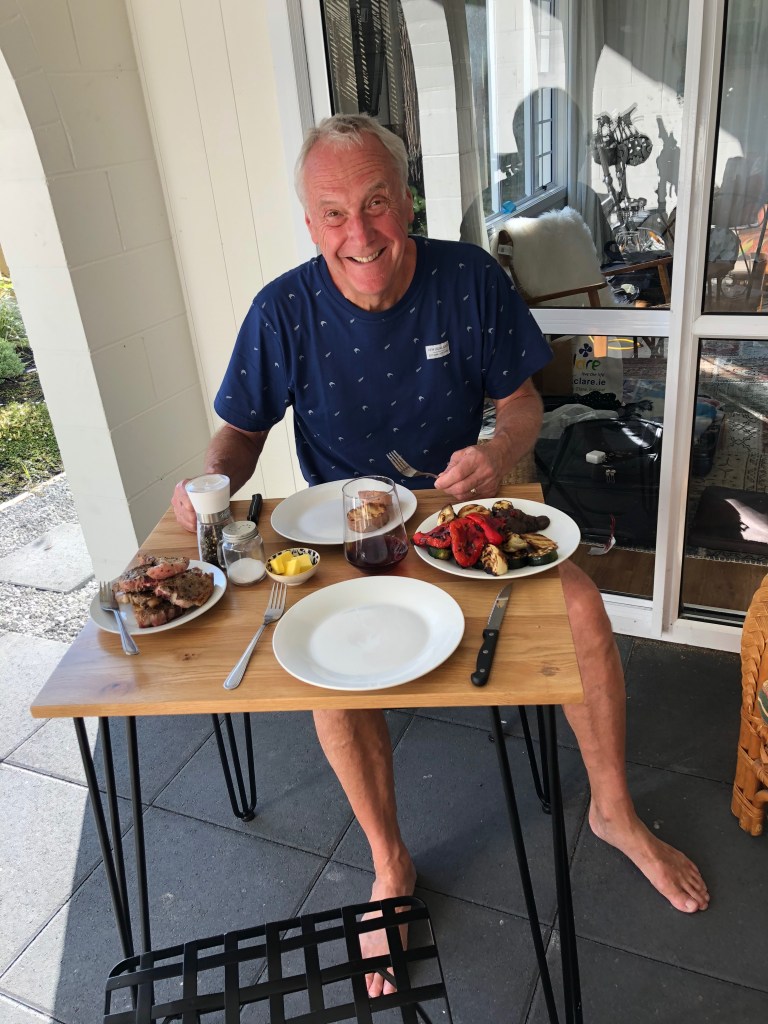
Wednesday, Feb 5 Napier
A little cooler this morning, about 15 but warming up 24 today in Napier. Breakfast on the patio and on our way at 10:00. We started for Napier with 93% charge thinking that we could make it all the 140 km being just on the bubble for our distance but decided to play it safe and stopped on the way and again when we arrived in Napier. From the charging station, we walked to the Information Centre and bought tickets for the two hour Art Deco walking tour ($25 each).
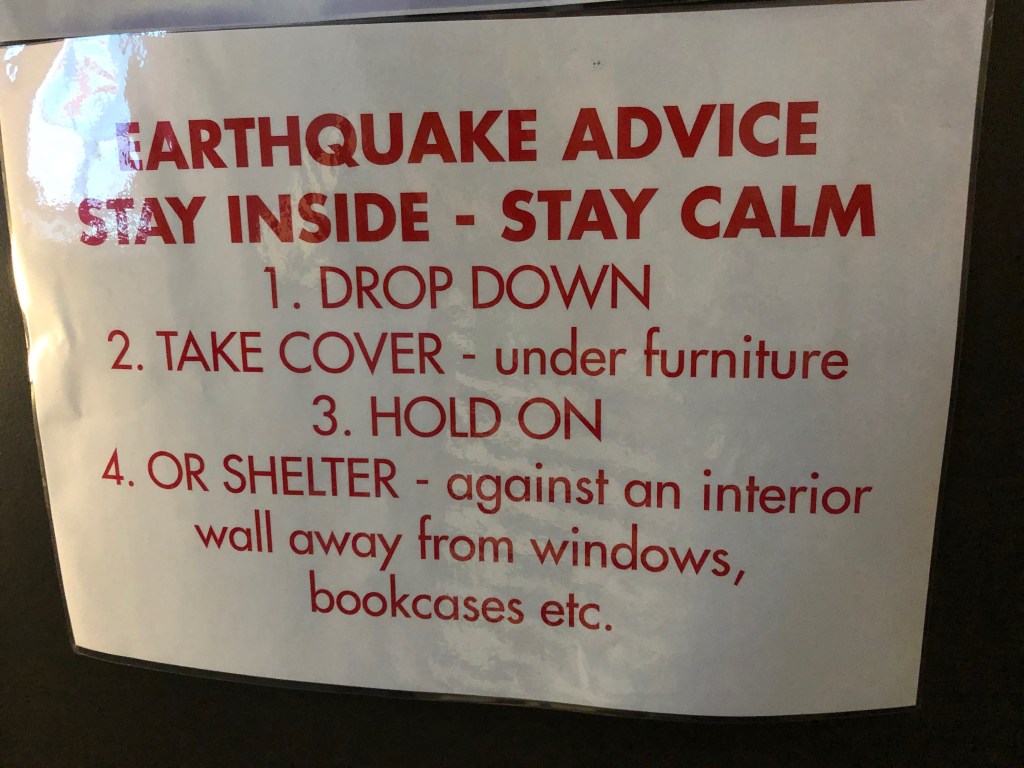
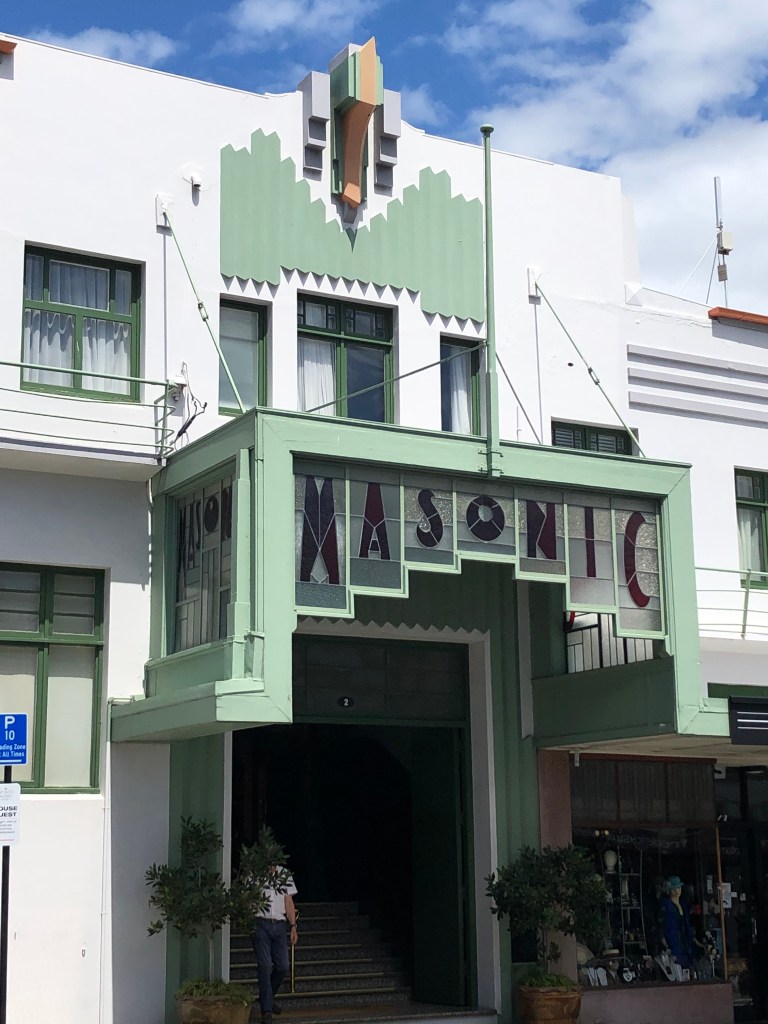
After a few takeout dumplings, we joined the tour. This is a victory narrative as the town survived a 7.9 Richter earthquake in 1931. Most of the town was flattened and then fire increased the damage.
Our guide for the Art Deco tour of Napier was very informative on our walk through the downtown. Before we started, this sign was on the wall:
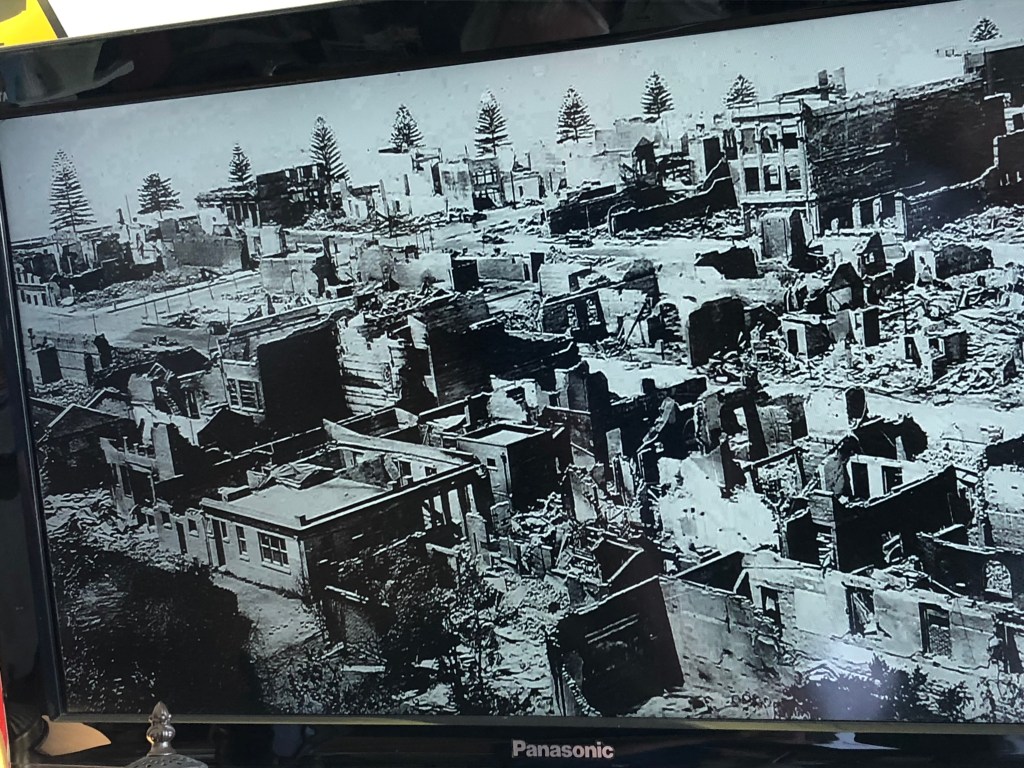
The town was rebuilt and has worked very hard to maintain the Art Deco buildings as part of their heritage.
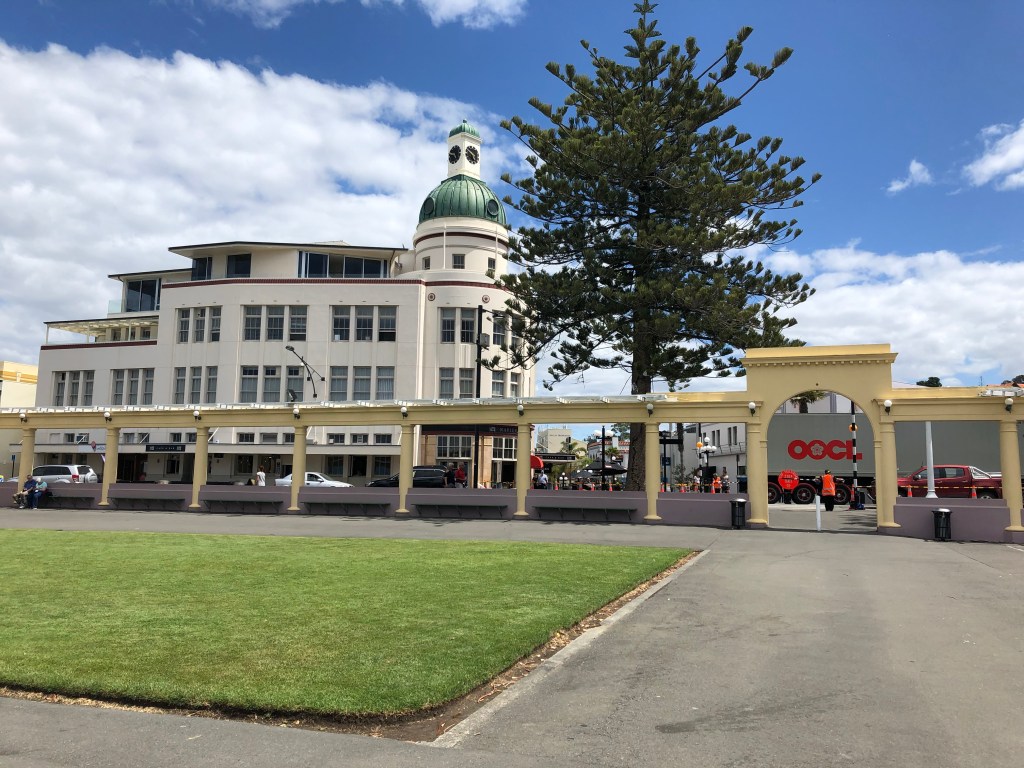
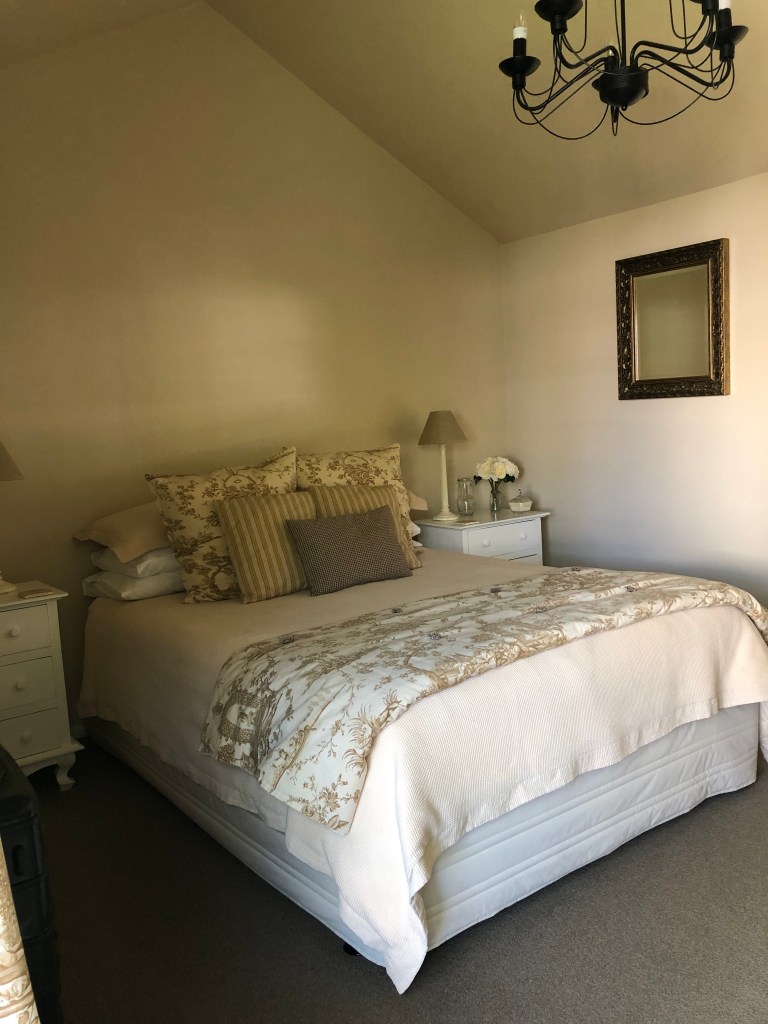
We found a grocery store for beer and wine and a liquor store for gin and Margy, the owner, met us at The Cottage L&C (lemon tree cottage), Lowry Terrace, Marewa, Napier. We have our own cottage with kitchen and hot tub.
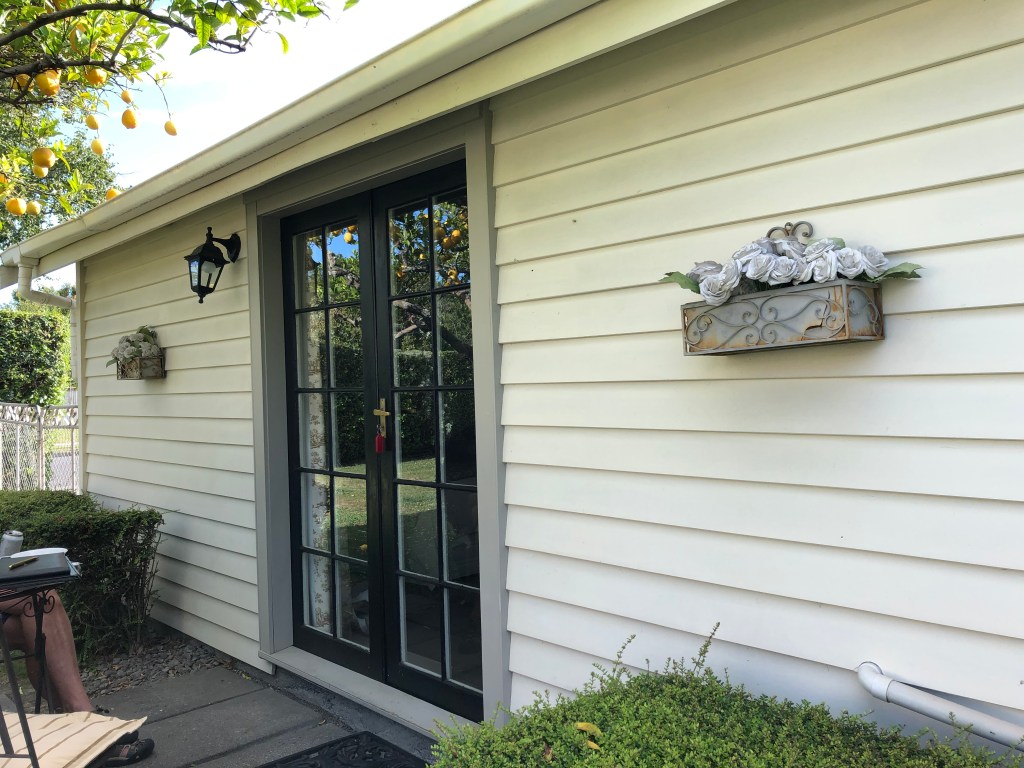
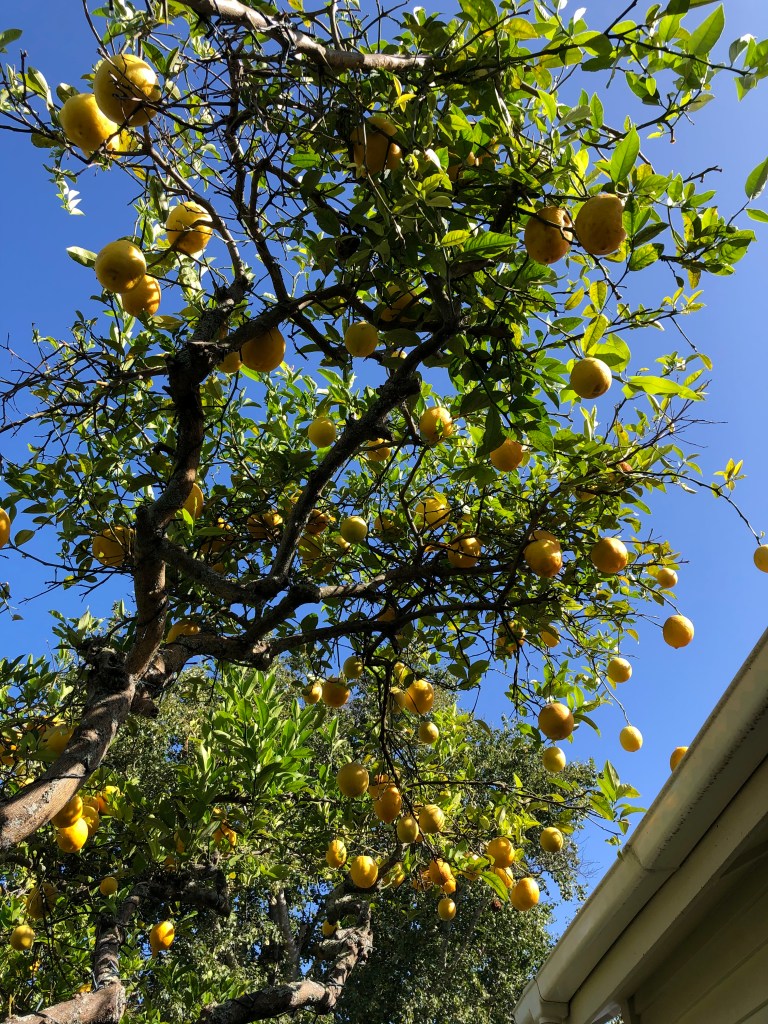
After a snack sitting outside under the lemon tree which is loaded with lemons, and visit with Margie, the owner who has a decorating business with her sister, makes Roman blinds, we went to Kilim, a Turkish Restaurant where you bring your own bottle. Our shared meal of feta pastry appetiser and meal of skewers of meat, salad, hummus, taboulet and yogurt, was very good and we were surrounded by paraphernalia from Turkey, including evil eyes in every shape and form.
Thursday, February 6 Waitangi Day
It’s a national holiday celebrating the signing (at Waitanga up north in the Bay of Islands) of the Treaty between the Maori and the Crown. Workers tend to take a long weekend. A little cool this morning sunny (18) with a high of 21 and the usual winds- very windy here all the time.
We had a long day: drove over 300 km and it took 6 hour, left 9 and arrived at 4. This damned electric car takes a half hour to charge every 100 km. It was a long drive passing many km of grassland, cattle and sheep grazing in the fields, a few small towns and over and down very high hills. Hills are important because when we are going up, the battery is draining like mad and when we are going down, it is gaining charge. Coming into Dannevirke, we had the dash flashing with no percentage of charge left-that gives you a stomach ache. When we stopped to charge the car, the Waitangi Day celebrations were underway. The choir of Maori singers gave impressive renditions of Maori songs in Masterton .
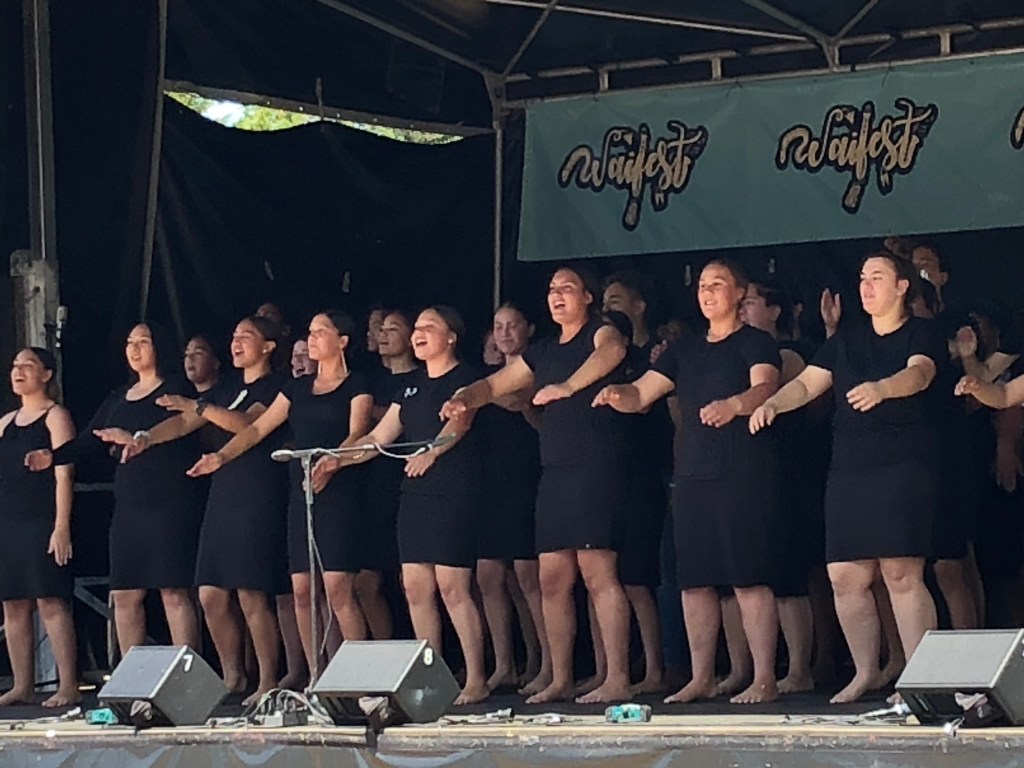
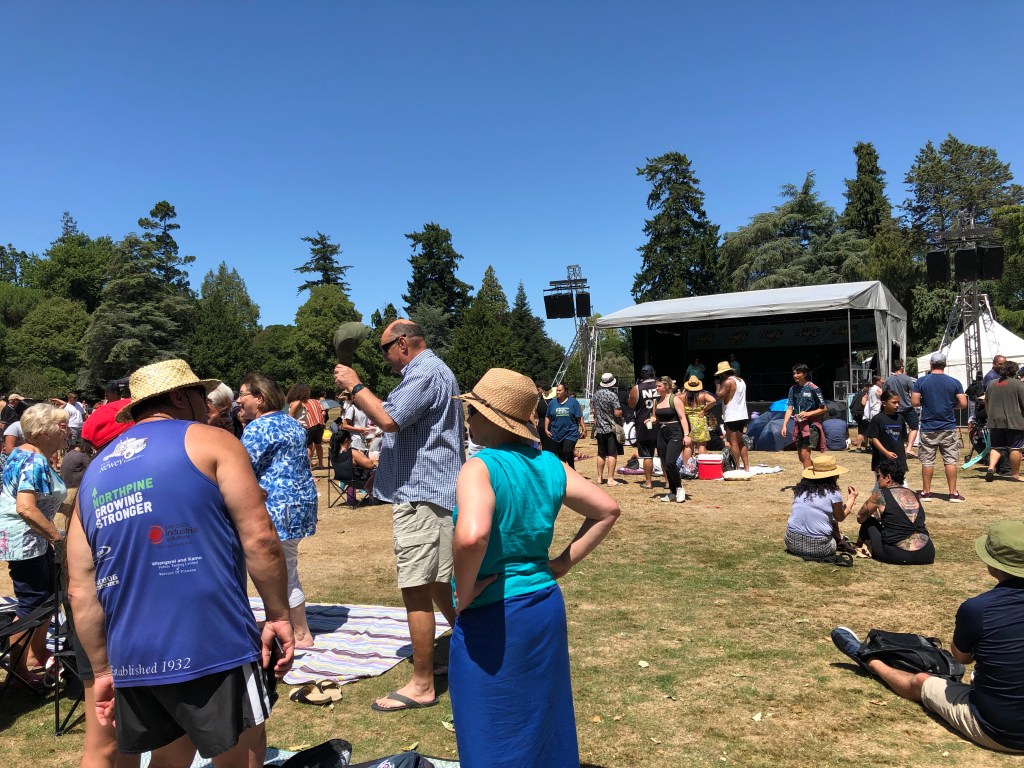
Finally, we stopped in downtown Wellington next to the Intercontinental Hotel looking for the charge station which again was hard to find but the staff there pointed us in the right direction. Luckily, we were near a Countdown grocery store and bought the ingredients for dinner.
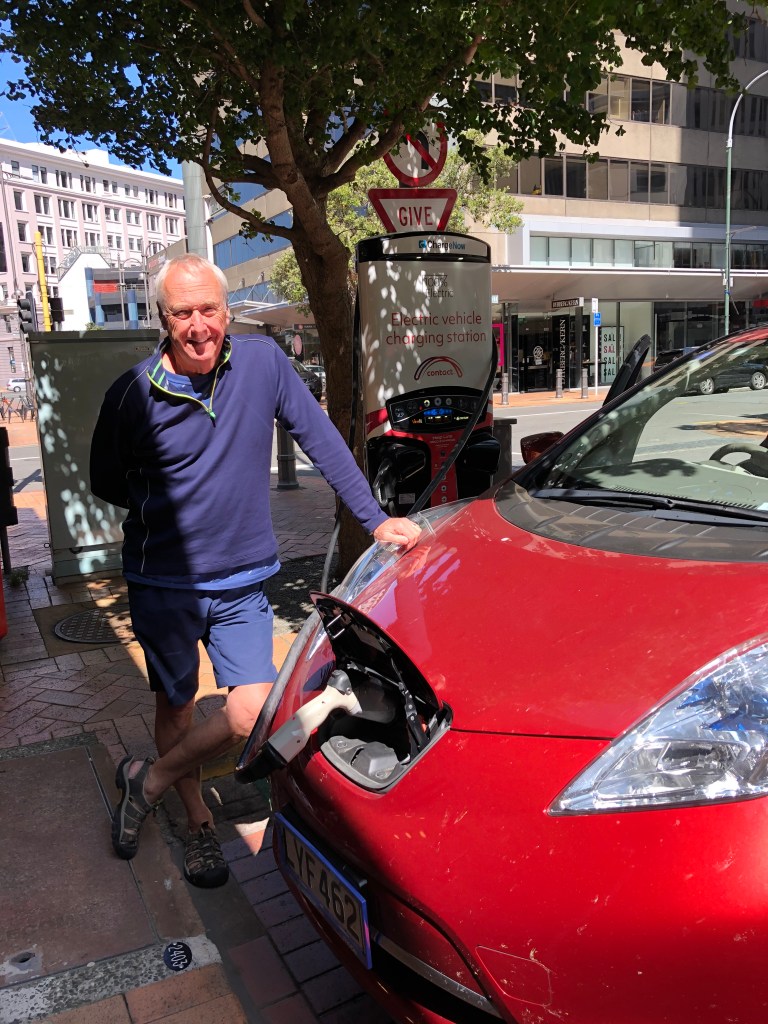
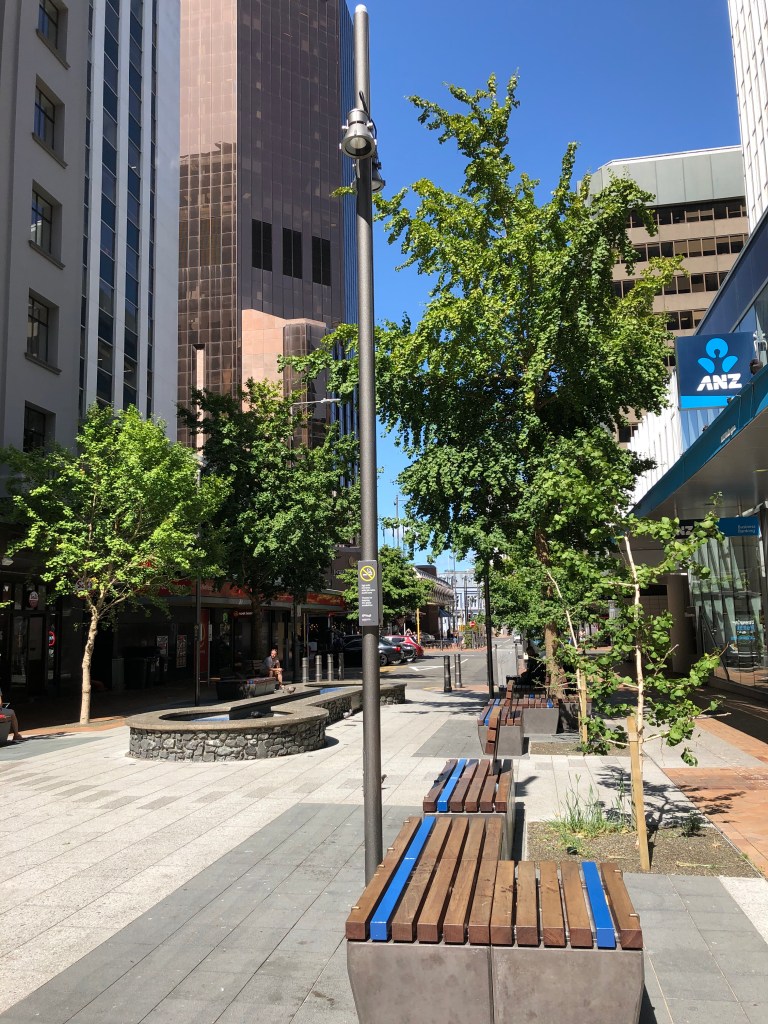
Anyway we arrived in Wellington, parked in a parking garage across from the apartment building and had a drink and made dinner in this downtown apartment with the music of an outdoor concert playing as it is a national holiday. Richard, the owner, a forensic nurse who works for the legal system, left very specific instructions on how to get here and get in as he is out. He arrived shortly and we had a great conversation about life in Wellington and where we might go the next day. There is also an Australian couple staying at the apartment as it is a three-bedroom, each with bathroom. Richard said that real estate is very expensive and that he had had a smaller one in the building and sold it and bought the current on for over a million dollars.
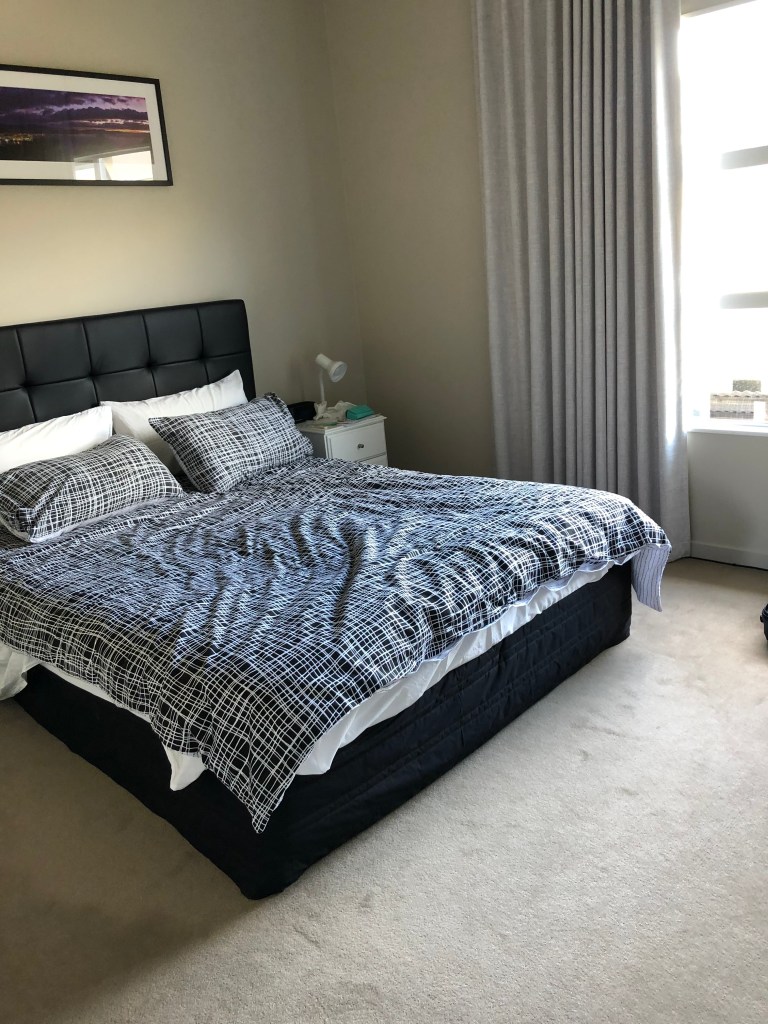
Large Bedroom 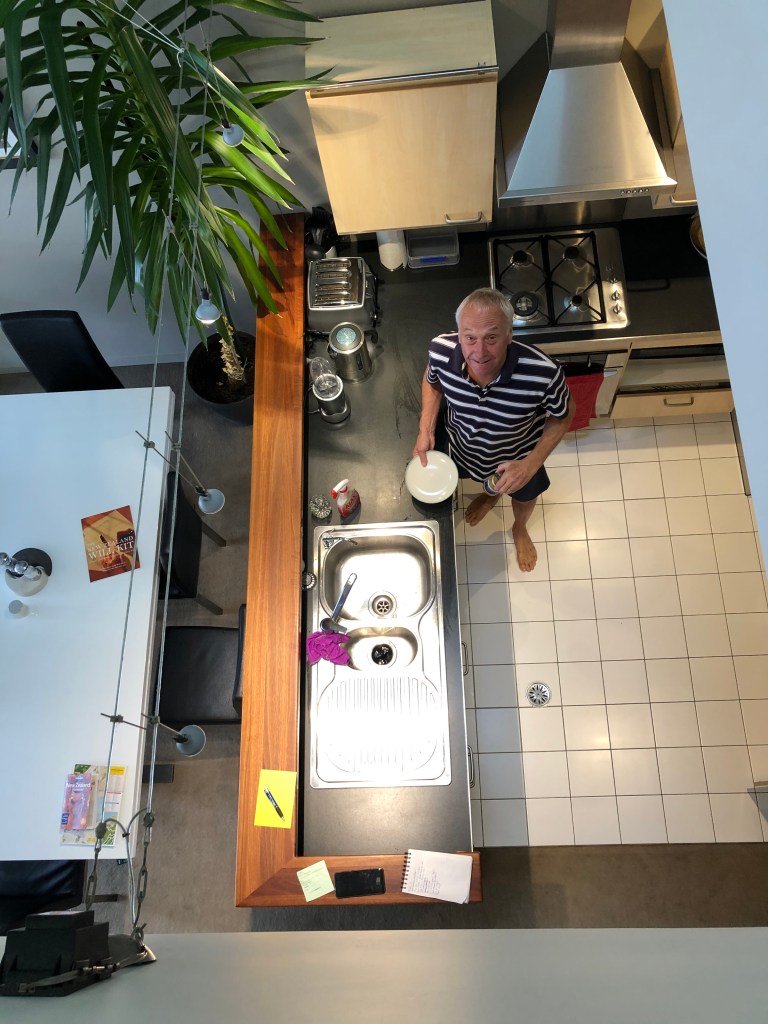
Kitchen from landing
We had access to Richard’s full kitchen and made a pasta dinner with a bottle of good NZ wine. After a little TV in our room, we crashed early.
Friday, February 7. Wellington
Richard informed us that the parking lot that we were in was very expensive (turned out to be $76) and so Bill moved the car in the morning for $25 a day and $8 a night or move it for free street parking after 8:00. After eggs with the left over pasta, we headed out for our walk around the city centre and along the waterfront.
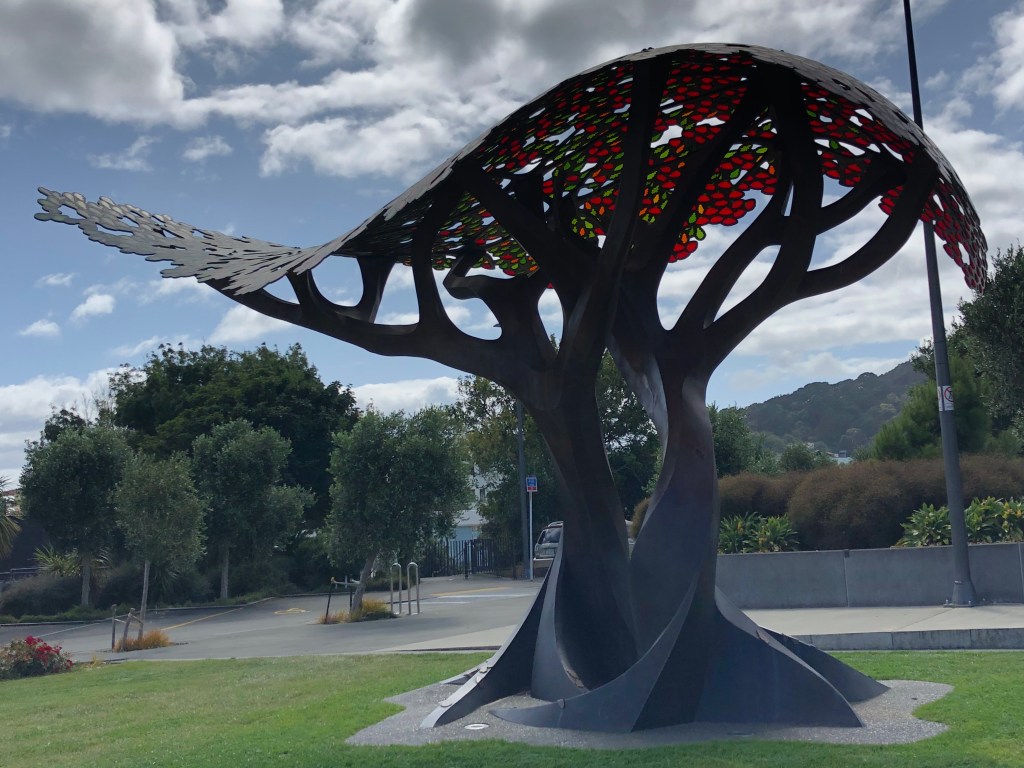
War sculpture in War Monuments Park 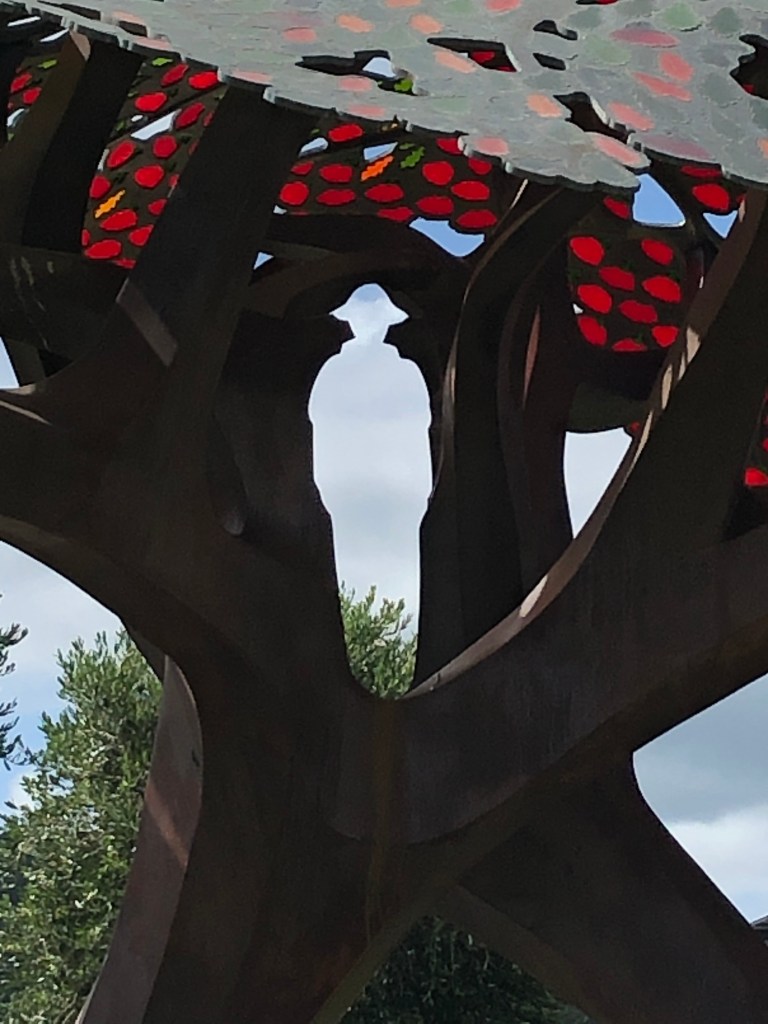
Image of Soldier in sculpture
We followed the Sculpture Walking Tour from Lonely Planet in reverse from the top of the Cuba Street down enjoying all of the sculptures on the way.
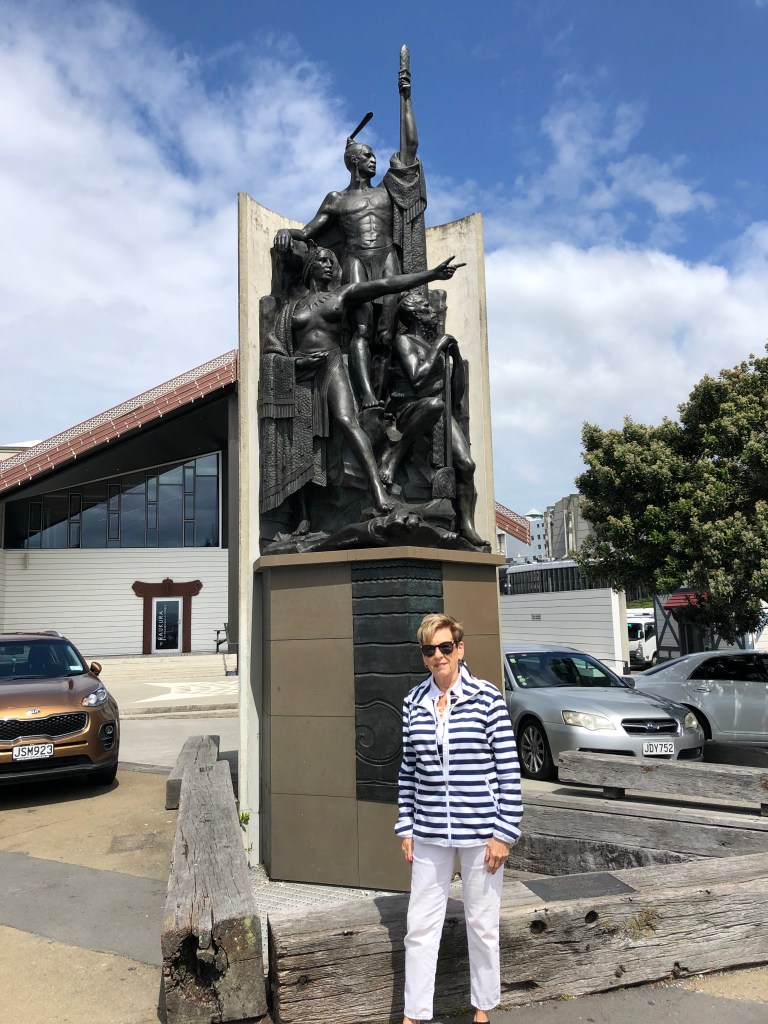
Sculpture of Maori 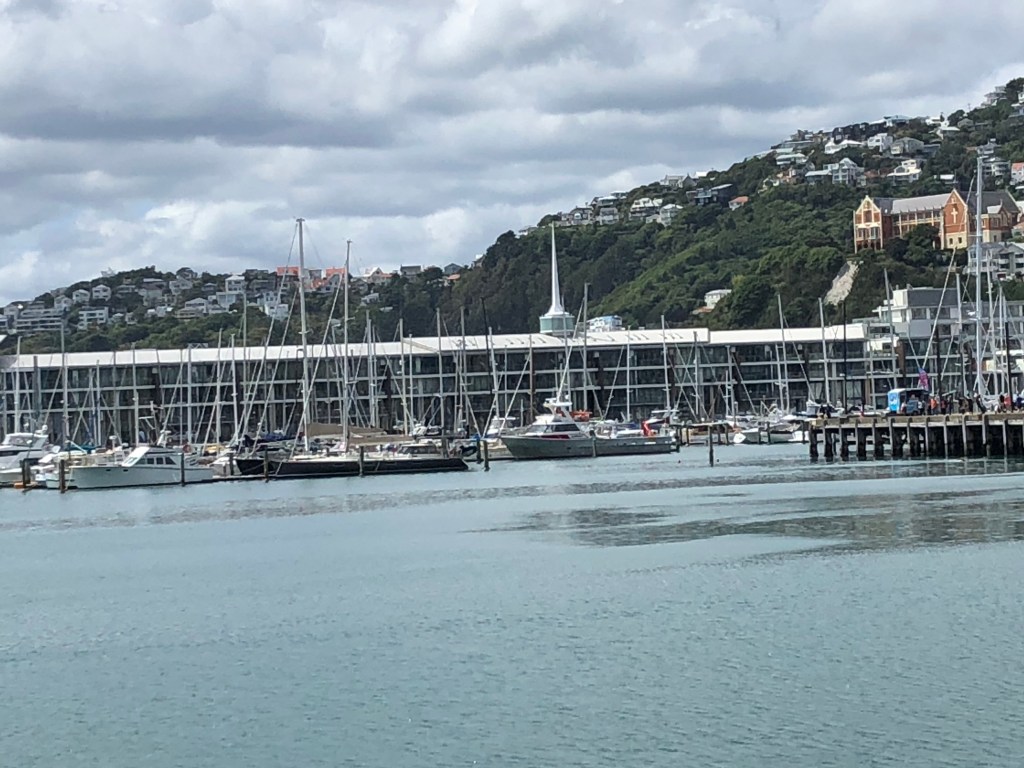
Yacht Club
After walking the waterfront, we stopped for lunch at Lillett and shared a salad and curry chicken dish.
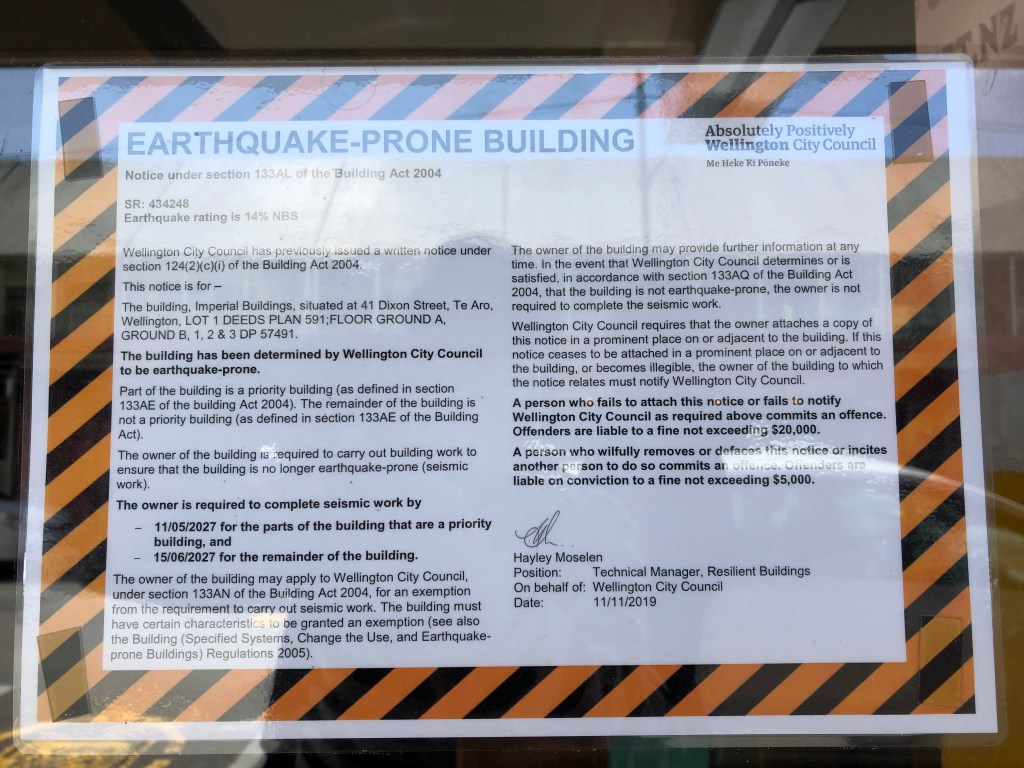
Earthquake-prone sign in store window 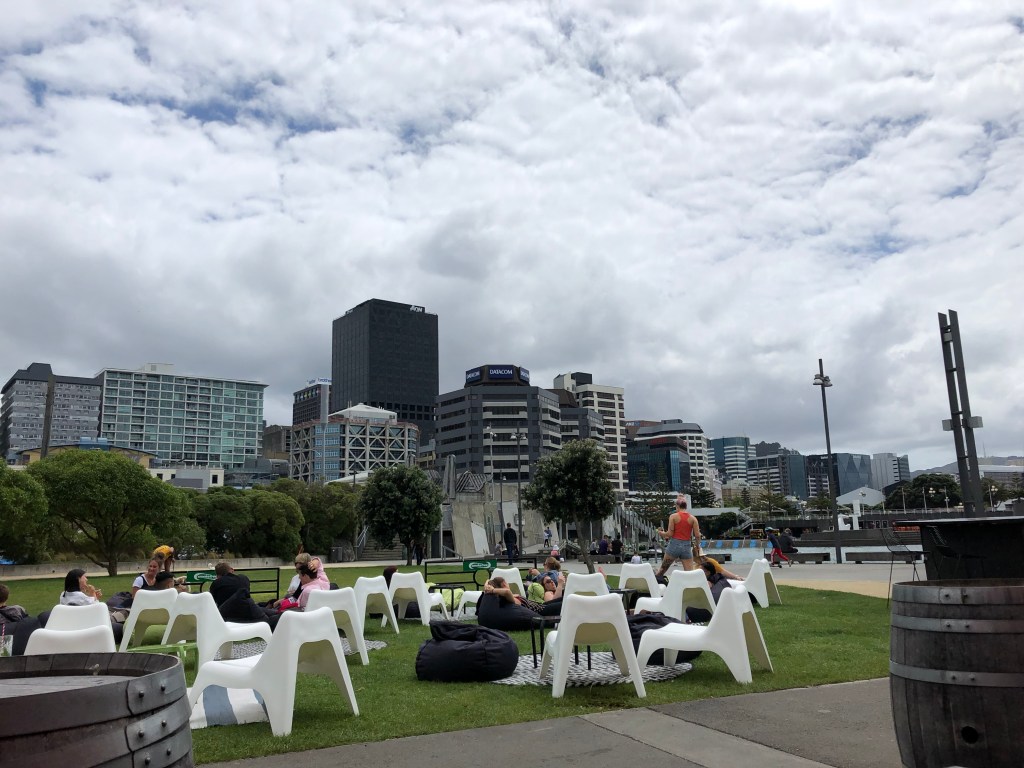
View of Wellington skyline
Then we toured the exhibits in Te Papa Museum with information on the local wildlife, birds, volcanos, tsunamis and earthquakes, including experiencing an earthquake in a little house.
We walked back to the apartment, had a rest and walked down the street to Chow, an Asian/Fusion restaurant recommended by Trip Advisor and by Richard. It was great. We had lamb curry, calamari, fish cakes and a bottle of local wine. Restaurant meals are expensive ($135) but there is no tipping.
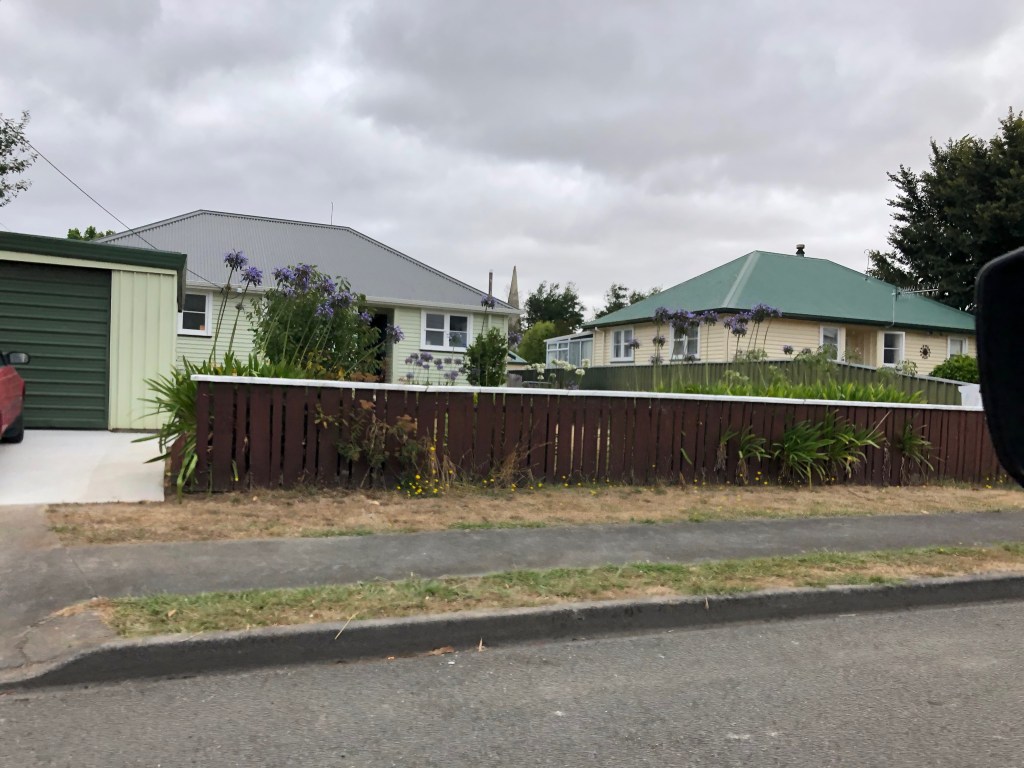
The skyline is different in NZ because most buildings are one or at the most two stories.
Saturday, February 8. Wellington to Rotorua
We had an early start because the day rate at the second parking lot ($40 a day) started at 8:00 am. We drove toward Rotorua,looking for and finding a charging at Foxton where we had a coffee and scone, at Mangaweka where we walked the main street of the old town, Turangi which we were ecstatic to see after coasting into the station where we had a meat pie that Kiwis seem to like (but I do not), Taupo where we’ve been before and finally Rotorua in the Pig and Whistle where we had fish taco each.
The trip from Mangaweka to Turangi through Tongariro National Park and past Mt Ruapehu was nerve-wracking because of the draining battery and the hills but it was interesting terrain in the desolate mountain valley.
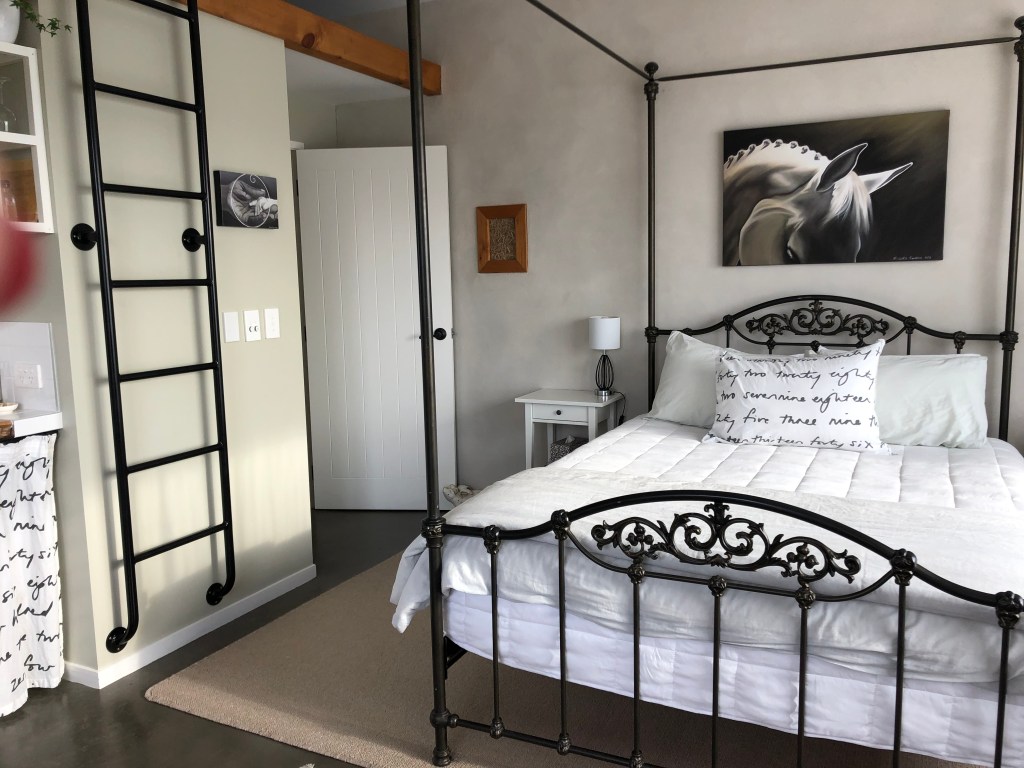
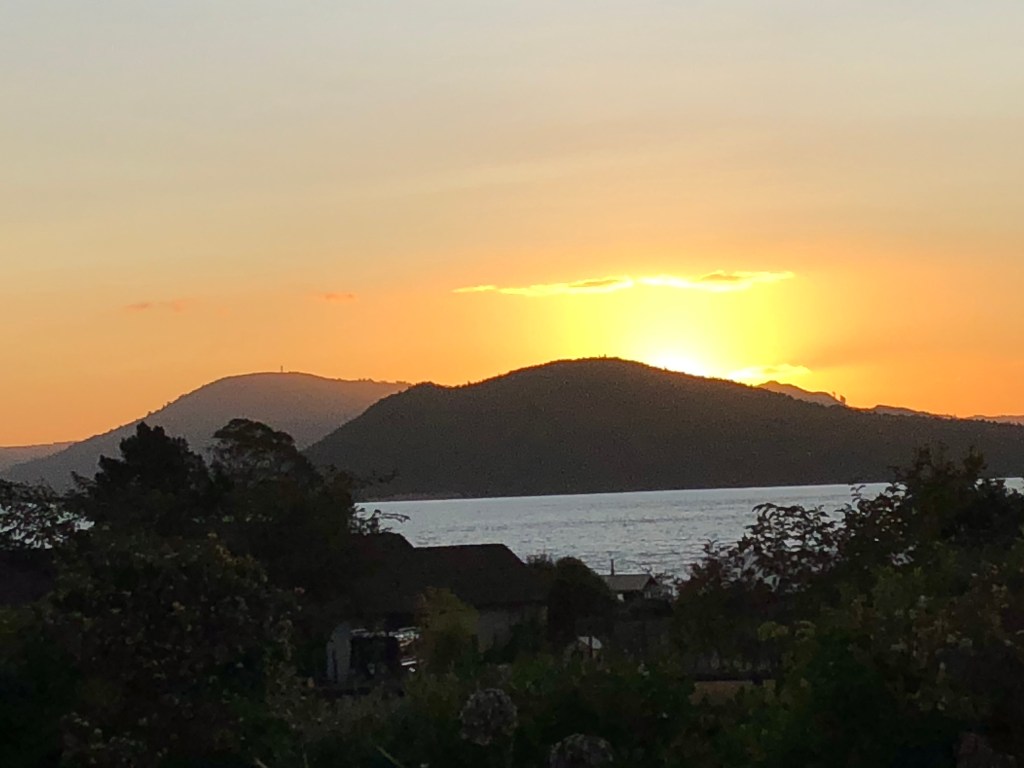
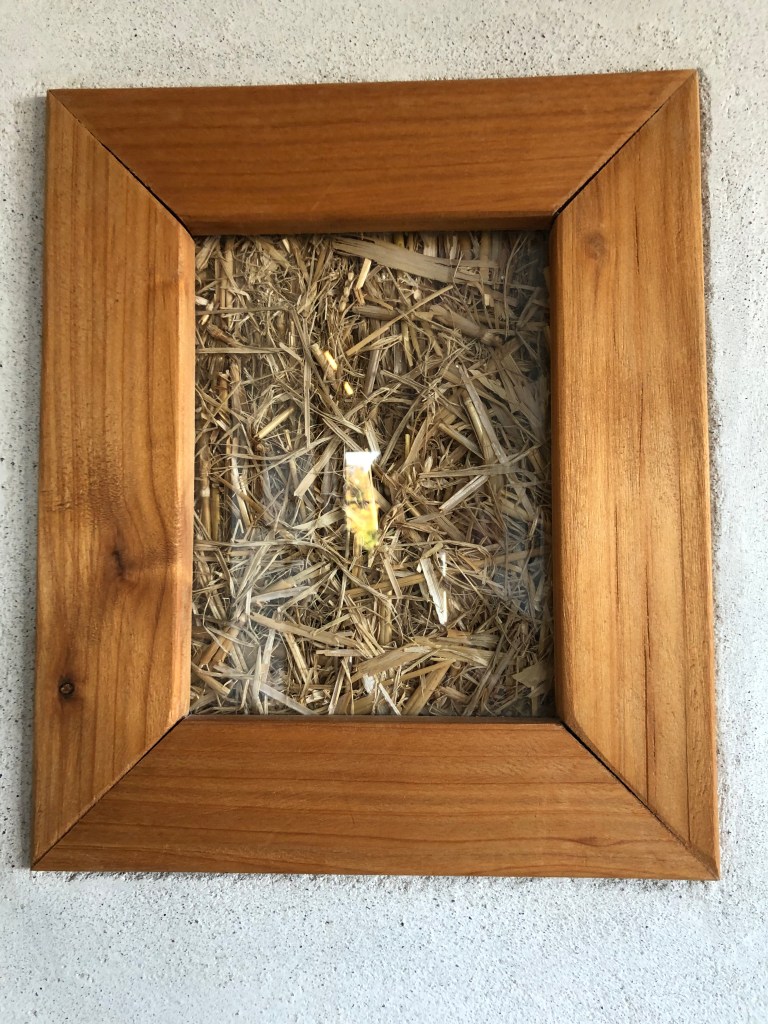
The owners of the Eco-friendly accommodation with lake view, Glenroy Place, Rotorua, Titikere were out for dinner but left the key in the mailbox. They built a strawbale home in 2014 in a semi-rural suburb of Rotorua, about 20 minutes from the City Centre. Alex and Anton are both shift workers in the aviation industry and have 2 boys, an energetic dog called ‘Mihi’ and sheep and cows on the property too.
Sunday, February 9. Rotorua
We drove 80 km to Matamata, raced to charge the car, ran out of time and joined the pre-booked 2 hour tour of Hobbiton Movie Set at 10:30. The set was originally used only for outside shots and the inside ones were done in Wellington at the studios. It is no longer used except as a tourist site.
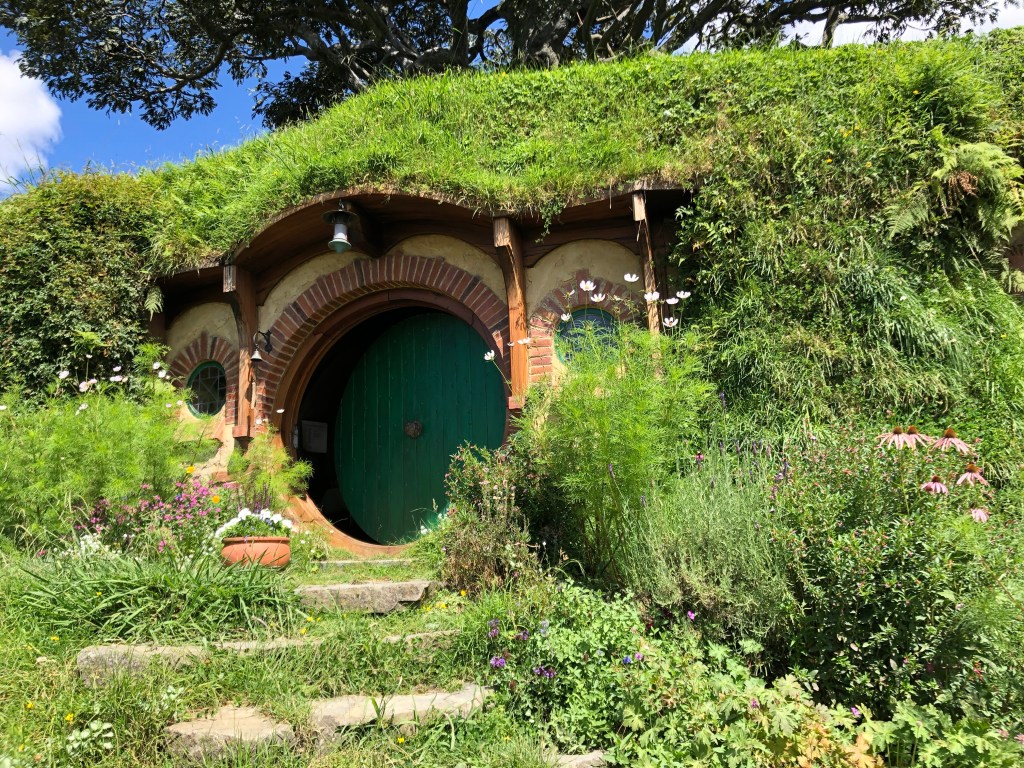
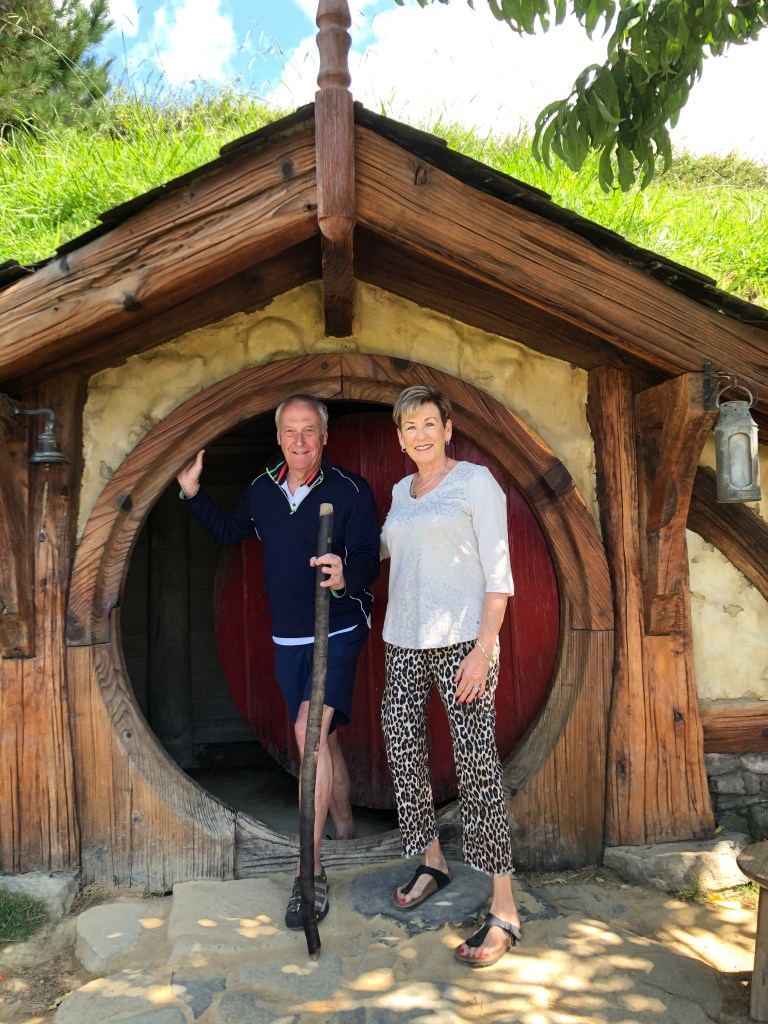
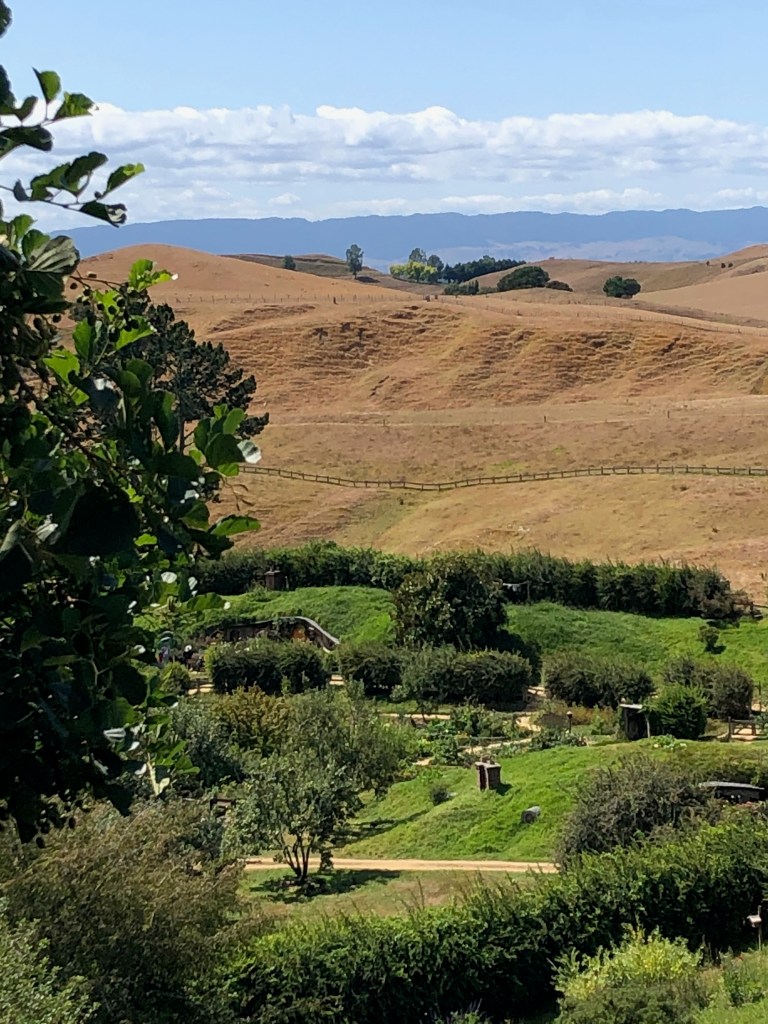
The scouts found Alexanders’ 1250 acre beef and sheep farm as the setting for Peter Jackson’s three Tolkien works, The Lord of the Rings and The Hobbit Trilogies in 1998.The movie set for The Lord of the Ring was destroyed and then rebuilt of more permanent materials for The Hobbit Trilogy with even an artificial tree made of steel and silicon over a two year period. The tour was better than we expected.
At 3:45, we enjoyed a private pool with a lake view at the Polynesian Spa.
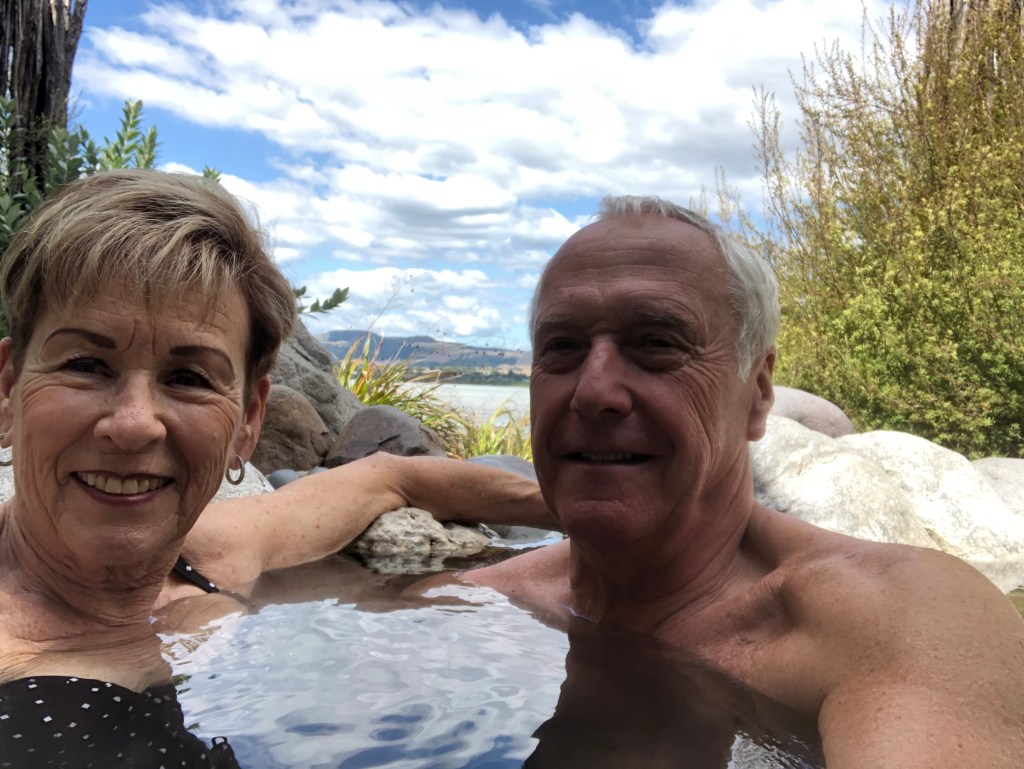
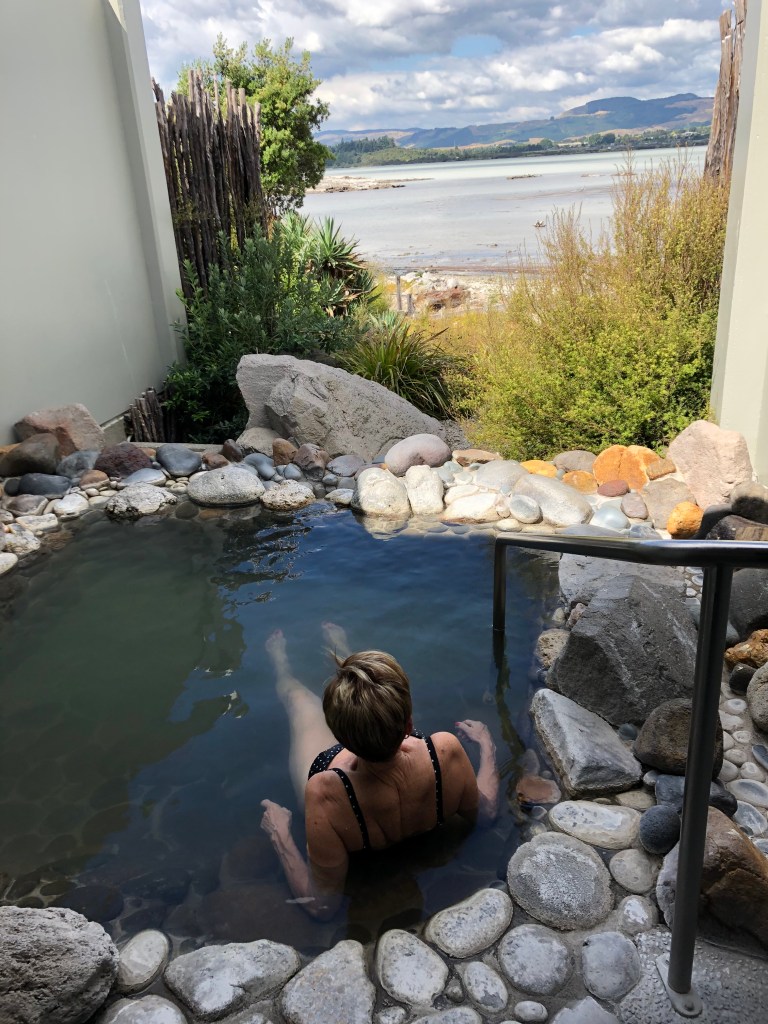
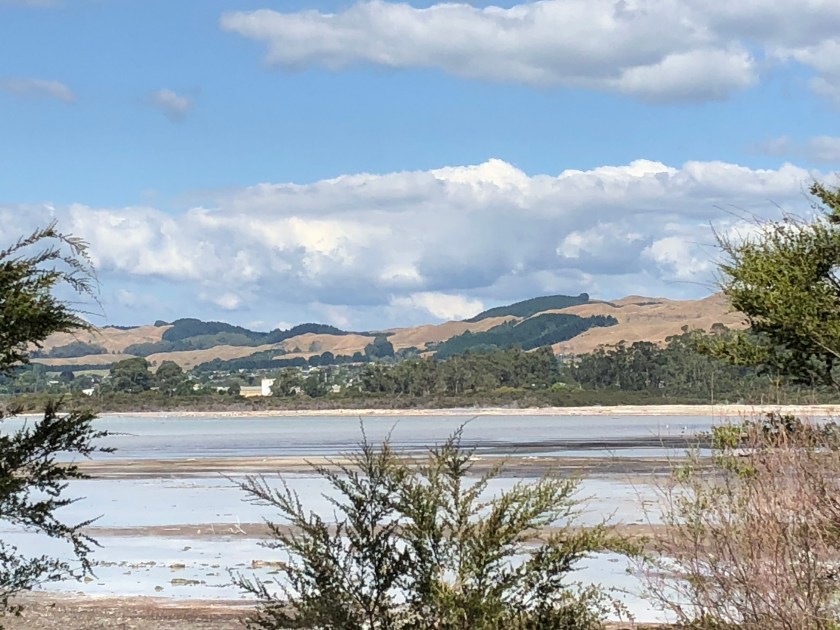
The mineral water pool was very warm and had the resident sulphur smell but we had a great soak in the small pool with the lovely view. We arrived a little early and found the hot water soak so relaxing that we felt sleepy when we left. We stopped for groceries on the the 20 minute drive to the straw house and had rack of lamb dinner with grilled vegetables on the barbecue. We met Angela and her sons. She is a pilot for New Zealand Air and Anton is an air traffic controller. They have spent time in Canada in Winnipeg as members of the military.
Monday, Feb 10. Rotorua to Coromandel
The drive to Coromandel involved 3 charging stops: Matamata, Thames and Coromandel.
And fields of sheep and cattle.
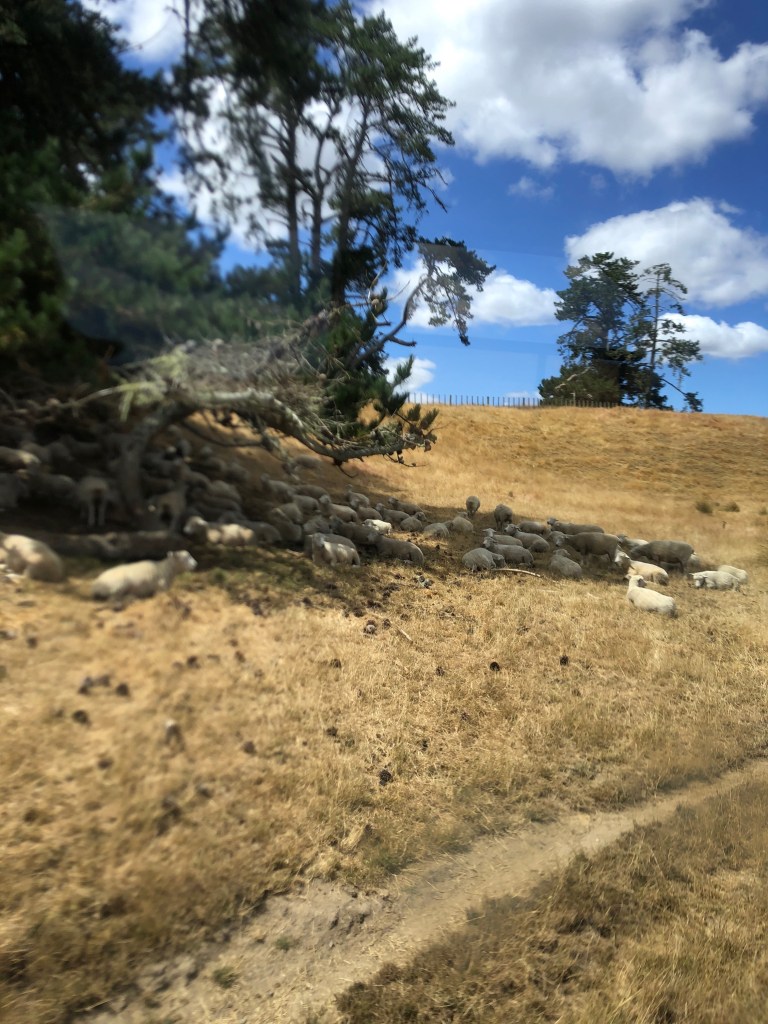
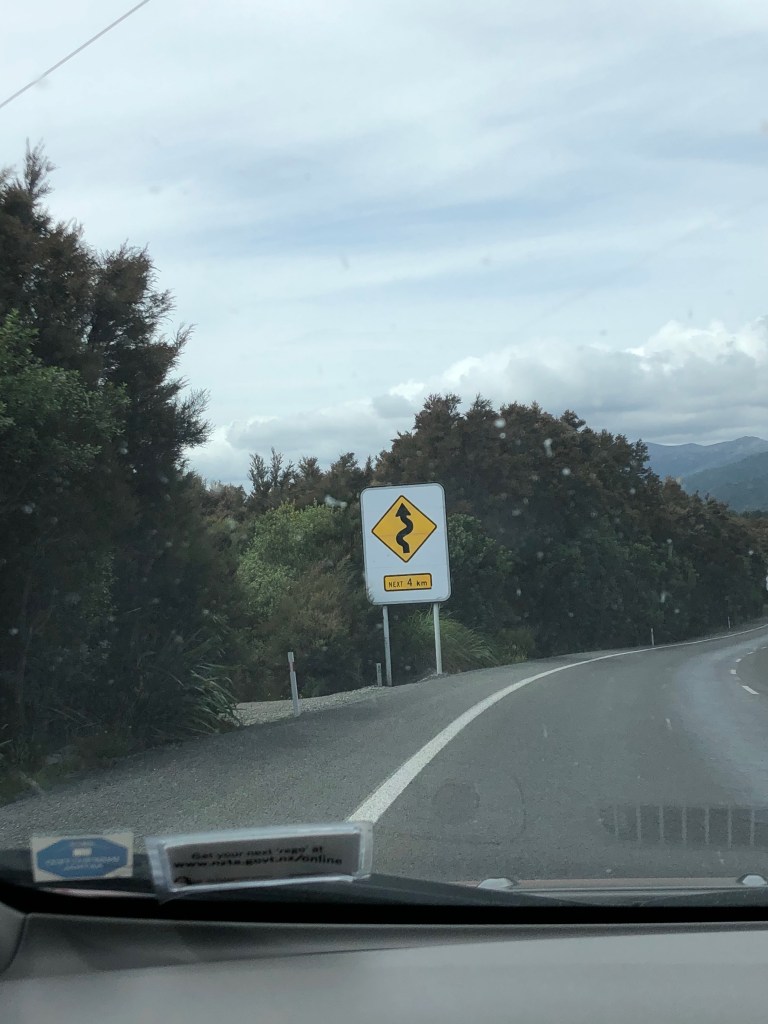
Another day of hills, narrow roads, and sharp curves… and watching the battery charge going down.
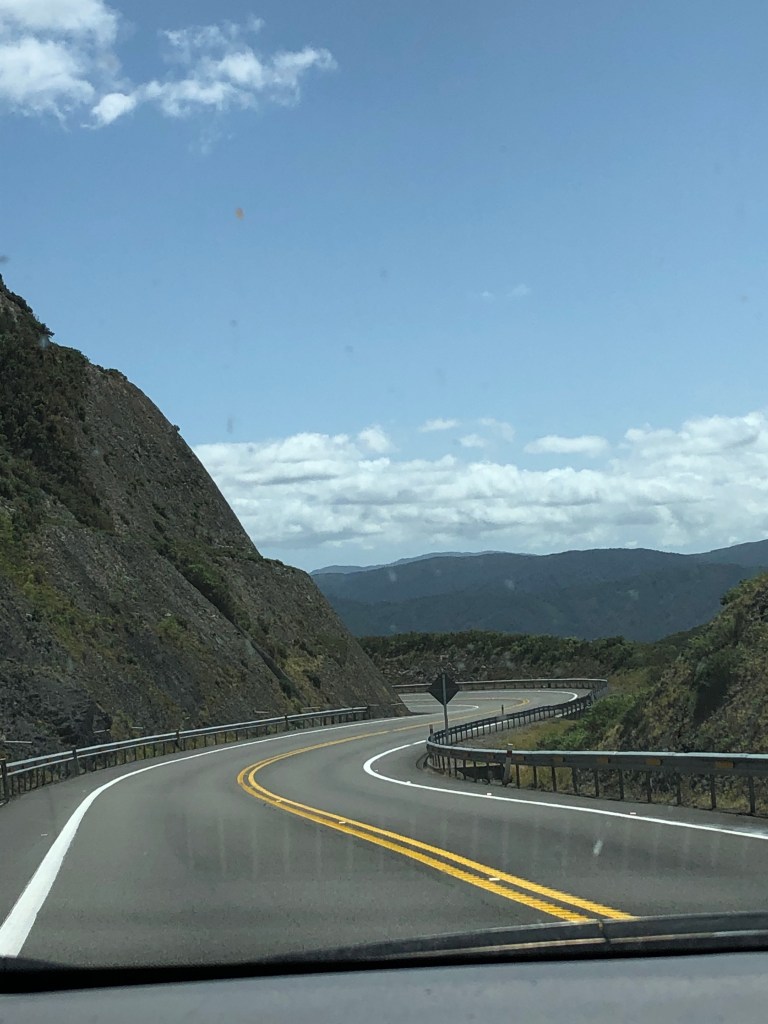
We had a lunch of mussels in Cormandel during the last charge at the Pepper Tree.
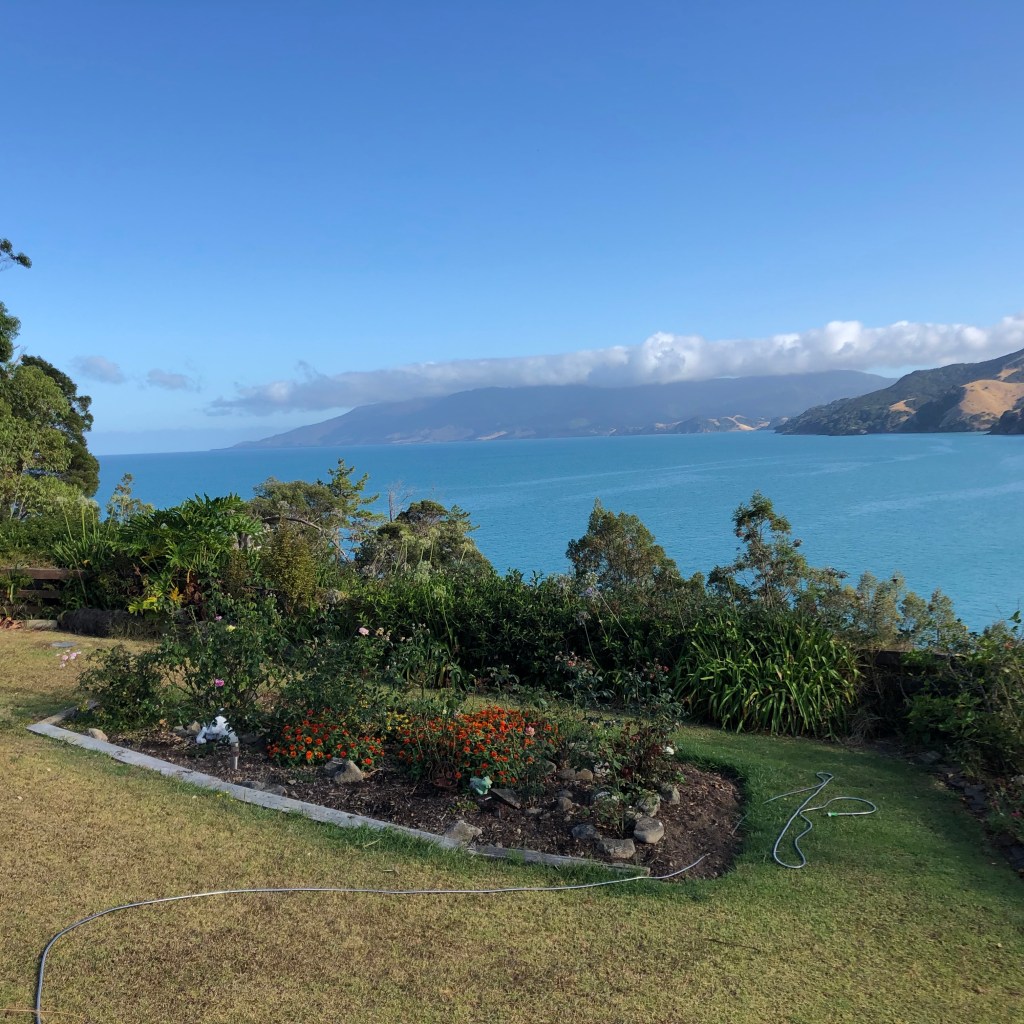
Our stay at Amadeo Room Panoramic Views, Amodeo Bay, 20 -25 minute drive North from Coromandel Town was perfect. This is an amazing view here, like being on a boat as you can see all around the point. We went almost immediately to the beach just down the hill where we swam and Bill tried paddle boarding-he got up and didn’t fall!
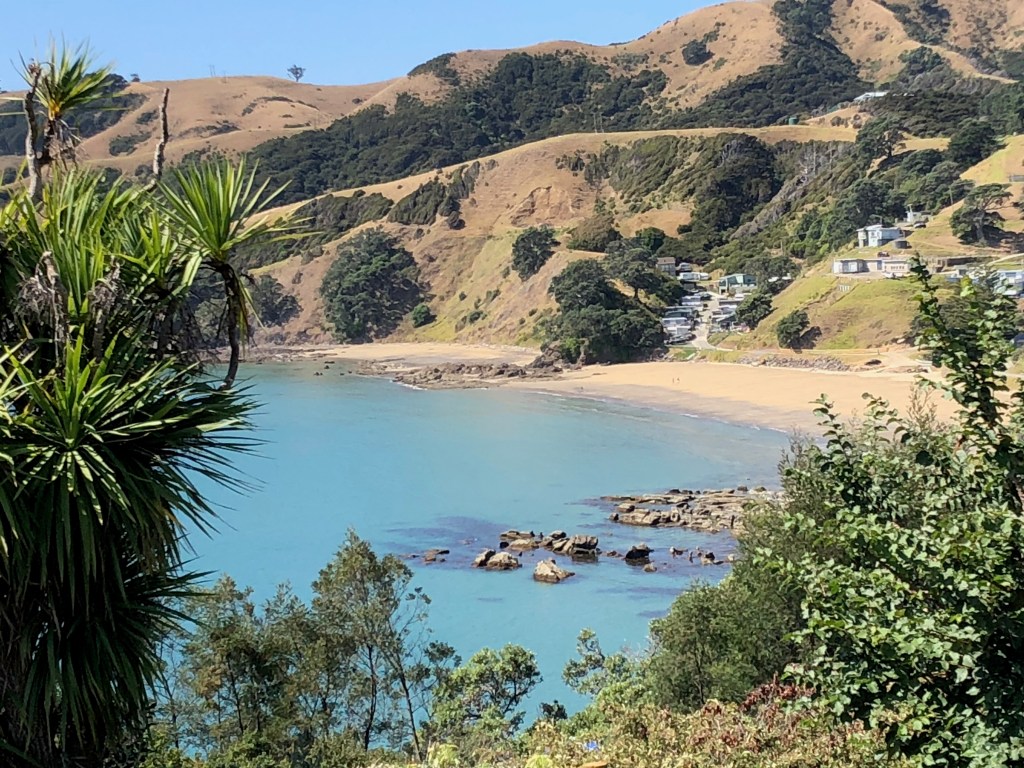
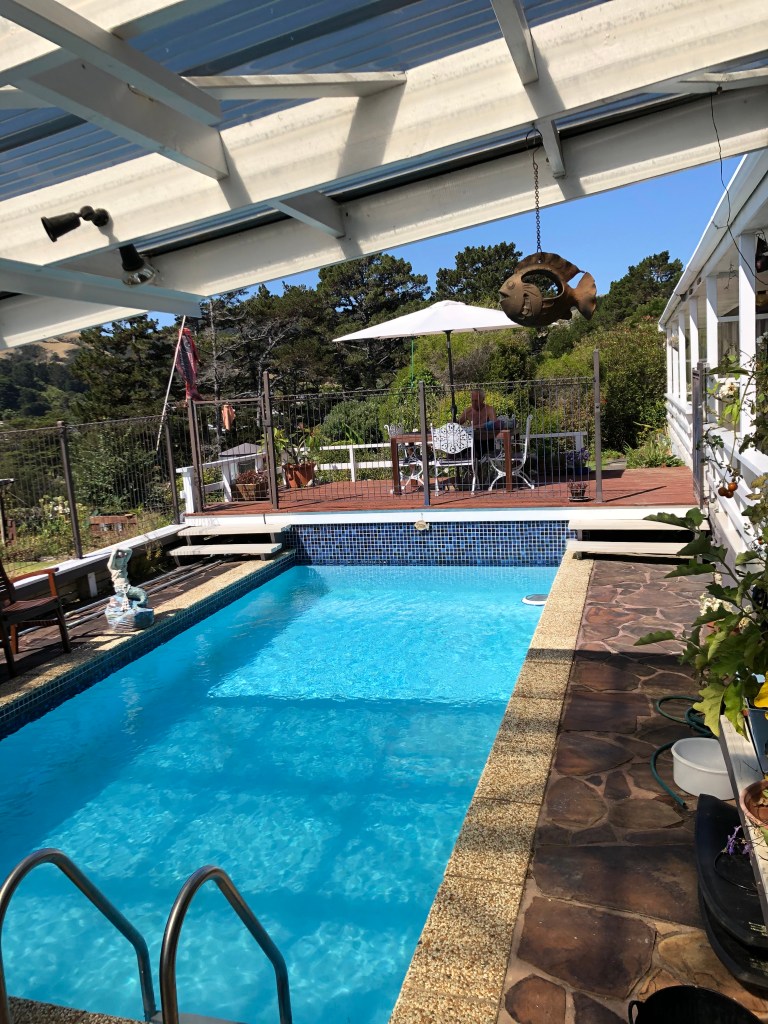
After the beach, we had a swim in the pool.
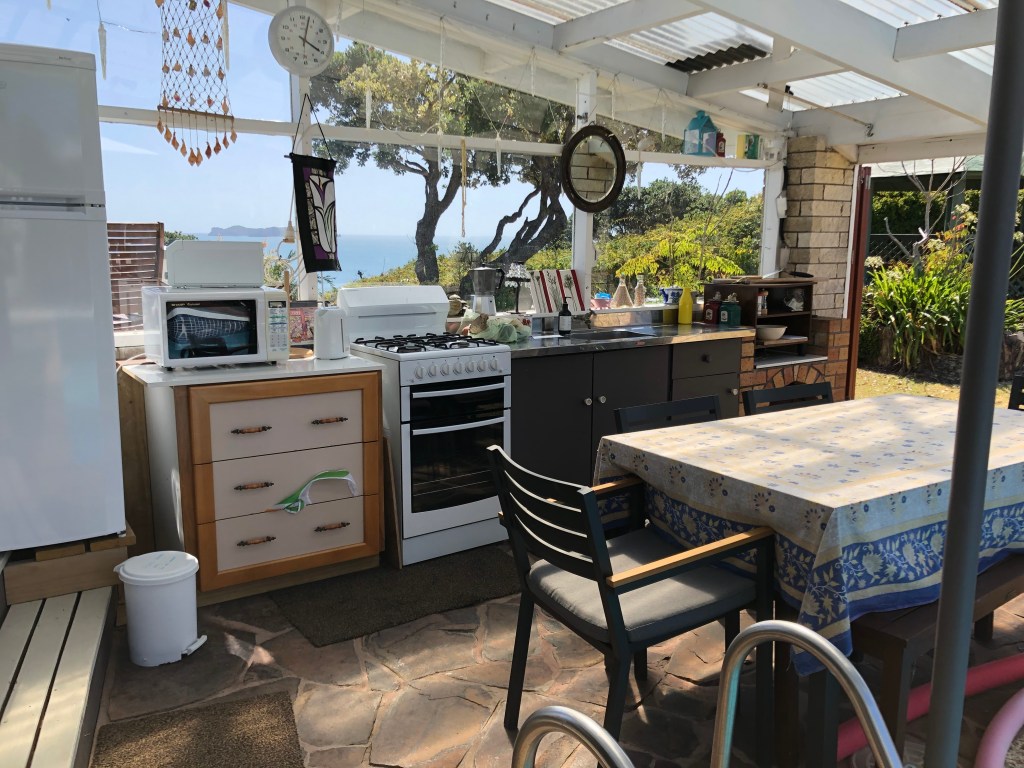
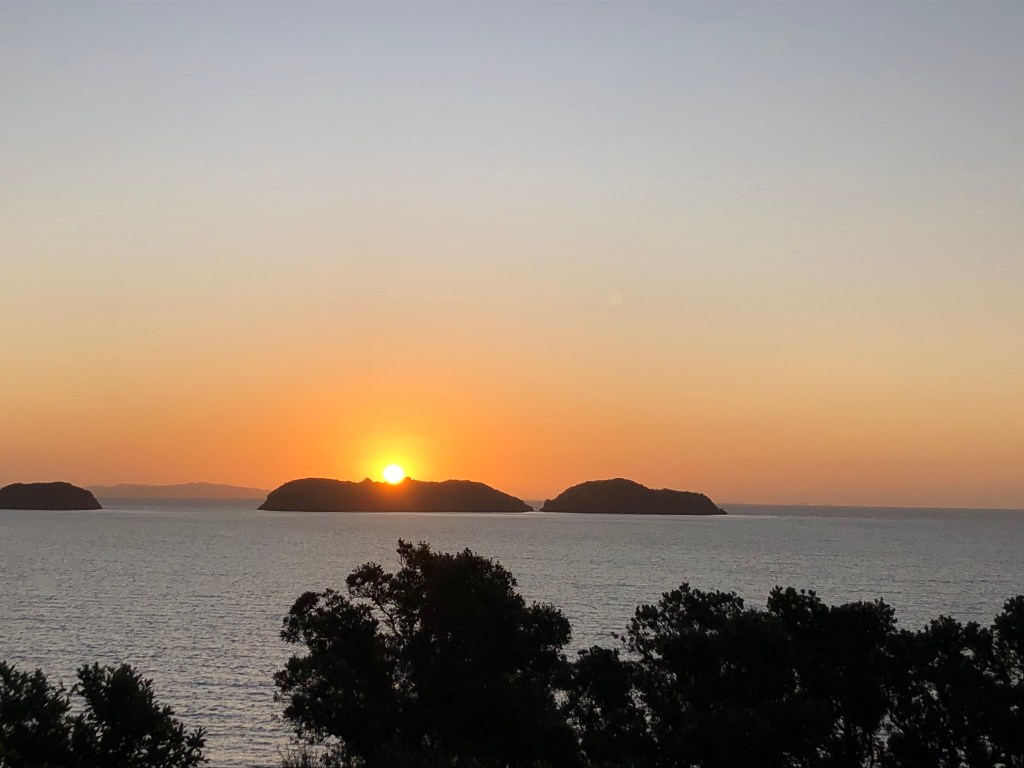
We ate a chicken dinner in the outdoor kitchen, watched the sunset and packed it in early.
Tuesday, February 11. Amodeo Bay
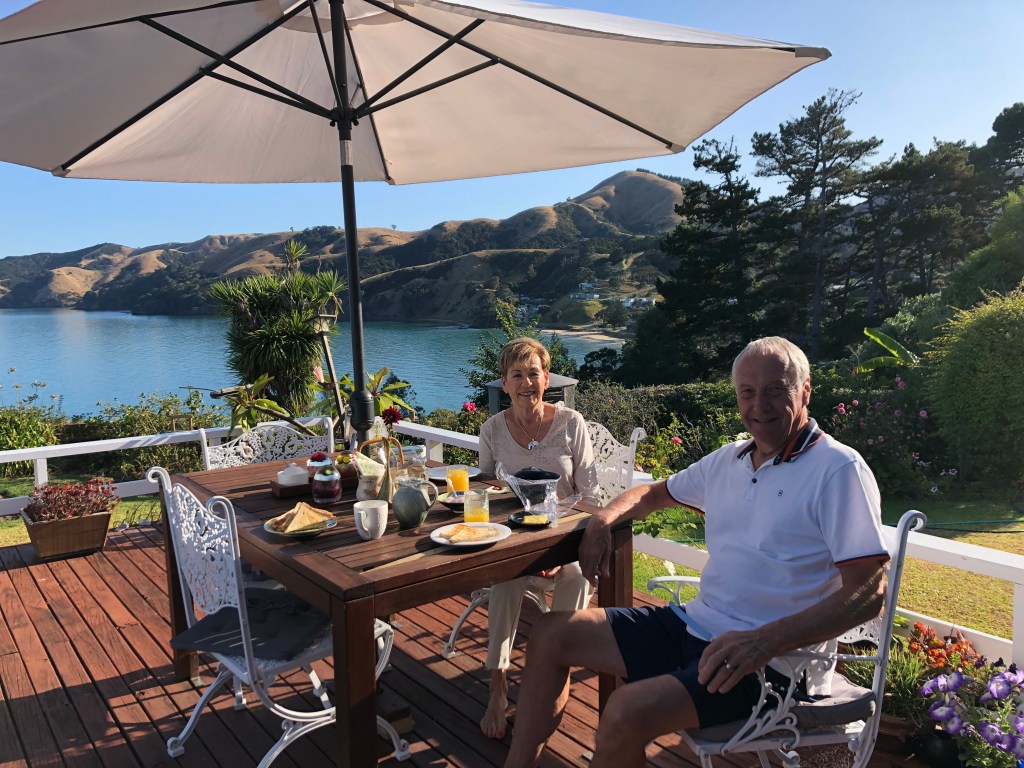
After a fabulous breakfast with homemade granola, fruit salad, toast and homemade marmalade and jam, we headed to Coromandel for a charge and to get directions to Hot Water Beach and Cathedral Cove.
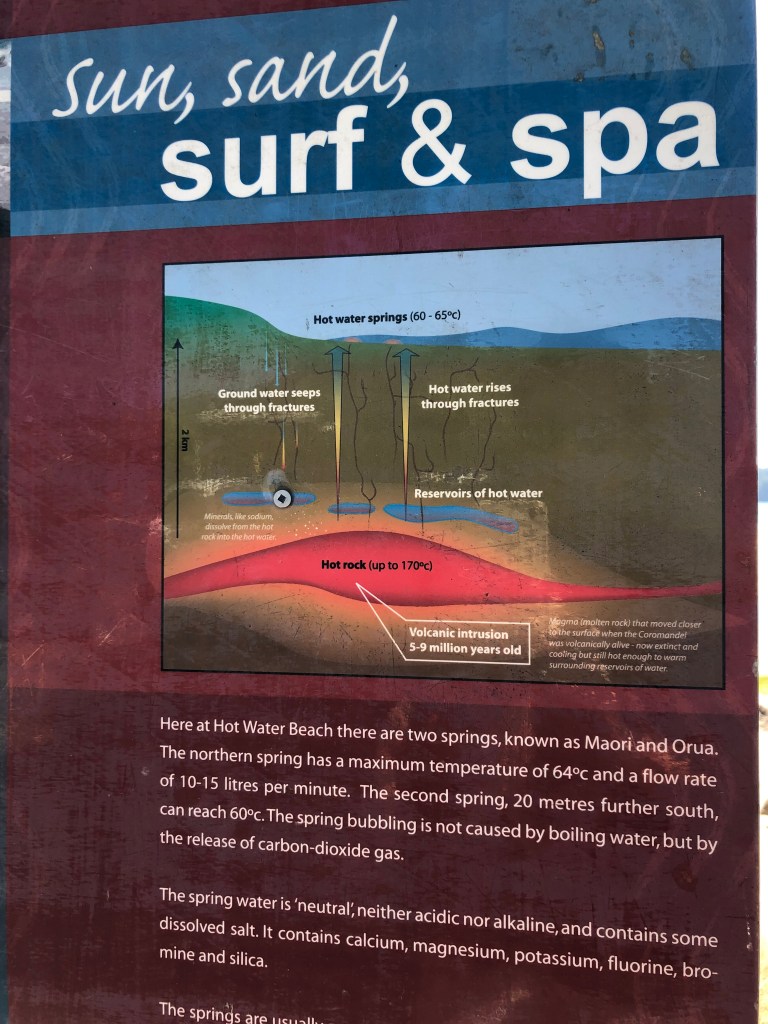
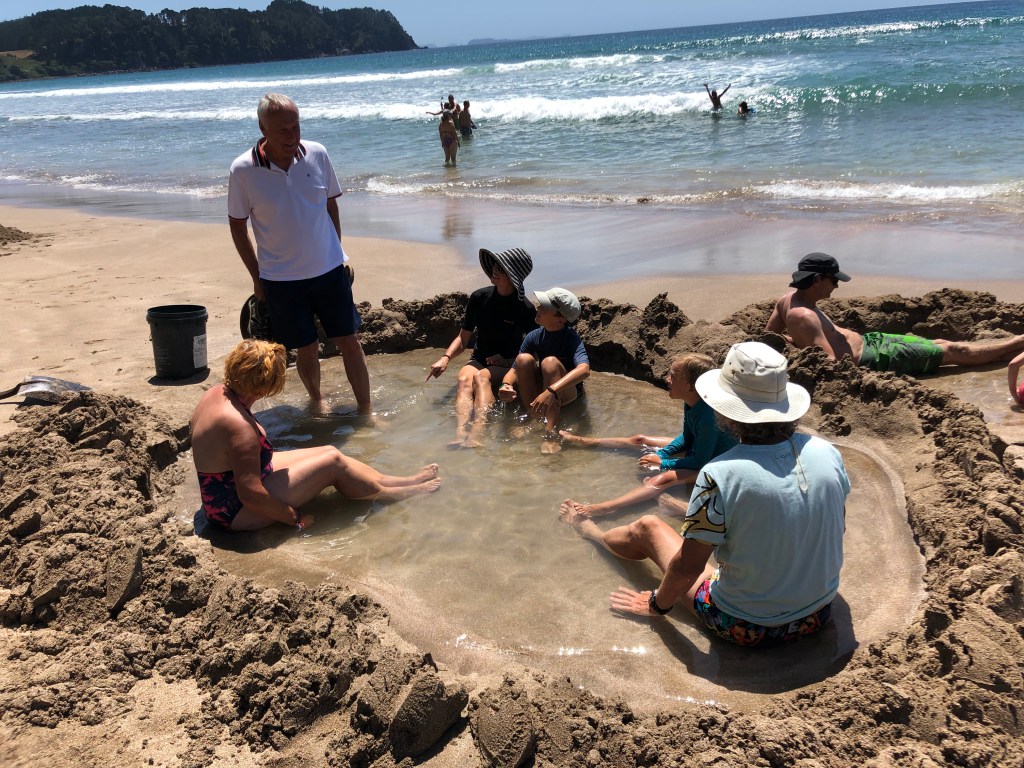
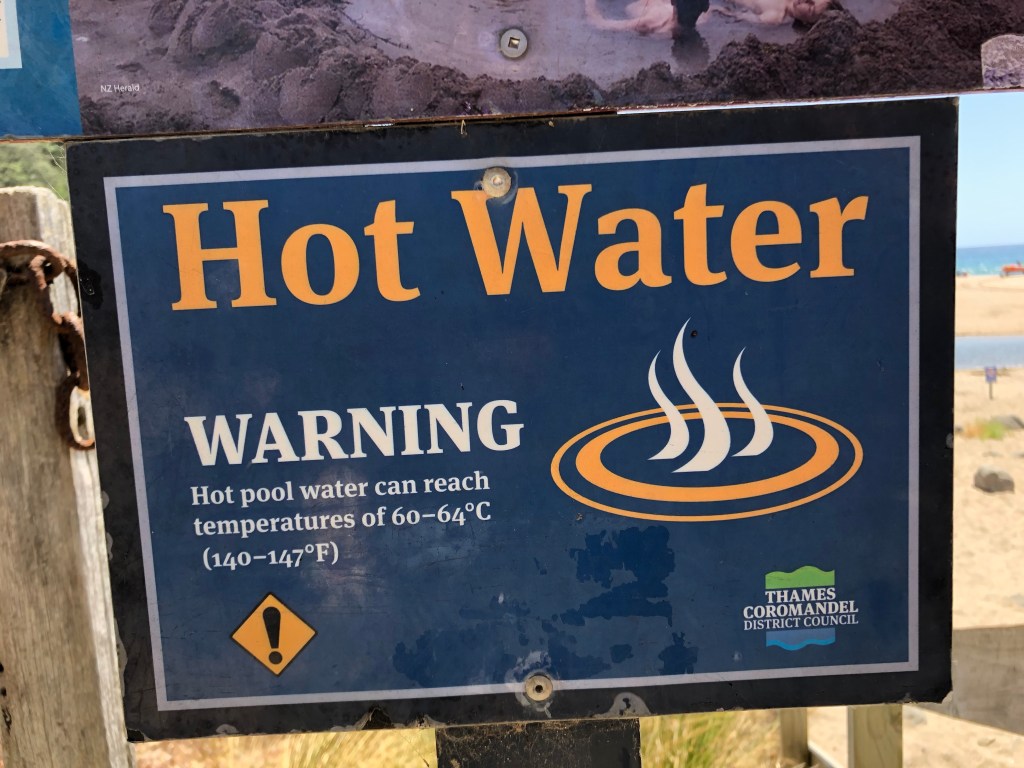
After and hour and a half of narrow, windy roads up and down the hills, we charged at Waitianga and arrived at Hot Water Beach. Two hours before low tide, the people on the beach dig pools and the hot water bubbles up into the pool. In the bubbles, it is very hot.
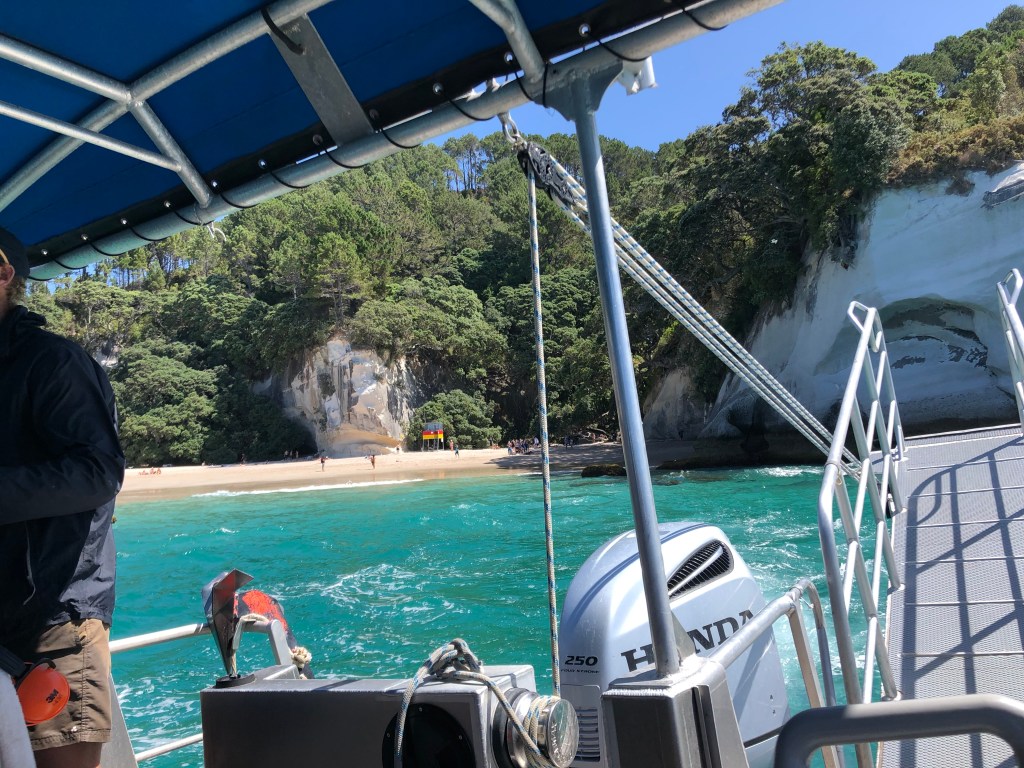
Further up the coast, we park and take the shuttle to the trail to Cathedral Cove, 45 minutes up and down hills. The Cove is awesome, worth the hike.
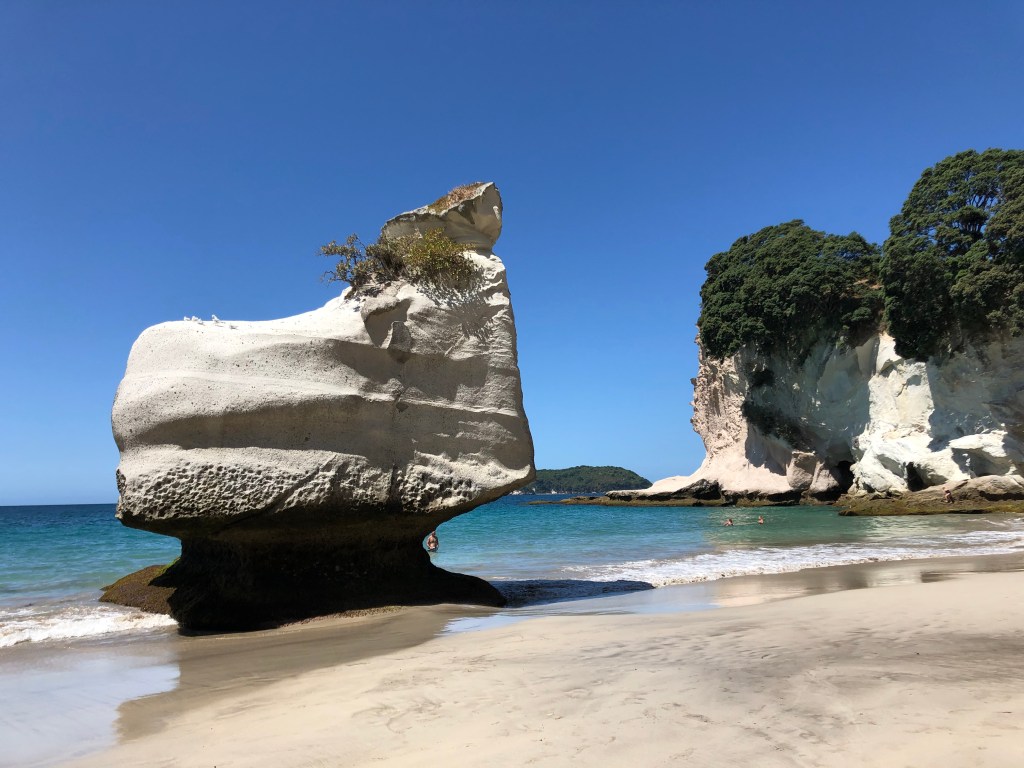
From the Cathedral Cove parking lot, we got the shuttle bus to the drop off point and were surprised to find that the hike ahead of us was 45 minutes long up and down hills. All the way, I was thinking that I had to repeat this to get back. Fortunately, I noticed the sign for the water taxi that would take us back for $15 each.
Cathedral Cove is truly beautiful. We walked the beach and cave and caught the taxi back. We still a walk of over a kilometre to the parking lot but it was on even ground.
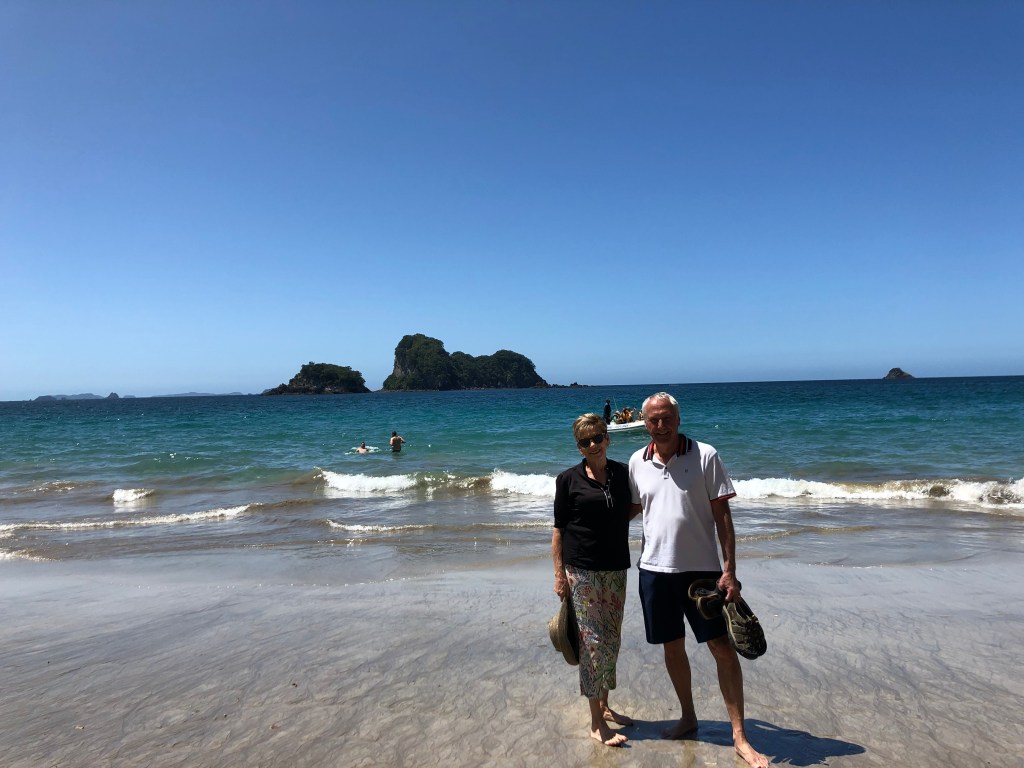
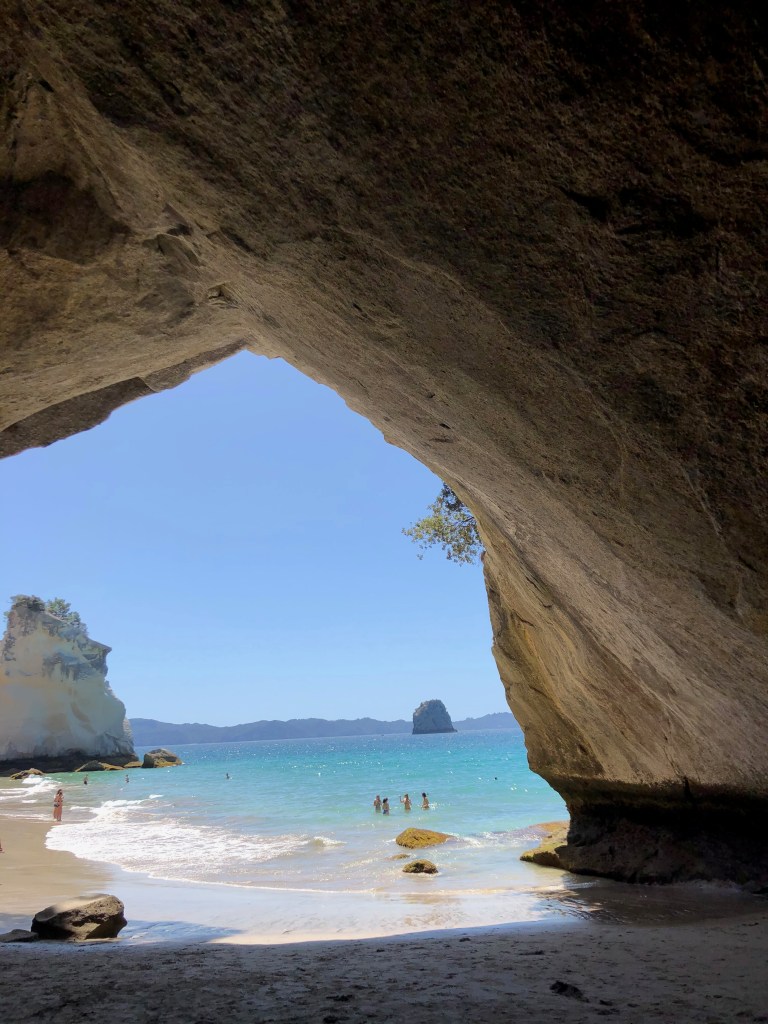
caves of Cathedral Cove
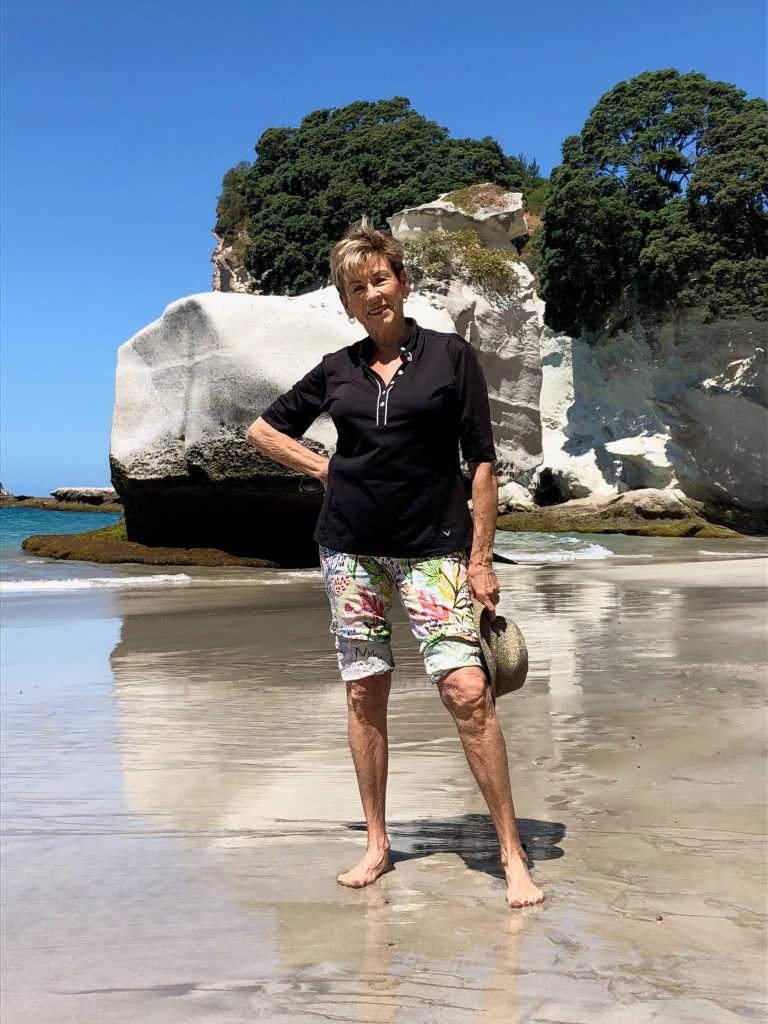
However, we took the water taxi back, drove to Whitianga for a charge and arrived back at 5:30 pm for a swim in the pool.
Dinner was leftover chicken from last night with vegetables in a pasta sauce.
The drive to the east side of Coromandel Peninsula was extremely windy and hilly with mostly sharp curves. We had to stop twice at Whitianga and Coromandel. It was on this trip that we realized that the AC was draining the battery so we shut it off.
Wednesday, February 12. Amodeo Bay to Auckland
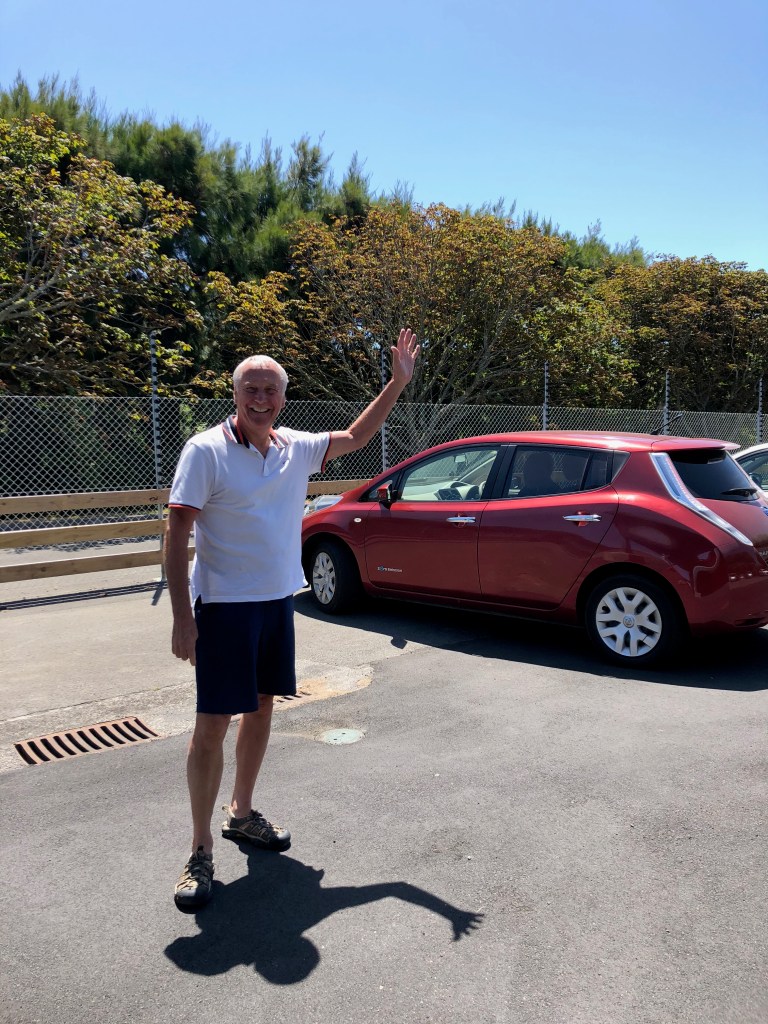
After another wonderful breakfast, we packed up at 9:30 for Auckland, stopping at Coromandel for a charge and again at Thames – at least we’ve been there before. The drive down the Pacific Coast Road along Coromandel Peninsula was more of the tight corners and hills. Until we got on the main highway 2 heading for Auckland. We arrived at the Mode Rental office at 12:30, waved goodbye and good riddance to the Leaf and tried to explain to the guy in the office but he was having none of it and said that all we needed to know was on the piece of paper. Oh, well. The driver of the shuttle bus to the airport told us that the guy who had the car before us brought it back after an hour and got another car. I guess that we are too nice. Moreover, he told us that we could have dropped the car downtown and saved time and $35 for the Super Shuttle.
We arrived at the Pullman Hotel at 2:00 and our room was ready. After check-in, we walked downtown to have lunch on Princess Pier at Neptune looking out across the harbour. We walked over and ogled the yachts in the harbour and walked back to the hotel.
A little TV and off to recover from driving. The details of the time with the group in Auckland arrived under the door. Looks like a great three days in Auckland before we set sail.
Thursday, February 13 Auckland
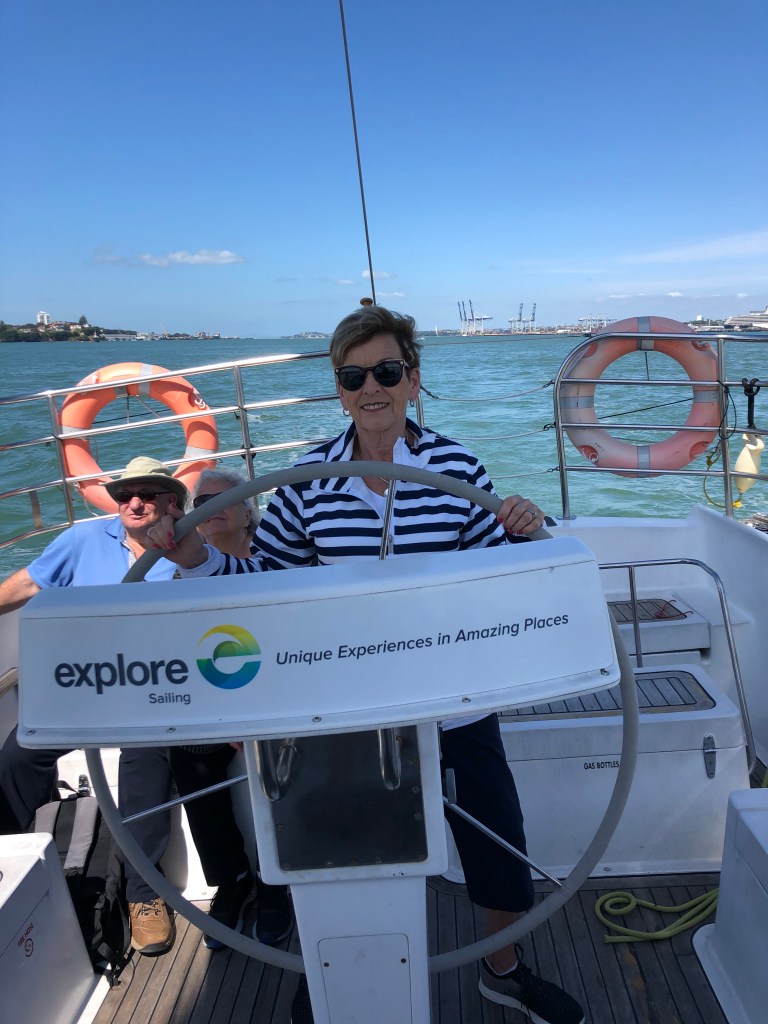
Most of the Cruise group is arriving today and a desk has been set up for us. We did some washing (Bill found a laundromat) and organizing and then walked down to the harbour for lunch and an Auckland 1.5 hours Catamaran sail. We were joined by two of the cruise group from Winston-Salem, South Carolina. We had lunch which was forgettable but the harbour view was great. The sail on the 50 cruising yacht made in NZ boat was around Auckland, the City of Sails, on Waitemata Harbor and we enjoyed the relaxed pace of harbor sailing. We set sail at 3:15 and came back at 4:45 with 7 others so it was very enjoyable. Also, both Bill and I spent time at the helm.
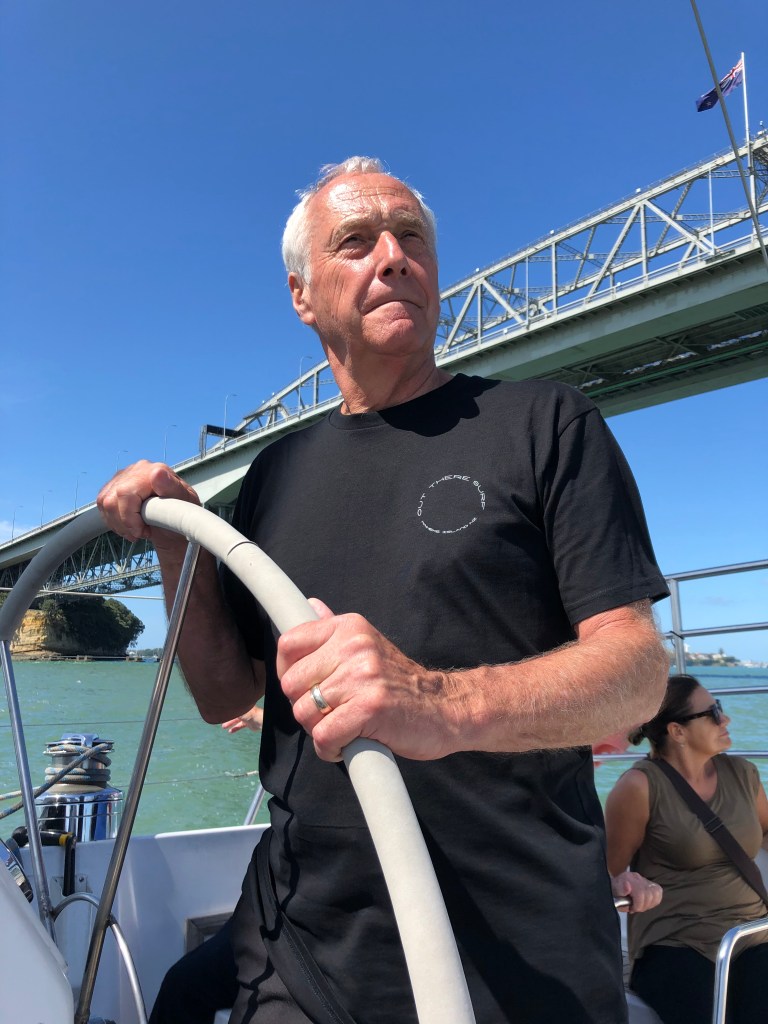
Back at the Pullman Hotel, the reception for the group was from 6-7 in the hotel. We met many people especially the group from Queens University: Mike and Key Lewis and Sophie and Steve. If first impressions are accurate, we are going to have a great time with this group.
Friday, February 14. Auckland
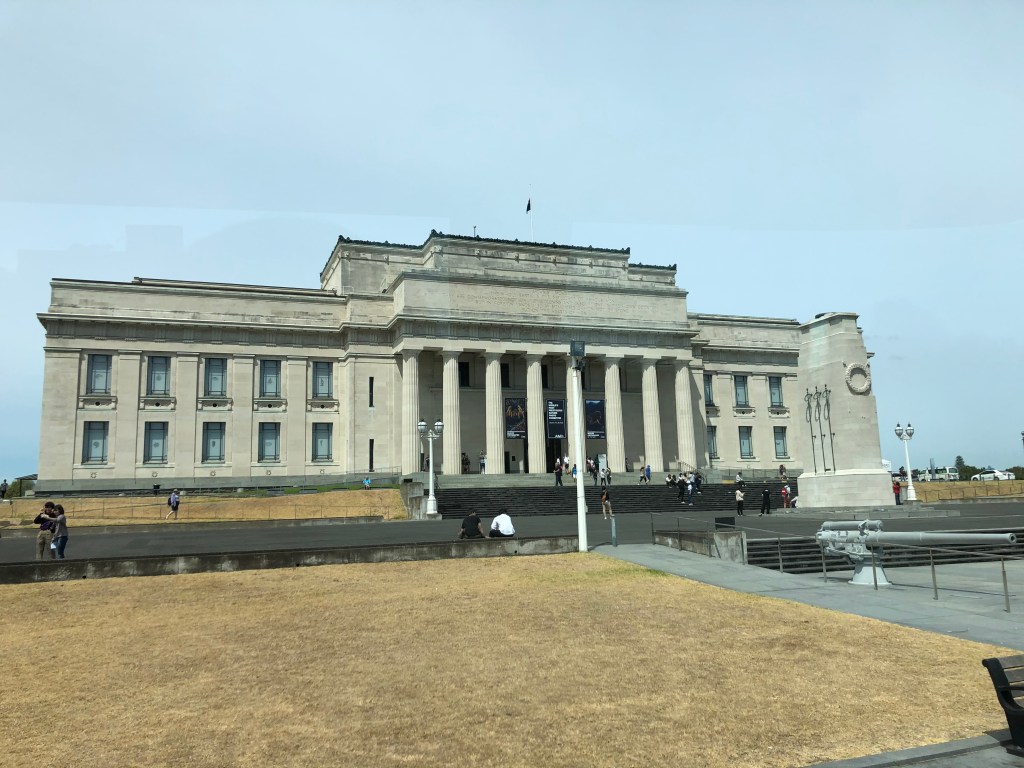
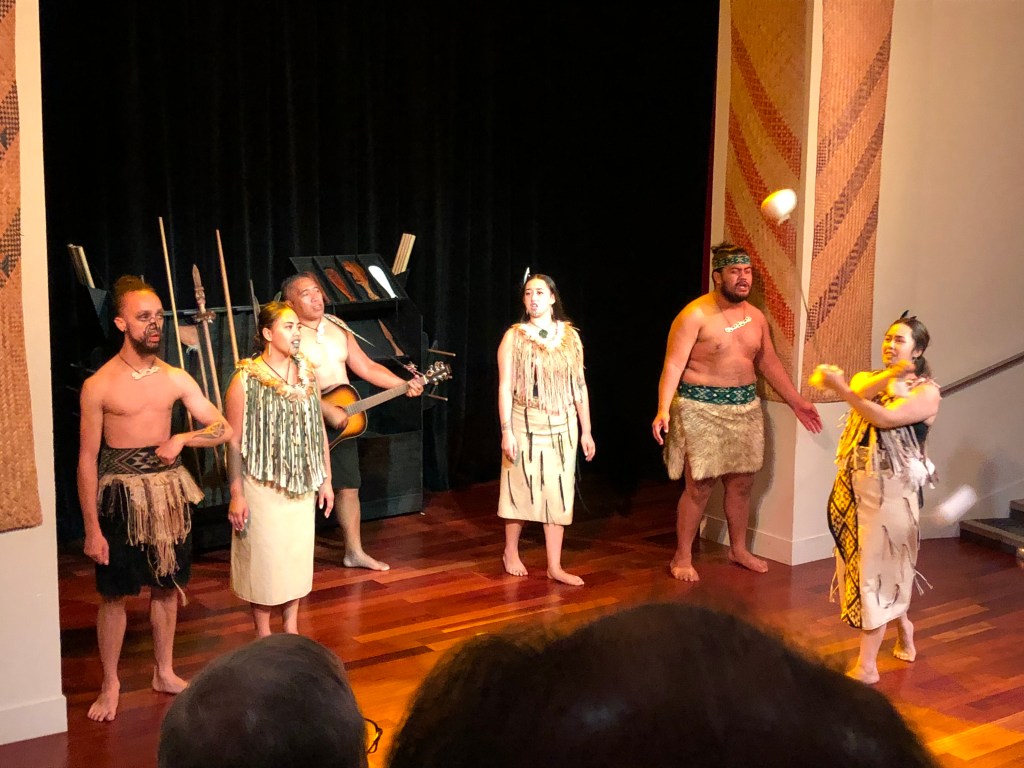
Another beautiful sunny day here (26)-we’ve had fabulous weather which may not persist on the South Island with a cyclone in the Tasman Sea. After breakfast our group visited the very imposing Auckland War Memorial Museum set on “the domain” (Kiwi for park) with many Maori artefacts, a performance of Maori songs and war dance and a City tour, including Bastion Point and Parnell Village.
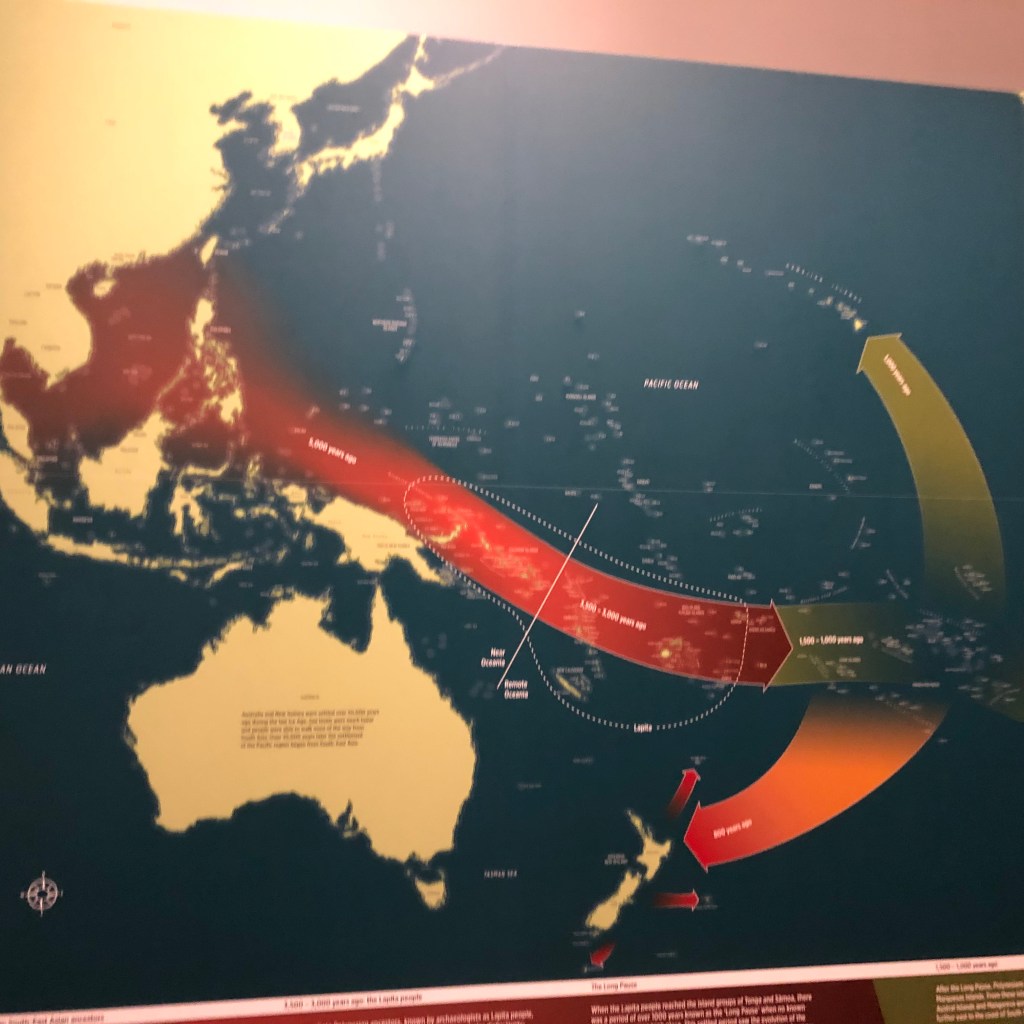
About 3000 years ago the ancestors of modern Polynesians began one of humanity’s great ocean explorations. They moved through a network of islands. Innovations in canoe and sail design allowed them to head further east and as far south as NZ. This map illustrates the main migration routes.
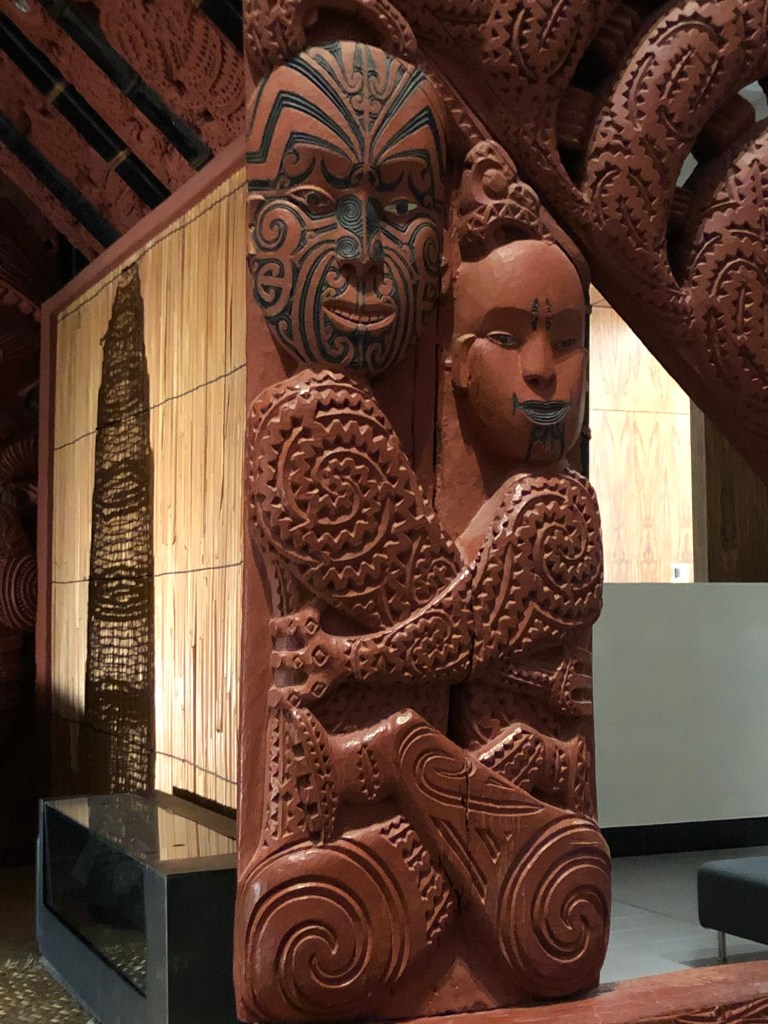
Famous Maori lovers who got together despite opposition

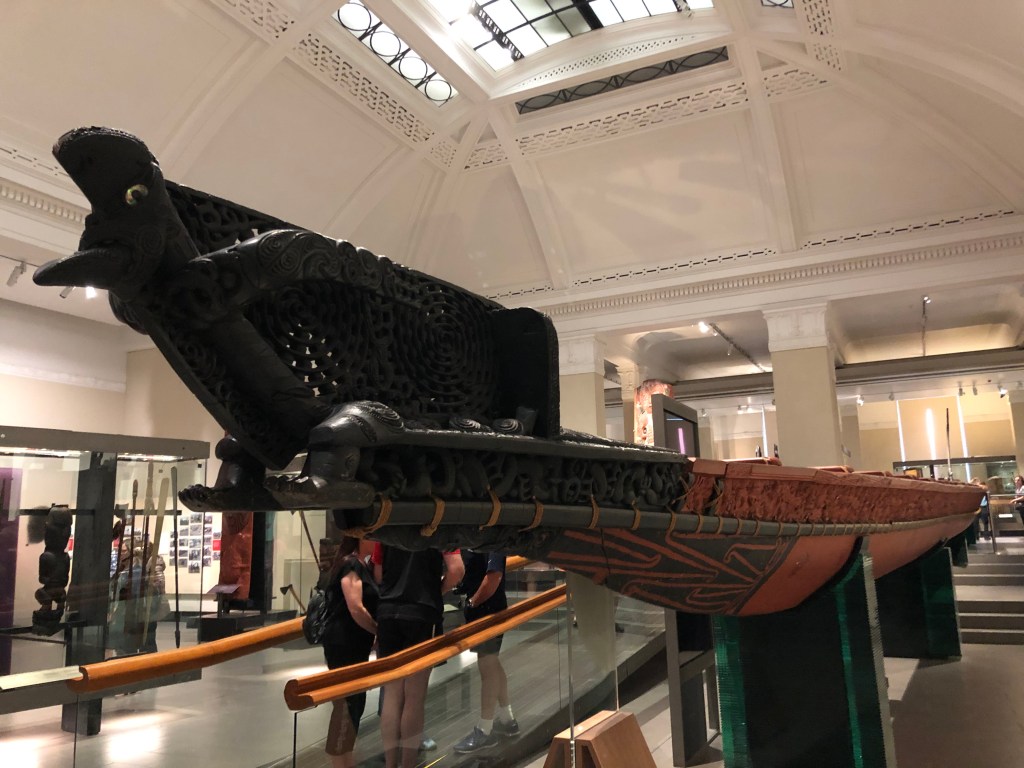
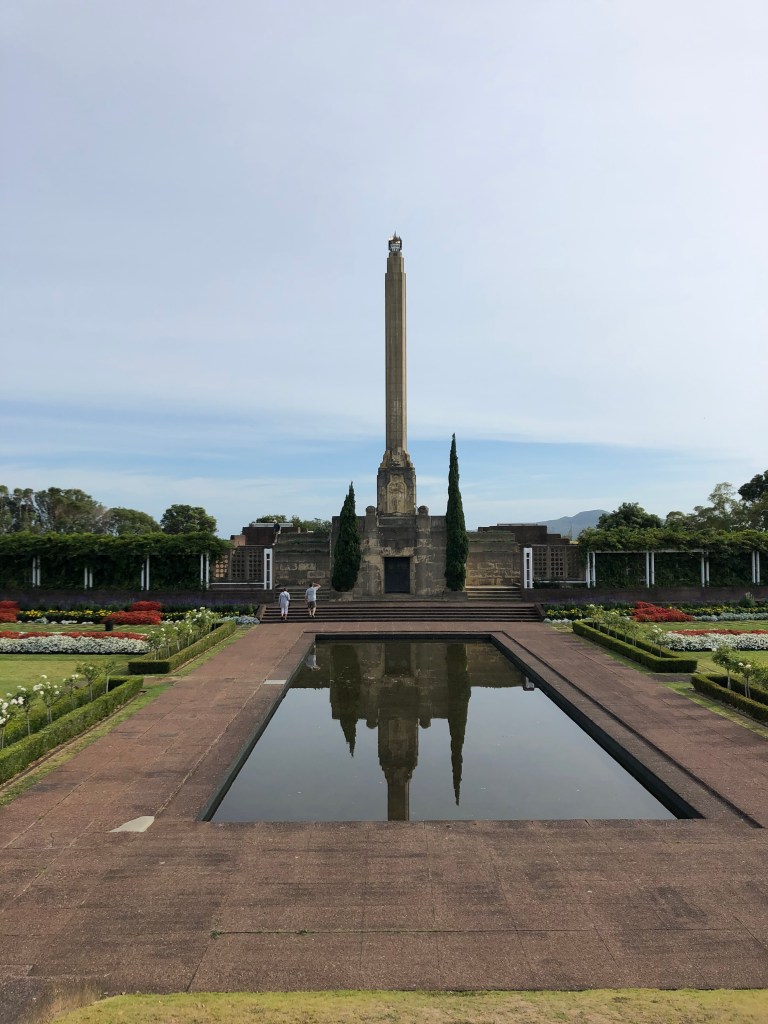
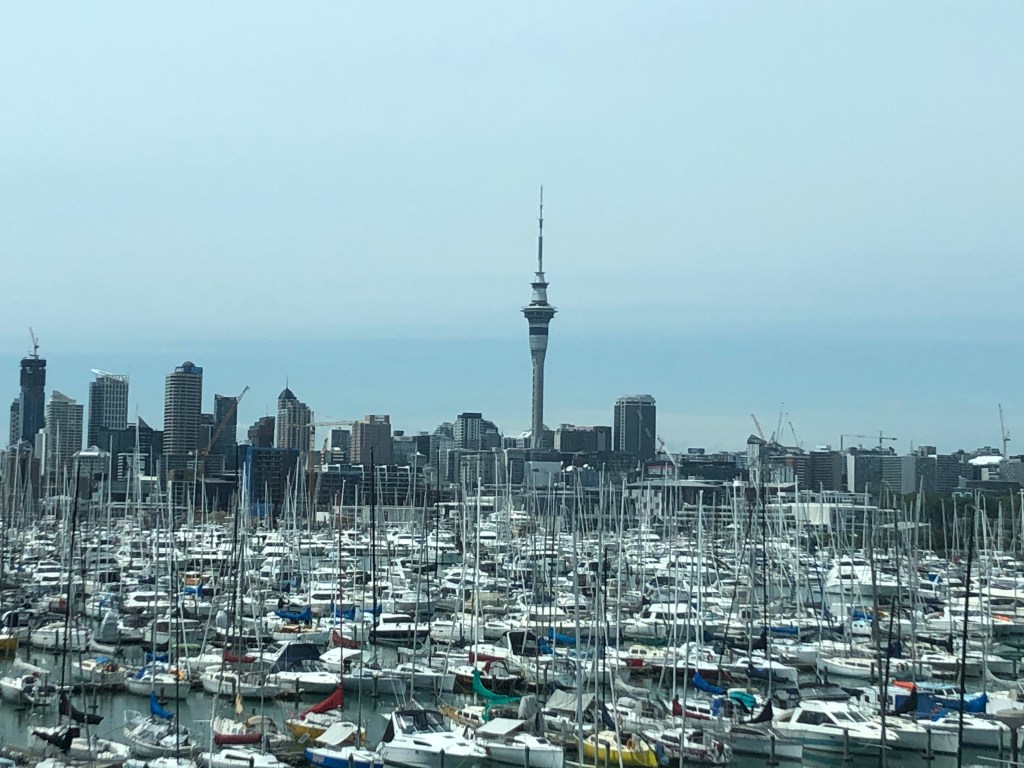
It is readily evident why this is called the “City of Sails”. Colin, the leader on the bus today, said that 1 in 5 people of the 1.7 people in Auckland own a boat and if you include kayaks etc, the number is 1 in 3. Auckland makes up 1/3 of the 5 million population of New Zealand. An icon of the skyline, the Sky Tower, is the tallest structure in the Southern Hemisphere and stands just over 980 feet.
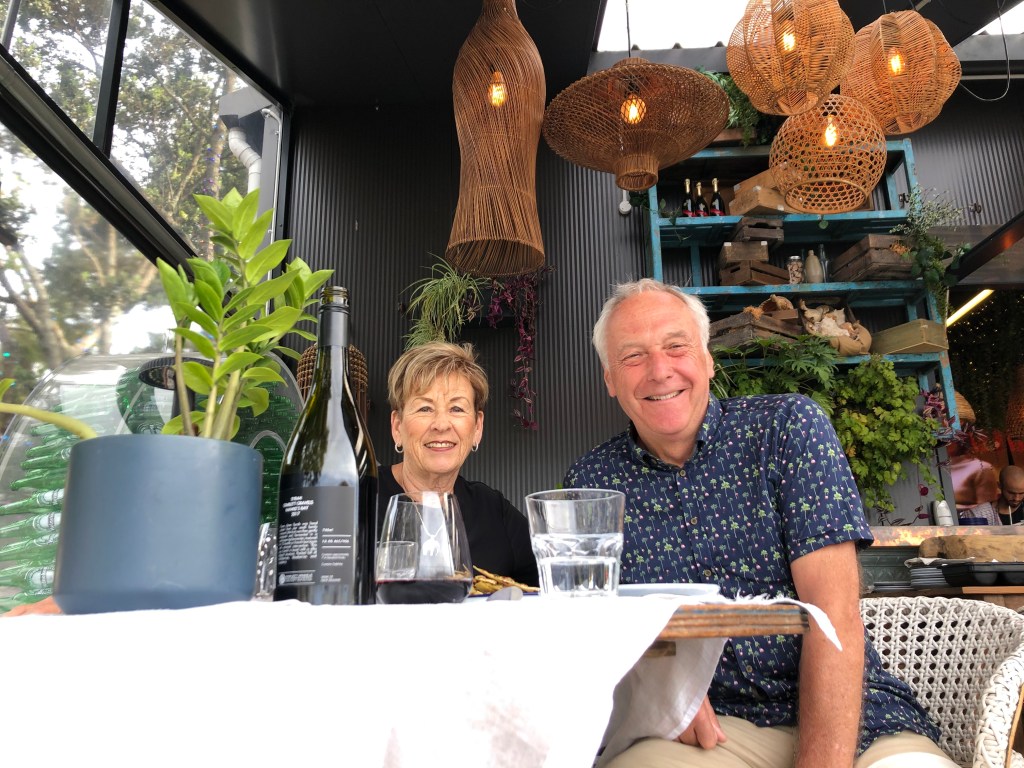
For dinner, we went to ‘Headquarters’ for a set menu Valentine’s dinner. It was excellent.
Saturday, February 15. Auckland Region
We left on a bus at 9:00 for a full day Northland District tour including Muriwai Beach and Gannet colony, a visit to family-run farmstead, tour a sculpture Garden, and a demonstration at a sheep farm.
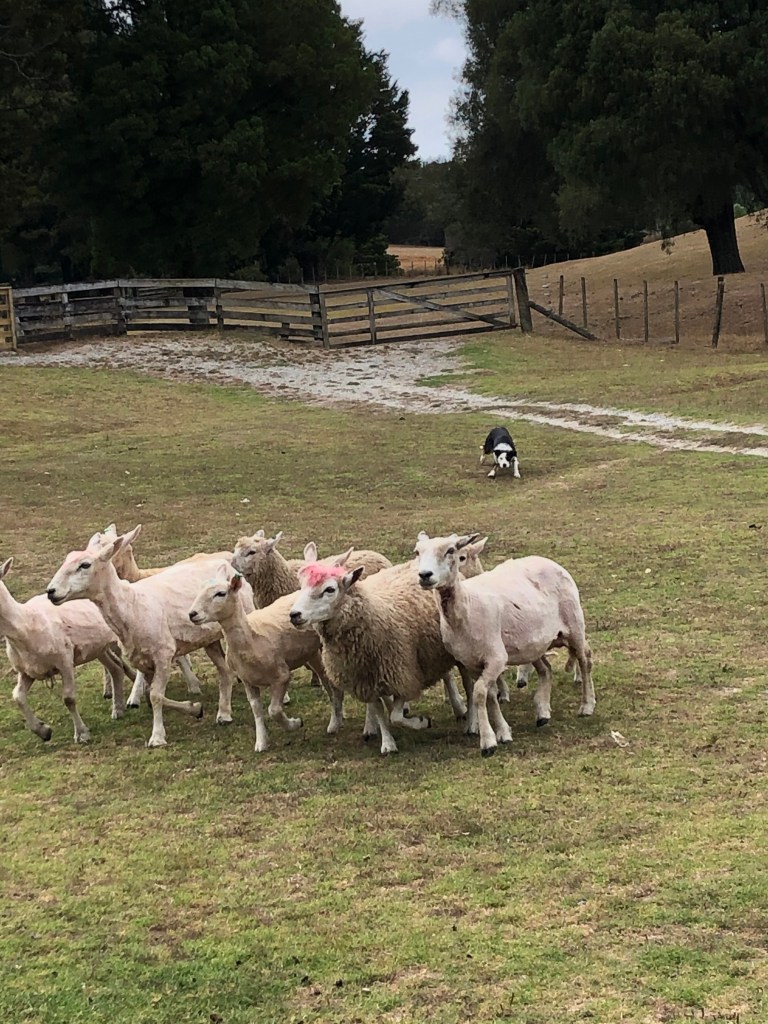
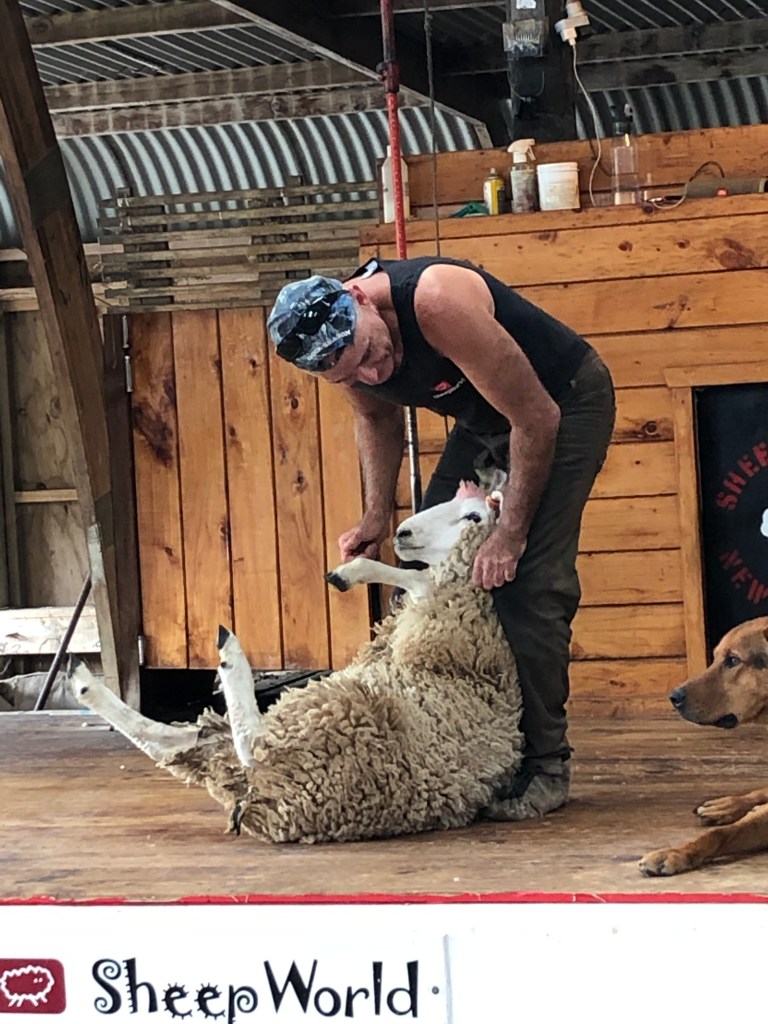
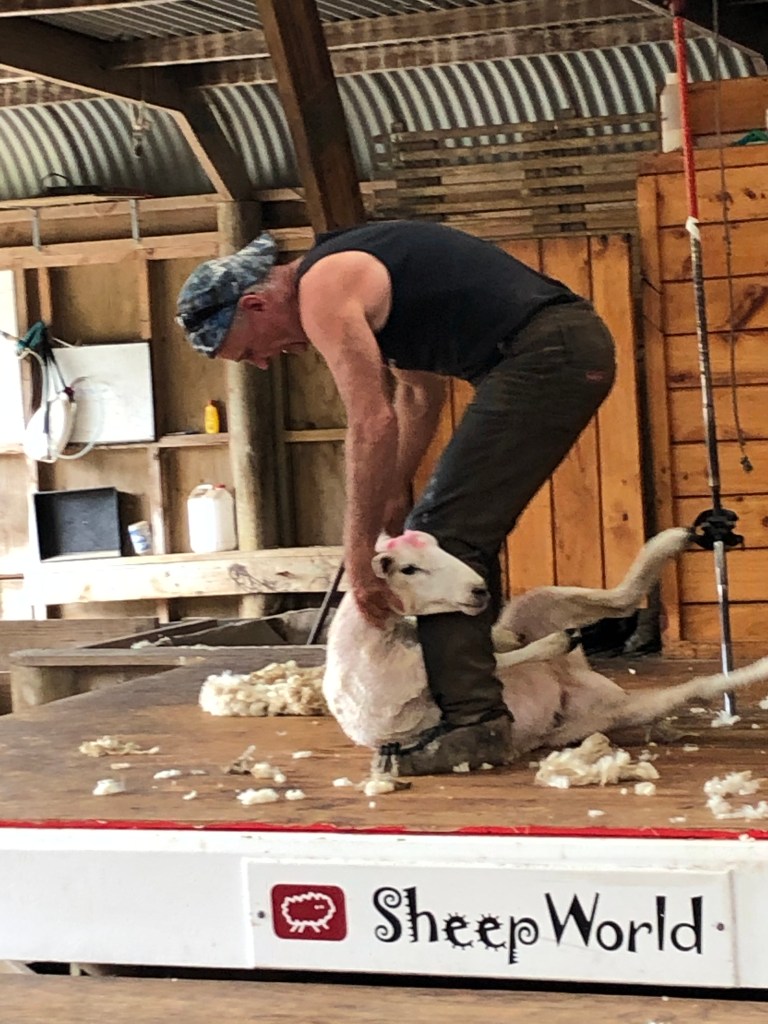
We arrived at Sheep world which is New Zealand’s premier showcase for sheep and wool production. The presenter gave us some background on how important the sheep dogs are in the guarding and security of the sheep, showed us how they were herded by the dogs and then demonstrated the shearing of a sheep in a couple of minutes. He said the shearers get about $2.50 a sheep, work 8 hours a day, 7 days a week and are in great demand.
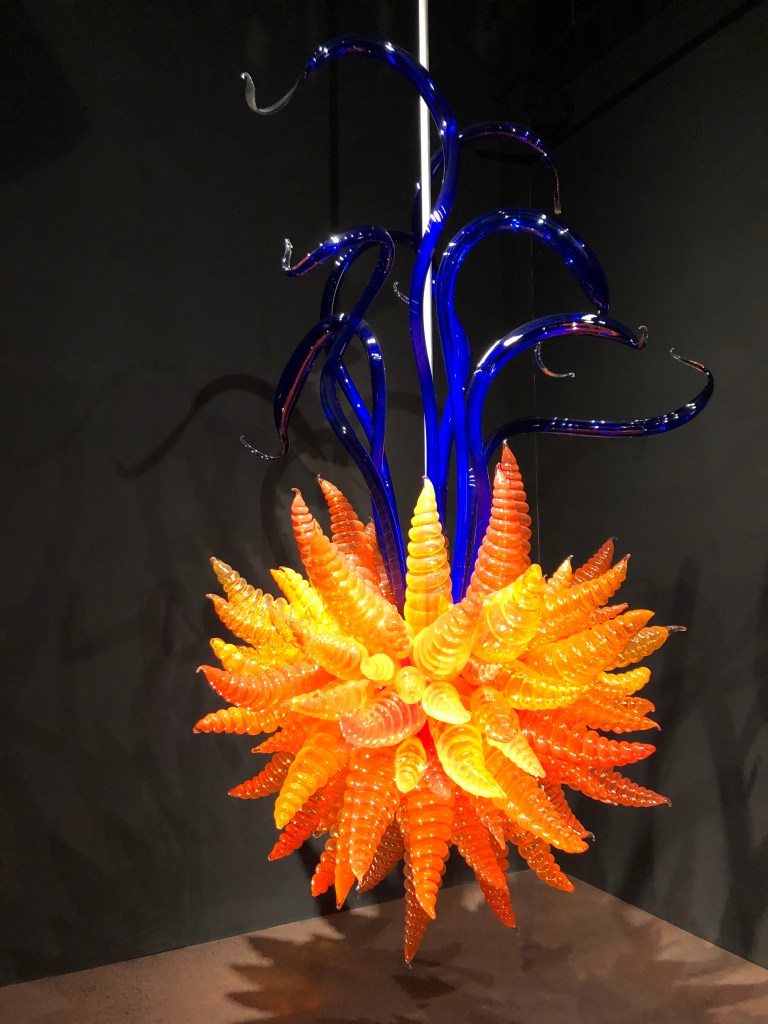
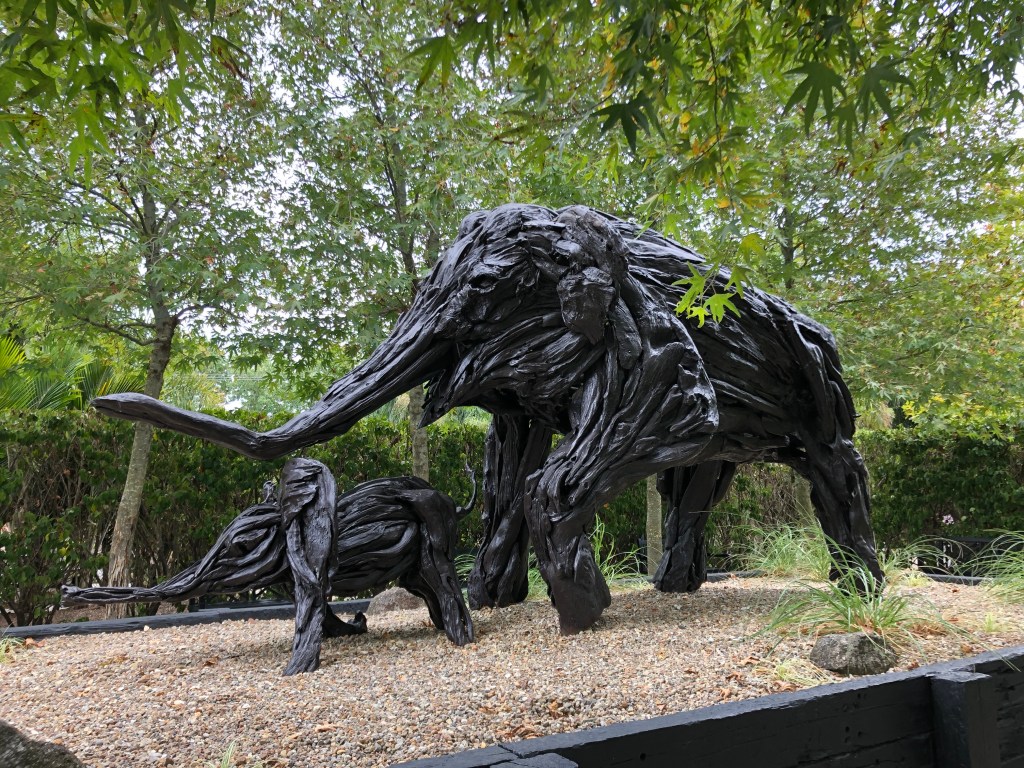
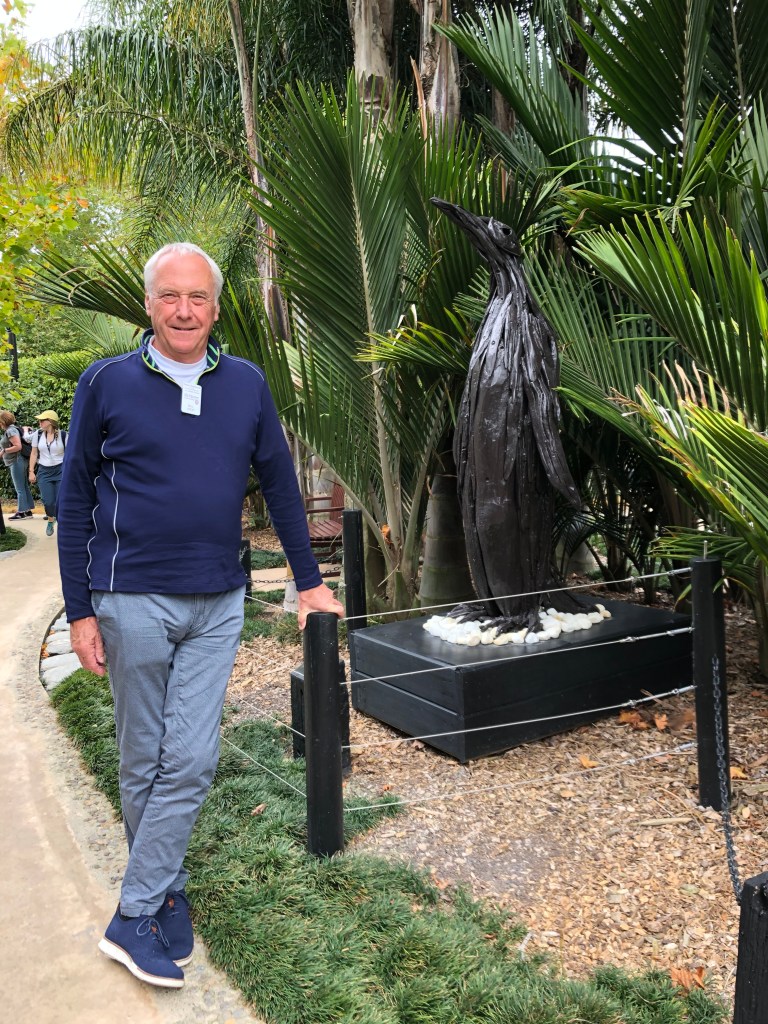
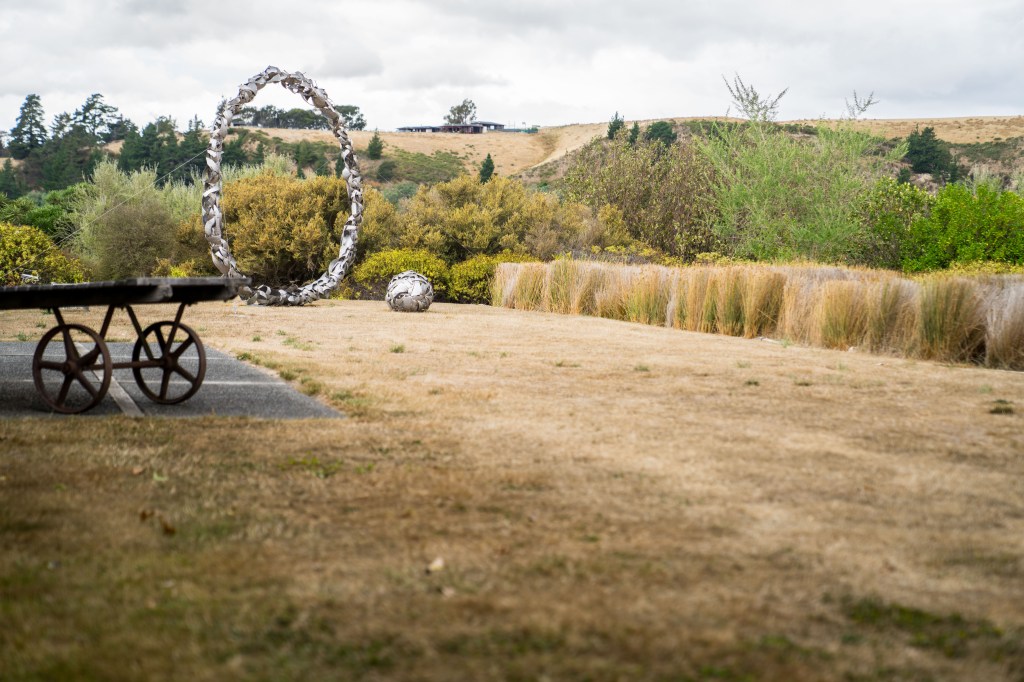
We went by bus to the Matakana in Northland Country and toured the Sculptureum where we visited 3 art-filled gardens, 6 galleries developed by Auckland-based lawyers, Anthony and Sandra Grant over 12 years. The galleries display contemporary works by some of the world’s best glass artists, works by Cexanne, Chagall, animal sculptures handworks in plastic and other materials.
This glass chandelier by Dale Chihuly, an influential artist in glass from Seattle, is lit from the exterior.
The gardens are creatively designed by the owners and full of art, trees, birds and flowers. And a possible design for my water pond.

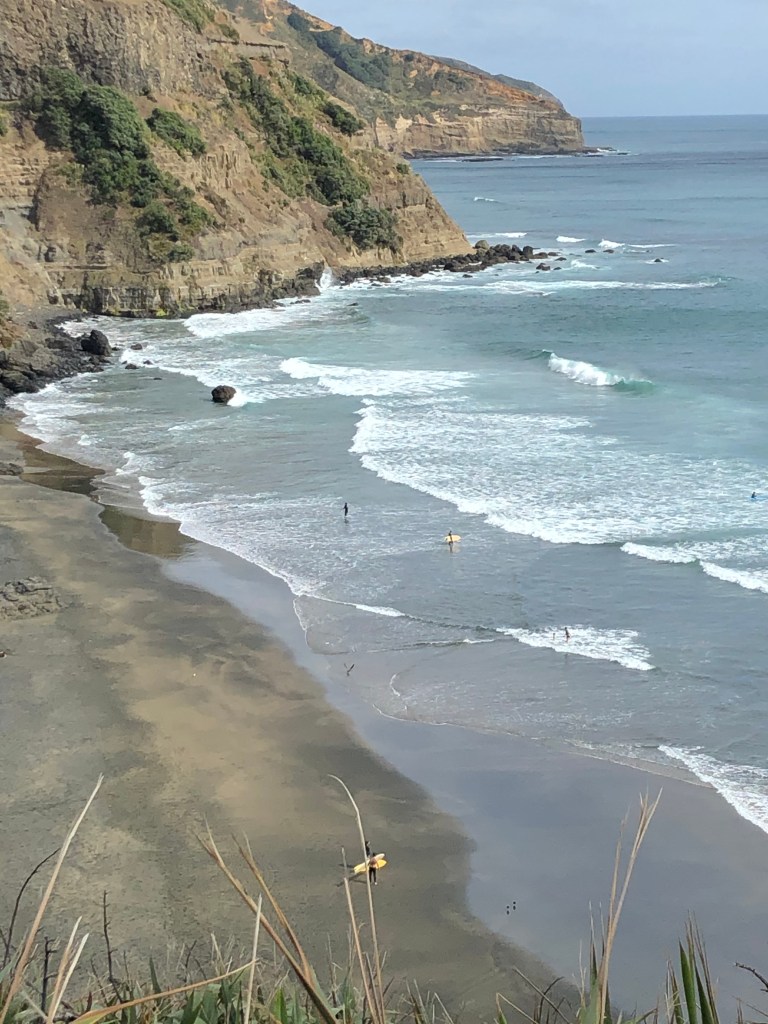
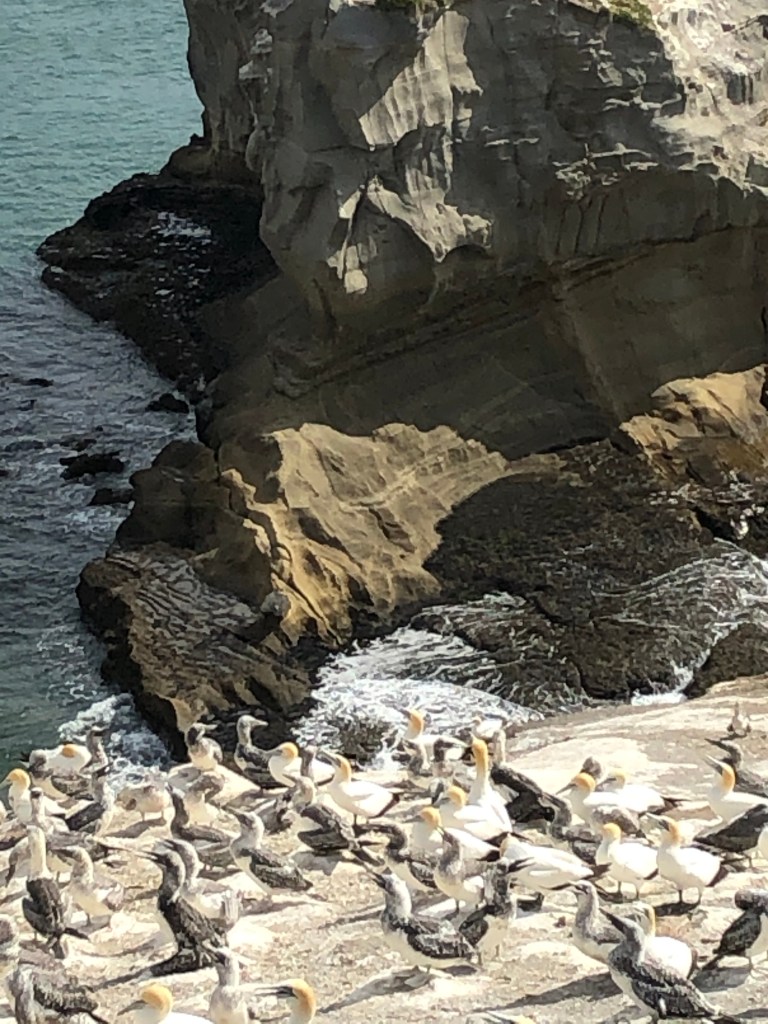
We visited Muriwai Beach with unspoiled natural vistas of the
Tasman Sea and saw a main colony of gannets: About 1200 pairs nest here from August to March.
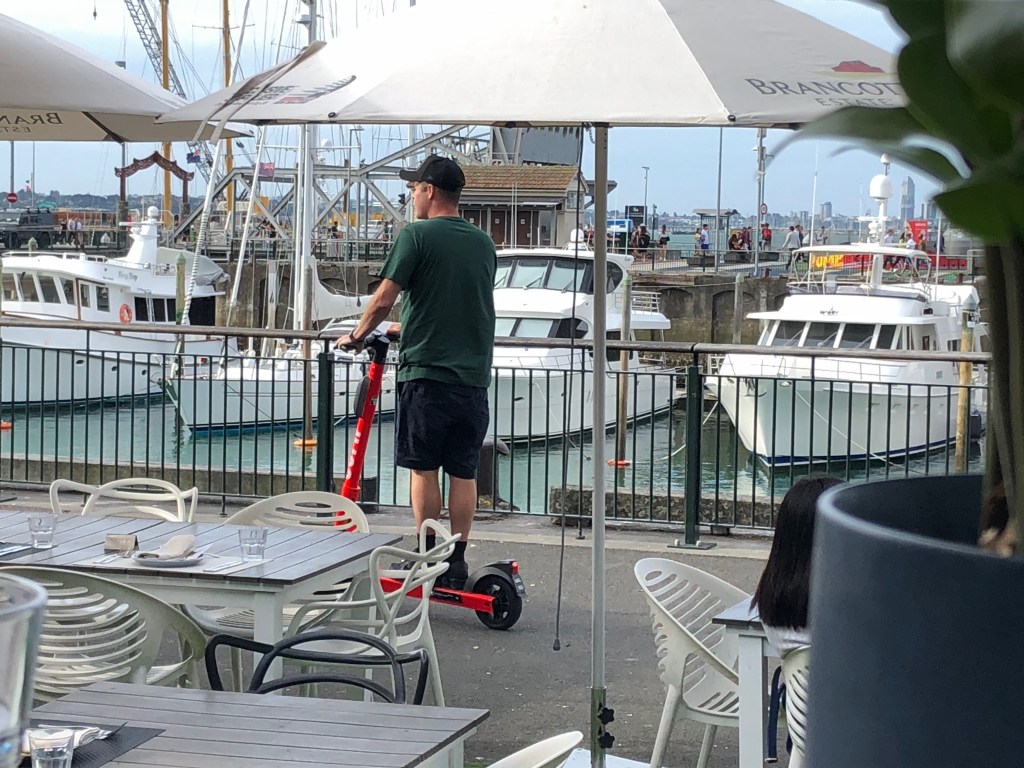
We walked downtown for dinner. One of the common vehicles here are motorised scooters.
February 16 Flight from Auckland to Christchurch
At 5:45 we are on the bus to the airport with our flight at 8:30, arriving in Christchurch at 9 and board a bus for a full day of sightseeing.
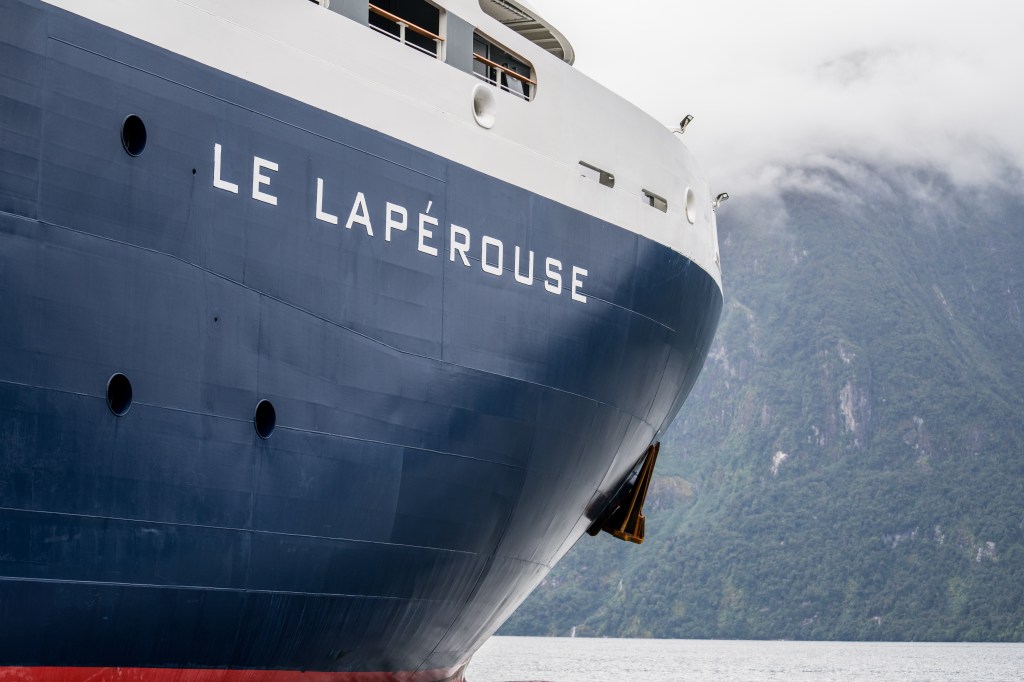
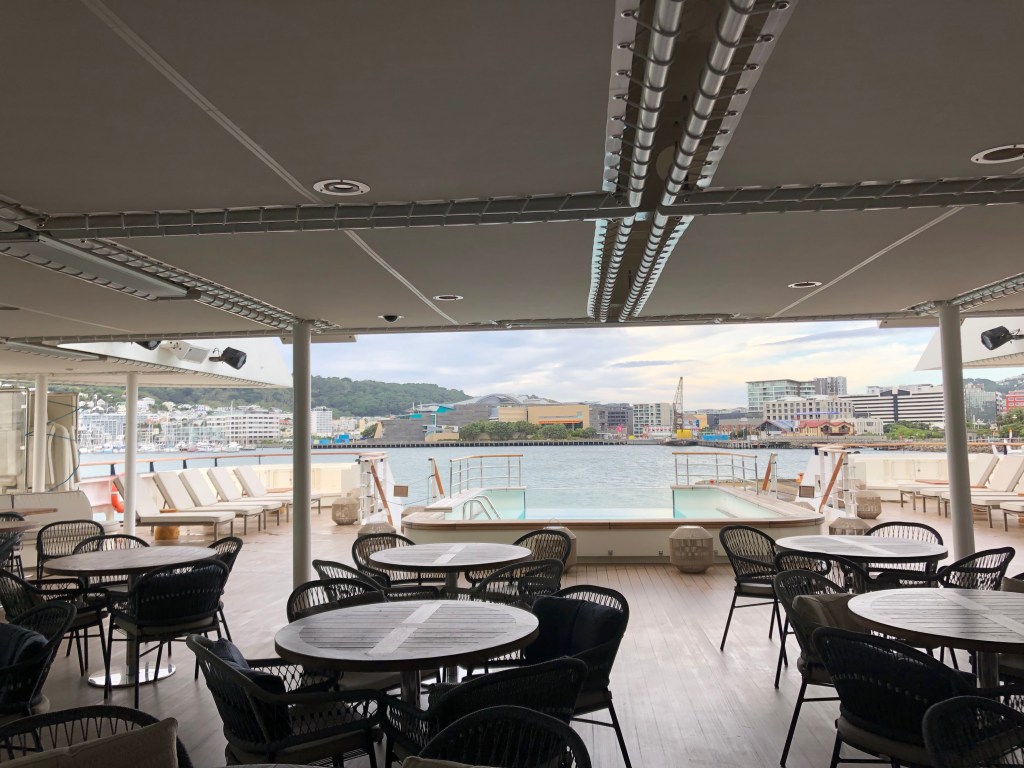
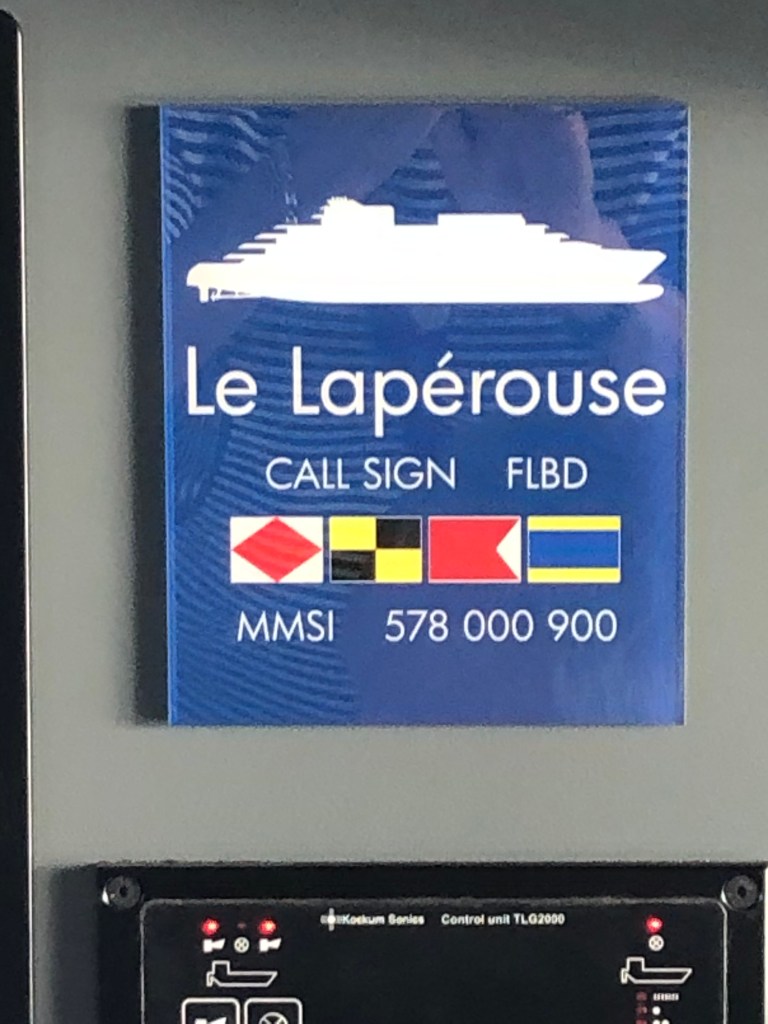
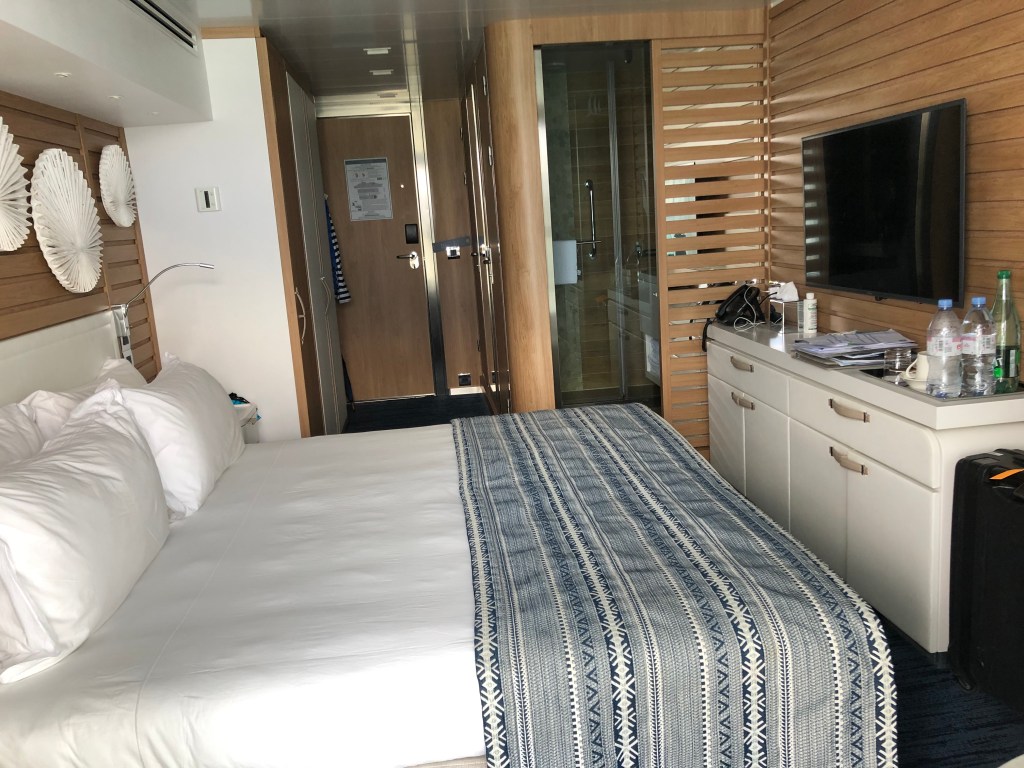
Le Laperouse was built in 2018, one of three new ships for Ponant. Its information is: Length: 131 m; Width: 18 m; Draught 4.7 m; Displacement: 7189 T; Gross Tonnage: 9.976 UMS; Main Engine: 2 x 2000 kw; Electric Power: 4 x 1600 kw; Speed: 12,5 knots; Stabilizers: 2 Rolls Royce;Passengers (max): 184 we had 140; Crew: 127
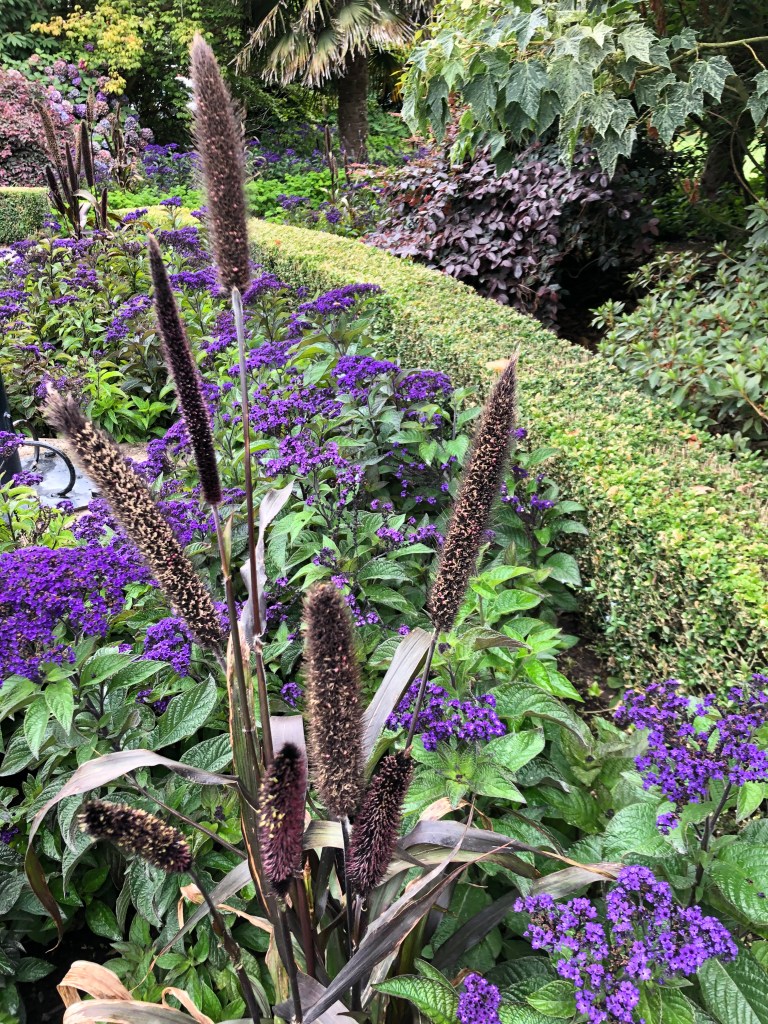
We loaded on buses for a full-day tour of Christchurch. We visited Mona Vale, a public park of 10 acres along the Avon River, and enjoyed the beautiful trees and flowers.
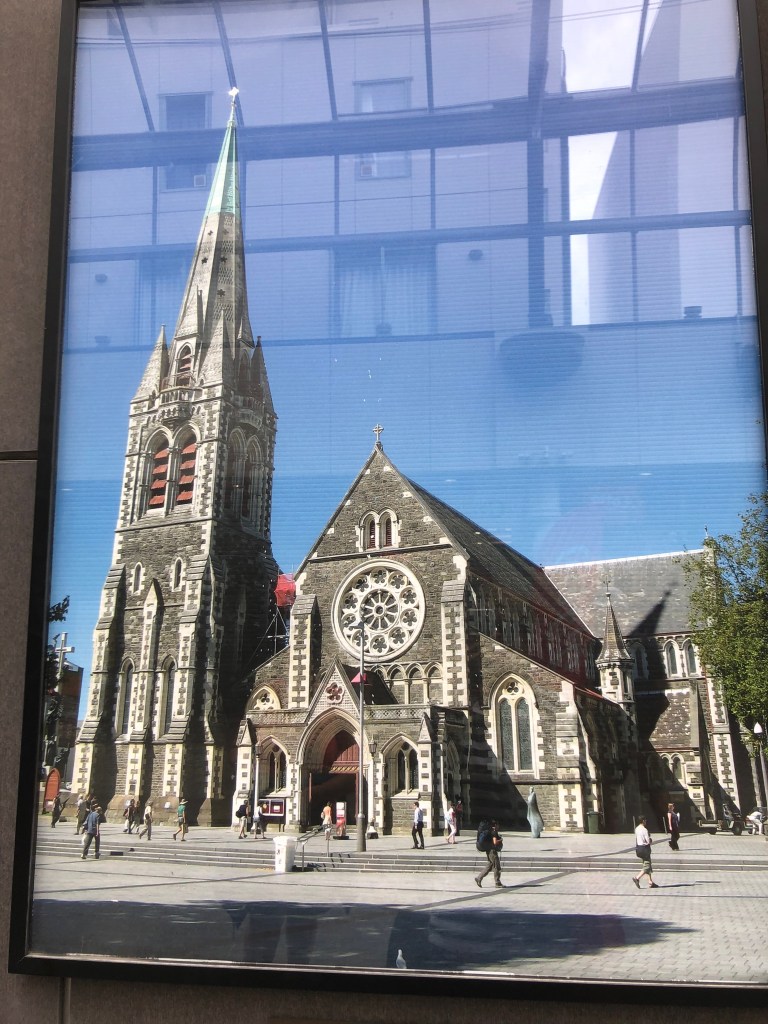
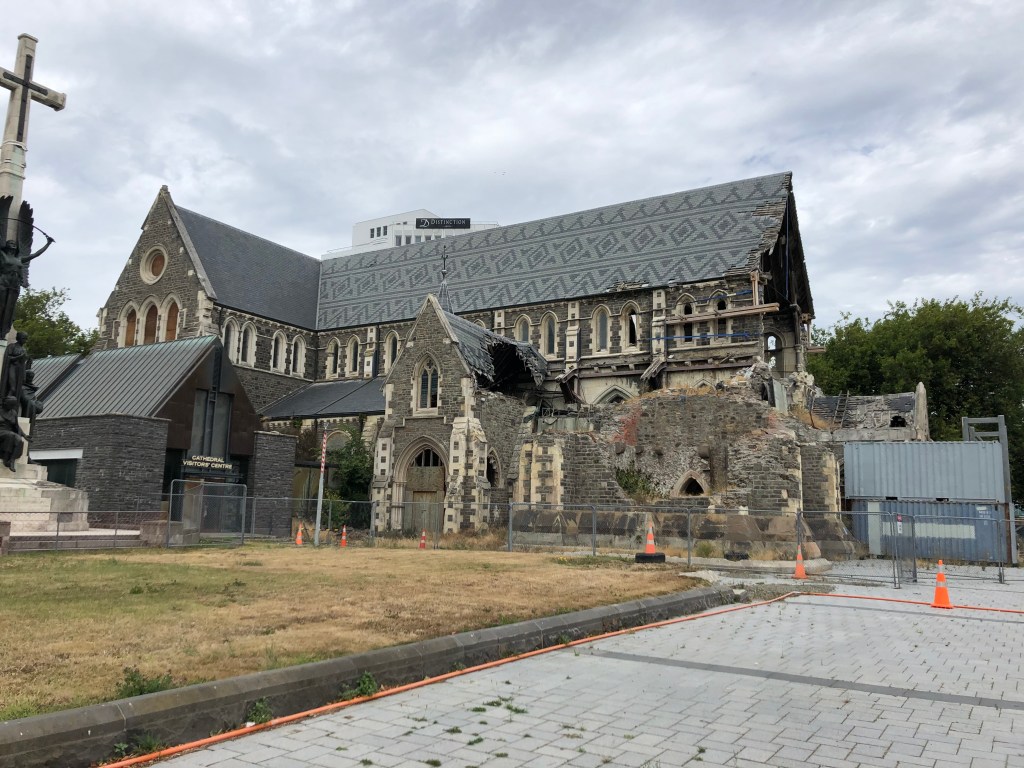
After lunch we passed the Canterbury Earthquake National Memorial Wall, opened on February 22, 2017, the 6th anniversary of the 2011 earthquake that changed the city forever: most of the buildings are new or under reconstruction.
Christchurch Cathedral is now scheduled for renovation with 50% paid by the country and 50% to come from the municipality.
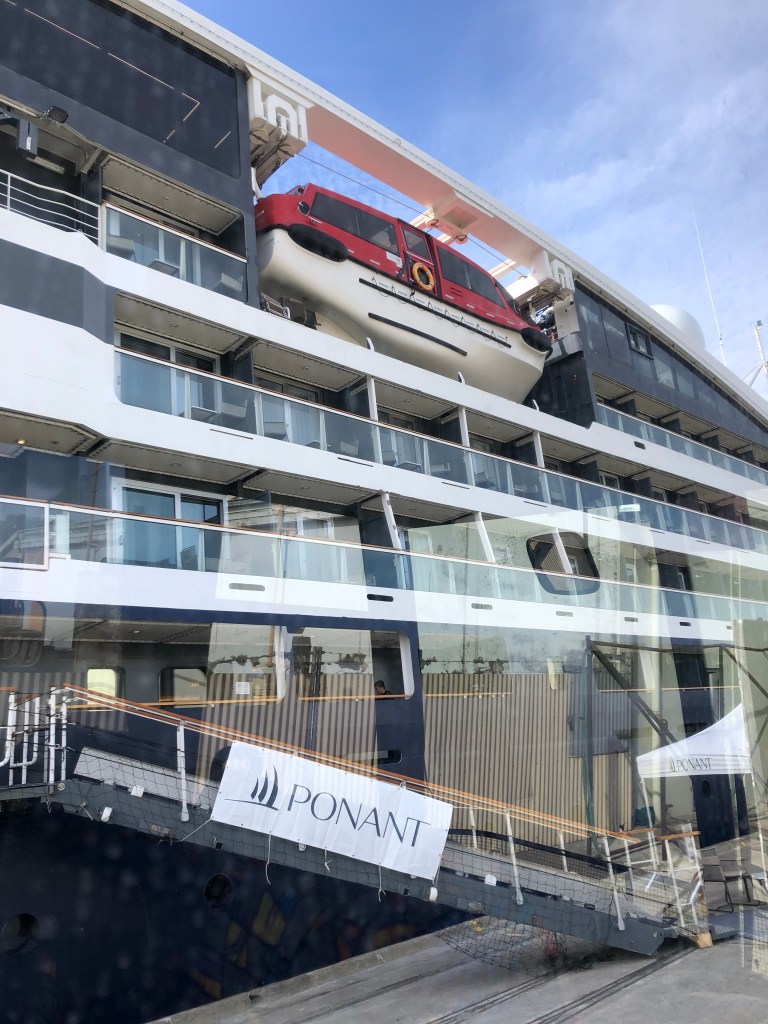
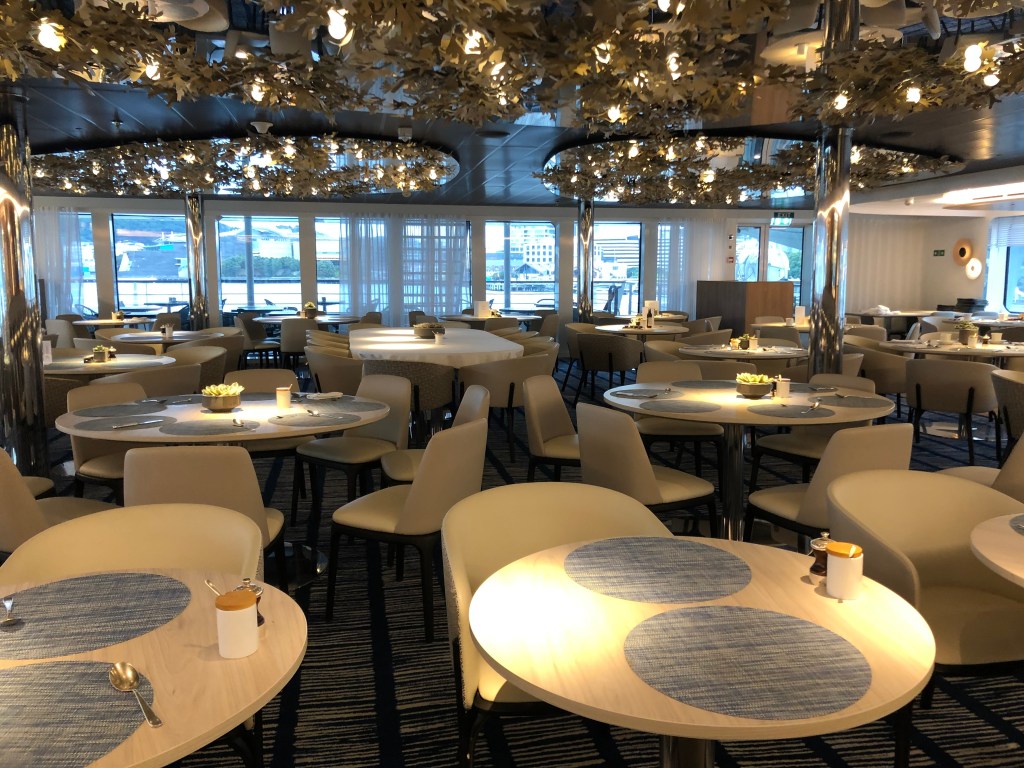
We boarded at 5:00, got settled in our lovely room, had a safety drill and review of services, cocktails and then a great dinner with our friends from Queens, Krys and Mike Lewis and Sophie and Steve. At 6:00, we cast off from Christchurch with the aid of a pilot and pilot boats.
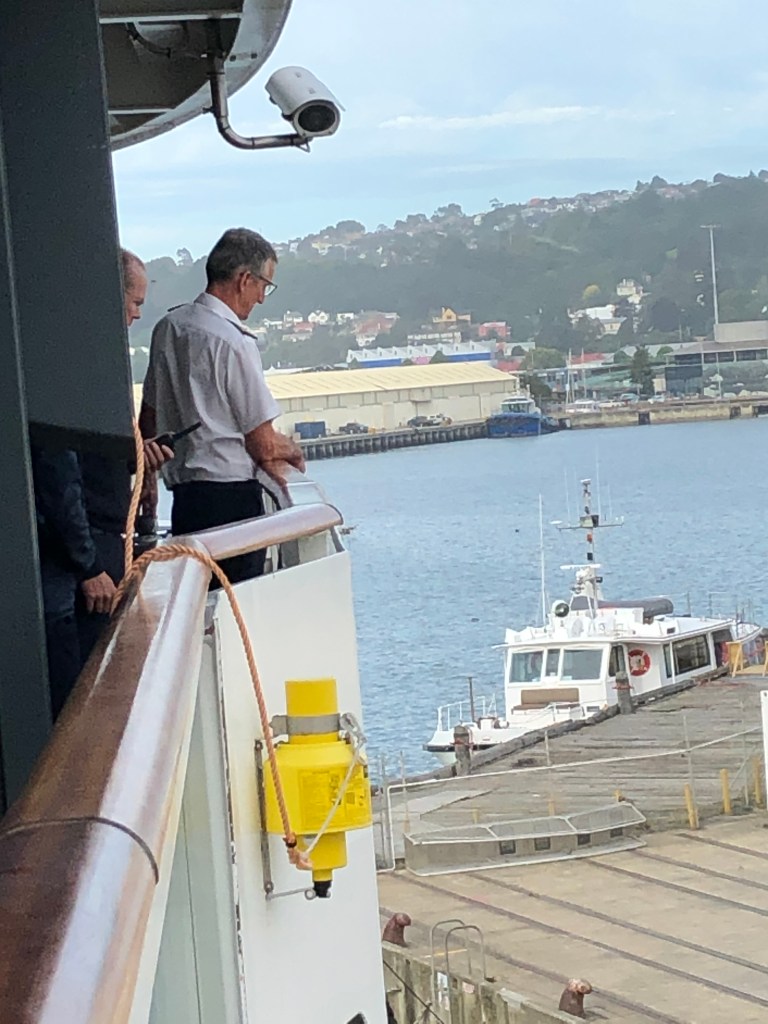
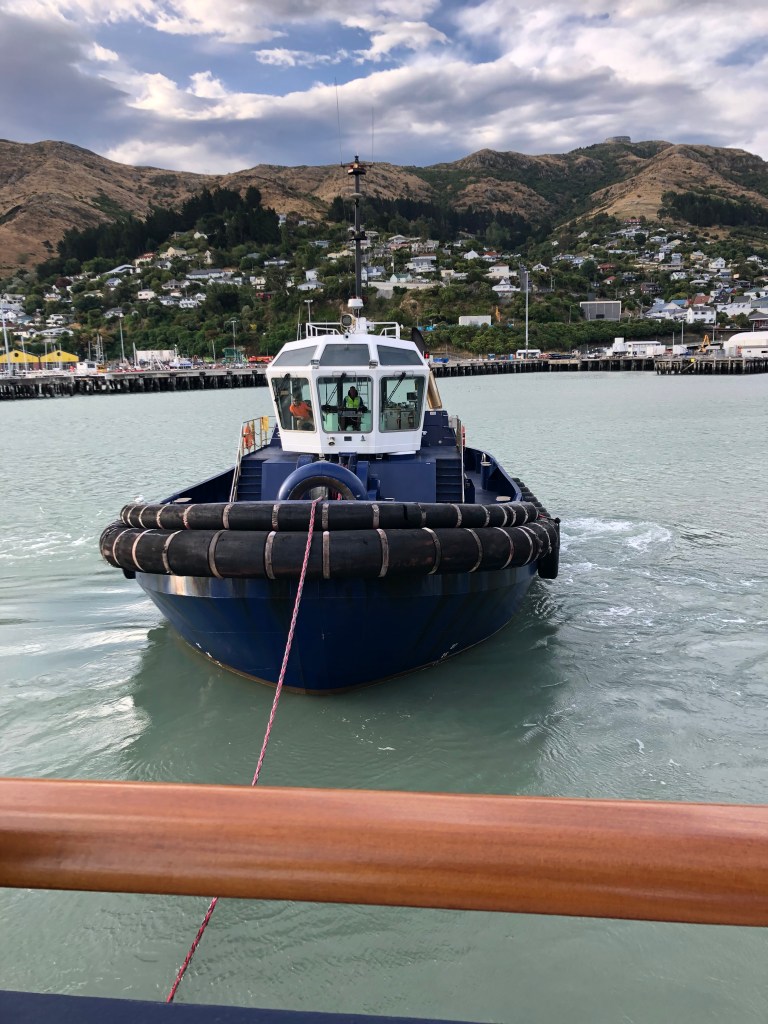
Overnight we sail the 206 NM from Lyttelton to Dunedin.
Monday, February 17. Dunedin
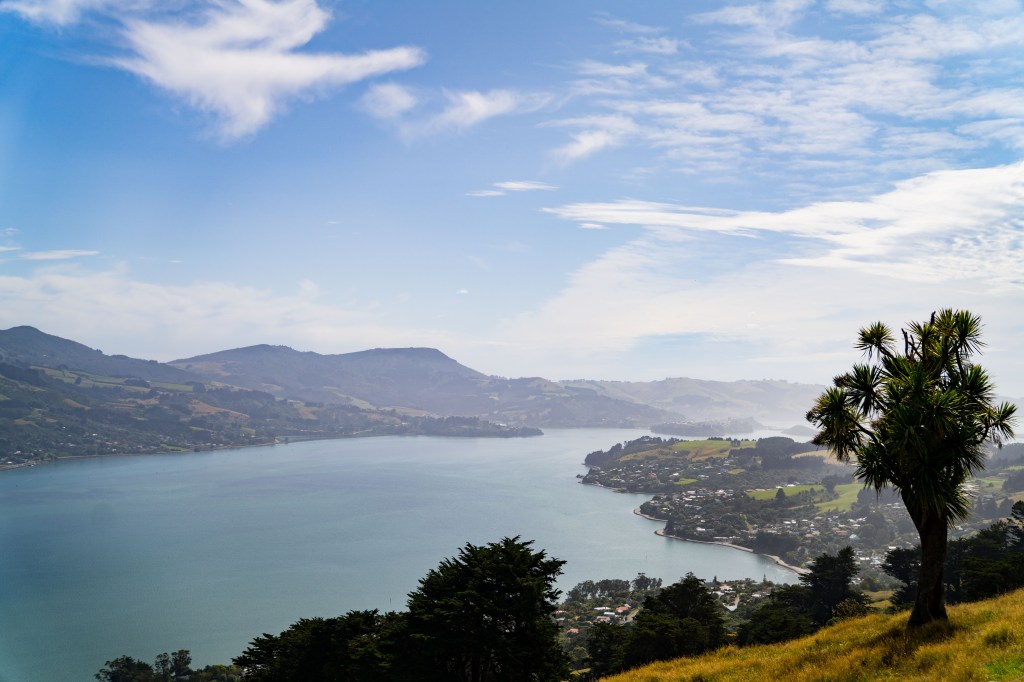
We are off on the bus at 9:00, for a tour of Dunedin, the second largest city on the South Island. The city was predominantly settled by Scots and its name is an anglicised version of the Gaelic name for Edinburgh. The easiest Scotts who a group that split off from the Presbyterian Church over whether the landowner or the congregation were the primary decision-makers for the church, built the first settlement and First Church. They were an industrious group and the settlement grew and then because of the gold rush, the city became very prosperous from 1865 to 1900. The buildings we visited were evidence of this prosperity. It sits on a natural harbour at the base of very high hills reminiscent of San Francisco: Baldwin Street is claimed to be the steepest in the world and held the record until 2019.
Currently, it is best known as a university town since the student population if 27000 is 23 % of the 120,000 residents. The University of Otago, the oldest and one of the best universities in NZ is the South Island’s second largest employer and the biggest contributor to the Dunedin economy
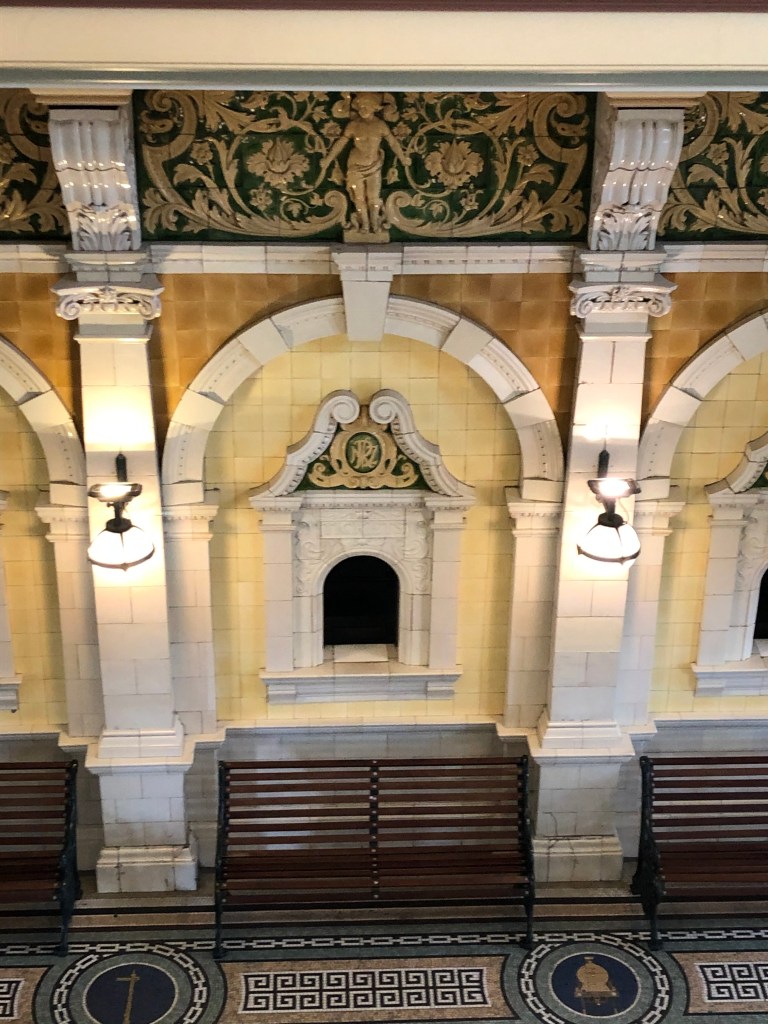
One of the city’s architectural landmarks is the Dunedin Railway Station, dating from 1906 since 1967 with its Flemish Renaissance-style building with white Oamaru limestone facings on black basalt rock giving it a gingerbread house look.
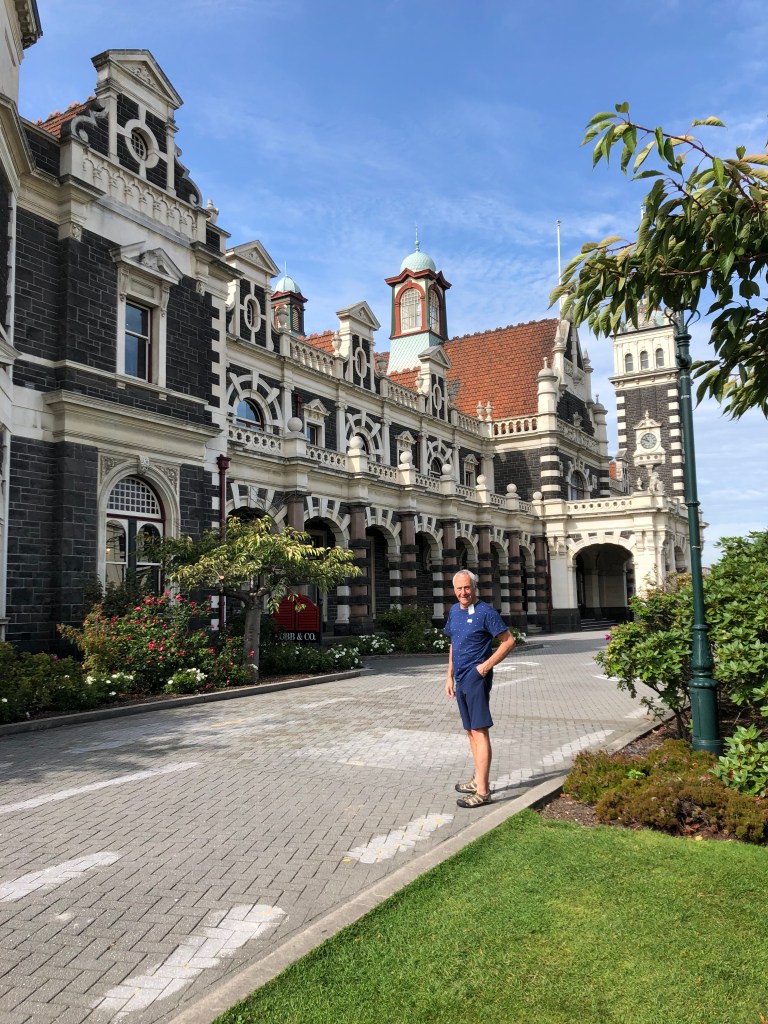
The main hall features a mosaic floor of 750,000 tiles of Royal Doulton porcelain.
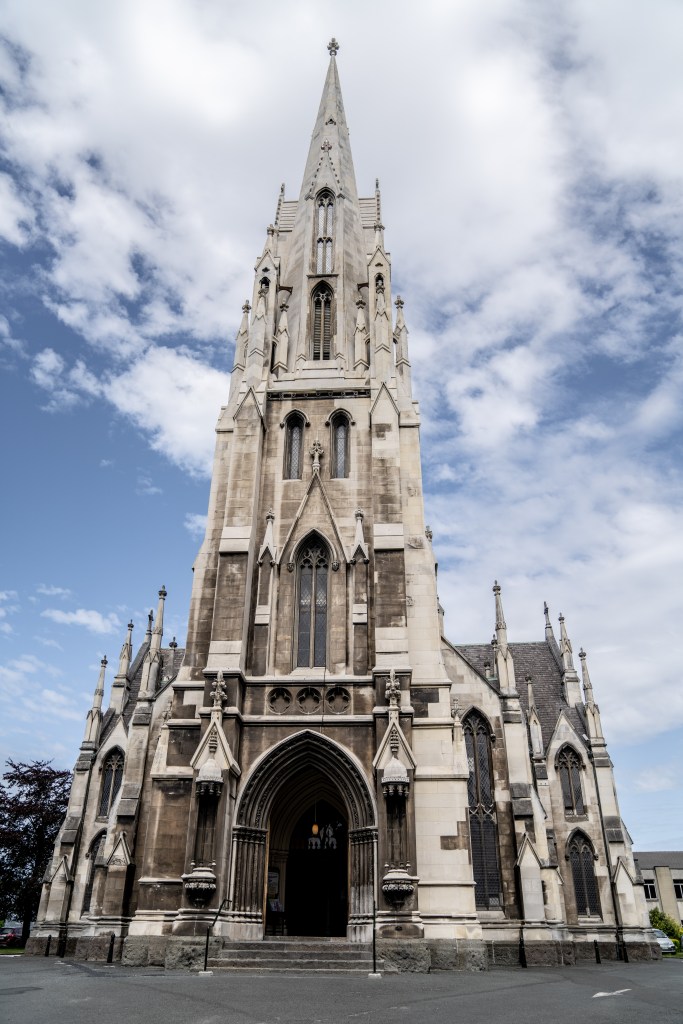
First Church is the city’s primary Presbyterian Church and is regarded as the most impressive of NZ’s 19th century churches. Built by the first settlers in 1884 on the top of a hill that was reduced by 40 ft., the building is Gothic in style and is dominated by a 185 ft spire.
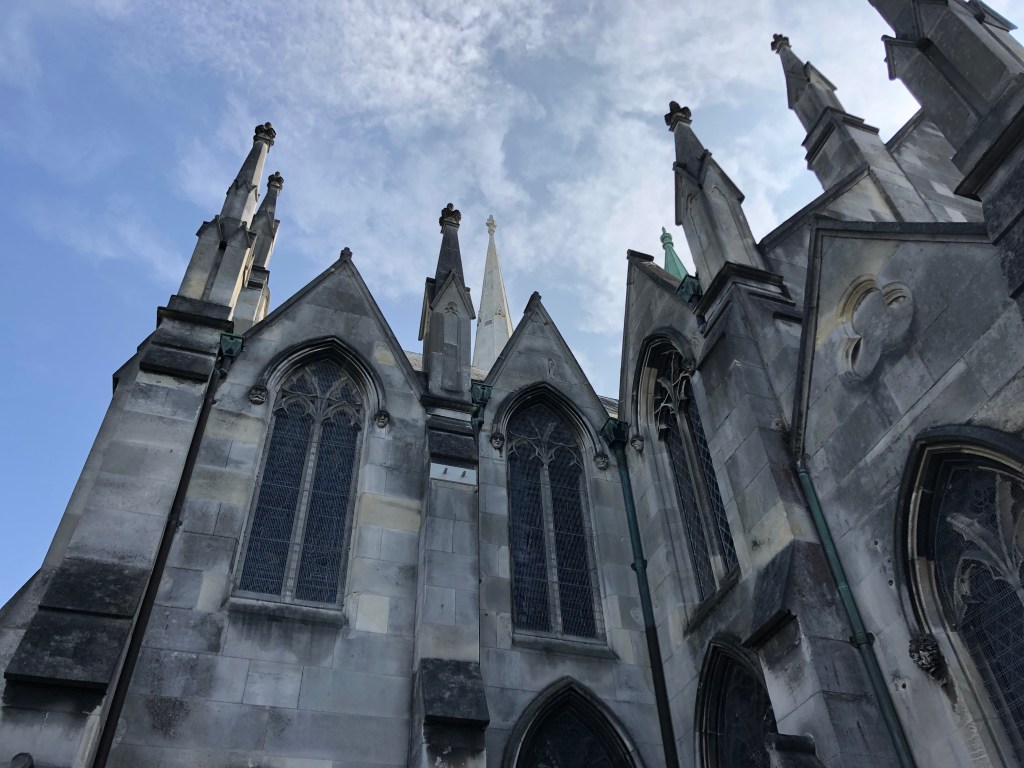
What we enjoyed most about First Christ in Dunedin was the very engaging tour by the former minister from the church.
We visited Olveston Historic home, built in 1904 for local businessman and gifted to the city in 1966 had an impressive collection of artefacts and is surrounded by lush gardens.
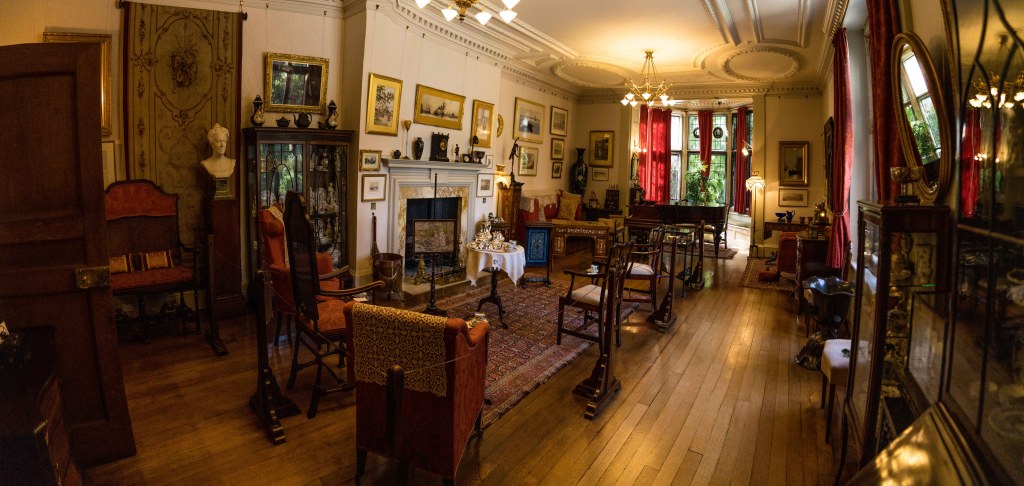
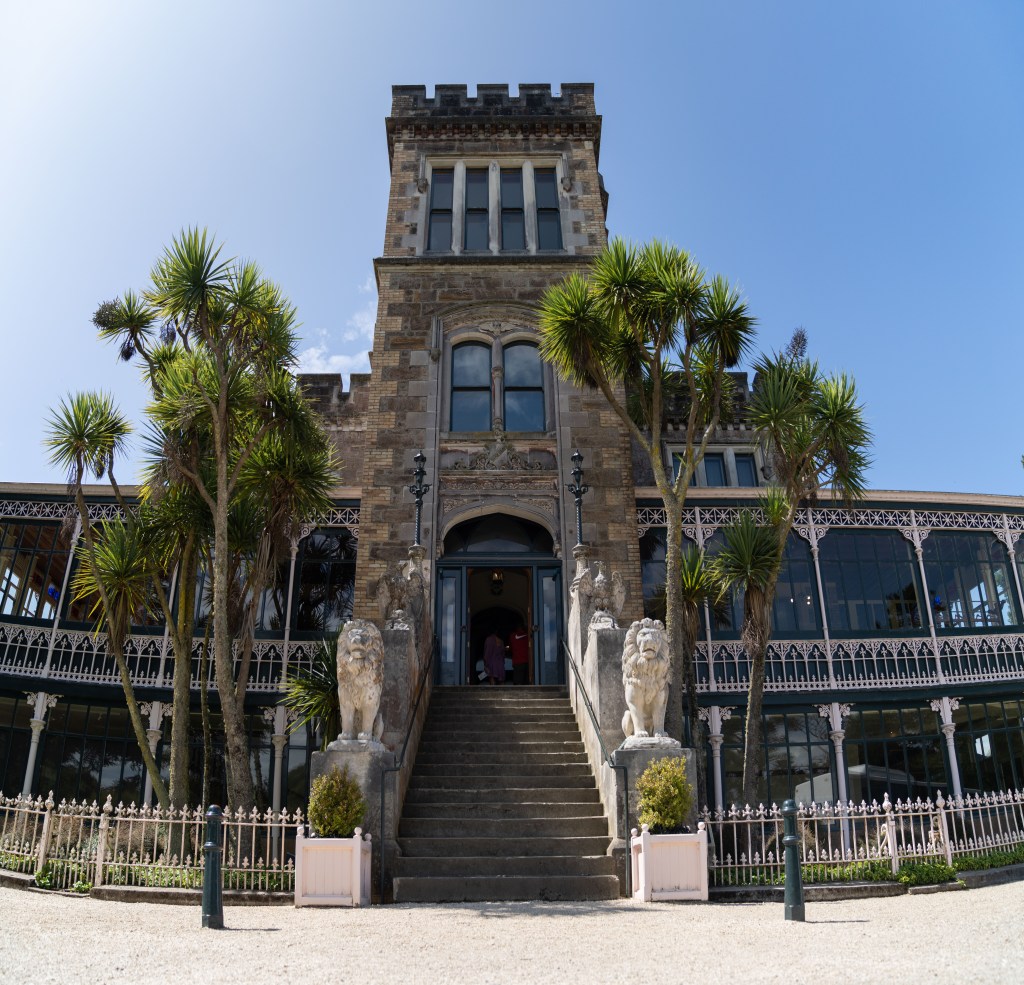
We also toured Larnarch Castle built from 1873 to 1887 as a residence with 43 rooms full of antiques, carved ceilings on 35 acres.
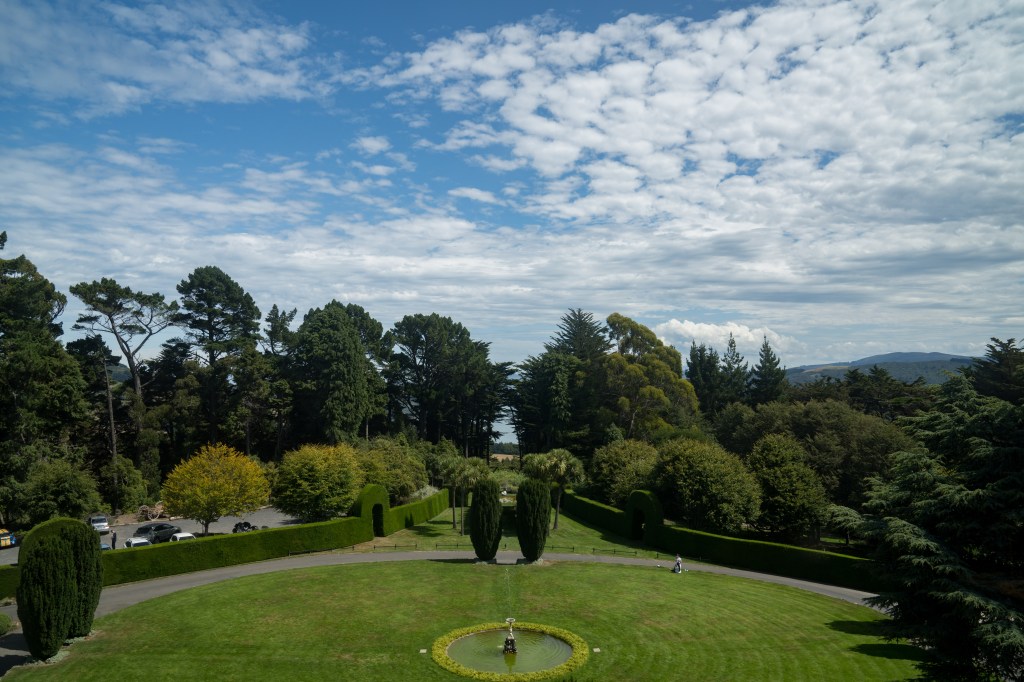
It is surrounded by gardens.
Overnight, we sailed from Dunedin to Dusky Sound, 265 NM.
Tuesday, February 18. Dusky Sound
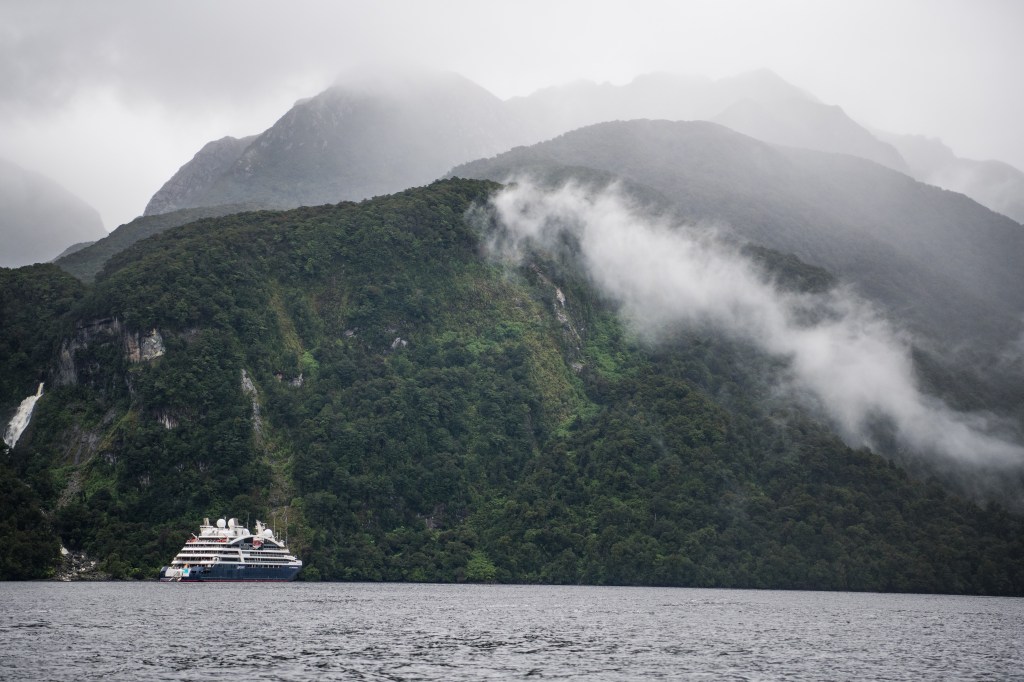
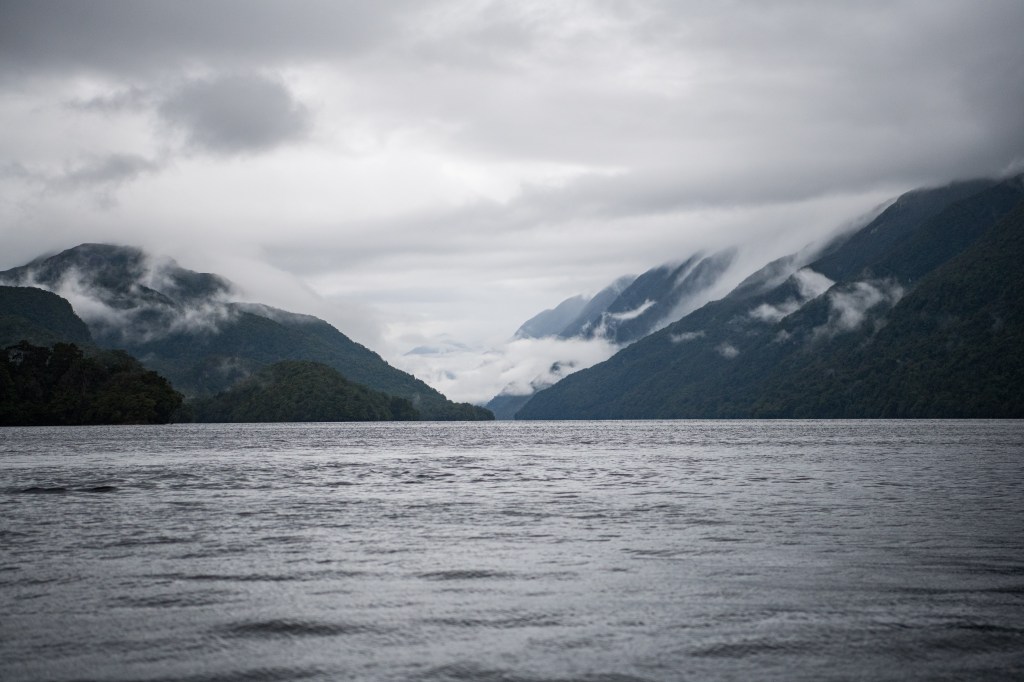
Dusky Sound is the first of the Fiordland National Park fiords that we visited. It was named a sound in error as it was clawed away by glaciers over millennia. It was a rainy cool day and despite that the natural beauty untouched by civilisation was inspiring.
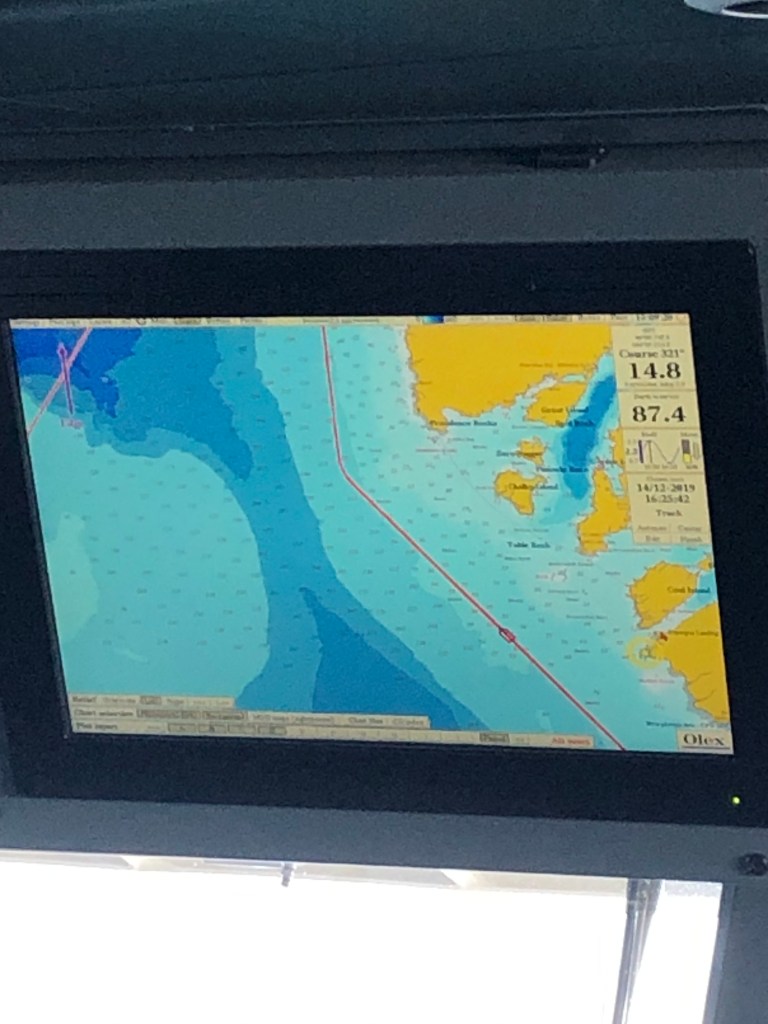
We went for a tour of the bridge and were very impressed by the technology.
The zodiacs were stored on the top deck and lowered by rope as the launch deck was formed. Here the zodiacs are being docked for our venture into the Sound.
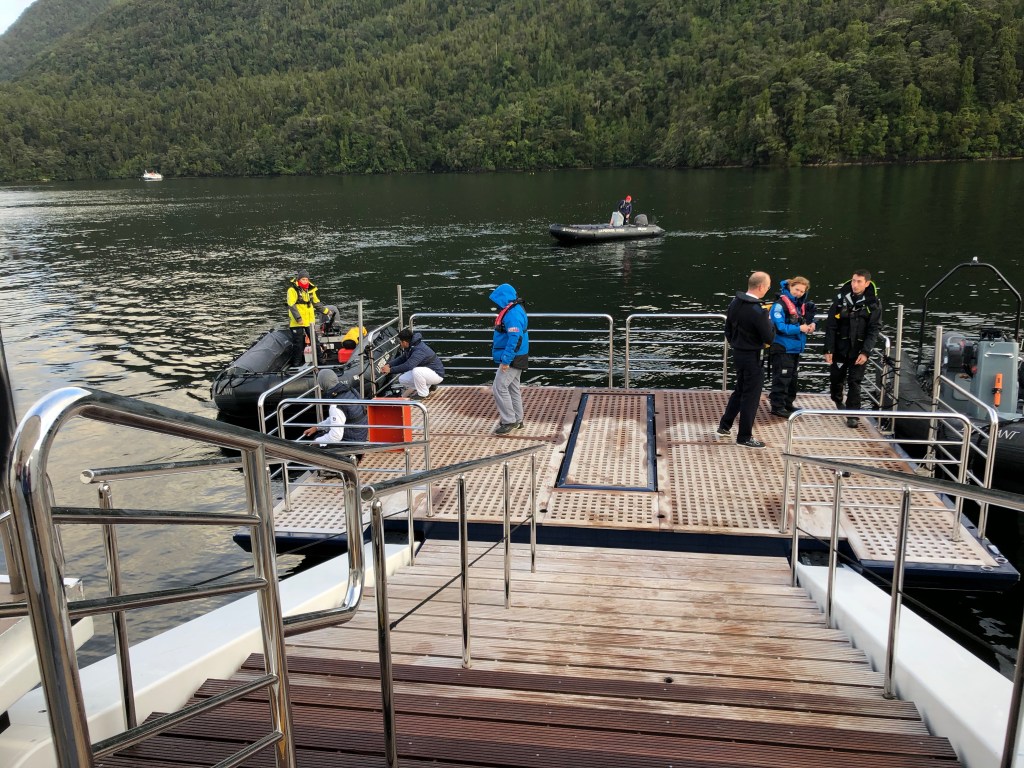
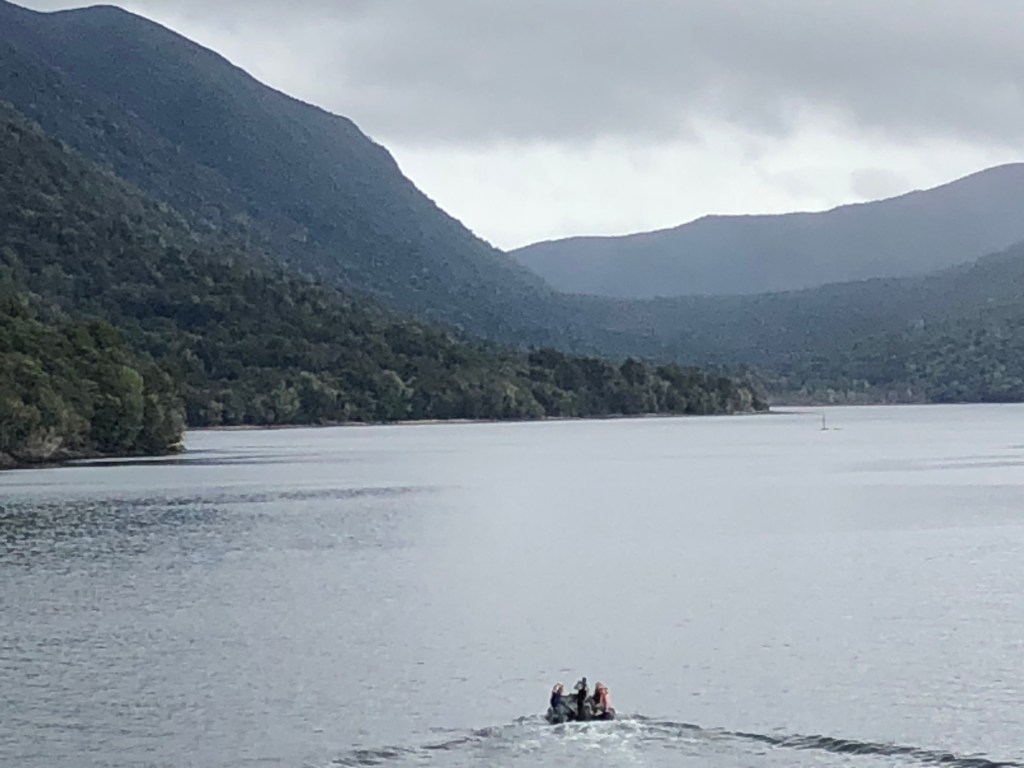
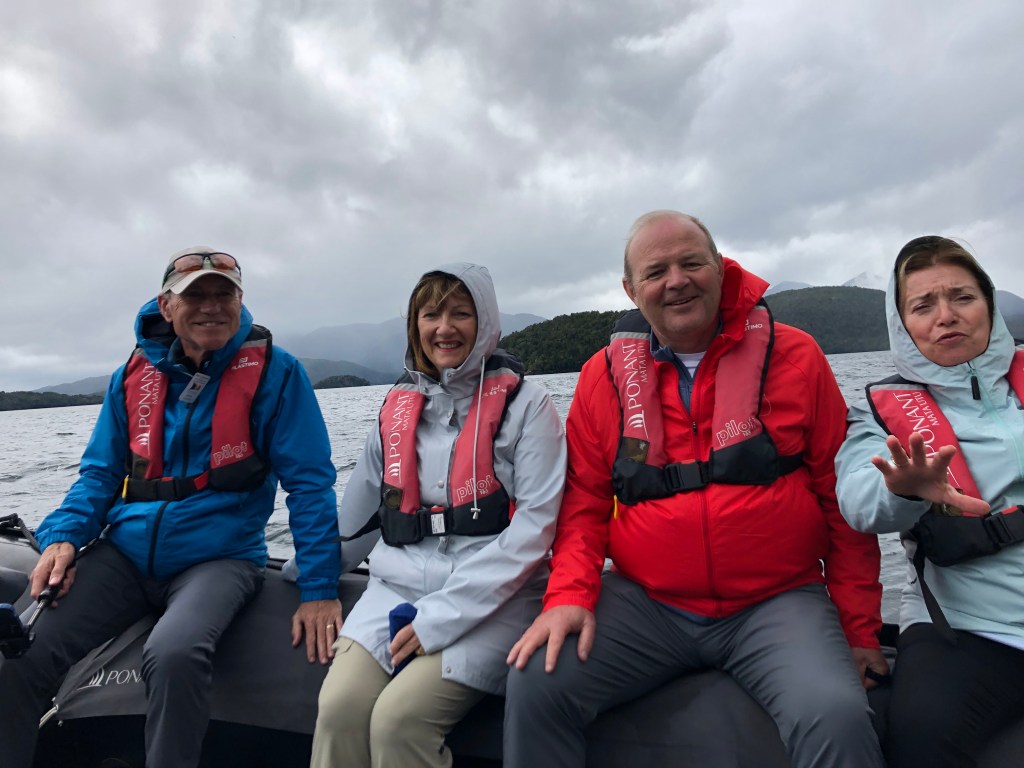
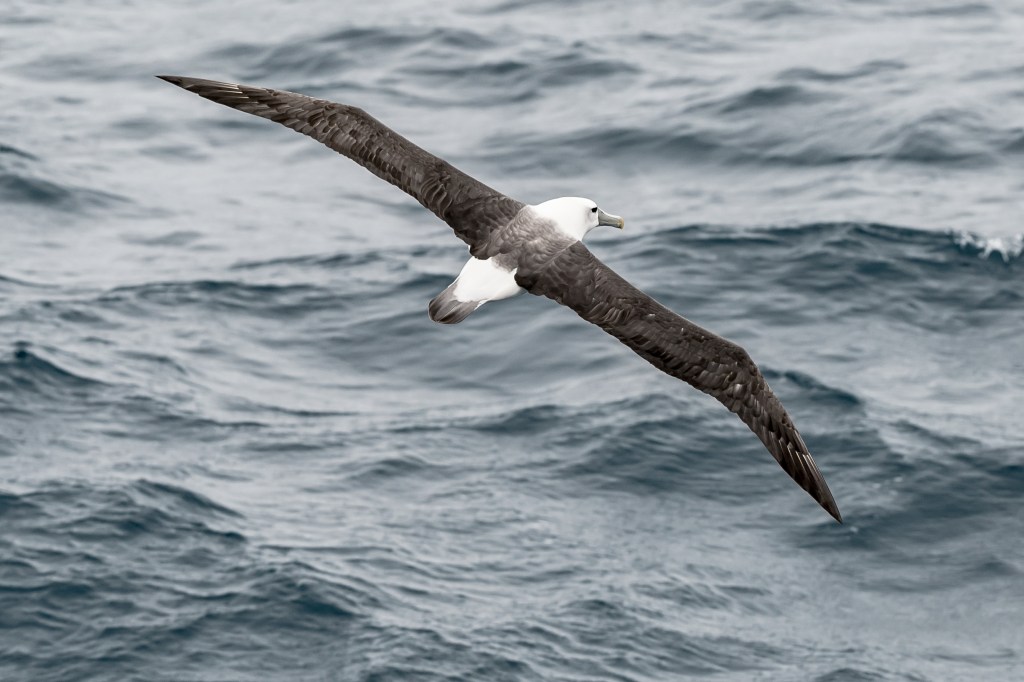
We had a guided tour by Hannah a Naturalist showing us the rock cliffs, wildlife and inlets in the fiord as well as the plaque commemorating James Cooke’s navigation work in the area.

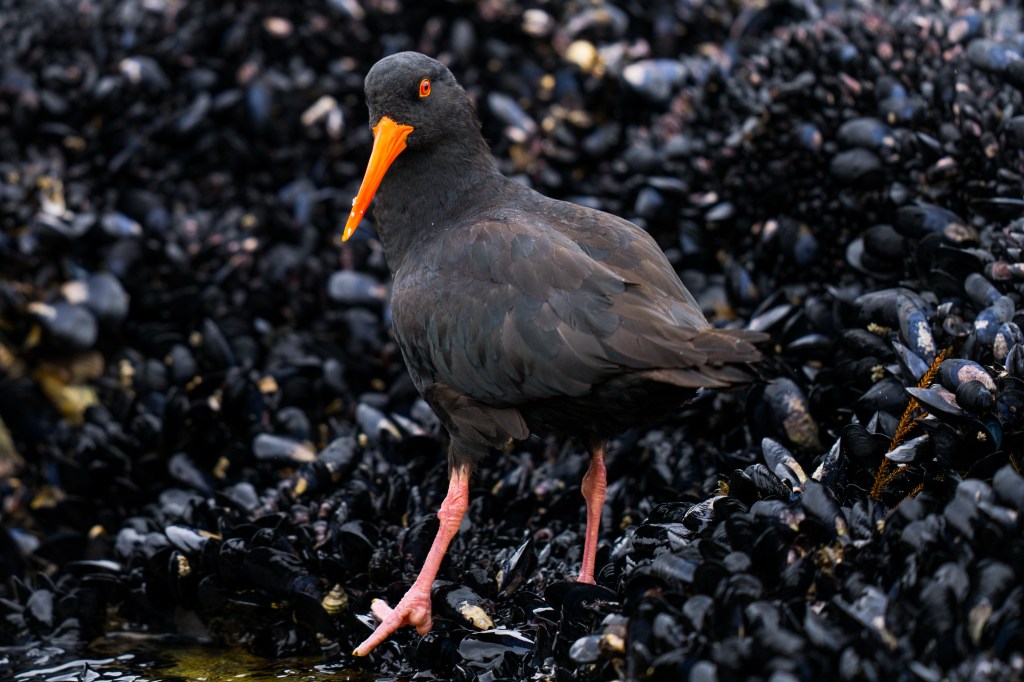
Unfortunately we were not in rain gear and got totally drenched. We glimpsed a native penguin briefly and native birds.
And then the rain came and we were royally soaked and cold. I came back and had a hot shower.
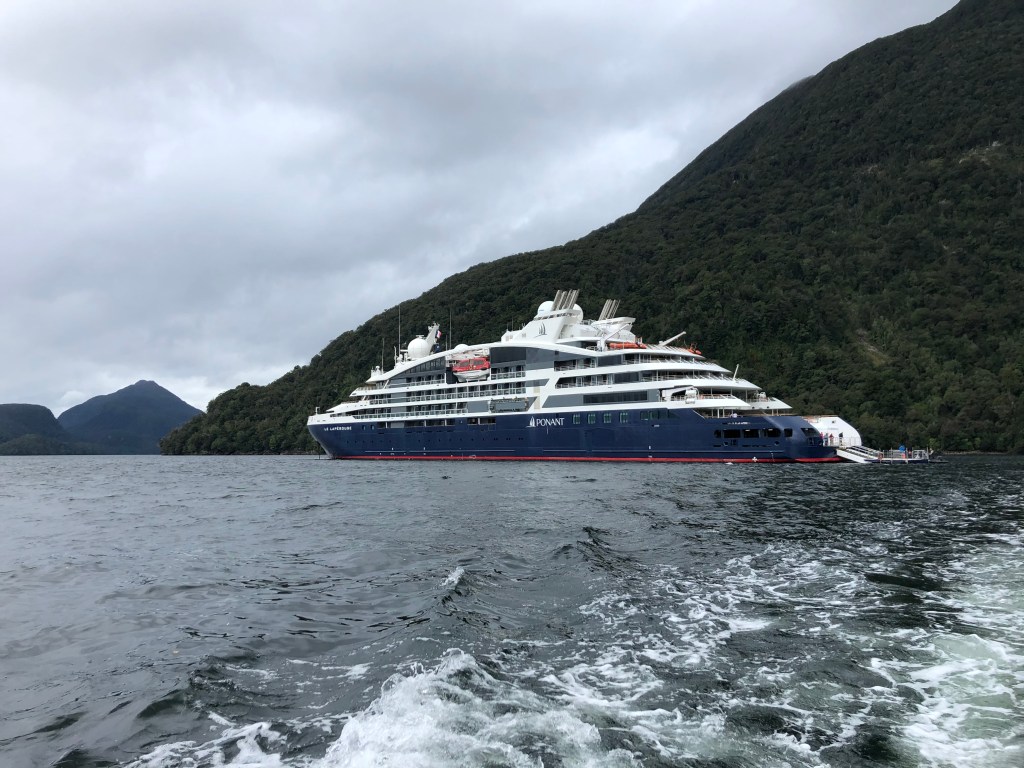
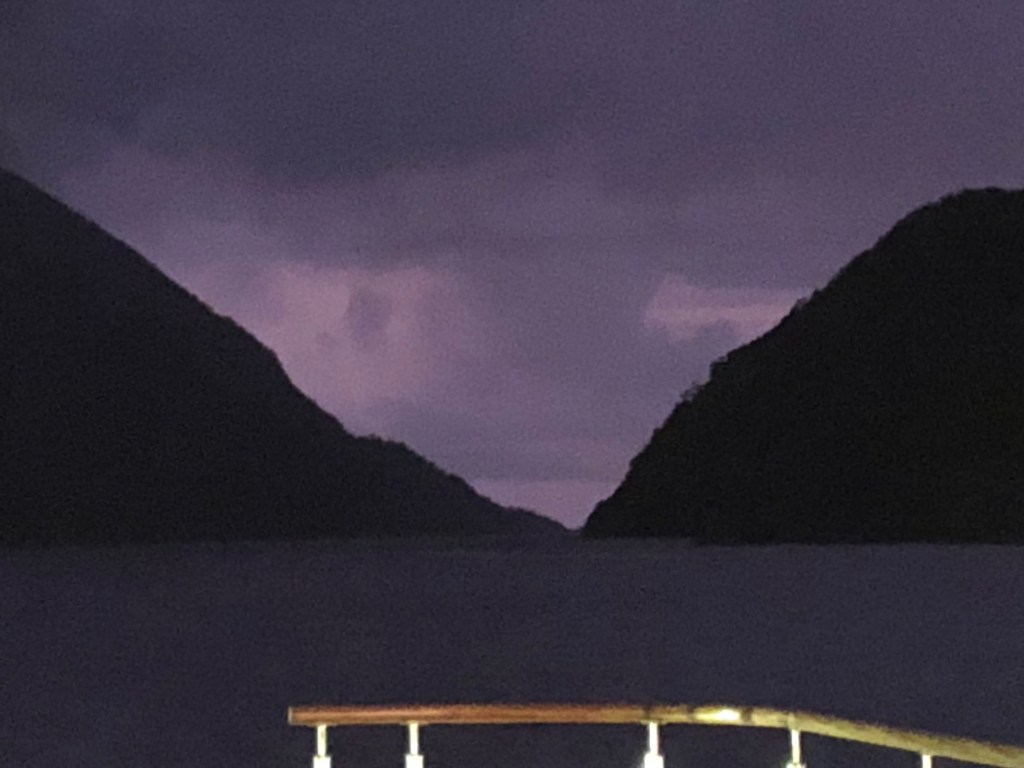
In the evening around 9:00, Le Laperouse entered Doubtful Sound via ‘the Gut’, a narrow passage between Bauza Island and Secretary Island, that offers more shelter than areas to the west towards the sea. A Spanish scientific expedition commanded by Alessandro Malaspina visited Doubtful Sound in February 1793 to conduct experiments measuring the force of gravity using a pendulum, a part of the effort to establish a new metric system. The Sound is home to dolphins, whales fur seals, penguins and sea creatures. It has two distinct layers of water that do not mix: the top few feet is fresh water fed by run-off from the mountains; the layer below is salt water from the sea. The difference in the refractive index between the two layers makes it difficult for light to penetrate. As a result, many seep-sea species such as black coral grow in the comparatively shallow depths.
Overnight we sailed from Dusky Sound to Doubtful Sound only 50 NM and then during the day onto Milford Sound only 71 NM.
Wednesday, February 19. Doubtful Sound and Milford Sound
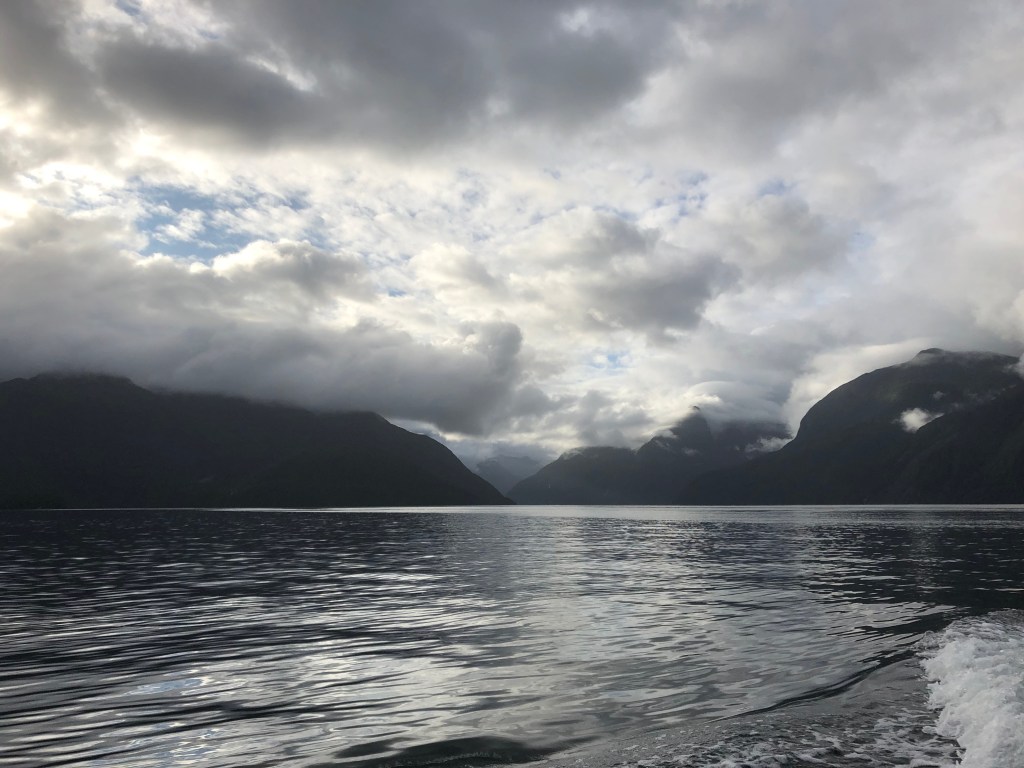
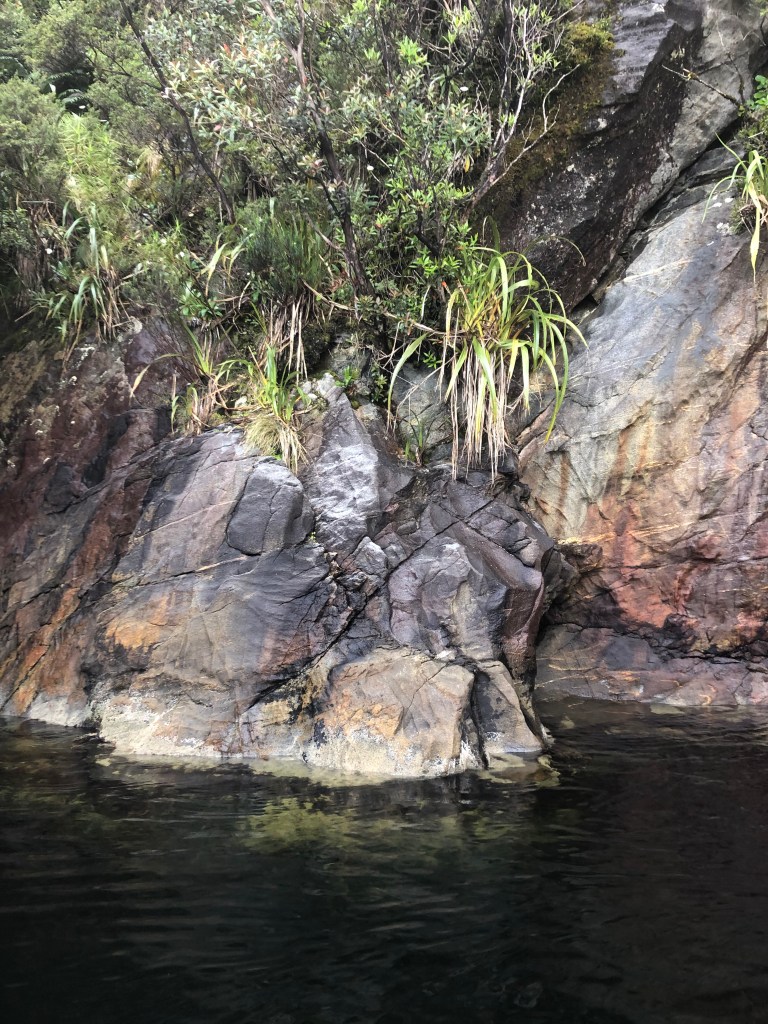
We are off early this morning on the Zodiac with 8 others and our Naturalist guide, Sarah. It is 8 degrees and cloudy with a high of 13 degrees, clear skies and sun. We have bundled up more than yesterday now more aware of the cool, wet conditions. After lunch, there is a second lecture by Barbara Murch from the University of Toronto on “Earthquakes, Volcanoes and Natural Hazards in NZ” and from Peter Crane of Yale U on “Island Life and New Zealand Biodiversity”.
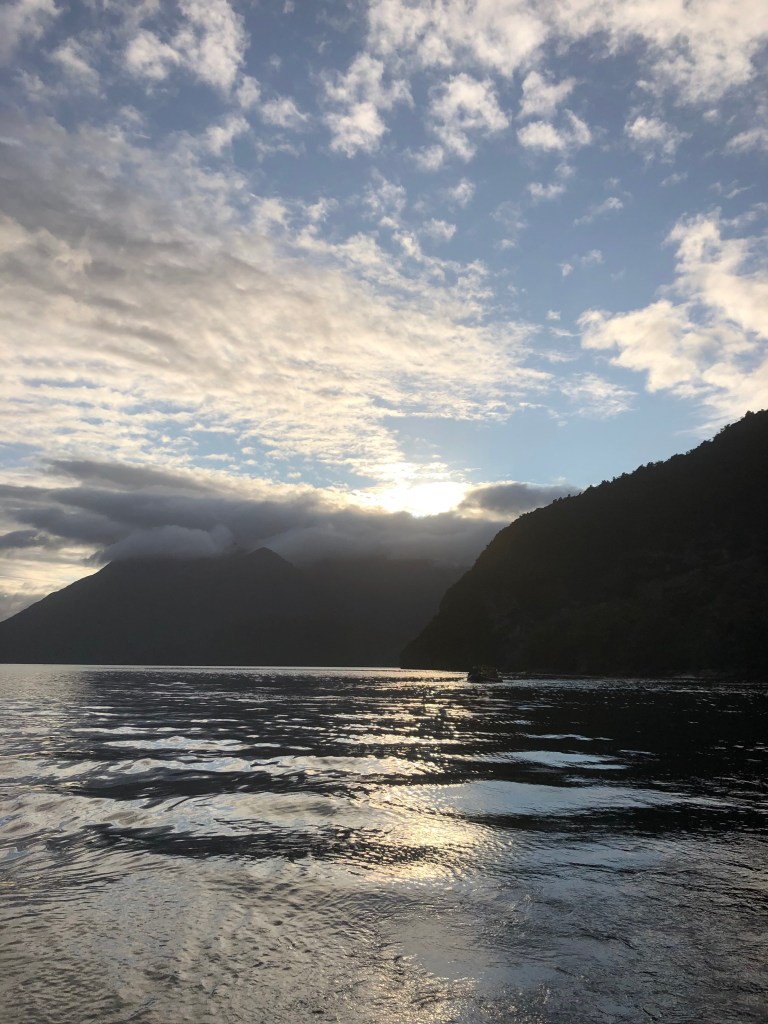
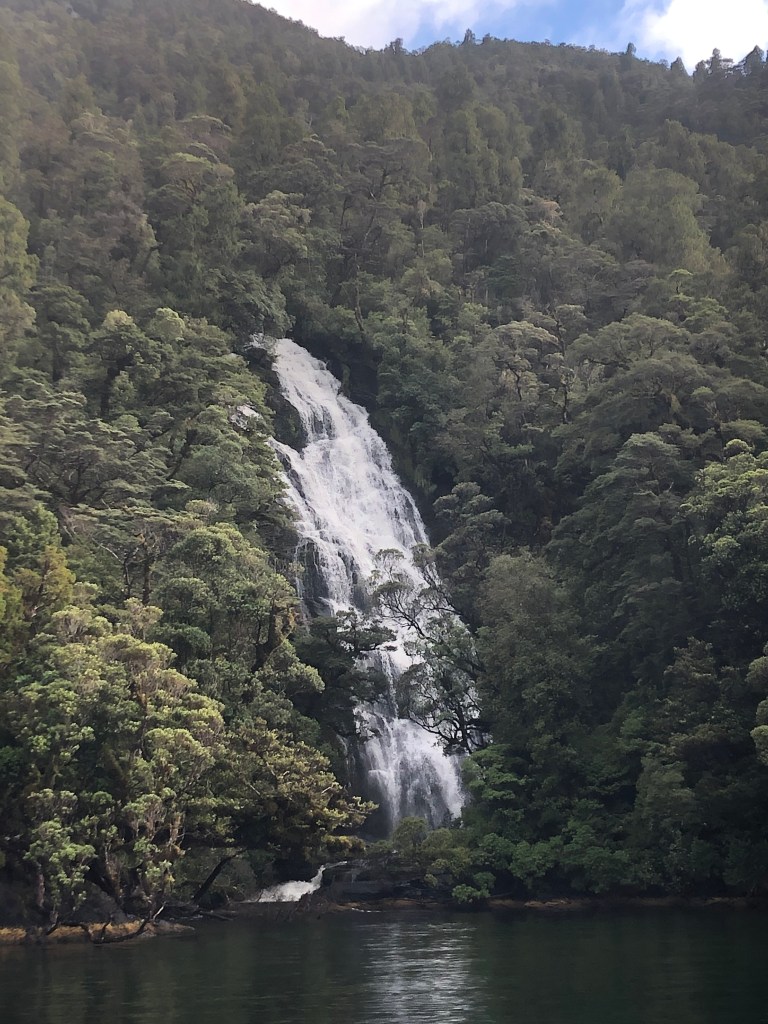
Doubtful Sound, sometimes called the ‘Sound of Silence’ is the deepest at almost 421 metres and second longest at 40 kilometres of the South Islands fiords. Doubtful Sound was named ‘Doubtful Harbour’ in 1770 by Captain Cook, who did not enter the inlet as he was uncertain whether it was navigable under sail. It was later renamed as Doubtful Sound by whalers and sealers, although it is not technically a sound but a fiord. It contains three distinct ‘arms’ and several water falls. Like most of Fiordland, it receives a high amount of rainfall, ranging from an annual average of 120-240 inches. The vegetation on the mountainous landscape surrounding the fiord is dens native rainforest.
At 5:30 the ship enters Milford Sound.
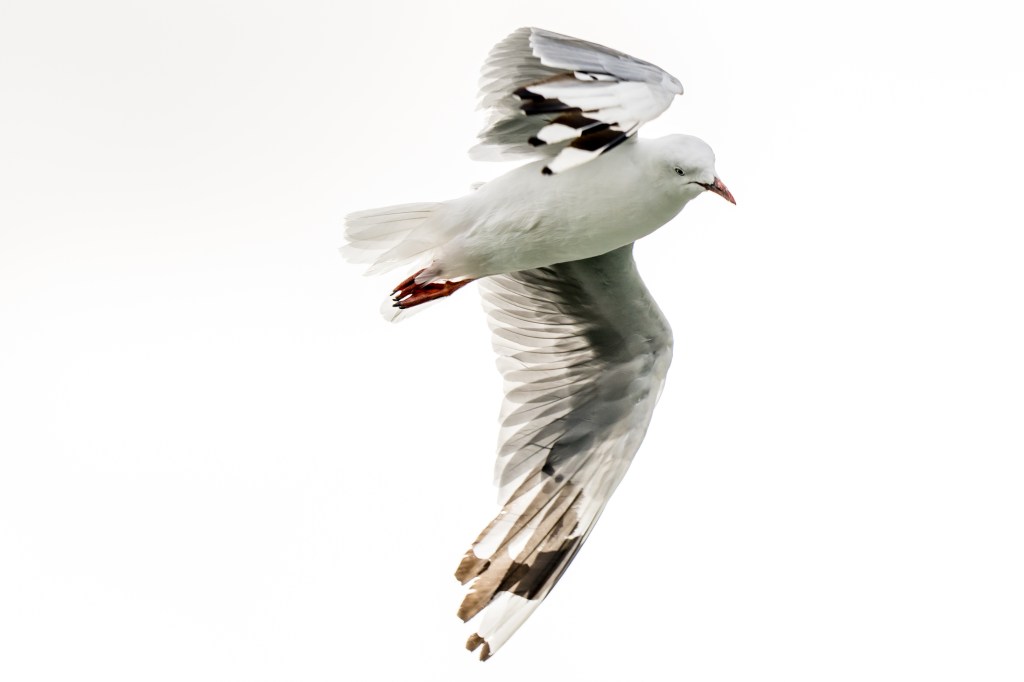
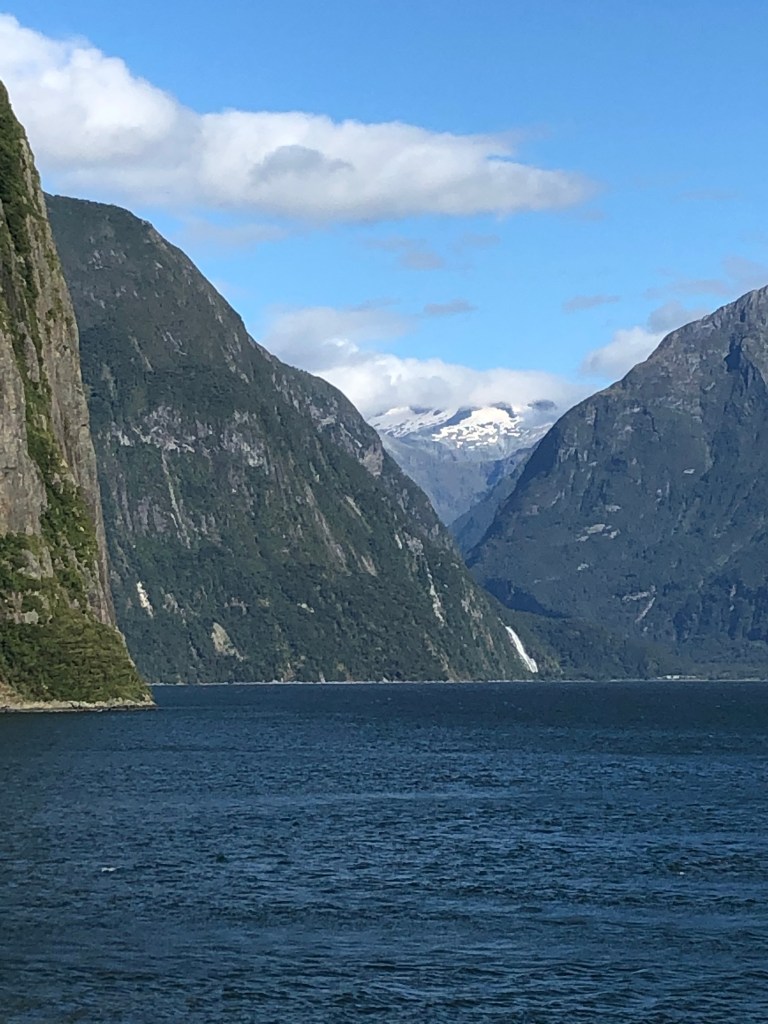
Milford Sound is another fiord within Fiordland National Park. Rudyard Kipling had previously called it the 8th Wonder of the World. It is named after Milford Haven in Wales; the Maori named the sound Piopiotahi after the thrush-like piopio bird, now extinct. . As a fiord, Milford Sound was formed by a process of glaciation over millions of years and runs 9 miles inland from the Tasman Sea at Dale Point and is surrounded by sheer rock faces that rise 1200 metres (3900 ft) or more on either side. It has two permanent water falls, Lady Bowen Falls and Stirling Falls.
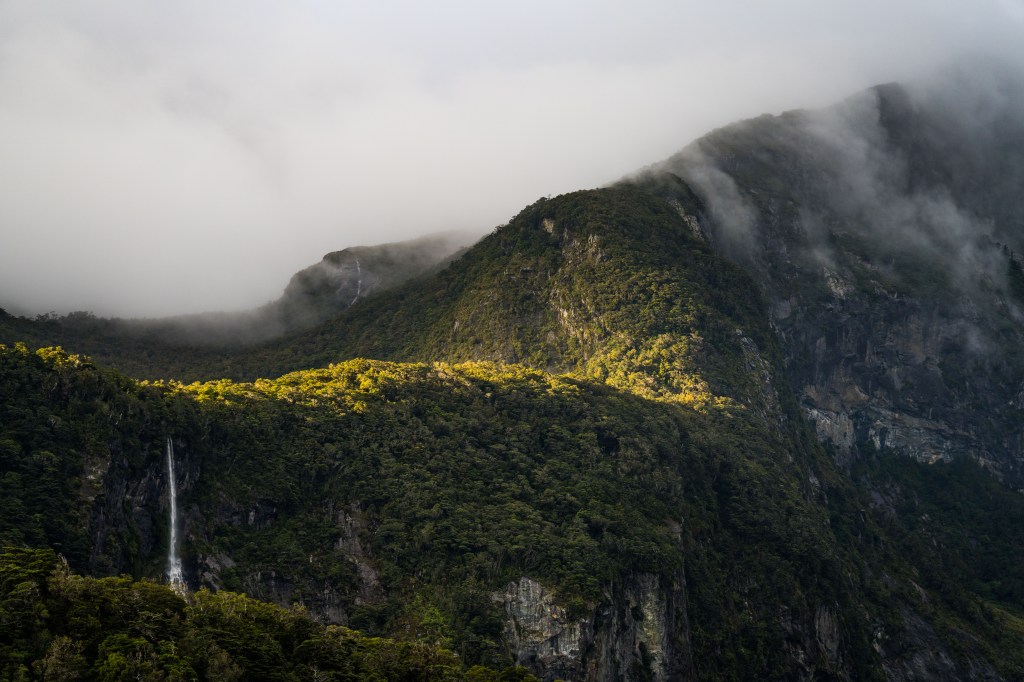
With a mean annual rainfall of 6412 mm (253 inches) each year, Milford Sound is known as the wettest inhabited place in New Zealand and one of the wettest in the world. It rainfall can create dozens of temporary waterfalls cascading down the cliff faces, some reaching a 1000 meters (3000 feet) in length. And this day the sun is shining and we enjoy a fabulous day in awesome surroundings!
At dinner we had a group of 8 and besides Mike, Krys, Steve and Sophie, were invited the Bucknell couples, Rick and Lynn Jones and Paul and Jennifer Brant.
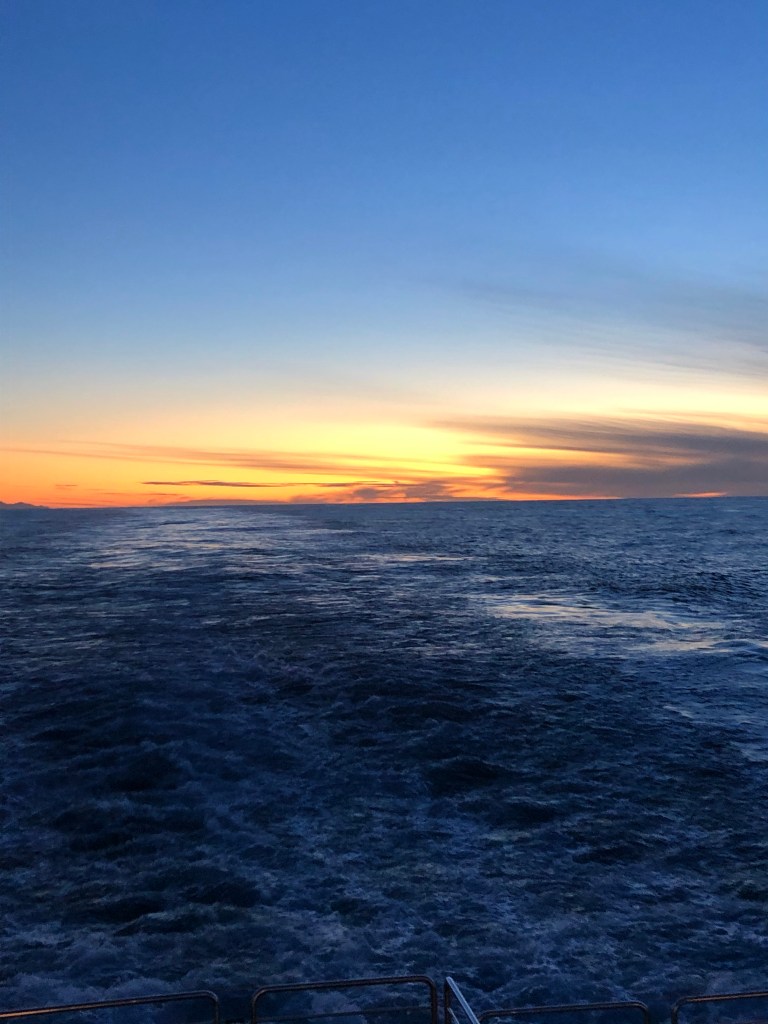
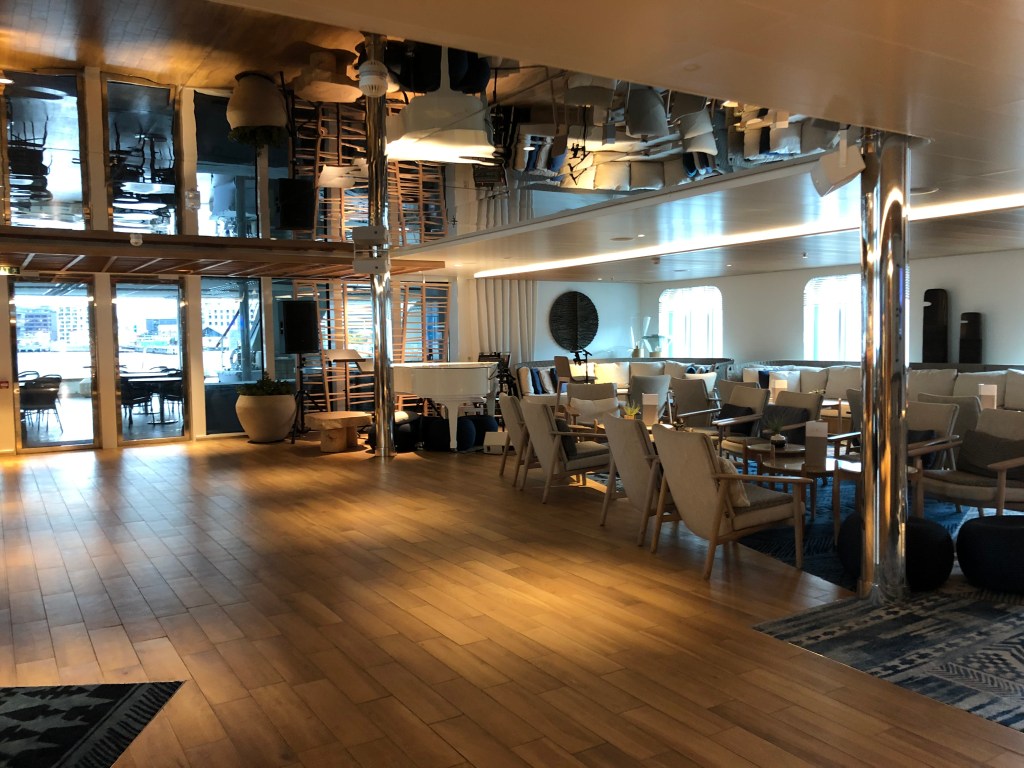
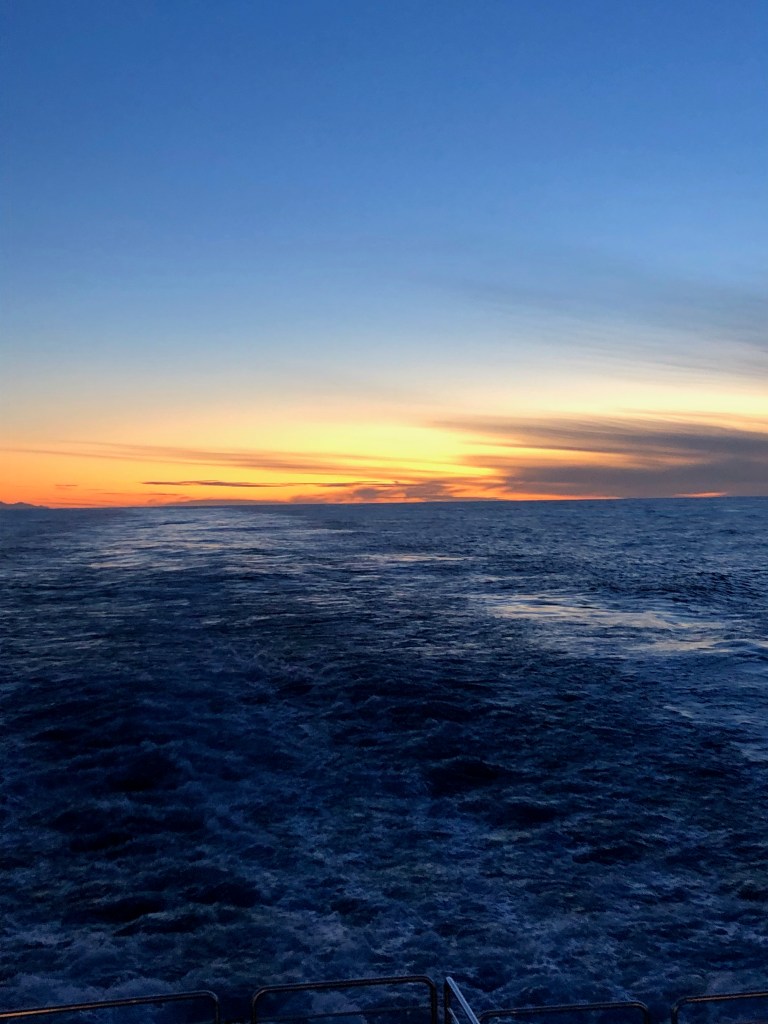
After dinner, we listened to the classical pianist and then the Cuban/Spanish couple, Duo Emotion: the saxophone and singing. We had another lovely sunset and a smooth sail all night.
Thursday, February 20. Milford Sound to Picton
Every morning we receive a ‘journal de bord’ with the details of the day’s events and available services.
Today is a full day at sea. There are a series of lectures and activities on board. We spent a considerable time on the Observation Deck enjoying the scenery, listening to the lectures and chatting over cocktails and meals.
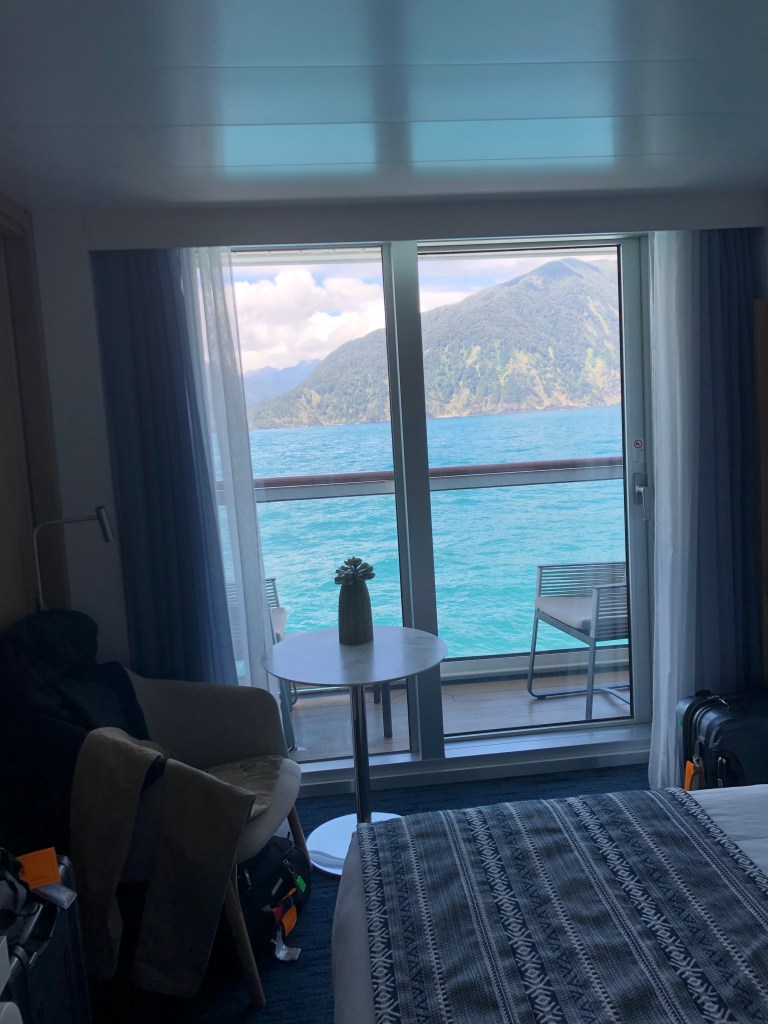
After breakfast on the main deck, we attended a lecture by Josh, one of the Naturalists on board, about “Dolphins of Fiordland and Southern New Zealand”. He talked about the types of dolphins in NZ, the tracking of the dolphin population and of the rebuilding of the numbers of Bluenose in the waters of the fiord.
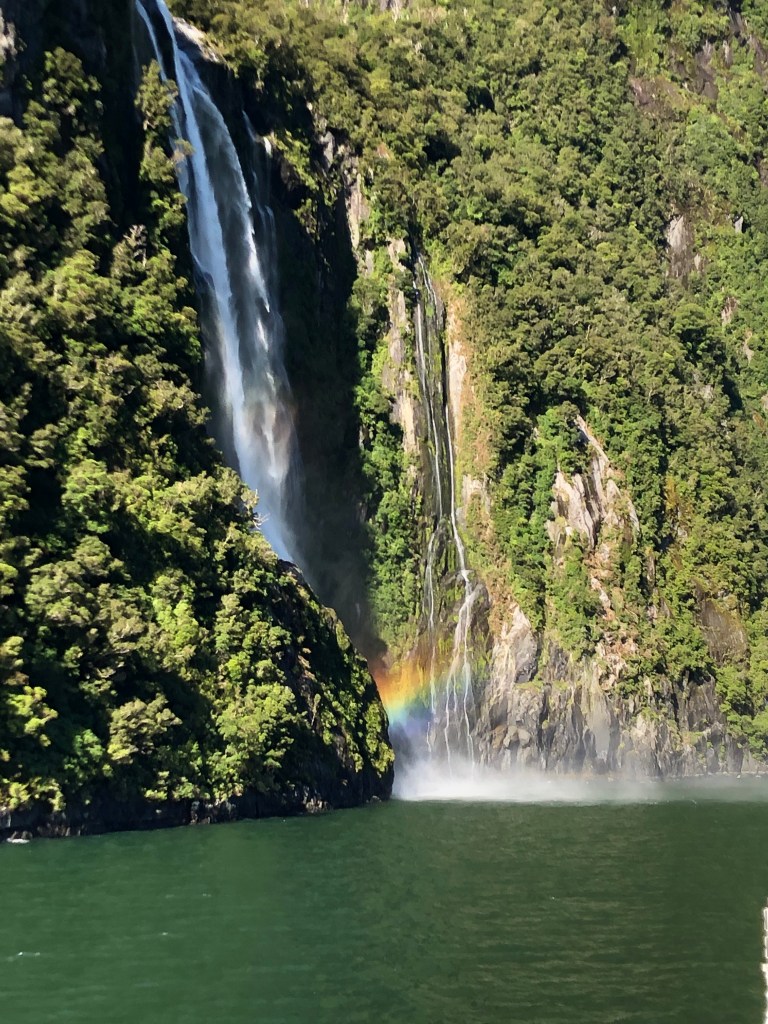
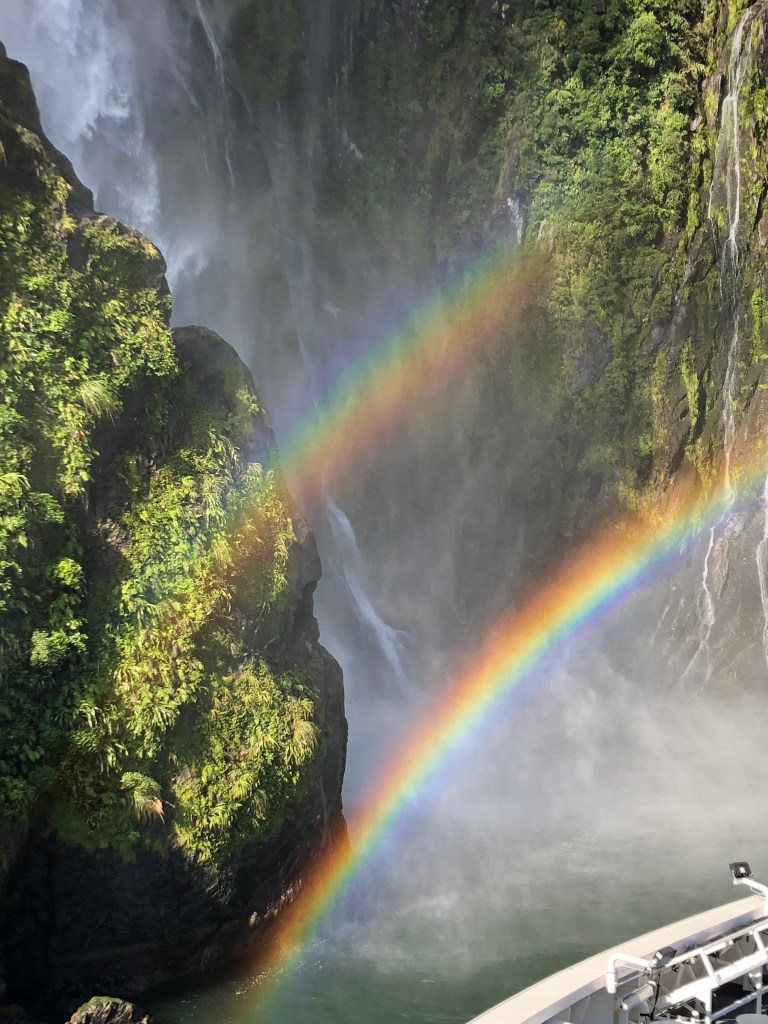
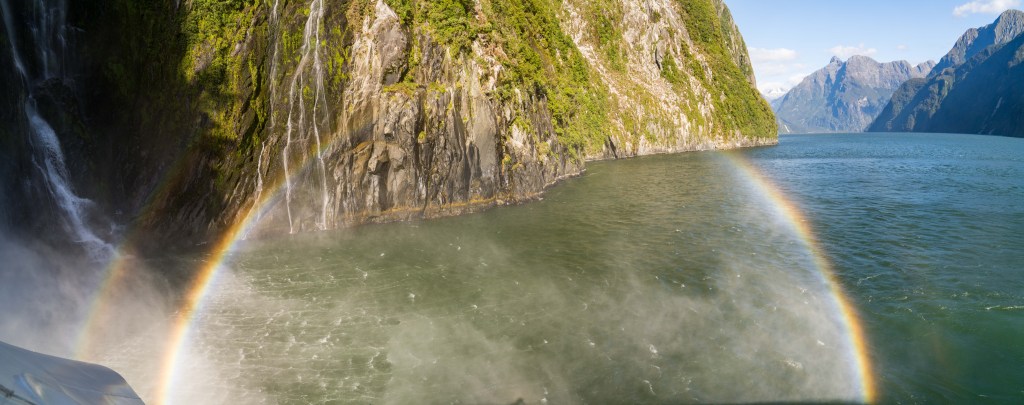
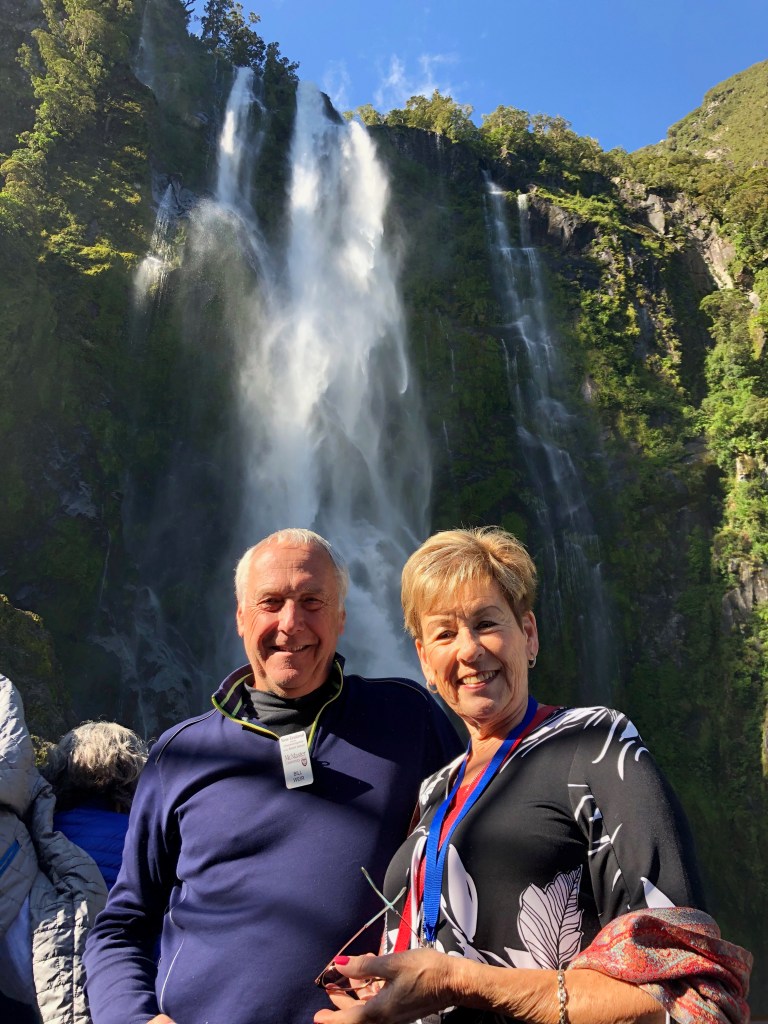
The Captain took the ship right under the waterfalls so close that we could feel the spray.
Friday, February 21. Queen Charlotte Sound/Picton
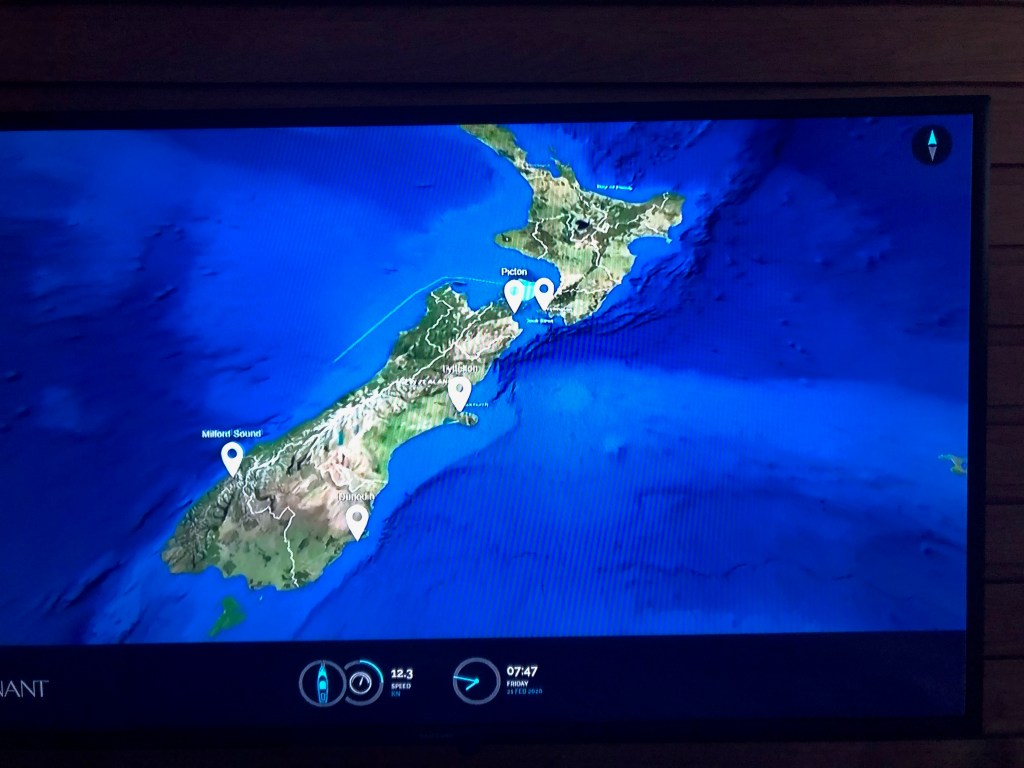
In addition to the daily newsletter, we were able to follow the passage of the ship with visuals on the TV. Here is the passage from Milford Sound to Picton.
This is an overnight and full day sail as it is 457 NM.
The weather today is cool 19-21 rainy and windy. We are up early to see the entry into Queen Charlotte Sound (known as Totaranui by the Maori for its large stands of fine canoe-building timber) is the easternmost of the main sounds of the Marlborough Sounds, in the Marlborough Region of the South Island, Queen Charlotte is the most well-known. It is a drowned river valley which is a coastal inlet formed by the partial submergence of an unglaciated river valley the remains open to the sea. Picton lies near the head of the sound.
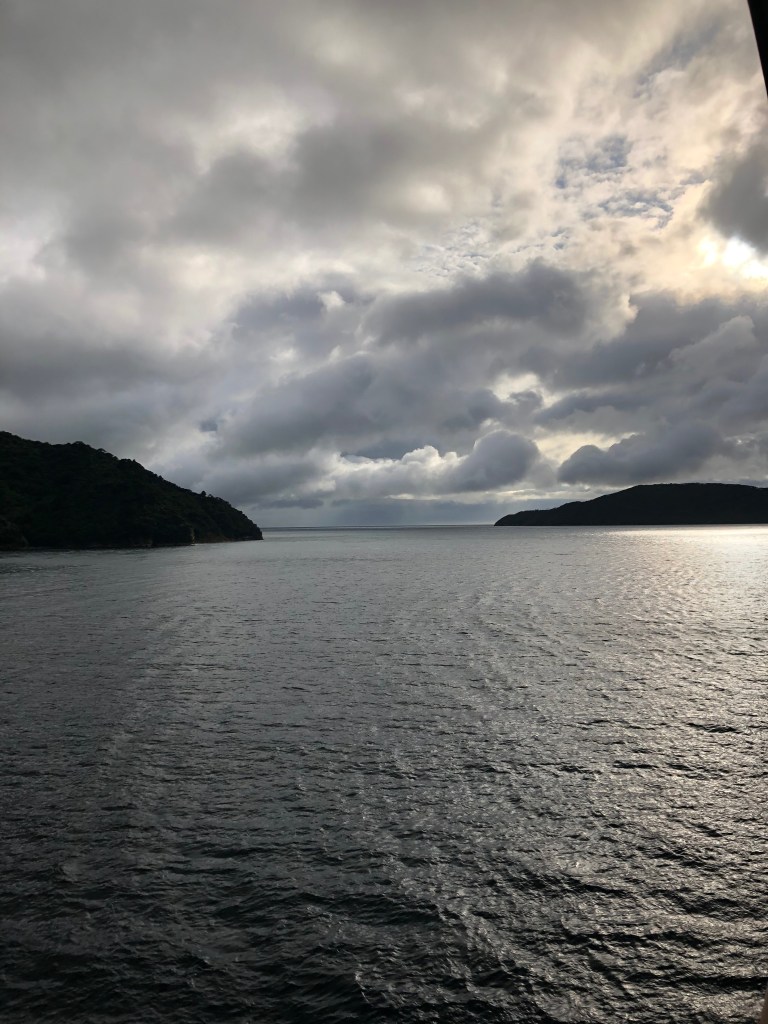
Captain James Cook spent a total of 328 days exploring the New Zealand during his 3 voyages. The initial purpose of his voyages was to observe the Transit of Venus in Tahiti, then search for a great southern continent – Terra Australis. Cook returned to Ship Cove in Queen Charlotte Sound, on 5 separate occasions, spending over 100 days there, as it provided safe anchorage, food and fresh water and timber for repair to his ship. Ship Cove is a New Zealand Icon Heritage Site and is much the same today as it was in Cook’s time.
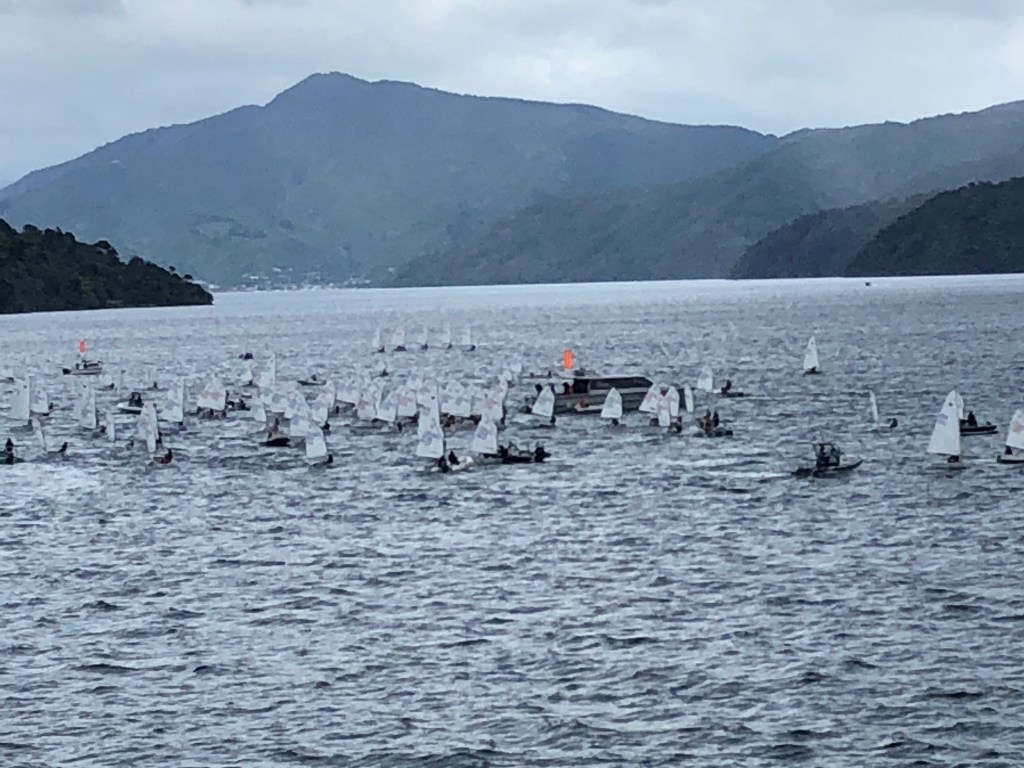
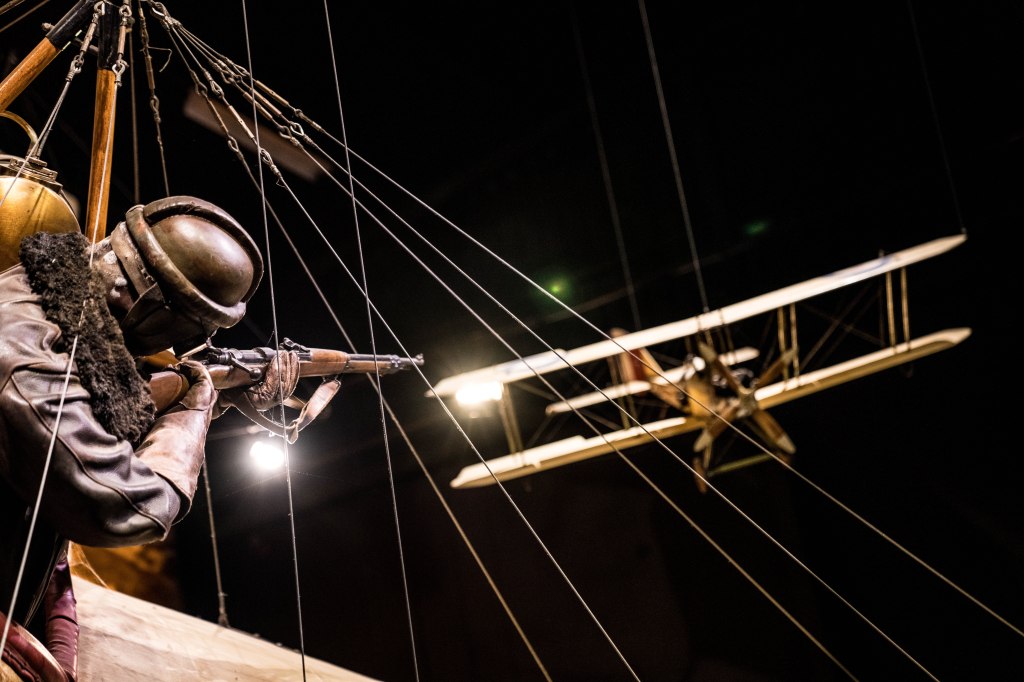
Picton located near the head of Queen Charlotte Sound is a major hub connecting the South island road and rail network with ferries across Cook Straight to Wellington and the North Island. After a short walk through the main pedestrian area of Picton so early that most shops were not open yet, we left on the buses for a scenic drive through the rich farmland to Blenheim to visit the Omaka Aviation Heritage Centre and featuring Sir Pete Jackson’s own collection of WW1 aircraft and artefacts.
We visited the award-winning Spy Valley Winery in the midst of this Marlborough wine region.
Saturday, February 22. Wellington
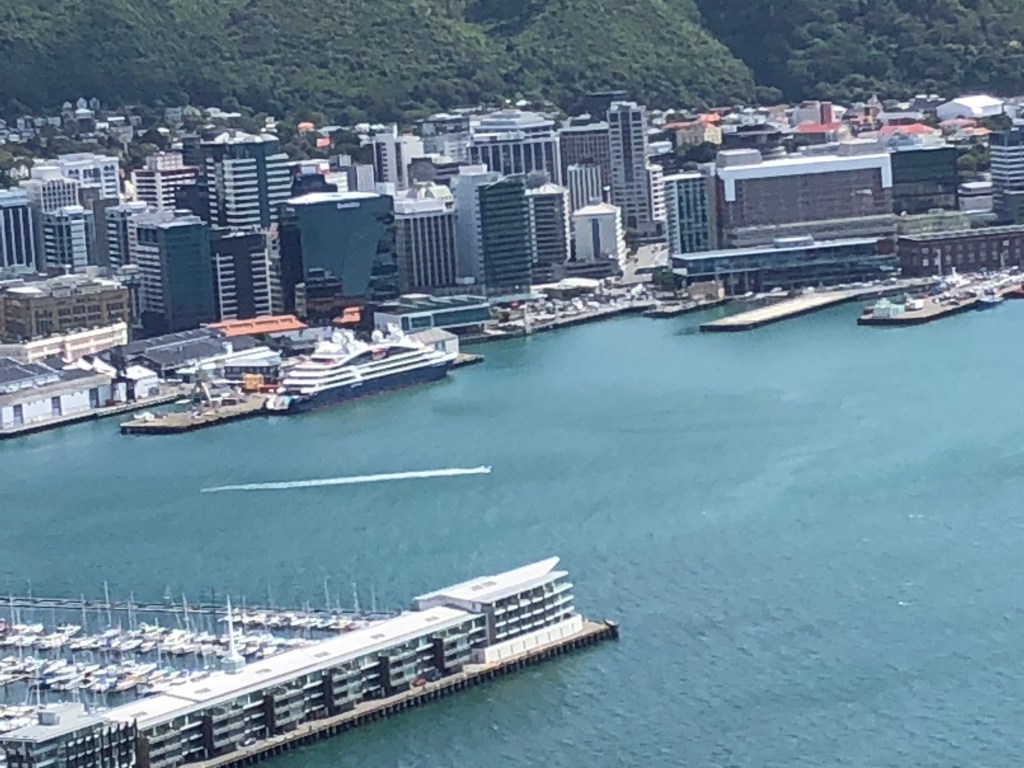
After we arrived in Wellington at the pier, went by bus for a tour of downtown Wellington. the capital city and second most-populous urban area in NZ with 418,500 residents. Located on the south-western tip of the North Island, between Cook Strait and the Remutaka Range, it is the southernmost capital of a sovereign state. The city is built on dramatic hills surrounding one of the souther hemisphere’s largest deep water ports. In 2017, Wellington was ranked the No. 1 city in the world to live in by a global Deutsche Bank study.
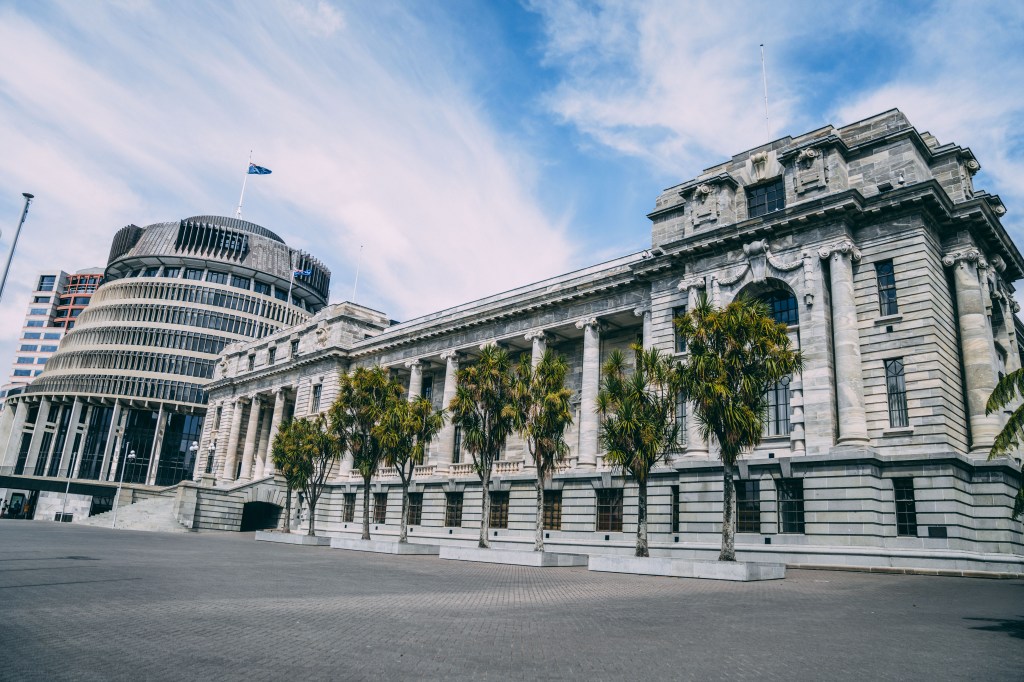
We passed by the Edwardian neoclassical-style Parliament Buildings with the executive wing called the ‘Beehive”.
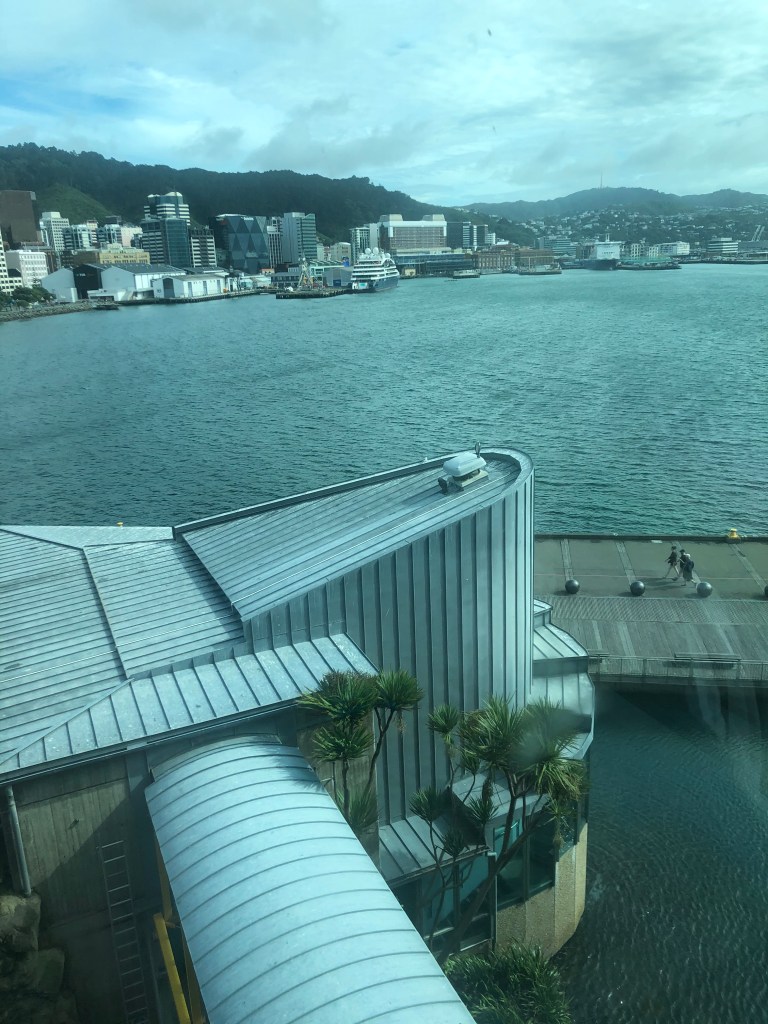
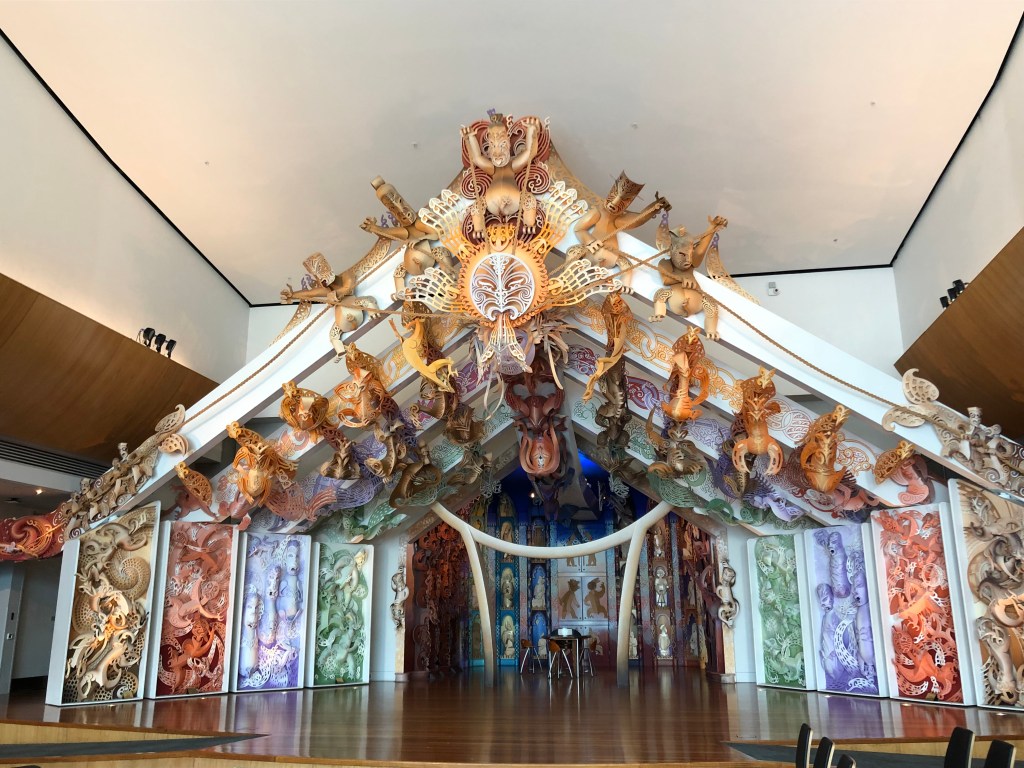
The Te Papa Museum was amazing and our guide was awesome. We learned that museums this large are much better with a knowledgeable guide as we had been there a few weeks earlier. We did have more time at the volcanic exhibits earlier but the knowledge from this guide, Bill, was very informative.
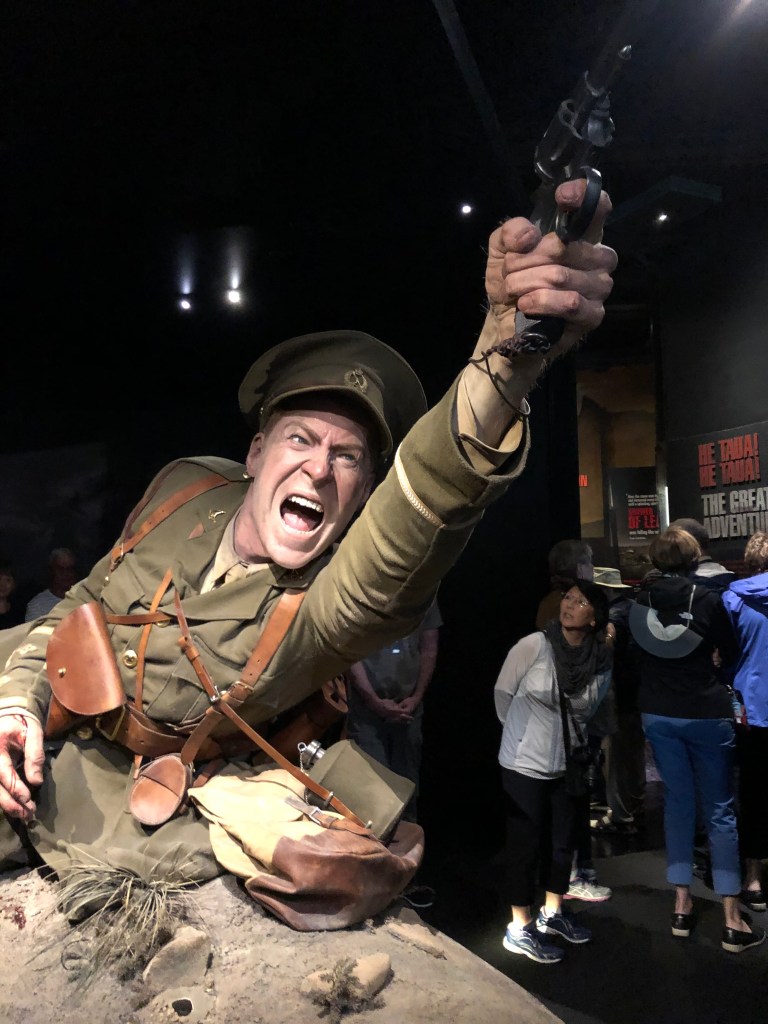
There was a special exhibit, Gallipoli: The Scale of Our War at the museum which immersed us in the 8 month war told through the stories of eight New Zealanders who were there. The giant sculptures and cutting-edge technology are used to create a range of interactive experiences, including 3-D maps, projections and dioramas. In total, 2,7779 Kiwis lost their lives in the war.
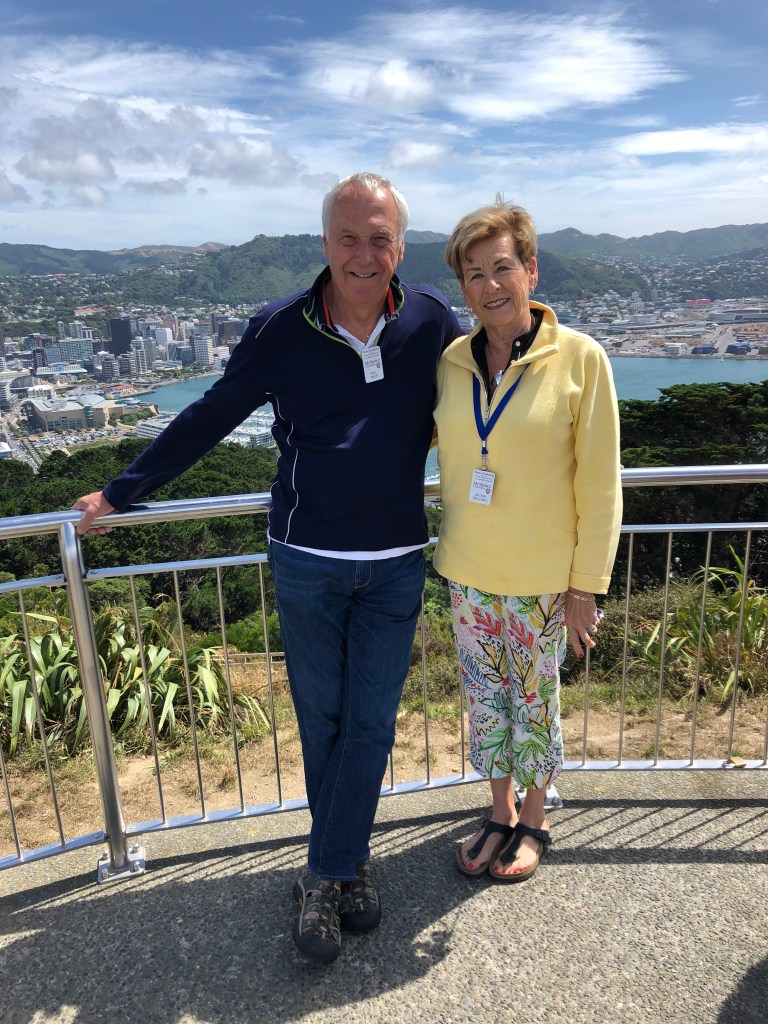
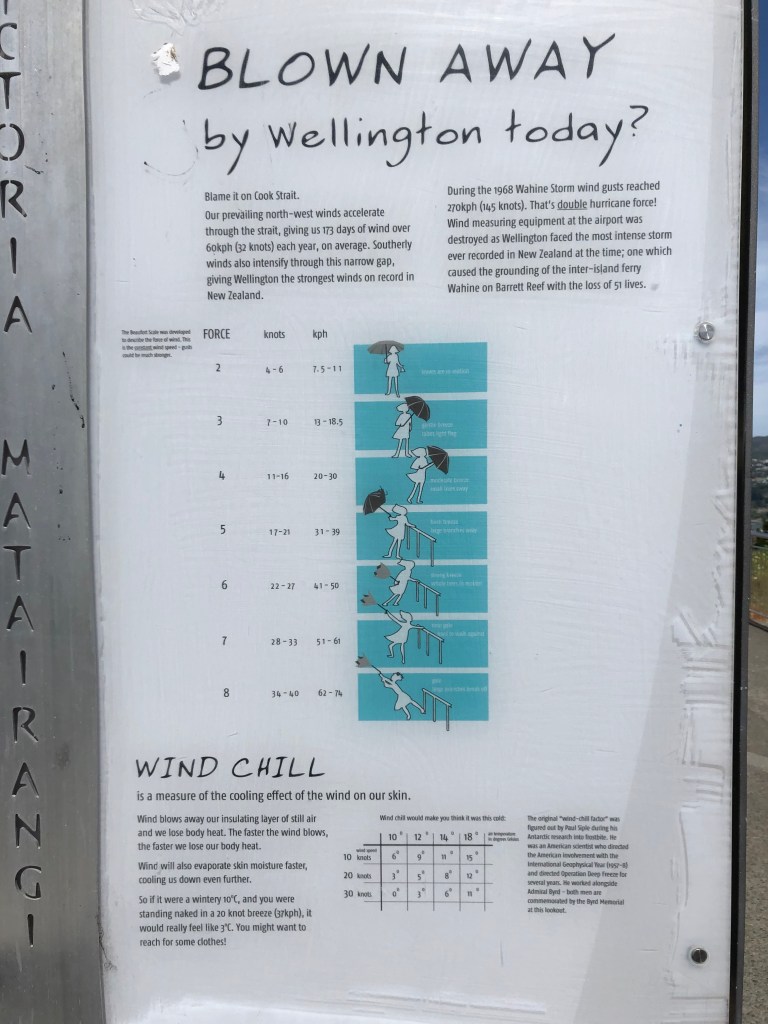
Then the bus drove us to the Mount Victoria Lookout with a memorial to Admiral Bird where we had panoramic views of the city.
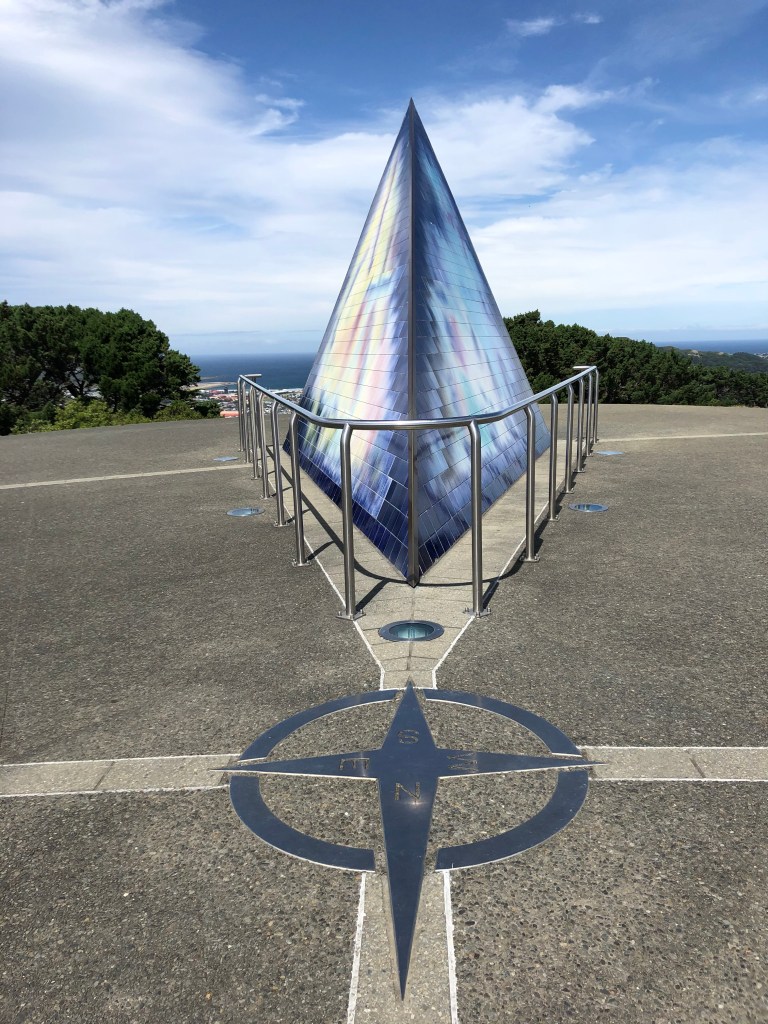
The sign at the Lookout points out that Wellington gets 173 days of wind over 69 kph (32 knots) a year on average. Southerly winds intensify through the narrow gap, giving Wellington the strongest winds on record in New Zealand.
Sunday, February 23. Christchurch
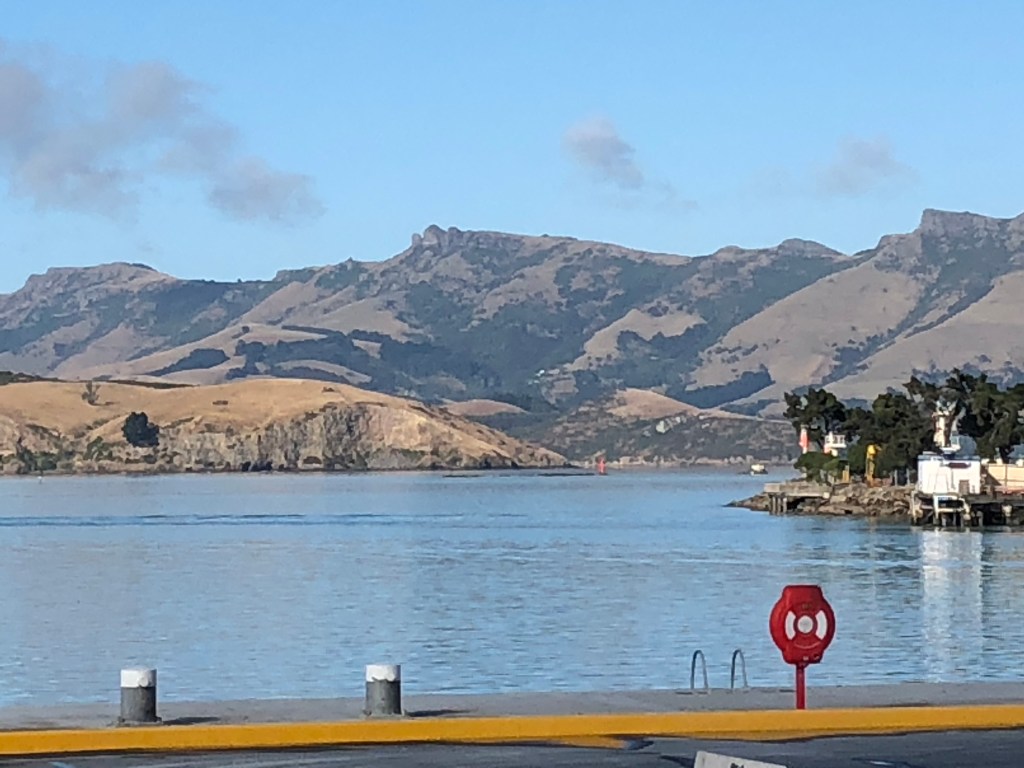
We were transported from the ship to the airport, got our car, a Toyota Corolla, bought our tickets for the helicopter ride over the Mountains at Mt Cook on Wednesday.
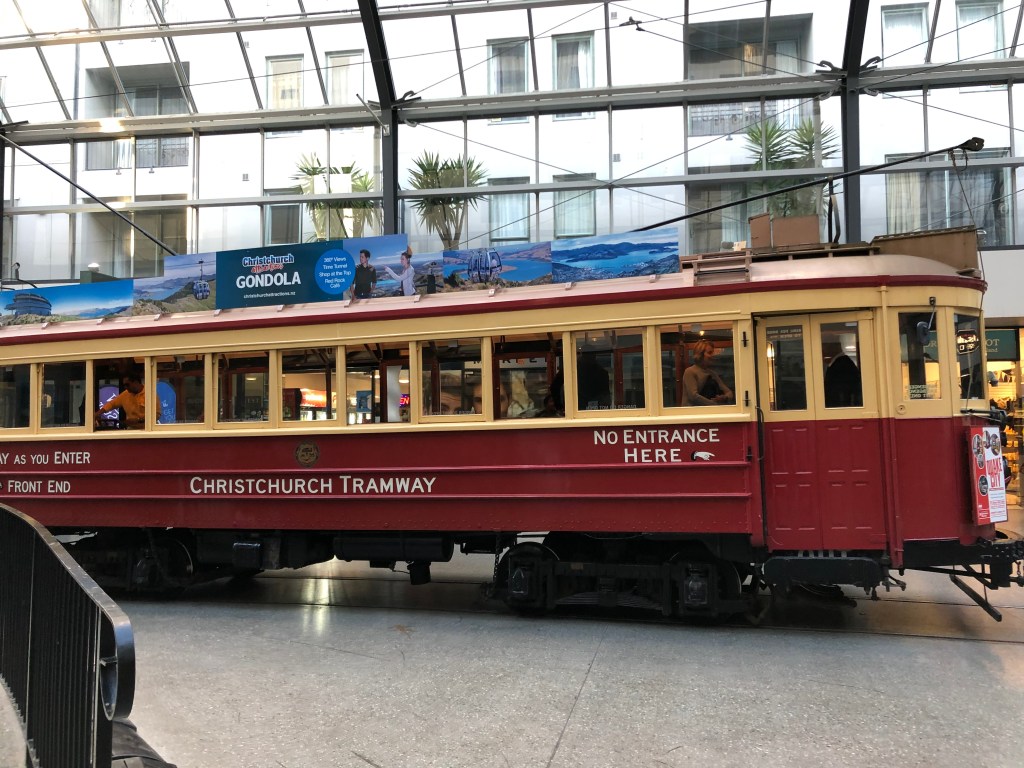
We arrived at noon in downtown Christchurch too early to check in so we had a bowl of soup and got on the tram for a tour of the city centre. The neatest thing about the term was that as it came to the end of one street, the driver moved from one end to the other with her steering gear and we all moved the seat backs over and faced the other way.
We are staying in an airbnb studio with ensuite, new, clean, short on amenities like breakfast but with laundry facilities that came in handy. We did not meet the owner as we entered via lockbox where the keys were located. We had a nap and walked downtown for dinner.
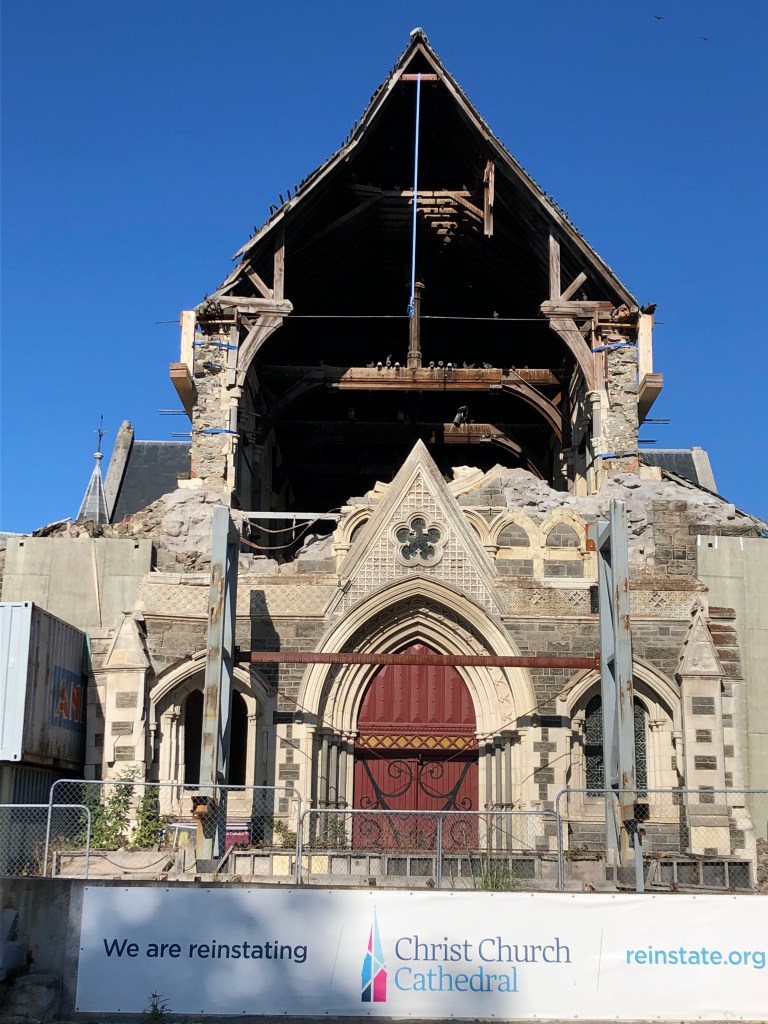
After a walk and another look at the devastated cathedral, we went to The Old Government Building, a rocking pub and restaurant and were just having dinner when Chuck and Chris Norton (Notre Dame) from Ohio came in and joined us. They are getting their camper today and heading off for a tour of the South Island.
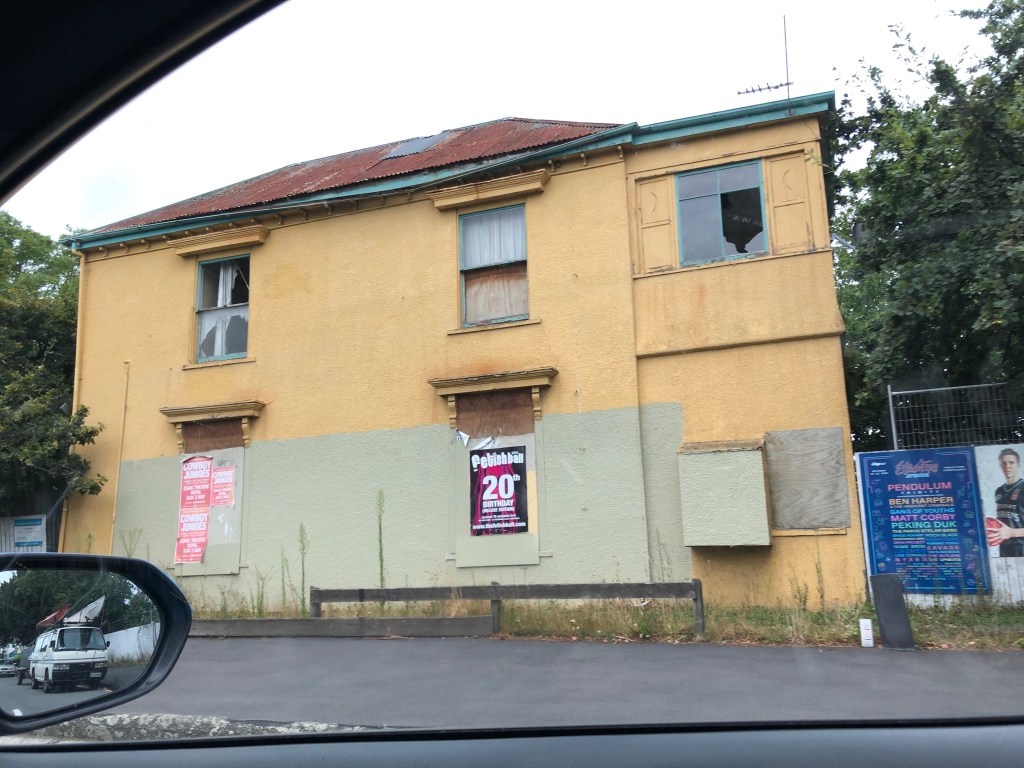
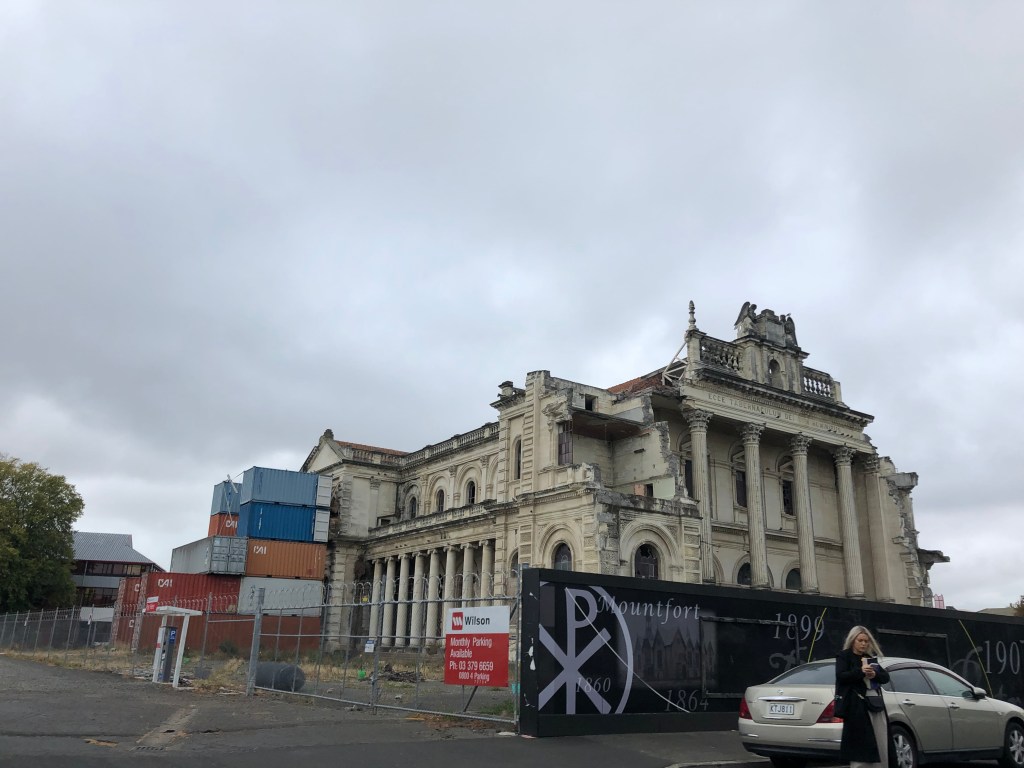
The devastation in Christchurch is everywhere you look: empty lots and decimated buildings.
The few buildings that survived the February 22, 2011 earthquake (and the October 2010 one which shook up the buildings) had been upgraded to withstand the tremors. The new buildings are restricted to 7 stories so the ones taller than that were survivors of the quakes. It looks like a brand new city. Some buildings like Christchurch Cathedral is going to be rebuilt, half paid by the city and half by the country. One that is going to be demolished and built anew is the Catholic Cathedral.
Monday, February 24. Christchurch
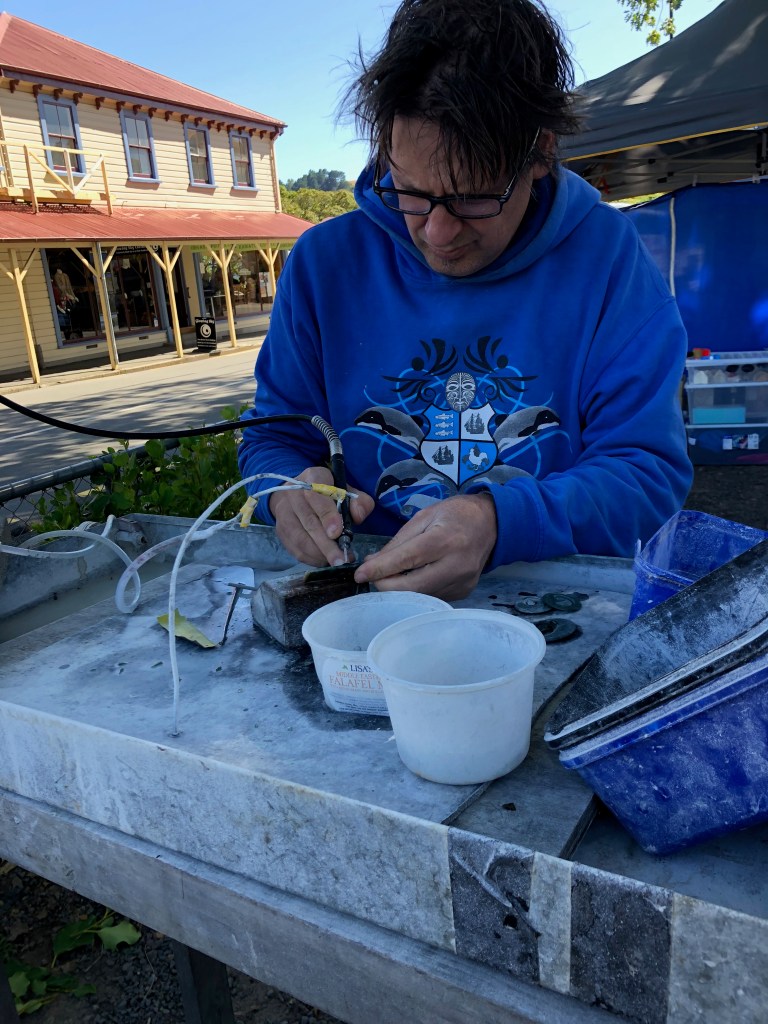
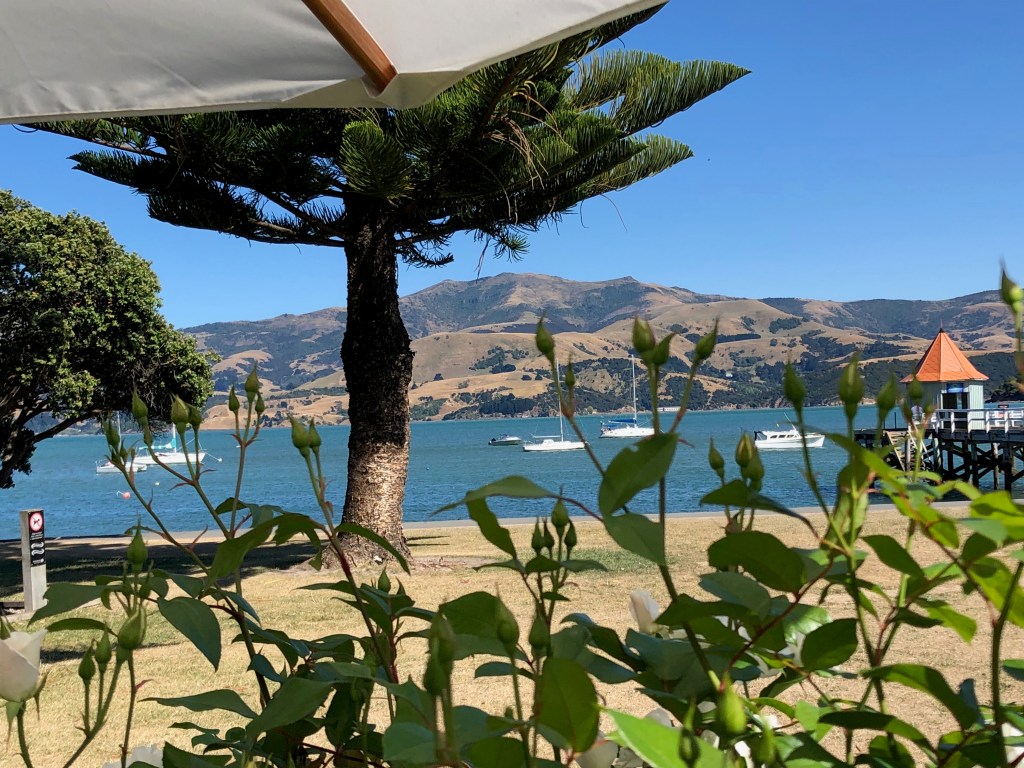
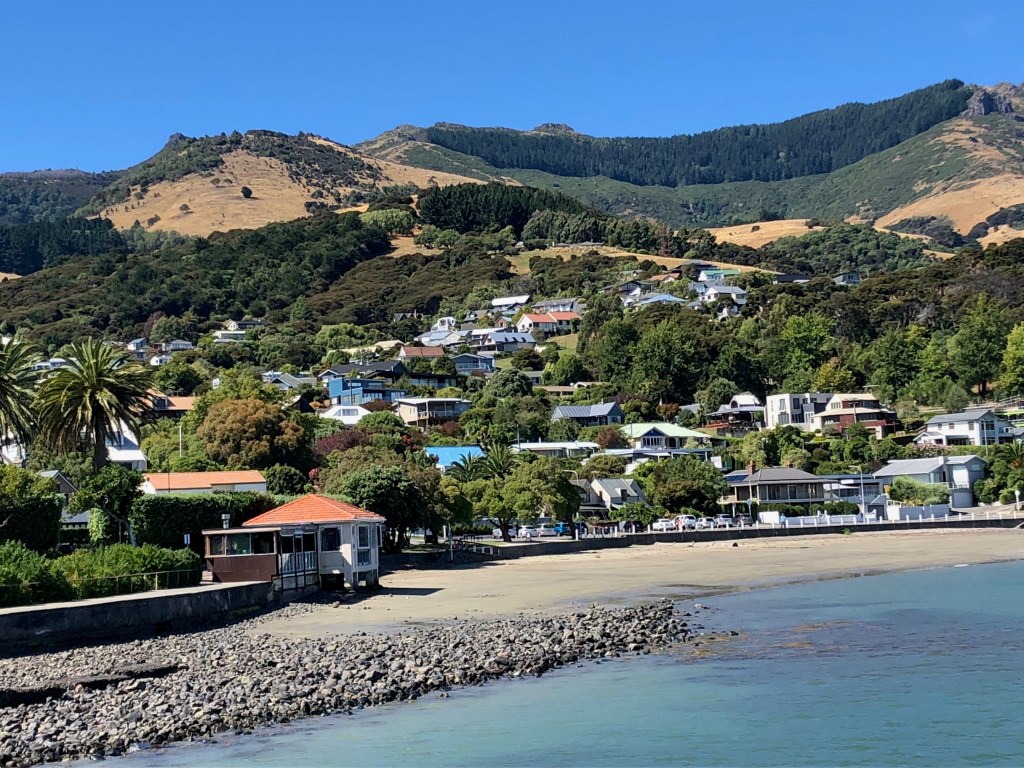
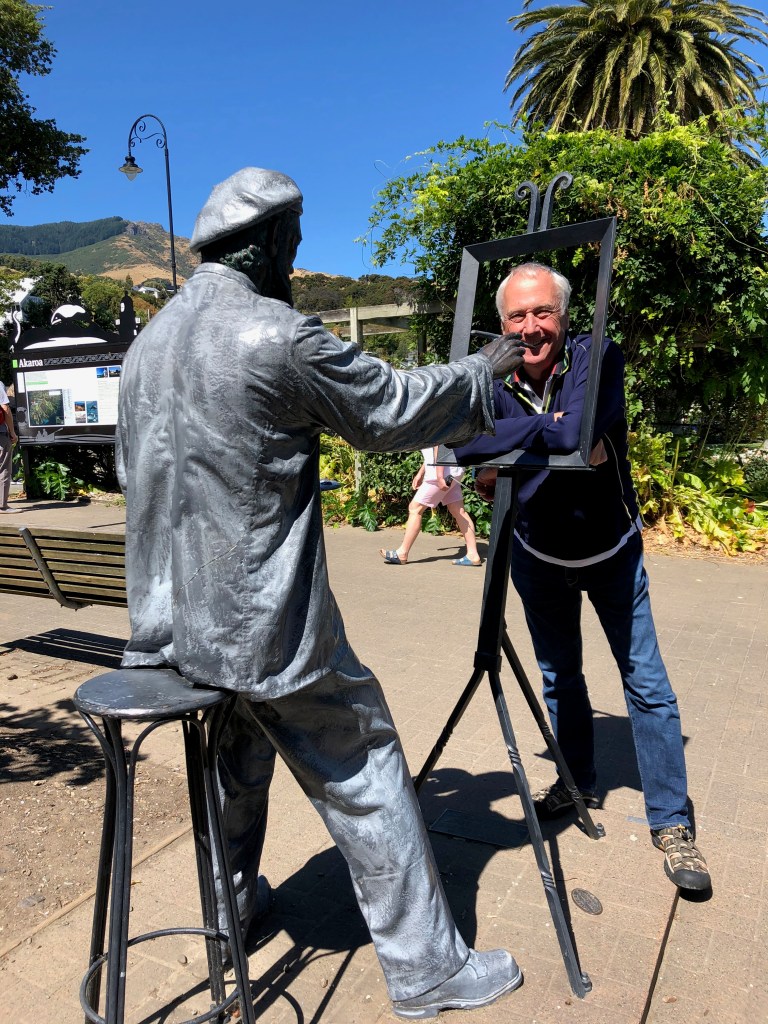
Today we went to the Banks Peninsula an hour and a half to along the coast to see the wildlife and countryside. Banks Peninsula was formed by two giant volcanic eruptions eight million years ago. Harbours and bays radiate out from the peninsula’s centre, giving it an unusual cogwheel shape. The historic town of Akaroa, first sighted by Cook and later settled by French settlers in 1840 but their land claim was sold to the New Zealand Company in 1849. It still has a French feel with French names of stores and small towns around the area. We had been looking for New Zealand jade, called pounamu, for Sue Hilhorst to replace the one she lost but had found the ones in the big cities very expensive. So we lucked in and found Graeme Wylie, Jade Carver, at a market in Akaroa-bought one for me, too!
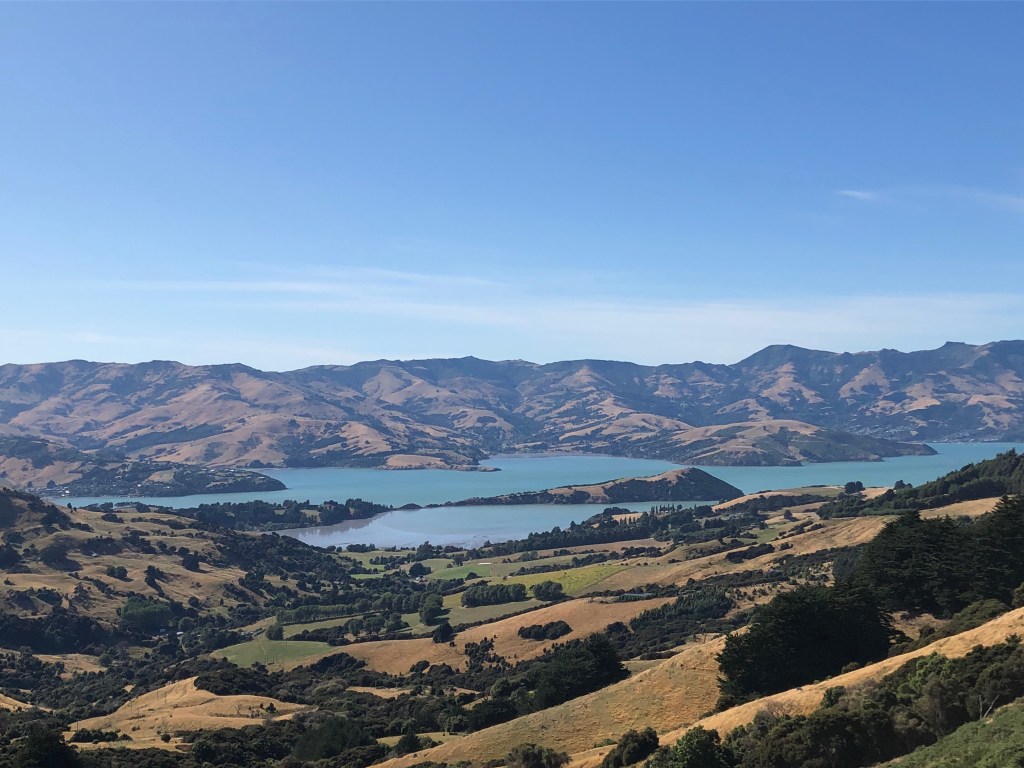
We had lunch at Ma Maison on the waterfront and then walked the waterfront, looked in the stores and bought a meat pie and lasagna at the bakery and wine at the grocery store for dinner.
Tuesday, February 25. Christchurch to Lake Tekapo
After a 4 hour drive from Christchurch to Lake Tekapo and a stop for coffee in Geraldine, we went straight to this dramatic, beautiful, turquoise lake. It started out a little grey this morning but by 9:30 the sun came out and got hotter as the day went on. Lake Tekapo was a quiet spot until the power plant was built and tourists found it.
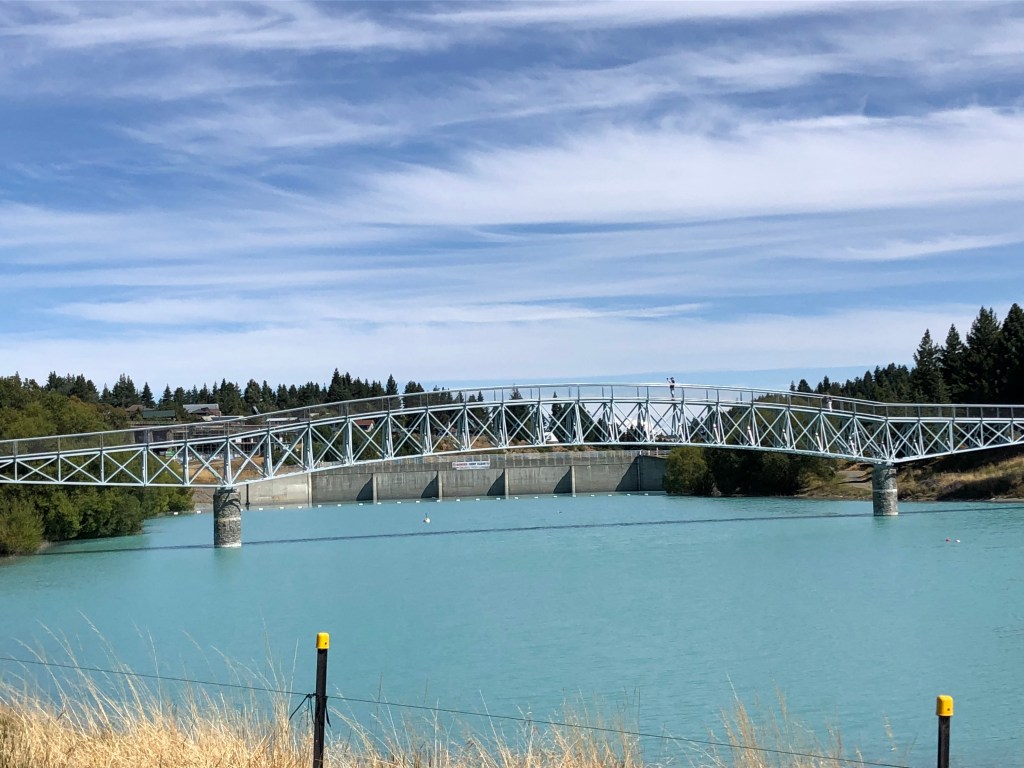
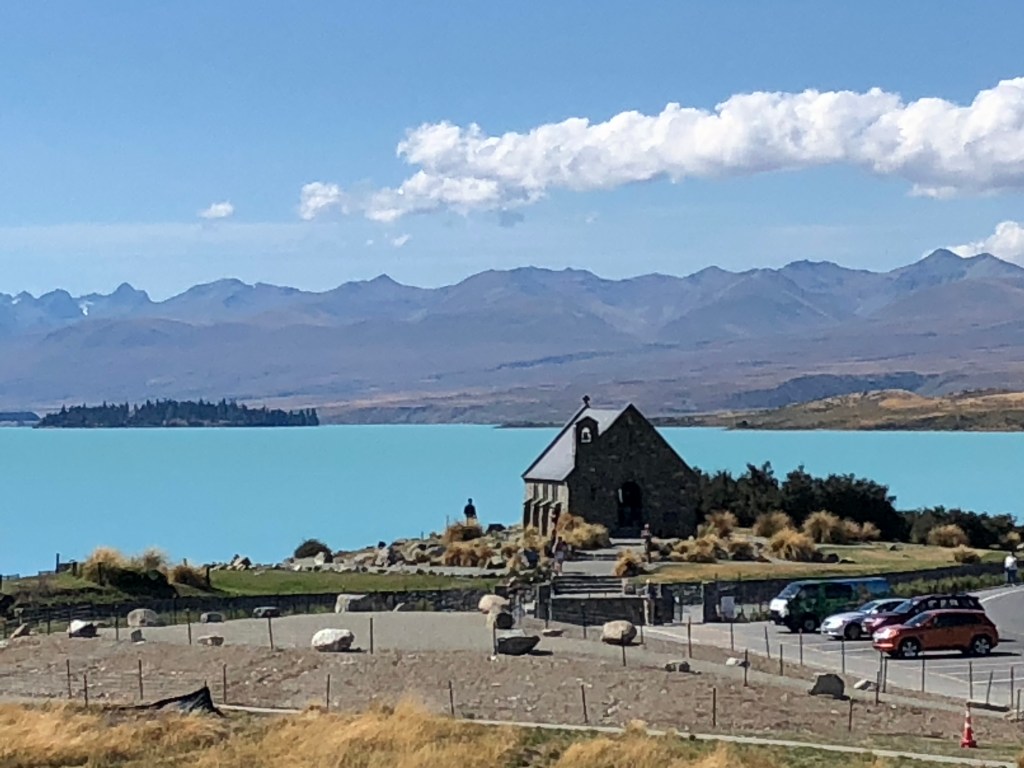
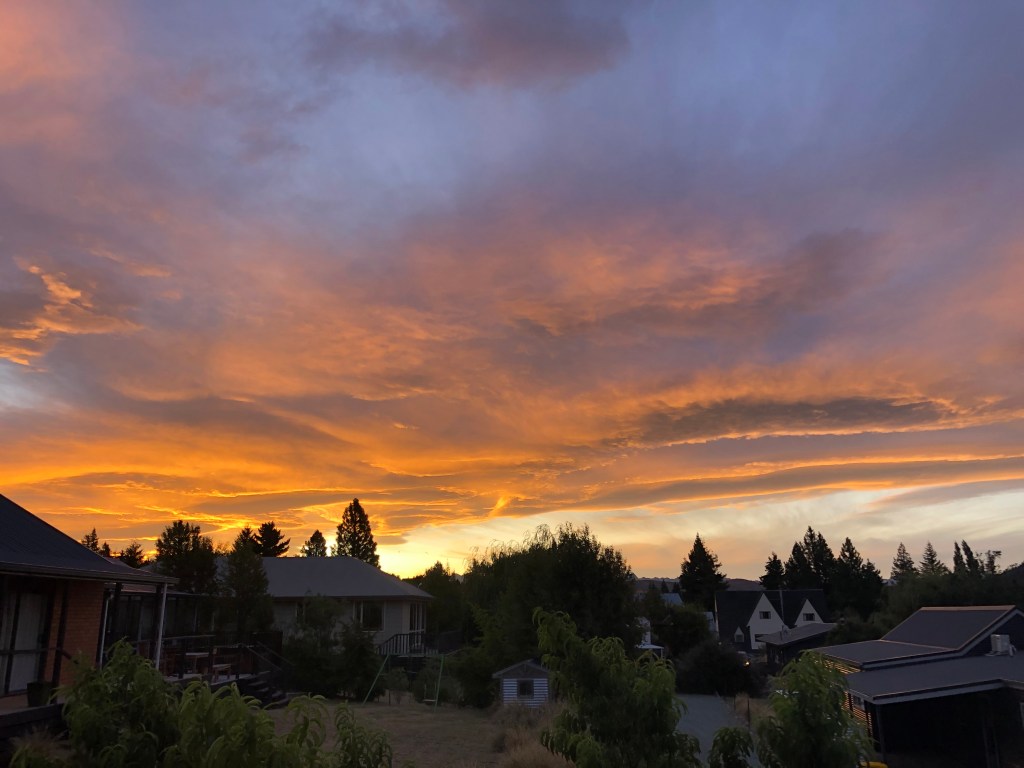
We walked up to the Church of the Good Shepherd that has a beautiful view of the lake and found it closed for lunch so we walked into the town and had a light lunch overlooking the lake. When we returned, the church was open but we were not allowed to take photos. We went to the airbnb which is The Flat, a separate space at the back of the owner’s home with a sitting room/kitchenette, bedroom and bathroom in the hallway next.
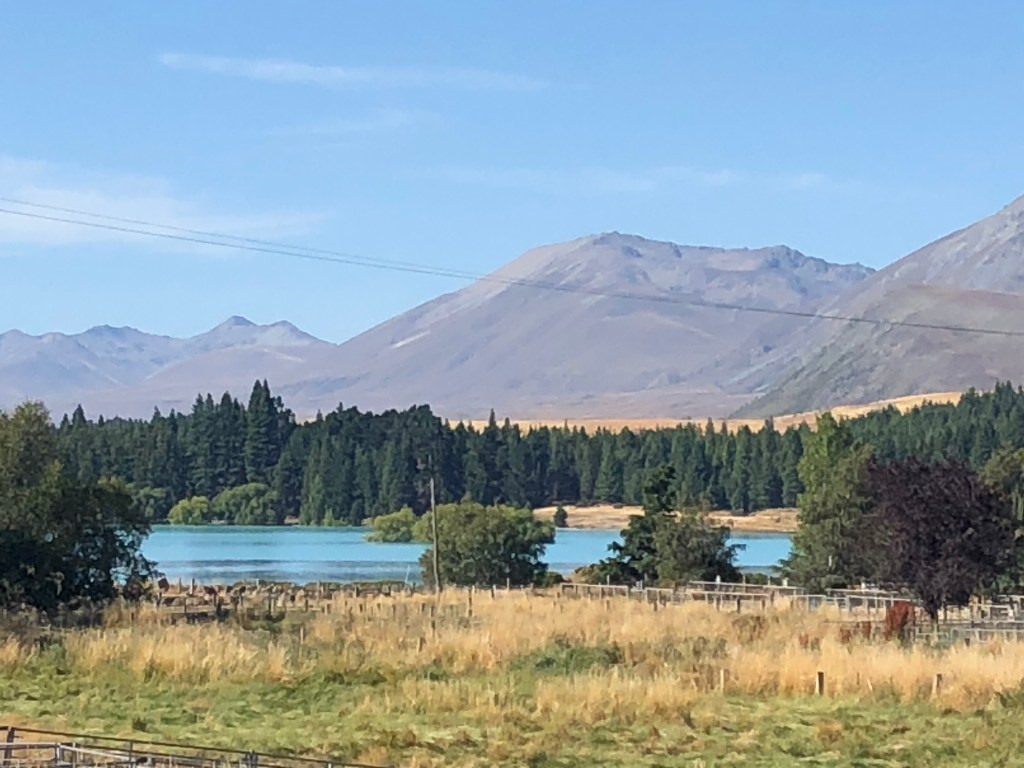
We bought groceries and had dinner of lamb and vegetables on the barbecue. Then we went for a walk along the waterfront.
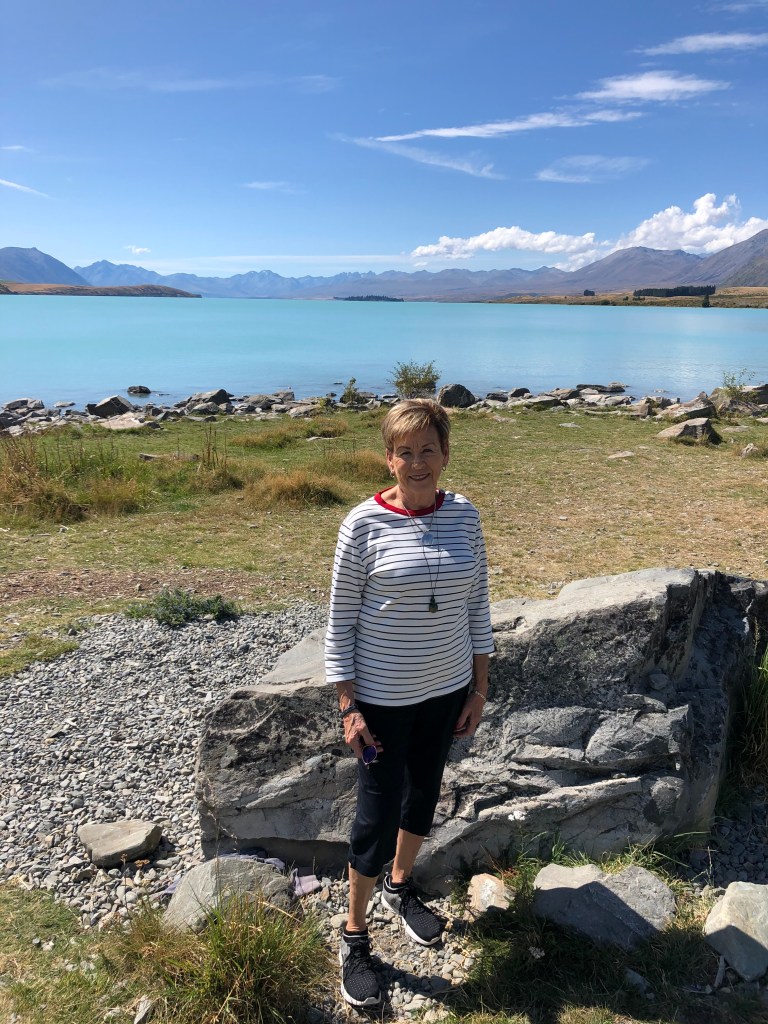
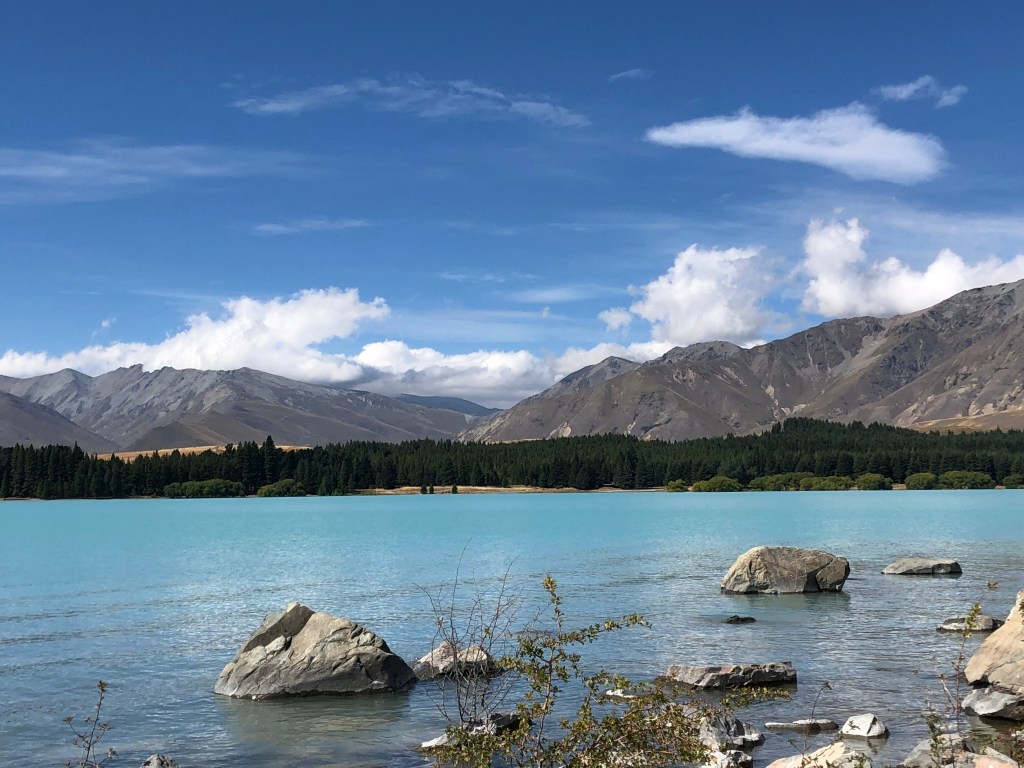
Wednesday, February 26. Lake Tekapo and Mount Cook
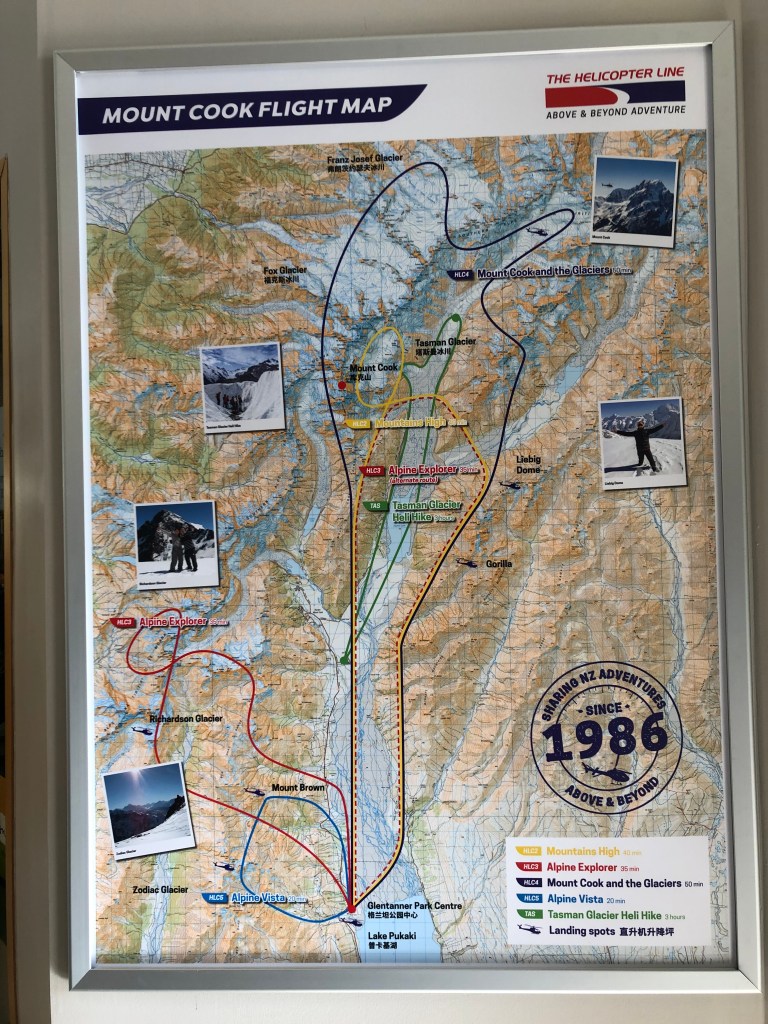
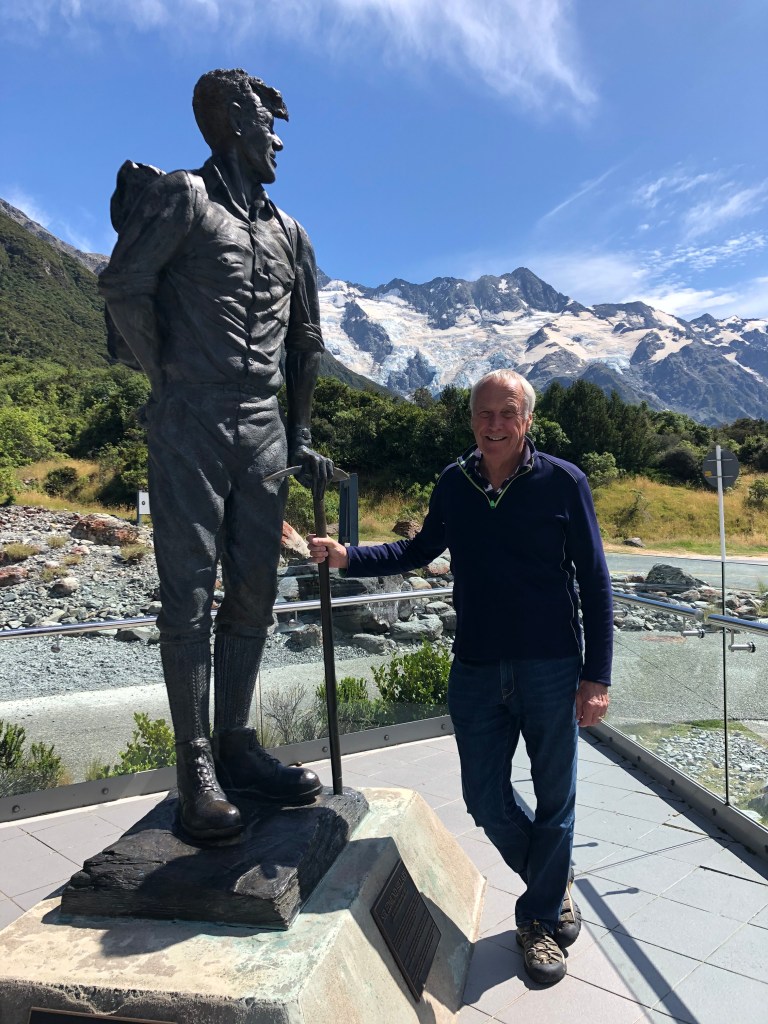
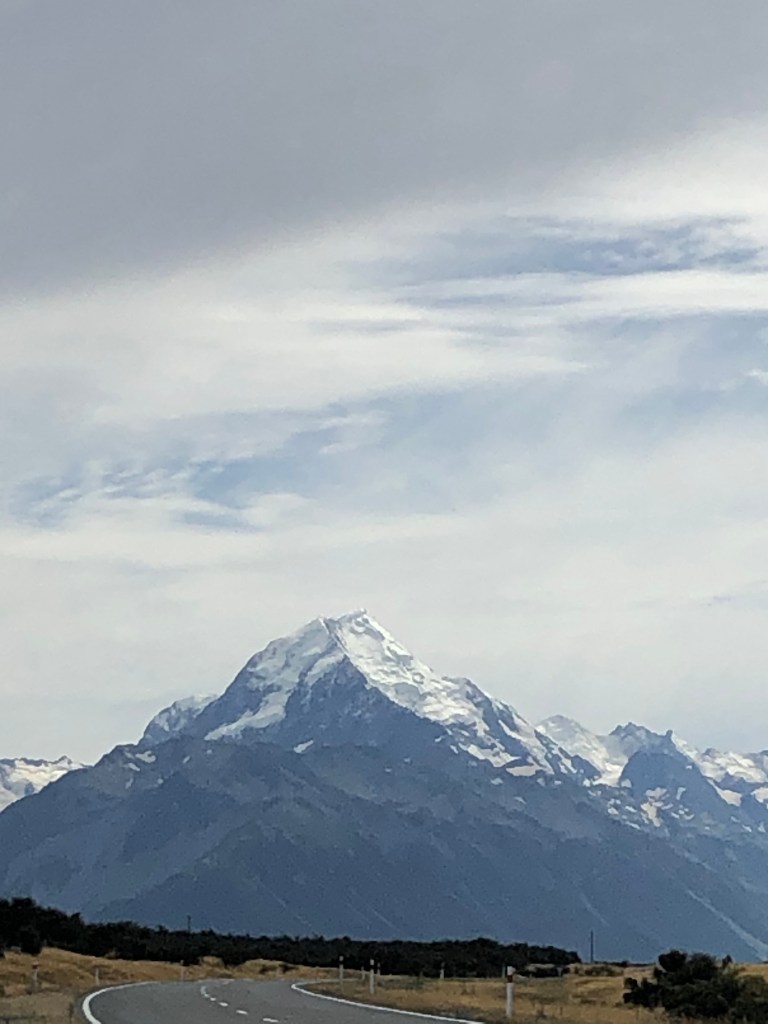
After an hour drive to Mt Cook, we had a (very expensive) Alpine Explorer Helicopter ride over the Ben Ohau Mountains with superb views out to Mt Cook for 35 minutes at 11:00. The spectacular 700 sq km Mt Cook National Park is part of the SW New Zealand World Heritage Area. More than 1/3 of the park has a blanket of permanent snow and glacial ice; of the 23 NZ mountains over 3000m, 19 are in this park. The highest is mighty Aoraki (Cloud Piercer) /Mt Cook – at 3724 m, the tallest in Australasia.
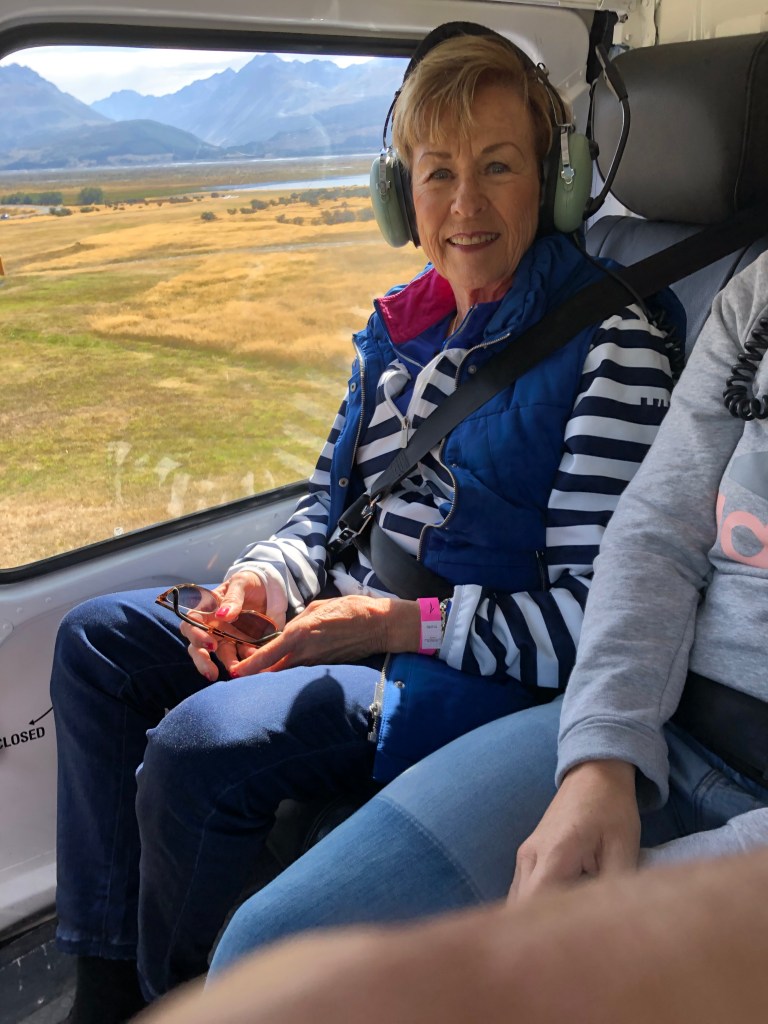
The helicopter ride over the Richardson glacier with three others and pilot, Alex, was just awesome. Bill said that he experienced sensory overload. We came so close to the rock face that we felt we could touch it. Alex told us that the glaciers are shrinking every year and eventually will not exist at all. It felt like a different, ethereal world up there. Alex sure has a neat office!
We drove around Lake Pukaki which is large, very turquoise and dramatic with the mountains in the background.
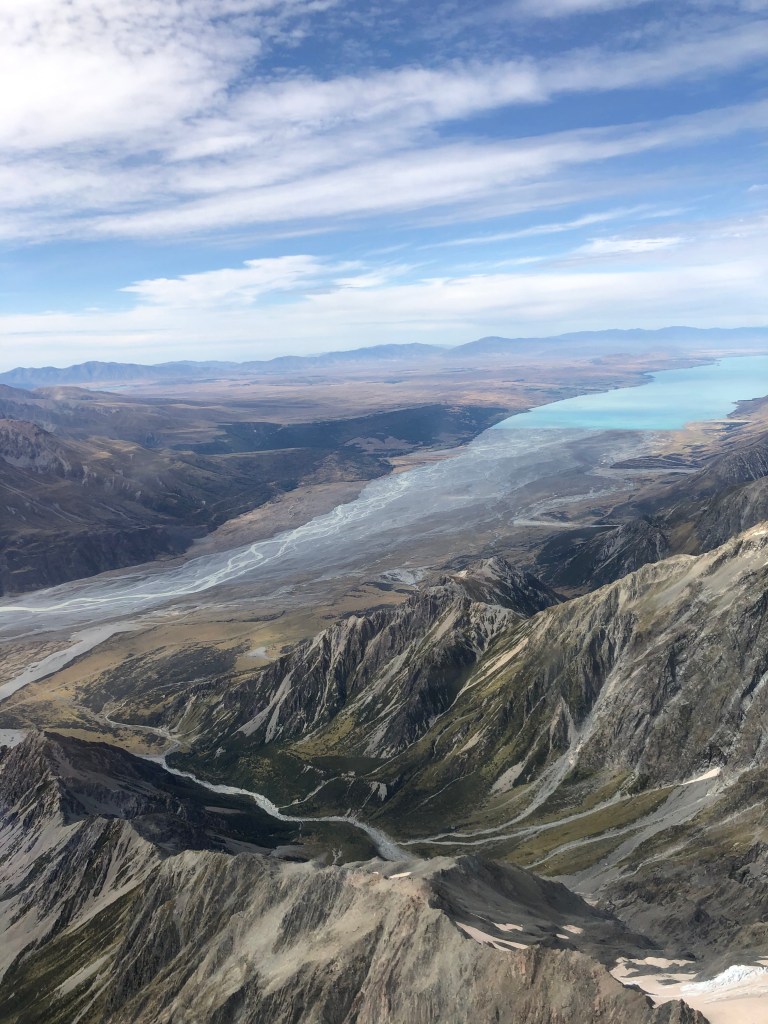
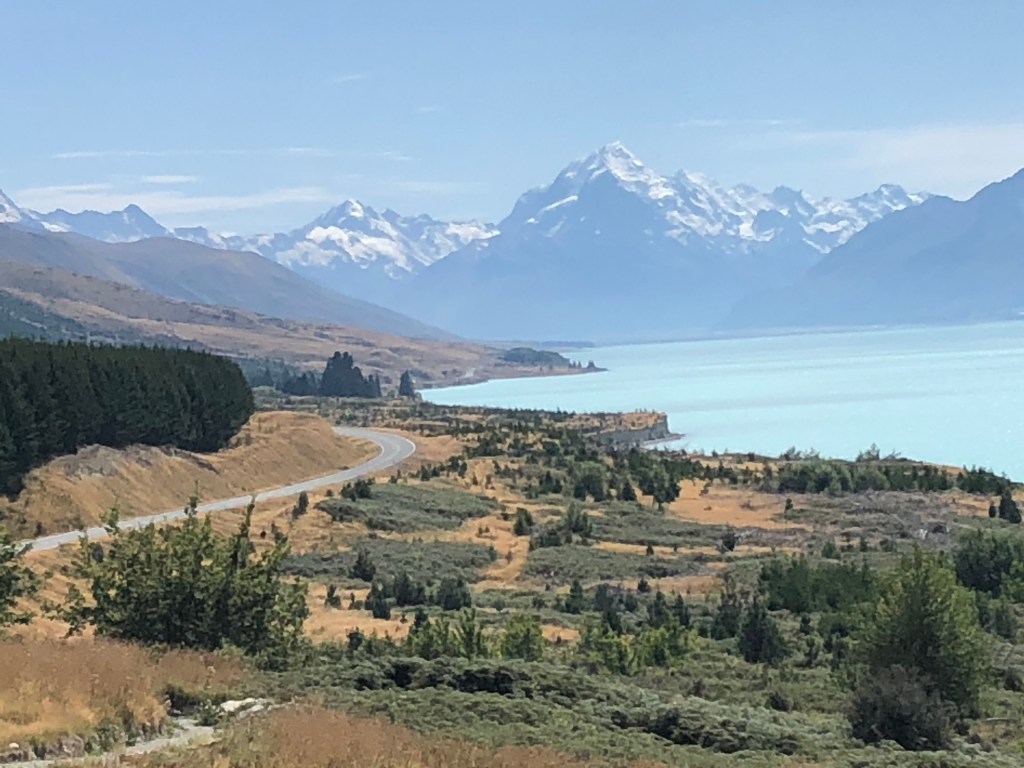
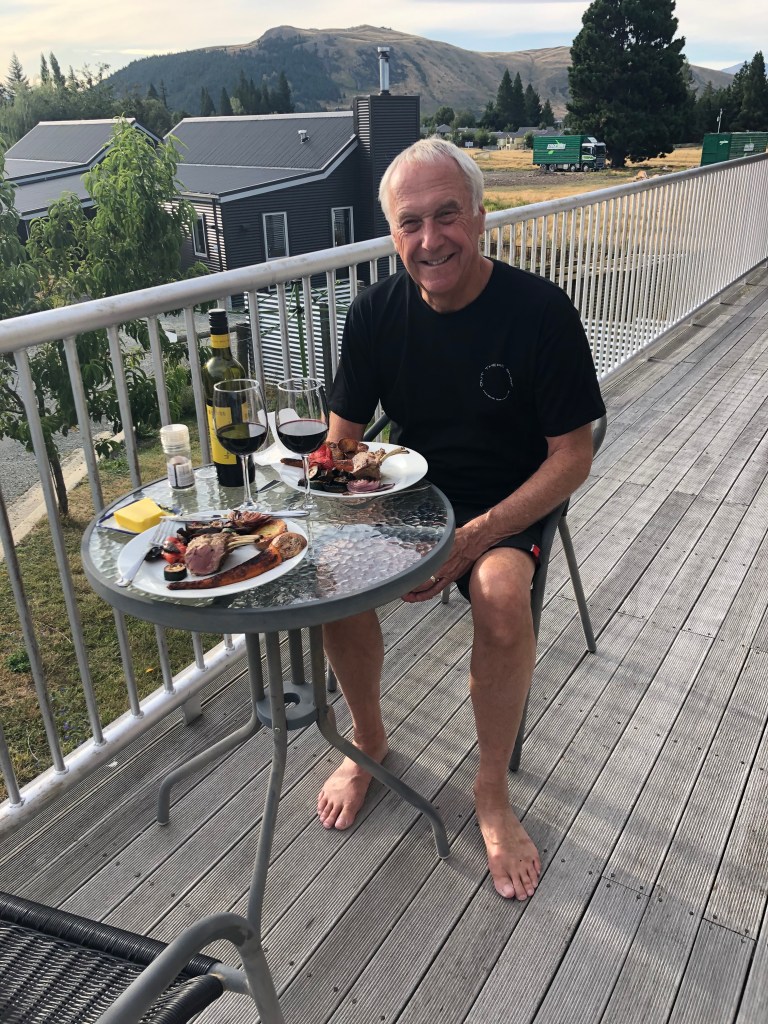
We then drove to Twizel which started as a location for the workers on the hydro-electric dam and when the authorities wanted to remove it, the locals refused as they had come accustomed to the tranquil way of life. We had a light lunch and visited the liquor store as the one in Lake Tekapo burned down two weeks earlier. We sat in the sun on the deck (27 degrees) for a while and had another lamb barbecue for dinner
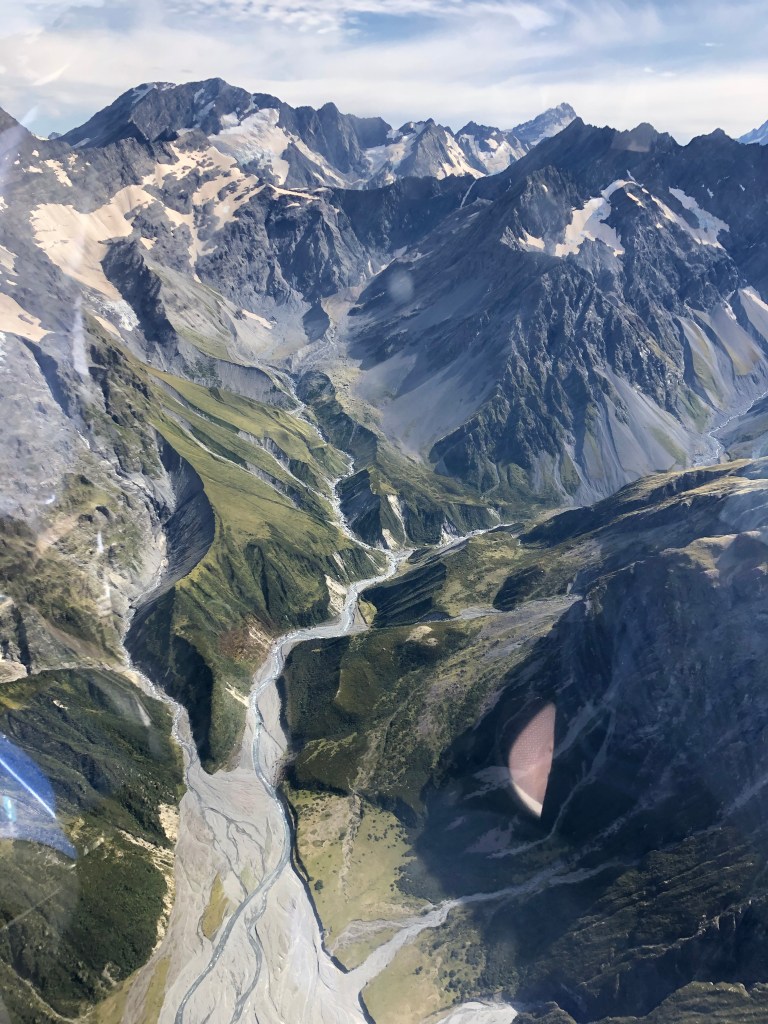
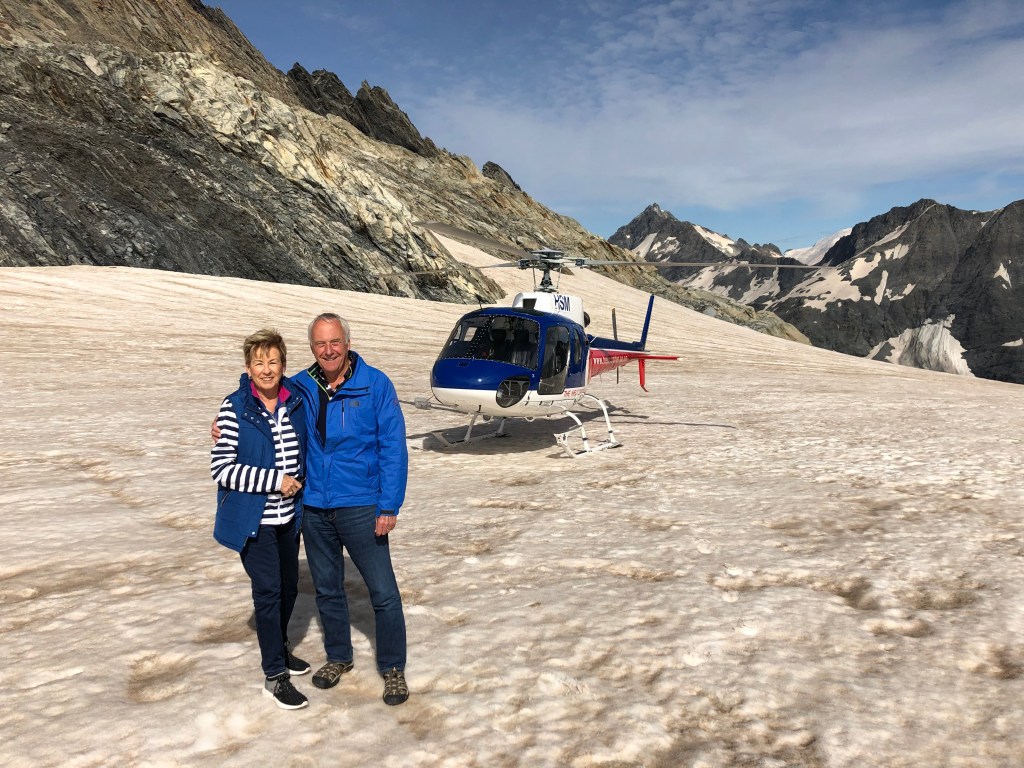
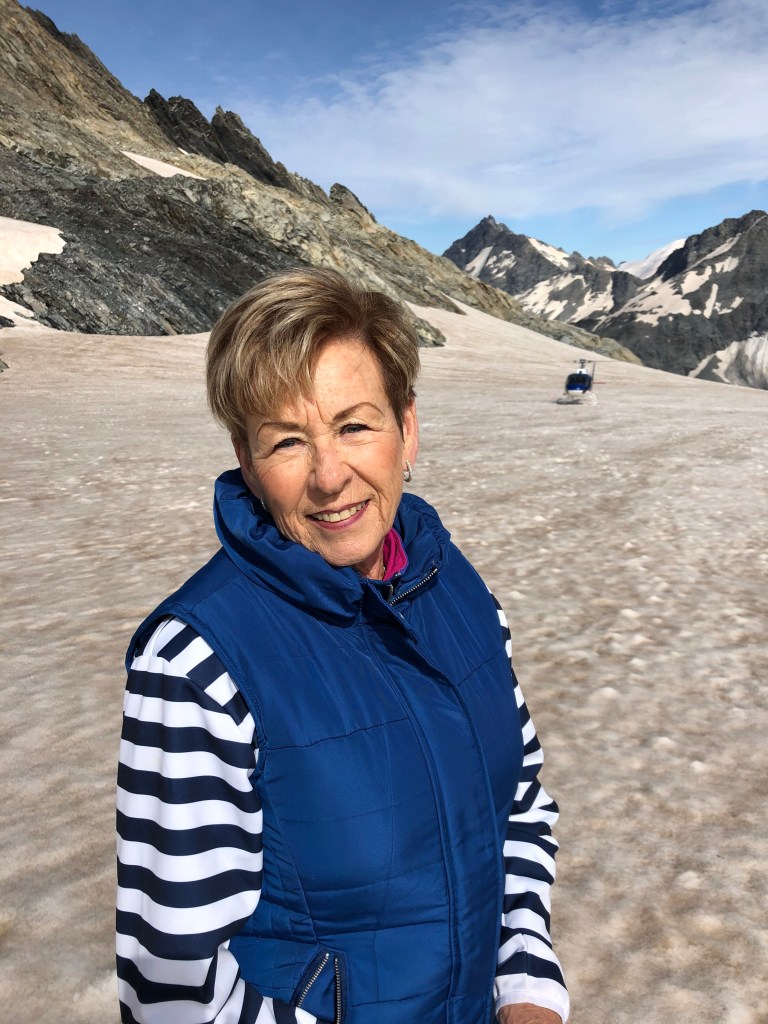
We stopped at the Hermitage Hotel and Edmund Hilary Centre.
Thursday, Feb 27-29 Lake Tekapo to Queenston to Te Anau
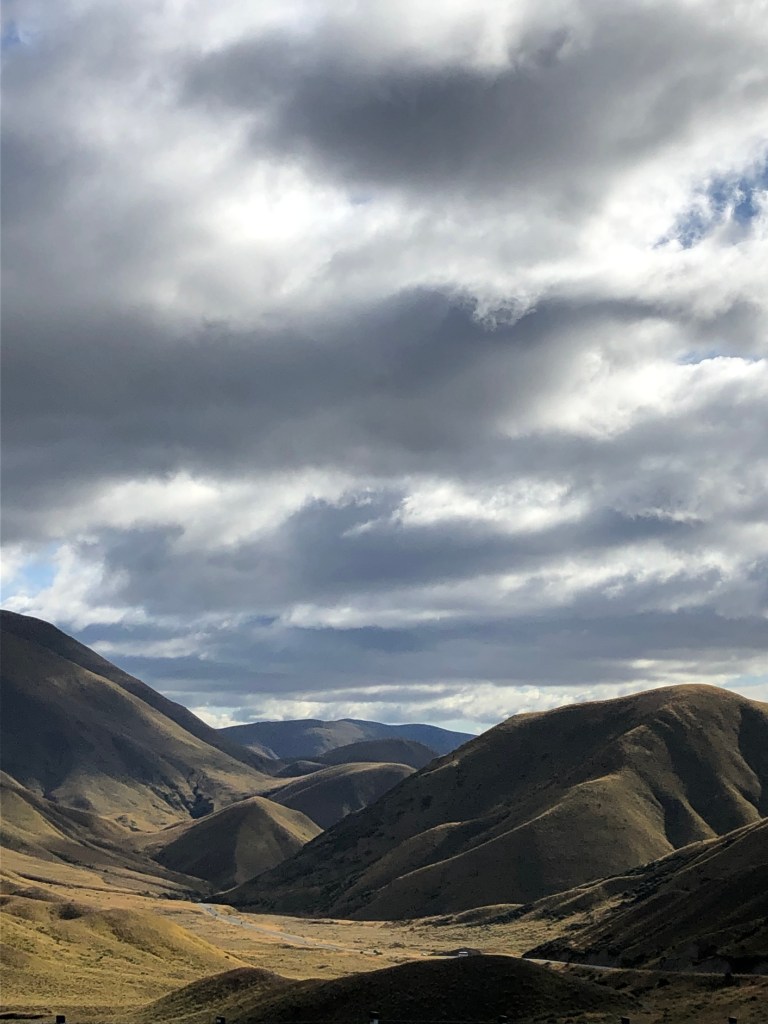
We drove from Lake Tekapo through high altitude and mostly barren hills, over Lindi’s Pass and stopped at Arrowtown, a former mining town, for lunch. They have maintained the heritage building from the gold mine days.
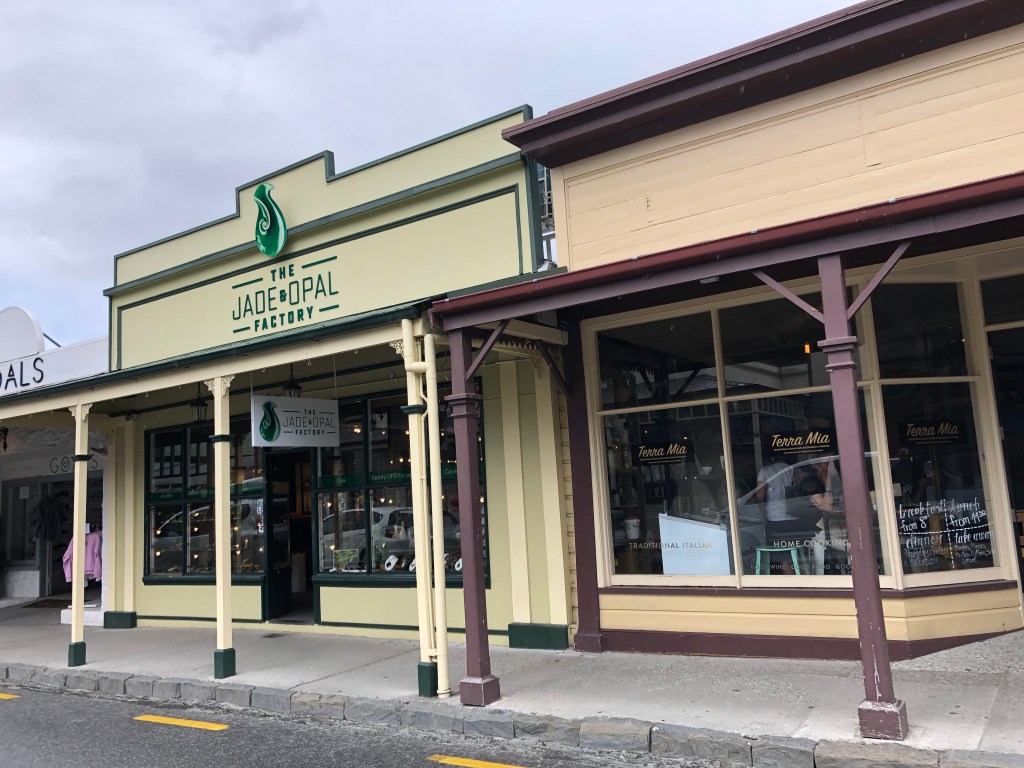
We went onto Queenstown to the Kiwi Farm and rode the gondola in the afternoon and ended at the Edgewater Hotel Te Anau late in the day.
The Queenstown region was deserted when the first British people arrived in the mid 1850’s, although there is evidence of a previous Maori settlement. Sheep farmers came first, but after two shearers discovered gold on the banks of the Shooter River in 1862, a deluge of prospectors followed. Within a year, Queenstown was a mining town with streets, permanent buildings and a population of several thousand. It was declared ‘fit for a queen’ by the NZ government; hence Queenstown was born. By 1900, the gold had petered out and the population was a mere 190. It wasn’t until the 1950’s that it became a popular holiday destination.
It is called the ‘adventure capital of the world’ as it encourages adventures like bunny jumping where the idea was born. It is also naturally beautiful with Lake Wakatipu and the Remarkables. Lake Wakatipu, shaped like a cartoon lightning bolt is NZ’a third-largest lake and reaches 379 m (below sea level). Scientists have rated it as 99.9% pure because it is very cold and hovers around 10 degrees year-round.
We first had the Kiwi Encounter as we had not seen Kiwis which are the national bird and that is because it is flightless and now that there are predators, few remain at large. At the Bird Reserve, we had a presentation of some of the residents:
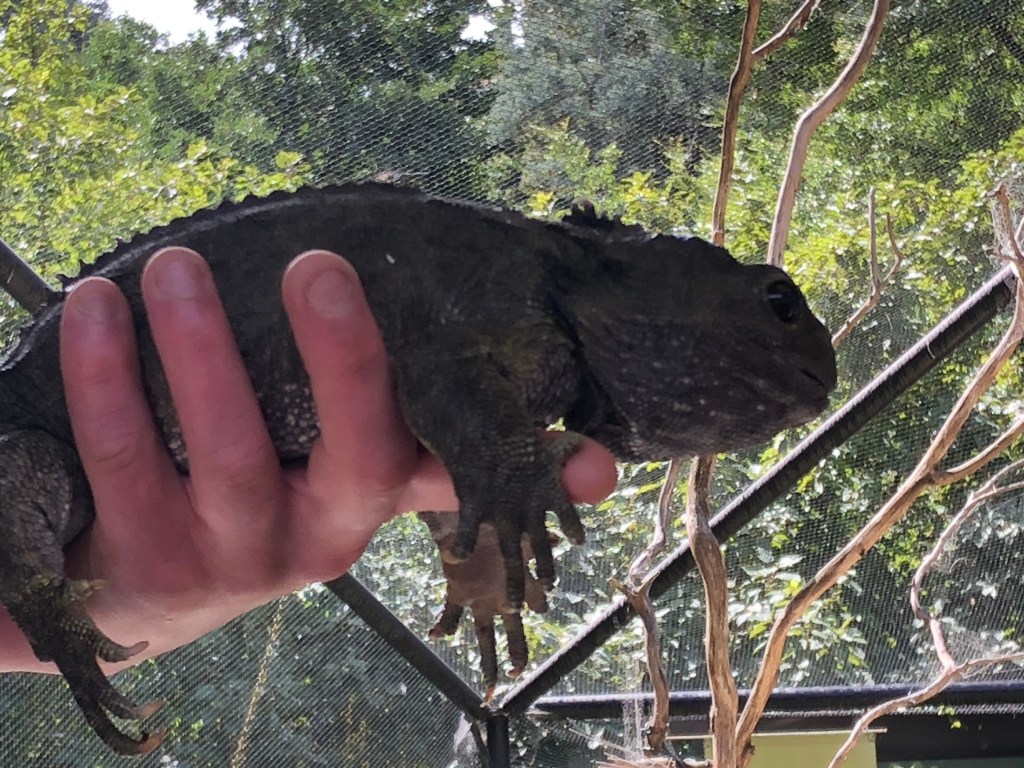
We could only see the kiwi in a no-light environment. We could see the pair of kiwi in the space and when the staff member fed them, they scurried to eat the food. This reserve has released 70 kiwi into protected environments since 2001 but they are still threatened with extinction. The staff asked locals to poison possum and rats as their predators.
We then took a ride on the gondola with tremendous views of the harbour and of bungy-jumpers.
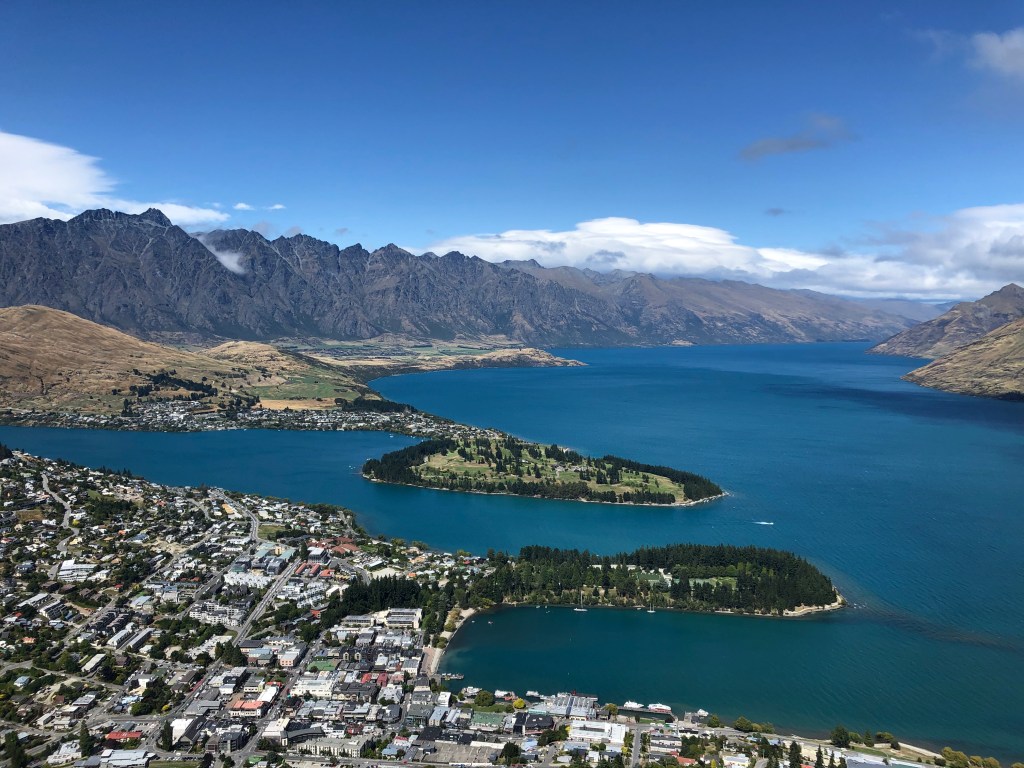
Thursday, February 28. Te Anau and Milford Sound
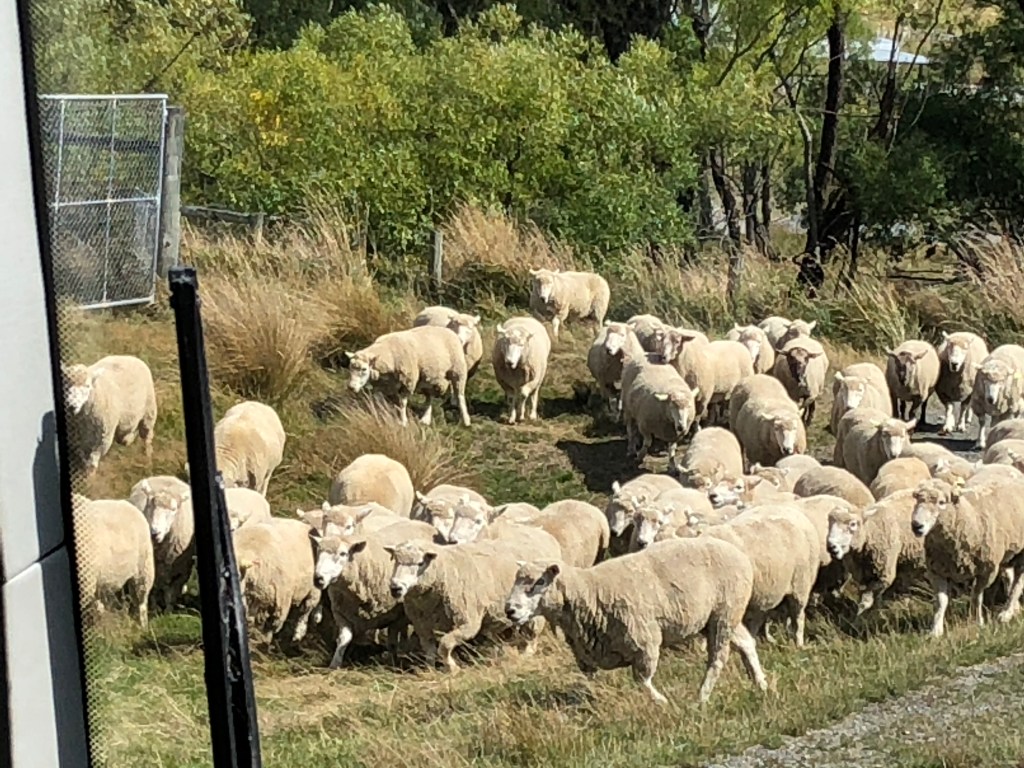
We stayed two nights at the Edgewater Motel, a newly-renovated studio with kitchenette where we found on arriving that we couldn’t drive to Milford Sound. Usually, Milford Sound gets 240 inches a year and is claimed to get the most rain anywhere on the planet and today was no exception. Because the road was washed out in many places the first week of February when 1 and a half metres of rain fell in 60 hours, our plan to drive there fell through. Only coaches with permits were allowed down the road, they traveled in convoys at designated times one group west bound to the Sound, then east bound out of the Sound. We were picked up at our motel at 7:45, arriving at 11:00, out in the boat for an hour and 45 minutes and back by 3:30. It rained heavily as soon as we got to the “divide” and started down the west facing slope of the mountain. and stopped when we got back to the east facing slope of the divide, the Te Anau side. The drive itself was very enjoyable but the star is the sound. The sheep on the large farm before Fiordland National Park met us on the road; our coach driver referred to this as a “New Zealand traffic jam”.
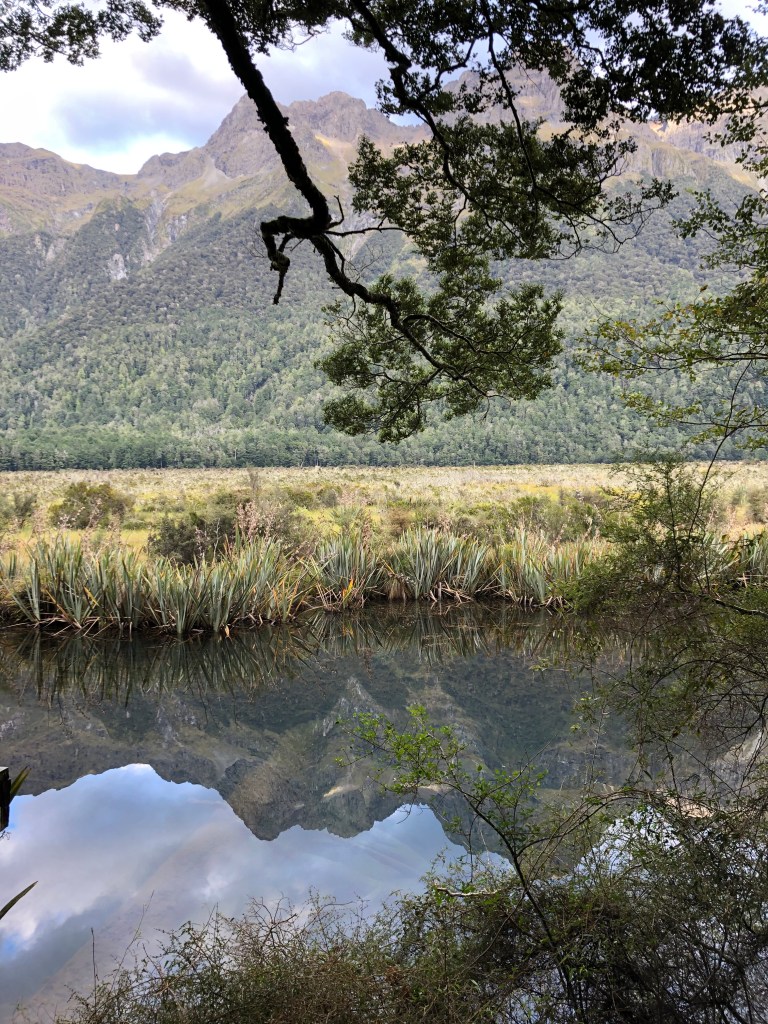
On the 2 hour drive to Milford Sound, we stopped to enjoy the landscapes and stopped at Mirror Lakes, a World Heritage site.
This was our second time on the Sound which is really a fjord because it was made from a Glazier. It rained and was extremely windy the whole time so we mostly enjoyed the view from inside the boat.

We walked along the water front at Te Anau, bought groceries to make a one pot meal in the electric frypan, had dinner and prepared for a long drive to Dunedin.
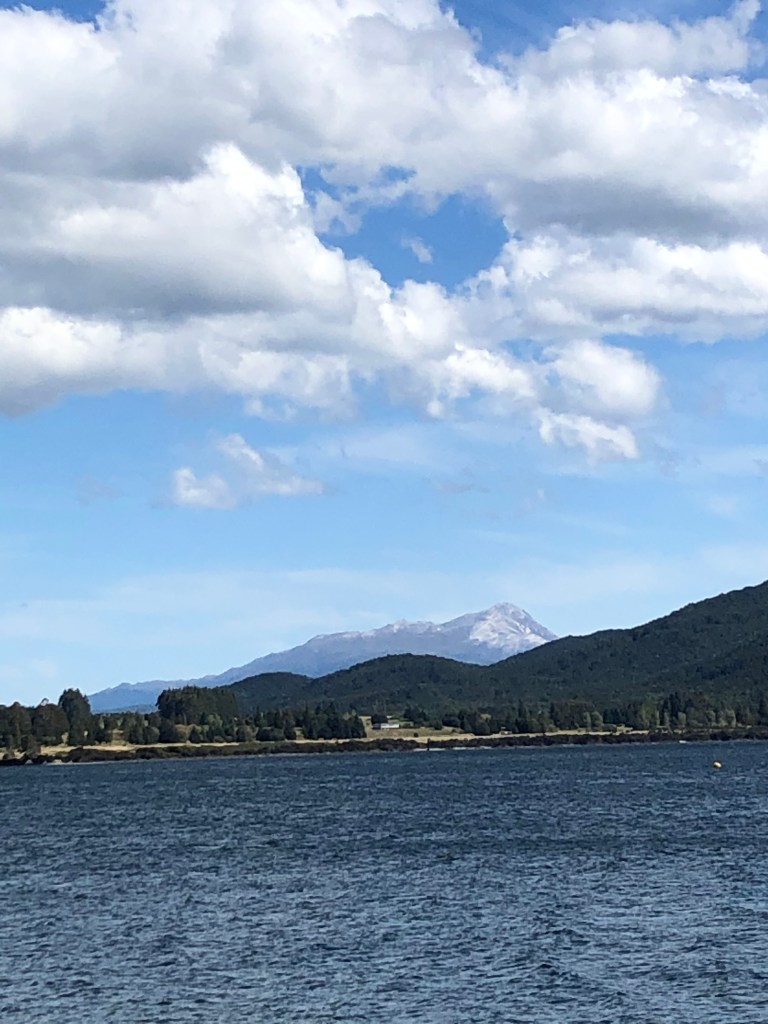
Saturday, Feb 29 Te Anau to Dunedin
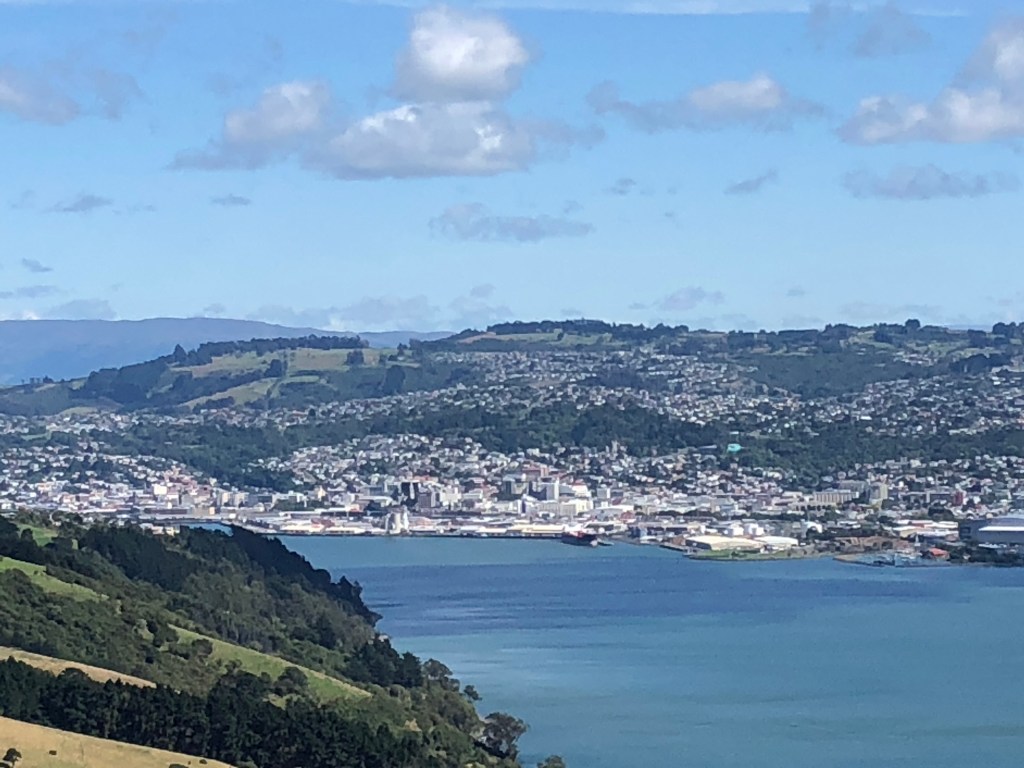
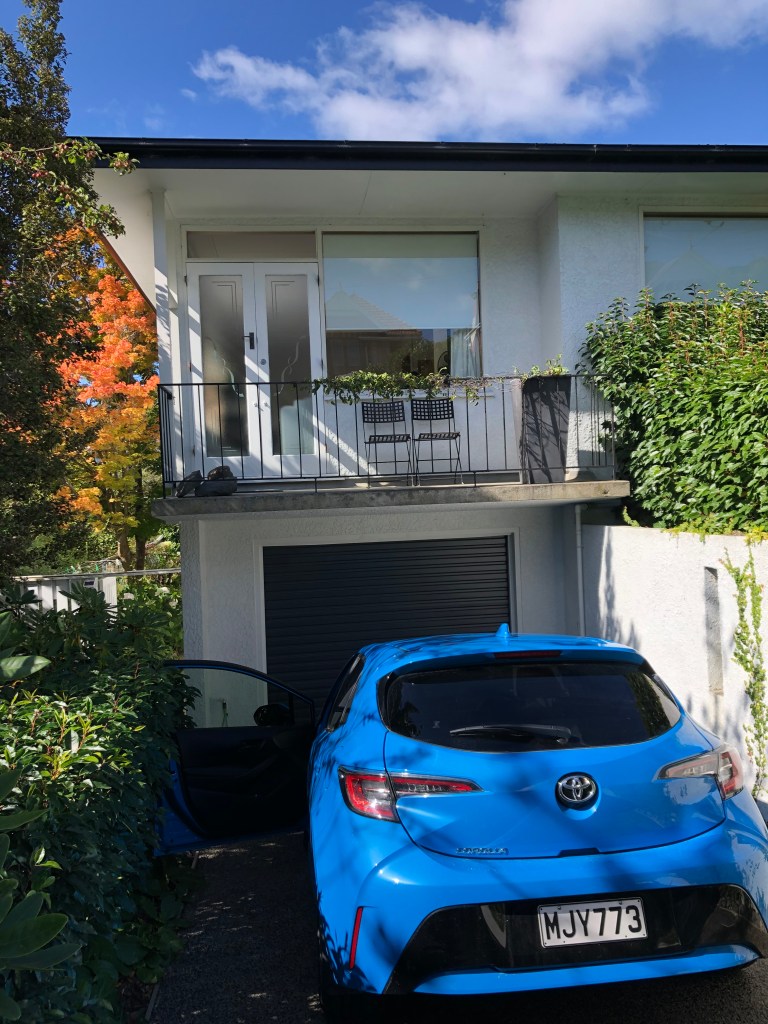
After a drive of 3 hr 20 min from Te Anau to Dunedin, we arrived to Philippa’s airbnb to find that I had booked it the night before! She was just wonderful and offered us a bedroom in her house as the apartment had been booked: Central City Walk: 59 Royal Terrace. We moved into her house and went immediately to our appointment on the Otago Peninsula, stopping for lunch in Portobello.
We arrived at the Penguin Place for our 2:15 appointment, heard a review of the purposes of the reserved and the dire situation of the yellow-eyed penguins: only 1800 of them in existence and 700 are in New Zealand; they are at great risk because their habitat has deteriorated. They give birth and live on the land and the vegetation and solitude that they need has been destroyed by the human race and the warming of the sea has pushed the fish they need to eat deeper and they need more energy to reach them. So they are starving. The reserve takes them in when they are injured or starving, heals them and send them back into the sea. The only yellow-eyed that we saw were in the clinic but caught glimpses of blue penguins in their small hutches on the hills.
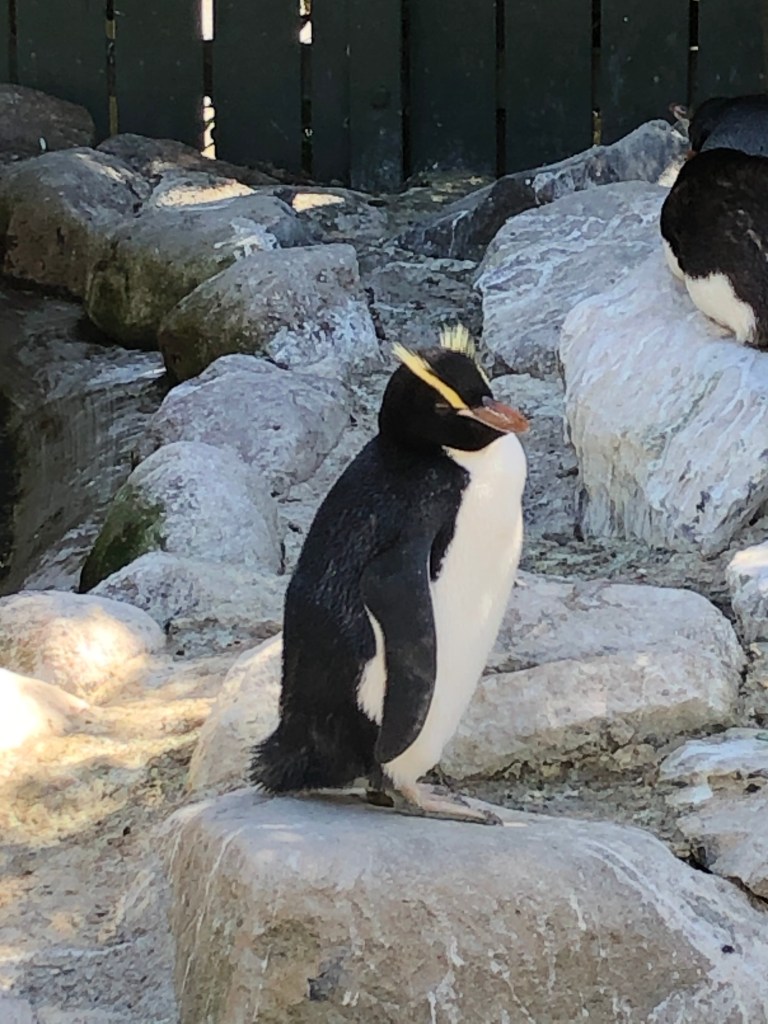
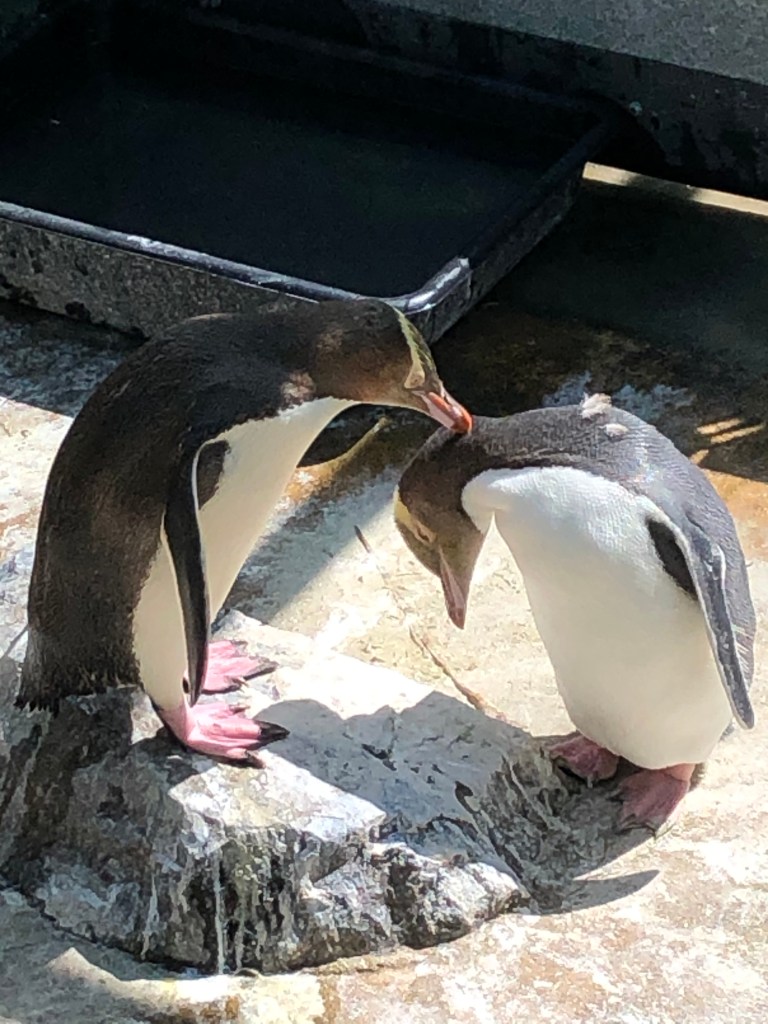
We had amazing views of the farm and coast which is the haven for the penguins, as well as the fur seals on the beach.
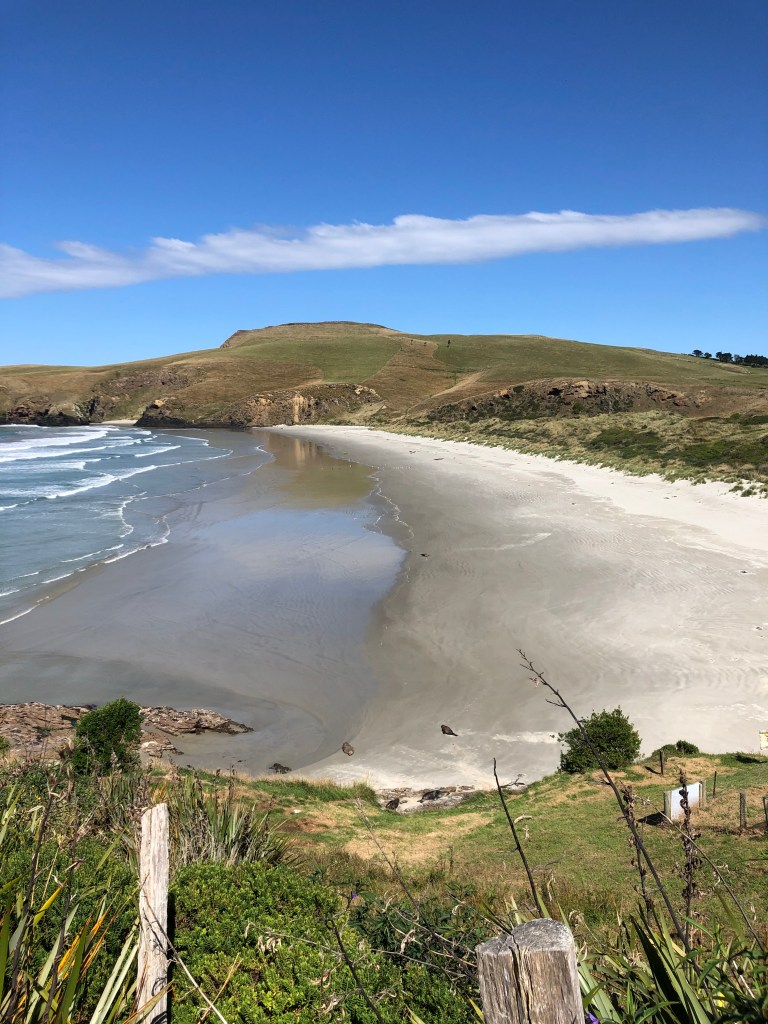
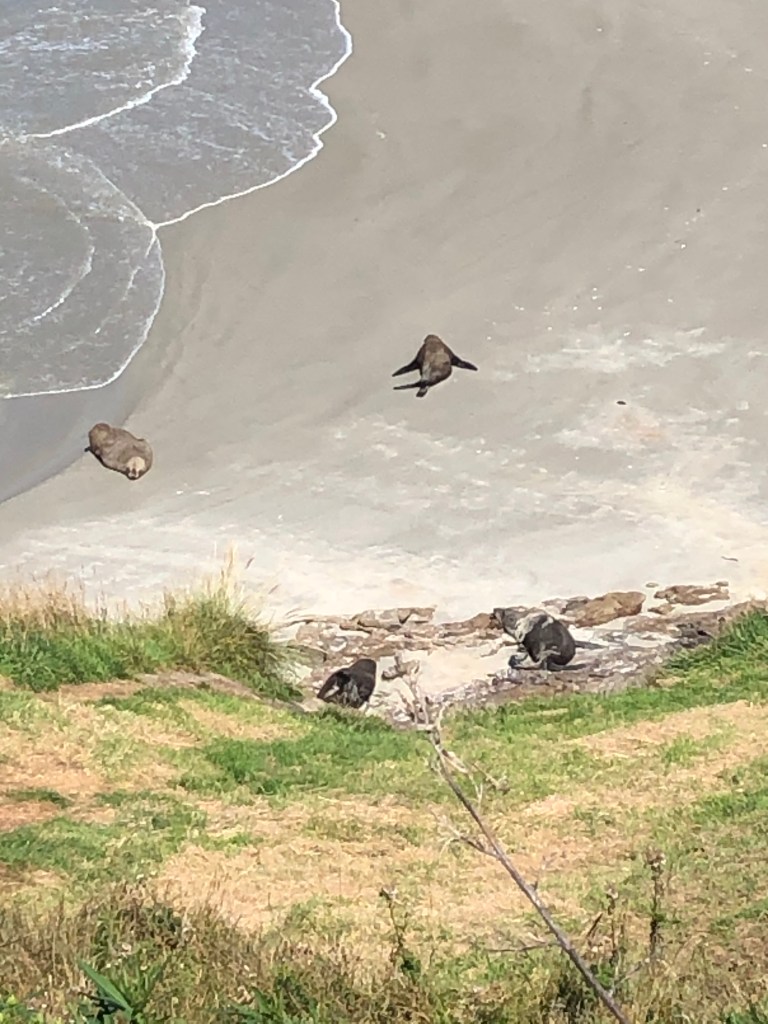
Sunday, March 1 Dunedin to Franz Josef
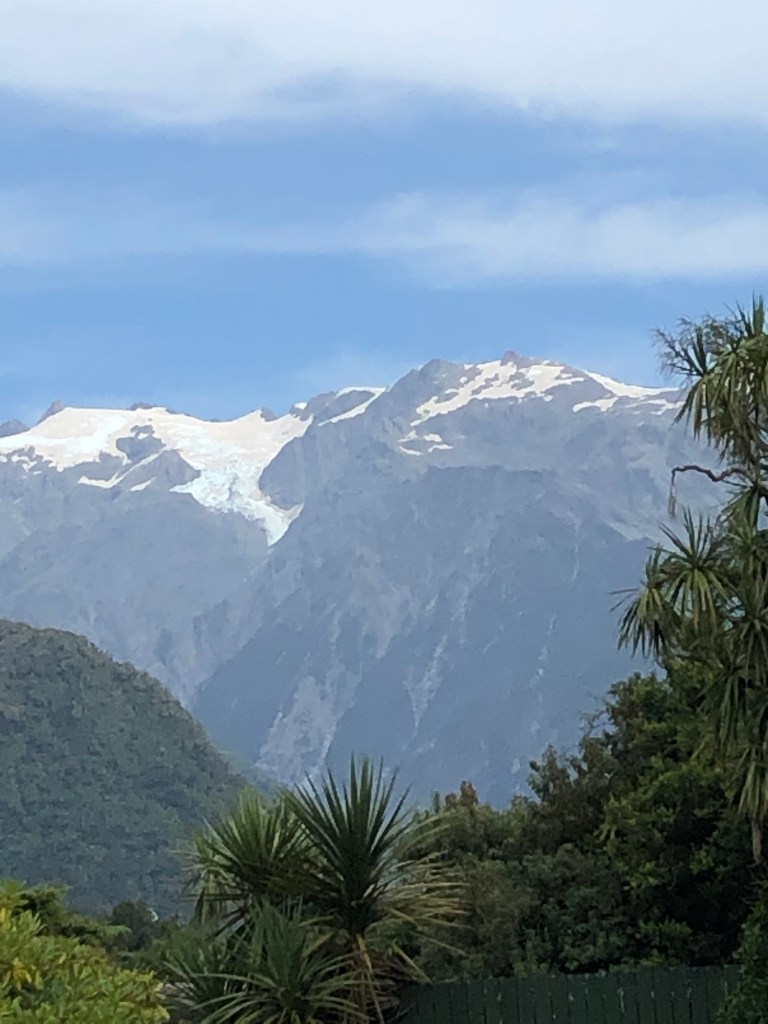
After a very long drive from 7:30 am until 3:30, we arrived in Franz Josef at the Glazier View Motel (there is a view of the Glazier but the motel needs some upgrading), too tired to hike out to the Glazier so we had a drink on the main street, a short nap and dinner at Alice May Parkinson restaurant – great lamb shank. – and called it a day.
Monday, Mar 2 Franz Josef to Punakaiki
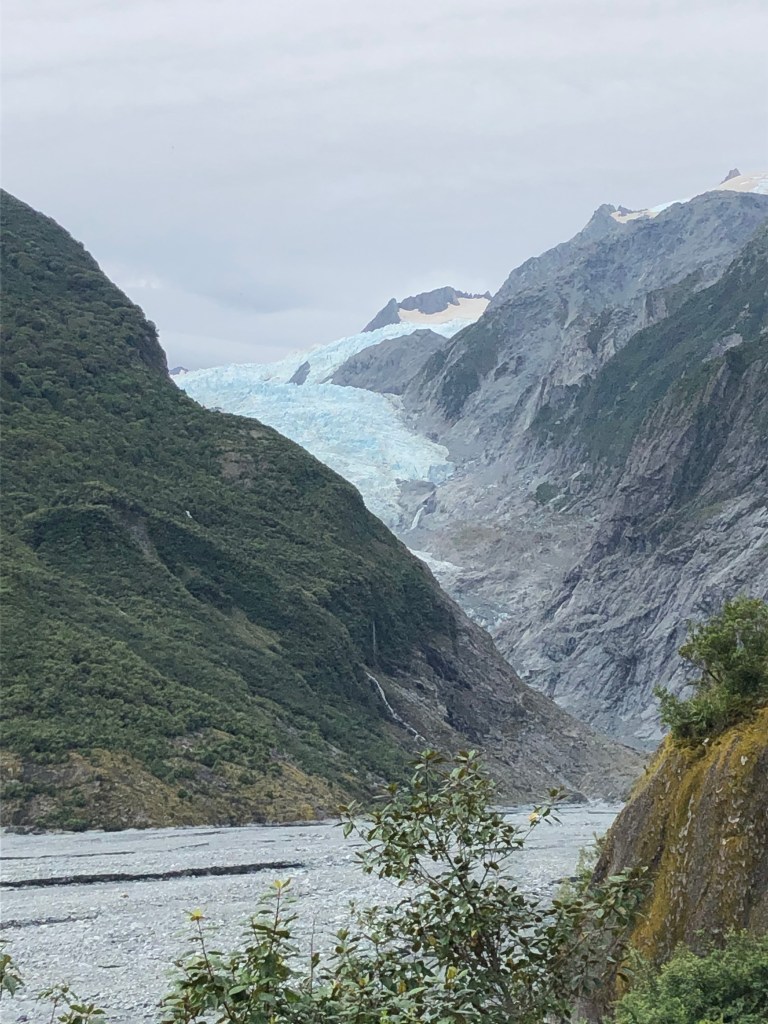
We started our sunny, cool morning with the half hour hike to the Franz Josef Glazier with very few people around. Underground lies the great crack in the earth-the Alpine Fault. Along this crack, two plates of the earth’s crust collide and slip past one another. This collision pushes up the Southern Alps 10-20 mm every year.
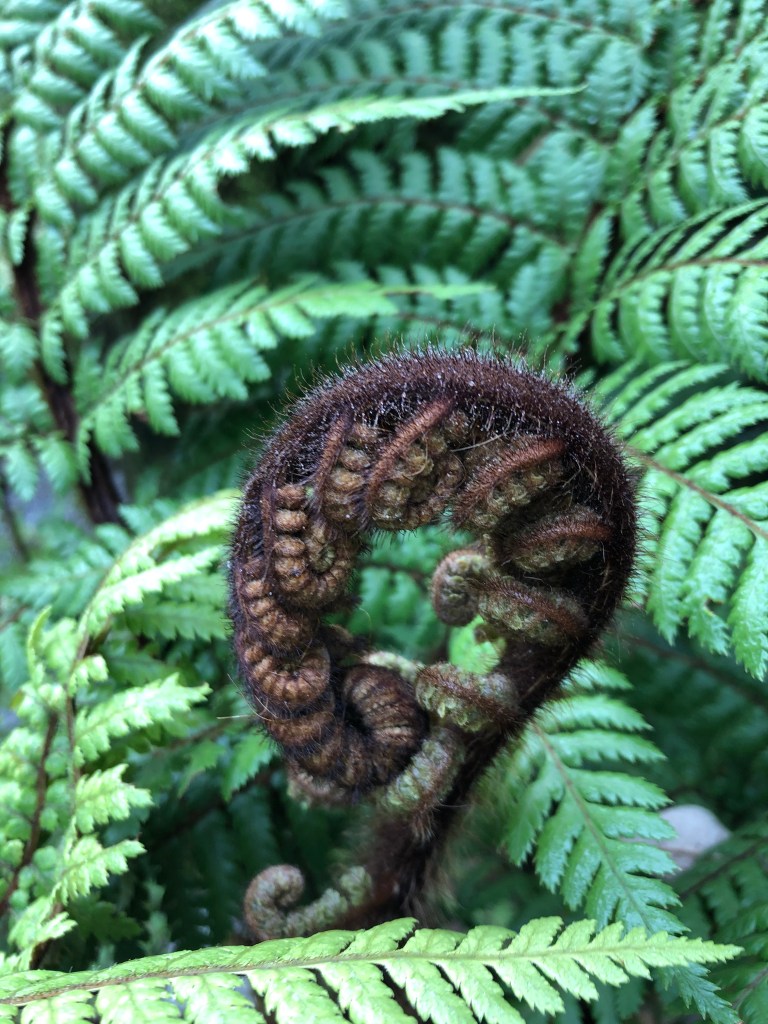
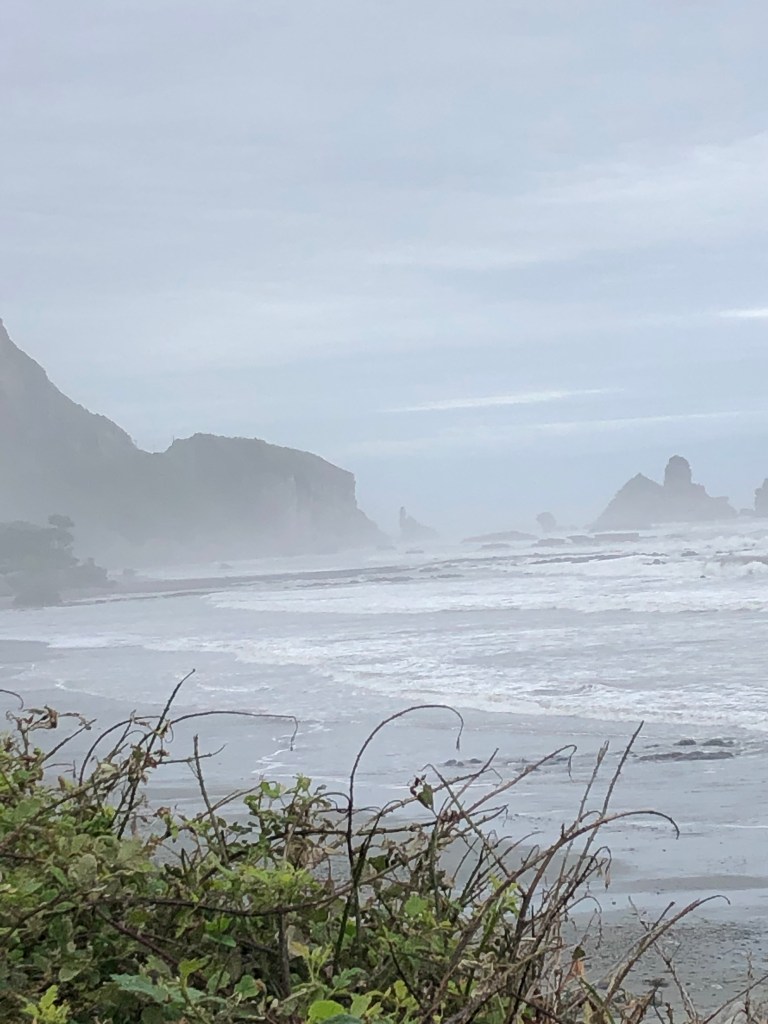
Then we drove 3 hours along the Tasman Sea with sensational vistas.
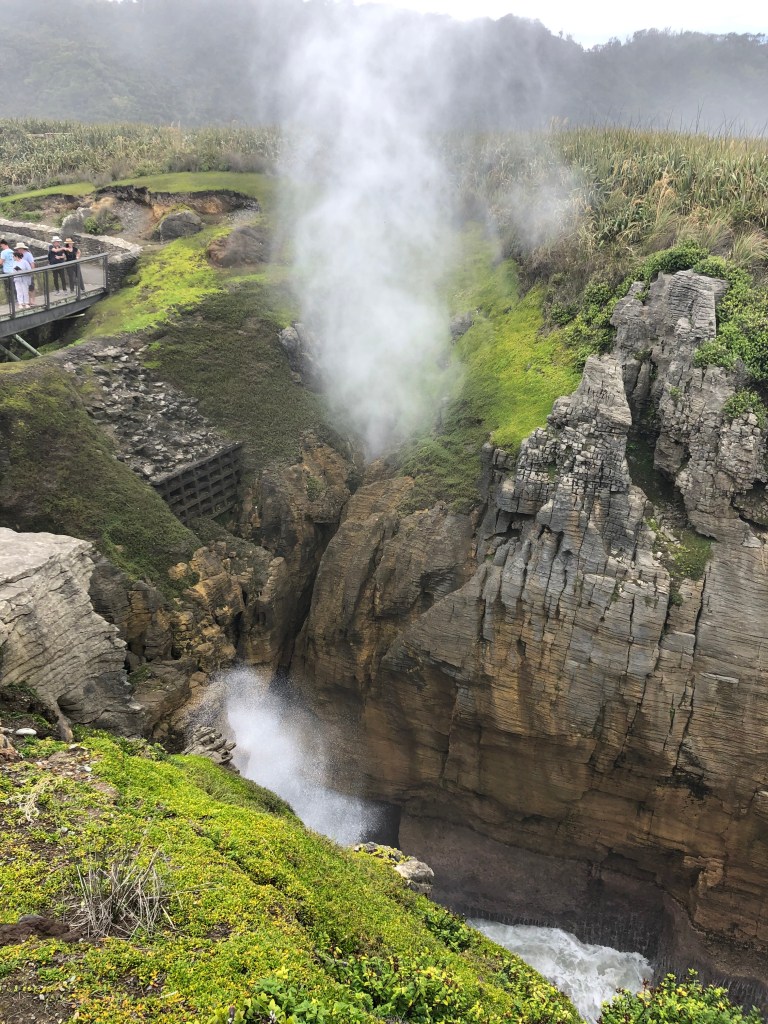
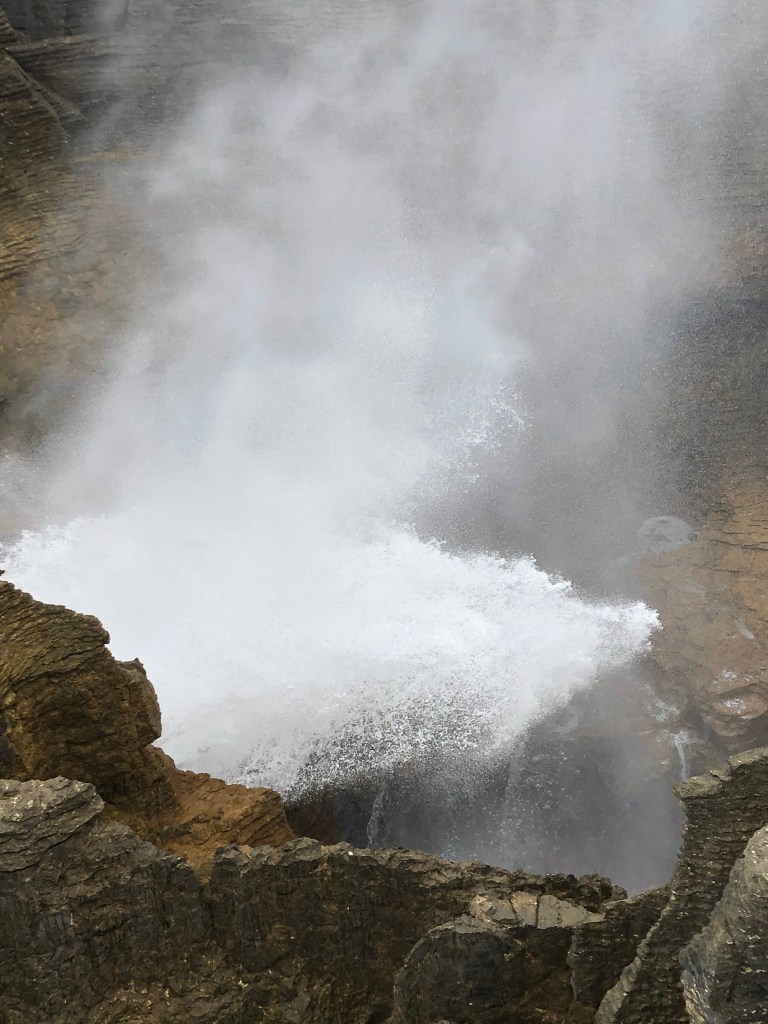
We walked down to the Pancake Rocks and Blowholes after a small lunch at the Punakaiaki Cafe. The limestone rocks have been worn away by the force of the Tasman Sea and when the water surges into the inlets, the water is forced into the caves and the mist blows out the top. The sound and the strength of the water is breath-taking and frightening.
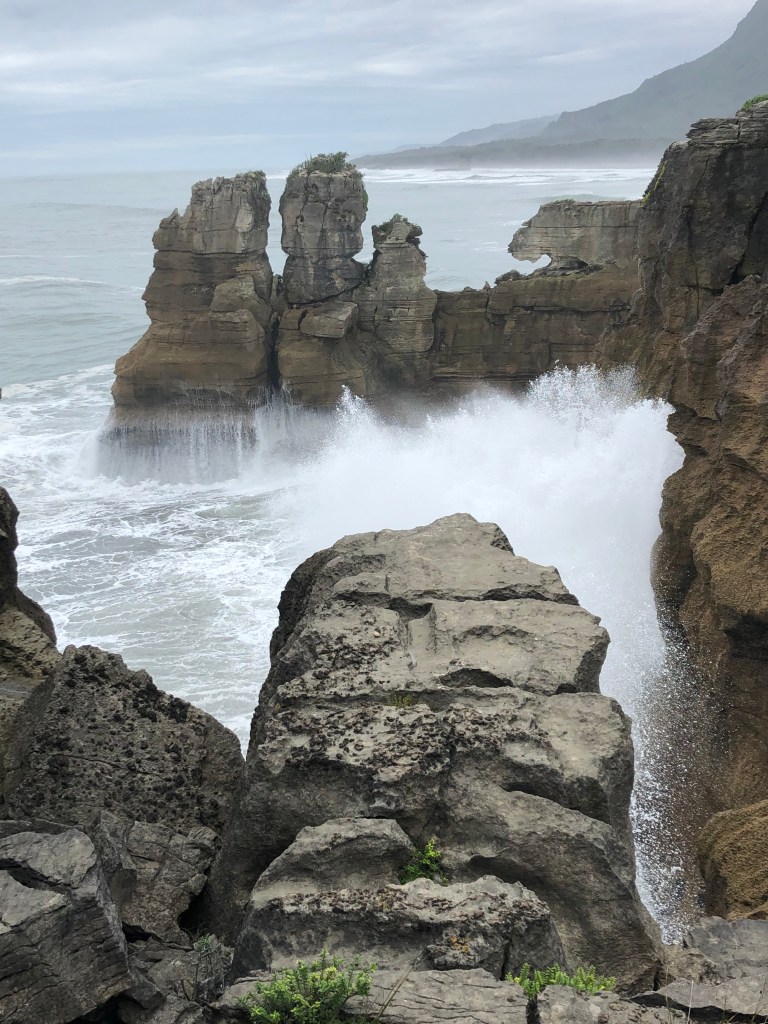
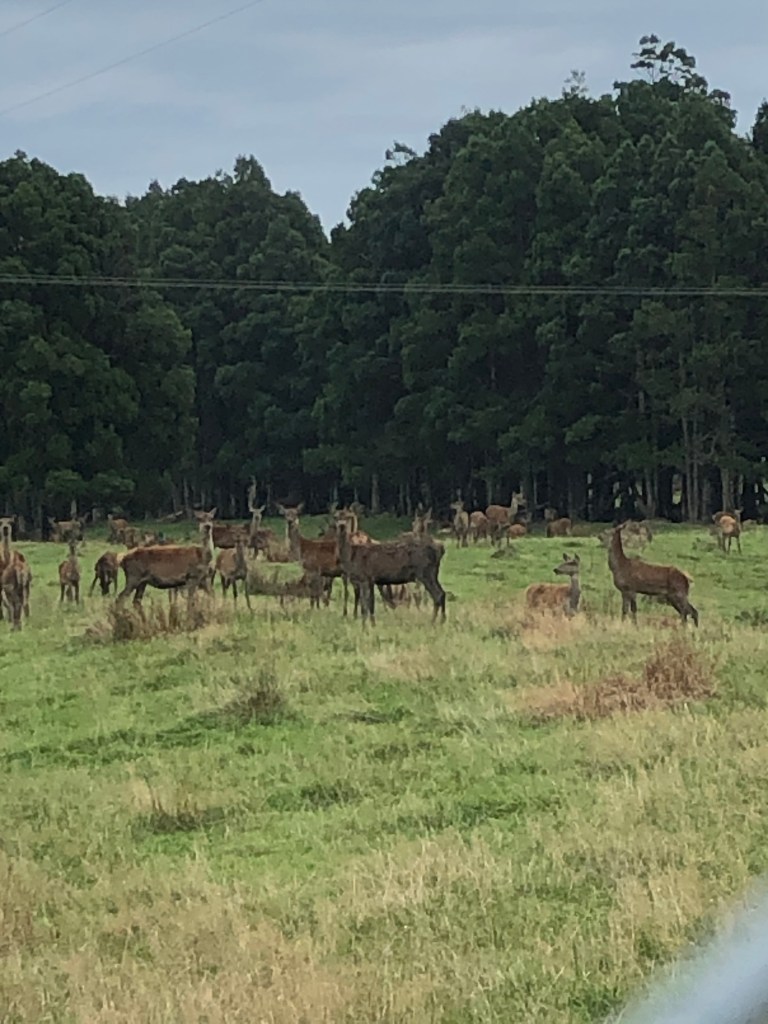
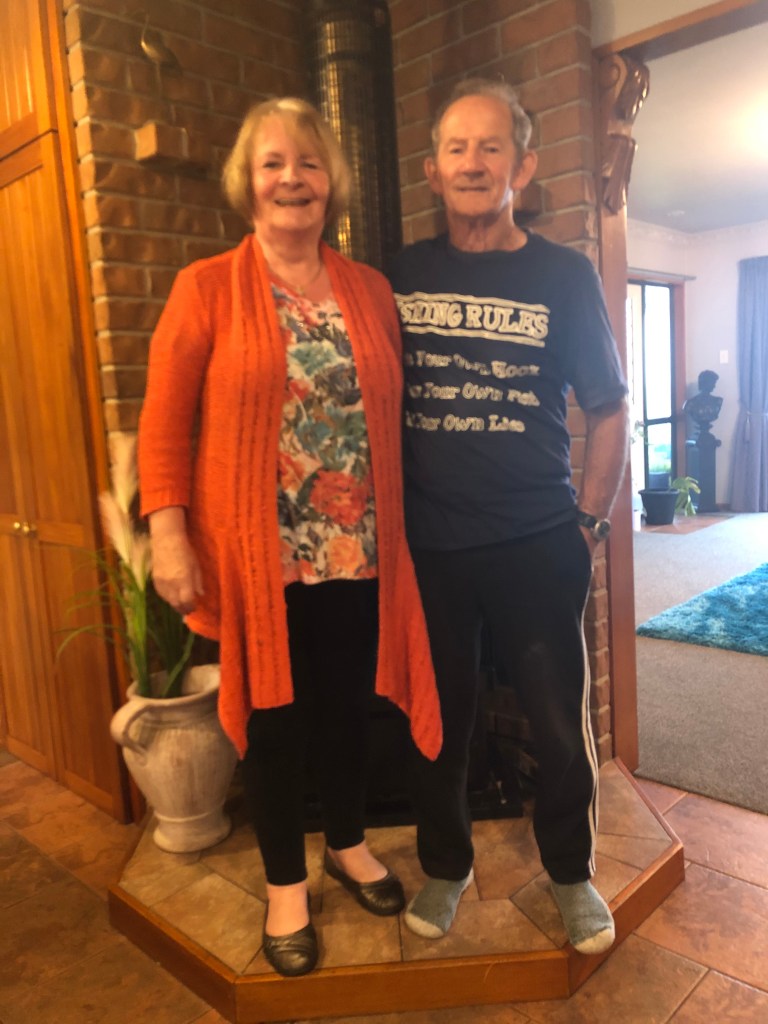
When we arrived at 3:30 at Bluewaves Homestay & B&B, Barrytown, Rae and Dennis were there to greet us. Dennis regaled us with stories of his adventures the rest of the afternoon and at 6:15, we went to the local pub and had fish and chips. After dinner, Dennis told us more stories and gave us a copy of a book that a friend had written in which he is featured. They have sold the lovely house that they built and are becoming “nomads” in their 30 ft camper for the next few years.
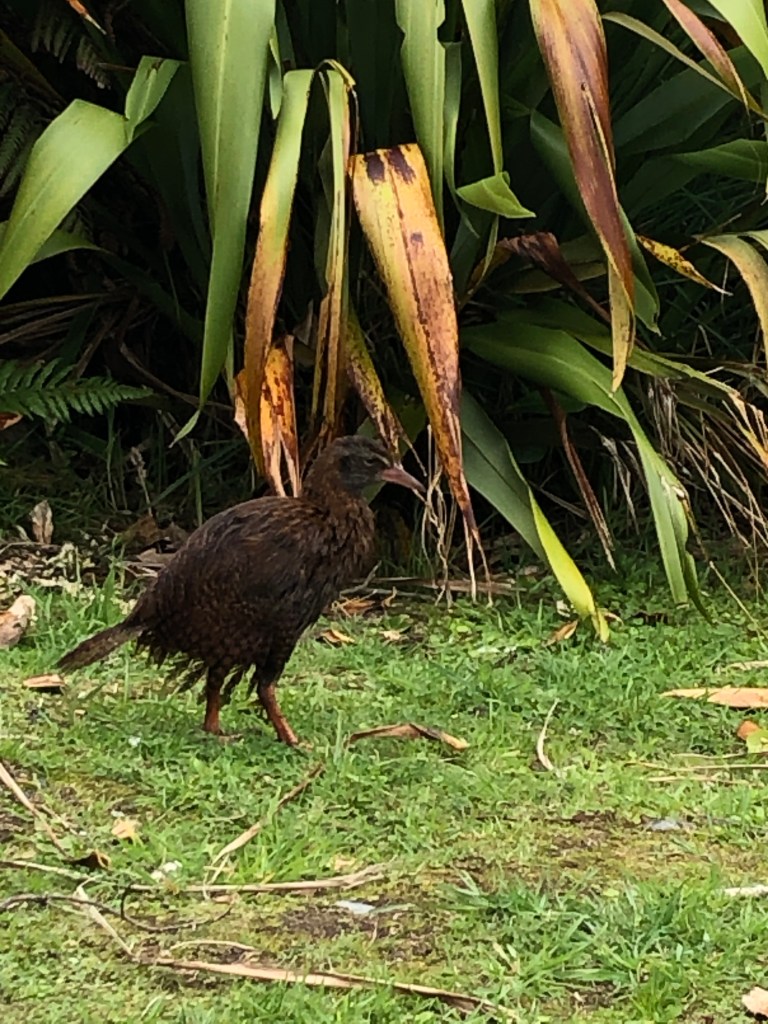
As we were leaving the Pancake Rocks, we were entertained by a Weka, a flightless native NZ bird, as he preened himself and was not interested in us at all.
Tuesday, Mar 3. Barrytown (Punakaiki) to Picton
It was a long, windy, arduous drive over the mountains in the rain and we passed two separate accidents where cars had collided or slipped off the road. We left at 8:00, had a fuel stop and a lunch stop and at 2:30 accessed the Apartment 11 Art Deco via lockbox, overlooking the harbour. We went for a cool windy walk and had very good fish dinner at Oxley’s on the waterfront.
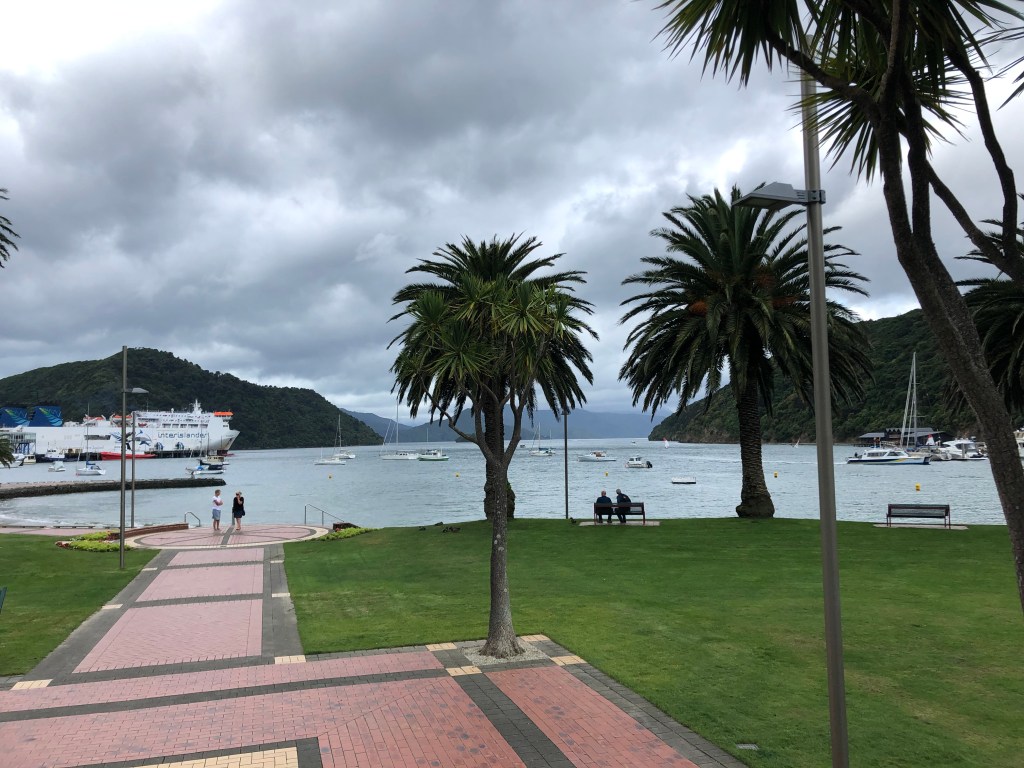
This airbnb is very small but well-equipped and compact. We did not have the balcony attached to the studio in the photos of the place but available down the hall.
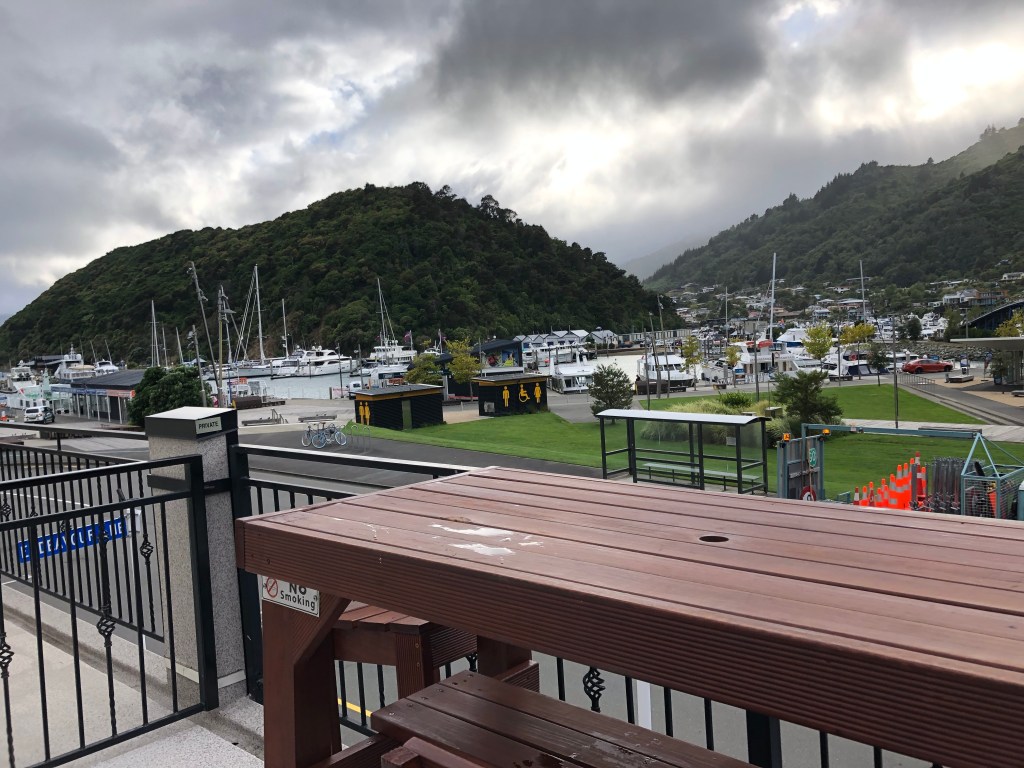
Wed, Mar 4 Picton to Nelson to Auckland to Orewa
We headed out at 8:50 for Nelson in wind and light rain over more hilly, windy roads. In Nelson, we found a all-day breakfast place, DeVilles, and had eggs and toast. Nelson is a vibrant place and we found an art shop of which there are many where we bought a large metal leaf for our garden. The airport was just 10 km away and we arrived before 1:00pm to return our Honda rental but had a chipped windshield which cost us $1400. Hopefully, VISA will repay the cost. That left all afternoon in Nelson airport but it is lovely, small and new and we both read our books.
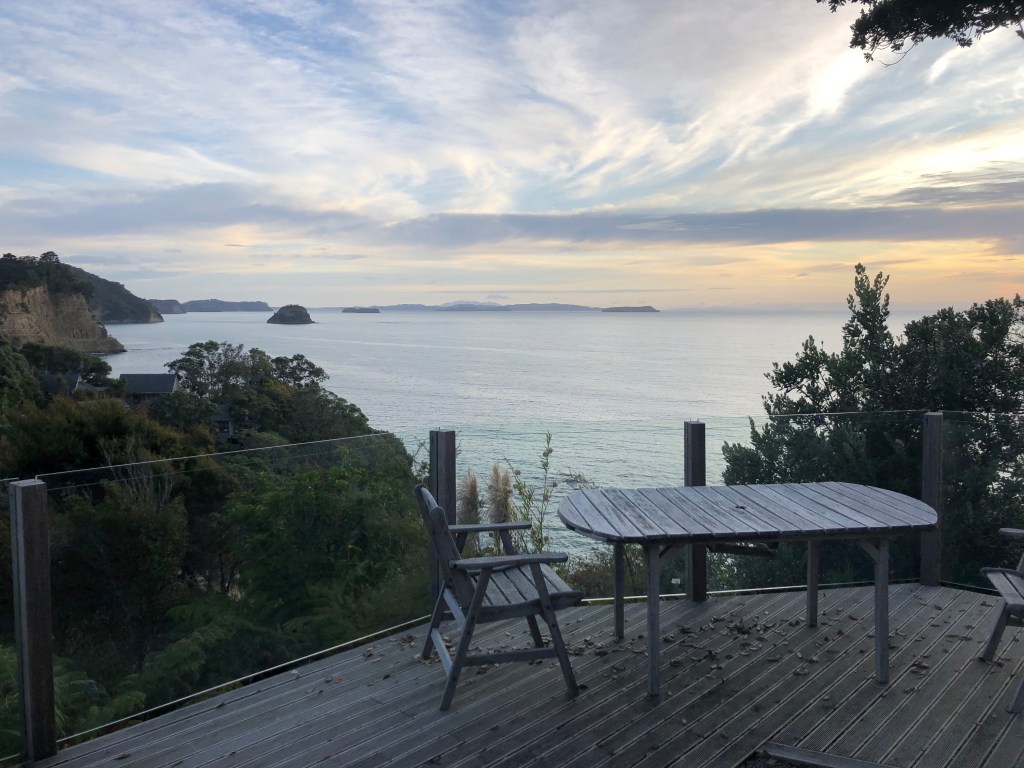
The flight to Auckland was uneventful; we got the shuttle to NZ Car Rentals office, picked up our car and drove 50 minutes on straight two-three lane highways to arrive in Orewa which is a bustling place on the beach, had dinner at Orewa Thai and had a great meal. Finding Te Rakan Cottage was a bit of a challenge in the dark because it was off the highway and a long rough laneway to the place. Alistair met and welcomed us to enjoy our stay and offered the second building with kitchen facilities for cooking and the lounge for sitting. The place is rustic but very comfortable with awesome views of the Pacific Ocean from all sides of the cottage.
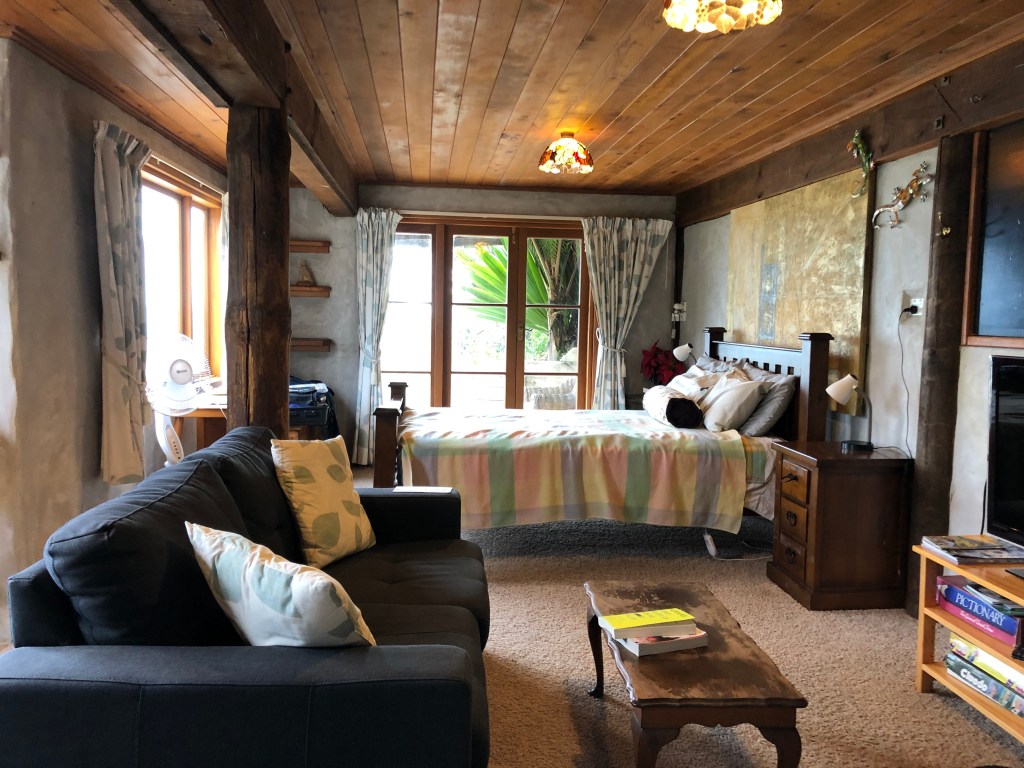
Even on a cloudy day, the view here is awesome:
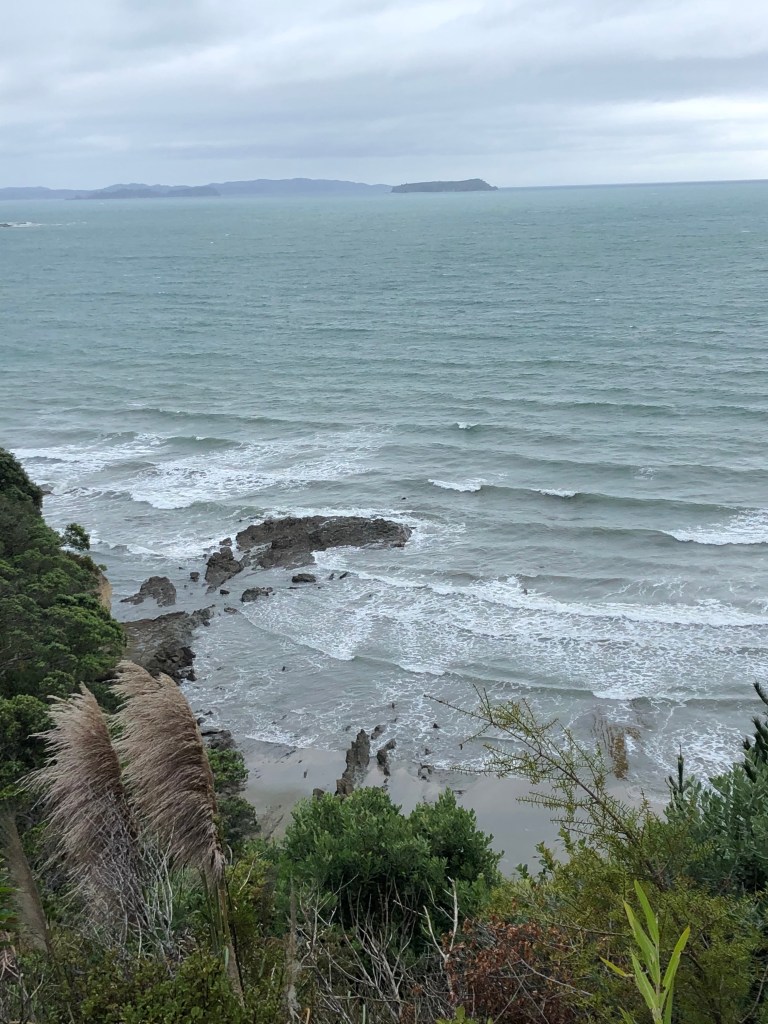
Wednesday, March 5 Orewa
For the first time in many days we got up when we wanted, had a leisurely coffee, met Linda who was most gracious and showed us the second building for our use, drove to town for groceries and had a look around the town which was busy. We returned and had lunch in the second building with kitchen and dining area of leftovers from the Thai dinner and a salad.
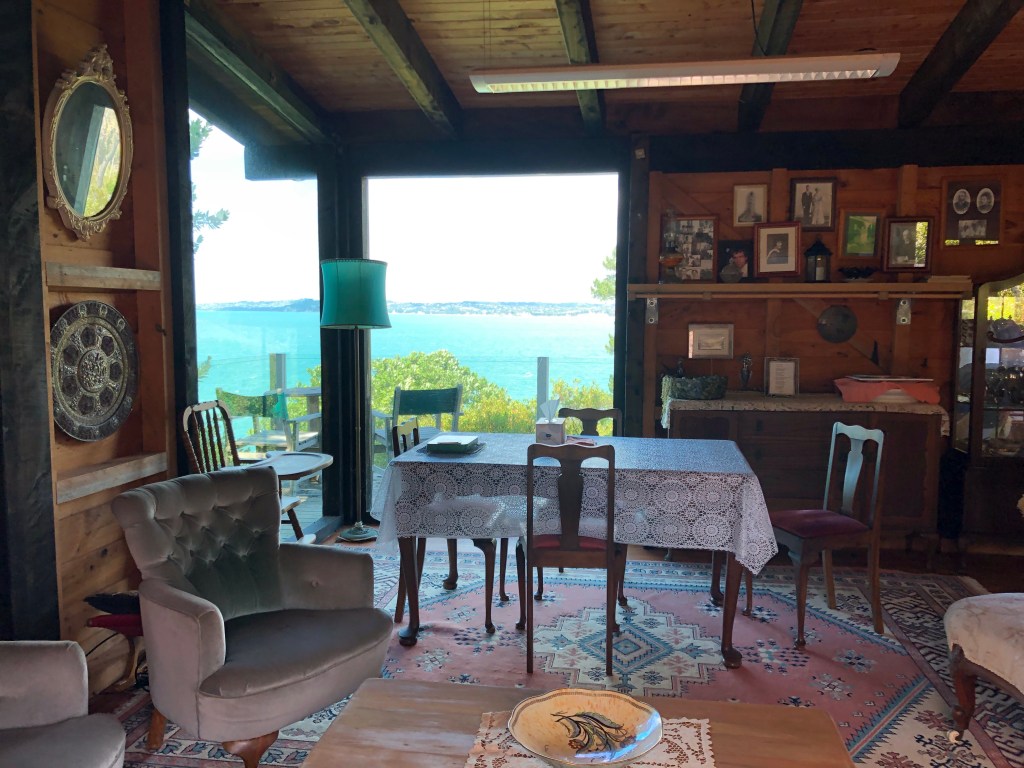
It is 21 degrees, windy, rainy and cloudy which makes it a bit uncomfortable for walking so we read and napped.
Thursday, March 6. Orewa
Despite our commitment to stay put and relax after weeks of driving, we asked our host, Alistair, for some recommendations for places to visit. We started the day with walking Hatfields Beach and then walked attuned town and Orewa Beach. It was cool and windy but very enjoyable. After lunch we drove north to
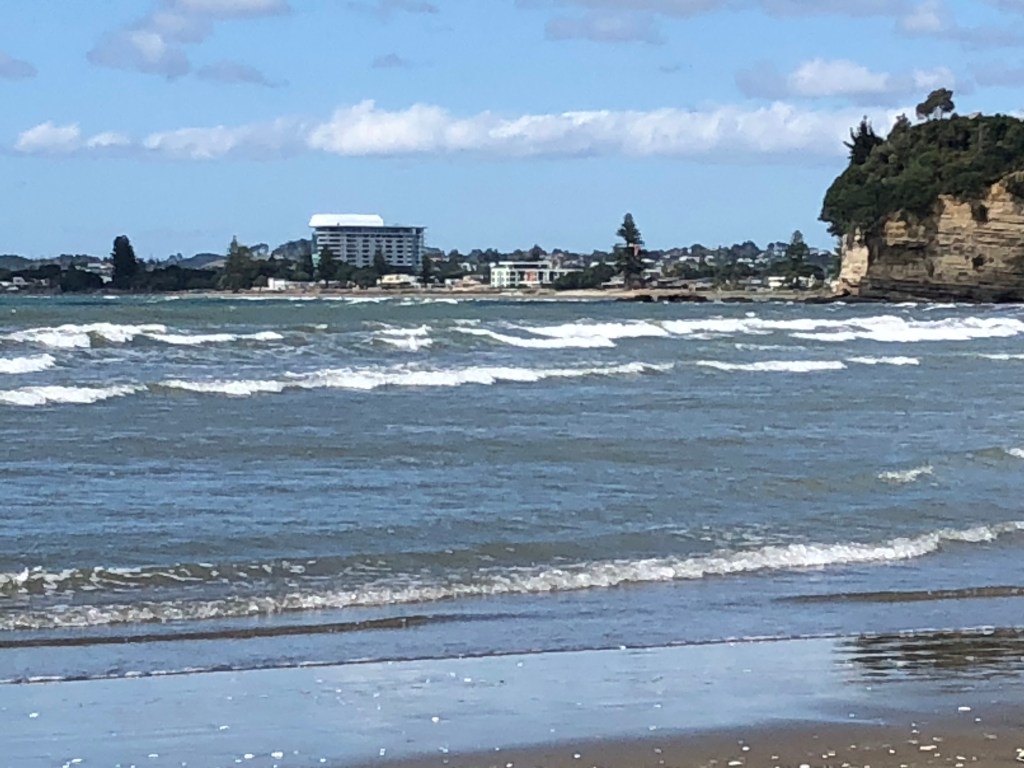
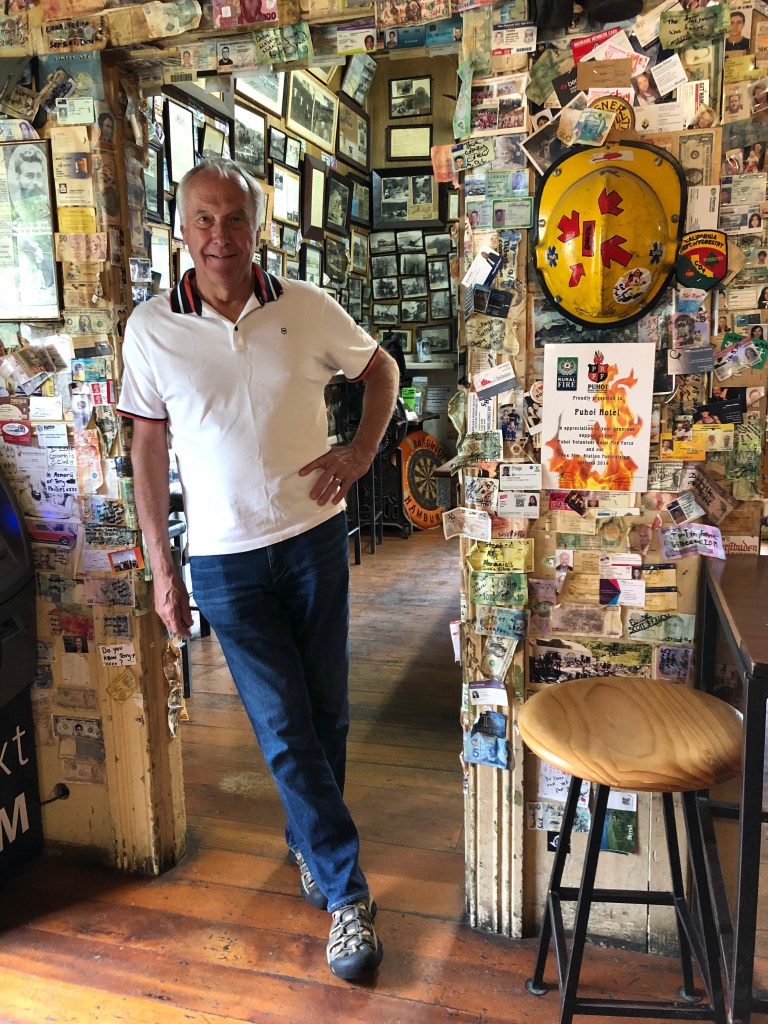
Wenderholm Regional Park where we visited the original owner’s homestead and then north to the quaint village of Puhoi with many of the original building of a Bohemian village of 1863, created from dense bush by 200 German-speaking immigrants from present-day Czech Republic. The museum portrayed the hardship and perseverance of the original pioneers. We then visited the pub in the old hotel covered in old photos, animal heads and vintage household goods.
Saturday, March 7. Orewa
Another lazy day with the sounds of the sea below and the awesome view from our place.
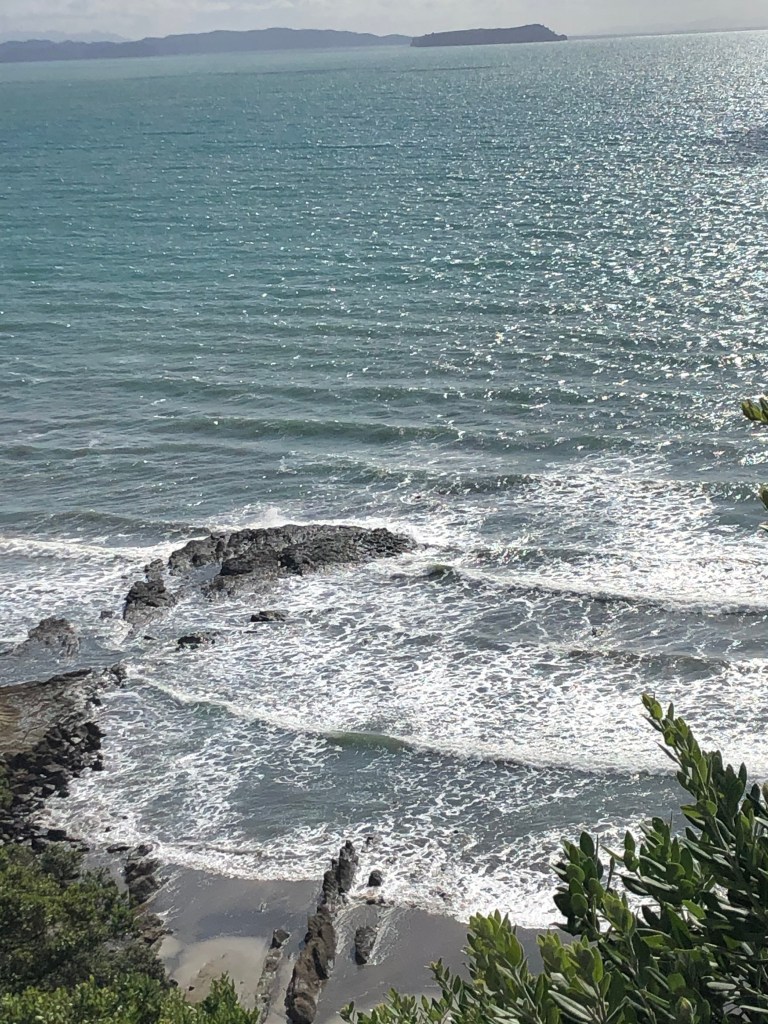
We walked down the steep hill to the tranquil private beach as the tide was going out
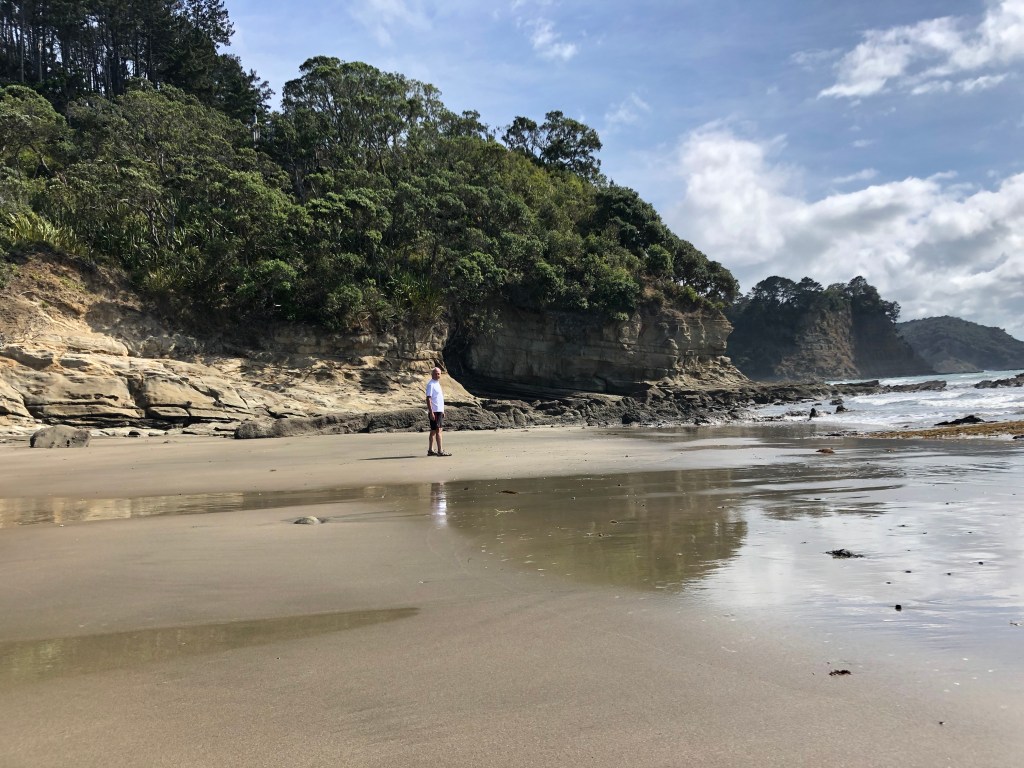
Then we went to Orewa, walked the long beach there and had lunch on the main street. Then we read in the sun on our deck and listened to the roar of the waves.
Sunday, March 8. Orewa
Monday, March 9. Auckland to Vancouver to Toronto

 Site Title
So glad to have finally met you. You’ll know not to hire electric cars in the future- awful stress with the recharging, sorry. I love your photos.
LikeLike
Fabulous trip. Thanks for sharing, Jackie!
LikeLike
So nice photos. You had an exacting trip. Lovely to see
LikeLike