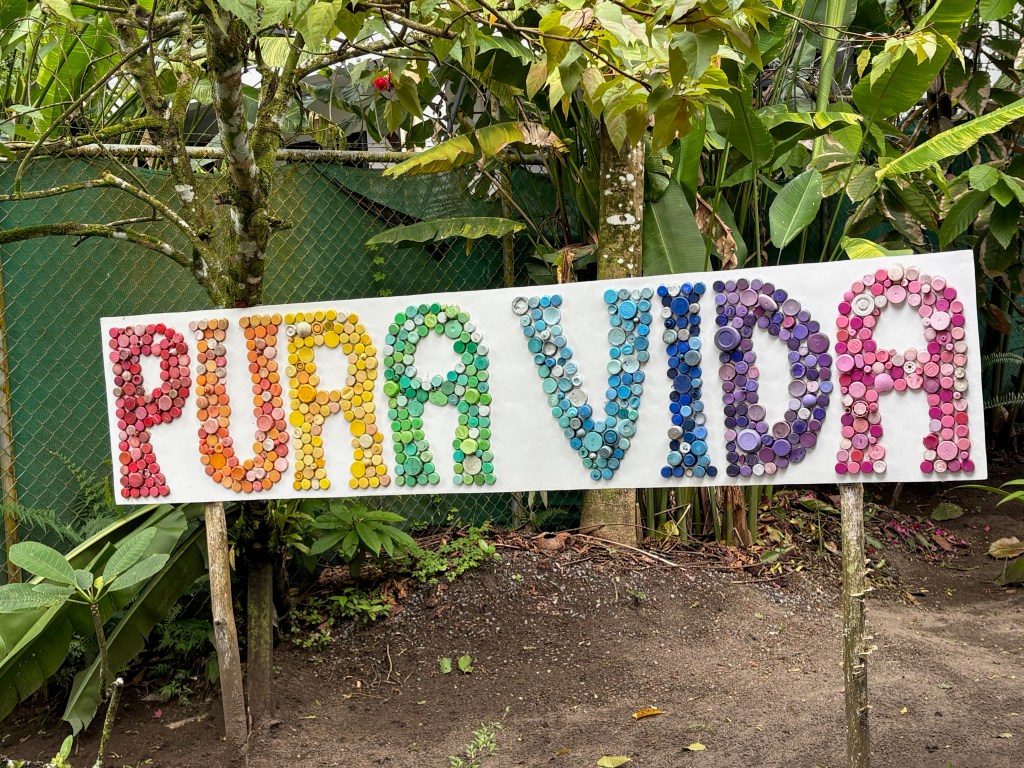
Two parts to our month in Costa Rica: in the cool and rain and in the heat and sun:
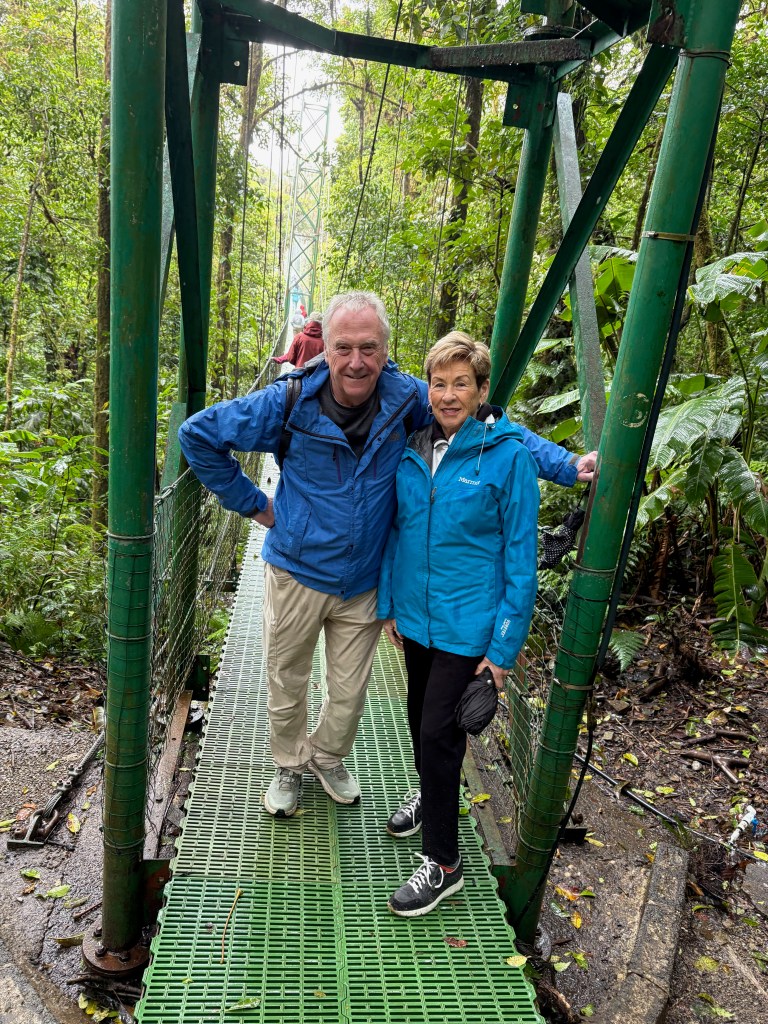
Biological Preserve-in the rain
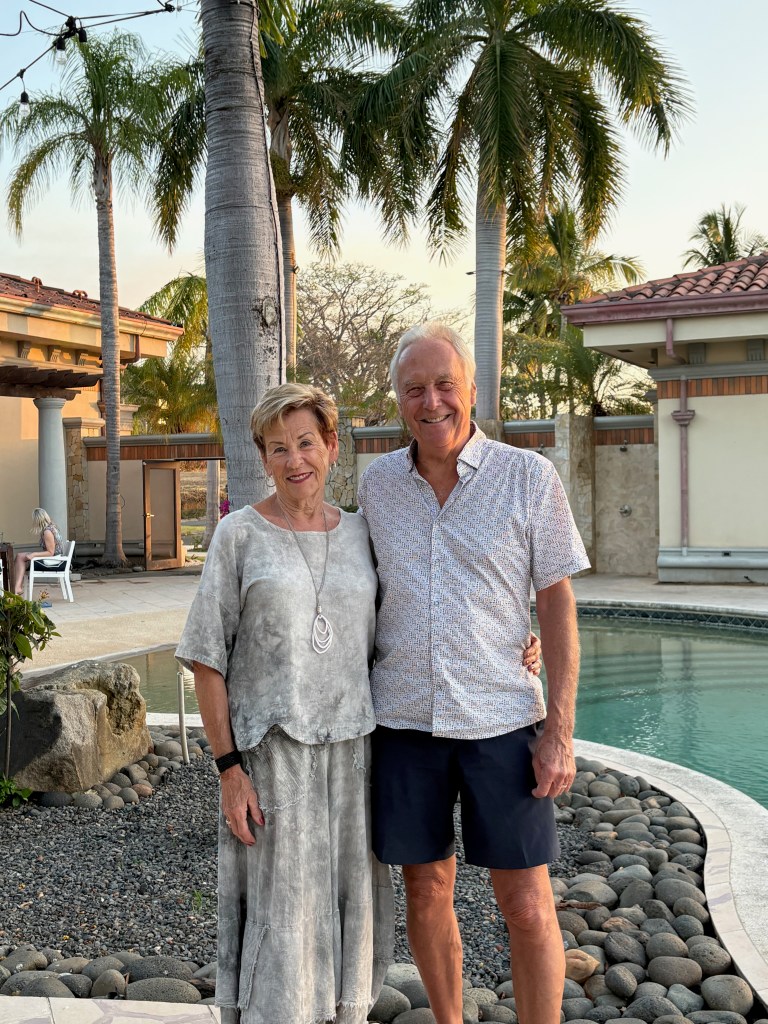
Costa Rica stands as one of the world’s leading nations in environmental conservation. With over 25% of its landmass protected as national parks and reserves, we had ample opportunity to experience the natural beauty of
this diverse country—from tropical rainforests to windswept beaches, from tranquil lagoons to mountain-top cloud forests surrounding volcanoes. In each area, we saw flora and fauna that are either unique to this region or
nearly extinct elsewhere.
Costa Rica , officially the Republic of Costa Rica , is a sovereign state organized as a unitary presidential republic composed of seven provinces . Located in Central America, it has a total area of 51,179 km². It is bordered by Nicaragua to the north, the Caribbean Sea to the east, Panama to the southeast, and the Pacific Ocean to the west. Its maritime borders are shared with Nicaragua , Colombia , Panama, and Ecuador. It has a population of 5,424,231. Its capital, political, and economic centre is San José , and its official language is Spanish . Its southernmost point is Cocos Island .
With a solid and long-standing democracy —recognized as one of the most functional on the planet—and a remarkable capacity for social mobility that drives a high level of progress compared to the distribution and size of its economy, Costa Rica ranks as the fiftieth richest country in the world, according to data from the International Monetary Fund , and is among the most stable nations in the Americas at the socio-political and economic levels.
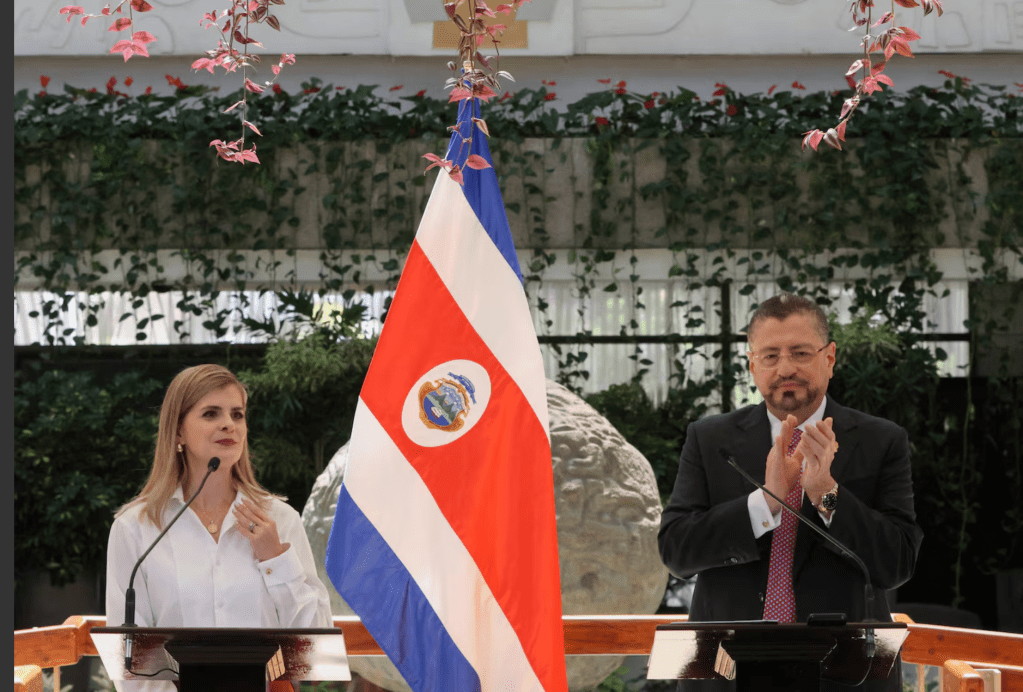
On February 1, 2026 Costa Rica held presidential and legislative elections, resulting in a broad victory for the ruling party. Laura Fernández, candidate of the Pueblo Soberano Party, won the presidential race without the need for a runoff, securing more than 48% of the vote against 19 other candidates. Voter turnout reached 69.10%, marking a return to customary levels of electoral participation after lower turnout figures in recent elections.
In a Globe and Mail opinion article, “Costa Rica’s emboldened right-wing is threatening decades of democratic and social gains”, Robert Rotberg. wrote:
“She has promised, when she takes office in May, to institute harsher sentencing and punishments, finish building a giant prison in the El Salvadoran mould, and wage war against encroaching crime. She has threatened to crack down on independent magistrates and judges, overhaul the Supreme Court, throttle independent regulatory agencies, and further criminalize abortion.
Costa Rica, with its population of about 5.5 million, still deserves its reputation as the safest and most peaceful country in Central America, especially in comparison to nearby Honduras and Panama, and to dictatorially run Nicaragua just to its north. The Economist Intelligence Unit ranked Costa Rica as the 18th-strongest democracy in the world last year, slightly lower than Uruguay and much higher than any of its neighbours. (Canada is 14th, the U.S. 28th – “a flawed democracy.”)
And its economy is relatively stable: It is a major exporter of medical devices and other electronic equipment, sends bananas and pineapples to the U.S. and Canada, grows sugar cane, and accepts remittances from Costa Ricans living in the Northern Hemisphere. Its annual per-capita GDP is very high, at more than $19,000 – a figure that’s greater than in Brazil and Mexico.
But narcotics trafficking has become more intense there than ever before, and new laboratories producing fentanyl have emerged. Crime has also increased to unheard-of levels, especially in the big cities of San José and Limón. There were 900 homicides in 2025, up by 50 per cent from four years ago, making for a homicide rate of 17 per 100,000, higher than Panama’s. The U.S. State Department has even advised travellers to take increased caution due to the risk of robberies and assaults.
Costa Rica remains by far the least corrupt country in Central America. But there is also new evidence of slippage on this front. Mayors are reportedly taking kickbacks after awarding construction contracts, drug money is proving influential, and competition between China and the U.S. has enabled high-ranking government officials to benefit by selling influence.” (Globe and Mail, February 19, 2026 https://www.theglobeandmail.com/opinion/article-costa-rica-right-wing-laura-fernandez-democratic-social-gains/.
For several decades, the country has consistently registered favourable results in all development and competitiveness indices. This is further supported by its commitment to cutting-edge environmental policies, and its status as a voluntarily demilitarized nation since 1948. Much of that money was invested in free education. As of 2025, Costa Rica maintains one of the highest literacy rates in Latin America, estimated to be approximately 98%. This high rate reflects the country’s long-standing commitment to education, where public schooling is free and compulsory, and it has remained stable at or above 97% for several years. Costa Rica maintains a high level of prosperity, has been considered the happiest society on the planet for more than 10 years, according to the New Economics Foundation . It is also a top retirement destination along with Portugal, Greece, Spain and Panama.
On the other side, the country currently faces significant development challenges related to its aging road and transport infrastructure, which is difficult to improve in the short term; the fiscal deficit; the sustainability and effectiveness of its welfare state; the stagnation in the fight against poverty; the upward trend in its crime, unemployment, and inequality rates; as well as profound ecological problems related to harmful agricultural practices, poor waste management , and water pollution.
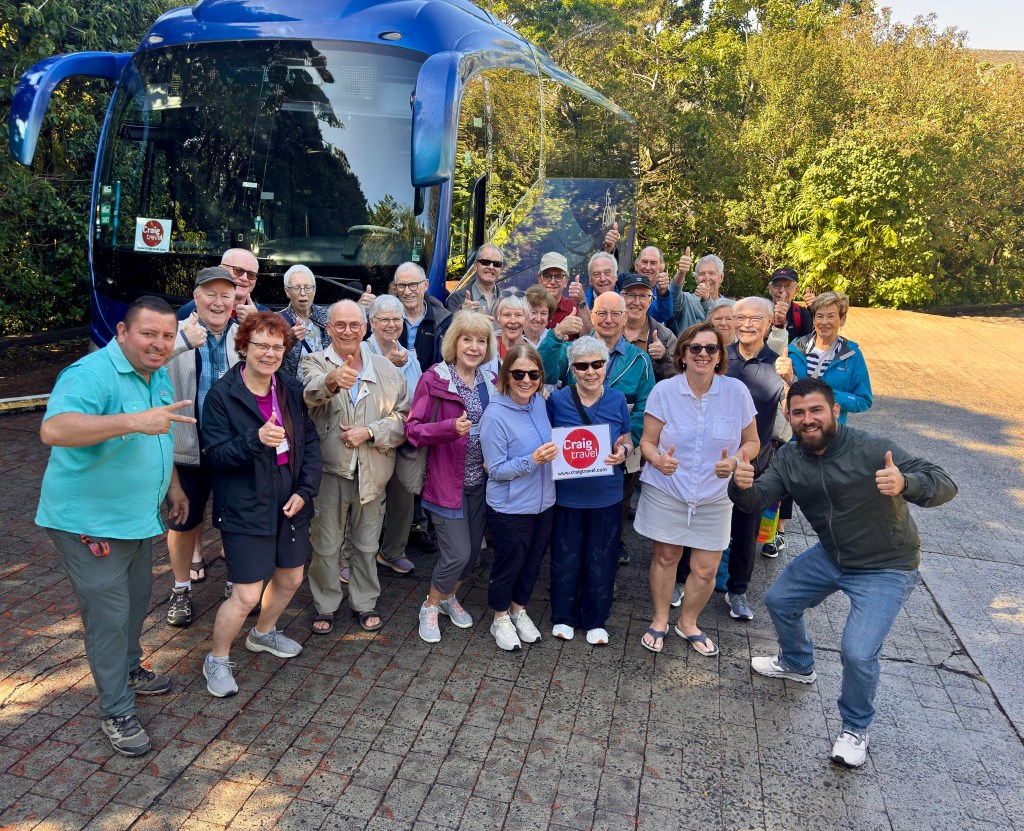
Journey Leaders
We were so incredibly fortunate to have Detlef and Barb as our group leaders and Craig Travel representatives, Ronnie as our guide and Adrian as our bus driver. These people made this an incredible trip despite some challenges like cold weather (yes, in Costa Rica), very rough and windy roads, and upset stomachs (yes, mine). Ronnie’s passion for his country, his fabulous knowledge on his country and their birds and many other subjects and his organization made for an inspirational experience for us. He is engaged to be married in the spring and working on his Master’s degree in Seville, Spain related to the politics of eco-tourism. (Our daughter is studying in a related field.) Craig Travel really lucked out in finding Ronnie! He was able to fix everything but the cold weather of the first 10 days.
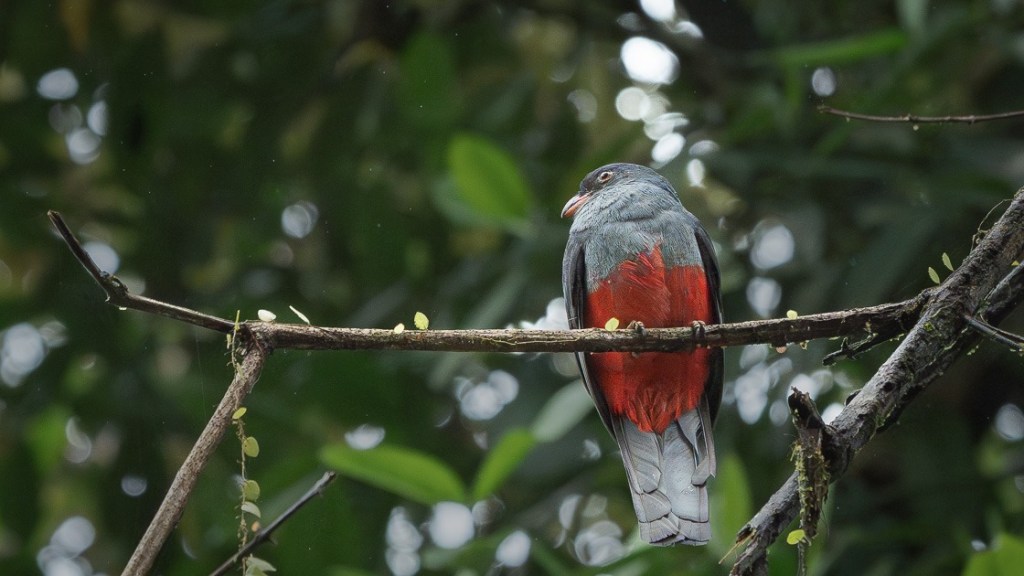
We were never bird-watchers (other than the ones in our backyard) but we now are-however, my naming of birds in photos is based on best guesses from the “Wildlife of Costa Rica” document Ronnie gave us. That’s Ronnie Munoz front right and Adrian front left as well as the rest of our wonderful group.
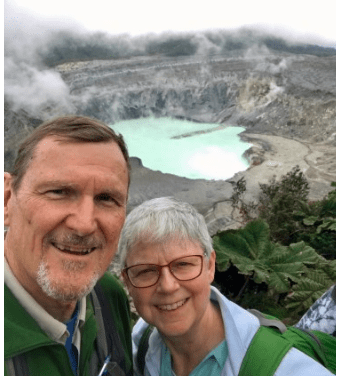
Detlef and Barb Dransch were the journey leaders and Craig Travel representatives for this trip to Costa Rica. They enjoy visiting new places, experiencing local culture, and meeting new people. Together, their travels have taken them to South America, Costa
Rica, Iceland, Australia, New Zealand, and Europe. They have a son who lives in Costa Rica.
Detlef has organized private motorcycle tours in the Alps, Norway, and North America. He is retired from a high-tech career in Ottawa, and Barb is retired from a career in finance in the non-profit sector. Both enjoy hiking and are active volunteers in their church community. Detlef also enjoys photography and is very good at it, playing squash, and alpine skiing. Barb has an open and curious mind and has recently delved into issues such as climate change and affordable housing.
I am indebted to and have given credit for the photos contributed by Detlef and Eric Dawson.
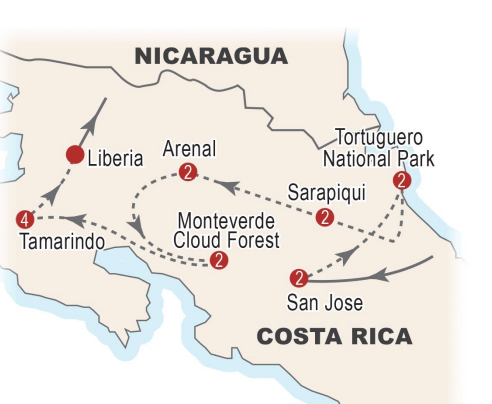
FEB 1, Sunday DEPART CANADA / ARRIVE SAN JOSE
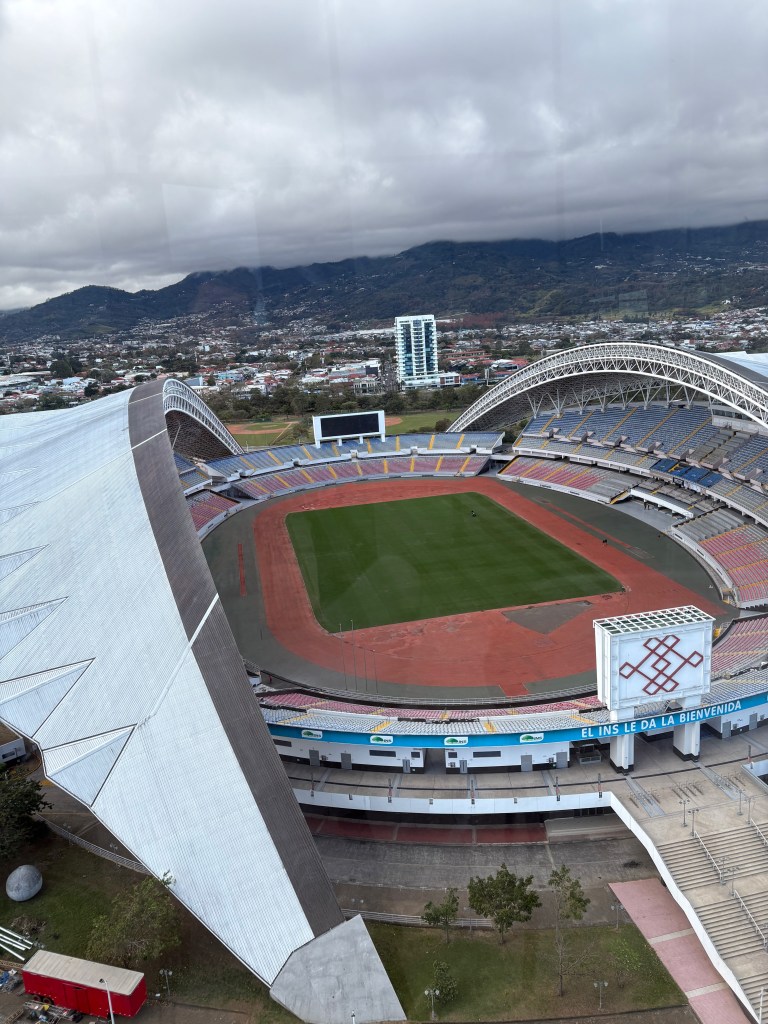
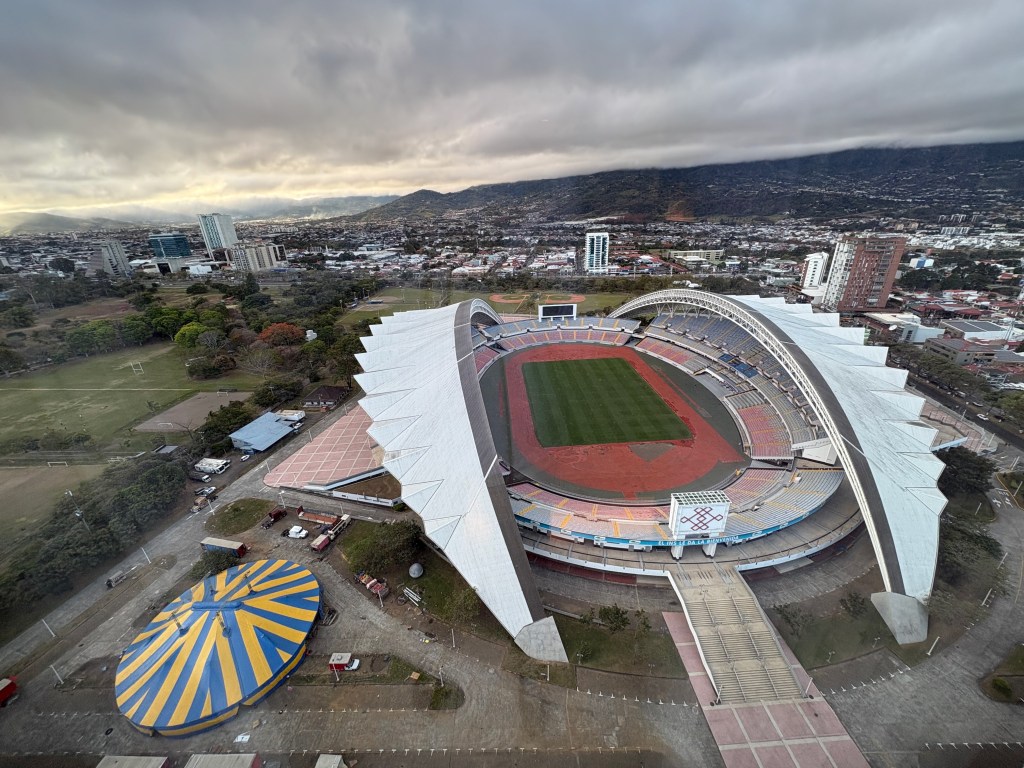
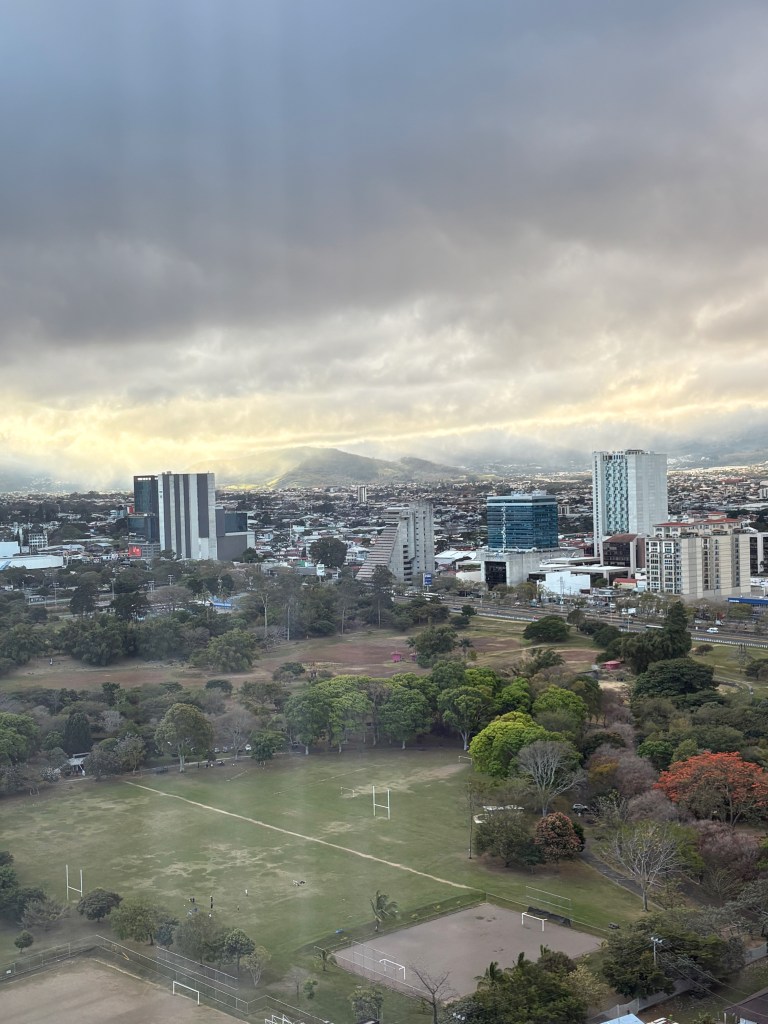
Tour members from across Canada fly via Toronto to San Jose, Costa Rica’s capital (one couple, Canadians living in the US, met us in San Jose). On arrival at 11:30 PM and after a lengthy immigration process, we were transferred at 2:00 am to our hotel ideally located near the city centre and the huge soccer field to La Sabana Park. Hilton La Sabana (2 nights)
FEB 2, Monday SAN JOSE
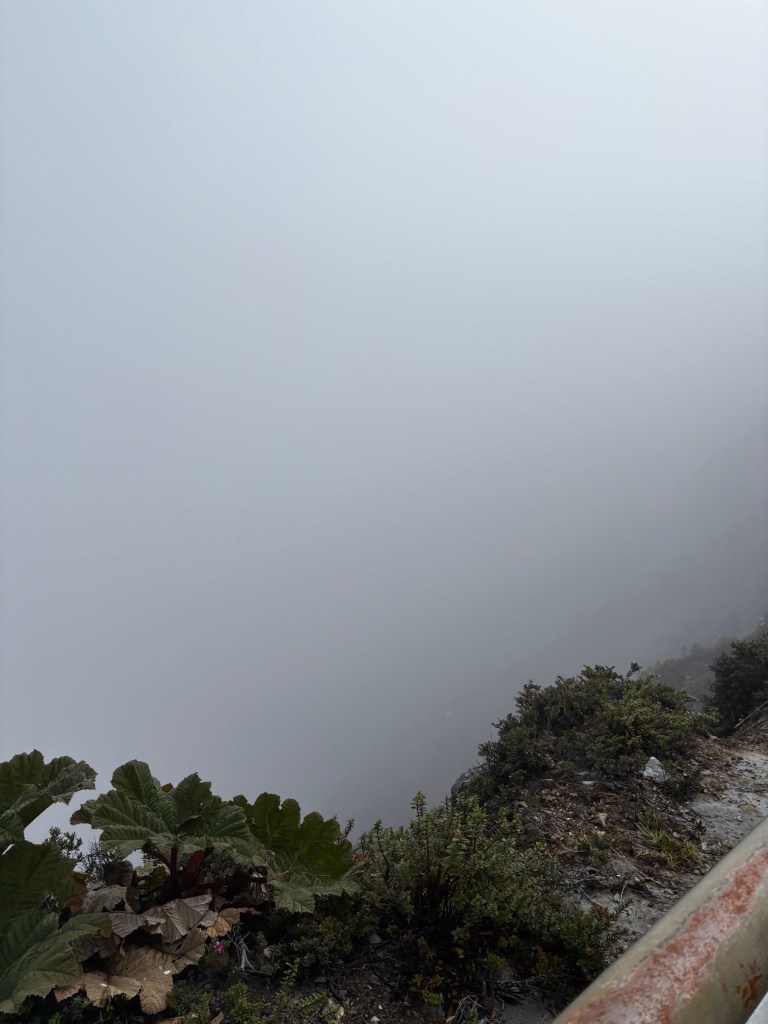
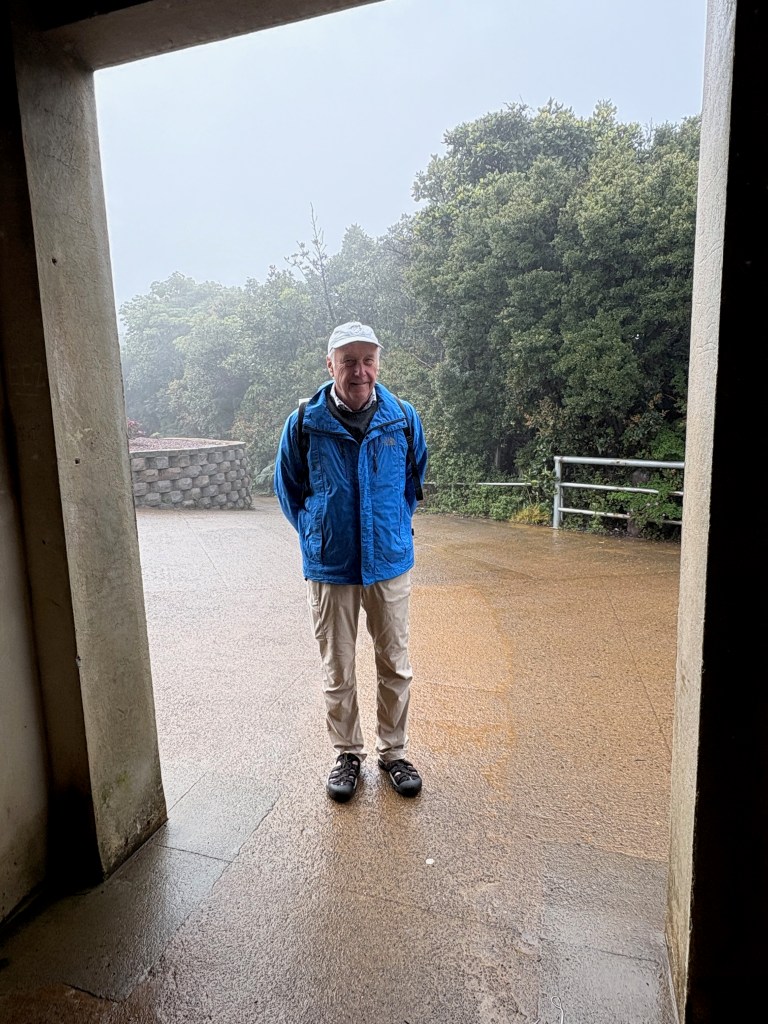
Despite 4 hours sleep, we headed out in our bus at 7:00 am to the heights overlooking the still active Poás Volcano to experience this harsh but beautiful landscape in the rain. It rained the whole time there and there was no visibility to see the crater. There were posters of the crater and the trauma when it blew.
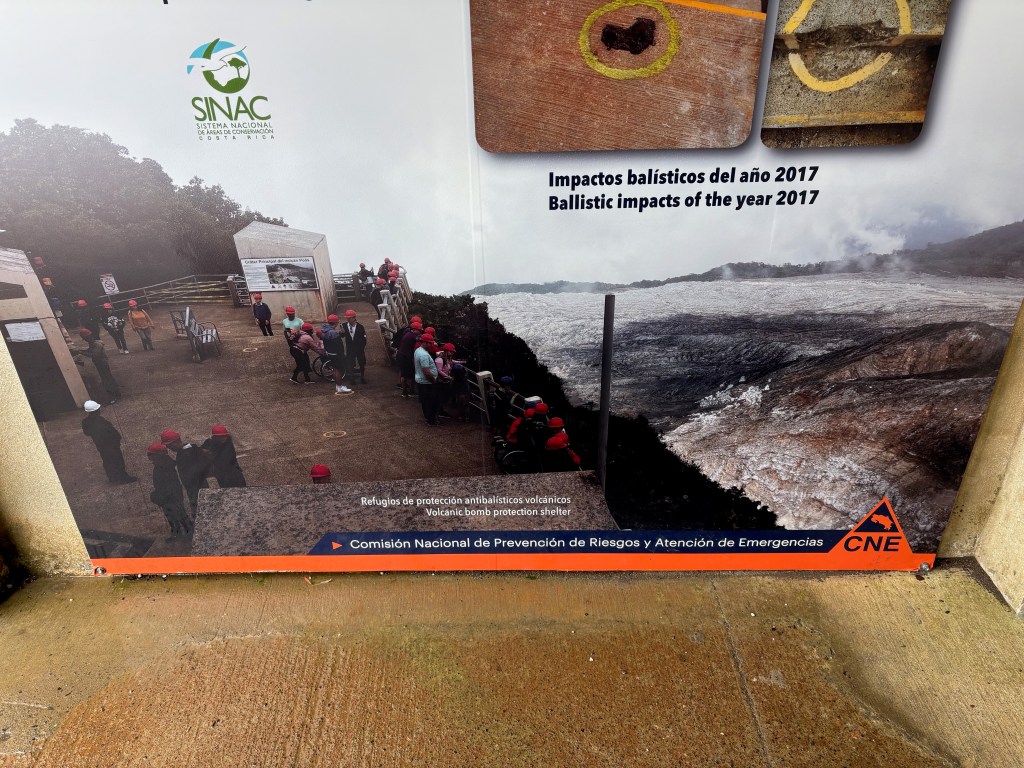
Type: complex stratovolcanic massif with several craters and cones.
Elevation and height: 2687 ms. m. and 1850 m.
Location: Central volcanic mountain range, Alajuela Province
Area and volume: 414 km’ and 198 km’
Age: 600,000 years old
Current status: Active, with casual eruptions and sulphur cones, last in 2017.
What we actually saw was a lot of mist.
On our way back we spent a couple of hours exploring La Paz Waterfall Gardens. Ronnie, our guide, is extremely knowledgeable and obviously passionate about the flora and fauna of Costa Rica. His knowledge is impressive.
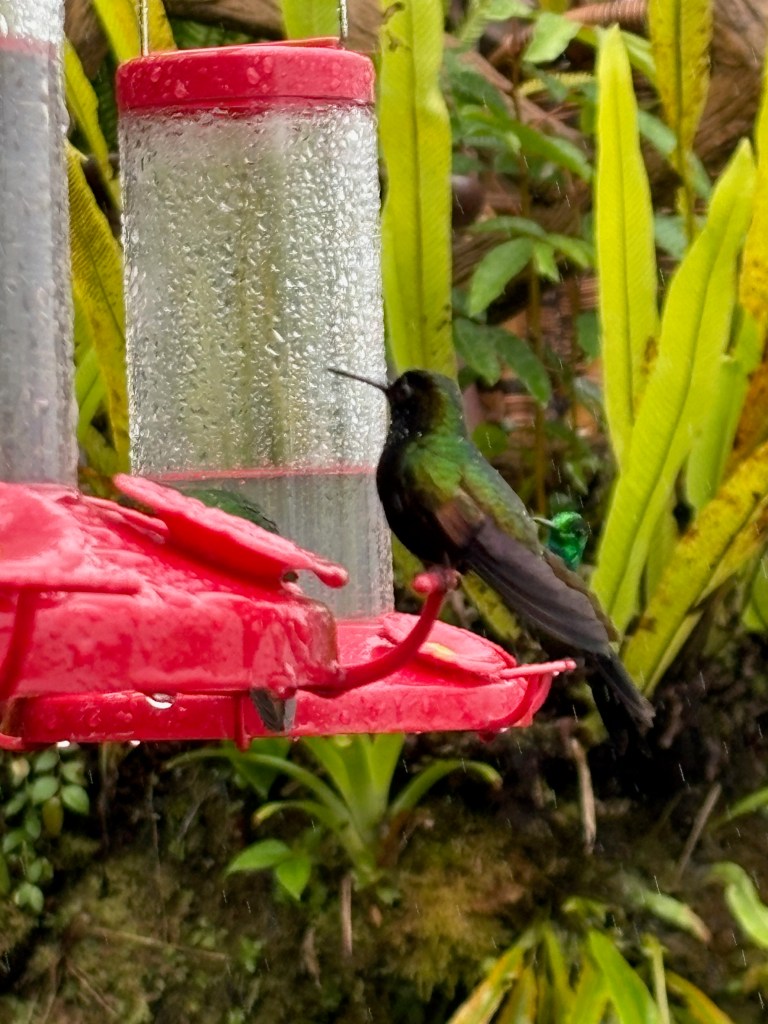
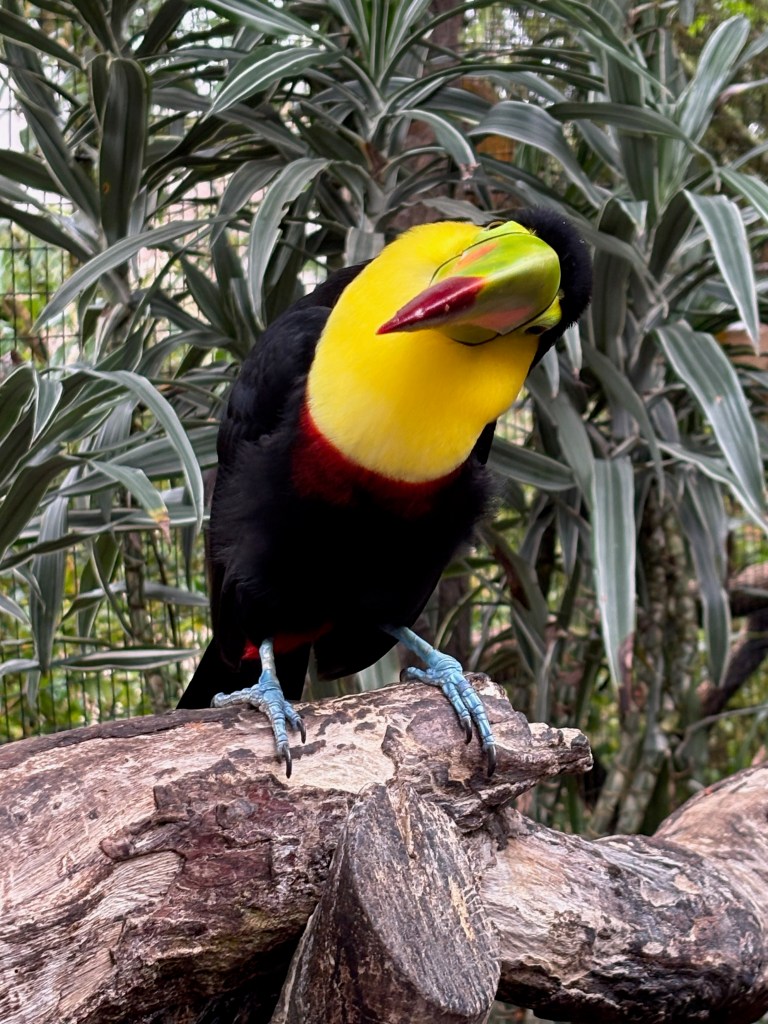
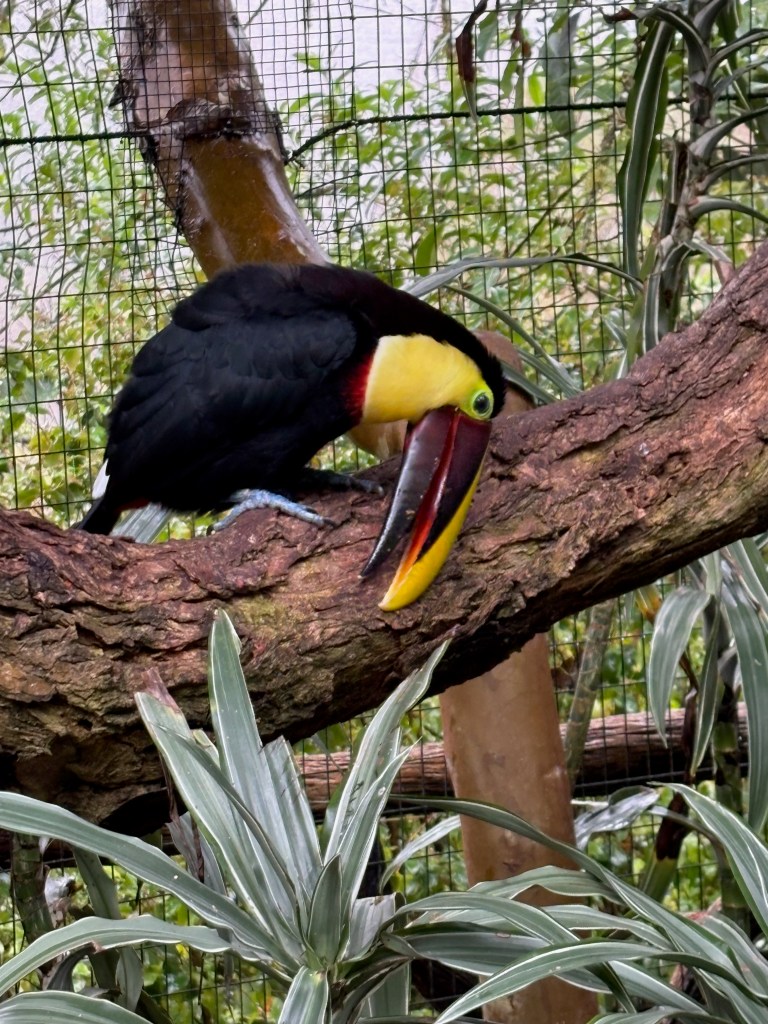
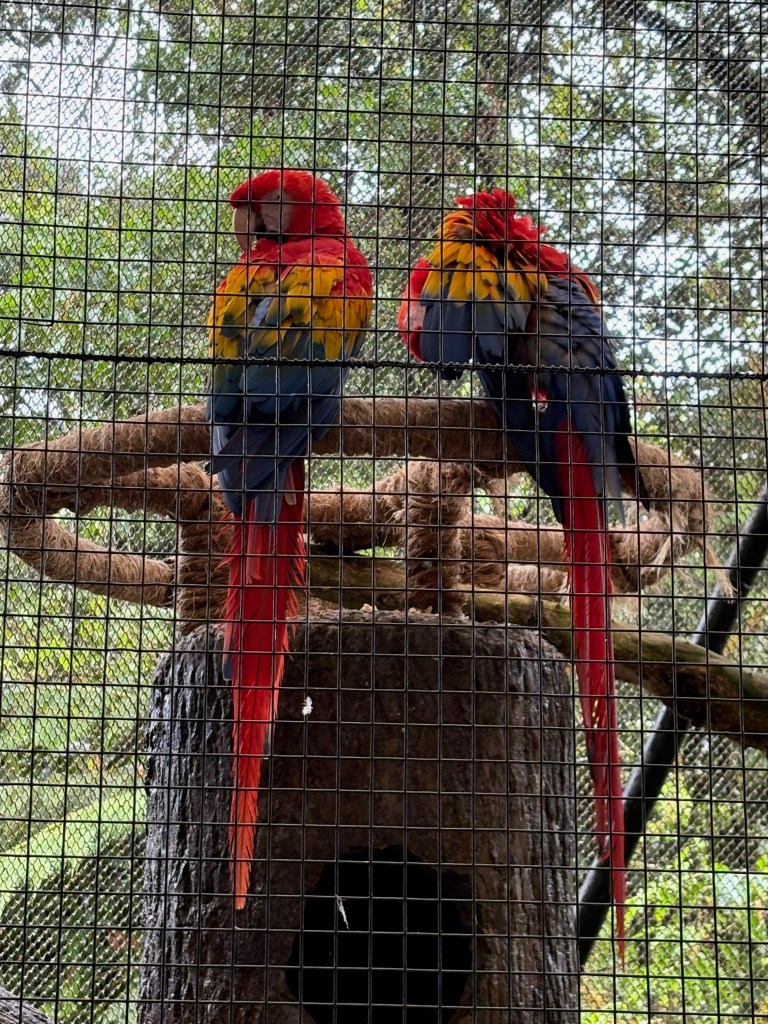
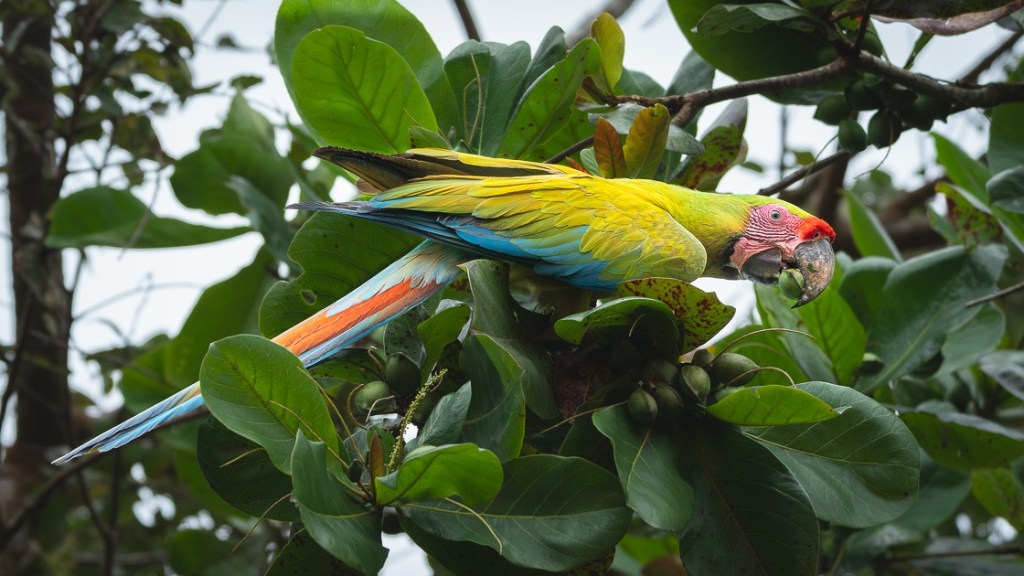
We enjoyed the birds and animals of the region which had been rescued, could not be released and remained in captivity. First the birds.
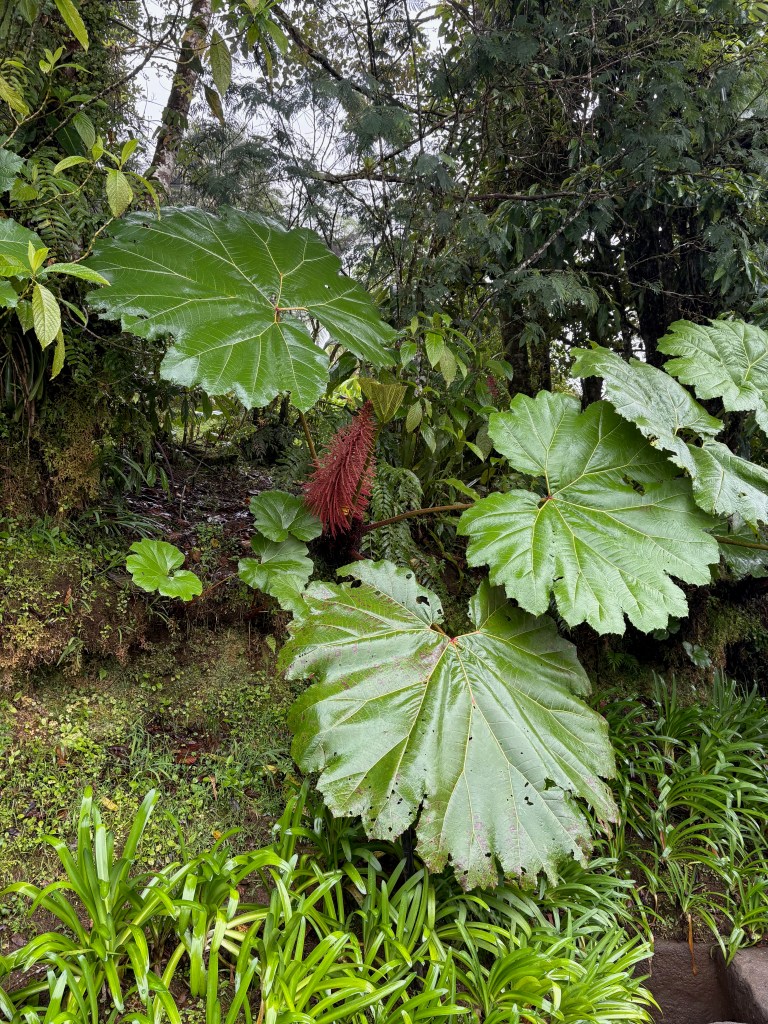
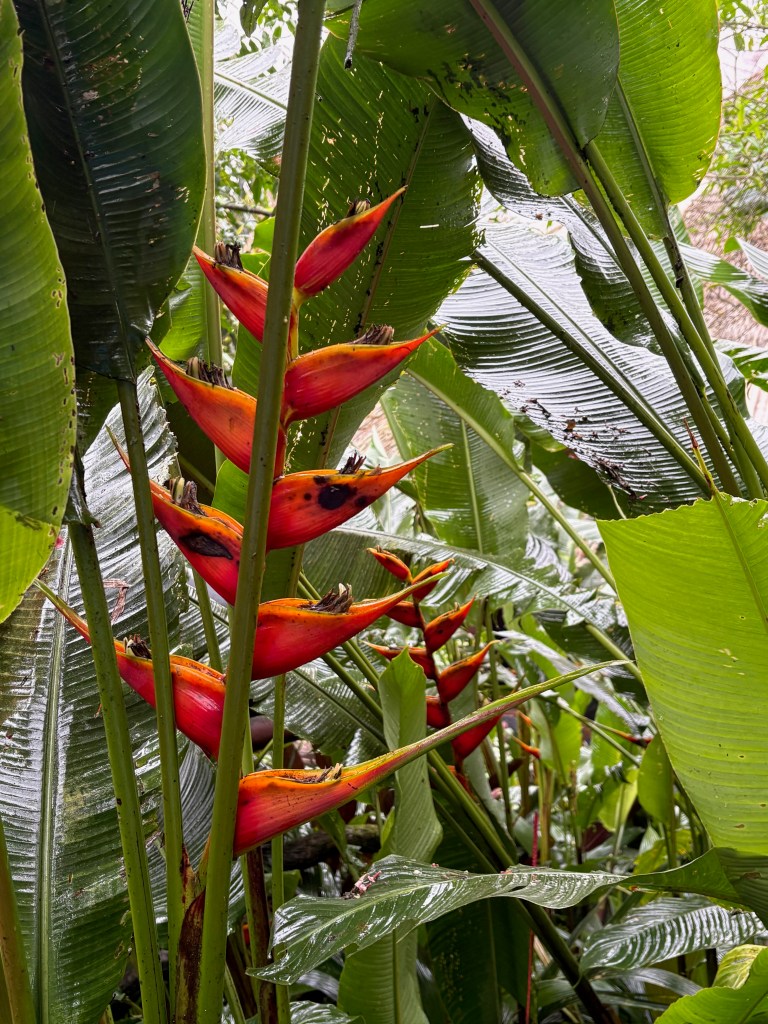
The flowers and foliage are impressive as well.
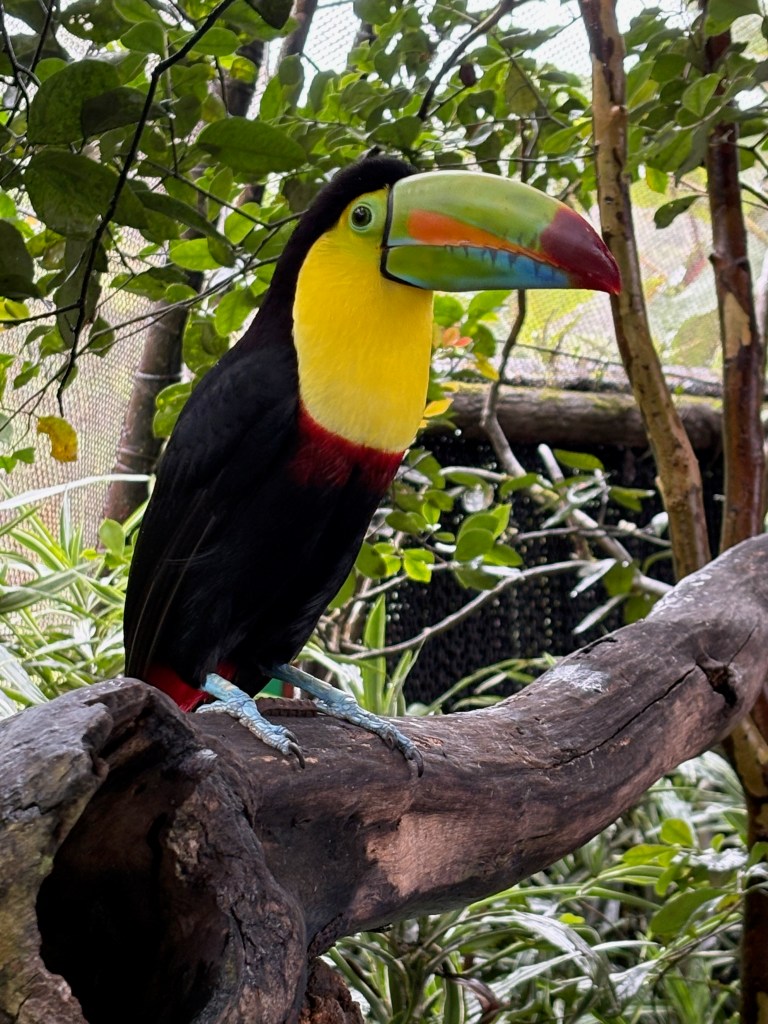
These toucans seemed as entertained by us as we were by them. This guy put on quite a show.
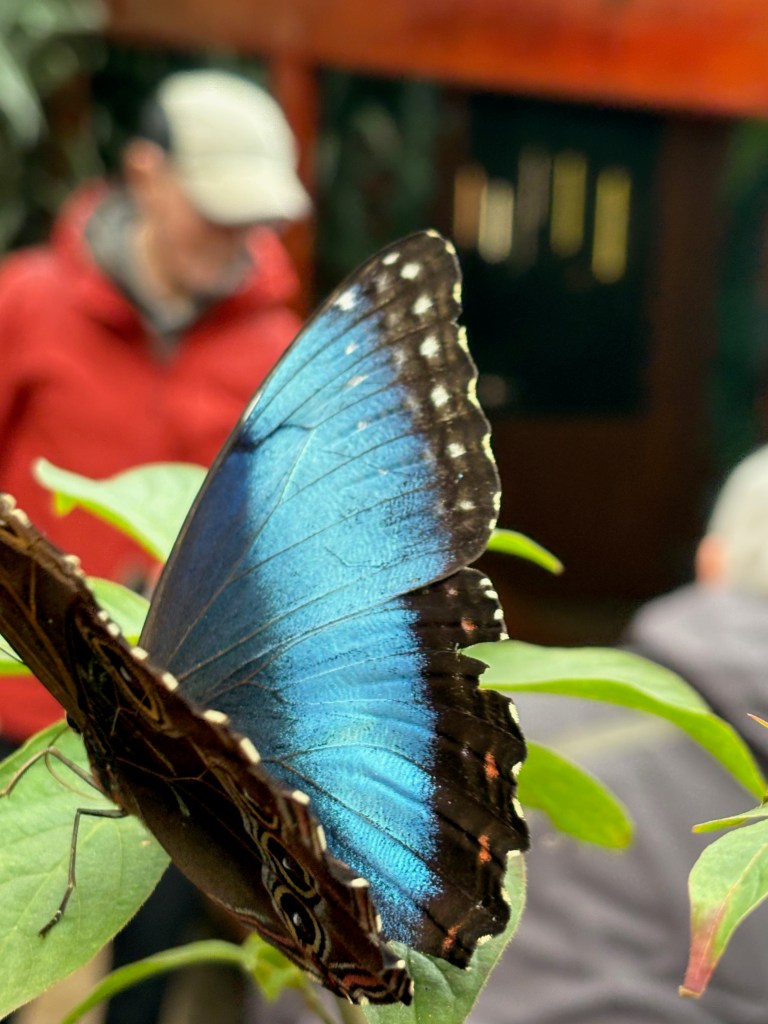
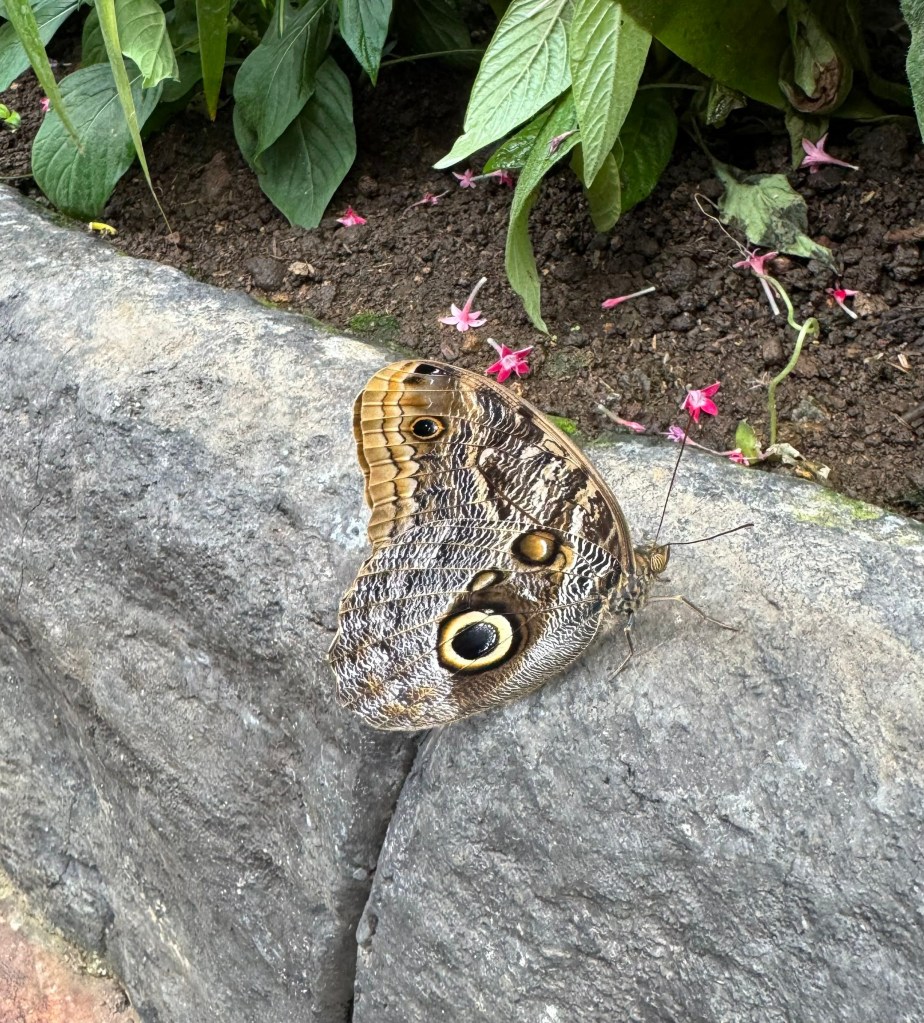
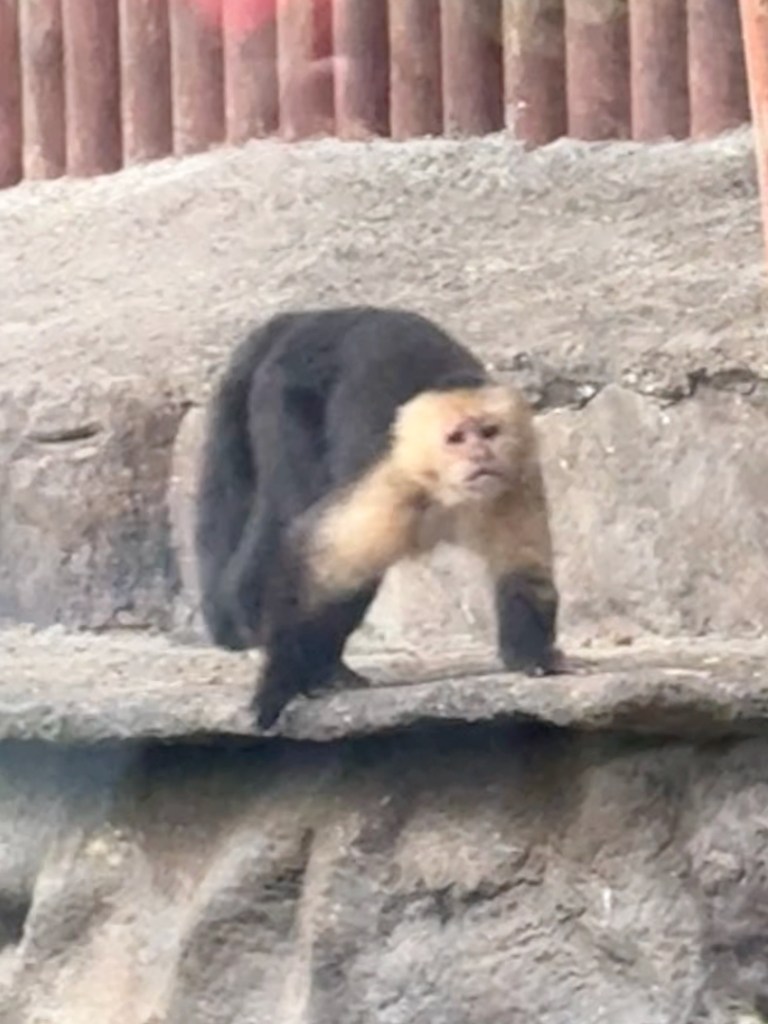
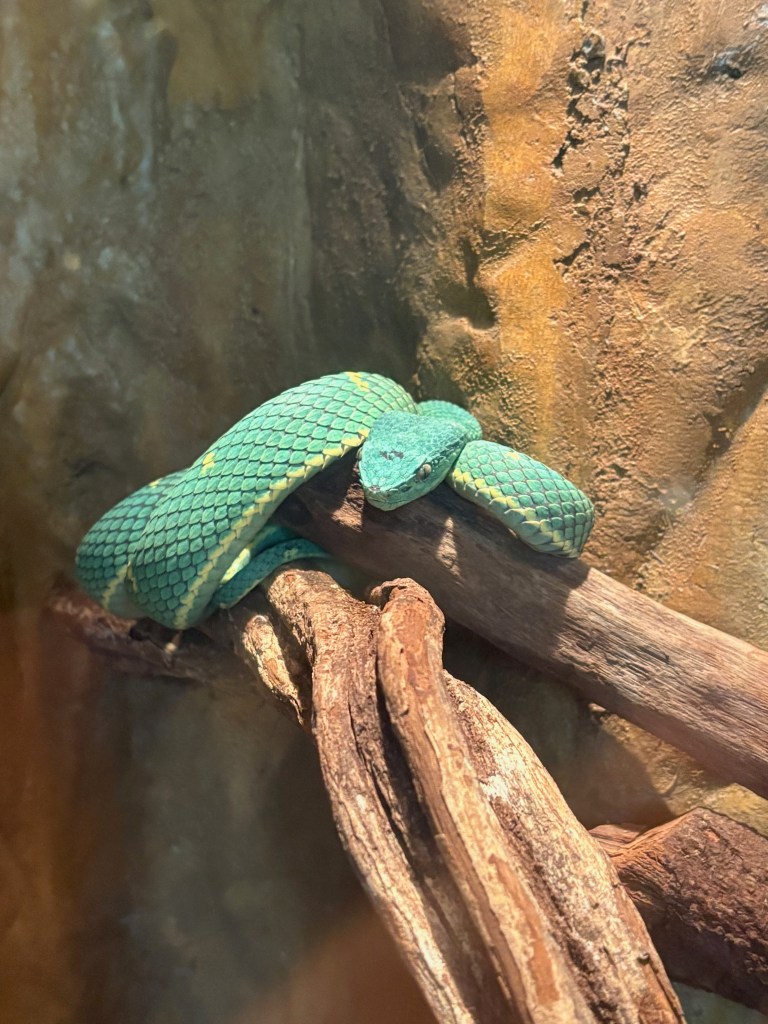
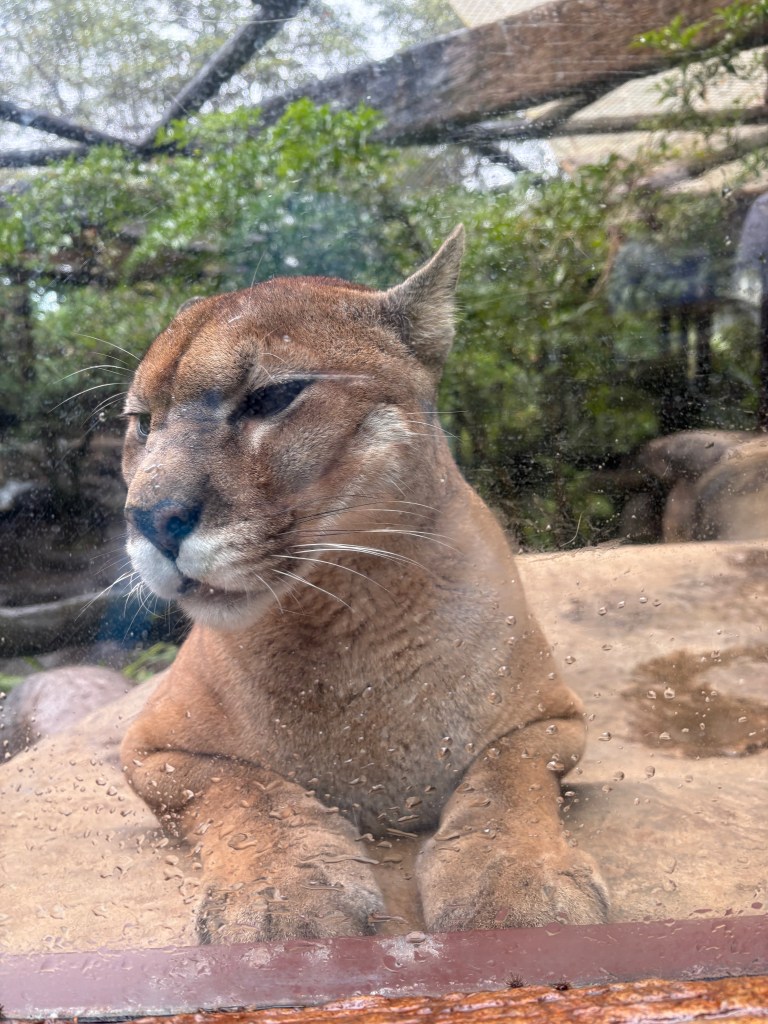
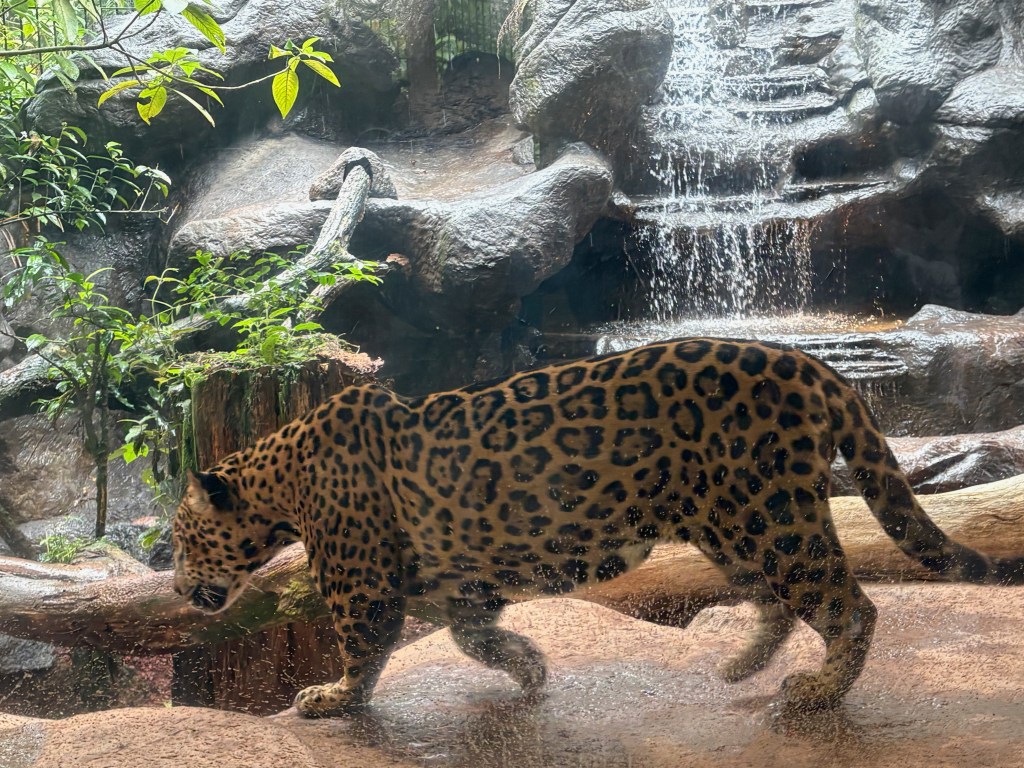
The Puma is the second largest feline found in the tropics (the Jaguar 100-350 Ibs. is the largest) and they can weigh anywhere from 55 to 150 lbs. (25 to 65 kg) with the males tending to be significantly larger than the females. The Puma is thought to be more genetically related to the smaller cats than to jaguars, tigers or lions. They cannot roar like the other large cats but express a variety of vocalizations like a domestic cat including a strange “mewing chirp” when in heat and a harsh, humanlike scream while mating.
When not in heat these creatures spend their time in a solitary existence and like all of the tropical felines avoid forming groups or socializing in any way. They do not maintain a permanent den but are nomadic and find convenient shelter in caves, rock formations, fallen trees or thickets.
Pumas are timid and reclusive by nature preferring to avoid humans.
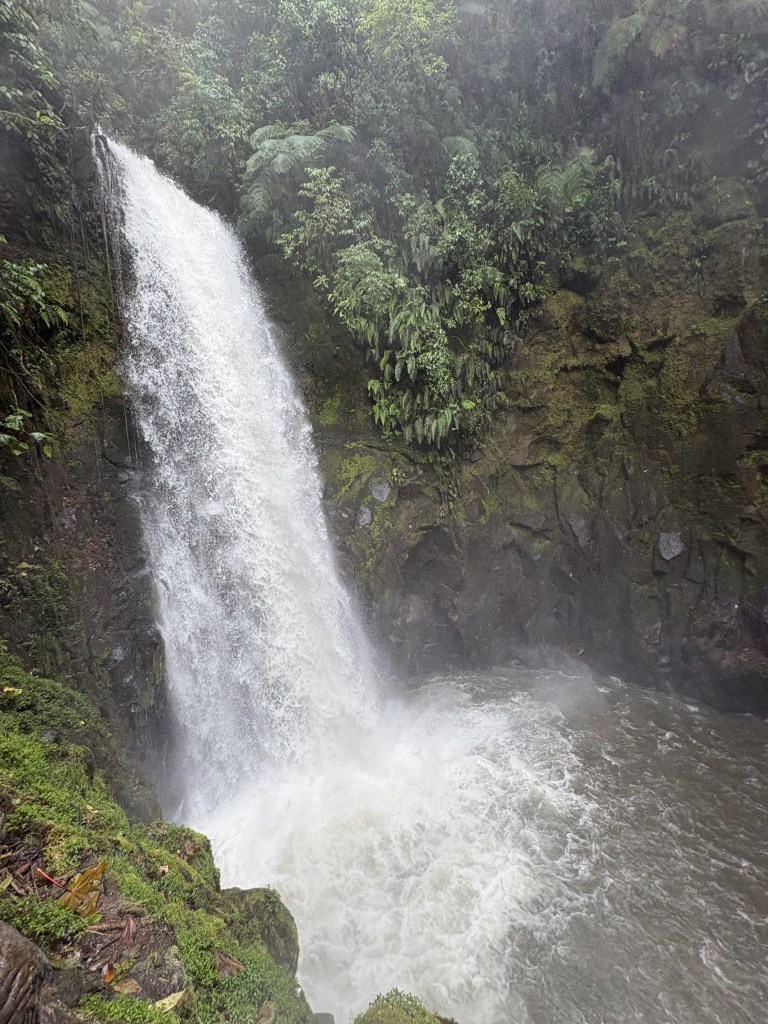
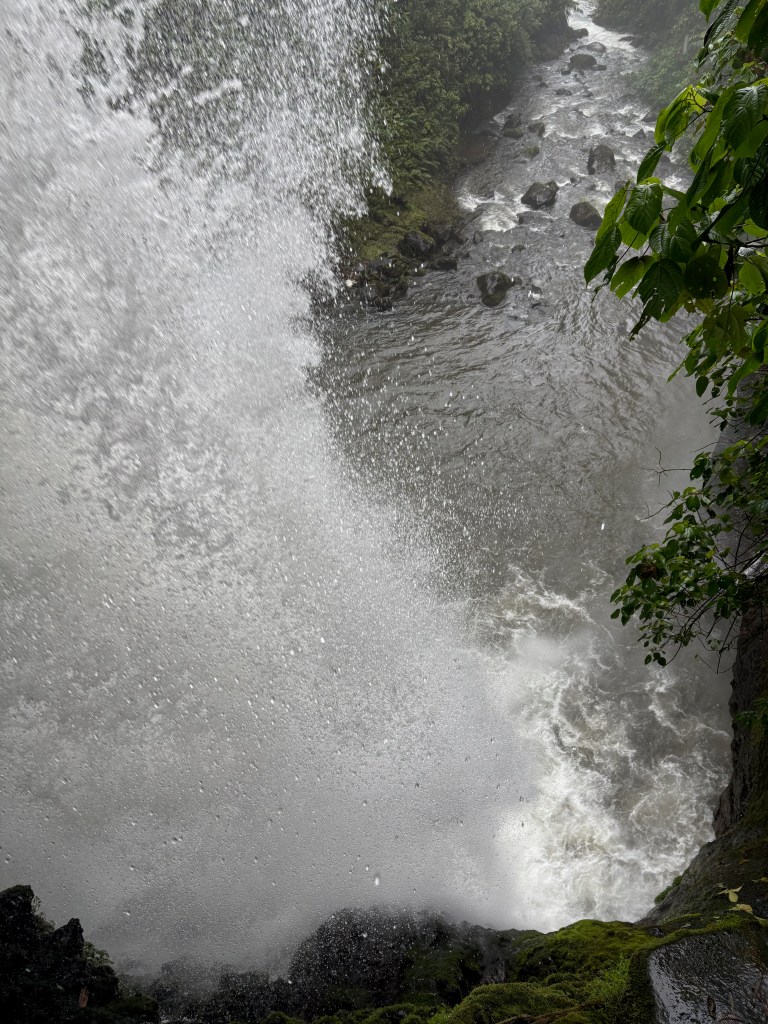
It was raining but we climbed approx. 200 steps to enjoy the two waterfalls.
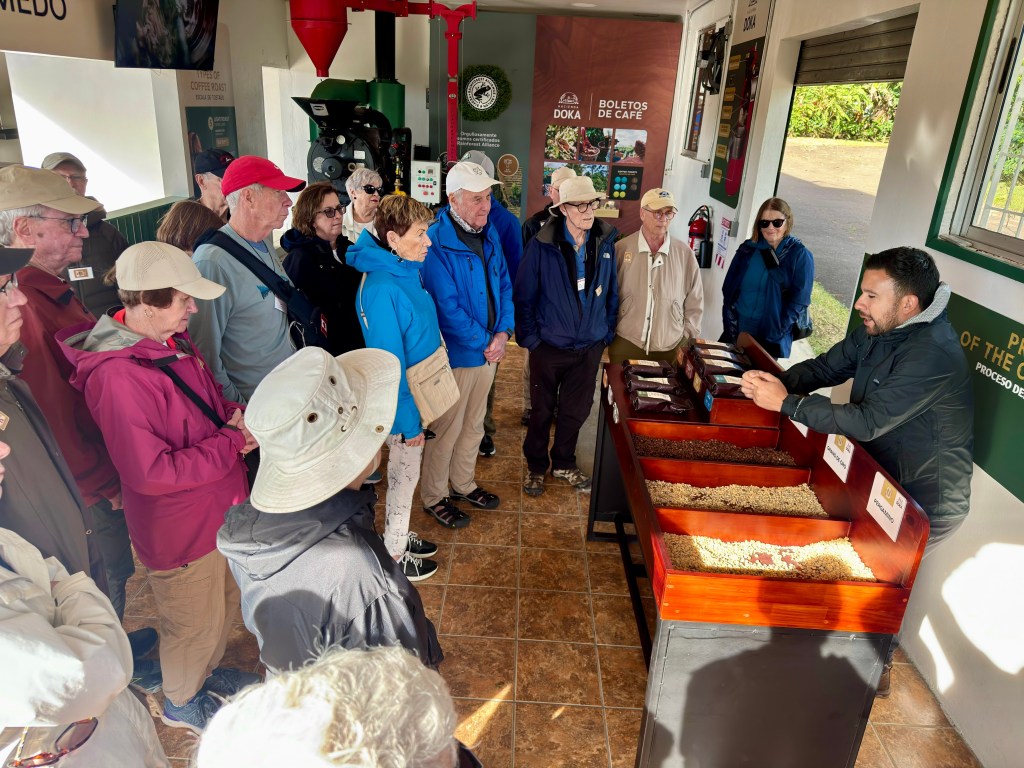
Following lunch, our journey took us to Doka Coffee Estate, where we had a presentation, unveiling the intricate process of coffee production and how it has become more technologically advanced and the meticulous art of bean roasting.
A bit about coffee: The coffee industry in Costa Rica is a cornerstone of its economy and culture, generating nearly $400 million annually. Producing exclusively high-quality Arabica beans, it is renowned for regions like Tarrazú, Dota, and Tres Ríos, with over 1.5 million bags produced annually. The industry, which employs 85,000 workers, faces modern challenges like climate change, labor shortages, and high production costs.
Key Aspects of Costa Rican Coffee
Production : Costa Rica is the 14th largest coffee producer.
Quality Standards: The country specializes in Strictly Hard Bean (SHB) coffee, grown above 1,350 meters for better flavour and density.
Sustainability & Culture: The industry focuses on sustainable, shade-grown methods.
Economic Impact: Coffee accounts for roughly 2% to 15% of the country’s export value/GDP, acting as a key driver of economic development.
Tourism: Many plantations, such as Doka Estate, offer popular tours to showcase the traditional, sustainable production processes.
In the evening we had a delicious dinner in a private room in our hotel.
In the morning, we were up early for our trip to Tortuguero.
FEB 3, Tuesday TORTUGUERO NATIONAL PARK
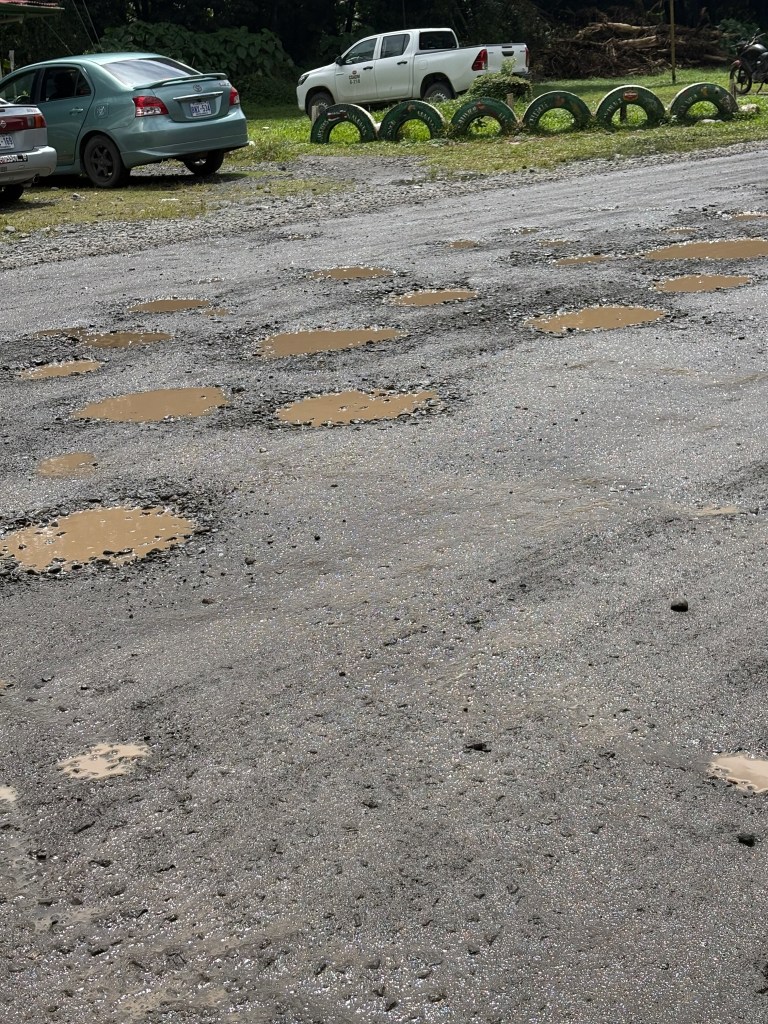
The roads were very rough and the narrow bridges an added challenge. Here we had to all exit the bus so the bus could get over the bridge without our weight.
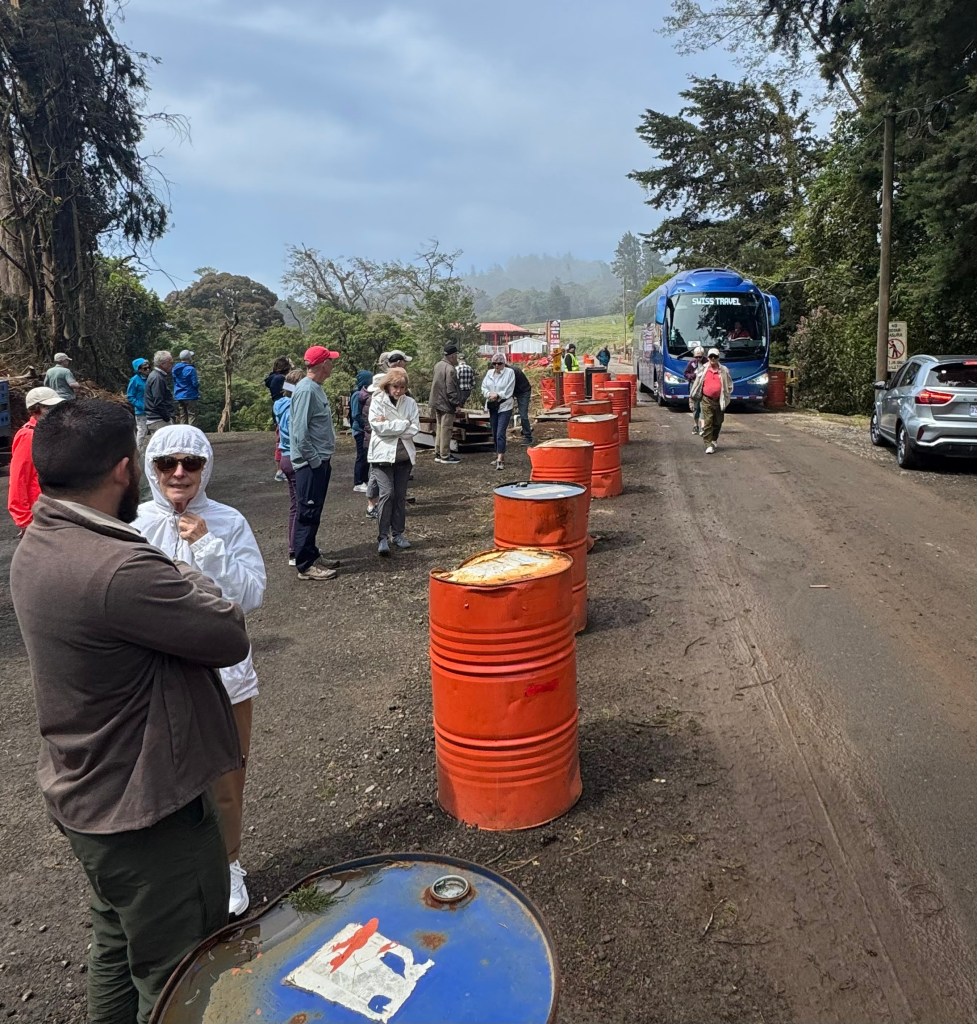
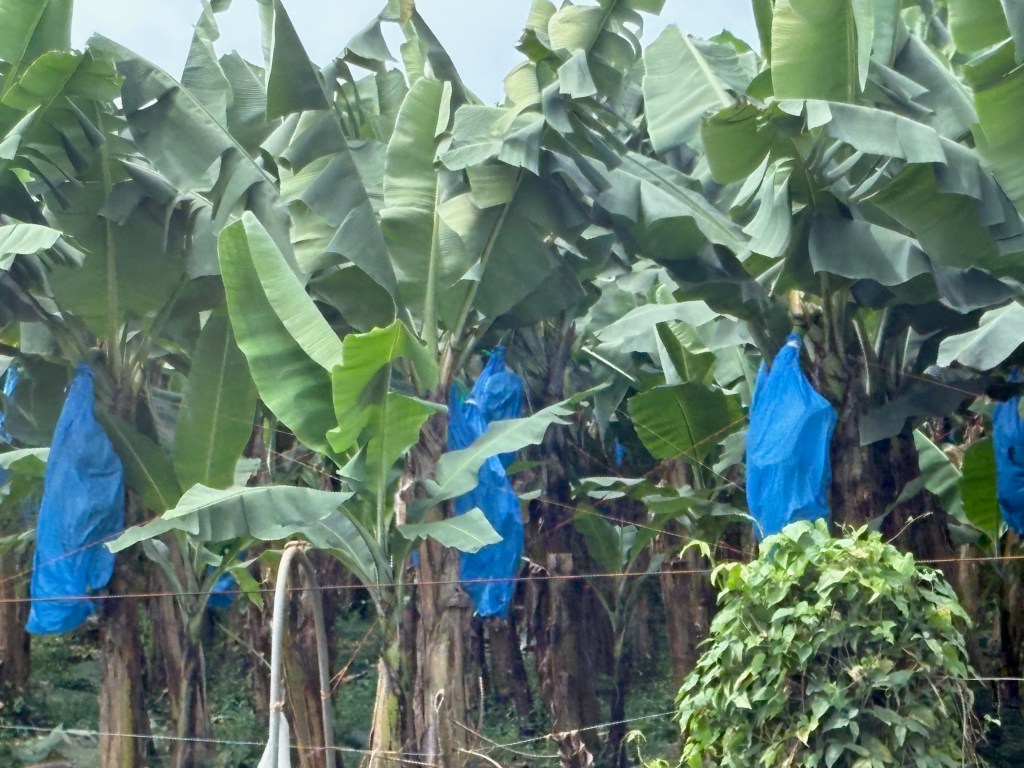
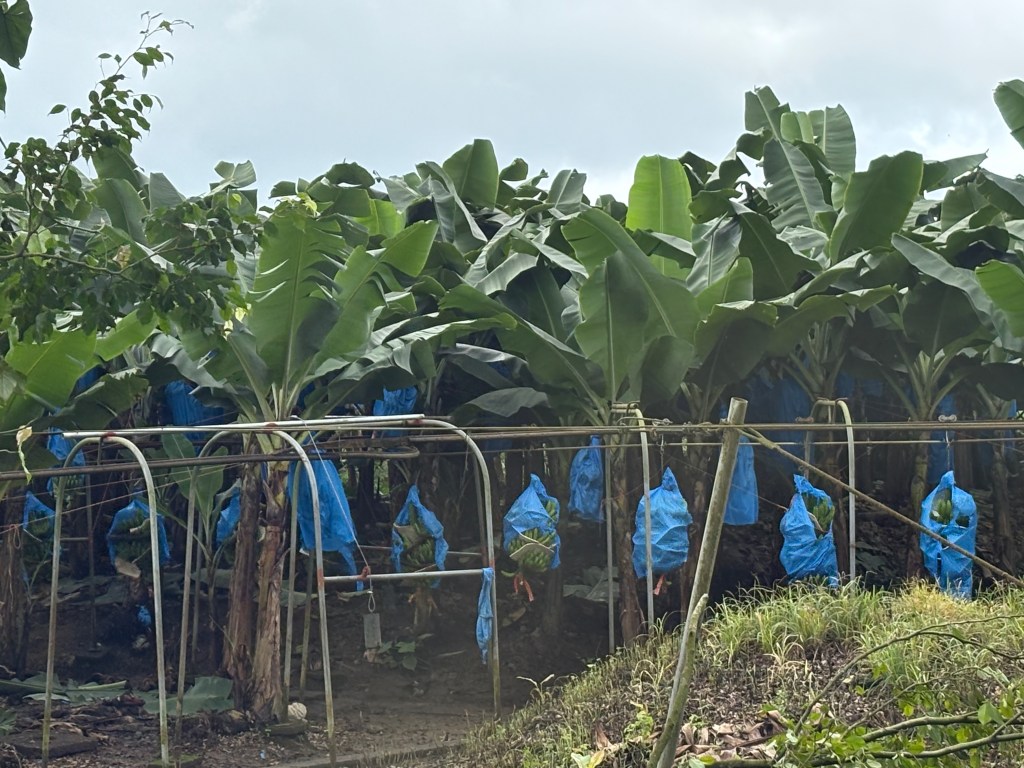
Departing the San Jose this morning, we travelled by coach over very rough, narrow, windy roads: so rough that at one point the big door to the engine room on the bus opened from the outside. We passed many areas of banana and pineapple plantations en route to the lush Caribbean coast.
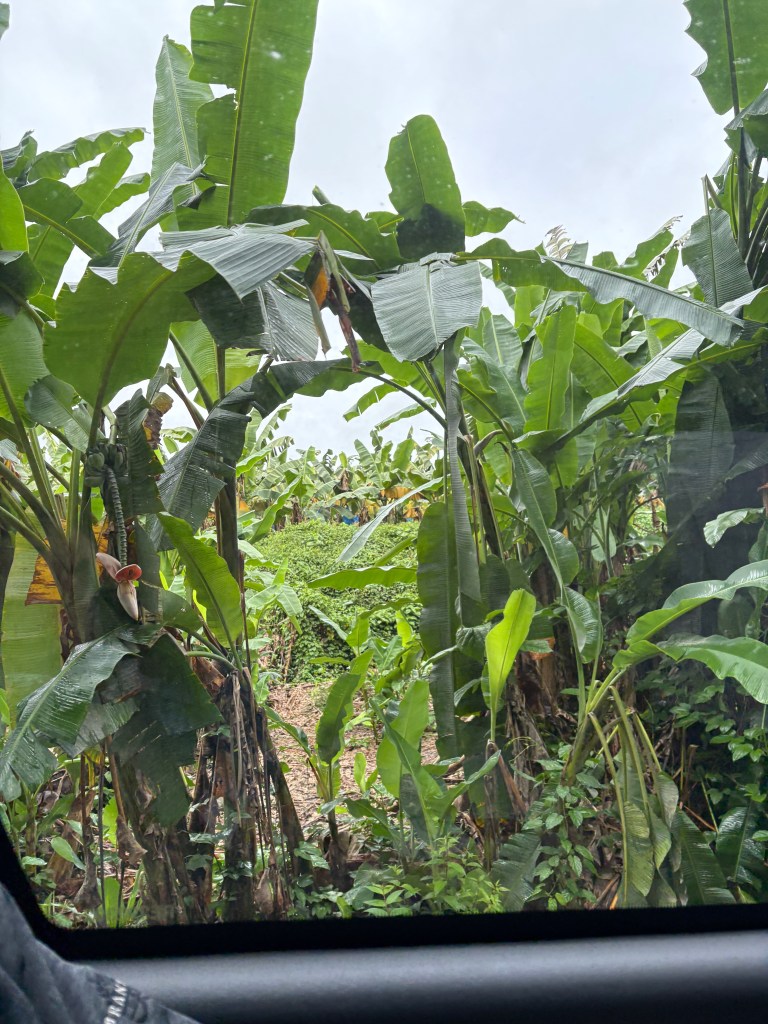
Then we went by small boat, taking about 1 1/2 hours, along the inland waterways, sheltered by the dense vegetation of the rainforest and getting wet on the way, to Tortuguero National Park.
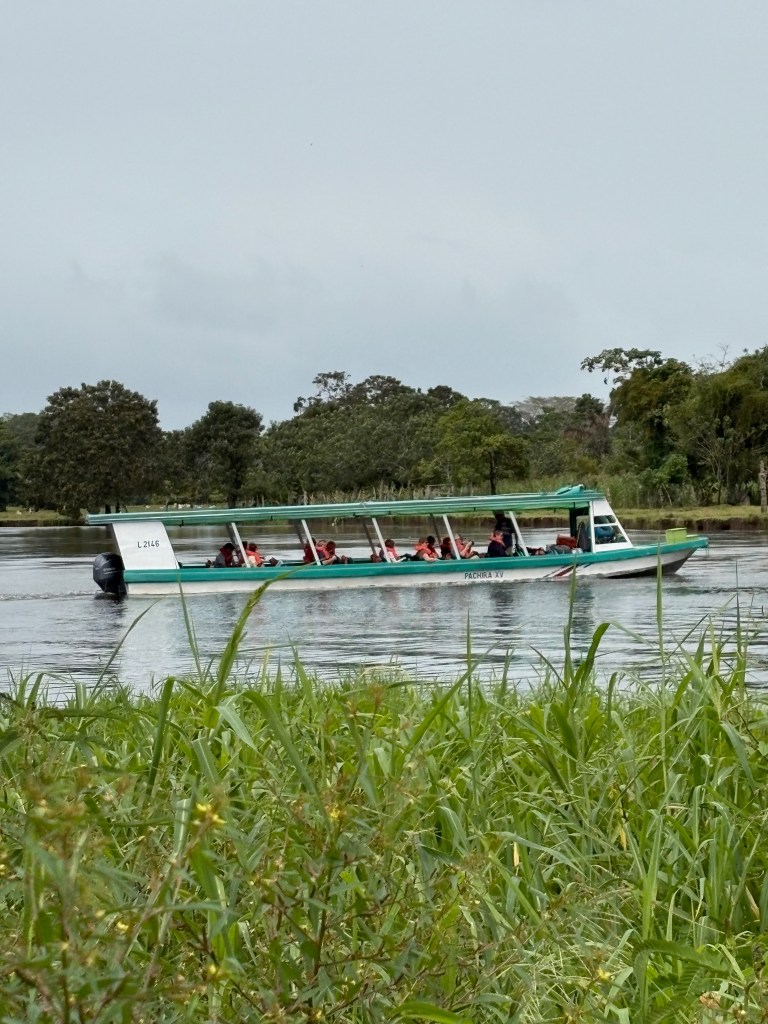
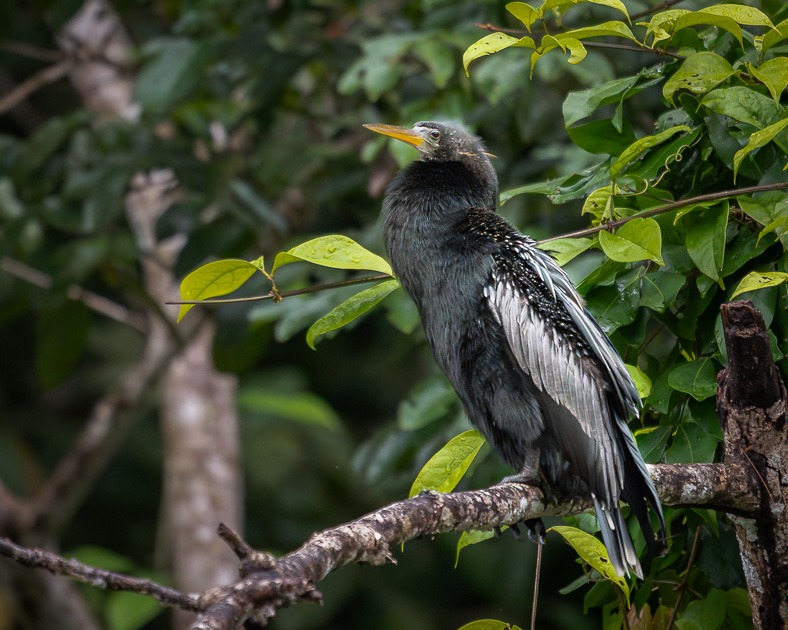
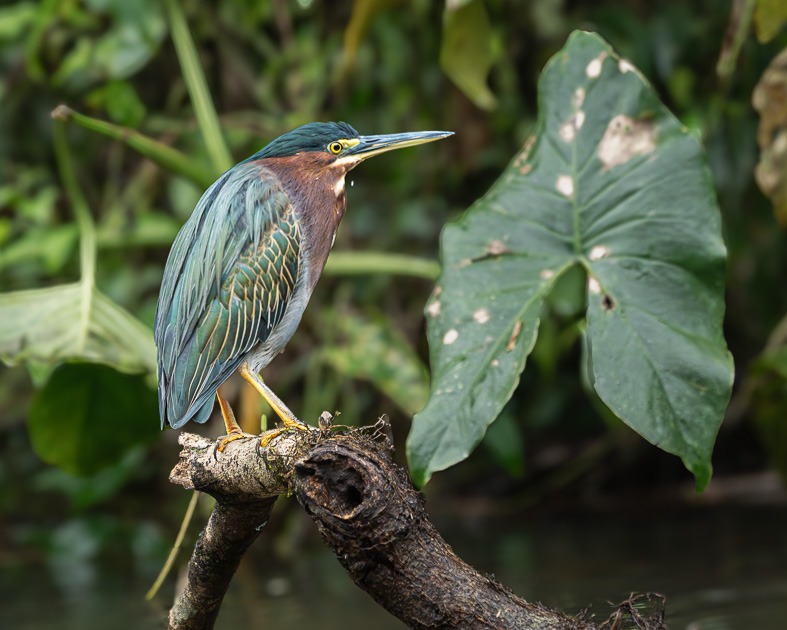
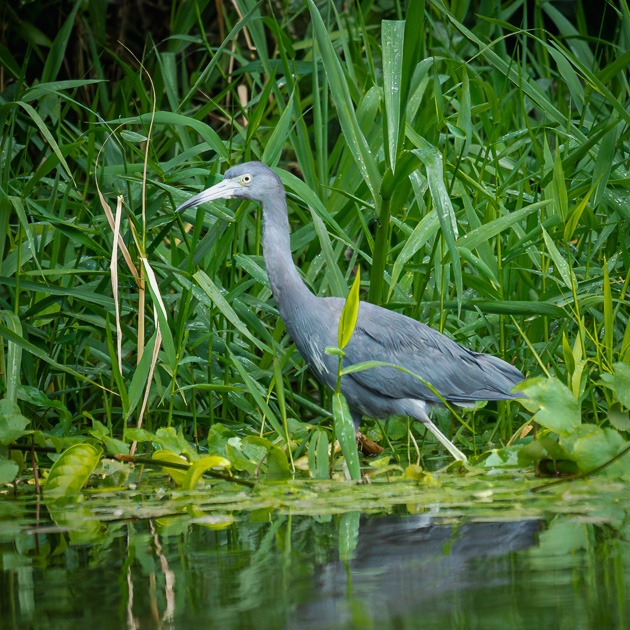
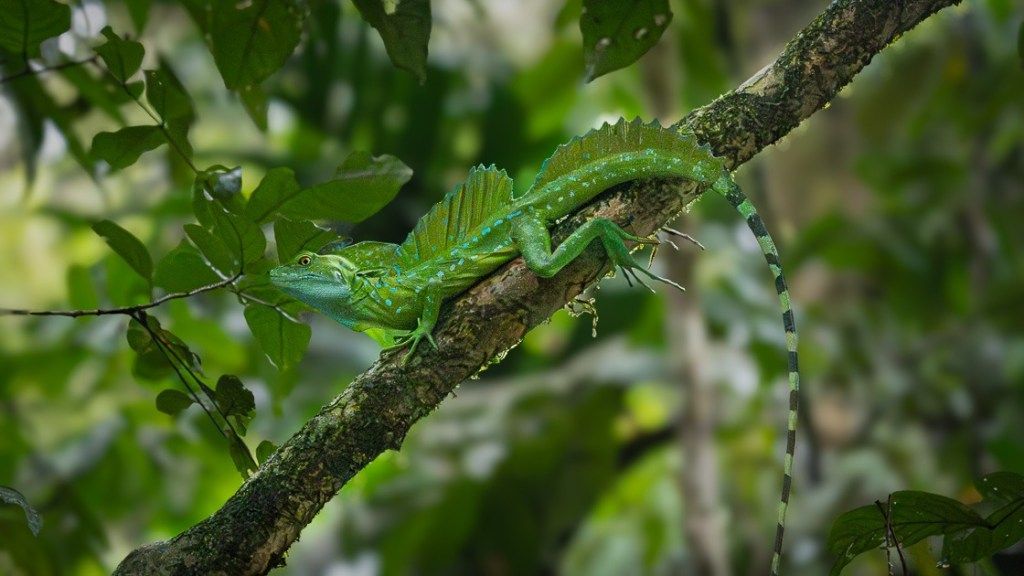
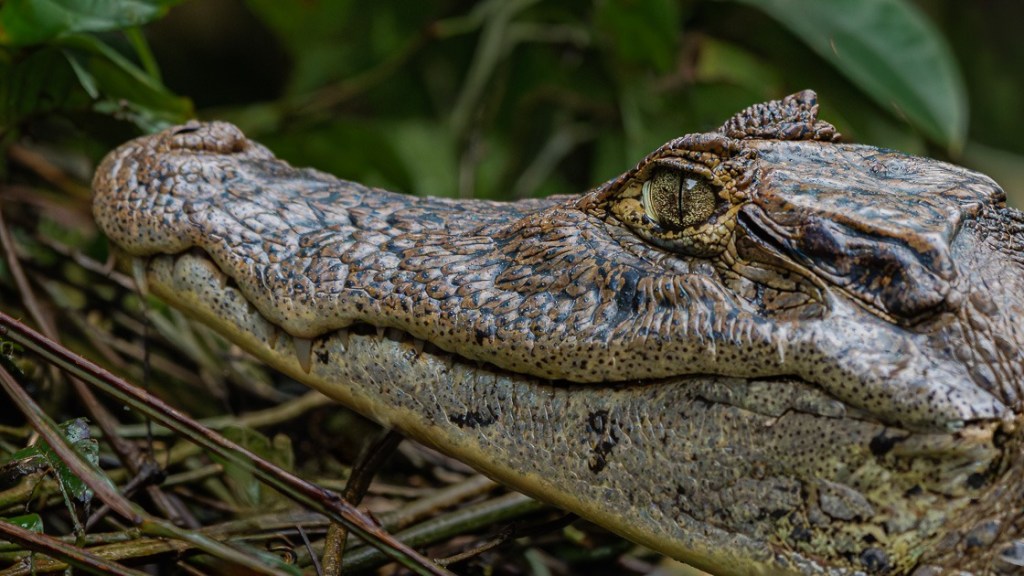
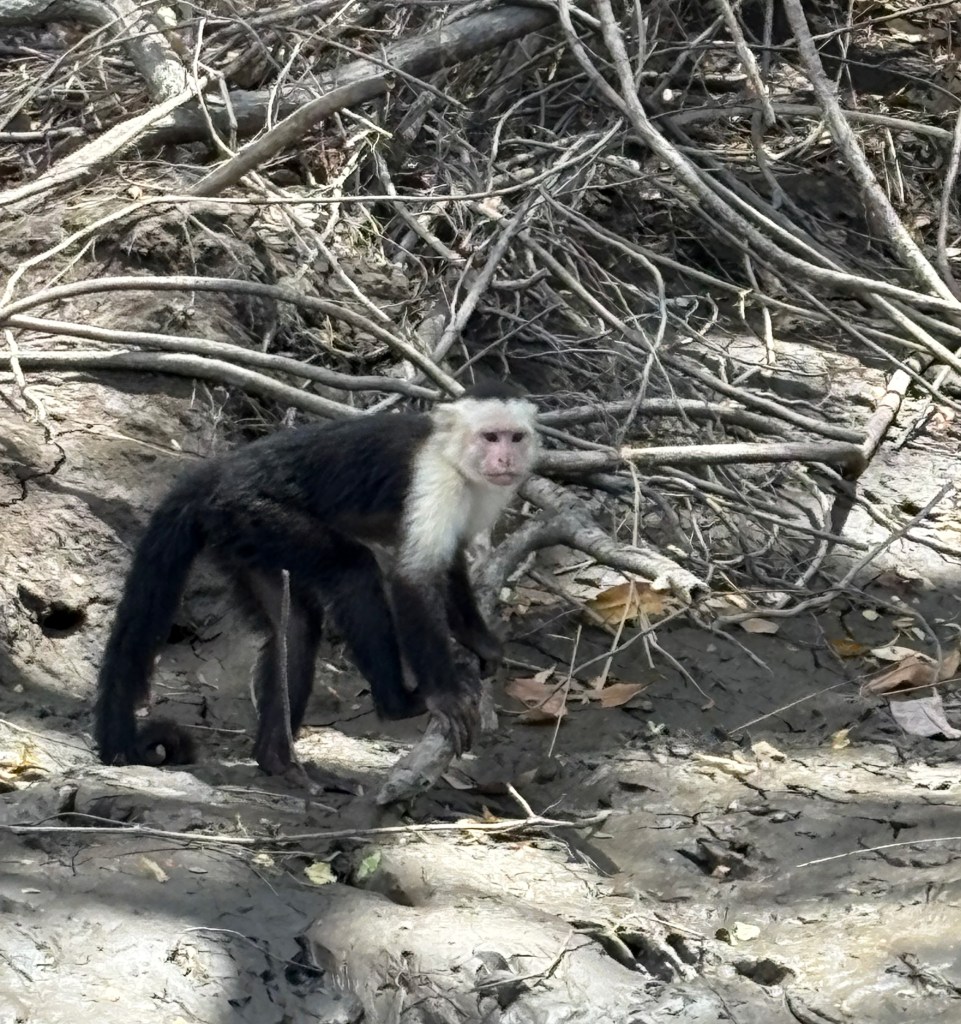
We headed out after arrival in a smaller boat with no roof to enjoy the unique flora and fauna. We saw herons, toucans, monkeys, caymans and more).
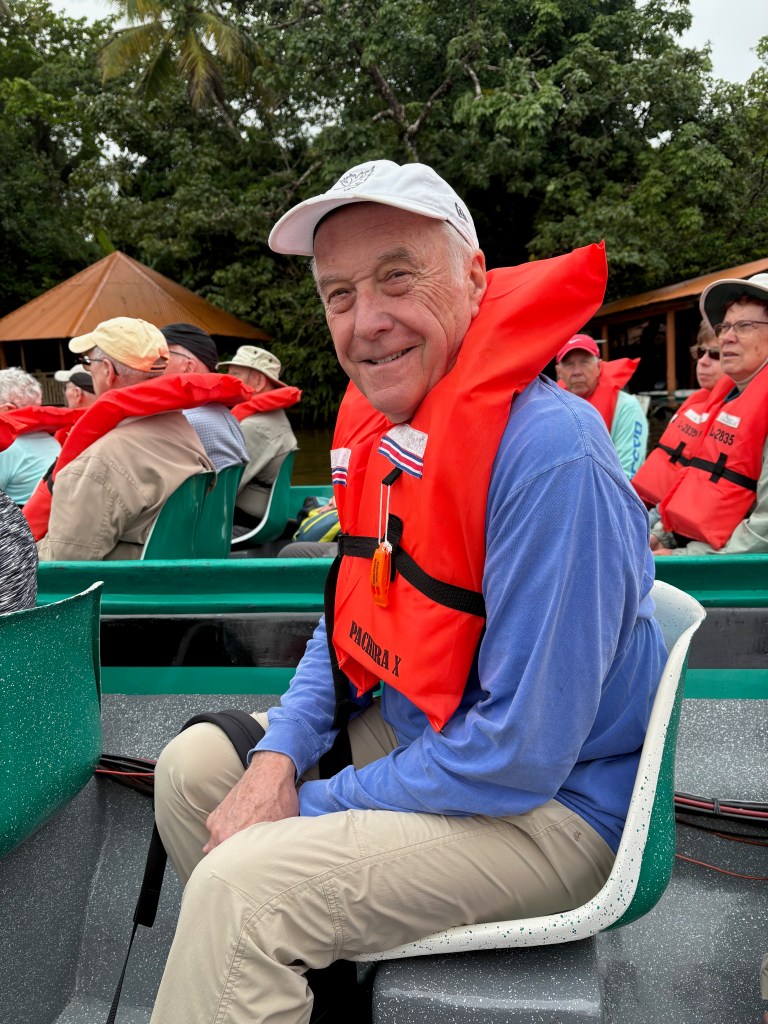
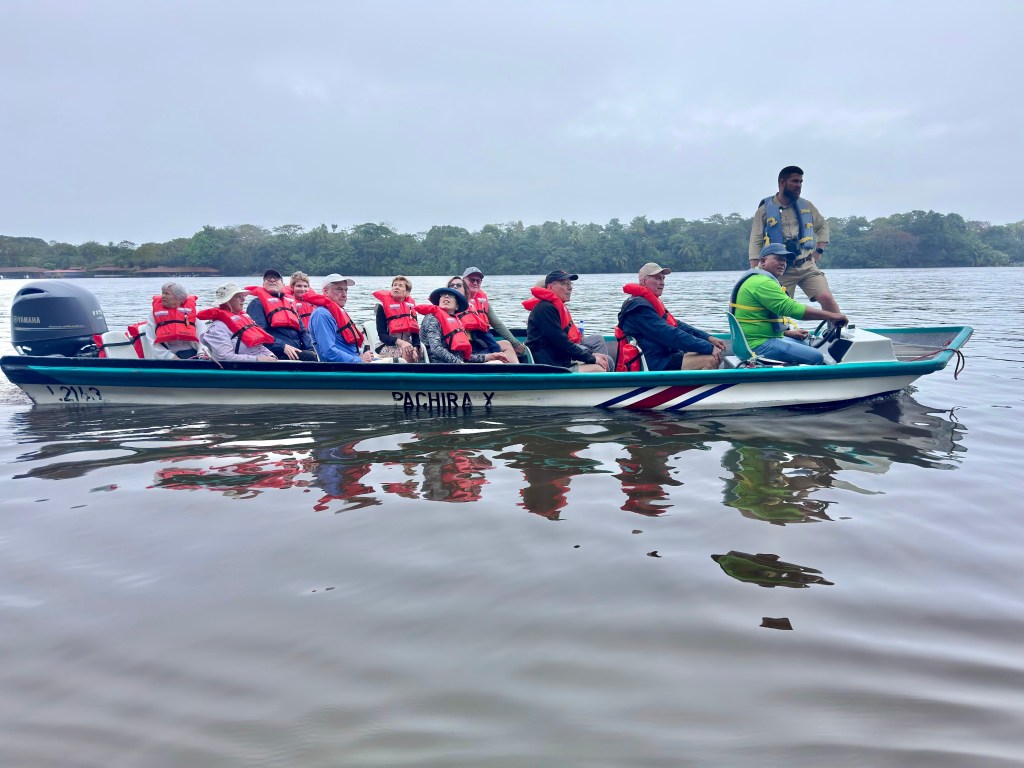
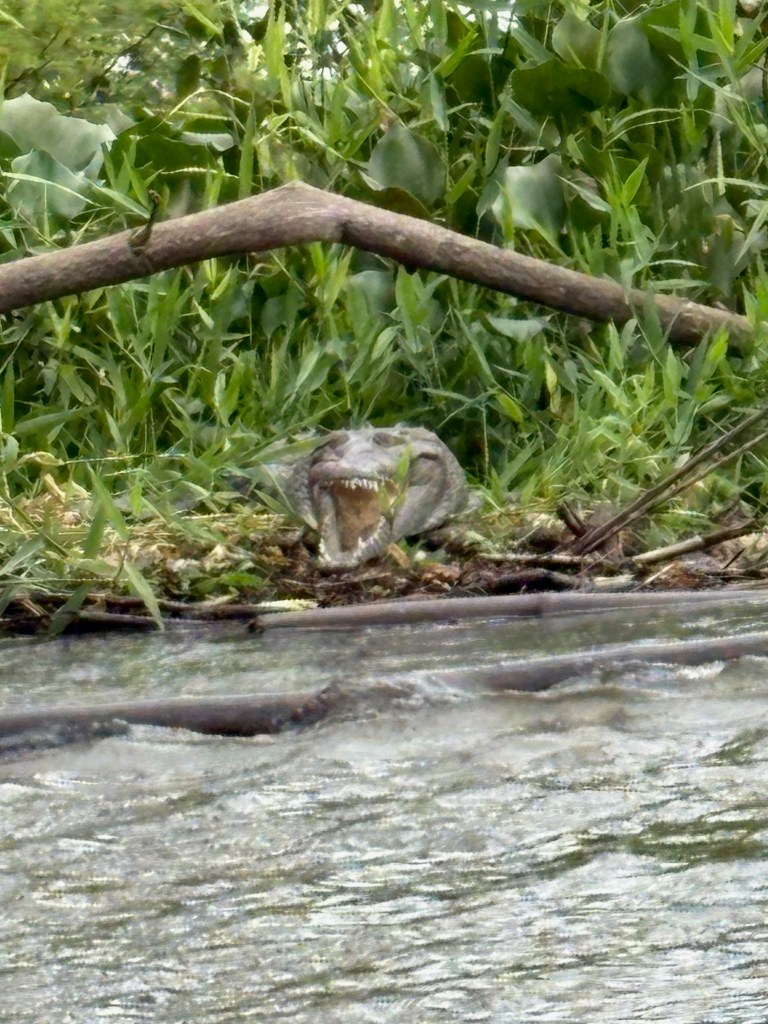
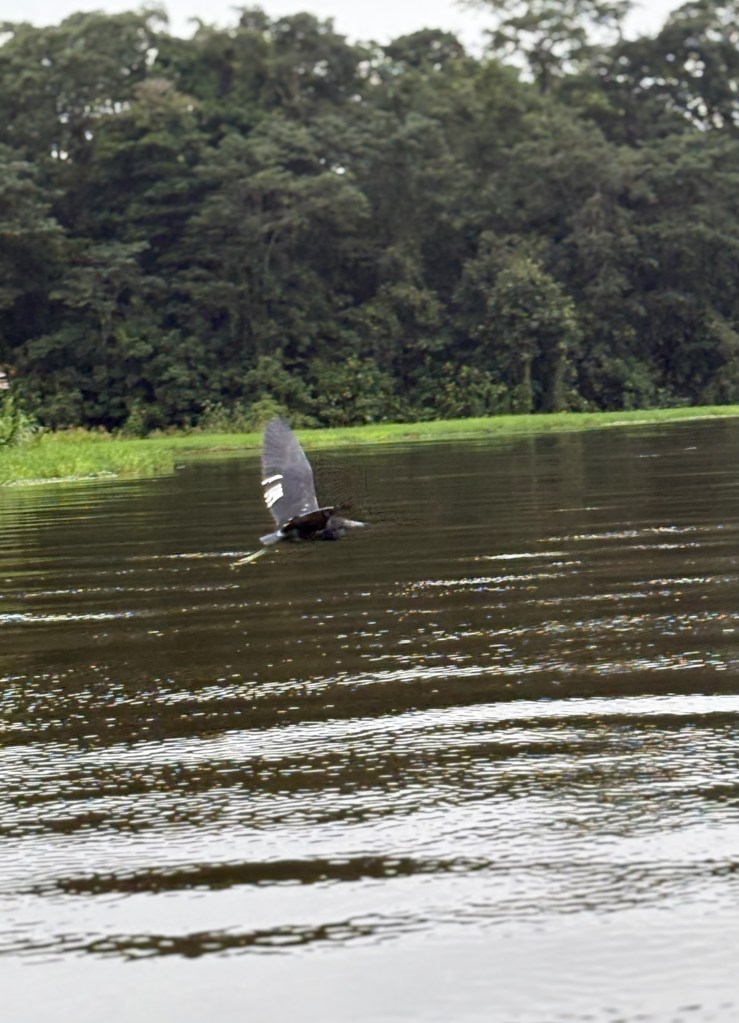
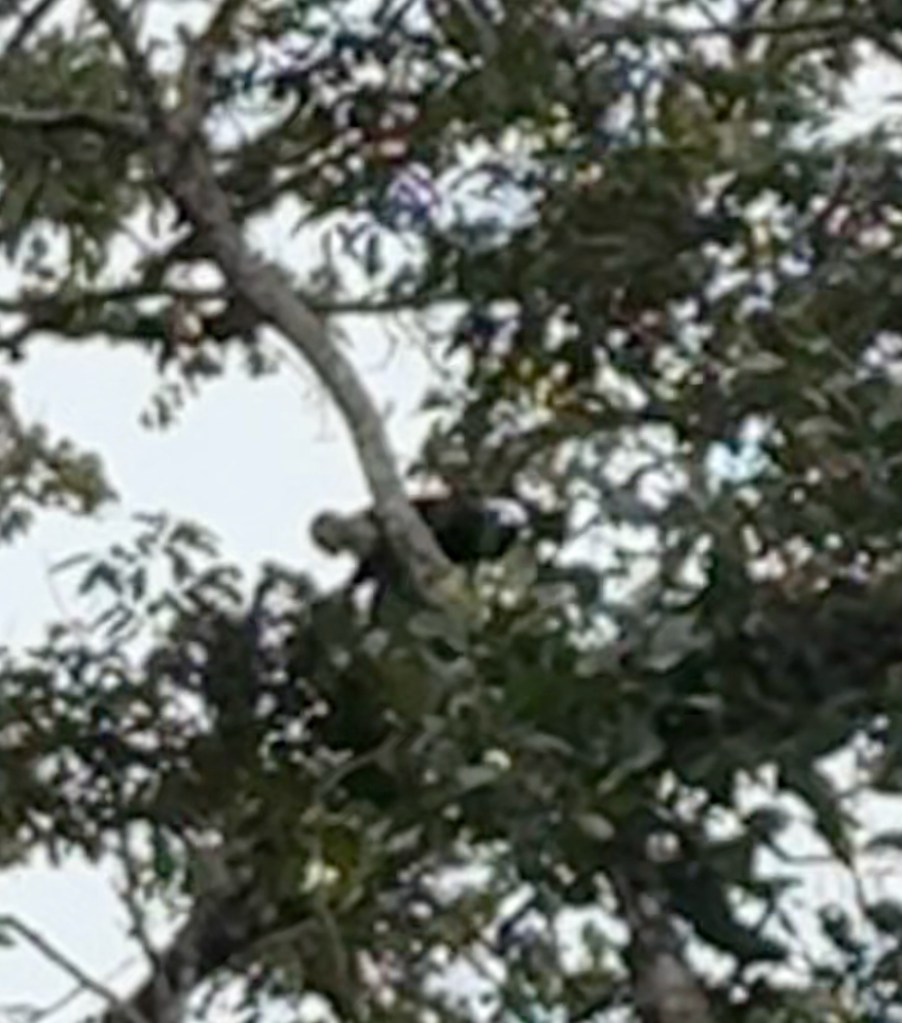
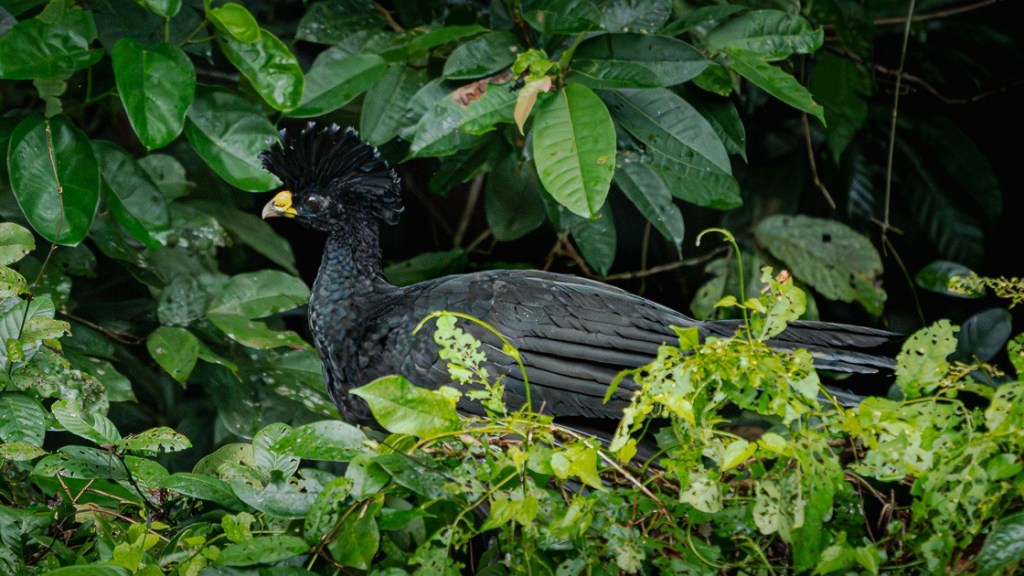
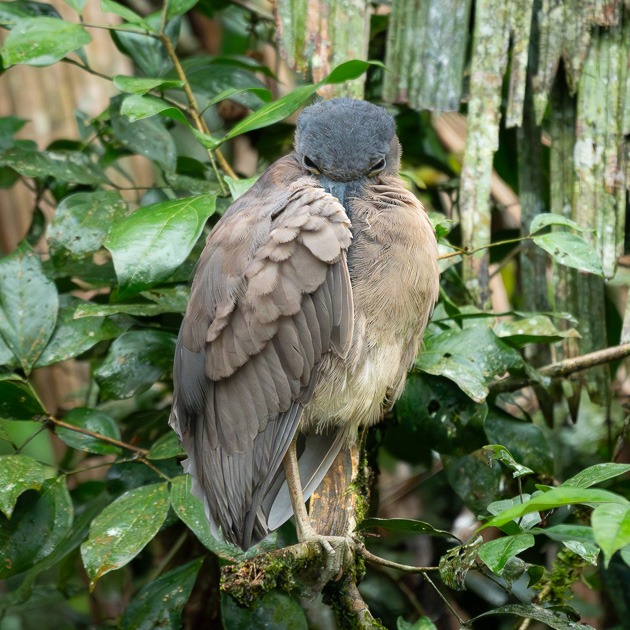
Boat-billed Heron: Equipped with a wide bill and large eyes, the boat-billed heron can hunt for fish in total darkness.
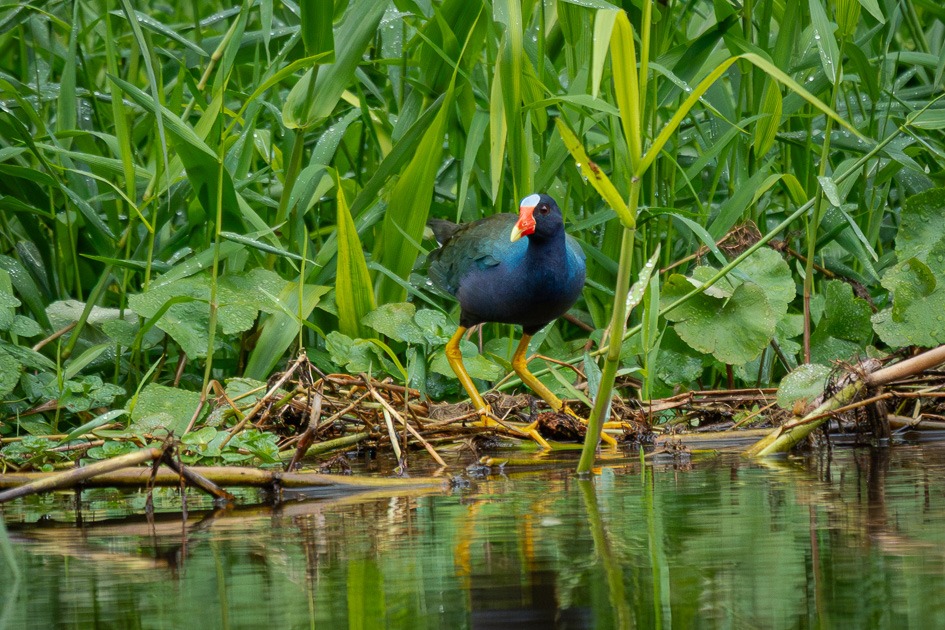
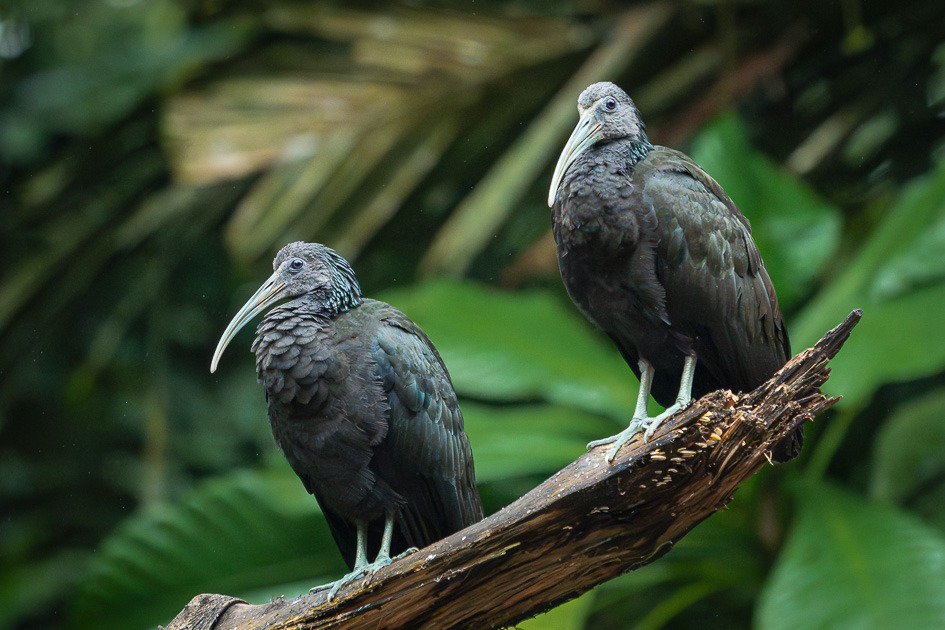
Our rustic accommodation, Pachira Lodge, is set adjacent to the inland waterways. The rooms were very nice but there was no heat and at night, it was cold. We got extra blankets. The worst was the damp towels in the morning.
(2 nights)
FEB 4, Wednesday TORTUGUERO NATIONAL PARK
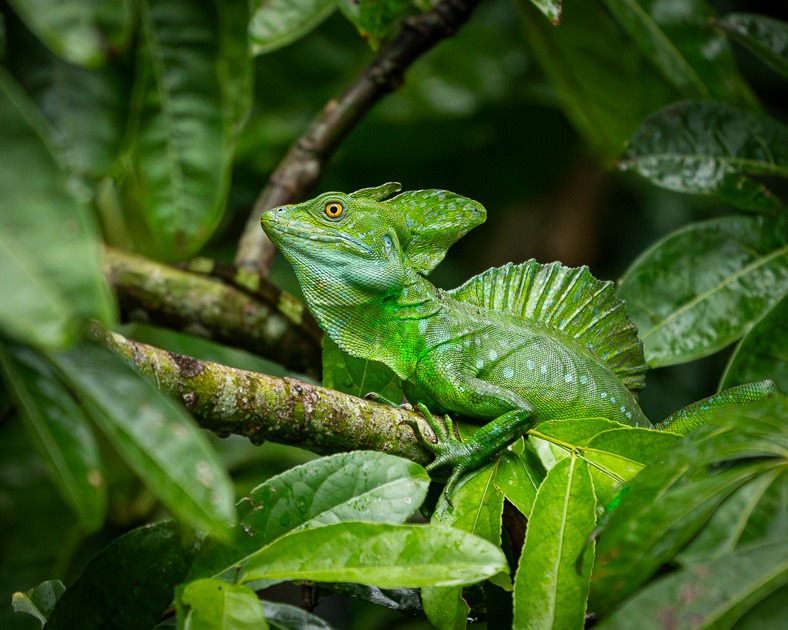
We were off for another trip into the canals. As Eric wrote,”It was on the long, slow-paced canal journeys that the uniqueness of Costa Rica as a natural paradise first opened up to us.”
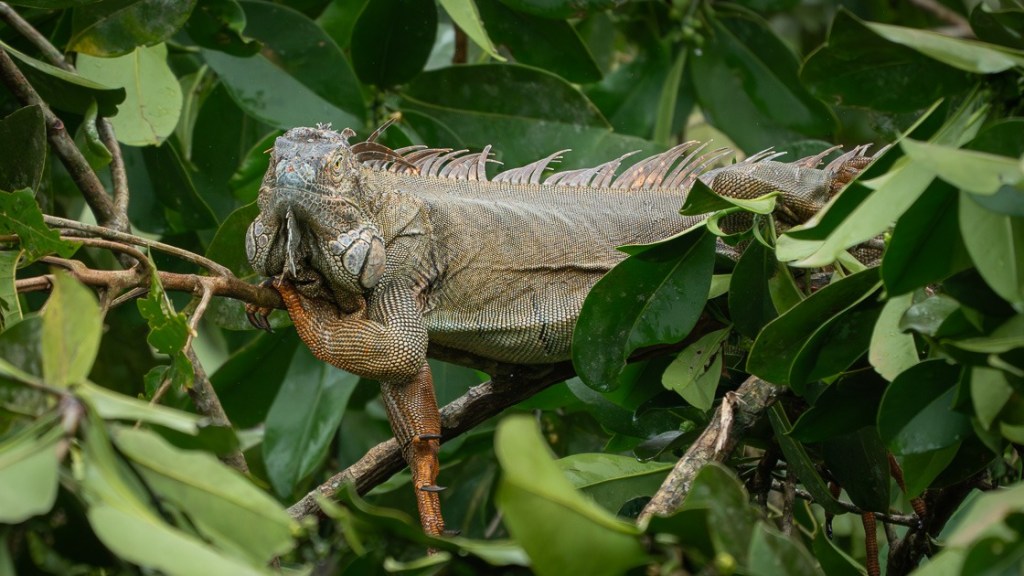
We visited the Tortuguero Turtle Conservation Museum.
A bit about Turtles:
When Christopher Columbus came to the Caribbean in 1503, he said there were so many sea turtles they cluttered the seaway like little rocks. But the desire for turtle meat, eggs and shells have nearly wiped out the species in just the last century. International trade in tortoise shell products, polished shells and stuffed turtles has taken a huge toll on endangered hawksbill turtles.
Their beautiful amber shells are still highly prized for jewelry and other decorative items, even though it’s illegal to bring sea turtle products into many countries. Sea turtle eggs are still sold — often illegally –in many markets and restaurants throughout the Caribbean.
Turtles coming ashore to nest are easy prey for hunters. Some turtles are harpooned in the shallows, while others are captured when poachers turn them over on their backs as they crawl up the beach to lay.
By the late 1800s, 15,000 turtles a year were being shipped alive to England.
As turtle soup and curries became popular delicacies around the world, large canning companies set up bustling sea turtle slaughter houses. Many more turtles drown after becoming entangled in commercial fishing nets and discarded monofilament lines.
Sea turtles spend all but a fraction of their lives in the ocean, often covering thousands of miles in a single year. Their almost constant immersion in the sea makes them an important indicator of the overall health of the marine environment. Since females must come ashore to nest, sea turtles are also vitally linked to the land.
Sea turtle eggs hatch after incubating for about 60 days. The sex ratio of the hatchlings is determined by the temperature of the nest — the warmer the nest, the more females in the clutch, while cooler nests produce more males. Global warming could significantly affect this natural process.
In a flurry of activity, hatchlings work as a group to escape the nest chamber. By thrashing their flippers around, hatchlings move sand from the walls and ceiling of the nest chamber onto its floor. This causes the nest chamber to gradually rise to the surface of the sand. After emerging from the nest, hatchlings run to the brightest point on the horizon. On an undisturbed beach, this instinct leads them to the sea where moon and starlight sparkle on the water. When artificial light is visible, however, hatchlings often run inland, where they become disoriented and soon are eaten by predators or die from exhaustion or dehydration on the beach. Artificial lights also discourage female turtles from coming ashore to nest
No one is sure how they do it, but sea turtles appear to be instinctively imprinted to find and nest on the same beach where they hatched. This homing instinct could depend on a combination of magnetic attraction, taste, light, smell, sound, temperature or other cues unknown to people. For millions of years, turtles have survived natural predators such as crabs, birds, coati-mundis, raccoons and ocelots that eat turtle hatchlings and eggs. Humans, feral dogs and pigs now take the biggest toll on turtles.
Upon reaching the sea, baby turtles swim continuously away from shore for several days. Eventually they reach rafts of floating sargassum weed where they are thought to live for at least the next few years, deriving both food and shelter from the vast weedy rafts. The same currents that bring turtles to the sargassum rafts also collect ocean debris, such as plastic and petroleum wastes, which are very hazardous to little turtles.
Dr. Archie Carr is known around the world as the father of sea turtle research. Beginning with his pioneering work at Tortuguero, Dr. Carr went on to write more than 120 scientific articles about sea turtles and 11 books, including the classic The Windward Road, which inspired the creation of the non-profit
Caribbean Conservation Corporation in 1959. Through his poignant writing and charismatic personality, Dr. Carr drew international attention to the plight of sea turtles. The spirit of Dr. Carr’s work continues today through CCC’s efforts to preserve sea turtles and the places they live. Dr. Carr’s son
David now leads CCC, which is based in Gainesville, Florida.
We finally arrived at the Caribbean Sea and walked in the water.
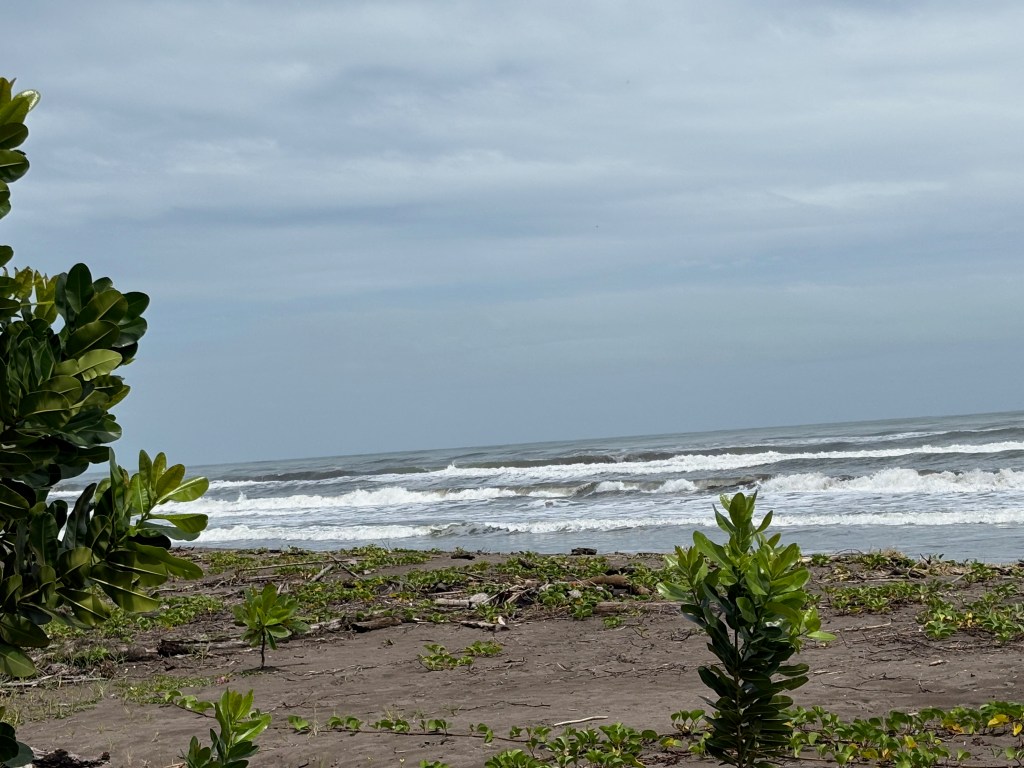
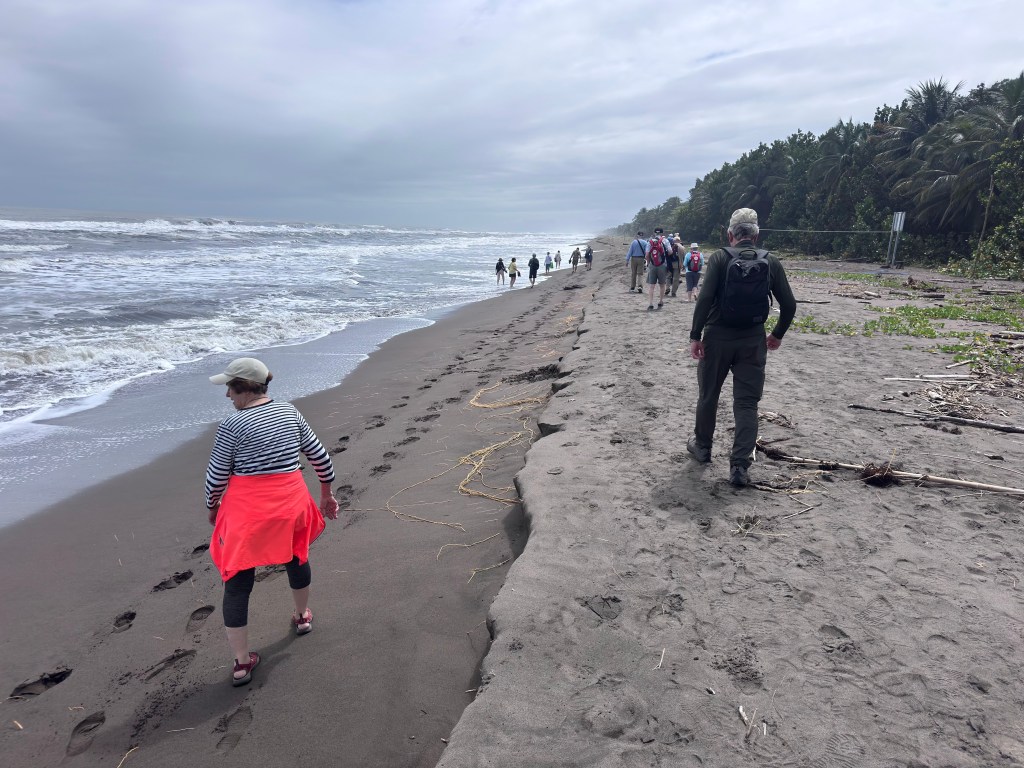
We saw the holes in the sand where the turtle nests had been. We walked the town and had a drink.
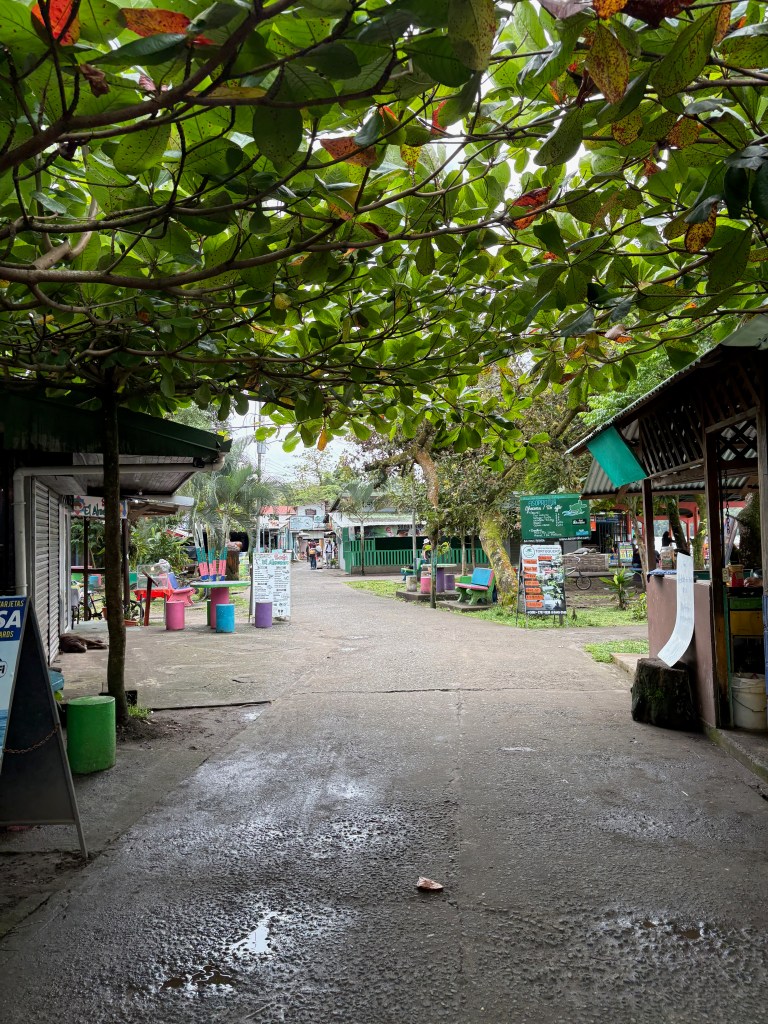
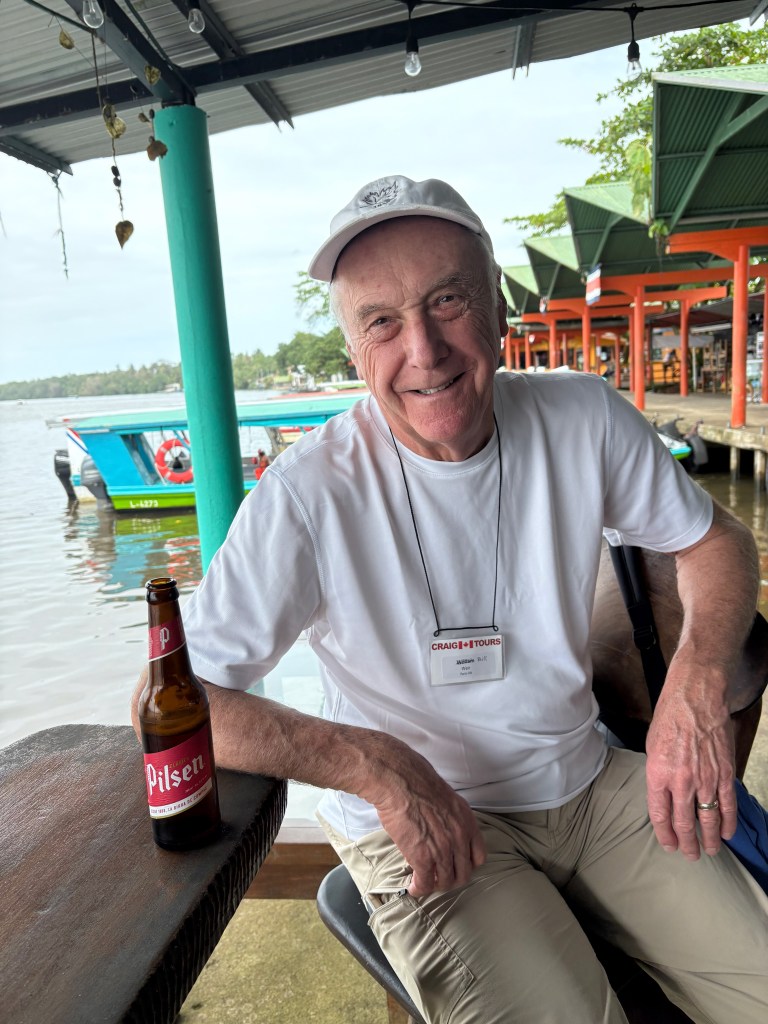
We enjoyed Pachira Lodge. It was rustic but comfortable; the food OK. The weather was cool and rainy.
We were fortunate to be there as we heard later that the road to Tortuguero was closed and the visitors were turned back.
FEB 5, Thursday SARAPIQUI
We began the day with a leisurely morning cruise with no rain along the inland waterway to Caño Blanco, on the mainland where we rejoined our tour coach. Another trip on the pot-holed road.
After lunch at El Ceibo restaurant, we continued to Sarapiqui and our resort, set in the eastern lowlands on the edge of the rainforest with one short stop at a banana plantation and packing centre.
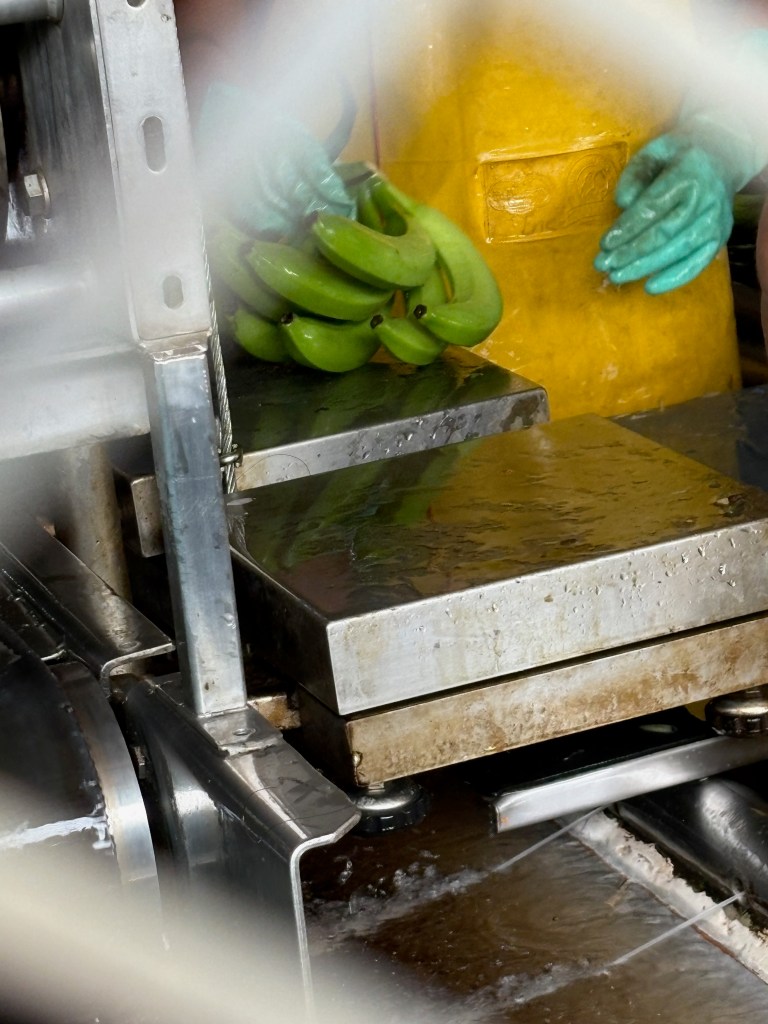
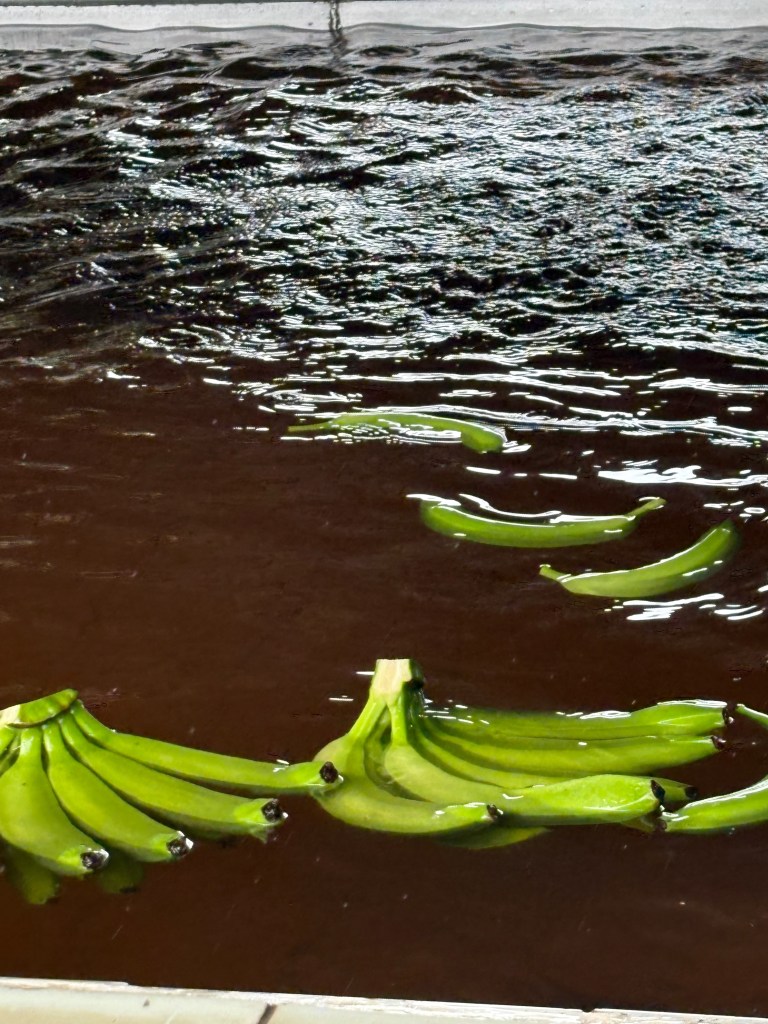
From bananas to pineapple. In the afternoon, we visited a demo pineapple plantation where we were treated to a drink of pineapple juice, fresh pineapple and a Pina Colada. The guide was very entertaining.
Costa Rica is the world’s leading exporter of pineapples, supplying over 40% of global demand, primarily the Golden variety, which is prized for its sweetness. With over 58,000 hectares devoted to cultivation, the industry brings in over US$1 billion annually but faces significant criticism regarding high pesticide use, deforestation, and soil erosion, particularly in the northern region.
Key Aspects of Cultivation
Production & Scale: The industry produces nearly 3 million tons of pineapple annually. It is a massive, intensive monoculture primarily located in regions like San Carlos, Upala, and Guácimo.
The Golden Pineapple: Introduced around 2001 by Del Monte, this variety dominates production due to its high demand in the US and Europe.
Cultivation Process: The plant grows best in tropical conditions, requiring 18 to 24 months for maturity. It thrives in volcanic soils and is often cultivated on plastic-covered beds to manage moisture and pests.
Harvesting: Pineapples are harvested manually when the skin turns yellow, usually between April-May and August-October.
Environmental and Social Concerns
Chemical Use: The industry is associated with heavy use of agrochemicals and pesticides, which often seep into groundwater, affecting local communities.
Biodiversity Impact: Large-scale monoculture has led to deforestation, soil erosion, and the destruction of local habitats.
Employment: The sector provides over 32,000 direct jobs and thousands more indirect jobs, but it is often criticized for poor labor conditions and low wages in some areas.
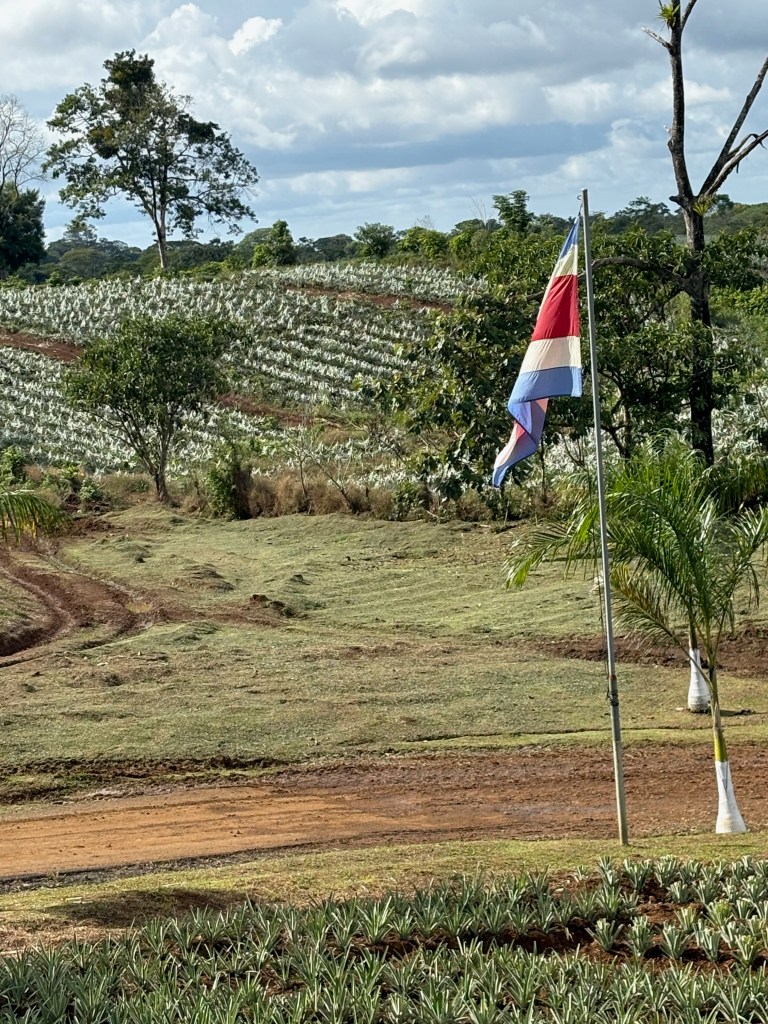
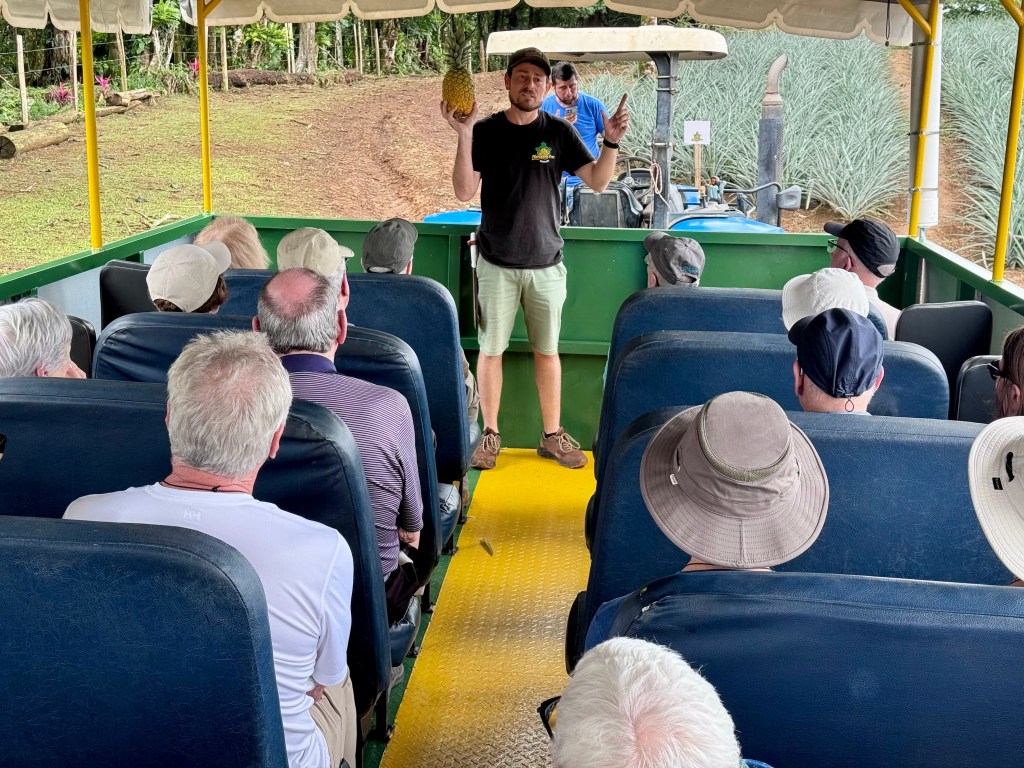
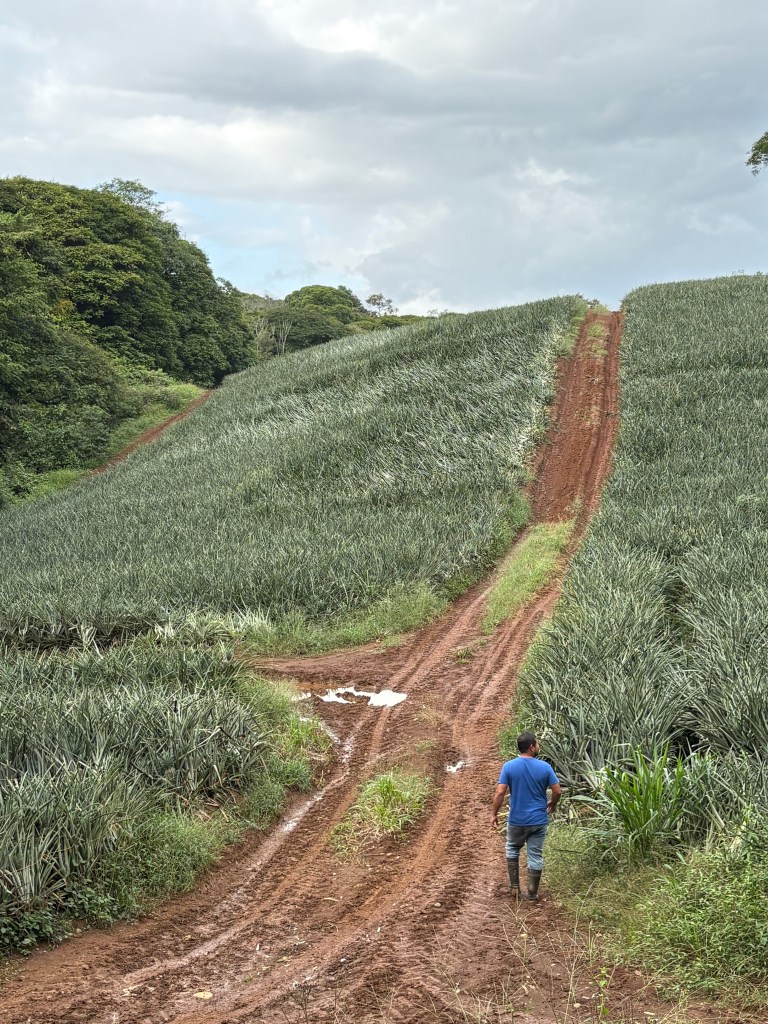
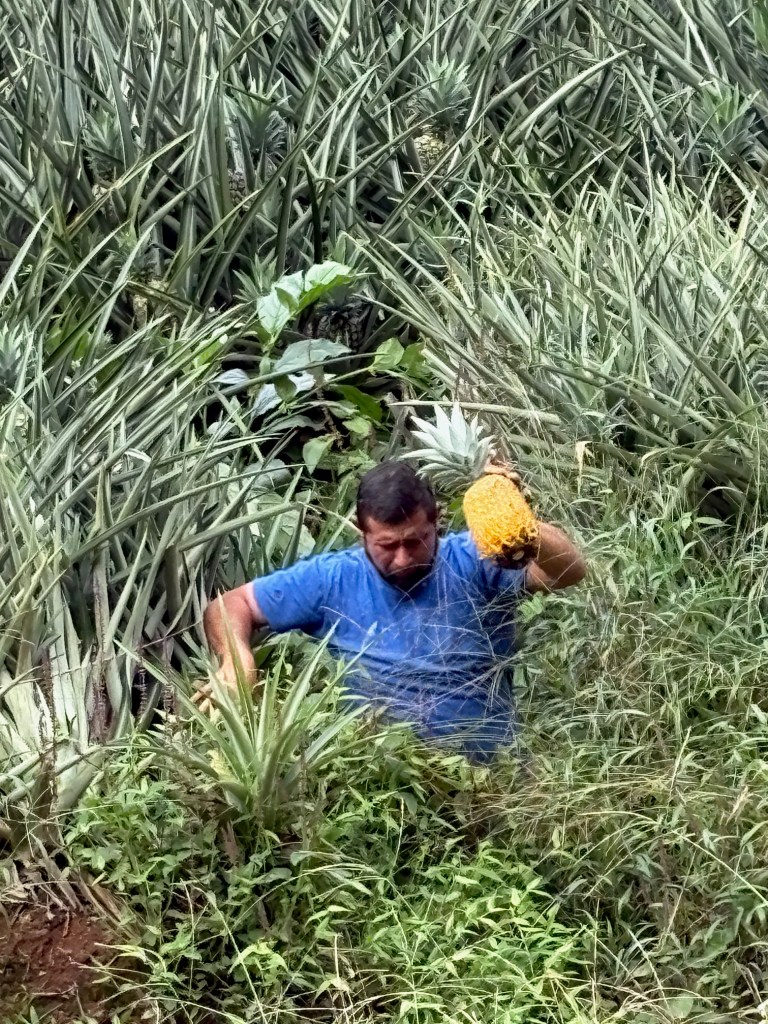
The plants have three harvests on them and then the top is used for seed.
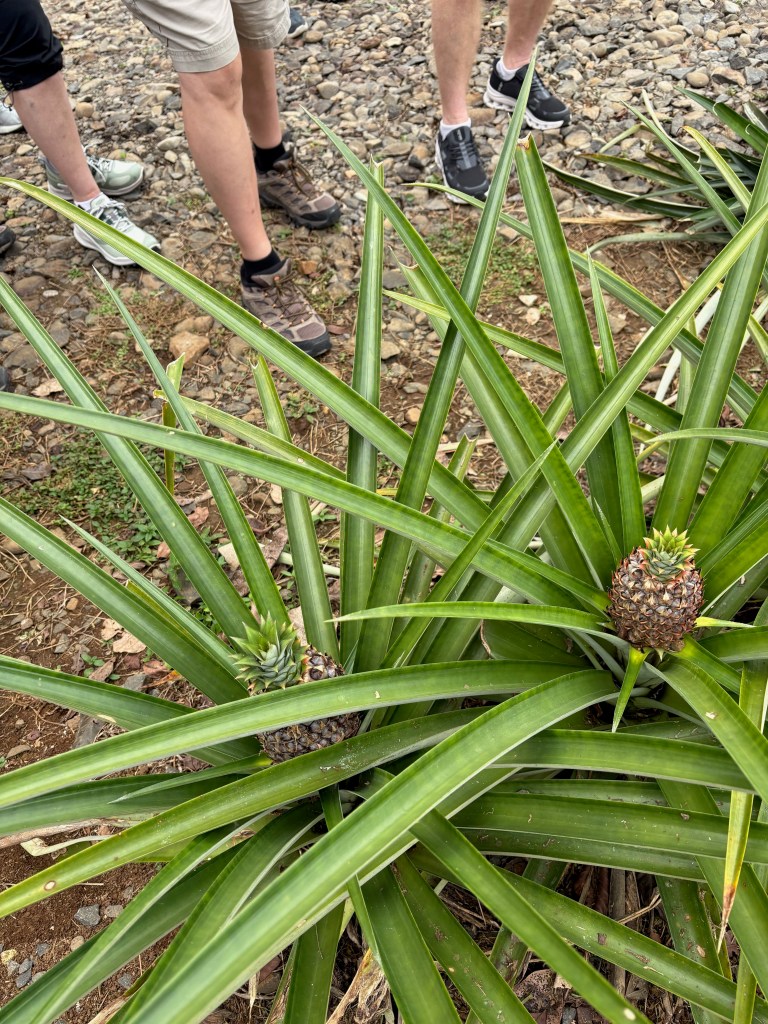
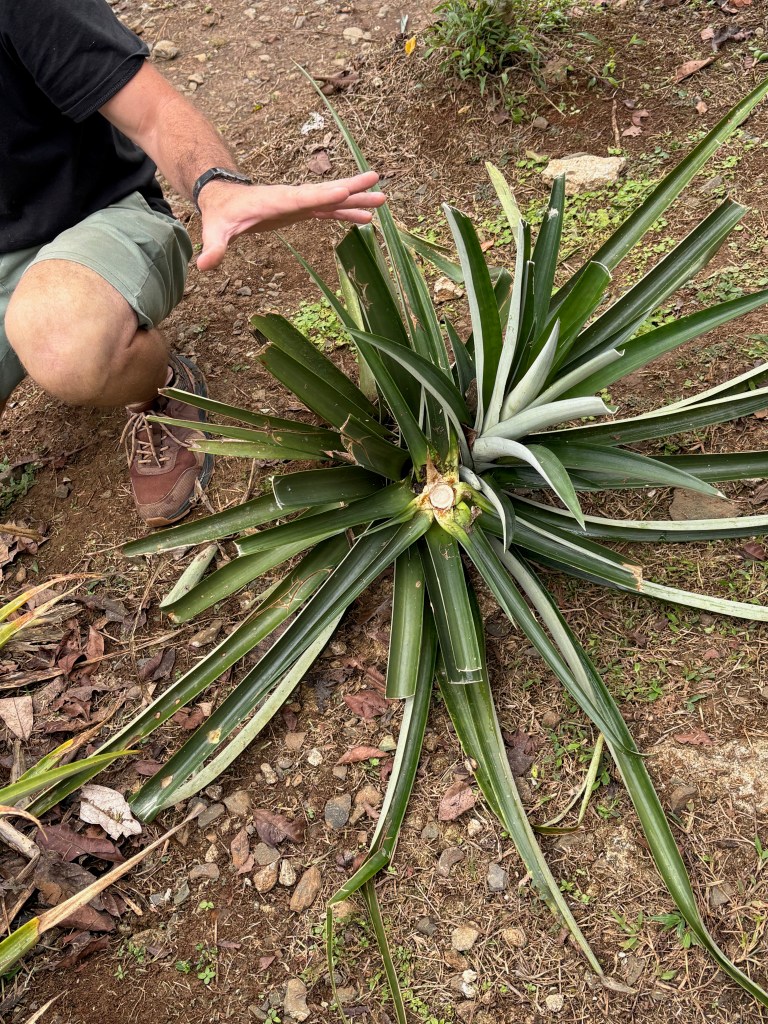
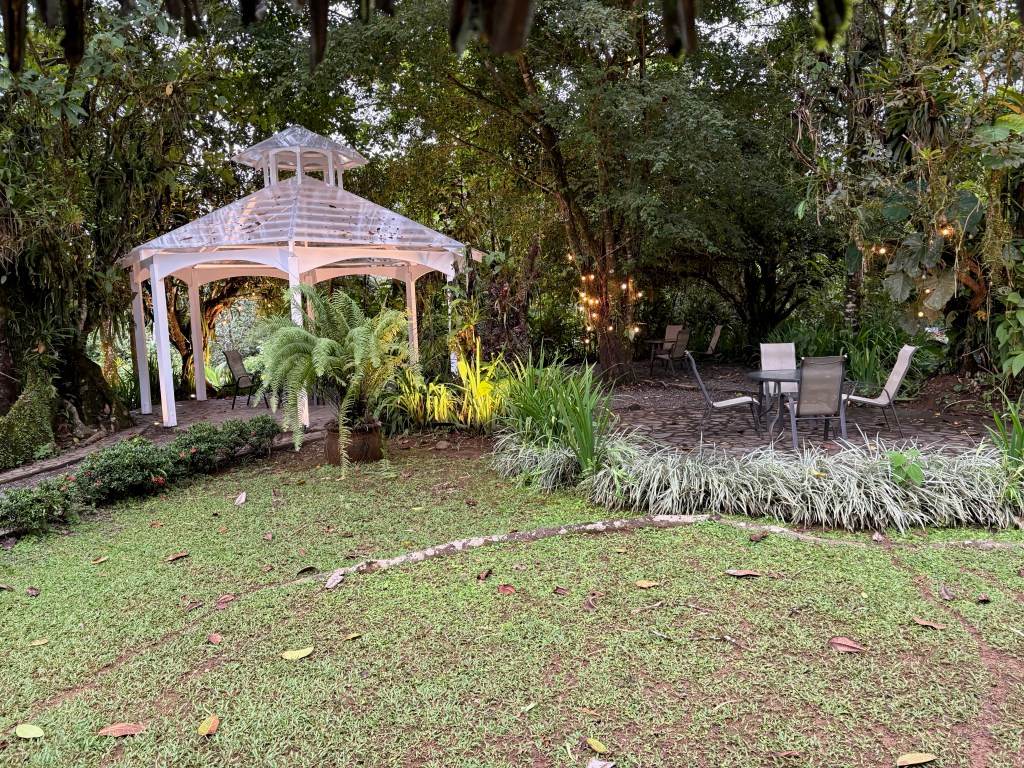
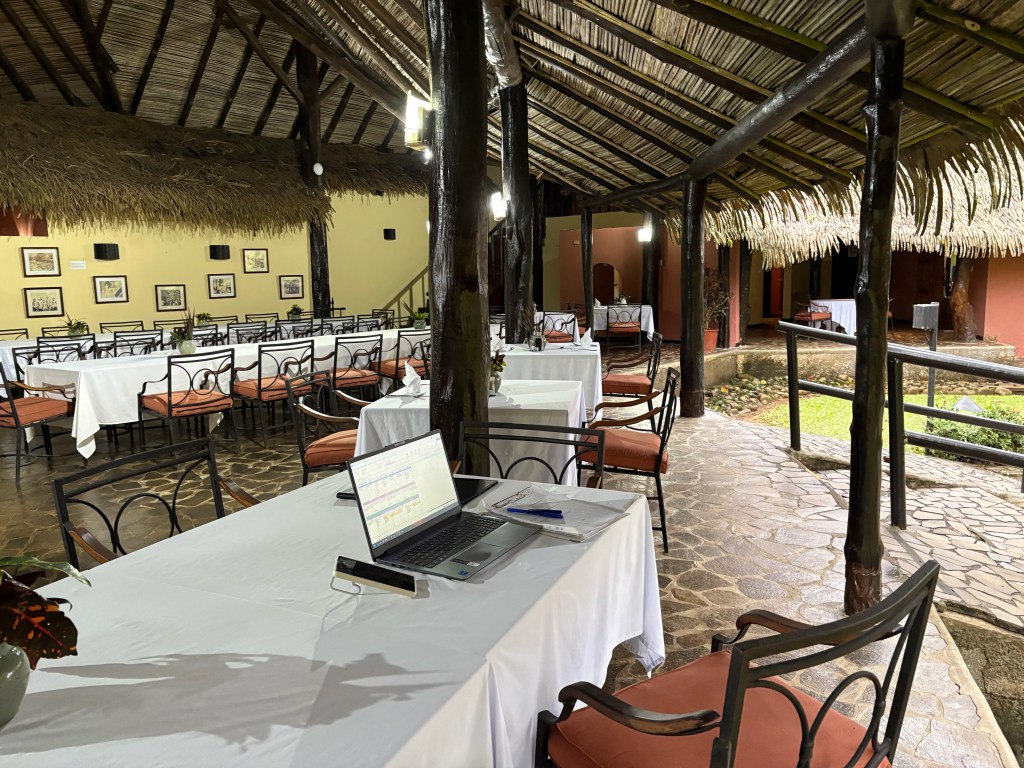
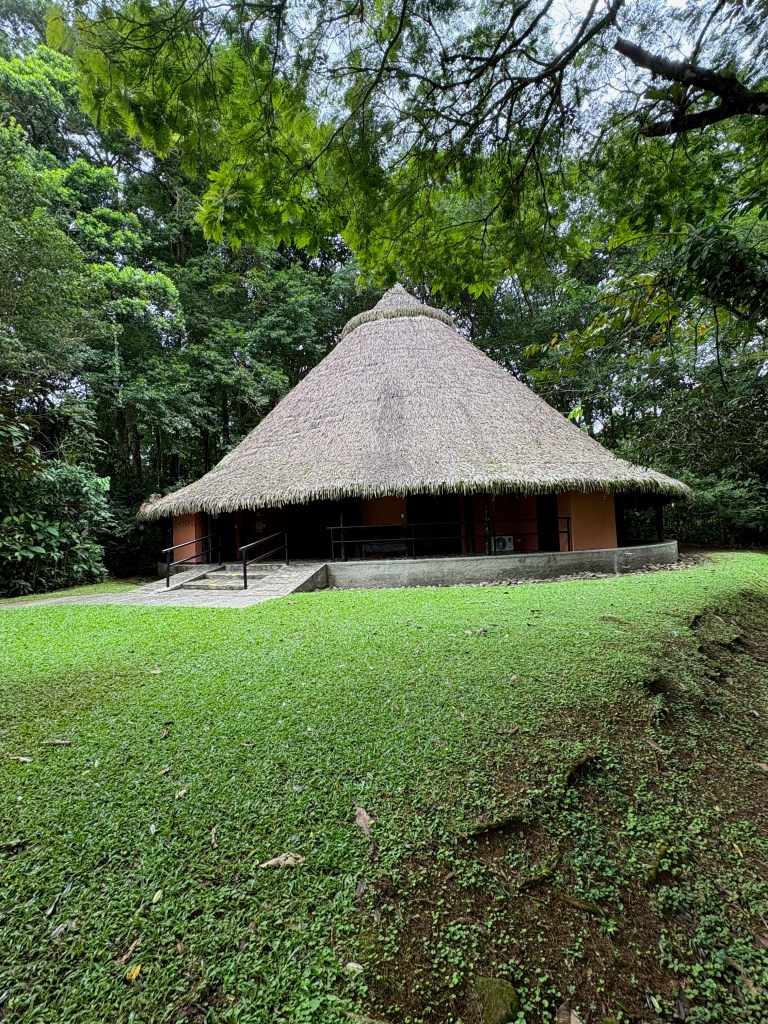
We had a busy day and arrived late in the day to enjoy relaxing at this special eco-lodge, Sarapiquis Rainforest Lodge, surrounded by lush gardens and the sights and sounds of the rainforest.
Sarapiquis Rainforest Lodge (2 nights)
FEB 6, Friday SARAPIQUI
Another cool, wet, rainy day in the rainforest. As Ronnie said, It’s a RAIN forest!
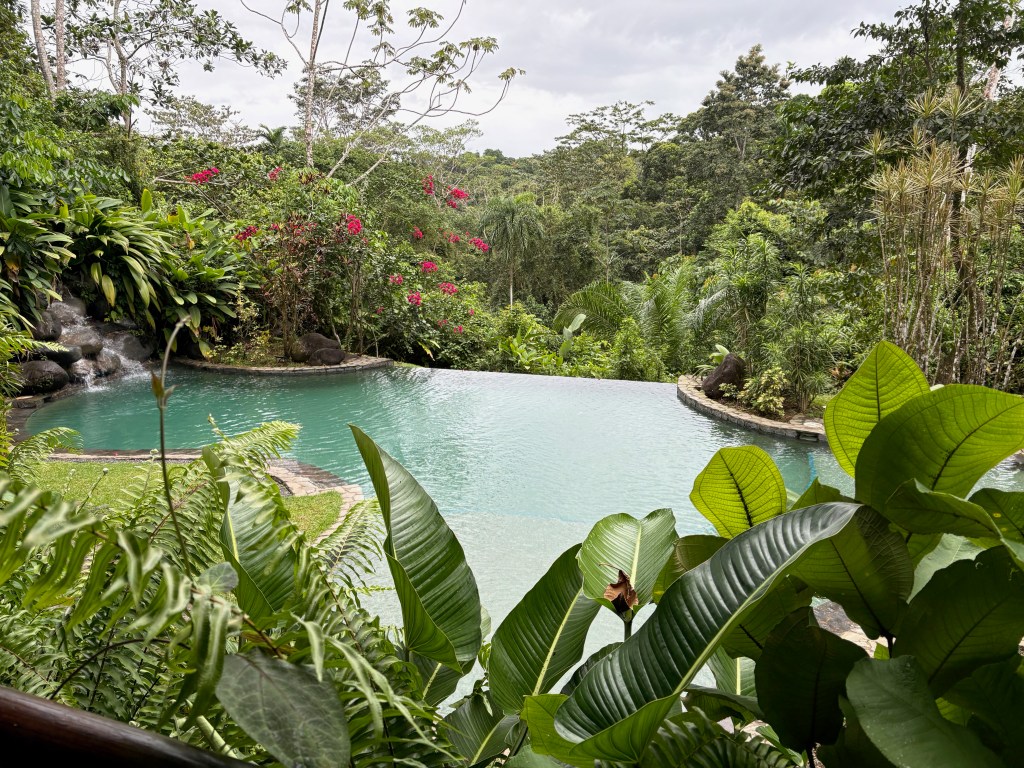
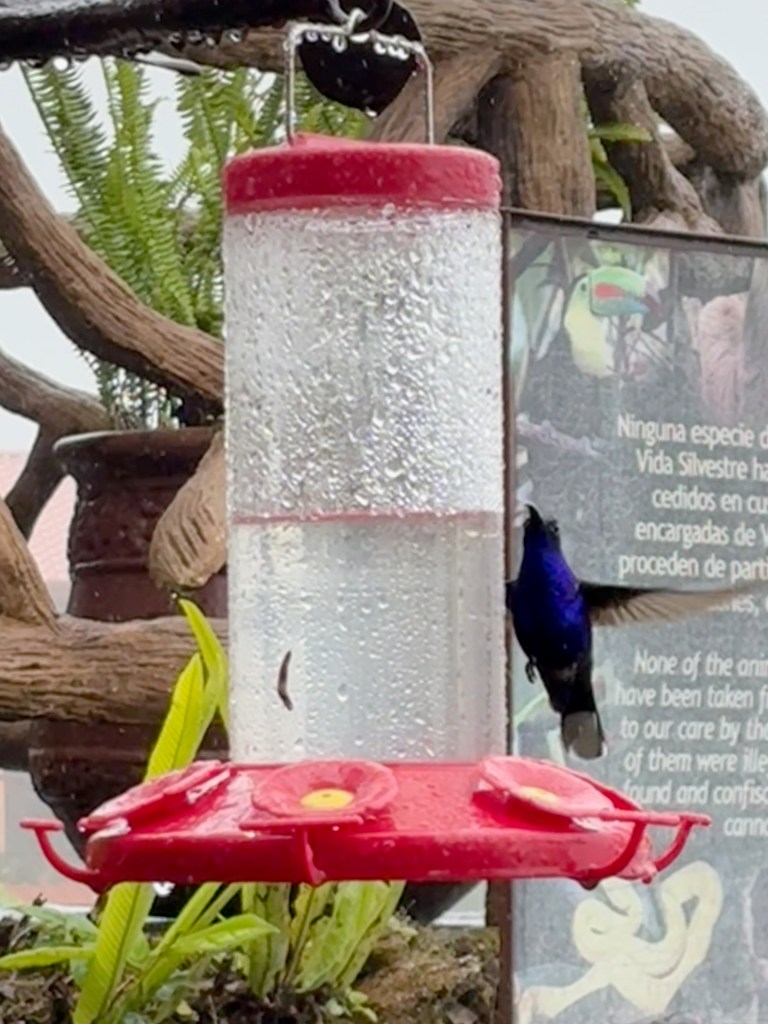
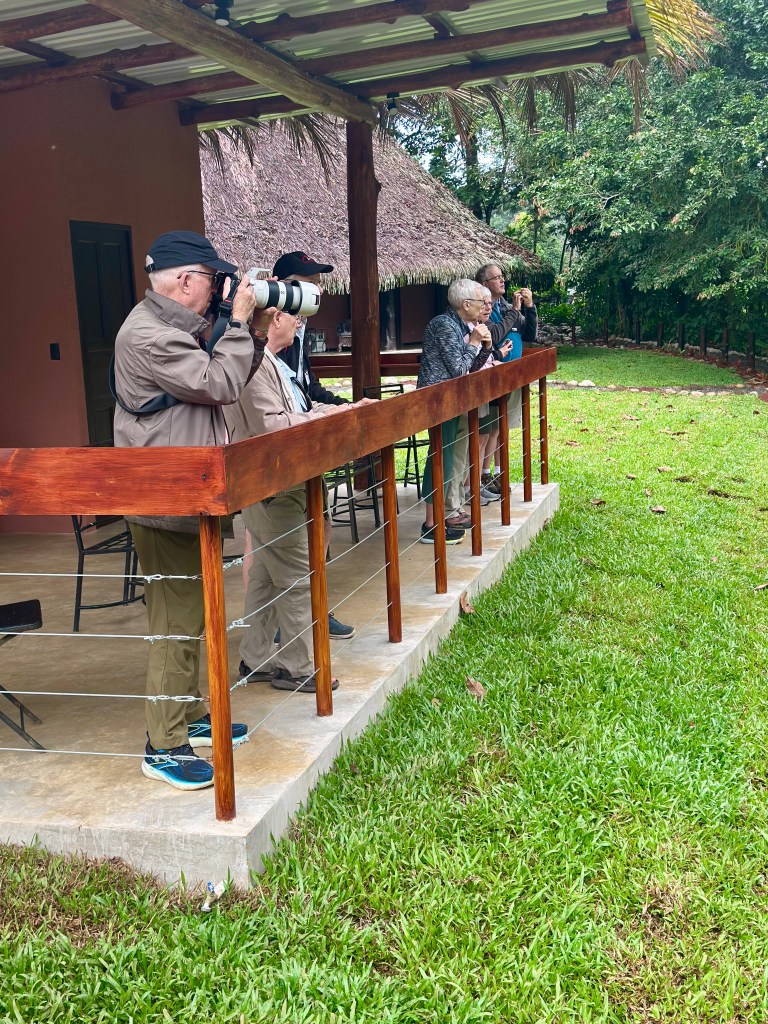
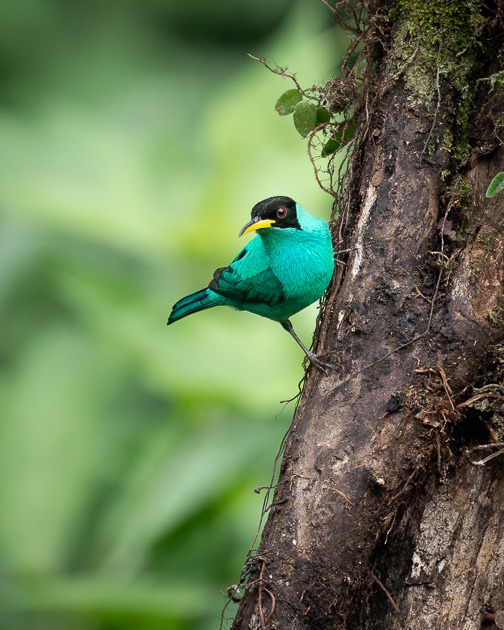
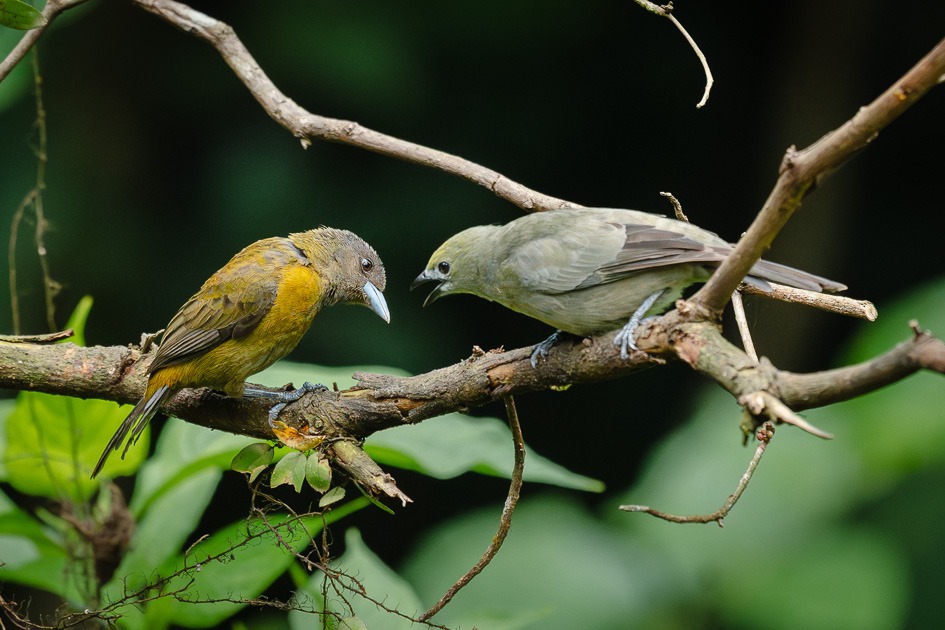
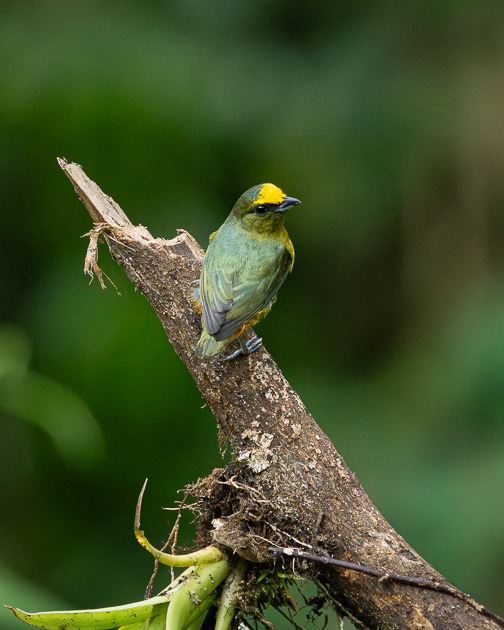
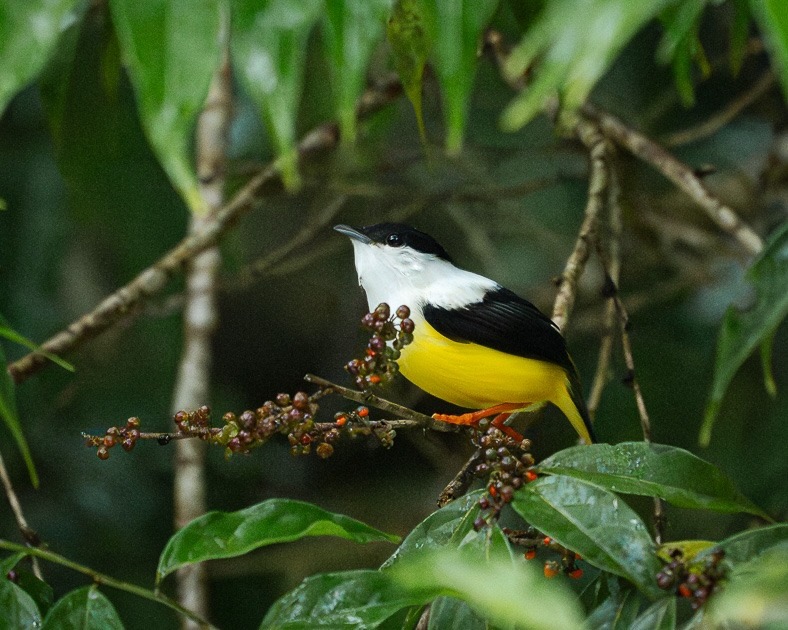
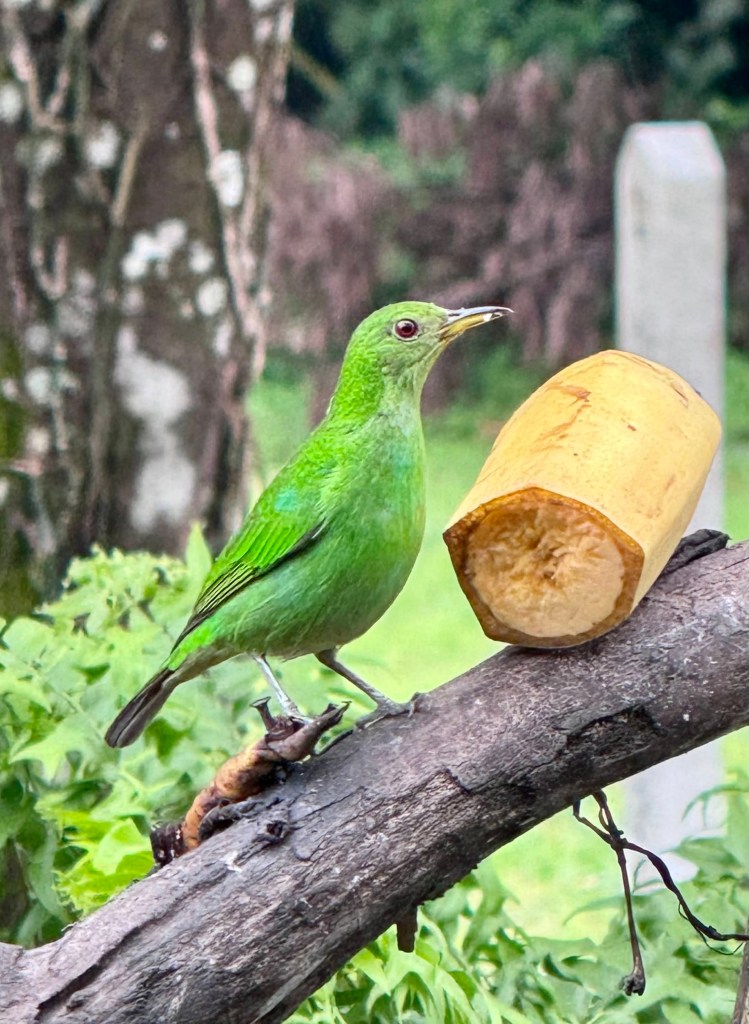
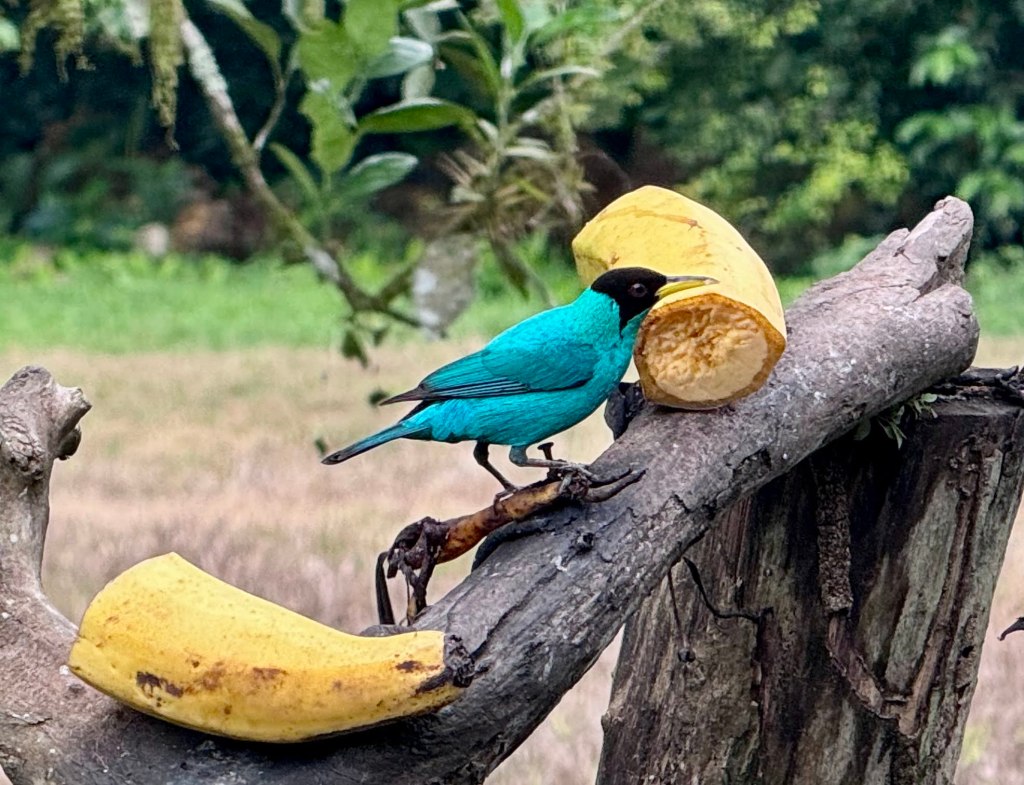
At Sarapiquis lodge there was a gazebo and a bird-feeding station that was very entertaining.
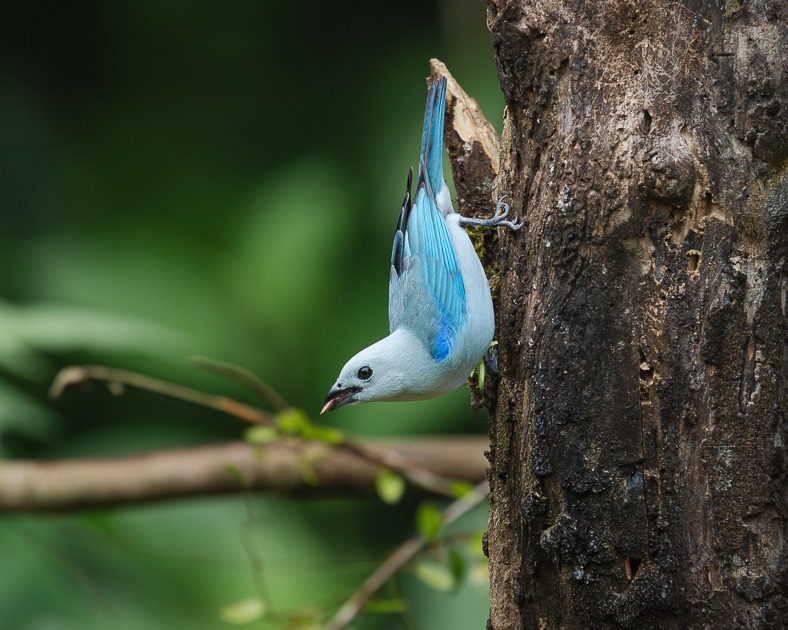
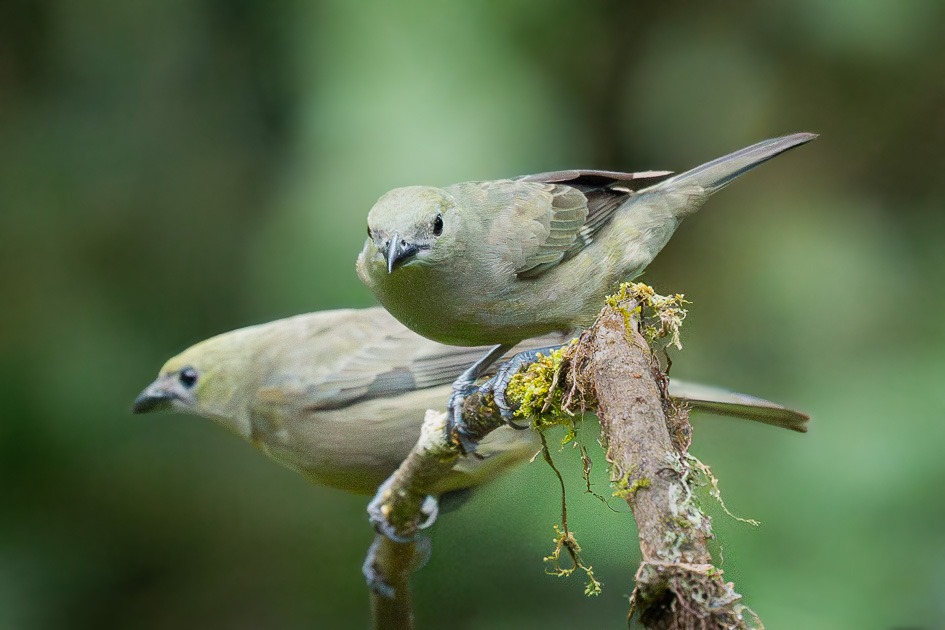
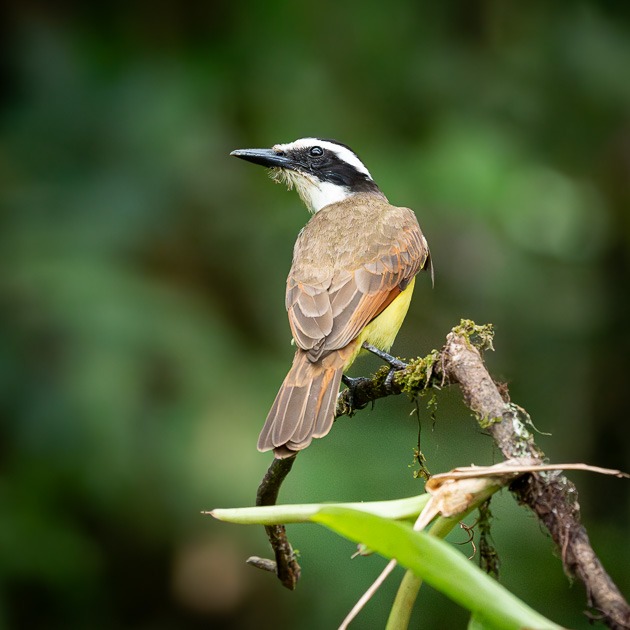
(by E. Dawson)
(by E. Dawson)
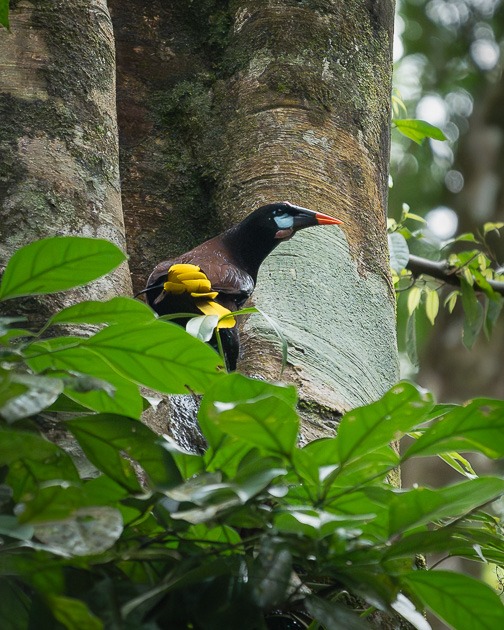
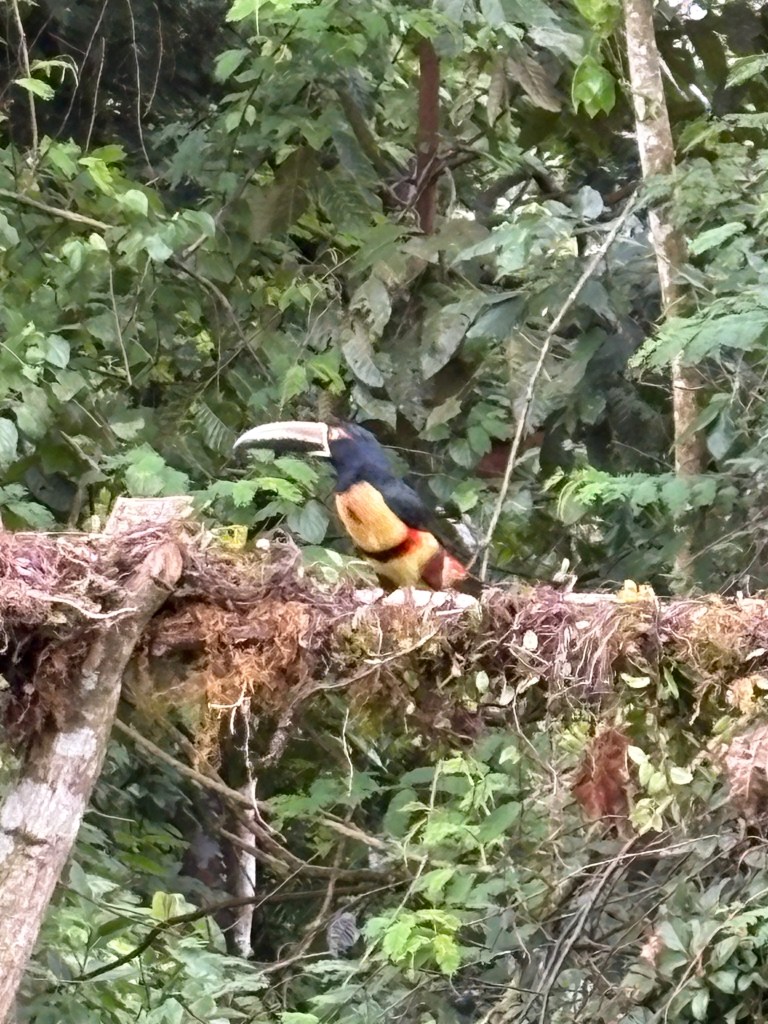
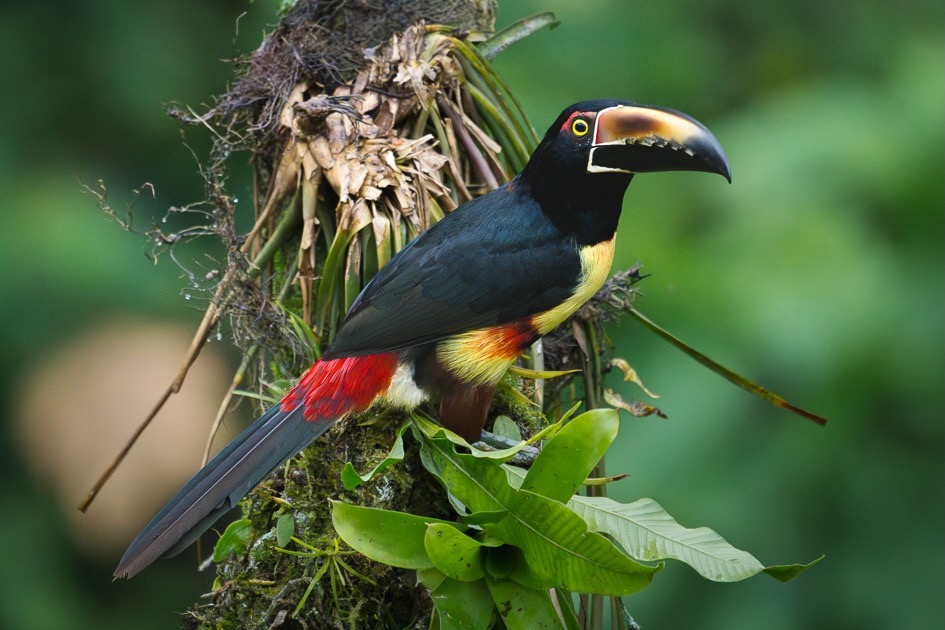
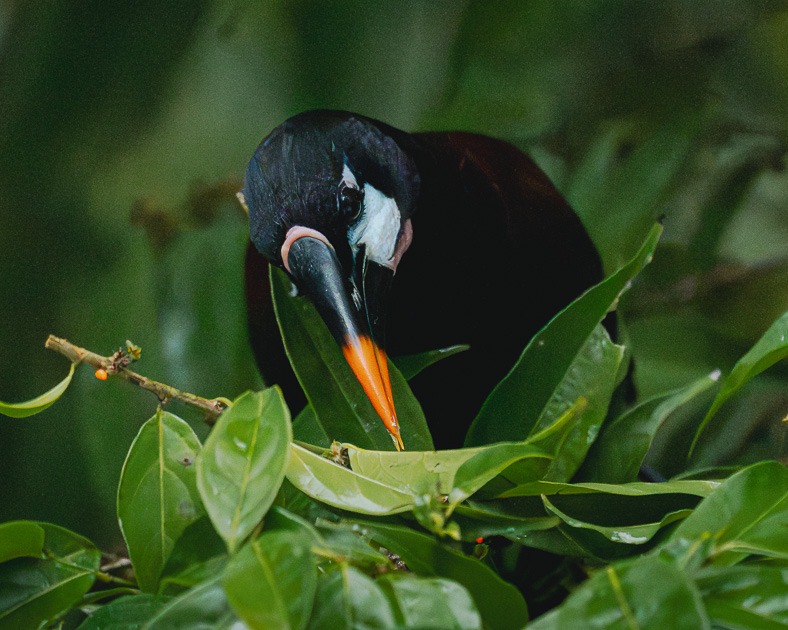
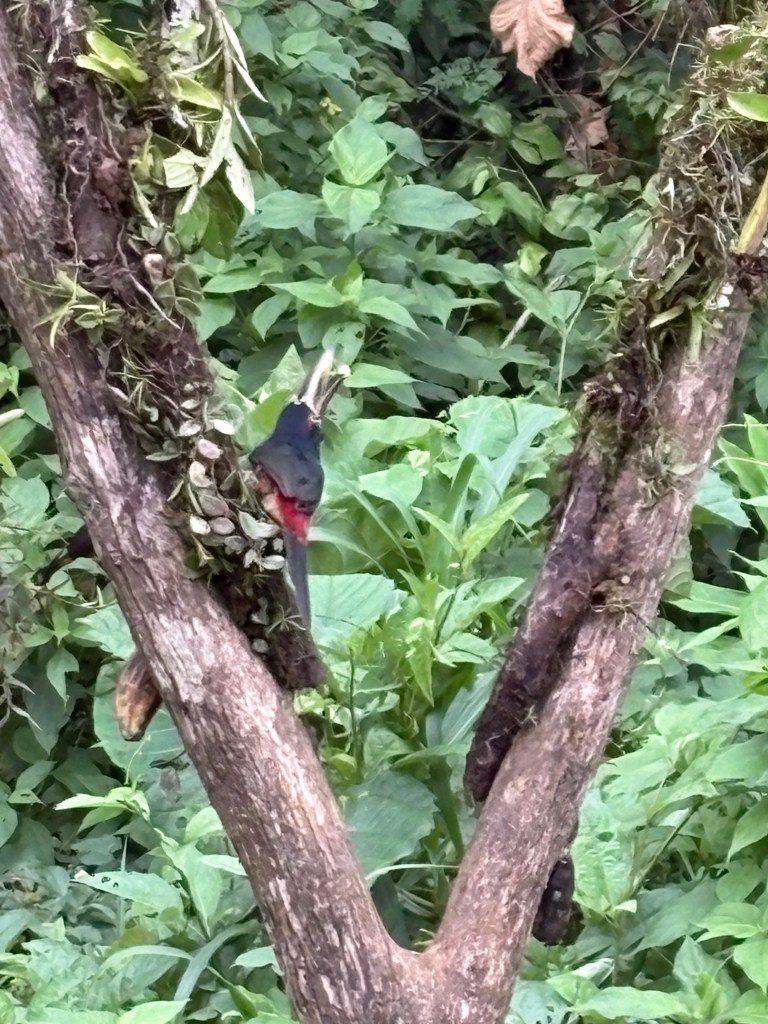
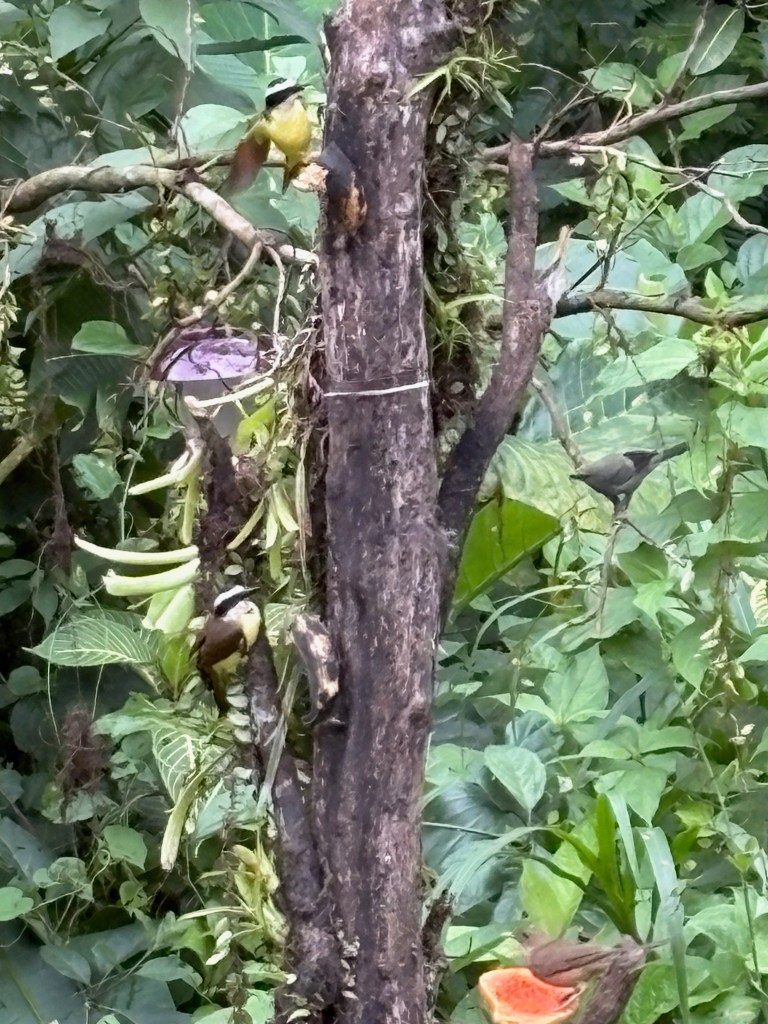
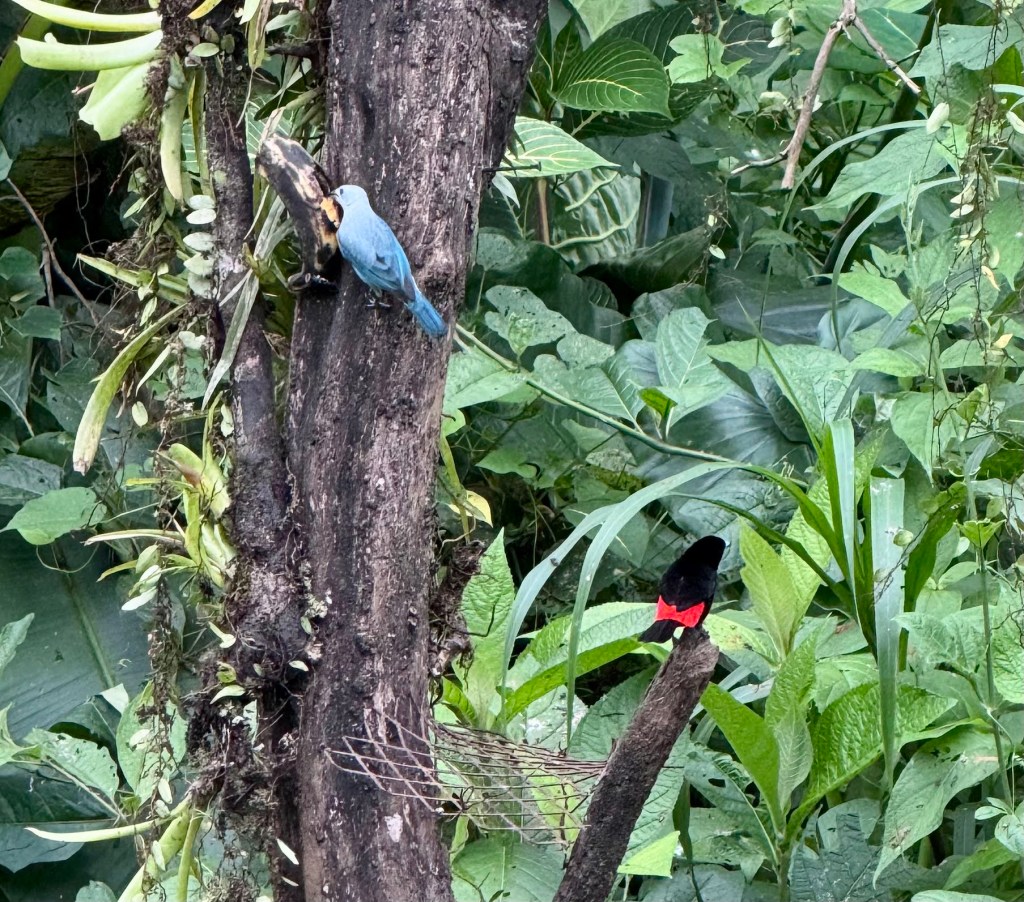
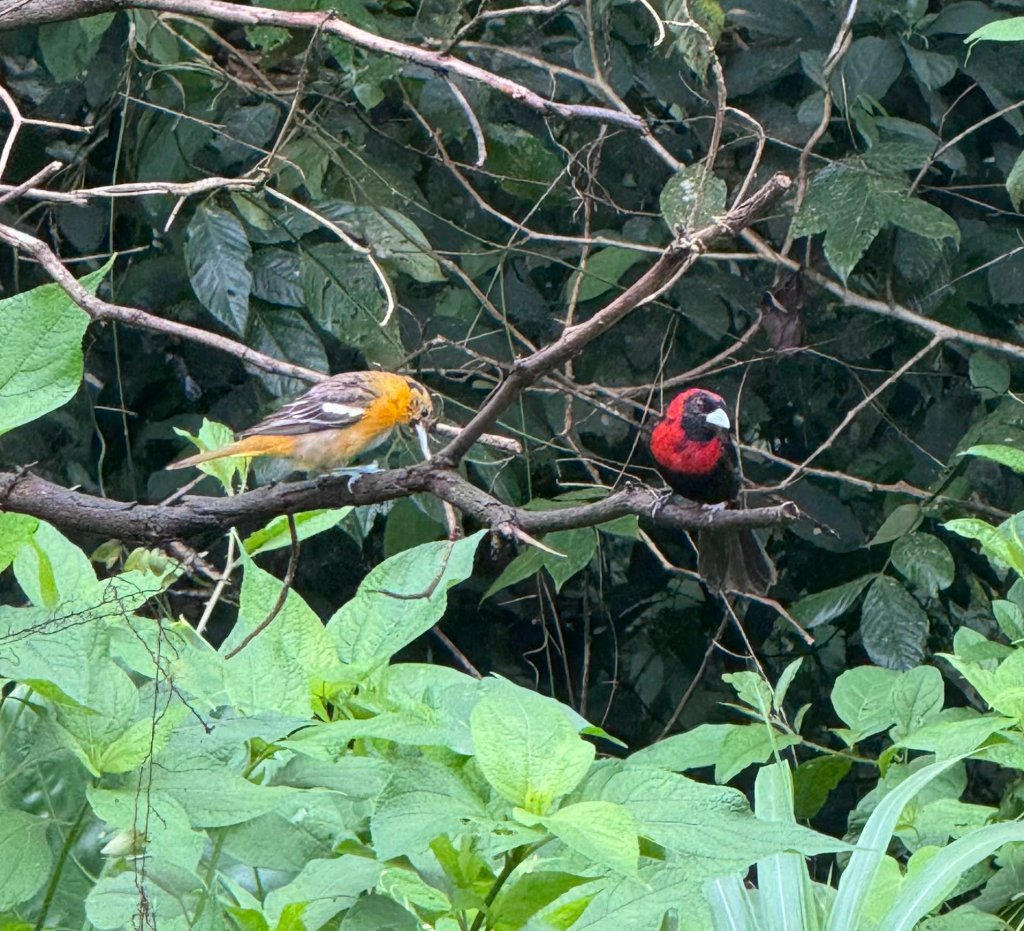
For lunch we had a cooking class in the house of a local where we were engaged in creating the meal of beans, salad, tortillas made of flattened, deep-fried plantain, pollo y arroz with ceviche pineapple sauce and to discover the local flavours of Costa Rica and to try all of our culinary creations.
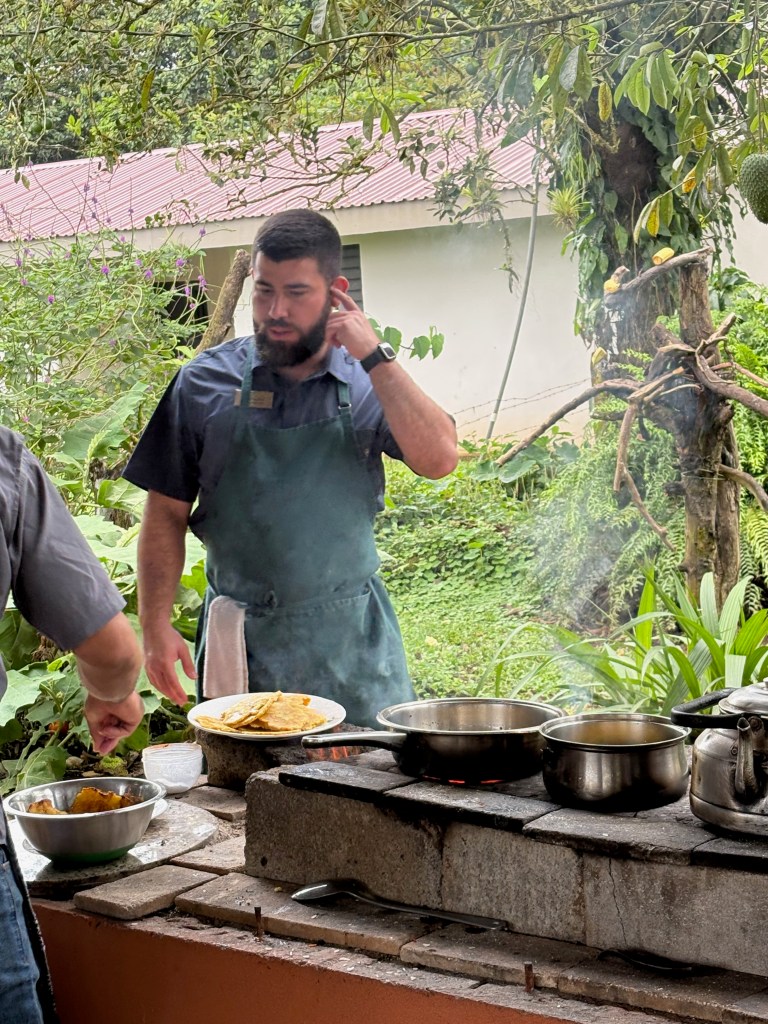
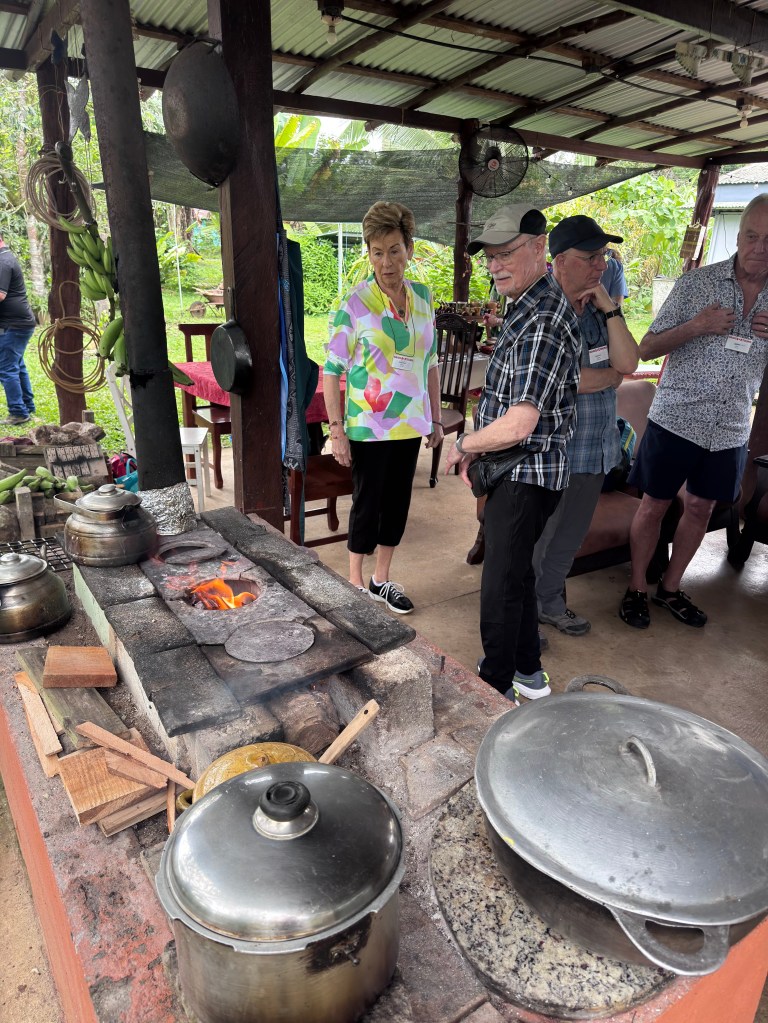
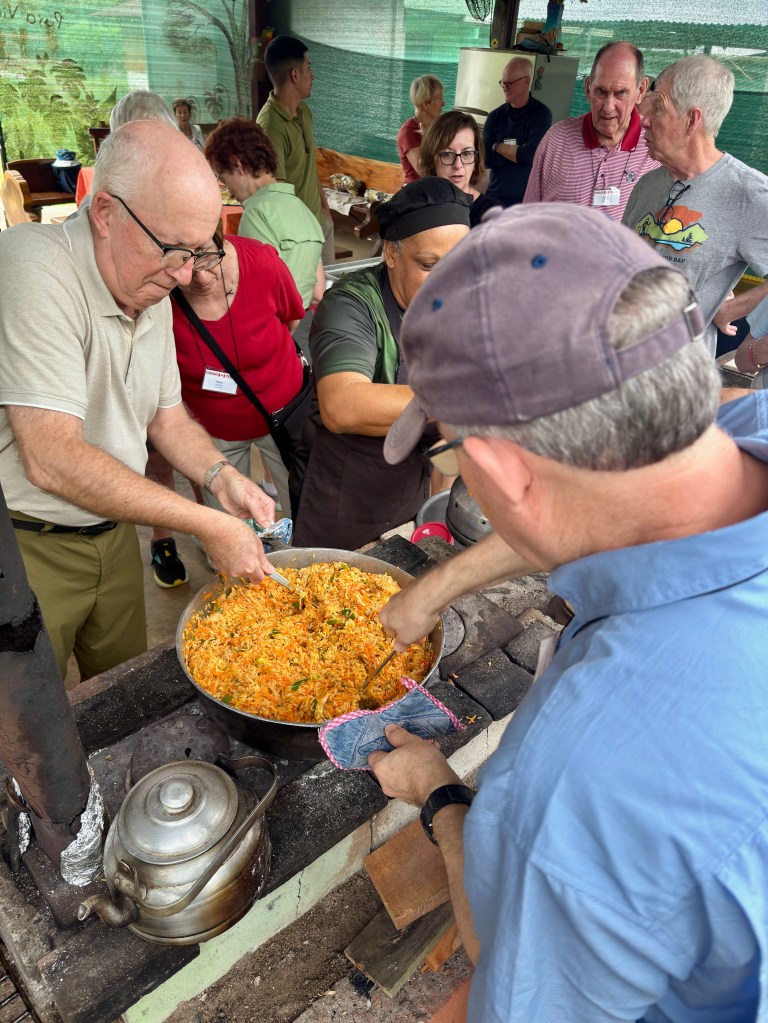
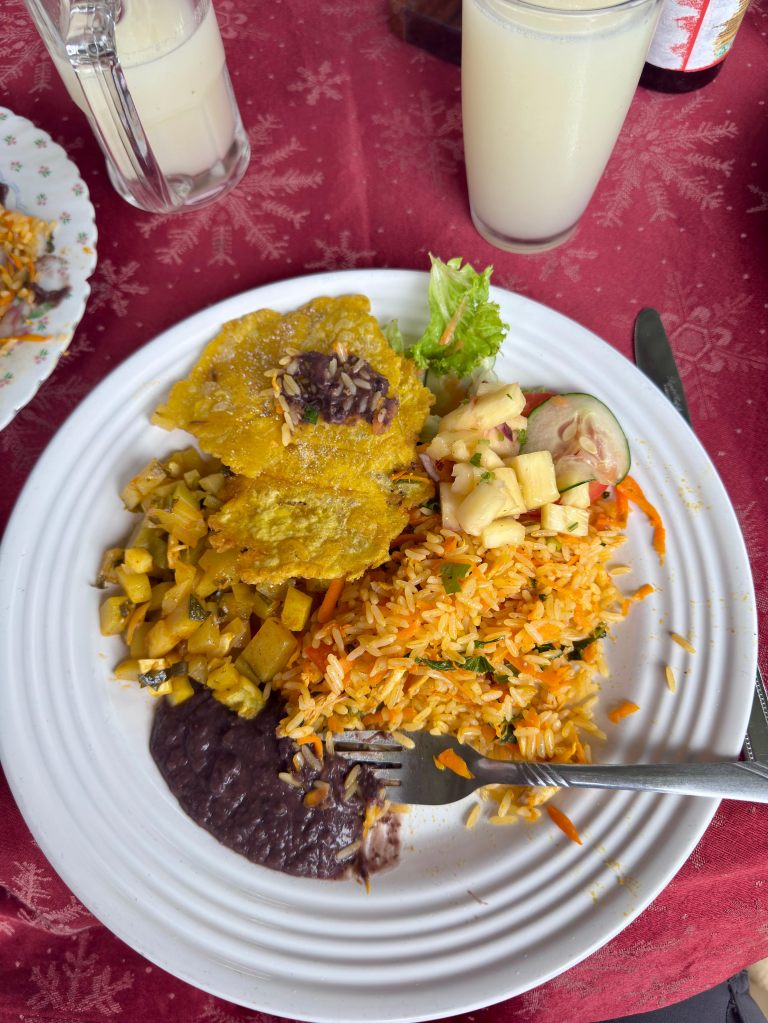
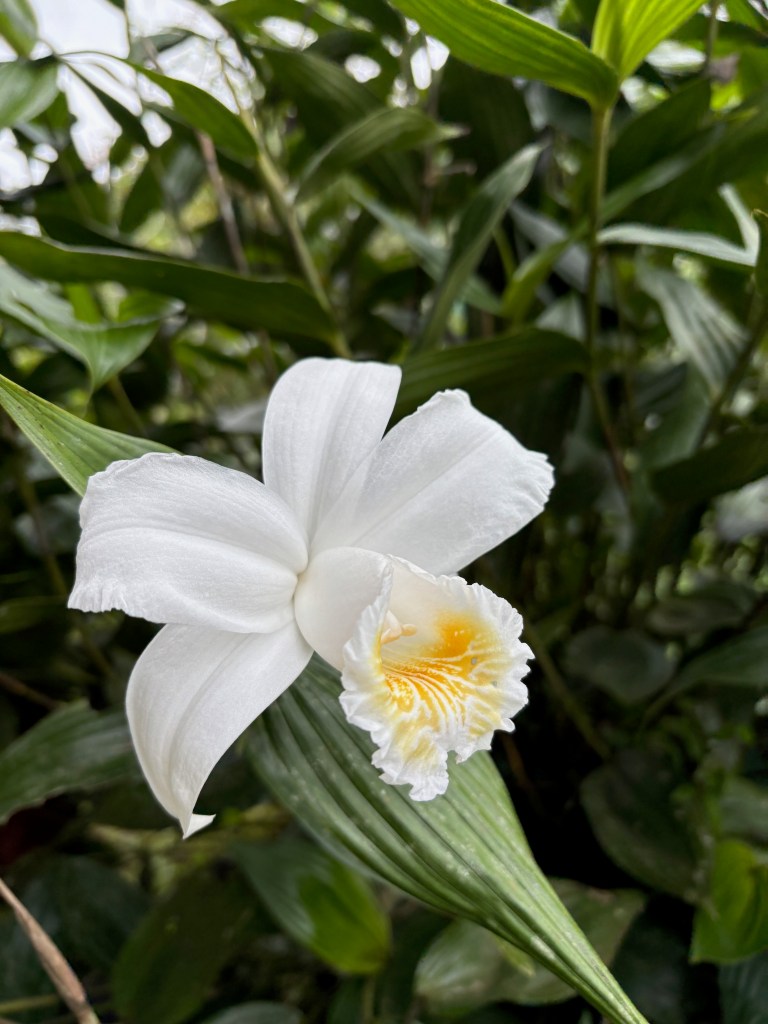
The family was lovely and the meal perfect. There were many birds and flowers in the family garden.
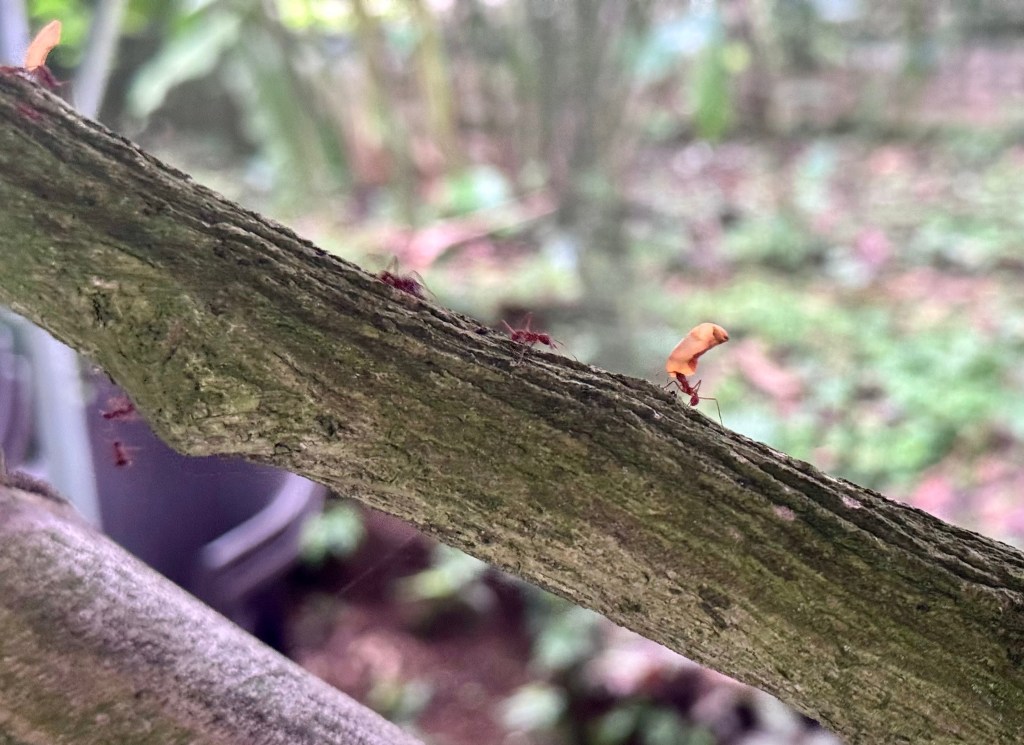
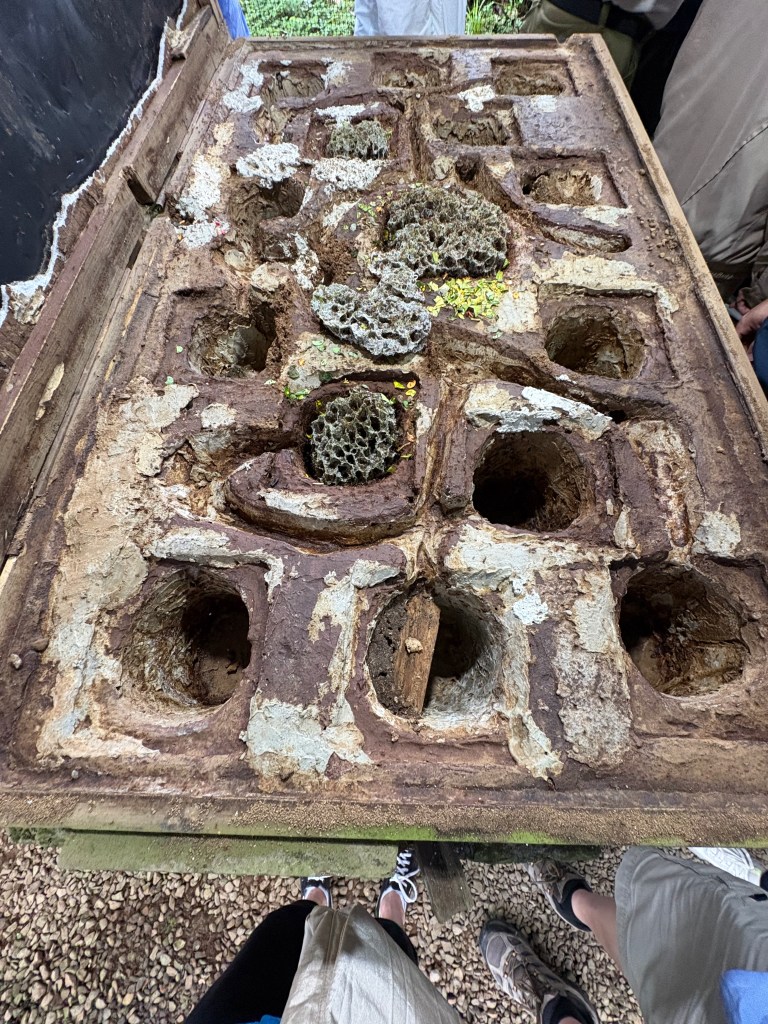
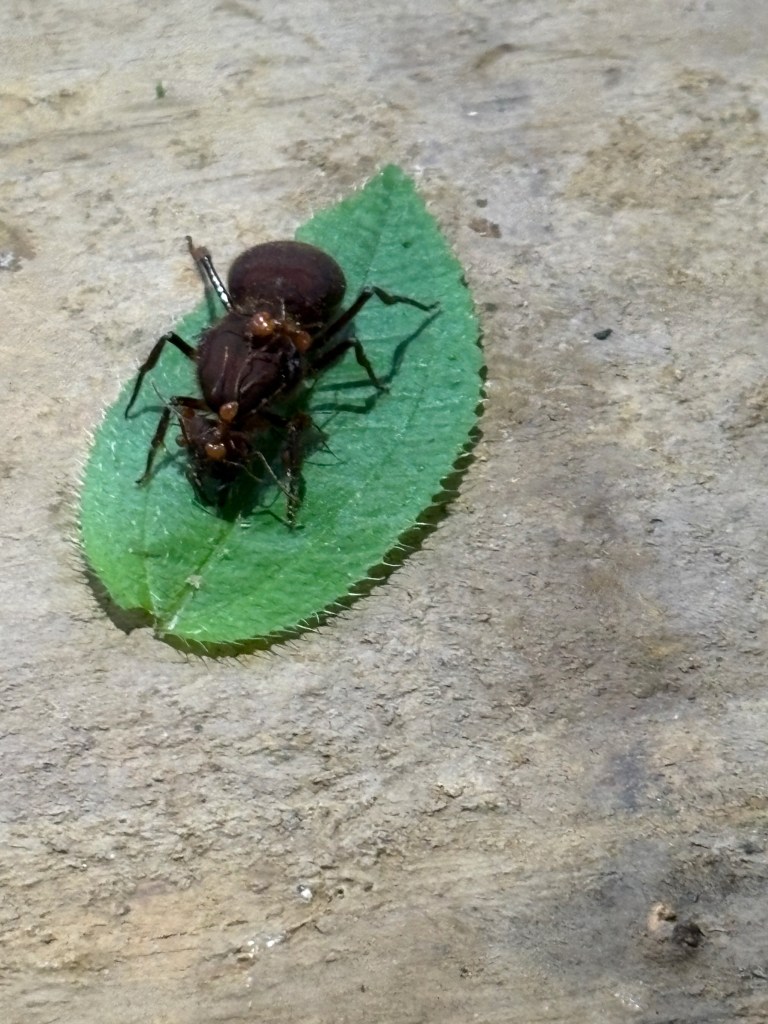
Because the schools didn’t start until later in the month, an ants presentation was substituted. The “ants” presentation left something to be desired. We got a lecture on ants by a very passionate Spanish-speaking man, translated by another Spanish-speaking man – not going well. Once Ronnie took over the translation and we were all seated together, the description improved. It was a new outing for the tour that clearly needed more research.
A bit about Leaf-cutter ants:
Living in massive colonies of up to 5 million members, leaf-cutter ants have walked the Earth for millions of years. The resilient ants can be found streaming through the street gutters and gardens in their characteristic sea of green leaves. Moving along their forged path, each ant will carry a piece of leaf up to three times its own weight.
Common sense would indicate that the ants feed on the tiny leaf pieces, but leaf-cutters actually use the clippings to cultivate their own fungal garden. To sustain this production, the ants have evolved intricate societies that are now among the oldest and most elaborate on earth.
Leaf-cutter ants’ millennia-long existence can be attributed to their relationships with other organisms. Using leaves cut from trees, the ants cultivate a fungus from which they feed. Studies show that leaf-cutting ants have been cultivating the same strain of fungus for at least 23 million years. Neither the ants nor the fungus can survive without the other, and this link is perhaps the best recognized example of mutual symbiosis, the dependance of two species on each another.
In the evening we enjoyed a special barbecue dinner.
FEB 7, Saturday LA FORTUNA / ARENA
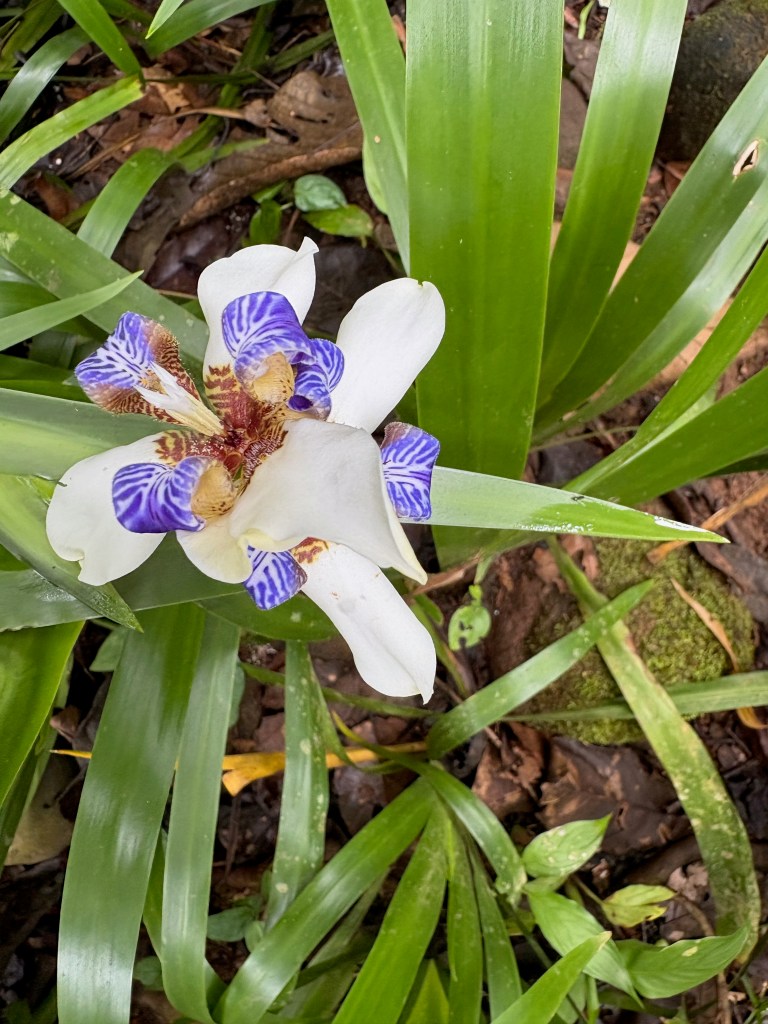
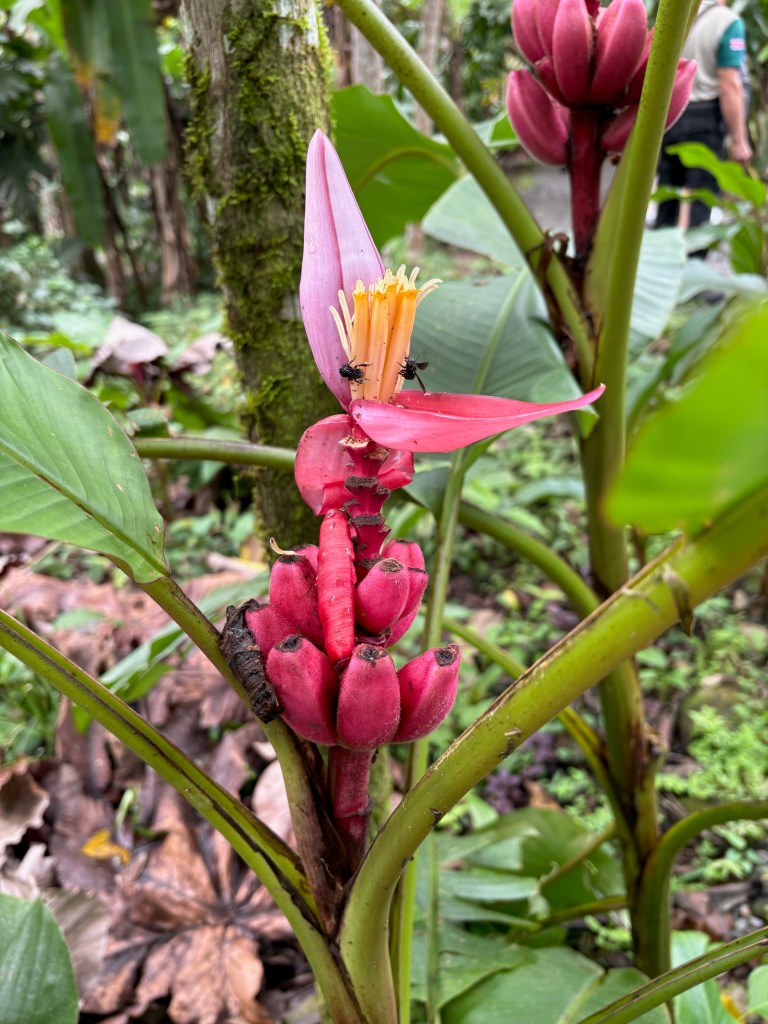
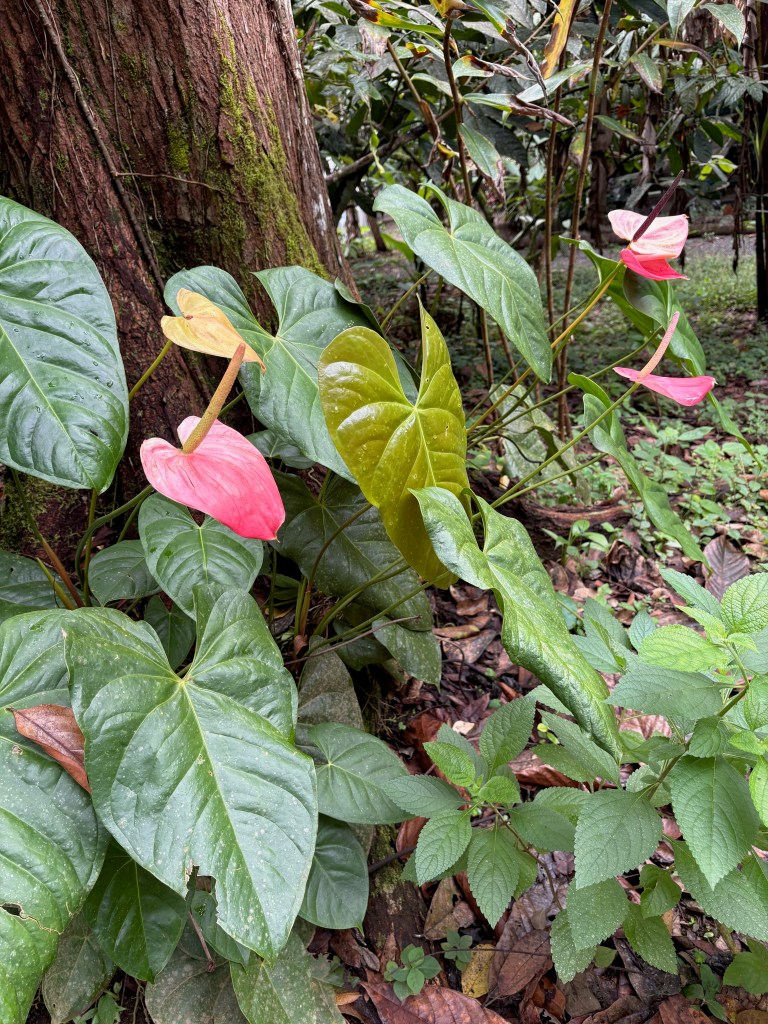
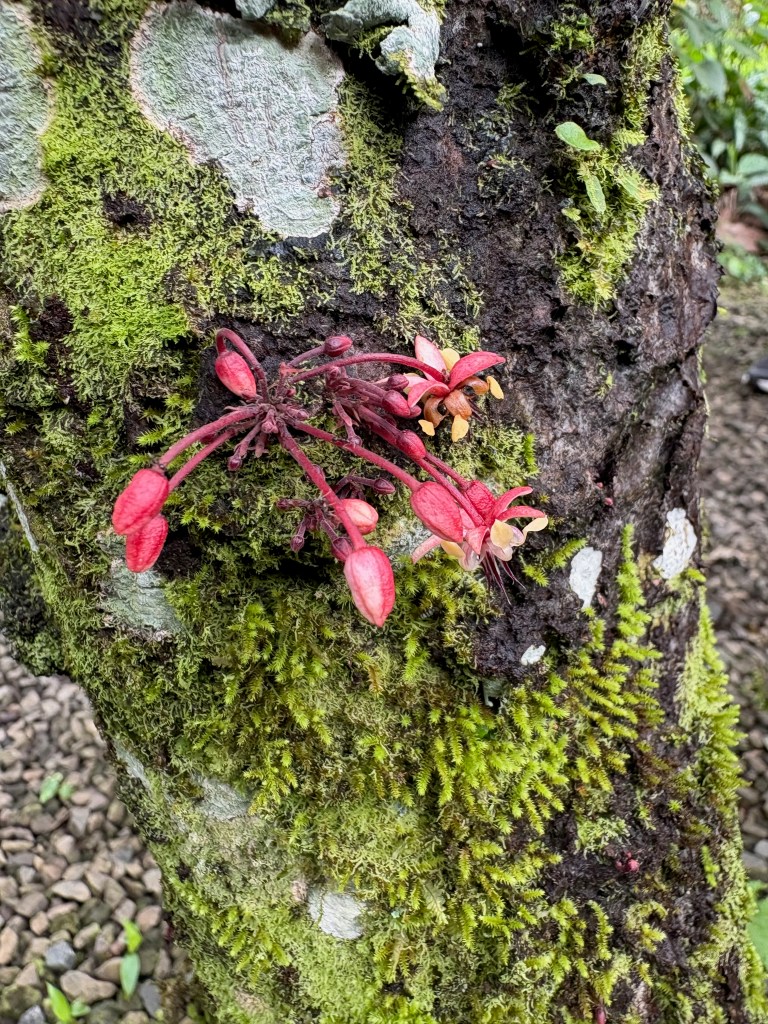
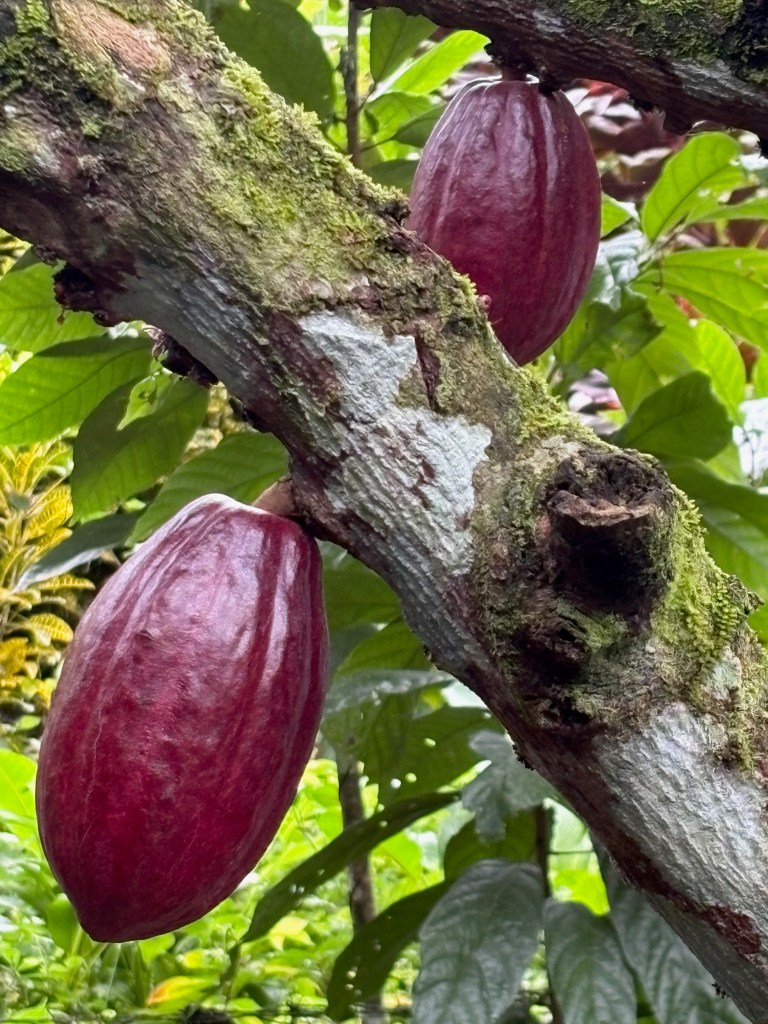
We set off towards the Arenal Volcano region, making a stop en route at a local chocolate plantation. At the plantation we started with a tour of the cocoa trees and saw some native flowers.
Origin of Cacao
Cacao is a tropical plant that grows in the lower reaches of the humid
rainforests of tropical America.
Cacao originated in the Upper Amazon, between Venezuela, Colombia, and Ecuador. However, the domestication of cacao, that is, human intervention in its reproduction, occurred in the Andean Amazonian countries of Ecuador, Peru, and Colombia.
The Olmecs were the first to cultivate it and prepare it into a beverage
The word “cacao” derives from the Olmec and the subsequent Mayan
language “kakaw.”
Cultivation
In its natural habitat, it is found in humid tropical forests with a warm cli-mate; it typically takes 5 or 6 years to bear its first fruits and six months to ripen.
Archaeological evidence suggests that cacao was cultivated in the region as early as 1500 BC. C. Costa Rica’s tropical climate and fertile soils provided an ideal environment for cacao to thrive, making it a natural part of the country’s ecosystem and culture.
Four varieties of cacao are grown in Costa Rica, including Trinitarios and
creole hybrids, and CATIE clones.
Cacao Growing Areas in Costa Rica
Historically, there have been three cacao-producing areas in Costa Rica: the Caribbean, the North, and the Brunca regions. These regions had considerable areas of cacao, with production largely geared toward export to markets in Europe and the United States.
Cacao Processing in Costa Rica
The cacao growing process in Costa Rica includes land preparation, planting, tree care, and harvesting. Costa Rican cacao is renowned for its quality and is considered one of the best in the world
Land Preparation: Prepare the land, Construct drainage, Lay out and
stake the land, Dig holes for planting
Tree Planting and Care: Grow and prepare the seeds in a nursery, Apply fertilizer to the bottom of the hole, Prune the plants, Perform topping and training pruning.
Harvest: Collect the pods at the right time and when they are ripe, Fer-
ment the seeds, Dry the seeds, Grind the seeds.
Steps in the cocoa production process
The ripe pods are cut with a special sickle or knife.
The pods are opened by hand and the seeds are extracted.
The seeds are placed in jute or polyethylene sacks to ferment.
The seeds are spread on tarps or concrete floors to dry.
The seeds are roasted to enhance their flavor and aroma.
The hulls are separated from the seeds.
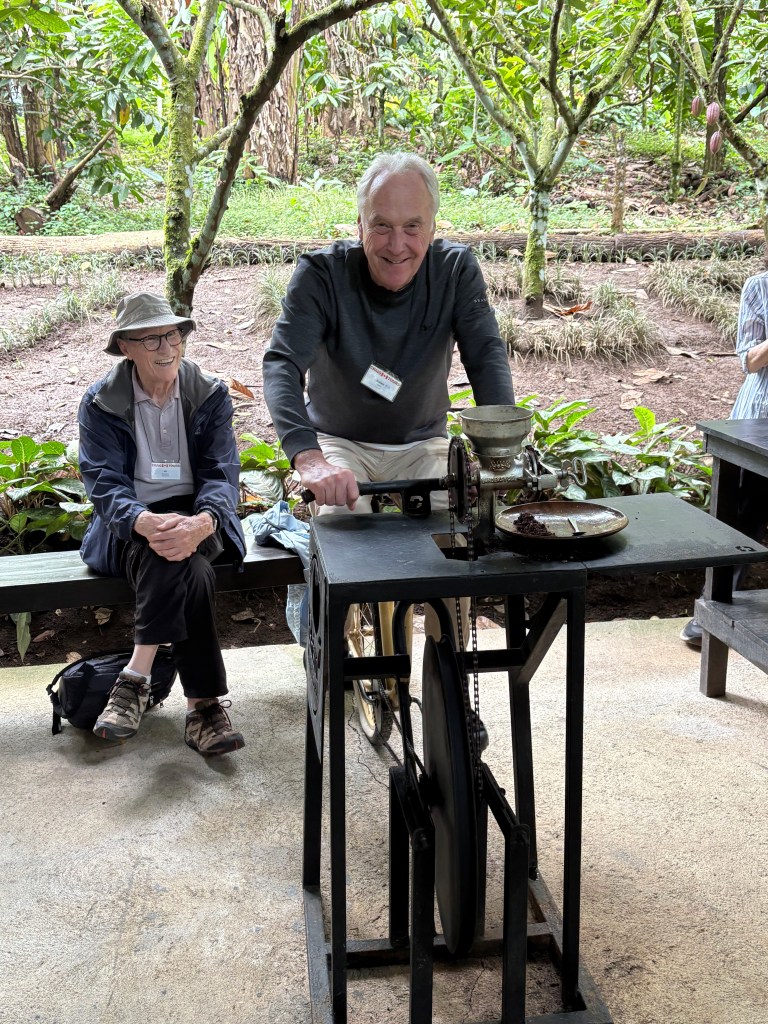
The seeds are ground until a nearly liquid paste is obtained.
Cocoa paste is the main ingredient in chocolate.
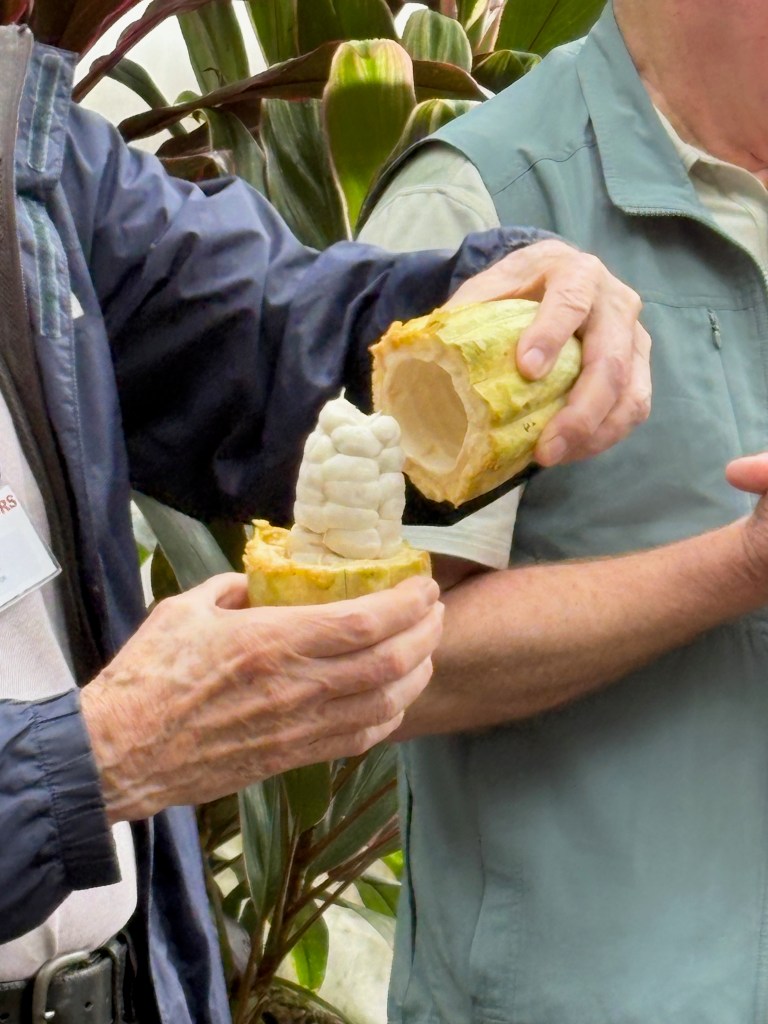
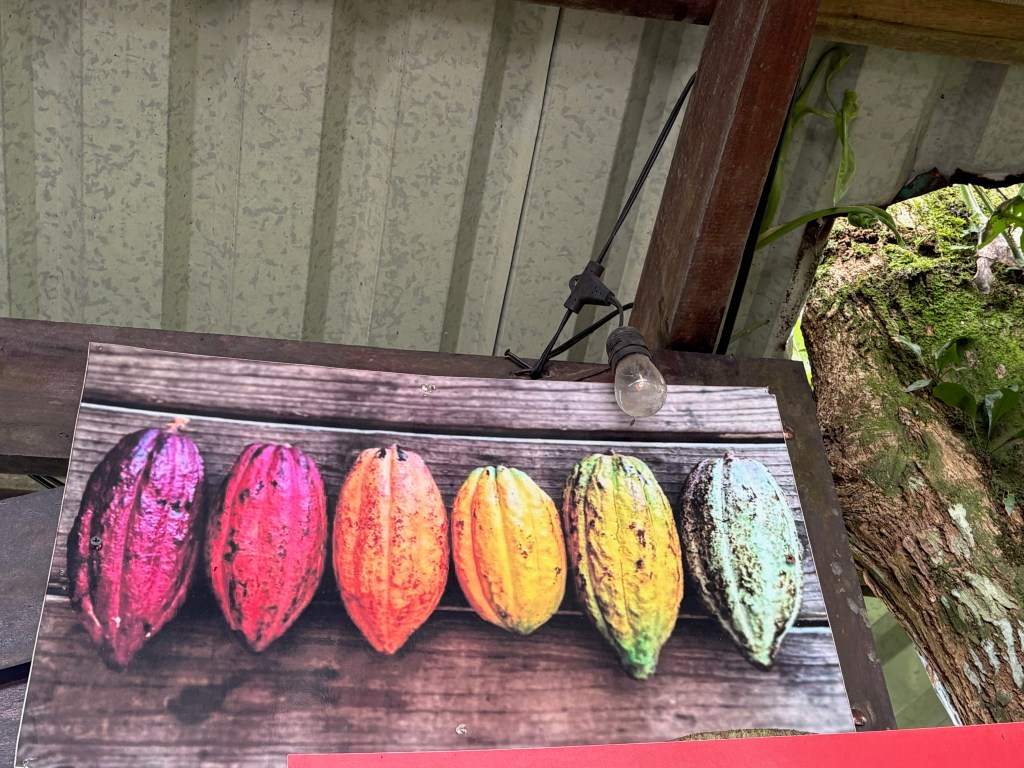
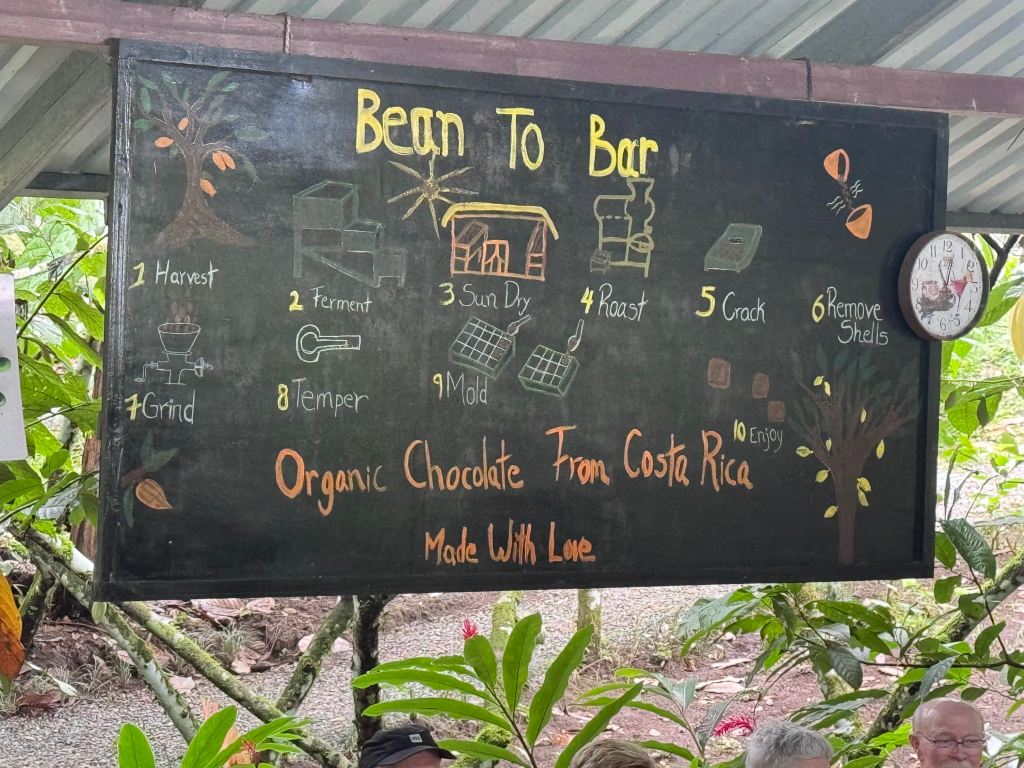
We enjoyed a very energetic and entertaining tour with Caesar to learn about the process of cultivating and harvesting organic cocoa.
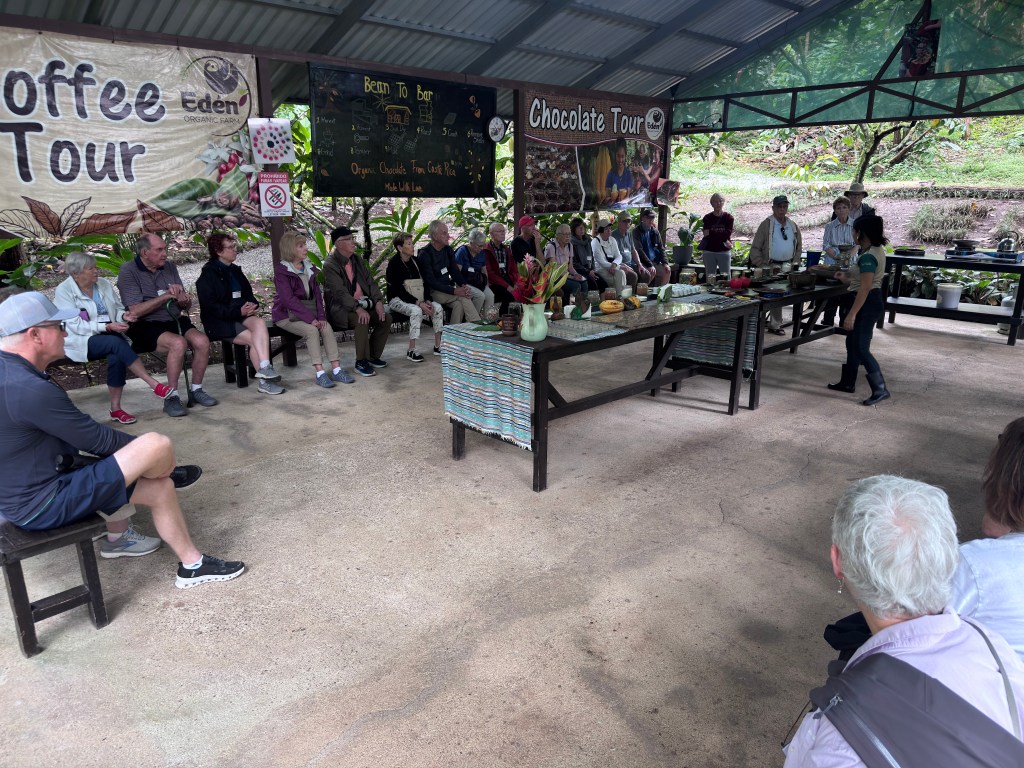
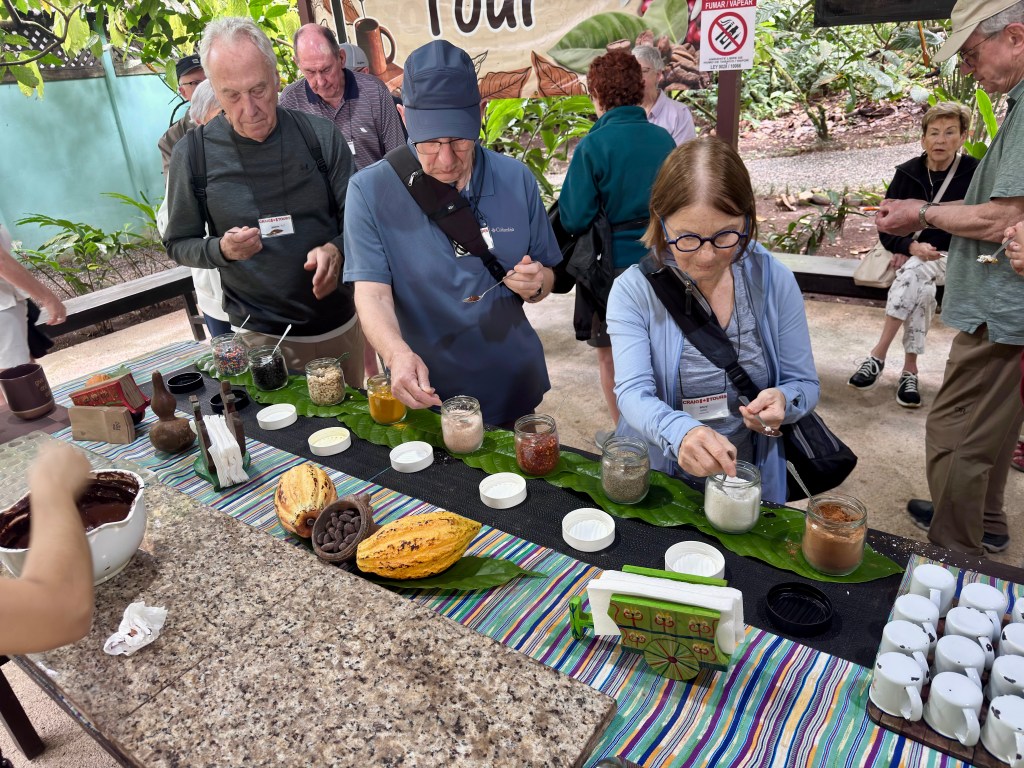
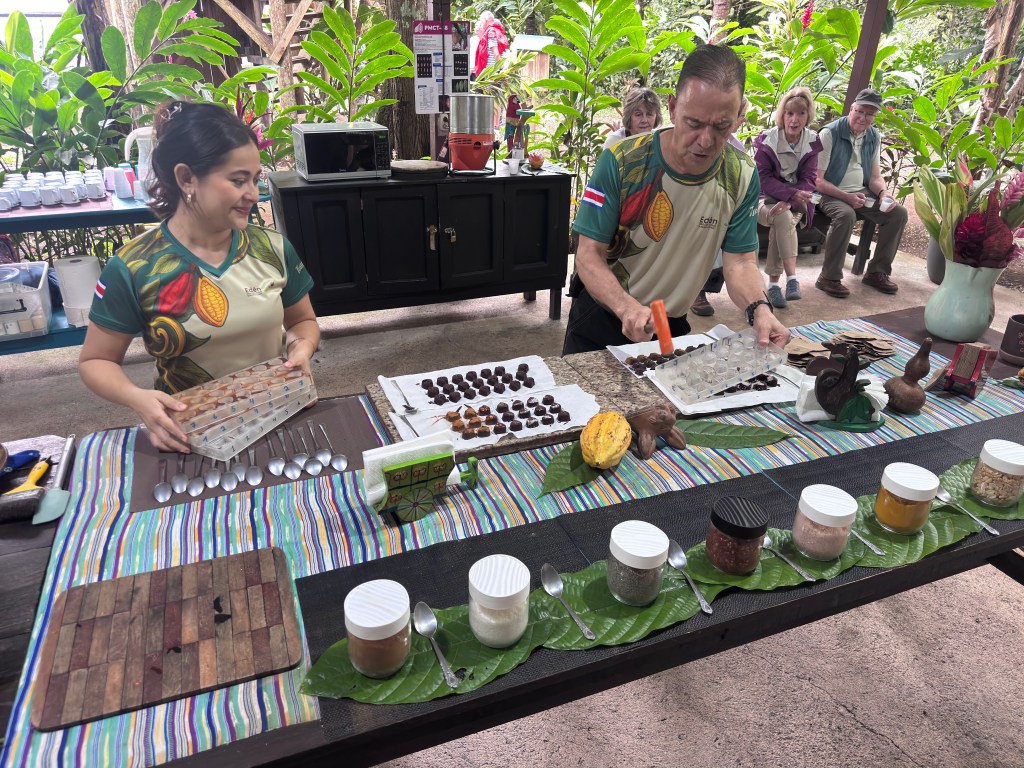
We were “chocolated out” after chocolate drink, chocolate paste, chocolate bonbons.
He engaged the group in making the chocolate drink and bonbons with attendant music. We prepared and sampled the beverage that ancient Mexican civilizations referred to as “the drink of the Gods”.
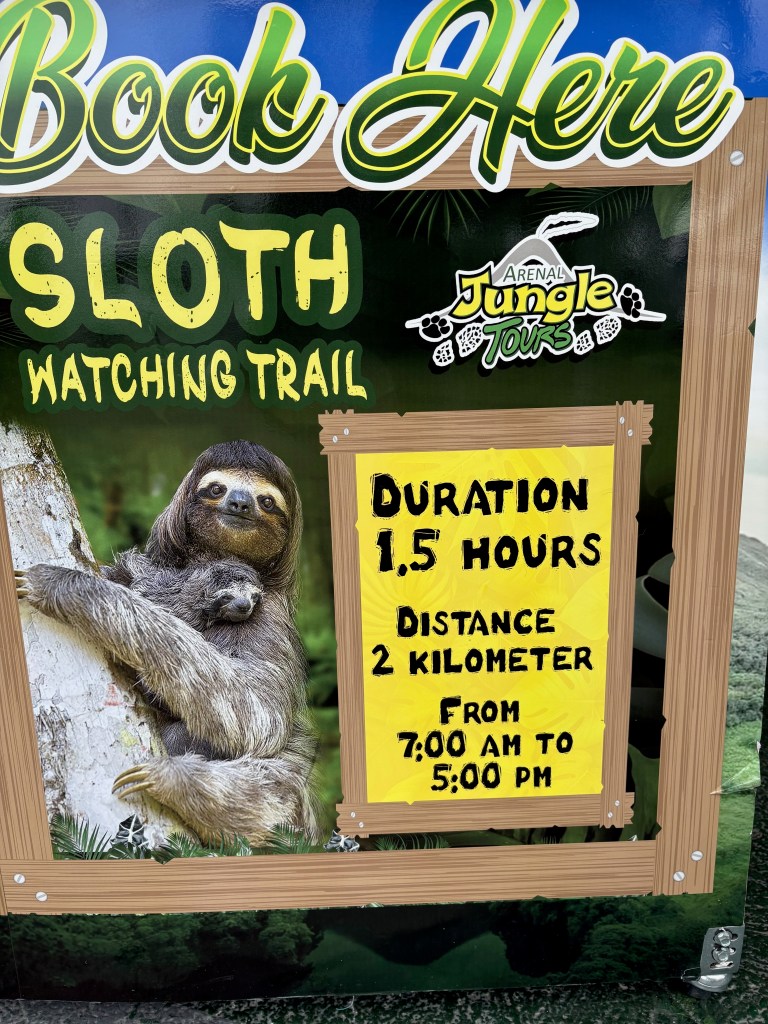
We had lunch on the way and I was amused by this sign. Our experience was of looking at a lump in the trees-an hour and a half seems excessive!
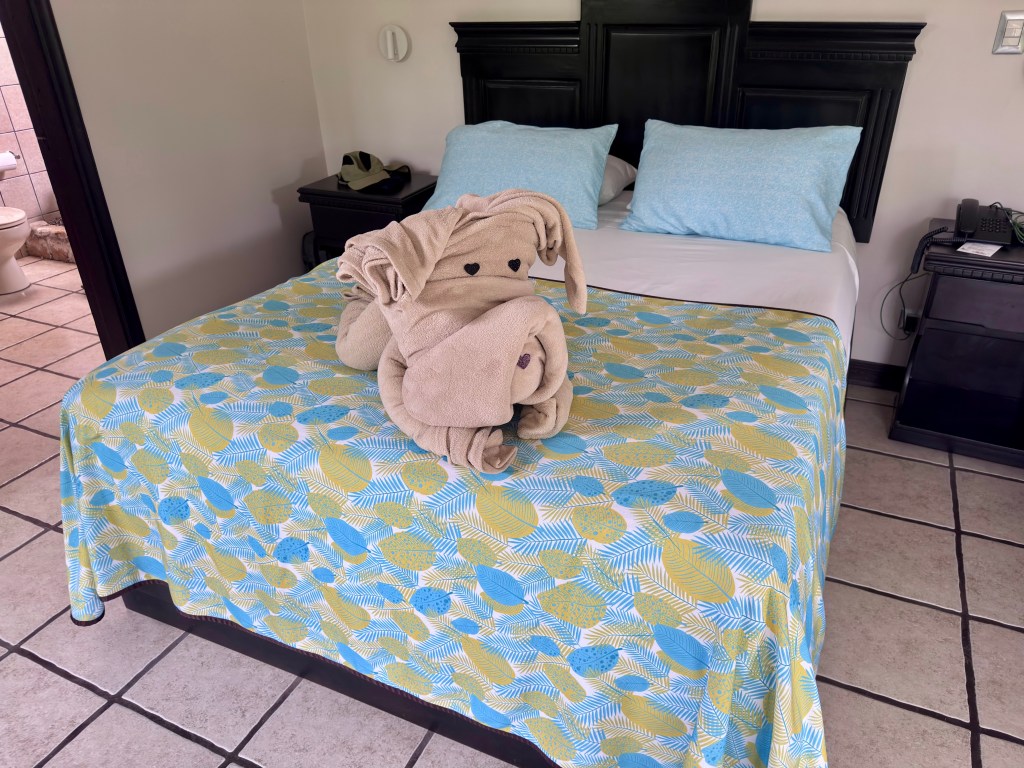
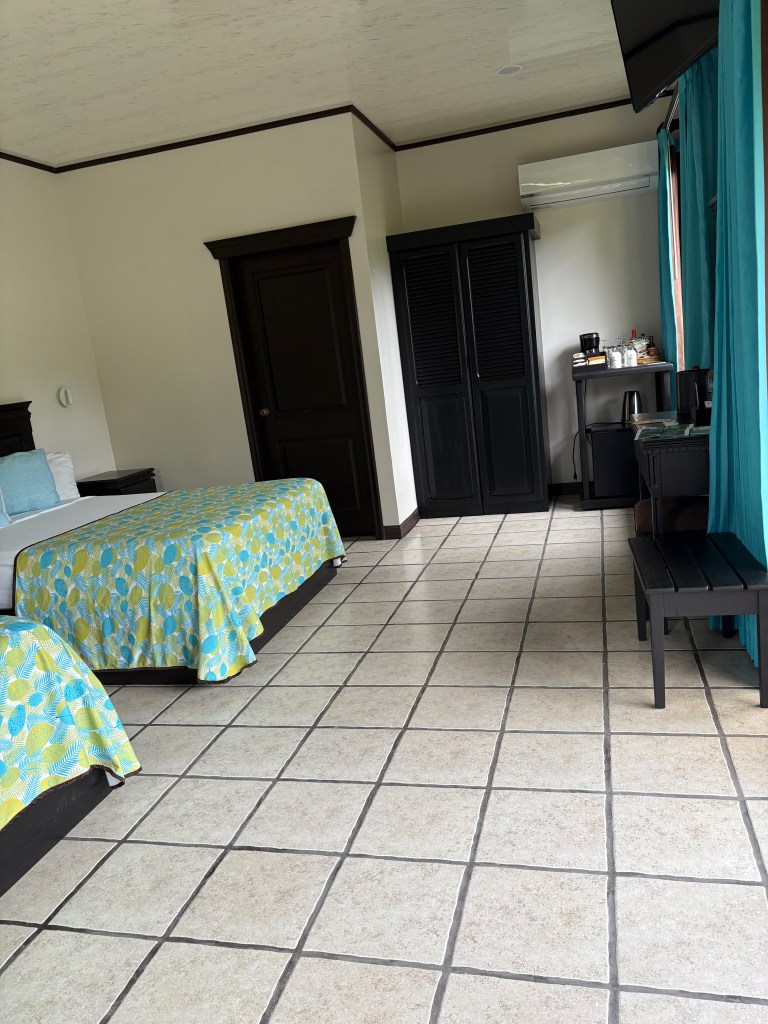
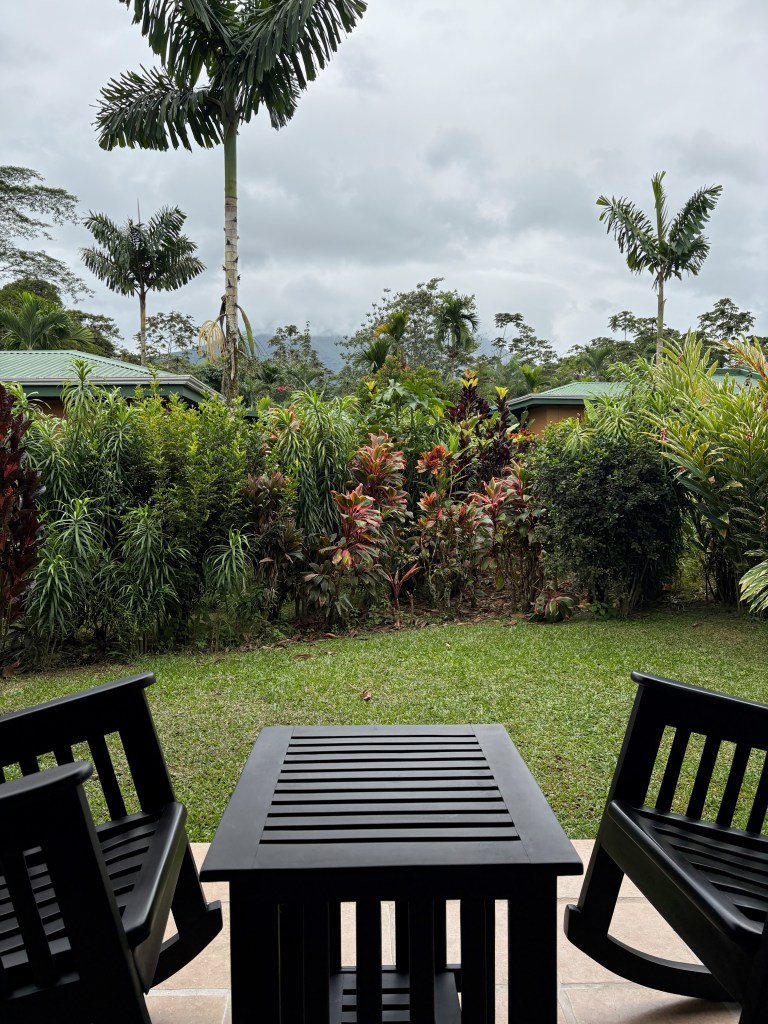
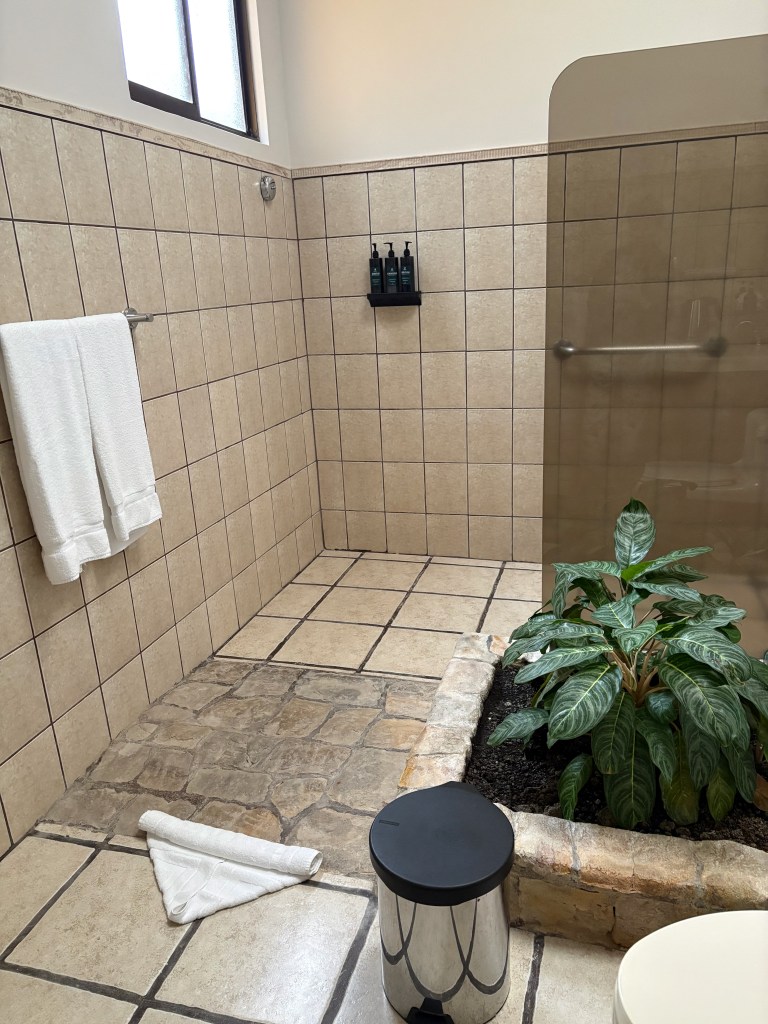
We checked into a lovely Arenal Manoa Hotel with a garden in the bathroom and outdoor seating area with a view of the volcano.
Later in the afternoon, we visited the beautiful gardens and hot springs at Ecotermales. We had been so cold, it was amazing to relax in the hot pools which were hottest at the waterfall and cooler as you got further from it. It was cold getting out but still an awesome experience.
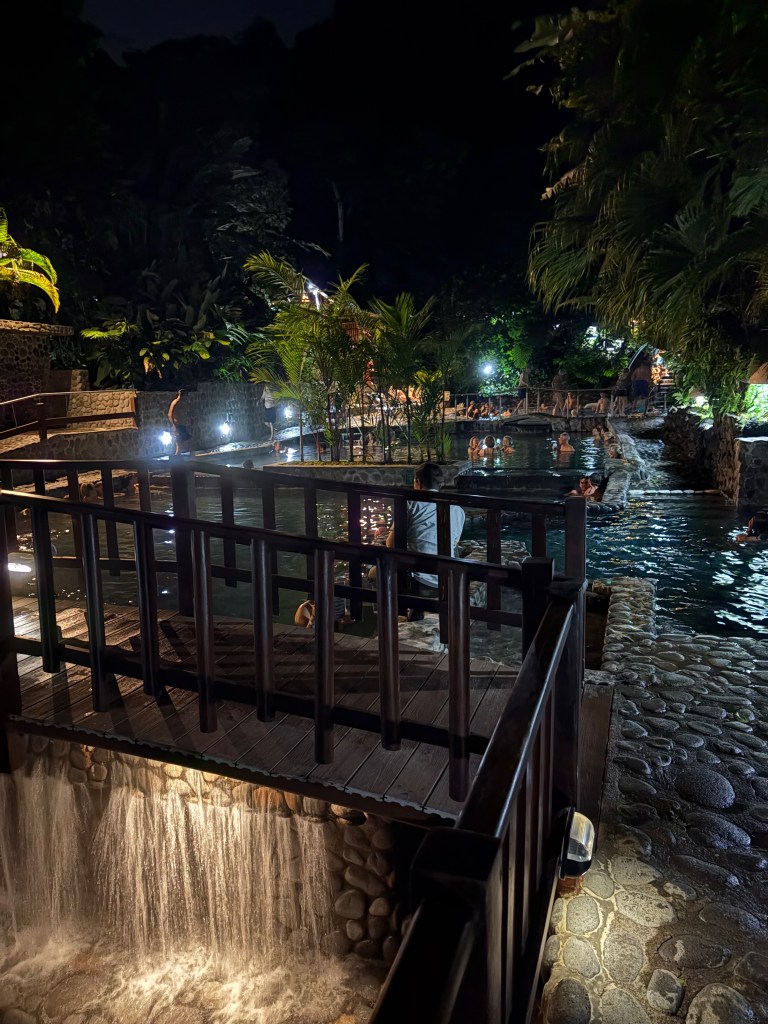
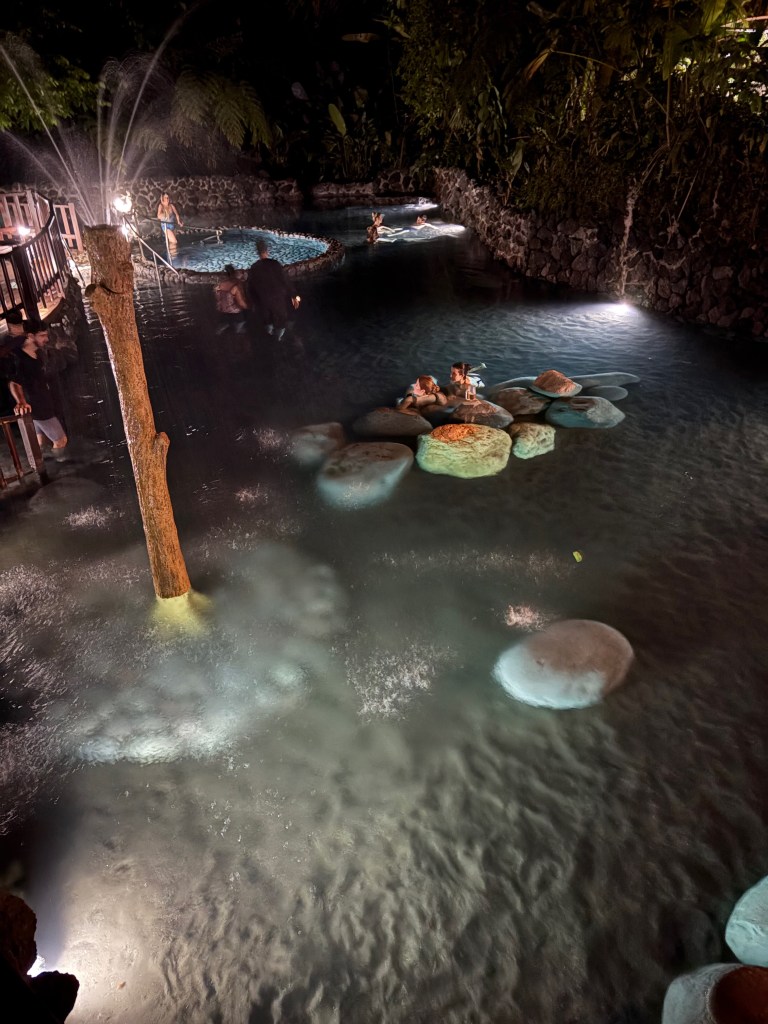
Finally, we had a buffet dinner overlooking the gardens before returning to our hotel.
Arenal Manoa Hotel (2 nights)
FEB 8, Sunday SARAPIQUI / ARENAL VOLCANO
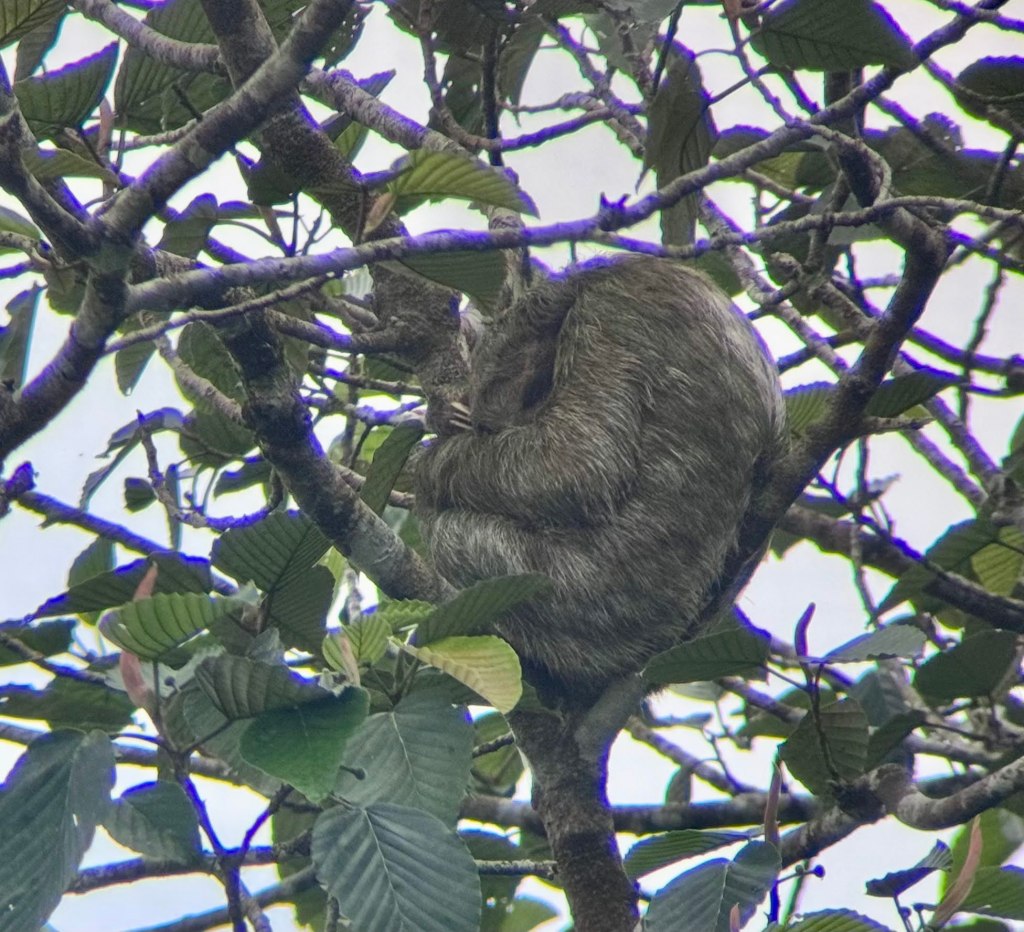
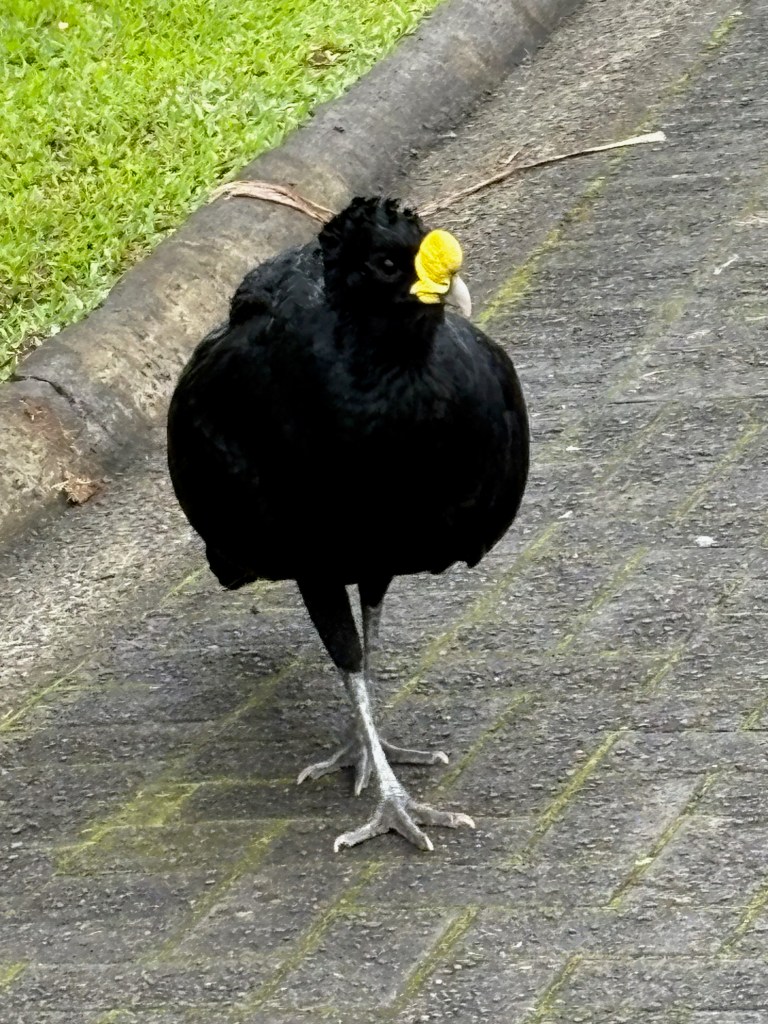
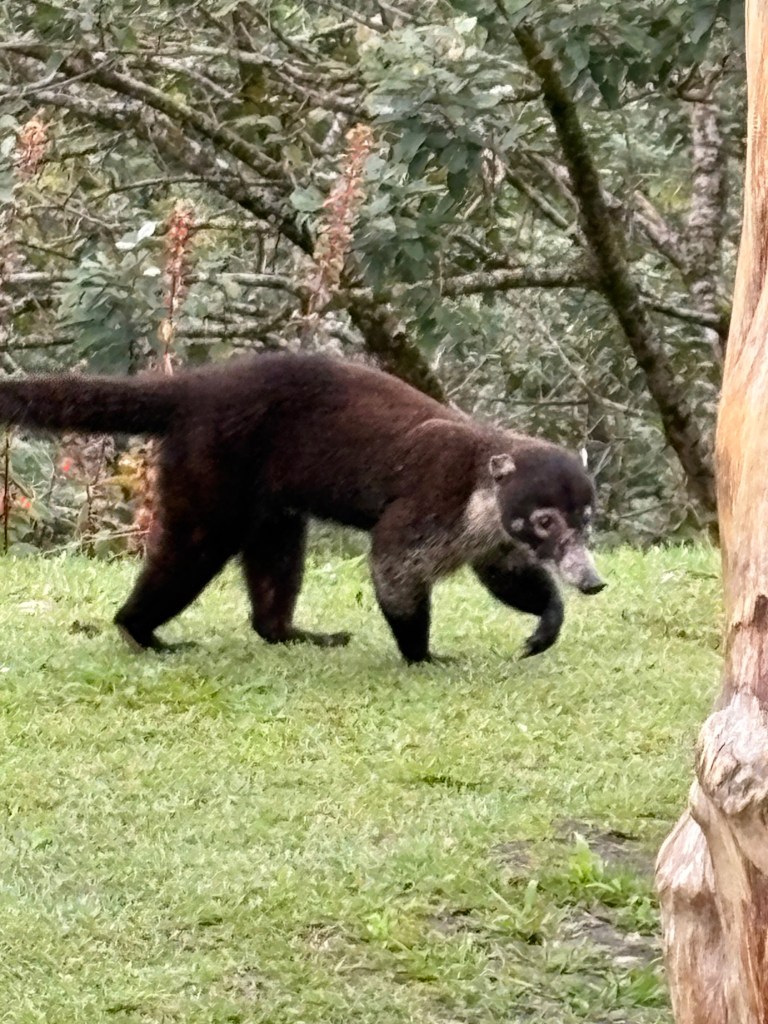
We were greeted in the morning by a yellow-faced turkey:
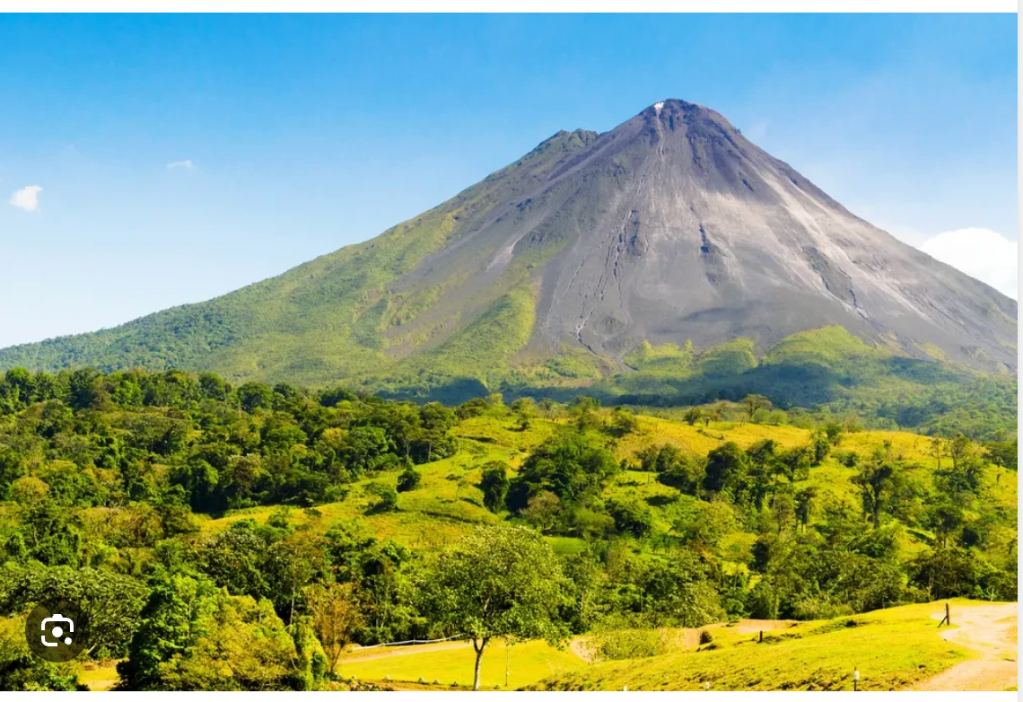
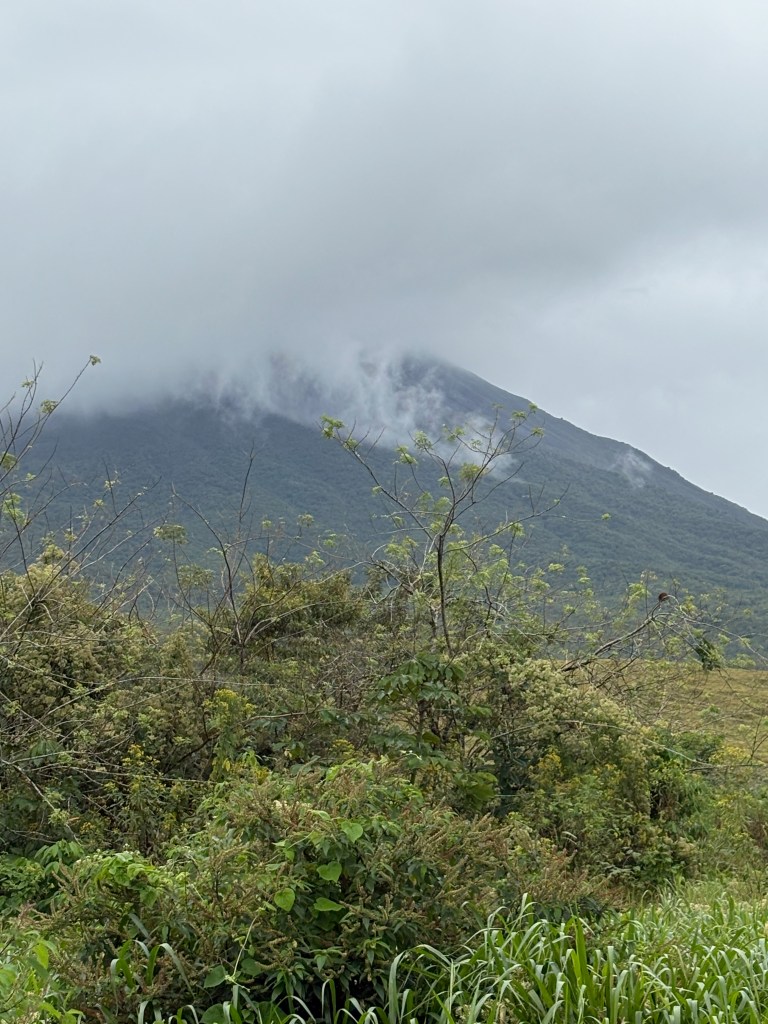
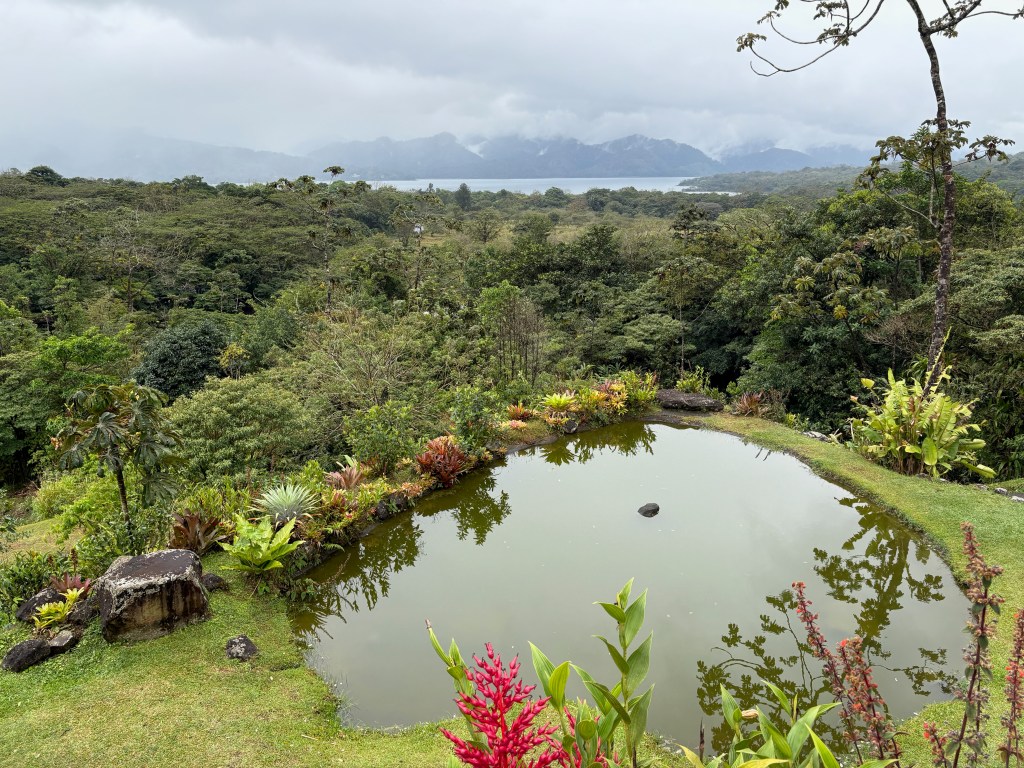
Another volcano, another rainy, misty day and no view of it. Here’s what it looks like:
We enjoyed a morning at leisure, walking around the gardens.
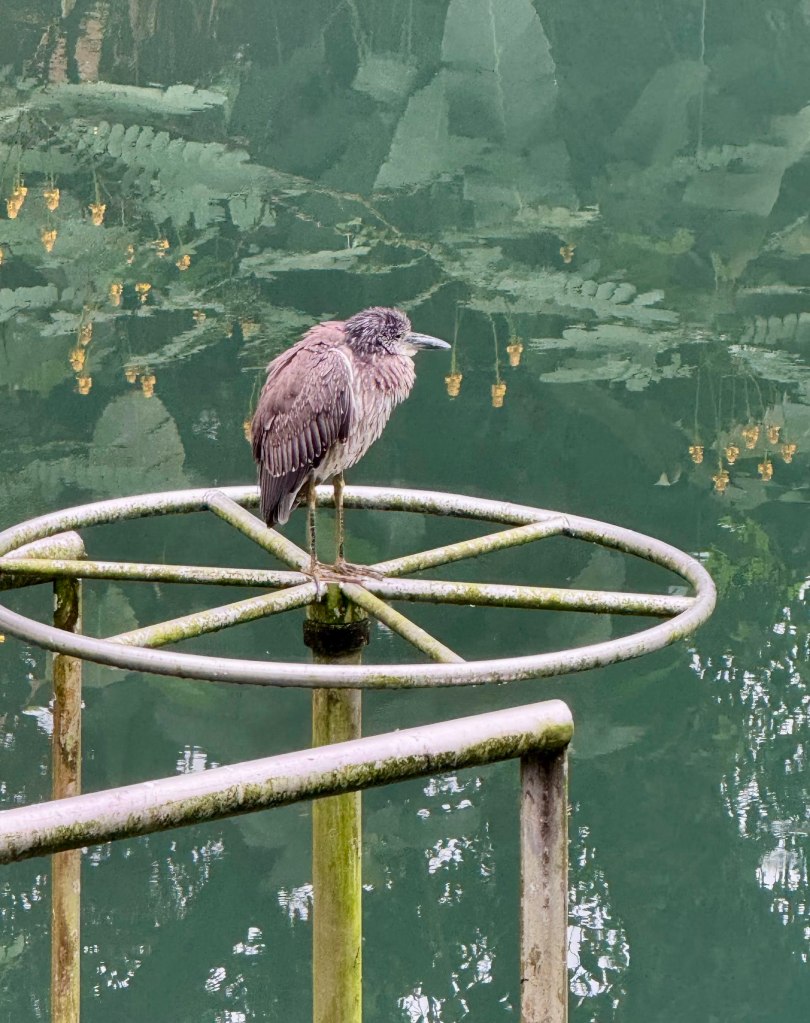
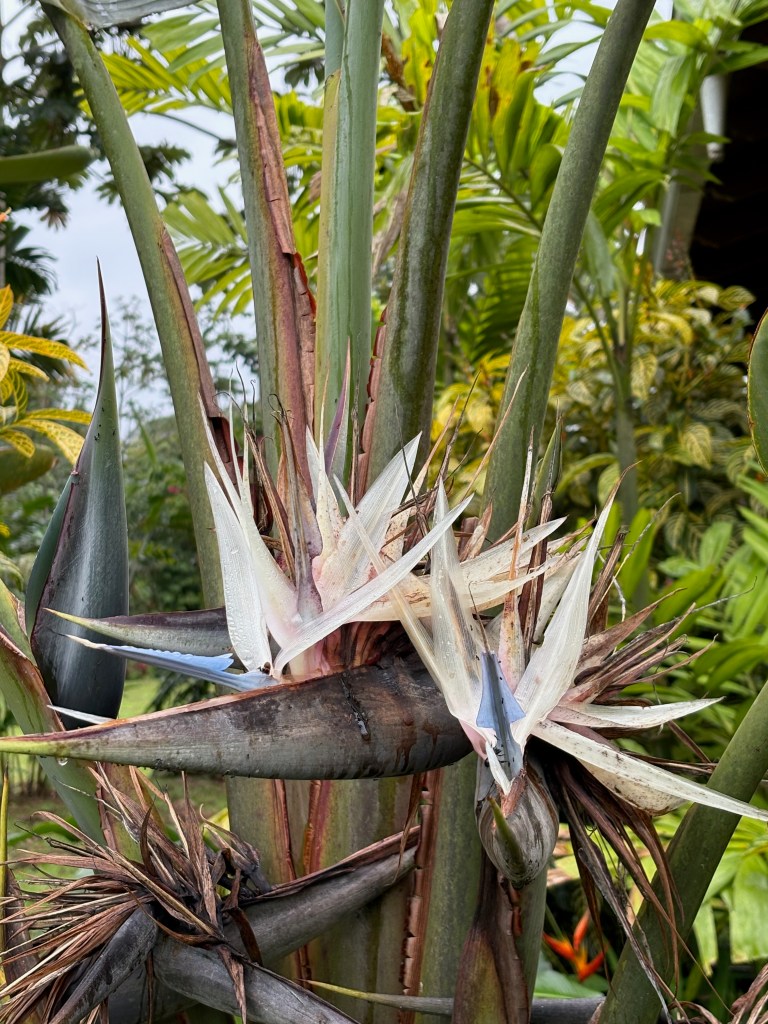
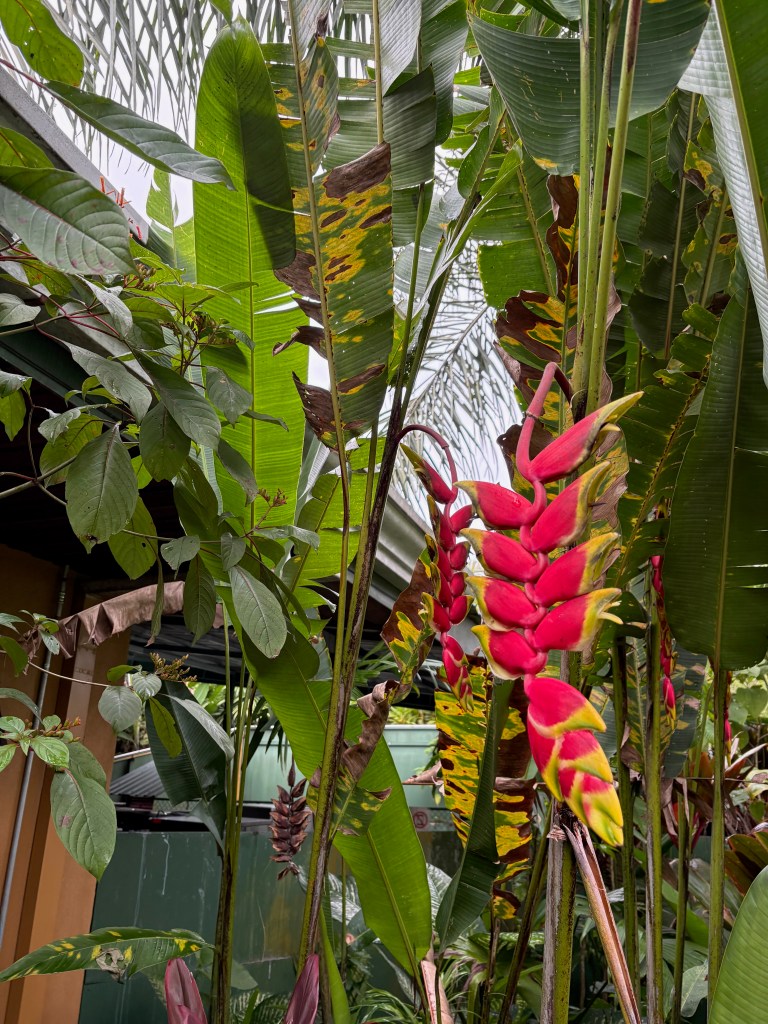
In the afternoon we had a walk (in the rain) into Arenal Volcano National Park, with Ronnie pointing out the characteristics of the forest at this elevation.
Arenal Volcano National Park is a Costa Rican national park in the central part of the country, part of the Arenal Huetar Norte Conservation Area. The park encompasses the Arenal Volcano, the most active in the country, which was believed to be dormant until a major eruption in 1968. It neighbors Lake Arenal, which is the site of the country’s largest hydroelectricity project, the Lake Arenal Dam.
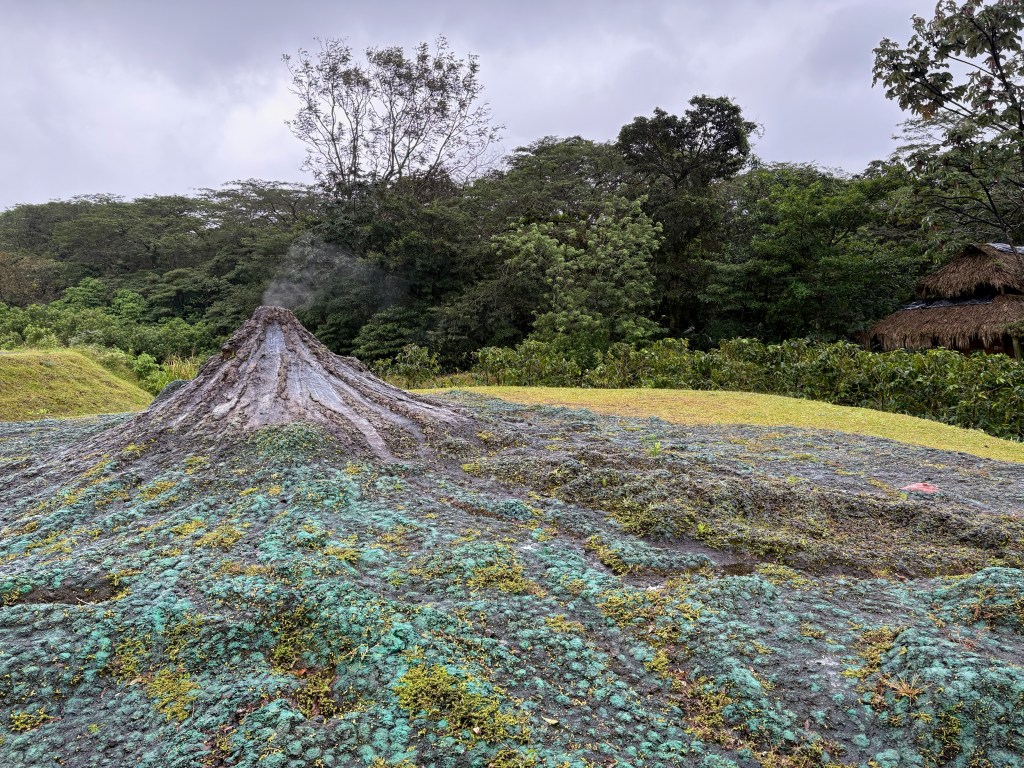
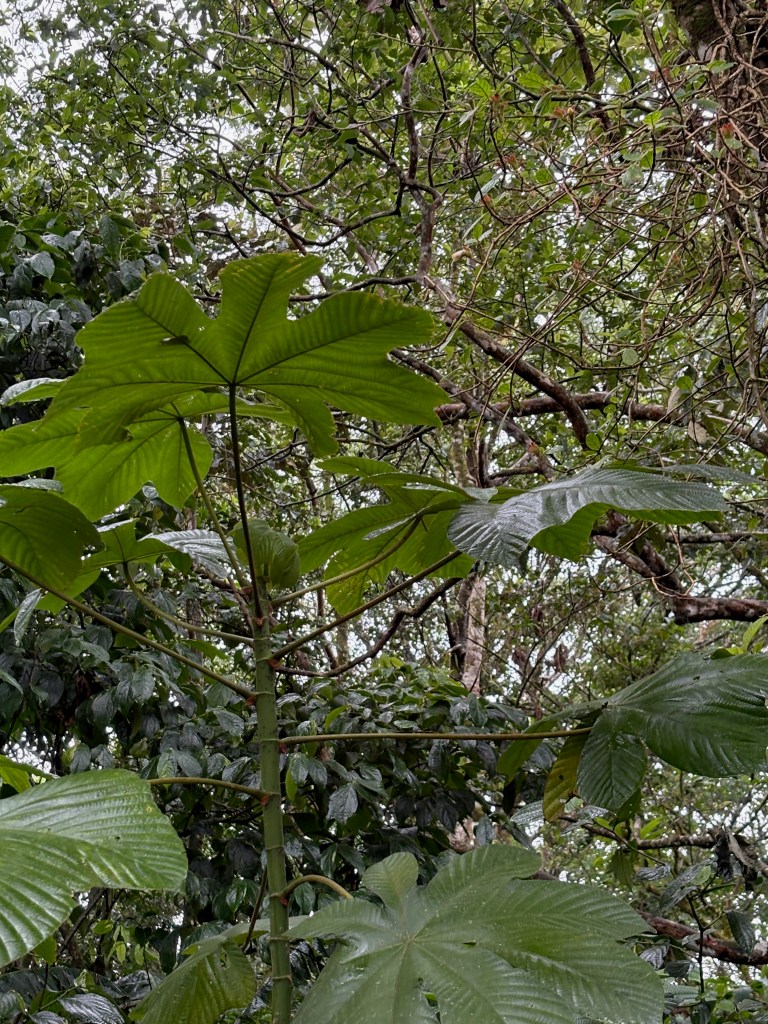
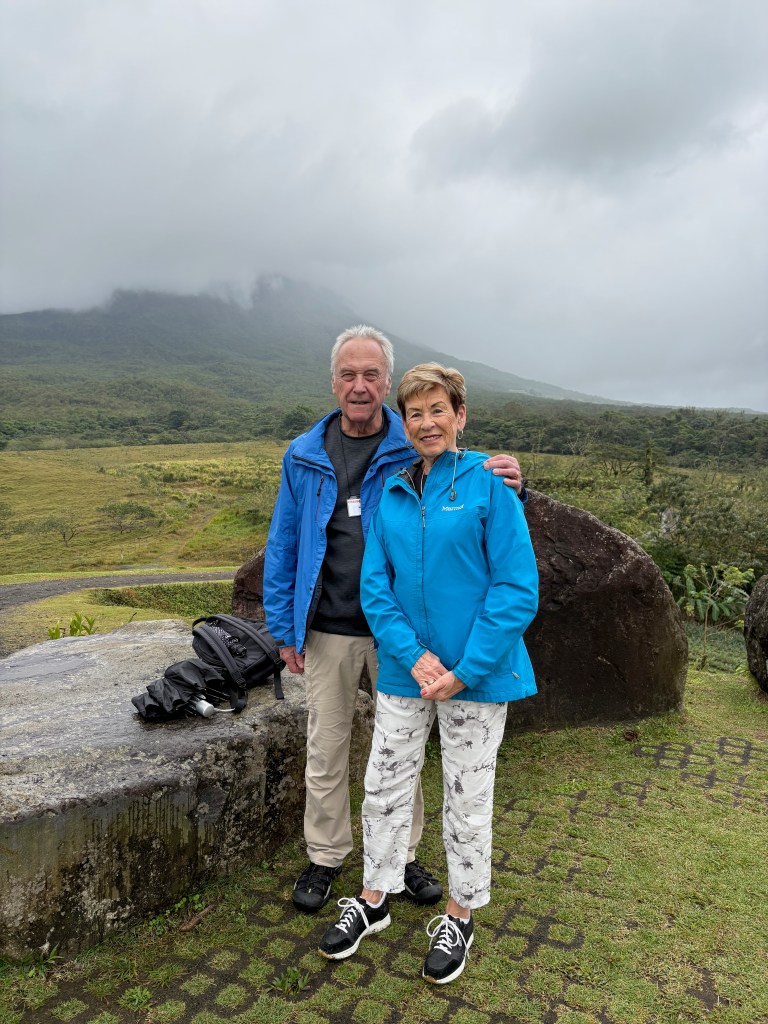
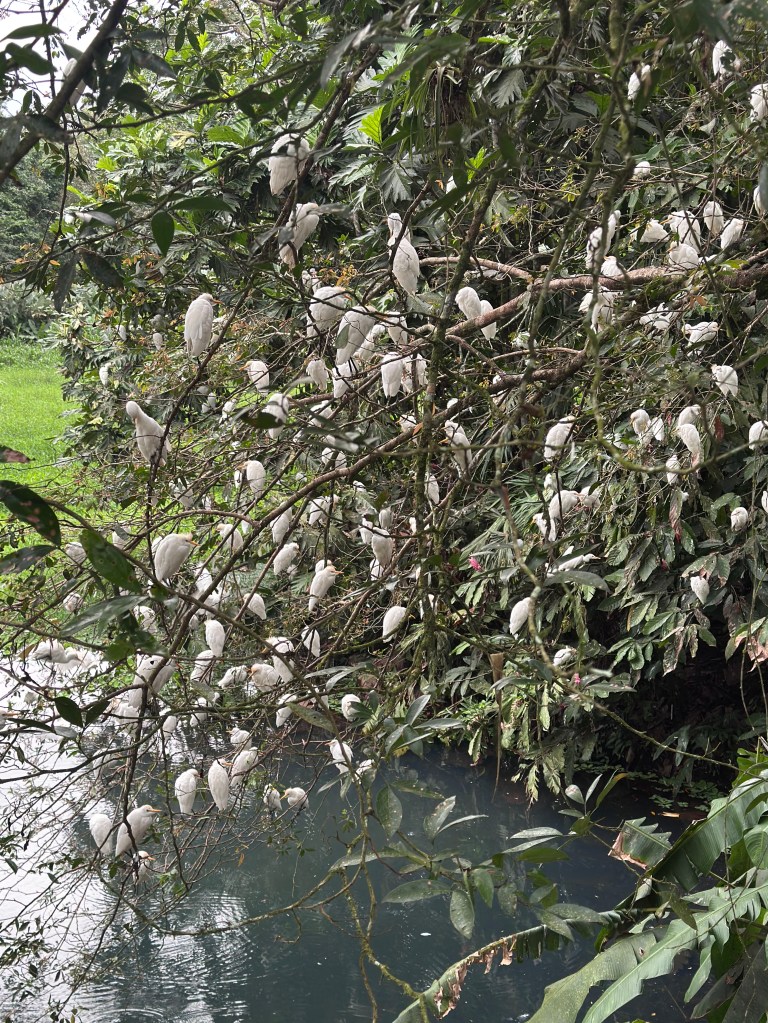
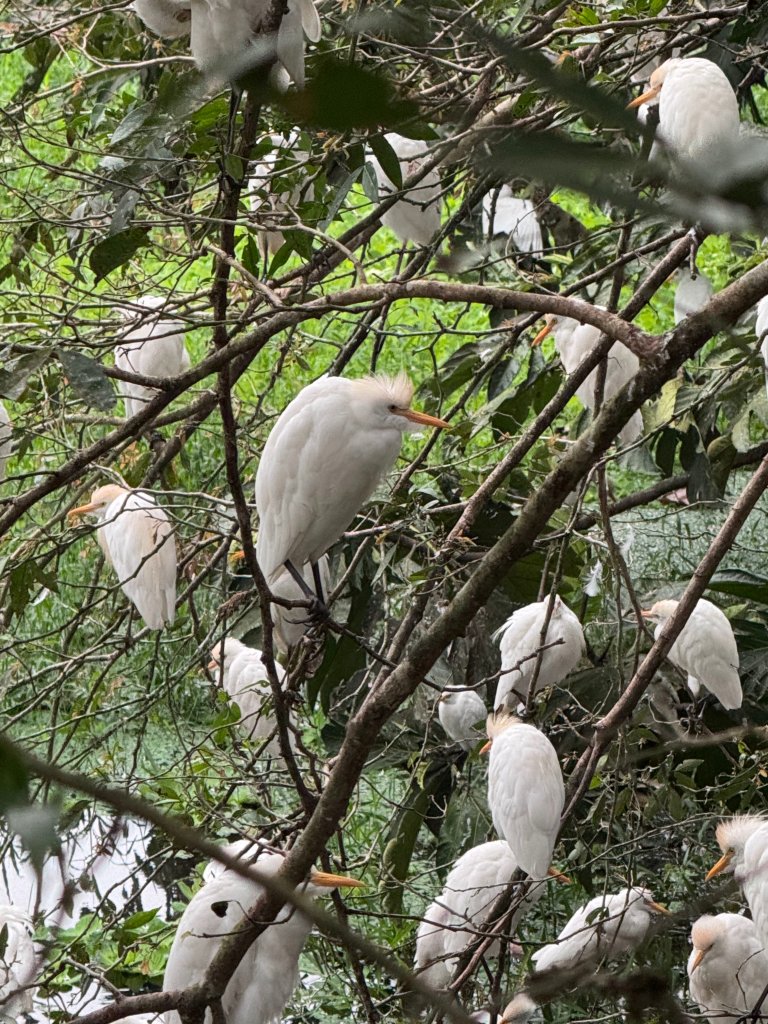
On the walk to dinner, we saw hundreds of egrets in the trees-shades of Alfred Hitchcock’s “The Birds”.
We had great conversation at the cocktail hour and excellent dinner.

FEB 9, Monday MONTEVERDE
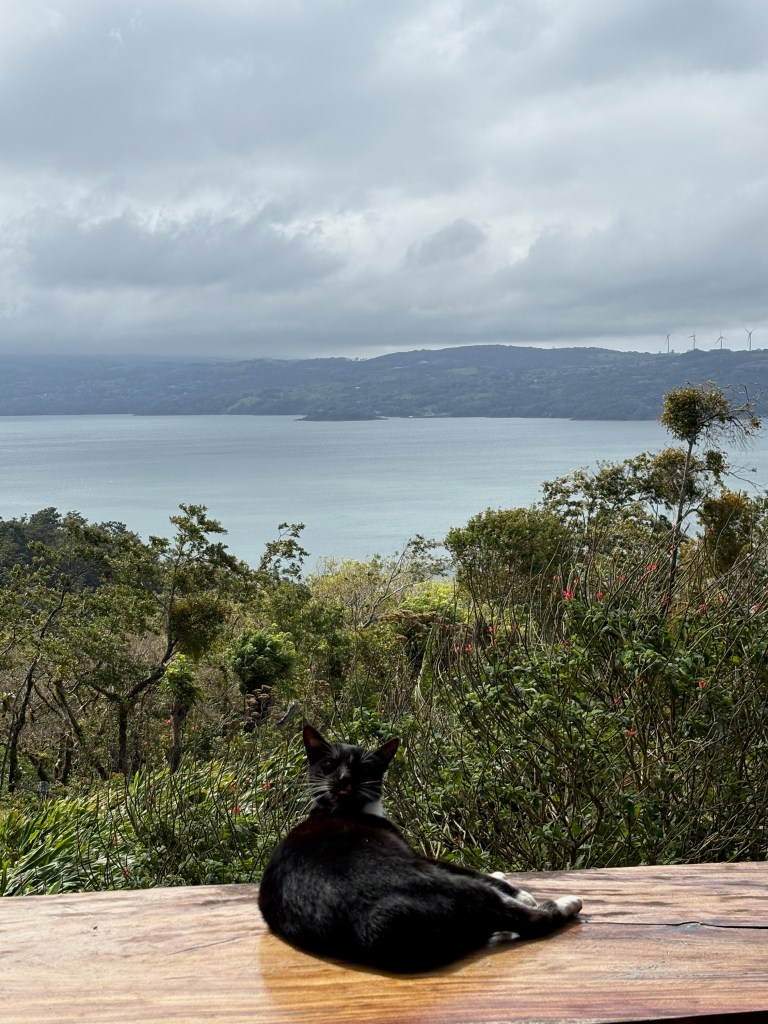
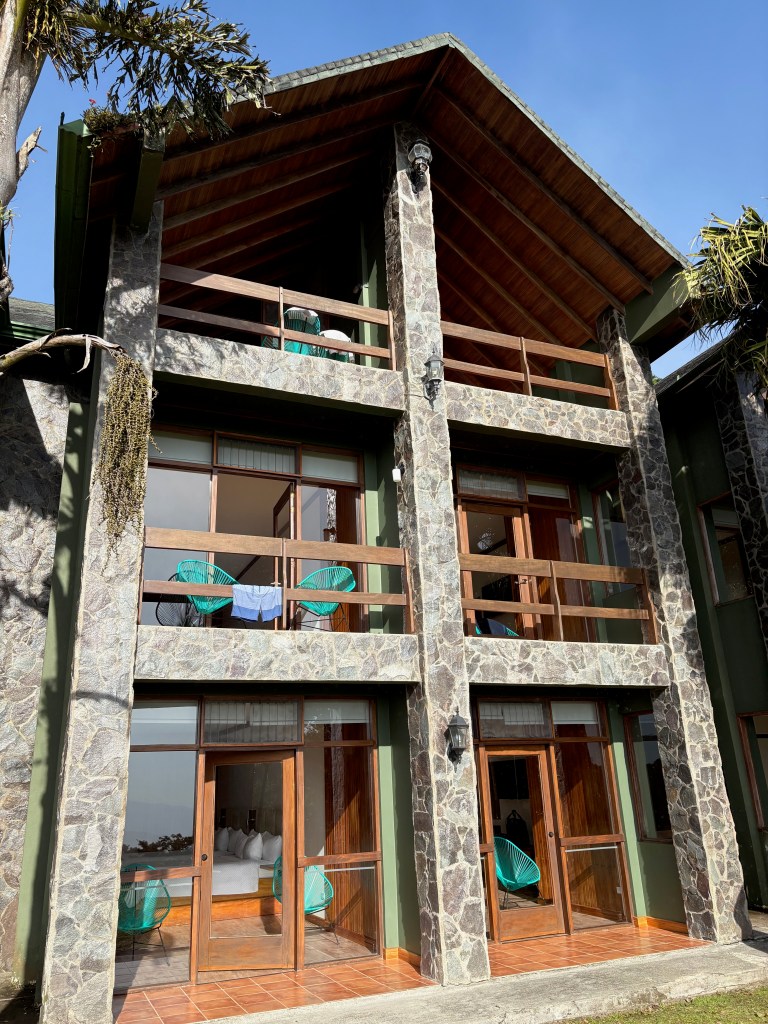
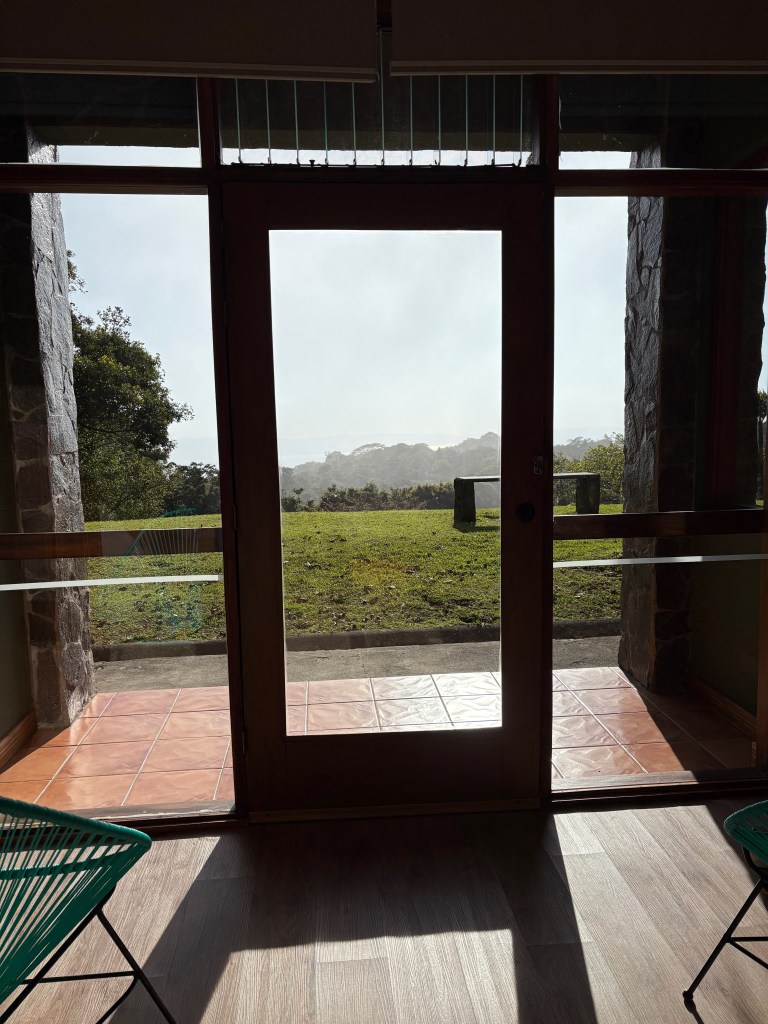
Our journey today took us to the mountainous region of central Costa Rica, where we stayed at the eco-friendly El Establo Hotel. Nestled on a hillside near the Monteverde Cloud Forest Reserve, this hotel spans over 150 acres of lush surroundings, providing serene and stunning views of the mountains and the Gulf of Nicoya from its well-appointed rooms.
About Monteverde:
The location: This is the central point of the nation’s continental divide. Situated at 4,662 ft (1,440 m) above sea level, Monteverde is evergreen due to the precipitation and moisture-filled clouds which hover over the horizon on an almost daily basis. Monteverde’s cloud forests are the byproduct of fog (a thick, low-hanging cloud) tangling amongst the leaves and branches of the forest canopy. When these water-based clouds come into contact with solid plant material, the plant absorbs what it needs and the remaining water condenses and drips down — layer by layer, organism by organism — until it reaches the forest floor. The cool wet weather here is normal, unlike the cool wet weather we’ve experienced over the last 10 days.
The history: With the arrival of the Spanish in 1502, Costa Rica experienced two generations of armed conflict. Indigenous populations throughout the country declined drastically, from approximately 400,000 to 80,000 in just over 50 years.
What is now known as Monteverde was founded in 1950 by a group of Quakers from the United States , whose pacifist values led them to oppose military service during the Korean War . Most of the members were originally from Mobile, Alabama , and included not only Quakers but also pacifists and conscientious objectors. The group’s spokesperson was Hubert Mendenhall, a dairy farmer who had visited Costa Rica in 1949. These Quakers and pacifists chose Monteverde for its cool climate, ideal for dairy farming , and because Costa Rica was considered a peaceful and demilitarized country. Mendenhall emphasized the fertility of the soil and the friendliness of the local people. The Quakers also committed to protecting a large tract of land for conservation. This reserve, called the Monteverde Cloud Forest Preserve, has become a major tourist attraction.
The Bat Centre
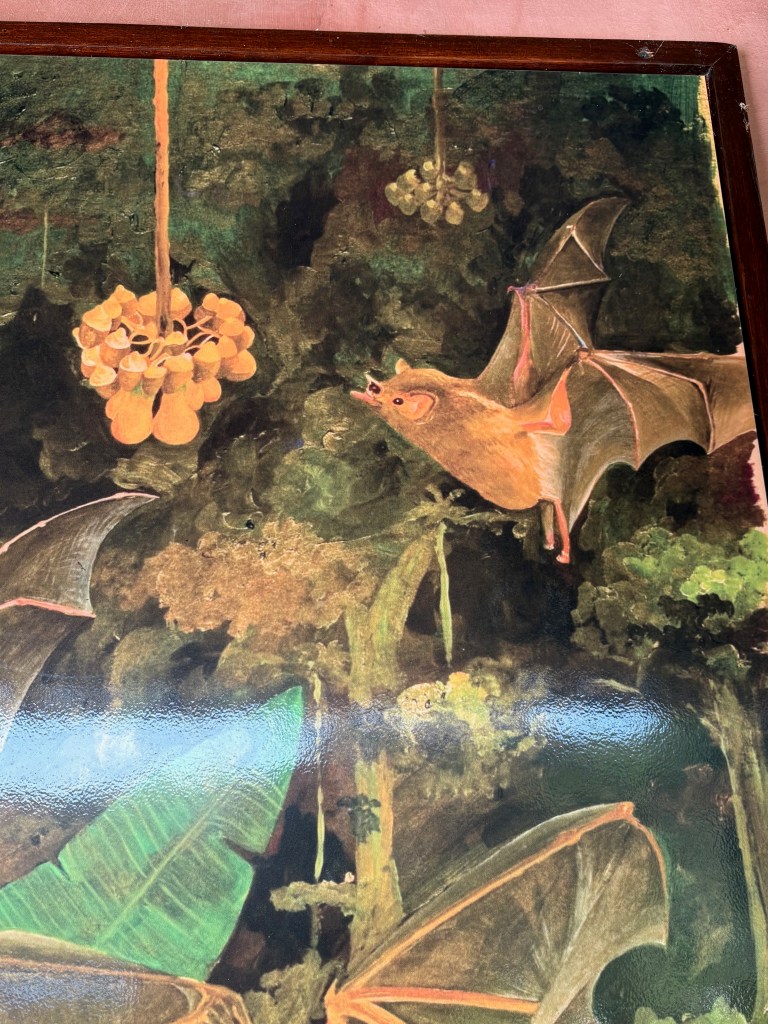
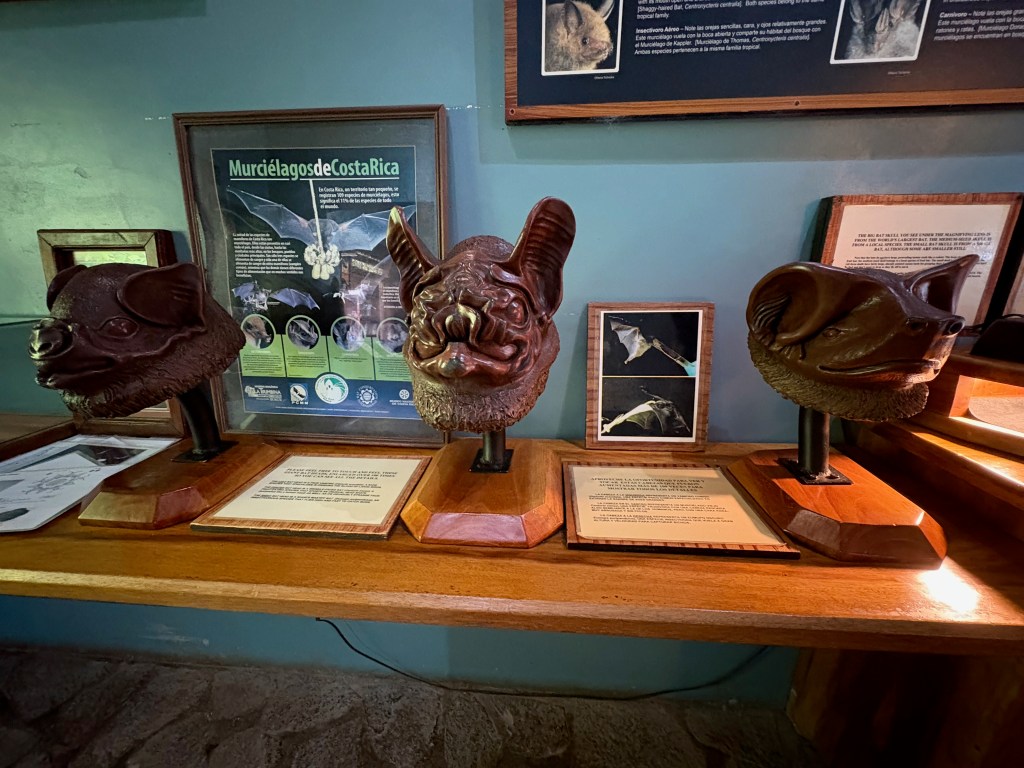
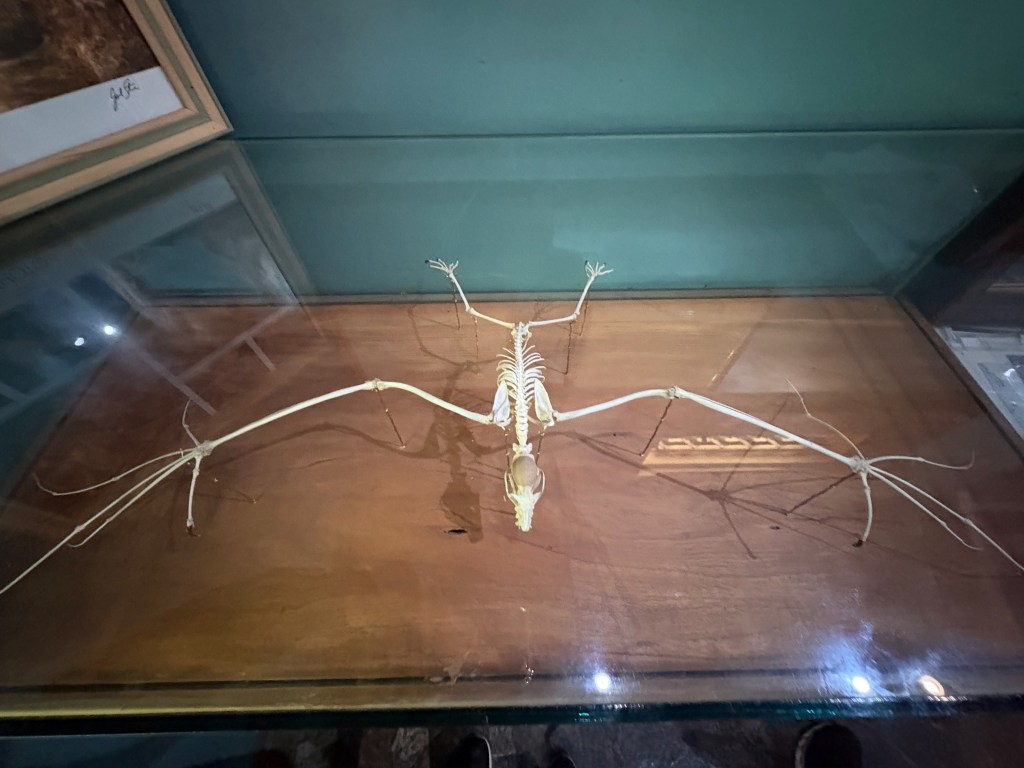
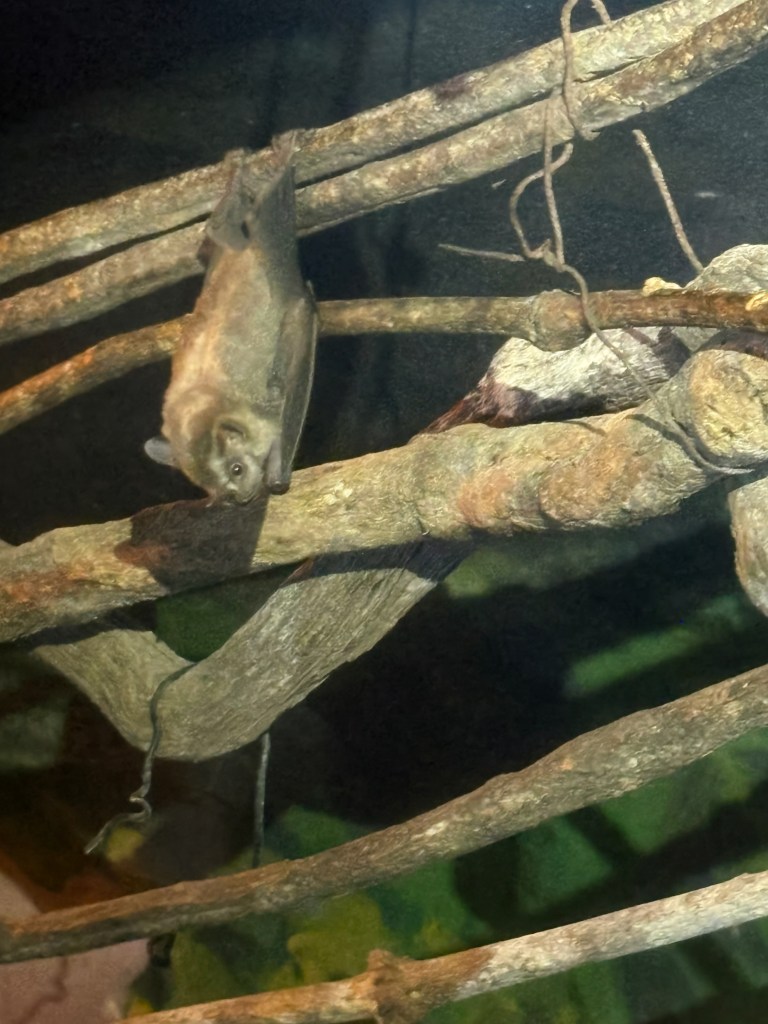
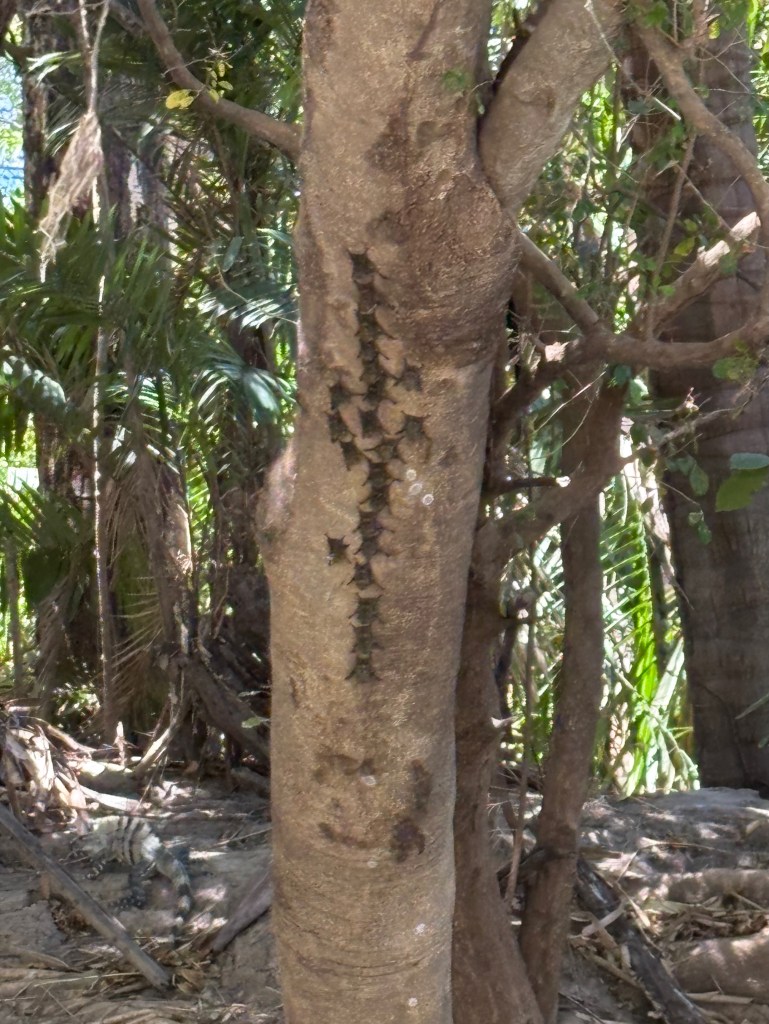
We then visited the Bat Jungle exhibit, where we had an excellent presenter who shared her passion of the fascinating world of bats. We learned much more than we thought we wanted to know!
Bats are the only mammals capable of true flight, with wings formed from thin skin stretched over elongated finger bones. With over 1,500 species, they make up the second largest order of mammals and are crucial for ecosystem health, providing natural pest control (eating thousands of insects nightly) and pollination.
Key Facts About Bats
Flight and Anatomy: Their wings are essentially modified hands. Some species can fly at speeds over 100 mph. Despite the myth, most do not have good vision, but use echolocation to “see” with sound, navigating and catching insects in total darkness.
Unique Habits: Bats are nocturnal, sleeping during the day hanging upside down in caves, trees, or buildings. This posture allows them to drop into flight easily.
Dietary Diversity: While some, like the vampire bat, drink blood, most species eat insects, fruit, or nectar. They are vital for pollinating plants like bananas, avocados, and mangoes.
Reproduction and Lifespan: Bats are long-lived, with some species living over 30 to 40 years. Females typically give birth to only one pup per year.
Size Range: They range from the tiny bumblebee bat (weighing less than a penny) to the giant golden-crowned flying fox, which has a wingspan of up to 6 feet.
Ecological Importance: Their droppings, known as guano, are exceptionally rich fertilizer.
Bats are found worldwide except in extreme deserts and polar regions. They are currently facing threats from habitat destruction and climate change.
They aren’t the most attractive looking creatures:
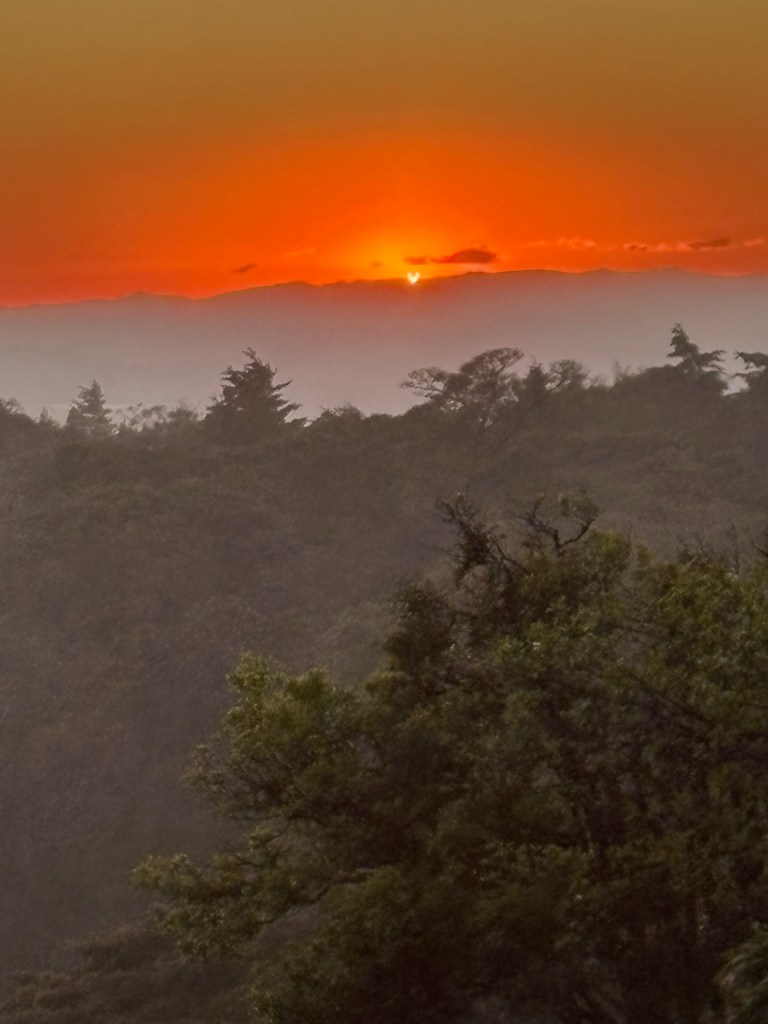
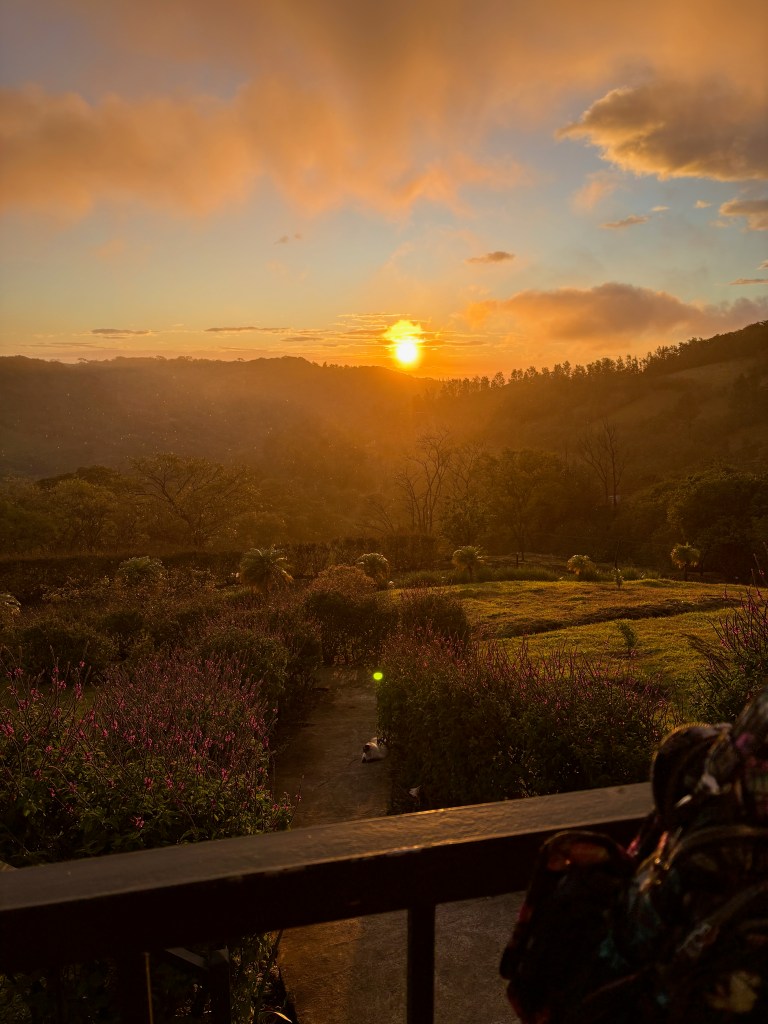
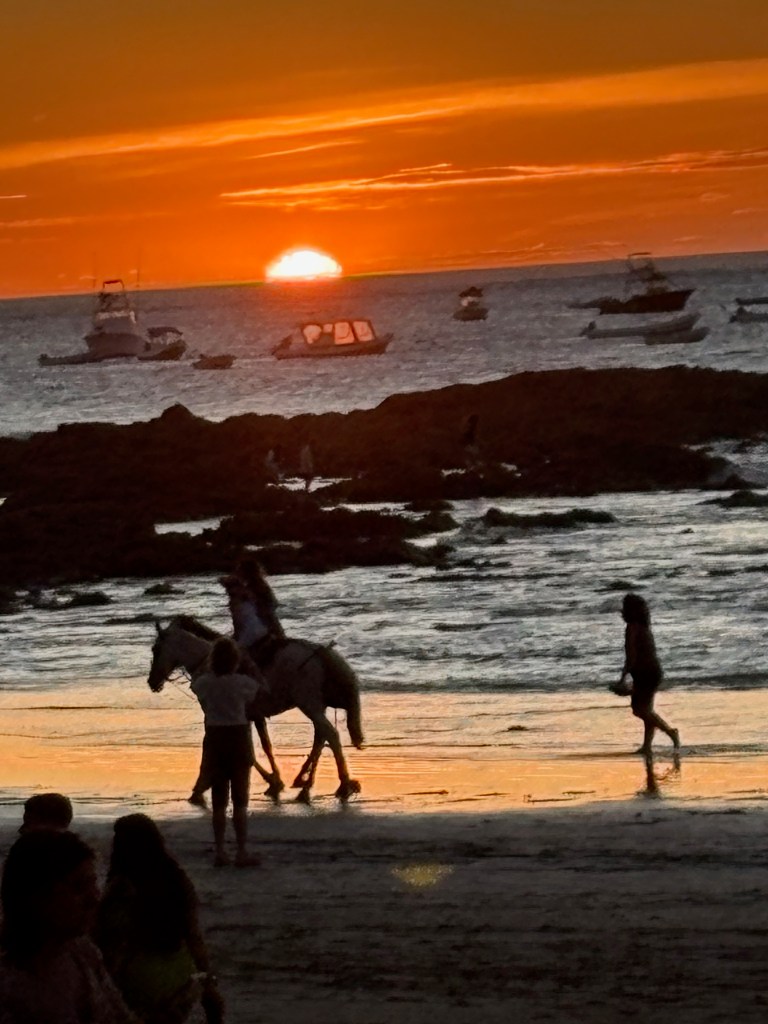
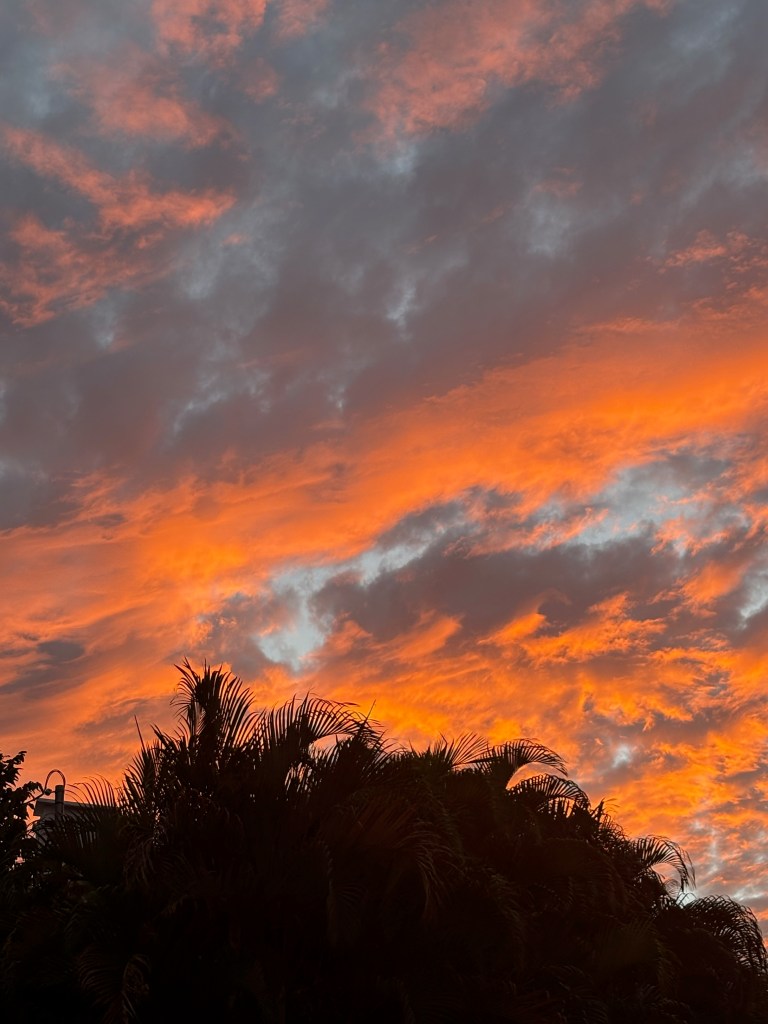
We had amazing sunsets in Monteverde.
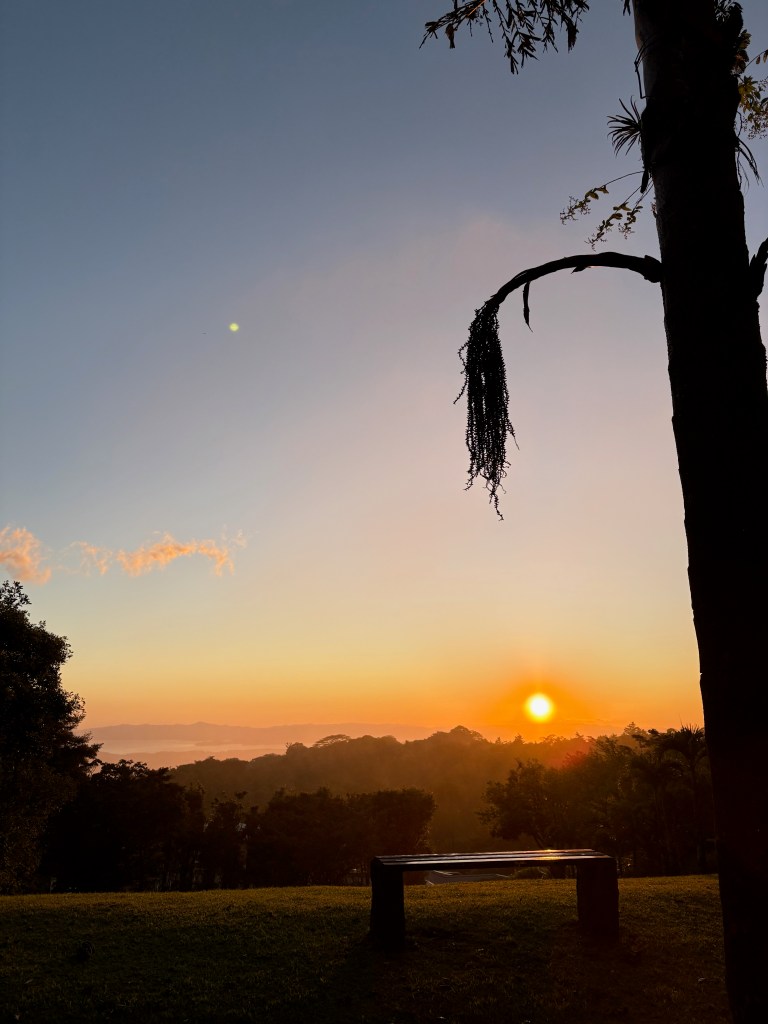
El Establo Mountain Hotel (2 nights)
FEB 10, Tuesday MONTEVERDE CLOUD FOREST
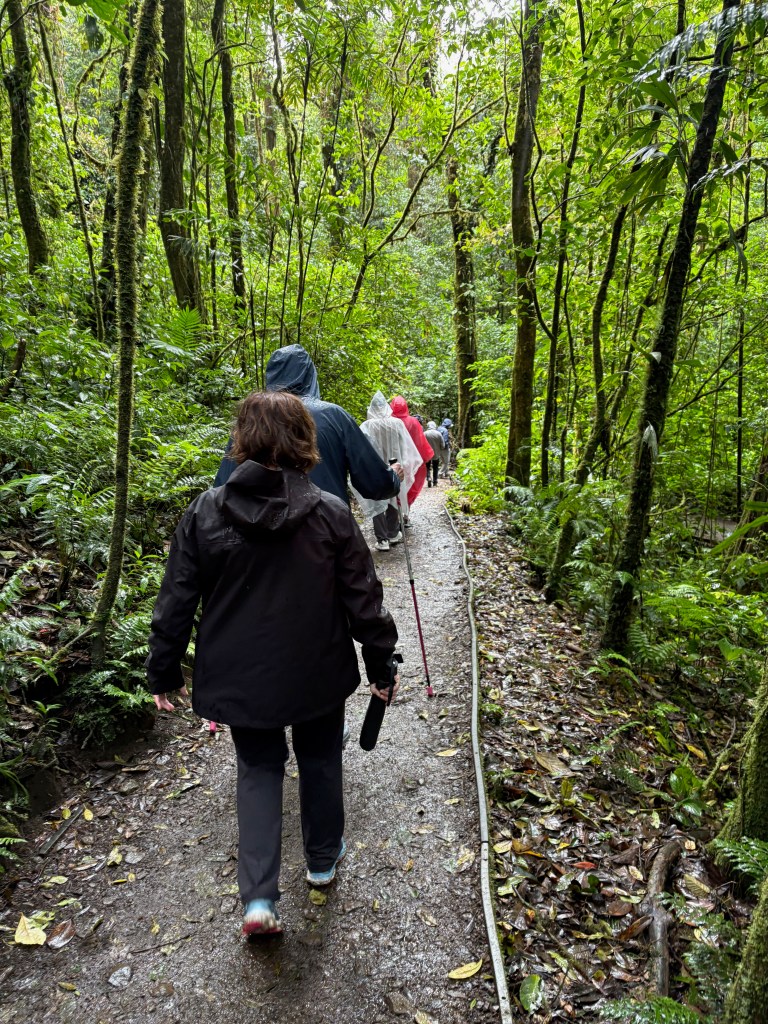
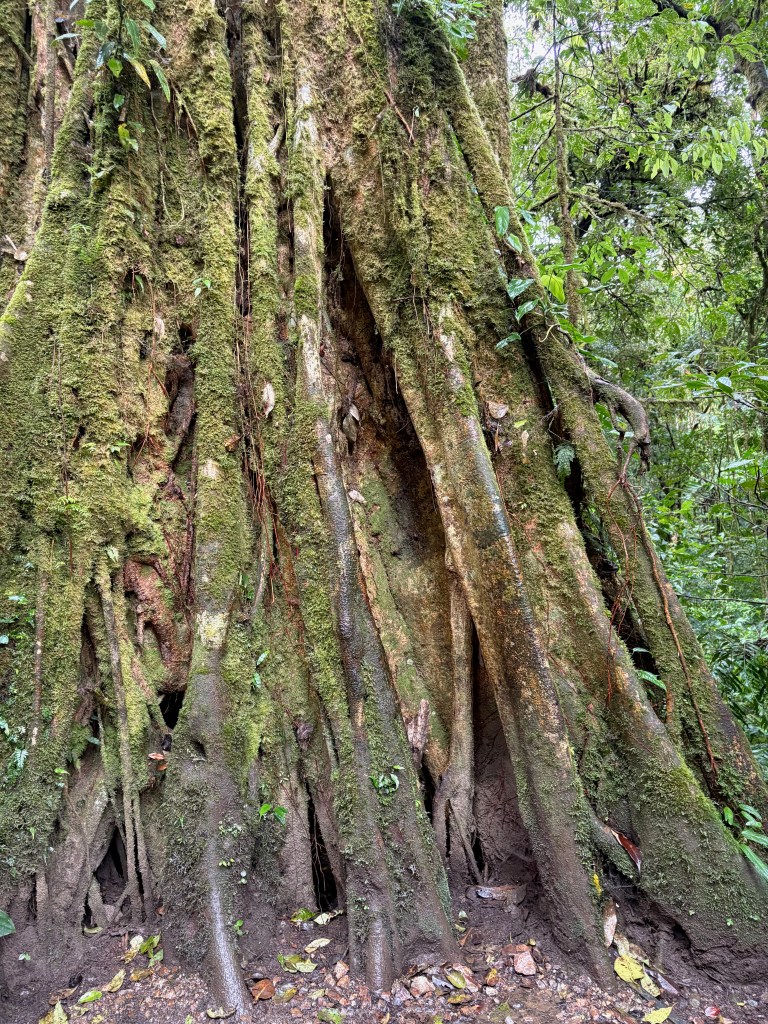
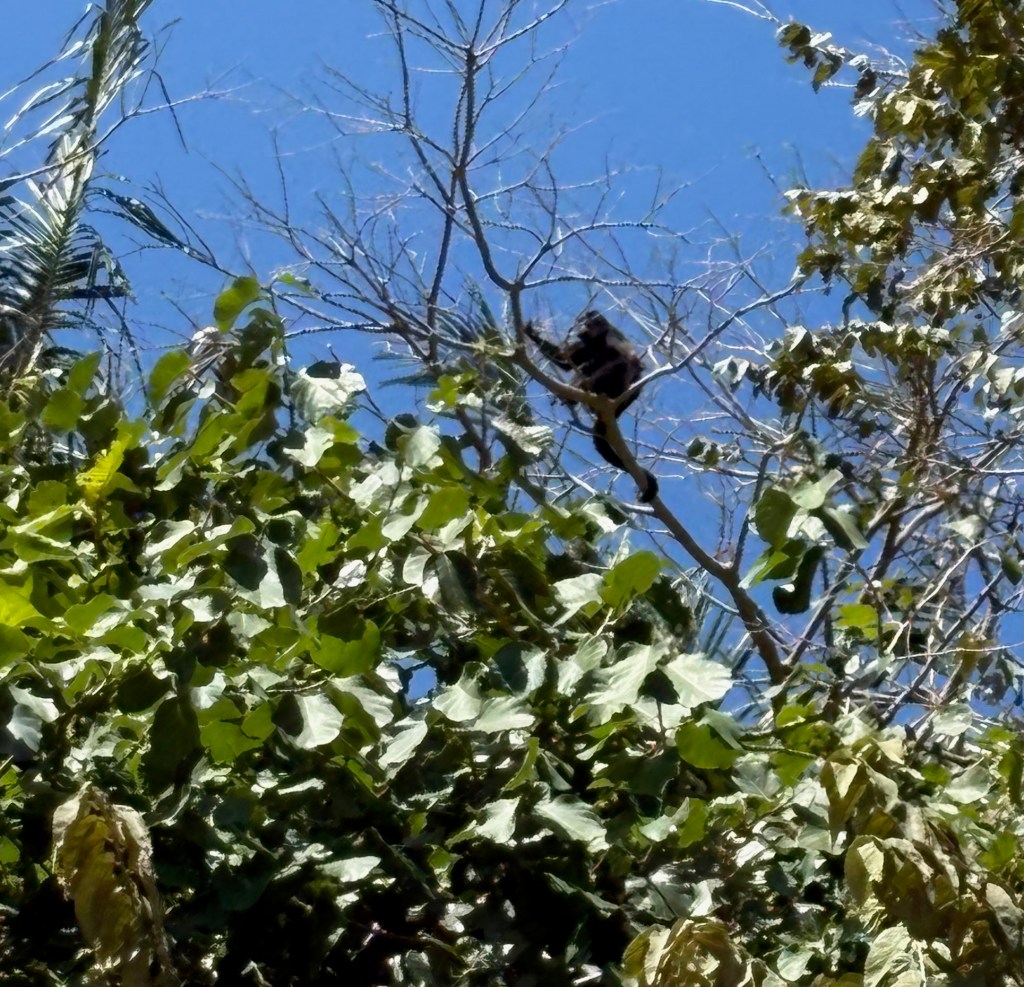
Our morning was devoted to a walking exploration of the lush greenery of this world-renowned private reserve. Founded by a group of Quakers and native Costa Ricans over 40 years ago and located 1,500 -1,800 metres above sea level, the reserve is known for its indigenous flora and fauna, especially its birdlife with over 450 species . Local wildlife include howler monkeys, capuchins, white hawks, toucans, woodpeckers, snakes and iguanas.
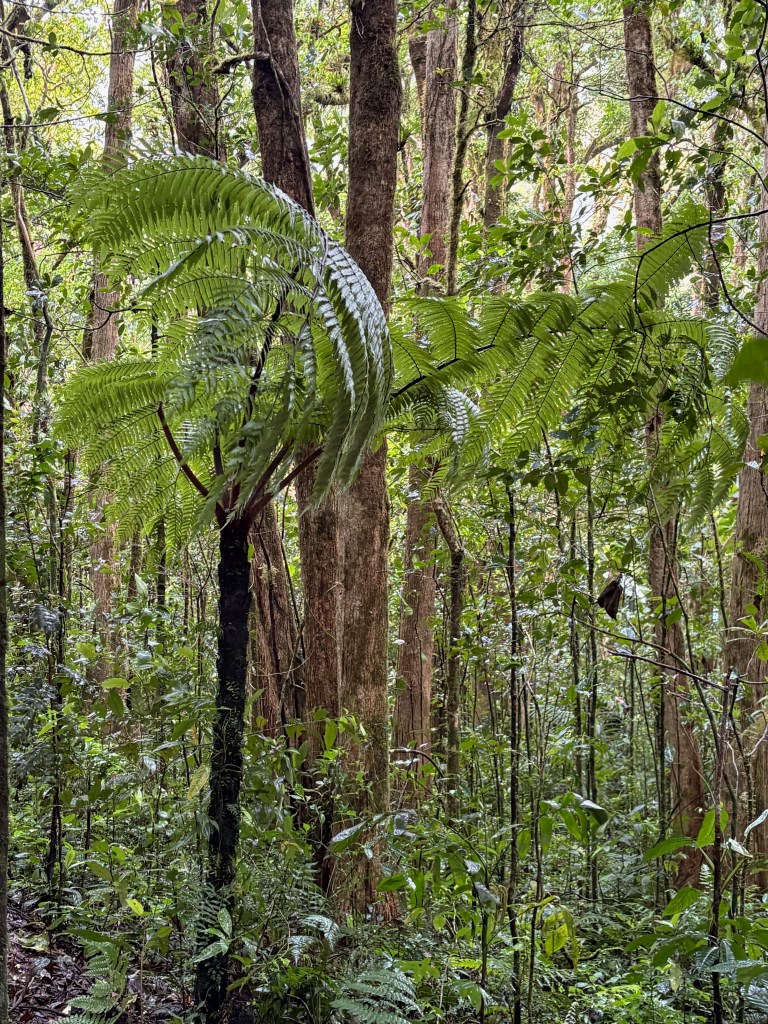
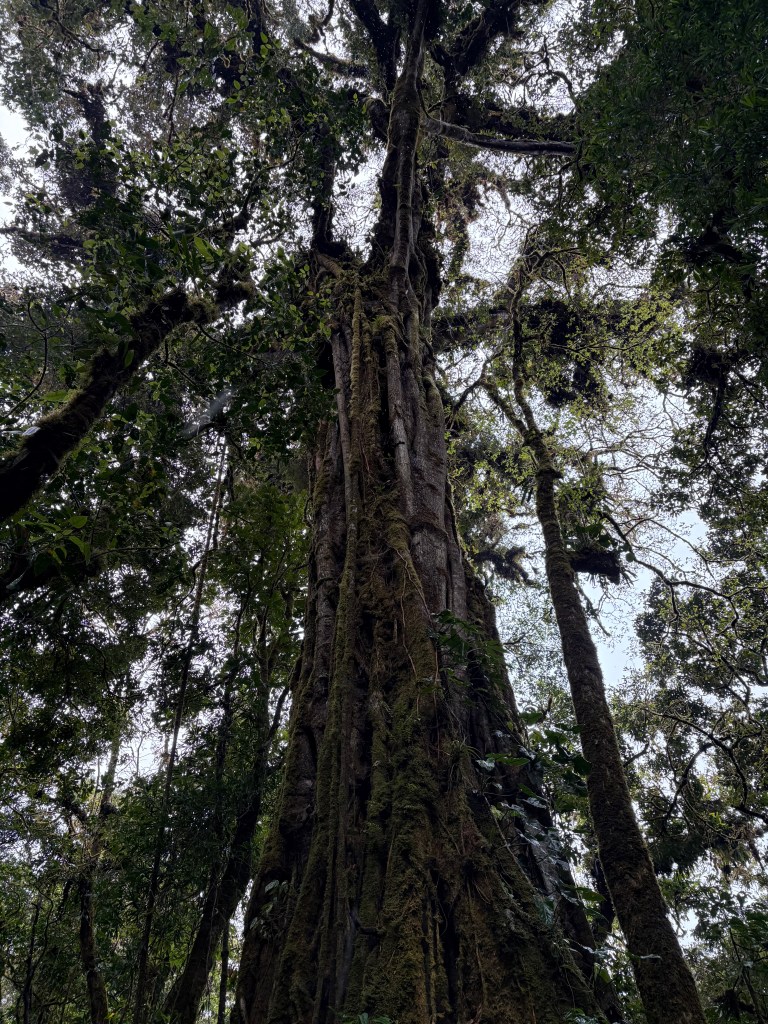
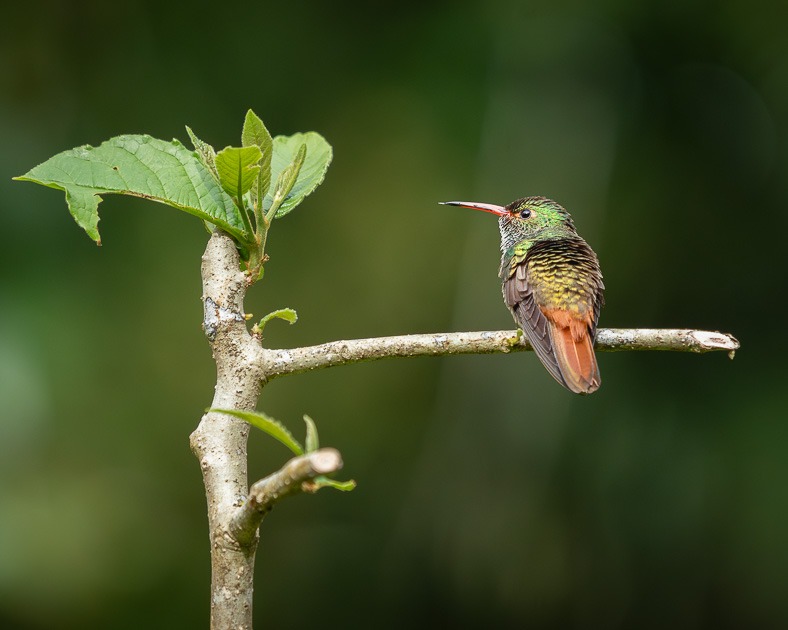
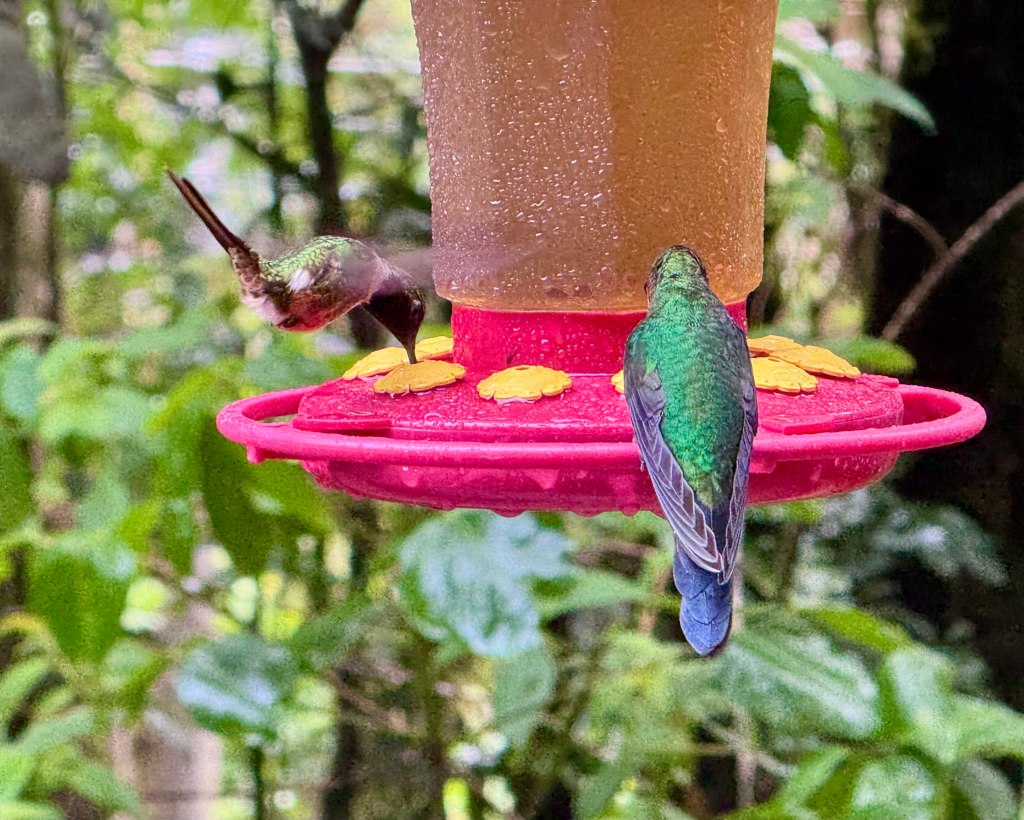
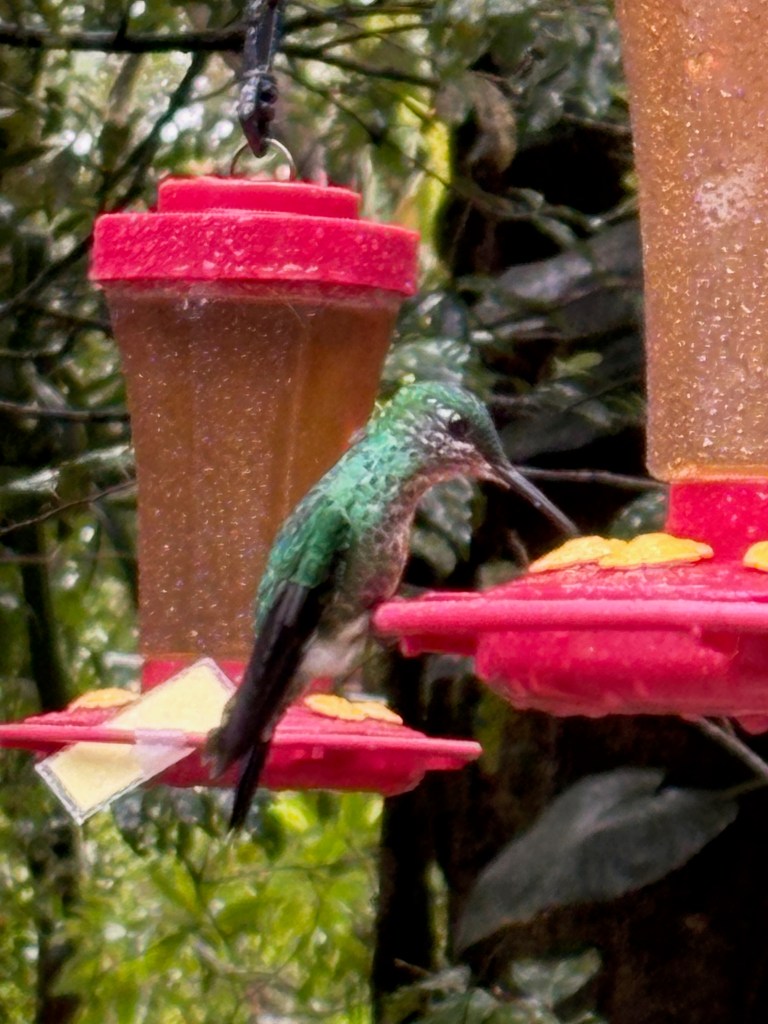
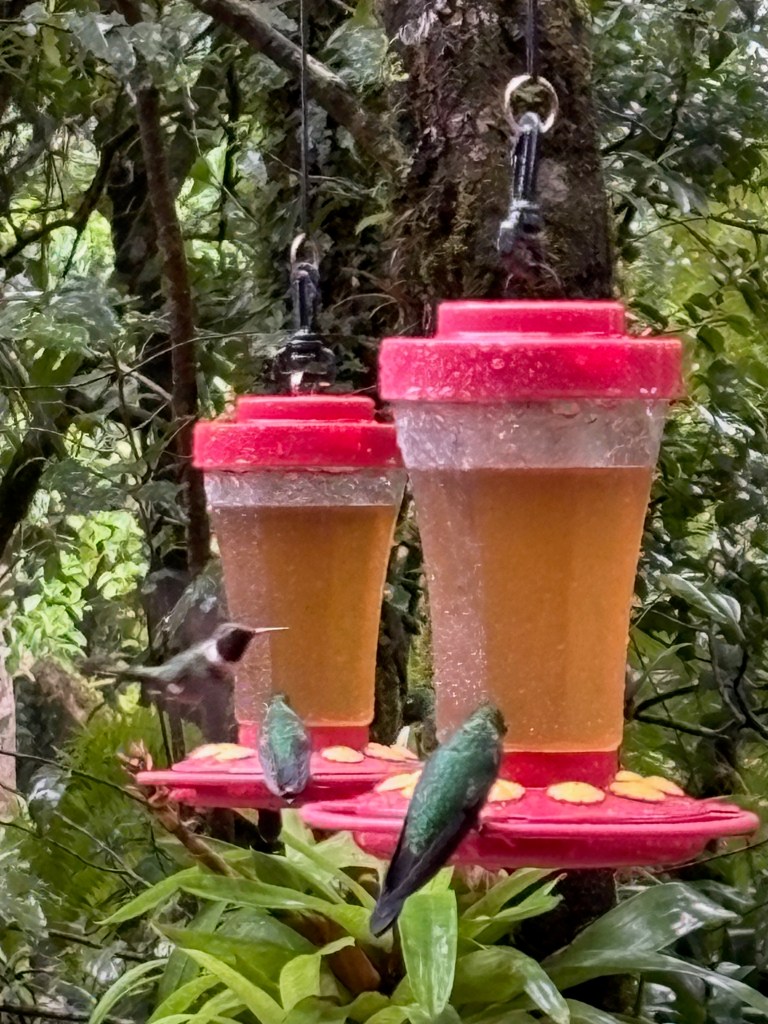
At the end of the walk, we visited a hummingbird center.
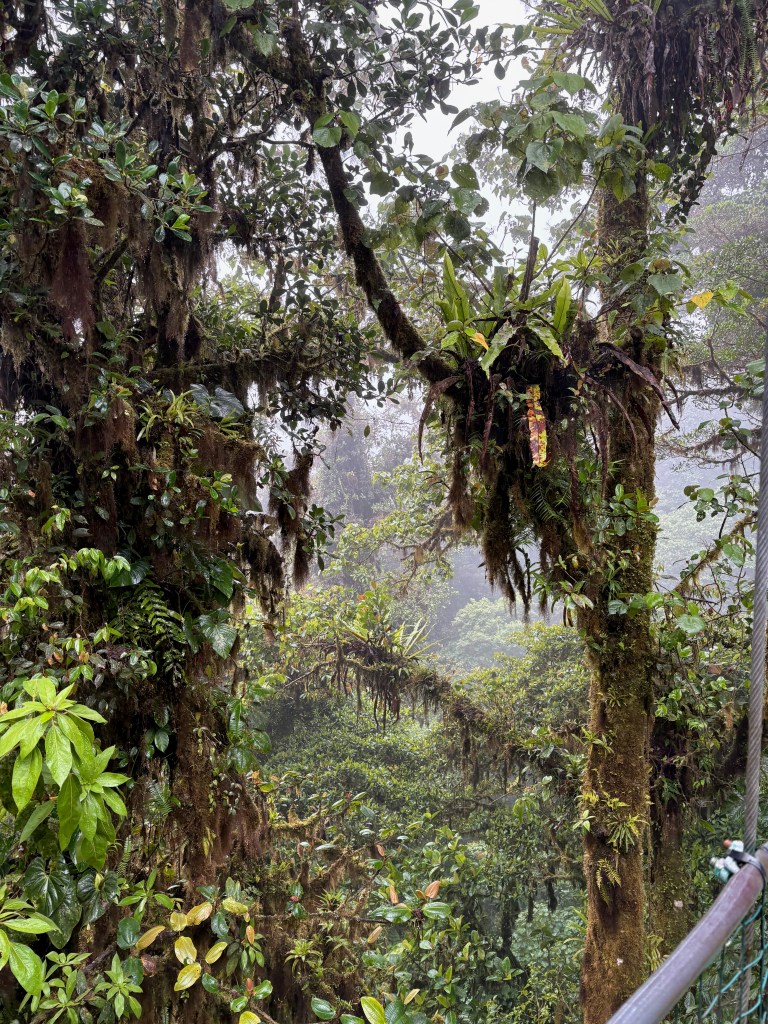
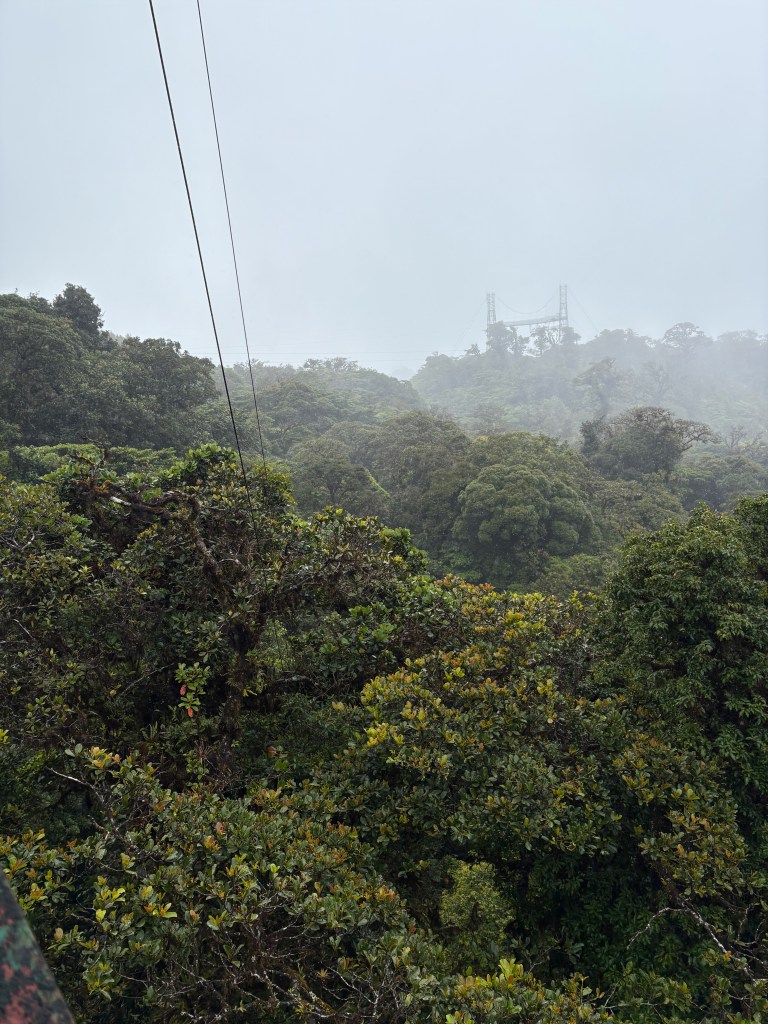
In the afternoon, we walked the hanging bridges in the Skywalk: yes, in the rain and mist.
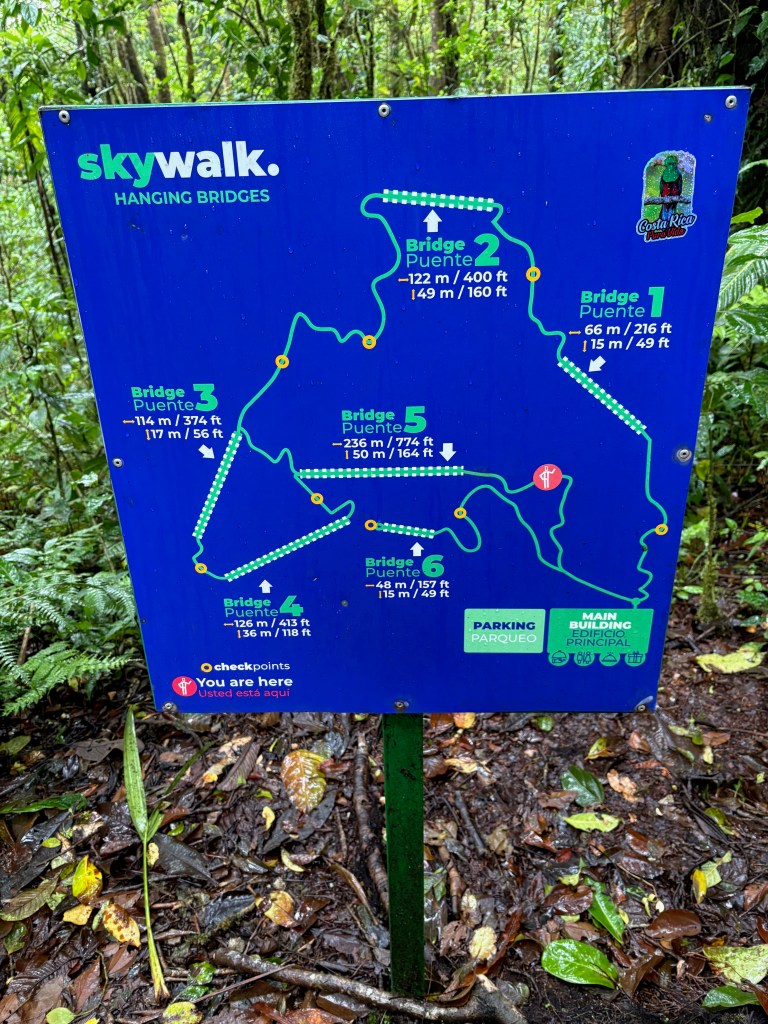
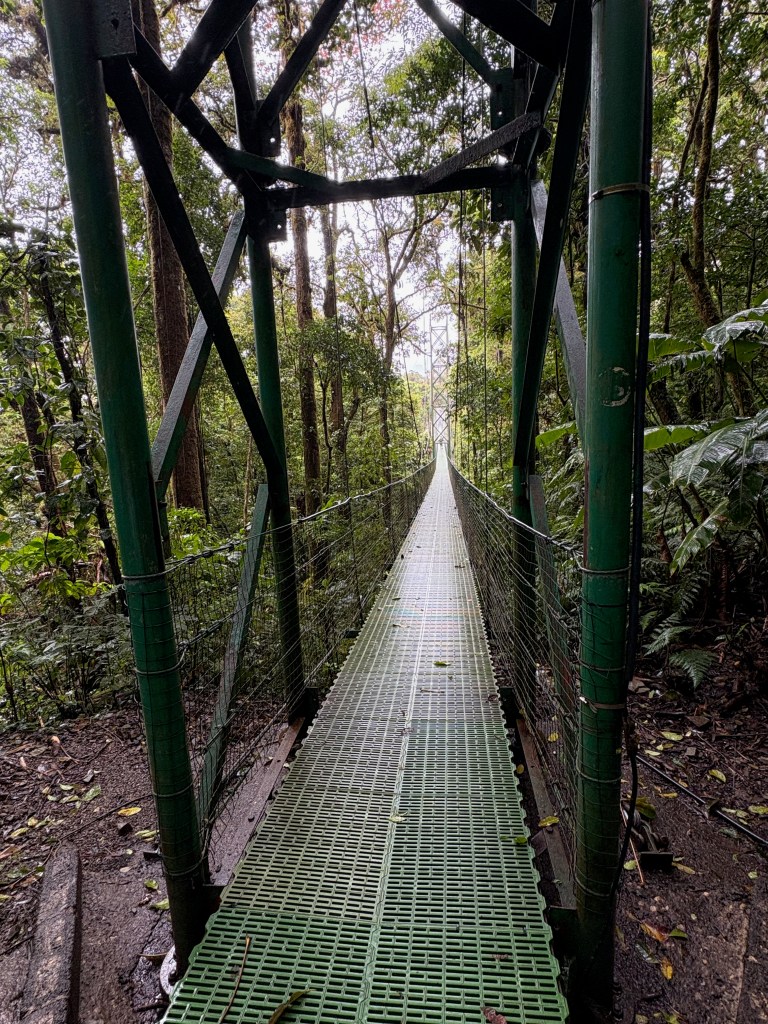
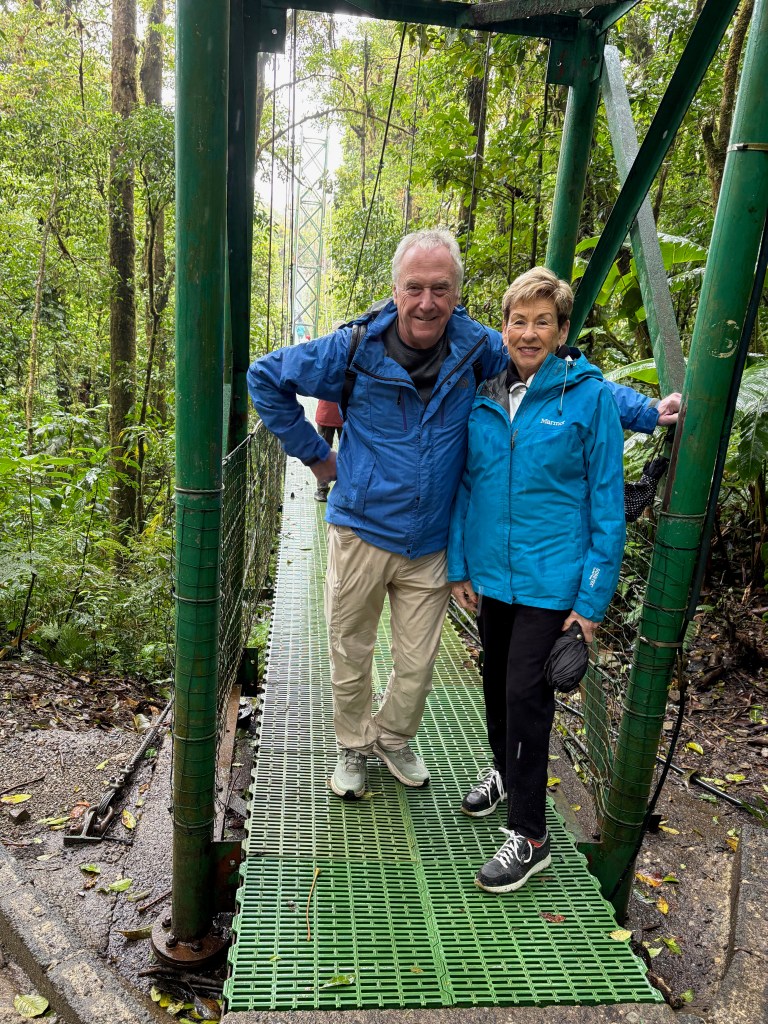
We wobbled over the bridges and could see little in the mist except those trees that were close to the bridges.
We left early for KAPI KAPI RESTAURANTE in order to enjoy cocktails and watch the sunset. This was another of Ronnie’s connections of family-run establishments. The location is very remote so you know the food must be good and it was.
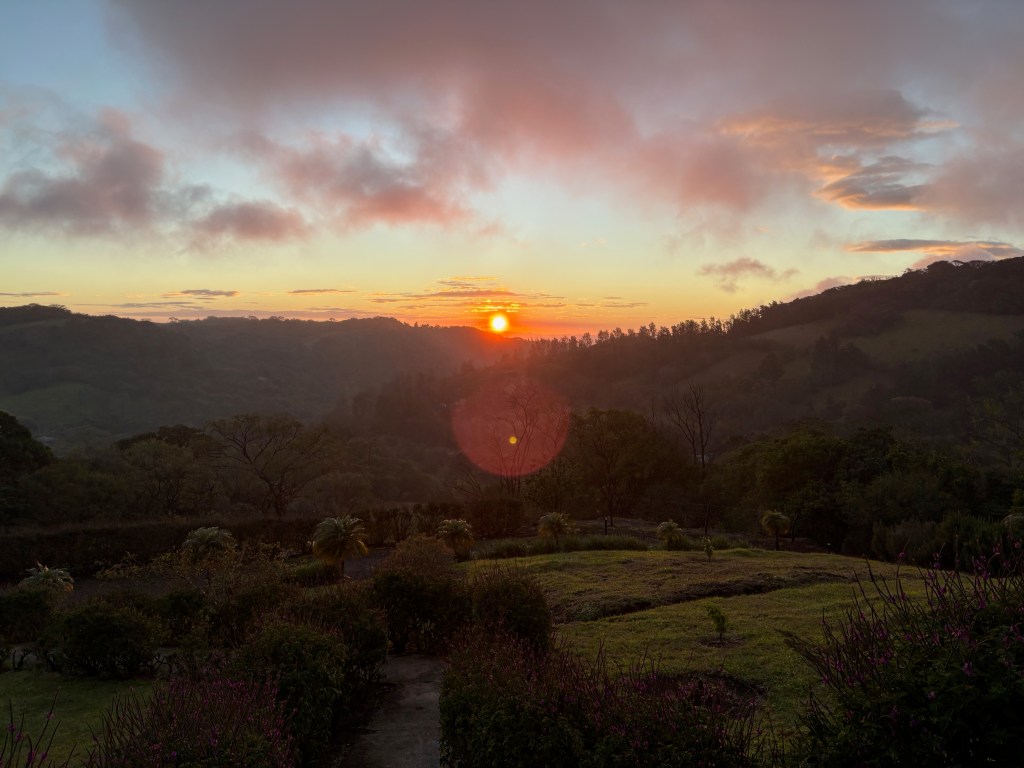
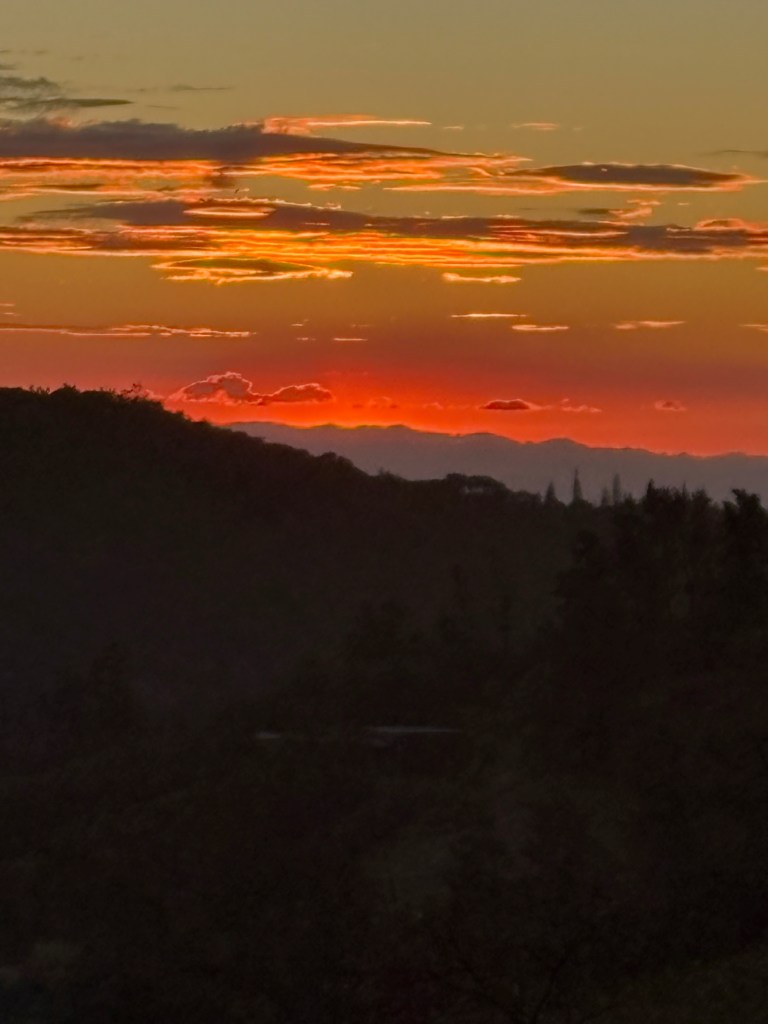
Next morning at Monteverde, it’s sunny!
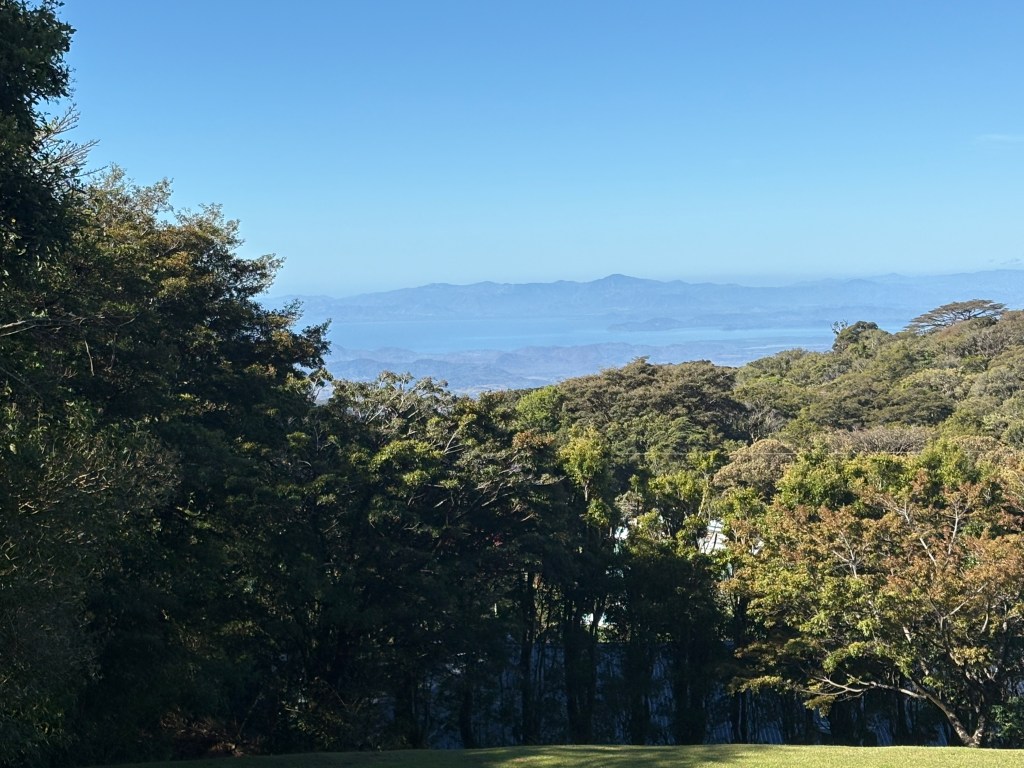
Our last day of cold and wet.
FEB 11, Wednesday TAMARINDO
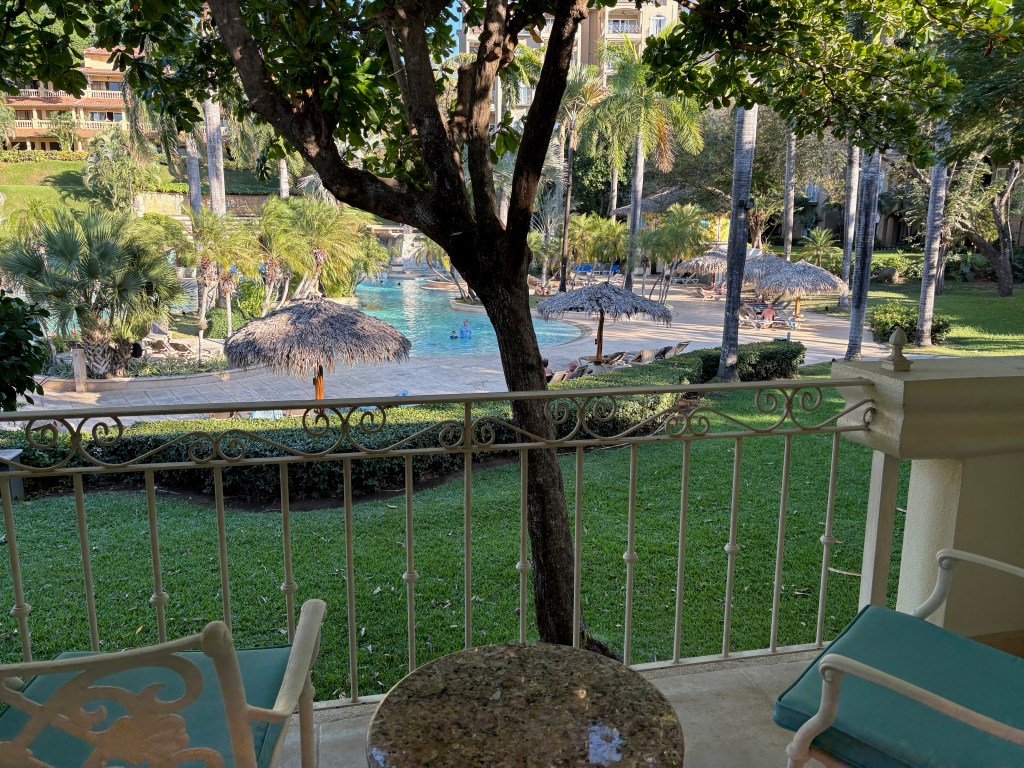
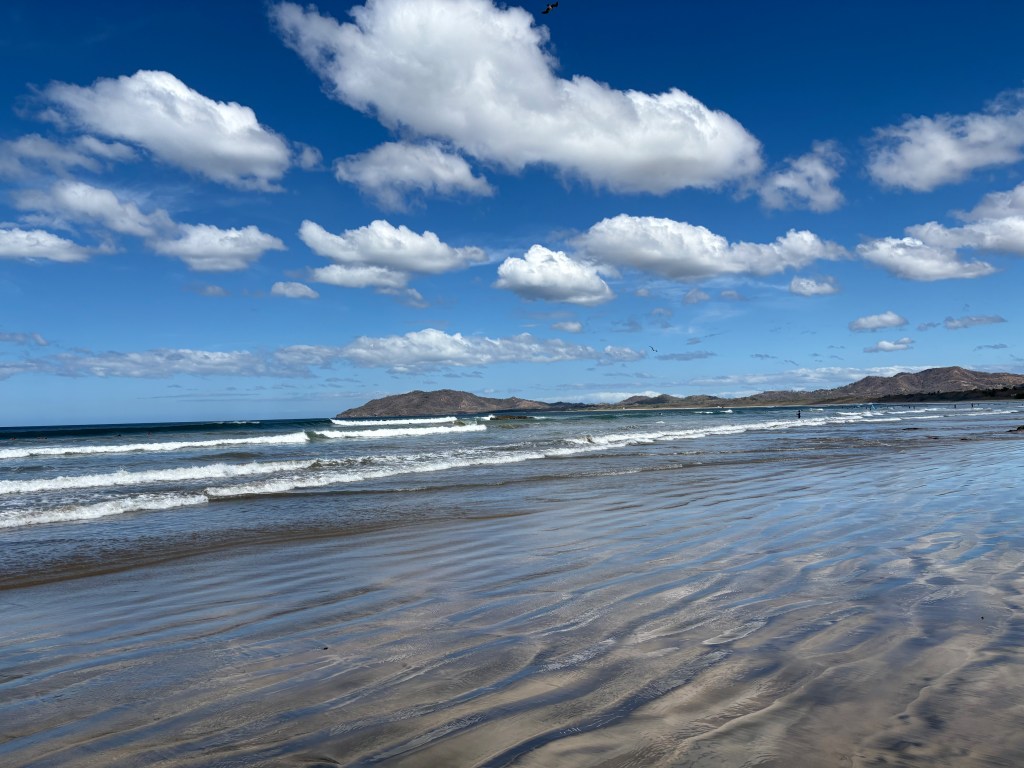
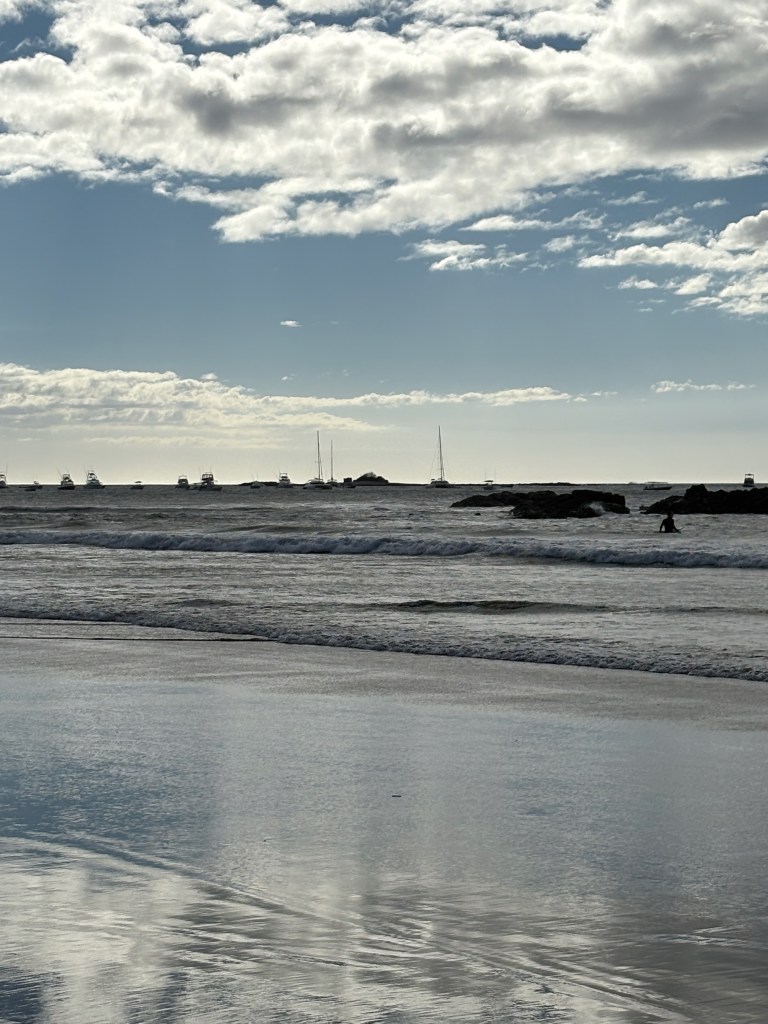
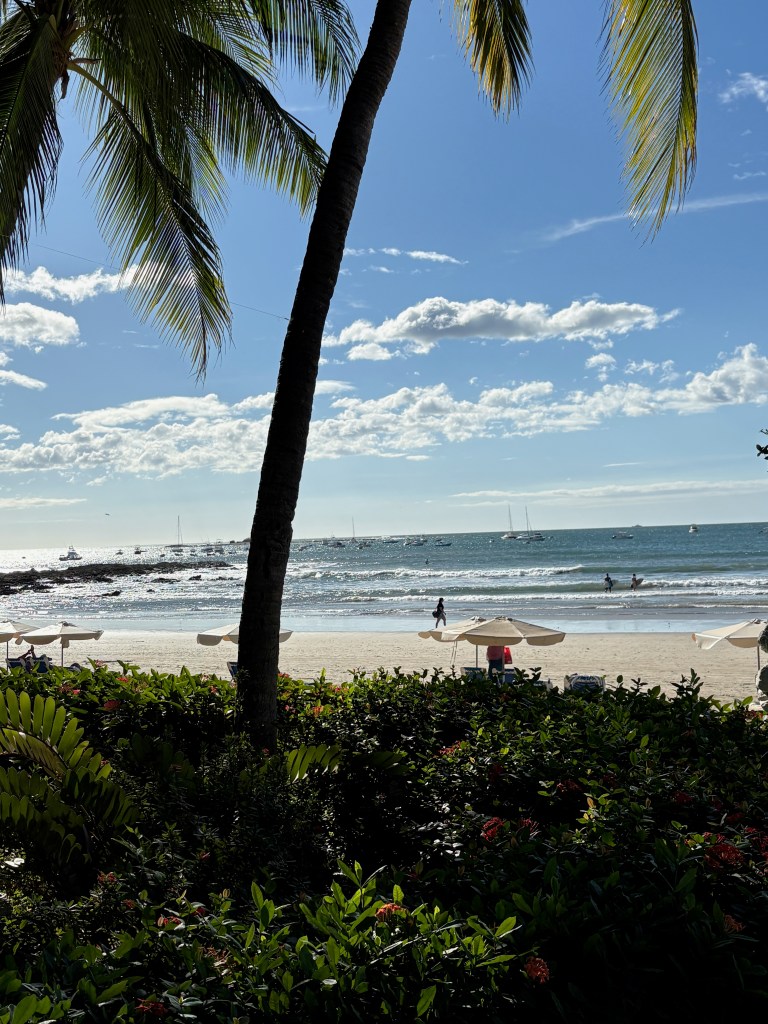
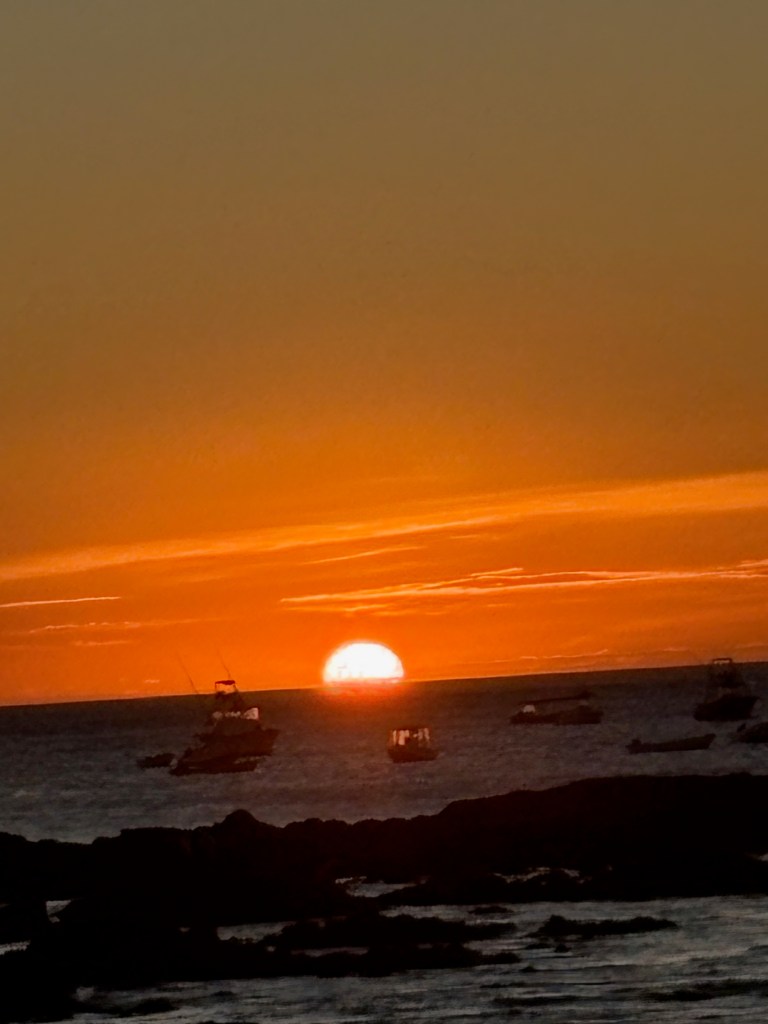
From the lush cloud forest, we descend through various layers of vegetation to the seaside village of Tamarindo, overlooking Las Baulas National Marine Park. Our final stay was at one of Costa Rica’s most famous beaches, known for its golden sands, clear waters, amazing sunsets and lots of tourists.
We arrived late afternoon at a massive resort with plenty of amenities. Our balcony overlooked the large family pool. We arrived to sunshine and heat-Yahhh!
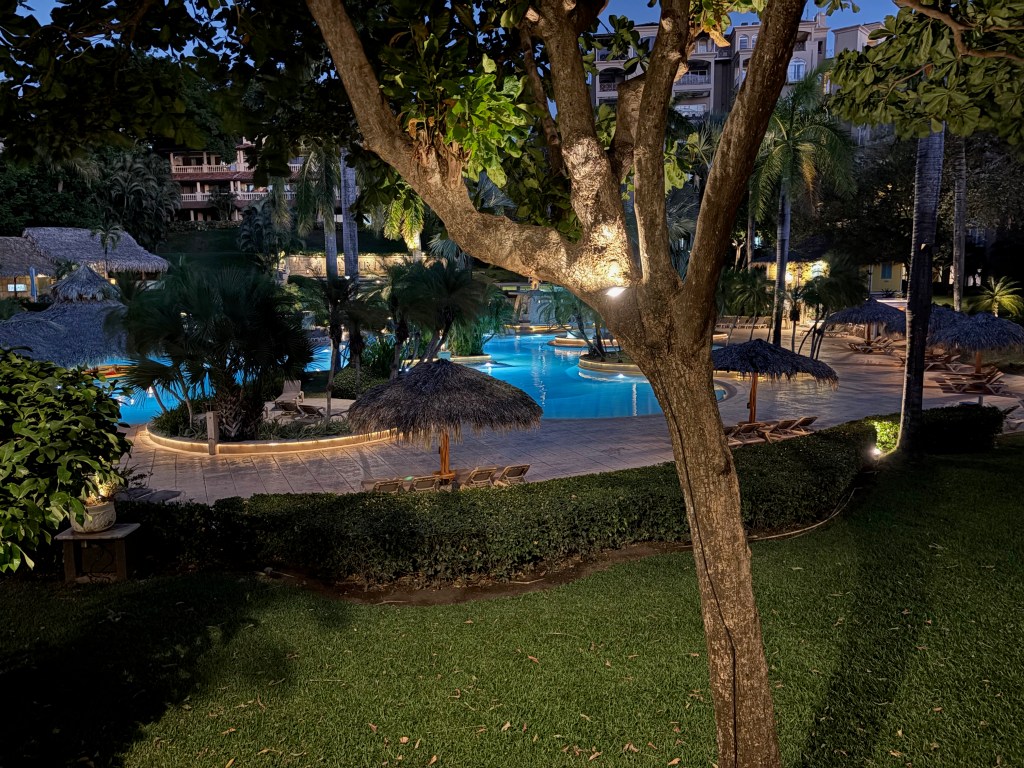
Tamarindo Diria Beach Resort (4 nights)
FEB 12, Thursday TAMARINDO
A free day. The gardens in the hotel are immaculate and beautiful.
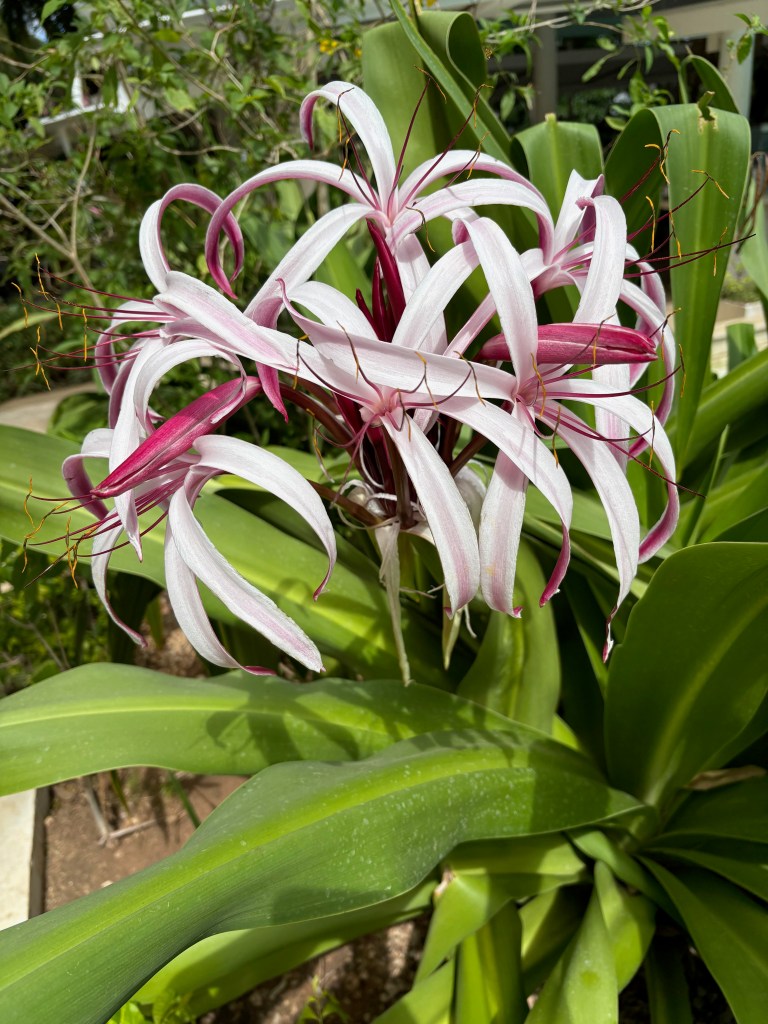
We walked the mile-long beach
FEB 13, Friday TAMARINDO / PALO VERDE
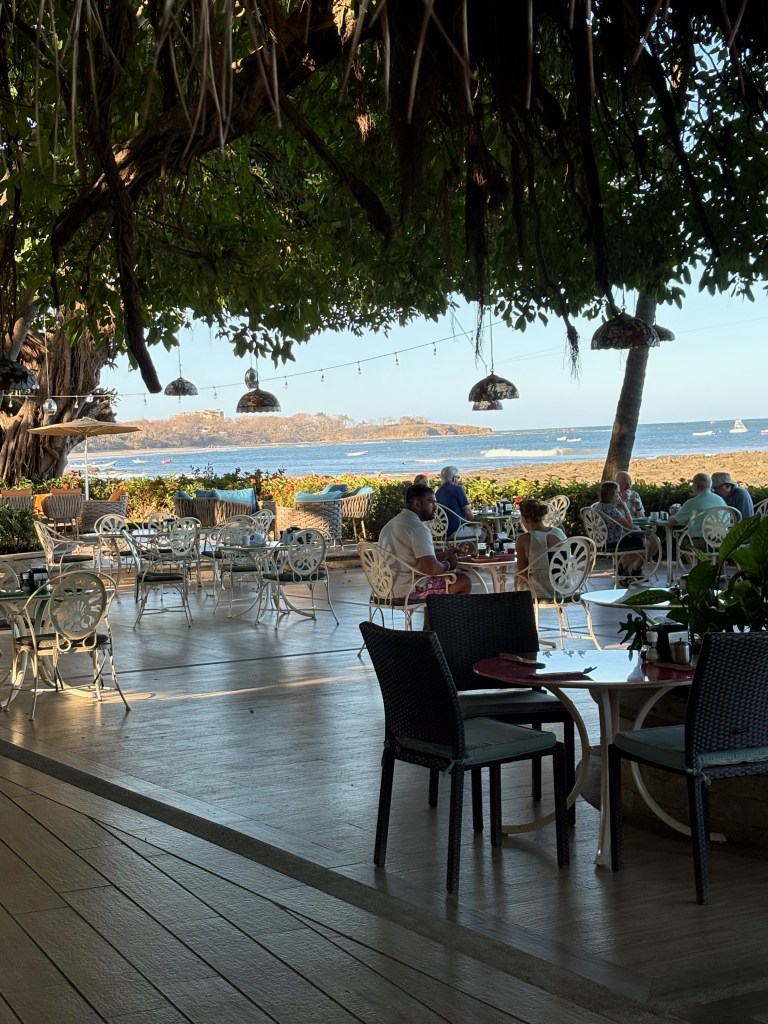
Breakfast with this view is hard to beat.
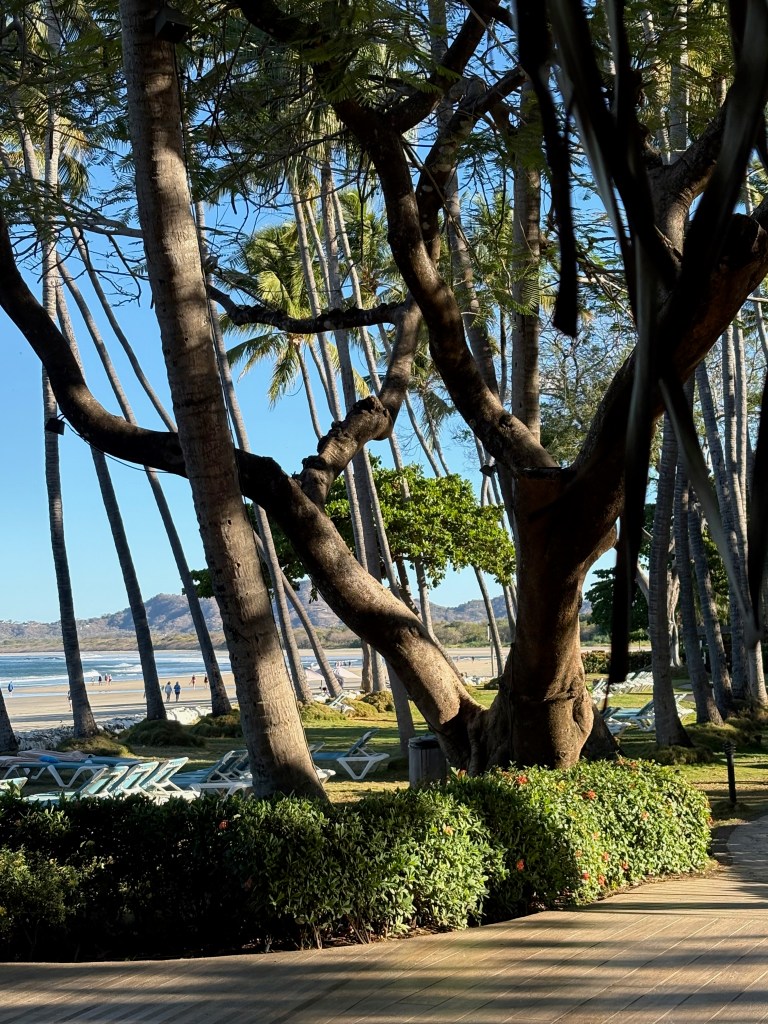
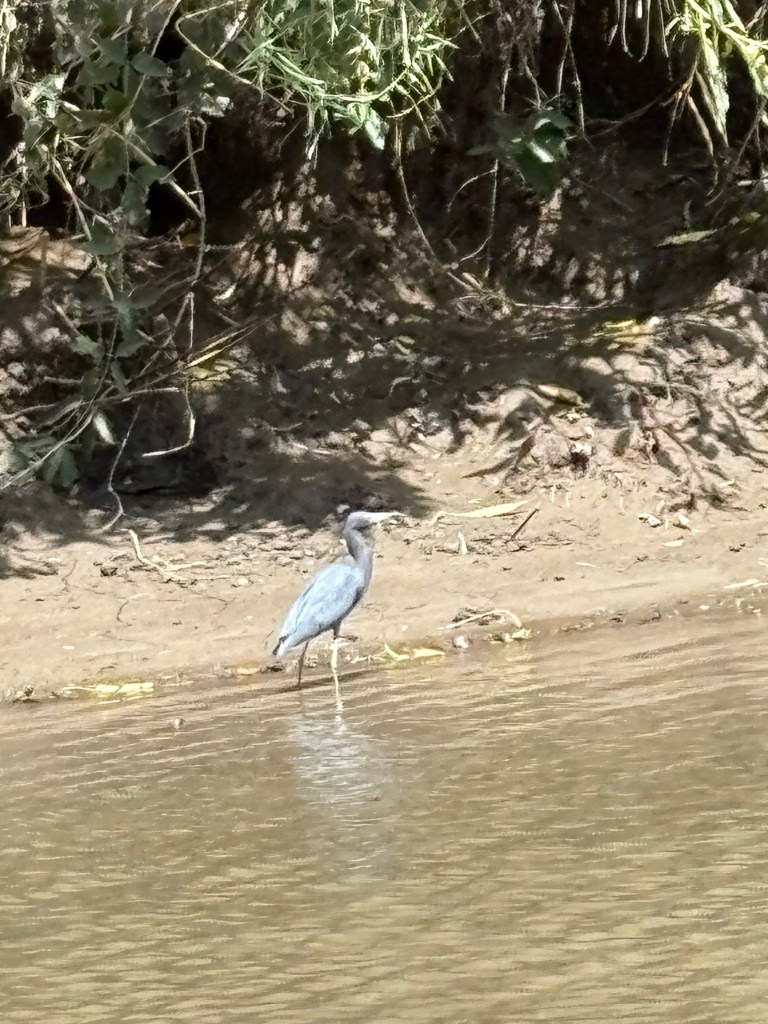
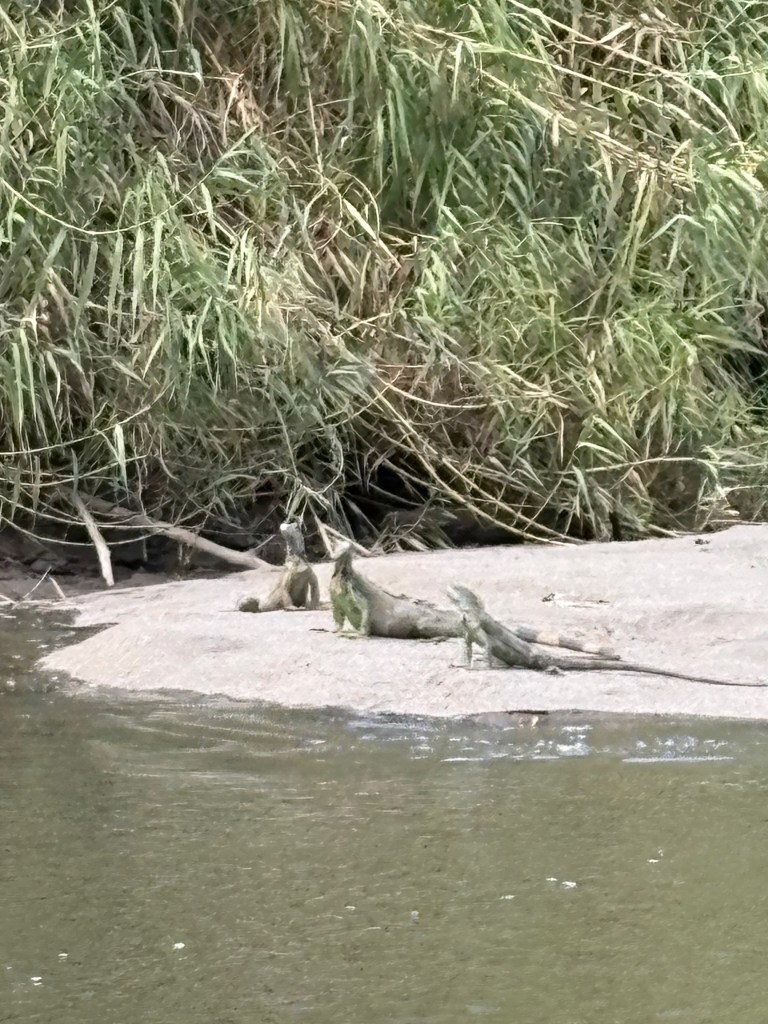
Early this morning, we gathered for a full-day exploration of Palo Verde National Park, known for its wetlands and wildlife. We cruised along the waterways of the Tempisque River to witness the variety of birds and wildlife that populate the park.
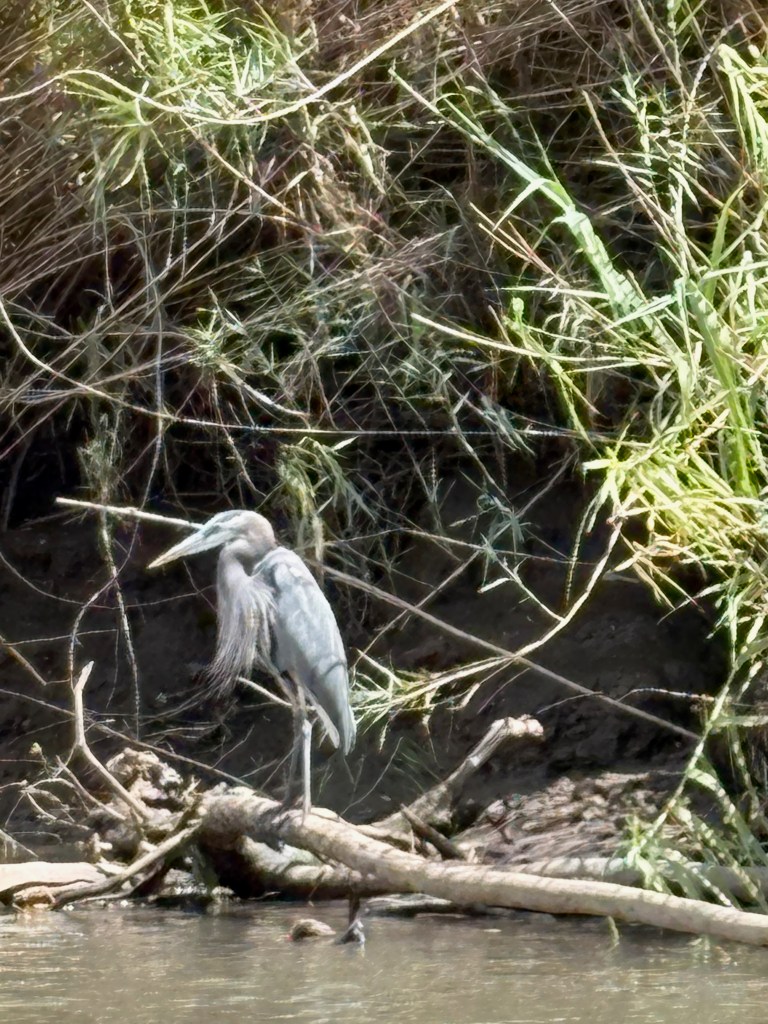
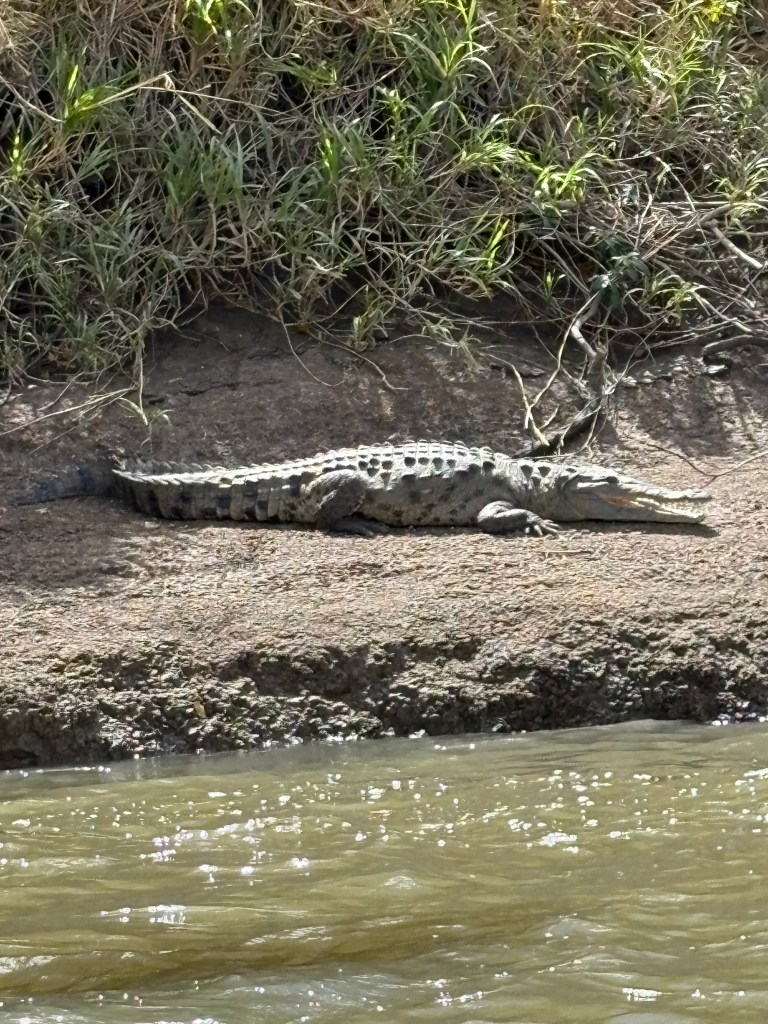
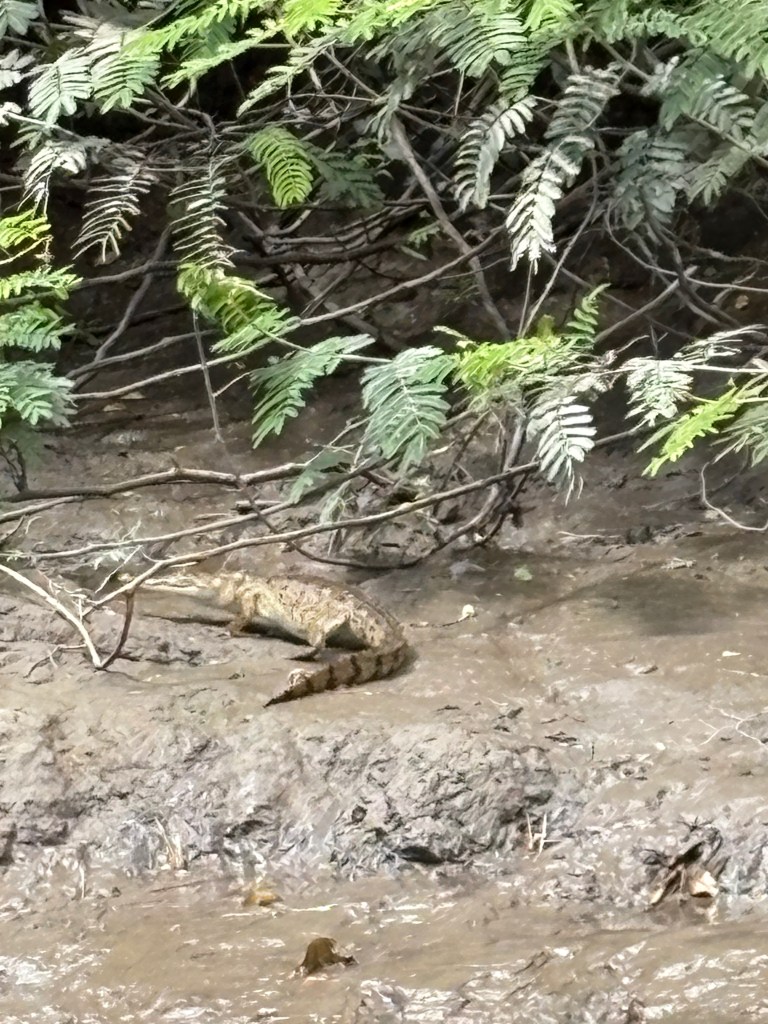
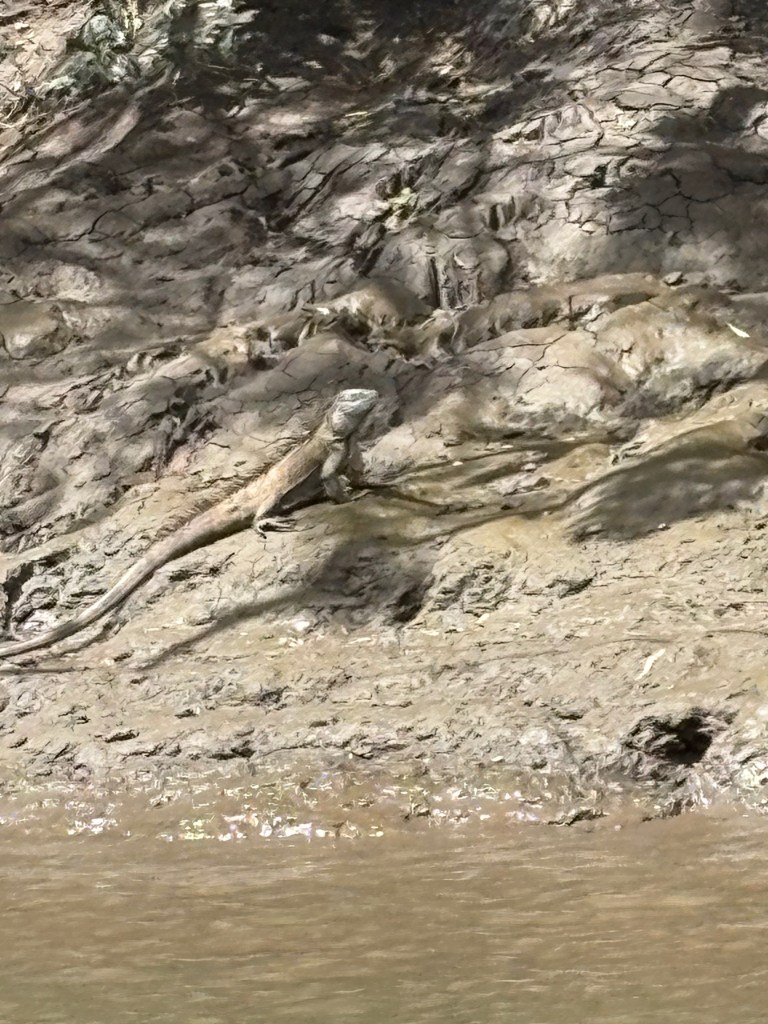
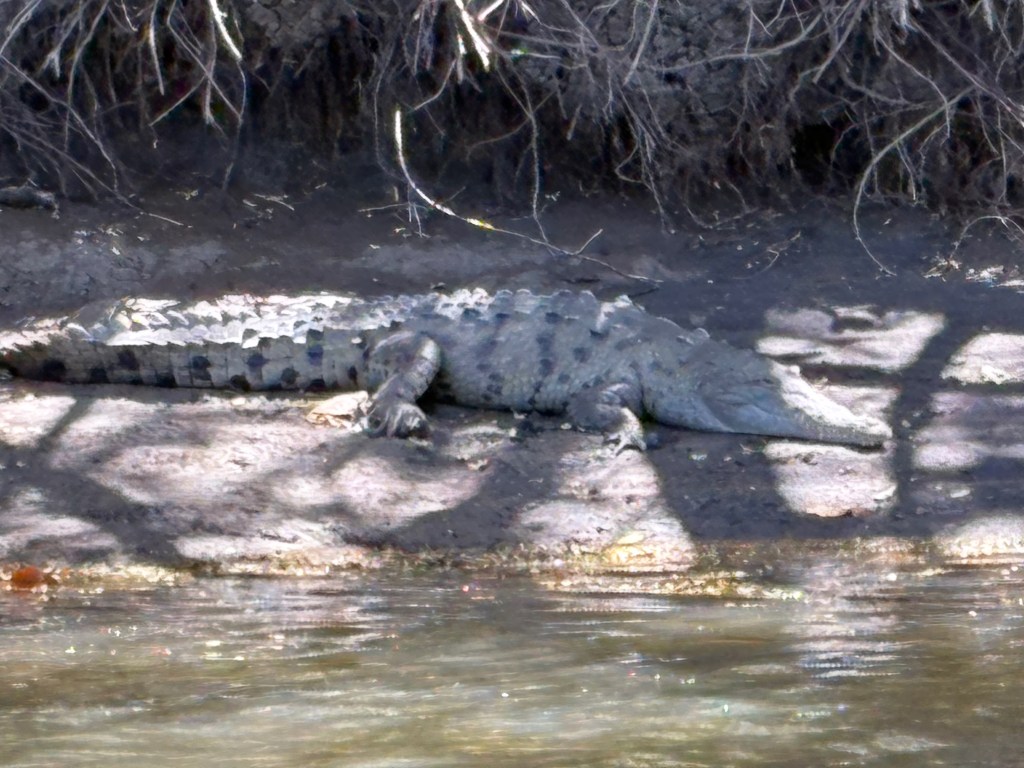
We saw a large number of crocodiles of all sizes and both male and female: the count was over 20.
There are a lot of crocodiles living in rivers and lakes in Costa Rica. Two species of crocodiles live in Costa Rica, the American crocodile and the caiman. Both are masters of camouflage as they have water-adapted bodies such as elevated eyes and nostrils that allow them to submerge almost completely while still breathing through their noses. Their tail, which is flattened at the sides, is also an adaptation to their environment and allows them to move quickly and unobtrusively through the water.
Another feature that distinguishes these extraordinary animals is a mechanism that helps them swim silently through the water without fins where they shift their lungs. For example, if they want to dive, the lungs are pulled towards the tail when surfacing, towards the head and for a sideways roll, and to the side accordingly. This allows crocodiles to perform the well-known death roll. With the caught animal in their mouths, they roll around their own axis several times and can rip out large pieces of their prey. Despite their large teeth, crocodiles are unable to bite their prey apart. They are not fussy about what they eat: whatever enters those hug jaws is ingested.
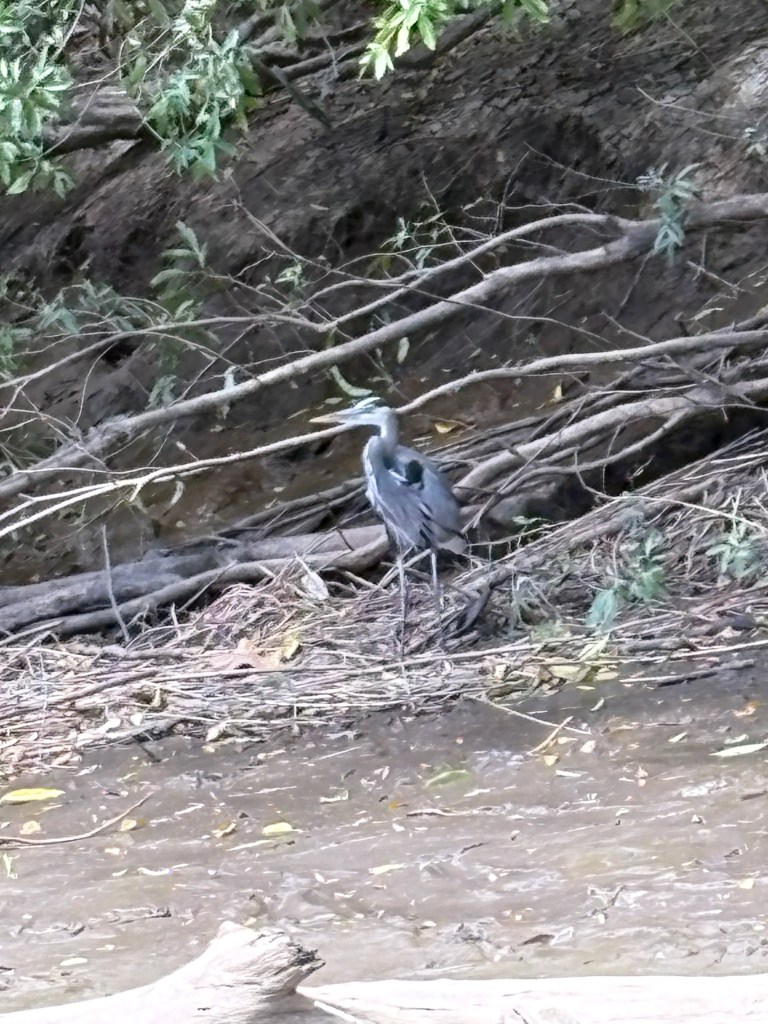
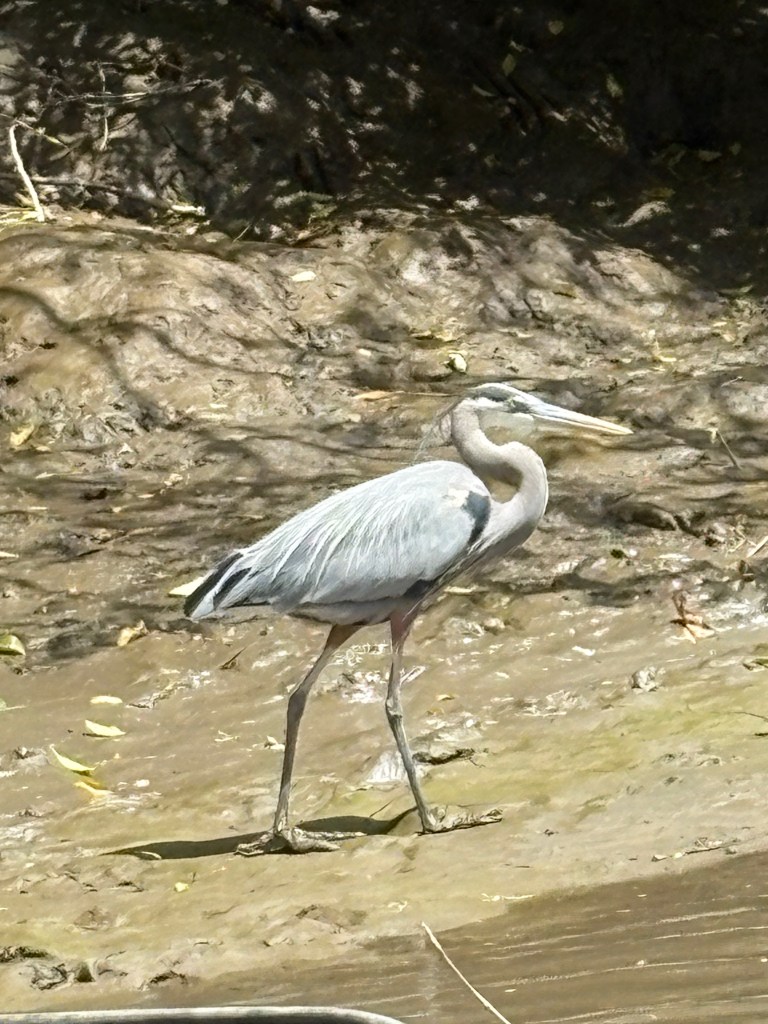
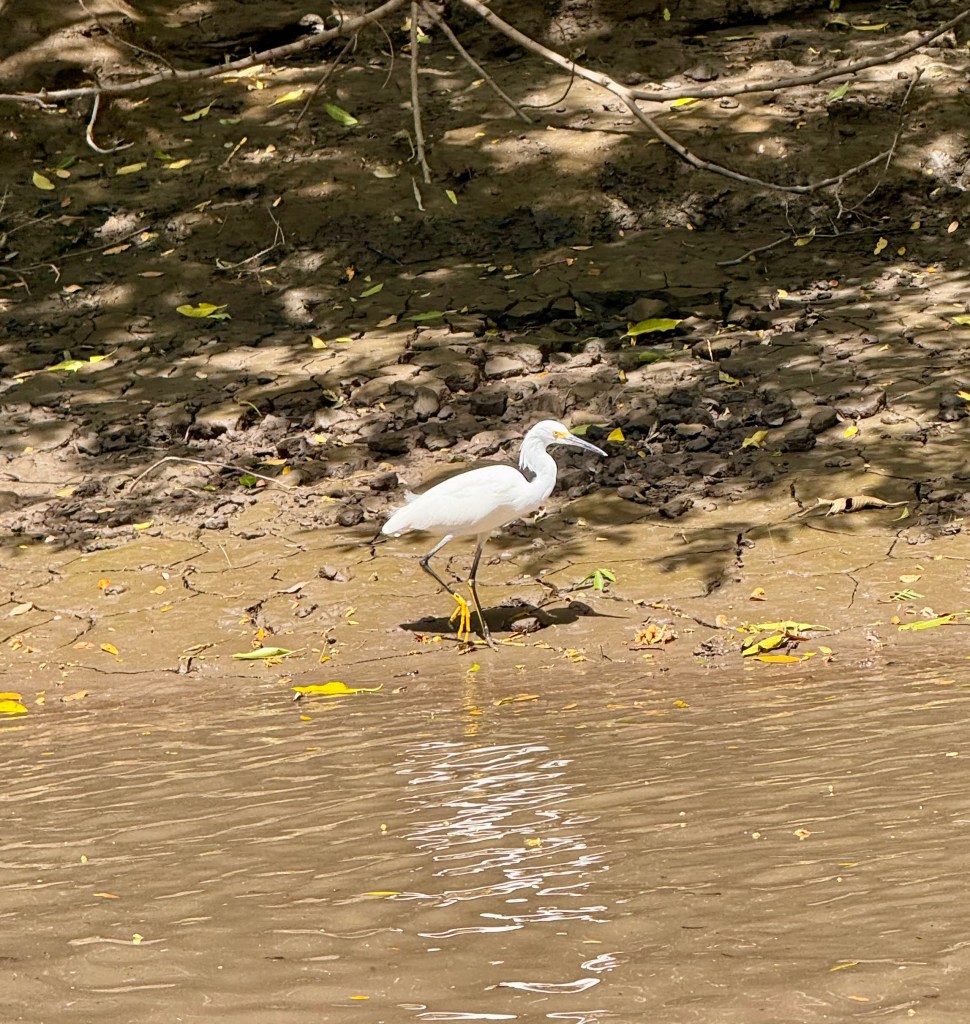
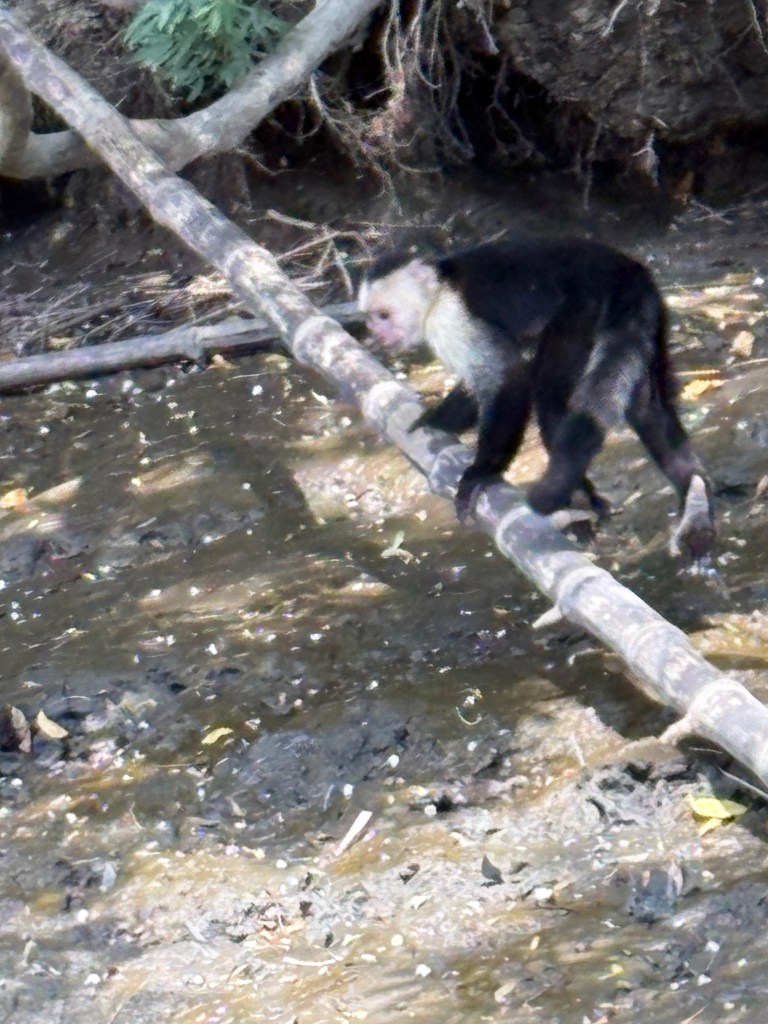
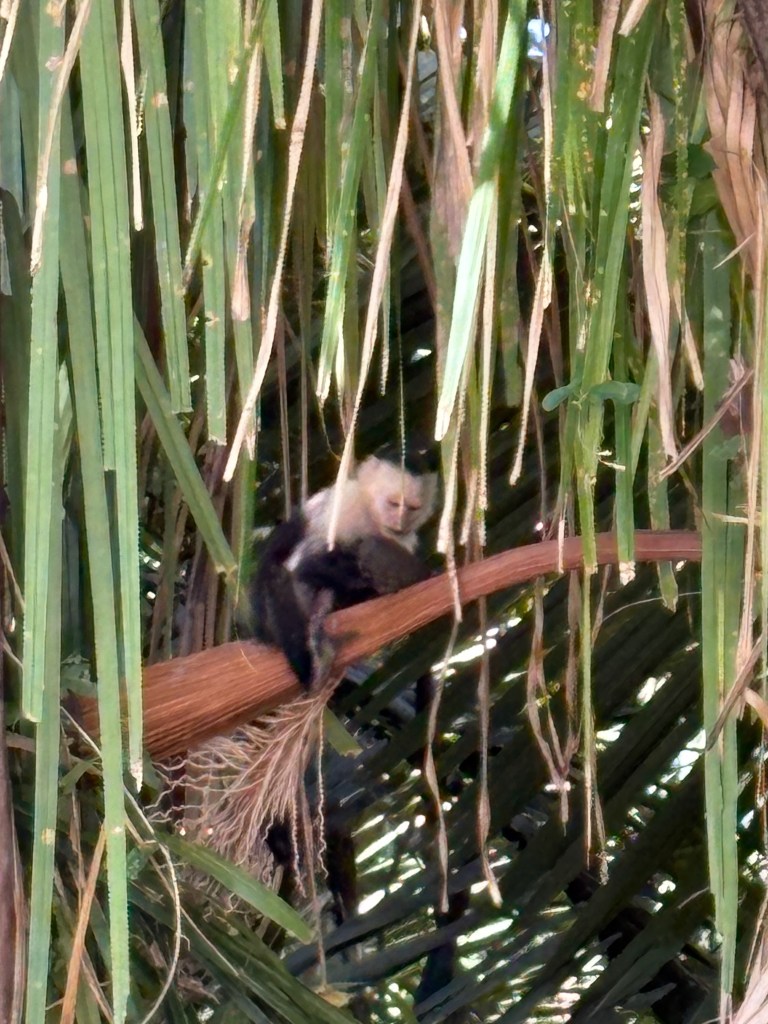
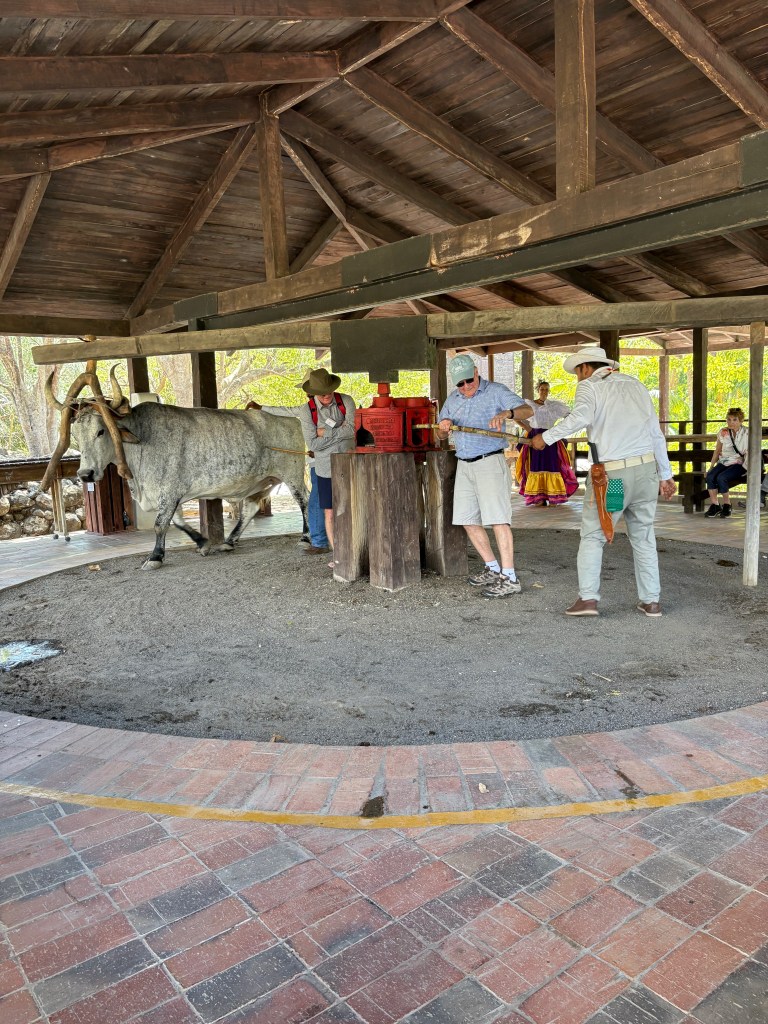
At the historic Sabanero (Cowboys on the Savannah) Hacienda we learn about the sugar cane plantations and the lifestyle in the savannas, followed by a typical lunch including local fruits and homemade food.
Historically, sugar cane in Costa Rica started in peasant homes, serving both as a sweetener and as cattle feed (Bagazo). Small-scale sugar cane fields were a common sight, reflecting a subsistence approach to agriculture.
Today, sugar cane cultivation is a cornerstone of traditional agricultural practices in Costa Rica. Its role in the national economy is significant, contributing to the Gross Domestic Product (GDP), generating direct employment, and bolstering exports.
In colonial times, the Guanacastecan province was known for its rudimentary, oxen-powered, wooden Trapiches (sugar mills) for juice extraction. This juice was essential in creating various products, including distilled beverages, granulated sugar, and the celebrated tapa de dulce. Tapa de dulce involved drying cane juice in wooden or stone molds, creating a sweetener for hot drinks or a treat to be enjoyed in small pieces at home.
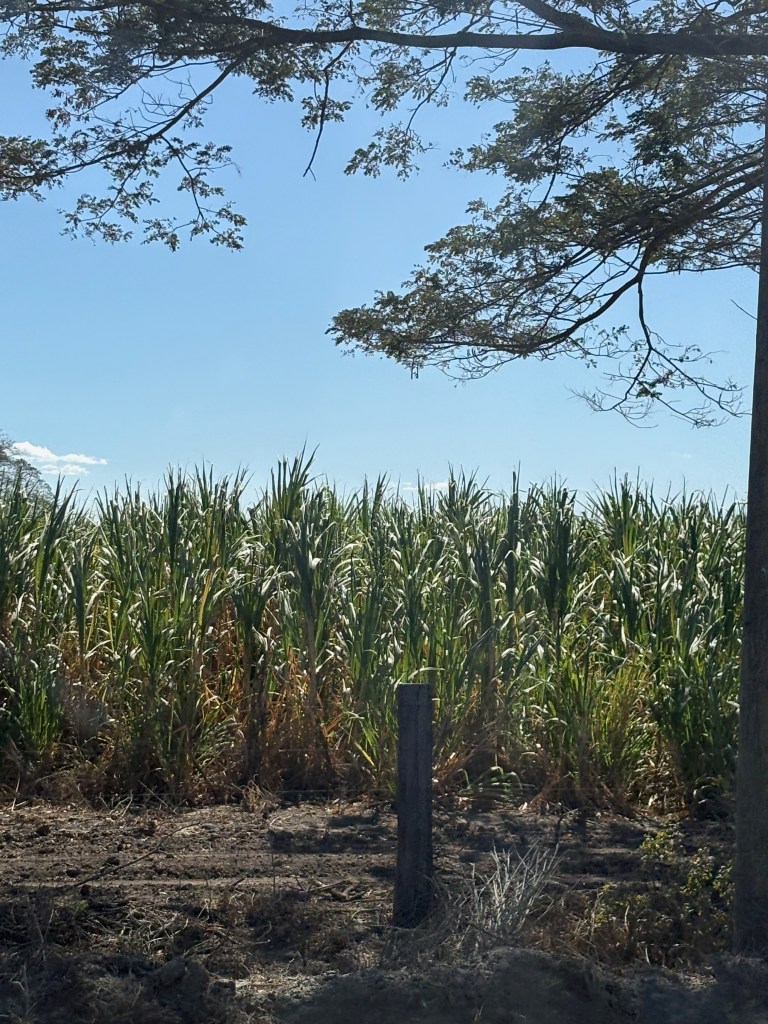
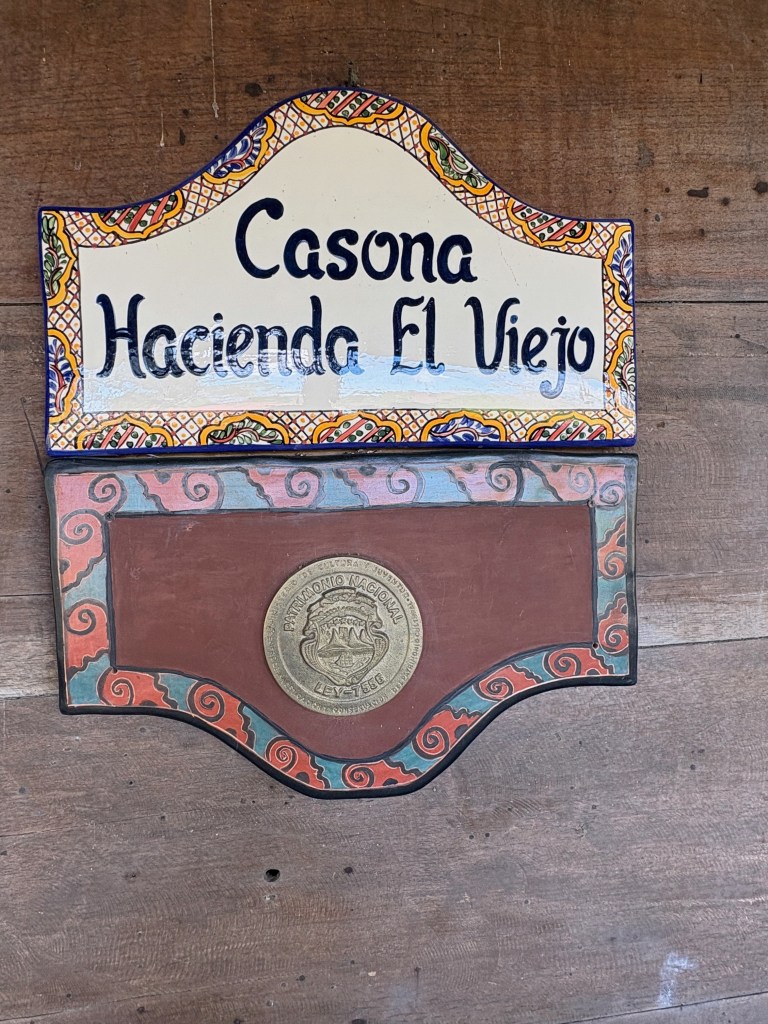
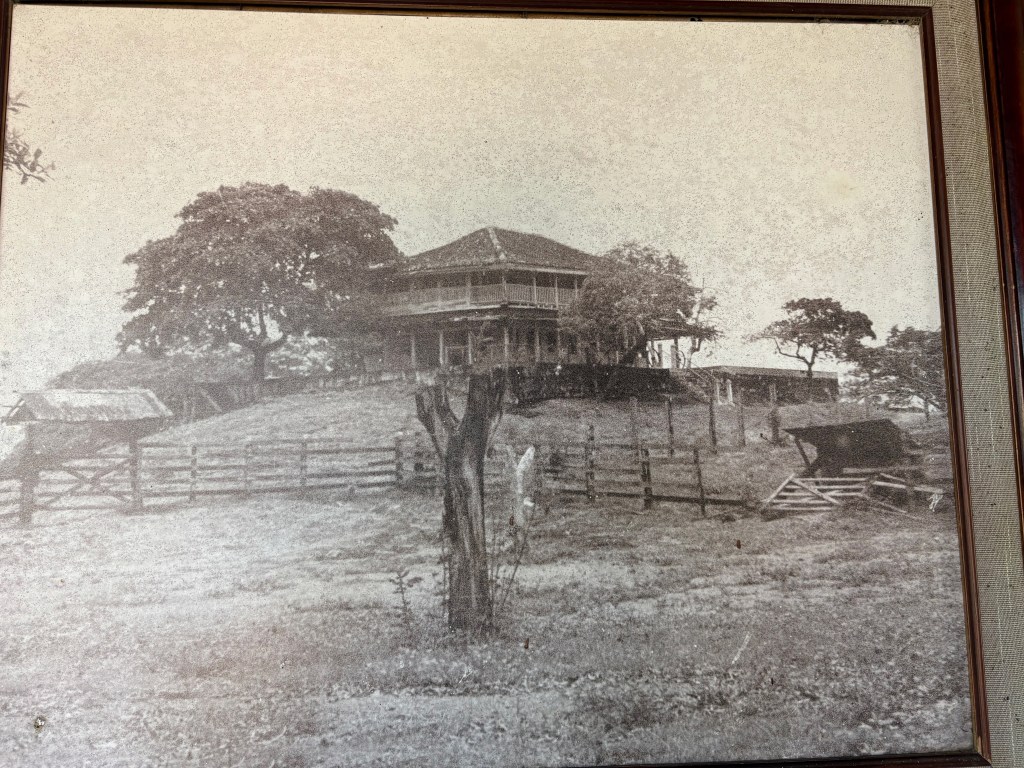
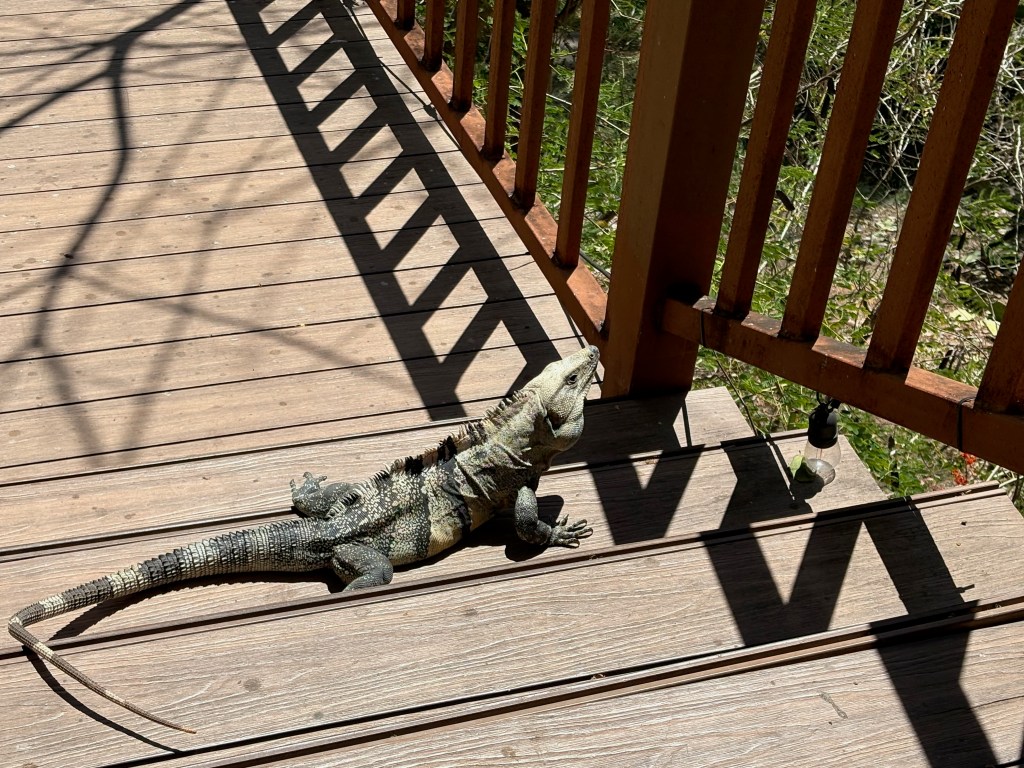
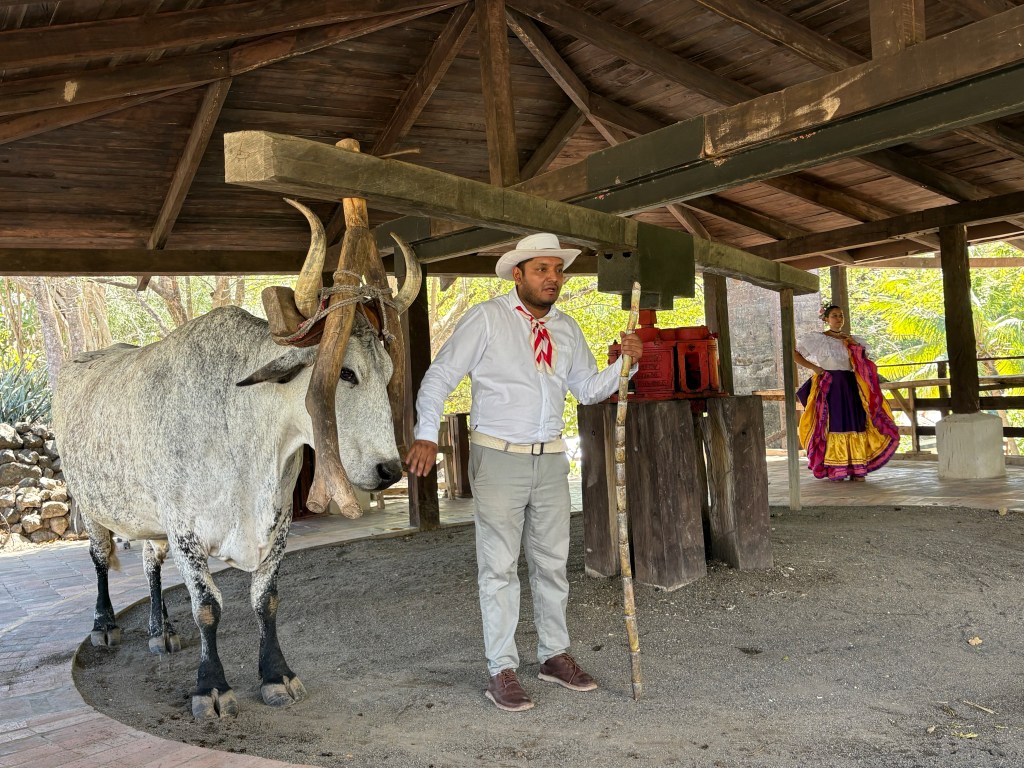
We had a presentation on sugar cane in which the process was outlined including the early days of production. This ox pulled the yoke that powered the machine that pressed the sugar out of the stalks.
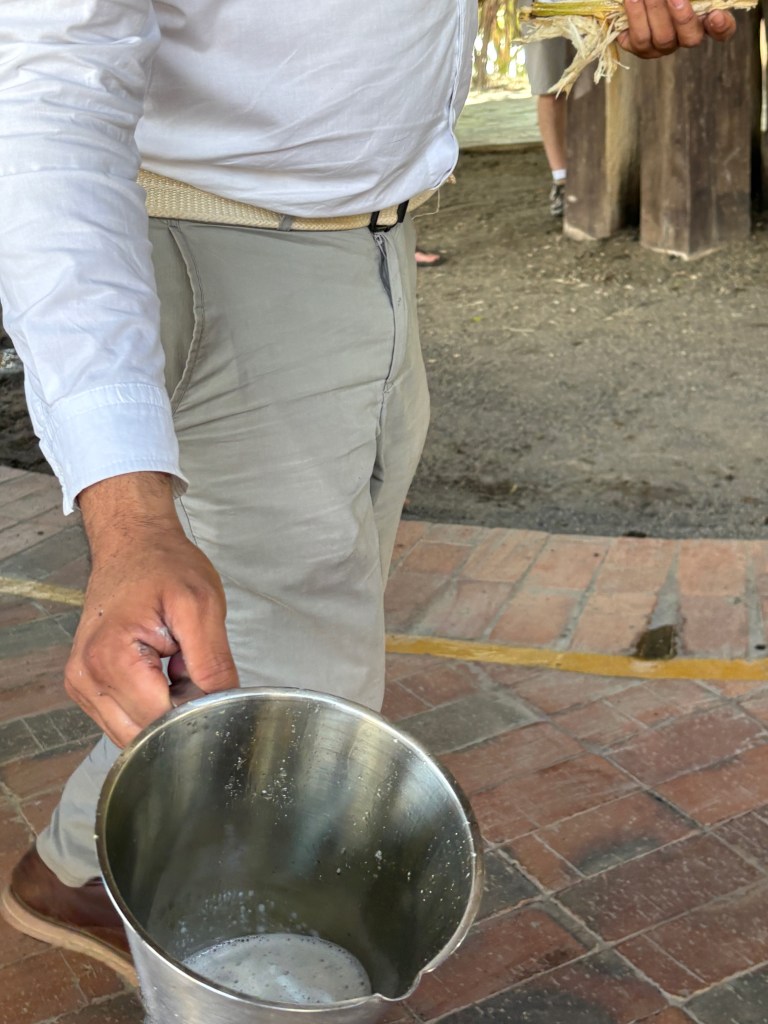
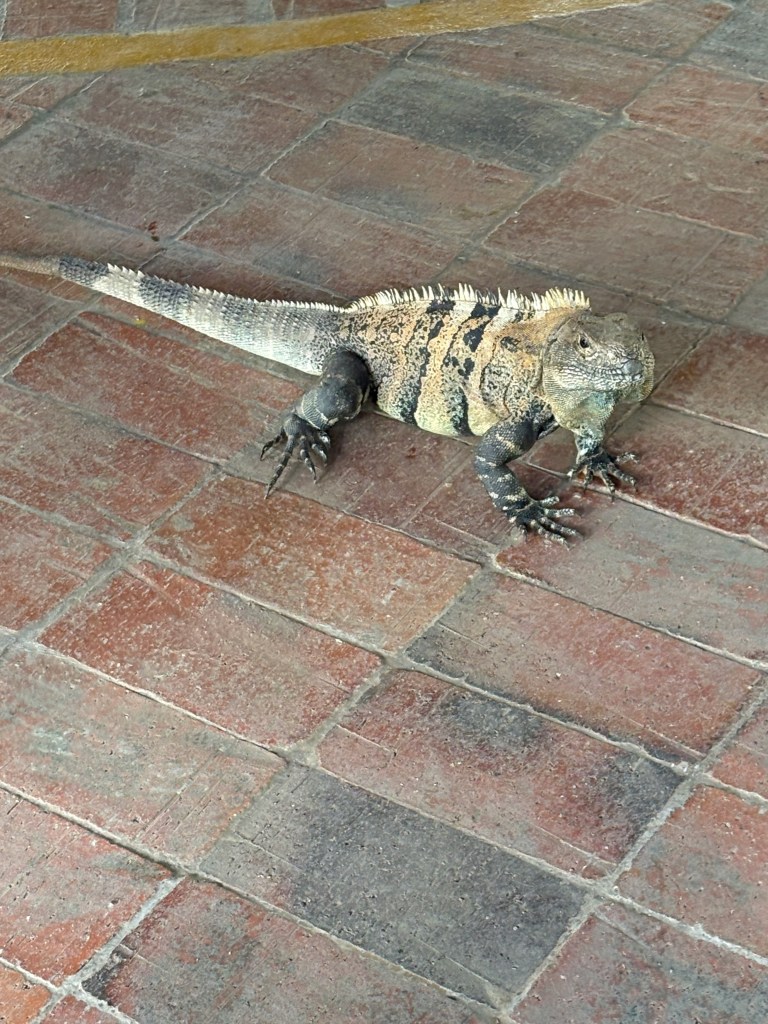
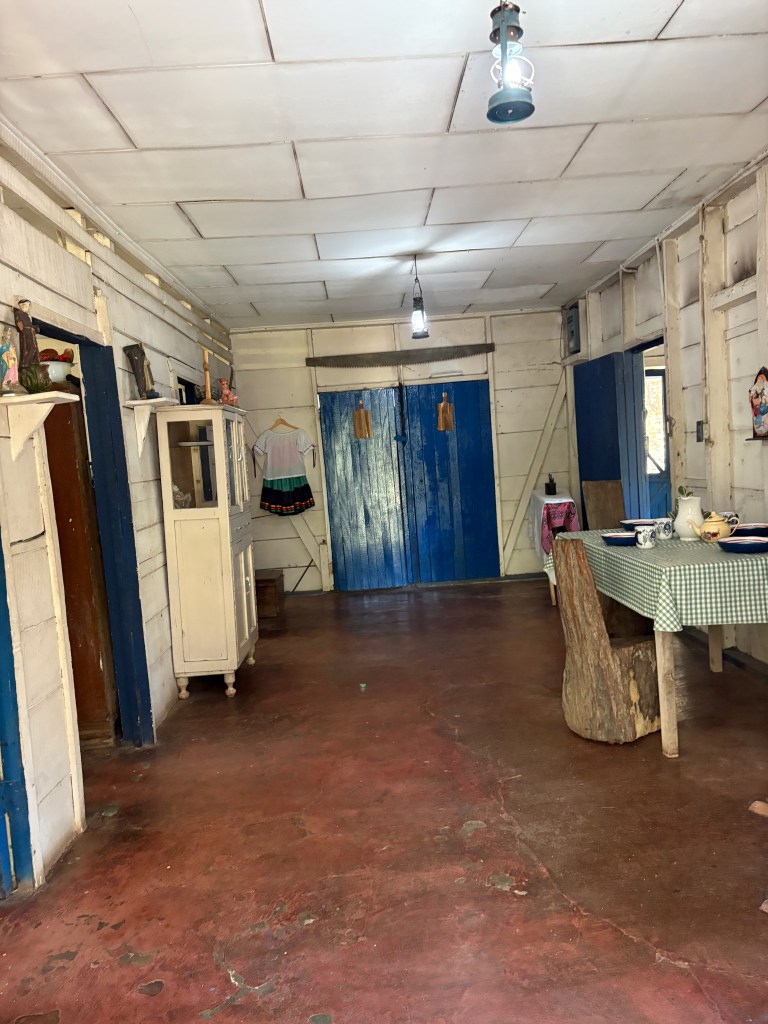
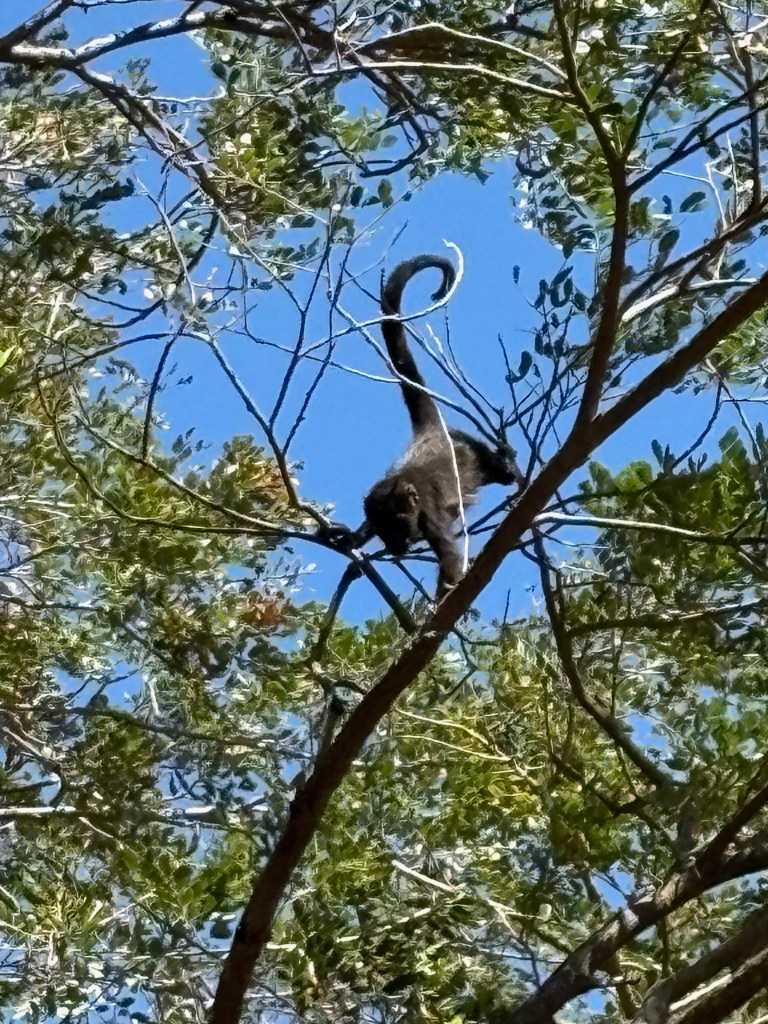
We had a tour of an original home, a few snacks and close-ups of howler monkeys.
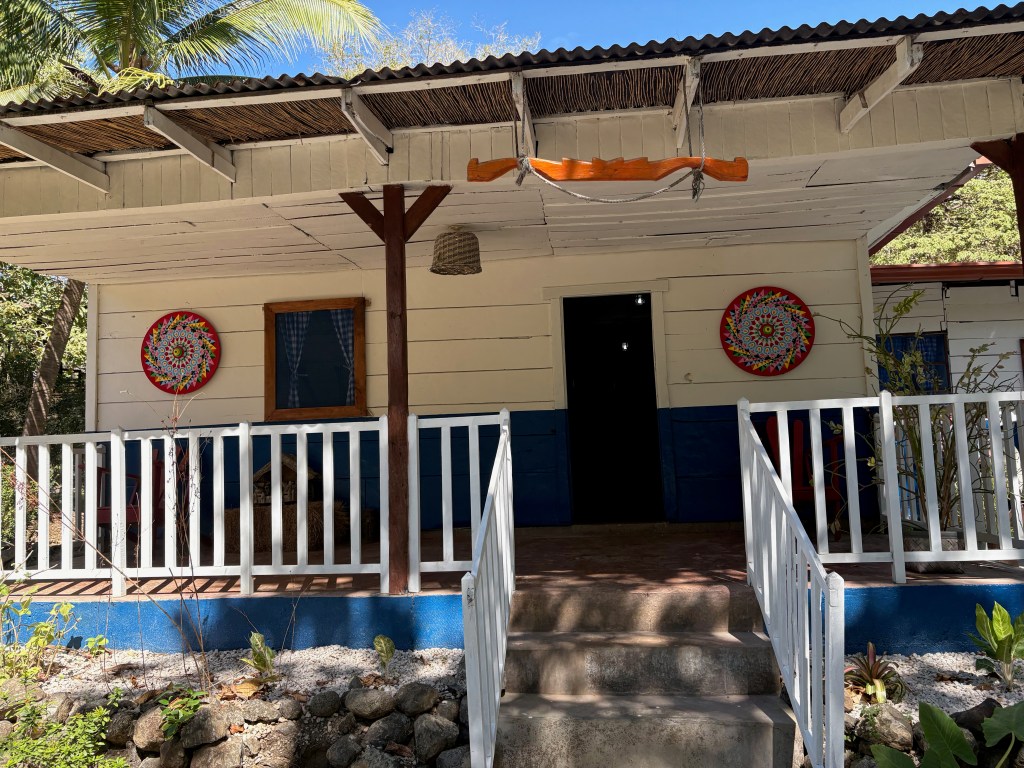
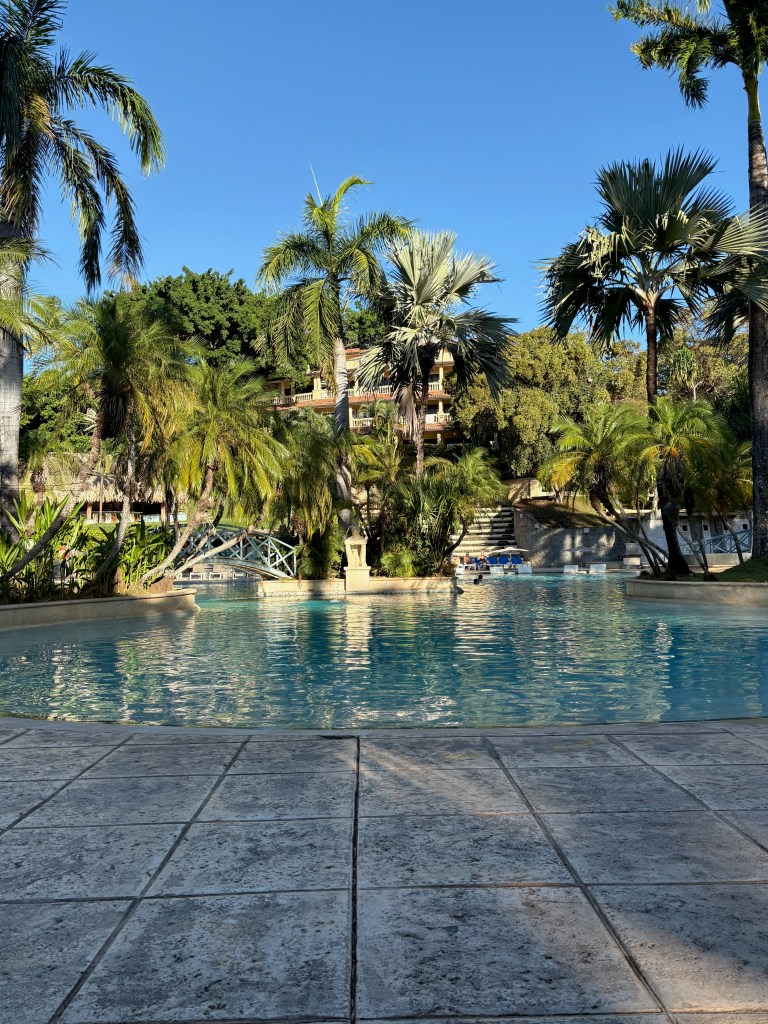
When we returned to the hotel, we had a swim at the family pool.
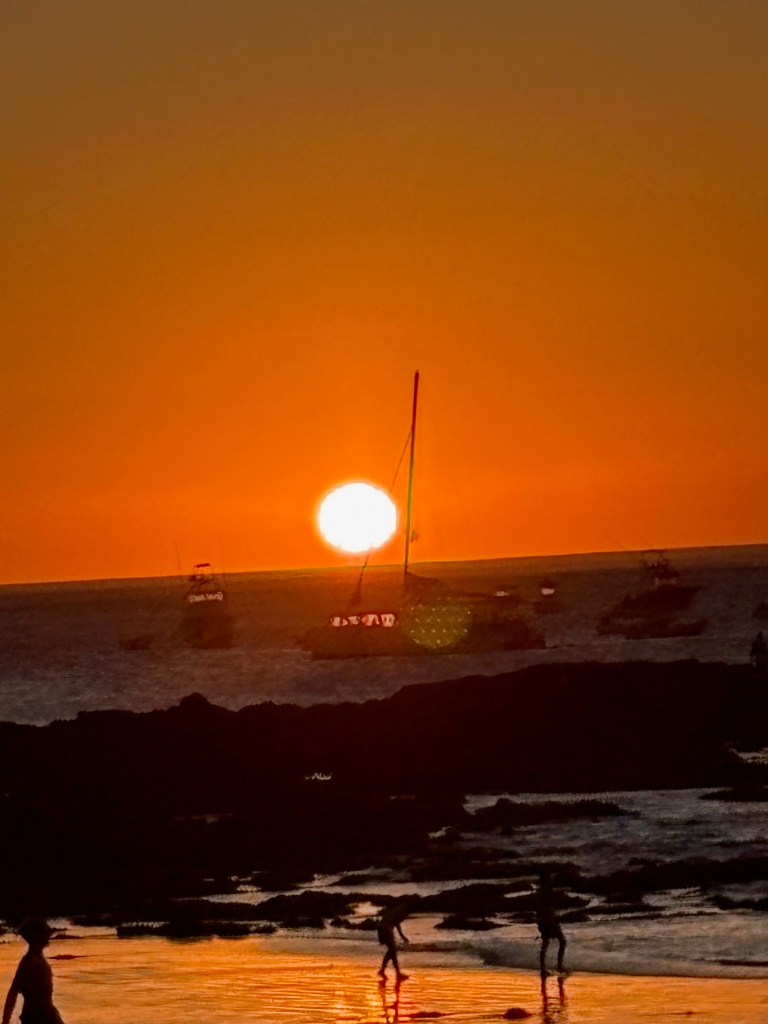
Another gorgeous sunset.
We had dinner at La Palapa and watched the fire show.

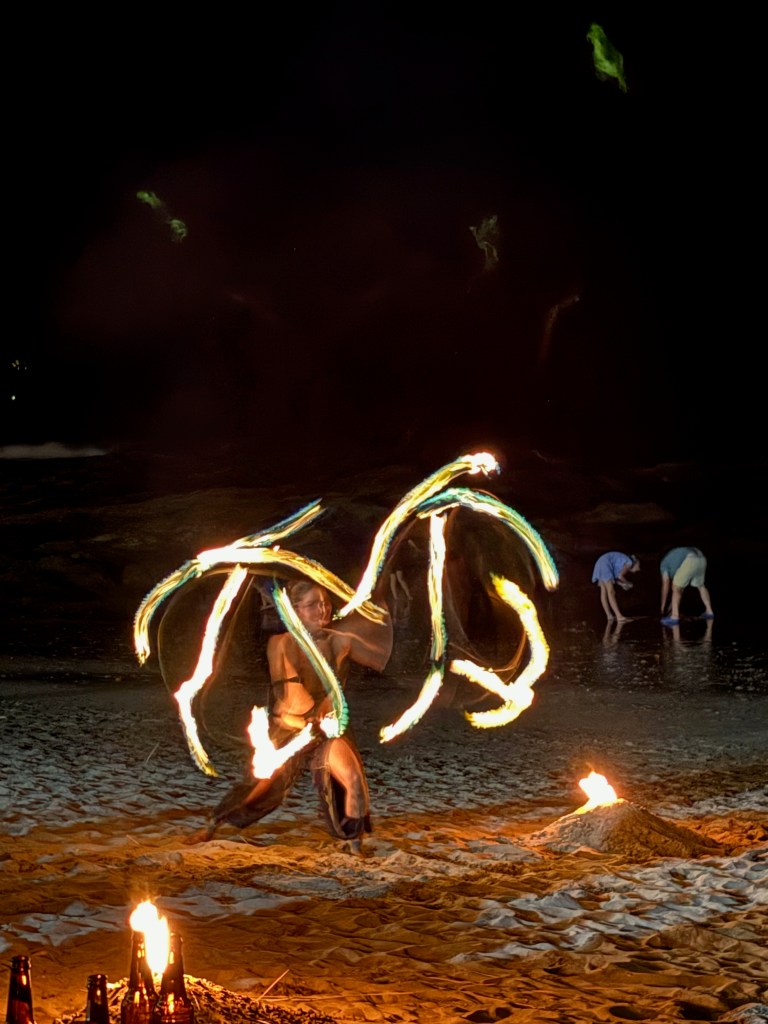
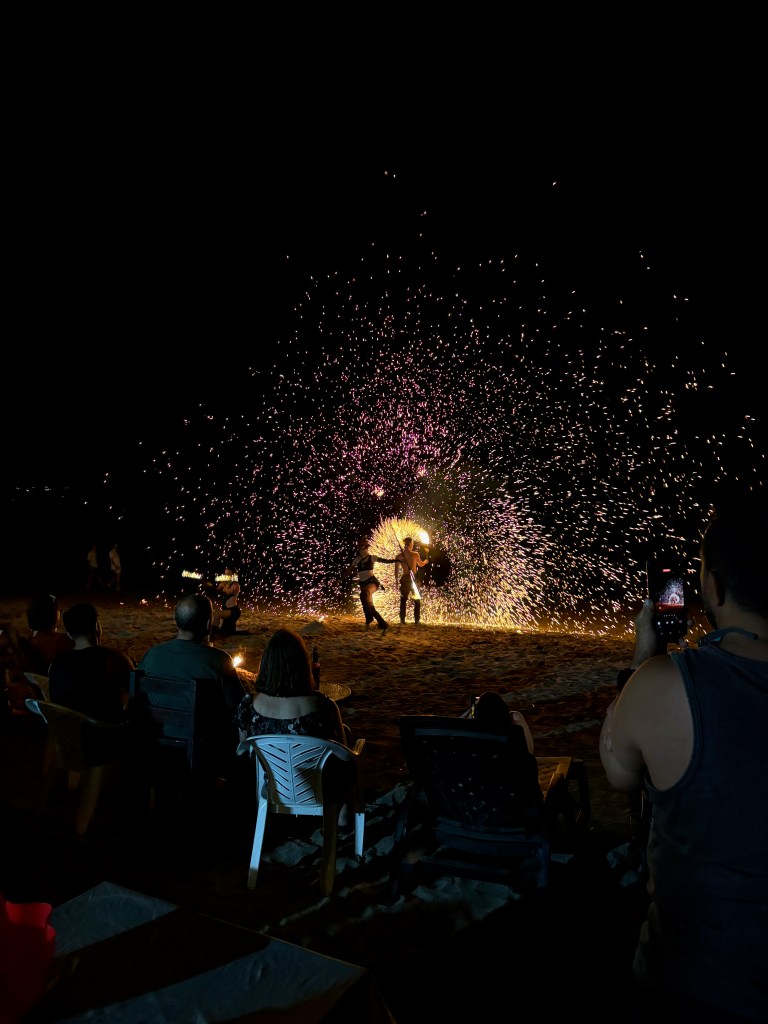
FEB 14, Saturday TAMARINDO
Valentine’s Day in Tamarindo!
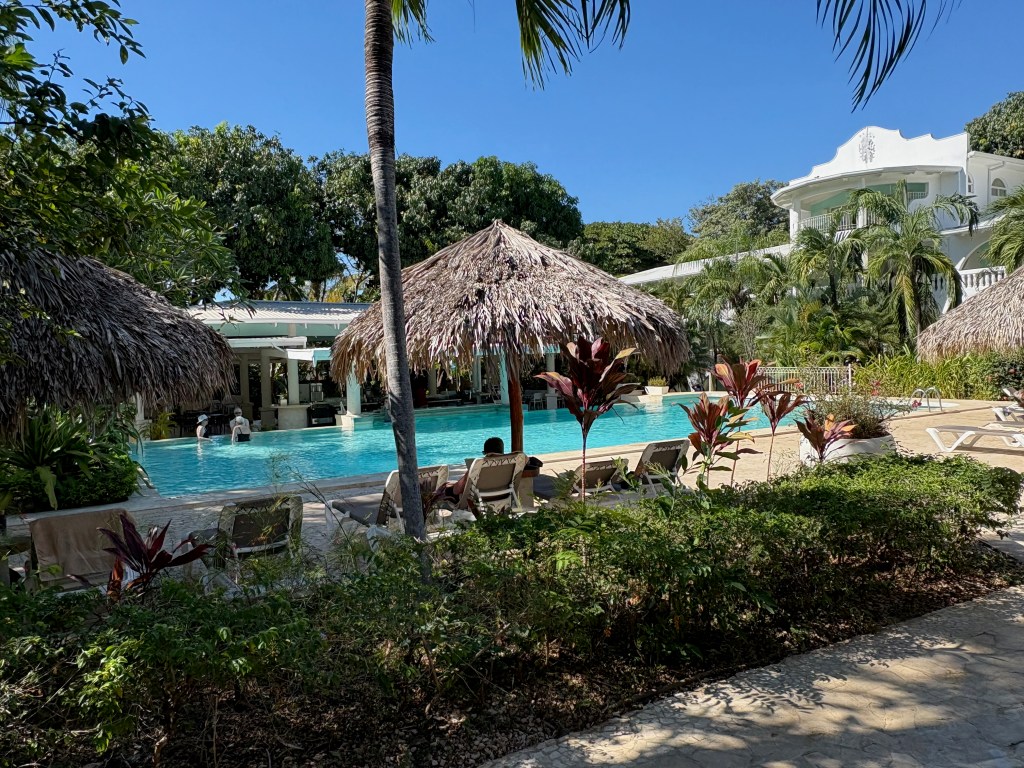
We swam in the adult pool, explored the town of Tamarindo, had lunch at La Palapa and watched the people go by.
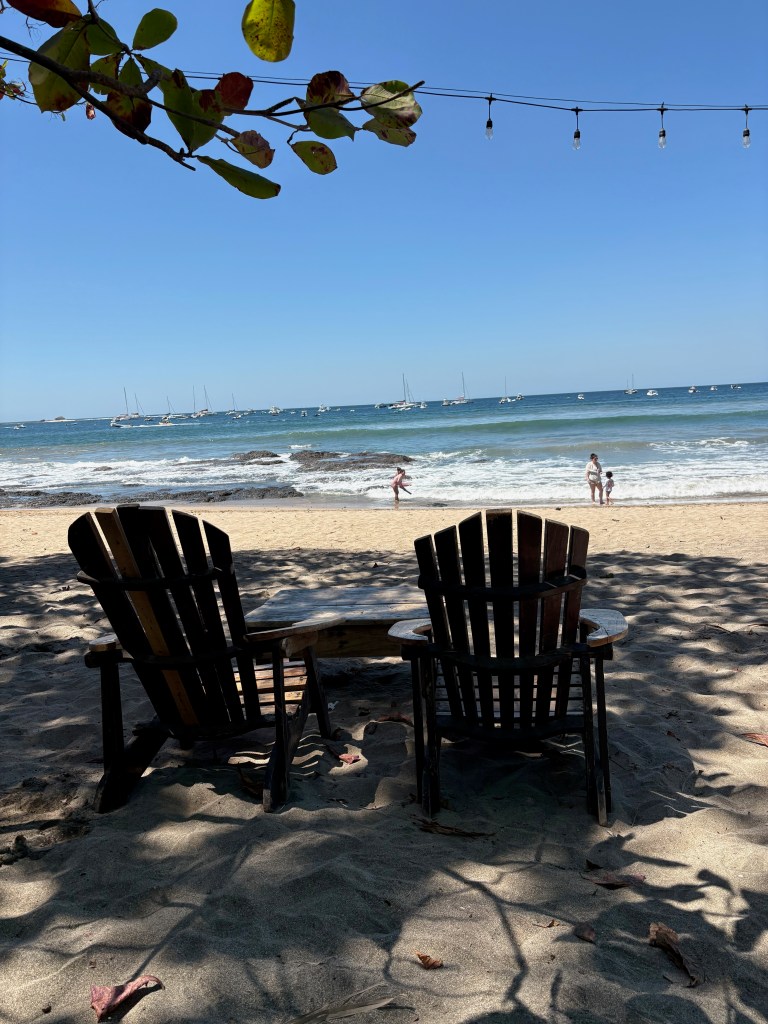
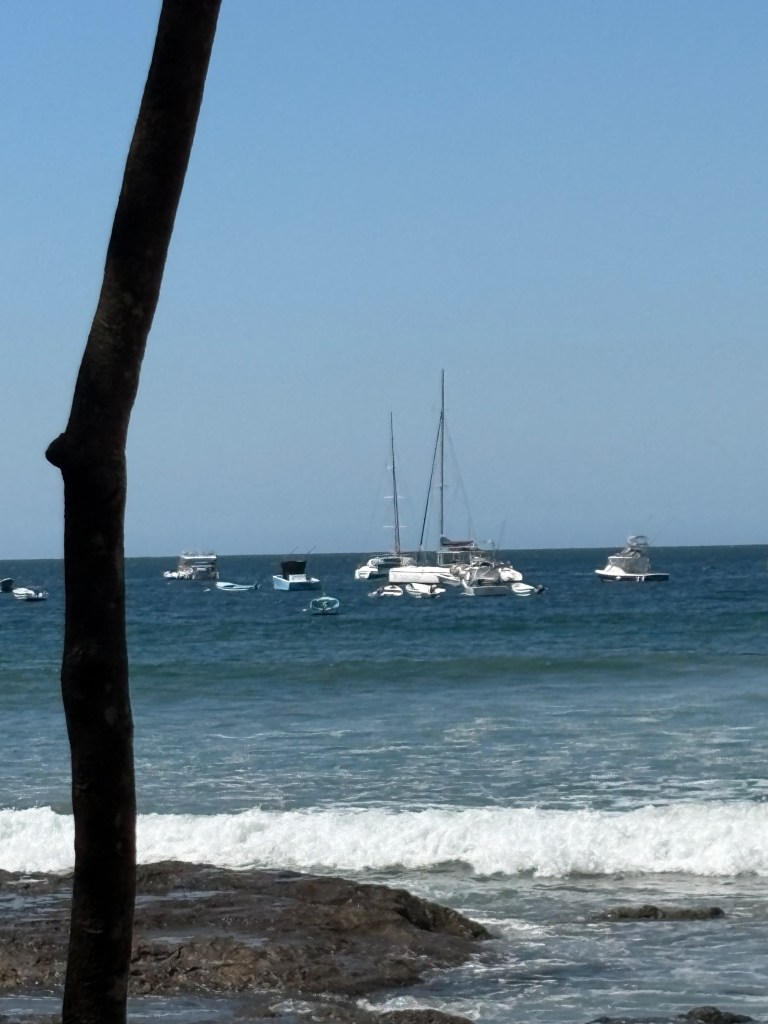
We visited local silver artisan shop, family-owned and bought a silver pendant.
In the evening we enjoyed a very good farewell dinner.
FEB 15, Sunday TAMARINDO
One last walk on Tamarindo Beach.
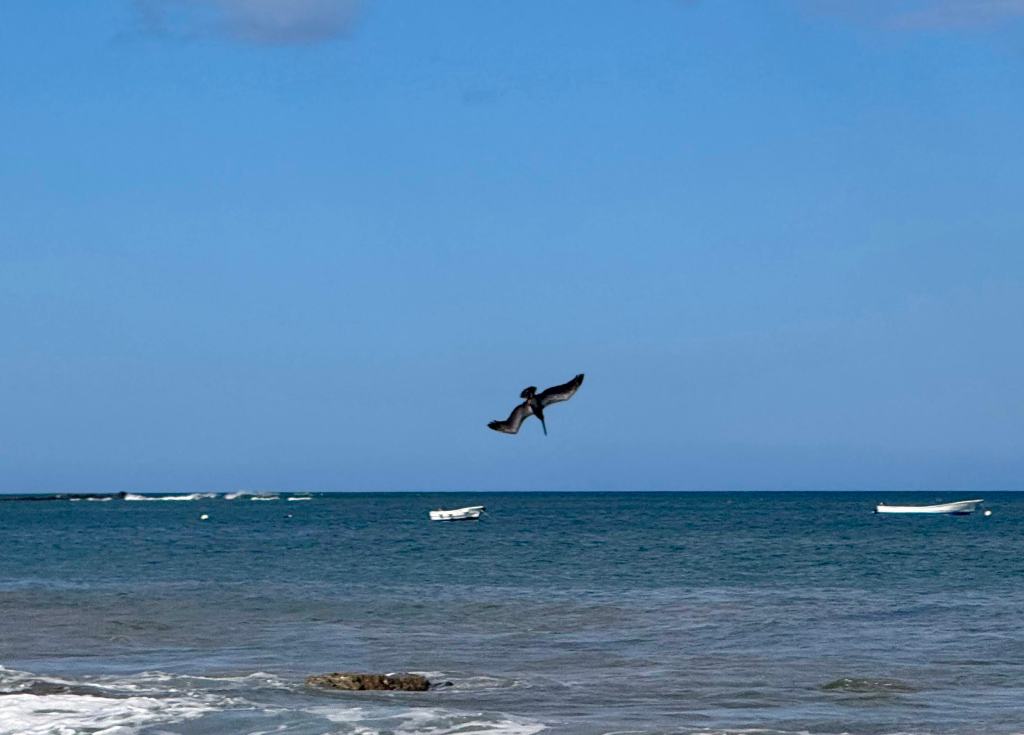
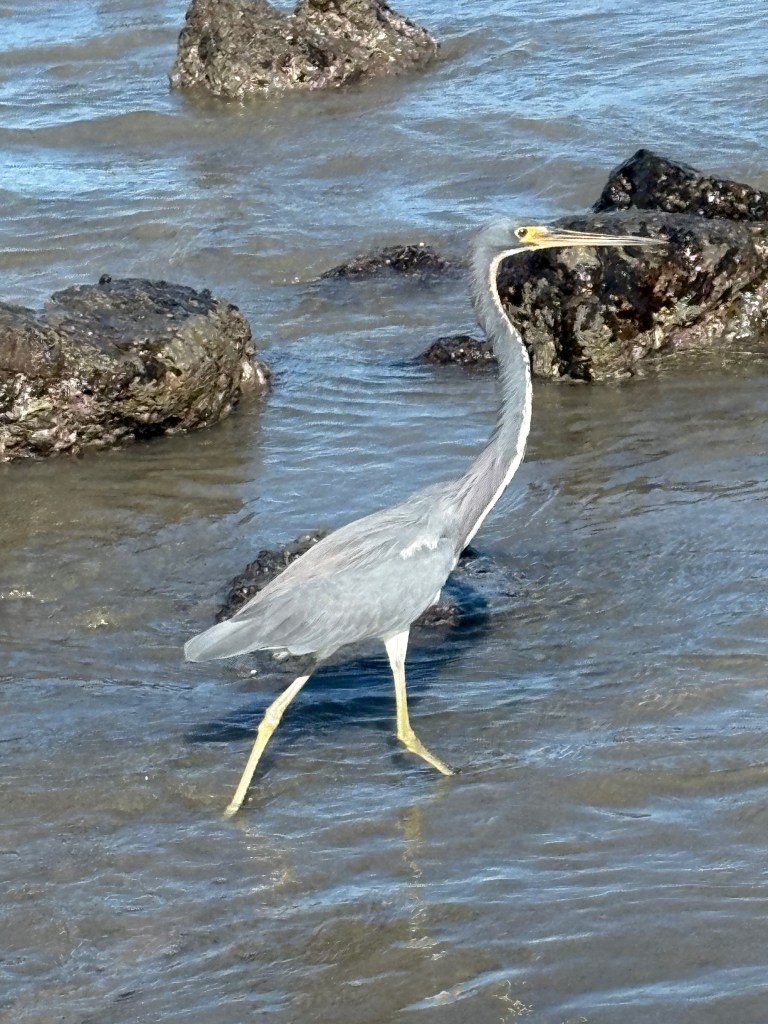
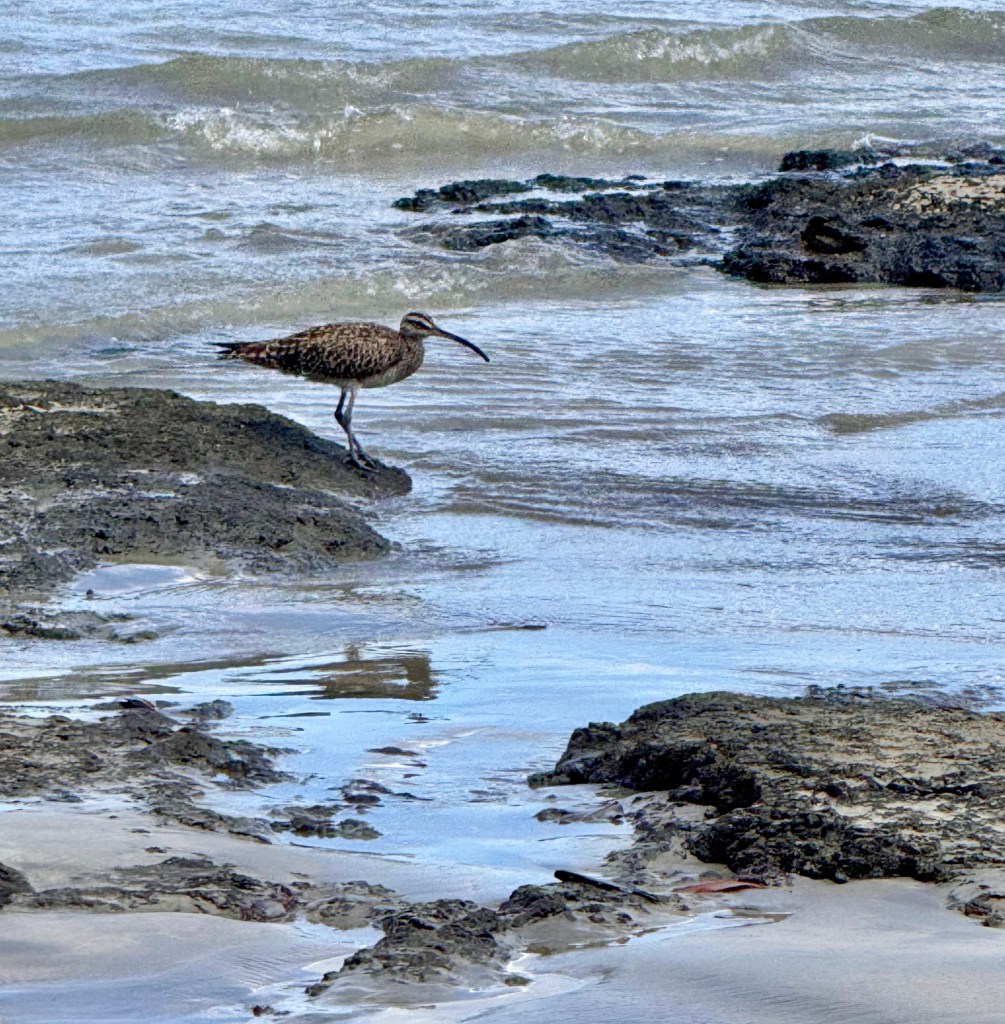
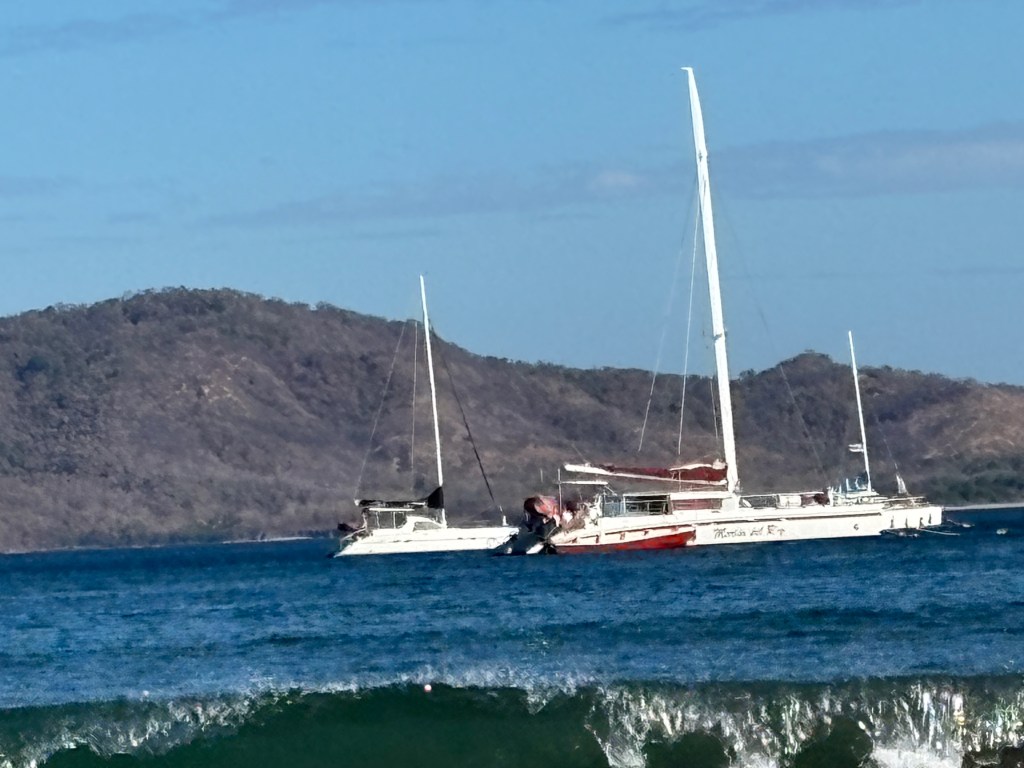
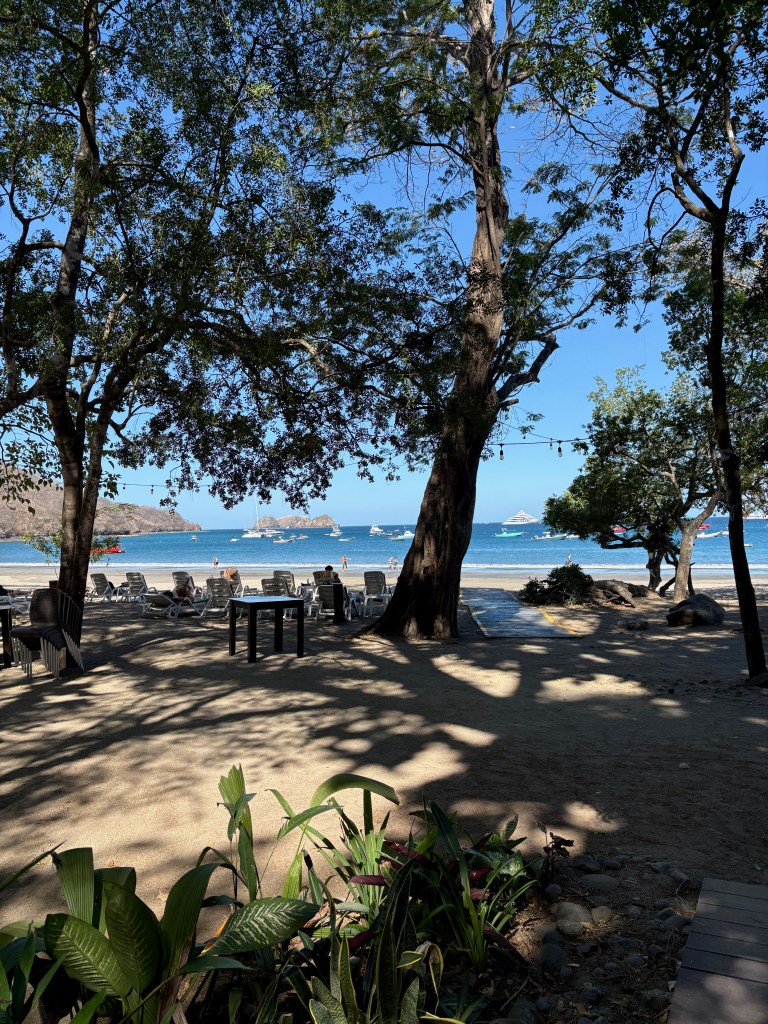
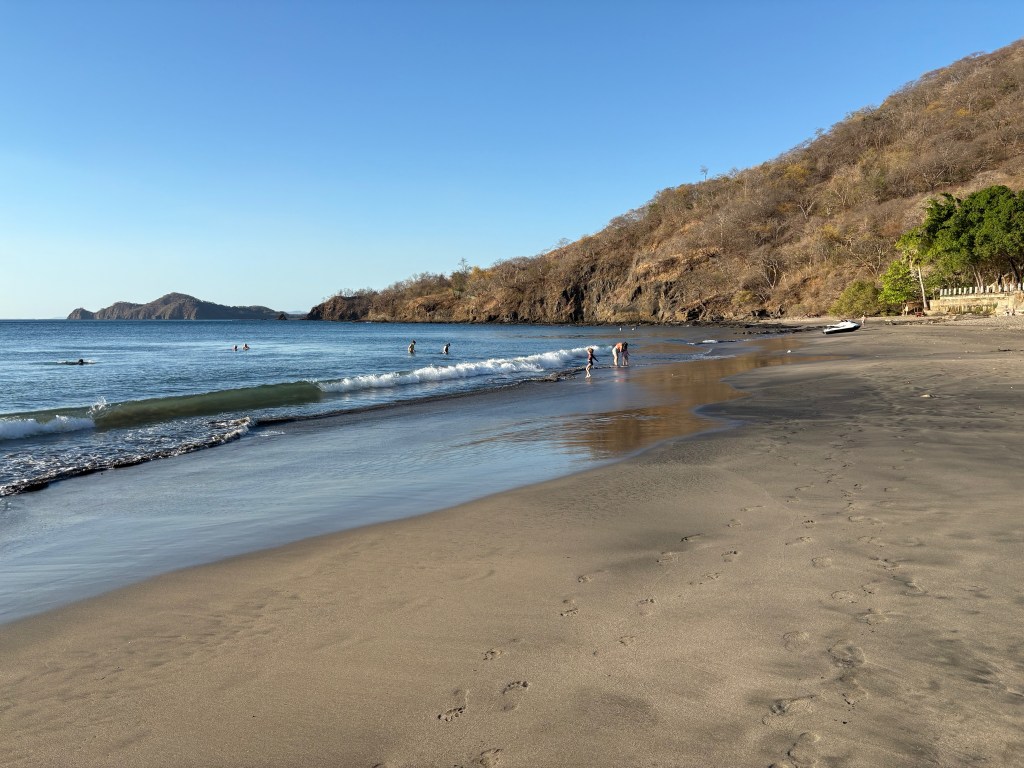
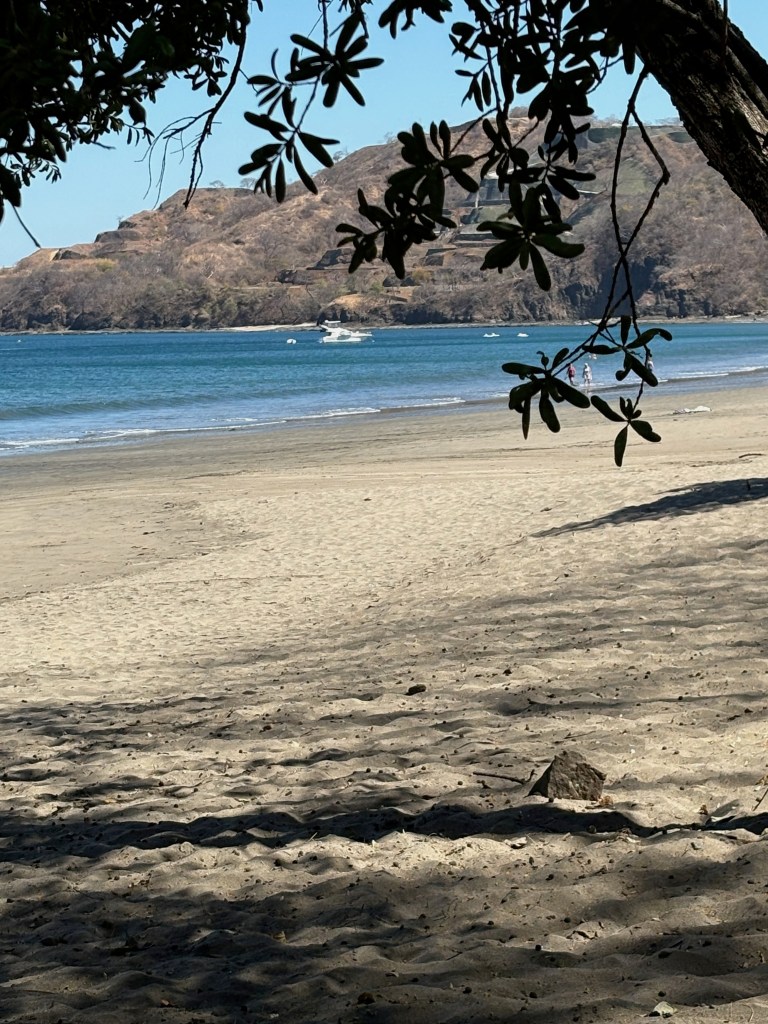
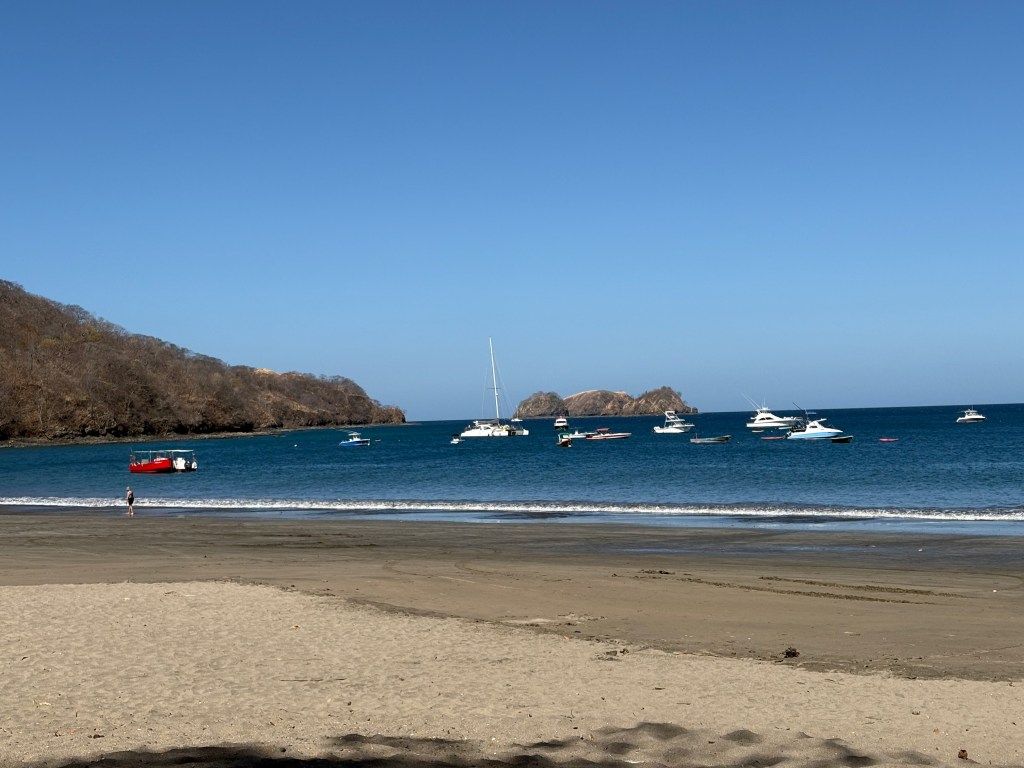
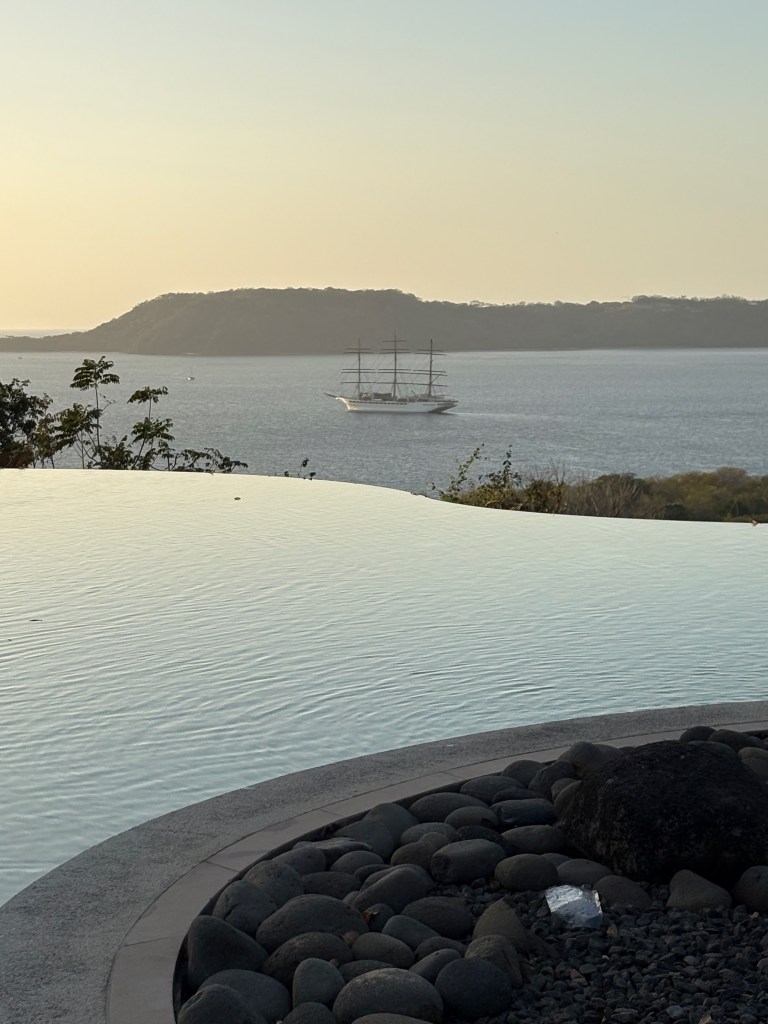
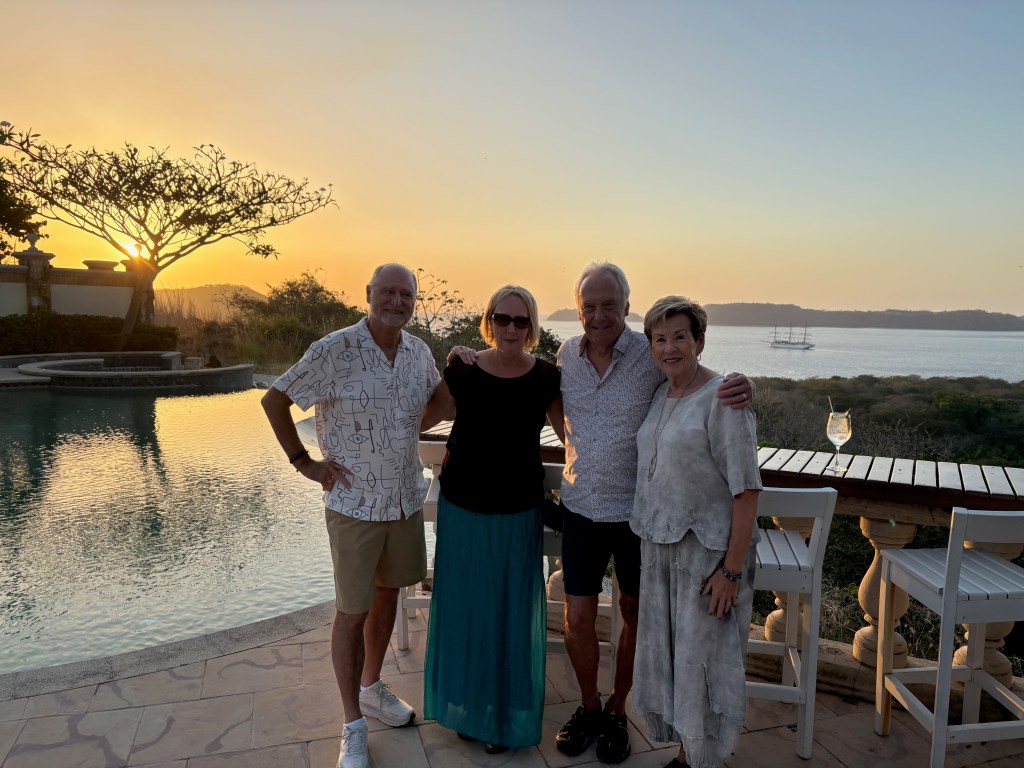
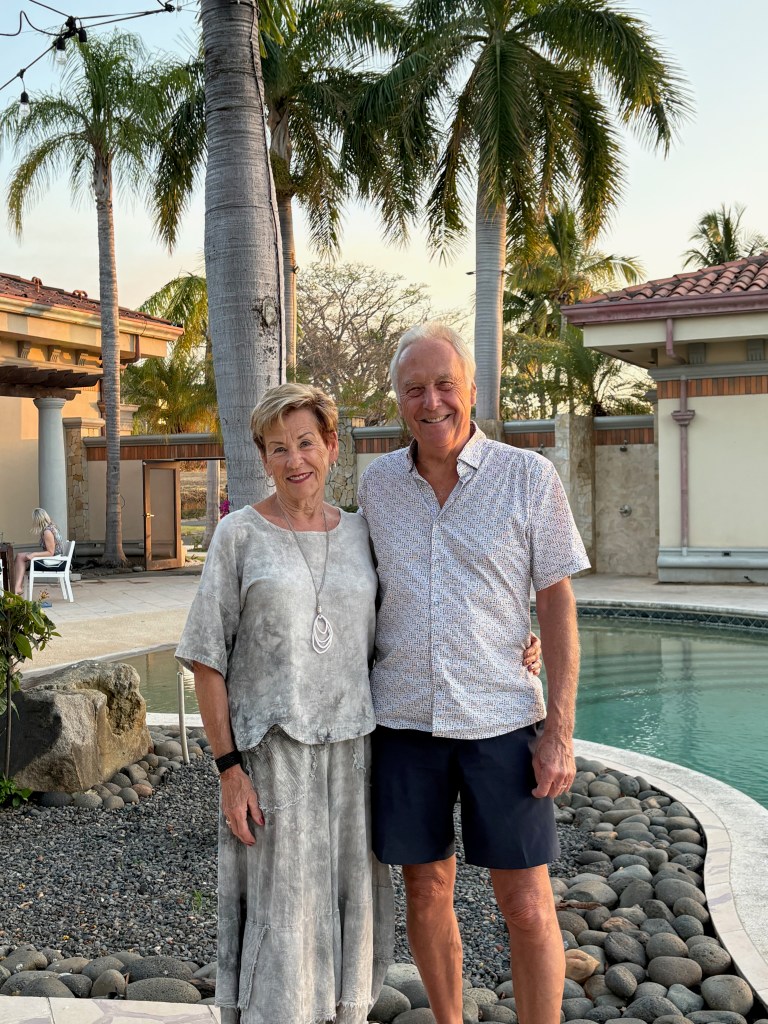
All too soon, our unforgettable Costa Rican adventure came to a close as the group returned to Canada but we moved onto Playa Hermosa to the Airbnb that we rented. The home is much bigger than we anticipated and very lovely.
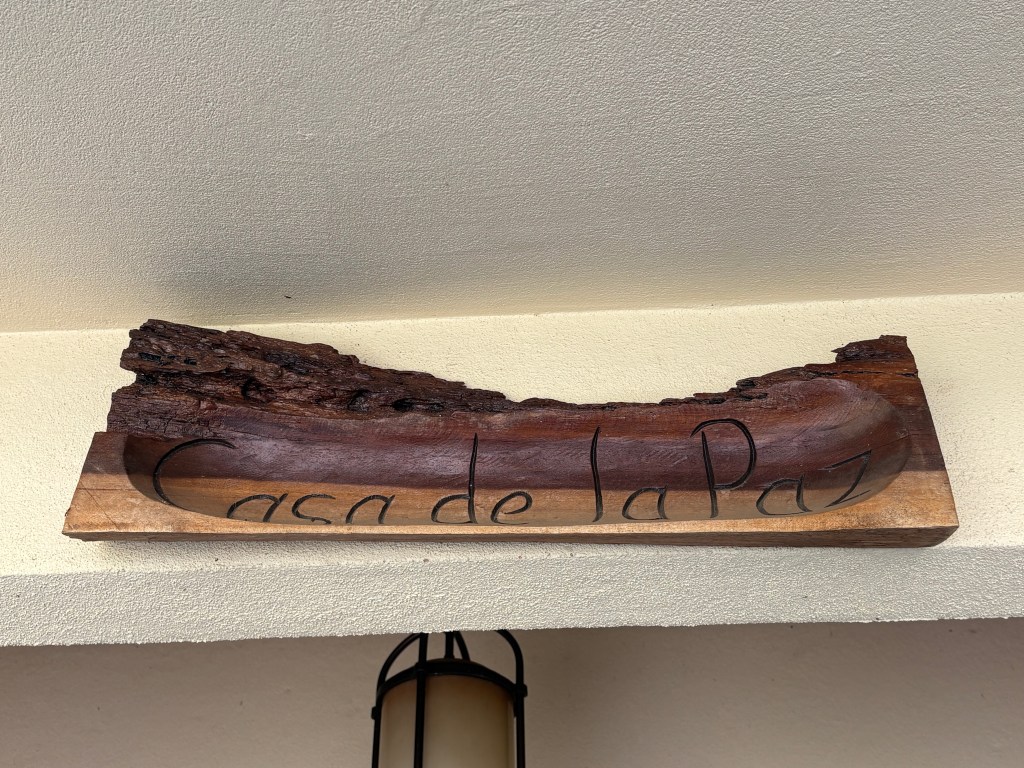
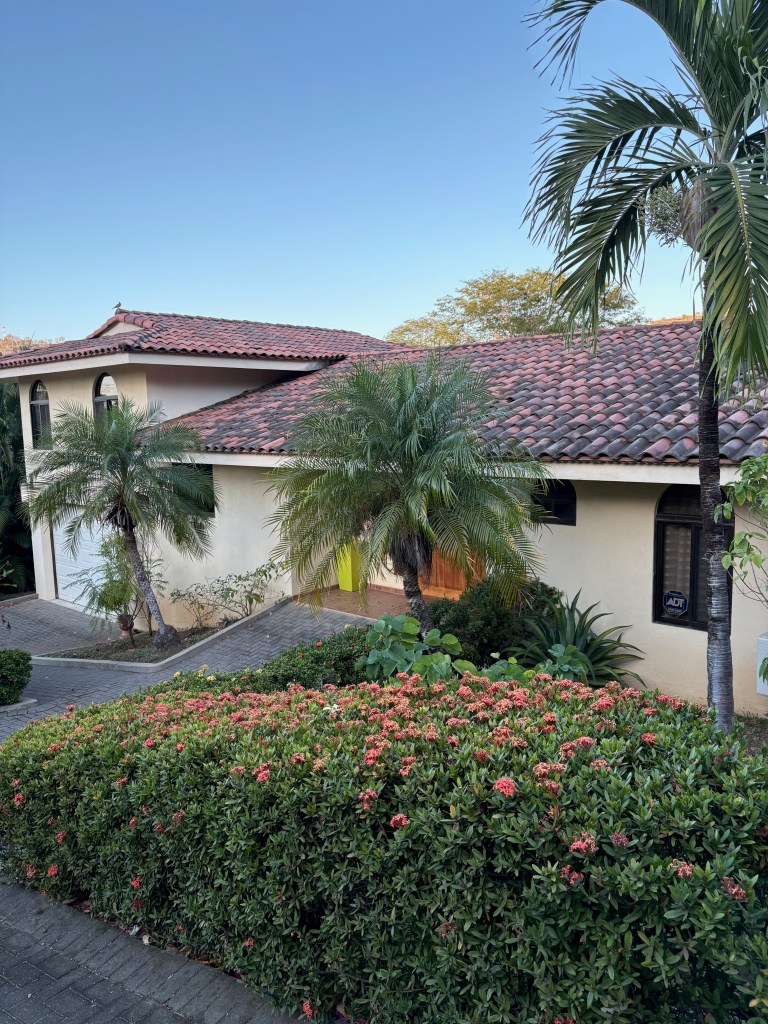
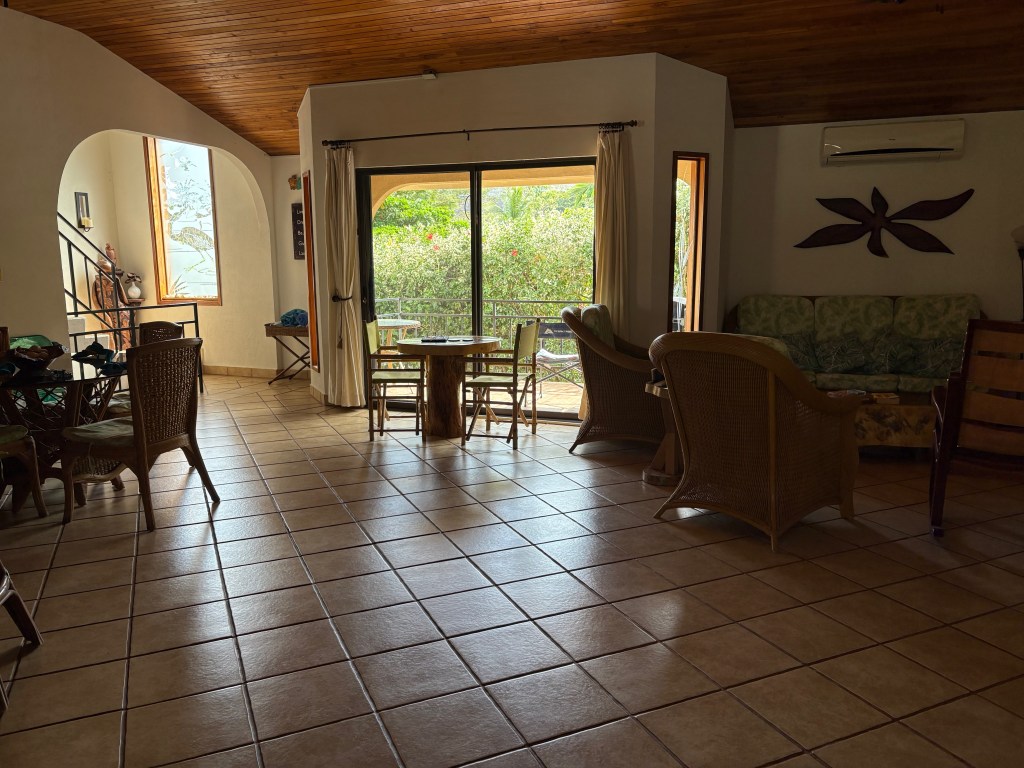
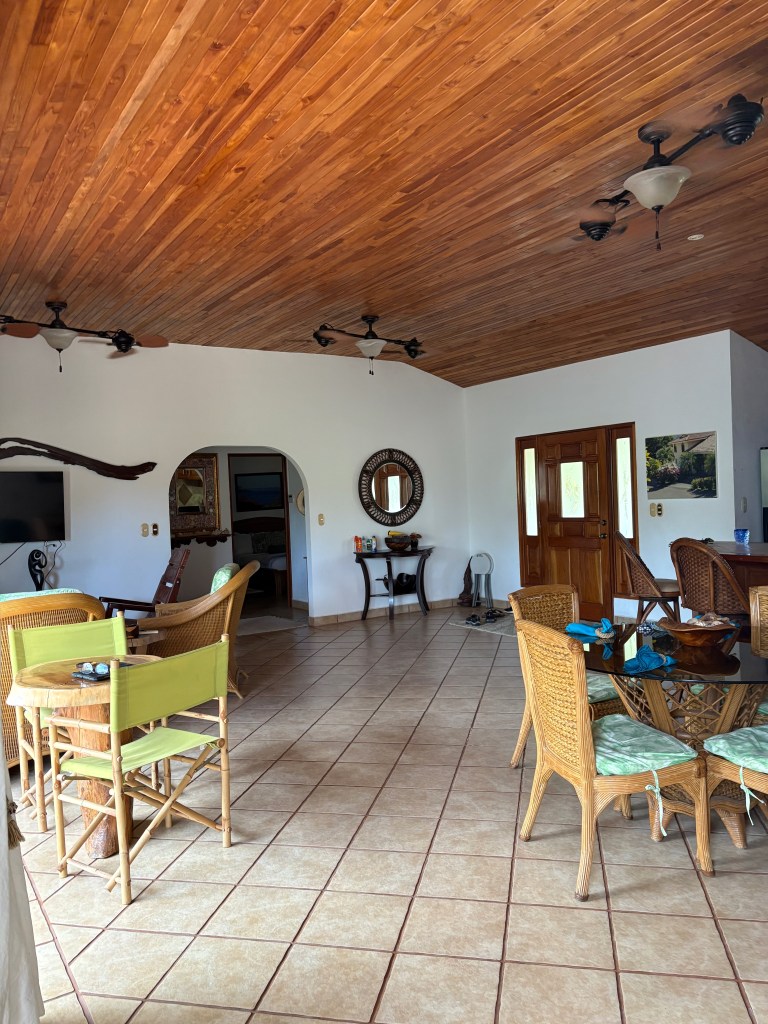
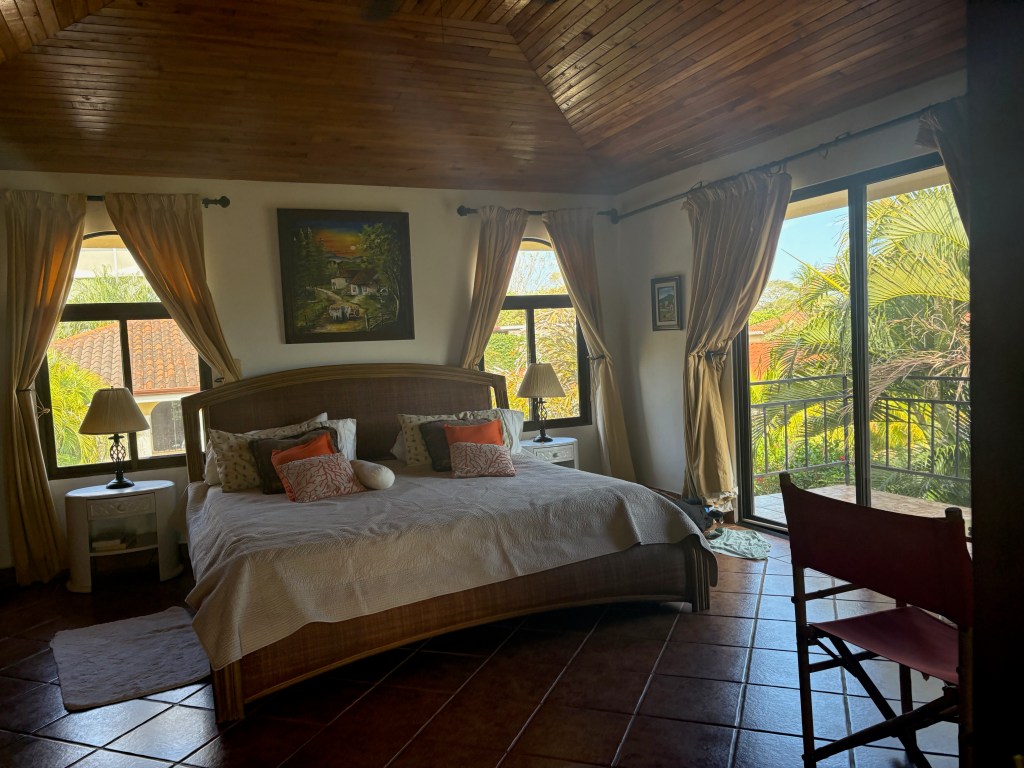
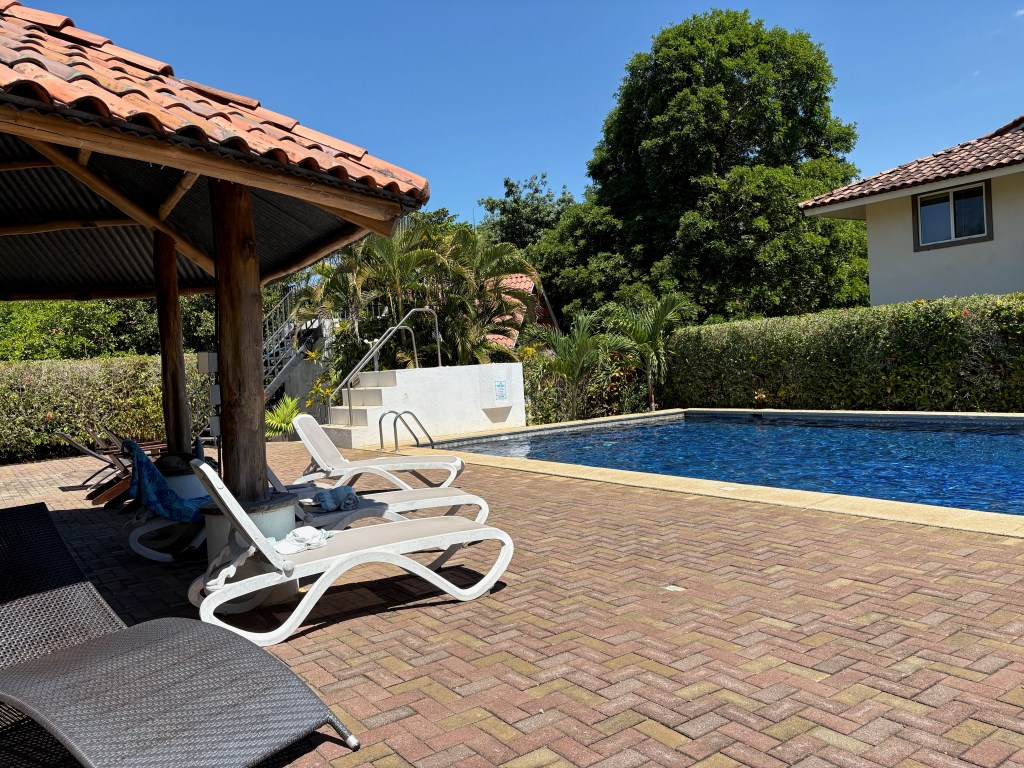
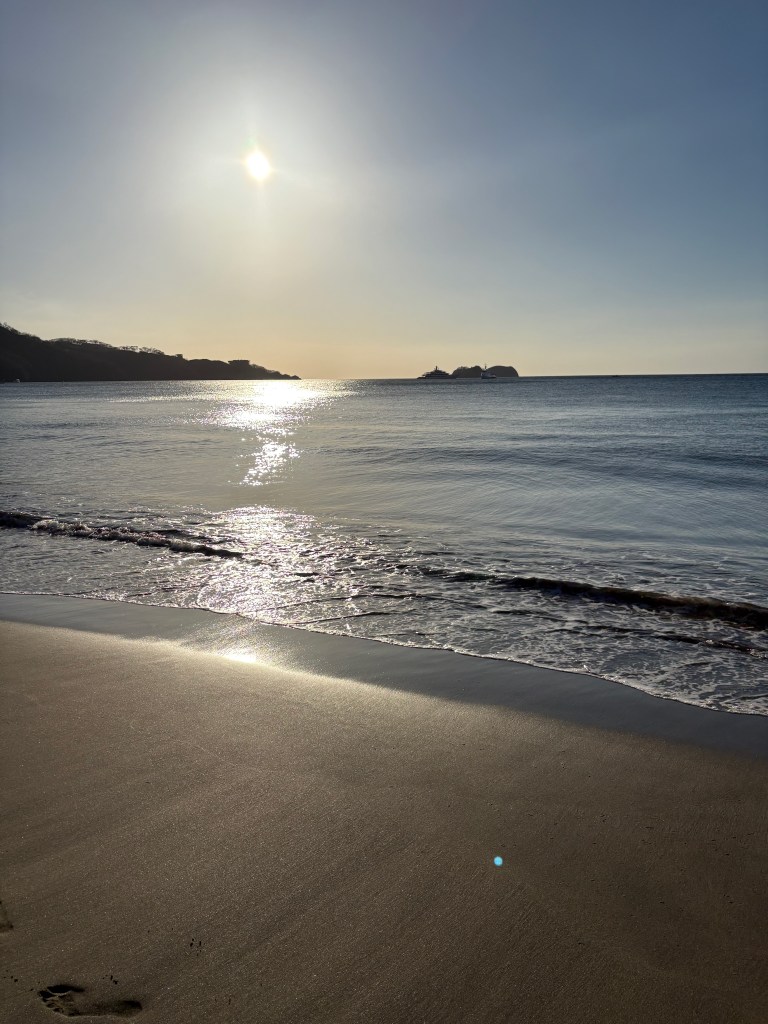
The itinerary of our days in Playa Hermosa followed a similar agenda: Walk the beach, Swim in the pool, Read on the back porch, Cocktails, Lunch and Dinner. A few days, we walk edto the store for groceries only about a km but it was hot.
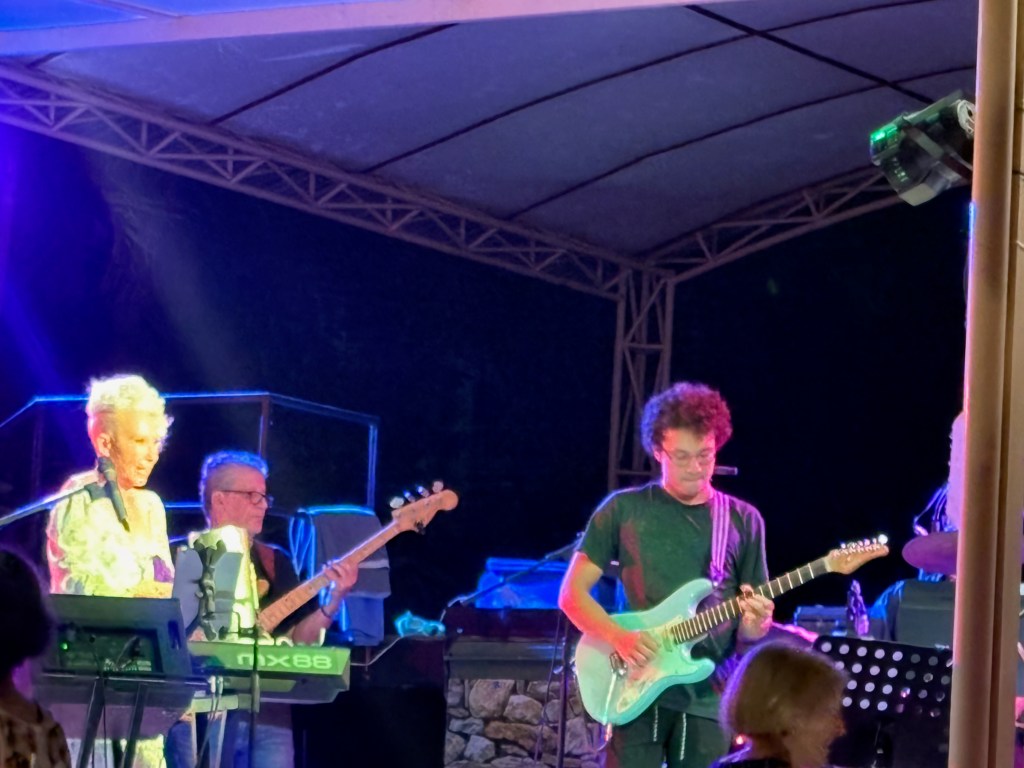
On Friday night, Feb 20, we went to Villa del Sueno for the music and had a very good mahi mahi dinner. The band was mostly from Quebec and very good.
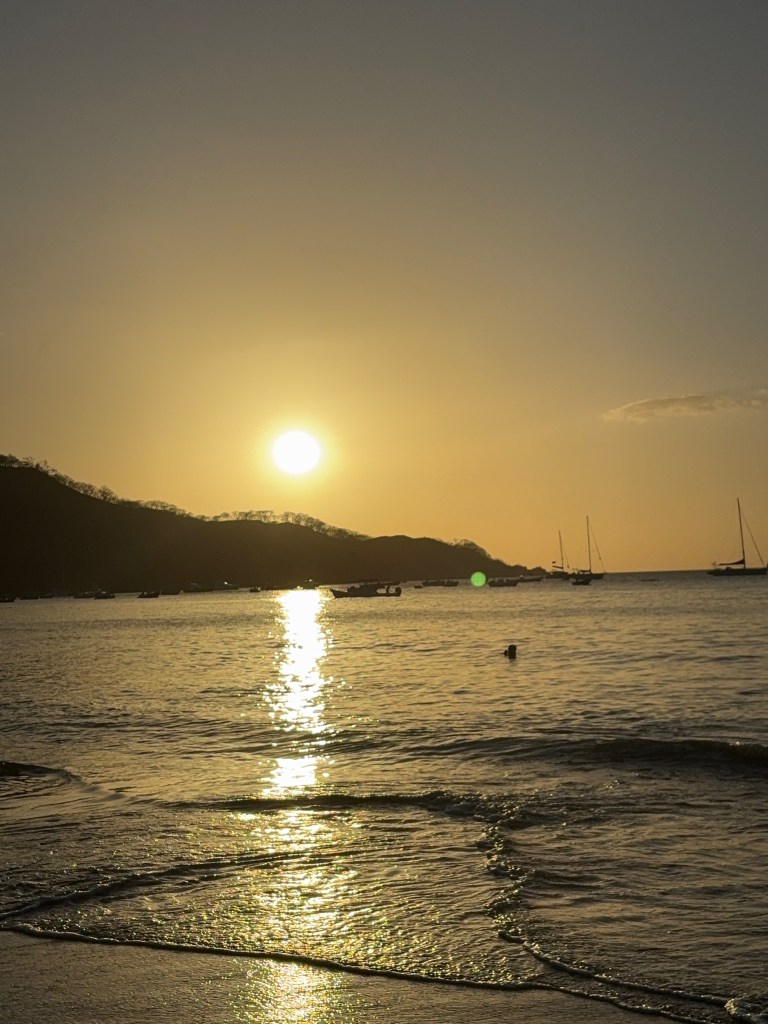
Sunday, Feb 22, we went for dinner at La Casita de Mariscos at the far end of the beach, renowned for its excellent fish. We headed out in time to see the sunset.
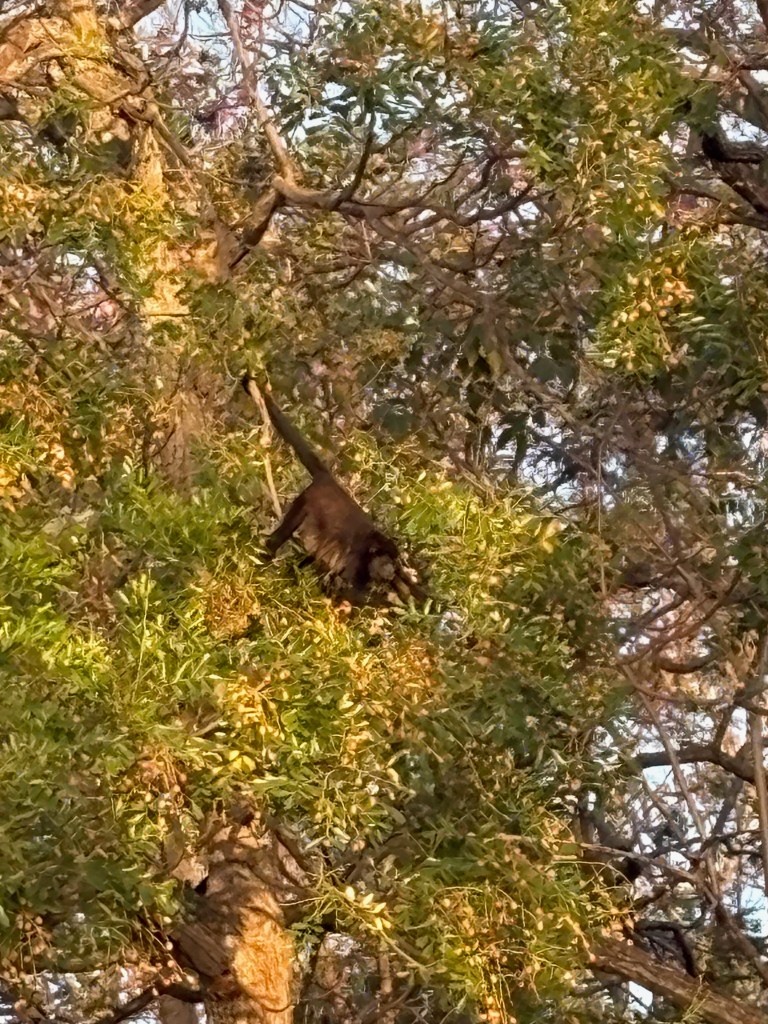
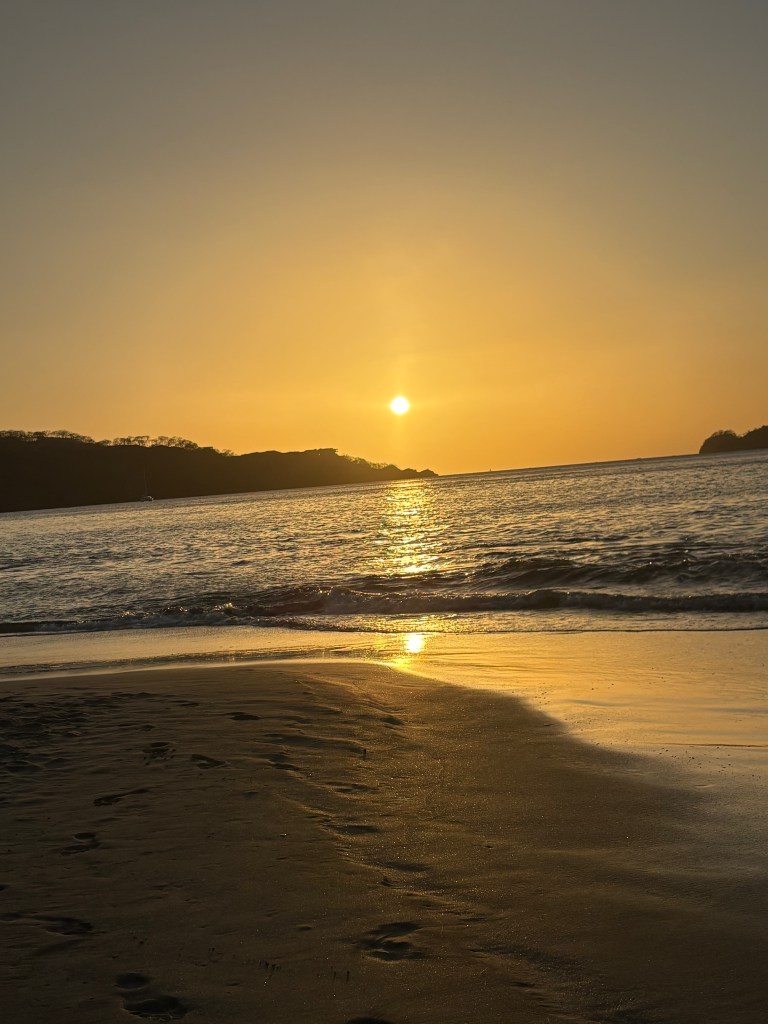
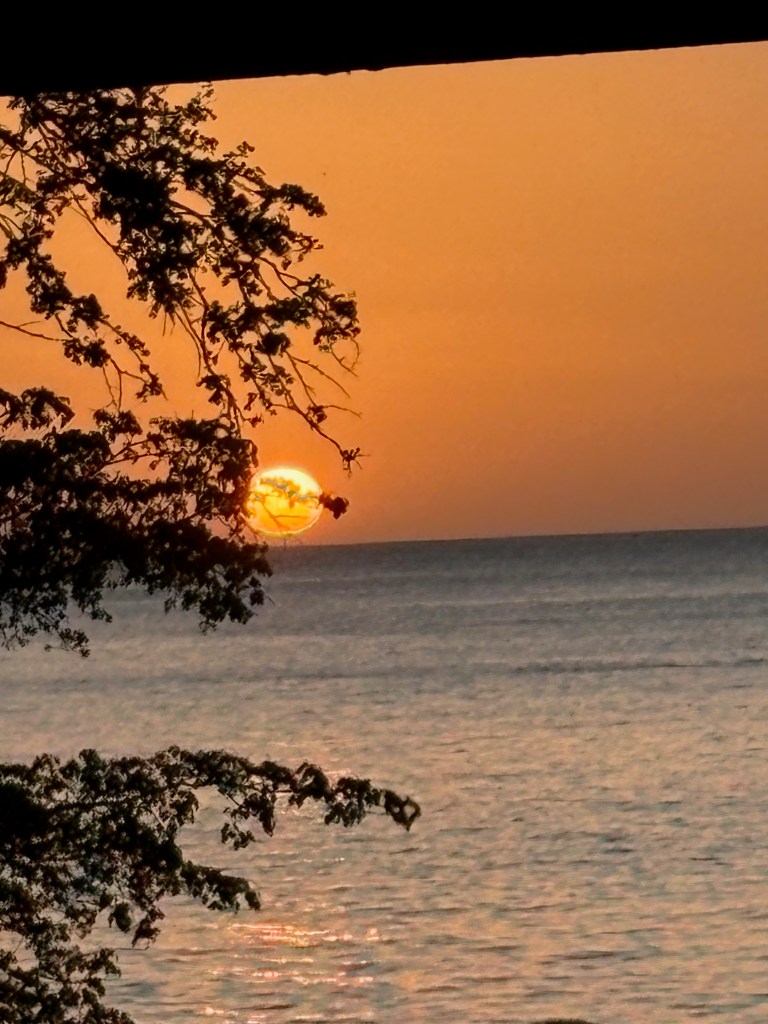
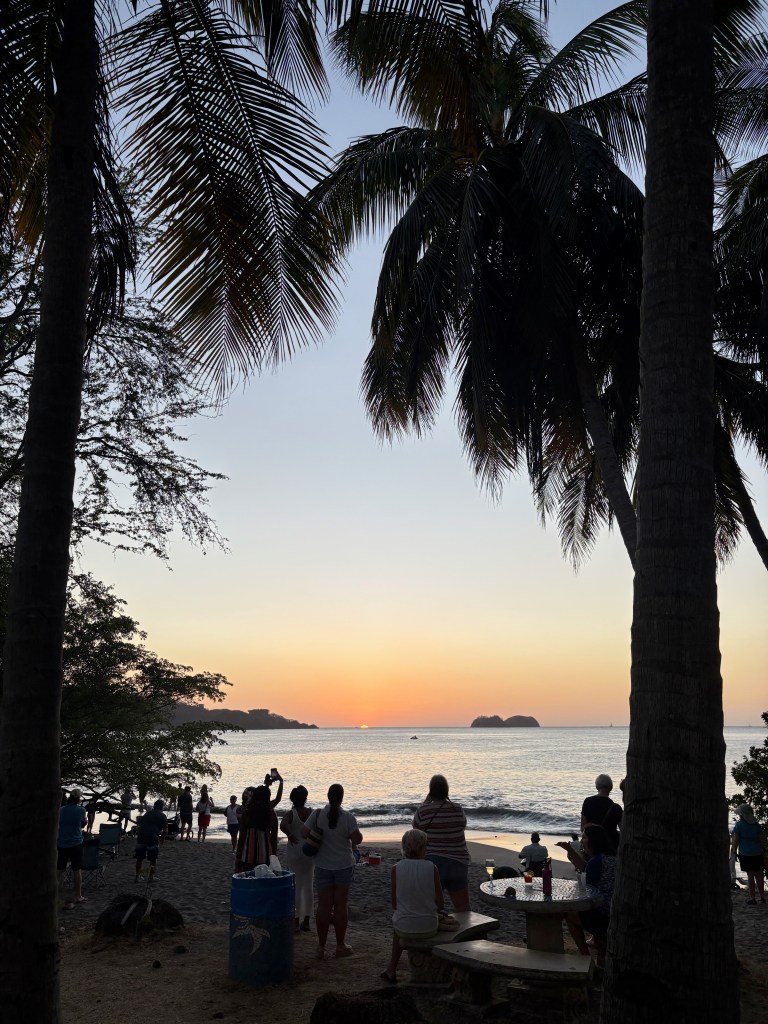
We walked back in the dark with our flashlight and saw these crabs skittering around.
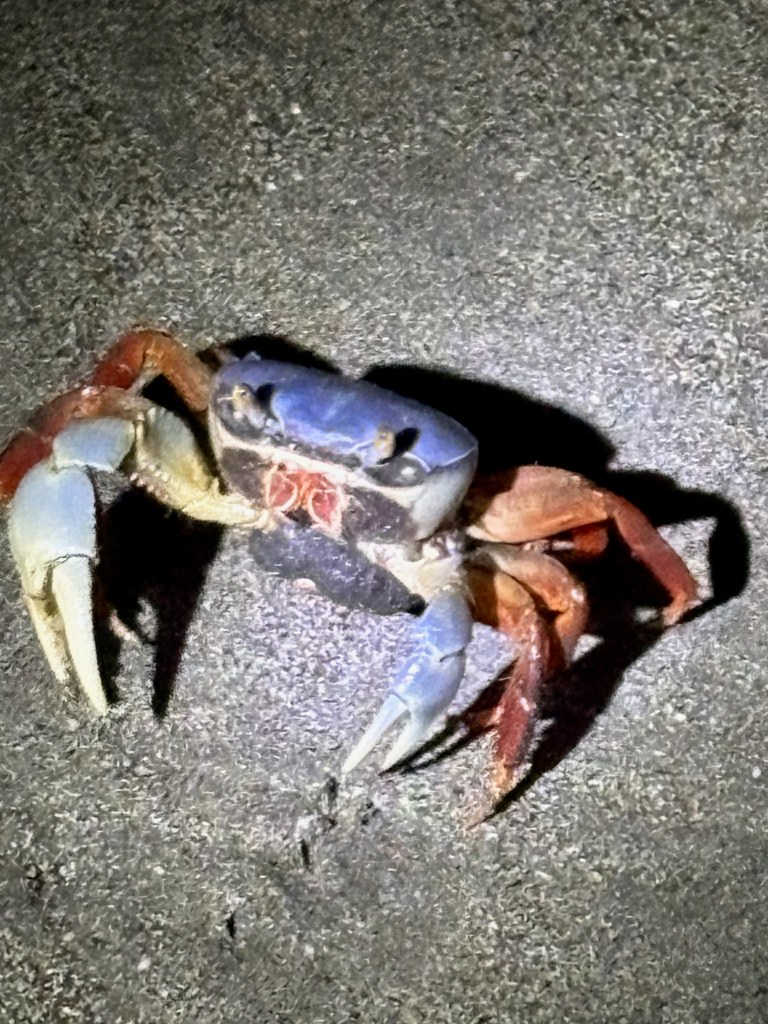
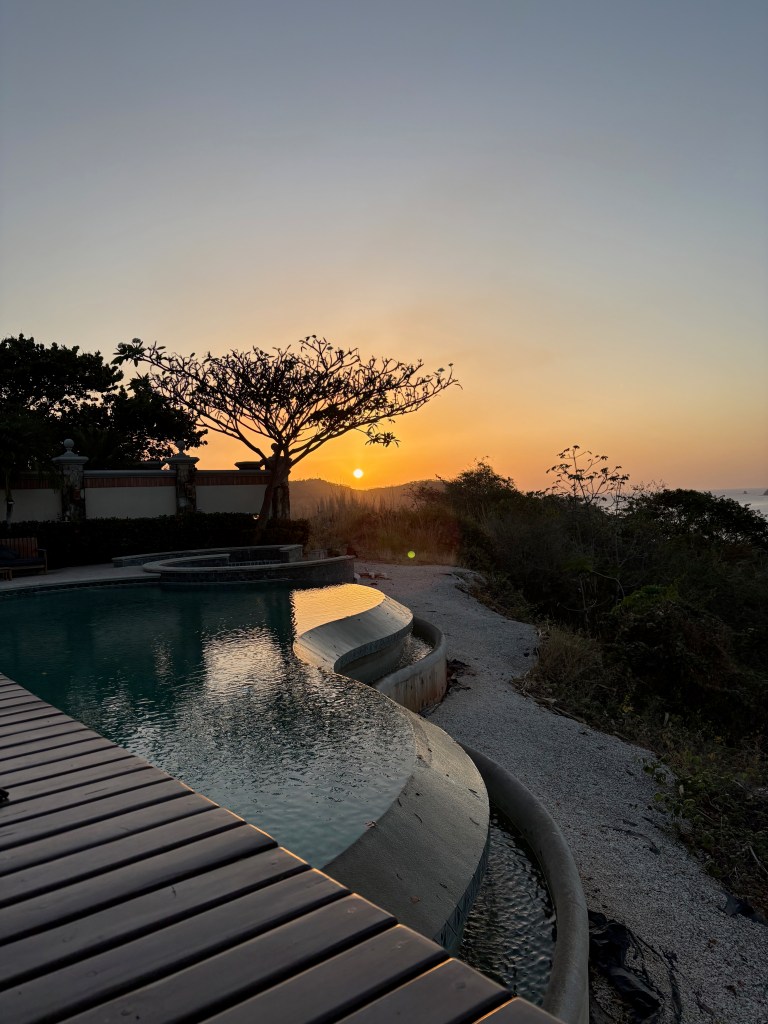
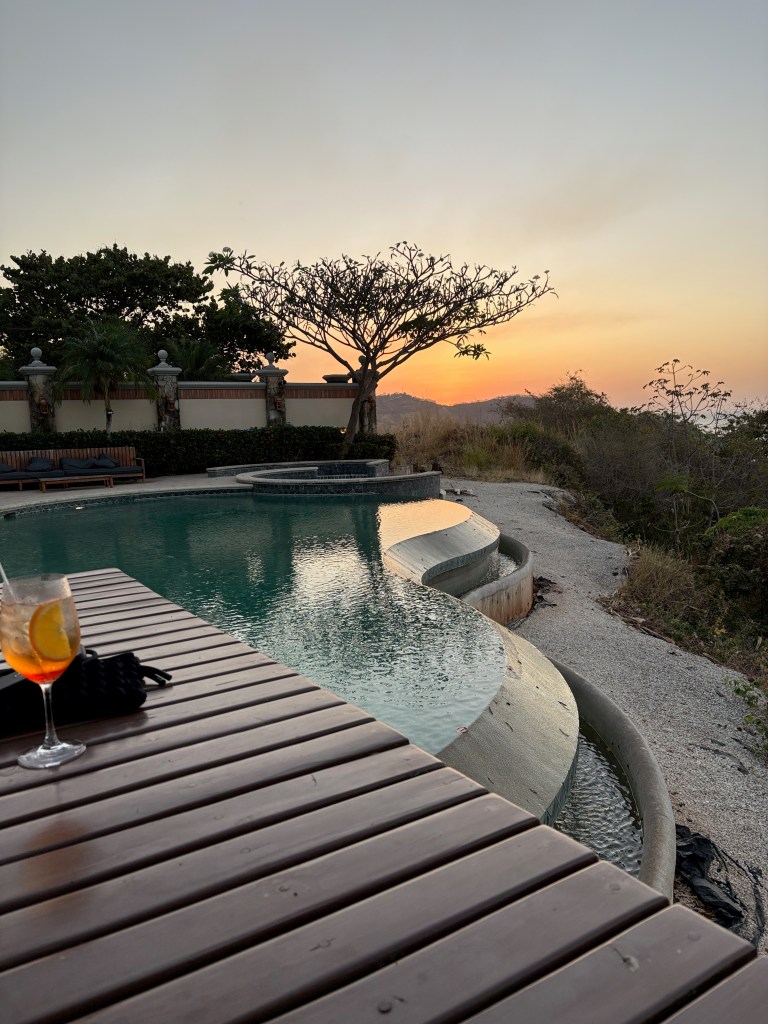
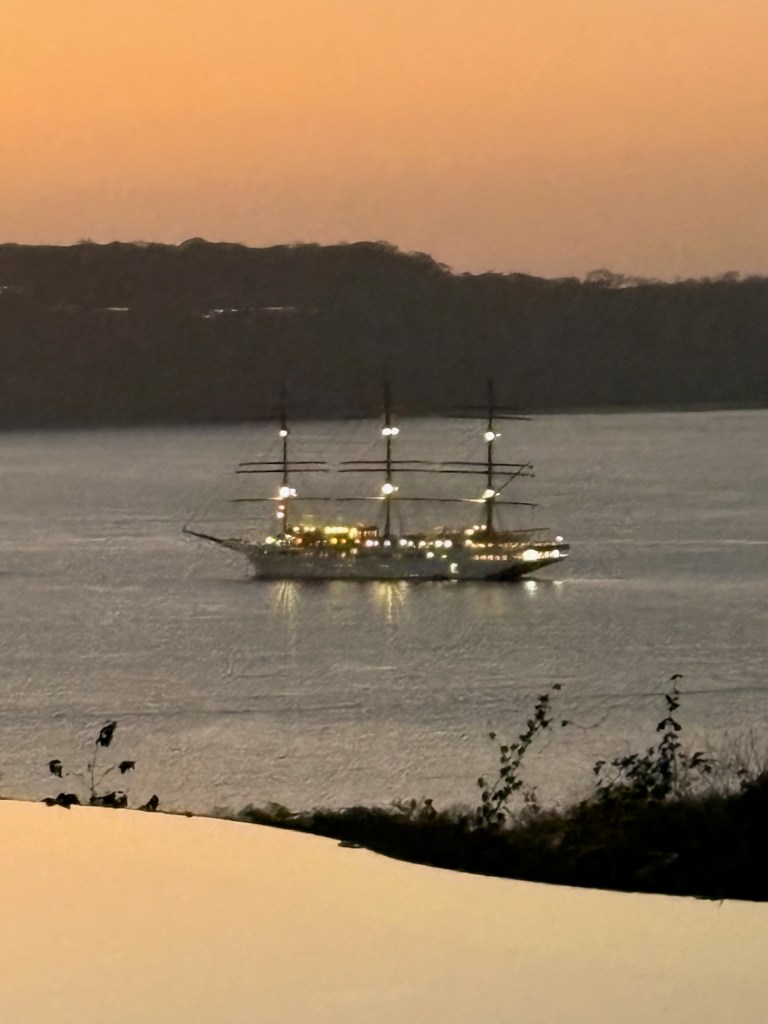
Our last week, Feb 25: we walked the beach to watch the sunset.
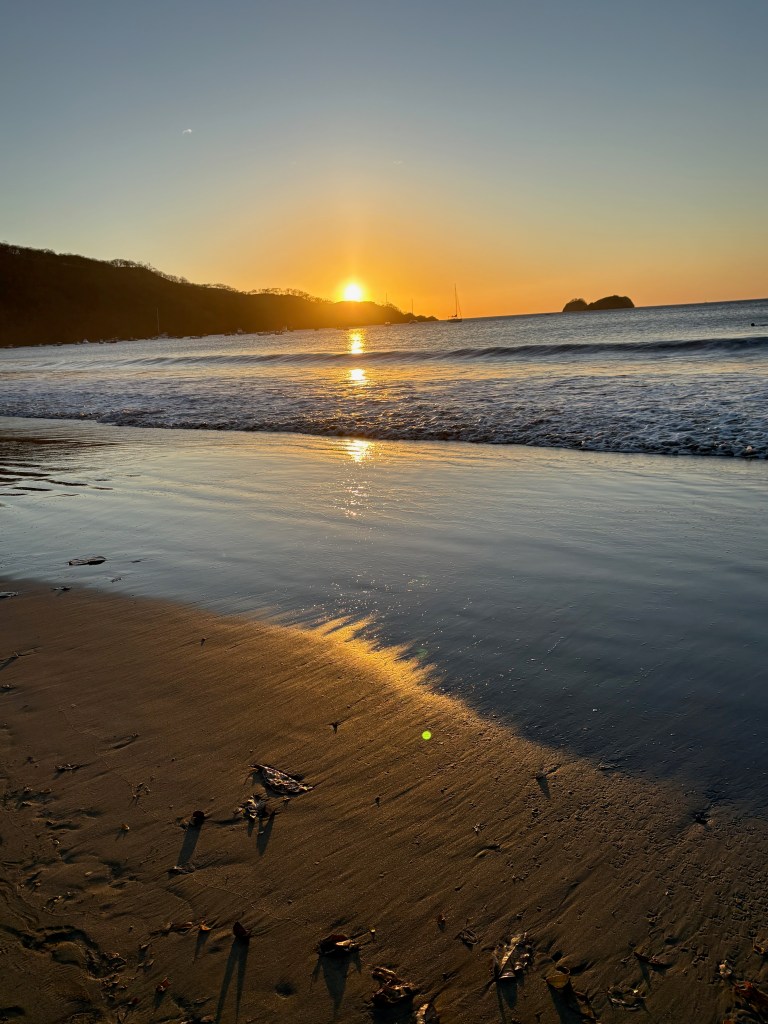
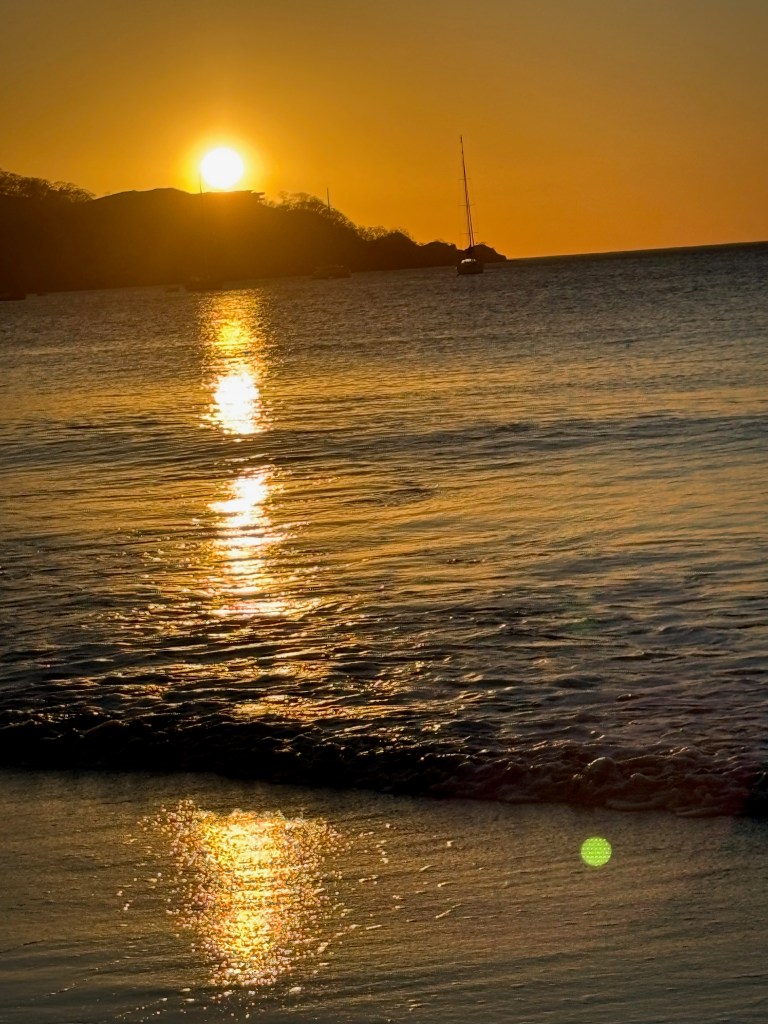
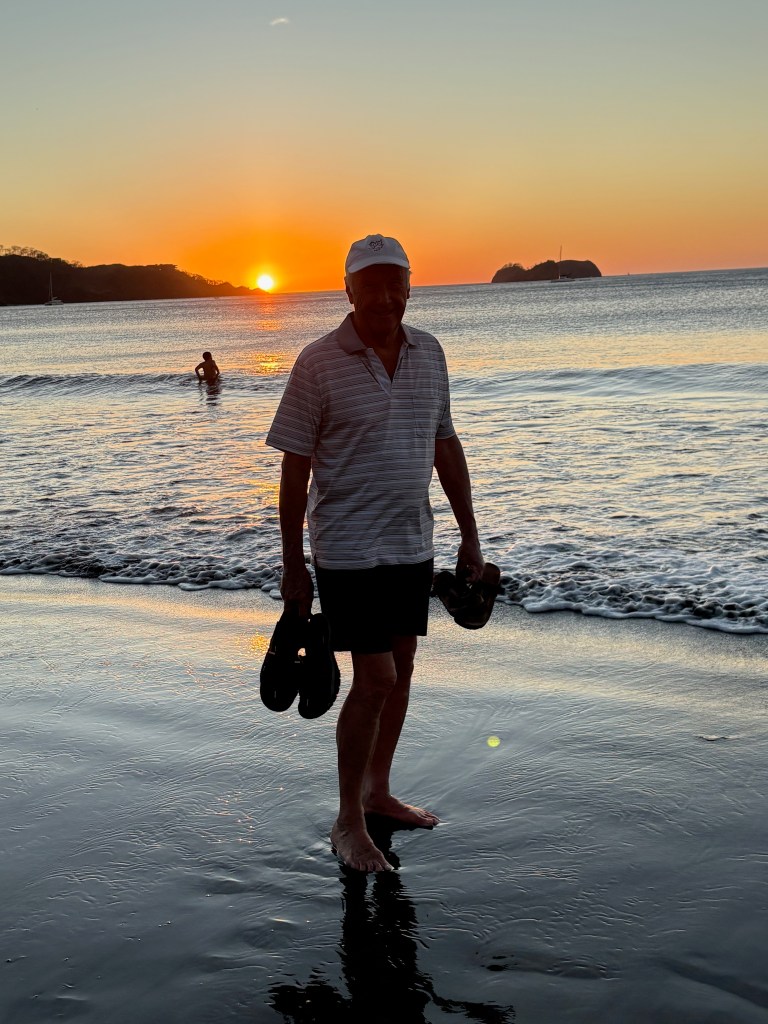
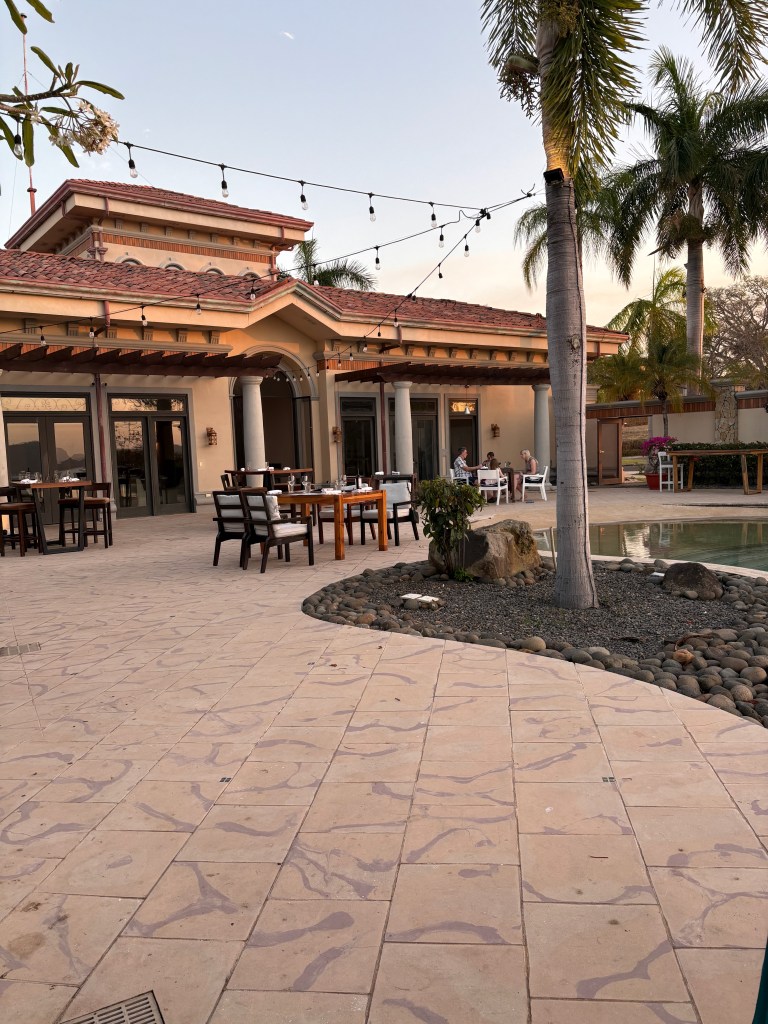
Friday, Feb 27, Peninsula CR Steak and Seafood Grill, Playa Panama

 Site Title