With the CARN conference in Dublin and Jackie having three sessions accepted for presentation, we saw this as an opportunity to visit a country that we had visited for 4 days several years earlier but had not seen much of the area. With limited time, we decided that a coach tour would be a good way of seeing Ireland and then we would have 5 days to go on our own in a rental car. Paddywagon Tours seemed to fit the bill of seeing much of the country, going in a counter-clockwise direction starting in Dublin.
We had been to Dublin in 2007 with brother, Steve, and sister-in-law, Deirdre, for the wedding of De’s sister. We managed to see a few things in the 4 days that we were there including, The Book of Kells, a tour of the Guinness Brewery and a tour of New Grange outside of Dublin the morning of the wedding. We wanted to see the country outside of Dublin.
Sunday,October 16: Alicante to Dublin
We arrived in Dublin on Ryanair, took the Dublin Express bus from the airport downtown, walked to our hotel, Beresford, which we chose because it was around the block from the pickup point for the Paddywagon Tour. We dropped our bags and walked to the River Liffey, crossed over to Temple Bar and had lunch at the Quay Restaurant. We walked back checking out the location of the pickup spot which was not marked at the office of the tour company.
Monday, October 17: Dublin to Belfast
Paddywagon Tour Bus
We were at the bus for 8:15 and headed off for Belfast. The driver, Vincent, was one of the highlights of the tour as he was what Bill called, ‘a pistol’. His colourful language and sense that he owned the road from all the ‘gobshites’, included a running dialogue of what was wrong with everyone on the road. This was our first experience with a coach tour and we were a little hesitant but on balance it was awesome. During the 6 days, people came and went (one woman and her daughter left after their first day not liking the accommodations) and came from various places: New Zealand, Australia, USA, Canada, UK. We made a point of getting to know as many as we could.
Our first stop was St Buite Monastery. It was a very blustery cold day so we didn’t spend too much time there. A repeated line was,”This is a stunning place when the sun is shining…”.
Monasterboice
Once we arrived in Belfast, the first order of business was the Black Cab tour of ‘The Troubles’. We toured the various areas of Belfast where the violence had occurred and the taxi drivers shared their experiences and the situation as it was then and now. The first stop was the Protestant area with the image of William of Orange:
William of Orange
Posters of the Fighting still posted.
One of many posters of the legacy of the violence.
Bill signing the wall with wish for peace
The gates between Protestant and Catholic neighbourhoods that are still closed at night.
In the afternoon, we toured the Titanic Museum.
Titanic Museum
Famed Titanic Staircase
Titanic Dining Room
The museum was designed to immerse you in the building of the Titanic as if you were on site.
Experience of being on the building site of the Titanic
View from cable car
Excellent simulation of working on Titanic
We stayed at a Crown Plaza on the outskirts of Belfast the first night: lovely hotel and good dinner in the restaurant.
Tuesday, October 18th: Belfast to Derry
Dark Hedges from Game of Thrones (Balleymoney, NI)
A sunny few hours!
A few more kilometers up the coast, we stopped at Portaneevey where the famed rope bridge is.
Causeway Coastal Route
Carrick-a-Rede Rope bridge
Giant’s Causeway, Bushmills, UK
After a few hours of driving, we came to the famous Giant’s Causeway where we walked along the shore for a few kilometers and were grateful for a sunny day, much improved on the day before when the wind blew incessantly. We remarked that the Atlantic might have been too wild for the walk. Northern Ireland’s coastline is stunning. Standing on the hills that arc this place, you look down on thousands of basalt columns tumbling into the Atlantic. It’s an epic sight with 40,000 or so of these hexagonal-shaped stepping stones which date back to a volcanic age 60 million years ago.
Stunning Rocks
Along the coastline are many deserted castles.
Castle on the coast
Next stop was Derry, not according to Vincent, the driver, Londonderry, although that’s what the signs said. The walls built around the city were built by the British troops to protect the people in the city from attack. Needless to say, there was much violence in Derry despite the walls.
High, Thick Walls around Derry -Londonderry
Reminders of the violence
That night we stayed in Derry at the Holiday Inn.
Wednesday, October 19, 2022: Derry to Galway
Next morning we were off to Letterkenney where someone on the bus wanted some souvenir from this town that featured in a Canadian sitcom. Or, Vincent needed a smoke!
Letterkenney
Glencar Waterfall
It was a significant deluge because it had been and continued to be raining. A very pastoral setting, as well.
Lots of sheep all over the island
We arrived in Galway late afternoon on a cloudy rainy day although our walk downtown was fairly dry. We had a plate of mussels between us at as large hotel and chatted with an American from Boston visiting his brother. We walked down to the waterfront and through the Quay Street area with shops and bars. The complete sole came off one of Bill’s running shoes so we managed to get him new shoes just as the store was closing.
Galway Waterfront
The Spanish Arch is 0ne of Galway’s most recognizable landmarks and testimony to its importance as a medieval seaport.
Spanish Arch, Galway
Breakfast Room at Airbnb Asgard Guesthouse
Thursday, October, 20, 2022: Galway to Dingle
Because of all the rain interspersed with moments of sunshine, we did see rainbows:
Rainbows
All signs in Gaelic and English
Dunguaire Castle
Wishing Well. Black Head-Poulsallagh, Gleninagh, Ireland
Black Head-Poulsallagh, Lurraga, Ireland
Doolin, County Clare
lunch at Gus O’Connor’s
After lunch, we arrived at the Cliffs of Moher on another blustery, cool day. I had to go back to add another layer. The extraordinary Cliffs of Moher, undoubtedly Ireland’s top visitor attraction, tower high over West Clare’s wild Atlantic coastline. Standing 214 metres above the raging ocean at their highest point, the cliffs stretch for 8 jagged kilometres along the Clare coastline. And from them, you can see astonishing vistas. To the north and west are the Aran Islands, Galway Bay, the Twelve Bens Mountains, and the Maam Turk Mountain Range. And to the south there is beautiful impressive Loop Head with the Kerry coast lurking in the mist beyond it. And atop the iconic Cliffs of Moher sits O’Brien’s Tower, yet another of Ireland’s most photographed landmarks, and it holds steadfast against the winds and the relentless Atlantic onslaught to guard the coast from Spanish galleons and warring tribes.
We walked to the top of the hill with a view of the cliffs in all their glory.
Cliffs of Moher, Ballysteen.
Cliffs of Moher
Tower at the top.
O’Brien’s Tower
In lieu of driving all around the bay, we took a short ferry from Killimer to Talbert.
Crossing the Shannon River
Talbert Ferry
Friday, October 21,2022: Dingle to Killarney
Torc Waterfall, Killarney National Park
Trying to get the umbrella over me!
We started into the Dingle Peninsula and arrived at Inch Beach under cloud and as we started to walk the beach and watch the surfers, the sun came out.
Inch Beach, Castlemaine Harbour
Surfers at Inch Beach
Ireland is called the Emerald Isle for good reason: it rains so everything is green and there is much farmland with sheep and cattle and grain crops in the north and east. The west and south tends to be more rocky.
Farmland as far as the fog will let you see!
Fog and more fog!
Beehive Huts
Living quarters for multiple families
Cold, wet and leaky!
Hard to imagine living in these buildings but that was life in the Early Christian Period using what was available.
Continuing our tour of Dingle Peninsula, we stopped at the cliffs across from Blaskett Island that was inhabited until the 1950’s. the only connection was via the peer and walkway up the cliffs, available only when the Atlantic was calm and cut off for months at a time.
Walkway to Great Blaskett Island
sheep delivered to mainland
cliffs of Dingle
Finding a sunny day for wedding photos is not easy
Most of Tour group, Vincent on the right
Foxy John’s Pub and Hardware Store
The Pub side
Angie and Richie from Nashville, Tennessee
That night we stayed in Inspiration Lodge, very nice but no light in the bathroom!
Inspiration Lodge
Quite a claim: Anascaul, Co. Kerry, Ireland
Saturday, October 22, 2022: Anascaul, Co. Kerry, Ireland to Dublin
In Killarney, we had a choice of taking a buggy ride through Killarney National Park or visiting Ross Castle and we chose the latter. Ross Castle, built for the O’Donoghue Chieftains during the first half of the 15th Century, has a typical tower house layout. It was battlemented in the Irish fashion and was surrounded by a bawn wall with flanking towers at each corner, two of which remain.
Ross Castle
Doorway to Ross Castle
Beautiful Setting on Castlelough Bay
Next stop is Blarney Castle. the third structure to have been erected on this site. In the 10th century there was a wooden hunting lodge here. Around 1210 this was replaced by a stone structure which was subsequently demolished for the foundations of a third castle by Dermot MacCarthy in 1446. For over 200 years, pilgrims have come to kiss the Blarney Stone and gain the gift of eloquence.
The Stone from Scotland was split and sent to Cormac MacCarthy by Robert Bruce for supporting him in his defeat of the British in 1314. Here is Bill kissing the Blarney Stone.
The gift of eloquence
Blarney Castle sits on an 8 metre cliff of rock which formed the quarry for building the castle.
North Face of Blarney Castle
On the roof of the castle
From the top of the Castle you can take in the wonderful views of over 60 acres of sprawling parkland, avenues, arboretums and waterways.
60 Acres of Gardens
Rock of Cashel, Tipperary
From the Rock of Cashel, it was a long run into Dublin where Vincent let us off on the taxi stand on the south side of the river in the rain. We took the taxi to Harcourt Suites which the driver could find in the dark as it turned out there was no office for the room, only an office serving several accommodations. The room was very Victorian and dark. We had a hard time finding a place for dinner as the pubs were full of partying young people on Saturday night.
Sunday, October 23, 2022: Dublin to Salthills
By this time, both of us were feeling sick, with coughs and headaches. There was no way we could visit Mairin and Red Glenn. We found our rental car not far from the hotel and headed for the west coast deciding on the way to go to a place that Mairin Glenn had recommended. Salthills Hotel had a room on the waterfront. We arrived in time to go for a walk and have dinner in the hotel.
View from our room at Salthills Hotel
Monday, October 24, 2022: Salthills
In the morning, we walked the waterfront promenade.
Salthills Promenade
We then drove to Spidall, a nearby town where Mairin said they had a very good Craft Village which we visited. We also stopped at a pharmacy to buy some relief for our coughs. When we walked to the waterfront, the tide was out.
Spidall Harbour with tide out
Warning Sign for High Tide
Spiddal waterfront with rain in the offing
We had dinner in the hotel and met a couple from Australia. They suggested a stop in Cong on our travels so the next day we stopped there.
Tuesday, October 25: Salthills to Westport
We had just arrived when Bill realized that he had left our KLM bag full of our stuff on the floor of the hotel garage. Fortunately, we were less than an hour away and the bag was where he left it! Hallowe’en is a big event here for adults. Many houses and yards are decorated and the last week of October, many adults are dressed up. Here is a house in Cong.
Hallowe’en Decorations
Dying Man House
The Monastery of Cong, founded in the early 7th century, was destroyed by fire in the early 12th century. Turlough O’Connor, the High-King of Ireland, re founded the abbey around 1135, and his son, Rory, constructed new buildings. In 1203, the Norman Knight William de Burgo attacked the town and the monastery had to be rebuilt. Little remains but two fine windows.
Main entrance to abbey
Sun streaming through window
The 1951 movie, The Quiet Man, was filmed in Cong starring John Wayne and Maureen O’Hara.
Statue of Quiet Man
We drove north and arrived at Knockranny House Hotel in Westport, County Mayo. Mairin recommended the hotel as a favourite of hers and we could immediately see why. A truly beautiful facility and grounds.
Knockranny House Hotel, Westport
We could see Mt (Croagh) Patrick as we came nearer. Apparently St Patrick spent 40 days of Lent in 441 praying that the Irish people would convert to Christianity. St Patrick is the patron saint responsible for banishing snakes from Ireland! Droves of people climb Croagh Patrick every year as a pilgrimage.
Knockranny House Hotel is the nicest (and most expensive) place we stayed in Ireland.
Mt (Croagh) Patrick
Our bathroom was bigger than most of the rooms we stayed in!
Bathroom
Bedroom
The meals and gardens were excellent as was the view from our bedroom.
View from bedroom
We walked around the grounds but it was very windy and cold.
Beautiful Gardens
Typical skies: clouds, rain, sun peaking
Wednesday, October 26, 2022: Westport to Athlone
On order to break up the trip back to Dublin, we stopped half way in Athlone, County Westmeath. We stayed at the 4-star Radisson Blu which offers unobstructed views of Ireland’s longest river.
We walked along the River Shannon through the heart of the charming town with Athlone Castle in the background. The history of the area dates back to the Bronze Age.
Athlone Bridge over River Shannon
With the distinct honour for holding the title of the “Oldest Pub in Ireland”, the pub traces its history back to 900 AD when it acted as an Inn. Historical artifacts and building materials found on site cemented Sean’s Bar in the Guinness Book of Record.
Oldest bar in Ireland
Sunset across the river
Thursday, October 26, 2022: Athlone to Dublin
We drove to Dublin, returned the rental car and walked to Jury’s Inn, Parnell. With the high cost of hotels in Dublin, this is a basic hotel: small room but clean.
Friday, October 27, 2022: CARN Conference
I presented my individual paper session which can be found at
CARN Conference 2022 Dublin Ireland Individual Paper Session
I had two presentations on Saturday. The first was the symposium with Jack Whitehead and Michelle Vaughan in person (the first time we had seen each other in real time for 3 years) and Tara Ratnam and Parbati Dhungana virtually:
It was a busy two days but we all felt that it was productive in sharing our knowledge and making a contribution to the Living Educational Theory social movement and to the flourishing of humanity in a small way.
Saturday night, Michelle and Brian and Bill and I joined the Dublin Literary Pub Crawl. First stop was The Duke Pub where the actors began with a scene from Waiting For Godot. Then we walked around the Temple Bar area with them enacting various scenes and poetry.
Brian and Michelle at The Duke
Bill and I at the Duke Pub
O’Neill’s Pub: Michelle sharing her philosophy!
Molly Malone statue
Sunday, October 29, 2022: Dublin
We spent our last day walking around Dublin. Jury’s Inn was just off O’Connoll Street which is the main street that took us down to the river. This is the famous Spire or as Vincent called it ‘the Stiffy on the Liffy’.
The Spire or Spire of Light
Following the bombing of Nelson’s Pillar by former IRA members in 1966, and subsequent controlled demolition six days later of what was left, the site remained vacant for years as no decision could be reached on a suitable replacement. Eventually, the Anna Livia monument was installed on the site to celebrate the 1988 Dublin Millennium Celebrations.
In 1998, as part of a planned multi-million euro re-development of O’Connell Street (as well as a memorial to the upcoming millenium and the aspirations of Ireland in the midst of its Celtic Tiger economic boom), a competition was launched to find a replacement for Nelson’s Pillar. O’Connell Street had been in decline for a number of years due to the proliferation of fast-food restaurants, the opening of bargain shops using cheap plastic shop fronts, and proliferation of derelict sites along both sides of the road. The re-development plan, which was aimed for completion by 2004, hoped to move the street “away from the image of fast-food restaurants, to a family place to go”.
At dusk, the base of the monument is lit and the top 10 m (33 ft) is illuminated through 11,884 holes through which light-emitting diodes shine. Some opposition initially greeted the monument. Supporters compare it to other initially unpopular urban structures such as the Eiffel Tower, while detractors complain that the Spire has little architectural or cultural connection to the city.
Bill and James Joyce
We toured the EPIC Museum which was a beautiful facility built on an old building along the river. Rooms were dedicated to the stories of those who emigrated from Ireland because of the potato famine, the ‘troubles’ or in lieu of jail to Australia. Others demonstrated the Irish influence in the development of other countries like USA.
Bill at the EPIC Museum
The swans being fed on the River Liffey
Our last event was a tour of the Jameson Distillery. This is the original site of the distillery but now is just a showcase for the history and tasting as the distillery is in Cork.
Jameson, Bow Street
The Jameson experience
We were advised to hold the whiskey in our mouths for up to 10 seconds to really appreciate it: the older the whiskey, the longer to hold.
We were very fortunate to have Marina Erte, travel designer at Kuoda Tours, (my friend, Judy Coghill, recommended them highly) to plan and manage our trip. I had to arrange the two international flights: Toronto to Santiago return and Santiago to Lima return but Marina looked after all of the rest of the flights, hotels, drivers and tours. Once we arrived, Jason Ayerbe, custom service manager and Mery Calderon, Kuoda’s director, were our contacts.
We worried about phone access but they assured us that WhatsApp and Vamoos app would be all that we would need.
The process of filling out forms and getting tests to enter Chile (and then Peru) was extremely laborious and, at times, distressful. The digital vaccination process was confusing because it requested an identity document that was used for vaccinations so I sent our Health Cards but I finally figured out that they wanted passports, one of passport and one of passport under the chin. When I called the phone number I got a repeating message that all the ‘executives’ were busy. We finally received the Chile’s Digital Vaccination Pass 4 days before we left! Then the next form was the Digital Certificate of entry to Chile form which came very quickly. And then to check-in with Air Canada, another set of documents was required, one of Vaccination Pass (which needed to be reviewed) and one of the PCR test.
OUR CHILE JOURNEY
19 Days and 17 Nights enjoying Santiago de Chile, Valparaiso, San Pedro de Atacama, Puerto Varas
Day 1: Arrive Santiago
After a 10 hour and 15 minute direct flight from Toronto that was just the way we like it (uneventful), we landed at 10:40 am to line ups upon line ups: one to show Mobility Pass that showed that we had been already approved as having our full vaccinations and passed the PCR test at home; one to get our PCR tests done in Santiago; then passport control and then baggage. Our host, Alejandro, and driver, Luis, were waiting for us, took us to the hotel and arranged to meet us the next morning at 9:00 am. We had a delicious lunch in Cumbres hotel, went for a swim and walked the streets full of music, street vendors and had a drink.
Cumbres Hotel
Day 2: Full-Day Santiago City Tour with visit to the Food Markets
Feb. 01st: Santiago De Chile
After a great breakfast at the hotel, we met Alejandro and Luis and were dropped at the“Vega Central” market, located in the downtown area. There, we saw all kinds of fruits, vegetables, cheeses, and spices brought from the agricultural areas of the centre of Chile. While walking through the “little Vega”, we saw massive shops full of different kinds of meats, some “cocinerias” (local small restaurants) and more shops that offered variety of spices. Then we wandered through “Tirso de Molina” market, where we tasted large glasses of delicious fresh fruit juice prepared on the spot in a kiosk.
Afterwards, we headed out to the “Central Market”, which was declared a national historic monument and where all kinds of fish and seafood from the Pacific Ocean are sold. Throughout the tour, Alejandro talked with different shop employees to learn about the local products and their uses in the typical Chilean cuisine.
Mercado
Alejandro, Bill and I at cafe outside Mercado
After the market, we stopped at a restaurant on the street and got to taste Abalone and empanada with a “Pisco Sour” (Chile’s national drink).
After that, we continued to explore Santiago’s most significant sightsand walked to “Plaza de Armas” (the main square), surrounded by the Metropolitan Cathedral, the palace of the Royal High Court, the Main Post Office and other buildings of historical interest. We then visited Constitution Square, the palace of “La Moneda” -the Mint-(the current seat of the government).
La Moneda – The Mint
Alejandro told us about the riots of 2019 where huge crowds led by students rebelled against the regime (begun with Pinochet) demanding more rights and freedoms. The downtown buildings are covered with graffiti intended as a constant reminder of the riots until the new constitution is approved.
buildings covered in graffiti
it’s everywhere!
Constant reminders of the revolt waiting for the new constitution
We had a fabulous lunch at a restaurant in the new richer part of the city. After wine and beer we had ceviche and small empanadas, tuna with wine, and for dessert, lime pie.
Lunch at Barrica 94
tuna with risotto
Finally, we went on the cable car where the rich and poor areas of the city were clearly visible and visited San Cristobal hill. We accessed lookout points that showcase the city and climbed to the statue of Mary, La Concepcion. Alejandro shared that Mary is a much more dominant figure in Catholicism in Chile.
Statue of Mary La Conception
On the way back to our hotel, we stopped at a Lapis Lazuli factory and I bought a pendant of deep blue. Lapis Lazuli, from Chile and known as the Wisdom Stone, comes under the category of Metamorphic Rock: its composition is mainly lazurite with calcite, sodalite, and pyrite. Lapis Lazuli is often found in shades of deep blue or purple which also contribute to the meaning behind its name. It is known for bringing wisdom, self-expression, healing properties and linked to the Third-Eye Chakra, the eye of consciousness, the one that sees all.
We then went for a swim and walked the streets.
Day 3: Day at leisure in Santiago
Feb. 02nd: Santiago De Chile
With the day to ourselves, we slept in, had breakfast at 9:30 am, walked the city centro on the pedestrian walkway and in a circuitous fashion (ie we got lost). Very near our hotel was this sculpture of a god listening to a goddess.
God and Goddess sculpture in the busy streets
We arrived at the Chile Pre-Colombian Museum which both Lonely Planet and Alejandro highly recommended. It was extremely well- designed so that we could see the development of the country through the ages through artifacts and the influence of the indigenous peoples. While the Incas get all the notice, in fact, they were only in Chile for a 100 years before the Spanish who arrived in the 1500’s. The local tribes have had the major influence and continue to in many areas.
Pre-columbian wooden carved figures
The Inca State used quipus or knotted cords to keep their accounts. Data was stored by type, position of knots on primary and secondary cords strung together.
Quipus
We then walked to the Plaza des Armas, visited the Cathedral and stopped for a drink at a restaurant listening to the musicians in the plaza.
La Catredal
Don Pedro de Valdivia, founder of Santiago
We walked back, had lunch at a neighbourhood restaurant, were invited to join two local woman and children . We had a swim and then did our daily walk around the neighbourhood, sampled 3 Chilean wines at a wine bar and went back to the hotel.
Feb. 03rd: San Pedro de Atacama
We had an 11:40 flight to Calama. Nicholas, our guide and Luis, the driver, met us and drove us 2 hours to San Pedro de Atacama Cumbres Hotel. We drove through desert scapes that seemed to be uninhabited.
Atacama Desert
Before arriving in San Pedro de Atacama, we arrived at the Valley of the Moon.
Valley of the Moon
While still in the desert, San Pedro de Atacama Cumbres Hotel is an oasis with many amenities and few people.
Cumbres Hotel in the desert
It is a lovely hotel with 120 rooms, most of which were empty.
Our outdoor porch
washroom with indoor and outdoor shower
San Pedro de Atacama is a small town in the driest desert of the world. Little adobe houses, dirt streets, cozy restaurants and moon-like landscapes was our base to explore some of Chile’s most spectacular sceneries.
San Pedro de Atacama
At 2:30, we took the hotel shuttle to San Pedro which has many small stores on dirt streets and a central Plaza des Armas.
local adobe church
Plaza De Armas market
After we wandered around in the heat, we had a challenge to find our way back to the pick-up point. We had an excellent lunch in the hotel and went for a swim.
pool
Day 5: Half-Day Cejar Lagoon
Feb. 04th: San Pedro De Atacama
03:00 pm We arrived at the Salar to find a line up of some length so Nicholas suggested we go to the Ojos de Salar first which worked out well. These sites are managed by the local native tribe. We visited the Ojos de Salar, formed by two water pools coming from subway layers where small reeds and algae grow on its banks.
evidence of evaporation of water and remaining salt and minerals
Ojos de Salar
The Salar de Atacama is the largest salt deposit in Chile and it is formed by a depression with no exit for the water that it receives from the San Pedro riverand multiple streams through which the water filters from the mountain range. Inside this, we found the Cejar Lagoon, beautiful and mystical with a turquoise color. Its high salt content generates the effect of floating, and in fact it is difficult to swim and stay upright – you feel like a cork bobbing up and down. It was a lovely sensation.
floating on Lagoon
no cares!
Finally, in Tebenquiche Lagoon, with the incredible whiteness of salt left from the evaporation of the water, it’s hard to imagine the area full of water.
Later, we had a picnic lunch prepared by Nicholas and Luis in the desert under a tree and in the reflection of the mountain range. An unforgettable spectacle.
Nicholas and Luis, picnic on the desert
Feb. 05th: El Tatio Geyser
Rising at 5 for a 6 c’clock pick-up, our car’s temperature indicated 6 degrees as we watched the elevation on the car screen.
Elevation 4307 m
We travelled bumpy, unfinished narrow roads for an hour an a half to visit one of the highest geyser fields in the world. Luis is a very careful and capable driver and even Bill who is a terrible passenger felt very safe. Located in the Andes Mountains, 61 miles from San Pedro de Atacama and 4,320 meters above sea level, El Tatio (from Kunza “tata-iu”) means “The Grandfather Who Cries.” It is the largest group of geysers in the southern hemisphere and the third-largest in the world, after Yellowstone (USA) and Dolina Giezerow (Russia). At dawn, with freezing temperatures, you can see a fantastic spectacle, generated by violent steam flows that rise up to 10 meters high with temperatures reaching 85°C.
We were freezing at-9!
It is was minus 9 when we arrived so the steam was clearly visible and the sun came up just after we arrived.
sunrise on the geyser fields
At minus 9, even with several layers we were both cold, especially our hands and we both had gloves. Next time, I am going to wear more layers. Both Bill and I experienced light headedness and were cautioned to walk slowly due to the high altitude.
Magma at work
8 sq kil0meters of geysers
We walked the fields examining the geysers, steaming holes, and hot water. Nicholas told us of stories of tourists who put their hands in the hot water and even one in 2017 who fell in and later died of her burns. Now they have walls around the larger geysers but new ones keep developing outside the walls
water of geyser actually visible in steam
After visiting the geysers, in normal years, you can enjoy a dip in natural pool with thermal water. Neither of us would be interested in this: the water would be fine but getting out when it’s minus 9 would be a bit of a challenge.
Spiritual Sense
We then had a picnic on one of the valleys off the main road where Luis and Nicholas served a breakfast of eggs, bacon (cooked on a portable single burner propane stove) with a fresh bagette, ham, cheese, jam, cookies and fresh-brewed coffee. The vicuñas (wild predecesors of the domesticated lamas) joined us and seemed to care little about what we were doing.
vicuña
On the way back we observed flora and fauna: two kinds of flamingos, ducks, and seagulls in a landscape of imposing beauty, including an active volcano. We also passed the sulfur mines abandoned since the 1970’s.
active volcano
Abandoned gypsum mine
After the excursion, we returned to the hotel at 1:30 with directions to go to a local restaurant but as the afternoon, progressed, I was not recovering from the altitude sickness and we cancelled. We went for a swim and I had a rest- very unlike me. The bartender made me some coca tea and it helped settle my stomach.
Note: Altitude: 4.320.- m.s.n.m. approximately.
Day 7: Rainbow Valley and Astronomic Tour
Feb. 06th: San Pedro De Atacama
With the whole day with nothing to do, we booked a trip to Rainbow Valley. We drove 2 hours basically north to a remote area. We drove through the countryside that gradually became more lush, with more animals, including wild donkeys, vacunas and domestic llamas and alpacas and therefore with more water to grow the grass and trees.
wild donkey
Alpacas
llamas
We hiked through the terraine. The colours of the mountains and hills are caused by the various minerals washing down from the mountains.
mineral flowing down from mountains
We saw various flora, including rica rica from which medicines, spices and soaps are made.
Rica rica bush
rocks containing many colours
In the one area where we were surrounded by the mountain and all of its glorious colours from red to silver to purple, it felt like being in a cathedral, very inspirational.
Cathedral formed by mineral mountains
We also visited some giant Cacti.
Giant Cactus
This one is growing out of my head!
At 8:45 pm, we will were picked and taken by taxi through some of the roughest roads that we had been on to experience the jaw-dropping skies of Atacama . Upon arrival at Alarkapin Observatory, we were greeted in a room where our guide explained in great detail about the night sky, the Universe, the Andean constellations and a lot more.
We then walked to a clear space, where we were able to observe the sky with the naked eye. Our guide pointed out the Andean and the Greek constellations, the Milky Way and some other important stars. Later on, we observed the sky with the telescopes that are located on a platform inside a dome. These telescopes allowed us to observe star clusters, galaxies, nebulae, planets. Our guide took a photo of us with the background of the stars.
us and the night sky
Day 8: Flight to Santiago de Chile Airport
Feb. 07th: San Pedro De Atacama / Santiago De Chile
Another long trip through the desert to Calama airport passing many ‘hermitages’ on the highway. These were small buildings created to house the a part of the soul of the person who died accidentally on the highway which was believed to remain at the site.
hermitage
Upon arrival from our flight to Santiago, Alejandro met us and we were driven from the airport to our hotel.
pool on roof of Cumbres LaStarria
After a swim and sun on the roof, we walked the streets and had dinner at Baconariz near the hotel and walked the streets lined with street markets.
street markets
Day 9: Full-Day 2 Wineries at Colchagua Valley
Feb. 08th: Colchagua Valley
Wednesday, Feb 7
After a two hour drive we arrived at the Viu Manent Winery.
Van Manet Winery
This winery was founded in 1935 and today known as a Chilean excellence winery, exporting to 30 countries in the world and producing fine wines only with their own grapes. After a walk around the old residence, our guide, Lia, gave us a history of the winery which started when Mr Viu started as a bottling wine production, moved on to the purchase of the San Carlos winery and became Viu Manent when he married his wife. Over the years, more properties were purchased closer to the mountains and additional varieties added to now include 14 varieties.
map of three winery centres
tour of winery
We toured the estate in a horse and wagon and Lia showed us how the new vines are propagated to ensure the fidelity of the variety by sticking a branch into the ground beside the mother plant for 3 years and then separating it.
starting new vine from mother vine
This is a very traditional winery that adheres closely to the original processes from hand-picking the grapes to using only French oak barrels.
The water comes from diverting water into canals for the vineyards. This is a sore point for the locals as some people have access to water and others do not. Lia said that she hoped this would be solved in the current re-writing of the constitution.
When we sampled the wines, we started with Malbec which Lia described as in the middle, not too acidic, not too much tannin; then Syrah which was a bit stronger (more tannin) with blackberries; then Cabernet Sauvignon, that had more tannins and more acidic and more full-bodied; then Carmenere which was more full-bodied again. They ship 3 million bottles a year but not to Canada.
lunch at Van Manent winery
We had a fabulous lunch: Bill had fish and I had beefsteak and both were awesome but way too much food. And then we ate the great flan dessert! Bill bought an aerator and a corkscrew.
We then drove to the Montes Winery which is more modern and a pioneer in choosing Apalta Valley and in planting on the slopes of the mountain. The owners bought the winery with the intention of exporting to the American market. They ship 15 million bottles a year. Leo, the guide, said that the Chileans prefer a sweeter wine and we found the wine quite sweet.
We sampled wines as we walked around the facility which is very modern with commitment to Fen Chui with Gregorian music playing continuously in the barrel room. Three different locations for vineyards with specific soils for certain varieties. The wines do not generally have the same expectation of long periods in barrels. The designations of Reserva and Gran Reserva has to do with the alcohol content. Many of these Montes wines were high in alcohol content up to 15%.
Montes Winery
The tour ended with a tasting of its Purple Angel, its Reserve wine and very smooth.
We arrived back at the hotel still stuffed from lunch and very tired so we read and went to bed early.
Day 10: Flight to Puerto Montt and Transfer to Puerto Varas
Feb. 09th: Santiago De Chile / Puerto Varas
Another early morning with Alejandro (and Jorge) picking us up at 07:45 am for a 10:48 am flight arriving at 12:29. Luis took us to our Cumbres Hotel, another Cumbres but much larger, very beautiful, on the water and much busier.
lobby of hotel
Cumbres Hotel, Puerto Varas
Llanquihue Lake and volcano
Luis told us that it is very busy in Puerto Varas mostly with Chilean families on holiday and the numbers of people we saw as we passed through town verified this.
metal sculpture on edge of lake
This was a German settlement and there is still evidence of that influence even though more than 3 generations have lived here. It seems fairly prosperous with large individual home with gardens. The city is also called City of Roses as roses line the streets as do other flowers.
Puerto Varas, City of Roses
Here there is lots of green and trees etc. Luis says it rains a lot in the winter months.
Day 11: Full Day Peulla & SIB Navigation
Feb. 10th: Puerto Varas
We met Luis our guide at the hotel at 9:00 and drove towards Petrohue bordering the Llanquihue Lake. We heard about the Calbuco volcano that erupted in 2015 and while not an eruption of lava, 18 inches of ash covered everything even causing buildings to collapse. Along the entire southern shore the German colonization has had a lasting influence.
Vicente Pérez Rosales National Park
We passed the town of Ensenada about 45 km east of Puerto Varas which was covered in ash from the eruption of Calbuco volcano in 2011. Once in the Vicente Pérez Rosales National Park we visited the Petrohué River Falls. Because Chileans are now able to travel, it was very busy even early in the day.
Petrohue Falls
We had a very enjoyable hike through the rainforest seeing hazelnut bushes and fuschia in its natural habitat.
Fuschia in natural habitat
Hazelnut with blooms
From there we continued to the Emerald turquoise Lake Todos los Santos where at Petrohue pier we took the 2 hour regular navigation to Peulla, a small ecological village that is part of the famous Andean Crossing tourist circuit and an historically important port on the lake for the transportation of goods. Luis favourite expression is Oh my godt!
View of Osorno volcano from boat on Lake Llanquihue
Lake region map
We walked the dusty trail to the village of Peulla and had lunch at the new Natura Hotel where some of the people on the crossing stayed the night. While a beautiful setting, the lunch was very bland. After lunch, we walked the area, including the mill and turbine and the water falls in the wooded area.
The volcanos are a constant presence. Osorno, altitude 2662 m. located by Lake Llanquihue Lake, inactive for more than a century and used by skiers and for snow sports.
Osorno Volcano
We also saw the highest volcano, Tronador, altitude 3,320 m, located within Lago Todo Los Santos and extinguished, although great cracks now represent a true danger.
Tronador Volcano
Day 12: Half Day Kayak Lago Llanquihue
Feb. 11th: Puerto Varas
I was worried about being cold in 9 degree weather but when we arrived at La Poza Lagoon near Puerto Varas, Paula met us, gave us wetsuits, boots and skirts to put on. After some safety instructions, we got into a kayak for two with Bill in the back with the rudder that he controlled with his feet. We attached the skirts that fit the opening of the kayak and would keep us dry and headed into the lagoon with Paula giving us information about the trees and wildlife. We saw two herons, many varieties of trees and birds against the background of the volcanoes. The ash from the 2011 eruption of Cabuco volcano killed the fish in the lagoon and it took 7 years for them to return.
We kayaked for tw0 hours and had a wonderful time out on the water. We had a light lunch when we returned. Paula is a committed kayaker and hiker and is still deciding what she wants to do and where. Unfortunately, I was concerned about taking my iPad on the water so there are no photos.
When we returned we took a walk along the waterfront.
Puerto Varas waterfront
Feb. 12th:
Day 13: Full-Day Chiloe Island
Luis picked us up at 8:00 am. We drove to Pargua at the south of Puerto Varas city, to board a ferry and sail the Chacao Channel; this channel separates what the islanders call ‘the continent’ from Chiloe Island.
Ferry to Chiloe Island
The ferry berthed at Chacao pier and from there we drove over some very rough roads and through subsistence farms and basic housing.
Subsistence farms and rough gravel roads
We stopped at two of the historic churches on the iglesias route to Ancud.
Iglesia San Jose de Caulin
Churches of Chiloe
There we visited the San Antonio Fort; a historic place located in the highest part of the city, built in the late XVIII Century and part of one of the last Spanish fortifications in the country. Unfortunately, all that is left is a wall and some cannons.
Beautiful View from the hill
We visited the Central Market, where we saw the giant-sized garlic, the coloured potatoes and seaweed for sale.
Some of the 3000 varieties of potatoes
Seaweed
After our visit to the fort, we had a great lunch of merluza, salad and dessert at the Pan-Americano Hotel, a rustic log-based structure built on the site of the fort.
We deviated from the original plan of visiting more churches when Luis agreed to take us to see the penguins.
Zodiac to view penguins
Wearing pfd’s, we went by large Zodiac with 40 others to see the penguins on volcanic islands close to shore.
Penguins
It was very exciting to see them in their natural habitat, flapping their wings, preening their feathers and climbing up the rocks.
Another group of penguins
Day 14: Return to Santiago de Chile
Feb. 13th:
We said good-bye to Luis, ‘Mr Oh, My Godt’, and our 11:30 flight to Santiago de Chile was uneventful. We are getting used to these internal flights where there are fewer checkpoints. We arrived at 1:20 pm and were picked up again by Alejandro and returned to Cumbres Hotel. Alejandro gave us ideas for things to do the next day including Santa Lucia hill, GAN and Castillo Forestal as a restaurant for Valentines Day. We went for a swim, walked our neighbourhood and had dinner at Urriola which was a suggestion of Alejandros and mostly pub food.
Day 15: Day at leisure in Santiago
Alejandro gave us suggestions for the day all of which turned out to be closed as it was Monday. After a leisurely start with breakfast, we walked to GAM cultural centre to find it too was closed. We walked to the Plaza de Armas and back and stopped to see if we could get a reservation at a recommended restaurant but because of Valentine’s Day, it was full as were several others. We decided to eat at the hotel which has been very good.
Enjoying the pool
At the pool, we met Barbara from Kitchener-Waterloo and her daughters. We had a swim, we went for dinner. Barbara was there and her partner, Chris. They are planning to tour Chile and Peru so we shared our itinerary.
Feb. 14th: Valparaiso
Day 16: Day in Valparaiso
Feb. 15th:
On our way out of the hotel, we met Chris (partner of Barbara) who said that someone had reached through a barrier while he and his family were at at restaurant on our street and stolen his phone that was sitting on their table. He gave chase and pulled a hamstring. A reminder to be very careful about our technology.
We picked up a tour of Valparaiso on our free day. We drove through two valleys, one focused on citrus trees and the second, Casablanca, which is a white wine-producing area. We walked through the city of 2 million that was a prosperous city based on its port with a population of 60, 000 in 1912 and after the construction of the Panama Canal in 1914, it’s population was 5000, a virtual ghost town. Another source of money and employment such as mining saltpeter also dried up. It was Pinochet’s home town so he poured money in it near the end of his 17 year reign refurbishing buildings and forcing industries and workers to move to Valparaiso. It is a city of murals!
Grandma waiting for grandson to come home during curfew!
The entire downtown which is flat is reclaimed land while the rest of the city is series of 53 hills, 5 designated as UNESCO Heritage sites. We climbed up and down several of the hills.
another hill with piano notes
plaque showing where the water’s edge was prior to reclamation
cafe with hills covered in houses
The hills are full of houses at several levels, one built on another, often housing generations of families.
all the buildings are built upon another up the hills
The locals used whatever materials were available, particularly corrugated metal used to cover whatever was shipped and left as garbage. Also Oregon pine used for ballast in the boats and again seen as refuse. The metal was used on the exterior and an interior with adobe brick in between. This structure has survived earthquakes because of its flexibility while others made of cement structures cracked and collapsed.
brick between corrugated steel
adobe between corrugated metal
This is a city of murals, wall art, of great quality in addition to the graffitti that we saw in Santiago. Much of the wall art has a political message such as the concern about there being no pensions, the terrible times in the Pinochet era and celebrating the First Nations. Many homes have murals done by professional artists and express their interests and stores and restaurants advertise their products.
dictators-Pinochet in middle
restaurant entry
Fruit and vegetable store
what’s the point of study when I have no pension?
The streets have canals where the rain which is infrequent but comes as a deluge can be directed down the hills.
steps and canals for water
Because everyone has to walk up and down these hills, Valparaiso has very low heart disease problems. The streets were paved as recently at the 1980’s and so the houses are often below the street level and made of bricks. On the sidewalk are symbols such as a fish, a cat, an ant to direct you to the stores and services.
Ant symbol on sidewalk
The ants lead you to the candy store
We descended the last hill on one of the remaining (12 out of 36) which helped the climbing up and down every day for the locals living on the hills.
Looking down from cable car
We had an excellent lunch at a castle, renovated by Palestinians families, with a view of the harbour.
Castillo de Vina del Mar restaurant
After lunch, we visited a museum where an Easter Island sculpture is located and a Rodin sculpture. This Easter Island sculpture is one of 5 outside of Easter Island, in a once-a -year ceremony the eyes are inserted in the sockets and a hat on its head for a few days and then buried again below the stone for the year.
The waterfront is divided between Valparaiso city and Vina del Mar, which was a vineyard, a residential/resort area with many summer homes and much more affluent.
Easter Island sculpture
Rodin 1840-1917 ‘La Defensa’
Day 17: Bidding Farewell to Chile
Feb. 16th: Flight to Lima
Alejandro and Luis took us to the airport at 11:45 am as we said goodbye to Chile. Unfortunately, we were unaware that an entry form for Peru was required and it took some time and frustration to get it filled out with Alejandro’s assistance.
Our thoughts about Chile include:
It is 4,400 km from north to south, a long, narrow country bordered by Bolivia, Argentina, Peru and Paraguay.
The country has been through many setbacks because of war with its neighbours (1880’s), because of dictators and corrupt governments (Pinochet) and because of invaders, in particular, the Spanish.
There is a class segmentation of the people visible in Santiago when you are on the hill with the Mary statue, with one side of prosperous homes and on the other with one-story small shacks.
There is much hope for the new constitution to correct the inequities and bring in equitable access to everything, pensions for everyone, more social services to replace the privitization of everything, including prisons, education, health and water services brought in by Pinochet.
It is a country of great beauty, much potential and hope for the future with a long road ahead to prosperity and equality. Also, excellent wine!
JOURNEY TO PERU
19 Days and 18 Nights enjoying
Lima – Paracas – Ica – Lima – Cusco – The Sacred Valley – Machu Picchu – Moray – Maras – Cusco – Tambopata Jungle – Lima
Day 1: Welcome to Peru!
Feb. 16th: International arrival in Lima
We were unaware of the 2 hour time change and that it was a 4 hour and 20 minute flight so it was late by the time we were picked up by Luis. We bought a half bottle of wine and beer at the hotel kiosk and had it in our room. In the morning we walked the waterfront paseo and walked through the multi-level mall in front of the Marriott. There were many surfers enjoying themselves.
Mall on the hill overlooking ocean
View of Lima waterfront from Marriott room
Day 2: Introduction to the City of Kings
Day-by-Day Detail
Feb. 17th: Afternoon visit to the Larco Herrera Museum and the historic city center
Pacific Ocean
We had a very good breakfast and went for a walk along the waterfront of Miraflores neighbourhood.
At 11:45, Marissa and Eduardo collected us and brought us to the Pueblo Libre neighborhood, home to the Larco Herrera Museum.
Lovely setting for lunch
Housing the country’s largest collection of pre-Columbian artifacts (including extensive gold and silver collections, as well as the infamous erotic archaeological collection).
crypt with spaces for pottery and gold
Gold interred with rich people
Moche warriors faced each other with clubs and shields.Combat was hand-to-handand seemsto have taken place in open areas like those found on the desert coast. When a warrior removed another’shelmet or grabbed his hair the combat was over. The defeated warrior was stripped and his weapons and clothes were wrapped in a bundle. The victors led the defeated warriors by ropes tied around their necks to their final destination: human sacrifice.
Ceramic depicting the end of the combat and procession of defeated warriors (1 AD-800 AD)
This museum is an introduction to Peru’s multi-faceted cultural history.
Erotica in washroom
After a delicious lunchenjoyed on the vine-covered terrace of the Museum’s café, we explored the exhibits with Marissa guiding us through them.
Effect of Humboldt current
At entrance to museum
Next we’ll delved into the heart of Peru’s “City of Kings,” where we visited the Plaza Mayor, featuring the current President’s palace and cathedral,
Cathedral
The wooden balconies show the craftmanship and the upper class who could afford the wood that had to be imported.
Wooden balconies
We visited the Convent of San Franciscowith the unbelievable so-called catacombs which were cemeteries where the rich were buried in crypts and the poor dumped into mass graves – appalling! We also visited the Casa Aliaga, which is the western hemisphere’s oldest mansion and still owned and inhabited by the 19th generation of the Aliaga family. A fellow military leader of Pizarro, the family were given land near the palace and it has survived in the hands of the family.
Aliaga dining room
interior hallways and garden
Day 5: La Tacama Distillery and dune buggy adventure
Feb. 18th: Visit the Distillery
We tried to have breakfast at the Miraflores Marriott but the manager was busy being OCD (obsessive compulsive), lining everything up. We managed to eat a few things and then were 10 minutes late meeting Marissa at 7:55.
Map of the territory of our trip to Nasca
On the way, Marissa explained the hills lined with small shacks and fenced in areas. The country will provide electricity and a deed if you live on a piece of land for 10 years. This has led to some interesting land claims and speculation.
Land claims
It was also interesting to observe the housing that in many cases is very rudimentary but often families will build one story buildings with the capacity to add on for future generations. The homes are often made of brick and not finished and sometimes the front is stuccoed and painted but not the sides or back.
multi-family buildings
basic housing often without services
After a four and a half hour drive through alternating moon-like landscapes and fertile valleys, we arrived at Tacama winery/distillery, the oldest winery in South America-400 years old. We first had a wonderful lesson on wine-tasting in a lab learning about the the importance of colour, smell and taste of the wine and tasted three excellent wines.
wine and pisco tasting at Tacama
Then we had a tour of the wine/ pisco processing factory, the original buildings of the winery and the wine cellar for the premium wines.
Original buildings of the winery
in the Tacama winery
All the grapes are grown on the estate, producing a million litres of wine and pisco.
grape vines of vast Tacama estate
We tasted three of the wines but after the excellent ones that we tasted earlier, they didn’t taste that good and the straight pisco was not very tasty at 40 % alcohol. The Pisco Sour definitely needs the lime juice and egg white! The production systems were updated in the 1960’s but some still appear a bit dated.
We then had lunch with two local dishes and fresh fish. One local dish was a puree of lima beans and the other was a potato, avocado and chicken salad.
Causa Rellena con Pollo
Next we drove 45 minutes over very rough roads to frolic and “surf” in the sand at Huacachina. This oasis – crystal clear water and palm trees surrounded by sand as far as the eyes can see – is home to some of the best dune buggy adventures in the world. There are over 200 buggies and we were fortunate to be driven by the owner of the buggy, Jesus.
oasis of Huacachina
We cruised over the dunes and watched sandboarding.
desert dunes
We were prepared with hats, jackets, sunglasses for the trip. While this was a completely new experience and felt some trepidation, it was exhilarating!
Great fun with Marissa!
Dune buggy
The driver was cautioned to take it easy, but ripping up the hills and diving down the other side was exhilarating
At 6:00 pm we arrived at the Paracas Hotel totally exhausted to an amazing resort, Hotel Paracas.
our cabin
We walked around the resort, had a drink on the waterfront, watched the sunset and called it a day early.
from the dock
Sunset in Paracas
Feb. 18th: Flyover of the Nazca Lines
At 6:45, Marissa met us and Raphael, the driver, drove us through the arid moon-like countryside by car. After approximately four hours of difficult driving with tie-ups repeatedly especially given that it was Saturday and a bridge down to one lane, we reached Ica half an hour late but they held the plane for us to take us soaring over the Nazca Lines. Only time in our lives that a plane waited for us!
our plane at Nasca
They told us after we landed that a plane like ours had crashed two weeks before killing everyone on board!
inside our small plane
Created by the Nazca people between 400 and 650AD, the purpose of these massive earthworks is still shrouded in mystery. Experts suspect they were related to Nazca cosmology and religious worship.
We could clearly could see a large number of forms (with the plane at a 45 degree angle).
The condor
hummingbird
monkey
tree on left and hands on right
cat
We touched down after approximately 90 minutes (definitely worth the long arduous drive) and enjoyed lunch in Ica.
Infinity Pool
We arrived back at this lovely hotel, had a swim and a drink watching the set up for the Saturday night party.
party on the patio
Day 4: Communing With Peru’s Mini-Galapagos
Feb. 19th: Visit the Ballestas Islands
Breakfast on our porch-could have stayed here longer!
We visited Peru’s coastal wildlife this morning: we boarded a speedboat at the hotel dock and enjoyed a choppy ride on a large speed boat through an area often called the “Galapagos of Peru”. Here, the cold plankton-rich Humboldt Current meet warmer tropical waters, creating ideal feeding grounds for a host of wildlife: pelicans, flamingoes, Inca terns, sea lions, penguins, hammerhead sharks and even whales! We only saw and heard the sea lions and cormorans!
Sea Lions
mother and baby sea lions
It is also the location of the guano, bird poop, collected for fertilizer. There was a 5-year war between Chile and Peru over this product that brought in huge profits and made the country prosperous in the 19th century. It is only collected every 6-8 years now as it is no longer exported and not a source of export income. It has a strong sulphur-like smell!
cormorans producing guano
As we sped toward the islands, we saw the mysterious ancient earthwork – the Candelabro.
Candelabro
While there are various theories about its creation and meaning, it appears to have occurred during the colonial period (when they would have had candelabra!)
We drove 3 and a half hours to Lima in Sunday traffic, arriving at 3:00. We walked around the waterfront, went to the rooftop bar for a drink and then had dinner in the main bar. We took the altitude sickness pills before bed.
Day 6: Over the Andes to the Sacred Valley
Feb. 21st: Flight from Lima to Cusco / Private car to the Sacred Valley
On the way to the airport for our flight to Cusco, the main road was blocked off for the building of the metro which has been and will be under construction for some time. I had some discomfort with my stomach but Bill had stomach upset and a headache – those pills! Arrival in Cusco. We were met at the Andean airport by Pete and Rosabeth and driven to the historic city center of Cusco for a delicious lunch at Papachapa. I tried cuy, guinea pig. It tasted like a cross between chicken and pork and was quite greasy. Anyway, I can check that one off! Bill was still having trouble with his stomach.
Just 15 minutes outside of Cusco, true Peruvian countryside, the Sacred Valley at approximately 9,000-9,400ft (2700-2800m) above sea level, stretched away on either side of us, cows and sheep grazing tranquilly roadside. Impossibly steep peaks rose in the distance. We were taken first to the vibrant market in the pueblo of Pisac, where locals come from miles around to sell their wares. I bought some wool place mats and a silver bracelet.
Pisac market
Upon conclusion of our market visit we arrived down a very rough road to Aranwa Sacred Valley Hotel & Wellness isolated in the heart of the Sacred Valley. It was originally a family hacienda later converted to a resort. We have our own first floor room with a back porch on a man-made lagoon surrounded by plants and flowers and full of fish.
pond with fish in front of our porch
We walked around for a while but saw virtually no one!
Arawan Sacred Valley Hotel
Day 7: Exploring Ollantaytambo’s Secrets
Feb. 22nd: Private tour of Ollantaytambo and enjoy a Pachamanca feast
After breakfast we had a visitor.
Visiting peacock
After 9:50 pick up, we drove over very rough roads to the ancient town of Ollantaytambo, one of the few remaining places in Peru that retains its original Incan urban planning.
original stone streets
We saw still-functioning street canals, multi-family houses with secret interior courtyards and iconic Incan trapezoidal doors!
interior courtyards in homes
The original Inca walls still exist with the perfect fitting and no mortar.
original walls with fitted stones and no mortar
It was not uncommon to see women wearing the traditional local dress and carrying their goods in a blanket slung over their backs.
woman in traditional costume
I bought one of this woman’s woven bracelets.
Then we started climbing the 700 uneven steps with no railings to the Incan fortress perched on the mountainside overlooking the sleepy pueblo.
700 steps
We made it but with lots of rests! We visited the Temple of the Sun, the main god, along with the moon and animals.
Temple of the Sun
We visited the El Alberge Allantaytambo, owned by a family originally from Oregon hotel, built on an original hotel and enlarged to include more rooms, a distillery, organic garden and farm animals such as guinea pigs, rabbits, cows.
El Alberge Allantaytambo:
We sampled the products of the distillery made from sugar cane, cañazo (a local Andean spirit) that are produced on-site at the one-of-a-kind distillery.
Next on the schedule was a traditional Peruvian feast: the Pachamanca! The centuries-old Pachamanca tradition involves marinating lamb, pork, chicken, and potatoes in a variety of Andean ingredients and cooking them to perfection in an underground oven. We witnessed each step of the process:
the oven is prepared,
heating the stones
Rosabeth laying meat and vegetables on the rocks
herbs are layered on the stones
pile is covered with wet cloths
covered with dirt
Pachamanca: bringing the food out of the stones
We had a delicious lunch of pork, chicken, lamb with potatoes, lima beans, sweet potatoes with brownie and their own roasted coffee produced by the farm’s head roaster.
Upon completion of your tour, we banged, bounced and rocked along the rough roads back to hotel, walked around this huge estate, had a pisco sour and called it a day.
Hummingbirds
Day 8: Sacred Valley on Our Terms
Feb. 23rd: Free day
We had a late breakfast, did a hand wash and then went down to the pool. Bill swam but I found it too cold so just enjoyed the sun. In the afternoon, we both had a stone massage which was awesome. We walked around the resort and visited the original hacienda which is beautiful.
Alpaca
Resident Alpaca Family
On the site are alpacas, parrots and many hummingbirds. We enjoyed visiting them. The macaws are a hoot! They bully each other, take each other’s food, make loud squawking sounds and even tried to peck at Bill’s shoes.
Bill entertained by macaws
Lunch Time: corn the favourite
After a pisco sour, we had dinner on the terrace. I had beef tenderloin and Bill had pasta with beef.
While we are travelling, we are spending any free time watching the war unfold in the Ukraine seeing the horror of the loss of life and refugee crisis amidst evidence of the mental instability of Putin and his threats of nuclear readiness.
Day 9: The Lost City of the Incas – Machu Picchu
Feb. 24th: Morning train through the cloud forest / Private afternoon tour of Machu Picchu
We had to be ready for 07:15 am and left our luggage at the hotel as we would be returning there after Michu Pichu.
We took the morning train from Ollantaytambo to Aguas Calientes.
Wide rang of visibility on train
The train was very modern with roof windows. The tracks ran along the ranging Urutamba River.
Urutamba River from train
Two weeks before we arrived, there had been huge floods from a break in the dam and the street in front of the hotel had been a river and lifted the train tracks. The area was shut down for a week.
We arrived in Aguas Calientes in the rain, walked across the tracks to the Casa del Sol which backed onto the roaring river.
View from hotel
We took the bus to Machu Pichu over the winding road with sheer cliffs down the valley. We arrived still raining and had very good buffet lunch at the hotel, Sanctuary Lodge. I had alpaca for the first time and liked it. Bill continued to have stomach problems but we were off on out trek to Manchu Pichu.
Machu Pichu in the rain
Rosabeth was a great guide over the ruins. We then ascended stone steps, through heavy tree cover to finally emerge at the top of the world – Machu Picchu!
A mystical place
The incredible Inca stone construction was be spread below, alternately hidden and revealed by clouds.We walked the site up and down the rooms of homes and palaces. The misty, rainy day added to the spiritual nature of the environment.
Sacred Stone
Archeological engineer, Ellwood Erdis at sacred stone in 1912
The site discovered by Hiram Bingham in 1911, the site was an arduous trip without roads or vehicles and covered in vegetation. It was fortunately never discovered by the invading Spanish although the gold and riches were carried away to some other site by the Incas. The amazing structures formed by hauling stones and wood up to the top of the mountain have stood the test of time partially because of the extent of the craftsmanship and also because of the supportive climate and the creation of terraces for the base for buildings and for crops.
Baby alpaca checks Bill out
Sun Temple
The lamas were domesticated from the vacunas and were used for textiles, carrying their goods and for meat. We met a young one who came to say hello.
The Sun temple, cut out of the granite rock with the familiar steps and altar for sacrifices (not for human here) was stunning in its design.
We return by bus soaked through and for dinner on-site at Casa del Sol hotel
Day 10: Machu Pichu
Feb. 25th: Hike the upper circuit at Machu Picchu
After a very good breakfast, we met Rosabeth at 8:00 and headed out in the rain wearing our purchased rain ponchos and umbrella. Very shortly after we arrived, the rain slowed, stopped, the sky cleared with wisps of mist still passing through and the sun came out!
Machu Pichu in the sun!
The adventurous hike up the uneven, steepand wet steps is a challenge because there are few railings. We heard that a man had had a heart attach the week before while on the site; I just didn’t want a sprained ankle. This is an alternate perspective of Machu Picchu from the top of what is certainly a true feat of engineering from the lower circuit of yesterday. As the sun came out, there were still waves of mist. We visited the temples that were each used by the royalty and entourage for different celebrations.
A special experience
The Incas did practice sacrifice of young children; they had to be royal, intelligent and lovely and it was considered a privilege as they believed in the next life.
Temple of the condor
Temple of the Condor
One of the round temples
We descended to Aguas Calientes for our return train to Ollantaytambo where we were entertained by a comic character dressed in the costume of a good spirit.
good spirit
Peter took us to back to to our hotel where we had been given an upgraded lovely suite at Aranwa Sacred Valley Hotel & Wellness. Too bad that we had so little time in this lovely suite.
suite with hot tub and huge living space
view of suite
Day 11: The Past, Present, and Future of the Sacred Valley
Feb. 26th: Tour of the ruins at Moray, the salt pans at Maras, and a rural village
We were picked up at 09:00 am to weave through the Sacred Valley’s most fertile agricultural lands and experience an unforgettable blend of the past, present, and future.
Our first stop of the day was revisiting centuries past at the ancient Inca ruins at Moray. Some experts still believe these concentric circles served as an agricultural laboratory, though nobody has yet been able to confirm their true purpose. It did make sense that the terraces were perfect for testing out varieties of crops in the micro-climate with each terrace a different climate. It was raining heavily so we did not take the full hike around and shortened the route. Talk about mud!
Concentric circles of terraces
We then continued through the small town of Maras before arriving at iconic salt panscarved into the mountainside. In use to this day, each of thousands of flat white pools terracing the hillside has been passed down through generations since pre-Incan times, providing sustenance and income.
Individual salt pools
The intricate network of waterways and white evaporation pools seem like a work of modern art. The pools were full of rainwater when we were there. In the spring, the owners of the pools do repair work and open up the sluices to allow the water flowing from the mountains into the pools. While the pools provided salt for their trade and personal use, it is now mostly for sale to tourists.
We had an excellent lunch in Maras. Aa newly renovated space through a door in a non-descript wall, we arrived at a private room prepared for the four of us. It was cold so I got my vest and shawl. It looked out on a garden and the mountains that on a sunny day would have been beautiful.
private lunch room in Maras
After lunch In Maras, we visited asmall villageand glimpse the promising future that awaits the rural Sacred Valley. Surrounded by towering mountains and hugging the shore of the breathtakingly blue Lake Piuray, agriculture dominates life in this close-knit place. The women of the village are weaving masters that use Incan techniques, materials, and patterns, and have formed a weaving association providing community development through sales and teachings.
The women dressed in traditional dress met us with a song and then demonstrated traditional agricultural and food preservation methods such as drying potatoes.
Village women in local dress
They also went through the wool cleaning, spinning, dying and weaving processes.
Backstrap weaving
As the women packed up to return to their home lives, a local band came by in preparation for the Carnivale the next day.
local band preparing for Carnivale
Finally, after experiencing first-hand the past, present, and future of the Sacred Valley, we arrived at our hotel, Casa Andina Premium Cusco.
Casa Andina bedroom
Casa Andina living room
Kuoda’s advice was completely accurate:
••• Be prepared for weather fluctuations by bringing layers and a waterproof outer shell, and wear comfortable close-toed shoes apt for walking uneven terrain. Don’t forget your sunscreen, sunglasses, your camera, or small bills for making purchases from markets or the community weavers. The community we visit does not have paved roads nor modern plumbing so please keep an open mind, ready for adventure, and wear shoes you don’t mind getting a bit muddy!
••• Cusco’s altitude is 11,150ft (3,300m) above sea level. We recommend taking it easy your first day, and drinking plenty of extra fluids as you can become dehydrated more quickly at altitude. An extra cup of local Coca or Muña tea can help ward off pesky altitude-related headaches!
Over our time in Cusco, both of us experienced light headedness and upset stomachs. Coca tea does help!
Day 12: Exploring the Imperial City of Cusco
Feb. 27th: Private tour of Cusco
In the morning, we walked in the sun to the Plaza de Armas to find crowds of people celebrating Carnivale. We managed to avoid getting sprayed by mostly youngsters and teenagers with cans of soap spray and water bombs. They were having fun and getting totally soaked. The air was white with the flying spray. We were looking for a restaurant for lunch but decided it was too risky to stay around.
Crowds in main square on Carnivale
At 2:00 pm, we walked with Rosabeth through the cobblestone streets to the colonial Cathedralin the Plaza de Armas, then down to the Santo Domingo monastery, perched atop the most sacred of Incan sites, theQoricanchatemple of the sun.
stunning tower of Convento de Santo Domingo
Once bathed in 24-karat gold long-since pilfered by Spanish conquistadors, this temple is now an astounding blend of Incan stonemasonry and colonial architecture.
model of Incan temple
All that is left of the temple is a few rooms and the incomparable Incan foundations supporting the Catholic church that was built and where the gold and silver in the temple went.
perfectly-aligned trapezoid windows through the three original Incan rooms
On the walls of the church is a painting of the milky way and an interpretation for the Incas.
Milky Way
Indigenous interpretation of Milky Way
Before heading out of town in the van, Rosabeth took us to Ciccolini and made a reservation at the top restaurant in Cusco for 6:00 pm.
Cicciolina Restaurant
We stopped at Sulca Textiles recommended by Marissa, where the guide walked us through the spinning, dying, weaving process and showed us traditional tapestries. We bought a beautiful mainly blue and red one using traditional designs:
Tapestry from Sulca Textiles
Sacsayhuaman Incan ruins
We then drove to the Sacsayhuaman Incan ruins above the city. Although only 40% of the original ceremonial site remains as the stones were taken to build homes and buildings, it is still an inspiring site. The large central area was used for celebrations and the hills served as a ampitheatre for seating of the royals and their entourage to experience the ceremonies.
Inca King who built the site
Only speculation can be used to determine how the massive stones were moved from a quarry 10 km away. In any case, the site is massive and amazing.
relative size of the stones
We had a fabulous dinner at Cicciolina: seafood risotto for me and Chicken Pappardelle for Bill, plus a lovely Chilean carmenere.
Cicciolina Restaurant
This advice from Kuoda was right on:
••• Cusco is prone to rapid-fire weather changes during the rainy season, November through April, approximately. We recommend always carrying a waterproof layer with you and dressing in layers (you’ll be chilly when standing in the shade and roasting when in direct sunlight). You’ll want to have with you at all times: sun protection, your camera, a raincoat, small bills for souvenir purchases, perhaps a compact umbrella, and close-toed shoes with plenty of traction as centuries-old cobblestones can be quite slippery.
Day 13: Cusco’s Culinary Delights
Feb. 28th: Morning at leisure / Afternoon cooking class
View from our Casa Andina suite
Patio at Casa Andina
With our free morning, we had a late breakfast and then headed up the hill to the Museo de Arte Precolombino located inside a Spanish colonial mansion with an Inca ceremonial courtyard. It is small collection of archeological artifacts dating from 300 BC and showing the progression and skills of the pre-Inca civilizations in wood, stone, metals and ceramics. The artifacts communicate their daily life and beliefs.
steps symbols of ancient Peruvian societies
One of the common symbols in pre-Columbian art in all regions is that of steps that represent the connection between the worlds above and below, the passage from dark to luminous. Hanan Pacha was the world above, outer and heavenly while Uku Pacha named the dark, interior world below. Kay Pacha is where humans experience in space/time and from where we interact with the world above and the world below. Some animals can transit more easily from one world to another, such as birds which have wings or snakes, inhabitants of Uku Pacha. Humans go up and down; hence the symbolism of the steps.
Nature’s cycles were represented as spiral paths that arrive at starting points that are similar but not equal to previous ones, thus conveying the possibility of a new beginning.
The spiral
Natures cycles are represented as spiral paths that arrive at starting points that similar but not equal to the previous ones, thus conveying the possibility of a new beginning. the constant movement generated by the interaction of opposing and complementary forces, the dynamics of constant generation of new life is expressed in the andes by the spiral.
Chimu scultorial ceraqmic bottle North coast of Peru 1300 Ad- 1532 AD.
In the Andean world, pelicans were widely recognized as useful birds for the excrement, the guano of the islands, used for fertilizer. They were also symbolically associated the the sea and fishing ability.
We then visited the nearby Museo Inka, focused entirely on the Incas and were finding that we were viewing some fo the same information and artifacts. Bill bought a belt with Peruvian colours and designs and I bought a baby alpaca scarf.
At 01:45 pm, Rosabeth walked with us to the back of the UNCA restaurant, one of Cusco’s best restaurants, to meet Jose and his 6 year-old daughter, Abril.
Jose and Abril
Jose said that COVID that the cooking school has been dead but is coming back to life now. We spent the afternoon learning about Peru’s culinary history and current cuisinefrom Jose who was a guide before he became a chef. While we were treated to appetisers and a tour of a market with local vegetables, Jose gave us an overview of the influences on Peruvian cuisine.
We tasted some exotic fruits, learned the different types of Pisco, made Pisco-based cocktails, learn the traditional Peruvian way to slice vegetables, and spend the afternoon laughing and enjoying this truly special cooking class.
Dressed to cook!
Guided by Jose, we made our own ceviche using mahi mahi which was delicious. As the culmination of the class, we cooked and dined on a traditional Peruvian dinner of lomo saltado using alpacha meat with sauteed peppers and onions which Josse guided us to cook. Potatoes and rice were added to complete the meal. It was delicious!
Day 14: Free Day in the ‘Navel of the Universe’ / Fly to Lima
Mar. 01st: Morning to explore Cusco, Flight to Lima
After a late breakfast, we walked to the main square and then to the Machu Pichu Museum. It was very well designed and really rounded out our experience at Machu Pichu as it included some of Hiram Bingham’s photos of the discovery.
Hiram Bingham interviewing a local governor and hamlet residents
It also included some artifacts found and descriptions of their use at Machu Pichu. This jar for chicha held the local beer made from corn and served at all the festivals.
Jar for cerveza de maiz (chicha) Machu Pichu AD 145-1530
As the archeological work continues today, modern technology has given them more information about the inhabitants of Machu Pichu, their tools, household items, diet and rituals. One ritual was the shaping of the baby’s head which really seems gross.
geometric designs
For the Incas, textiles were the world’s most precious items frequently used as offerings to the gods. The finest weavings were usually produced from alpaca wool and cotton and emblematic of social status and political rank; they wore special tunics of distinctive rows of geometric designs.
We met Rosabeth for lunch and walked to a much quieter Plaza de Armes and had lunch of ceviche, lamb shank and dessert at Media del Calle at 2:00 pm. Bill had stuffed pepper and lamb shank and I had ceviche and lamb shank and chocolate dessert.
Our last lunch with Rosabeth
Inca King in centre of Custco Plaza
We arrived early for our Flight: 06:50 pm to arrive in Lima at 8:10 where our Kuoda Lima host, Luis, met us upon arrival and helped us with our check in at the Wyndham Costa del Sol airport hotel. The hotel was very noisy and we slept poorly.
Day 15: Into the Jungle
Mar. 02nd: Flight to Puerto Maldonado / Boat to the jungle lodge
The Inkaterra team met us when we touched down at the small jungle airport, brought us to their Puerto Maldonado headquarters where we left our largest luggage… and then it was into the jungle by boat!After just 45 minutes along along the Madre de Dios River, we could see the stairway to the Inkaterra Reserva Amazonica lodge loom into sight. Staff were there ringing the bell with warm cloths and juice.
Our cabin
view of river from porch
bed with netting lowered at night
After we arrived at the lodge and a moment to settle in, we enjoyed a delicious lunch and chilled juices; then we set out on a guided walkwith Paulo and the group of Andy from Saskatchewan, Camille, Agathe, and Valentine from Paris, France along one of the many beautiful trails. This was a good introduction to the Amazon Rainforest – hot, humid and buggy.
Into the forest
Ficus-long shallow roots
As the sun started to set, we went for a walk in the jungle and saw spiders, tarantulas and heard lots of noises.
Tarantula
Spider
We returned to the lodge for a relaxing evening, falling asleep to the symphony of jungle sounds around you.
Kuoda’s advice:
••• The jungle is hot, humid, and buggy. Please wear long pants and sleeves (a wicking material is preferable!) in light colors. Don’t forget to bring sun protection and bug spray with DEET. Finally, note that electricity is provided by generators or solar power, and is only available between certain hours.
Day 16: River Otters and Canopy Views
Mar. 03rd: A day of jungle activities
After an early breakfast at 7:00, we headed down Madre de Dios River to Lake Sandoval.
Early morning on the river
Canoeing on Lake Sandoval.
After a 7 km hike, we climbed into a wooden canoe went along a narrow river and then across a beautiful, mirror-like lake that is home to the endangered giant river otter.
River Otters at play
There are 4 otters in the lake and we saw two of them playing together!
Black Caiman – only head visible
We saw Capuchinm monkeys, side-neck turtles and black caimans (alligators).
Capuchin monkeys
Turtle on log
Cormoran-family bird
We then returned to the lodge for a hearty lunch.
Next, we visited the Canopy Inkaterra Interpretation Center. The center consists of eight observation platforms, located 30 meters up in the jungle canopy and linked by 7 suspension bridges. The observation platforms gave an impressive view from above the treetops.
The Canopy
Observation Platform
Walking on the bridges that stretch between the different platforms was a bit of a challenge but we both made it (only one on the bridge at a time and one person turned back); observing the jungle from above and seeing various bird species flying in the canopy or landing nearby was amazing.
Bill on suspension bridge
A wobbly passage
Day 17: Inkaterra Hacienda Conception Nature and Wildlife Center and Gamitana Creek
Mar. 04th: Gamitama Creek and Nature Centre
After a 25-minute boat trip up the river, we arrived at the Inkaterra Hacienda Conception Nature and Wildlife Center. The centre is used as a model farm to teach the locals ways to crop rotate and land management. It was a very hot humid and buggy day with the mosquitos swarming around our group of 7 (Paulo, us, Camille, Valentine, Agathe and Andy) as we stomped through the jungle and Paulo hacked the vines with his machete.
Paulo hacking through the jungle
Paulo showed us various fruits growing in the model farm such as cocao.
cacao fruit and seed (for chocolate)
Banana trees
Having grown up in the jungle, Paulo shared so much about the bounty of the forest including the multi uses of banana trees such as a fibre in the stem.
fibre in heart of banana stem
We also saw 500 year old trees and a killer tree so called because it wraps its vine around another tree and slowly kills it taking over its .
500 year old ficus
Killer tree
After lunch, we took the boat to Gamitana creek where we boarded a canoe and enjoyed the wildlife in the dark waters, including bats, birds (Macaws) and monkeys.
dense foliage of dark lake waters
bats resting on the trees
local owl
We could see the dark rain clouds moving in so we headed back to the lodge. Imagine, rain in the rainforest on our last day!
Main lounge of lodge
We enjoyed our last night at the lodge with a very educative conversation with Tina and Alexander from Sao Paulo, Brazil. He is a retired engineer and she is a travel agent with vast knowledge of places to travel. We were quizzing them about safaris. They recommended a travel company and Botswana as the best location. They also recommended Egypt which we thought was too volatile but they said not.
We had another great dinner and went to bed amongst the sounds of the jungle and rain in the rainforest!
Day 18: Bidding Farewell to Peru
Mar. 05th: Fly to Lima / Return Home
Leaving in the rain in the rainforest
We left Inkaterra at 9:15 in the rain but it cleared shortly after we left. We had a great conversation with Camille, Valentine and Agathe, the young women from Paris, just finishing their Masters degrees about their plans for the future. I, of course, suggested influencing young children and their brain growth! We arrived in Puerto Maldanado and boarded our flight to Lima.
Arrival in Lima. At arrival we found a host, Renaldo, waiting for us when we touched down and he brought us directly to our appointment for our PCR test at the airport and then to the hotel, Wyndham Costa del Sol airport hotel. We spent the afternoon/evening frantically trying to get the form for entry to Chile done with Kuoda and get boarding passes. Finally, Kuoda finished the form, sent us the PCR results and decided that all we needed was the e-ticket. It was a noisy, short and anxiety-ridden night.
Day 19: Bidding Farewell to Peru
Mar. 06th: Flight to Santiago
At 3:00 am we had notices from Kuoda that gave us some relief with the completed c19 form; at 4:00 am breakfast was supposed to be available but was not. We left shortly for the airport and were admitted with our C19 form and e-tickets. We had an anxious moment when the Latam staff read our insurance as worth $10,000 and not $10, 000,000! At 06:55 am, we left for Santiago.
There were once again lines and more lines: for C19 forms; for PCR tests; for entry into Chile; for Passport control; Alejandro and Luis were there to meet us in Santiago and took us to Cumbres Lastarria hotel to our old room, 606!
We had lunch on the rooftop restaurant down the street.
Rooftop restaurant in 30 degrees
Day 20: Bidding Farewell to Chile
Mar. 07th: Last day in Santiago and Flight to Toronto
Music in Plaza de Armas
We walked down to the Plaza de Armas again, listened to a band in the square and walked back in the sun (30 degrees).
Santiago on our last day
Castillo Forestal
We had lunch at Castillo Forestal, the restaurant we tried to get into on February 14th. At 5:00, Alejandro and Luis took us back to the factory outlet of where I bought a pendant a few weeks earlier. We left Santiago at 9:00 pm and arrived in Toronto at 5:30 am-quite a change in temperature from 33 to minus 7!
Reflections on Peru
We had no problems with theft but were careful given the advice from Kuoda. However, Chris, the man in our hotel in Santiago, Chile, had his phone taken right off his table in the curbside restaurant on our street in Santiago. Despite the warnings, we felt quite safe in Peru and had no problems with street sellers.
Machu Pichu was the highlight but there were many amazing sites. The Amazon was a unique experience as was the dune buggy on the desert.
We feel better informed about the continent to the south of us. While the Incas and Spaniards had massive influence, the early tribes were highly civilized and capable.
Like Chile, organization and management of the country is still a barrier to more prosperity and freedom, given years of dictatorships.
Peru is still very much a Catholic country with most celebrations related to that religion.
The textiles were a standout in beautiful traditional designs, with such lovely pieces in alpaca!
We spent over two months on our sailing vessel Dolphin in the midst of the pandemic. The summer was hot and dry and perfect for sailing into small coves and bays with few boats in any anchorage because the borders were closed to US visitors. Our preference for location in a storm was to be tied to a dock. We sailed as far east as Little Current and as far west as Blind River.
Monday, June 30, 2020
We arrived on the Chi Chimaun at 3:00 pm into South Baymouth. An hour later we were in Gore Bay busy cleaning the boat. Norm and Mark launched the boat at 6:00 and we put the sheets on the bed. With few places open, we went to the Campbell’s Drive-In, had (terrible) hambugers and we went to bed.
Tuesday-Friday
It was all out cleaning time. I cleaned inside and Bill shampooed the cushions. By Thursday, we put up the sails and, of course, it was windy when we put up the Jib. Our neighbour, Terry, on Footloose, came over when I was stretched out tenaciously holding onto the jib and helped get it onto the spool. Friday we were ready to leave and provisioned for it. Saturday, we left.
Saturday, July 4
Entering Sow and Pigs
We set out around 10 for the Benjamins. Because the wind was against us, we did not sail but arrived on North Benjamin, anchored next to the rockface for two nights.
North BenjaminSunset
The Saturday night was busy and noisy with weekenders but very enjoyable. We had a great sunset.
Sunset in North Benjamin
They all left on Sunday and we were alone with one other boat. Another lovely sunset.
Sunset on Benjamins
Monday, June 5
Oak Bay with no boats or residents
Our next stop was Oak Bay, a short sail west. We were alone there which was very unusual and the regular cocktail hour at the blue cottage was not happening because the American owners, Elaine and Norm Semrau, had not been able to come. We went out in the kayaks and enjoyed the flowering water irises. Lovely sunset.
Sunset on Oak Bay
Tuesday, June 6-13
On the dock in Gore Bay
We went back into Gore Bay as there were forecasts of thunderstorms, arriving around 2:00 pm. The forecasts continued of rain and thunderstorms all week although few came to fruition and I felt chained to the dock for no reason.
We read and cleaned and I worked on AERA research proposals.
By Saturday, I thought we were free to go out on Sunday and then the winds came up in the morning but settled in the afternoon. By then, Bill felt it was too late to set out. We drove out to the Lighthouse to see the waves at the entrance to Gore Bay.
Gore Bay Lighthouse
Monday, June 13
Leaving Gore Bay
Monday was sail time. We got up early (6:00) but the wind was howling. We sailed out of Gore Bay in a north wind, nasty waves rolling the boat. Once we escaped the bay and turned the corner going east, we had a NW wind and we could sail. After that it was a great sail.
We ended up in Fox Harbour, our first time there, and stayed outside of the pool. Bill took the dinghy and tied the boat to a tree.
Securing the boat to a tree onshore
A few hours later, we were aground so we lifted the anchor and started again further out.
We went out in the two kayaks visiting the other boats in the pool.
Dolphin in Fox Harbour
We learned that Jill and Brad on Wavelength had had their batteries blow up and were headed back to Gore Bay where Norm was on the case. Patti and Dave on Pelican had their grandchildren on board and were busy entertaining them.
Tuesday, July 14, 2020
We had a great kayak tour up ‘the eye’ which was a path through the island. We came back around 11:00, pulled up anchor and headed for Moiles Harbour. Once we exited Detroit, we were able to put up the Jib and sailed for an hour or so.
Moiles Harbour
Moiles Harbour was quiet with just one other sailboat with a power boat that practiced anchoring with little effect and left. We went for a swim and hoped for a kayak ride but it didn’t happen.
Wednesday, July 15, 2020
Beardrop Harbour
We left Moiles Harbour with just one sailboat there in a cloudy morning for Beardrop Harbour. We sailed for about an hour before the wind changed direction and arrived at Beardrop Harbour at about 2:00 pm. There were 4 other sailboats there and we anchored.
Reading in the cockpit in the rain
It began to rain a little but then as the afternoon progressed, it poured. Our enclosure was fine with light rain but as it began to pour the leaks in the zippers began to spring more leaks but the middle was dry. We had a quiet reading afternoon and then around dinner time it poured again. There are 5 boats here, two came later. It rained here all day with the rain and thunderstorms in biblical proportions and continued into the night.
Thursday, July 16
Beardrop Harbour
The morning is lovely with a few clouds but bright sunshine. We would have stayed but we had a full storage tank and were running low on food. So we headed out about 10:00 for Blind River. With a south east wind, we sailed with both sails for a while and then just the main.
Jib and Main
We arrived in Blind River Marina hailing Darryl on the VHF.
Blind River Marina
When Bill asked if he was Darryl, he seemed surprised. Bill Penisten had told us that Darryl was the manager and would he would treat us well. After a pump out, we docked on the outside dock and Darryl give us a ride to the grocery store. We then used the showers in the marina building and checked the weather. It appears that Saturday afternoon and Sunday morning will be rainy so we plan to head back toward Gore Bay.
Friday, July 17, 2020
Long Point Cove
With predictions of heavy winds as the day progressed, after coffee at 8:00, we headed for Long Point Cove. With a Southwest wind and some wave action, we sailed all the way to Long Point and had the cove to ourselves. That couldn’t happen again unless there is another pandemic. I washed my underwear and hung it on the jack lines without worrying about upsetting observers and the loon didn’t care.
After lunch, we went out on the kayaks and toured the cove, me in the inflatable and Bill in the plastic one. We both felt that it was easier to get in and out of the inflatable and that the back support was good in both. We went for a swim. I need some lighter water shoes or Bill needs to put on the steps for the ladder. I worked again on the joint proposal and Bill read.
Saturday, July 18
With the expectation of a storm rolling through in the afternoon, we headed out early again after coffee for Gore Bay, about 20 miles going south east. The winds are from the south so we expected to sail but it was impossible without going out of our way. It started out rolly and increased wind and waves made the sail uncomfortable and increasingly uncomfortable. Once we arrived in Gore Bay after 4 hours of rocking and rolling, it calmed down.
We went for a pump out and it was clear that a storm was about to hit. We were no sooner in our slip than the rain came down and the winds increased and that continued all afternoon with waves of storm. Bill cleaned the deck between waves and I worked on getting proposals completed.
Sunday, July 19
We planned to head out again on Sunday but the winds and waves were wild all day Sunday. Many of the docks were full with the seasonal owners in port and transients staying as well. I worked again on proposals waiting for responses from Michelle and Parbati before submitting. Heard back from both with some amendments and arranged for Parbati to upload the joint paper proposal with my assistance on Zoom on Monday. Bill worked on sealing up leaks in the boat with butyle tape. We shopped for groceries in case we could get out on Monday.
Monday, July 20
The winds and waves continued until noon and I worked with Parbati to upload the proposal and uploaded my individual one at the same time. By the afternoon, Bill wasn’t interested in going out so we put it off until Tuesday. Bill fixed the leaking pipe below the sink in the head.
We have new neighbours on our dock and spent some time getting to know them. They are Mary and Jim, both retired teachers from Creemore, near Collingwood. He was an elementary gym teacher and she started as a high school gym teacher and then moved to elementary. They have a 36 ft CNC called White Waves. He has serious back pain, living on CBD oil and other pain relievers and waiting for surgery. The outcome of the surgery will determine if they can continue sailing. She has perfect pitch and plays the piano in the church.
Tuesday, July 21
We headed out of Gore Bay directly into the wind and waves and wondered if we would have to turn back. We called Dean about Wyatt’s birthday and he talked about the world situation. He still has no work but hopes that his concept for branding and preparation will pay off after things open up after September. He also has a door opening at McMaster for teaching MBA courses. He feels that Canada is well-placed to benefit from the current situation in the US and China as the bright lights of those countries will want to come to Canada, especially the people from Hong Kong coming to Vancouver.
We called Wyatt but his new gaming phone went to voice mail so we sang Happy Birthday. They were leaving at noon for a cottage for a few days.
However, once we rounded the point going east, we were able to sail and the waves gradually calmed down. We arrived in Croker Bay to find the small bay with several boats so we headed to the larger bay and found great depth (over 35 feet everywhere). Bill dropped the anchor in 30 feet which is too deep for our rode. We went out in the kayaks and met a group of three boats docked in Midland and sailors from the Burlington area.
They were very friendly and invited us to cocktail hour on the small beach at 3:00. We continued on our kayak tour of the bay and chatted with Michael about where we had been and he shared that he had shipped his boat up because they had had some mechanical problems early in the season. Their boat, an Arden, 1980, is an off-shore (heavy boat like Steve’s), has great lines.
We went for cocktails a little late as we took time to have a swim. Rick was sharing that his garden centre had never done better and he felt a little badly about that with all the businesses suffering.
They were travelling together and leaving for Sturgeon Cove the next day and invited us along.
We knew from the forecast that it was going to rain from around 5 am to early afternoon on Wednesday to closed everything up.
Wednesday, July 22, 2020
In fact, it rained from around 5 am until 12:30 pm, heavy at times and we worried that the anchor would not hold in the storm with the winds coming up and we are anchored in 35 feet of water. We definitely need more rode! I finished reading “Must You Go?” a diary by Antonia Fraser, Harold Pinter’s wife, and was very impressed and emotionally involved in it. I must read his plays!
The group of three boats left around noon and we decided to go the opposite direction. We pulled up anchor and with the winds predicted to be from the south west on Friday for returning to Gore Bay, we headed west. We actually sailed the Mc Bean channel with both sails although not for long with the Jib. We went into Shoepack Bay to look at the anchorage but with the wind predicted to be from the East, it was not well enough protected, so we went through Little Detroit and anchored in Cameron Bight just west of Little Detroit. It is protected from the north and east so it was calm there.
With good weather until Saturday, we discussed going into Spanish, a town close to here, where we could get a pump-out and shower, depending on what is open this year. Gorgeous sunset and dark red sky in the bight.
Thursday, July 23rd.
We went into Spanish for a pump-out and ice as the big resort there is not open. It seems so sad. Then we motored the whole way to Turnbull Island because we were going west and the wind was from the west. This is a large number of islands in addition to Turnbull which is long and curved. We anchored between Turnbull and an island, went for a swim followed by kayaks and finished off with a dinghy ride around the islands. We discussed that fact that the inflatable is more sensitive to waves as it sits on top of them while the plastic one sits more in the water.
We remembered being here once for lunch and a swim with Steve and De when they had Siqqatuk in Blind River. We were alone there until suppertime when a motorboat came in.
Friday, July 24
We took our time in the morning heading for John Island/ Dewdney Island around 10:30. We sailed the whole way on the jib, not huge speed 3.5 – 4 knots but great to sail anyway and arrived around 12:30. Bill was debating whether we could get into Cleary Cove because it is usually too shallow and one year, Steve ran aground there but with the high water, me on the bow and going in slowly, we anchored in the Cove along with 3 tugs, one of them Barfoot Shoes is on B dock in Gore Bay.
We went out in the kayaks and visited with our neighbours, Rae and Steve from Kincardine and leave their tug in Gore Bay on the hard. They used to have a sailboat and were planning to take the tug to Florida this winter but that has been delayed for this year.
Steve had been out fishing and cleaned his fish on the rocks. Another man from a Nordhaven in a kayak said that he saw a bear eating the remains of the fish that Steve had left.
We plan to return to Gore Bay tomorrow and are hoping for a good sail as we are heading south and the wind is supposed to be SW.
Saturday, July 25
It was a lovely calm morning in the Cove as we slowly and carefully retraced our track out of the cove with depths showing 5.7 feet (obviously incorrectly calibrated since we draw 6 ft 2 in). In John Harbour it was still calm but once we left the harbour, we hit high waves. The good side of that is that the winds strong and from the southwest so that we could sail as we headed south. The rock and roll of the waves across the bow lasted for a few hours and then calmed considerably.
It was still blowing as we entered the harbour and Bill entered the slip too close to the dock and so he backed up to try again. Then the motor stopped. We realized immediately that the dinghy line was wrapped around the prop but meanwhile we were drifting across the harbour toward the boats on the opposite dock. As luck would have it, there was no boat in the slip where we were drifting and so we tied up at that slip.
Bill tried several times to swim under the prop and unwind the line but to no avail. So he walked over to let Lee, the Marina manager, that we were in slip 11A. He said that we were fine there as the seasonal owners of the slip were out for the weekend. He then went to Canadian Yacht Charters (CYC) to see if the diver was available. He was but didn’t have his equipment with him so he would get to us either that day or the next.
We went out for lunch at Buoy’s (I had Whitefish with salad and Bill had a fish burger) and then walked into town to get groceries. We had just returned to the boat when guess who arrives in the harbour- yup the owners of slip 11A. They tied up at the end of the dock and came steaming over. We explained our situation and they were unimpressed. They moved their huge power boat into an open slip and the man could be overheard grumbling and swearing, “F’in sailboats” for hours.
Fortunately, the diver arrived around 4:00, cut the line. Bill asked him how he would like to be paid m now or at the CYC office. He said $150 cash or transfer and not through CYC as Ken would charge us twice as much. We got organized and hailed our dock neighbours for help and safely landed back in our slip.
We expected our new neighbours, Mary and Jim would be gone as they had indicated that they were going out on Saturday but their boat was locked up. They had apparently gone home.
Sunday, July 26
We had been concerned about our frig warming up but after we were back in port and it was not cooling, we called the refrigeration man to come and top up the coolant. At the same time, Bill was concerned about the batteries so I emailed Diane to see if Norm could do an assessment – he would come Monday mid-morning. We talked about having to drive to Espanola to buy new batteries.
When we had showers in the morning, the shower sump wasn’t working. Bill cleaned out the filter and flushed out the hoses but it still wouldn’t pump out. It appears that the motor needs to be replaced so it is manual pumping for now.
We talked to both Shannon and Dean. Shannon shared the bad news that she was unemployed. Alibi just wasn’t getting any programs and offered a 2-day a week contract that they could recover from Pandemic Money but she was not satisfied with that as she could get that herself as a corporation and look for freelance work. She had contacted some of her contacts and felt that there was work out there for her. It’s a worry but she is optimistic.
I told Dean that I now have two kids out of work and he said, “What are you doing wrong, Mom?” He is busy developing a program, a website and an app for branding and human resources based on Karl Jung’s archetypes. He has a possible teaching job at McMaster and a professor contact at Waterloo interested in his program and in working with him.
Brad who owns a CS36 and loves it came over and shared the route to get into Sturgeon Cove and at the same time, we talked about our interest in a bigger boat. He shared the fact that Ocean Pearl, a CS36 on the hard in Norm’s lot was for sale ($49,000), that he knew the boat and owner and felt that it was a good boat. I emailed Diane and asked to see it on Monday. We looked it up on Pat Sturgeon Yachts and it looked very nice.
Monday, July 27
We went over with Brad to look at Ocean Pearl. It is extremely clean, neat and well-appointed. The woodwork is in excellent shape, the upholstery appears to be fairly new; the galley is bigger and well-organized with a much larger frig; the sails are fairly new and the technology good. The full enclosure is tired-looking and the autohelm needs to be replaced.
Norm assessed the batteries and said they are in excellent shape but said something wasn’t right. It was then that Bill noticed a spark from the plug to the battery-charger. Bill changed the plug and in no time, the frig was working perfectly.
Tuesday, July 28
We talked about changing boats? Was Ocean Pearl the right boat? How would we sell Dolphin? So I emailed our resident expert, Ray Pierce, sent him the website where the boat was advertised and asked his opinion. Generally, he thought it was a good boat but advised checking that the engine indeed had 1300 hours and maybe getting a compression test. He offered us his Bayfield for a few days to see if we liked it. Its drawback is all the teak that needs upkeep.
Bill says that he doesn’t want to be the proud owner of two boats so Ray has a boat agent friend that he would get to sell our boat if we sent the particulars. We are heading out on Wednesday so we will do that when we return.
We did the washing, walked over to The Inn and got the number of the restaurant open on weekends, bought groceries, ice and booze for departure on Wednesday. Diane and Terry on Footloose gave Bill information on heading to Bay of Islands. The winds from the west/northwest look good for going Northeast to Logan Bay on Clapperton Island.
Wednesday, July 29, 2020
We were ready to leave before 8:30 when the marina opened when both Jay and K’s, (Jay and Kathy) and Jake headed to the marina early. We waited a long time wondering what was happening and couldn’t get through to Beth on the VHF. Finally, we headed over there before someone bumped us in line. We then heard a powerboat getting through and we hollered over to Beth that we had tried to get her so Jake moved off the dock and let us in. It turned out that they were waiting for CYC to open at 9 to get ice (and holding up the dock). They were going to Oak Bay. We left the harbour by 9 and sailed the whole way to Logan Bay and arrived around 12:30, alone in the bay.
The wind gusts were significant all afternoon from the NW and we wondered about the strain on the anchor but it held well as we swung around in the 25 km gusts. A loon came right up to the boat for a short visit. A very large cloud mass came over late afternoon dropped a shower and then around dinner time there was complete calm and a fabulous sunset.
Thursday, July 30
We left Logan Bay for a short motor (no wind) NW to Matheson Island. We found the anchorage behind Matheson empty and after a false start, too close to shore, we anchored in the middle of the bay. Another sailboat came in (Lolita) with Chris, Jacquie and granddaughter from Kincardine on board. They are sailing their friends’ boat to Little Current where the owner’s will meet them.
They had their boat in the Bahamas in April and had a difficult time getting water or fuel and getting out because the borders were closed and no one could get in or out because of the pandemic. They managed to slip out and left the boat in Georgia.
We went out for a dinghy ride to see the river and falls but after we got out there, the waves came up and we had to turn around and splash into the waves to get back to the boa as the sky was darkening. We managed to have a swim and then the showers started mixed in with sun. in several waves.
Friday, July 31
After a very calm night in the anchorage and morning coffee, we left for Sturgeon Cove. Both Brad and Jill and Diane and Terry had given us advice on getting into the cove as it is tricky entrv with many rocks and despite the current high water levels ( record high). Brad and Jill gave us the following information:
We motor-sailed in light winds and upon arrival at the mouth of Sturgeon Cove, looked for the markers on trees and stones and followed the directions moving very slowly. Just our luck, a fishing boat was right in the exact point that we were to make a significant turn into the cove. They took no notice of us manoeuvring around them and caught two fish while we were there- not sure if they were sturgeon or not. We following the line from the two rocks at the entrance and anchored in 16 feet of water in the southeast corner. There were 4 sailboats, one tug and two motorboats (one was Makin’ Memreez with Hayley, her mom dad and sister, Sarah on the other side of our dock in Gore Bay) in there already. This is a beautiful cove on Grand La Cloche Island with the La Cloche Mountains in the distance. We had been in the cove next to it, Bell Cove, last year and it is one of our favourites, as well.
Jim Williams emailed to say our new water heater will be installed next Tuesday so that is a relief as they were back ordered because of the pandemic shutdown during the spring. We understand that it is still under warranty.
After lunch, we worked on the boat: me cleaning the woodwork with Murphy’s soap and Bill trying again to figure out the problem with the shower sump. We had a swim and went for a long tour around the perimeter of the cove in the kayaks. The wind came up late in the afternoon and the boat bounced around a bit and then there was calm for the night.
Saturday, August 1
We set out early for a 25-mile trip back to Gore Bay with light winds from the West and South.
I sent Ray Dolphin’s details for his agent friend to sell her. We continued our cleaning and preparing the boat for sale, still debating whether to make a bid to purchase Ocean Pearl.
Sunday, August 2
Talked to Jack on Skype about our book. I called Shannon on Face Time heard about her part-time contract at Alibi where they can get reimbursed by the government for her salary, she can get a loan and about her short holiday at Sarah’s cottage in Haliburton. I then talked to Wyatt about his birthday present from us, a basketball game and he is beating the computer’s team.
Brad came over to talk about the CS36 again and advised us that we should take the propane tanks back to the Cambridge Propane company that filled them last. We can’t get them filled and have been using the small canisters in the interim.
It started to rain on the way to Mindemoya to get groceries at the big store there. The produce is very good but a little more expensive than in Gore Bay.
Our first dinner at 1890 the restaurant at The Inn at Gore Bay, only open weekends. We had a great meal with wine and a lovely waitress, Janet. She told us that she had been separated from her husband for 5 months who was in Florida and is just now about to get out. When she picks him up in Elliott Lake, they both have to quarantine for 2 weeks.
I had the lamb shank and Bill had the seafood pasta and both were excellent. When we had just finished the owner, Tammy, came around for a chat. Her husband is the chef and they moved from Toronto and love Gore Bay. We had to drive over because it was pouring rain-I even wore my rain pants.
Monday, August 3
More wind and rain all day and all night. As Bill says, A night of a thousand noises.
Tuesday, August 4.
A stormy, rainy day with high winds all day but calmer at night.
I filled out an extensive form for the details on Dolphin for Tim Dey, the yacht agent.
We worked on getting the boat ready for sale with Bill putting up some teak trim that had been removed when he repaired the ceiling. I cleaned and cleared the head, main salon and used Murphy’s soap on the teak.
We walked over to have another look at Ocean Pearl and Brad and Jill invited us to have a look at theirs and are very much devoted to their CS36. It is an 81 but the layout is much the same. Later, Jay and Kathy came and joined us. Bill Penisten came with the cut-out of the cushion for the captain’s console to make sure that it is accurate. Bill told us that the owner of Ocean Pearl has asked him to relocate it to Midland.
Wednesday, 5, 2020
The high winds continue today so since we are stuck in port, we might as well finish getting the boat ready for sale. I cleaned and cleared out the v-berth for the photos (can’t have it looking lived-in) and took photos and put the stuff back. I cleaned and cleared out the aft cabin which is our storage area and Bill shampooed the cushions that we had stored in the car; he also shampooed the canvas of the full enclosure. Once the cushions were dry, I took photos of the aft cabin and the captain’s table.
Bill varnished the foot and hand rails. I packed and loaded a wagon with stuff that is going home on the first trip.
We chatted with our neighbours, Mary and Jim, telling boat stories and reflecting on the plans for schools in September during the pandemic. Bill phoned about Ocean Pearl and it sold that day for $46,000. That puts that to rest. Ray emailed to say that we will find that sailing his Bayfield, is like sailing a smaller version of Whitestar. That sounds pretty good. I sent all the photos to Tim and we set a price of US$ 28,000.
We got provisions for our week out starting. The next day with the winds in a more reasonable 12-15 km/hr from WSW as we are going generally east.
Thursday, August 6
We headed out north past Clapperton Island, sailed all the way and dropped anchor in Bedford Harbour just outside of Cutknife Cove, alone except for the wildlife and a few distant cottages.
With the deadline of getting the ferry Thursday morning, we decided not to venture as far as Killarney in case we faced rough weather. So we read up on Whitefish Falls in the Ports Book and thought it looked interesting. Bill phoned the Forbes Resort there but did not receive an answer or call back. The book said that there were slips and fuel and power available.
There is a lovely view of the mountains and islands from this tranquil harbour.
Friday, August 7
We had a lovely sail through the Bay of Islands, a fully-buoyed channel right through the sandbar at Whitefish Falls which usually restricts boats with over six foot keels from entering. With the water levels at 4 and a half feet above normal, there were 10.5 feet of water.
We entered the harbour looking for the slips and just as we passed one on the right, a guy hollered at me what were we looking for and in response to my answer, a slip, he said, this is the only one. So Bill had to turn Dolphin around barely missing the small motor boats on the sides to get back to the public dock. Fortunately, Dave, helped us tie up as the dock was a long way down. He is the caretaker at a resort on one of the islands and stays there by himself all year round, looking after the resort for an American who uses it for his friends and family- not this year, of course.
Dave told us that there was a big storm coming on Sunday and Monday and we’d better find a safe place to be before then. We looked at the weather ad nauseum and found mixed messages. Some said there was rain but little else and others predicted thunder storms and high winds.
We went in the dinghy down the river to the Whitefish Falls where there we sunbathers and kids jumping off the rocks. We then walked down to the Hilly Acres store to pay the $10 for our slip and met John from Cambridge building a stone wall who had his summer home there.
It is pretty quiet in Whitefish Falls although the people in Forbes Resort cottages were enjoying the paddle boats and playing Texas Horseshoes.
Saturday, August 8
With the threat of storms in our future and having to be back west for Wednesday, we got up early and headed back undecided where we might go. It was very calm until we got to Bedford Harbour and the wind and waves came up quickly. While we were in the passage between Amendroz and Boirot Island, Bill put up the main sail up and we sailed most of the way to the point at Clapperton where the channel starts. We debated going into Kagawong but it is a deep harbour and it would be right into the wind. We then decided to keep going even though we were directly into the wind but the wind and waves settled down a bit.
Once we were in Gore Bay, the winds did come up again. It did rain in the evening and at night.
We finalized the contract and boat information with Tim Dey, the Yacht broker at Bridgeview Yachts, and the posting is to be up on Monday.
Sunday, August 9
With more rain coming on Monday, we decided to get the ferry on Tuesday instead of Thursday. We talked to Lee, the Marina manager, about moving our boat from C dock as the reconstruction of the docks starts on the 17th. He said that we could move to any available slip on F dock.
Because we had planned to go to Kagawong, we drove over there before lunch. It was very quiet as well. There is a small beach, a public dock, a museum and a store, all closed on Sunday.
We did an intensive clean of the stove and oven. The boat is really clean!
We went for a walk over to The Inn at Gore Bay and back.
Monday, August 10
We moved Dolphin for F dock. I cleaned the floor and head and Bill cleaned the deck and cockpit. We packed for going home.
It rained all afternoon.
Tuesday, August 11
On 1:00 ferry for Tobermory. We had lunch at the Crow’s Nest Pub and arrived home at 4:30.
Monday, August 24
We arrived in Tobermory at 11:30, had lunch at the Princess Hotel of “the best fish and chips in town” according to the waiter. They were pretty good. We arrived in Gore Bay at 4:00, picked up some ice and planned to head out in the morning. It is hot – 31 degrees.
Tuesday , August 25 East Rous Island
Much cooler today -22 C. We left at 9:00 heading east through the Clapperton Channel to East Rous Island with no wind and flat waters. We were alone in the harbour most of the afternoon and then were joined by “Three Cheers”, a trimaran, and another teal sailboat. I have a pain on my right side back above hip. There is a short shower shortly after we arrive at 12:30.
Our propane starter which is new decides to malfunction and it is only the sparks that get the propane started so that is a problem that needs solving. We’ll have to stop in Little Current.
Wednesday, August 26. East Rous
With a significant storm brewing, we debate returning to Gore Bay or going into Little Current. We listen to Roy Eaton on the Cruisers Network and he confirms that a storm is brewing with up to 25 knot winds. It is forecast to start late afternoon and continue into Thursday morning.
Having banged into the Town Docks last year, we are in no hurry to repeat that adventure, so we phoned and left a message at Spider Bay Marina to see if there is a slip for us. They call back and have one so we head there. They have showers, new docks and a lounge but poor internet except in the clubhouse. Depending on the weather, we may stay a second night.
It’s windy and cold (18). We arrive at 11:00, walk downtown, see Terry (Footloose) and chat with him. We stopped at The Anchor Inn for breakfast, visit the shops on the main street, go to the corner store across from the Anchor Inn and buy our striker. We walk the Town Docks and see Terry and Diane and chat with them.
The storm hit at 4:30 with high winds and heavy rain that lasted on and off through the night with thunder and lightning added. Still have pain in side.
Thursday, August 27 Shannon’s Birthday
A windy, cloudy morning so we had coffee, checked the weather and read in the cockpit. I messaged Dr Liz (on holiday for weekend) about the pain and she asked if I could move (yes) and if I pressed on the side and released was there pain (discomfort but not pain). She asked if I was on curcumin and I didn’t know but it may be in the most recent supplement she gave me. She checked my file through her office and I am not to take curcumin on a consistent basis and I am to let her know if the pain subsides when I stop taking it.
The high winds continue all day and night so we will stay another night in Spider Bay and head back west on Friday. Depending on the wind which is forecast to be high, on Saturday, we will anchor out on Friday night or go back to Gore Bay.
Friday, August 28
With a storm forecast for Saturday and Sunday, we headed back under sail for Gore Bay arriving just after noon. We messaged 1890 Restaurant for a reservation at 6 and they asked if we could come for 5:30. After lunch we went for a long walk as we thought it might be unlikely the next day.
Saturday, August 29
It was cloudy and cool and by dinner time it was windy and raining and continued all night and into the next morning.
My back is not as painful.
We had another great dinner at Restaurant 1890 with the same waitress, Janet, and lovely view of the harbour.
A very windy, cloudy day with a grocery run for our last cruise.
Sunday, August 30, 2020
It is still windy in the morning but gradually calms down and we left at 11:00 with a little chop but had a great sail to Fox Harbour, arriving around 2:30. There is a tug, Salty Dawg, the one we saw in Blind River quarantined because it had come from Drummond Island, another sailboat, Endless Summer, and us.
It started our sunny but became cooler and more cloudy as the day progressed.
Monday, August 31
It’s a lovely sunny day with a little wind. Endless Summer leaves having trouble with getting their anchor up and a small boat with a family of 5 flying a huge American flag come in to spend the day jumping off the rocks. They leave around 4. Another tug comes into the outer harbour but there is just us and Salty Dawg left.
We go out the needle from one side to the other of Fox Island in the kayaks, the wind blowing us out and paddling hard to get back. We stop on the way at Salty Dawg saying that we had seen him in Blind River. He says that he was not informed that he would have to stay by himself in Blind River and his wife could not join him for 2 weeks.
I lost my footing on the ladder getting back in the boat and the life jacket inflated – an unintended swim. No harm done but we will need a new cartridge.
Tuesday, September 1
As we head back to Gore Bay, it is with some sadness as this is the last sail of the season. However, we had an awesome sail back. Both the jib and main were full and we sailed without the motor much of the way until we were too close to the wind and had to bring in the jib.
We arrived in port around noon, FaceTimed with Shannon, had lunch and took down the sails, folded them on the main dock and put them in the sail bags with their lines. The inflatables, the dinghy and kayak, were deflated and put in their bags. Everything is stored in the aft cabin. I emptied cupboards into boxes and bags and put pillows in bags. When we were busy taking down the sails, a bird dumped on the dock above Bill’s head and it splattered all along the side of the boat but missed Bill!
Shannon leaves for our place in Spain.
Wednesday, September 2
A full day of packing all the gear on the boat into the car, including the plastic kayak, taking down the boom, the canvas and frame, the Lifeline and ring, the barbecue, the flags, everything stored in the aft cabin except the biminie and dodger frame and the dinghy motor. I managed to bang my head on the dodger frame hard enough to bring tears to my eyes. It certainly looks bare with no sails and canvas!
I made salmon filling for sandwiches for our dinner tomorrow so we don’t have to stop on the way.
Shannon is in our place in Spain safely!
Thursday, September 3
Dolphin hauled out at 8:30 after a pumpout as the wind built up with forecasts of up 100 km winds, rain and thunderstorms , the boat is winterized, the biminie and dodger frames stored in the V-berth along with cushions. We leave for the ferry at 11:00 wondering what the ferry ride will be like, have lunch at the pierside cafe in South Baymouth, walk around South Baymouth observing the waves crashing over the lighthouse wall and get on the 3:00 ferry for Tobermory.
Dave advised us to sit in the back of the ferry in the middle seats so we did. It was a very rocky trip with one woman very sick but we managed to keep our stomachs quiet. By 5:00 we leave Tobermory, make a salmon sandwich on the way and drive though lots of wind and rain to arrive home at 8:40, unpack the car and call it a day!
The planning for this trip was helped immensely by New Zealand friend and fellow Living Theorist, Pip Bruce Ferguson, who gave us information on many of the things that we did. We also consulted friends like Sue and Gerry Hilhorst who had been there, Lonely Planet (2018) and Trip Advisor. We booked the flights, cruise, cars and accommodation, primarily Airbnb, in advance. During the months before we arrived, the terrible fires had been raging in Australia. The Lonely Planet provided invaluable advice.
For the descriptions of events on the cruise, we received a daily “journal de bord” which outlined the activities of the day and some details of locations where we anchored or docked. I used this information for this blog.
Monday, Jan 27, 2020 Jackie’s birthday! Air Canada flight from Toronto to Vancouver (5 hours) to Auckland 14 hours and 20 minutes with a 2 hour layover in Vancouver was uneventful and we were more comfortable because we paid for the bulkhead seats.
Wednesday-Saturday, January 29-February 1
We arrived in Auckland at 11:30, bought a New Zealand SIM card for the phone, got the shuttle to Mode Rentals, picked up an electric rental car, a Nissan Leaf, and arrived at Sheldon’s Parnell Garden Apartment, Cleveland Rd, airbnb, without any problems. At this point we were unaware of the problems ahead with the electric car as we did not need it in Auckland. We walked up to the Rose Garden at the top of Cleveland Rd and then for dinner walked down the hill to Paddington Pub.
Thursday, January 30
The Sky Tower dominates the skyline in Auckland
We walked downtown, bought the hop on hop off bus ticket for Auckland, for the ferry to Waiheke Island and the bus on the island combo ticket for $100. We got on the bus and toured Auckland getting the lay of the land, had lunch on the water front and came home on the bus.
Auckland is preparing for the 2021 America’s Cup sailing competition so there is road and building construction everywhere.
Construction everywhere
After a nap we walked up the hill to the village of Parnell and shared butter chicken at Oh Calcutta, an Indian restaurant. The walk back, downhill, was considerably easier.
Friday, January 31
We got the 10:30 ferry to Waiheke Island, got on the bus and stayed on for the full loop, getting off in Ostend where we were told there was a seafood market. There was but it was for the sale of fresh fish, not a restaurant so be took the bus to Goldie Winery, bought a great picnic lunch and bottle of wine and took our basket up on the hill.
Picnic at Goldie Winery
The view from the hilltop was beautiful and the lunch excellent.
View of harbour from Goldie Winery
We walked the beach.
Waiheke Island Oneroa Beach
We got the 4:30 ferry back and arrived around 5:15 too late for the hop on bus so we took a taxi back. We brought the left overs from the picnic home and ate them for dinner.
Saturday, February 1. Auckland to Tauranga
This is where the fun begins with the car. We fretted all the way from Auckland to Tauranga about getting there with enough juice. The percentage on the dash kept going down and we could not find the charging stations and had not known to download the correct app. We finally found a charging station next to a library (after stopping at a golf club and asking) in Thames which was at least a half hour out of our way. We reached Pip and Bruce Ferguson’s apartment in Greenwood Park Village in Welcome Bay 2 + hours late for lunch.
Ohope Beach
After lunch, they drove us to Ohope Beach an hour away on the coast. We walked the beach and looked for White Island where the volcano erupted but the smoke from the Australian bush fires was blocking the view. We had dinner and slept well that night.
Sunday, February 2. Tauranga
After breakfast, having downloaded the Chargenet app, Bill and Bruce headed out with very little charge (15 km) to find a charging station. Pip and I called the rental company to find out where the closest one was and if we could change the electric car for a gas-powered one. No, we couldn’t. We would have to make it work. We were directed to the closest charge station and Bill and Bruce made it with the dash flashing and no percentage of charge visible. After they returned, we had lunch and headed in Bruce’s car to Hamilton to the Botanical Gardens. It was hot but we had a great time enjoying the various theme gardens.
Hamilton Botanical Gardens
Bruce spent a great deal of time mapping out distances and charging stations for the rest of our trip on the North Island.
We went for dinner at FishFace, where we had a great dinner. We booked the Hobbiton Movie Tour for Sunday the 9th while in Rotorua so we could be sure of getting tickets. In the tour of their apartment complex, Bruce played the grand piano for us.
Bruce playing the pianoOur fabulous hosts, Bruce and Pip
Monday, February 3. Tauranga to Taupo
Bruce’s chart of distances and charging stations
With Bruce’s distances and charging locations in hand, we stopped in Rotorua next to the Information Centre and spent the 30 minutes getting info for the rest of our trip. We stopped again as we entered Taupo at noon and went to a nearby restaurant and shared Fish tacos for lunch.
We arrived at Kristin’s Garden Retreat inc Breakfast+ebikes, Shepherd Rd as directed. She was home and we saw that she had a Nissan Leaf. She said that she loves it but only uses it around town. Her husband has one as well but with an hour and a half distance to work, he traded it because it was consuming too much time. Yeh, right. This airbnb is very new and very lovely. We have bedroom, bathroom, kitchen and outdoor seating area which we used a great deal.
bedroom at Taupo Bill with bike in Botanical Gardens
We also have bikes that we took on a tour of the Botanical Gardens just up the road from the airbnb.
Jackie and bike
We went to The Vine for dinner as recommended by Kristin and other people who signed the guest book. The dinner was a shared plate of large mussels and Rack of Lamb: both delicious but quite expensive. With a $20.00 minimum wage, the meals are more expensive but there is little or no gratuity.
Tuesday, February 4. Taupo
After breakfast of coffee, granola and toast, we headed to the Information Centre. We wanted a walk and to see the thermal areas. We bought tickets for Orakei Korako, described by Lonely Planet as “arguably the best thermal area left in New Zealand” for $30 each. It is 30 minutes outside of town and a very enjoyable drive through hilly rural areas with sheep and cows and brown fields. The water taxi took us across the lake and we walked on a wooden path up and down stairs for an hour and a half. The large geothermal field straddles the Waikato River at Lake Ohakuri.
Orakei KorakoThermal fields with escaping hot gasses
The terraces are active with steam and water and bubbling mud. Incredible, vibrant colour, gurgling Mud Pools, Volcanic Hot Springs and a Geothermal Cave. It was already a hot day and with the heat from the steam from the subterranean geysers and the smell of sulphur, it was an incredible experience.
Inspirational landscape with steam escaping
On the way back to Taupo, we stopped at Huka Falls the most visited and photographed natural site in NZ. Nearly a quarter of a million litres of water per second erupt from the gorge and thunder 11 metres into the Waikato River.
Huka Falls
The force is caused by the Waikato River being forced to narrow as it passes through a hard volcanic canyon. This increases flow, causing water to burst out with great force as the gorge ends.
Lunch at Two Mile Sailing Club
We spilt a sandwich for lunch at Two Mile Bay Sailing Club. While the environment is entertaining, especially the guys learning to paddle board in rough water, the wait time to get served was inordinately long. Then it was time for charging the car so we waited for 3o minutes, bought groceries for dinner and came home.
Outside deck
There is an electric grill here that Bill used to cook the dinner of vegetables and lamb chops – excellent with the bottle of wine that Bruce and Pip sent with us.
Our Barbecue Dinner
Wednesday, Feb 5 Napier
A little cooler this morning, about 15 but warming up 24 today in Napier. Breakfast on the patio and on our way at 10:00. We started for Napier with 93% charge thinking that we could make it all the 140 km being just on the bubble for our distance but decided to play it safe and stopped on the way and again when we arrived in Napier. From the charging station, we walked to the Information Centre and bought tickets for the two hour Art Deco walking tour ($25 each).
After a few takeout dumplings, we joined the tour. This is a victory narrative as the town survived a 7.9 Richter earthquake in 1931. Most of the town was flattened and then fire increased the damage.
Our guide for the Art Deco tour of Napier was very informative on our walk through the downtown. Before we started, this sign was on the wall:
Warning in event of earthquakeNapier after the earthquake
The town was rebuilt and has worked very hard to maintain the Art Deco buildings as part of their heritage.
View from waterfront of Art Deco buildings
We found a grocery store for beer and wine and a liquor store for gin and Margy, the owner, met us at The Cottage L&C (lemon tree cottage), Lowry Terrace, Marewa, Napier. We have our own cottage with kitchen and hot tub.
After a snack sitting outside under the lemon tree which is loaded with lemons, and visit with Margie, the owner who has a decorating business with her sister, makes Roman blinds, we went to Kilim, a Turkish Restaurant where you bring your own bottle. Our shared meal of feta pastry appetiser and meal of skewers of meat, salad, hummus, taboulet and yogurt, was very good and we were surrounded by paraphernalia from Turkey, including evil eyes in every shape and form.
Thursday, February 6 Waitangi Day
It’s a national holiday celebrating the signing (at Waitanga up north in the Bay of Islands) of the Treaty between the Maori and the Crown. Workers tend to take a long weekend. A little cool this morning sunny (18) with a high of 21 and the usual winds- very windy here all the time.
We had a long day: drove over 300 km and it took 6 hour, left 9 and arrived at 4. This damned electric car takes a half hour to charge every 100 km. It was a long drive passing many km of grassland, cattle and sheep grazing in the fields, a few small towns and over and down very high hills. Hills are important because when we are going up, the battery is draining like mad and when we are going down, it is gaining charge. Coming into Dannevirke, we had the dash flashing with no percentage of charge left-that gives you a stomach ache. When we stopped to charge the car, the Waitangi Day celebrations were underway. The choir of Maori singers gave impressive renditions of Maori songs in Masterton .
Finally, we stopped in downtown Wellington next to the Intercontinental Hotel looking for the charge station which again was hard to find but the staff there pointed us in the right direction. Luckily, we were near a Countdown grocery store and bought the ingredients for dinner.
Anyway we arrived in Wellington, parked in a parking garage across from the apartment building and had a drink and made dinner in this downtown apartment with the music of an outdoor concert playing as it is a national holiday. Richard, the owner, a forensic nurse who works for the legal system, left very specific instructions on how to get here and get in as he is out. He arrived shortly and we had a great conversation about life in Wellington and where we might go the next day. There is also an Australian couple staying at the apartment as it is a three-bedroom, each with bathroom. Richard said that real estate is very expensive and that he had had a smaller one in the building and sold it and bought the current on for over a million dollars.
Large Bedroom
Kitchen from landing
We had access to Richard’s full kitchen and made a pasta dinner with a bottle of good NZ wine. After a little TV in our room, we crashed early.
Friday, February 7. Wellington
Richard informed us that the parking lot that we were in was very expensive (turned out to be $76) and so Bill moved the car in the morning for $25 a day and $8 a night or move it for free street parking after 8:00. After eggs with the left over pasta, we headed out for our walk around the city centre and along the waterfront.
War sculpture in War Monuments Park
Image of Soldier in sculpture
We followed the Sculpture Walking Tour from Lonely Planet in reverse from the top of the Cuba Street down enjoying all of the sculptures on the way.
Sculpture of Maori
Yacht Club
After walking the waterfront, we stopped for lunch at Lillett and shared a salad and curry chicken dish.
Earthquake-prone sign in store window
View of Wellington skyline
Then we toured the exhibits in Te Papa Museum with information on the local wildlife, birds, volcanos, tsunamis and earthquakes, including experiencing an earthquake in a little house.
We walked back to the apartment, had a rest and walked down the street to Chow, an Asian/Fusion restaurant recommended by Trip Advisor and by Richard. It was great. We had lamb curry, calamari, fish cakes and a bottle of local wine. Restaurant meals are expensive ($135) but there is no tipping.
The skyline is different in NZ because most buildings are one or at the most two stories.
skyline of towns: one-story buildings
Saturday, February 8. Wellington to Rotorua
We had an early start because the day rate at the second parking lot ($40 a day) started at 8:00 am. We drove toward Rotorua,looking for and finding a charging at Foxton where we had a coffee and scone, at Mangaweka where we walked the main street of the old town, Turangi which we were ecstatic to see after coasting into the station where we had a meat pie that Kiwis seem to like (but I do not), Taupo where we’ve been before and finally Rotorua in the Pig and Whistle where we had fish taco each.
Charging Station!
The trip from Mangaweka to Turangi through Tongariro National Park and past Mt Ruapehu was nerve-wracking because of the draining battery and the hills but it was interesting terrain in the desolate mountain valley.
a frightening sign that indicates windy hills and draining batteryLake Taupolovely bedroom/kitchenetteBeautiful Sunset in Lake Taupo
The owners of the Eco-friendly accommodation with lake view, Glenroy Place, Rotorua, Titikere were out for dinner but left the key in the mailbox. They built a strawbale home in 2014 in a semi-rural suburb of Rotorua, about 20 minutes from the City Centre. Alex and Anton are both shift workers in the aviation industry and have 2 boys, an energetic dog called ‘Mihi’ and sheep and cows on the property too.
Opening showing straw inside the walls
Sunday, February 9. Rotorua
We drove 80 km to Matamata, raced to charge the car, ran out of time and joined the pre-booked 2 hour tour of Hobbiton Movie Set at 10:30. The set was originally used only for outside shots and the inside ones were done in Wellington at the studios. It is no longer used except as a tourist site.
Hobbit homeHobbitonBeautiful countryside
The scouts found Alexanders’ 1250 acre beef and sheep farm as the setting for Peter Jackson’s three Tolkien works, The Lord of the Rings and The Hobbit Trilogies in 1998.The movie set for The Lord of the Ring was destroyed and then rebuilt of more permanent materials for The Hobbit Trilogy with even an artificial tree made of steel and silicon over a two year period. The tour was better than we expected.
At 3:45, we enjoyed a private pool with a lake view at the Polynesian Spa.
Soaking in the mineral bath
The mineral water pool was very warm and had the resident sulphur smell but we had a great soak in the small pool with the lovely view. We arrived a little early and found the hot water soak so relaxing that we felt sleepy when we left. We stopped for groceries on the the 20 minute drive to the straw house and had rack of lamb dinner with grilled vegetables on the barbecue. We met Angela and her sons. She is a pilot for New Zealand Air and Anton is an air traffic controller. They have spent time in Canada in Winnipeg as members of the military.
Monday, Feb 10. Rotorua to Coromandel
The drive to Coromandel involved 3 charging stops: Matamata, Thames and Coromandel.
And fields of sheep and cattle.
on both islands whole fields covered in sheep
Another day of hills, narrow roads, and sharp curves… and watching the battery charge going down.
narrow windy roads
We had a lunch of mussels in Cormandel during the last charge at the Pepper Tree.
Our stay at Amadeo Room Panoramic Views, Amodeo Bay, 20 -25 minute drive North from Coromandel Town was perfect. This is an amazing view here, like being on a boat as you can see all around the point. We went almost immediately to the beach just down the hill where we swam and Bill tried paddle boarding-he got up and didn’t fall!
Beach down the hill from airbnbAmodeo Bay
After the beach, we had a swim in the pool.
Lovely pool
We ate a chicken dinner in the outdoor kitchen, watched the sunset and packed it in early.
Outdoor KitchenSunset on Amodeo Bay
Tuesday, February 11. Amodeo Bay
After a fabulous breakfast with homemade granola, fruit salad, toast and homemade marmalade and jam, we headed to Coromandel for a charge and to get directions to Hot Water Beach and Cathedral Cove.
After and hour and a half of narrow, windy roads up and down the hills, we charged at Waitianga and arrived at Hot Water Beach. Two hours before low tide, the people on the beach dig pools and the hot water bubbles up into the pool. In the bubbles, it is very hot.
Bill gets invited into a hot poolWarning re hot water
Further up the coast, we park and take the shuttle to the trail to Cathedral Cove, 45 minutes up and down hills. The Cove is awesome, worth the hike.
Cathedral Cove
From the Cathedral Cove parking lot, we got the shuttle bus to the drop off point and were surprised to find that the hike ahead of us was 45 minutes long up and down hills. All the way, I was thinking that I had to repeat this to get back. Fortunately, I noticed the sign for the water taxi that would take us back for $15 each. Cathedral Cove is truly beautiful. We walked the beach and cave and caught the taxi back. We still a walk of over a kilometre to the parking lot but it was on even ground.
Cathedral Cove caves of Cathedral CoveCathedral Cove
However, we took the water taxi back, drove to Whitianga for a charge and arrived back at 5:30 pm for a swim in the pool.
Dinner was leftover chicken from last night with vegetables in a pasta sauce.
The drive to the east side of Coromandel Peninsula was extremely windy and hilly with mostly sharp curves. We had to stop twice at Whitianga and Coromandel. It was on this trip that we realized that the AC was draining the battery so we shut it off.
Wednesday, February 12. Amodeo Bay to Auckland
our last breakfast in a lovely spot
After another wonderful breakfast, we packed up at 9:30 for Auckland, stopping at Coromandel for a charge and again at Thames – at least we’ve been there before. The drive down the Pacific Coast Road along Coromandel Peninsula was more of the tight corners and hills. Until we got on the main highway 2 heading for Auckland. We arrived at the Mode Rental office at 12:30, waved goodbye and good riddance to the Leaf and tried to explain to the guy in the office but he was having none of it and said that all we needed to know was on the piece of paper. Oh, well. The driver of the shuttle bus to the airport told us that the guy who had the car before us brought it back after an hour and got another car. I guess that we are too nice. Moreover, he told us that we could have dropped the car downtown and saved time and $35 for the Super Shuttle.
Bye bye Leaf!
We arrived at the Pullman Hotel at 2:00 and our room was ready. After check-in, we walked downtown to have lunch on Princess Pier at Neptune looking out across the harbour. We walked over and ogled the yachts in the harbour and walked back to the hotel.
A little TV and off to recover from driving. The details of the time with the group in Auckland arrived under the door. Looks like a great three days in Auckland before we set sail.
Thursday, February 13 Auckland
Most of the Cruise group is arriving today and a desk has been set up for us. We did some washing (Bill found a laundromat) and organizing and then walked down to the harbour for lunch and an Auckland 1.5 hours Catamaran sail. We were joined by two of the cruise group from Winston-Salem, South Carolina. We had lunch which was forgettable but the harbour view was great. The sail on the 50 cruising yacht made in NZ boat was around Auckland, the City of Sails, on Waitemata Harbor and we enjoyed the relaxed pace of harbor sailing. We set sail at 3:15 and came back at 4:45 with 7 others so it was very enjoyable. Also, both Bill and I spent time at the helm.
Jackie at the helmThe Captain
Back at the Pullman Hotel, the reception for the group was from 6-7 in the hotel. We met many people especially the group from Queens University: Mike and Key Lewis and Sophie and Steve. If first impressions are accurate, we are going to have a great time with this group.
Friday, February 14. Auckland
Another beautiful sunny day here (26)-we’ve had fabulous weather which may not persist on the South Island with a cyclone in the Tasman Sea. After breakfast our group visited the very imposing Auckland War Memorial Museum set on “the domain” (Kiwi for park) with many Maori artefacts, a performance of Maori songs and war dance and a City tour, including Bastion Point and Parnell Village.
Auckland War Memorial Museum
About 3000 years ago the ancestors of modern Polynesians began one of humanity’s great ocean explorations. They moved through a network of islands. Innovations in canoe and sail design allowed them to head further east and as far south as NZ. This map illustrates the main migration routes.
Path of the movement of Polynesians to NZ
Famous Maori lovers who got together despite opposition
Maori house donated to museumMaori war canoe from one treeMaori performance dance and song including the ‘Haka’ war danceBastion Point
It is readily evident why this is called the “City of Sails”. Colin, the leader on the bus today, said that 1 in 5 people of the 1.7 people in Auckland own a boat and if you include kayaks etc, the number is 1 in 3. Auckland makes up 1/3 of the 5 million population of New Zealand. An icon of the skyline, the Sky Tower, is the tallest structure in the Southern Hemisphere and stands just over 980 feet.
Sky Tower, highest in southern hemisphere, surrounded by boats
For dinner, we went to ‘Headquarters’ for a set menu Valentine’s dinner. It was excellent.
Valentine’s Dinner at Headquarters
Saturday, February 15. Auckland Region
We left on a bus at 9:00 for a full day Northland District tour including Muriwai Beach and Gannet colony, a visit to family-run farmstead, tour a sculpture Garden, and a demonstration at a sheep farm.
We arrived at Sheep world which is New Zealand’s premier showcase for sheep and wool production. The presenter gave us some background on how important the sheep dogs are in the guarding and security of the sheep, showed us how they were herded by the dogs and then demonstrated the shearing of a sheep in a couple of minutes. He said the shearers get about $2.50 a sheep, work 8 hours a day, 7 days a week and are in great demand.
Mac rounds up the sheepBefore the shearingAfter the shearing
We went by bus to the Matakana in Northland Country and toured the Sculptureum where we visited 3 art-filled gardens, 6 galleries developed by Auckland-based lawyers, Anthony and Sandra Grant over 12 years. The galleries display contemporary works by some of the world’s best glass artists, works by Cexanne, Chagall, animal sculptures handworks in plastic and other materials.
This glass chandelier by Dale Chihuly, an influential artist in glass from Seattle, is lit from the exterior.
Elegant Glass Chandelier in Sculpture
The gardens are creatively designed by the owners and full of art, trees, birds and flowers. And a possible design for my water pond.
waterfallsElephant and baby sculpturePenguin sculpture in garden
We visited Muriwai Beach with unspoiled natural vistas of the Tasman Sea and saw a main colony of gannets: About 1200 pairs nest here from August to March.
Muriwai BeachGannet Colony: Adults have left; young are practicing to fly
We walked downtown for dinner. One of the common vehicles here are motorised scooters.
electric scooters are very common in New Zealand
February 16 Flight from Auckland to Christchurch
At 5:45 we are on the bus to the airport with our flight at 8:30, arriving in Christchurch at 9 and board a bus for a full day of sightseeing.
Le Laperouse
Le Laperouse was built in 2018, one of three new ships for Ponant. Its information is: Length: 131 m; Width: 18 m; Draught 4.7 m; Displacement: 7189 T; Gross Tonnage: 9.976 UMS; Main Engine: 2 x 2000 kw; Electric Power: 4 x 1600 kw; Speed: 12,5 knots; Stabilizers: 2 Rolls Royce;Passengers (max): 184 we had 140; Crew: 127
We loaded on buses for a full-day tour of Christchurch. We visited Mona Vale, a public park of 10 acres along the Avon River, and enjoyed the beautiful trees and flowers.
Heliotrope and grasses: great designClaude Monet RoseFaithful Friend
After lunch we passed the Canterbury Earthquake National Memorial Wall, opened on February 22, 2017, the 6th anniversary of the 2011 earthquake that changed the city forever: most of the buildings are new or under reconstruction.
Christchurch Cathedral is now scheduled for renovation with 50% paid by the country and 50% to come from the municipality.
Christchurch Cathedral before the earthquakeAfter the earthquake; now scheduled for rebuildingBoat ramp with view of lifeboats
We boarded at 5:00, got settled in our lovely room, had a safety drill and review of services, cocktails and then a great dinner with our friends from Queens, Krys and Mike Lewis and Sophie and Steve. At 6:00, we cast off from Christchurch with the aid of a pilot and pilot boats.
Captain Fabien Rocher overseeing the departure.pilot boat
Overnight we sail the 206 NM from Lyttelton to Dunedin.
Monday, February 17. Dunedin
We are off on the bus at 9:00, for a tour of Dunedin, the second largest city on the South Island. The city was predominantly settled by Scots and its name is an anglicised version of the Gaelic name for Edinburgh. The easiest Scotts who a group that split off from the Presbyterian Church over whether the landowner or the congregation were the primary decision-makers for the church, built the first settlement and First Church. They were an industrious group and the settlement grew and then because of the gold rush, the city became very prosperous from 1865 to 1900. The buildings we visited were evidence of this prosperity. It sits on a natural harbour at the base of very high hills reminiscent of San Francisco: Baldwin Street is claimed to be the steepest in the world and held the record until 2019.
Currently, it is best known as a university town since the student population if 27000 is 23 % of the 120,000 residents. The University of Otago, the oldest and one of the best universities in NZ is the South Island’s second largest employer and the biggest contributor to the Dunedin economy
One of the city’s architectural landmarks is the Dunedin Railway Station, dating from 1906 since 1967 with its Flemish Renaissance-style building with white Oamaru limestone facings on black basalt rock giving it a gingerbread house look.
Dunedin Railway Station
The main hall features a mosaic floor of 750,000 tiles of Royal Doulton porcelain.
Dunedin Railway station with Royal Douton ceramics and mosaic tile floors
First Church is the city’s primary Presbyterian Church and is regarded as the most impressive of NZ’s 19th century churches. Built by the first settlers in 1884 on the top of a hill that was reduced by 40 ft., the building is Gothic in style and is dominated by a 185 ft spire.
First Church – Professional’s photoFirst Church turrets
What we enjoyed most about First Christ in Dunedin was the very engaging tour by the former minister from the church.
We visited Olveston Historic home, built in 1904 for local businessman and gifted to the city in 1966 had an impressive collection of artefacts and is surrounded by lush gardens.
Living Room in Olveston Historic HomeDunedin Harbour
We also toured Larnarch Castle built from 1873 to 1887 as a residence with 43 rooms full of antiques, carved ceilings on 35 acres.
Larnach Castle
It is surrounded by gardens.
Front garden toward Dunedin HarbourOutdoor grill and lounge
Overnight, we sailed from Dunedin to Dusky Sound, 265 NM.
Tuesday, February 18. Dusky Sound
Dusky Sound – Professional photographer’s photo
Dusky Sound is the first of the Fiordland National Park fiords that we visited. It was named a sound in error as it was clawed away by glaciers over millennia. It was a rainy cool day and despite that the natural beauty untouched by civilisation was inspiring.
Dusky Sound
We went for a tour of the bridge and were very impressed by the technology.
The bridge
The zodiacs were stored on the top deck and lowered by rope as the launch deck was formed. Here the zodiacs are being docked for our venture into the Sound.
docking area of ship for zodiacsHeading out in the zodiacMike, Kris, Steve, Sophie on the Zodiac
We had a guided tour by Hannah a Naturalist showing us the rock cliffs, wildlife and inlets in the fiord as well as the plaque commemorating James Cooke’s navigation work in the area.
Captain James Cook plaque
Unfortunately we were not in rain gear and got totally drenched. We glimpsed a native penguin briefly and native birds.
Oyster Catcher
And then the rain came and we were royally soaked and cold. I came back and had a hot shower.
The ship from the zodiacEntering Doubtful Sound via ‘the Gut’
In the evening around 9:00, Le Laperouse entered Doubtful Sound via ‘the Gut’, a narrow passage between Bauza Island and Secretary Island, that offers more shelter than areas to the west towards the sea. A Spanish scientific expedition commanded by Alessandro Malaspina visited Doubtful Sound in February 1793 to conduct experiments measuring the force of gravity using a pendulum, a part of the effort to establish a new metric system. The Sound is home to dolphins, whales fur seals, penguins and sea creatures. It has two distinct layers of water that do not mix: the top few feet is fresh water fed by run-off from the mountains; the layer below is salt water from the sea. The difference in the refractive index between the two layers makes it difficult for light to penetrate. As a result, many seep-sea species such as black coral grow in the comparatively shallow depths.
Overnight we sailed from Dusky Sound to Doubtful Sound only 50 NM and then during the day onto Milford Sound only 71 NM.
Wednesday, February 19. Doubtful Sound and Milford Sound
Doubtful Sound Vista Australian Flax and Rocks
We are off early this morning on the Zodiac with 8 others and our Naturalist guide, Sarah. It is 8 degrees and cloudy with a high of 13 degrees, clear skies and sun. We have bundled up more than yesterday now more aware of the cool, wet conditions. After lunch, there is a second lecture by Barbara Murch from the University of Toronto on “Earthquakes, Volcanoes and Natural Hazards in NZ” and from Peter Crane of Yale U on “Island Life and New Zealand Biodiversity”.
Doubtful Sound -really a fiord
Doubtful Sound, sometimes called the ‘Sound of Silence’ is the deepest at almost 421 metres and second longest at 40 kilometres of the South Islands fiords. Doubtful Sound was named ‘Doubtful Harbour’ in 1770 by Captain Cook, who did not enter the inlet as he was uncertain whether it was navigable under sail. It was later renamed as Doubtful Sound by whalers and sealers, although it is not technically a sound but a fiord. It contains three distinct ‘arms’ and several water falls. Like most of Fiordland, it receives a high amount of rainfall, ranging from an annual average of 120-240 inches. The vegetation on the mountainous landscape surrounding the fiord is dens native rainforest.
Waterfalls on Doubtful Sound
At 5:30 the ship enters Milford Sound.
Our friendly birds
Milford Sound is another fiord within Fiordland National Park. Rudyard Kipling had previously called it the 8th Wonder of the World. It is named after Milford Haven in Wales; the Maori named the sound Piopiotahi after the thrush-like piopio bird, now extinct. . As a fiord, Milford Sound was formed by a process of glaciation over millions of years and runs 9 miles inland from the Tasman Sea at Dale Point and is surrounded by sheer rock faces that rise 1200 metres (3900 ft) or more on either side. It has two permanent water falls, Lady Bowen Falls and Stirling Falls.
Sun through the mist on Milford Sound
With a mean annual rainfall of 6412 mm (253 inches) each year, Milford Sound is known as the wettest inhabited place in New Zealand and one of the wettest in the world. It rainfall can create dozens of temporary waterfalls cascading down the cliff faces, some reaching a 1000 meters (3000 feet) in length. And this day the sun is shining and we enjoy a fabulous day in awesome surroundings!
At dinner we had a group of 8 and besides Mike, Krys, Steve and Sophie, were invited the Bucknell couples, Rick and Lynn Jones and Paul and Jennifer Brant.
Main Dining Room on Ship
After dinner, we listened to the classical pianist and then the Cuban/Spanish couple, Duo Emotion: the saxophone and singing. We had another lovely sunset and a smooth sail all night.
Sunset Feb 19 Milford Sound to Picton
Thursday, February 20. Milford Sound to Picton
Albatross
Every morning we receive a ‘journal de bord’ with the details of the day’s events and available services.
Today is a full day at sea. There are a series of lectures and activities on board. We spent a considerable time on the Observation Deck enjoying the scenery, listening to the lectures and chatting over cocktails and meals.
Indoor LoungeView from our room
After breakfast on the main deck, we attended a lecture by Josh, one of the Naturalists on board, about “Dolphins of Fiordland and Southern New Zealand”. He talked about the types of dolphins in NZ, the tracking of the dolphin population and of the rebuilding of the numbers of Bluenose in the waters of the fiord.
Two rainbows in Milford Sound – ship right up to falls Spectacular rainbow
The Captain took the ship right under the waterfalls so close that we could feel the spray.
On the bridge under the waterfallTown of Milford Sound in the distance End of an altogether lovely day
Friday, February 21. Queen Charlotte Sound/Picton
In addition to the daily newsletter, we were able to follow the passage of the ship with visuals on the TV. Here is the passage from Milford Sound to Picton.
This is an overnight and full day sail as it is 457 NM.
Path of Le Laperouse from Milford to Picton
The weather today is cool 19-21 rainy and windy. We are up early to see the entry into Queen Charlotte Sound (known as Totaranui by the Maori for its large stands of fine canoe-building timber) is the easternmost of the main sounds of the Marlborough Sounds, in the Marlborough Region of the South Island, Queen Charlotte is the most well-known. It is a drowned river valley which is a coastal inlet formed by the partial submergence of an unglaciated river valley the remains open to the sea. Picton lies near the head of the sound.
Queen Charlotte Sound
Captain James Cook spent a total of 328 days exploring the New Zealand during his 3 voyages. The initial purpose of his voyages was to observe the Transit of Venus in Tahiti, then search for a great southern continent – Terra Australis. Cook returned to Ship Cove in Queen Charlotte Sound, on 5 separate occasions, spending over 100 days there, as it provided safe anchorage, food and fresh water and timber for repair to his ship. Ship Cove is a New Zealand Icon Heritage Site and is much the same today as it was in Cook’s time.
Sailing School in Picton Harbour
Picton located near the head of Queen Charlotte Sound is a major hub connecting the South island road and rail network with ferries across Cook Straight to Wellington and the North Island. After a short walk through the main pedestrian area of Picton so early that most shops were not open yet, we left on the buses for a scenic drive through the rich farmland to Blenheim to visit the Omaka Aviation Heritage Centre and featuring Sir Pete Jackson’s own collection of WW1 aircraft and artefacts.
Omaka Aviation Heritage Centre
We visited the award-winning Spy Valley Winery in the midst of this Marlborough wine region.
Spy Valley WineryOne of the many birds that flew over us on out trip
Saturday, February 22. Wellington
After we arrived in Wellington at the pier, went by bus for a tour of downtown Wellington. the capital city and second most-populous urban area in NZ with 418,500 residents. Located on the south-western tip of the North Island, between Cook Strait and the Remutaka Range, it is the southernmost capital of a sovereign state. The city is built on dramatic hills surrounding one of the souther hemisphere’s largest deep water ports. In 2017, Wellington was ranked the No. 1 city in the world to live in by a global Deutsche Bank study.
We passed by the Edwardian neoclassical-style Parliament Buildings with the executive wing called the ‘Beehive”.
Parliament and Beehive Building alongside it.
The Te Papa Museum was amazing and our guide was awesome. We learned that museums this large are much better with a knowledgeable guide as we had been there a few weeks earlier. We did have more time at the volcanic exhibits earlier but the knowledge from this guide, Bill, was very informative.
View of harbour from Te Papa MuseumMarae or meeting house
There was a special exhibit, Gallipoli: The Scale of Our War at the museum which immersed us in the 8 month war told through the stories of eight New Zealanders who were there. The giant sculptures and cutting-edge technology are used to create a range of interactive experiences, including 3-D maps, projections and dioramas. In total, 2,7779 Kiwis lost their lives in the war.
Gladiators exhibit by Peter Jackson on the horrible war at Galipoli
Then the bus drove us to the Mount Victoria Lookout with a memorial to Admiral Bird where we had panoramic views of the city.
Wellington Harbour from LookoutMt Victoria Lookout, WellingtonCommemorative building for Admiral Bird the Antarctic explorer
The sign at the Lookout points out that Wellington gets 173 days of wind over 69 kph (32 knots) a year on average. Southerly winds intensify through the narrow gap, giving Wellington the strongest winds on record in New Zealand.
Wellington the Windy City
Sunday, February 23. Christchurch
Saying goodbye to our roomLast view from ship: Lytleton Harbour outside Christchurch
We were transported from the ship to the airport, got our car, a Toyota Corolla, bought our tickets for the helicopter ride over the Mountains at Mt Cook on Wednesday.
We arrived at noon in downtown Christchurch too early to check in so we had a bowl of soup and got on the tram for a tour of the city centre. The neatest thing about the term was that as it came to the end of one street, the driver moved from one end to the other with her steering gear and we all moved the seat backs over and faced the other way.
Tram
We are staying in an airbnb studio with ensuite, new, clean, short on amenities like breakfast but with laundry facilities that came in handy. We did not meet the owner as we entered via lockbox where the keys were located. We had a nap and walked downtown for dinner.
Christchurch Cathedral after the earthquake and scheduled for rebuilding
After a walk and another look at the devastated cathedral, we went to The Old Government Building, a rocking pub and restaurant and were just having dinner when Chuck and Chris Norton (Notre Dame) from Ohio came in and joined us. They are getting their camper today and heading off for a tour of the South Island.
The devastation in Christchurch is everywhere you look: empty lots and decimated buildings.
The few buildings that survived the February 22, 2011 earthquake (and the October 2010 one which shook up the buildings) had been upgraded to withstand the tremors. The new buildings are restricted to 7 stories so the ones taller than that were survivors of the quakes. It looks like a brand new city. Some buildings like Christchurch Cathedral is going to be rebuilt, half paid by the city and half by the country. One that is going to be demolished and built anew is the Catholic Cathedral.
ruined buildingCathedral to be demolished and rebuilt
Monday, February 24. Christchurch
Today we went to the Banks Peninsula an hour and a half to along the coast to see the wildlife and countryside. Banks Peninsula was formed by two giant volcanic eruptions eight million years ago. Harbours and bays radiate out from the peninsula’s centre, giving it an unusual cogwheel shape. The historic town of Akaroa, first sighted by Cook and later settled by French settlers in 1840 but their land claim was sold to the New Zealand Company in 1849. It still has a French feel with French names of stores and small towns around the area. We had been looking for New Zealand jade, called pounamu, for Sue Hilhorst to replace the one she lost but had found the ones in the big cities very expensive. So we lucked in and found Graeme Wylie, Jade Carver, at a market in Akaroa-bought one for me, too!
Arakoa Harbour Graeme Wylie, Jade Carver.
We had lunch at Ma Maison on the waterfront and then walked the waterfront, looked in the stores and bought a meat pie and lasagna at the bakery and wine at the grocery store for dinner.
View of Akaroa harbour from Ma Maison Restaurant View of AkaroaBill getting his portrait painted
Tuesday, February 25. Christchurch to Lake Tekapo
After a 4 hour drive from Christchurch to Lake Tekapo and a stop for coffee in Geraldine, we went straight to this dramatic, beautiful, turquoise lake. It started out a little grey this morning but by 9:30 the sun came out and got hotter as the day went on. Lake Tekapo was a quiet spot until the power plant was built and tourists found it.
Footbridge and dam for power generation behindLake Tekapo with Church of Good Shepherd
We walked up to the Church of the Good Shepherd that has a beautiful view of the lake and found it closed for lunch so we walked into the town and had a light lunch overlooking the lake. When we returned, the church was open but we were not allowed to take photos. We went to the airbnb which is The Flat, a separate space at the back of the owner’s home with a sitting room/kitchenette, bedroom and bathroom in the hallway next.
View from front of airbnb, The Flat, Lake Tekapo
We bought groceries and had dinner of lamb and vegetables on the barbecue. Then we went for a walk along the waterfront.
Lake TekapoStunning View of Lake Tekapo
Wednesday, February 26. Lake Tekapo and Mount Cook
Map of helicopter route
After an hour drive to Mt Cook, we had a (very expensive) Alpine Explorer Helicopter ride over the Ben Ohau Mountains with superb views out to Mt Cook for 35 minutes at 11:00. The spectacular 700 sq km Mt Cook National Park is part of the SW New Zealand World Heritage Area. More than 1/3 of the park has a blanket of permanent snow and glacial ice; of the 23 NZ mountains over 3000m, 19 are in this park. The highest is mighty Aoraki (Cloud Piercer) /Mt Cook – at 3724 m, the tallest in Australasia.
Inside the Helicopter
The helicopter ride over the Richardson glacier with three others and pilot, Alex, was just awesome. Bill said that he experienced sensory overload. We came so close to the rock face that we felt we could touch it. Alex told us that the glaciers are shrinking every year and eventually will not exist at all. It felt like a different, ethereal world up there. Alex sure has a neat office!
We drove around Lake Pukaki which is large, very turquoise and dramatic with the mountains in the background.
Lake Punaki from airLake Punaki from the ground
We then drove to Twizel which started as a location for the workers on the hydro-electric dam and when the authorities wanted to remove it, the locals refused as they had come accustomed to the tranquil way of life. We had a light lunch and visited the liquor store as the one in Lake Tekapo burned down two weeks earlier. We sat in the sun on the deck (27 degrees) for a while and had another lamb barbecue for dinner
On Dobson GlacierOn Richardson Glazier, Mt Cook National Park, NZ
We stopped at the Hermitage Hotel and Edmund Hilary Centre.
Bill and Sir Edmund HilaryMighty Mount Cook from Sir Edmund Hilary CentreDinner on the deck in Lake TekapoSunset from deck in Lake Tekapo
Thursday, Feb 27-29 Lake Tekapo to Queenston to Te Anau
We drove from Lake Tekapo through high altitude and mostly barren hills, over Lindi’s Pass and stopped at Arrowtown, a former mining town, for lunch. They have maintained the heritage building from the gold mine days.
Lindi’s PassArrowtown
We went onto Queenstown to the Kiwi Farm and rode the gondola in the afternoon and ended at the Edgewater Hotel Te Anau late in the day.
The Queenstown region was deserted when the first British people arrived in the mid 1850’s, although there is evidence of a previous Maori settlement. Sheep farmers came first, but after two shearers discovered gold on the banks of the Shooter River in 1862, a deluge of prospectors followed. Within a year, Queenstown was a mining town with streets, permanent buildings and a population of several thousand. It was declared ‘fit for a queen’ by the NZ government; hence Queenstown was born. By 1900, the gold had petered out and the population was a mere 190. It wasn’t until the 1950’s that it became a popular holiday destination.
It is called the ‘adventure capital of the world’ as it encourages adventures like bunny jumping where the idea was born. It is also naturally beautiful with Lake Wakatipu and the Remarkables. Lake Wakatipu, shaped like a cartoon lightning bolt is NZ’a third-largest lake and reaches 379 m (below sea level). Scientists have rated it as 99.9% pure because it is very cold and hovers around 10 degrees year-round.
We first had the Kiwi Encounter as we had not seen Kiwis which are the national bird and that is because it is flightless and now that there are predators, few remain at large. At the Bird Reserve, we had a presentation of some of the residents:
Tuatara, a dinosaur
We could only see the kiwi in a no-light environment. We could see the pair of kiwi in the space and when the staff member fed them, they scurried to eat the food. This reserve has released 70 kiwi into protected environments since 2001 but they are still threatened with extinction. The staff asked locals to poison possum and rats as their predators.
Kiwi image from internet
We then took a ride on the gondola with tremendous views of the harbour and of bungy-jumpers.
Queenstown from the gondola
Thursday, February 28. Te Anau and Milford Sound
We stayed two nights at the Edgewater Motel, a newly-renovated studio with kitchenette where we found on arriving that we couldn’t drive to Milford Sound. Usually, Milford Sound gets 240 inches a year and is claimed to get the most rain anywhere on the planet and today was no exception. Because the road was washed out in many places the first week of February when 1 and a half metres of rain fell in 60 hours, our plan to drive there fell through. Only coaches with permits were allowed down the road, they traveled in convoys at designated times one group west bound to the Sound, then east bound out of the Sound. We were picked up at our motel at 7:45, arriving at 11:00, out in the boat for an hour and 45 minutes and back by 3:30. It rained heavily as soon as we got to the “divide” and started down the west facing slope of the mountain. and stopped when we got back to the east facing slope of the divide, the Te Anau side. The drive itself was very enjoyable but the star is the sound. The sheep on the large farm before Fiordland National Park met us on the road; our coach driver referred to this as a “New Zealand traffic jam”.
Sheep crossing the road
On the 2 hour drive to Milford Sound, we stopped to enjoy the landscapes and stopped at Mirror Lakes, a World Heritage site.
Mirror Lakes
This was our second time on the Sound which is really a fjord because it was made from a Glazier. It rained and was extremely windy the whole time so we mostly enjoyed the view from inside the boat.
One of the many waterfalls from the rain
We walked along the water front at Te Anau, bought groceries to make a one pot meal in the electric frypan, had dinner and prepared for a long drive to Dunedin.
Te Anau Waterfront
Saturday, Feb 29 Te Anau to Dunedin
Dunedin Harbour
After a drive of 3 hr 20 min from Te Anau to Dunedin, we arrived to Philippa’s airbnb to find that I had booked it the night before! She was just wonderful and offered us a bedroom in her house as the apartment had been booked: Central City Walk: 59 Royal Terrace. We moved into her house and went immediately to our appointment on the Otago Peninsula, stopping for lunch in Portobello.
Philippa’s place
We arrived at the Penguin Place for our 2:15 appointment, heard a review of the purposes of the reserved and the dire situation of the yellow-eyed penguins: only 1800 of them in existence and 700 are in New Zealand; they are at great risk because their habitat has deteriorated. They give birth and live on the land and the vegetation and solitude that they need has been destroyed by the human race and the warming of the sea has pushed the fish they need to eat deeper and they need more energy to reach them. So they are starving. The reserve takes them in when they are injured or starving, heals them and send them back into the sea. The only yellow-eyed that we saw were in the clinic but caught glimpses of blue penguins in their small hutches on the hills.
Yellow-Eyed PenguinPenguins cleaning each other
We had amazing views of the farm and coast which is the haven for the penguins, as well as the fur seals on the beach.
Protected Beach for penguinsFur Seals sunning themselves
Sunday, March 1 Dunedin to Franz Josef
Franz Josef Glazier
After a very long drive from 7:30 am until 3:30, we arrived in Franz Josef at the Glazier View Motel (there is a view of the Glazier but the motel needs some upgrading), too tired to hike out to the Glazier so we had a drink on the main street, a short nap and dinner at Alice May Parkinson restaurant – great lamb shank. – and called it a day.
Monday, Mar 2 Franz Josef to Punakaiki
Walk to foot of Franz Josef Glazier
We started our sunny, cool morning with the half hour hike to the Franz Josef Glazier with very few people around. Underground lies the great crack in the earth-the Alpine Fault. Along this crack, two plates of the earth’s crust collide and slip past one another. This collision pushes up the Southern Alps 10-20 mm every year.
New frond emerging on walk to glazier
Then we drove 3 hours along the Tasman Sea with sensational vistas.
Dramatic Beauty of the Tasman Sea
We walked down to the Pancake Rocks and Blowholes after a small lunch at the Punakaiaki Cafe. The limestone rocks have been worn away by the force of the Tasman Sea and when the water surges into the inlets, the water is forced into the caves and the mist blows out the top. The sound and the strength of the water is breath-taking and frightening.
Chimney PotBlowholeThe waves slammed into the rocksOne of the many deer farms in NZ
When we arrived at 3:30 at Bluewaves Homestay & B&B, Barrytown, Rae and Dennis were there to greet us. Dennis regaled us with stories of his adventures the rest of the afternoon and at 6:15, we went to the local pub and had fish and chips. After dinner, Dennis told us more stories and gave us a copy of a book that a friend had written in which he is featured. They have sold the lovely house that they built and are becoming “nomads” in their 30 ft camper for the next few years.
Rae and Dennis
As we were leaving the Pancake Rocks, we were entertained by a Weka, a flightless native NZ bird, as he preened himself and was not interested in us at all.
Weka
Tuesday, Mar 3. Barrytown (Punakaiki) to Picton It was a long, windy, arduous drive over the mountains in the rain and we passed two separate accidents where cars had collided or slipped off the road. We left at 8:00, had a fuel stop and a lunch stop and at 2:30 accessed the Apartment 11 Art Deco via lockbox, overlooking the harbour. We went for a cool windy walk and had very good fish dinner at Oxley’s on the waterfront.
Picton Harbour
This airbnb is very small but well-equipped and compact. We did not have the balcony attached to the studio in the photos of the place but available down the hall.
View from front of building
Wed, Mar 4 Picton to Nelson to Auckland to Orewa
We headed out at 8:50 for Nelson in wind and light rain over more hilly, windy roads. In Nelson, we found a all-day breakfast place, DeVilles, and had eggs and toast. Nelson is a vibrant place and we found an art shop of which there are many where we bought a large metal leaf for our garden. The airport was just 10 km away and we arrived before 1:00pm to return our Honda rental but had a chipped windshield which cost us $1400. Hopefully, VISA will repay the cost. That left all afternoon in Nelson airport but it is lovely, small and new and we both read our books.
The flight to Auckland was uneventful; we got the shuttle to NZ Car Rentals office, picked up our car and drove 50 minutes on straight two-three lane highways to arrive in Orewa which is a bustling place on the beach, had dinner at Orewa Thai and had a great meal. Finding Te Rakan Cottage was a bit of a challenge in the dark because it was off the highway and a long rough laneway to the place. Alistair met and welcomed us to enjoy our stay and offered the second building with kitchen facilities for cooking and the lounge for sitting. The place is rustic but very comfortable with awesome views of the Pacific Ocean from all sides of the cottage.
Te Rekan Cottage
Even on a cloudy day, the view here is awesome:
View from wrap-around deck
Wednesday, March 5 Orewa
For the first time in many days we got up when we wanted, had a leisurely coffee, met Linda who was most gracious and showed us the second building for our use, drove to town for groceries and had a look around the town which was busy. We returned and had lunch in the second building with kitchen and dining area of leftovers from the Thai dinner and a salad.
Second Building with Kitchen and Dining Room
It is 21 degrees, windy, rainy and cloudy which makes it a bit uncomfortable for walking so we read and napped.
Thursday, March 6. Orewa
Despite our commitment to stay put and relax after weeks of driving, we asked our host, Alistair, for some recommendations for places to visit. We started the day with walking Hatfields Beach and then walked attuned town and Orewa Beach. It was cool and windy but very enjoyable. After lunch we drove north to
Hatfields Beach
Wenderholm Regional Park where we visited the original owner’s homestead and then north to the quaint village of Puhoi with many of the original building of a Bohemian village of 1863, created from dense bush by 200 German-speaking immigrants from present-day Czech Republic. The museum portrayed the hardship and perseverance of the original pioneers. We then visited the pub in the old hotel covered in old photos, animal heads and vintage household goods.
Puhoi Pub in oldest hotel in NZ: 1879
Saturday, March 7. Orewa
Another lazy day with the sounds of the sea below and the awesome view from our place.
View from deck of our private beach
We walked down the steep hill to the tranquil private beach as the tide was going out
Bill walking the private beach
Then we went to Orewa, walked the long beach there and had lunch on the main street. Then we read in the sun on our deck and listened to the roar of the waves.
I want to start with a recognition of Rick Steves’ Croatia & Slovenia as a significant resource for our trip – we relied on it heavily. Also, Sue Hilhorst and Kathy Dreyer helped us organize the trip. Except for Split where the conference occurred, we spent two days in most locations. The initial reason for our trip from Spain to Croatia was for Jackie to present at the CARNALARA Conference in Spilt on October 17-19. We decided to take the opportunity to see the country while we were there.
October 15 Alicante to Madrid to Munich to Dubrovnik
We left Alicante almost an hour late and, literally, ran through Madrid airport only to watch the plan going to Dubrovnik being pushed off! After a long wait, Iberia provided a chit for our lunch and rerouted us via Munich and we arrived in Dubrovnik at 9:00 pm. We rushed over to the car rental at 9:45 pm to find that they had closed up early.
We took a taxi into Dubrovnik and found our apartment, Art House, which was bit small but right on the main Stradun. We had a great view of the street’s cafes and St Blaise’s Church. Images of St Blaise, the patron saint of Dubrovnik are all over town, always holding a model of the city in his left hand. A local priest, he allegedly warned of a coming Venetian attack and the authorities prepared for war and the prediction came true which is said to cause the resentment of Venice. It was built, like most churches in the city, after the 1667 earthquake and fire and by a Venetian architect in a Venetian style – note the dome.
St Blaise Church, 2019
St Blaise Church in 1667
October 16 Dubrovnik
We had breakfast at a square behind St Blaise’s church and I bought some lavender and a new red purse which I used the whole time in Croatia.
Lavender Lady
New purse
We walked the downtown streets and the outside of the walls,
Outside of City Walls
View of port inside gate of City Walls
climbed the stairs to get our bearings on the bus station and then took the bus to the airport to get our car to head for Split.
I wish I had a photo of the man who greeted us and who told us that after 2 and a half hours of our not presenting ourselves the day before that the contract was cancelled – the same man who had closed up early the night before! I was too angry to deal with him – we have been hiring cars for a very long time and this was news to us. He condescended to rent us another car at an increased cost, an older black Peugeot car with no hub caps. Imagine!
So we set out on our way. We found that the data in our GPS and two phones did not work and wandered around Split for an hour trying to find the hotel. Finally, we were desperate so we hired a taxi driver to lead us to Hotel Fanat which was 3 km outside of the Old Town. We met the group for dinner and took a taxi back. What a day! In the interim, we contacted eDreams, the car rental agency, to share our displeasure with the car rental and they are looking into a refund.
Giulia, Sonia, Swaroop, Marie, me, Jack
October 17 Split
Hotel Fanat is a very nice hotel despite it being 3 km outside of Split which should have been no problem except that parking is very expensive. We have a large bright new room with a balcony overlooking the beach and waterfront of the Adriatic. There is a pool which Bill used and he also swam in the sea in front of the hotel. The room included a very good breakfast that we ate in the outdoor restaurant.
Breakfast Room
Balcony with sea view
Croatia’s second-largest city is Split, situated on the country’s western coast. A popular tourist destination, Split is known for its stunning beaches, as well as museums and architectural remains that date back to the Roman period. The city is the location of Diocletian’s Palace, a UNESCO World Heritage site and famous Roman monument. Split has a population of around 180,000, although this increases to almost 350,000 for the wider metropolitan area.
Once in downtown Split, our first stop on the main shopping street was a phone store where we bought a Croatian SIM card with data. We were now connected! We walked to the waterfront to Diocletian’s Palace which is tucked behind huge gates and tucked back from the street and hard to find. The stories of Diocletian are legendary for two questionable legacies: dividing the Roman empire that may have led to the empire’s decline and torturing and executing Christians.
In the 4th century A.D., the Roman Emperor, Diocletian (245-313) built a massive retirement palace in his home area with a luxurious villa and fortified town which serve as the nucleus of the city. The Peristyle was the centrepiece of the palace with the black sphinx (only one of Diocletian’s collection of 13 still intact) and “Roman soldiers” posing for photos.
Peristyle
Black Sphinx
In our tour of the palace, we heard an all male band of klapa singers performing traditional a cappella songs in the entry vestibule.
Palace Vestibule
Klapa Singers
We then visited the Cathedral of St. Domnius, originally Diocletian’s mausoleum but after the fall of Rome, converted to the town’s cathedral. Diocletian brutally persecuted his Christian subjects, including St Domnius for whom the cathedral was named and St. Anastasius: in this carving on the altar, he is lying on a millstone that is tied to his neck (On Diocletian’s orders, this Christian martyr was drowned in A.D. 302).
Cathedral of St. Domnius
Altar of St. Anastasius
We walked the streets outside of the palace where a Roman village grew through the Old Town “Pjaca” square where we shared a plate of mussels, watched people and continued on our walk.
Place – Square
Laneway outside of Palace
On the wall just to the right of the lane leading to the Peristyle, there is a life-size relief of St. Anthony.
St Anthony
Carvings on Building
We were tired so we returned to the hotel for a rest and returned to meet the group for dinner at a restaurant near Giulia’s room.
October 18 CARNALARA Conference
First we, Jack, Marie, Swaroop and I had an interactive symposium that we worked hard to make “interactive” and to a greater degree than in the past, we seemed to accomplish that (we video-recorded the session that provided evidence for this claim).
Jackie, Swaroop in symposium
Living Theory Symposium
Second, Jack, Swaroop and I led an interactive paper session which we tried again to make “interactive” and again succeeded to some degree (see video-recording).
After the last session of the day, we walked toward the waterfront and found a street-side restaurant and had a last dinner together.
Swaroop, Marie, Jack, Bill, me
October 19 CARNALARA Conference
After a hour workshop with Jack and Marie and about 30 people which seemed to be well-received, Bill and I spent our last afternoon walking the streets and promenade, called “Riva”, Italian for “Harbour”, and returned to our room for a walk and dinner in the hotel.
Riva
Hotel Fanat Restaurant
October 20 Split to Trogir
We had another great breakfast and headed out of town for Trogir about 30 minutes northwest, parked the car and walked to Hotel Pasike in the old town. When we arrived we found that we should have checked because the parking lot was very expensive and the hotel had its own lot which was much cheaper so we moved the car. We arrived too early to check in so we walked the medieval-packed town, oggled the yachts, had lunch and the waterfront promenade.
Walls of Old Town of Trogir
The Hotel Pasike, a family-run hotel is full of formality and antiques.
Hotel Pasike
Entrance in laneway
Our room also had a sitting room and flowers in the window.
After check-in, we toured the Cathedral of St Lawrence built from the 13th to 17th century. The belltower alone took 200 years to build, a study in Dalmatian architectural styles: Gothic at bottom; Venetian Gothic in middle and Renaissance at top.
The Cathedral’s entryway, Radovan’s Portal, is ornately decorated.
The main draw in Trogir is strolling the harbour front promenade. Huge yachts tie up at the main street and cafes line the promenade.. Croatia is a big destination for cruising sailers and there is a large presence of charter companies….humm….maybe some day?
The Kamerlengo Fortress sits at the end of the promenade.
Trogir is a tiny, medieval-architecture town surrounded by water, popular with yachters and tourists.
Huge marina
Narrow old streets
October 21 Trogir to Plitvice Lakes
We had breakfast at Hotel Pasike, went for a walk on the lovely waterfront and headed for Plitvice Lakes. The funny little quirk here was that the staff had no change and had to run around to find some!
Breakfast at hotel
We drove non-stop for 2 and a half hours from Trogir to Jezerce, the small town just outside the park where our guest house, Villa Verde, was located. It is small and new; the family that owns it are very friendly and live on site; the food cooked by Nana, the owner, (a choice of two menus, fish or meat) is excellent.
Ville Verde
Plitvice Lakes National Park.
Plitvice (PLEET-veet-seh) is a European natural wonder. This huge valley with 16 terraced lakes, separated by natural dams and laced together by waterfalls, boat rides and plank walks is stunning.
map of Plitvice Lakes outside hotel
The water is crystal clear and brilliantly coloured by the reflections of the fall colours.
The specific hydrogeological properties of the park’s rocks have enabled the retention of water on the dolomite rocks and resulted in the water cutting canyons in the limestone deposits. It was designated as a UNESCO World Heritage Site in 1979
Despite having more than a million visitors a year, we had times when it was actually quiet. We toured the Lower Lakes on the first day with our pre-purchased admission at 3:00 pm, took a boat to the end of the lake and walked up and down the waterfalls and after a bus ride back to the entrance arrived our hotel at 5:30 pm.
Because much of the hiking was uphill, it was very tiring but exquisitely beautiful- our calves hurt for days after. The whole way is either on narrow trails around the lakes or on uneven plank walkways with very few side barriers – this would not be allowed at home, especially over deep canyons.
Wooden plank walkway
Toes on edge of walkway
walkway over the water with barrier
The trail took us along the lake and past several waterfalls to the biggest one, Veliki Slap, the highest waterfall at 78 metres where the Plitvice River plunges 250 feet over the cliff into the valley below. It looked pretty impressive but two photographers told us that because of the shortage of rain, it was not its usual glory.
To get a sense of the depth and beauty of the canyon:
October 22 Plitvice Lakes
After a wonderful breakfast, we arrived at the entrance for 9:00 am, walked to the bus which took us up to the Upper Lakes so that we could walk down.
Veliki (Big) Prstavac
While there are waterfalls in every lake and water cascading under your feet, the finest one is from Lake Galovac to Lake Gradinsko. You hear them before you arrive, then you see thundering Veliki (Big) Prstavac and finally you get sprayed by it.
Us in front of Veliki (Big) Prstavac
As you circle around you continue to look in awe and continue to be amazed by the Mali (Small) Prstavac, more waterfalls and a view down on the pond of Galovacki Buk.
The rest of the trail follows a stepped boardwalk with gurgling water underneath – a very neat sensation, a downhill walk through the forest and along the lake to the boat docks for a trip across the lake to the parking and hotels.
Autumn colours
We finished the hike at noon, had soup and salad in the park cafeteria and arrived back at the hotel at 1:30. We did some planning for Rovinj (checked on the parking, the route and the distance, read in the sunny yard, had another fabulous homemade dinner and watched CNN – we have not missed the nonsense in Ottawa, London and Washington!
October 23 Plitvice to Rovinj
After another great breakfast, we left Villa Verde (very nice hotel) for Rovinj (roh-VEEN) via local roads through small villages, small farms, logging operations in idyllic settings, especially with the fabulous fall colours. These sheep were ambling along the road as we approached.
Once we hit the toll road, it was full speed ahead until we got close to Rovinj when Google Maps got lost and were taking us in the opposite direction -we’ve seen this with old towns before. We just headed to the spot on the map via the coastal road until we got to the edge of the Old Town and called Casa Garzotto. Alex met us on his scooter and drove us to the hotel, helped with the bags and parked the car in their parking lot outside of town.
We walked through the town gates to their waterfront and had lunch at El Niro, as recommended, had salad and calamari and walked up the hill to the landmark Baroque church, St. Euphemia, dating from 1754.
The 190-foot campanile, a replica of the bell tower in St Mark’s Square in Venice, towers over the church and town and predicts the weather. The shape of Rovinj’s patron saint, Euphemia, caps the bell tower: when she looks out to sea, a fresh Bora wind is blowing dry air from the interior but if she is facing land, the humid Jugo wind will bring bad weather from the sea. It was difficult to see her at that height and they were working on the bell tower – I saw a sword being brought down by crane.
We walked back down through narrow streets, back through the Balbi Arch into Tito Square and along the waterfront for a good view of the town.
We went back to our apartment for a rest and then went to Gianino, a very lovely, if somewhat expensive, restaurant. We weren’t very hungry because we had eaten lunch late so we shared a pasta dish.
October 24 Rovinj
We had a fabulous breakfast in this small old restaurant around the corner from our hotel. The scrambled eggs were particularly good with leeks in them.
Alex brought our car from the parking lot and we left for Pula a bit after 9 and took the coastal road with the help of Google Maps arriving around 10:00. Parking was just across from the Amphitheatre, a fully intact mini-Colosseum and visible immediately.
Roman Amphitheatre in Pula
Pula’s amphitheatre is the 6th largest (435 feet long and 345 feet wide) and one of the best preserved. It was built in 1 – 80 AD (about the same time as the Roman Colosseum) under the reign of Roman emperors, Augustus, Claudius and Vespasian and was used for Gladiator battles until the fifth century which were very bloody. We were so fortunate to arrive early before the crowds did and felt almost alone with the Romans and gladiators.
The museum exhibit in the subterranean hall where the animals and gladiators were kept between fights was a massive space. There is also an extensive collection of amphorae, jugs used to transport goods-tall skinny ceramic jugs for carrying oil, wine, and fish. They were stuck in the sand or on a stand to keep them upright.
We walked the mostly deserted streets of Pula to the 16th century Roman-Venetian Cathedral with the bell tower apart from the church.
Pula Cathedral
Temple of Augustus
Next we saw the Temple of Augustus (Caesar) in the Forum of Town square which was bombed by the Allies in WWII and rebuilt by them rather poorly. The temple of Augustus is the oldest preserved building in Croatia. It was built during the reign of the first Roman emperor, Augustus, and is one of the most beautiful examples of early imperial Roman temple architecture.
We returned to Rovinj around noon, parked near the entrance to the Old Town, had soup at a waterfront restaurant, walked the streets
and returned to the rustic hotel:
lobby
bedroom
sitting area
For dinner, we went to Stella Di Mare on the right side of the waterfront and despite recommendations to stay away from the restaurants on the waterfront, we had our second great meal, Seafood Risotto. The sweeping generalisations that waterfront restaurants are overpriced and not good, appears not to be true.
October 25 Rovinj to Zagreb
Another great breakfast in the little restaurant, bill paid, car returned and we were on our way to Zagreb. The driving was without issues except for the challenges of driving in a new large city (790,000) but we arrived at the parking garage by following the signs and then Irena’s email directions. We walked a short distance through a long tunnel and two houses to the left was the Zagreb 17 Sobe, in a courtyard behind large grey doors. Irena met us and gave us lots of directions and suggestions for our two days.
Brac tunnel
Doors to courtyard of sobe
View of cathedral from our room
View of main restaurant/bar street
We went from one extreme to another in our accommodation: from very old, antique and dark to modern and light, although in an old building.
Zagreb 17 Room
We walked back through the tunnel to Stari Fijaker Restaurant where they have everything but we were looking for cabbage rolls and they were excellent!
We joined Spirit Tours at 5:00 pm which are free but there is an expectation to pay something. Katarina, our guide, was very informative and had good stories. We started with the main square named for Josip Jelacic (YOH seep YEH-lah-cheech), a 19th Century governor who extended citizens’ rights from feudal times and united the Croats in the Hapsberg Empire in opposition to Hungarian control. This Jelacic square is the centre of all events in Zagreb.
Josip Jelacic
We were led up the hill to Gradec, the one side of the combined city run by the aristocrats, where the houses of parliament and St Mark’s Square are located.
Church of St Mark
The original St Mark’s was from the 13th century but the colourful tile roof from 1880 depicts two coats of arms: the red-and-white checkerboard symbolizes north-central Croatia; on the right is the seal of Zagreb. A form of it is in the city flag. In this area are gas lamps that are still lighted and snuffed out morning and evening- our guide said that you can tell the lamplighters by their gloomy expressions.
Zagreb Flag
Actual Gas Lights
On our guided walk, we were able to see into the other side of town which was Kaptol, the city run by the religious leaders and therefore, full of various churches. Here we can view the Cathedral from the other hill.
The Cathedral
Three church spires in Kaptol
The group then moved down the hill, across the Bloody Bridge where the two cities used to fight and across the street that now covers what was a river and up the hill to the Cathedral. This is the most important cathedral in a very Catholic country and this is the night view of it. Katarina told us that it had been under reconstruction for her whole 30 years. The reason is that it was built of limestone that has gradually disintegrate so it is literally being rebuilt with harder stone.
Cathedral at night
Two towers of different stone showing deterioration over time
October 26 Zagreb
We headed out with Rick Steve’s walking guide to cover some of the same territory but with the intent of going into the museums. We started again in Jelacic Square in Gradec. We started with the market which Bill loves. The fresh vegetables looked really good.
Vegetables at the market under the red umbrellas
The flowers
After a block of walking past some of the big name stores to the small funicular that takes 55 seconds to get up the hill. Locals claim it as the smallest funicular in the world but that may be debatable. From the top there is a good panorama of Zagreb and we headed back toward St Mark’s Square and visited the Museum of Broken Relationships. The museum was opened in 2010 by a couple who had just broken up and it was so successful collecting true stories of failed relationships around the world with artifacts that they share that they have opened museums in other cities. Some were angry, some relieved and some very sad: a woman’s full wedding dress told the story of a soldier going to Afghanistan and not returning.
Then we enjoyed the Croatian Museum of Naive Art which celebrates the expressionistic art by untrained peasant artists. It’s an interesting observation to see the similarity between the painting in our room and one of the paintings in the museum.
Drago Jurak: Luxury Ship, 1974
A.B. Svaljek, 2017
We went back to tour the cathedral. The chandeliers were discarded in a renovation of a Las Vegas casino and a worker there convinced the owners to donate them to the cathedral. There was some consternation among the religious leaders but they are beautiful.
The Cathedral
We had our lunch at Trilogija and the broccoli soup and risotto were excellent. There is only a blackboard menu based on what is fresh that day. It is located right next to the Stone Bridge with the painting of Mary that survived the fire and is surrounded by a wire cage so you can’t see it but many people come here to ask her help.
We walked back to “the Square” and around the park “horseshoe” and then headed back to the bar street and had a drink and watched the people.
I purchased some local fig jam and chocolate. The Trilogia was so good that we went back for dinner- we shared an appetizer of shrimp with rosemary and main course of pork tenderloins – we have learned to share the meals because the portions are too large.
October 27 Zagreb to Mostar, Bosnia-Herzegovina
We had to wait in the morning until 9:00 for the tunnel to open and then proceeded to Mostar. Leaving the city was confusing but we got there and with 2 stops at the border arrived in Mostar around 4:30 pm. The gps went flat so we were guessing at where we were and just lucked on seeing the sign for the hotel on the right street. The hotel Shangri La Maison was up a hill next to a ruined building. It is a beautifully restored Austro-Hungarian building.
Shangri La Maison Hotel
Bombed Building
Nermin (Norman) met us, upgraded our room and gave us the name of a restaurant across the bridge for dinner, Hindin Han. The restaurant on a woody terrace over a rushing stream was great. We shared veal medallions and local wine and both were very good.
Restoran Hindin Han exterior
Interior
It was a long, hard day but we are close to our final destination, Dubrovnik and looking forward to a full day in Mostar.
October 28 Mostar, Bosnia-Herzegovina
This hotel at the top of the hill in the midst of bombed out buildings has been beautifully renovated by this family, starting with 3 rooms and adding another 9. The room, the lounge and the breakfast room are light and beautiful and the work on the rooftop garden is going to be impressive.
breakfast room
rooftop terrace
After a good breakfast in the newly-renovated breakfast room, we walked through the old town starting with the Franciscan Church of Sts. Peter and Paul, just built in 1997 after the fighting. Although there are 12 minarets in Mostar (we could see 9 from the rooftop), the Franciscan Church has the tallest tower.
The most iconic sight here is the Old Bridge over the Neretva River. Built originally by the Ottoman Sultan between 1557 and 1566 in a keystone design. Beginning in May 1993 with the city engulfed in war, the Old Bridge was blown up by Croats shelling the bridge and on November 9 it fell into pieces in the river.
Old Bridge at Night
Old Bridge in Day
Inside the Halebija Tower at the end of the bridge, up the stairs, the War Photo Exhibitions is a display of 50 wartime images by photo journalist Wade Goddard.
War photos showing rubble at end of bridge
War photos with bridge gone
All day there were men collecting money to jump off the bridge but we always seemed to miss the event. We walked the Bulevar, the front line of the conflict between the Mostar Bosniaks (Muslims) and the Croats (Catholics) where virtually all of the buildings were destroyed. While many of the buildings have been rebuilt, some damage is still evident. Bullet holes are visible in many buildings.
Bombed out houses
Bullet holes visible
Bullets visible on minaret
Our photos in front of the Old Bridge:
We had drinks on the hotel rooftop on our last evening in Mostar, as the sun went down and it became cooler.
View of Mostar fromShangri La Rooftop
October 29 Mostar to Dubrovnik
Another sunny day in Mostar and Dubrovnik. The rain that is coming doesn’t arrive now until Saturday and the sunny hot weather continues in Dubrovnik with a high of 27 but as soon as the sun goes down it drops dramatically. What fabulous, and according to the locals “unusually hot”, weather we have had.
As we were checking out, Nermin shared some of the history of his hotel. He and his wife bought it as a ruin much like the building next door 12 years earlier and started with their living quarters and 3 rooms for guests. Each year, they enlarged the building. He was born in Mostar but travelled a great deal as a photographer. He shared that there were many problems with the purchase of the property and an additional piece of land. After being owned by a local who built it, it changed hands 2-3 times ultimately being converted to apartments with one even taken away from an owner to give to a poor person by the communists so establishing ownership was a challenge.
Another really circuitous route was necessary to acquire a small adjacent piece of land when the owner, an older woman, moved to Serbia, died there and was buried under another name. He tried to get the birth certificate changed but was advised of conflict of interest so he tracked down the relatives of the woman who got the death certificate accurately amended. That process took two years. I tried to encourage him to write his story and that of his house. I will follow up.
We made it through all the border crossings, 4 in all with little trouble and drove the coastal road most of the way with amazing panoramas of the cliff-side roads, the azure Dalmation coast and many islands. We saw our first robotic flag person in a construction zone.
We arrived at Villa Myrta with the help of Waze (although it refused to work while we were in Bosnia-Hertzogovina). The sobe (4 rooms) is up a steep hill (we are getting used to this) with the Pecotic family. Mirjana and son-in-law, Alexander, met us, showed us the room and view of the Mlini Bay (we are 7 km outside of Dubrovnik) from our balcony and explained how to get to the 7 km to Dubrovnik-boat, bus, taxi.
Villa Myrta
Mlini Harbour from our balcony
We decided to take the bus in and the ferry back and both ways the next day.
We arrived in the Old Town around 1:00 pm and having had no breakfast, looked for a place to eat and found Rick Steve’s-recommended vegetarian-fusion cuisine with Asian flair restaurant, Nishta (Nothing) where I had the salad bar and Bill the falafel wrap and both were excellent.
Nishta
We started our tour with walking the City Walls. While it is just a mile and a quarter, it is up and down stairs the whole way and we were tired when we finished. The views from the walls are spectacular, both of the old town and of the surrounding Dalmation coast.
Fortress
Harbour
Bombed House
Map of places bombed
Artist Studio before & after
It was a bit confusing which stop of the ferry to get off but as it turned out, the ferry dropped us right at La Laterna restaurant where we intended to have dinner. The only down side was that it was dark and the way we came back to the hotel was up a million stairs. After the day of walking the City Walls and the streets of Dubrovnik, this was exhausting. Then when we got out on the road, it was hard to determine where we were and where the sobe was but Waze figured it out and a short distance along the highway, we got to climb the hill to the sobe!
October 30 Dubrovnik
We drove our car to Mlini and arrived by ferry to Dubrovnik around 10:00, walked the Stradum visiting the Rector’s Palace which must have been lovely but was entirely empty.
Ferry
Rector’s Palace
Orlando’s column – a northern European symbol -erected in 1417 was the location that the town crier used for important announcements; it was also the pillory where people were publicly punished. It was under reconstruction when we were there.
Orlando
Original Column
Then we walked through the cloister at the Franciscan monastery.
Franciscan Monastery
past the water cistern and down a shopping street but found nothing interesting.
We headed back on the 2:00 ferry with great views of the city and water.
We walked the waterfront promenade in Mlini to find the Puntizela Restaurant recommended by Alexander and made a reservation.
Dinner at Puntizela was excellent; we shared a lamb on pureed yellow carrot dinner and a local bottle of merlot (much heavier than other merlots). We packed for leaving and enjoyed the sun and the view on the balcony.
October 31 Mlini to Cavtet to Alicante
Although rain was in the forecast and there was thunder in the night, we drank our coffee in the sun on the balcony. There were some rain clouds in the distance and slight chance of rain in the forecast, though. Our luck continues: 16 days of heat and sun!
We headed to Cavtet (TSAV-taht) just a few miles south of Mlini on the road to the airport and 12 miles from Dubrovnik, with a 360-degree bay, a settlement that was thriving long before Dubrovnik called Epidaurus by the Greeks. It is home to two gems of Croatian art: a breathtaking hilltop mausoleum by Croatian sculptor, Ivan Mestrovic, and the former-home-turned-museum of the Cavtat-born, early 20th century painter Vlaho Bukovac. His paintings are of familiar subjects, self-portraits, family, friends, local environment.
Bukovac’s Studio
Little Ago On The Rocks, 1900
Vlaho Bukovac’s house/museum has clearly been a lovely place in its day, full of his paintings and some furniture. These bathroom fixtures were charming:
We wandered the waterfront in a wrap-around bay with a big water-polo court roped off (thinking of you, Wyatt) and had lunch in a waterfront restaurant. Cavtat and Dubrovnik produce many of the core players of the national water-polo team.
The hilltop mausoleum by Croatian sculptor, Ivan Mestrovic, was stunning.
The sculptures for each member of the Racic family who died of the plague were beautiful.
Because we were there just before what is called the Day of the Dead in Spain, the family members were there to put flowers on the graves. We watched one woman walk up the steep hill with canes and then prepare the flowers for the grave. There is a beautiful view of the sea from there.
So, we had a fabulous time in Croatia and Bosnia-Herzegovina. We always have a conversation on the way home about what was the best, most interesting, PMI.
Observations:
The people were lovely with the exception of some gruff ones like the waiter at La Laterna. Bill asked him a question and he growled.
The food was generally not the highlight of the trip.
The wine good, was much better than some of the countries that we have visited in the area.
The small family-run hotels (sobas) were fabulous. The owners were so kind and helpful.
There appears to be a lingering tension between the factions that were involved in the war 20 years ago, especially in the south.
We particularly enjoyed Rovinj, Zagreb, Mostar and Dubrovnik.
The beds were made with a spread on top and two single-size comforters underneath (so Bill couldn’t hog all the blanket).
In 2018, we sailed our 33 foot sailboat from Fifty Point on Lake Ontario, through the Welland Canal, across the south coast of Lake Erie, along the west coast of Lake Huron and entered the west end of the North Channel. We stopped at Meldrum Bay overnight and docked at Gore Bay Marina. We went home for 2 weeks but by the time we returned, the weather was stormy, so we lifted-out, arranged for the boat to be shrink-wrapped for the winter by Norm Fogal.
Over the winter, Norm amended the battery cupboard to accommodate a larger battery for our new way of sailing which included being out of port for longer periods of time.
Wednesday, July 3.
We stayed overnight at the cottage in Rush Cove.
Sunrise at Rush Cove
Thursday, July 4.
Left cottage at 5:30; arrived Tobermory ferry terminal at 6:15, got coffee and on board by 7:00. Had good breakfast. Arrived in South Baymouth at 8:45, drove to Gore Bay. Norm Fogel had Dolphin in the sling ready to launch.
Launch of Dolphin
The launch area was under water because of high water levels- about 4 feet above datum. We pulled the boat ahead on the dock so we could bring all the provisions on board and moved to our slip, C 4, same dock as last year but side facing the bay and right beside the big sailboat that doesn’t move. The slip is a bit of a challenge but everyone is very helpful. We had lunch at the restaurant as we were both tired.
We put up the bimini because it was hot and we needed some shade. We both unpacked and cleaned (me inside and Bill outside so we had the berth and head and enough of the galley cleaned for dinner (which Bill had made beforehand) and the night.
Over the winter, Norm had shrinkwrapped the boat and installed a large new battery and made room for it. The shrinkwrap had torn off in the winter so my dream of a clean boat was dashed and the total bill was $1300 for the battery job and launch. I paid that by money transfer to Diane Fogel as they don’t take VISA.
Friday, July 5
The cleaning continued, the sails were installed and the rest of the enclosure set up as well. We helped to move tables and chairs from the community hall behind the library to Norm’s building for the fish fry on Sunday. Market day-purchased fresh fish, lettuce, onions and sprouts as well as a blue pottery mug from the local potterer.
Saturday, July 6th
More of the same cleaning and preparation. We discovered that we didn’t have the stainless connector piece from the propane canister to the Magma. Fortunately, despite the cost ($50), the CYC Marine had the missing piece. We also bought a new life ring, throw line, and Cetol for the teak toe rail at the store.
Sunday, July 7th
More cleaning. Purchased provisions for going out on Monday. That evening was the Fogel’s Fish Fry. All the seasonal boaters were invited. There were at least 100 people there with people preparing and frying the fish in big pots over propane burners. The buffet also included salads, hors d’oeuvres and desserts that people brought. There was a 50/50 and the hat was passed around to help pay for the rental of the tables and chairs. Dave and Michelle played music-they had an extensive repertoire and made a very good sound. We were introduced to the group along with the other newbies and given a Gore Bay burgee. We didn’t stay late as we were tired.
Monday, July 8
South Benjamin Island
We left around 10:00 for South Bay on South Benjamin Island, a lovely anchorage with a narrow entrance between rocks and a solid pink granite rockface. We were able to motor-sail part of the way but winds were light. Because the wind was from the west, it was calm and serene and we had it to ourselves for most of the afternoon when another sailboat came in.
Tuesday, July 9
Beatty Bay on Clapperton Island
We had intended to stay out longer but the forecast changed to high winds and thunderstorms so we started back. We anchored in Beatty Bay on the north west side of Clapperton Island which was very calm. De wrote in the Ports book that it was a beautiful place.
Wednesday, July 10th
Sailing Back to Gore Bay
We motor-sailed until we got into Gore Bay, arriving back before noon. It felt good to hit the showers. There were thunderstorms that night but not a lot of rain.
Thursday, July 11th
Gore Bay Marina from West Hill
Bill also started scraping the teak toe-rail and then I would do the fine sanding to remove any of the remaining varnish. Everyone on the dock had advice about varnish and Cetol and comments on the tough job. Bill P. advised us on the products for cleaning the teak with lye (Home Lye Crystals) and teak bleach (Unique Teak Cleaner, Formula 2). He also brought us our LifeSling that he made a canvas cover for over the winter and we are in conversation with him about new cushions and a winter cover. Most of the port side was finished with the first scraping..
Friday, July 12th
Market day again-fresh whitefish, lettuce, sprouts and a sausage on a bun with music. The starboard side was finished scraping and sanding except for the bow (still some bow left on the port side).
Saturday, July 13th
Our plan is to go out to Oak Bay in the McBean Channel on Sunday and in behind Hotham Island where there are many protected anchorages, especially from the south and west. Dave (on the Nonsuch, wife, Patty-both retired principals from Avon Maitland, and who live in Goderich told us about Oak Bay where the cottage owners invite all the boaters in their bay to bring their own for cocktails at 5:00.
The stern teak is scraped and sanded. Still the small bits at the bow and the handrails.
Sunday, July 14th
8:00 EJOLTs and Postdoc meetings at the washrooms bench in the morning sun using the iPhone as internet source as the wifi in the marina is not consistent or very strong. Great conversations with my colleagues. Then I get a message that I am over my data usage by $50 and data has been shut off. I add additional data for $20/month but the data is still not available. I contact Rogers chat and it takes almost a frustrating hour before the data is reconnected and we are able to leave port at 11:00. A lesson learned about using the personal Hotspot!
North Benjamin Island from South
We motor-sail the whole way with the wind getting stronger as the day progresses which seems to be a pattern here. Navigating around the small islands and rocks requires careful attention but the new chartplotter that we bought at the Toronto Boat Show in 2018 does its job. As we are turning into the McBean Channel, Bill says, “Oh, no” which always startles me. I look and the dinghy is full of water. There had been a small tear in the bottom but now there was a big hole where the bottom was coming off and we were towing a boat full of water. We slowed down as we headed into the wind and then turned into the opening at Oak Point and Hotham Island when the winds and waves calmed down.
We went into the bay at the far end which is well-protected and found 6 boats (4 power and two sail) with us making it 7. We anchored on the south west side near the entrance arriving around 3:00. No sooner had we arrived than Norm, the owner of the cottage, invited us to the cocktail party. We didn’t have much to take so we took almond-stuffed olives. We will prepare better when we return.
We now had no dinghy so we asked Phil and Eileen on Black Pearl to give us a ride. We joined the group at 5:00. Both Norma and Elaine are retired school teachers from outside Chicago with two cottages on Hotham, a home near Chicago and a place in Arizona. She taught elementary grades and he computer-assisted drawing in the high school as well as having a construction business on the side. Elaine wrote down everyone’s name and boat and took a photo. They are very generous and interesting people. She asked me about my work and because she was from the Chicago area, I mentioned that I had read and enjoyed Michelle Obama’s book. She said that the Obamas were not well-liked but most of it was racism.
Phil and Irene on Black Pearl it turns out are from Ayr – small world. He is a contractor and she retired from Commercial Banking.
Monday, July 15th
Dolphin in Oak Bay
Another morning listening for Environment Canada on the vhf and via Hotspot on the laptop looking for a decision for today and tomorrow. So there’s a front coming through tonight with high, up to 40 km winds and thunderstorms sometime around 9 pm and lasting most of the night. Tomorrow is a full day of high winds and possibly more thunderstorms and Wednesday the winds are low and no rain. And thus, it was a choice of finding another safe haven like this one, going back into port or staying put. We stayed put but when some of the power boats left, we moved closer to shore to the left of the cottage where the SW winds would be mitigated by the land and tucked in a little better for the storm. We hope to sail but the weather is unsettled the rest of the week.
Phil talked about having excessive amounts of chain rode for a storm and that has worried me because we have a short chain and the required amount of rode but nothing like what he was recommending. We talked about what we would do if the anchor broke off and tying to a tree seems to be the only answer so we are now close to being able to do that, although the other challenge is that we now have no dinghy!
Oak Bay
Elaine came by on her kayak with two other ladies to invite us to cocktails again tonight at 5 unless it rains as we have the get-together on their deck. They have friends staying in the second cottage now. Her name is Mary. Four more power boats came in today around noon which seems to be the moving time-between 11 and 1. They do this every night. Imagine.
I did a hand wash today (with limited amounts of water) and Bill scraped the part of the toe rail around the bow. Hard work on your knees.
Norm and Elaine
Another cocktail hour at Norm and Elaine’s with the last night’s group minus a few, plus new ones. We chatted with many of the boaters and got a photo of the owners and Dolphin in Oak Bay. And a lovely sunset!
Sunset in Oak Bay
Tuesday, July 16th
There was rain in the night but we didn’t hear thunderstorms. In the morning, grey and cloudy, we looked at the weather to determine our plan. There are still thunderstorms and high winds around but we feel the need to get moving.
Heading out of Oak Bay
The wind is backing to north-east so we changed our choice of anchorage from the east side of Clapperton Island to Clapperton Harbour on the south side. We looked at Logan Bay but were not impressed so we continued south to Clapperton Bay. We arrived in Clapperton Bay and anchored behind the island. Perfect choice for south-west wind but aware that if the wind changed as predicted to Northeast, we might be less protected. We were alone for the afternoon and joined by three other boats later.
Clapperton Harbour
We had a long discussion about the worry of weather forecasts which had been greatly exaggerated as to severity and whether we needed a bigger, easier (more technology for masts) boats and the comparative costs as opposed to the short season. In the day, we could have sailed more but the raising of sails had seemed too much work for Bill.
Wednesday, July 17th
As predicted the wind backed to northeast and we were in the opposite direction and very close to the dock on the island which looked deserted. Bill pulled in the anchor a few feet and over coffee, we discussed our plan for the day. We decided to get going around 9:30 and see how the conditions were out in the Clapperton Channel. The channel is quite shallow in places so we followed the buoys carefully. When we were mostly clear of the channel, Bill hoisted both sails and shut off the engine. It was perfect sailing for about an hour and a half and then the wind dropped and we brought in the jib. The mainsail was giving us a little but we turned on the engine as the speed dropped under 3 knots.
Gore Bay Marina from Harbour
Once in Gore Bay, the main was put away and the fenders put out. We arrived back in harbour with the winds still from the northeast and stronger. We stopped for pump out and gas and asked for some help on the dock. Even with help from one of the summer staff and Kathy, it was a test to get in the slip with the winds blowing us off. Next time we will put out fenders on both sides as we came very close to the big sailboat on the main dock beside us.
We talked to Norm about a dinghy and he said that he had one and would bring it over. He it was in too rough a shape to buy but we could borrow it for the rest of the season. It is much like our own. So that problem was solved by Norm, too.
Thursday, July 18th
A calm sunny quiet morning around 8:00 by 9:30 turned to clouds high winds and waves, up to 23 km winds by noon. The little sailing school went out at 1:00 and after one of the boats and its crew capsized, the group came back in by 1:30.
Bill scraped a bit more all around the teak rail with just a short piece on the stern left. Bill P. came by and went over the process again: after scraping, sand, apply the lye and acid, apply one coat of Cetol, sand it, and then multi coats of varnish thinned by 50% and then 10% less each coat and sand between coats.
Norm brought the dinghy and Bill attached the harness from our old one to it.
We debated when to head out.
We are learning about our capacities for long hauls out of port. We have enough water for 5 days, enough holding tank capacity for 3, and enough frig without the motor running for 2 days.
Friday, July 19th
Bill finished scraping the toe rail on the stern and washed off the mess. Bill Penistan is going to drop off the lye and acid for cleaning the teak tomorrow. He is currently putting new glass on the keel of a boat that ran into some rocks!
I cleaned the boat inside. It’s very hot humid day but the wind helps. Bill returned the empty bottles which is only open Mondays and Fridays from 9-1. We went to the market, got fresh whitefish, lettuce, sprouts and onions and had sausage on a bun.
We read in the afternoon and tried to stay cool and we to Buoy’s for a fish dinner, disappointed that we had not seen them.
Saturday, July 20th
The two-step process on the teak occurred today. It was a mixture of Lye and Original Teak Cleaner. It looked just as Bill P. said: the lye made the wood deep red and the acid bleached out the wood including the black sections. So now it’s ready for the Cetol.
The bedding got washed at the laundromat here and I did an hand wash. The dinghy was delivered to Bill P. and he will show it to the Zodiac rep to determine if it’s worth repairing. We got our wine and provisions for the trip to Killarney and Dave and Norm gave us advice on the best spots to go and that the bridge at Little Current opens on the hour until 6:00 pm.
We are looking at the route where we would like to be tomorrow and the next day – between Neptune Island and La Cloche Island looks good, for tomorrow about 20 km away and Heywood Island, Browning Bay for Monday.
The radar showed a severe storm at 5:00 but the storm broke up over the water and was a non-event. This week shows sunny dry weather.
Sunday, July 20th – Wyatt’s BD – 12 Years old
We topped up the water, attached the dinghy to the stern, had our showers and coffee and left about 10:00 am. Gore Bay was rolly but when we got out in the channel, the waves were over a meter high and the wind building from the Northwest, just behind us. After an hour and a half of motor-sailing with both sails up and steering (the autohelm complained) and rolling with warnings of high winds from the Coastguard, we decided to get into the safety of Clapperton Harbour and set down the anchor at 1:30 pm.
A Derelict Resort
Even in the harbour, it is a bit rocky with the high winds from the NorthWest– some large motorboats came in and shortly thereafter, they left. Another sailboat, Sea Hound (Beneteau), came in shortly after us. Gary (on B16) came over to ask if we’d been here before and wondered if it was OK to walk his dog despite the No Trespassing signs. I said that another man and his dog had the week before.
The wind is predicted to go down and swing to the Northeast tonight and back to NW tomorrow. So tomorrow we plan to go to Bell Cove on Great La Cloche Island behind Neptune Island as recommended by Dave and Norm.
At noon, we called Wyatt and sang Happy Birthday to him. He had had a party with his friends yesterday and today was having brunch with his Dad and Josie. He wants a gift card for his X-Box computer game.
We both read (Bill: Becoming by Michelle Obama; me: The Orenda by Joseph Boyden) and Bill had a nap in the afternoon. A pair of loons entertained us with preening, flapping and rearing up all afternoon.
One of the Loons
The wind from the Northwest blew all night pushed us into the mud near the shore and bounced and rattled the lines in the mast all night but we had a great sunset.
Our neighbours in the Beneteau left before sunrise.
Monday, July, 22ND
The winds were down in the morning and the water calmer. The forecast was for rising winds from the Northeast up to 20 km at noon and 30-50 in the afternoon. We decided to get going and go to the large anchorage between East and West Rous just 5 miles from Little Current. The pink sky in the east was beautiful.
Sunrise going east
Going mostly east and into Northeasterly wind, we just motored to the anchorage, entering on the west side of Mink Island with 20 feet of depth despite what the chart says. We were able to anchor right at the end of the anchorage in a lovely quiet spot with a sailboat and a large motorboat with more coming later. The winds did come up at noon but we were protected.
West of Mink Island
Tomorrow seems to have a similar pattern with the winds backing to Northwest so we will go into Little Current tomorrow or continue through to Browning’s Cove by Heywood Island on the other side of the bridge.
Bill did a final scrape of the teak and I sanded for the last time before the application of Cetol.
Tuesday, July 23rd
Bill at the Helm
We awoke to a calm, cloudy day. With two different weather forecasts: Environment Canada expecting high winds and rain and Wunderground promising low winds. There was small shower as we headed into Little Current but it didn’t amount to much.
Little Current
We got a pump out, had a shower, bought ice and got to the swing bridge that opens on the hour at 10:45.
Little Current Swing BridgePassing Through Swing BridgeLittle Current Light HouseBorrowed photo of Lighthouse
Heading for Heywood Island, about 7 miles east, there was very little wind but we optimistically put up the sails anyway but also used the motor. We arrived in Browning’s Cove behind Heywood Island at 1:00 pm with one sailboat and one motorboat there already and one more sailboat came later.
Heywood Island Behind Spenser point
The long range forecast is for high winds Friday evening, all day Saturday and 60% chance of thunderstorms Saturday night so we reserved a slip at the Killarney Mountain Lodge for Friday and Saturday nights. The cost is $2.00 a foot per night (we learned later that there was also a $2.00 a foot charge for power and a $10.00 resort fee). We have been advised to eat at the Fish Restaurant so I asked if we needed a reservation and Cheryl, the staff member at Killarney, said that it wasn’t necessary.
It continues to be a challenge to keep the frig cold when we are at anchor so we run the motor an hour in the evening.
Spenser Point
We anchored behind Spenser Point on the west side of Browning Cove in what is a very calm, very lovely harbour with all kinds of wildlife: we saw a beaver, a heron, a loon as well as cormorans and seagulls.
Heron on Rock
We did not go behind Browning Island and may try that next time. We both read all afternoon.
Wednesday, July 24th
Heading for Baie Fine
We left at 9 in calm waters and winds so we could not sail: destination: The Pool at the end of Baie Fine. We listened to Roy on the boaters network and heard over 100 sailboats call in their locations. I tried to call in 3 times but was unsuccessful. We arrived at the mouth of Baie Fine at 10:20, 7 km from Browning Cove. The entry is aided with buoys and a large resort on the north side.
Entrance to Baie Fine
On the north side of the fjord there are white rocks and trees; on the south side are trees and rocks. In that order.
North Side of Baie Fine Baie Fine Narrows
When we arrived at the narrow part of the inlet, the chartplotter indicated that the depth in the narrows was 0 (the water is reported to be 4.5 feet above datum) but that was still too shallow with our 6 foot 2 keel and debated whether we should turn around. We circled around to contact the CYC sailboat, Shadow Sea, behind us. The boat was full of teenage boys and we asked them if they had been through the narrows before and they said that they had. When they said that their keel was 5 foot 5, we asked them to relay to us the depth as they went through and we would follow them. When they appeared to be through, we asked them how shallow it had become and they said 8 feet. We only found it got to 9 feet and were safely through. The chartplotter was either overly cautious or wrong. That was exciting!
Entrance to The Pool
There was lots of depth in the last 2 km to The Pool which is a beautiful natural harbour surrounded by a wall of white granite on the north and hills and trees all around the rest and two cottages. When we arrived at 11:20, there were two motorboats and a sailboat in the pool with several motorboats coming and going. What a gorgeous spot-worth the risk. There is no phone service in The Pool.
Cottage and Mountains
There was lots of activity of boats coming and going. At the end of the day, there were 5 motorboats and the other sailboat and us. Clearly the narrows is a concern for sailboats. We worked on the teak in the afternoon: I sanded the stern and taped portside. Bill applied Cetol to the same side. Tomorrow we will do the starboard side.
Thursday, July 25th
The pool in the MorningMary Ann Cove
A beautiful sunny morning with sun reflecting on the flat water reflecting the boats and the rocks, heading for Mary Ann Cove today. This is day five of the trip and we still have water and food but they are getting low. Now that we know the route through the narrows, there was nothing to worry about as we followed our path in and it only went down to 12 feet.
Three sailboats in Mary Ann Cove and we anchored behind the island on the east side of the cover with one other sailboat on anchor; the rest were tied to shore.
Bill tried to get the dinghy motor going and it did start but was leaking gasoline.
Tedious job but looks great
We finished the starboard side and the stern teak rail with me taping and Bill applying Cetol. Sanding is next and then diluted varnish. Once we had finished the teak, we went for a swim. Our neighbour said that the water temperature was 73.
This is a beautiful cove, surrounded by rocks, trees and water with one small cottage on the island.
Limited internet here.
Friday, July 26th
Leaving Mary Ann Cove
We headed out just before 9 with the water flat and no wind so we motored to Lansdowne Channel and put the sails up in the wider part but the wind didn’t last long so we took them down. We arrived at Sportsman’s Inn in Killarney with a lineup at the dock and got a pump out and water as they had had trouble with the water on Georgia Island where the slip was.
Dolphin on Sportsman’s Inn dock, Killarney
We found ourselves docked next to the Black Pearl with Irene and Phil. Later Allegro came in with Jessica and Bill who were in May Ann Cove and left just after us. Jessica had been playing the flute in Gore Bay and I had stopped to listen to her.
We tried to get the motor fixed but the only place in Killarney that fixes motors doesn’t work on the weekend!
Pritchard’s: Small town grocery store
The water taxi picked us up and took us to the mainland and we walked to the Grocery store and the LCBO. The store was well-stocked with meat and vegetables and we stocked up for 2 days and may go back tomorrow. For dinner we went to Herbert’s Fish Restaurant which used to be called Mr Perch and in a bus. Very good and very reasonable. To have a drink (won’t order the wine again) , we had to eat inside but that was fine.
We were told to bring the garbage to the mainland because the garbage boxes at the end of our dock had been raided by a bear the night before.
Warning about bears
Damaged garbage bins from bears
Saturday, July 27th
Red Muskoka Chairs were everywhere at the Lodge
There were thunderstorms and heavy rain in the early morning and lasting until 10:00 with some flashes and rumbles very close together and a couple of inches of rain accumulated. The canvas leaked at the zippers in the top. I took the opportunity to put some colour back in my hair as the washrooms were close by.
The garbage boxes were raided again last night by the bear despite the sign that tells boaters not to use the garbage bins.
Killarney Mountain Lodge
We went for a walk to the local art show where we saw some interesting paintings and photographs of local images and to the Killarney Mountain Lodge, went back to Pritchard’s for some ribs and got fresh produce at a farmer’s market stand. It’s a very nice small town with the basics but we needed some paint thinner and couldn’t find any. It rained again and it is quite cool. I have socks on for the first time this trip. Around 5:00 it stopped raining and the sun came out.
On the slip, we are blocked in by very large, over 50 feet cruisers (Allure) so we chatted to the one in front of us and he, Rich, indicated that they were pulling out mid-morning. They sold their house in Fort Lauderdale and have been cruising for 2 years, eventually planning to buy some property on the Gulf coast of Florida. They had planned to cruise the south Caribbean but with the problems in Venezuela and the prevalence of pirates decided against it. They are headed to Baie Finn and we shared our knowledge of the narrows into The Pool and Mary Ann Cove.
Sunday, July 28th
View of Harbour from Sportsman’s Inn deck
A lovely calm sunny morning in Killarney. We had a leisurely coffee. Allegro (Bill and Jessica) left around 9 and Allure left around 9:30. We filled up the water tanks, had a shower, chatted with Irene and Phil who are staying another day for the Fish Fry, and went ashore on Tinkerbell to use the internet (much better reception) for the weather (increased winds and chance of rain today and tomorrow so we will have to get moving in the morning) and to get ice. Irene and Phil cleaned out their water tanks and said that there were chunks of black stuff that came out. We need to do that.
We motored to Covered Portage Cove and anchored on the south side on the entry to the cove where the Indian head has been seen on the rock wall (we couldn’t see it). However, the changing colours of the rock face were stunning.
Indian Head borrowed from a Killarney PublicationRock Face in MorningRock Face in the AfternoonRock Face in Evening
Instigator (Steve, one of the Lion’s Head group moving to Midland) is anchored here. We are up against this beautiful rock face that changes colour with the light.
We have been having trouble with the motor when we try to accelerate: it often needs a couple of nudges so we will have it looked at when we get back.
We were just having a sandwich when the young people on the motorboat beside us hollered that our dinghy was getting away and so it was -merrily floating out into the Channel. They started their motor and rescued it. We offered them some money but they wouldn’t take it. The plastic rope on the neck of the bridle had broken off. Bill replaced the rope and tied it back to the boat. We are having our problems with dinghies and motors.
It was a steady stream of boats coming all day: we wondered if they would all fit as it appeared to be getting crowded in the cove (seemed like 40 boats went in. The day-trippers came for a swim and went home and the kayakers came and went.
Popular anchorage: Covered Portage
I emailed Diane about lift out as Norm is going away on August 11 so our date is August 10th.
Monday, July 29th
We had a brief shower at 7:00 am with the sun peeking through for a brief period after it passed; otherwise, it was a cloudy day. With high winds and thunderstorms in the forecast, we got moving by 7:40 in a cloudy day. Out in the Lansdowne Channel it was light winds and low waves so we put up the main but were only getting a little out of it and needed the motor. We kept checking that the dinghy wasn’t escaping! When we rounded the corner at the end of Badgeley Island past Creak Island, the winds came up out of the South and lifted us into Boyle Cove on the south side of Fraser Bay.
Boyle Cove
We listened to Roy and the Cruisers’ Network for a while but the reception was not great in the Channel.
We arrived at 10:30 am and Bill had to set the anchor twice as the water is deep close to shore and we were getting too close. There was one other sailboat in the cove but they left just after 11:00. By 11:00, the winds were picking up. This is a good location unless there are north winds but the forecast is for west winds overnight so we should be well-protected. The small buildings on the shore are ice fishing huts.
Ice Fishing Hut
The clouds gathered and by 2:45 the rain started to fall heavily with accompanied thunderstorms for an hour accompanied by light rain for another hour. The canvas leaked at the zippers but Bill stayed in the cockpit and I stayed below. By cocktail hour, the rain was over and the sky brightened. We are still totally alone in this anchorage which is very nice with an awesome sunset.
Sunset at Boyle Cove
I am reading an ebook, The White Bone, and now am out of storage so we charged it with the Battery Booster Pack.
After dinner, we started the motor as the frig was up to 9 degrees.
Tuesday, July 30th
A lovely sunny day with the intention of going to Little Current but the West winds and waves came up quickly and it became a very rocky sail and Bill had trouble with the main so we rocked and rolled into the waves back to Browning Cove on Heywood Island as the forecast is for high west winds today and north winds tonight.
Browning Cove
The wind continued to blow well into the evening but calmed in the night and moved to north where we were still well-protected.
Tuesday, July 31st
With the winds down, we ventured out about 8:40 with winds from the north so both sails went up and we sails without motor for over half an hour and then the winds died. We were heading for the 10:00 swing bridge at Little Current and got there easily. As we hadn’t been there before except for the pump out and showers coming east at Spider Bay Marina, we were unsure of the facilities. We went to Spider Bay for a pump out but they could not accommodate our size of boat and to get our bearings.
Main Dock in Little Current
We called the Port of Little Current for an overnight slip and they said that they would meet us at D8 dock. We waited briefly but Bill got impatient and we docked on our own, ramming the dock and scratching the hull. After I calmed down, I had a shower and we headed for the laundromat. While we waited, we walked the town – there are several very nice shops with clothing and souvenirs. We went for lunch at the Anchor Inn from where the Cruisers’ Network and Roy operate in the 9:00 am broadcast. Next was the trip up the hill for paint thinner at Redbow’s, groceries and drinking water at Valu Mart and liquor and wine at the LCBO.
View of Little Current from the top of the hill
I was unimpressed with the washroom/shower and when I watched the two young men from the Port of Little Current who were doing the cleaning, I was even less impressed. This seems to be a prosperous town with great docks and facilities. The town provides the docks and Wally’s Dock Service provides the fuel, ice and pump out.
Our plan for tomorrow includes visiting Roy and the Cruisers’ Network, getting more ice and heading for Bell Cove or Sturgeon Cove on the north side of La Cloche Island.
Wednesday, August 1st
We joined the group of 10 visitors for the daily transmission of the Cruisers’ Network, located in the bar of Anchor Inn in downtown Little Current. Every day at 9:00 Roy Eaton, a retired Secondary School principal who lives on the Bluffs to the east of Little Current, has transmitted on Channel 71 to the North Channel boaters for 16 years. He gave us a gift bag with lots of information about the North Channel. He starts with any emergencies amongst the listeners. Then he reads a local and international current affairs update, as well as, Canadian history events on this date and the marine weather.
Then the boaters call in. Two female boaters helped him keep track as 127 boaters call in their location for the day. Sometimes the transmission is very noisy and the man next to me said that is often caused by the motor running on the boat but it is also a factor of the location which may be behind the escarpment. If a caller can’t be heard, Roy asks for a relay from another boat.
When the Cruisers Net started in 2005, as few as 3 boats would call in a day but today Roy says that only one in ten boats call in and he released his statistics for the month of July: 2584 boats called in; in 2015 there were 900 more; 129 today; 172 on this day in 2011. I joined the Facebook page and will send Roy the photo of us together.
We got ice and called for help from the dock staff to get us off the dock. Another terrible experience as the current caught the boat and was pushing us toward the main dock and the slip we were trying to get out of. The dock hands kept pushing us off but we banged again into the dock before we headed out into the channel. If we return to dock in Little Current, we will ask for a dock next to Boyle Marina and further from the bridge.
We were able to sail as we entered the Waubuno Channel but the wind died by the time we got to Mosquito Island but we kept the main up until we entered Bell Cove. The Ports book said that the entry to Sturgeon Cove, right next, is tricky so we asked a man in a kayak, Gerry, and Shiela on a paddle board from Down Beat who have a slip in Gore Bay (B4) what it’s like to go in and they gave us good advice for next time: stay away from the shoals on each side of the entry and aim at the rock straight ahead in the cove. We watched as at least 15 boats kept entering the cove so we were happy being where we were tucked in behind Neptune Island alone with one motorboat and protected from the west and southwest winds.
Bell Cove behind Neptune Island
Now that we had paint thinner, I sanded and Bill varnished the toe rail with the first coat of diluted varnish.
Friday, August 2nd
We left Bell Cove at 9:45 after the Cruisers’ Net broadcast in which there were 120 callers and when we couldn’t get through, Down Beat in Sturgeon Cove relayed our call. The wind and waves were from the North West and we were heading west so we managed to use the main but were too close to the wind for the jib.
Gibson Cove
As we followed the white bluffs of the La Cloche Mountains on the north of the channel, we arrived at Gibson Cove on the northeast corner of Fox Island, considered to be part of the Benjamin group.
Gibson Cove Point
We were alone for a while and then a motor boat with Cliff and Martine on board (D 4 in Gore Bay) came in wanting to tie up close to shore and we said that was no problem. There is a group on Fox Island camping or building but they are at a distance. This is a lovely anchorage where we are tucked behind Jones Point and protected on all sides except north east and winds are north and light tonight.
We finished sanding and varnishing Coat Number 2 today and went for a swim. Our neighbours said that the water temperature was 73 but getting in it felt cooler than that until we got used to it. Very refreshing,
Saturday, August 3rd
Sunrise on Gibson Cove
We tried to listen to Cruisers’ Network but the signal was too weak. We have a new antenna but have to take the mast down to install it.
When we left Gibson Cove, a very lovely anchorage, we headed west with both the sails up for a short while and then were too close to the wind for the jib and used the main to increase out speed.
Getting ready to sail
We headed down the McBean Channel where we’d been before on our way to Oak Bay and then into new territory through the narrow Little Detroit cut into the channel between Aird Island to the south and various small islands to the north.
Little Detroit Narrows
There was distinctly less traffic going this direction and we passed very few boats going either way. On a long weekend, that seemed strange but maybe everyone goes to the same spots near Little Current or Gore Bay.
Cove behind Jackson Island
We anchored alone near the end of the channel between Aird Island and Jackson Island. There was more wind today than forecasted but by 4:00, the water was flat and the wind gone. There were thunder clouds off and on all afternoon but only 6 drops of actual rain.
Cottage in cove
There is one cottage in the cove but it is very quiet and calm.
We sanded and painted again, worried about the rain but there was none. Coat Number 3!
Sunday, August 4th
What a night: we were not expecting high winds and we got them all night. So we should have found an anchorage with more headland to the north east but we didn’t because the forecast said that the wind would be light and variable from thew north east. The winds came up overnight with the lines in the mast clanking and the boat bobbling under the waves. These are all things that in the daytime seem like nothing but at night are a big deal so much so that we both got up and looked around to see that we were still in the same anchorage
It is Joe’s 100 th Birthday, were he here, and he wouldn’t have wanted to be here. We started out about 8:45, took the narrows from the west of Aird Island and set sail due south for Gore Bay. Wow! Best sail of the year: we hit 7.1 knots and generally sailed at about 6 knots with building waves. The best sail of the year!! So what we learned is that we need to give up sail plans and go with the wind.
We got back in, got provisions, water, ice; washed the deck and cockpit; took the dinghy motor over to Norm’s building, checked the weather and prepared to go out again tomorrow.
I talked to Kathy and Ann on the dock about bashing the dock in Little Current and they said everyone has trouble there; in fact, one boat is currently being repaired from docking there. Best to avoid the town docks. Spider Bay is a better choice: you can pump out, have a shower and get provisions while on their service dock. It is a bit of a hike to town, though.
Mon, August 5th
After getting ice and making arrangements with Bill Penistan to make new Marine Blue cockpit cushions (estimate: less than $1100) and chatting about a proposed boat cover next year, we left just after 10:00 am. We past the lighthouse and sailed most of the way from Gore Bay to the west end of John Island and entered Beardrop Harbour.
Gore Bay Lighthouse
We followed one large sailboat in and another followed close behind us. As we approached our proposed anchorage, the 40+ boat behind hit a rock with a huge bang, lifting the boat right out of the water. How we missed it we don’t know but I could see it on the port side. We anchored right beside Gary on Almanine from C dock in Gore Bay.
Where we sighted the bear
We hadn’t been there long before I spotted a young black bear on the shore of the island south of us but he quickly scampered up the rock and we didn’t see him or her again. Although there were thunderstorms all around us, only a few drops came but there were high winds in the night.
No varnishing today with the threat of rain.
Tuesday, August 6.
Early Morning in BeardropView from inside Beardrop Harbour
With concerns as to departing this lovely harbour, we took the route closer to the south and west shores to avoid the rocks in the middle. We escaped with no depth under 15 feet.
We had a great sail up the Whalesback Channel, 14.4 miles to Little Detroit in a mainly sunny day with winds from NE to South.
Whalesback island for which the channel is named
Once we left the channel, the South West winds and waves were very strong through the narrows at Boyd Island. We brought in the jib and as we turned north east toward Eagle Island harbour, the wind and waves were following us. Even in the harbour between Eagle and Freshette, it was bouncy and windy all afternoon.
Eagle Bay
I sanded and Bill applied the 4th coat of varnish. With the winds up and thunderstorms tomorrow night and the list of jobs to get done, we decided to head back Wednesday. The lift out is at 8:00 Friday morning because Norm is going away on Saturday. We have booked the 1:30 ferry from South Baymouth to Tobermory.
Wednesday, August 7th
Heading back to Gore Bay
The water is like glass in Eagle Bay this morning. We have coffee and head out at 8:00 as the winds are predicted to increase in the course of the day. We get on our course South west as it is a west wind and have a beautiful sail for an hour. Then the winds and the waves come up and we are doing 7.4 miles an hour and the rails are uncomfortably close to the water so with some difficulty, Bill hauled in the jib which is flapping. For the next 2 hours, we dip and crash into the wave crashing over the starboard bow. Even in Gore Bay, it is still rolling.
So we start the job of packing up. We got the mainsail down and folded without problem but the jib wouldn’t come down. Kathy stopped Al and asked him to help. So Al on Encore brought his bosun’s chair and offered to go up. Bill cranked him up and he is a big guy. Brad and Norm do a small part of the winching. I pulled in the safety line in case the main line faltered. Al released the jib and found that the furling mechanism had gone too far and was wedged over the rubber knob at the top.
The solutions for next time include putting a nail on the mast so it won’t go too far but that will mean reducing the size of the jib; watching as the jib is being hoisted with binoculars to keep it from going too far and then marking the halyard with the location; fitting the smaller jib that we have with the UV strip. I remarked that when we were putting up the jib this year the mechanism seemed to be stretching. That was more excitement than we needed! Good thing we came in a day early.
Kathy helped with the sails but said that she doesn’t go up in the bosun’s because of her bad hand. I asked her what happened and she said that they had been in Blind River and were helping a boat in distress when the line to the dinghy got wrapped around her wrist and severed her hand. They flew her to London, reattached the hand but it is severely crippled. She was in hospital for 25 days.
So the jib got folded on the main dock and both sails put in their bags and stored in the stern berth. We are both exhausted from the tough sail and removing the sails. Over the last few days, I have been packing up the cleaning stuff, our clothes and the food.
We made plans to go out to dinner tomorrow with Kathy and John.
Thursday, August 8th
From 3:00 am until 9:00 am it rained, thundered and there was lightening. Then the sun came out.
The lift-out is on! We put the stern berth cushions back on the boat and gradually emptied the boat of clothes, gear, bedding: everything we wouldn’t need for the night and the morning.
We went for dinner with Kathy and John at the Country Club. It was basically pub food. We came back past the headland looking down on Gore Bay Harbout.
Gore Bay from Headland
Friday, August 9th
Lift out day. We were at the service dock before 8:00 am for a pump out, moved to the pull out dock and the boat was lifted out. It took about an hour. Then we finished the off-loading of stuff, put antifreeze in the engine, went to the market and headed to South Baymouth for the 1:30 ferry. Another sailing season over.
Note: For many of the photos, the caption is visible when you click the cursor is over it.
An invitation to nephew, Ian, and his fiancee, Shalaka’s wedding in Vadadora, India was an opportunity to see India that brother Steve, sister-in-law Deirdre, Bill and I, had not anticipated. Not only would we participate in a completely new experience at a traditional Indian wedding, we would get to know the customs from the family: the parents, Rashmi and Girish, and daughters, Shalaka and Prachi. Then we went on an extended tour of India.
We left Toronto on December 2nd, arrived in Delhi on December 3rd (direct flight from Toronto to Delhi, arriving at 9:40 pm with very quick passage through immigration but a long 7 hour wait for our flight at 5:05 am to Vadadora). December 4th we were met in Vadadora (old name is Baroda) by a taxi and arrived at the airbnb family-size apartment with 4 large bedrooms with ensuites at around 8:00 am.
main living area
bedroom with mosquito net
December 5th we spent Indian wedding and related dress shopping which included selection, ordering, and fitting sessions for alterations for both men and women. It took the whole day but all of us picked out our outfits.
December 6. With Prachi’s help, I actually went back to the wedding store. The day before when I was trying the ones they brought for me, they were sample sizes (4-6) and trying to stuff me into them was very uncomfortable to say the least. I finally had had enough and just bought something but I was not satisfied. When we went back, they brought dresses that fit and I found one – no problem and at half the cost!
One of the events was a family dinner at Girish’s cousin’s house which is also the home of the other wedding – Radhika’s arranged marriage to Neil who lives in the USA where they will go after the marriage. It was great to meet some of the family members.
Ian applied for and got the permission of the owner and the licensing office to drink in the Airbnb.
December 7. One of the traditions is that the husband-to-be’s family buys the bride a wedding necklace so we all went to the jewellery store to buy the marriage necklace and Bill bought me 22 karat bangles as it was our 13th wedding anniversary.
In order for us to get all the jobs done, the Shahs had two cars and drivers available all day for the jobs and to get to dinners. The cost of a driver, car and gas was $40.00 Canadian a day.
This city, Vadodara (old name Baroda), hometown of Girish, the father and current home of family members has a small town feeling and is easy to get around even though there are over a million people. The roads are paved but once the pavement stops, it is dirt pathways with no boundaries between paths and road: it is dangerous for walking and very dusty. While there are expensive buildings in the city, many are rundown and in need of repair and paint with many people living on the street and in basic shacks. Cows roam freely and are fed in the streets: they amble down the middle of the road, hanging out in dumps and backyards.
cow crossing street
December 8. All the women in the apartment had facials and other beauty treatments. Unfortunately, I started to have intestinal problems that lasted 2 days. I took all the supplements that my Naturopath, Dr. Storjohann, gave me and am not sure which worked or if it was a combination but recovered with a somewhat sensitive stomach and ate lightly. That evening the group went out for dinner at the home of old friends of the family and the next day the wedding group went to their temple and fed the poor. I missed both because of debilitating digestion issues.
During the afternoon of December 9th, two ladies came to apply henna (a dark paste in a tube) designs on all the group of ladies in the apartment with Shalaka getting it on her hands, arms, lower legs and feet with the rest of the group getting hands and forearms. All of the designs were different with Shalaka’s being the most ornate. It took over two hours to dry and we sat or walked around with our arms in the air. Over the next two days, it moved from an orange colour to more red and lasted about 2 weeks.
ladies applying henna
In the evening, there was the Mehndi party at a large hall where all the ladies got smaller versions of the henna on their hands or one hand. In attendance were about 40-60 mehndi-associated ladies accompanied by their partners and other friends. Shalaka danced a beautiful traditional dance for the group.
Shalaka dancing
At the Mendhi
There was a band playing Indian music and each couple in the family had to go to the front and dance:
Also, each family was responsible for a song so the Shalaka’s family (and others) sang ‘La Vie En Rose’ and the Delongs sang Abbas ‘Dancing Queen’:
Indian dress for men and women is certainly colourful!
December 10, is the haldi ceremony, one in which a paste of haldi is applied to bride and the groom’s body before their wedding. The paste is a mix of turmeric and other ingredients. A bit of a deviation from the usual, this ceremony was held in our apartment the day before the wedding day. Here I am applying the paste:
That evening we went for a short time to the Mendi Ceremony of cousin, Radhika and bridegroom-to-be, Neil.
December 11: The Big Day. By 9 am we had reached the marriage venue followed by one hour for a pre-marriage photoshoot of the couple and family.
Ian and Shalaka
Ian and Shalaka
Ian and Shalaka
De, Ian, Steve
Bill
Jackie
10 –1 pm:
The 200 guests attended the wedding by sitting or standing on all four sides of the madap (chairs). The four key marriage ceremonies were performed by a priest in Sanskrit with a second priest-“lite” to translate it in English. I’m not sure I have the words to describe the series of events. It was an overwhelming fusion of colour, sound and ritual. We started at 8:00 am and we got back at 4:00 pm. It was non-stop for the the Shalaka’s family and Ian.
Ian, Girish and Priest
When we arrived to the wedding location, the site (Madwo or Mandap) where the marriage was to be solemnized was set up with a canopy supported by 4 corner-posts over a decorated stage. The ceremony was already underway with Rashmi and Girish going through a sequence of rituals with the priests in the Mandap covered in flowers The ceremony was about the giving away of a daughter, aligning the planets and welcoming Ian to the family. It included Ganesh-pooja: prayer to Lord Ganesh to eliminate the hurdles and smooth the passage of the couple heading to their wedding by the parents of the bride. Lord Ganesh is one of the most revered gods in Hinduism, has an elephant head and human body and is the lord of success and destroyer of evil and obstacles. He is also worshipped as the God of Knowledge and Wisdom. Traditionally, Ganesh is the first god to be worshipped before the announcement of an auspicious occasion, like weddings.
Lord Ganesh
Then we went outside for the parade. I, as ‘elder sister’, accompanied Ian in the car covered in roses where my job was to shake a rattle to keep him awake and ward off negative spirits- the rest of the group went in front of the car dancing down the street with a very noisy band.
Then the ceremony centred on Ian and the priests. At the end of the series of rituals with Ian including washing his feet, a large cloth was held up so Ian could not see Shalaka come in under a bower of flowers with her uncle, Amish, as we threw rice. (Ian said afterward he hoped that this was the person that he came to marry).
While some of the events in the mandap are going on, the men of the family get turbaned, quite a skill.
The turbanator at work
Steve Bill Ahmed Mike
Turban Man
In the hast-milap, they ceremoniously join the hands and dresses of the couple, exchange garlands and the marriage event is declared open to the public (all in the form of prayers in Sanskrit). Finally the marriage proper is performed in front of “fire” as an eternal witness done by chanting of songs and prayers by the priests and actions carried out by the couple as directed by the priest. Saptapadi is the most vital ritual of the marriage as the couple takes seven rounds around the fire and they recite the seven vows of marriage together: to nourish each other; to grow together in strength; to preserve our wealth; to share our joys and sorrows; to care for our children and parents; to be together forever; to remain friends, lifelong.
circling the fire
the happy couple
Shalaka and Ian then received guests who lined up to meet and wish them well, inside the mandap, where the fire and other marriage ceremony accessories were cleared away and chairs are put in place for bride, groom, and accompanying parents and close family members on each side to help the couple.
Food was served throughout as a buffet in another corner of the hall and available from noon onwards along with music from the live band. There were 5 photographers, including a videographer, on site all day so the record is extensive. Late afternoon we retreated the the apartment to review the events of the day – with alcoholic drinks!
December 13: We had a slow start and in the afternoon we visited The Motibaug, The Luxmi Villas Palace Estate and the Majaraja Fateh Singh Museum on the same site. Monkeys are a common sight.
Luksmi Villas Palace
Monkey
In the evening we attended Radika’s wedding to Neal. This was a more elaborate and larger Indian wedding with the groom arriving on a white horse. It was fun for all of us to relax and enjoy the wedding.
colourful mandap
Neil on white horse
The wedding was definitely a highlight of the trip and we are grateful to the family for their kindness and supportive introduction to life in India. We look forward to seeing them in Montreal in September.
The Great Indian Road Trip: December 14 to January 21
Carvan Tours started our itinerary with the following:
“To other countries, I may go as a tourist, but to India, I come as a pilgrim. ~Martin Luther King, Jr.
India has been a source of inspiration for soul searchers, artists, intellects and philosophers alike. With so much diversity and deep-rooted culture, the country tends to be both overwhelming and awe inspiring at the same time. This epic journey will take you across from Kerala’s natural abundance of beautiful golden beaches & lofty mountain ranges to Pondicherry’s culture contrasting perfectly with a modernizing country; from the rich history & architectural heritage of the Pink city Jaipur to Andaman, one of the most awarded travel destinations of India.
And of course, no trip to India is ever complete without a visit to the wonder of the world, the great Taj Mahal. An iconic structure which is the symbol of eternal love, the mighty Taj would leave you in admiration of its grandeur and is assured to arouse the romantic in you!”
It’s important to understand that our tour included hotels with breakfast and dinner, drivers, parking and flights.
Day 01: 14th December Arrival at Cochin & Sightseeing
We started on our tour- left on a 6:15 flight in the morning with a one-hour stopover in Bangalaru, barely arriving in time for the flight because of the slow screening processes (in fact, the gate staff phoned Sharad, the tour manager, to see where we were) and were met in Cochin by Binu, our driver. After check-in, we went for lunch at a seaside restaurant in Willingdon, a man-made island built by the British. We had great fresh fish for lunch and beer and wine! We visited the oldest church in Kerala state built by Vasco de Gama – he was buried there but later his family moved him to Portugal.
Chinese Fishing
St Francis Church, Port Kochi
We helped pull up the Chinese fishing nets but there were no fish in our catch. We walked the streets but were tired so we went back to the hotel, slept for 2 hours and had dinner.
Day 02: 15th December Cochin – Munnar (150 Km/ 05 Hrs)
This was a long day of driving as we transferred to Munnar which is 1800 metres above sea level and also the home of South India’s highest peak (anamudi-2695 mts).
In Cochin, there are no beggars (Binu, our driver, said ‘buggers’) and no one living in the streets. Binu says that Kerala State’s Communist government is pushing education and has increased education levels so that families will get out of poverty. The Communists have chased out the businesses/factories so one member of the family must work outside the country because there is no work in Kerala.
We spent the morning in traffic going from Cochin to Munnar, stopping to visit the family of Bill’s Mom, Lois’s, nurse, Teny, on the way. It was a little off our path but GPS found their very nice house and the parents welcomed us like old friends, served us tea and cake and showed us the album of Teny’s (Catholic) wedding last year with 3 days of events.
Teny’s parents
Lovely visit with Parents
On the way up the mountain, we visited a waterfall and a spice plantation where a large variety of spices are grown organically, bought wine and beer in a government store and drove up into the mountains.
Waterfalls
Botanical Garden
Rubber
Because of the cyclone that went through in April and flooded Cochin airport (it rained for 6 months!), the roads are washed out in many places with temporary repairs and deep holes in the pavement. Binu said the damage was worse than it needed to be because the government did not open the dams.
Beautiful View
Tea Plantation
We arrived at the Munnar Queen Resort at 5:00 pm on the mountain top – very nice hotel with a stunning view of the valley.
Day 03: 16th December Munnar Local Sightseeing
Today we drove higher into the mountains on narrow, windy washed-out roads, often single lane but at least we got away from the congested towns. We visited Rajamala (eravikulam National Park, the best place to see Nilgiri Tahr (Hemitragus Hilarious) – the mountain goat of South India. At the National Park, we took a bus to the top on even narrower roads with deep drops on the side and then walked a 3.5 km hike up to the top.
We saw three of the famous goats (no hilarity involved) and natural forest.
Mountain Goat on Hilltop
Mountain Goat
A bus ride doesn’t usually rate as a risky venture but the ride down the mountain was wild!
India is second only to China in tea production in the world. The tea museum gave us information about the arrival in this area of the crop, the history of the production. Tea grows in the mountains at angles of 30-45 degrees with temperatures 15-20 all year round and a minimum of 50 inches of rain per year. The huge Indian company, Tata, leased the land from the government. The tea bush provides black, white (at the tip), green and on the same branch. The hills around Munnar are covered with tea bushes as far as the eye can see.
Tea Plantation
The eucalyptus trees were introduced here by the British for the tea production and for heat in the homes because they grew fast and were good for heat. The flowers and vegetation are impressive in this state. Angel’s Trumpet, poinsettias and morning glories grow wild here:
Bougainvillea
Poinsettia
Angel’s Trumpet
Morning Glory
Some general comments/observations:
Food: Everything is hot: cashews, bread, cauliflower- all have hot spices added. Even when the waiters say that it is not hot, it is. We liked the Tumeric rice, Coconut curry, Butter chicken, Gobi (roasted cauliflower) and the flat bread (mild).
The religions in Kerala are 60% Hindu, 20%, Muslim, 20% Christian and other religions. Binu says that the religions all get along well in Kerala.
Day 04: 17th December Munnar-Thekkady (110km/ 3.5 Hrs)
We left Munnar at 9:00 and arrived in Thekkady at 12:45. The drive was long and slow because of the narrow, hilly, windy and pot-filled roads but the jungle-like passage was beautiful. The roads are lined with flowering hibiscus, morning glory and bougainvillea.
The Coffee Routes resort is lovely with a pool where we went after a delicious lunch.
Coffee Routes Resort
Angel’s Trumpet Tree
Close-up of flower
At 4:00 we went to the traditional Kerala Art and Dance form at Kalari Kshethra culture show. This is local Kathakali pantomime play that is held every year in Hindu temples. These are both men actors! I need more information about the story because the narrator was incomprehensible! The make-up, costumes and acting were amazing!
Day 05: 18th December Thekkady
We visited the Peyshar Tiger Reserve which has 22 tigers but the staff told us that they only eat and sleep and we are not going to see them.
The hour and a half boat ride in the tiger reserve was very relaxing but we saw very little wildlife -a few birds, a wild boar, and a bison, all at a distance, but we did see an elephant (also at a distance).
Tiger Preserve
Elephant in distance
Close-up of Elephant
As usual, we are the only non-Indians on the trip- we’re not sure if this was related to the massive flooding in the area that destroyed the roads and buildings and that the tourism is not back to normal yet.
We walked through town and bought a small rug for $100 Canadian and two small wall hangings for $60 each, met the 3 children of the owner home from school and gave them Canada pens and magnets.
There seems to be a pattern in the weather here: cool in the morning, hot by noon and cloudy in the afternoon.
The Coffee Routes resort was really lovely but this morning the shower was hot and cold and dry! I guess that’s why there is a bucket in the shower.
Day 06 – Day 07: 19th December – 20th December Thekkady – Alleppey House boat (140 km/ 04 Hrs)
We drove 4 and a half hours west arriving at Alleppey, where we were booked for a 2-day stay on a rustic houseboat, Relax Karela Premium Houseboat. A quintessential part of a Kerala trip, while sailing down a maze of canals, we saw different scenes from the villages, paddy fields, coconut palms, fisherman and local life. We pulled out around 2 went down the canal, out into the lake, stopped for lunch and arrived at our overnight anchorage at 6:00 pm. The houseboat has 3 bedrooms which includes a bathroom with shower (the only catch is there is no hot water so we waited until afternoon when it was hot and showered). The 3-man crew was very helpful and the food very good. However, the boat was in need of a reno.
The canals are busy places with personal long boats used for transportation and fishing, water taxis, work boats transporting building materials and 3500 registered houseboats and a number of others. We saw fishing with nets and traps. Bill managed to get a turn at the wheel.
Watching the world go by
Houseboat
The Other Captain
Bill asked the captain and cook to stop at the fish market for Backwater Prawns which cost $44.00, a bit expensive for here. We had heard about them from Binu. They were a delicious addition to the meal.
Fish Market on Canal
Prawn Dinner
anchorage with locals
Along the route, we saw basic family dwellings where the people live who work in the surrounding rice fields for which the canals were built, or fish or provide taxi services as there are no roads in some areas. We also saw women washing clothes on cement holding walls and smashing them to get them clean- we saw this many places there was water, no matter the quantity or cleanliness. The slapping of the clothes on the cement breakwater was a common sound.
Washing Clothes
Luxurious and basic housing
We were actually on Lake Venvanad with many canals. The canals were built by Raja Kesava Das to improve commication, transportation and trade. The rice fields are irrigated by the canals that are flushed out every 6 months to keep the salt levels down coming from the Arabian Sea.We passed a wide variety of housing from shacks to beautiful houses and grounds with break walls, paths and homes backed immediately by rice fields. There are separate schools for boys and girls at the high school level but they are together at primary.
Sunset over rice paddies
Anchored for the night
marsh hyacinths
For lunch and the first overnight, the captain found quiet places; for the second overnight, we were with a group of houseboats faced west to see sunset and next to a Hindu temple playing very nice music. When we docked, the crew hot- wired for electricity into the panels on-shore.
Additional on canals: canals were built by Raja Kesava Das to improve commication, transportation and trade. The rice fields are irrigated by the canals that are flushed out every 6 months to keep the salt levels down coming from the Arabian Sea.
It was altogether relaxing and interesting.
St Mary’s
Heading back
We also visited St Mary’s Church which is also a pilgrimage site. We see many pilgrims both walking and in buses on our tour, identifiable by the decorations, such as flowers on the hood and advertising. A pilgrimage takes 37 days during which you must eat only vegetarian food, can’t shave, can’t have sex.
Day 08 –09: 21st December –22nd December Alleppey- Kumarkoram (46 km/ 01 hr)
Fisherman
After a short sail we arrived at 9 and travelled by car to Kumarakon stopping at Binu’s house in Muhamma, meeting his wife and having a second breakfast of curry, tapioca and tea. His wife spoke a little English and worked only part-time as a pharmacist because they have a son with severe hearing problems. They send the daughter to a private school for which they have to pay.
We visited a Hindu temple in Aleppy on the way to Binu’s house. There must be a banyan tree in front of each one. The amazing stone carvings around the temple are actually in stone. Inside we say the band pounding out the rhythm.
Steve De Binu’s wife Bill Jackie
Hindu Temple
We arrived at the Windsor Castle resort at noon, bought beer and liquor at the government store with Binu’s help and then let him go home until early Saturday for the trip to Cochin airport. The resort is huge, 25 acres, with a main building, pools, a bar and separate cabins where we are located. We had a cabin to ourselves with the bedroom upstairs and a back porch on the lake.
Windsor Castle view from deck
Island in Lake
There are always interesting things about these hotels: this one has a lovely pool that no one uses so it was not clean and there were no chairs to sit on. However, the staff brought some over and turned on the filter. We saw them cleaning the pool the next day.
We dressed up and had a buffet dinner in this very elegant dining room at Windsor Castle and all of us were sick last night and all day today. What a bummer! The day was spent in bed or in the washroom. Even if we felt like eating, we wouldn’t eat here tonight.
We were all sick with food poisoning for the whole day here and learned a valuable lesson: only eat at buffets where there are lots of people. This hotel was mostly empty and we think that the food had been re-heated and not heated through-the culprit may have been the beef dish.
Kerala – Pondicherry
Day 10: 23rd December Kumarkoram – Cochin (90 km/ 03 Hrs)–Chennai – Pondicherry (140 km/ 3 Hrs)
Update on food poisoning- we were all feeling better the next day but it was a long night and day. There was no power in Steve and De’s room in the morning and none in the main hotel so we had to carry in our own luggage, checking out took over 20 minutes at 6:00 in the morning and the clerk had no change- yes, they charged us for the eggs and toast to replace the buffet we wouldn’t eat. We said goodbye to Binu.
We arrived at the airport at 9, landed in Chennai at 12:15, were driven for 4 hours to the Ananda Hotel in Pondicherry arriving at 4:00 pm, without food since the eggs and toast the night before. Our new driver met us and he was very helpful (helped Bill get a SIM card) and punctual.
The check-in at the hotel was a bit of a challenge. When I saw the room, I was having no part of a dreary old room in need of an upgrade so I fought with the woman at the desk until we got rooms in the new, renovated wing of the Anandha Inn (i Hotel) especially when we were going to be there 4 nights. The hotel had a very nice pool which we used several times.
Hotel Pool
De and rickshaw
We ate snacks, had a drink. After a nap we took a chance on dinner.
Day 11: 24 th December Explore Pondicherry
Fondly known as The French Riviera of the East (La Côte d’Azur de l’Est), Pondicherry was the largest French colony in India. We visited the parts of the city with a strong French influence, especially in the old quarters, with Rues and Boulevards lined with Mediterranean style houses and bakeries, although the city remains very much Indian. Today we toured the town of Pondicherry with its French-influenced buildings (the French were in control here until 1957) and walked the beachfront promenade. We bought booze here tax-free. When we got tired of walking, we hailed a rickshaw for 100 rupees ($2).
French Architecture
Walking the Promenade
We asked Ballu, our driver, if he did yoga and he said that his only yoga position is seated at the steering wheel! We have a new reason to drink- empty the weight from the suitcase!
After several failed attempts to get cash at ATMs, we were successful at the State Bank of India (SBI) with Bill’s Royal Bank card but not my TD card-it turned out to be TD’s security and we had to call them. Anyway, we got two lots of 10,000 rupees ($200).
We walked Baker Street which was very busy with many scooters, stores of clothing and ladies making flower garlands.
We walked the Promenade Beach which is more promenade and only a very rocky beach with a large sculpture of Gandhi.
For Christmas Eve we went to the Palais de Mahe Restaurant in the French Quarter and had a very good meal with 5 courses in a lovely outdoor rooftop setting. Santa came for a visit and we had live music from a very good guitarist/singer.
Santa in Pondicherry
Palais de Mahe
Day 12: 25 th December Pondicherry Sightseeing
We visited the Aurobindo Ashram (in French Quarter) which houses a library, study room and sales emporium. Remainders of Sri Aurobindo are present here and is open to all for meditation. We went to the Aurobindo Ashram in the French Quarter in the morning, Christmas Day. We had to take off our shoes and shut off our phones and be silent. We walked through the Ashram, the gardens and past the people praying at the samadhi, kind of a shrine- a flower-covered table in a pergola.
We visited an ancient Roman trade centre with the ruins of one building still remaining (Arikamedu) near Ballu’s home about 50 metres from the river and a fishermen’s port where the tsunami hit on the same day in 2004 and the locals were reflecting on the loss of lives with a sand sculpture.
Roman Ruins
Sand Sculpture of Cyclone Disaster
Ladies Getting Feet Wet
Fishing boats
Day 13: 26th December Auroville Visit
We drove about 45 minutes to Auroville, an international community dedicated to peace, sustainability and ‘divine consciousness’, created in 1968 by ‘Mother’ from the Sri Aurobindo Asham in Pondicherry. She envisioned a town where unity will be celebrated and all will have a spiritual vocation. Approximately 2200 people from 43 different countries live in the city and work together to build a universal, cash-free, non-religious township.
Matrimandir
Banyan Tree with aerial roots
Auroville tends to attract a lot of people interested in sustainable living practices, which for most people has come to be synonymous with farming. We walked through the woods to the Matrimandir – Temple of the Divine Mother (the spiritual centre of Auroville) which was completed in 1979. It stands as a living example of human unity in diversity. The shape is that of a lotus in full bloom with its twelve large petals symbolizing the Diving Consciousness. the flattened sphere is covered with 1400 golden discs to symbolize a radiating golden Supramental Sun and inside a meditation centre. There did seem to be a positive energy about the place..
The Mother’s Shrine
We came back and had a swim in the pool.
Day 14: 27th December Pondicherry – Chennai (150 km/ 03 Hrs)
We proceeded towards Chennai for an overnight stay. On the way to Chennai we had a guided tour of Mamallapuram , a 7-9th century village built by a Pallava king with several temples at various locations. We saw 5 temples: the first was made with layers of some worn away somewhat by time and the 2004 tsunami; a huge cave temple; a huge rock with 154 sculptures carved out of one piece of rock supposed to be the largest in the world;
Butterball Rock on such an angle that it looks insecure but has not moved since the 9th century despite the English trying to move it with 7 elephants and several tsunamis; and 5 sculptures carved out of one rock.
Butterball Rock
One of 5 temples from one rock
We drove all morning and arrived at 2:30 in Chennai at the Mount Manor Hotel near the airport- another struggle to get a clean, updated room. We ended up with a renovated room that sat right above the highway where the traffic roared all night.
We received a call from Sharad, the tour operator, to say the Prime Minister was going to Port Blair as an election is in the offing and the shops would be closed (including the liquor store and there is not one on Havelock Island) so we needed to stock up in Chennai.
Chennai – Andaman Islands
Day 15: 28th December Chennai – Port Blair
Airports here are interesting: first, the screen your checked luggage as soon as you enter the airport and put seal on the lock; second, personal screening is separated into male and female- females go into a private room. We have been over-weight for each of our internal flights but have not been charged.
We arrived at 11:00; our room is basic but clean but the view is of a cow eating garbage in an empty lot.
We caught an early morning flight and arrived at Port Blair in the morning to Hotel Blue Marlin. The driver drove us to Corbyn’s Cove where we found a restaurant with a bar for lunch. The beach was dirty but it gradually filled with families on Friday afternoon. Only children were in the water and where young women were in the water, they were fully clothed. There were no beach chairs and so people just stood around. Going out with a driver on jet skis was popular.
The most remarkable sight was a cow sitting on the beach apparently not phased by the visitors. Our driver did not return as promised so the tour company contact sent us another driver to bring us back. Today Bill got cash from the ATM but Steve could not- TD again! Saturday it worked for both Steve and I our TD cards.
Corbyn’s Cove
Cow in front of Japanese WWII bunker
Day 16: 29th December Port Blair – Havelock Island (57 km/ 1.30 Hrs)
In the morning we went for breakfast where there was only Indian dishes and we had been surviving on eggs and toast so we bought pastries across the street. Then we were escorted to Phoenix Bay Harbor to board a “luxury ferry” (1 ½ hrs) to Havelock Island.The ferry to Havelock Island was quite an adventure. While we had become accustomed to crowds and line-ups, this was a whole new experience. As soon as the staff indicate that it was time to board, everyone ran towards the luggage screener pushing and shoving.I had to put my arm across the entry to stop women from butting in front of me. The same problem came we were to board and needed help to get through the crowd. It was mad.
Once we got through that gate, hundreds of people and luggage were waiting in the large waiting room. There were two ferries arriving and we could not understand the announcements; just by luck I asked one of the staff about boarding and he ushered us onto the platform and we boarded.
On board, we were separated from Steve and De and on a bench with a whole family who were in a constant program of moving in and out of the seats and bringing new members from other areas of the boat. The windows were dirty so you couldn’t even see out. The first class was upstairs which was a little better. Over 3 hours later we arrived with a driver waiting for us.
We arrived at NK Eco-Resort with our own cabin, a beautiful pool, music but no internet.
Lovely pool
Day 17: 30th December Kalapather Beach and Radhanagar Beach
Bill and I headed down to the boat tours location at the Havelock jetty where there were hundreds of people waiting to go to various locations. We filled out the forms to go to Elephanta Beach for snorkelling but could not tell what happened next. Finally a man explained that our names would be called when our boat was ready to proceed to Elephanta beach, the best for doing snorkelling and water sports activities. We waited an hour and a half when we realized that the water was too rough to go out.
The driver took us back to the hotel where Steve and De were having breakfast. In the afternoon we went to to Kalapather Beach which was small and we only stayed a half hour. Then we went to Radhanagar Beach which is a long expanse of white sand and clear, sparkling water in the afternoon. Ahh beach at last! This beach is also one of the most serene beaches of Havelock Island with a combination of sand rock & sea view. We swam and walked the beach.
Fresh Fruit for Sale
Radhanagar Beach
Day 18: 31st December & NYE Celebrations
We returned to go to snorkelling. Elephant beach offers snorkelers calm blue crystal-clears shallow waters. After snorkeling which consisted of a guide walking beside you through the coral reef which is very close to shore at a depth of 1 meter, we spent the rest of the morning lying on the beach and relaxing.
Getting ready for snorkelling
Elephanta Beach
For lunch we walked to the Seashell Resort.
Dinner on NY 2019
Pool decorated for party
We enjoyed New Years Eve celebrations at our hotel gala dinner night.
Day 19: 01st January
We returned to Radhanagar Beach on New Years’ Day as it was a hot, sunny day and very beautiful beach. While there were many people there, there are no chairs to sit on. The Indian bathers, men and woman wear all of their clothing which makes you feel exposed even in a very conservative swimsuit. ‘Whities’ stand out in their swimsuits and white skin!
Day 20: 02nd January Havelock Island – Neil Island (01 Hrs)
We took a very nice ferry (large individual seats and lunch) to Neil Island, arrived at Tango Beach Resort, paid a 1000 rupees ($20) a night to upgrade to a cabin with a porch and seaside view.
Then we walked the beach in front which is very rocky up to the point where you can swim which is called Sunset Point.
Day 21: 03rd January Neil Island
We had coffee on our porch with Steve and De, breakfast at the hotel and then the driver took us to the other end of the the island, Sunrise Beach, where we walked and dipped in but the waves were too strong for swimming.
We went to Seashell Resort here for lunch (chicken again) and 2 for 1 beers (wine only comes by the bottle) and the waiter miscalculated and brought Steve and Bill another free one. After lunch, we walked to Laxapur Beach just a km north of the hotel. The beaches here are very rocky.
We must be getting used to ineffiencies- the shower was either cold or hot. Tomorrow we are off on the ferry to Port Blair overnight and then north to Gangtok – cooler there!
DAY 22: 04th January Neil Island – Port Blair
We returned in the morning we were driven back to the ferry to Port Blair where we will stay overnight. We took the ferry to Port Blair in rough weather to the NK hotel. The line-up at the dock was very orderly here. The forecast was for a cyclone to hit south Thailand and the Andaman Islands to hit the next day. We wondered about the safety of those just landing on the Islands.
Steve has sprained his ankle so he was in some pain. Bill and I visited a former British prison built in 1896, the Cellular Jail, which housed 699 prisoners in unconscionable conditions. They were isolated in 10×15 cement cells with nothing in them unless they were working to impossible quotas in making coconut oil. After several hunger strikes, it was closed after WWII.
At dark there was a sound and light show there which was spectacular. A narrator in the lit guard station told the story of the jail’s history accompanied by the sounds of life in the jail with areas lit with coloured lights and the voice of the brutal head of the prison.
Port Blair – Gangtok & Darjeeling
DAY 23: 05th January Port Blair – Bagdogra & Transfer to Gangtok (127 km/ 05 Hrs) .
We had a full day of travel flying from Port Blair to Kolkata and then to Bagdogra, arriving at 3:00 pm with a 5-hour drive to Gangtok on rough windy roads. What we didn’t realize is that you need a permit to enter the state of Sikkim so that when we entered late in the evening (did I mention that it was cold), the driver stopped and indicated that we needed an visitor permit so we entered the office and the man there said that we needed copies of our passports and visas. Entry of foreigners is controlled by a visa to enter the state that was an independent kingdom until 1975 when it joined India. This was new to us but he said that for 40 rupees, he could give us copies. Another surprise! Not to mention another gross toilet!
It was quite a shock to arrive to -4 temperatures. It is warmer in the sun during the day around 14 degrees but cooler in the shade so all the warm clothes have come into play. The only heat in the hotel is from space heaters. The hotel is quite nice with views of the Himalayas. We are in the north east of India just east of Kathmandu, Nepal and near the Chinese border.
We arrived around 9:30 pm at the Sterling Resort and had a great meal from the menu- the cook came out and asked us about our preferences.
A well-known Buddhist pilgrimage site, Gangtok is nestled amid the high peaks of the Himalayas. Set at an elevation of 1600m, the place allures tourists from all over the world to explore its untouched beauty: lakes, gardens, monasteries.
Day 24: 06th January Gangtok: Excursion/ sightseeing
The Gangtok Sterling Hotel has a small water heater so whoever showers when it’s first heated gets a warm shower-I was not that fortunate. So I filled a pail with hot water and used it when the shower turned cold, pouring warm water over me from a cup. They do, however, have a very limited bar and very good chef who makes meals just for us. We had a very nice breakfast which set us up for a full day city tour.
We waited an hour and a half for a driver to arrive and were told he was caught in traffic but finally another driver arrived and he was very nice and spoke English- sort of. For three hours we visited viewpoints to see the Himalayas, especially the highest mountain in India, Mount Kanchenjunga, temples and briefly walked the main shopping promenade.
First, we visited the Drul Chorten Stupa, one of the most important Stupas in Sikkim. The stupa features intricate architecture which leaves every visitor mesmerized. Bill is shown turning the Mani Prayer Wheel. As the sign indicated, it is filled with a thousand Avalokiteshvara mantras. By turning the wheel once earns merit equal to the recitation of the mantras filled inside the wheel.
Stupa
Prayer Wheel
We then visited the Enchey Monastery where a service was underway and we were permitted to enter.
Echey Temple
Monks Playing Music
Buddha
Hanuman Tok Temple which is a highly revered temple located an altitude of 7200 ft and dedicated to Lord Hanuman. It is believed that Lord Hanumantook a moment’s rest here while on his way to Lanka from the Himalyas with the Sanjeevani life-saving herb to cure Lakshman. The temple is known as a wishing fulfilling temple and offers a magnificent view of the Kanchenjunga Peak. The main god in the temple was Hanuman the monkey who helped the God Rama, and thereby he attained the place of God himself.
Lord Hanuman
Kanchenjunga Peak
When we returned we had lunch at the hotel as we trusted the food and it was very good. The chef made our favourite soup again and we went for a walk into the no-traffic mall downtown.
No traffic mall
Ghandi Statue
Gangtok is clearly more affluent apparently because they are educated and everyone works “even the single women” according to Pempa, our driver. There are no beggars and no garbage in the streets.
Day 25: 07th January Gangtok: Excursion to Tsomgo Lake
After another good breakfast and a long wait for a driver that did not appear, we left with a pair of giggly young men (really, very irritating) for a day trip to Tsomgo Lake (38.5 km)which is above the tree line so the views were impressive. The local agent had arranged for a visitor pass to enter the area which is quite sensitive because it is very near the border of China. The sensitivity is apparent when you seem the large number of military establishments in the area.
The winding road up the mountains was another ‘rally’ experience up the border road despite the sign on the road that says, “It is not rally enjoy valley.” The guide and driver stop at the roadside shops to encourage our shopping and eating but we are not interested, just having had breakfast. The lake is partly frozen. We declined Yak and aerial car rides as it was quite windy and cold.
Alpine Shopping
Yak
We were still interested in going to the Handicraft Centre and the Institute of Tibetology, part of our tour. The driver wanted another 1000 rupees so De called the agent and the driver backed down and took us there.
Institute of Tibetology
Day 26: 08th January Gangtok – Darjeeling (93 km/ 04 Hrs)
Tuesday the 8th, another full day of driving along picturesque mountain roads and river valleys and we had a very good driver who didn’t take crazy chances or talk on his phone. We left at 10:00 and arrived at 3:30 with short stops at Rumiek Monastery with views of Kanchenjunga
Rumiek Monastery
Twin peaks of Kanchenjunga
and tea break at Lovers’ Point: Triveni-Confluence of River Teestra and Rangeet and a visit to the Foreigners Reporting Office to inform them that we were leaving the State of Sikkim.
Lovers’ Point
Reporting Office
Set at and elevation of 2050 m, Darjeeling is a beautiful hill town in West Bengal, popular for its tea plantations, the Darjeeling Himalayan Railway (a UNESCO World Heritage Site) and its spectacular views of the majestic Himalayas.
Darjeeling with train
Twin Peaks
The Darjeeling Sterling Resort is impressive with beautiful views of the Himalayas and first class facilities, such as a restaurant with massive windows, natural wood and stone lobby and a cozy bar.
Twin Peaks
Lobby
We were unhappy with our rooms without a view so the manager upgraded us to a suite with a view of the sunset.
We had a quick bowl of delicious soup, that we now know is ” Thaku Tibetan Chicken Noodle Soup”, and checked out the Viewpoint just outside our room to see the twin peaks of Mount Kangchenjunga at sunrise the next day. That evening we had a beautiful sunset and very good dinner from the menu.
De and I got up to see the sunrise but it was cloudy and very cold. Bill had contracted what appeared to be bronchitis with low energy and bad cough.
Day 27: 09th January Darjeeling Local Sight Seeing
On the tour was an invitation to wake up early in the morning (4:00 am) drive towards the famous Tiger Hill (11 km) to experience a sunrise like never before: “Tiger Hill is famous to offer a panoramic view of Mount Everest and Mount Kanchenjunga together. As the first rays of the sun hit the place, you get to see the twin peaks of Kanchenjunga painted in shades of pink and orange”. After our experience the day before with the cloudy morning and with Bill not feeling well, we decided to sleep in. It shouldn’t be amazing I know but I had a lovely hot rain shower with lots of warm water!
However, here is a borrowed photo of the beauty.
It’s been only the second cloudy, rainy day we’ve had. We had a full day of sightseeing with a visit Ghoom Monastery, Batasia Loop and Padmaja Naidu Zoological Park. An age old monastery, Ghoom Monastery is known for its spiritual ambience, beautiful thangkas (high quality guilded Tibetan pictures printed on canvas and mounted on wood scrolls) and rare Buddhist manuscripts.
Next we visited the Batasia Loop. The Darjeeling Himalayan railway’s Toy Train negotiates the steep angle of descent from Ghum to Darjeeling by making the loop at Batasia, an engineering feat of its time.
We visited the Himalayan Railway station which is a UNESCO World Heritage site and a Tibetan refugee compound for living and working where the US gave them the land where I bought a couple of handmade scarves.
Railway Station
Tibetan with sheep’s wool
We also visited the Darjeeling Zoo which specializes in breeding Alpine animals, through the successful captive and breeding programs for the snow leopard, the critically endangered Himalayan wolf and the red panda. While captive, the animals have large roaming areas. We saw a tiger but she was asleep.
Snow Leopard
Himalayan Wolf
Red Panda
We arrived back at the hotel just as it started to rain. We had our favourite lunch again- Turpan Soup: chicken broth with noodles, vegetables, chicken, spices and fresh herbs.
Day 28 & 29: 10th – 11th January Toy Train & Tea Estate
JAN 10th We experienced the famous Toy Train of Darjeeling in the morning, waiting for an hour in the cold in Ghum (a very kind storekeeper invited me to come inside) and arriving back in time for breakfast. The storekeeper told us that the railway station had been very impressive but during the 3-month strike in 2018, someone had burned it down so all that was left was debris.
Himalayan Toy Train
Burned-out Station
Our driver drove us to the Tumsong Tea Estate which was in the middle of lovely countryside with tea plantations and a challenge for him to find. We were met by William the manager of the Hotel, Royal Heritage Tumsong Bungalow, which was the old homestead of the plantation and full of antiques. It’s very quiet and relaxing here but the cold shower in the morning was not pleasant ( the generator blew fuses and with a shift change no one reset it). Did I mention that it was cold ( 2-3 degrees at night) here?
Tumsong Estate Home
Plantation factory
William was very accommodating, bringing us small heaters for our rooms which were not heated and giving us a tour of the plantation. First we sampled the Tumsong teas with advice on how to make tea. I learned that the water should just come to the boil, not boil, that a cup requires 2.5 grams of tea and that nothing should be added to it.
Tea Tasting
Brewing Tea
Then we walked through the factory and around the grounds. We impressed when we saw Fair Trade was practised on the plantation and less impressed when we saw the wages of the workers: 150 =9 rupees per day, which is $3.00, if they picked 40 kilograms of tea and the basic level of housing and schools.
We enjoyed the aroma of freshness in the clear mountain air and the relaxing nature of the plantation. We had home-cooked meals at the plantation as well as high tea. We wore our warm clothes most of the time, even for dinner.
formal dining with coats on
High tea with William and assistant
JAN 11th:
After breakfast , we went for a hike in beautiful Tumsong overlooking the beautiful valley with tea plants some with flowers and the magnificent Kanchenjungawhere. We saw the workers having lunch on outside fires, heading for work, children in very a basic building at school and small houses in the villages.
Tea Plantation
Basic housing of workers
Darjeeling – Jaipur – Agra – Delhi
Day 30: 12th January Departure – Darjeeling– Bagdogra (65 km/ 2.30 Hrs)– Jaipur
After an early start, we travelled by van to Bagdogra, flew to Jaipar and arrived by car to the land of Maharajas, Rajasthan! The Hotel Sajjan Niwas Haveli was a very impressive structure, originally very impressive, but when we were there, it needed some upgrades, especially the bathroom. The restaurant on the roof provided some great views of the city.
Lounge on our floor
Bedroom
Rooftop Gazebo
Day 31: 13th January Jaipur Sight Seeing
We had a full-day sightseeing tour of Jaipur, Pink City. Visit Laxmi Narayan Temple, Hawa Mahal, Albert Museum & Jaipur city Palace.
We had a full day of sightseeing with a driver and tour guide on Sunday beginning with a tour of The Old or Pink City. We saw the beautiful Hawa Mahal, Jaipar’s most distinctive landmark, a pink-painted, delicately honeycombed hive rising 5 stories. It was built in 1799 by Majaraja Sawai Pratap Singh to enable ladies of the royal household to watch the life of the city. We also saw snakes performing for snake charmers.
Snake Charmer
Charmed Snake
Hawa Mahal
We took a tour with a guide of Jaipar City or Royal Palace (entrance comparatively expensive $70.00 each) where the current 20-year-old King and Royal family still live. Because the former king had no male heir, he adopted the son of his daughter, who succeeded him. When the royal family is in residence it is indicated by the flying of a second flag.
Royal Palace Entrance
One courtyard
Built originally by Singh in 1758 and enlarged by succeeding kings, it is a very large encampments with lovely grounds, (including a polo pitch for the King’s to practice), dining areas and several palaces: Summer, Winter, Mirror.
Summer Palace
Winter Palace
We visited the areas where they receive dignitaries and private spaces but not their current living rooms, although in one reception room we pretended to be the royal family.
Waiting for Guests
Part of the complex is an impressive observatory, Jantar Mantar (meaning “instrument of calculation”), built for measuring the heavens by Jai Singh II in 1728. It resembles a collection of bizarre giant sculptures and is one of 5 built by Singh who sent scholars to study what others knew of astronomy. It was added to India’s UNESCO World Heritage sites in 2010.
Being Aquarian, I needed a photo of the Aquarian sculpture:
Day 32: 14th January Jaipur (Shopping Amer fort light n sound show)
We visited the magnificent golden Amber Fort built in 1592 by Maharajah Ma Singh. Financed by war booty it contains a parade grounds where armies shared their conquests, a temple to Siladevi and separate apartments for each of the king’s 12 wives where only he could visit and where they could look out on the parade grounds through latticed windows.
Agra Fort
Apartments for Raj’s Wives
Palace
On the way back to the hotel, we stopped to look at Jal Mahal, a dreamlike summer palace situated in the man-made lake Man Sagar and built by Jal Singh II in 1734.
Jal Mahal
Monday, January 14, Vikram, our driver, took us to his boss’s house where the men and children (the women were below with the babies) were on the rooftop celebrating The Kite Festival. It was awesome up there seeing all the people for miles around flying kites, playing music and eating local food. We all tried our hand at kite flying- it’s harder than it looks. Many kites got tangled in other strings (sometimes people tried to cut off your kite) or broke loose. The paper ones were easier to handle but the plastic ones flew faster. I lost track of how many were lost.
Kites from Rooftops
Bill and his kite
Bill, Steve, Vikram’s brother, Vikram
Women with babies
In the late afternoon, we visited Lakshmi Temple (Goddess of money) and saw the sunset there. This spectacular temple is made entirely of marble.
Lakshmi Temple
Inside Temple
Sunset at Temple
We had to take off our shoes at the temple, as usual, and when we came out someone had stolen mine. So Vikram took me to the Sketchers shoe store and I bought new ones- you know how narrow my feet are so I got lucky to find ones that fit. I hope that my shoes are hurting the feet of whoever stole them!
The Albert looked amazing all lit up. In addition, the Kite Festival continued with fireworks and lit lanterns floating in the night sky.
Albert Hall at night
Lanterns being lit
Lantern on its way
Day 33: 15th January Jaipur
We visited the museum at Albert Hall, the one that was lit up last night.
Albert Hall in daylight
Sunrise from Rooftop
I now had a sinus infection, mostly sinus pain, so we went to a pharmacy for meds. I think the dust and pollution were the main culprits.
Both De and I bought real pashminas today- 80% pashmina wool, 10% silk and 10% wool. They were $160.00: De’s Is glittery black and grey and mine is a mountain and tree design in blue and black.
We all loved Jaipar. The kite-flying was one of the highlights of the trip.
Day 34: 16th January Jaipur – Bhangarh Fort- chandbaori- Agra (650 km/ 11 Hrs)
On the way from Jaipar to Agra, we stopped at the Cow Temple, at Bhangarh, the ruins of a walled town and at Chand Baori, home of Rajasthan’s spectacular step-wells with 11 visible zigzagging steps. Nearby is a crumbling palace, where royals used to picnic and bathe. Batman-The Dark Knight Rises was filmed here.
The Cow Temple would have been spectacular in its day but was rundown and dirty with garbage, cow dung and monkey dirt. I visited the small temple at the top and received a blessing from the Brahmin monk. I’m learning some of the Hindu theology: Brahma, the creator; Vishnu, the protector and Shiva, the destroyer.
Cow Temple
Cow Temple
We also visited Bhangarh, the ruins of a walled town with temples, a 7-story palace and shops where cows and monkeys now live. This ancient site founded in the late 16th Century by Raja Bhagwant Das, is a lovely place to walk on a sunny day.
remains of huge palace
Temple
Monkeys at Bhangarh
Cows
Cow Temple
At Chand Baori, we were amazed by the 11 zigzag steps of the baori well and the size of it.
11 zigzag steps in well
The baori
Observations: The attitude to women is evident everywhere. Vikram, our driver who is a very nice man, has two motorbikes;. When asked if his wife rides the motorbikes, he said, “No. For men’s only.” As we drive along the highway in the medians and in the yards, cow dung patties used as fuel for heat and for cooking lined the road for drying.
Cow Patties Drying
It was a long day of driving but we are in a clean modern hotel with rooftop restaurants and a view of the Taj Majal. The Taj Resorts Hotel is very good: clean with a hot shower; good food and service; 700 metres from the Taj Mahal. We had a good dinner in the rooftop restaurant but it was a little cool.
View of Taj Majal from hotel
Sunset in Agra
Hotel Rooftop
Day 35: 17th January Agra Sightseeing
We walked to the Taj Mahal with a guide in the misty morning- what an incredible experience- never would have believed how inspirational a building could be.
Taj Mahal from doorway
Taj Majal in Morning Mist
The entry fee was $27.00 which included a bottle of water and cloth shoe covers. Our guide gave us a very good history of the only building in the world built for love-Shah Javan built it as a memorial for his wife, Mumtaz, who died in childbirth (her 14th child) in 1631. After it was completed in 1663, his son overthrew and imprisoned him for the remaining 8 years of his life in Agra Fort where he could only see his creation from a window. Shah Javan was buried in the centre of the mausoleum with his wife.
De, Steve, Jackie, Bill
Taj Majal appears to float
The Taj Mahal is absolutely stunning! It may be the most beautiful building in the world. It still reverberates in my brain. Because no buildings can be built within 500 metres of the perimeter and it backs on the River, it looks like it is floating.
Through a Window
On Diana’s Bench
About 20,000 Indian and Asian workers and specialists in marble inlay from Europe and other countries produced the marble inlaid with semi-precious stones’ structure.
Inlaid Semi-Precious Stones
White Marble with Inlay
Stunning FLowers
The buildings and on the grounds are perfectly symmetrical.
Symmetry of Buildings and Gardens
I hated to leave and despite there being many people there, I was entranced.
In the afternoon, Vikram took us to his home about 30 minutes outside Agra in the farmlands. This is a rural area around Agra and the crops Vikram’s family grew were mustard and potatoes.
Vikram, Son & new tractor
Mustard Fields
His family members- Mom, Dad, brothers, wife and young son-were very inviting, gave us a tour, and served us masala tea, samosas and sweets (and beer for Bill and Steve). We briefly met his wife in a doorway. He showed us around the farm with cows and goats.
Vikram’s Family (Men)
Vikram’s Farm
He also took us to his school and we met teachers and students-it was a big event!
School
Students and Teachers
On the way back to Agra, we stopped at the 50 Temples site.
Bells in Entry
50 Temples along the river
Day 36: 18th January Agra – Delhi (225 km/ 3.30 Hrs)
In the morning we visited Agra Fort which is a massive red sandstone and marble fortress built by Emperor Akbar in 1565 with palaces added by Shah Jahan. The double walls rise over 20 m and measure 2.5 km in circumference with moat that had crocodiles in it.
Exterior of Agra Fort
Diwan-i-Am
Khas Majal
On the eastern edge of the fort is the white marble octagonal tower and palace where Shah Jahan was imprisoned for 8 years and later buried beside his wife in the Taj Mahal.
Emperor’s Palace
Khas Majal
Jackie and the Inlaid marble
Then we proceeded towards Delhi. On arrival, we checked in at the Hotel Godwin Deluxe. It was fine except that a few room changes were necessary (our TV didn’t work and De and Steve’s room was noisy) but the surroundings were a bit dodgy.
Day 36: 18th January Delhi
We visited the Red Fort, another of Shah Jahan’s buildings and a World Heritage Monument. It took 10 years to construct (1638-48), had the decapitated bodies of prisoners built into the foundations for luck and is surrounded by a 18 m-high wall. While impressive in size, it was not in as good a shape as the one in Agra.
Red Fort Walls
white marble reception area
The manager arranged for a doctor to make a home visit. The doctor said that Bill had a bronchial infection but not pneumonia and gave Bill some mild antibiotics and a mask and charged us $30.
Day 37: 19th January Delhi
We then visited Jama Masjid, India’s largest mosque built on a 10 m elevation that can hold 25,000 people and it was Shah Jahan’s final triumph.
Jama Masjid
The Traffic!
Day 38: 20th January Delhi
We were all suffering from the polluted air and needed to get out of there. We left for the airport by noon but the driver took us to a hotel 33 km from the airport. We called the tour agent and he had given us the wrong location for the Red Fox Hotel. He ordered another cab and we arrived at the airport hotel late afternoon.
We stayed with Steve and De until 9:00 pm as our flight went out a 12:45 am and they left at 4:00 am. We left the warm 26 degree weather of Delhi and arrived at 5:00 am in Toronto in minus 21 degree weather. We were happy to be back despite that shock. The air was clean!
India was a marvellous adventure! It is a hard country to visit because of the poverty but we met some wonderful people and saw breath-taking sights. So glad we went!
Observations about India
Women are not treated well: a survey conducted by the Thomson Reuters Foundation has ranked India as the world’s most dangerous country for women, ahead of Afghanistan, Syria and Saudi Arabia. By the way, the US is 10th.
Many of the billboards are advertising schools because there are so many private schools and politicians, especially Prime Minister Modi.
The staffs try to please: in fact, they rarely tell you ‘No’ with that head wobble that means ‘Yes’ and then you expect things will happen but they don’t.
Most everything is much less expensive. Bananas cost pennies but wine was either limited or expensive. The only place to buy alcohol was at ‘The Wine Shop’ , a government store on a back street and limited to 2 bottles every 10 days. In Vadodara, we needed a licence requested by a resident and permission of the landlord.
Most women that we saw wear saris with younger ones wearing tops and bottoms that cover them from neck to foot. Even in the rural areas, everyone is very colourful and well-dressed.
At the beach, only foreigners and some young boys are in swimsuits. The Indians wear their tops and bottoms or saris in the the water.
There is litter everywhere: on the beach, in the streets, along the roadside. We did see garbage collection but still piles of garbage in urban and rural areas. We suspect some of the plastic is blown in from mainland Thailand.
In the Andaman Islands, especially Neil Island, tourism is very recent (5 years) and the infrastructure is still underway. Even though the roads are roughly paved only the width of 1 car, the drivers drive fast often with one wheel in the ditch and barely missing pedestrians.
Indian foods that we are intending to incorporate into our meals at home include Butter Chicken, Tumeric Rice, Turpan Soup. We had some very good Indian meals but not many. Everything is in a sauce and generally hot and spicy. Now because our breakfasts and dinners were included in the package, we were limited to hotel food. Despite our rule of ‘eat only hot cooked food and drink only bottled water that you open yourself’, we all got sick several times.
We spent literally hundreds of hours in line-ups. Always waiting. For example, to go to Elephanta Beach for snorkeling, we waited an hour and a half one day and an hour the next. Lining up does not mean taking your turn; it means creating your own line to get to the front first. For example, waiting for the ferry in Port Blair. We were in line for the luggage screening and people just walked to the front past the line and put their luggage on the roller. When I got to the personal screening, women tried to push past me.
The hotels seem to get some things right but fall down on other things. In one place the setting was wonderful but the pools were dirty (and we got food poisoning). One resort the view was fabulous but the food poor. It seemed that while there were many staff, no one was overseeing the jobs and there was no expectation of initiative. We asked for 3-4 rated hotels- we may have been happier with 4-5 star.
The poverty is overwhelming: families living on the street, in hovels, amongst the dirt and the garbage.
As-salaam-alaykum- Hello! On the one hand Morocco is steeped in history and tradition and on the other it is raucous and new- new building everywhere; on one hand there are women dressed for work in suits and on the other, women with long caftans and covered faces; on one hand there is apparent money and […]
As-salaam-alaykum- Hello!
On the one hand Morocco is steeped in history and tradition and on the other it is raucous and new- new building everywhere; on one hand there are women dressed for work in suits and on the other, women with long caftans and covered faces; on one hand there is apparent money and success and on the other there is antiquated manual labour like plowing fields with donkeys and hand plows and making argan oil with a stone wheel. Riding camels and staying in a tent on the desert were certainly highlights as were the dramatic landscapes.
We had a fabulous trip to a very exotic country. Tara Anderson gave us specific directions on where to go, how long to spend there and we followed her instructions in every detail. Thanks, Tara! We had a car and driver from Planet Tours whom Tara recommended but when we were in places for 2-3 days, we went on our own, with the exception of Fes where we had one day and Alex at Riad La Calife arranged a guide for a medina tour.
October 27. Marrakesh
We arrived late in the day on the street near Les Trois Mages in the taxi arranged for us by Aziz the manager in the pouring rain and Aziz met us with umbrellas and walked us to the Riad, down a narrow street in the Medina (old city). We had a delicious lamb tagine (stew cooked in a Tagine) dinner with a bottle of wine that Tara arranged for us.
Tagie-stew in ceramic pot Our room at Les Trois Mages
The weather is much colder than we expected-it ranges from 5-17 C the first few days. We had a very good dinner but eating at 8:00 pm is hard on the digestion.
Djemaa el-Fna Square Goats’ Heads Dinner
October 28. Marrakesh.
After a fabulous breakfast prepared just for us, we walked in the rain) through the souqs – tradesmen’s small working spaces and shops usually organized by trade or product, such as dyers, carpenters and coppersmiths; into the big Djemaa el-Fna square-famous for its energy and life; and finished at the minaret of the Koutoubia Mosque.
Koutoubia Mosque Mamounia Hotel Foyer
It is the oldest and best preserved of the three most famous minarets-we are familiar with the Giralda in Seville and there is one other in Rabat. One of the differences here (as opposed to our visit to Turkey) is that non-Muslims are not allowed to enter mosques.
While there are some porous coverings over the paths in the souks, the rain also collects in the corners and comes down in a flood at times. We also visited the Mamounia Hotel (at my friend, Val’s request), rated as one of the top hotels in the world in the pouring rain; we looked around but didn’t stay – can’t let the weather stop you! It did make it easier the next two days that we had been sufficiently lost in the labyrinthe of streets that we were getting our bearings. While they are persistent salesmen, they can’t touch the aggressiveness of the ones in Istanbul!
Oct 29. Marrakech
We walked the souks, the big square, the tombs and a ruined palace today. It was sunny all day: warm in the sun and cooler in the shade but a great day altogether. We sat on a rooftop restaurant for lunch.
Bill got new leather slippers and I bought some pure Argan oil- great for your hair and skin. They have banned plastic bags here so you get your purchase in a recyclable cloth bag.
After a short rest and we revisited the big Djemaa el-Fna square- crazy place with lots of people selling everything from henna to goats’ heads dinners. Also snake charmers, story-tellers, dancers and acrobats.
Oct 30 7:13 pm Ouarzazate
We were picked up by a car driven by a very nice young Moroccan man-
Abdelouahed Mouhsine (Abdel). We visited three kasbahs, compounds for rich families,
some renovated, some not. This one, Casbah de Telouet, despite the ruin of the exterior
and the room on the right, in the interior there is evidence of lovely architecture and
tiling, undisturbed and with no security.
We are in the south east of the country having come over the High Atlas Mountains on
very winding roads with straight drops to cliffs below and remote Berber villages-
thankfully Abdul knew what he was doing!
Also, we stopped for a tour of the film studios where major films are set, including
Egyptian ones. We stayed at a very nice riad (larger than the ones we’ve been in, new
and a bit cold), arranged by the tour company which included dinner and breakfast.
Set for a Cleopatra film Dar Chamaa Riad
Oct 31.
We had to be ready for 8:00 am as we needed to get to the tent before sunset. The weather continues to much colder than we expected. It was a long day with 3 stops: 1 at Abdel’s parents’ house where we met his parents and had tea with his Mom ( a lovely surprise); 2 at the Dades Gorge; 3 at a carpet shop in Tinghil where Abdel knew the locals-we bought a red and blue Berber knotted rug for the TV room that was shipped and arrived just after we arrived home – it looks fabulous.
Top left: the entry way; top right: exterior of Abdel’s parents home; bottom right: having tea and corn soup with Abdel and his Mom.
Bottom left: rest stop on highway where locals sell scarves for the desert; bottom middle left: Dades Gorge; bottom middle right: the carpet shop; bottom: our new carpet.
We had a fantastic time on the Sahara! It was a sunny cool day but we still had several layers of clothing and bought 2 pashminas in case the wind came up- it didn’t so we were very lucky. We arrived about 4:30, got on our dromedaries (one hump) and rode off with a guide and a young woman, Claudia, from Italy over the sand dunes.
At sunset we climbed a dune and watched the setting sun. Awesome!
Then we carried on to the tent encampment with about 12 tents in a circle with red rugs for sidewalks and lanterns to show the way. Our tent was large with one queen and 2 singles, toilet and shower. Dinner was at 8 and was very good; there was music at a bonfire but it was cold and we were tired.
It was cool at night and cold in the morning so we just jumped into our clothes! We got up to see the sunrise at 7:15 – quite spectacular. The breakfast was fine even though the coffee was weak.
sunrise camp in the morning
Nov 1. Fes.
We left the Sahara (Mergoza) at 8:30 and, except for a very good lunch, drove until 6:00 pm through rain, fog, and bits of sunshine, mostly in the morning.
It was another trip through mountains, many covered in snow and sweeping valleys.
We arrived near the Medina in Fes and a staff member from Riad Le Calife came to the square to meet us and take our luggage as no cars can pass through the old streets. The is an awesome Riad- beautiful rooms and terraces and elegant decor. The owners, Alex who is from Paris and his wife Yasmine who is from Fes, can’t do enough for us. They shared with us that the Riad had been in rough shape and it took 14 months to repair it, partly because the rubble and the new materials had to be brought in by donkey.and cart, motorcycle and cart or man-pulled carts:
Honestly, we’ve never seen so many donkeys: they are everywhere-in the cities, in the rural areas. In the cities the streets are full of cars, motorbikes, scooters, donkeys and carts. In the souks, you have to get into a doorway so that the donkeys and carts (and motor scooters) don’t run you over.
We had an excellent dinner at Le Calife (Tagine again) as we didn’t have the strength to go out😴-who’d think that sitting all day in a car would be tiring! And Tara recommenced having a dinner here. The breakfasts were awesome, too.
Walking the souks Coppersmith souk
Medersa dyers souk
We had lunch on a rooftop restaurant-20 degrees and sunny. Yes, we bought a (another) rug! I don’t know about the right place for buying rugs and sometimes I think I have lost my mind but they are beautiful.
view of large mosque from door, restaurant, medina
Aziz, our Fes guide who gave Prime Minister Paul Martin a tour, says that there are some improvements in the lives of women with more freedom in the big cities and more women in government. He also said that women in Mosques would be too distracting!
We had dinner at a restaurant in which Alex and his father-in-law are partners and he provided transportation.We had a very good dinner but eating at 8:00 is hard on the digestion.
Yasmine talked about renovating the Riad which took 14 months with craftsman working full time to repair the tile work by hand. Also the Riad is inside the Medina where only carts and donkeys can pass so getting materials in and out was a challenge. She says that when people are disappointed in the Riad (not like a real hotel) she feels badly as she and Alex have poured their souls into it.
Nov 3. Chefchouen
We had another long day today, driving from Fes to Chefchouen with a stop at a 2 AD Roman city called Volubilis, that is has been unearthed since 1932 and is still being excavated – some really amazing mosaics, columns and basic frameworks of houses- a huge site. Our guide was very knowledgeable.
Volubilis
Abdel taught us to say Let’s go – Yalela! We arrived in Chefchoen at 5:00 pm, walked the Medina and square (everything is painted blue here) and were so tired we took a taxi back (20 dirhams- $2.30).
We had a light dinner at the riad and met a couple from Colona, BC. They have been to India and recommend a Grapefruit seed extract called Nutribiotics that you take at the first sign of infection- we will get it!
The Blue City: Chefchoen, women washing in the stream by hand, blue door, local colourful hats for sale.
Nov 4. Rabat
We arrived in Rabat after another long drive and went to the 44 metre tower that we was intended to be 86 but the king died and so the highest tower is in Casablanca and we will see it tomorrow. We visited the tomb of the last king and his father in a very beautiful building.
Unfinished tower Tomb of last king
We walked the Medina and looked out on the beach and the Atlantic. Then we visited the Kasba and its gardens.
We arrived at the Riad Kalaa2 around 5:00, looked out on the city from the rooftop terrace. The Riad is in the Moorish style but appears to be new and our room is on two floors with the bathroom and sitting room downstairs and the bedroom upstairs- makes nighttime visits to the bathroom a challenge!
We walked through the streets and shops- more of the same- leather, carpets, clothing, ceramics, jewellery, lanterns and lights. We had dinner at a very opulent Moroccan restaurant- the manager walked us there and back through the backstreets of the Medina. The walls and floors were covered in deep red and gold coverings.
The meal- A variety of 6 Moroccan cooked salads, 3 Brioches each (cheese, beef, chicken), 1 beef tagine and one chicken Pastille, crisp layered pastry with cream, mint tea and cookies. It was too much to eat and quite expensive (our most expensive meal in Morocco- 500 dhs- $70 without wine or alcohol) but it was delicious. I washed my hands in rose water from a silver teapot!
Nov 5. Casablanca and Essaoira
Today we drove to Casablanca in the rain, arrived at 10:55 just in time for the 11:00 tour of the Hassan II Mosque, situated on the Atlantic Ocean with the waves crashing on the shore. The mosque, the 3rd largest religious monument in the world after Abu Dhabi and Mecca, was completed in 1993 after 5 years. It can hold 25,000 worshippers and up to 80,000 can join in in the esplanades around it. At the time, it was the highest minaret at 210 metres. It was built with Moroccan materials and by 6000 Moroccan craftsmen. Entry is with a guide and costed 120 dhs.
Hassan II Mosque
Another long drive (4 hours) to Essaoira (esaweeria), still drizzling and then cloudy. We were met by Sandra at the gate and said goodbye to Abdel-the end of the tour. He was a great guide and driver and hopes one day to start his own tour company with his brother. He knows a lot more than he shares but when you ask him a question, he has the information. We wish him well.
The worry that I had about getting from Essaoira to Marrakech on Thursday (seem to have missed this and the tour company wanted 200 Euros) is now solved by Sandra for 700 dhs ($98.00). These three days were planned for a slower pace and no car trips. Most tours do not come to Essaoira because it is quieter and easier to navigate.
Bill and Sandra Main floor living room at Remmy Riad
This is a traditional Riad like Marrakech plus they have a cover over the open air courtyard which makes it warmer.
Alleyway to the Riad showing low and narrow the streets and doors, our floor in the Riad
We walked the Medina and got some cash at the ATM. We had dinner at Le Patio, a good French restaurant, candlelit and with the menu on a big chalkboard- the fish was delicious and a good change from tagine.
Nov 6. Essaoira
We’ve had a lovely day in Essaoira: nice breakfast with Sandra- she is managing the Riad for her friend and her husband. The three of them came to Essaoira 10 years ago and loved it and the friends looked for a place to buy, bought the Riad, totally renovated the place which took 4 years. All the stuff in and out, all had to come on carts and donkeys.
We started out at the active fishing port.
We also walked the Medina today and it’s a different experience here as the streets are almost a grid so it’s easier to find places and harder to get lost; the pace is slower and the pressures to buy gone. We bought a hand of Fatima (patron of strong women) on a chain and a door knocker of her hand, as well – yes, bargaining was part of the process. In this part of the world the symbol is called The Hand of Fatima, and links back beyond ancient Egypt; its meaning represents both power and protection, on the temporal plane as well as the spiritual. The hand works, it creates, it guides, it protects. The symbol is also known as khamsa and the Eye of Fatima in Islamic tradition. The Hand of Fatima is made in the form of talisman, amulets, jewellery and architectural details. Although predating Islam, the symbol has been widely assimilated into Islamic art and popular culture.
In the streets are sellers of mint (for Berber whiskey), bread and vegetables
The medina is also the source of ceramics (we bought two small tagines for salt holders) and fresh chickens are available to take as is or de-feathered and cleaned before your eyes.
Then we walked the paseo on the beach which is huge and today included a few stalwart sunbathers but mostly wind surfers. Essaoira calls itself “Africa’s Windy City”. Bill was dying for a beer but we couldn’t find a place that sold it and came back for a glass of wine.
We had a rest and then a chat with Sandra who, despite being a single woman in a patriarchal society, has had no problems here. She has a friend in Murcia so is aware of our part of Spain. She told us where to find beer tomorrow.
We had a great dinner at Sirocco- a lamb tagine (stew made in a tagine) and a vegetable couscous – we’ve learned that we can’t eat 2 dinners or even lunches.
Nov 7. Essaoira
Lovely sunny day here-we walked the beach, had lunch at Bab Lachour cafe overlooking the port and square. We had a very good lunch with beer and wine. We walked the Medina and around the corner from the Riad, Sandra took us to a spice/herb store where we bought a litre of Argan oil for 400dhs- $60.
herb and spices store cafe on waterfront
We went to Le Dauphin (appropriate given the name of our sailboat) tonight where Sandra recommenced a special slow-cooked lamb dish and we can take a bottle of wine. We had a very good dinner and our German friends at the table were envious of our wine!
We packed the blue smaller rug that we bought in Fes and it pretty much fills one suitcase!
Nov 8. Marrakech
We arrived in Marrakech at 12:45 after a terrifying taxi ride – the driver passed everything and everyone in sight, even an ambulance, all the while honking his horn. Bill said he had a sore neck when he got there; I kept my eyes out the side windows. He stopped too soon and Aziz from Les Trois Mages came and got us.
Aziz helped me get our boarding passes and I paid for the one checked bag- 15 Euros instead of 30 when you get to the airport-another lesson.
We walked through the souks, had lunch at Le Jardin,-lovely very French garden restaurant, to the Marrakech Museum which is a restored Sultan’s palace. The photos above give you a sense of the extremes-hanging meat at the butcher’s souk on the path to a haven behind the walls.
On the way back we visited The Secret Garden another restored patio/garden.
Nov 9. Last day in Marrakesh
We went for an hour walk on our last morning in the souks, got picked up by the taxi, got through the passport control and customs after a very long wait. Sad to leave Morocco; glad to be back home.
Some observations
We talked today about what was memorable about Morocco. The list is : 1. The dramatic landscape: we went through desert, snow- capped mountains, rocks and rubble, massive valleys with various crops and many, many sheep and goat herds with a shepherd. In many regions, the deep red earth was stunning. 2. The souks are an assault on the senses with the colourful goods n the stores, the throngs of people; in Marrakech the motorcycles are a real risk to your safety, especially in the souks. 3. The dominance of manual labor is staggering with fields being prowess by donkey and hand plot. Actually donkeys are everywhere being used to haul everything from farm produce to building materials. Or you can pull a cart full of goods by yourself. Washing clothes to making almond butter is done manually, not to mention making carpets, usually by women. 4. All of the women we saw in rural areas and in cities wore head scarves; most wore caftans. A few wore the face covering as well. Many men wore the long caftans with the pointed hoods. 5. Like Turkey, the other Muslim country we visited, the call to prayer (men only) comes over the loudspeakers from the aman 5 times a day. And they don’t drink alcohol at all so it has been a challenge to find a drink. 6. According to Azziz, the tour guide in Fes, women are making progress ( more women in the government) but not in the mosque because they would be distracting! 7. The camel ride, watching the sunset over the sand dunes, the night in the tent in the desert, the sunrise across the dunes- all very memorable. 8. All of the accommodations were very good. Our favourites were the ones we booked with Tara’s advice: Les Trois Mages, Le Caliphe, Riad Remmy. We liked them best because they were small, warm and friendly. The owners/managers went out of their way to help us and make sure we had a good time. Riad Le Caliphe was the most elegant.
This trip runs from Jan 29, 2018 when we left Toronto airport to Thailand via Taiwan until March 3rd when we arrived back. Most of the hotels and flights were booked before we left. One of the reasons for the pre-booking was that I found that some hotels and flights were filling up when I started on the bookings in January. This may have been because of the Chinese New Year which begins February 16, runs for several days after that, includes a school break and many people from the region take holidays then.
Taipei Jan 30-Feb 2
We arrived in Taipei early Tuesday morning after a 15 and a half hour trip. The trip on EVA Airlines was fine; just very long. Despite the jet lag, we saw many interesting temples, museums, a hot spring, and a mountain village here. Unfortunately, it was rainy and cool the whole 4 days.
We took a day-long tour, Ultimate Taipei Sightseeing Tour, with a great tour guide, Kelly Yaxuan Lin, who was knowledgeable and entertaining. We visited the Chiang Kai-shek Memorial Hall, where you can walk up the 89 steps to the bronze statue commemorating the former President of the Republic of China. We watched the changing of the guard using the goose-step (the smiling Chiang Kai-shek according to the guide was smiling so as to be the people’s friend although he did not and was not in life) and walked the square where many Taipei events are celebrated.
The tour included a visit the Lin An Tai Historical House, a Southern Fujianese-style house.
Then we spent about an hour exploring the Thermal Valley, including the Beitou Hot Springs to observe the region’s bubbling springs and we visited a famous temple in the Wanhua District.
Afterward, we enjoyed a 1.5-hour guided tour of the National Palace Museum, which included painting, calligraphy, ceramics and bronzes along with Tang and Ming dynasty treasures on exhibit. Our guide pointed out the famous jadeite cabbage, meat-shaped stone (created from banded jasper) and the Cauldron of Duke Mao.
We finished up at the bustling Shilin Night Market with plentiful food and shopping options but we were tired and not impressed so we went for dinner.
We also took a half day tour north of Taipei. It rained heavily throughout the whole trip. As you can see we are dressed warmly. We still visited a water fall and painted lanterns in the Pingxi Xinbei City. The story of the painted lanterns is that if you write a wish on the sides of the lantern and send off the lighted lantern, your wish will come true. Being the logical people that we are, we asked if anything caught on fire when the lanterns came down-the answer if ‘yes’! It was rainy and cool but we had fun.
On our own we visited the Taipei 101 tower, the world’s 9th tallest skyscraper, but the visibility wasn’t that great and rode the elevator to the 80th floor observatory; we also visited another very lovely old temple: Bao-an.
Bao-an Temple
Bangkok Feb 3-7
Map of Thailand
We left Taipei at 9 pm on Friday and arrived in Bangkok just after midnight and went to an airport hotel-nothing special. No more cool days now for the rest of the month! We took the metro downtown to the Modena Hotel, a Fraser Hotel-very new and lovely. At every shop, house and hotel, there is a shrine like this one at the hotel with flowers and food offerings.
Other than the metro, our main transportation was by tuktuk – not the safest travel but a great adventure as you zip through the traffic and back streets and not great for respiratory problems as the air quality in Bangkok is terrible. It is a fair distance from the hotel to the old city but the metro is very efficient and the tuktuks take you the rest of the way.
Tuktuks
After we settled in at the hotel, we took the metro to a large outdoor weekend market on Saturday that sold everything! We had a beer and spring rolls and watched the crowds. We slept 12 hours and went on the Metro (about .50 each-5 subway stops and about 5 km after the Metro by tuktuk to the centre of the temples on Sunday . We took a ride on a longboat on the river and canals-very rocky and noisy; the tour took us past the homes on the canals and the temple sand we visited a famous temple, Wat Aran.
Longboats and Temple Warriors at Wat Aran
We went back to the mainland to visit the Grand Palace but were told that it was closed to visitors until 2:00 pm because only the Thai people could enter to pray, which turned out to be untrue. So for a very cheap price, we hired (we should have known there was a catch) a tuktuk to take us to the huge Standing Buddha (who was covered in scaffolding), the White Marble Temple (where we met some guys from Madrid, Spain), and then the tuktuk driver talked us into visiting 2 tailors so that he could get a bonus–at the third, I drew the line – no more tailors.
Then we went into the Grand Palace -massive, ostentatious and stunning! It was hot. You have to wear long pants and sleeves, no bare arms, legs or shoulders to visit the temples. You can buy clothes to wear if you forget. Entry was 500 BHT which is $20.
Imperial Palace
Monday we went back see more temples and visit Chinatown. We have been eating mostly street food-Pad Thai for $2 Can each. We took the metro and tuk tuk to the Wat Phra temple which is an amazing full block of temples built by various kings. It is the location of the reclining buddha which is so huge that it took 3 photos to get it all.
We walked to Khao San Road which is famous for being the backpacker capital of the world-just a street of shops and restaurants.
We had a glass of wine (which is hard to find) and a beer and people-watched. Then we took at tuktuk to Chinatown and came home. At 5:30 we went to a major metro station just to experience of rush hour madness – you were literally pushed into the subway car. We had dinner at a food market where you choose among various foods and which is a local favourite-not great.
Tuesday we were picked up at 6:00 am for a tour, a 100 km trip to a Floating Market, Damneon Saduak. First we had a longboat tour around the canals, visited an orchid farm and then we got on a large row boat with 3 others. We bumped and banged our way around the water’s edge market. Some of the others bought things like magnets, small paintings of elephants and a carved elephant. Bill bought a White cotton shirt for 300 ($12). Our boat pilot was a woman.
The tour company dropped us at Jim Thompsons’ house-he was a very successful American who was an architect who built a successful silk business and a fabulous traditional Thai house made up of 6 separate buildings that he moved to this one location, made entirely of teak. The gardens are an oasis in the city.
Jim Thompson House
That evening, we went to Chinatown for seafood – amazing number of street restaurants, people, noise, lights. We had an awesome fish dinner with large beer for 650 BHT, $25 and a plate of mussels for $8.
Everyone we talked to hated Bangkok and loved Chiang Mai. We enjoyed them both – they are very different! On our way tomorrow by air to Sukhothai for 4 days.
Sukothai Feb 7-10
It took all day but we arrived in Sukhothai around 5:00 pm on Wednesday (the airport is 20 km outside of the old town), went for a walk to the National Park and had dinner at a restaurant on the way back. The hotel, Scent of Sukhothai, is great with carefully-maintained grounds, a swimming pool, good breakfast and helpful staff. The main-floor room had its own balcony in a building with 4 units.
Scent of Sukhothai- gardens and room
The park, a World Heritage site, full of the remains of hundreds of temples built around the 13th century is the main attraction. We took a tuktuk to the temples outside the main area and then we walked to the main temples in the centre of the park. The names of the temples can be seen by clicking on the photo.
Wat Sri Chum
Wat Sri Savaya
original structure
Wat Sarasak
The last two of the photos shows the way it might have looked and today. We stopped for Thai soup for lunch on the way home and had the pool to ourselves for an afternoon swim.
street cafe
That night we found a good restaurant in walking distance – Junshine -we had a really good meal with a bottle of wine- wine is hard to find.
We went to another area of the ruins today a distance from the main area of the park via tuktuk. A mammoth standing buddha was at the top of a hill so we walked all the way up and back in the hot sun-it was worth it. The second hill there were the remains of a temple. The third hill, we said no thanks.
Wat Saphan Hin
When we returned we went to the National Museum and saw some of the stone carvings and buddhas that have been removed from the temples in the park-for preservation, I think. The stone buddha on the left was in the museum and on the right is a photo of the temple where it had resided.
National Museum
We are getting to know the meanings of the various poses of the buddhas: both hands in front, face up means fear; lotus seated with hands in lap is meditation.
We had soup and a beer for lunch and walked back, swam in the pool and read. The next day we had our 4-5 hour bus trip to Chiang Mai. Sikhothai has been a much quieter place and we have taken it easier and even taken time to read.
Chiang Mai Feb 10-18
We arrived in Chiang Mai after a 6 hour bus ride – long but OK. A open air taxi (pickup truck with benches) brought us to the hotel, Raming Lodge, which was fine-a bit out of date but it has character and the breakfast was good. We stayed for 8 days and our friends from BC whom we met in Turks and Caicos in 2015, Laurie and Fred, arrived on Wednesday.
Open Courtyard at Raming Lodge
We had a full day tour of temples and shopping with a tuk tuk driver who was very charming and inexpensive. He took us to free temples and then shopping- a bit tedious at times but we have shopped enough in Asia to know the picture. One of the places we visited was a silk factory: I had seen this process before but not the worms actually making the silk.
The worms eating leaves; The creating of the silk
Woman spinning; Silkworm cycle
In the last store, there was a red cashmere pashima that I liked and got for half the price he was asking by walking away several times. The tuktuk driver had asked us to go to this particular shop and if we did, he got a free dinner- a likely story but who knows and it was his birthday (confirmed by his wife whom we met)!!
That night we walked to the night market: it was mad: wall to wall people. We got off on a side street where the food was and it was a little better. One of the very funny incidents happened there. We ran into the couple from Whitehorse who stayed next to us in Sikhothai – what are the chances?? We had some wonderful Pad Thai made in the street by a woman with a wok, propane and fresh vegetables.
Today we walked to a large temple, Wat Chedi Luang. This little guy was talking to the elephant! The buddha on the bottom is created with the 5-headed Great Serpent called Naga. Notice that I have no shoes; we spent a lot of time taking off shoes.
Then we had a ticklish foot massage with the fish tanks (as we did in Rhodes), had lunch, took the tuktuk to a 3D museum with special effects, Art in Paradise, so you videoed yourself being chased by a shark, in a earthquake or on a cliff. We walked back-it’s hot out there!
We went to a cooking class today at the Asia Scenic Thai Cooking School; we visited the market first to see the herbs, spices and vegetables and then we were guided through five dishes. We had a really good teacher and the food was great. Note to self: when the Thai chef asks you how hot you want it: 1-10, say 3! We’ll need to try some of the recipes when we get home-we have the recipe book!
Very hot here – 92 and getting hotter for the rest of the week. We then walked to Chinatown, had a beer and walked back. The pool felt really good!
In our quest to see more of the city, we walked to the flower gardens and then to the Silver Temple. At the silver temple, only men were allowed inside – I wondered aloud what would happen if a woman went in. On the way we saw this man putting flowers on the buddha shrine by the bridge – it was the Chinese New Year.
Our friends, Laurie and Fred (who live in Gibsons, BC -we have kept in contact since we met them in Turks and Caicos in 2015) arrived on Wednesday at dinner time and met us at the pool (they were staying in the same hotel); then we went to a restaurant down the street with a buffet where there was plenty of food but it was not memorable despite Trip Advisor’s recommendation. Thursday, the four of us walked down to the river, Ping, and hired a boat for a 2-hour trip up the river to a cafe/farm and back. The photo on the right is of Bill and a cannonball tree.
Afterward we had a swim in the pool and went for a drink at a bar that advertised itself as a wine bar. The owner explained that it was an old sign so then we ordered the one red wine that they had only by the glass but they had no white so Laurie ordered a lemoncello and he didn’t have that so she ordered a mixed drink. Guess what, they didn’t do mixed drinks! We had dinner at Dada Kafe where we had had lunch earlier and again the food was very good.
Today we had a full day trip to a tribal village where the women wear rings around their neck from an early age and never take them off except to increase the rings when their necks lengthen- they are called the long necks tribe – a bit gross. Then we visited an orchid and butterfly farm – very beautiful.
We arrived at the Mae Teang elephant farm where the elephants did a show: they danced, kicked the soccer ball in the net and lifted Bill’s hat off his head -they even painted and they were quite good. We fed the elephants bananas and sugar cane (they eat 220 kilos of food a day).
We had a ride down the river on a bamboo raft-very peaceful and I took a turn at steering the boat along.
We had lunch – a good buffet. Then we rode on the back of an elephant (with a driver); it is a very lumbering, rocky ride and the driver kept saying, “oh my buddha, oh my buddha” pretending to be worried. The elephants are such magnificent creatures; it was our first time up close and personal and it was an inspiration.
We finished with a ride on a a cart pulled by two oxen. The best part was the great group that we had: Laurie and Fred, Josephine and Anthony from Malaysia who insist that we come to visit them in Malaysia and some great young people from Hungary.
We had dinner at the hotel that night – good burgers (not my favourite meal but everyone else was happy). Today we walked to to Chinatown bought a few little things (Laurie is helping Bill buy rubber sandals) and some silk for my friend, Sue. Bill loves the sounds and smells of the markets; you could eat many strange things including scorpion-no, we didn’t!
We had lunch at ‘Good View’, a place on the river that we had heard good things about: it was good and the view was great. We walked back (it was very hot) and jumped into the pool. One of the things to keep in mind here is that they only sell liquor and beer between 11 and 2 and 5-7 in the 7-Eleven but you can get them in the restaurants and bars in those hours, somewhat surreptitiously – one day we had our wine and beer in mugs. Also, you need to go to a bank with your passports to get cash on a debit card with the exception of Bank of Siam ATMS which are purple.
A Danish man and his Thai wife told us about the excellent restaurant next to the hotel called Chez Marcel and the four of us had a great meal there- right next door!
On our last day, Sunday, in Chiang Mai, we walked the streets of the old town with Laurie and Fred, visited a market beside a temple and had lunch. Bill and Fred sounded the gong! The messages such as this one, ‘Life’s crisis should be overcome by mindfulness and wisdom’ (aside from the apparent error-‘crises’) were posted in the trees in the yard of the temple.
We left on the 3:00 pm hotel shuttle for the airport. There was a metal check before entering the airport. The hour and 20 min flight left on time and included a meal. The connection in Bangkok was easy and on the 55 min flight again we got fed.
Koh Samui Feb 18-24
The hotel shuttle in Koh Samui was late so a kind woman at the airport office called the hotel and reported that the driver was on his way. It’s a very small airport so one doesn’t want to be left there. It took an hour to get to the hotel and the driver stopped at the 7Eleven (they’re everywhere) so we could get beer, wine and water. The store was about a kilometre from the hotel so we noted that it might be a good hike in the heat of the day.
The first map shows the island and the second is the Evacuation route in the event of a tsunami or other emergency.
Maps of Koh Samui
The hotel, Centra by Centara Coconut Beach Resort, is on the opposite side of the island from the airport on the north-east side and quite remote-we couldn’t see another resort from our beach. The resort is quite new and modern but off the beaten path which in one way is a bonus because there were no hawkers and it is quiet.
The rooms are large and our first floor room opens onto the long pool that runs the length of the building that has two floors. It is stocked with coffee, cream and water, has a tub and shower, TV and CD player, beach towels. There is a spa, restaurant and bar, another pool next to the beach and beach frontage. The water is warm but there is seaweed both in the water and on the beach. The debris on the beach is not very attractive and quite disappointing.
View from our room and the pool at the beach
On Monday, we got up late, sat in our chairs in the morning sun on our porch on the long pool, had a swim and went to the front desk to get some information on the spa, the tours and the hotel’s’ bribe to stay on-site’: if you pay 10,000 BAHT up front, they add 3000 BAHT and at the time that seemed like a good deal. Because it is a long way to other restaurants, we felt that we would probably eat on site as Laurie and Fred had told us that the food is good, if a bit more expensive than Chiang Mai. There was talk of rain but the only day it rained was on our boat trip on Friday. However, it was always windy as seen in these photos.
We had a good lunch, sat on the beach and swam and read for the afternoon. We went for Happy Hour (2 for 1) at 6 and waited for the buffet to start. It was all set up and we watched the proceedings and waited and watched and …; finally, Bill said that we’d better order from the menu because nothing was happening. I had a Skype meeting with my friend and former student, Cathy Griffin, at 8 pm so we had to get going. The staff apologized profusely but we never found out what happened. My dinner was good, though. There are people from many places here-Sweden, Canada (living in Hong Kong), Austria, Japan, China.
Tuesday, we had coffee on the porch, swan in the long pool, sat in the morning sun and read. We are looking into a tour for tomorrow, Wednesday. We have been relaxing and relaxing-following Fred’s prescription for cleansing: beer and wine, beer and wine! Lots of swimming in the sea (although it is seaweedy) and in the pools, reading, people-watching and chatting. There are few English-speaking people here, except the staff.
We met a Swiss man on the road to the 7Eleven with his two dogs in a motorcycle with side car with benches and he gave us a ride in. He sold a business in Switzerland, has a Thai wife and has lived there for 10 years because “life is better in Thailand”. It was an interesting walk back (same distance going left or right on the main road) with the combination of paved and dirt roads, shacks, big beautiful houses and various levels of resorts.
Since we bought the deal for paying 10,000 BHAT up front to get 13,000, we are working at spending it. We both had a great massage yesterday and are enjoying Happy Hour.
Friday was a full day tour On our last day on Koh Samui, we had a fabulous day trip on the Red Dragon on Classic Thai Yachts Sunset Boutique Cruise to Ang Thong Park.
Our group included 20 others from many countries and we met a really friendly couple from London, UK that we spent time with. We toured on this good size boat with lounges on the front deck, restaurant below and hot tub. We sailed along Ang Thong Park`s most interesting limestone islands, which rise from the sea as dramatic rock cliffs and bizarre rock formations.
We cruised the northernmost islands of the park at Koh Wao and saw many of the local islands that have been worn into shapes like monkeys, dragons and turtles and stopped for kayaking along the coastline to explore sensational cliffs and magical tunnels that are only found at this location.We were no sooner in the water than it began to pour rain, just pelted down, but we were already wet so away we went. As time went on the water became rougher but we managed to keep afloat and get back to the boat.
Then we had a delicious breakfast and sailed to the snorkelling site along the coastline. By that time, it had stopped raining and we saw lots of colourful fish and coral.
We then had a great lunch with our UK friends and went back up on the front deck in the sun. After lunch, we arrived at Koh Mae Koh Island to be transferred to the beach.We climbed 150 very steep steps through dense rain-forest and narrow ravines to see a beautiful viewpoint overlooking the surrounding islands. Then we arrived at a lagoon in the mountain. We witnessed a hidden saltwater lake completely enclosed by walls, known as Emerald Lake and nicknamed The Blue Lagoon (inspired by the Leonardo DiCaprio movie The Beach in which they dive and swim but which, in fact, is full of sharp limestone rocks).
On the sail back to Koh Samui we saw a short sunset and were fed ice cream.
Koh Lanta Feb 24-Mar1
Saturday was moving day: we got the shuttle to the airport and after a 55 min flight we arrived at another small airport, Krabi, where the shuttle van was waiting for us. Like other small airports, Sukhothai and Samui, Krabi is full of flowers and open air restaurants.
We drove for a half hour, got a short ferry from the mainland to the island of Koh Lanta, drove another hour and a half arriving around 4:00, just in time to have dinner at the hotel restaurant and watch the sunset. The hotel sits on a hill with cabins up the hill, facing the beach below. Each cabin has a porch -ours faces the sea- where we sit in the morning and before dinner.
There are 3 pools, 2 restaurants, massage salon, large beach frontage on a spectacular beach that goes as far as you can see. Sunday, we went for breakfast -huge assortment of foods- went to the beach and read. For late lunch, we walked to the Majestic Hotel Restaurant where we split a papaya salad and walked back. We are debating if we need another day tour out on the water.
When we were sitting on the porch on Sunday we saw a monkey – very cute. He was in the trees eating fruit and dropping the pits down on the roof of the cabin. We walked into town to find beer and wine. It was scorching hot but we found a store on the way back near the hotel. Note that you can buy gasoline for your motorbike by the bottle.
That night we had dinner in the hotel restaurant and the chef made us a dinner of prawns, calamari, grouper with vegetables-excellent! We watched ‘The Beach’ based in the Emerald Lake that we visited; the TV programming is mostly old movies.
Monday we had breakfast, read and swam at the beach, walked the beach.
Then went to a restaurant, Thai Smile Bungalos, that a couple from Whitehorse that we met in Sikhothai recommended. It’s up the coast about 6 km and a little off the beaten path but we found it along with the songthaew (open-air taxi) driver. It is a restaurant run by an Englishman and his Thai wife who is a chef. He told us that the local population is 90% Muslim so we saw more head scarves. In the rest of the country, they are 90% Buddhist.
Songthaew and Thai Smile Bungalos
The meal was really good, inexpensive and in a lovely location. The ride back in the tuktuk was rough-the roads are a mess.
Wednesday we had an hour Thai aromatic oil massage (600 BHAT-$24) – excellent. Then we spent the day at the beach, had lunch, read and swam. We are headed for a walk and look for a place for dinner. We found a place, Roi Thai, on the beach for dinner and with the sunset, candles and good fish, it was great.
Today included our usual routine (for the last time this trip) but the exciting thing was we had a monkey this morning. There were at least a dozen of them, all ages, running up and down the trees and roof tops of the cabins, eating bananas off the trees and generally making quite a show. We really are in the forest here with plants, trees and flowers.
We are having dinner at the hotel tonight-special beach barbecue- and watch the sunset.
We had a great fish dinner (mussels, squid, bass and vegetables) last night at the hotel. And a mango margarita!
This morning we had another monkey show (they are Macaque monkeys, I’m told). They were all sizes running and jumping, eating and fighting over bananas in the trees. One of them went into the next bungalow but the neighbour shooed him out. They will take things so you are warned not to leave your towels or bathing suits on the porch railing. Anyway, it was very entertaining.
It’s been very hot in Koh Lanta – 31-32 in the day and 26-27 at night. So the air conditioner is going whenever we are in the cabin except for coffee on the deck in the morning and a drink there later in the afternoon. Sometimes, there’s a breeze but not the strong winds we had in Koh Samui. The only day that it rained was the day of our boat tour!
The food has been very good. When it’s good, it’s very good and when it’s not, it’s not. We’ve had some really good meals. The first night in Koh Lanta we had Pad Thai and Cashew Chicken and it was great. We’ve had good Tom Yum and curry and spring rolls. Sometimes things are too hot or have too much coconut in them. To start we had trouble finding decent wine but the resorts have had OK wine but little choice.
Most of the voices you hear are not English. They are Eastern European/Russian or Chinese/Japanese with a few Europeans ( French, Swiss), Indians and Scandinavians.
We loved Koh Lanta. It is very Thailandese and not well-developed yet probably because it is a distance from the Krabi airport. The Srilanta Resort was very lovely, especially the beach- white, wide, long, very few people, clear water with low waves. The tide here is 4-5 ft: you could tell by the depth of water when you were swimming and how much of the rocks were visible.
Tomorrow we are taking the taxi to Krabi, the airport town so we are easily able to get to the airport Friday morning to start the journey home.
Krabi – Mar 1-2
Today, Thursday, we took the taxi to Krabi and arrived around 2:30. The hotel, Krabi Home Town Boutique, was fine – good pool but nothing much nearby. The hotel was a hoot! The room was big and nice – 2 king size beds, new bathroom, view of the pool . We swam in the pool and it was clean and had 2 fountains. However, there were only 4 lounge chairs, 3 of which were occupied.
We were given information about a restaurant 200 metres up the road so we walked there and the owner said that she was closed because of the holiday. We informed the hotel staff and she said we would need a taxi to downtown where there were many restaurants.
As I was negotiating a taxi, Bill talked with some Brits that we had seen at the pool. They told us that there was very little downtown and that they were going to the beach, AoNang, 10 km away where there were many places to eat and invited us to go in their taxi. I sat in the front and Bill and the three of them crowded in the back.
Ao Nang downtown
We arranged with the taxi driver to come back and get us at 8:15. We were informed by guys on the street that it was a holiday and no alcohol was available. We kept walking and looking at places to eat and found one that had fresh fish, beer and wine-very good meal. Half way through the meal, we heard the staff telling customers that there was no alcohol because it was a Buddhist holiday . They had been warned to stop serving alcohol or face consequences so we just made it under the wire. We waited for the taxi but he didn’t turn up so we hired a songthaew.
In the morning I had to dry my hair with Bill holding my hand mirror in the bedroom as there was no plug and no dryer in the bathroom and no mirror in the bedroom! The staff, however, were very helpful. The joys of traveling.
Bangkok Mar 2-3
At Summit Windmill Golf Resort we are in a fabulous apartment-size room with sitting room, kitchen, bedroom, dressing room and bathroom. Quite luxurious.
The golf course is green and perfect with women caddies with the same powder blue uniforms with numbers and hats that look like the Handmaid’s Tale. Also, the course is lighted like a baseball stadium and so they golf into the night which is sensible when it’s so hot in the day! This is how the other half lives and they’re not from Thailand. We had what may have been the best fish dinner so far at the resort restaurant (with a female chef) and Spanish Crianza.
Last Thoughts
There is very little English heard although most people can speak English; we heard many European, Eastern European, Scandinavian and Chinese languages spoken.
We have eaten mostly Thai food. Some favourites are Tom Yum soup, Green and Red Curry, Pad Thai, Cashew chicken. When it’s good, it’s great and when it isn’t…. Having said that, we had some great meals like the fish dinners at Srilanta and Centra.
All this time in Thailand and I can only speak two words: Sawasdeka (S̄wạs̄dī) -Hello, and Kobkunka (k̄hxbkhuṇ)-Thank you. Even when I did try other words, the pronunciation is difficult and they didn’t understand me. Ka is the female and Krup is the male.
We love Thailand! It is at times not as clean, both air and streets, as we are used to; at times a challenge to walk the streets with the poor condition of the sidewalks and the stores and restaurants flowing out onto the sidewalks and, most of the time, full of friendly, caring people. If there wasn’t such a long bucket list, we would definitely return.
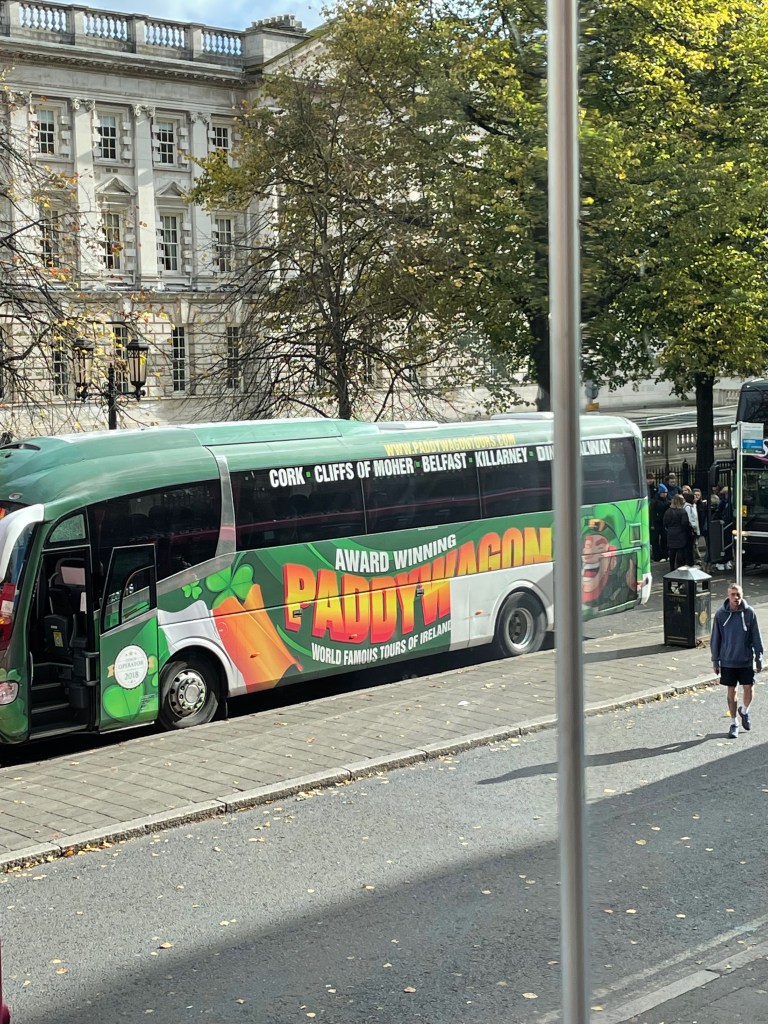
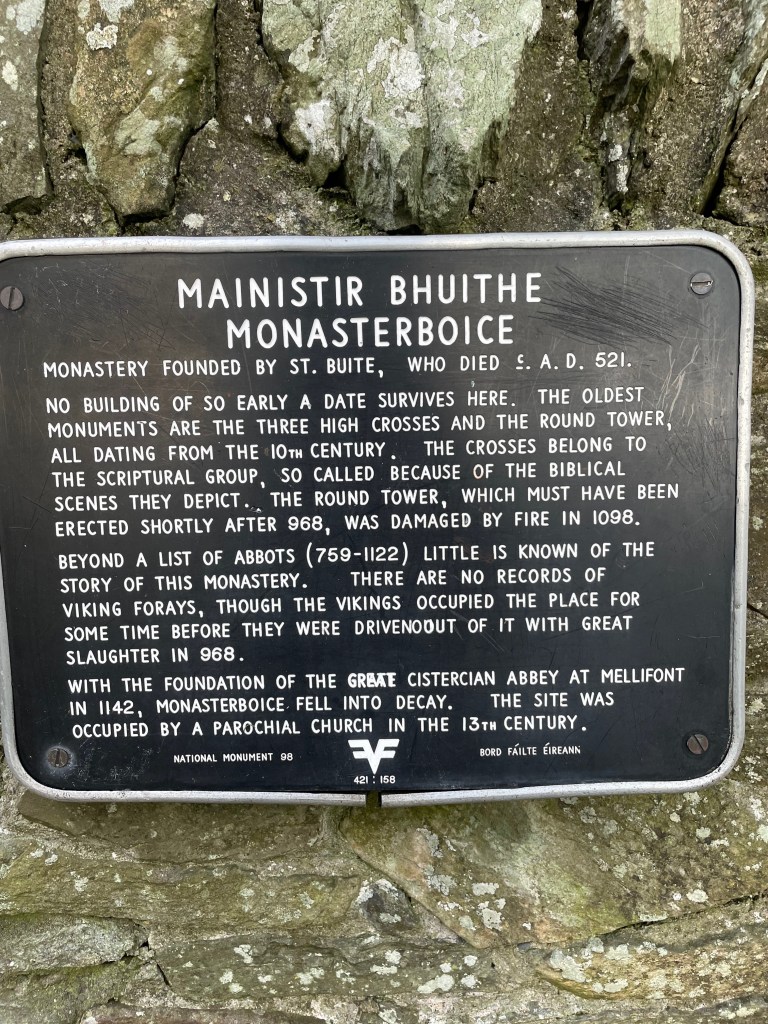
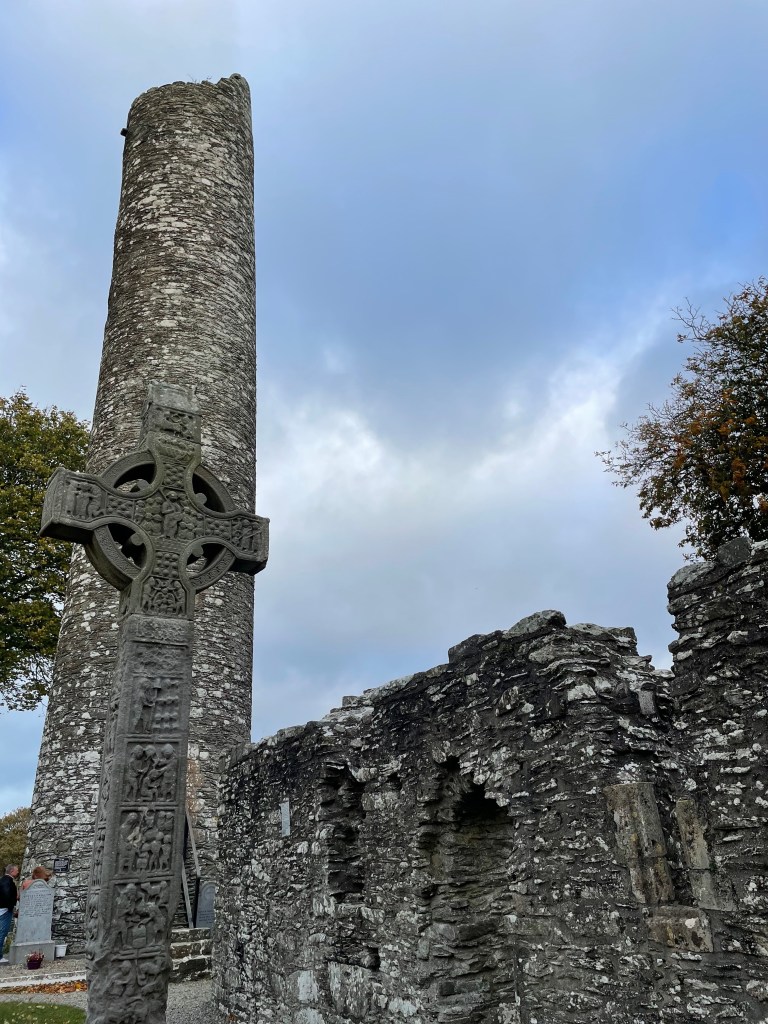
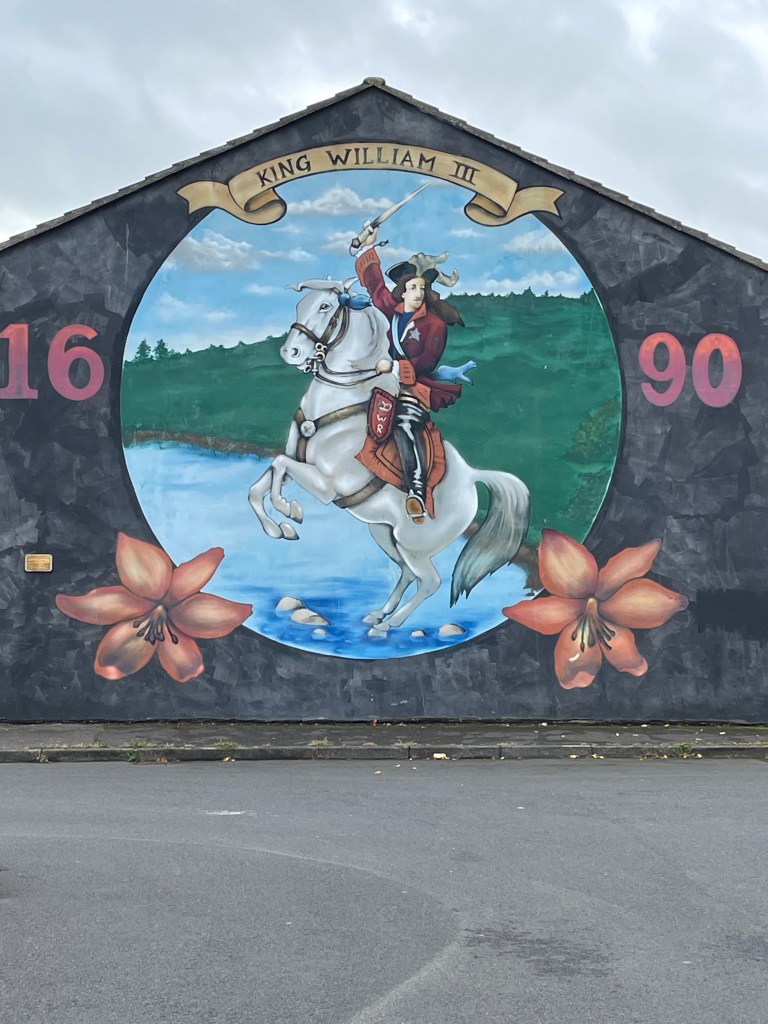
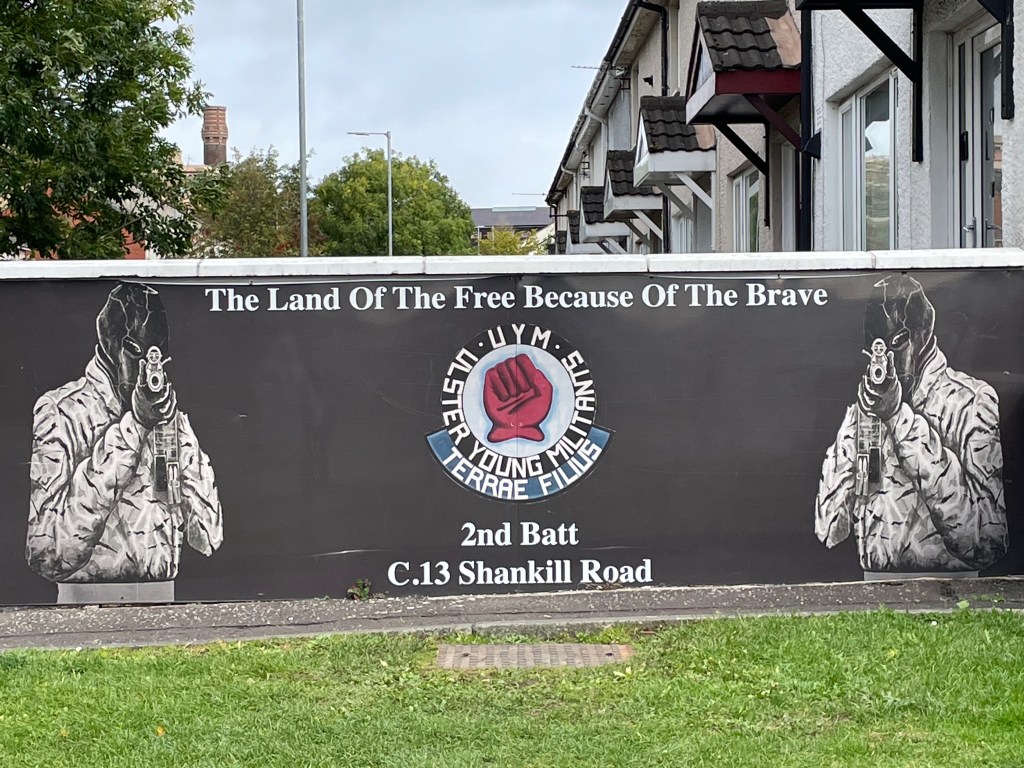
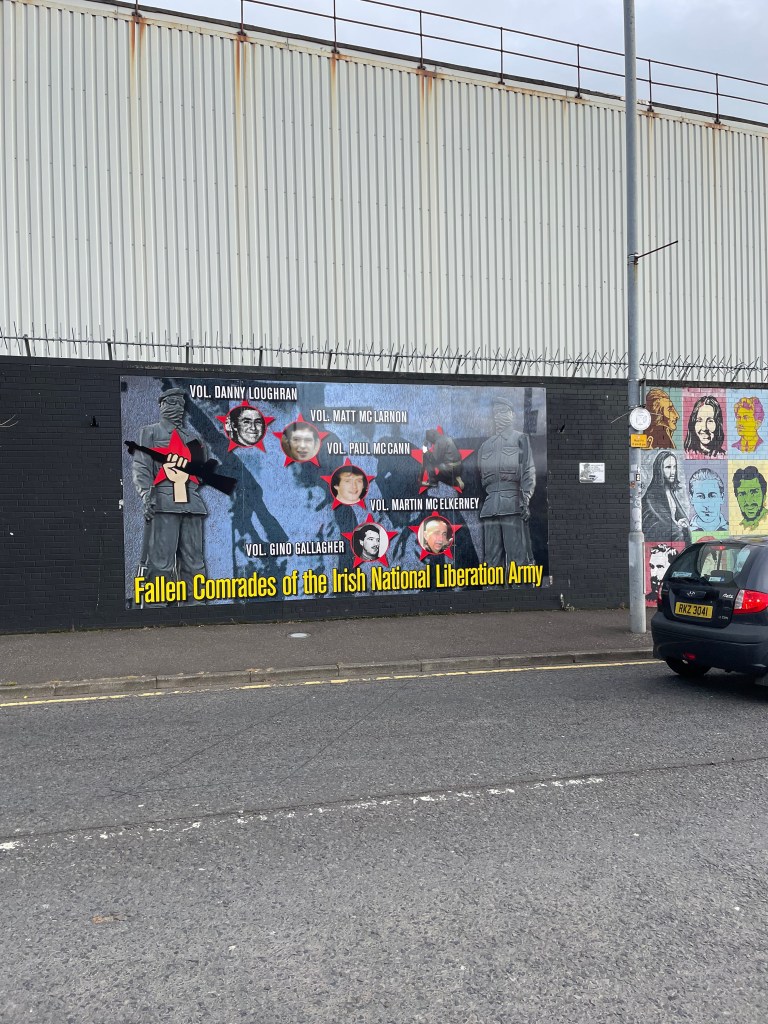
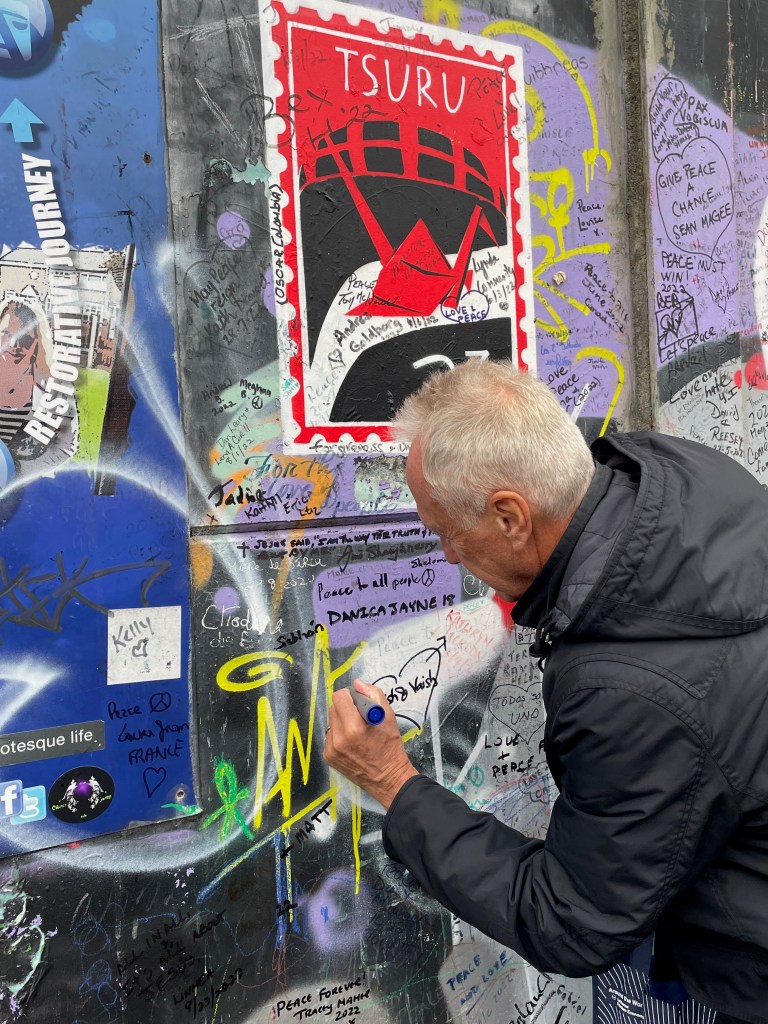
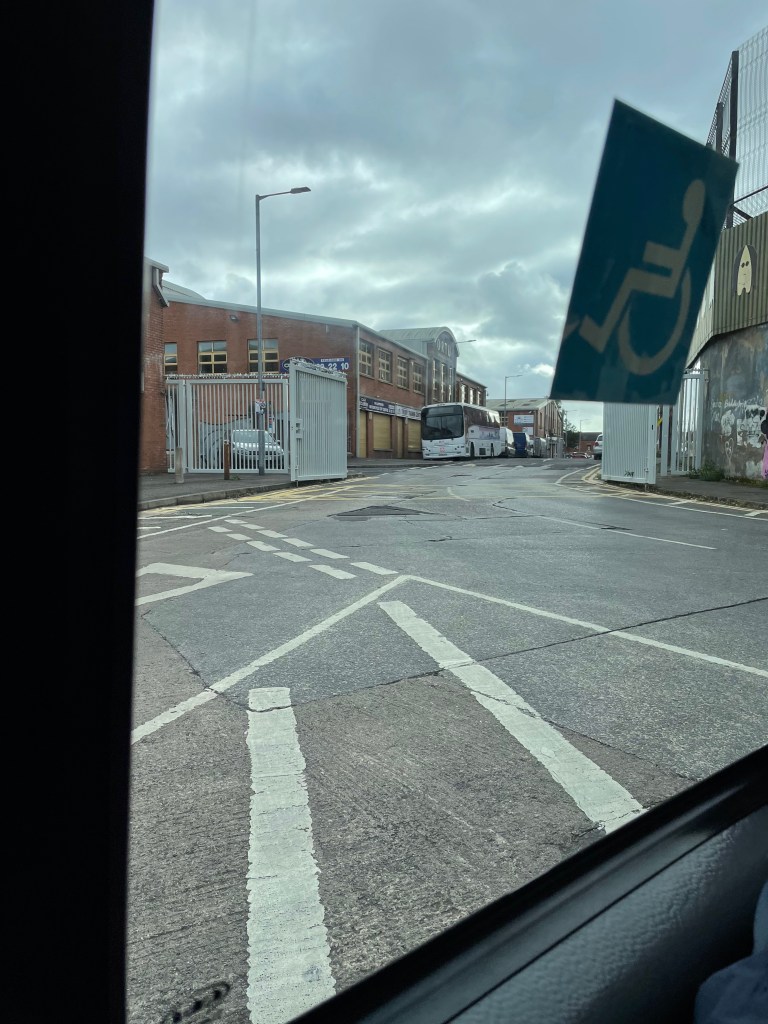
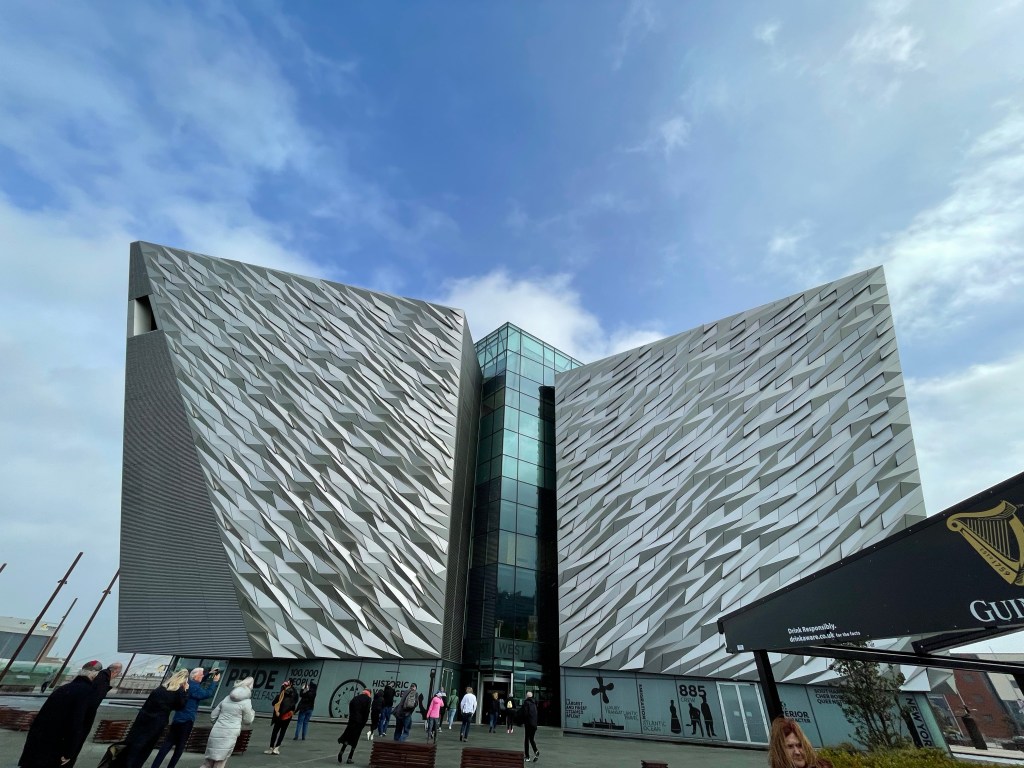
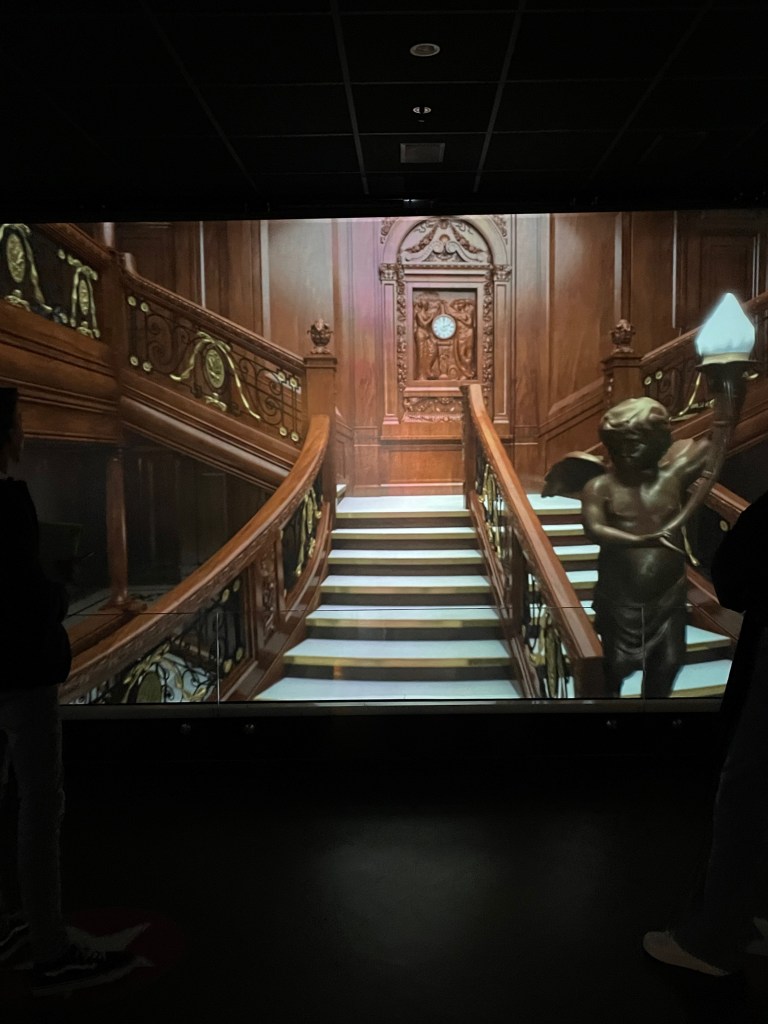
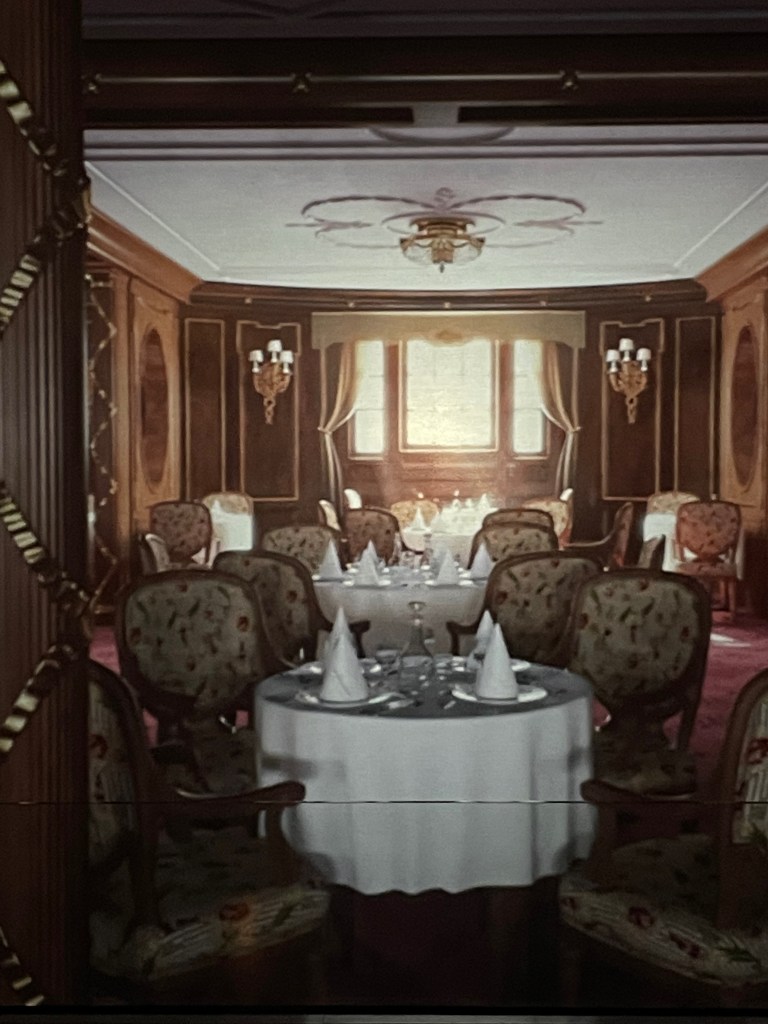
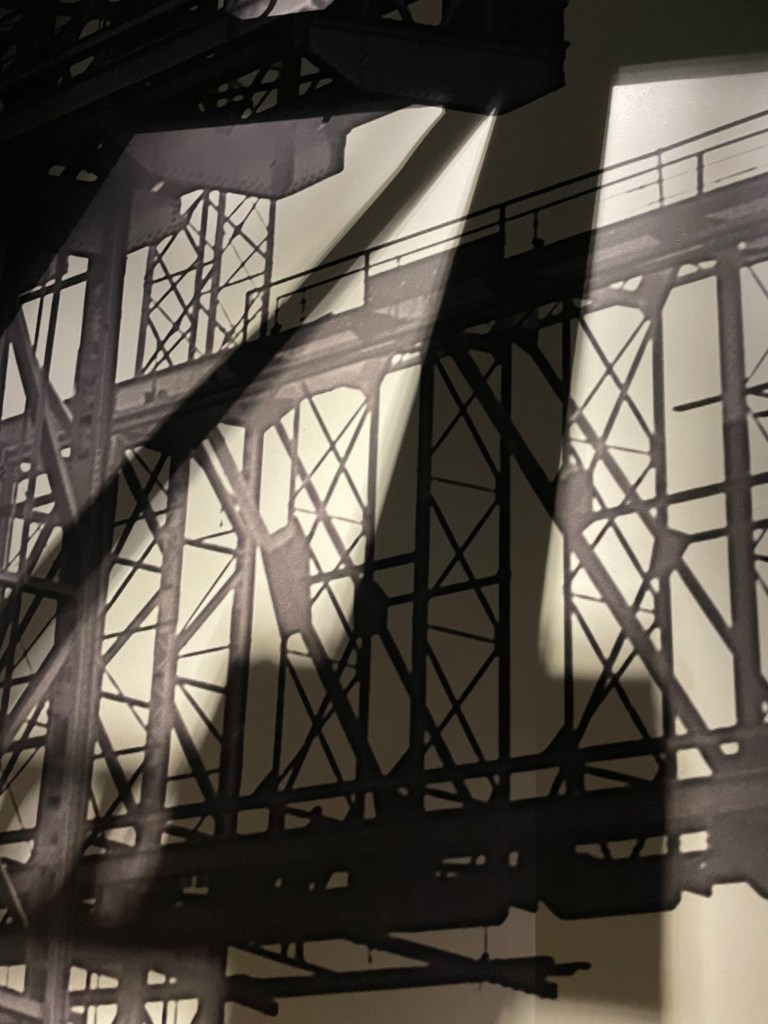
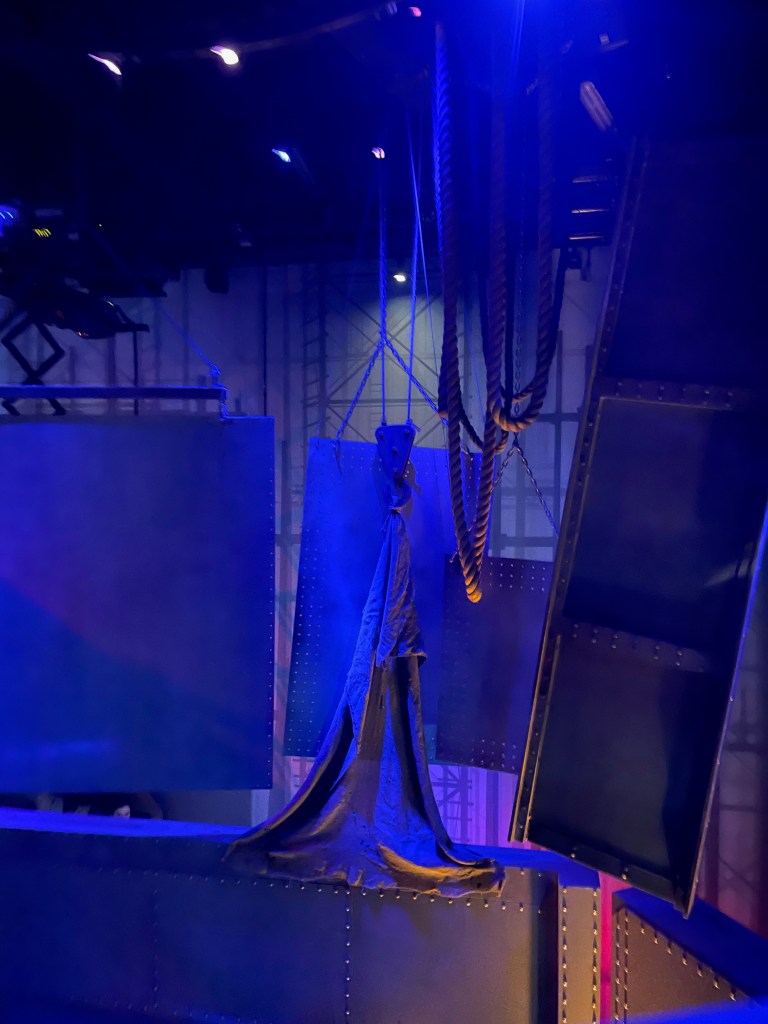
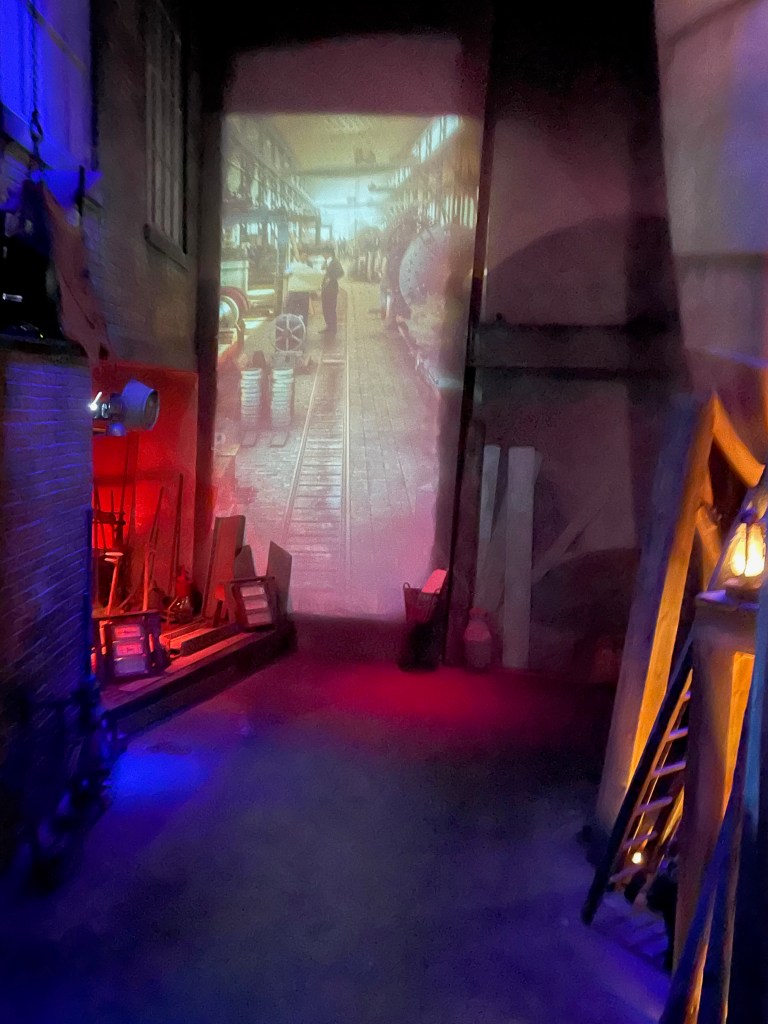
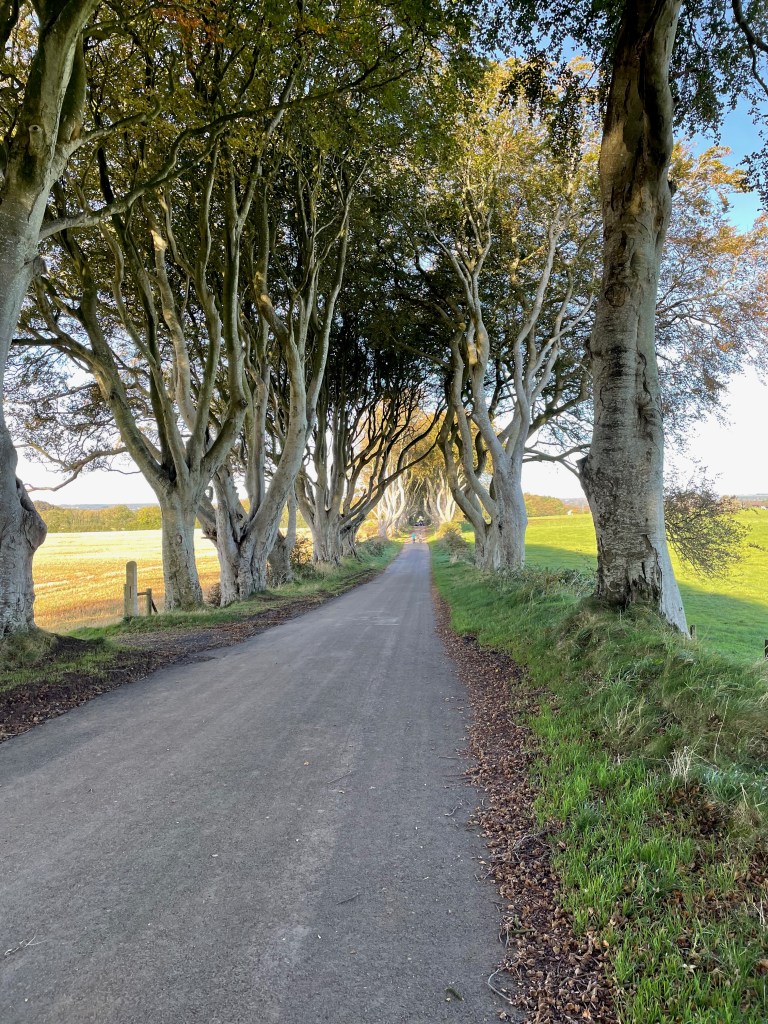
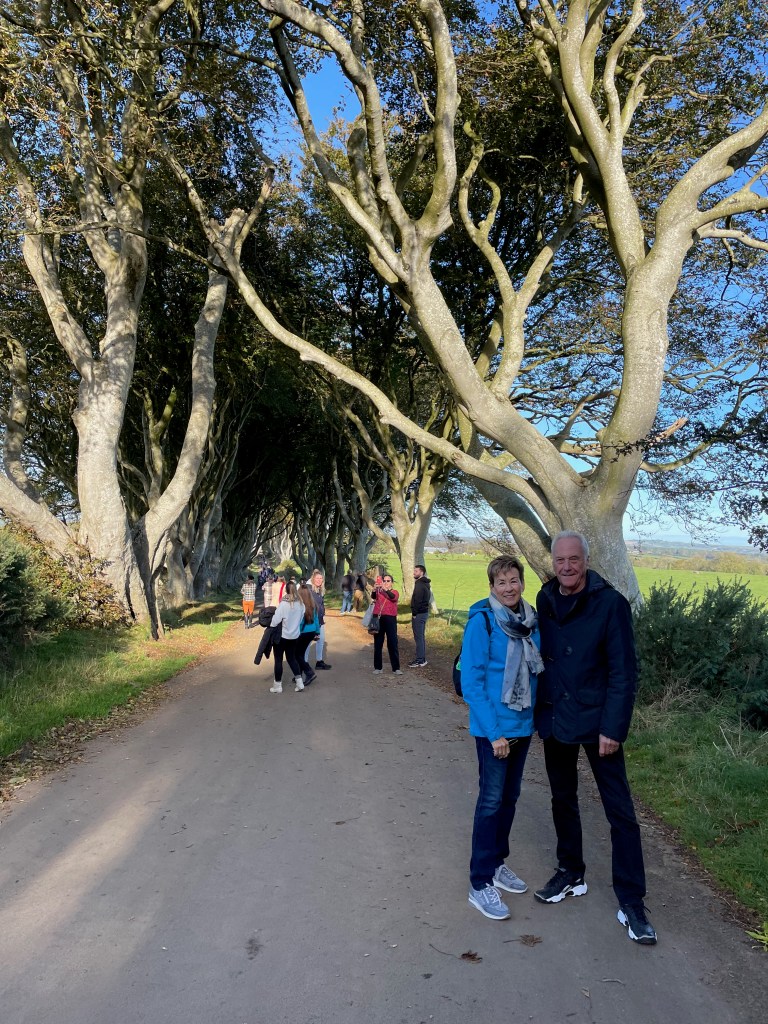
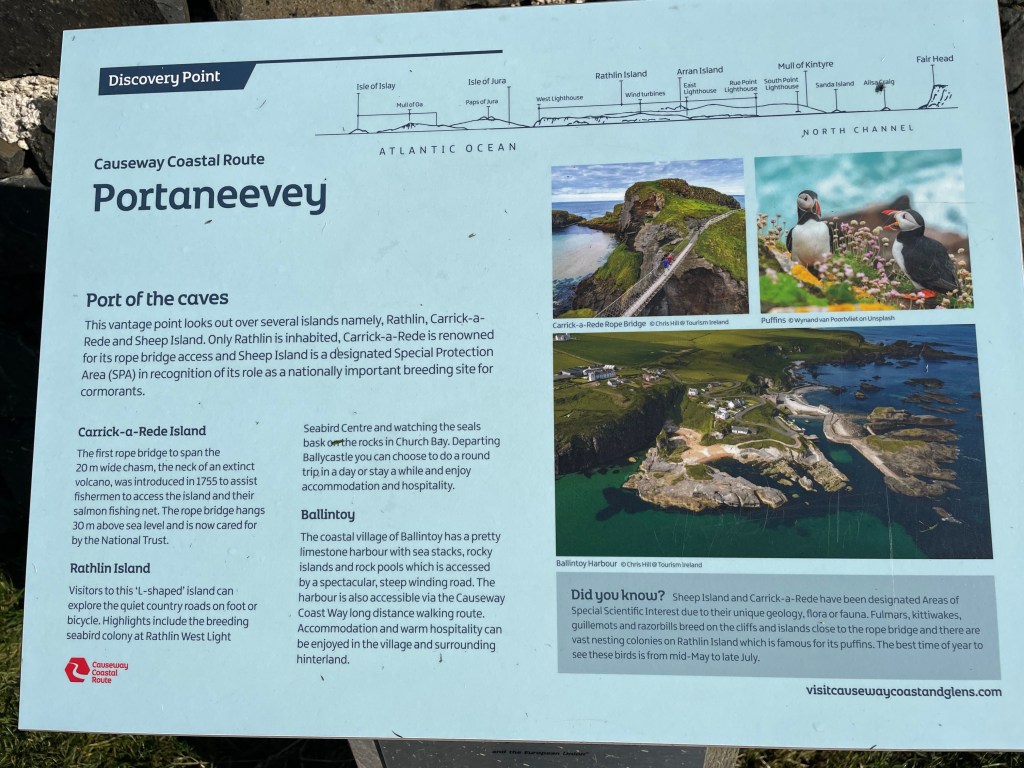
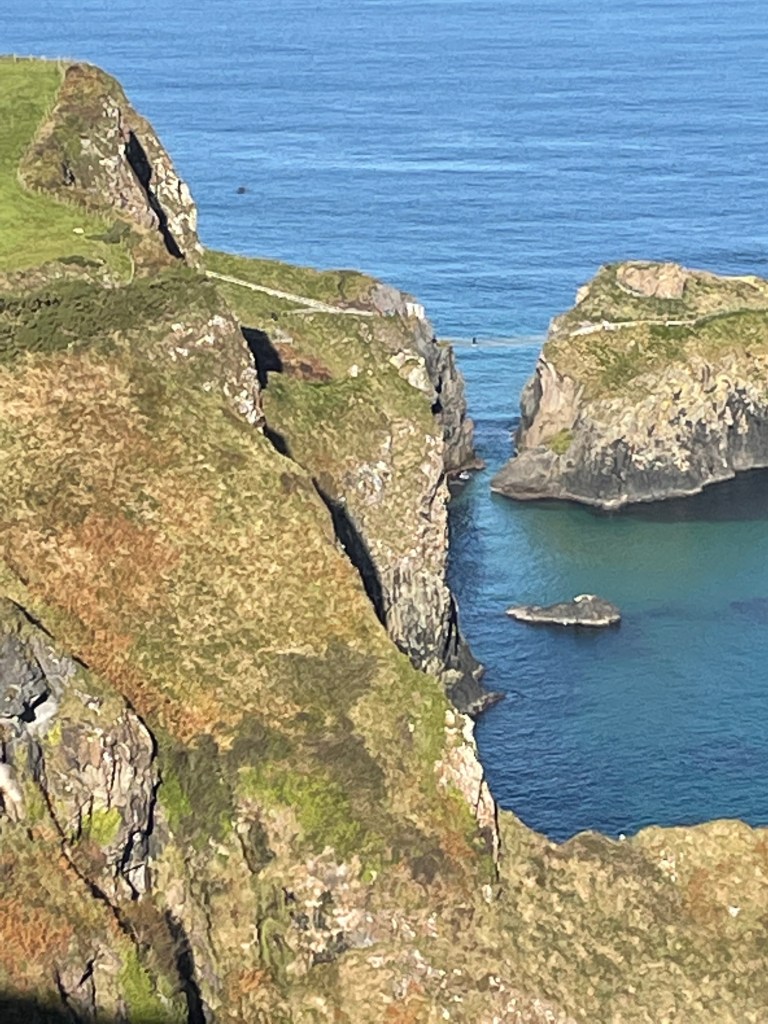
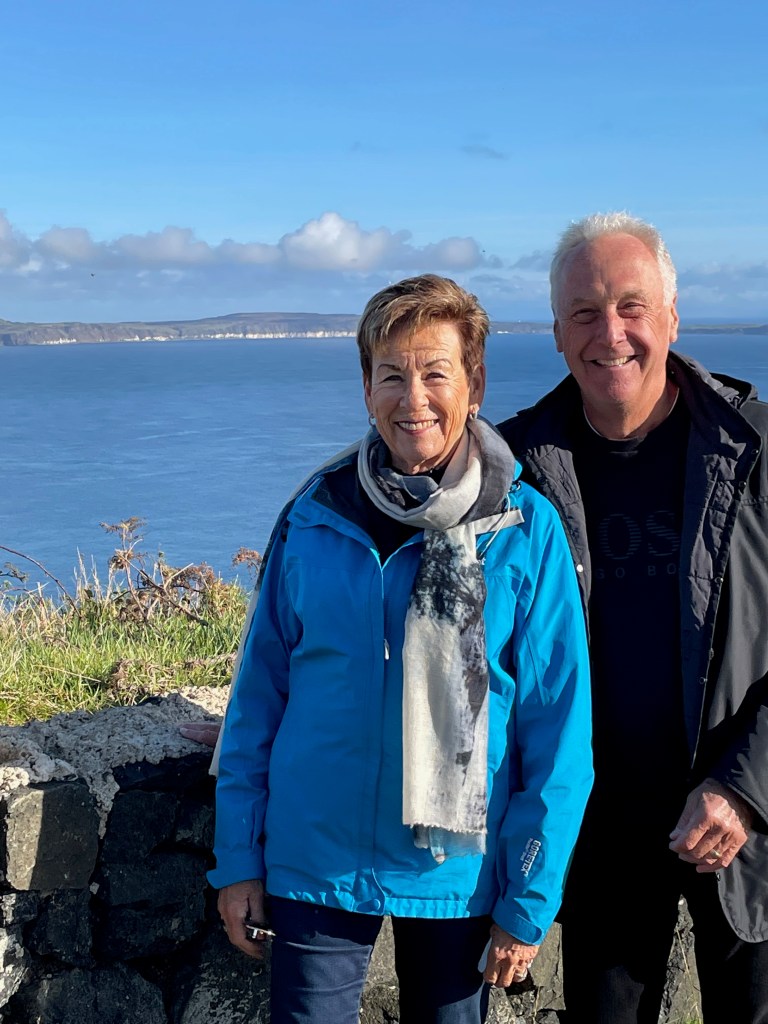
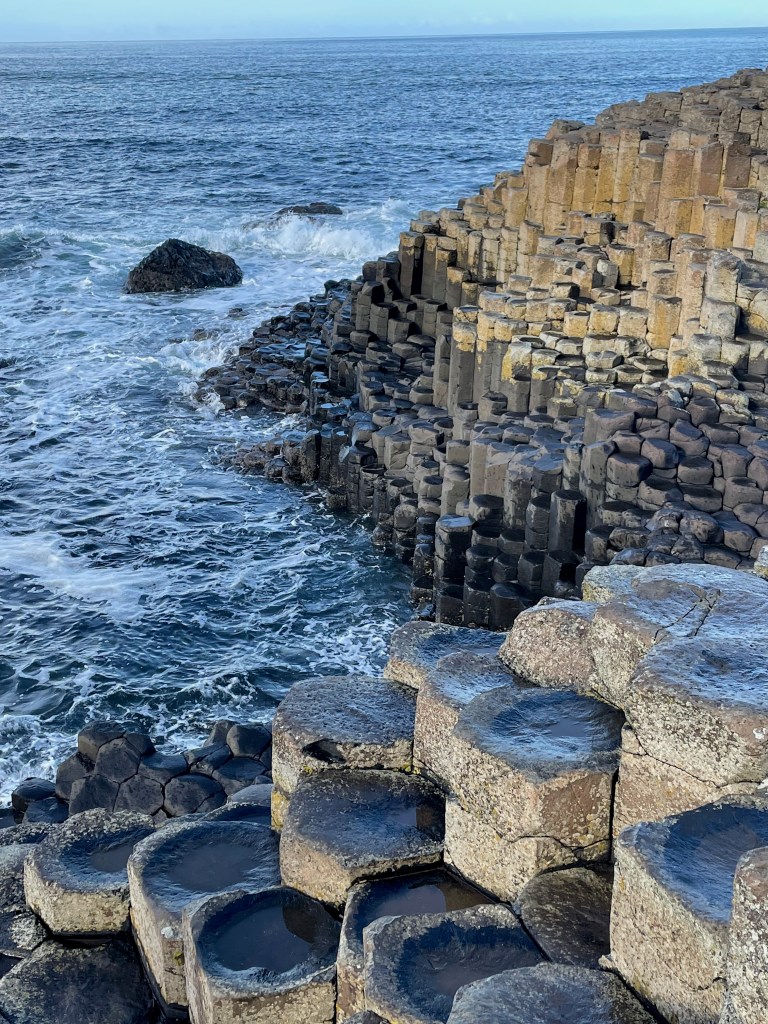

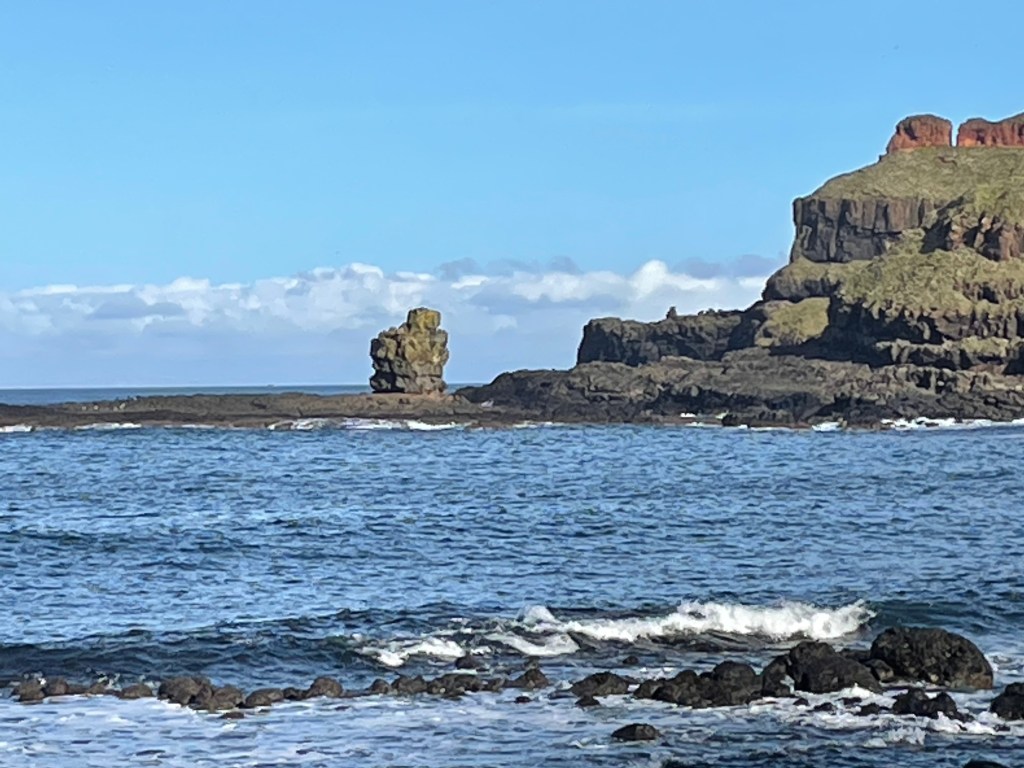
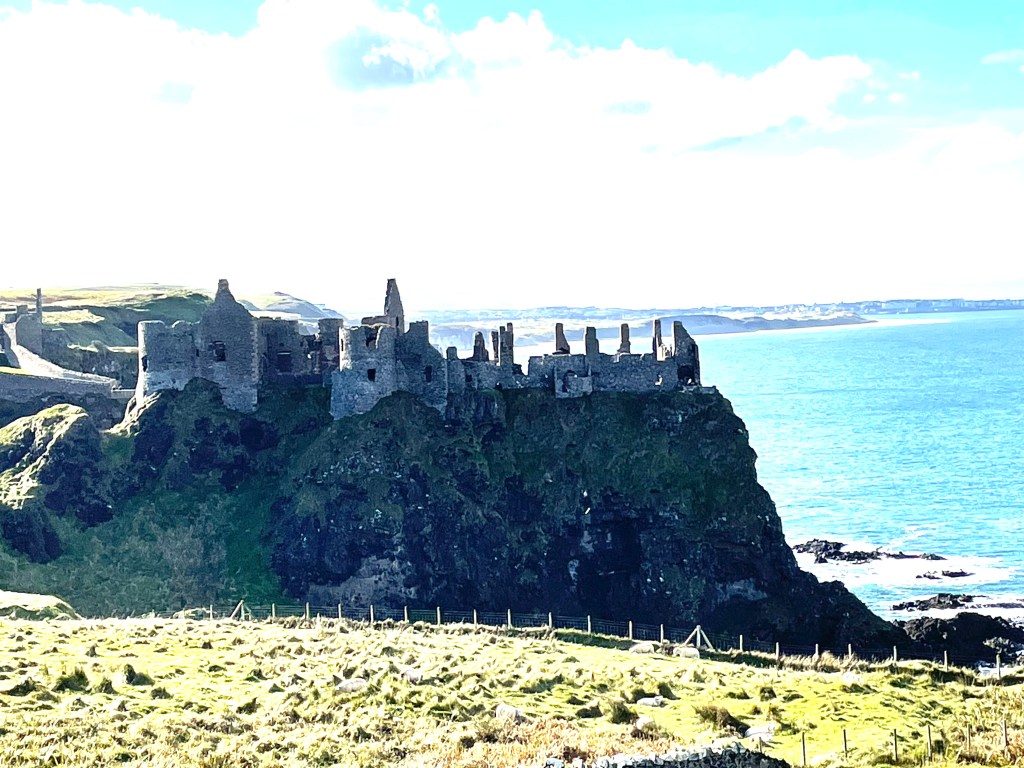
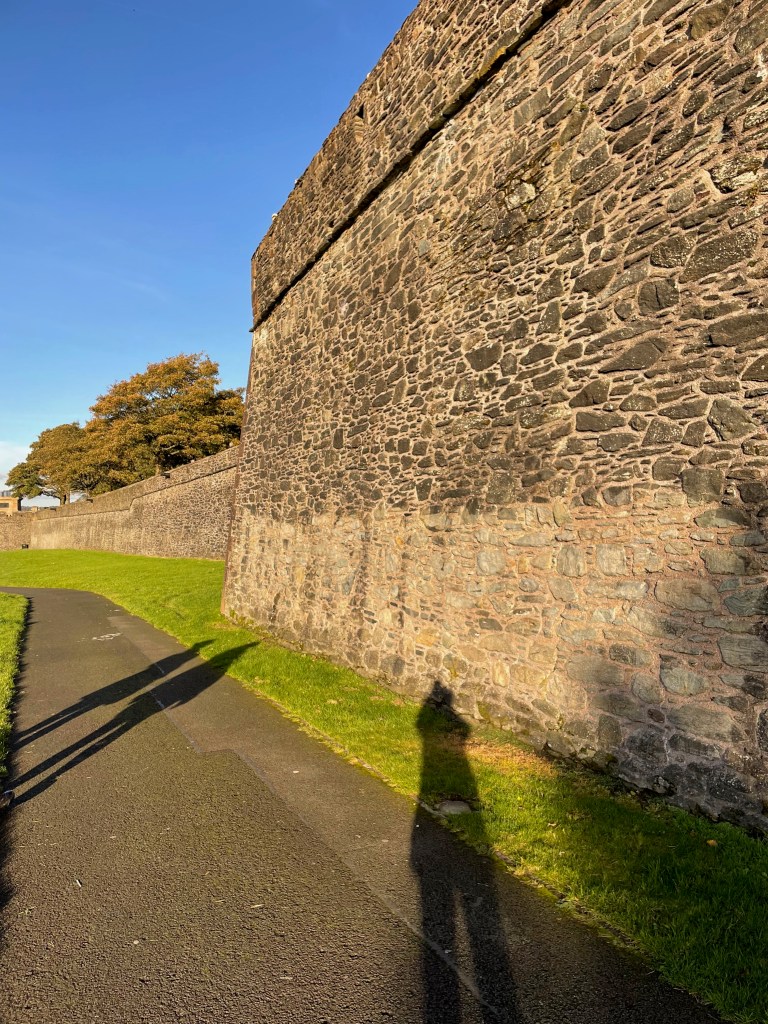
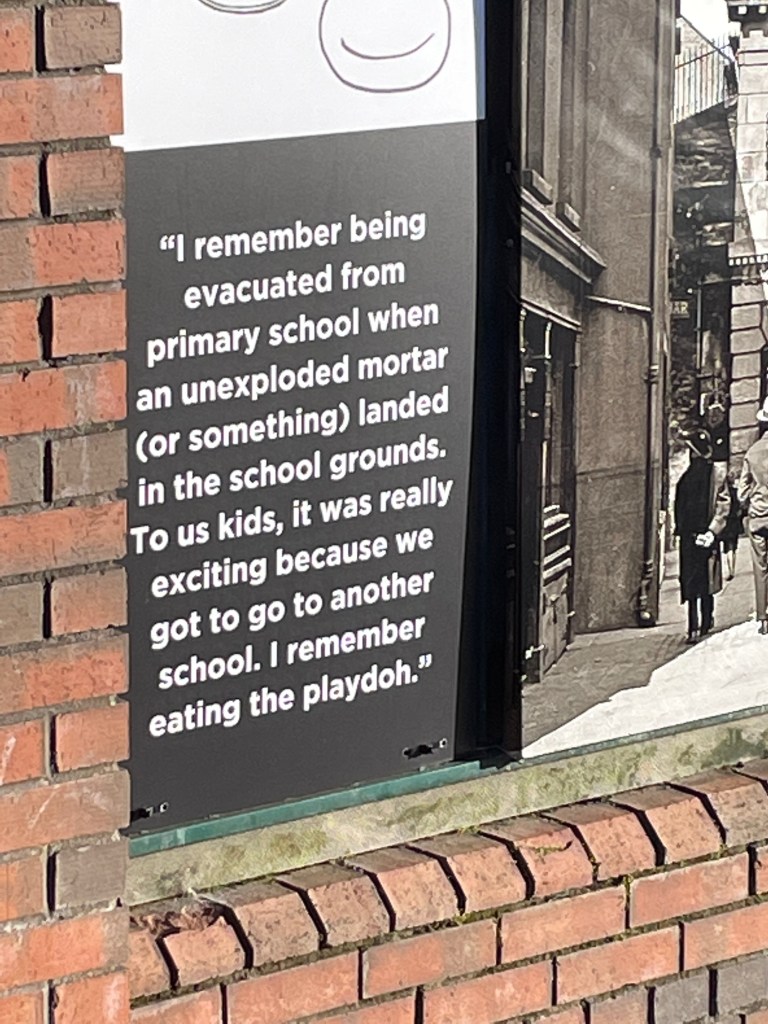
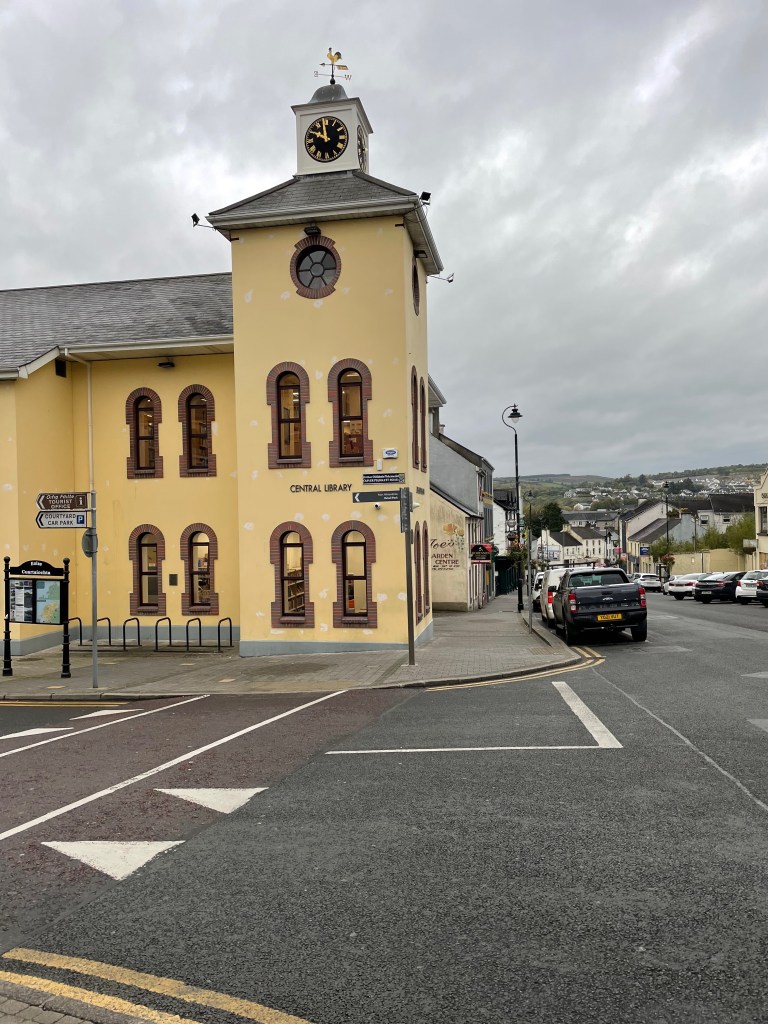
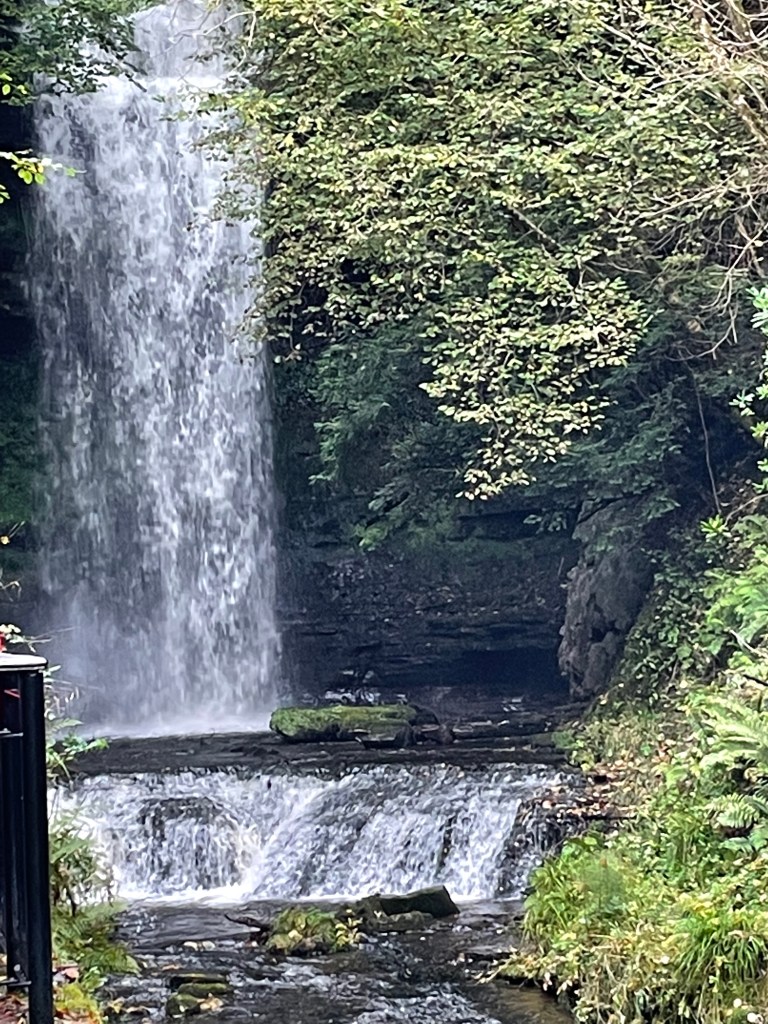
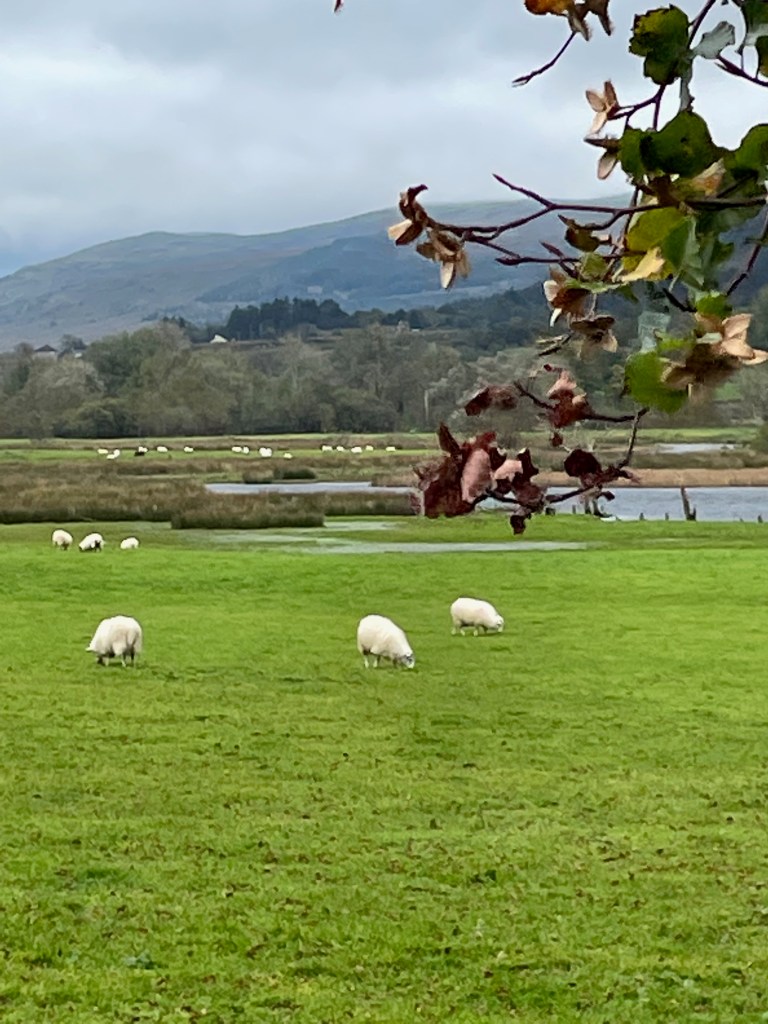
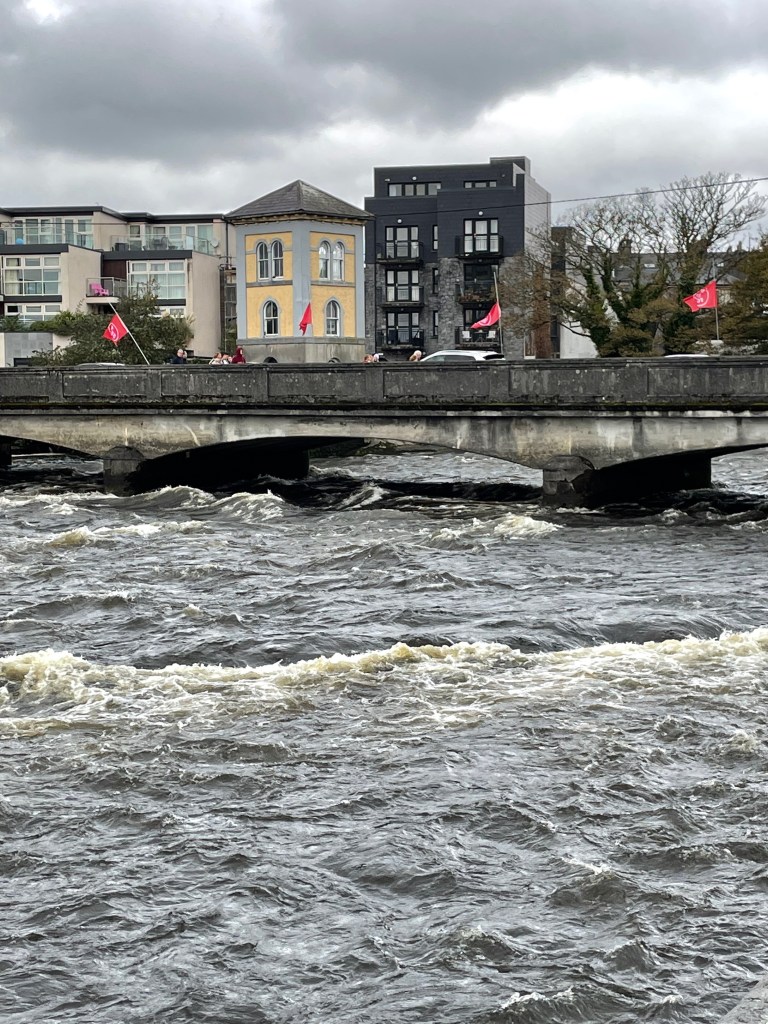
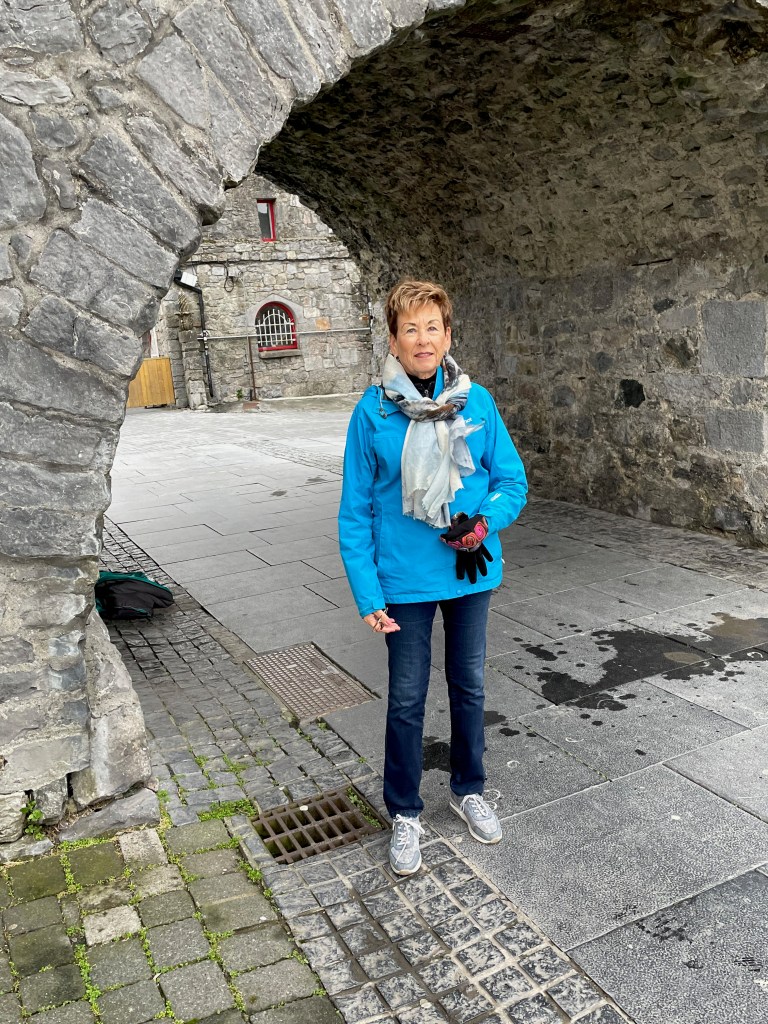
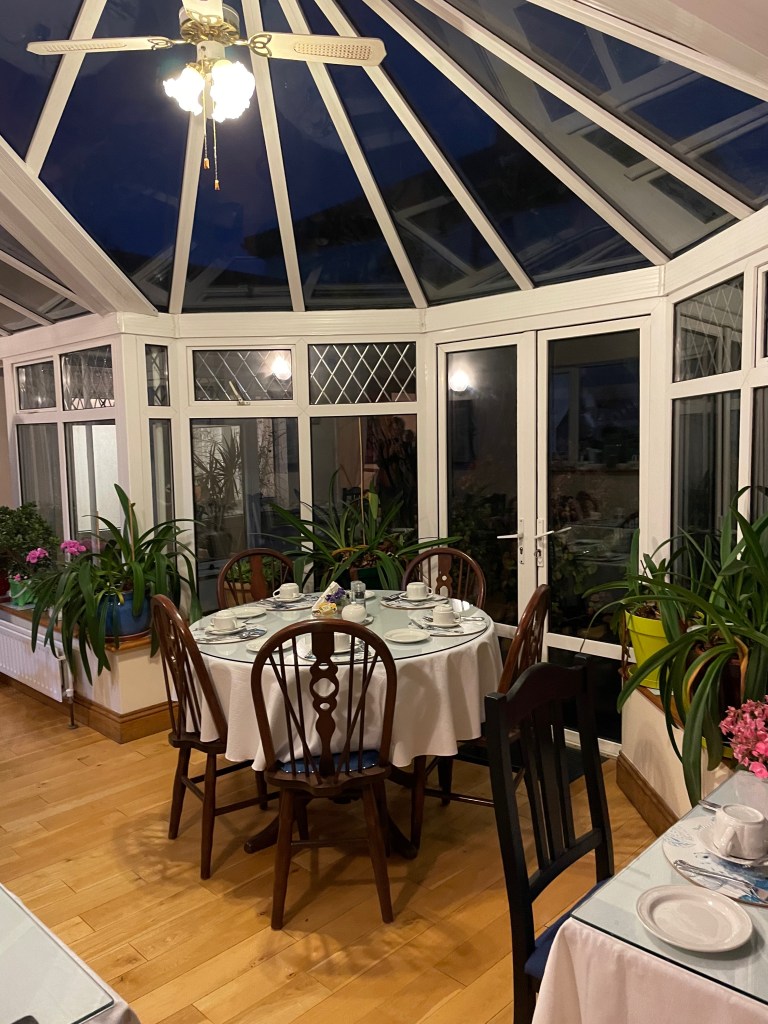
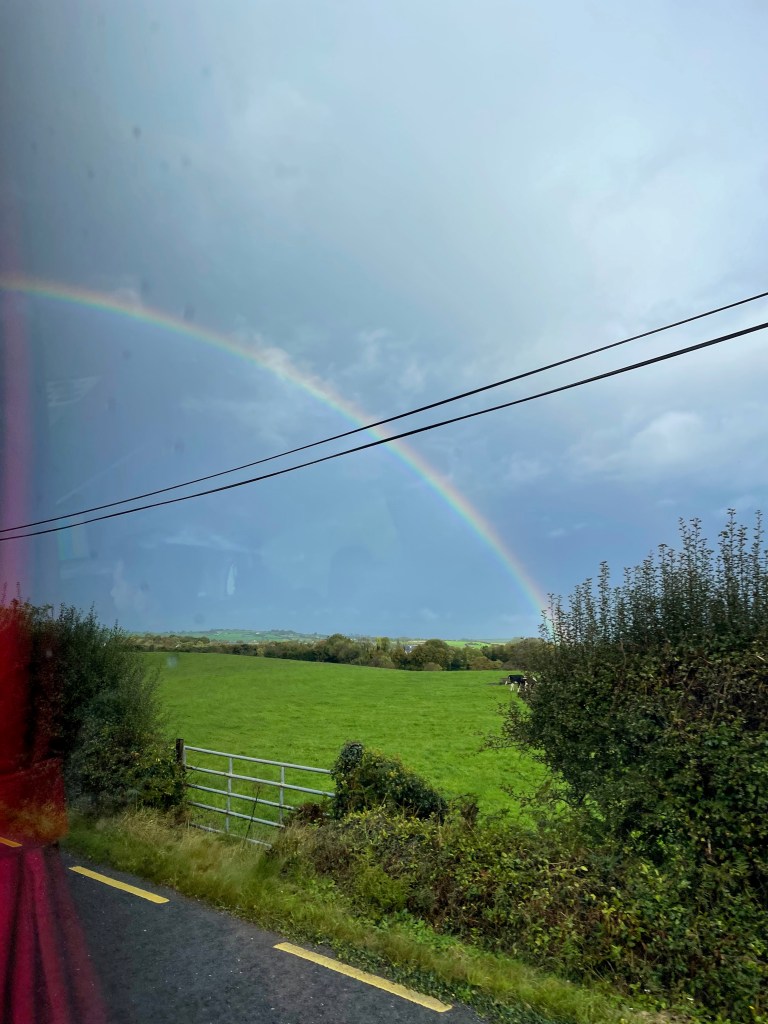
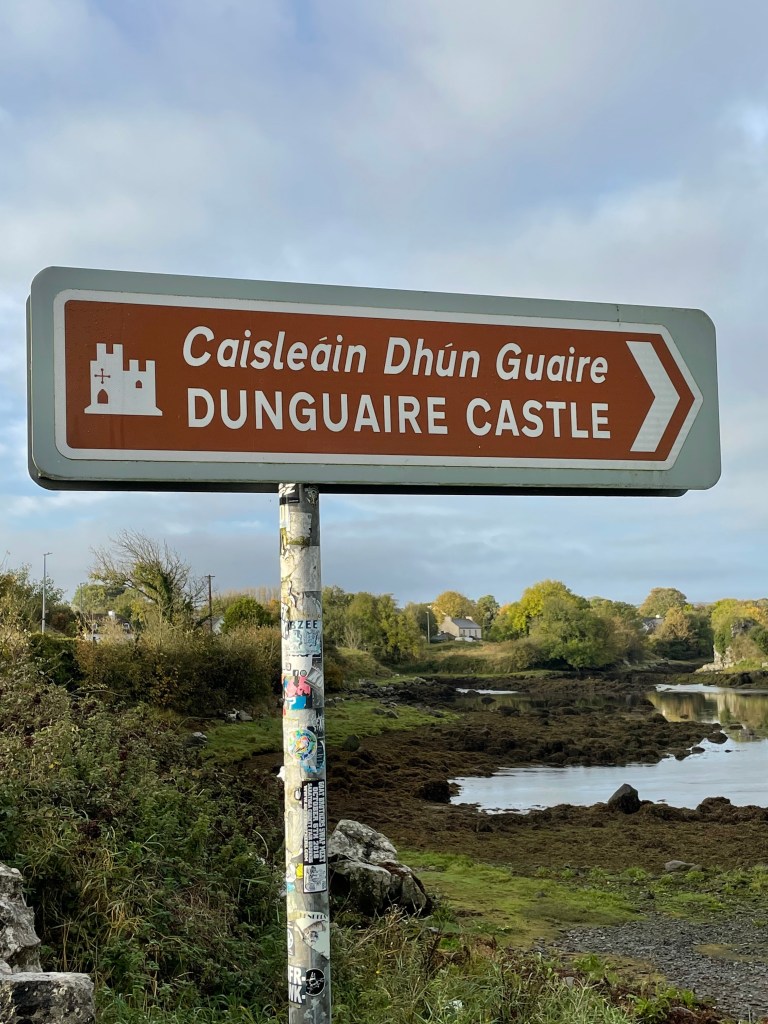
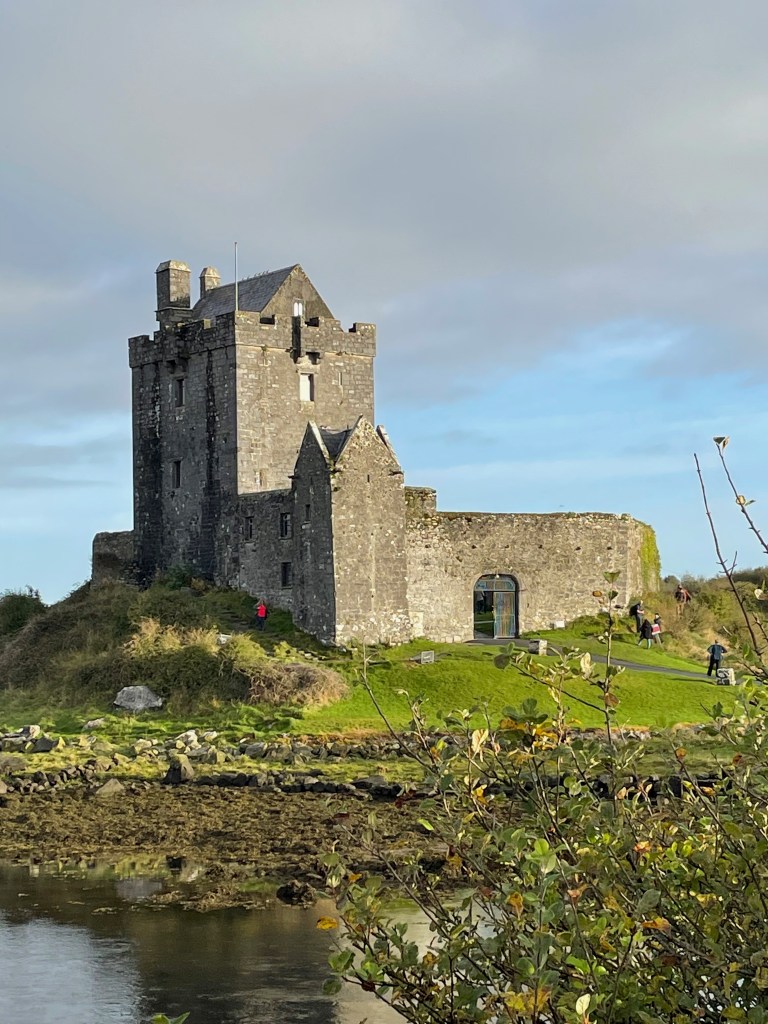
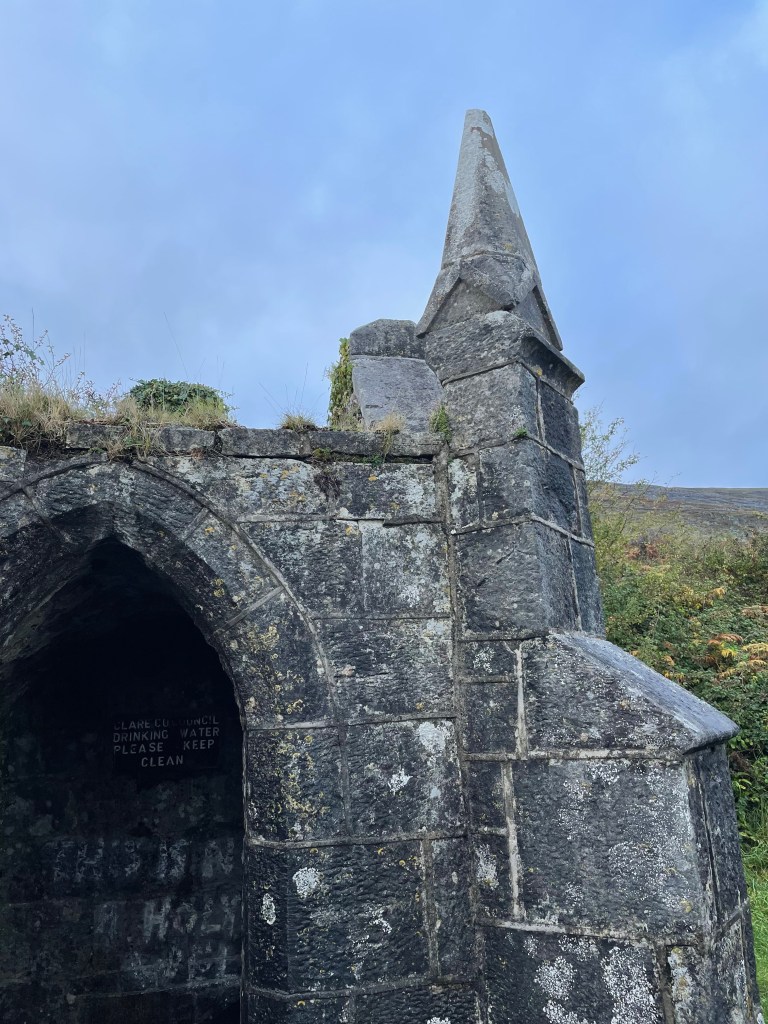
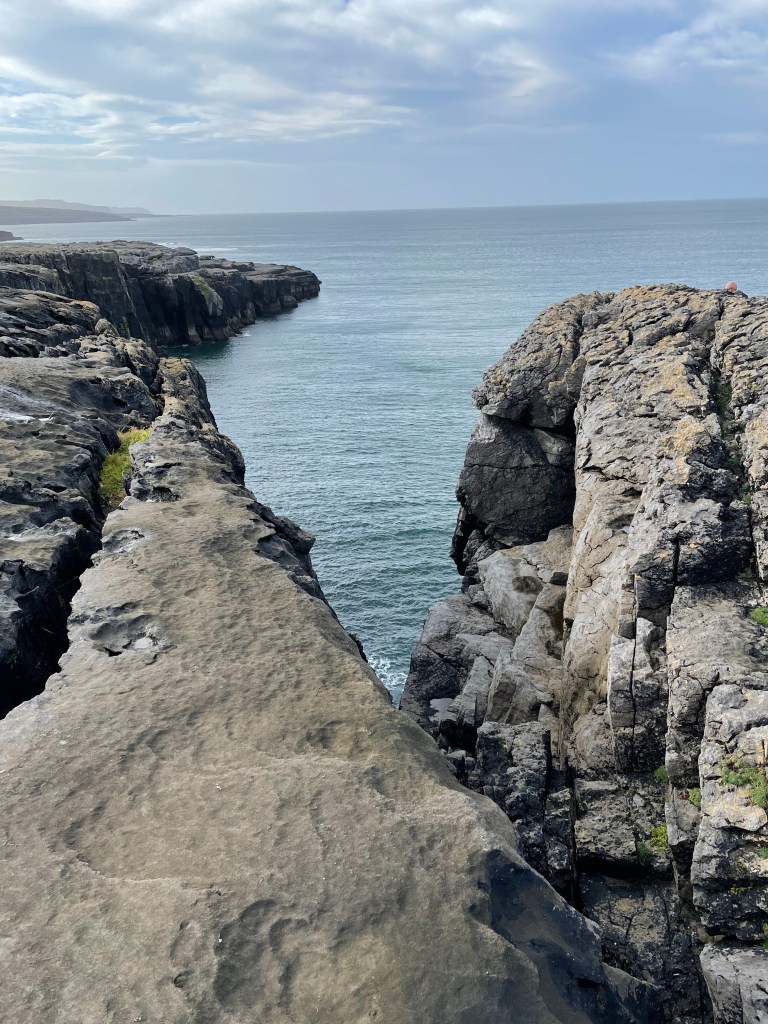
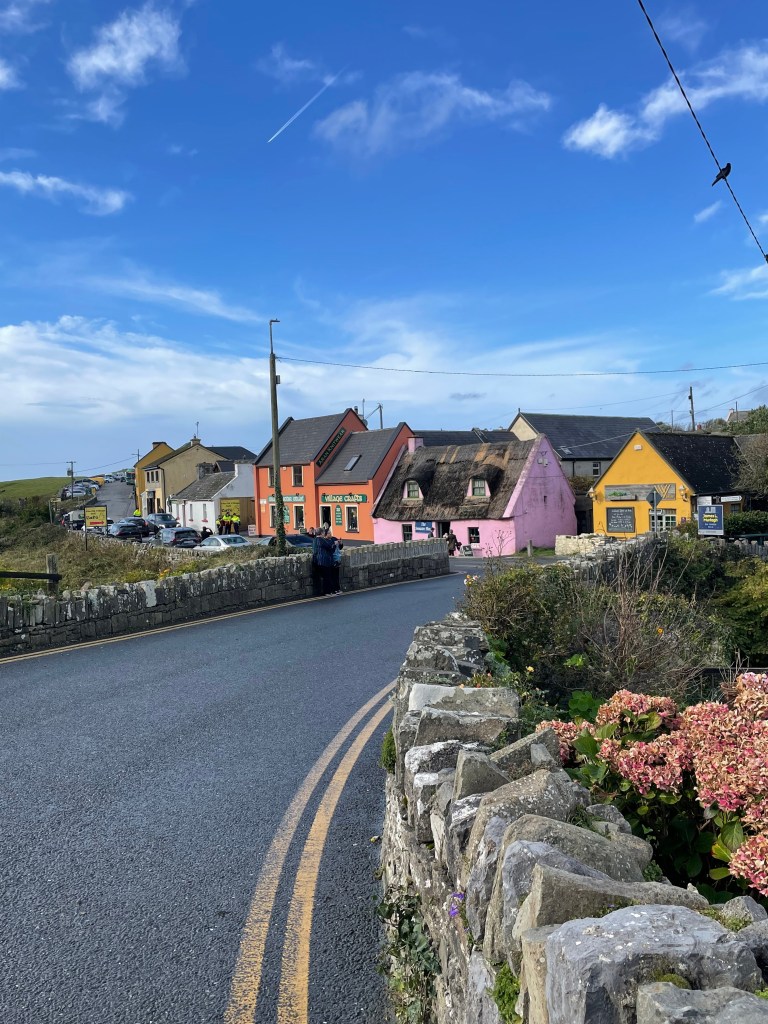
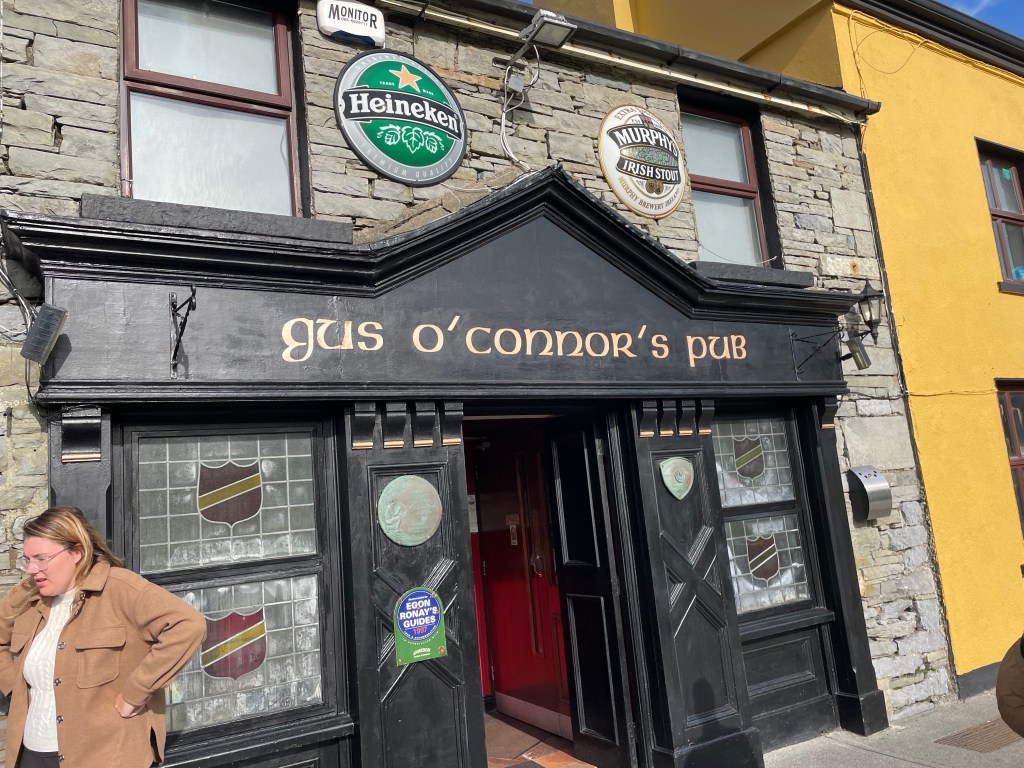
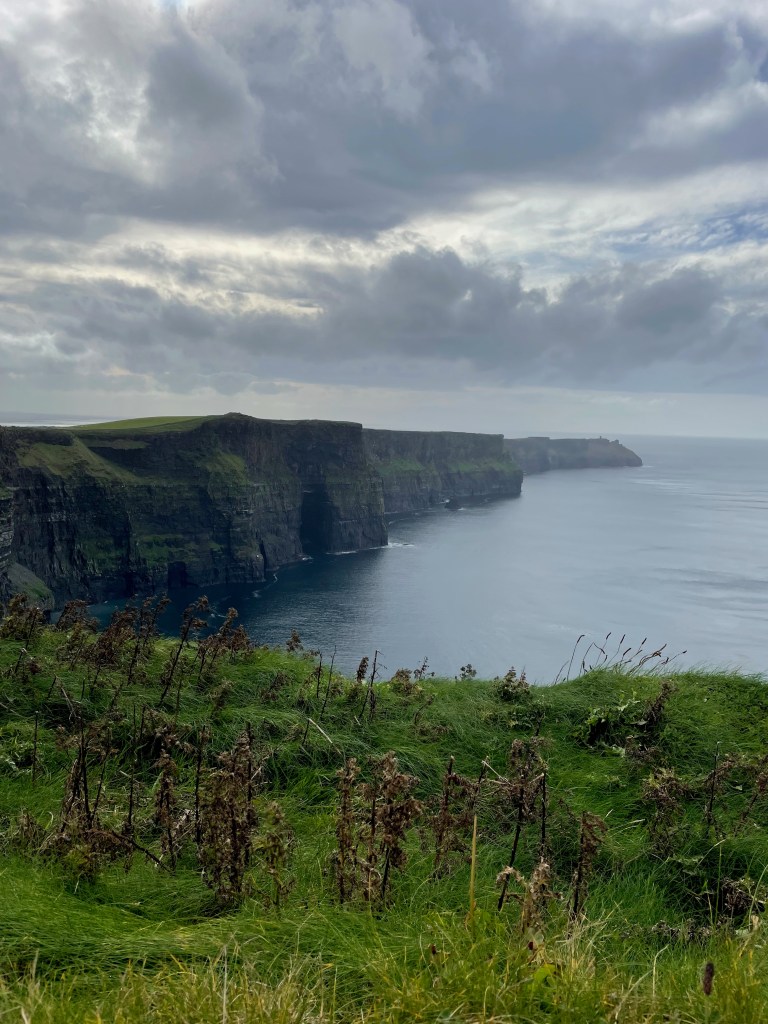
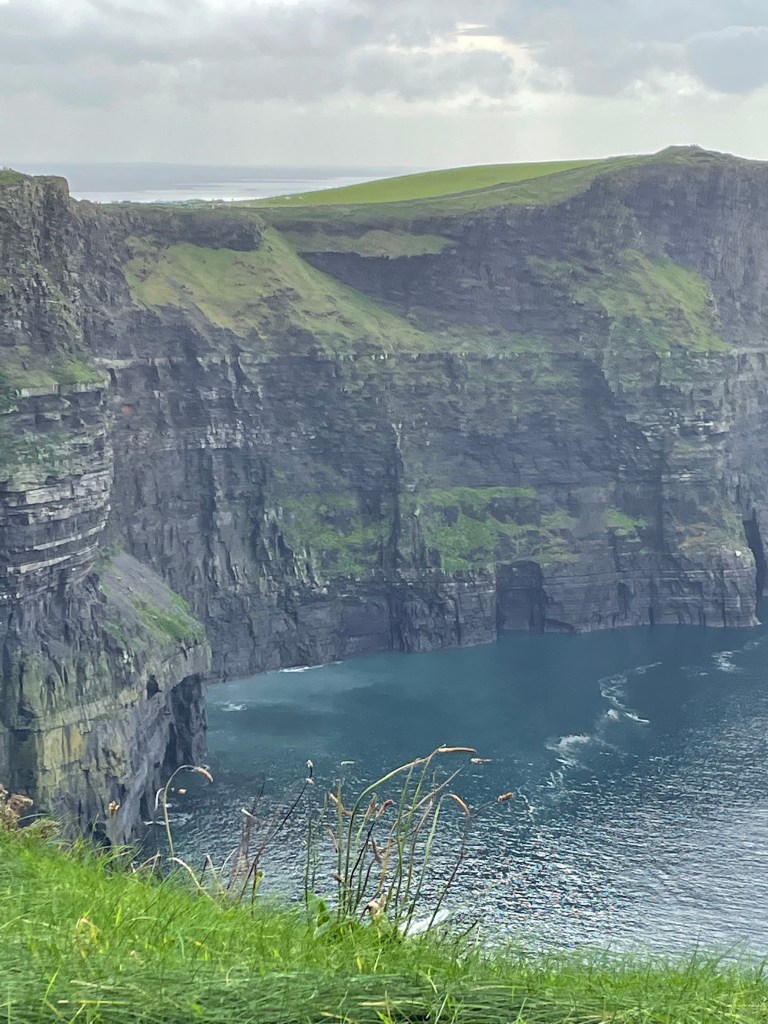
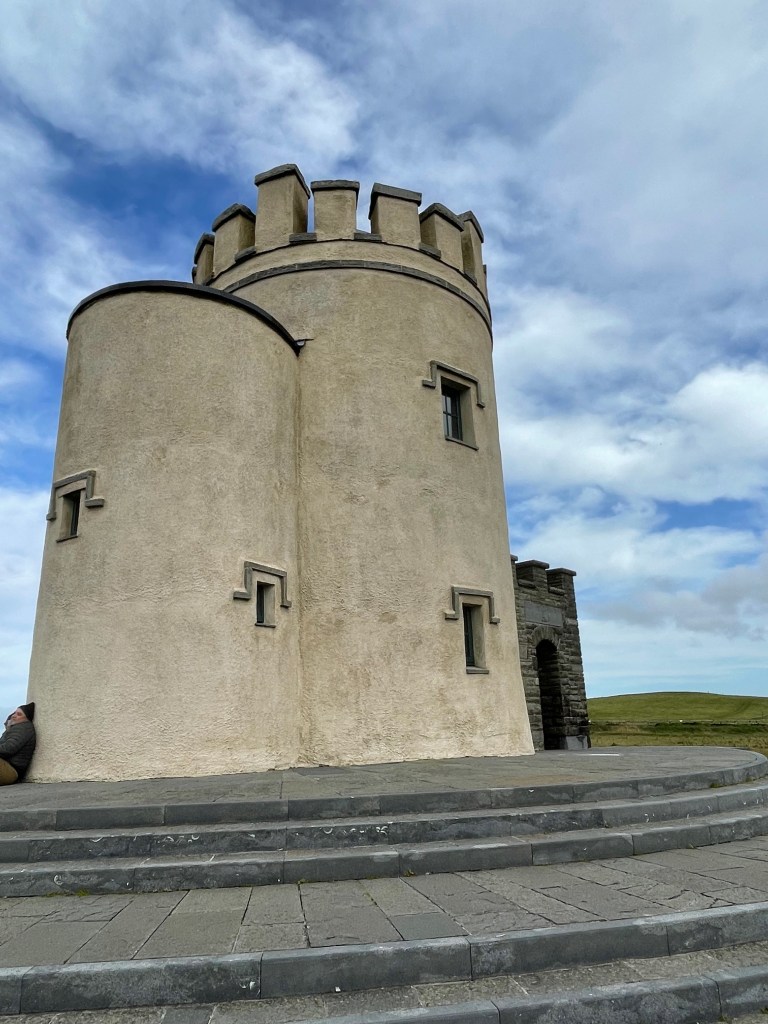
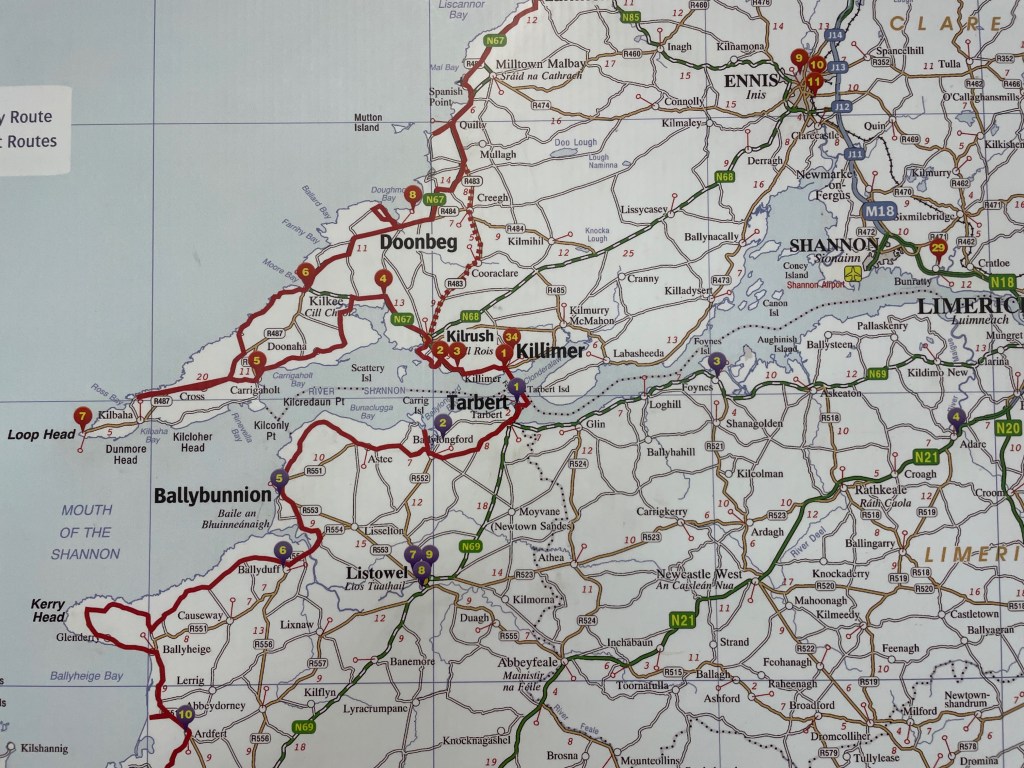
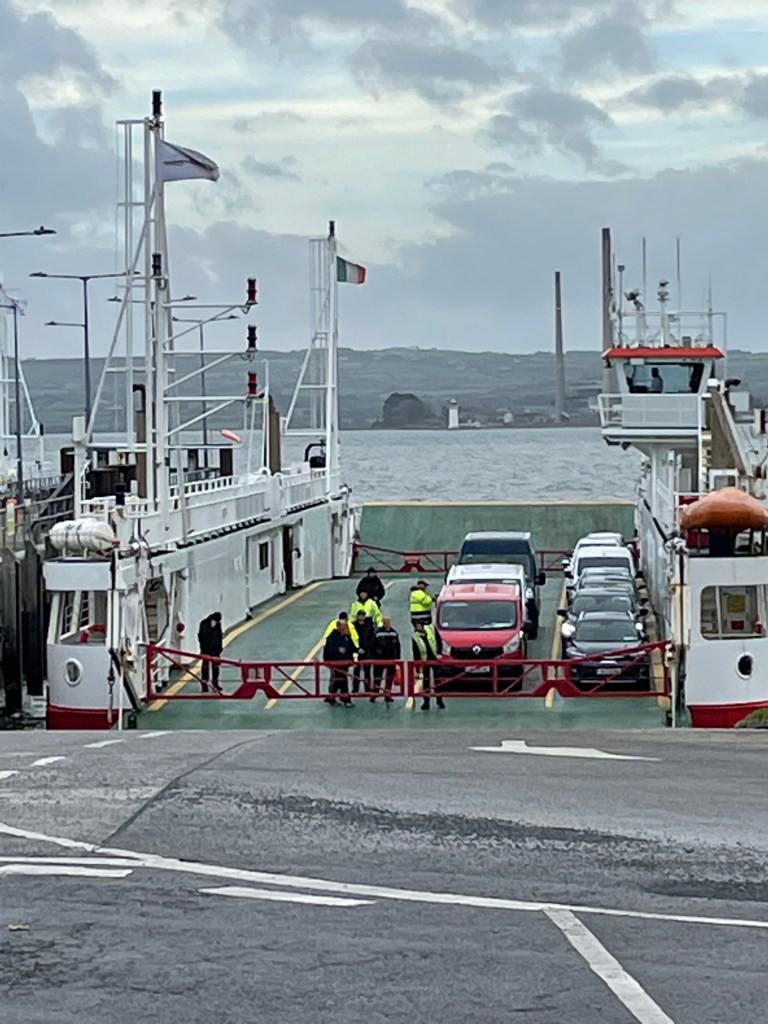
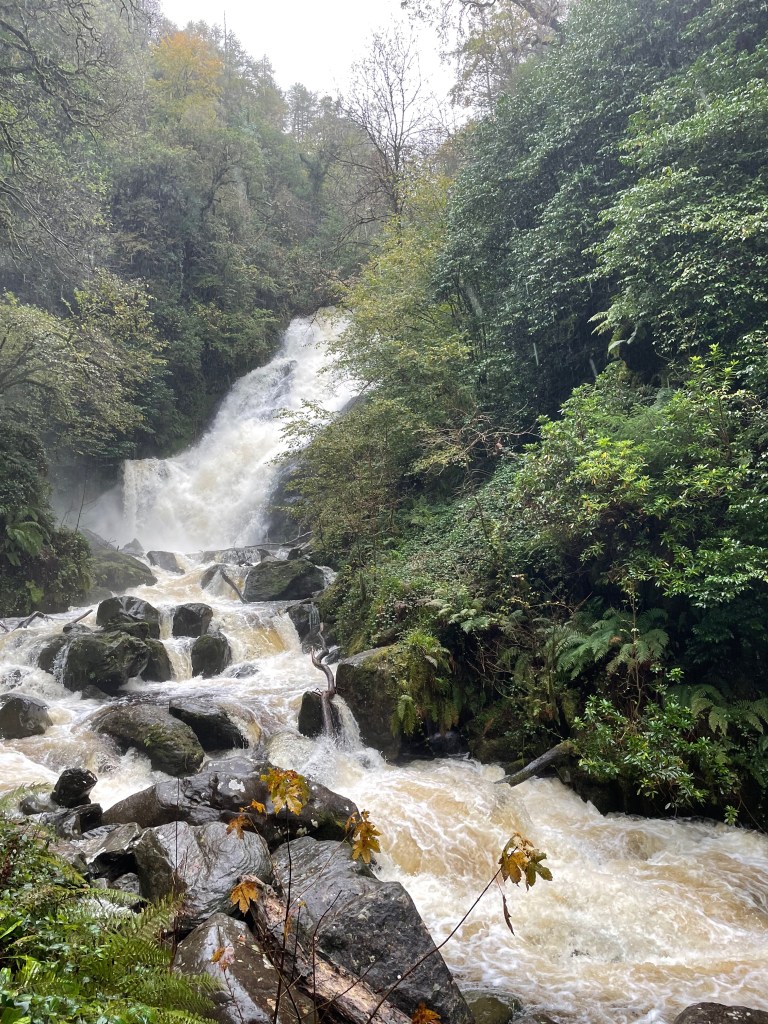
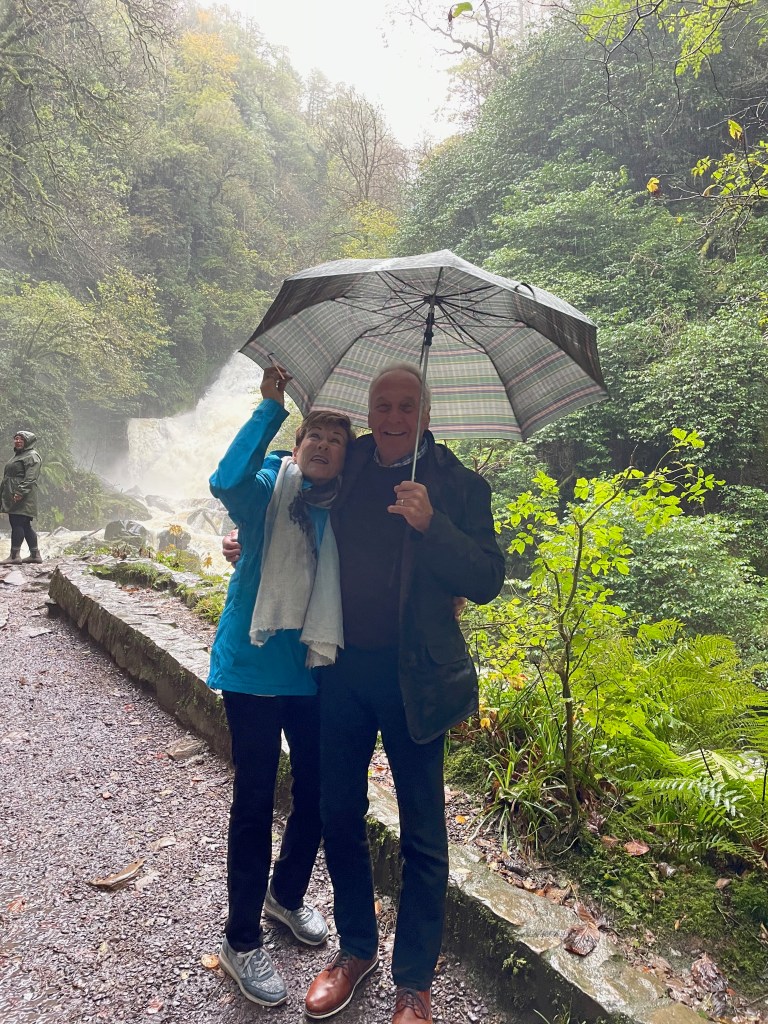
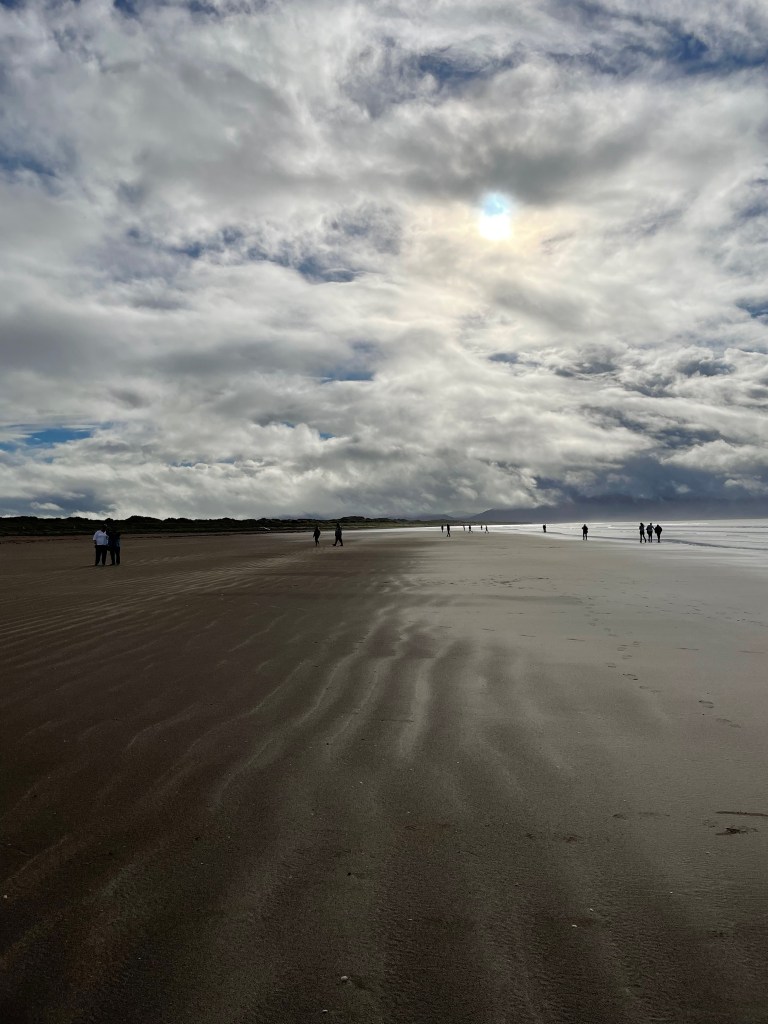
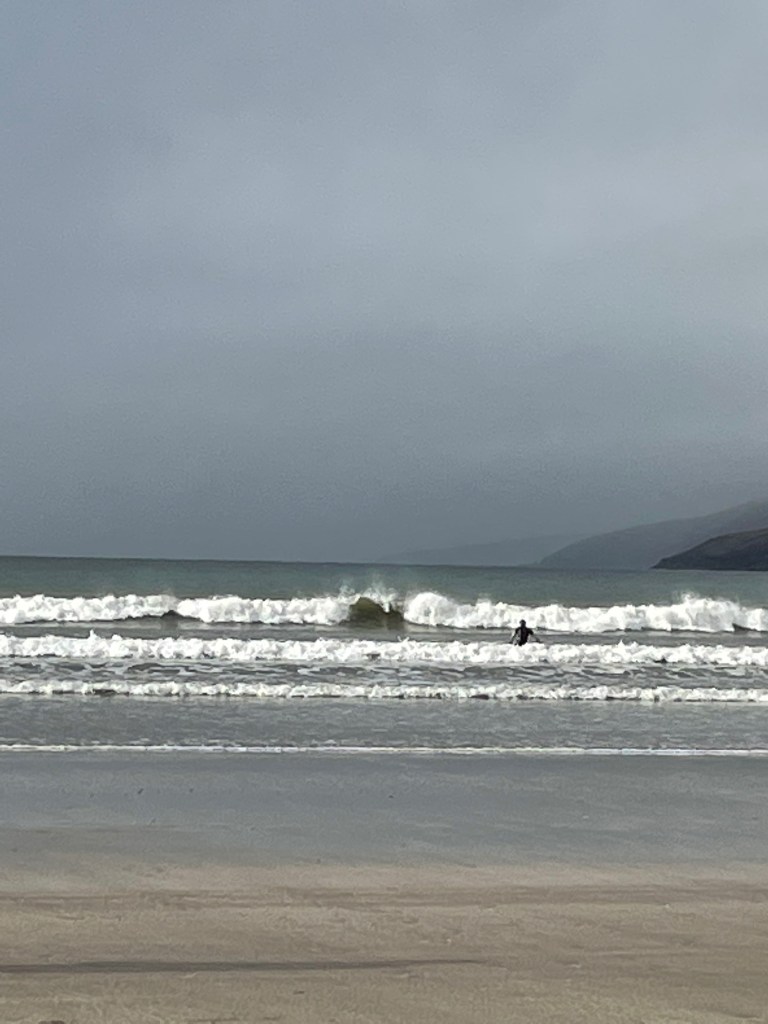
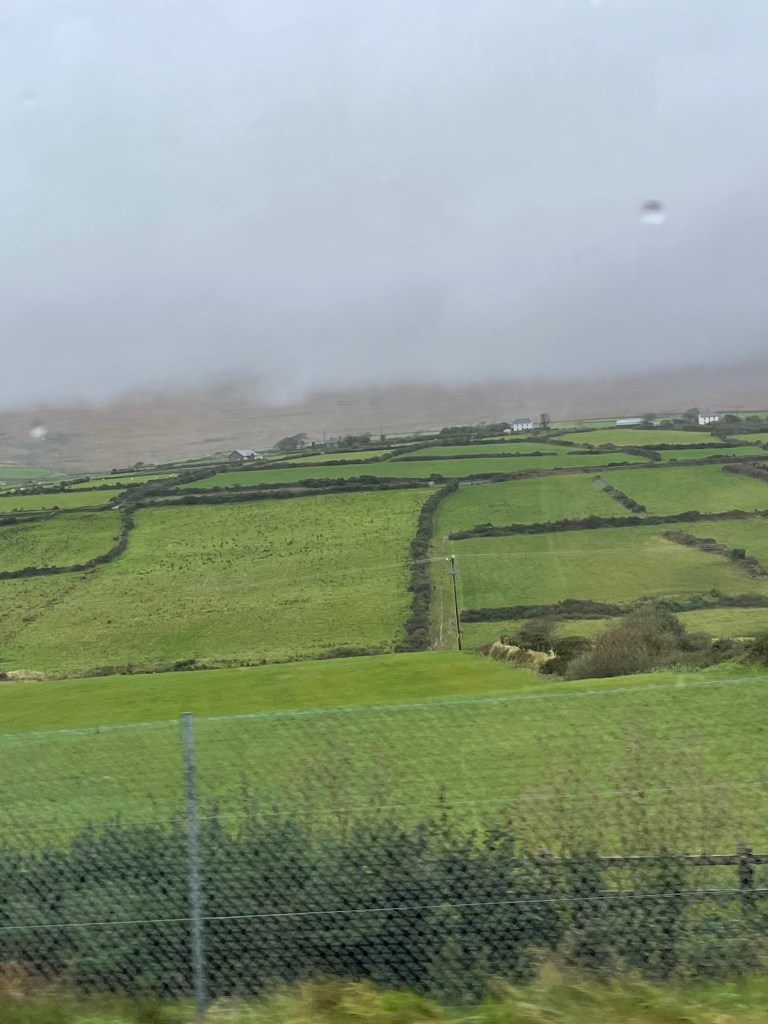
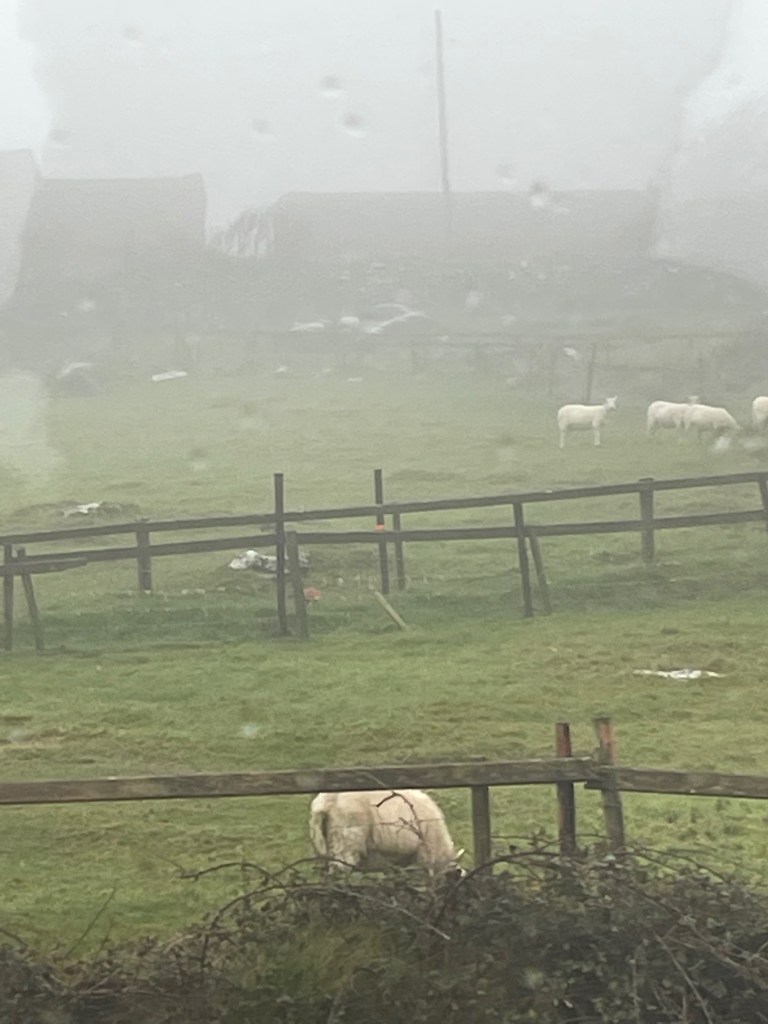
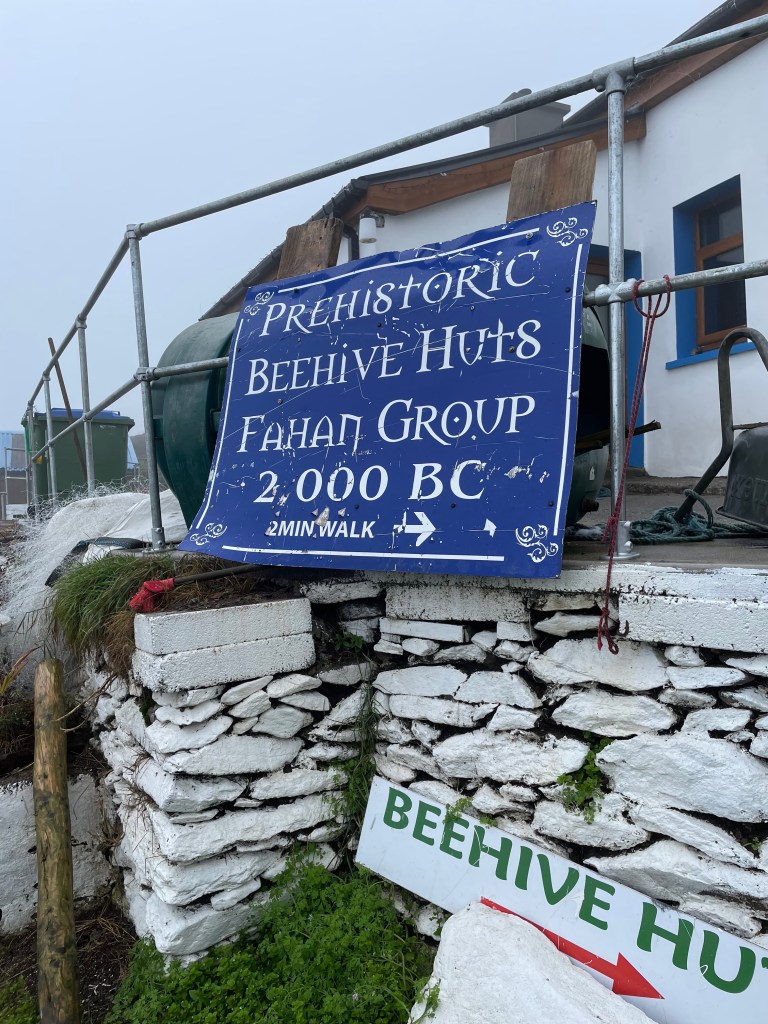
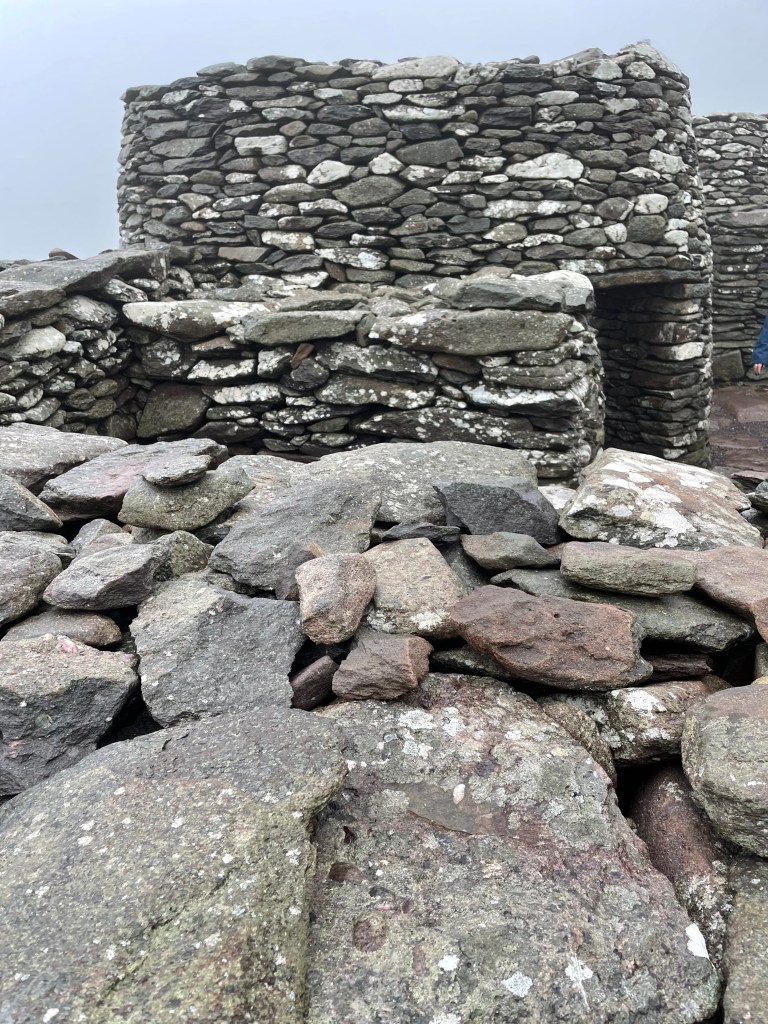
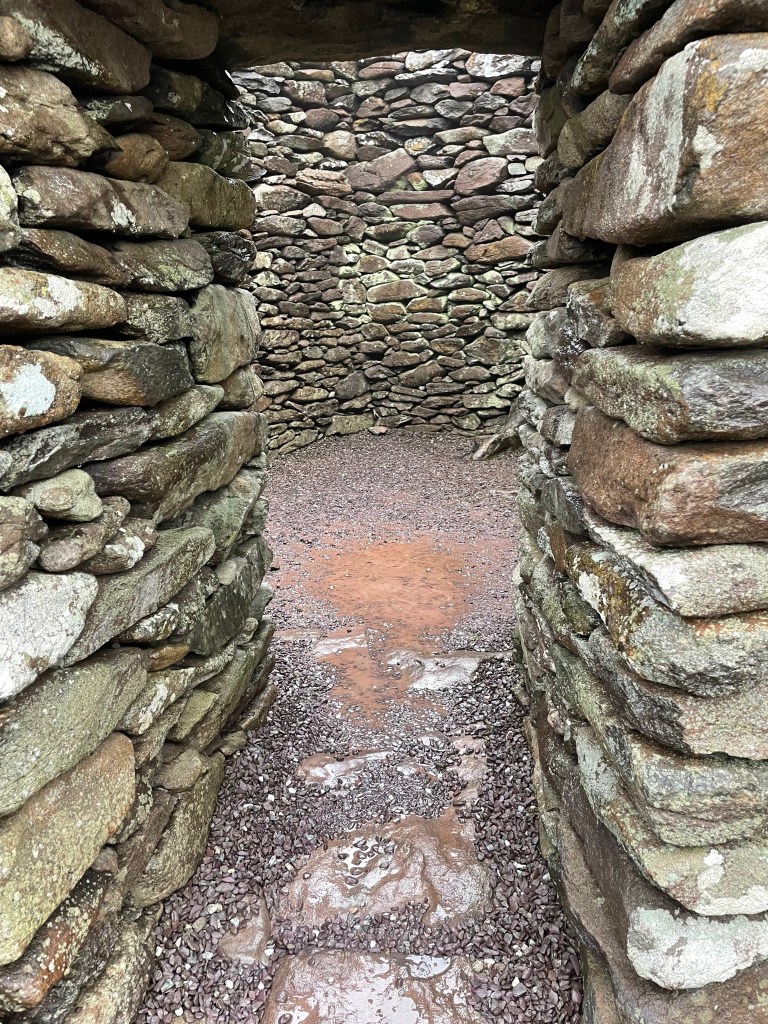
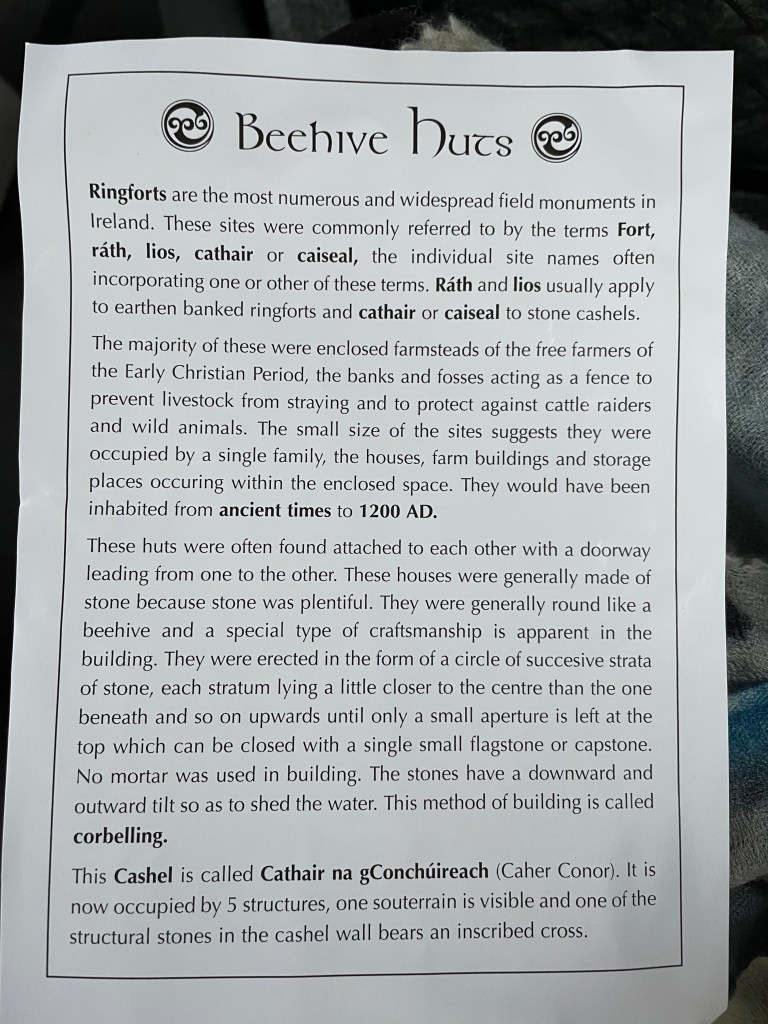
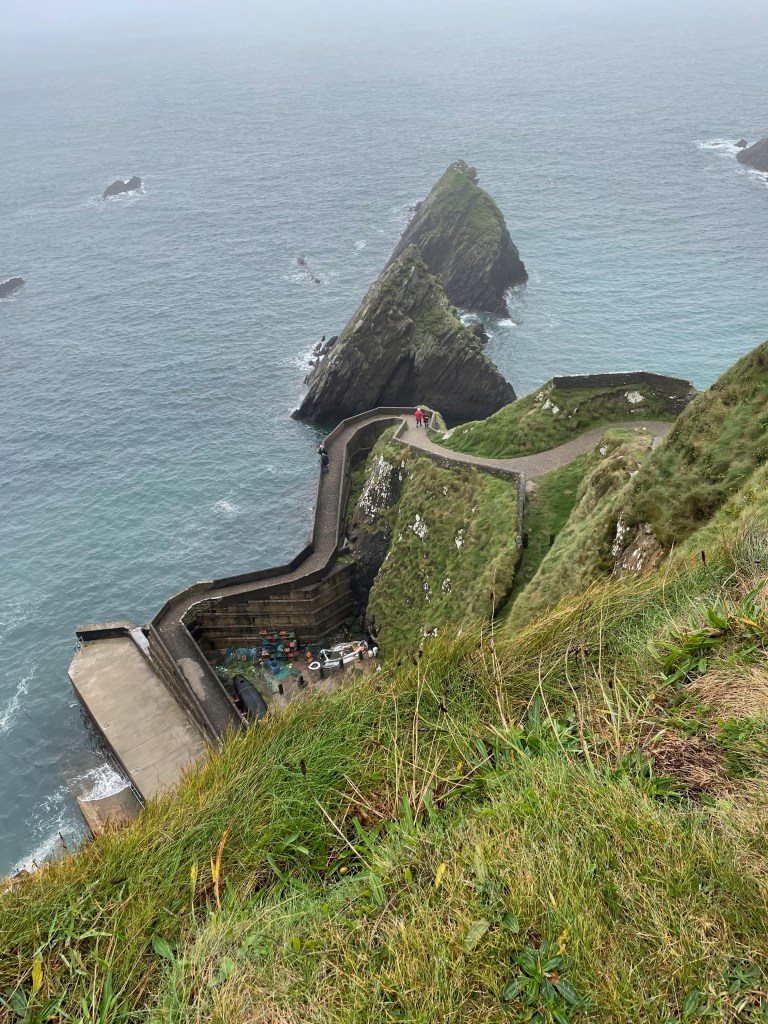
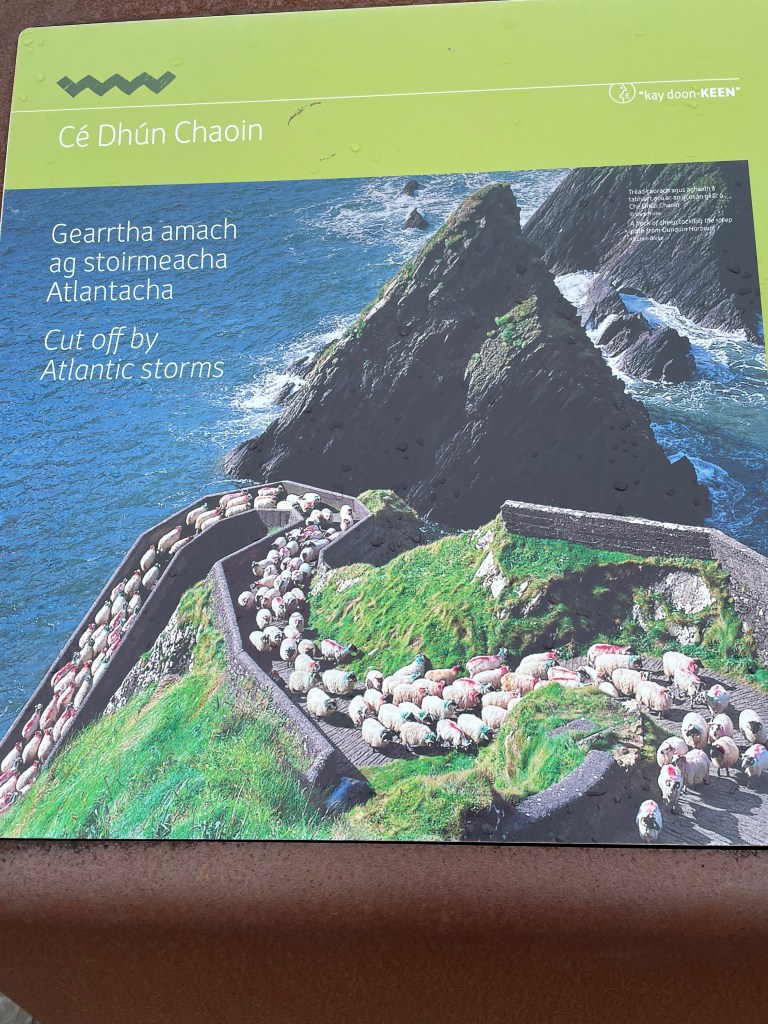
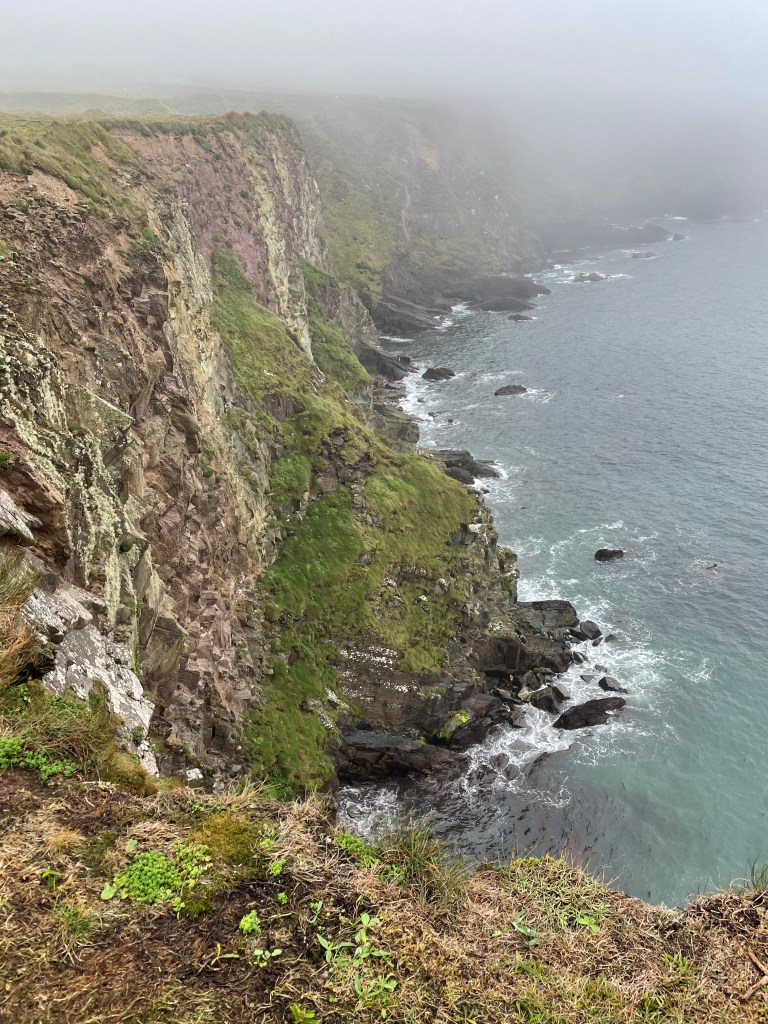
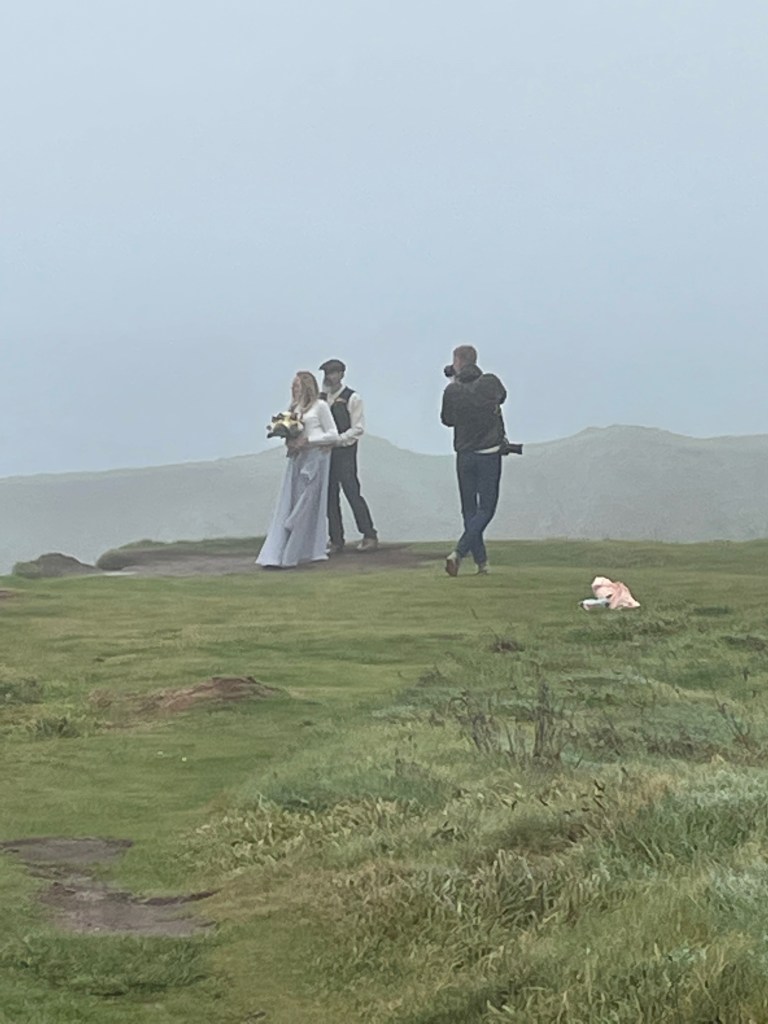
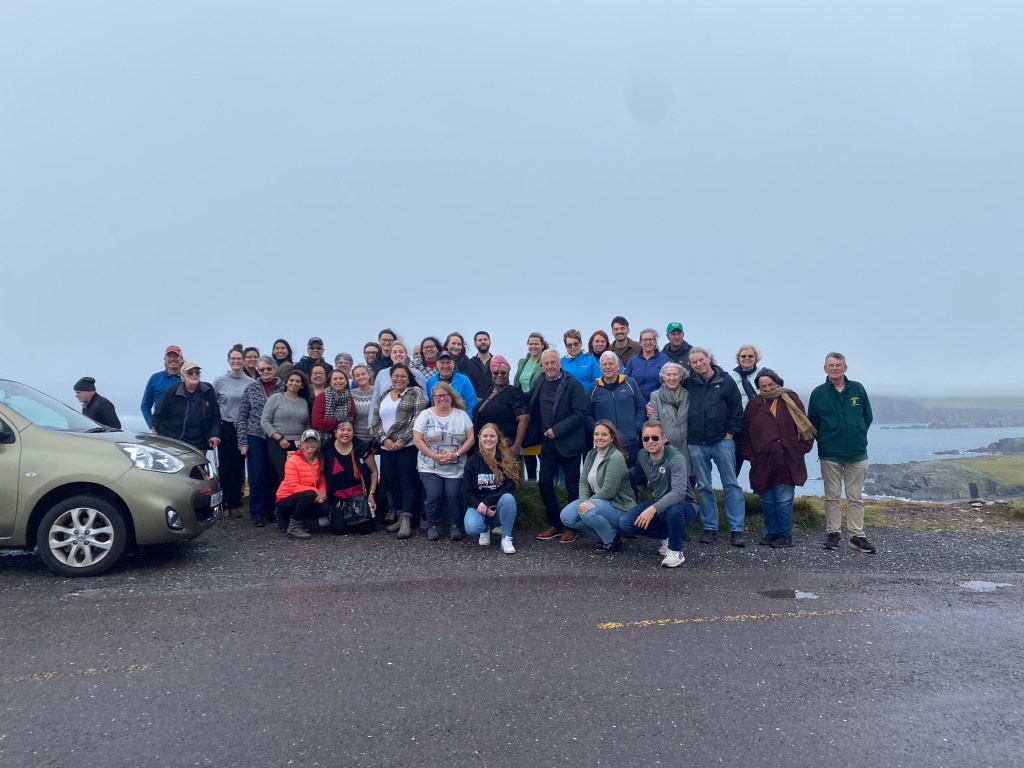
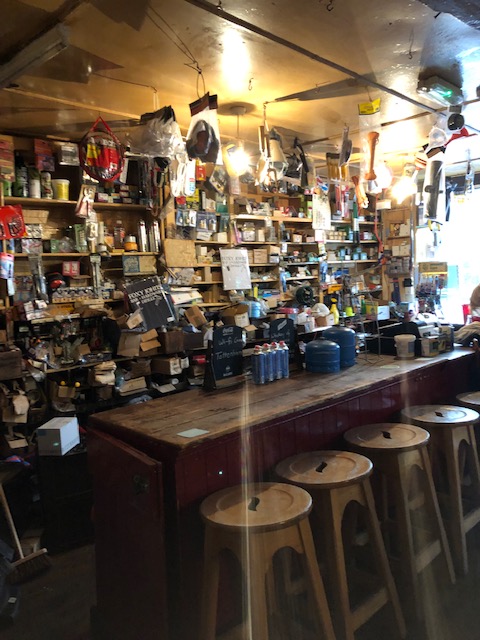
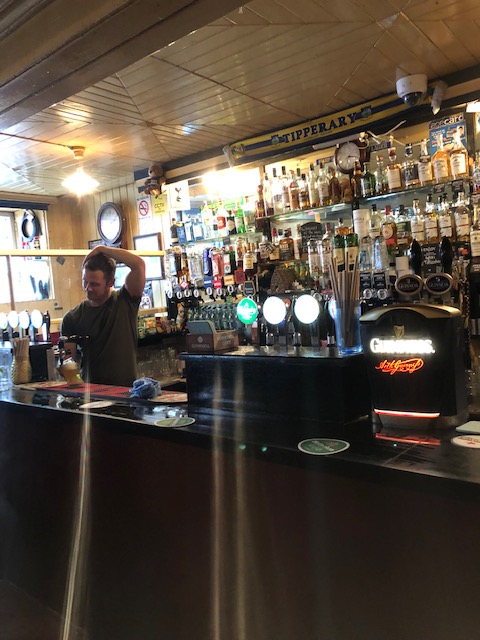
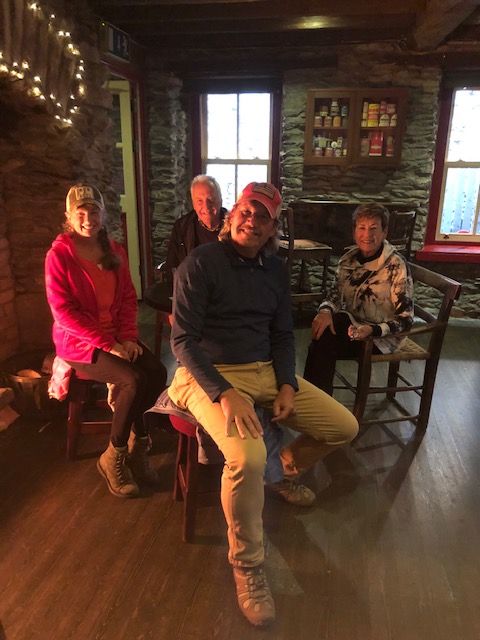
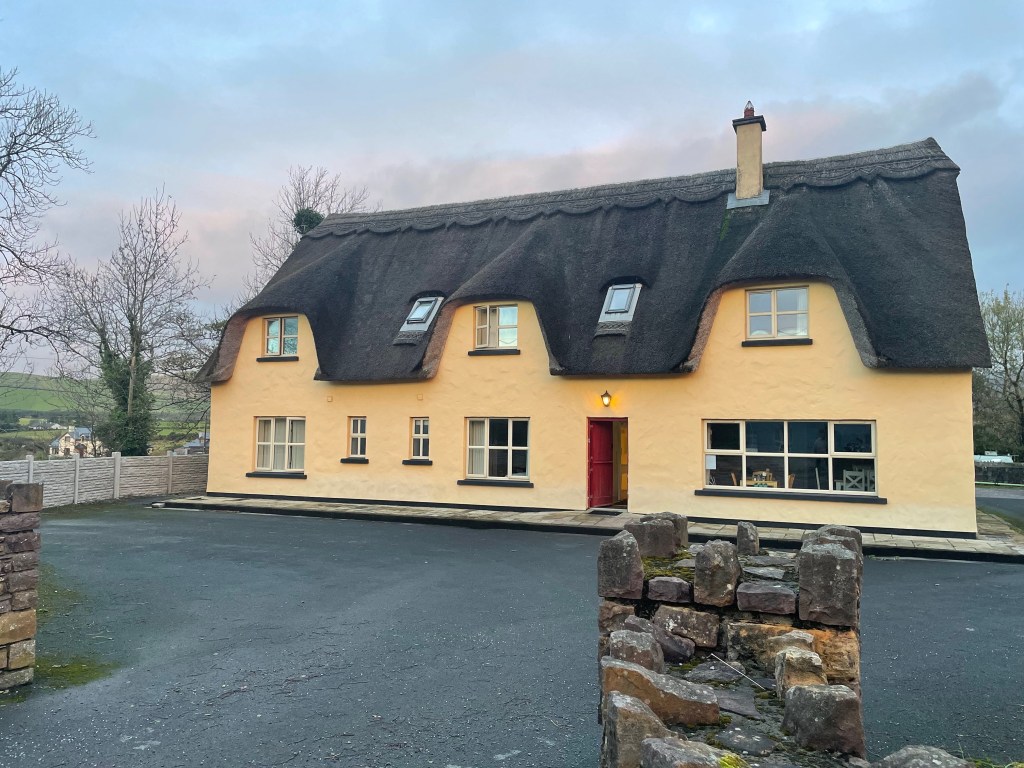
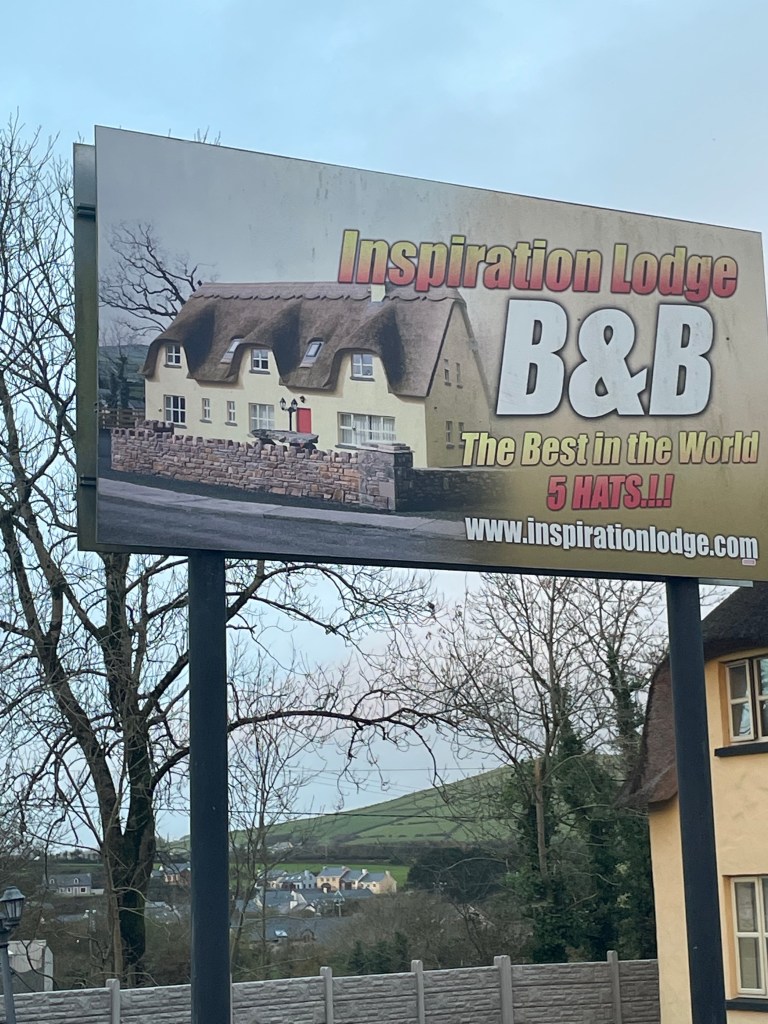
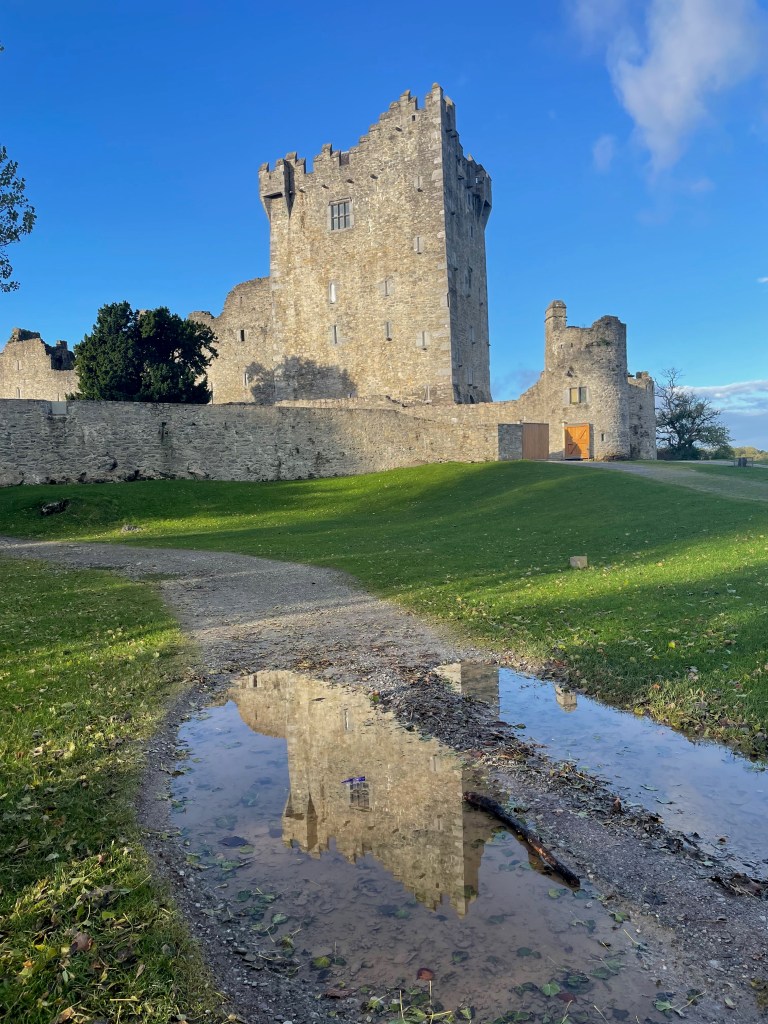
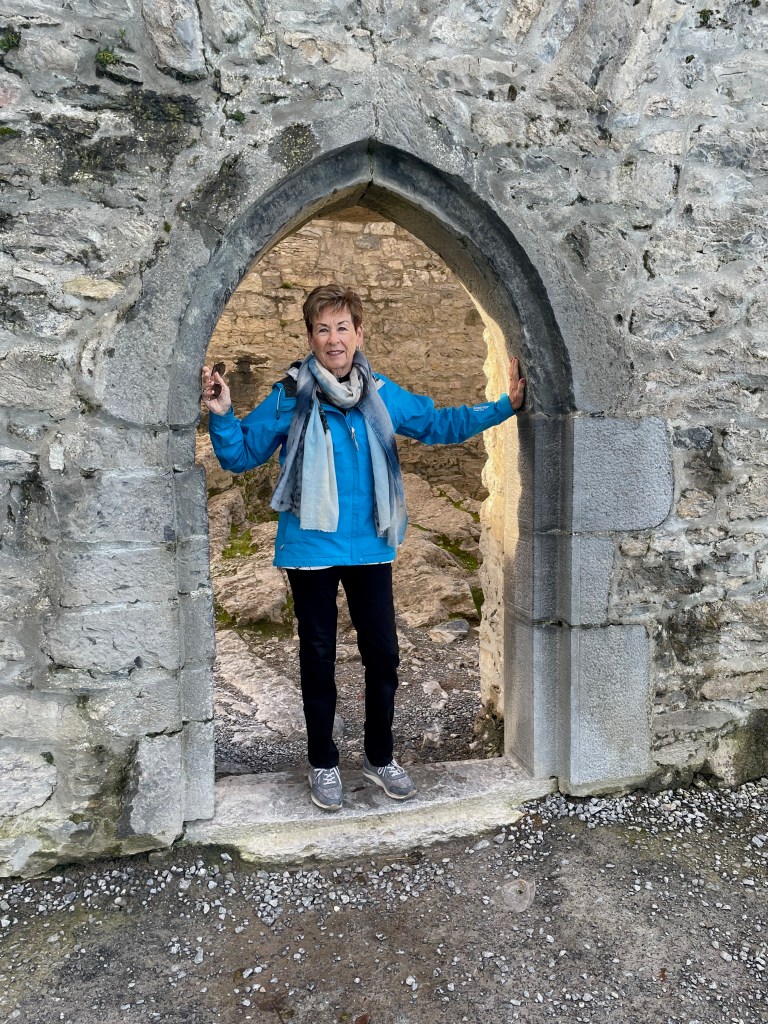
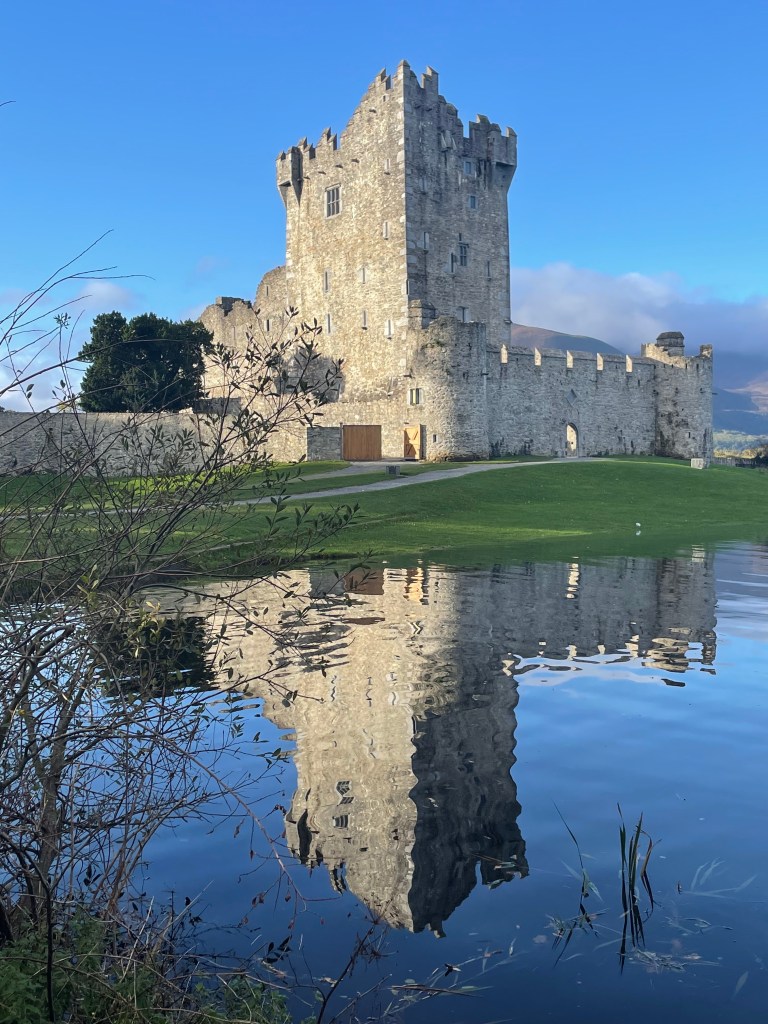
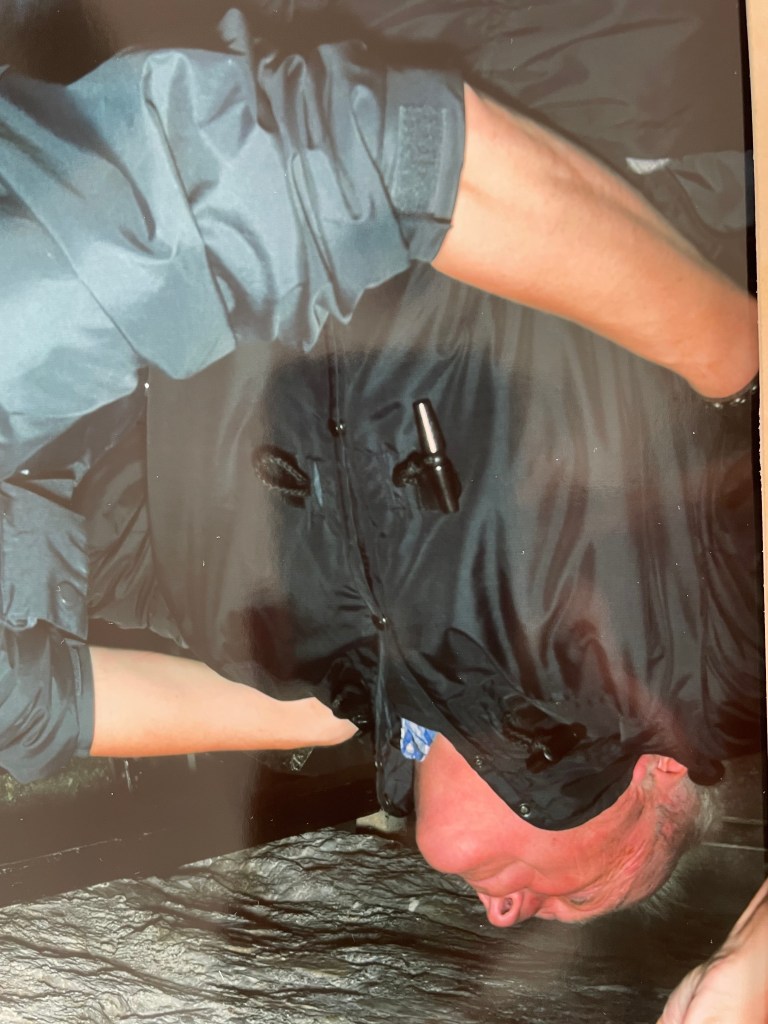
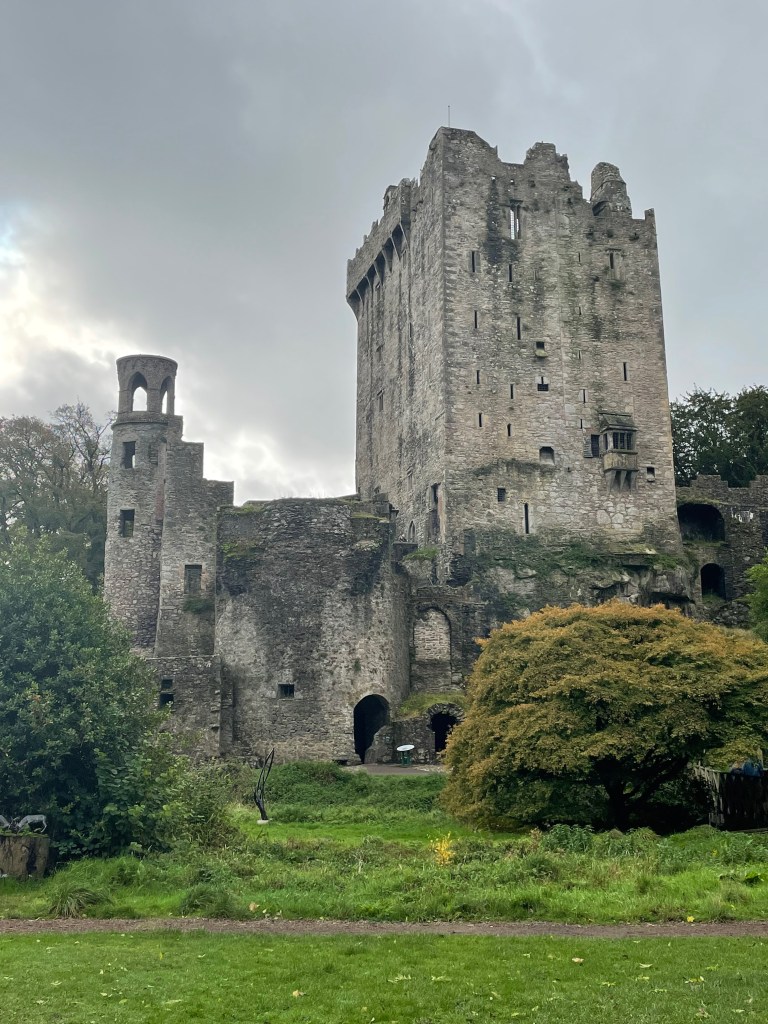
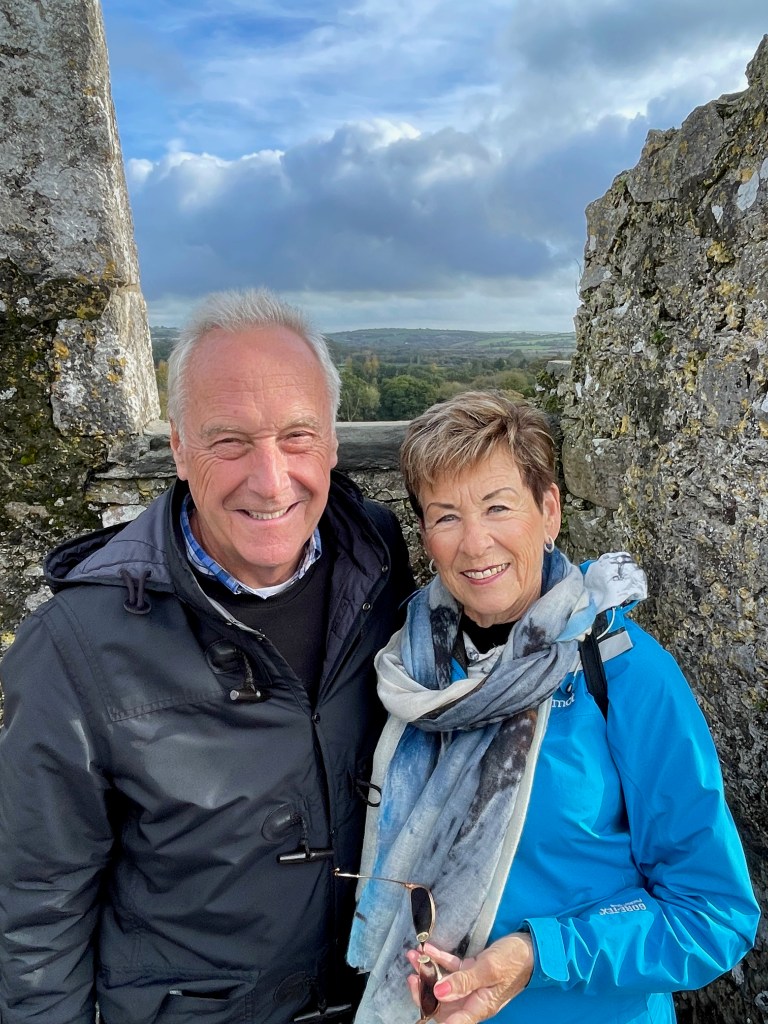
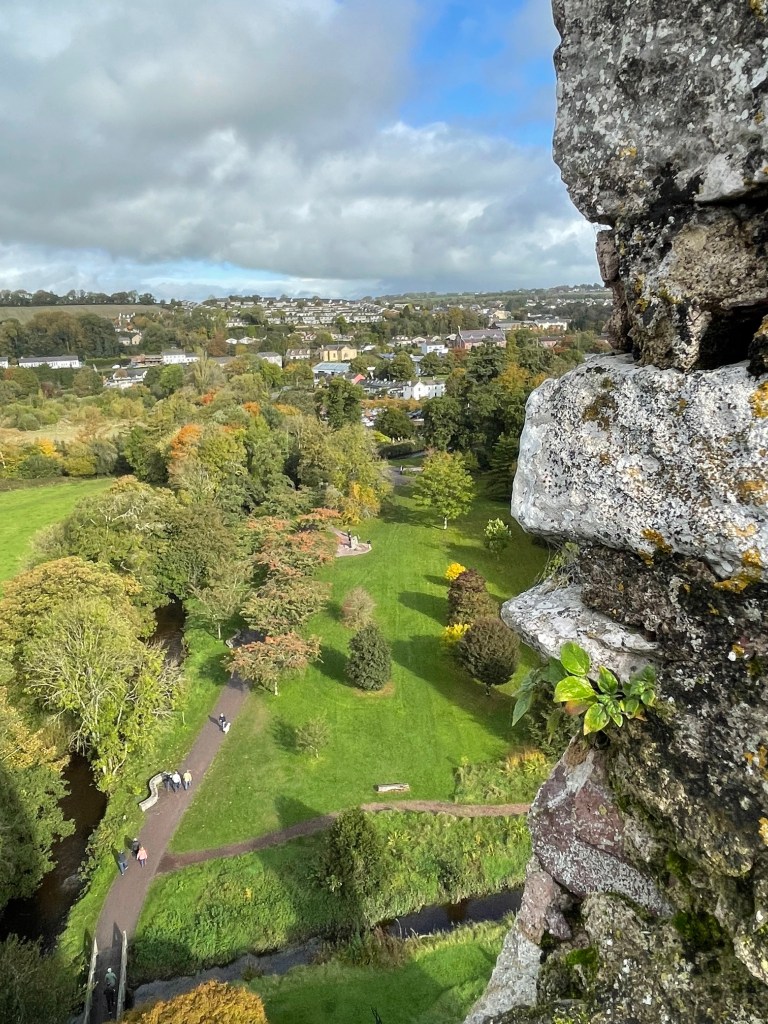
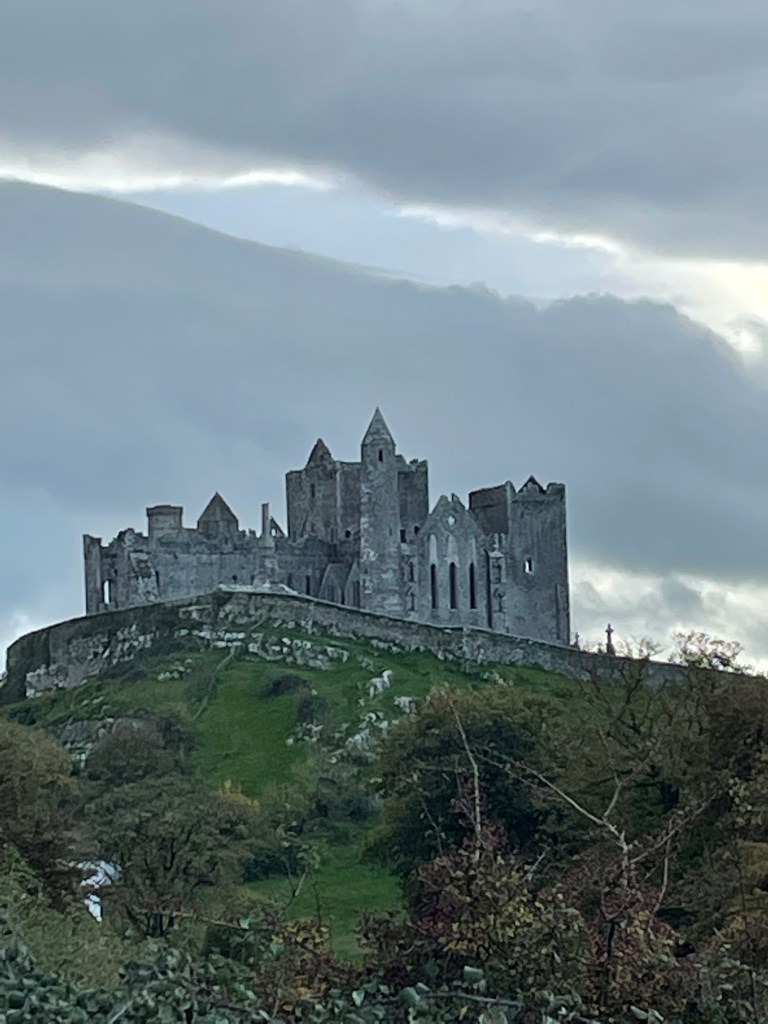
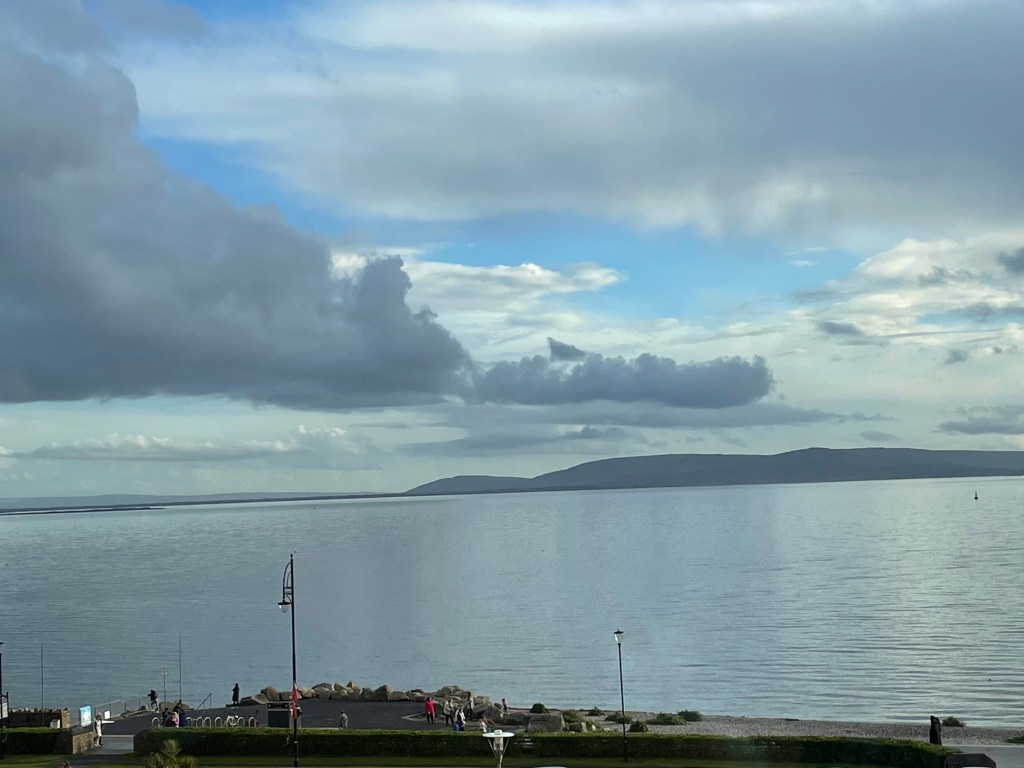
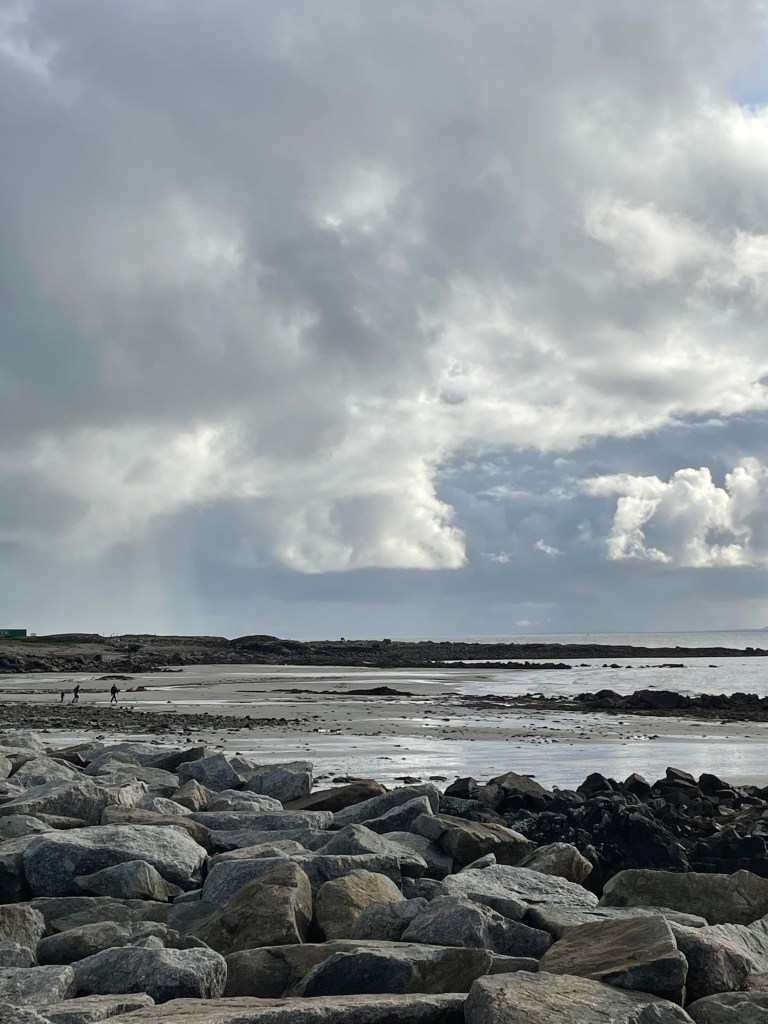
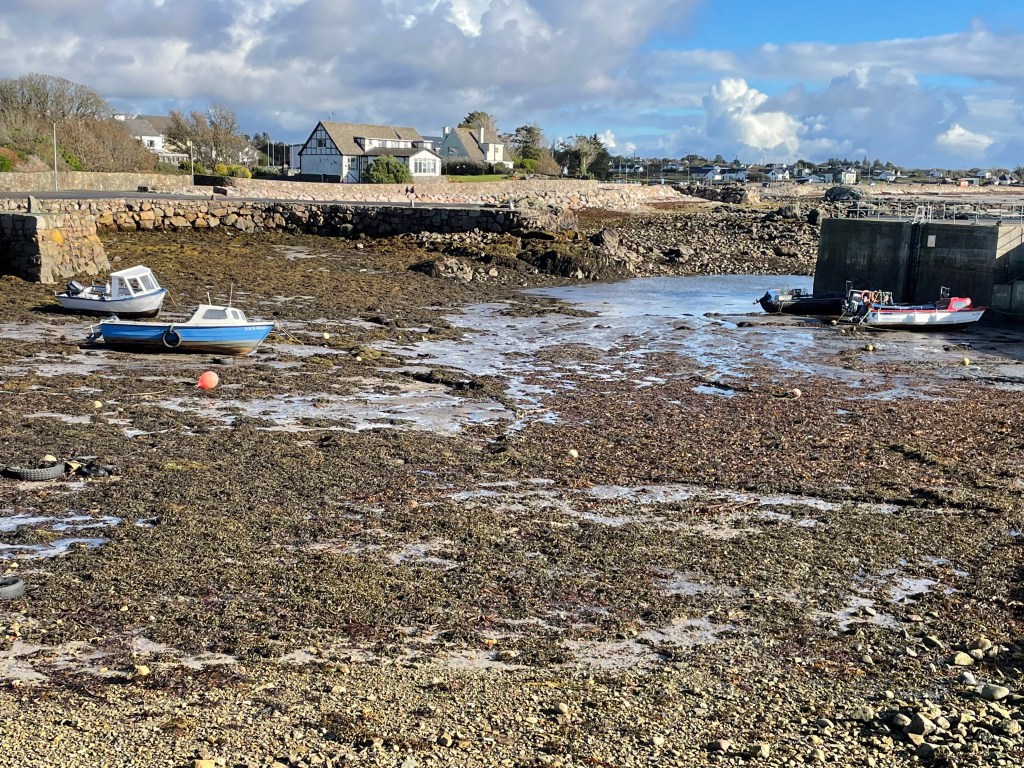
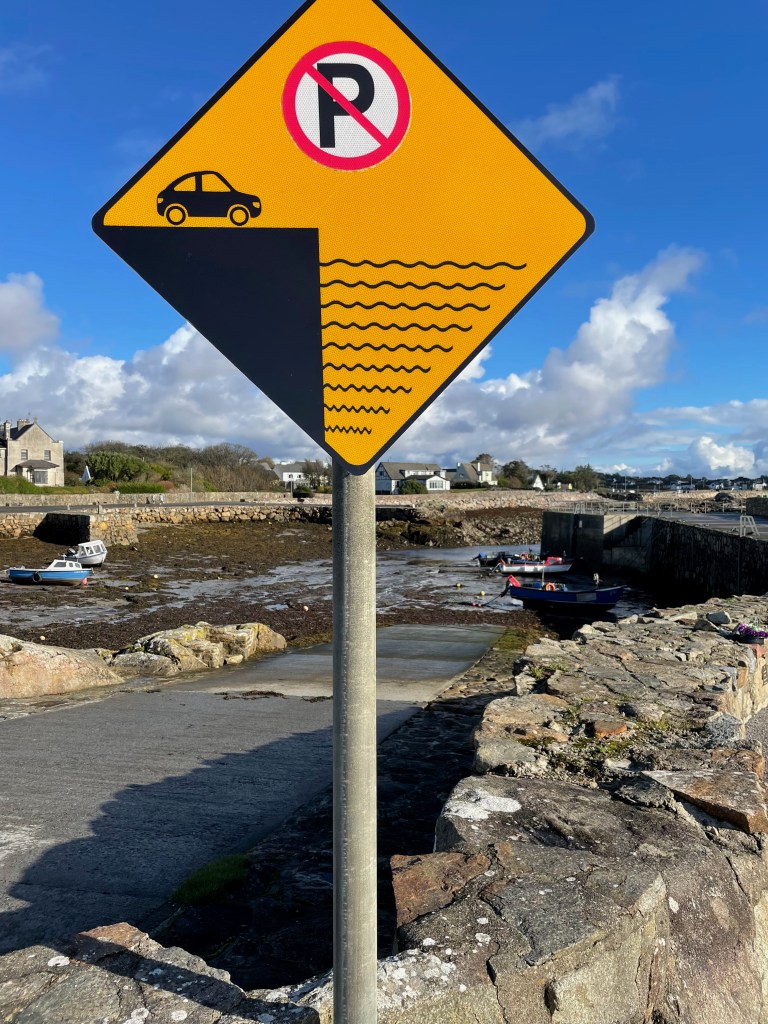
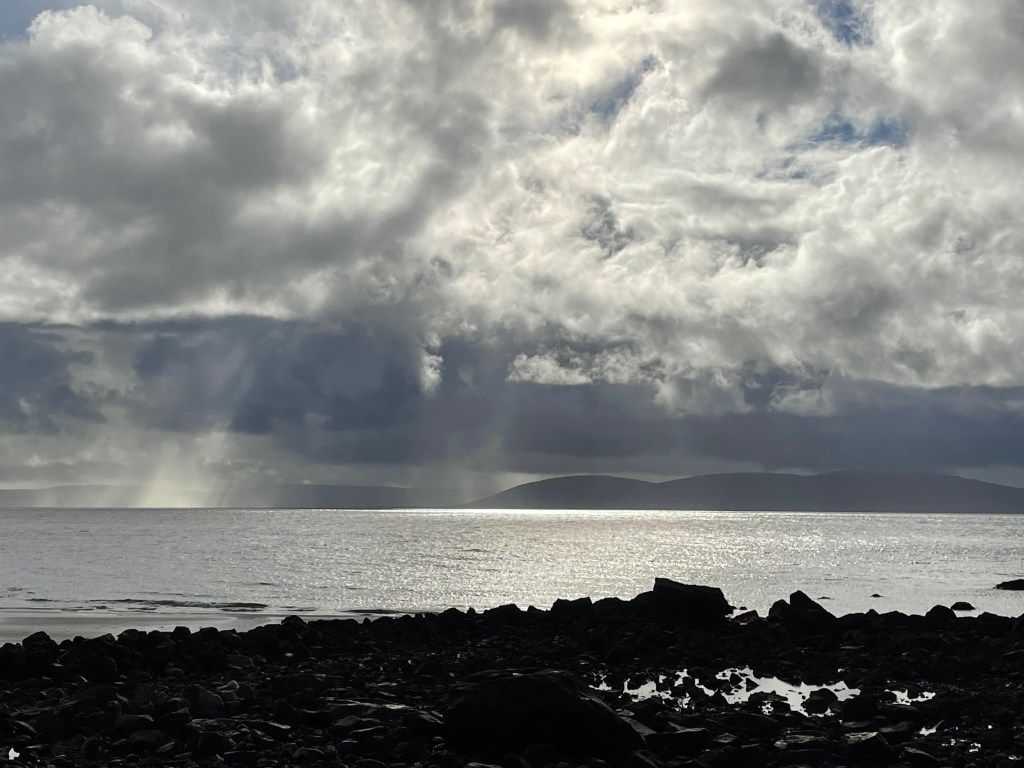
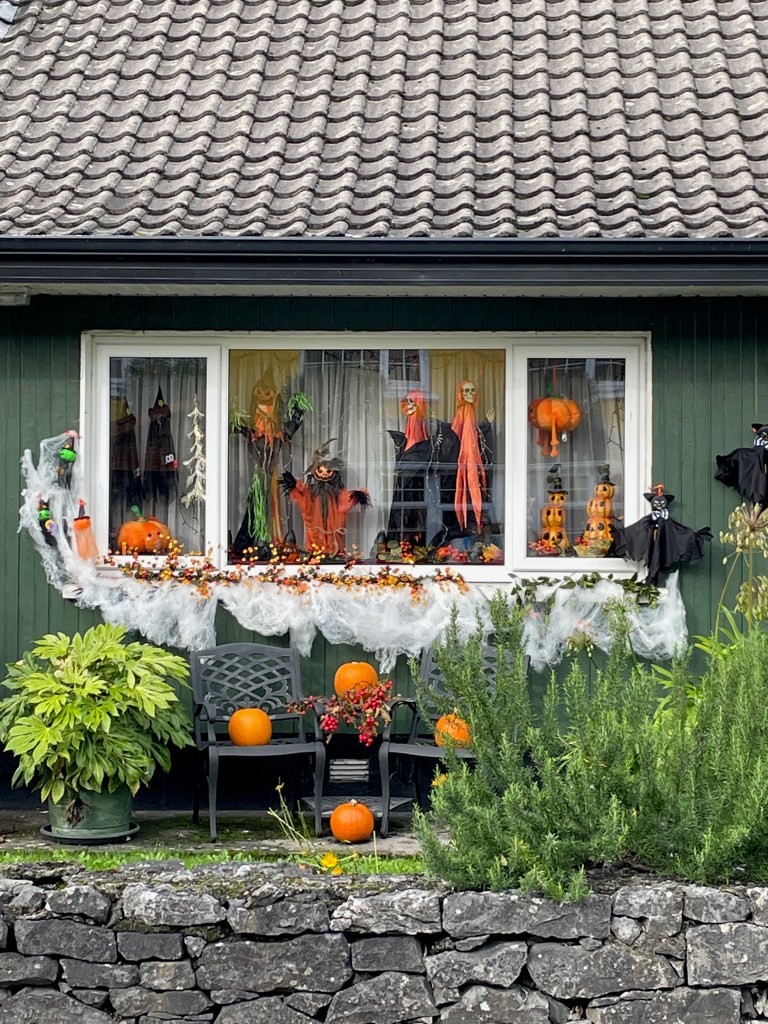
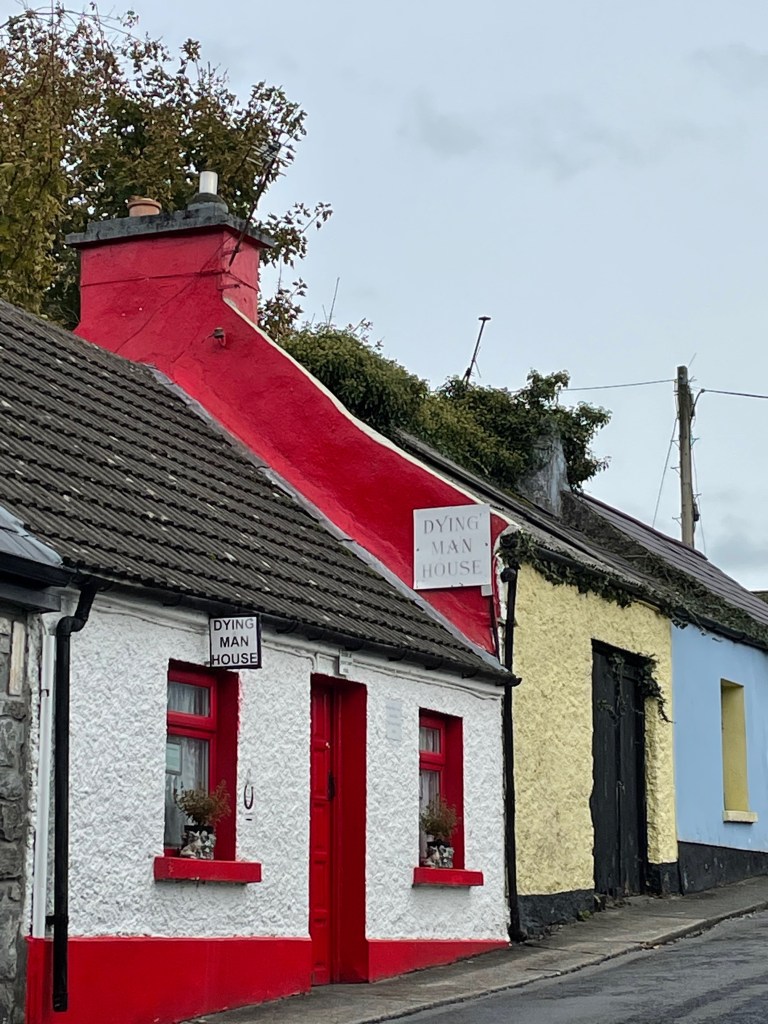
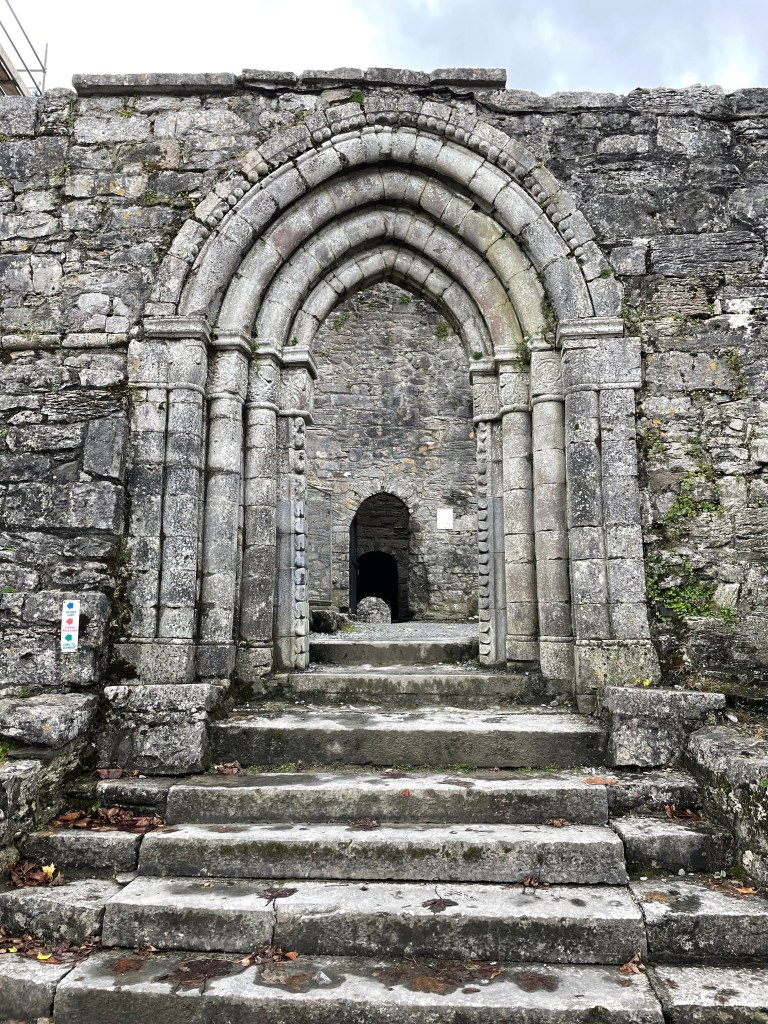

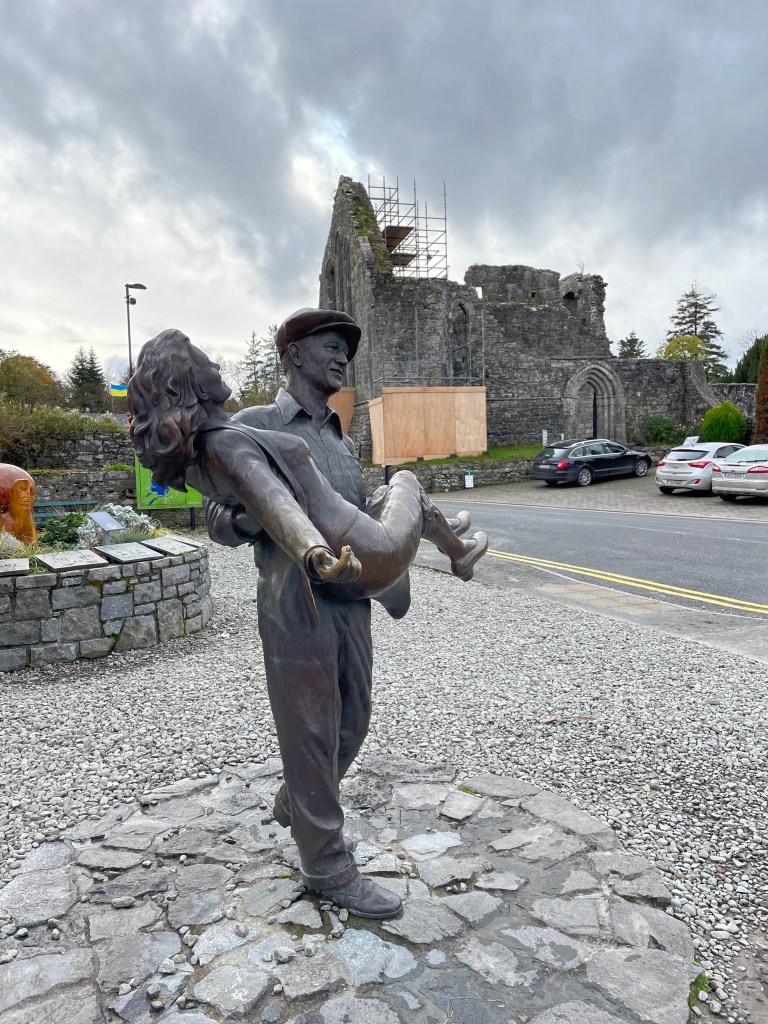
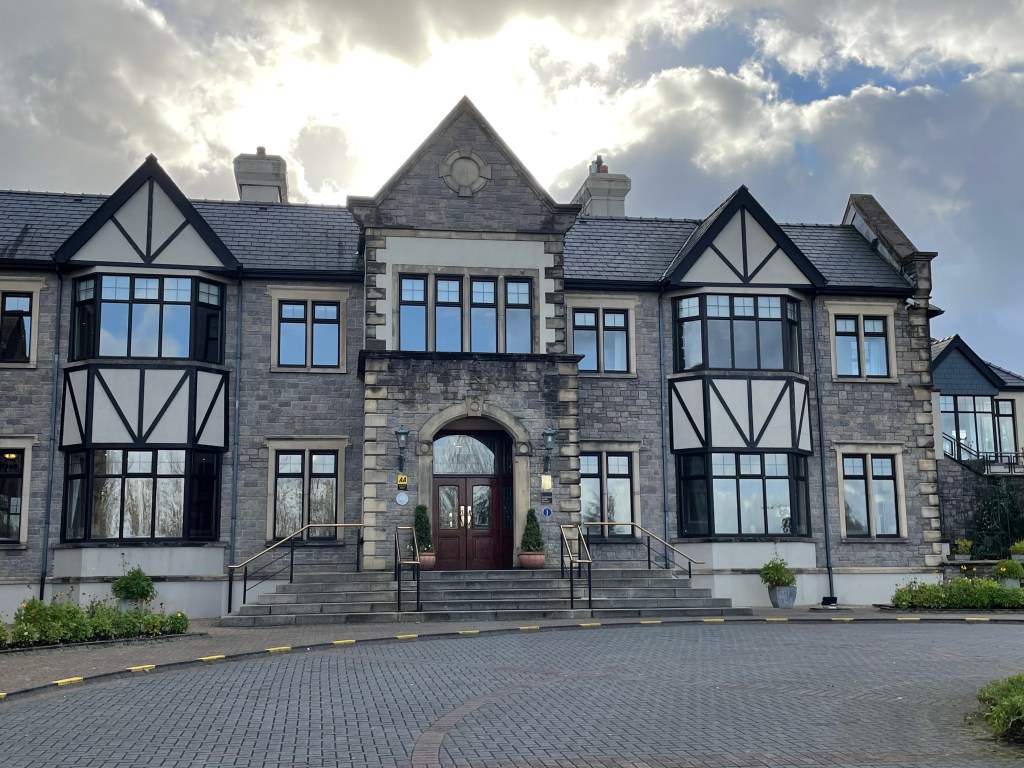
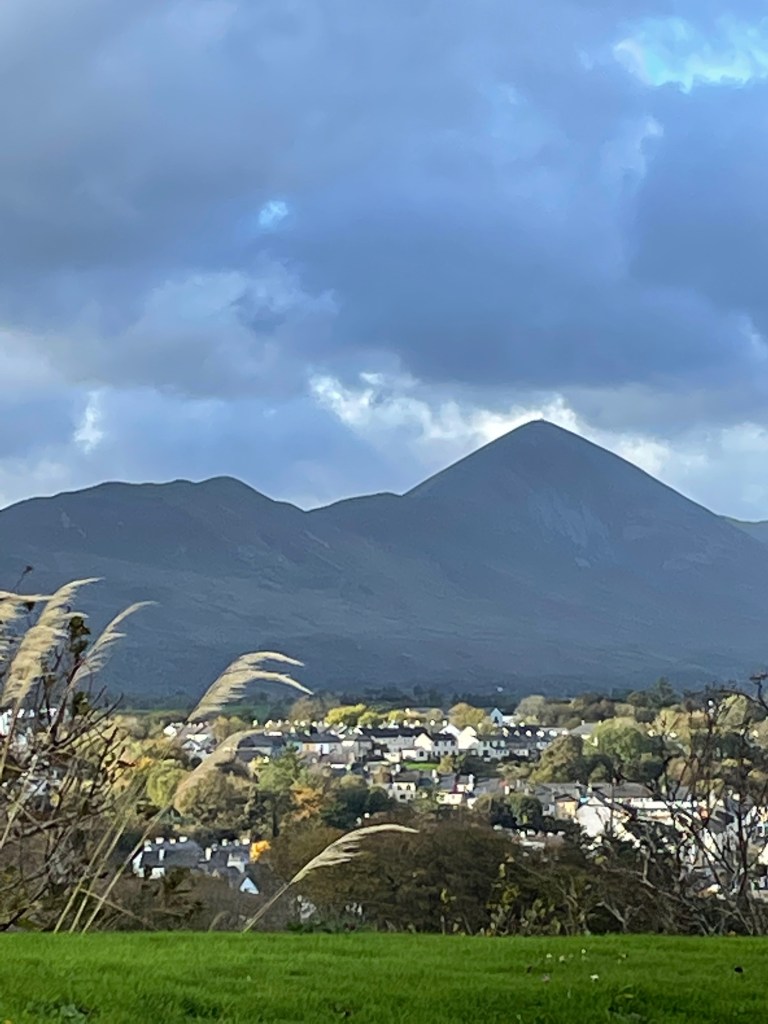
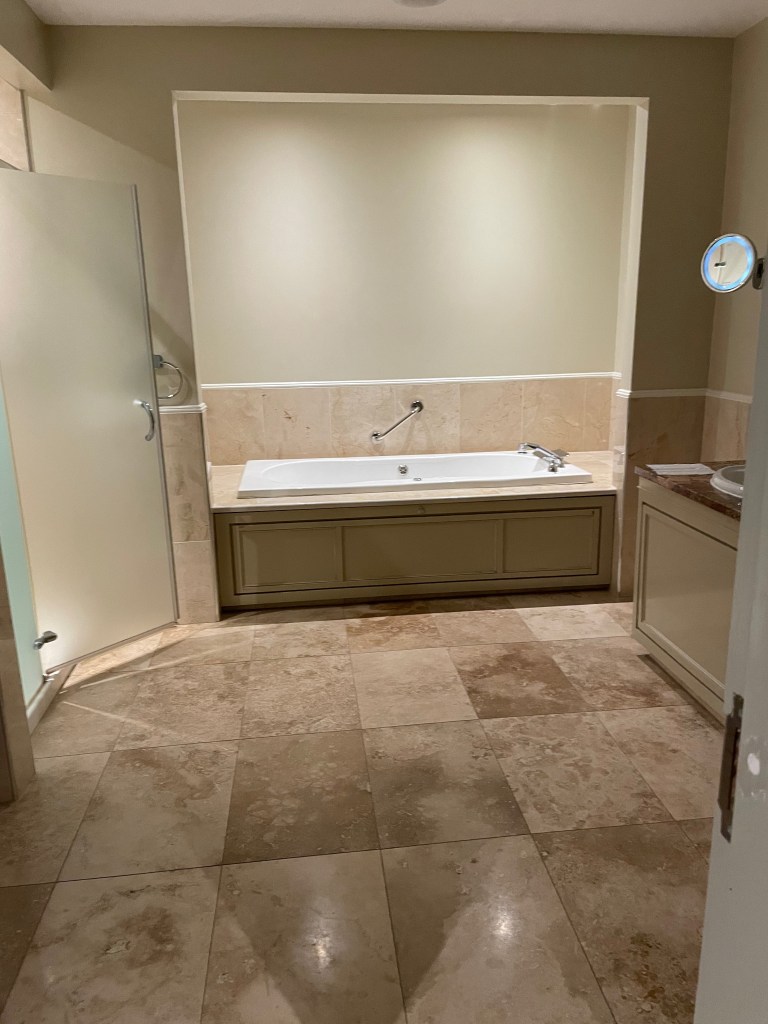
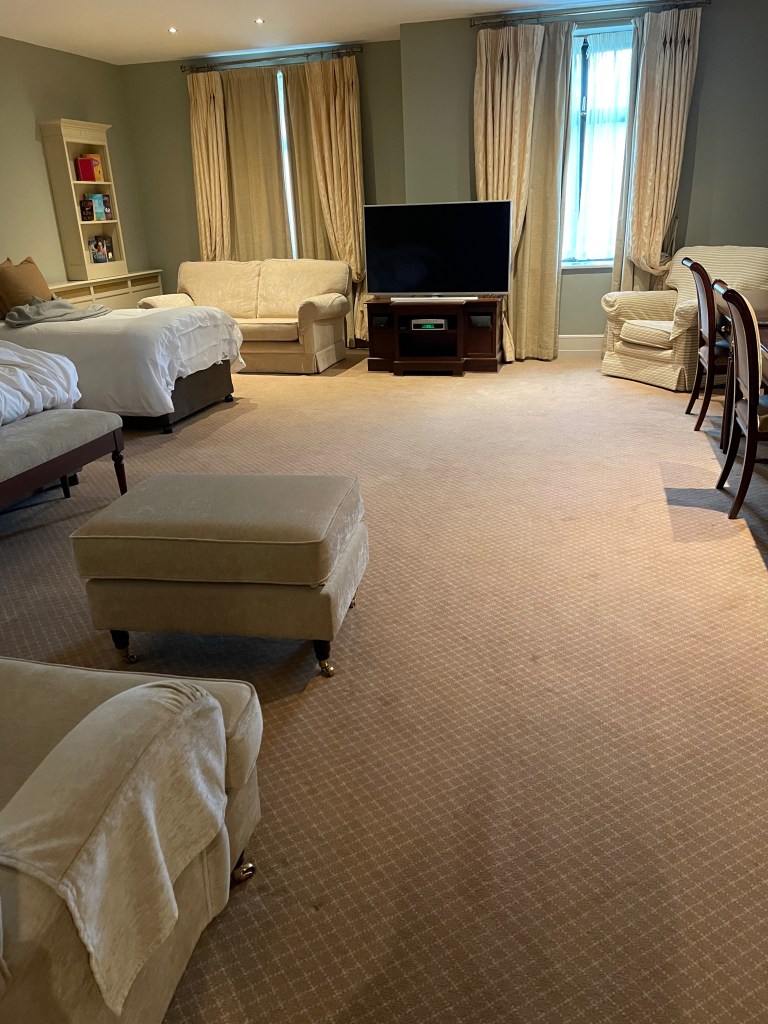
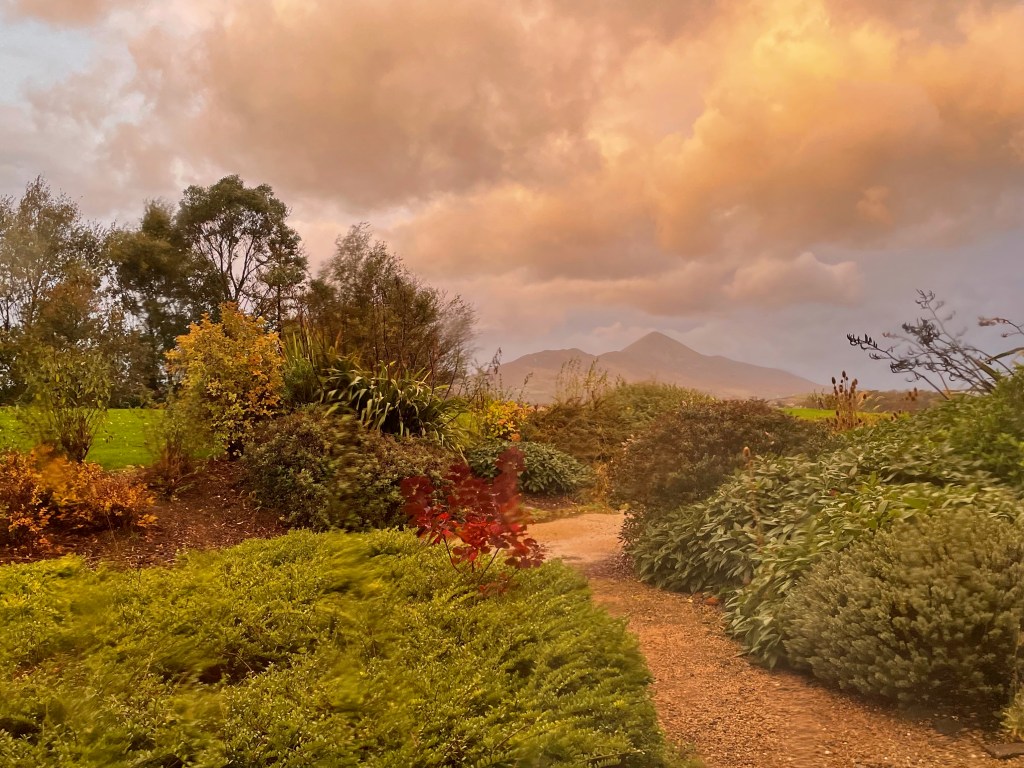

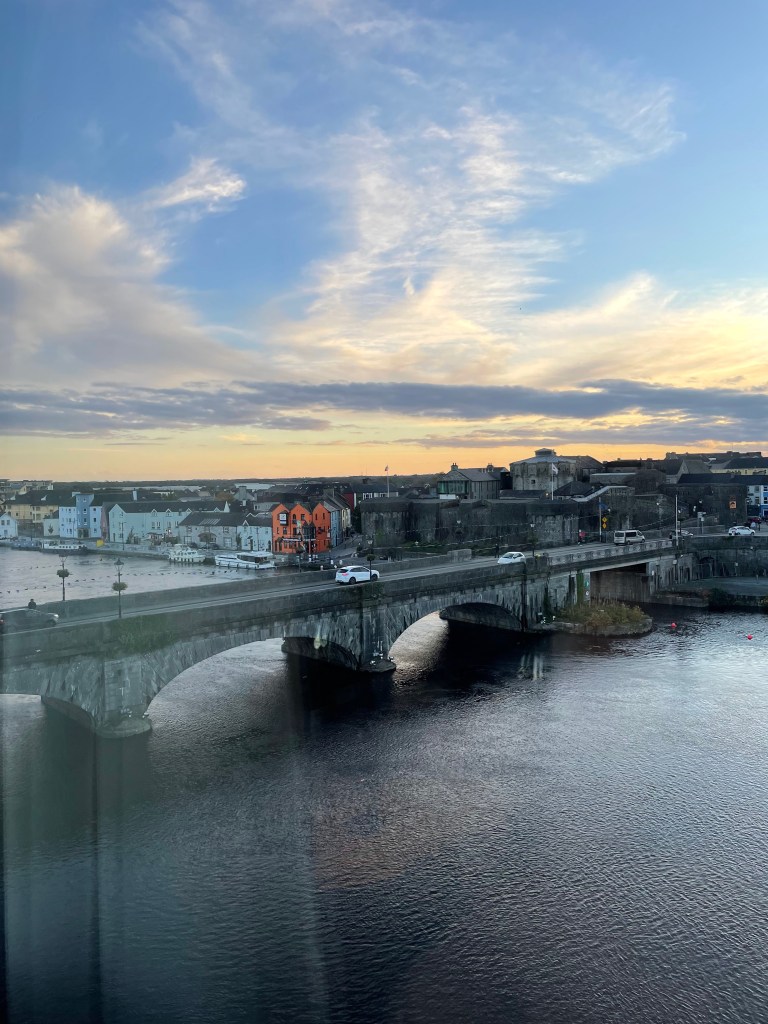
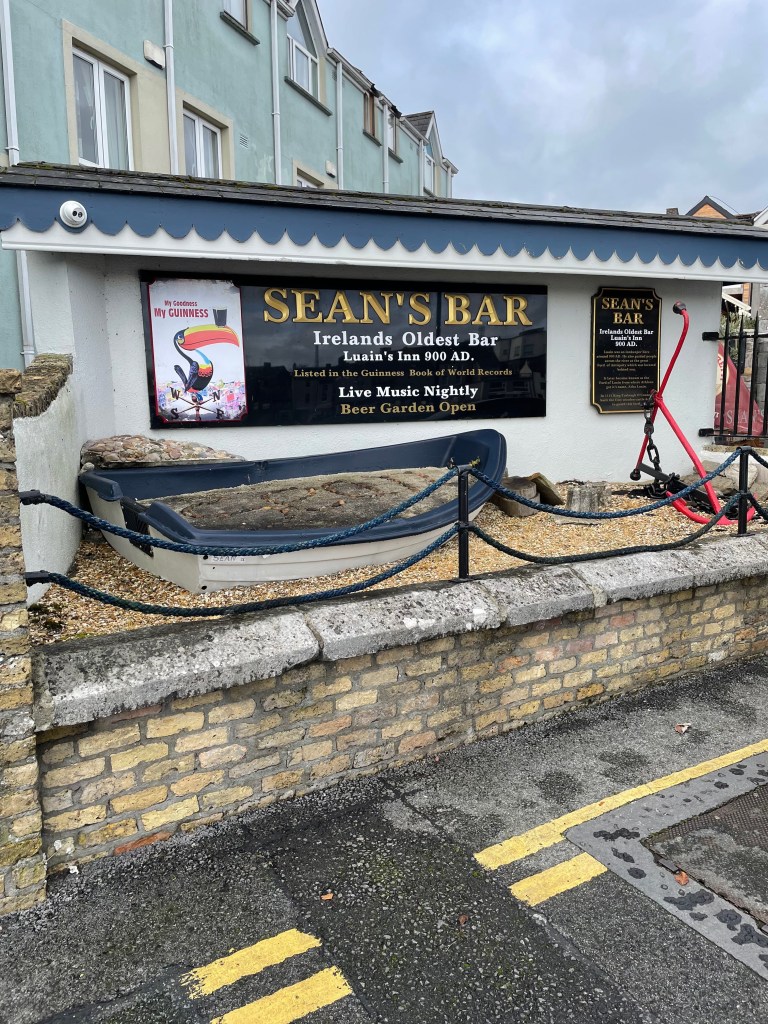
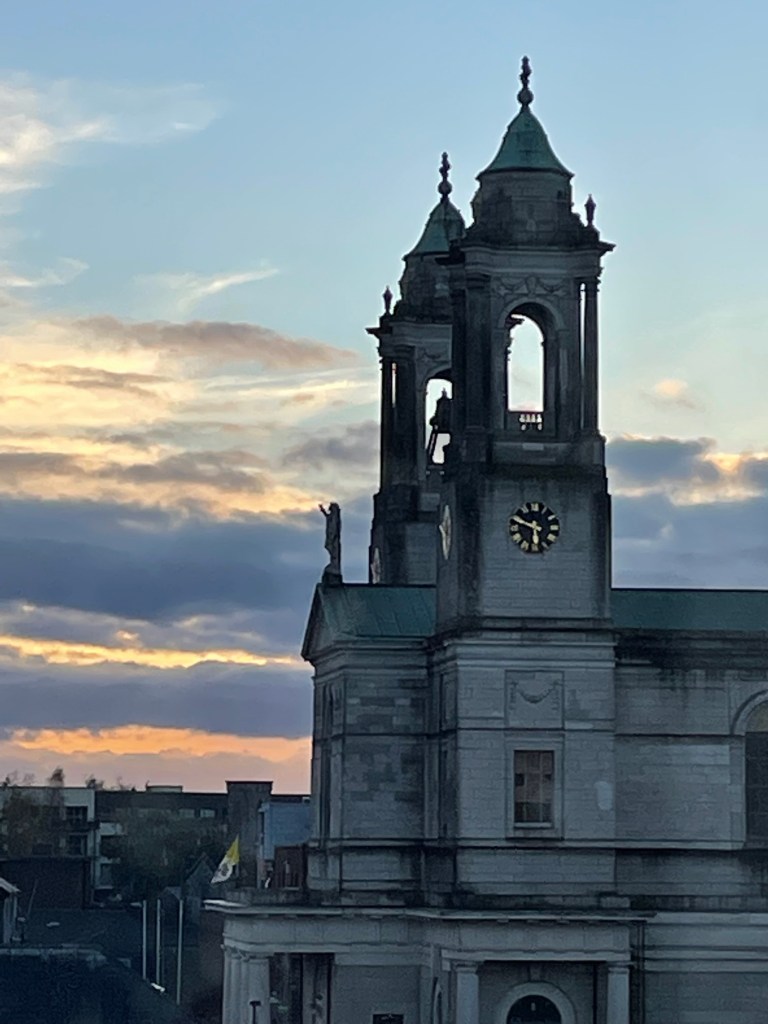
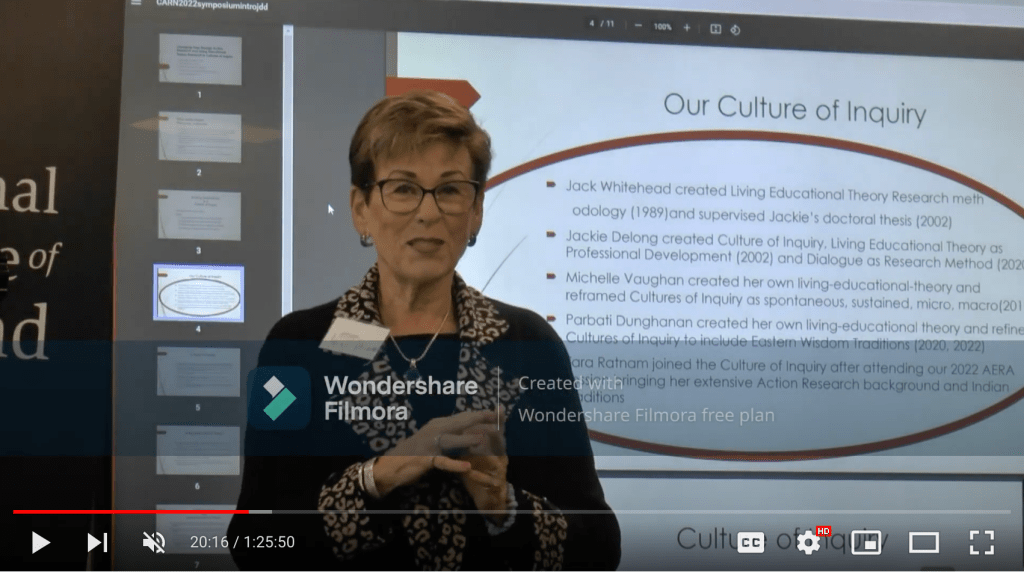
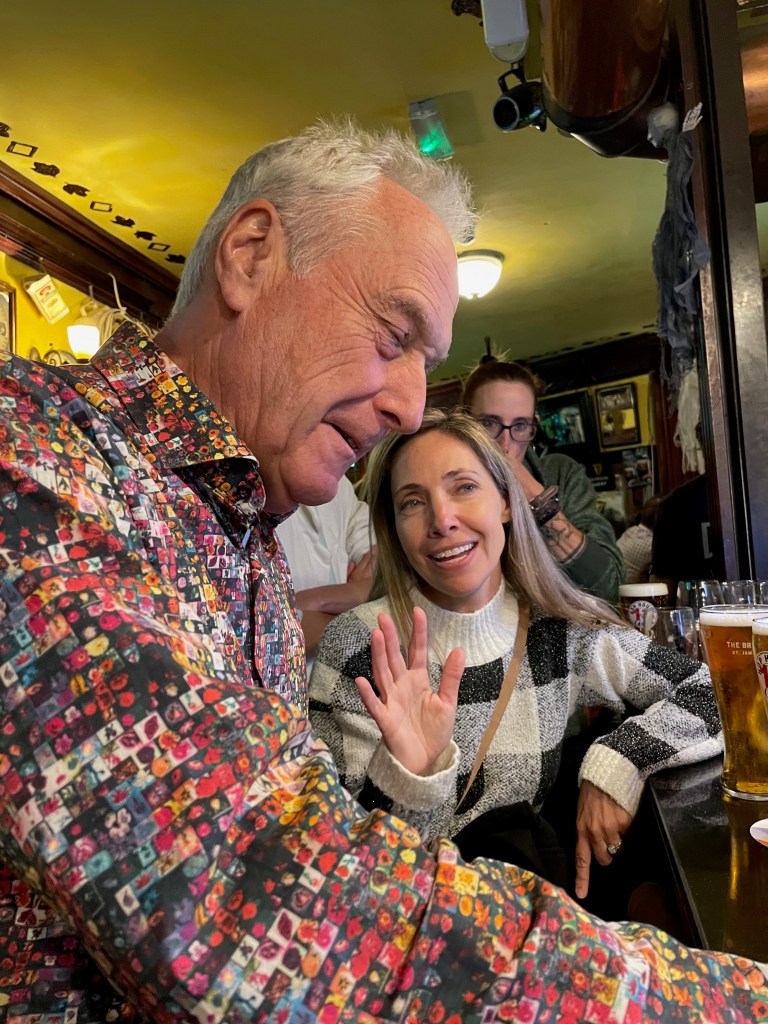
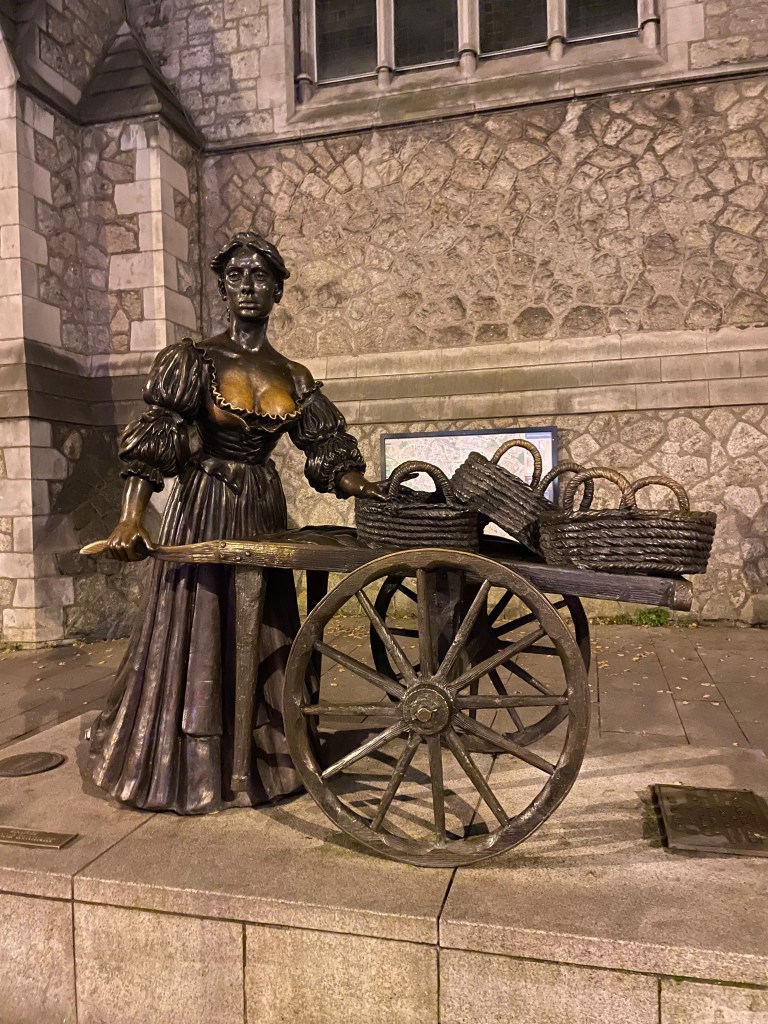
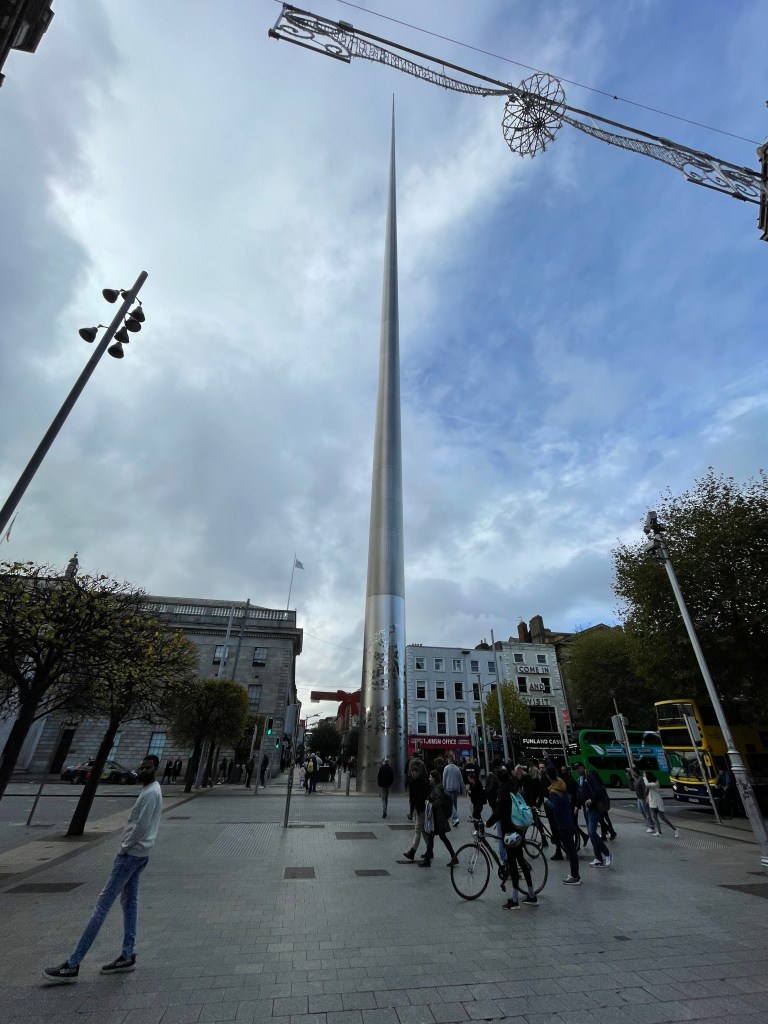
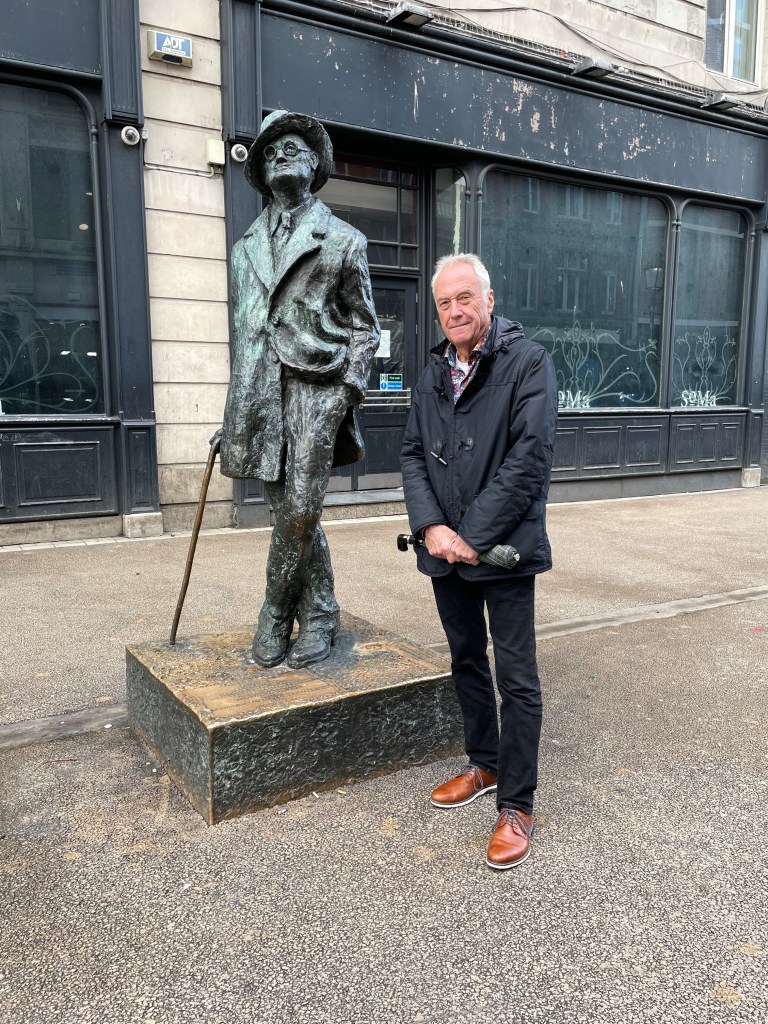
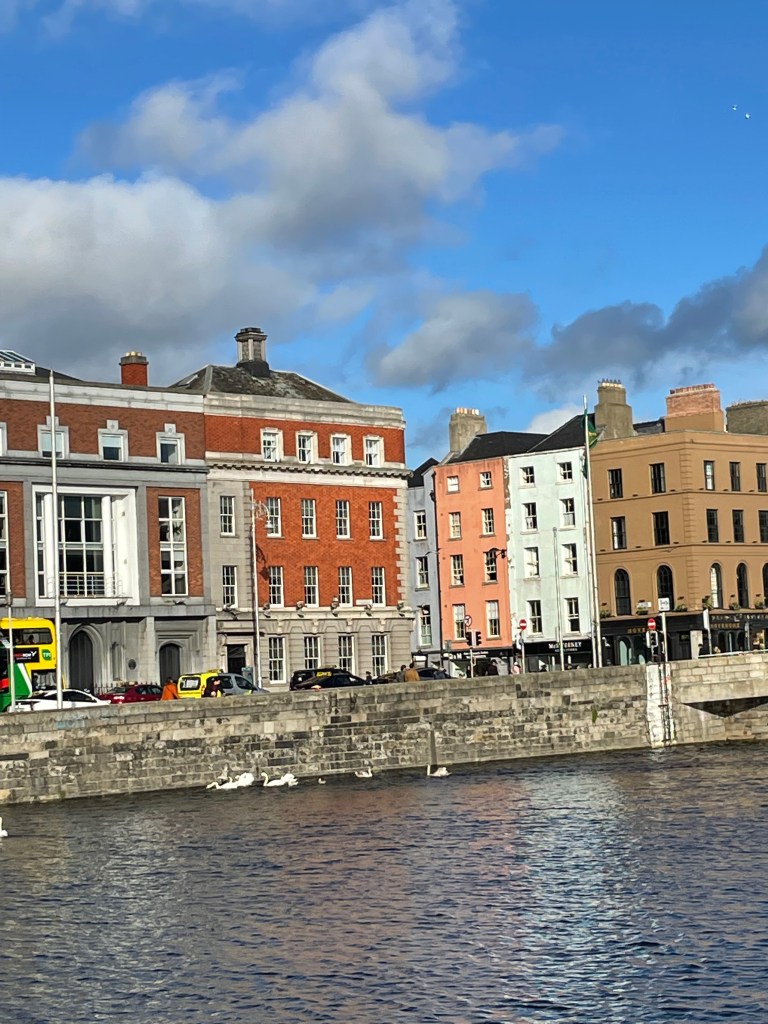

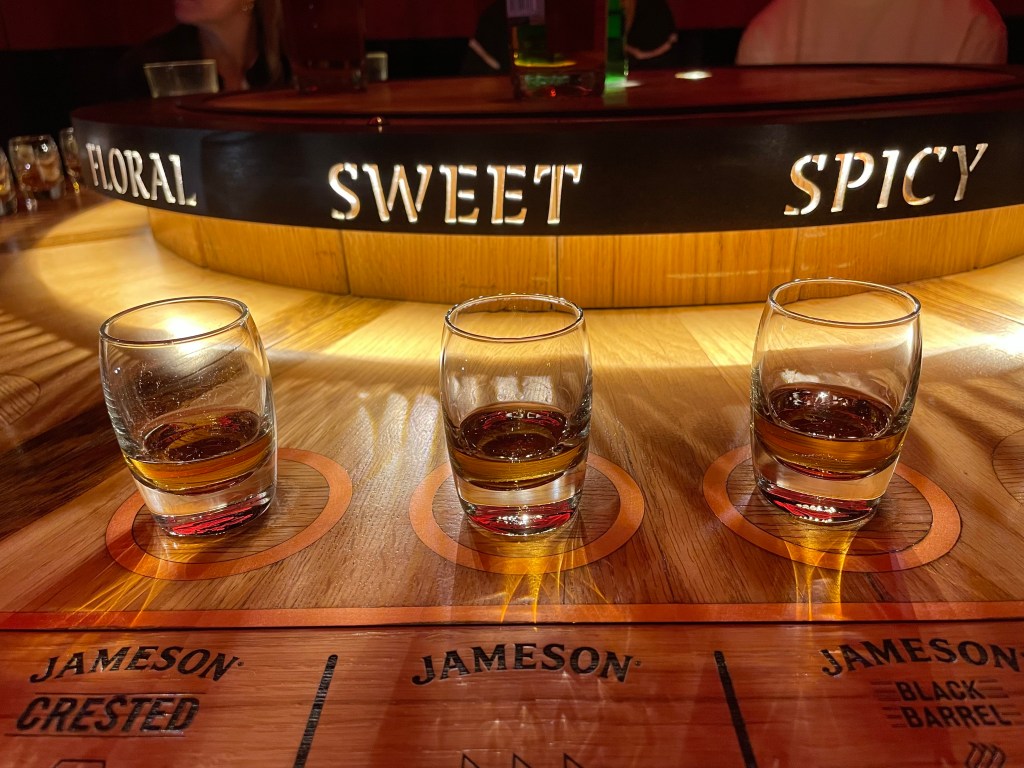

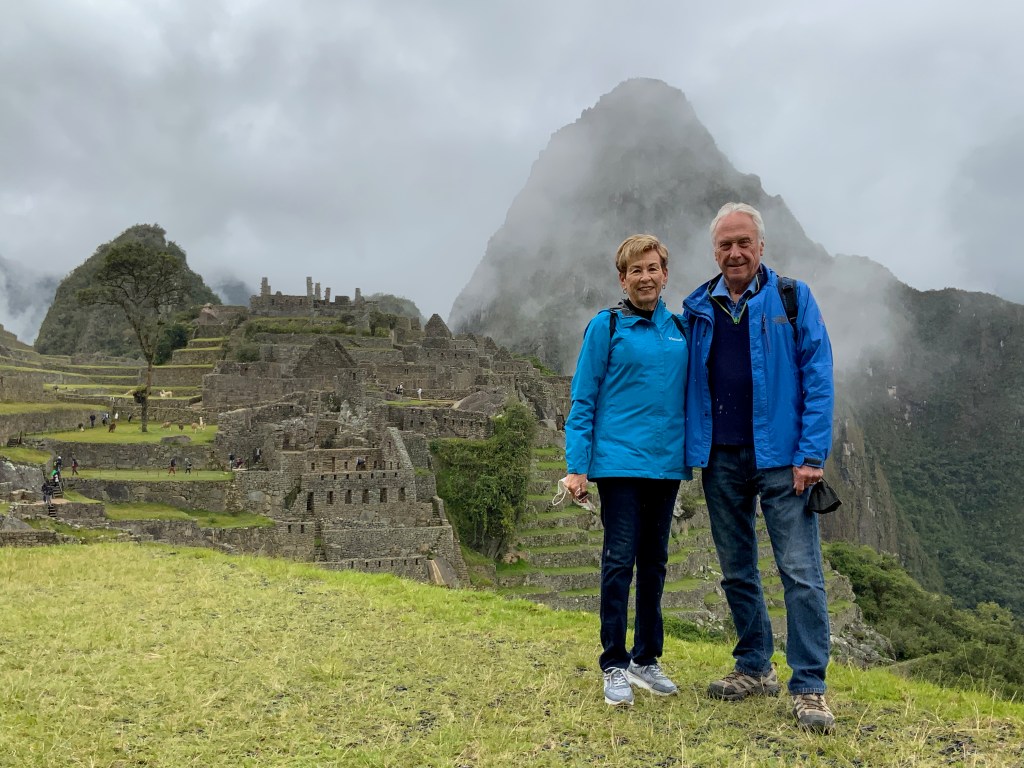
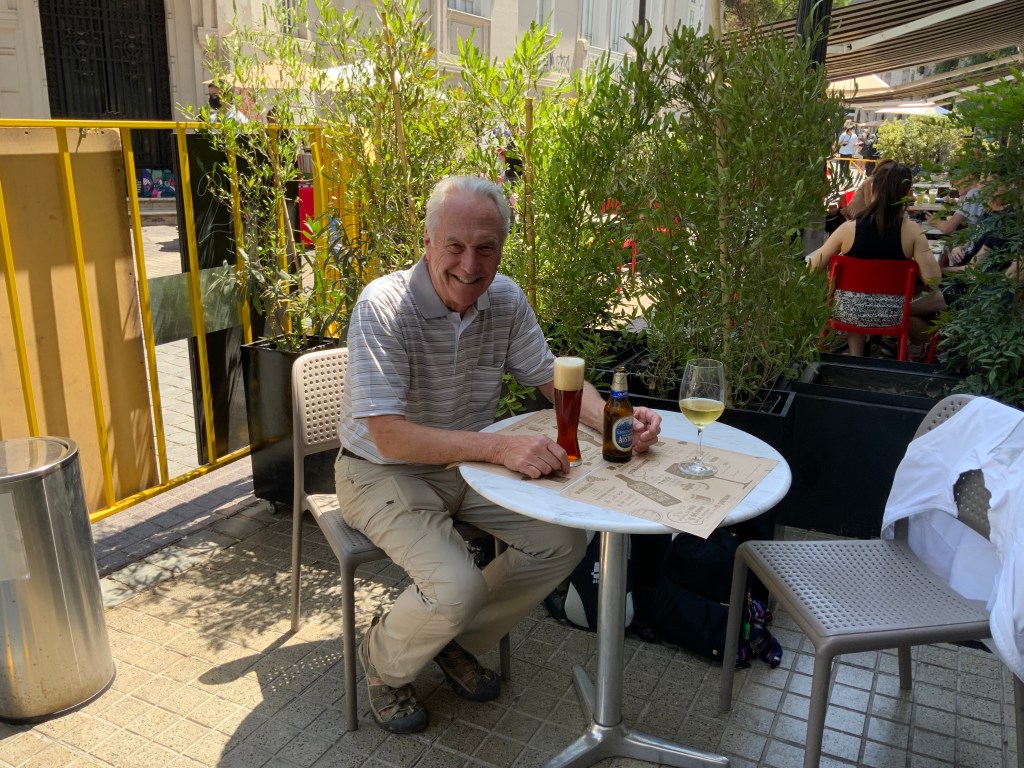
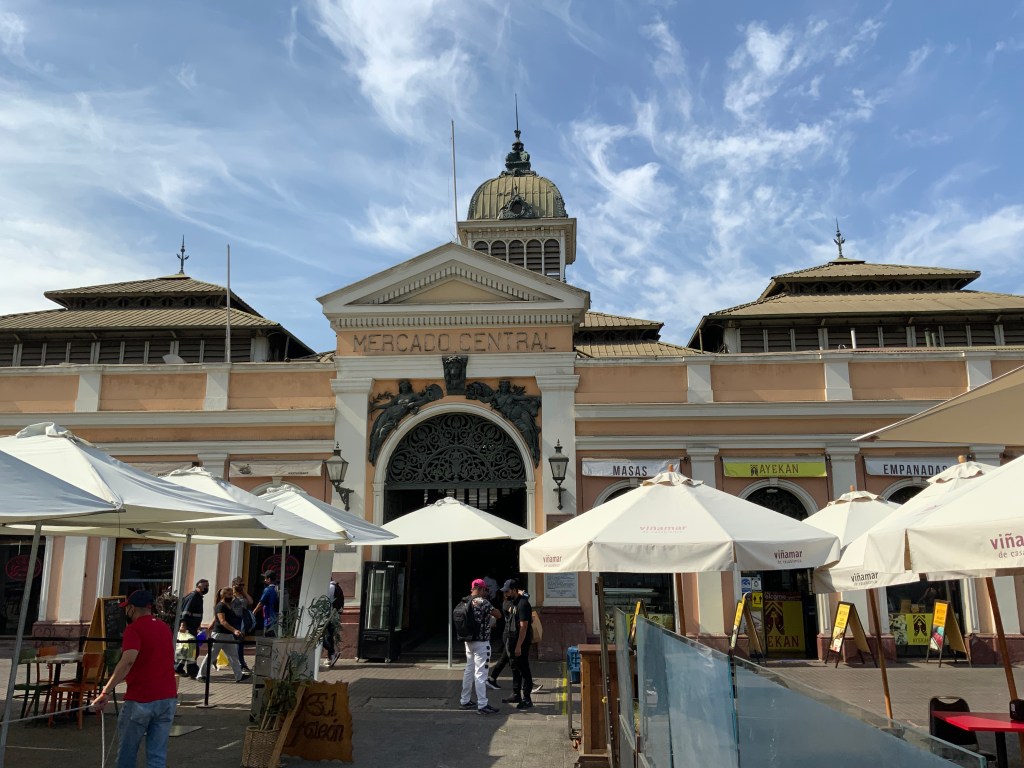
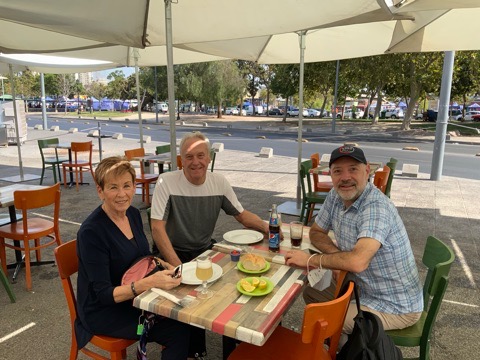
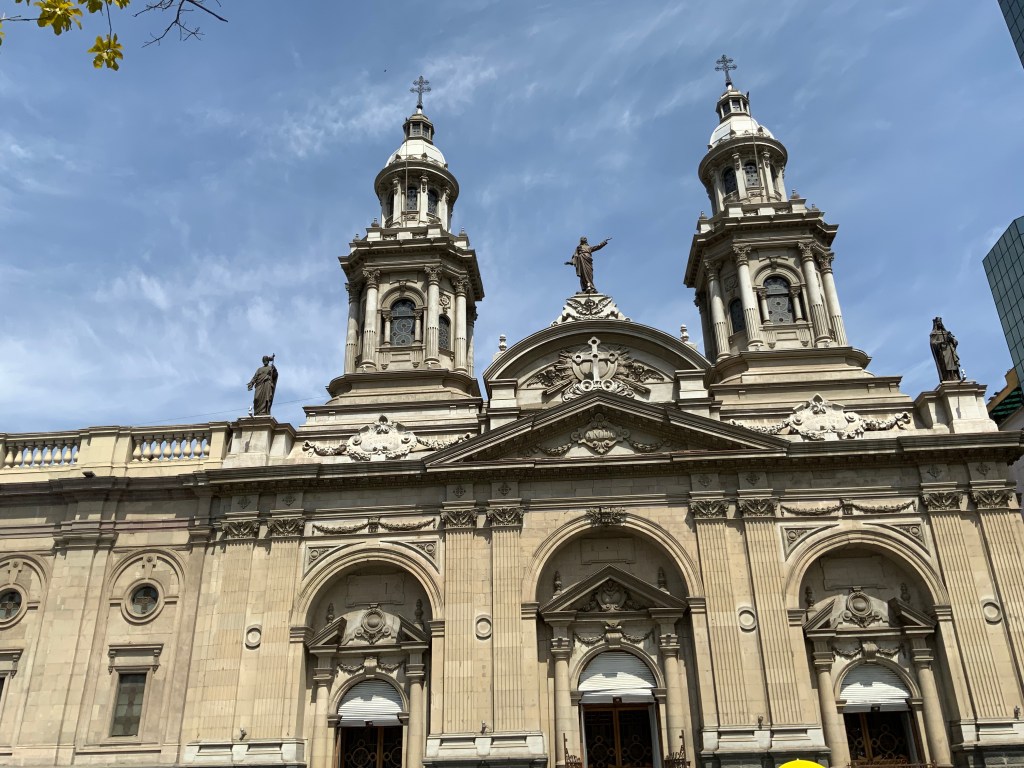
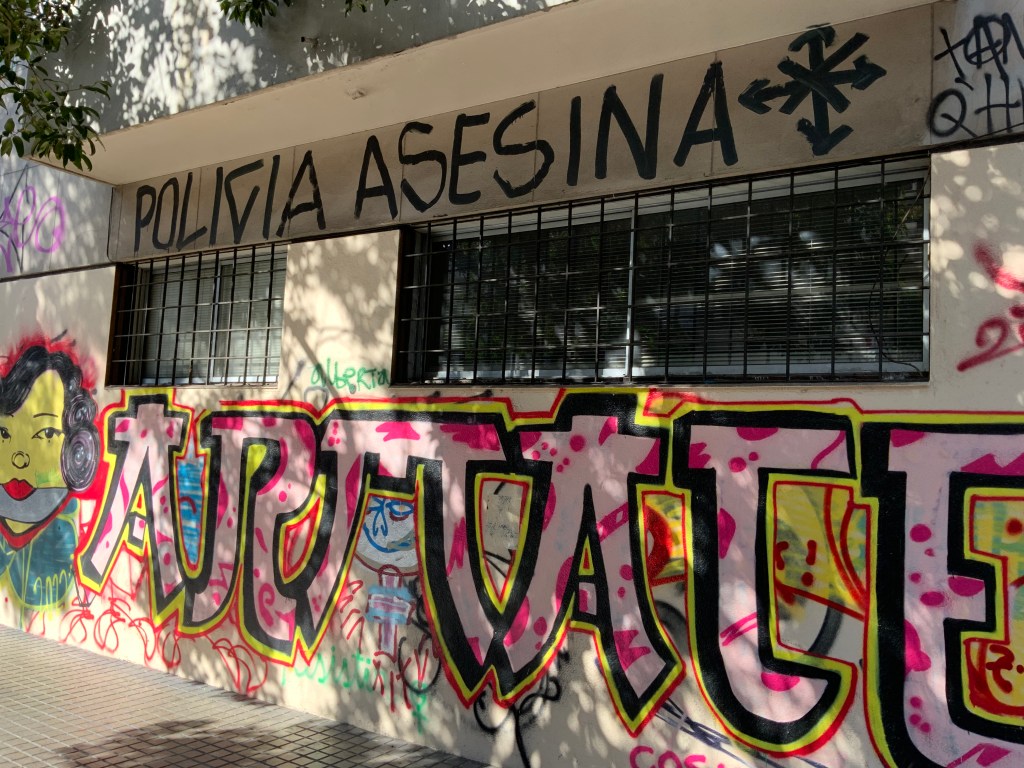
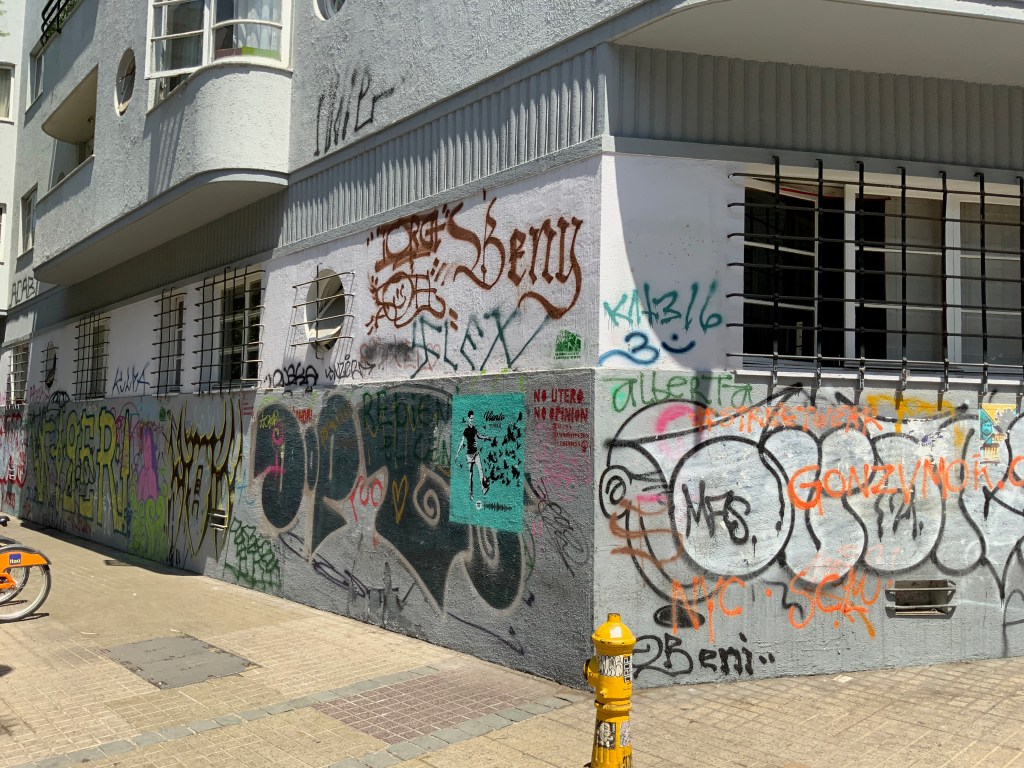
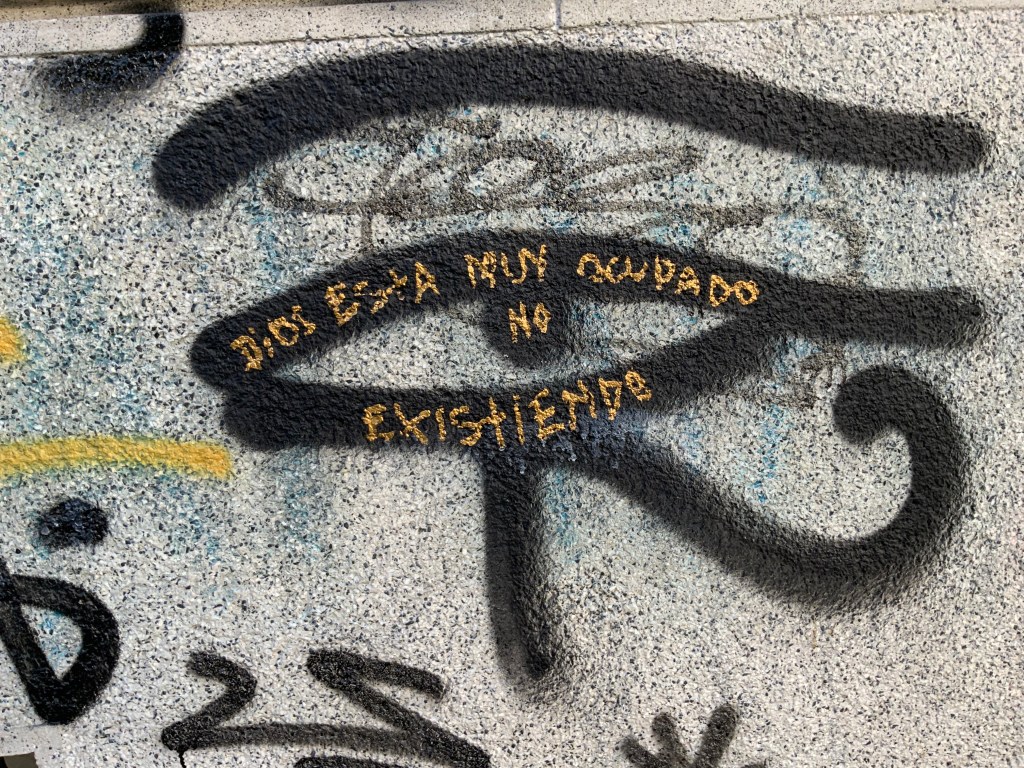
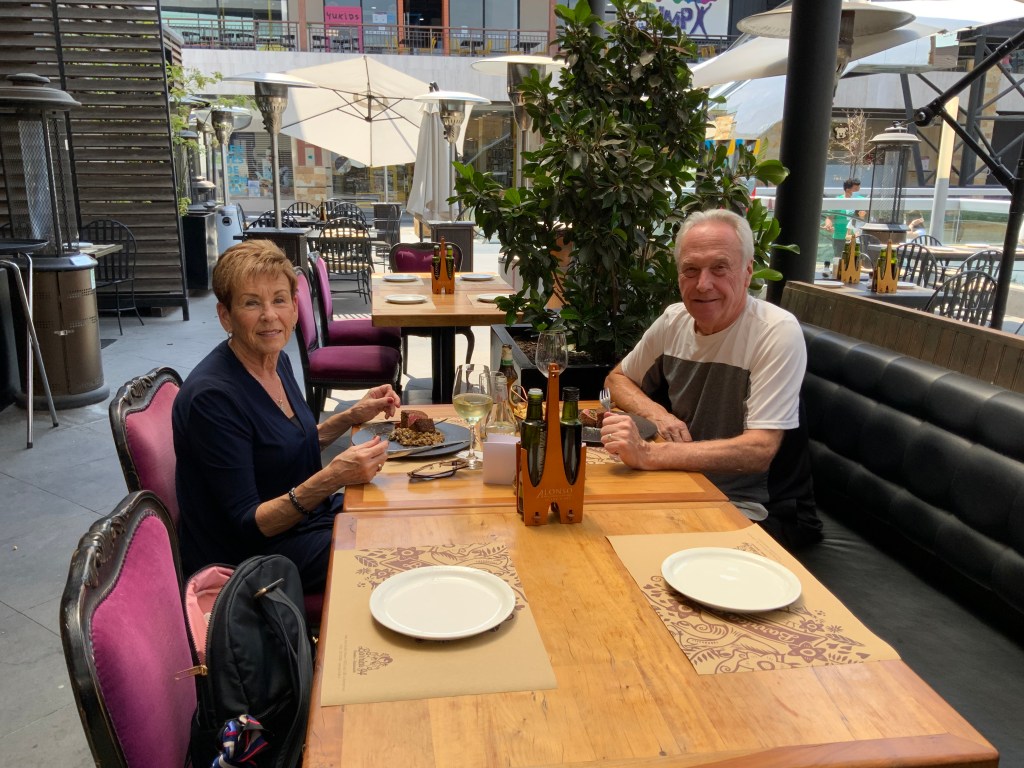
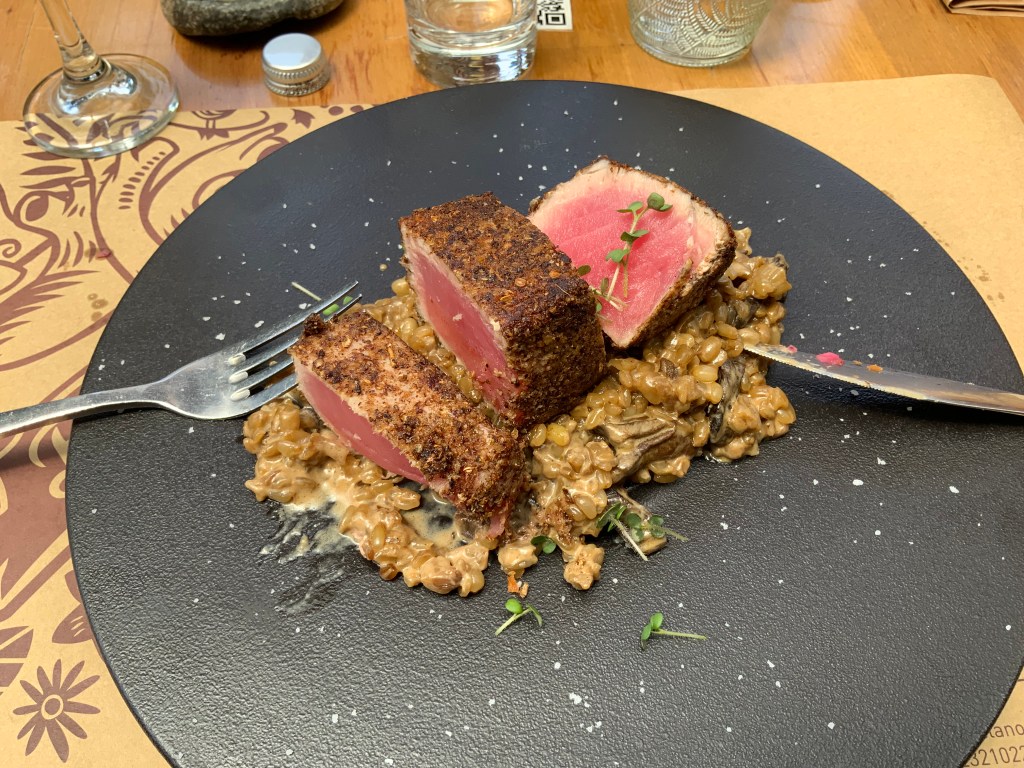

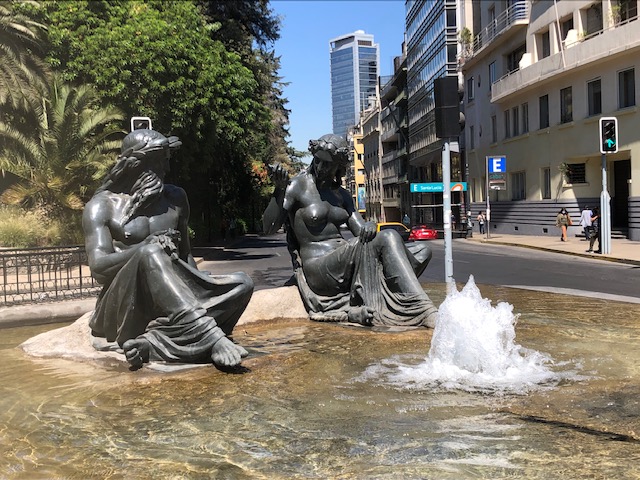
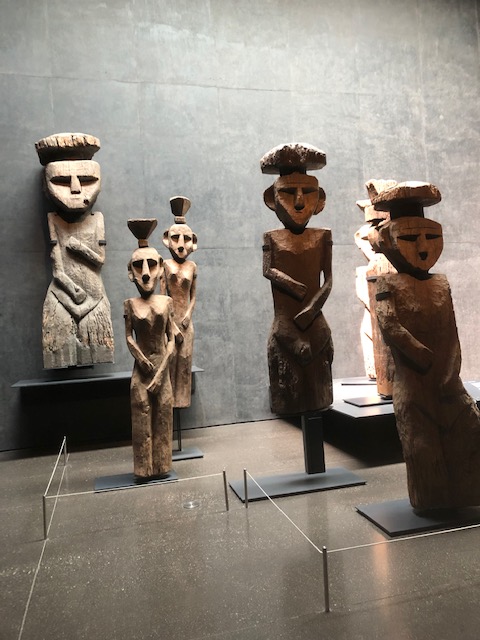
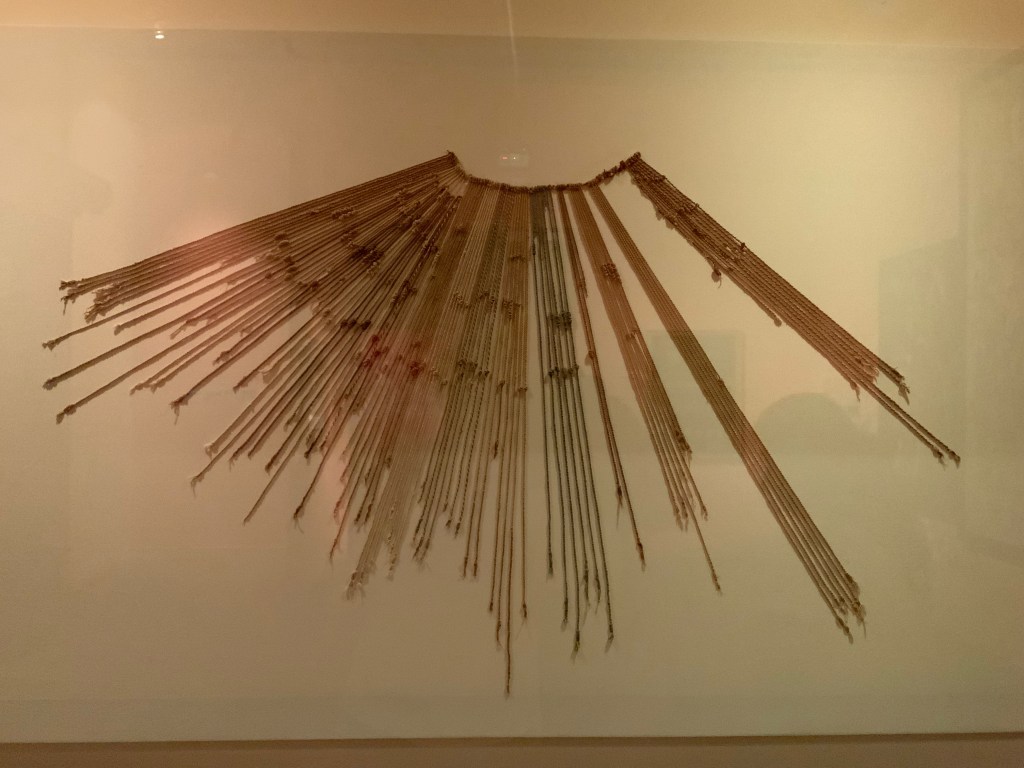
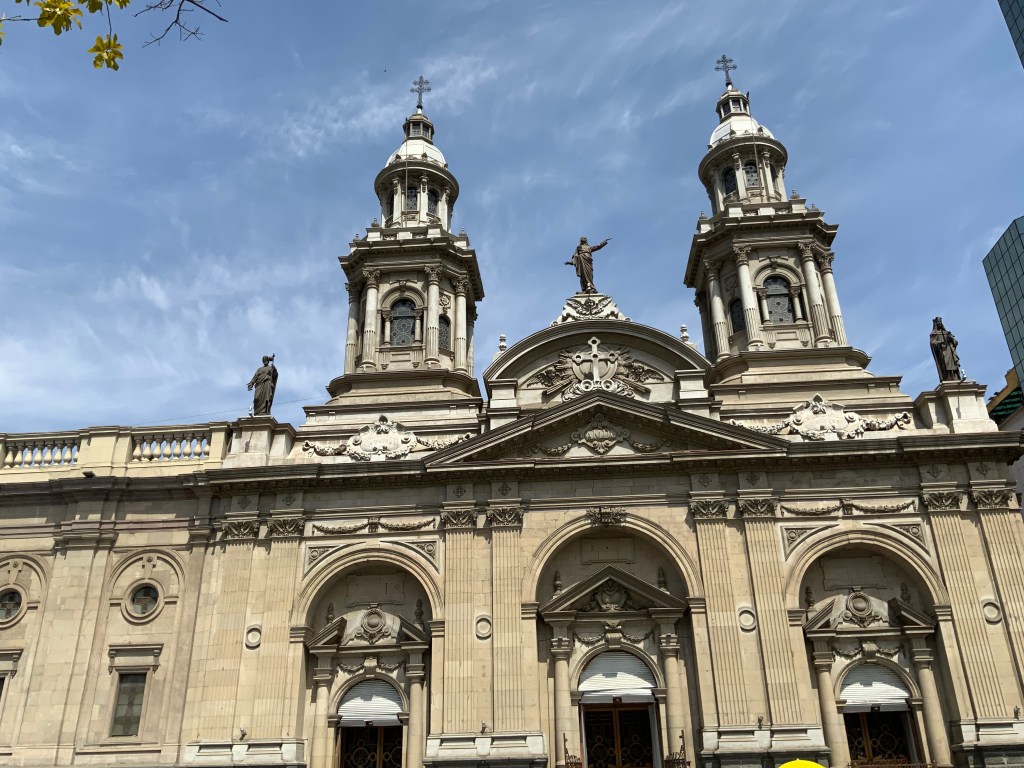
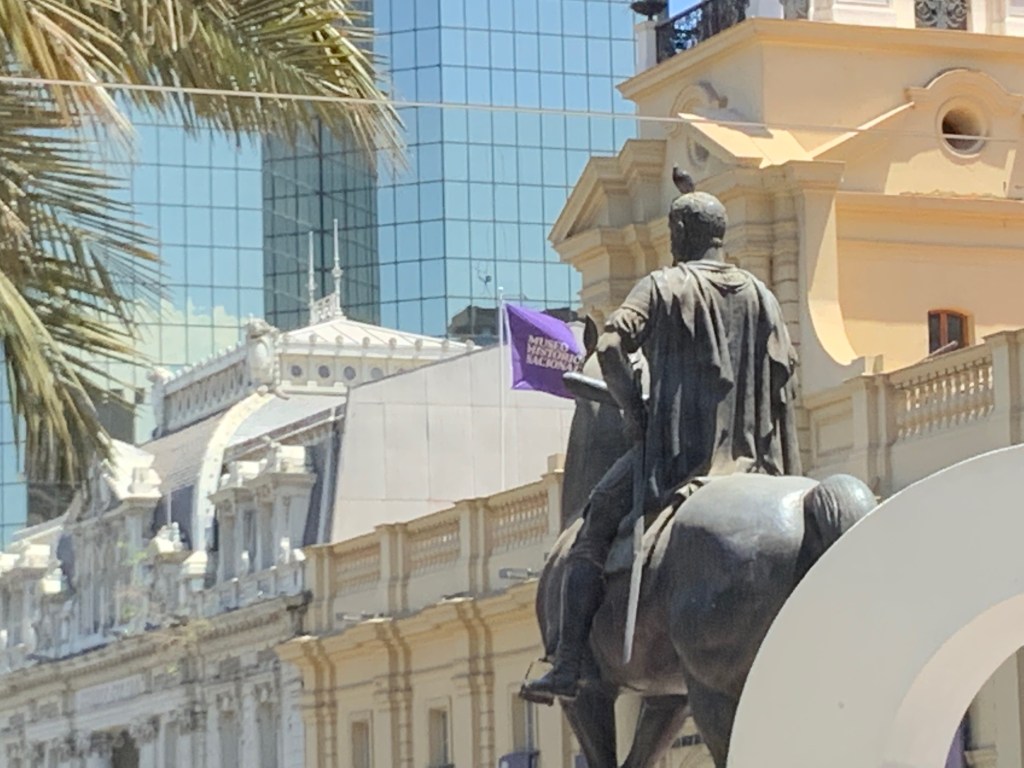
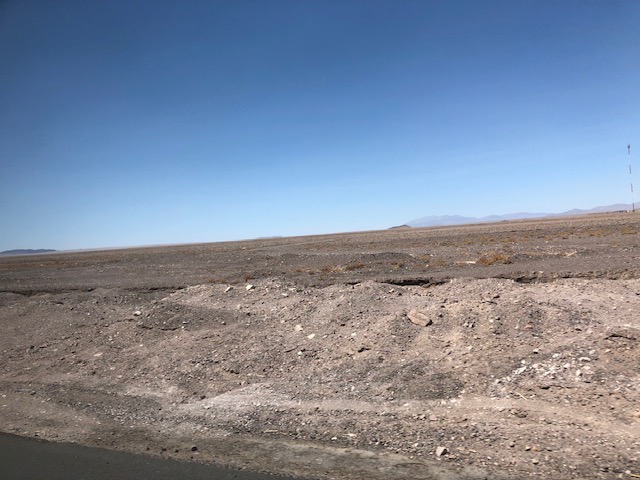
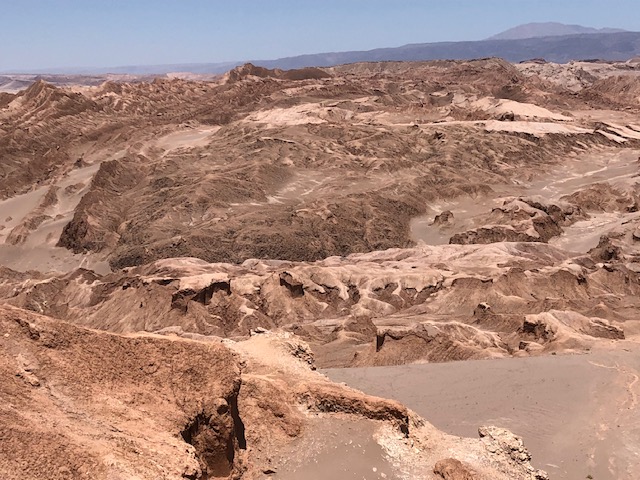
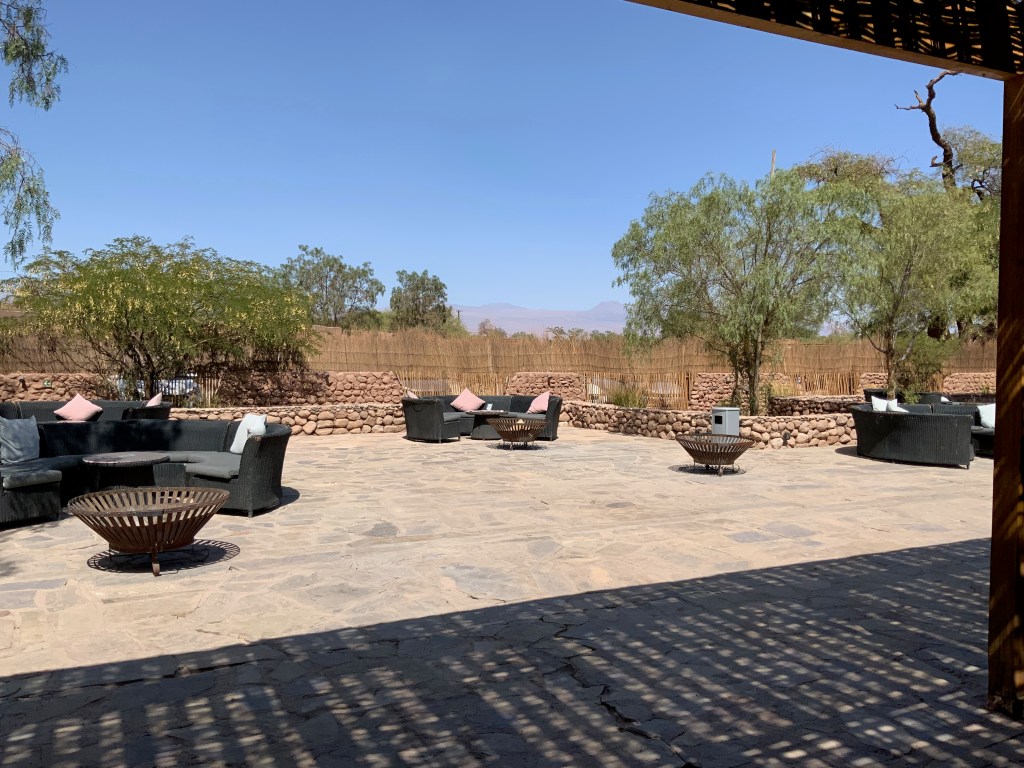
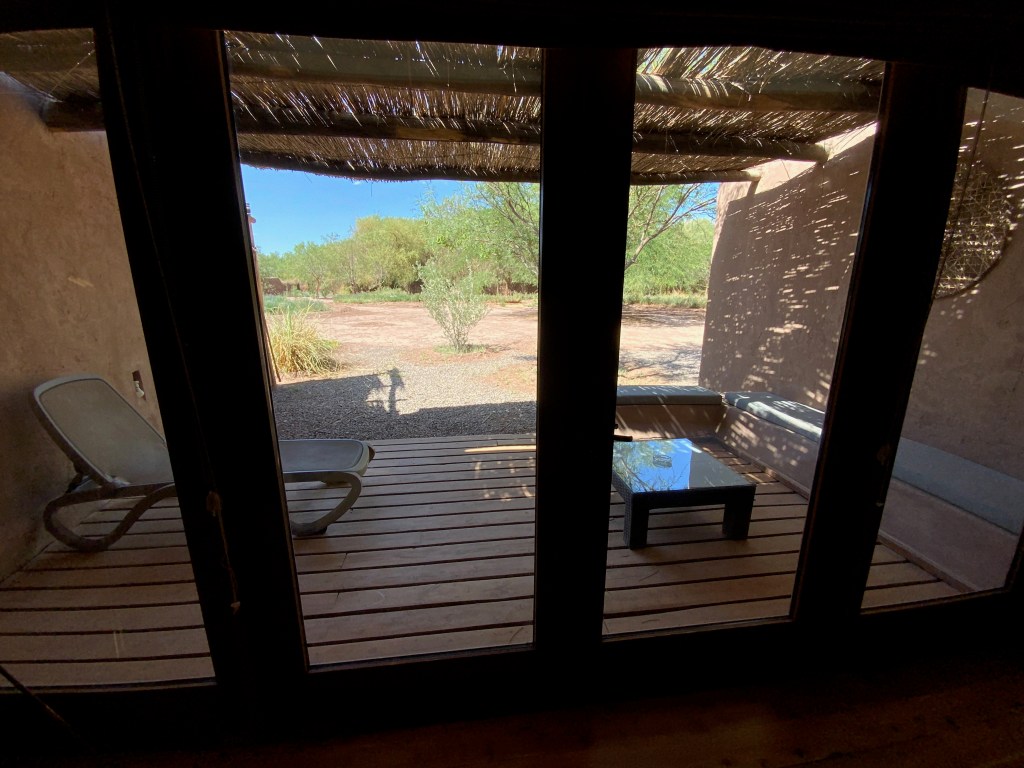
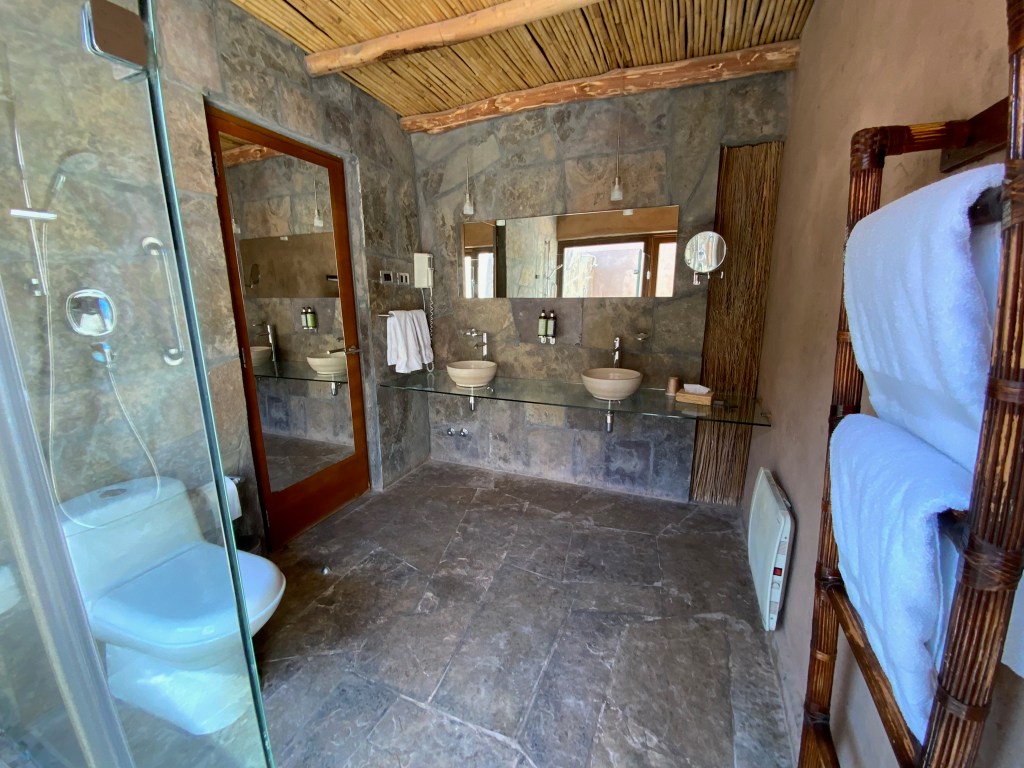
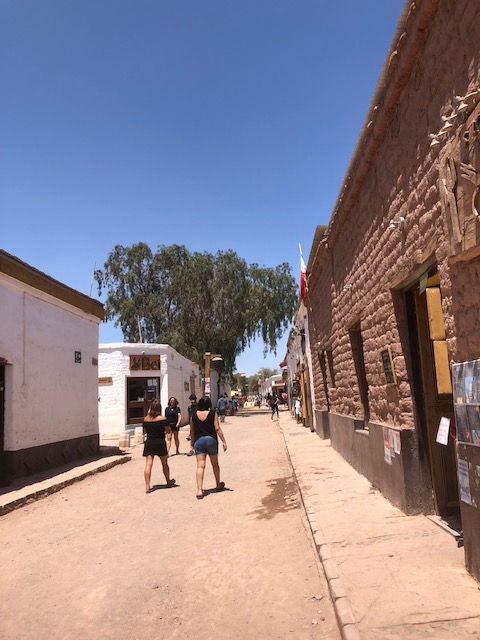
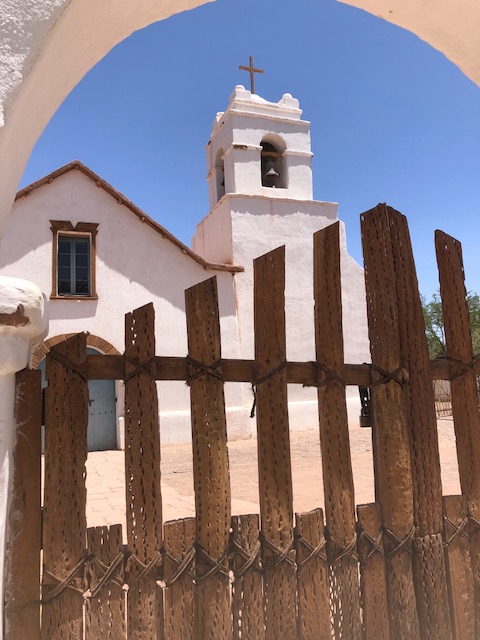
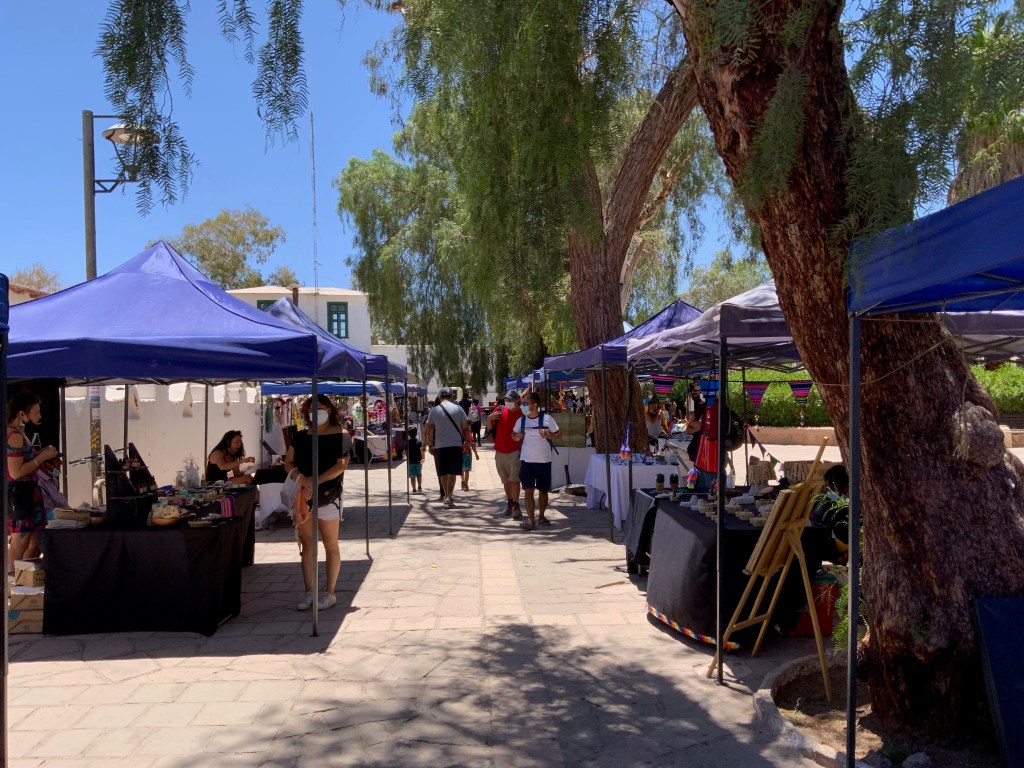
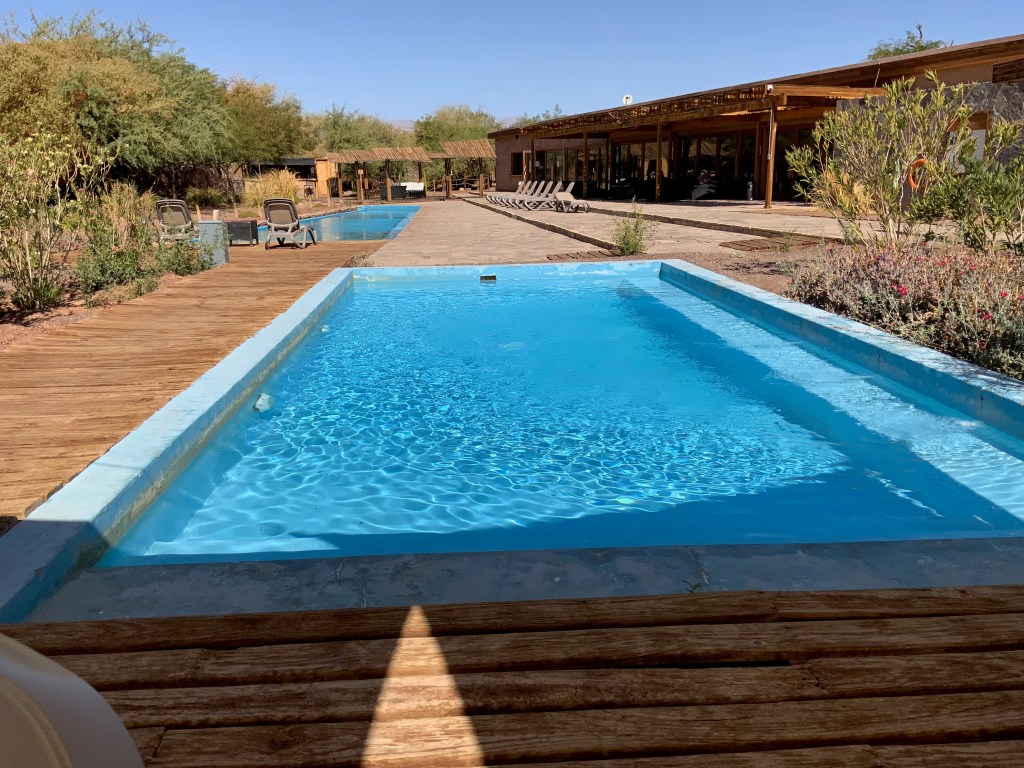
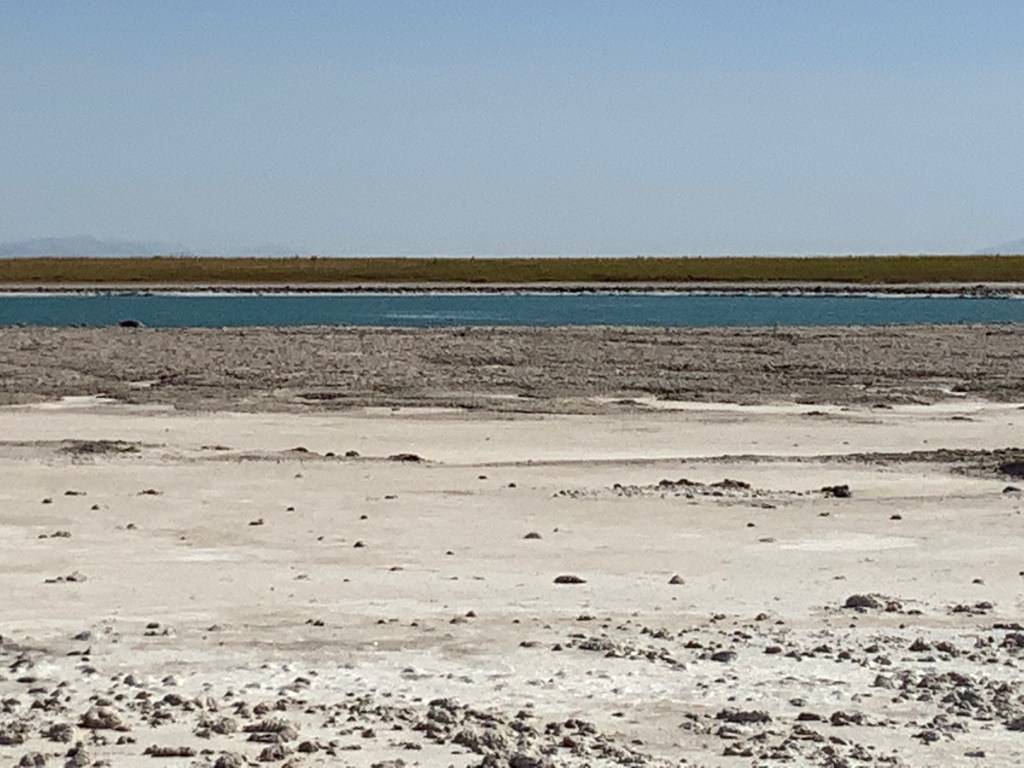
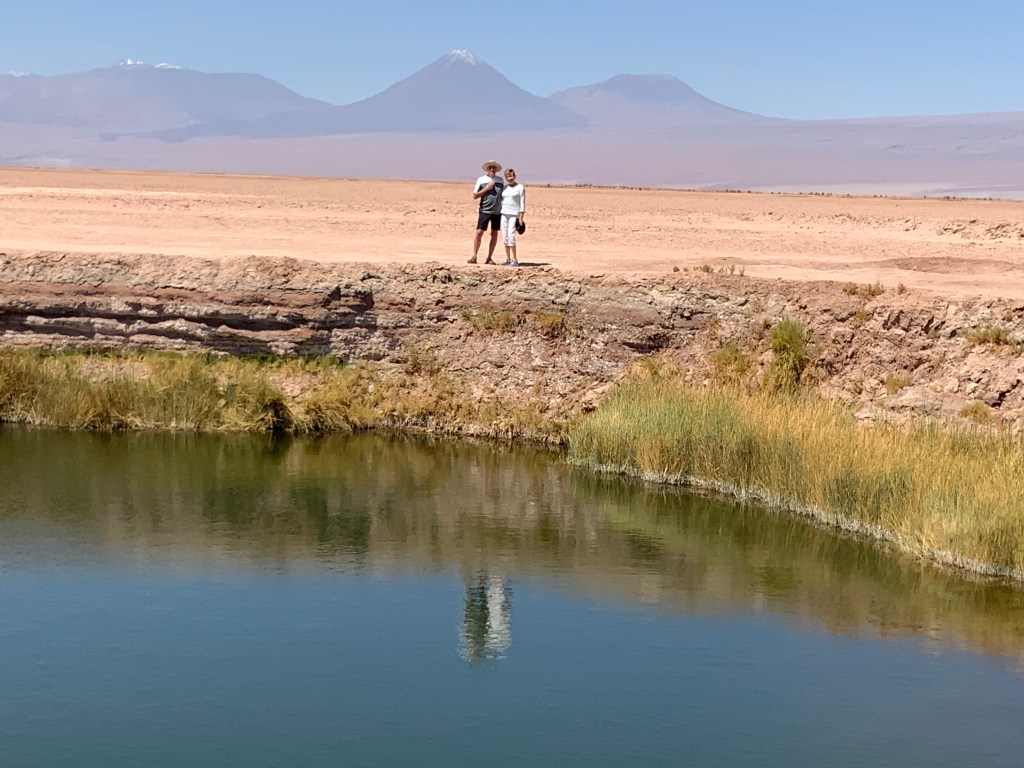
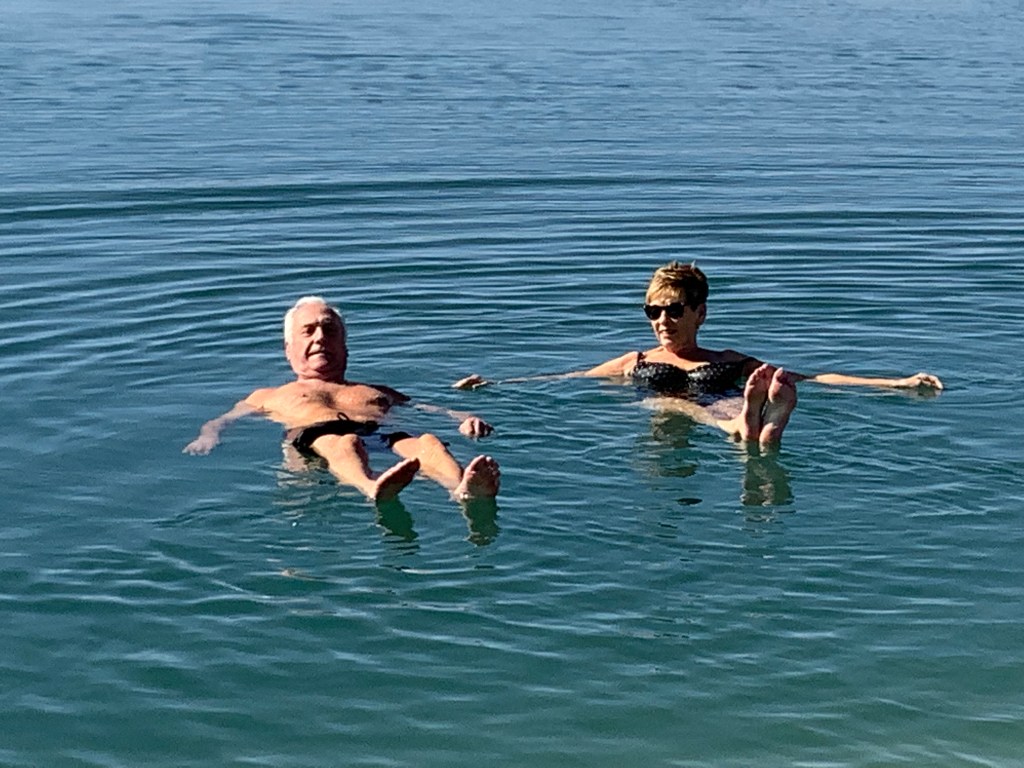
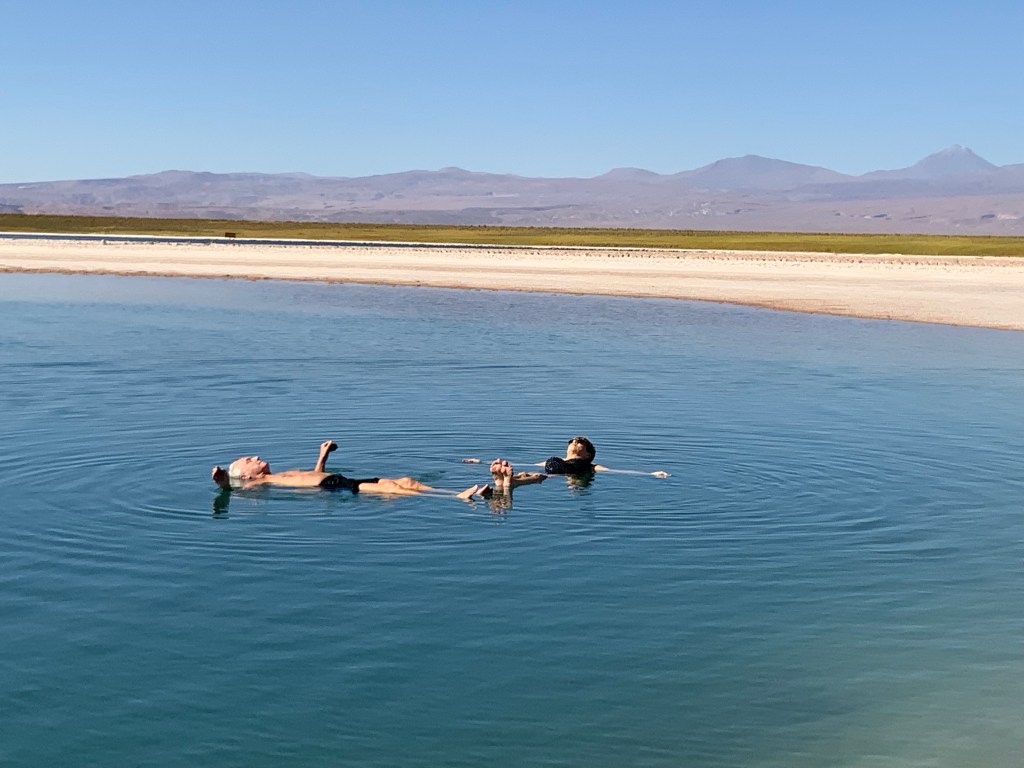
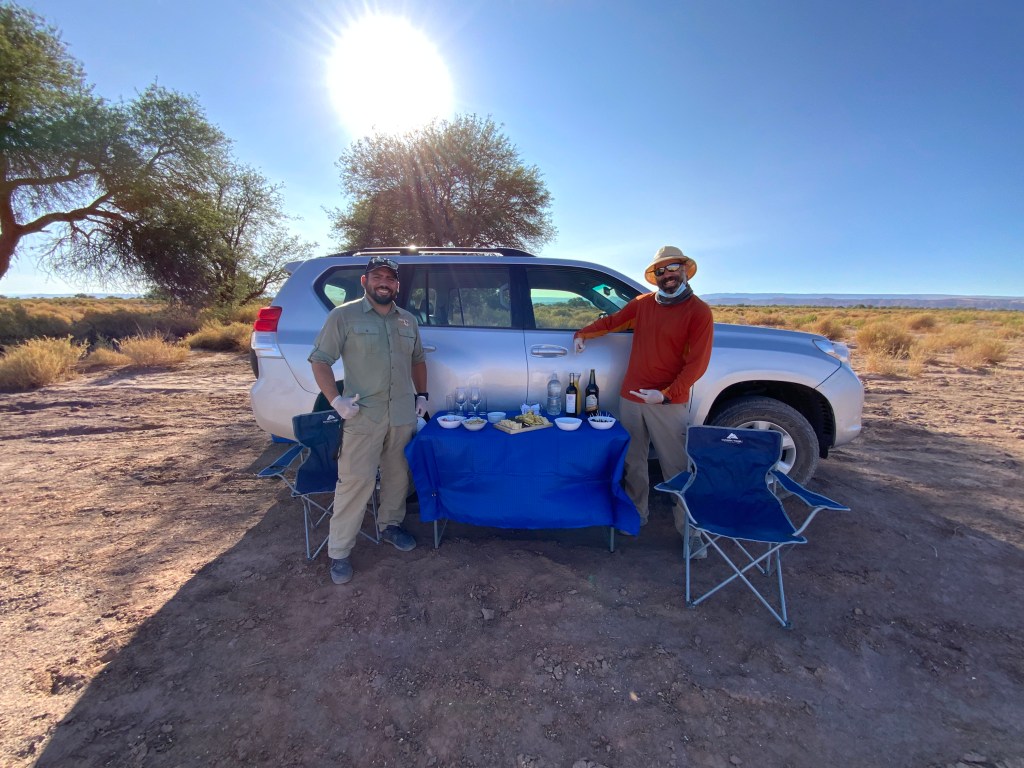
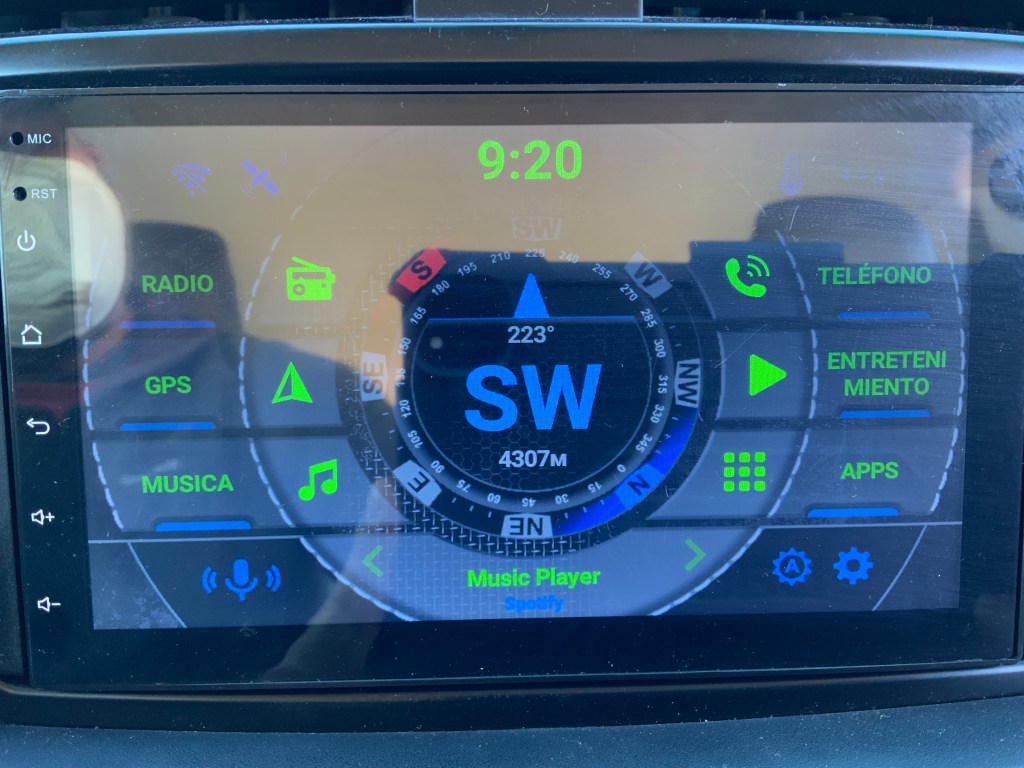
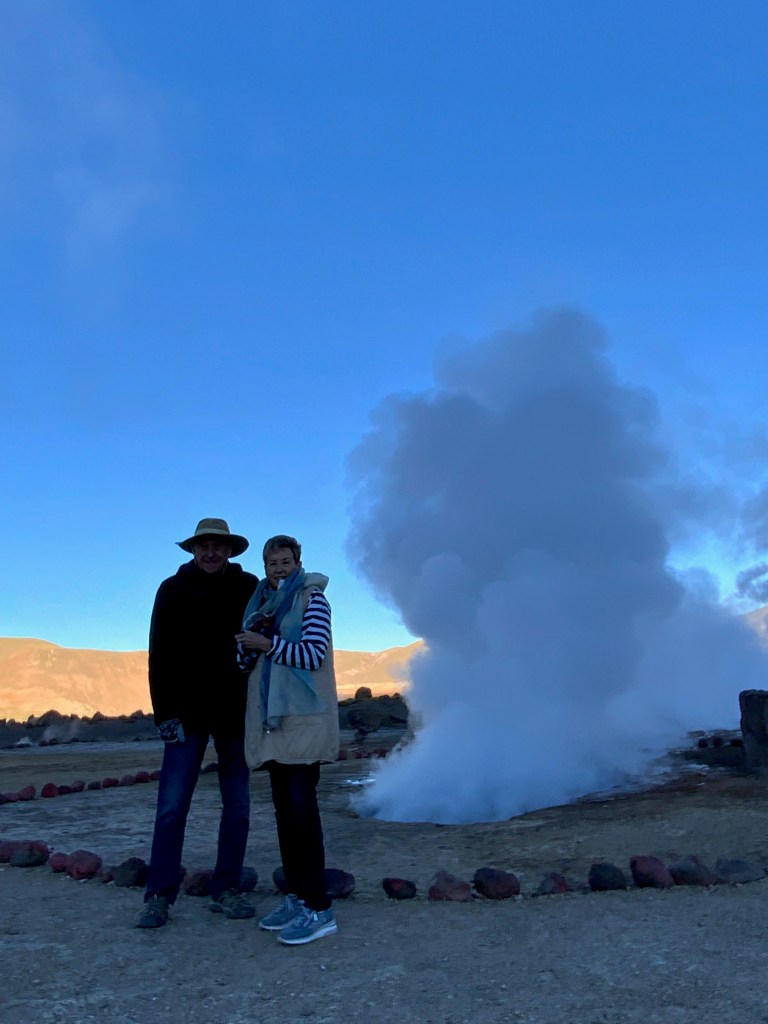
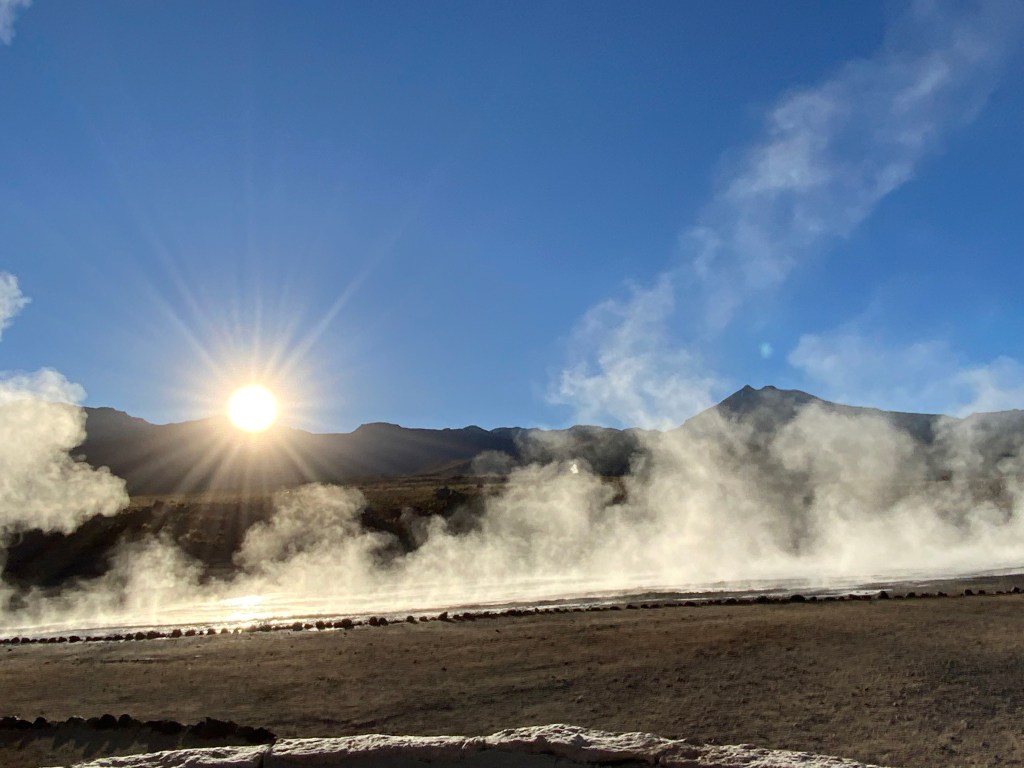
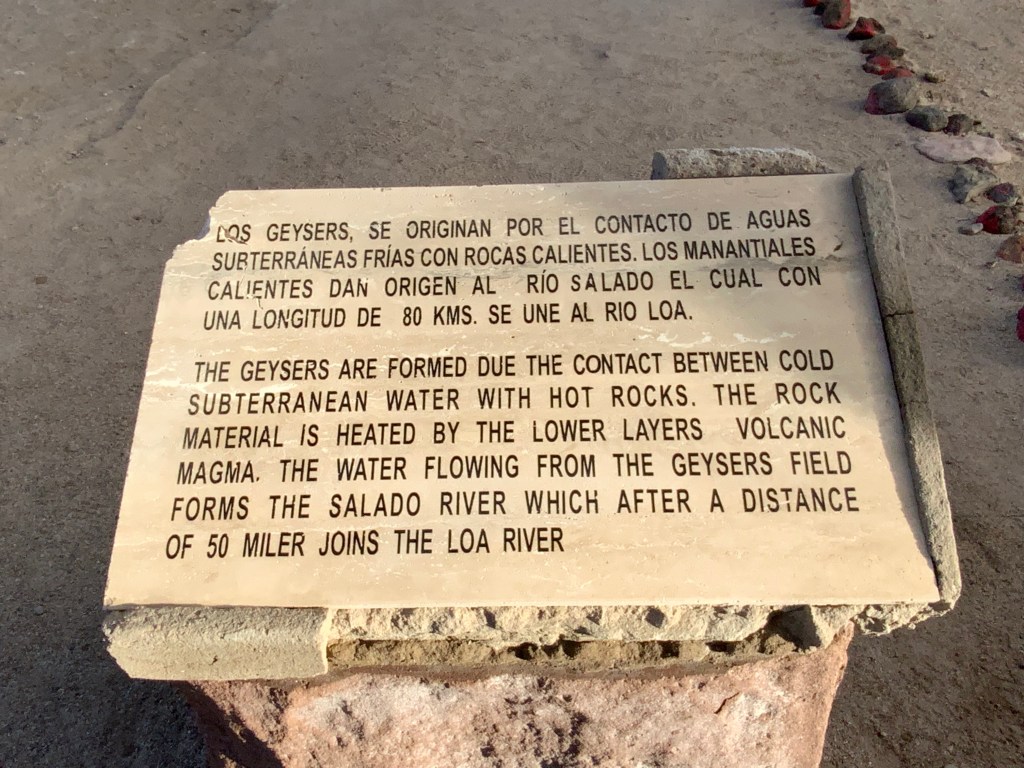
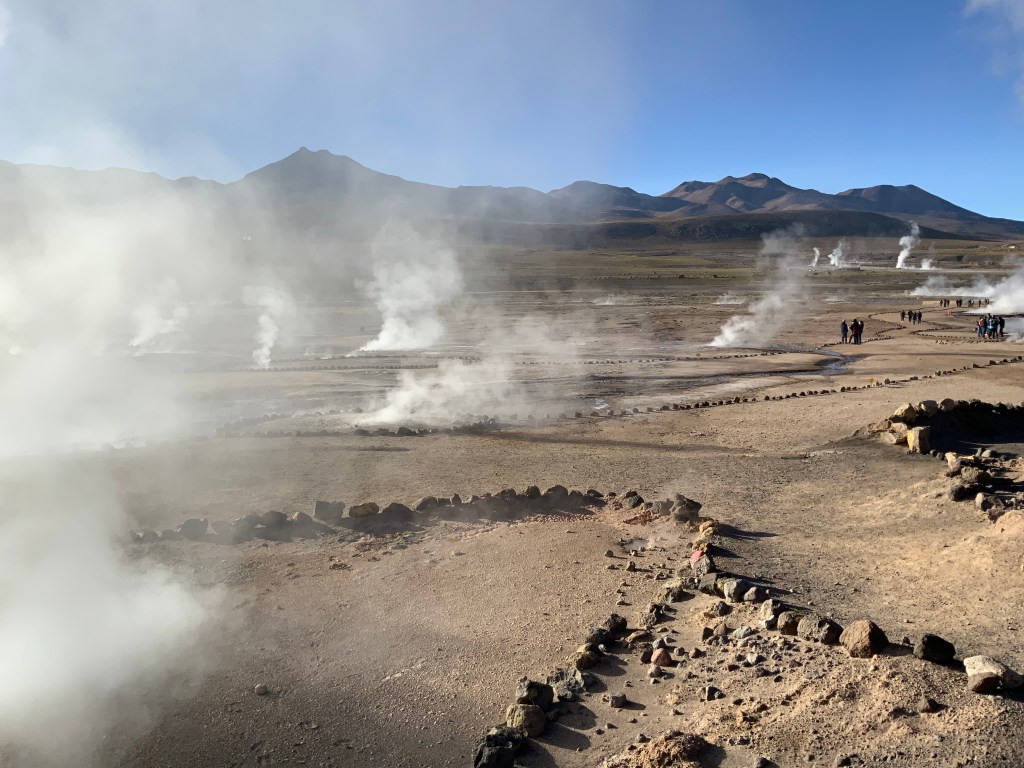
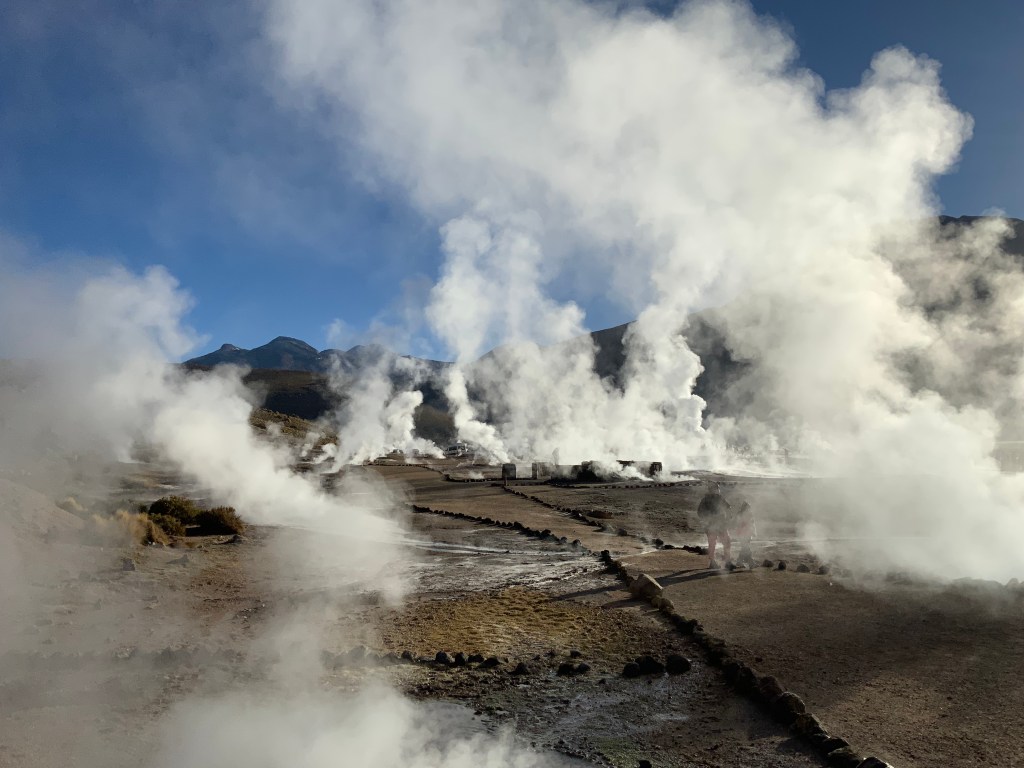
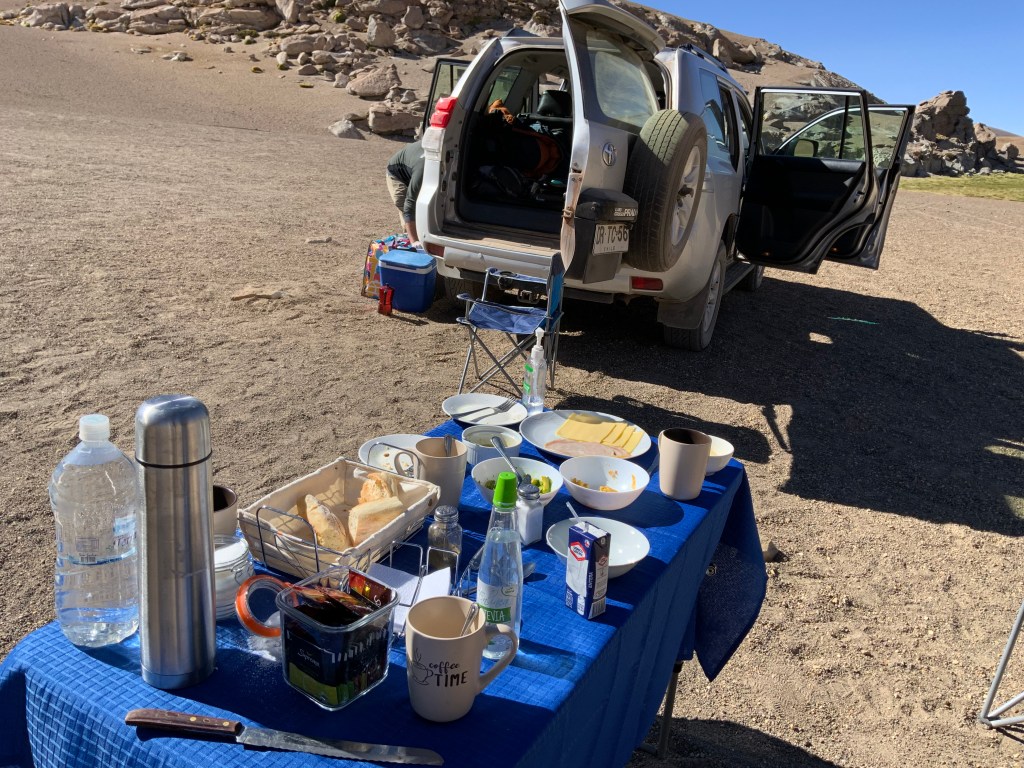
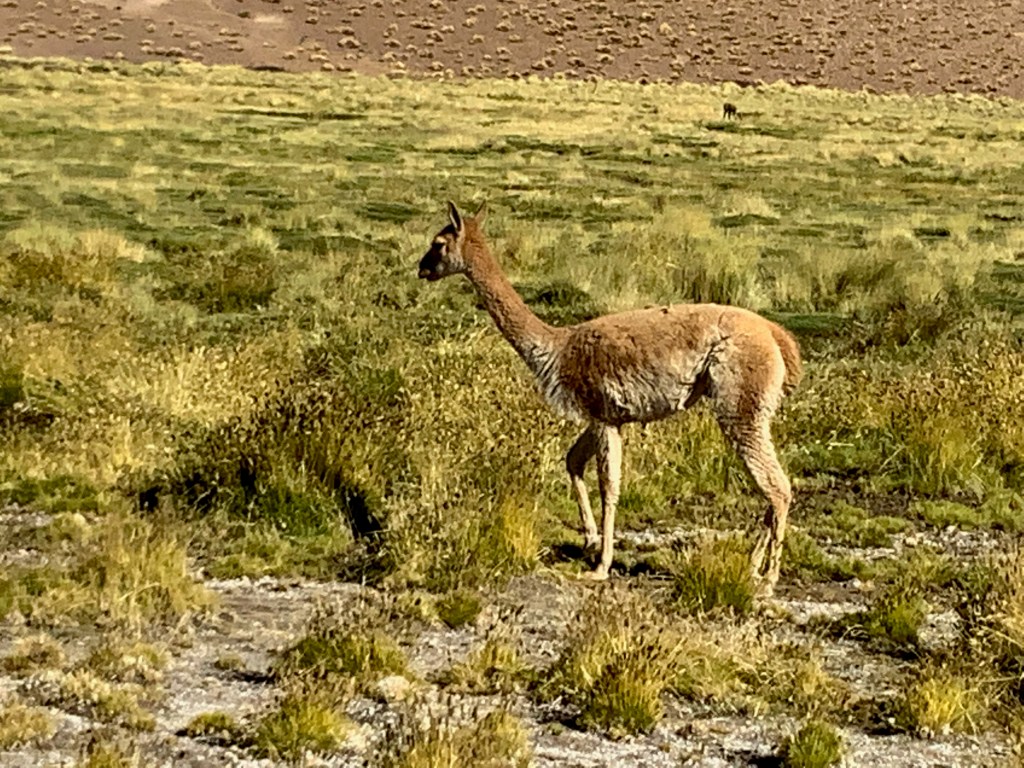
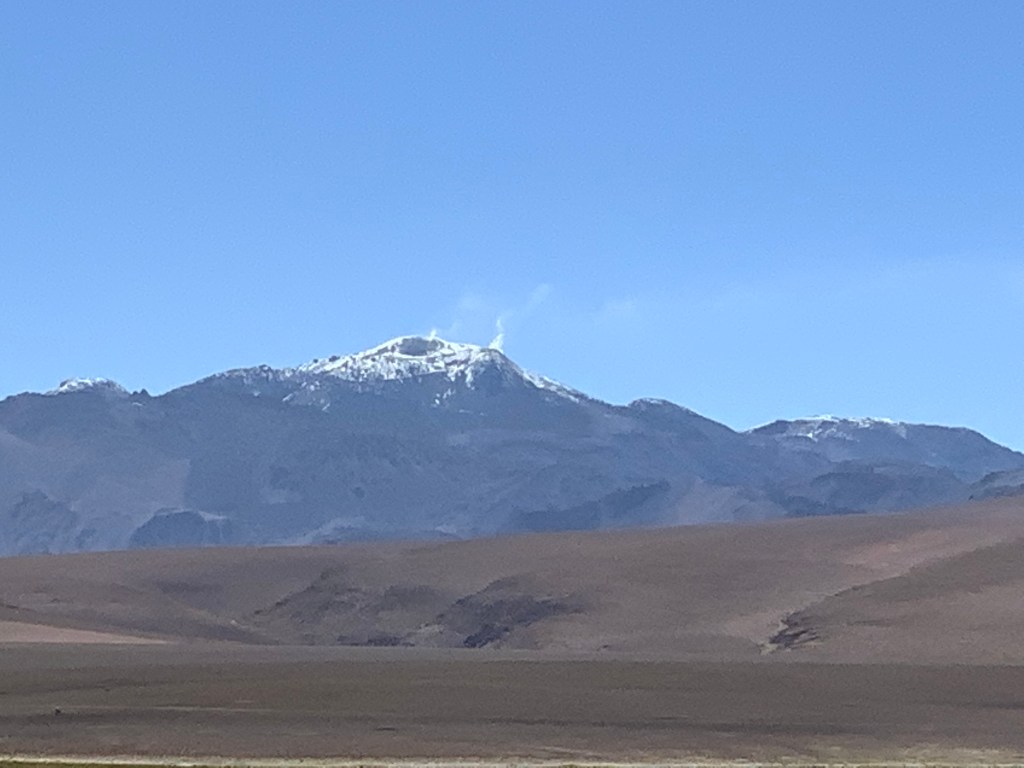
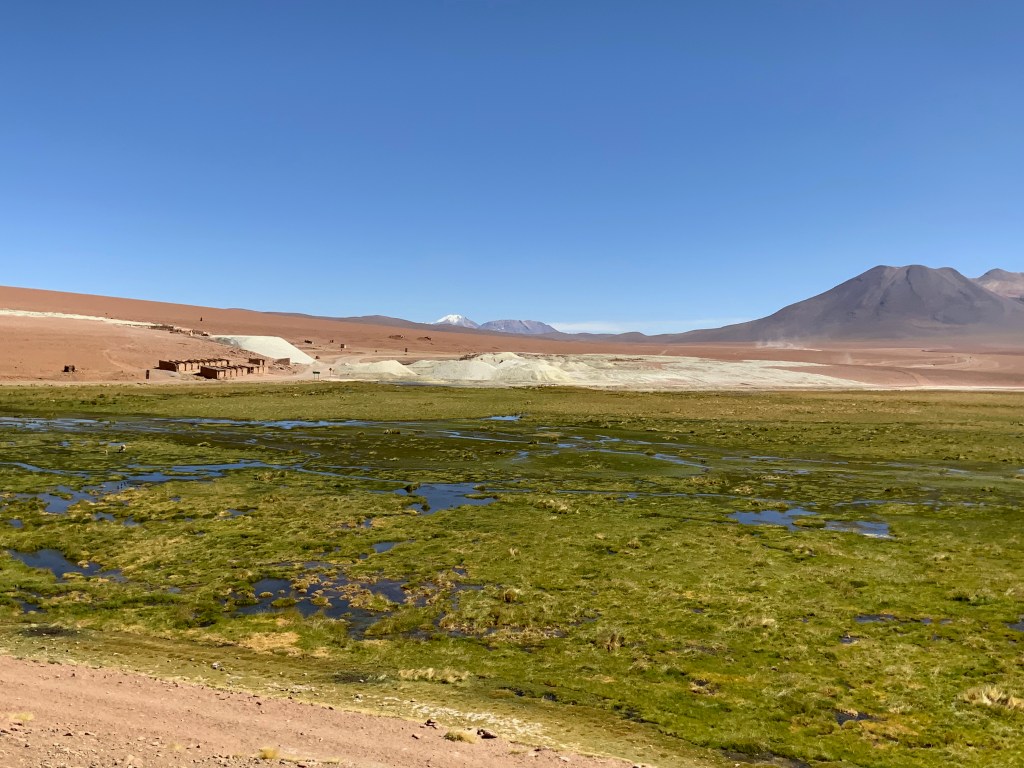
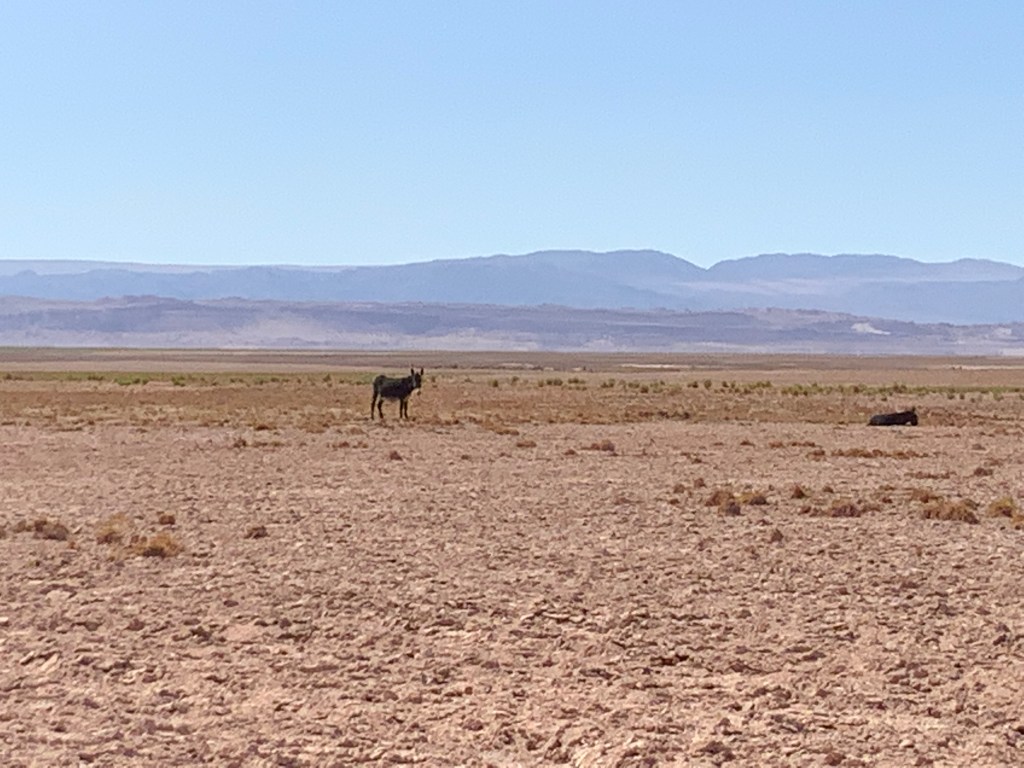
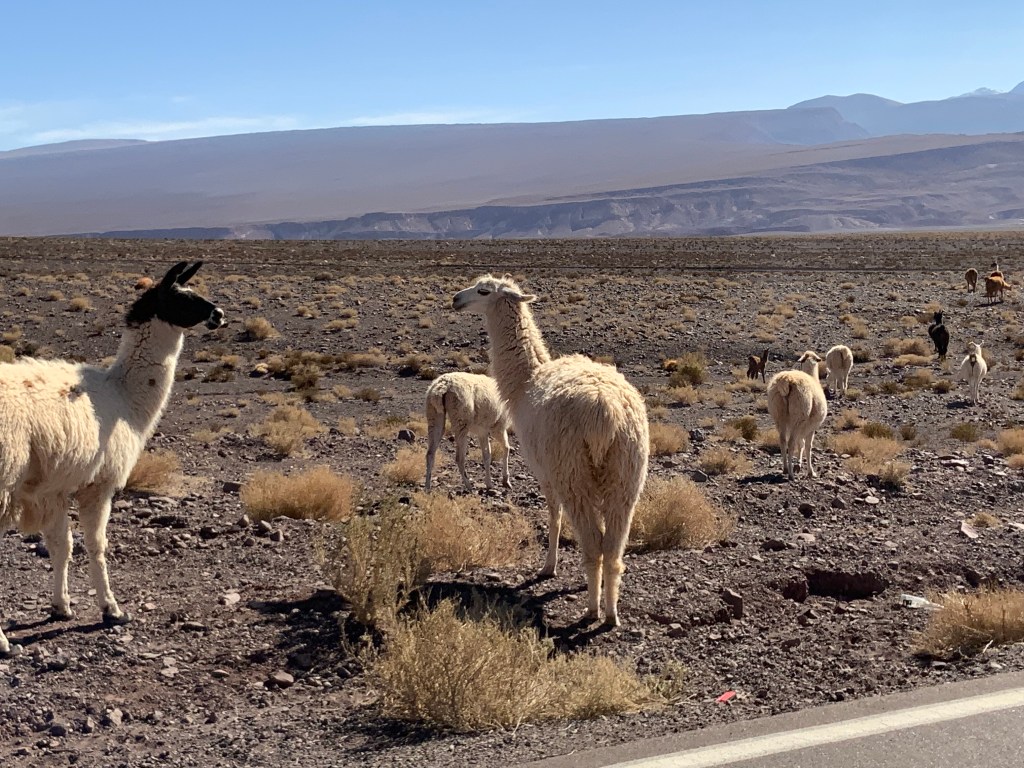
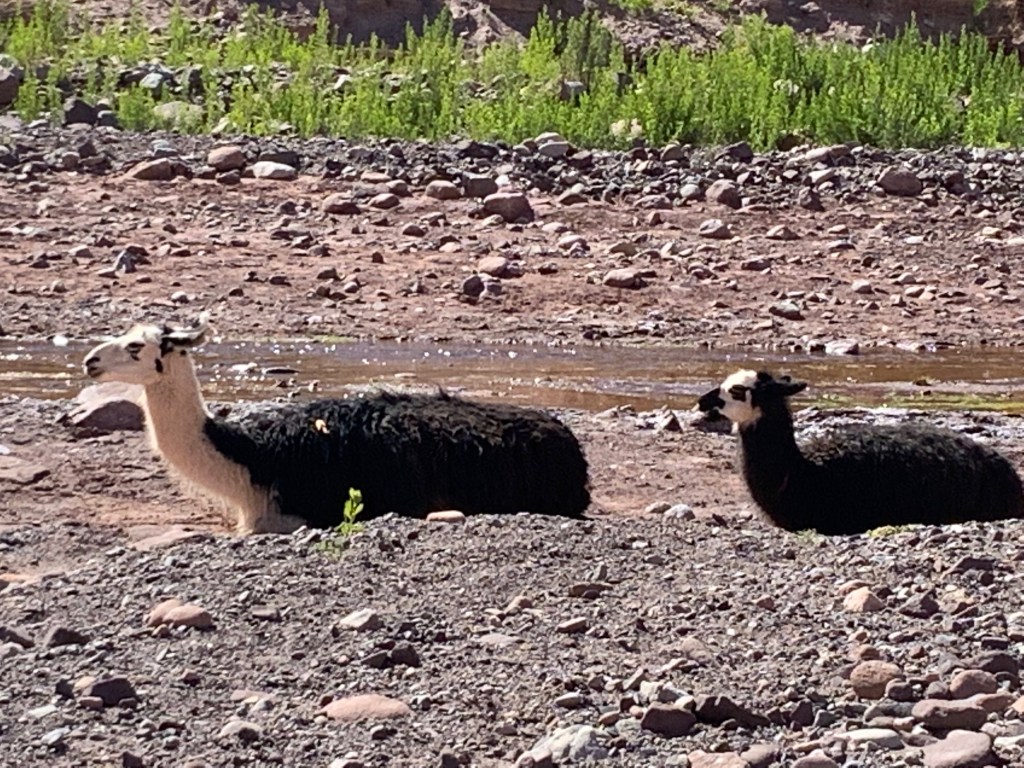
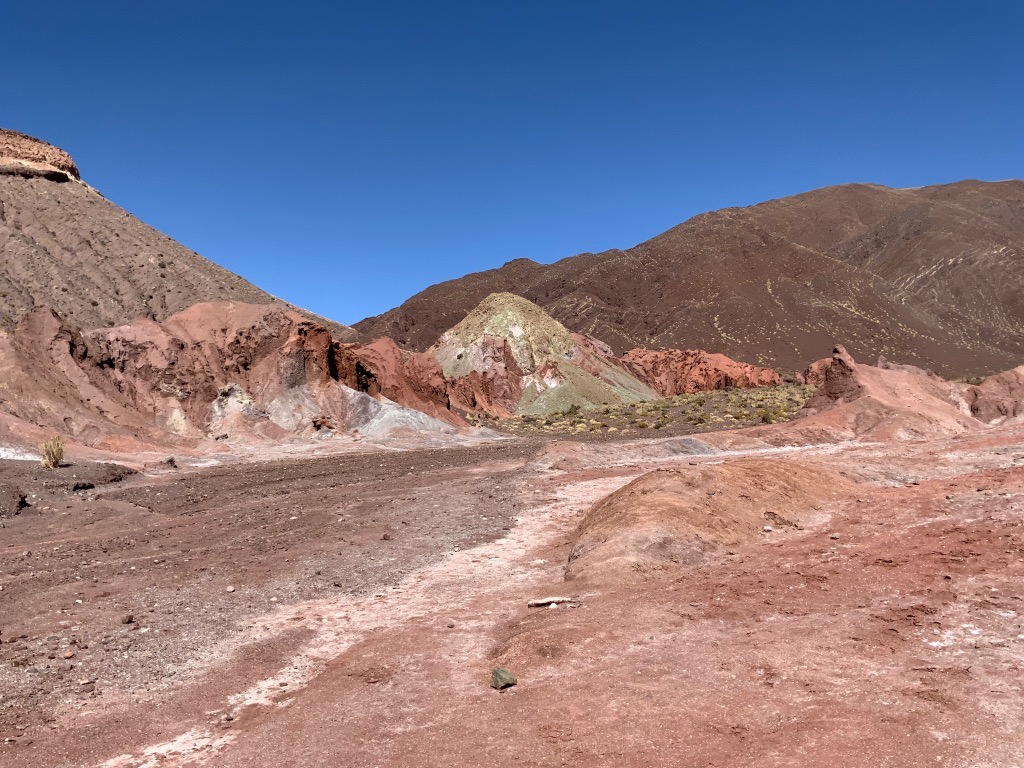
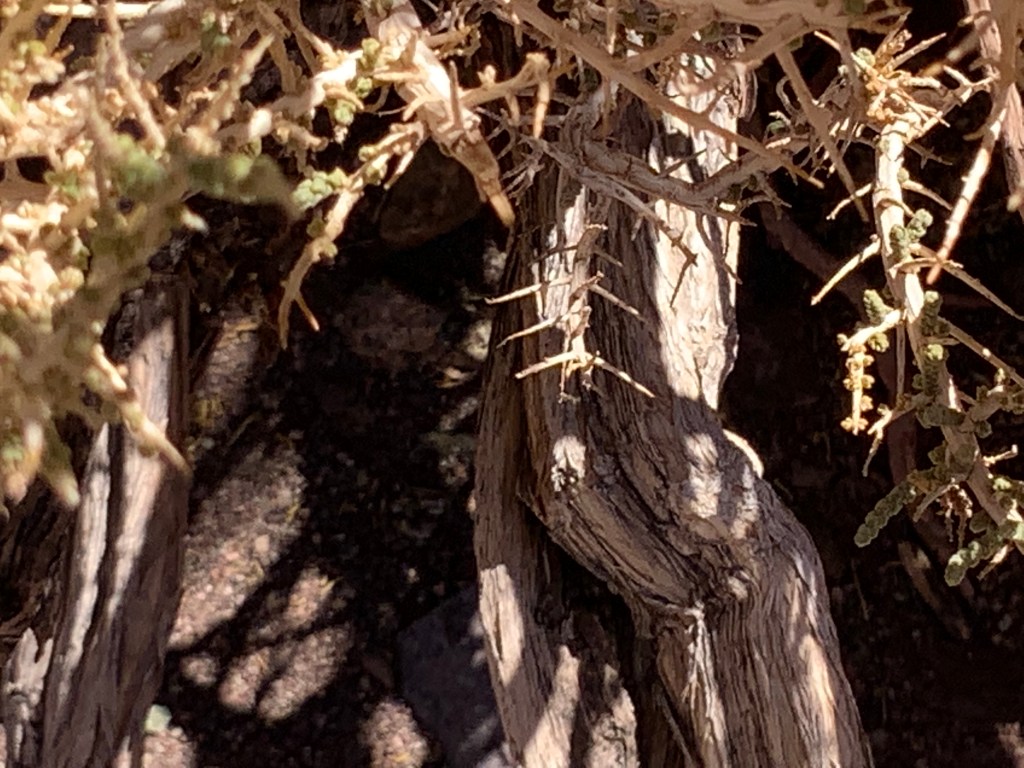
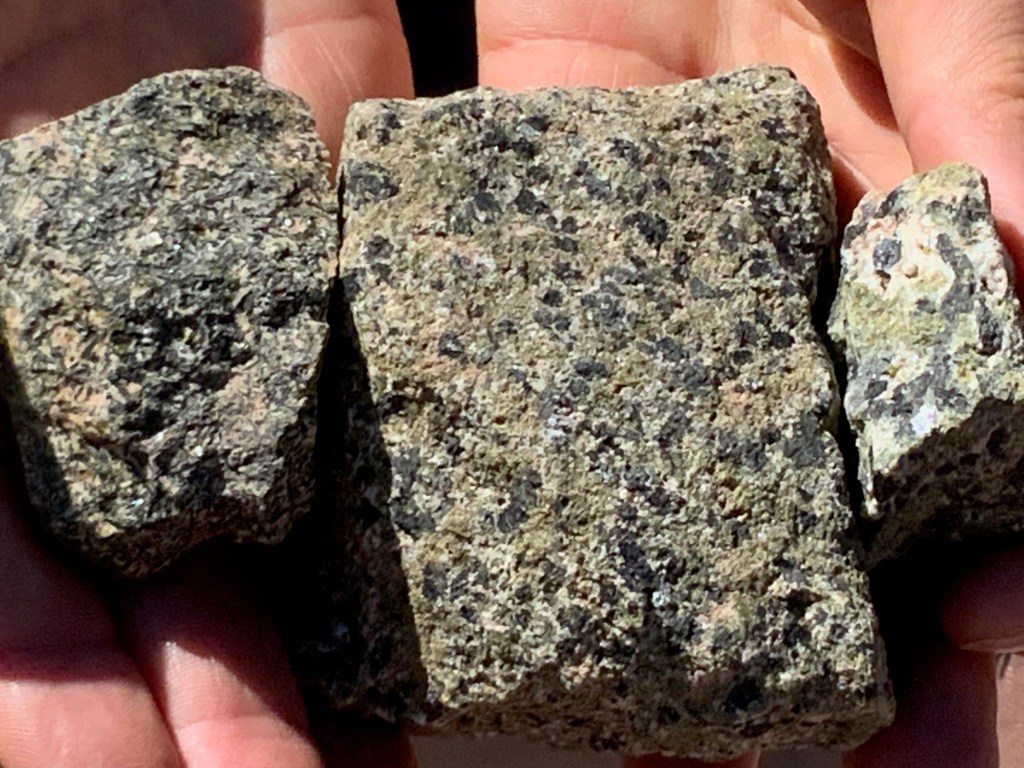
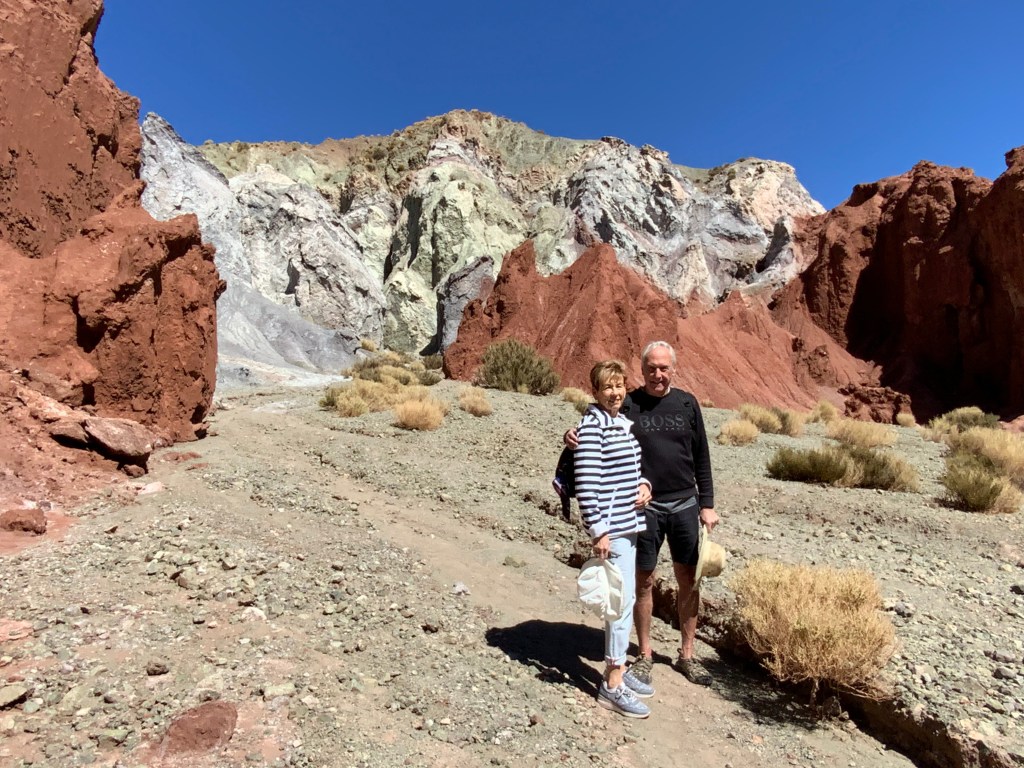
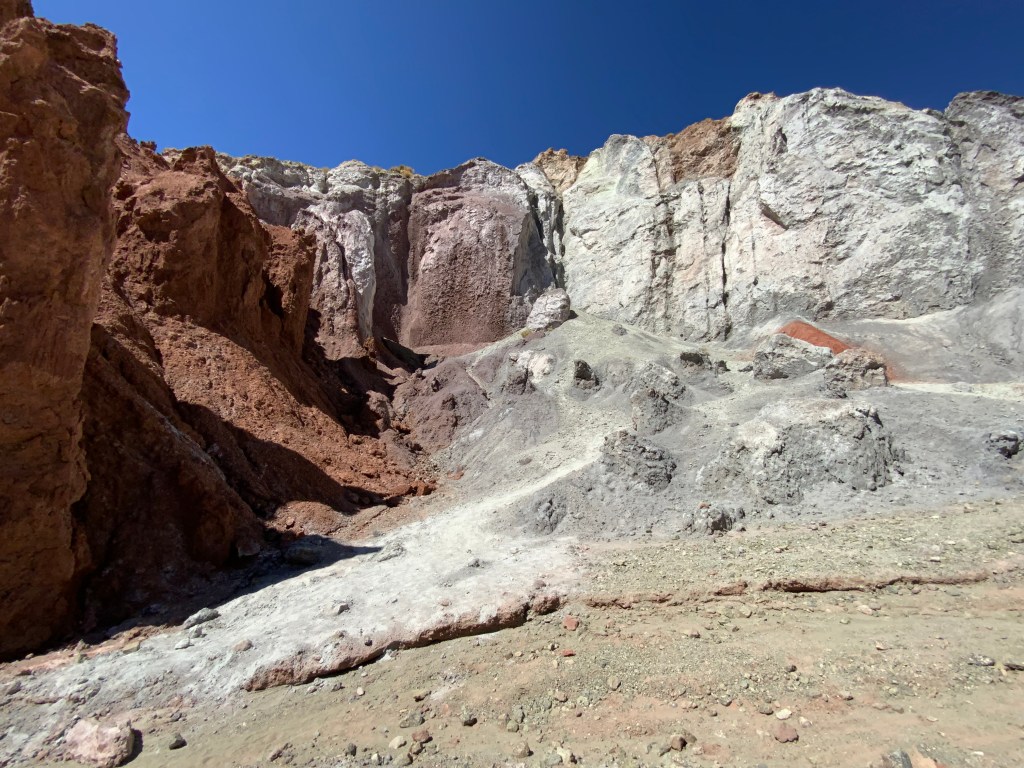
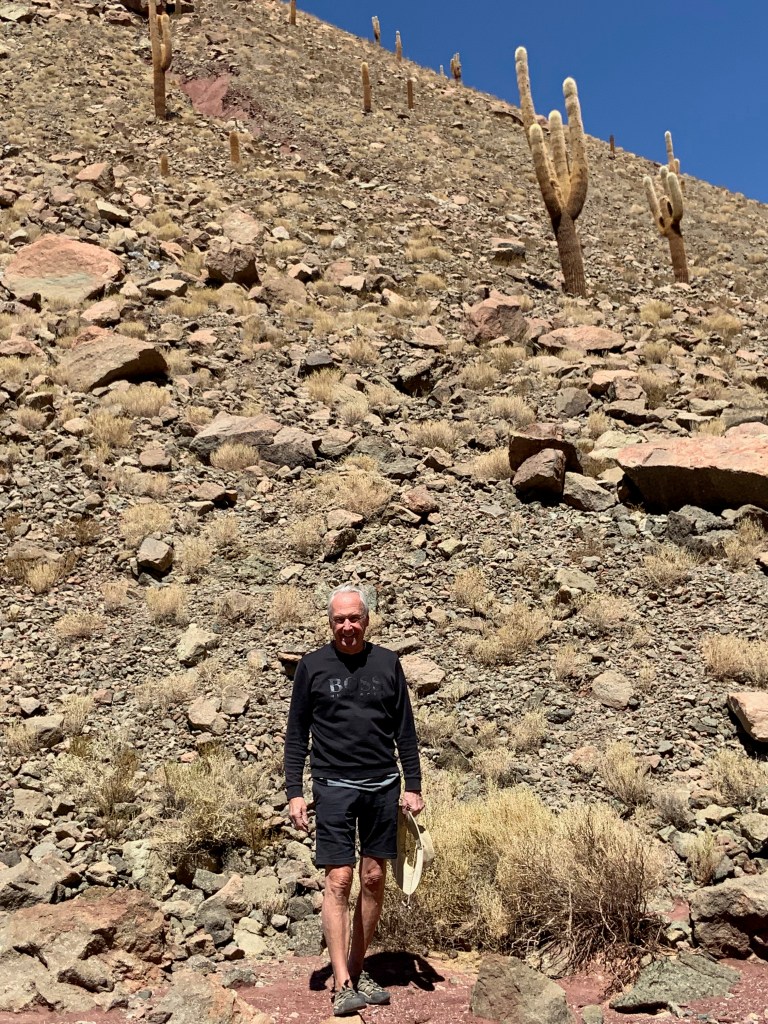
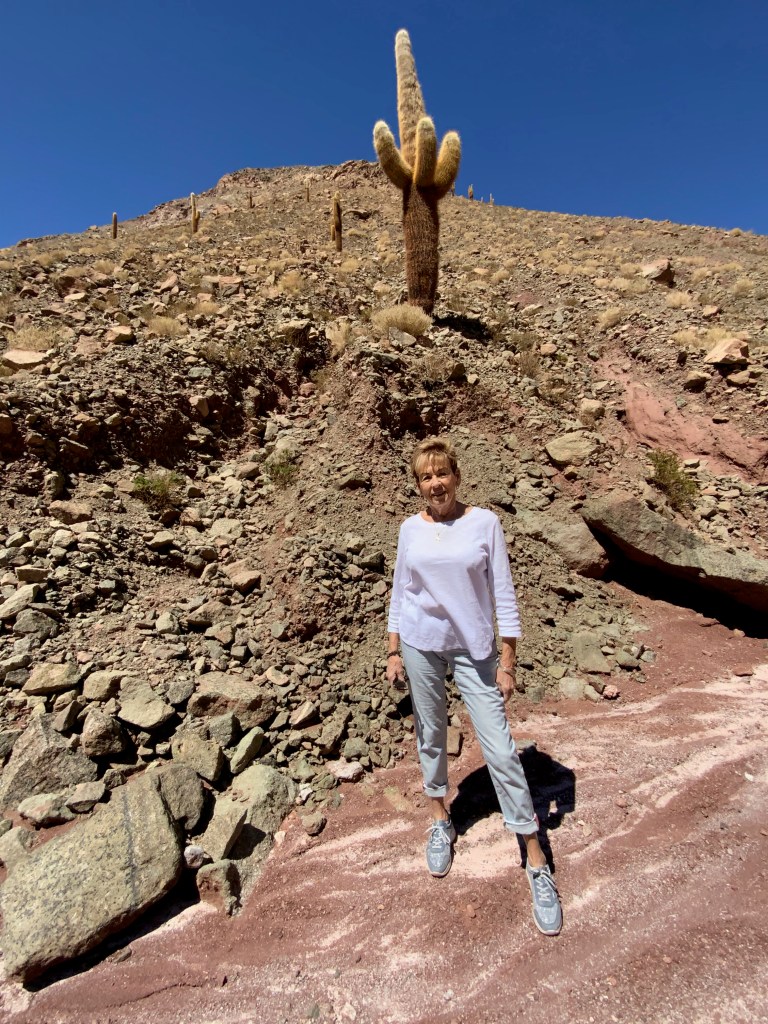
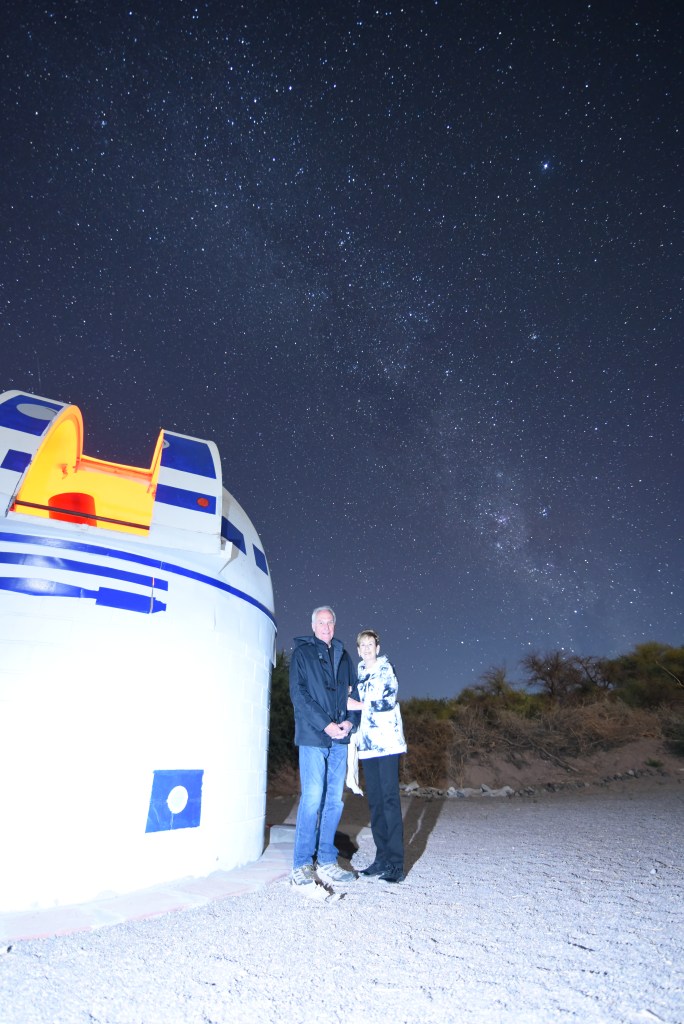
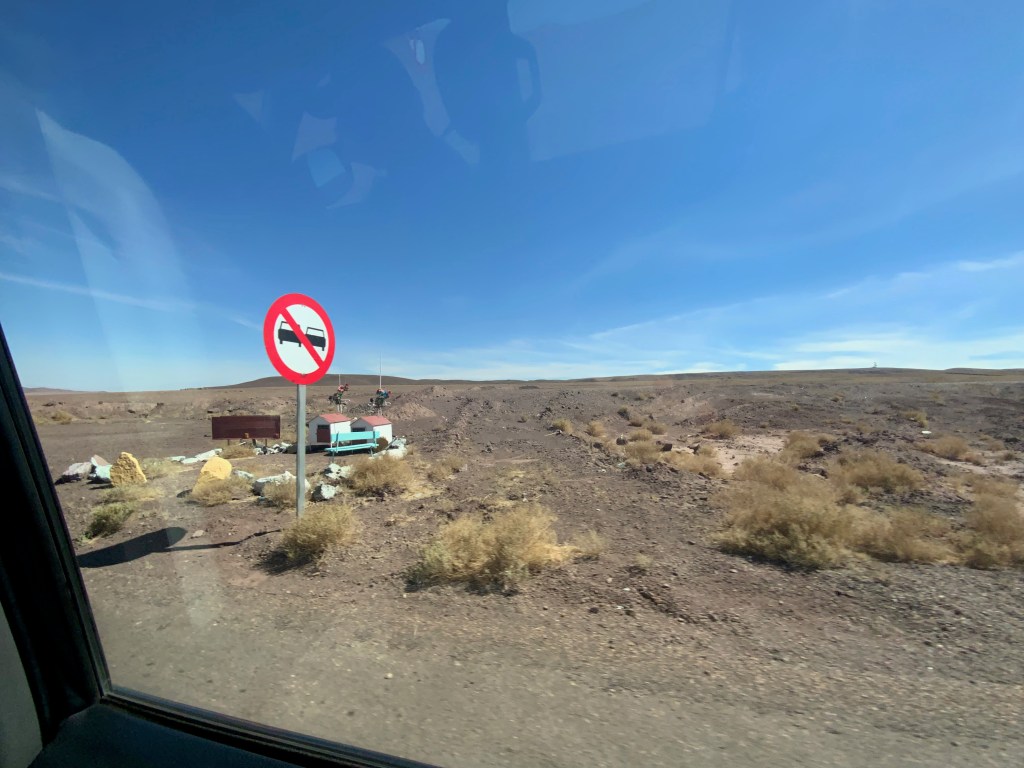
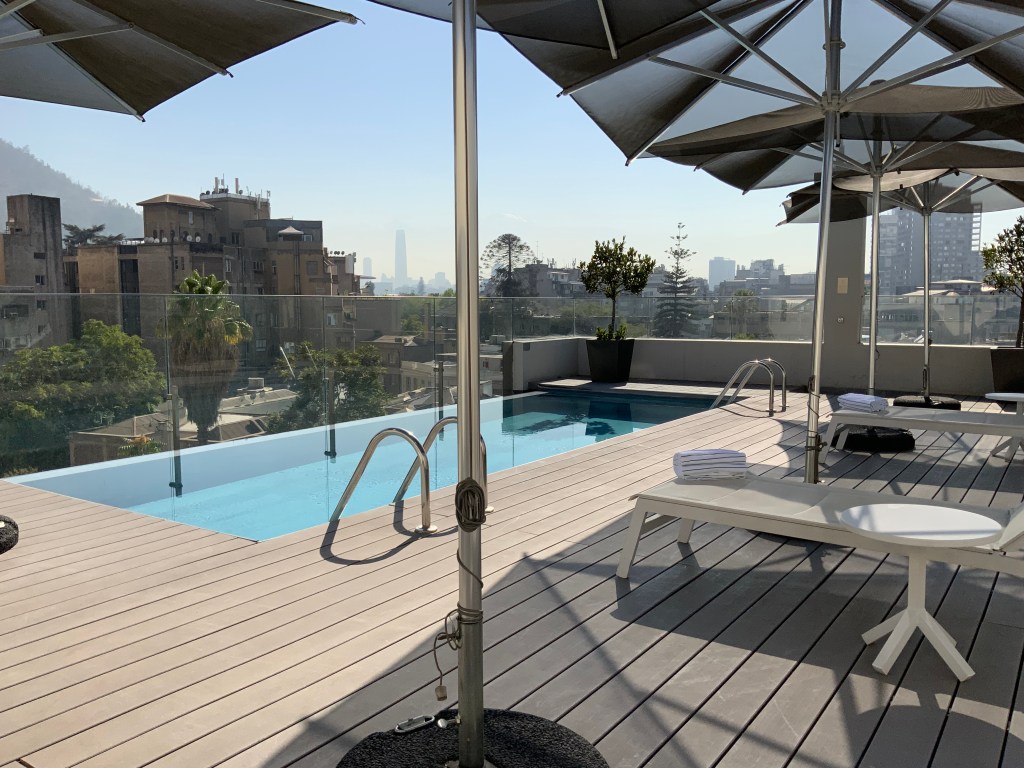
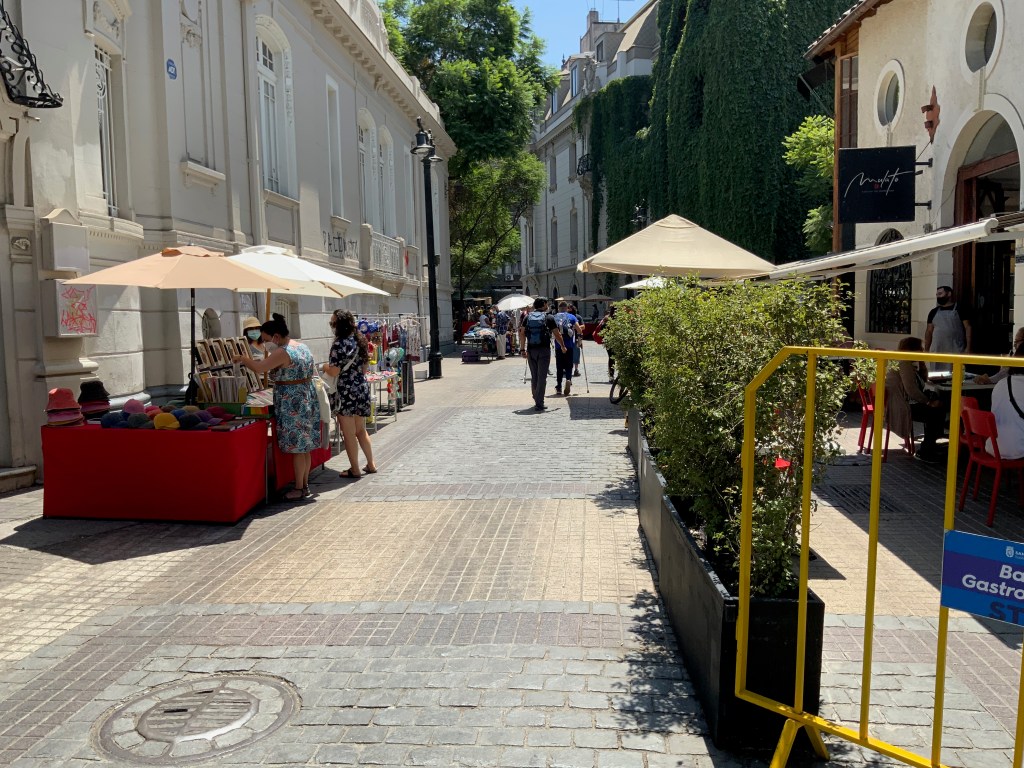
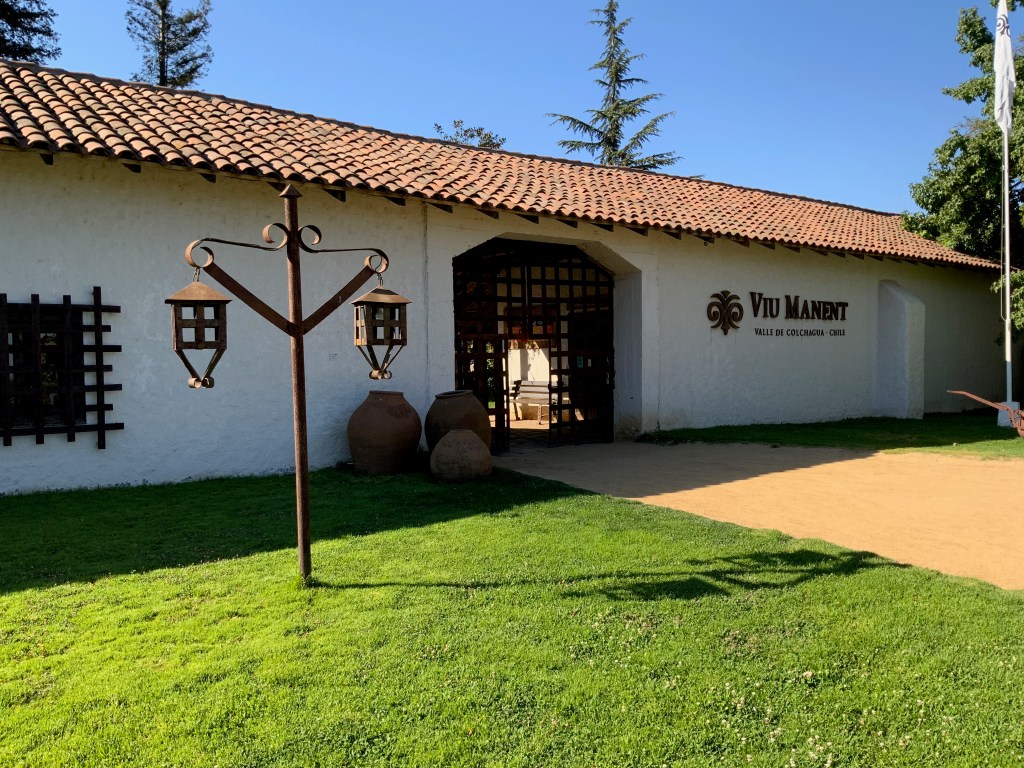
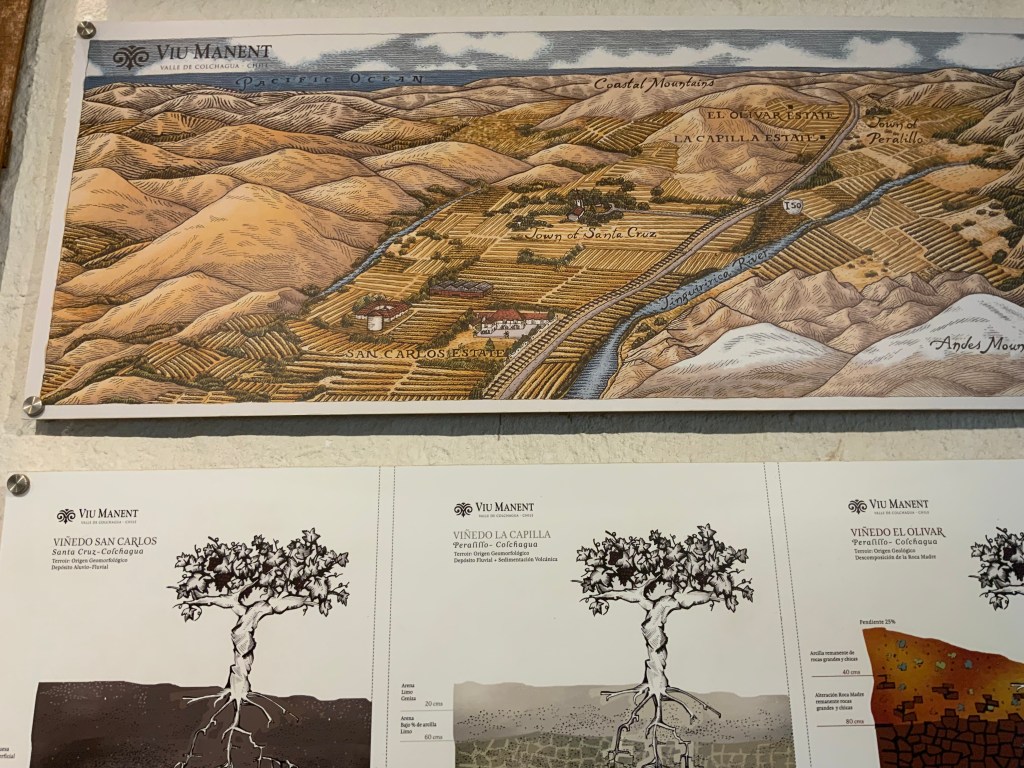
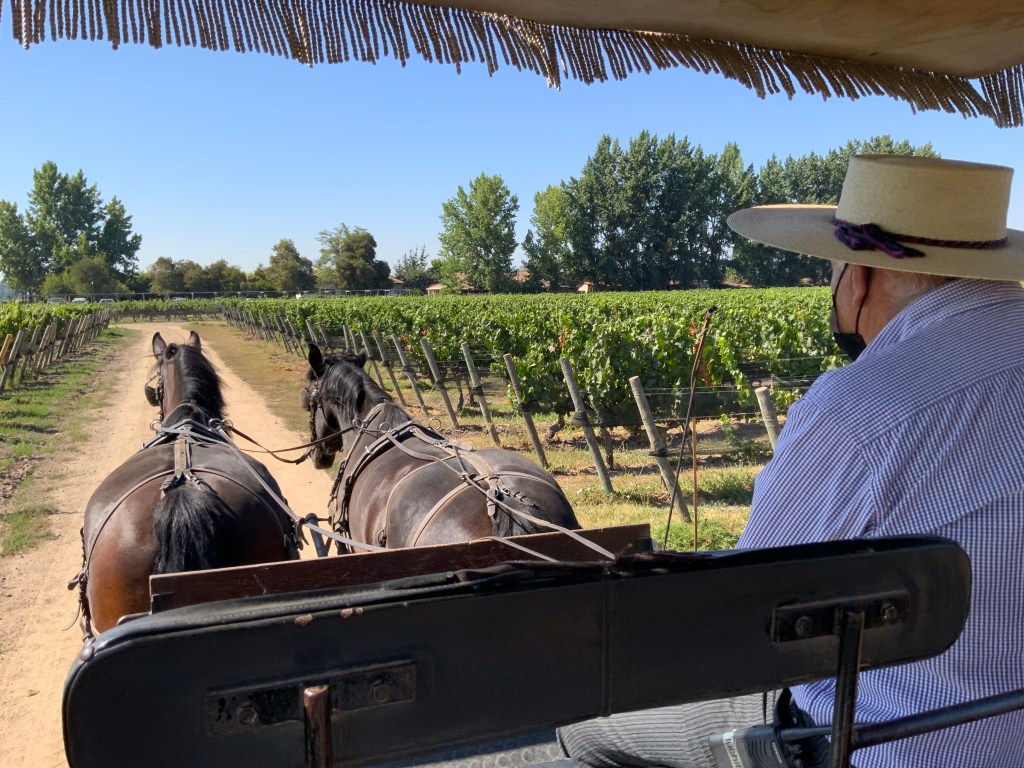
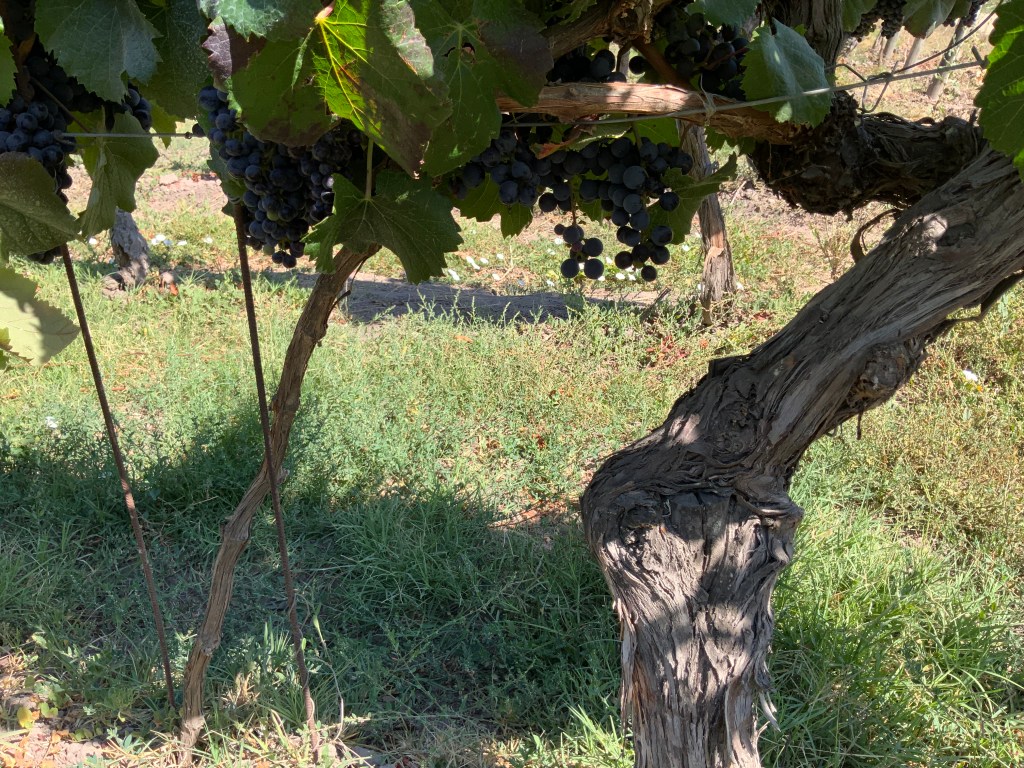
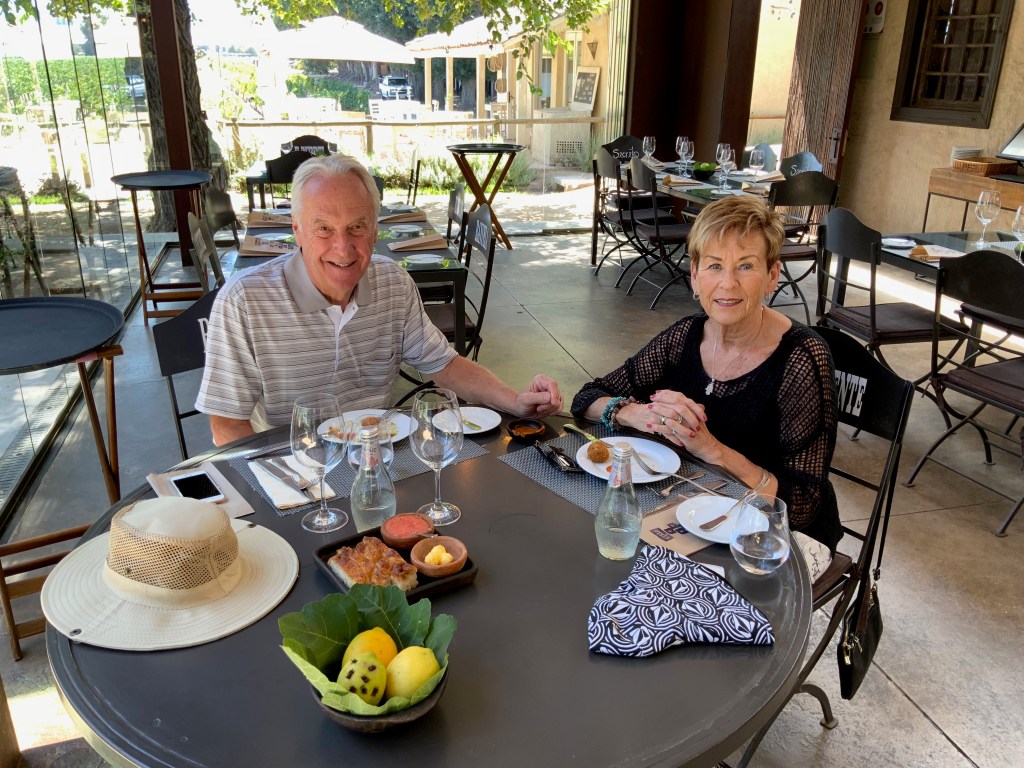


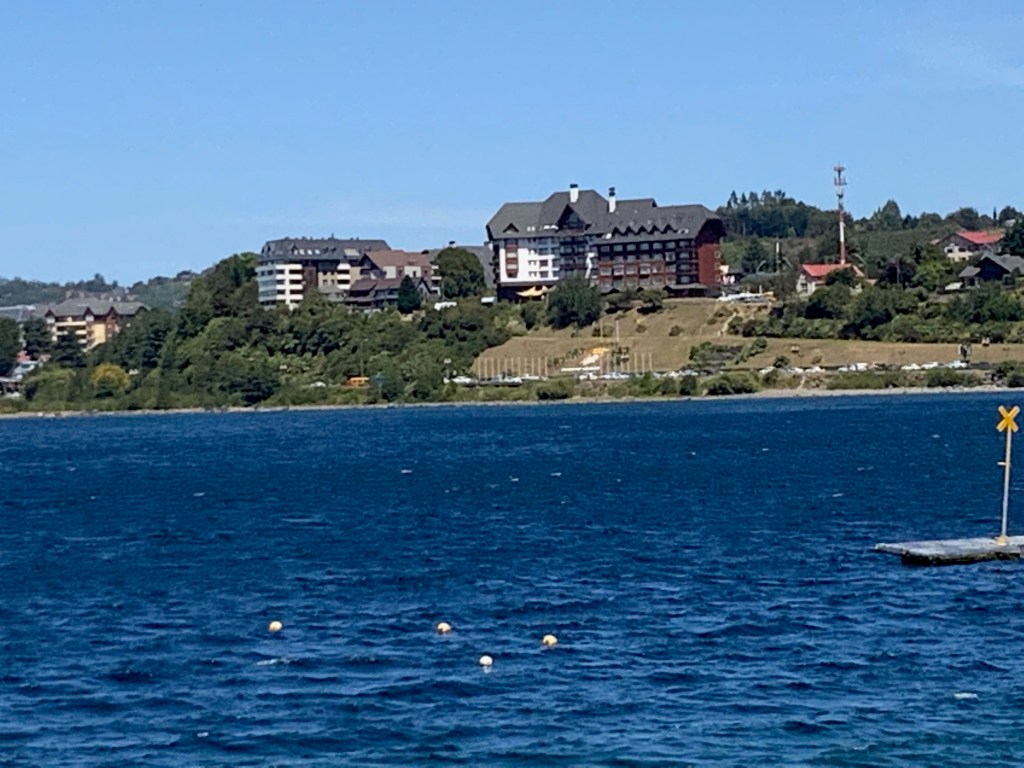
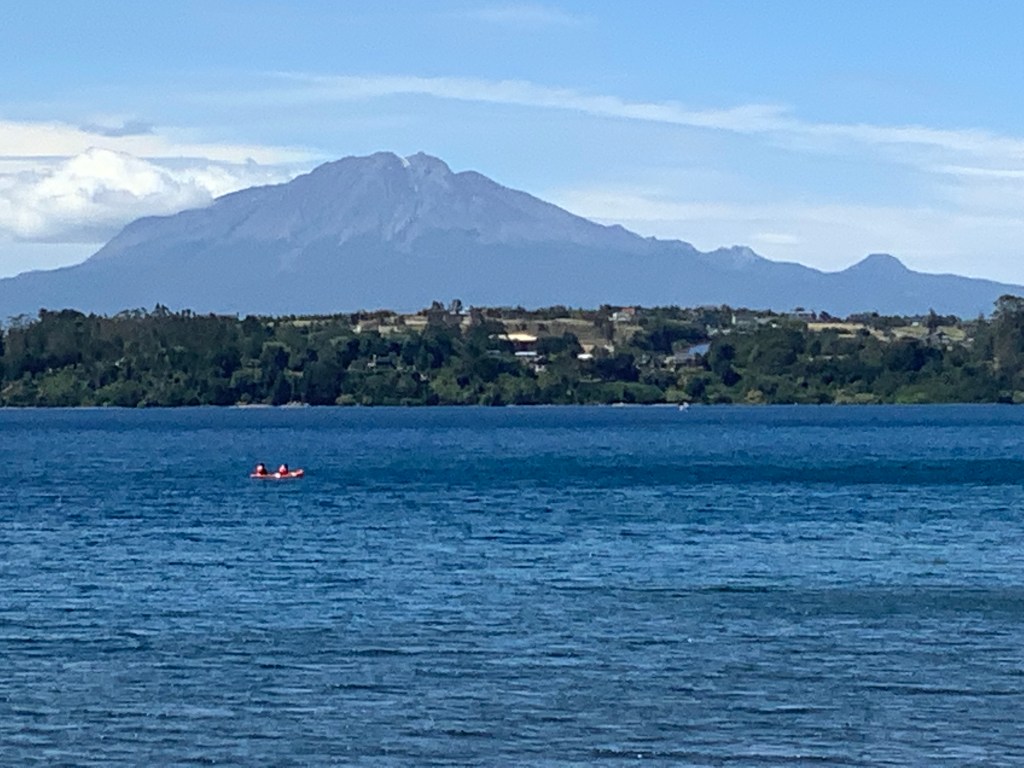
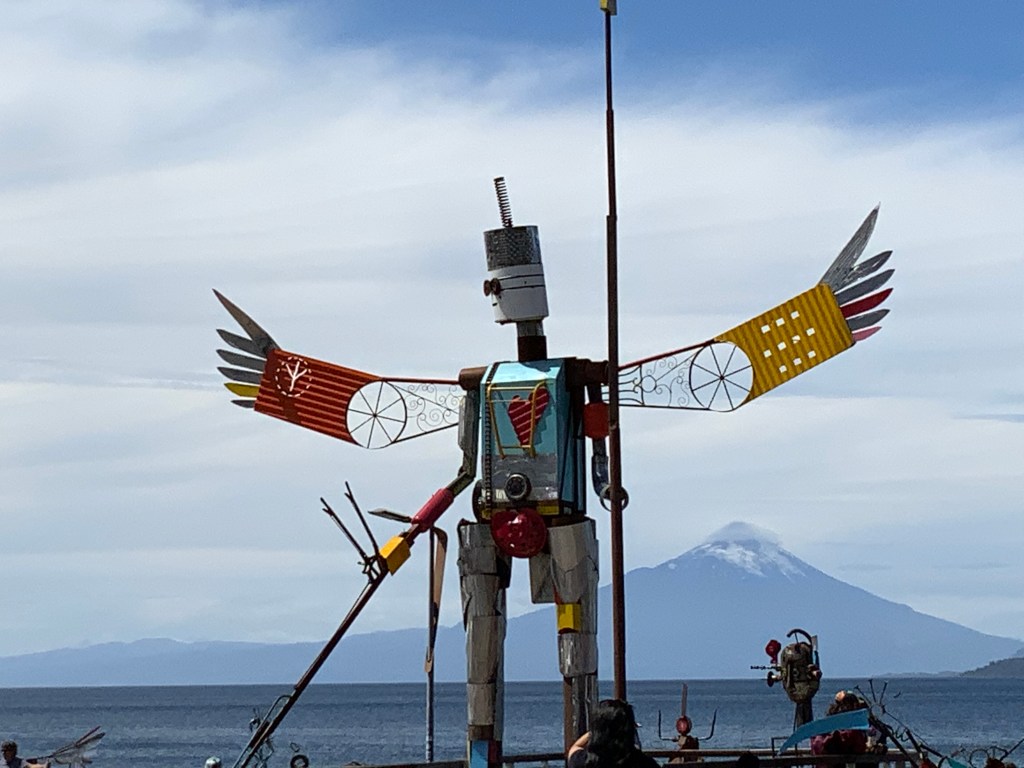
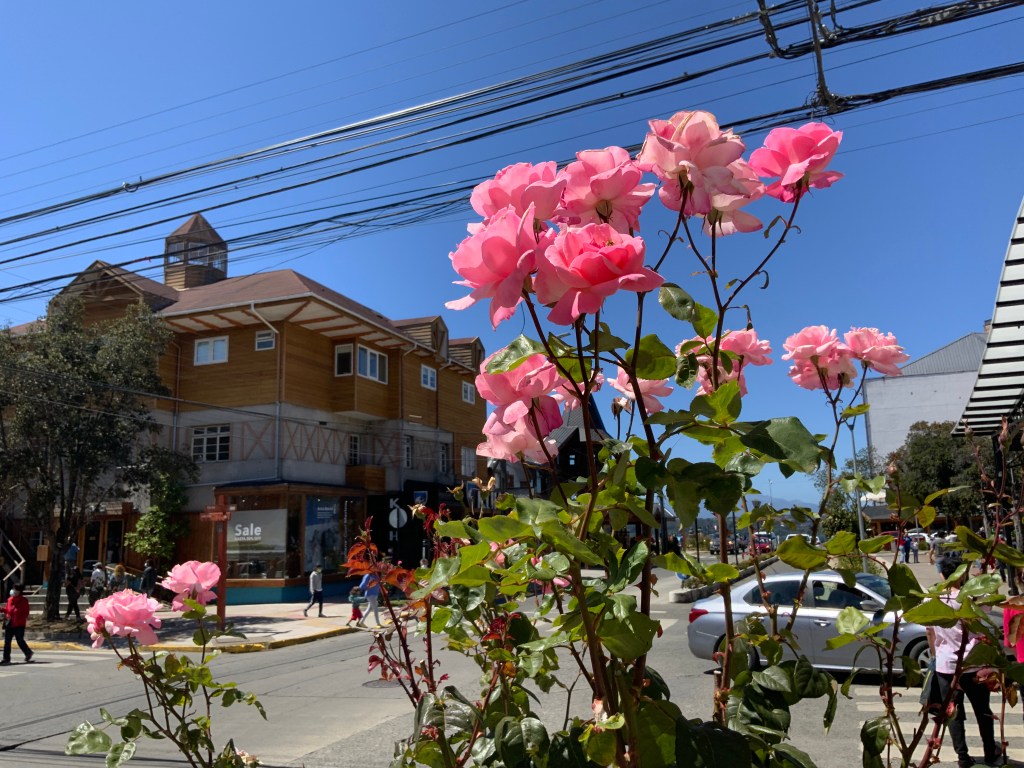

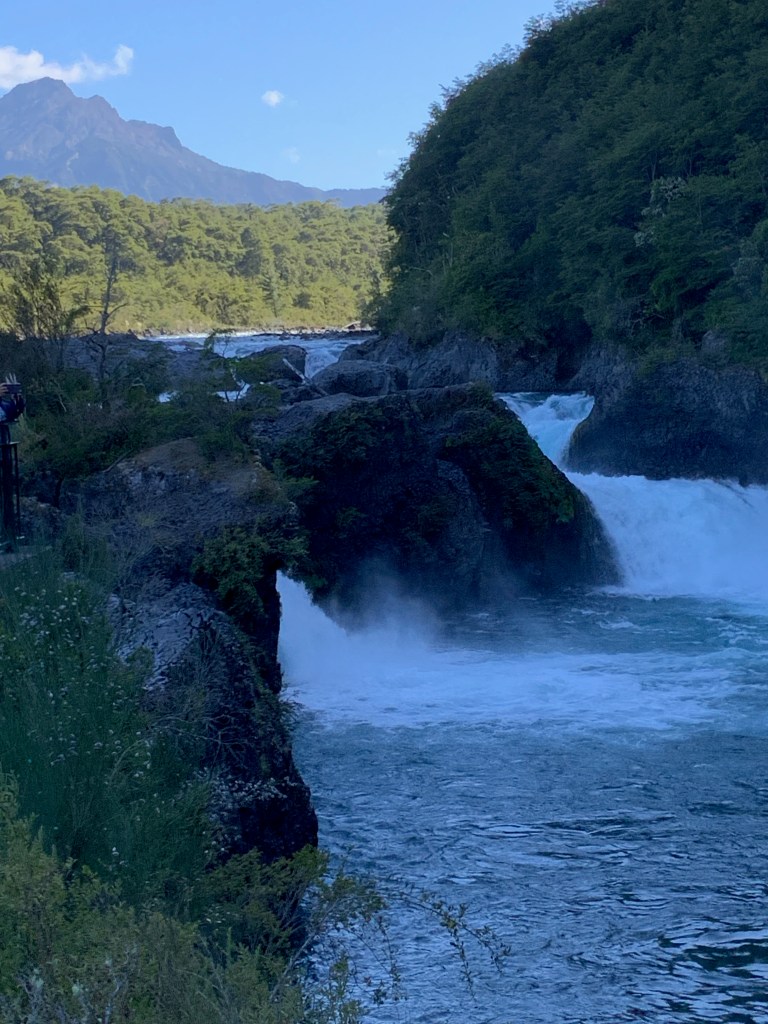
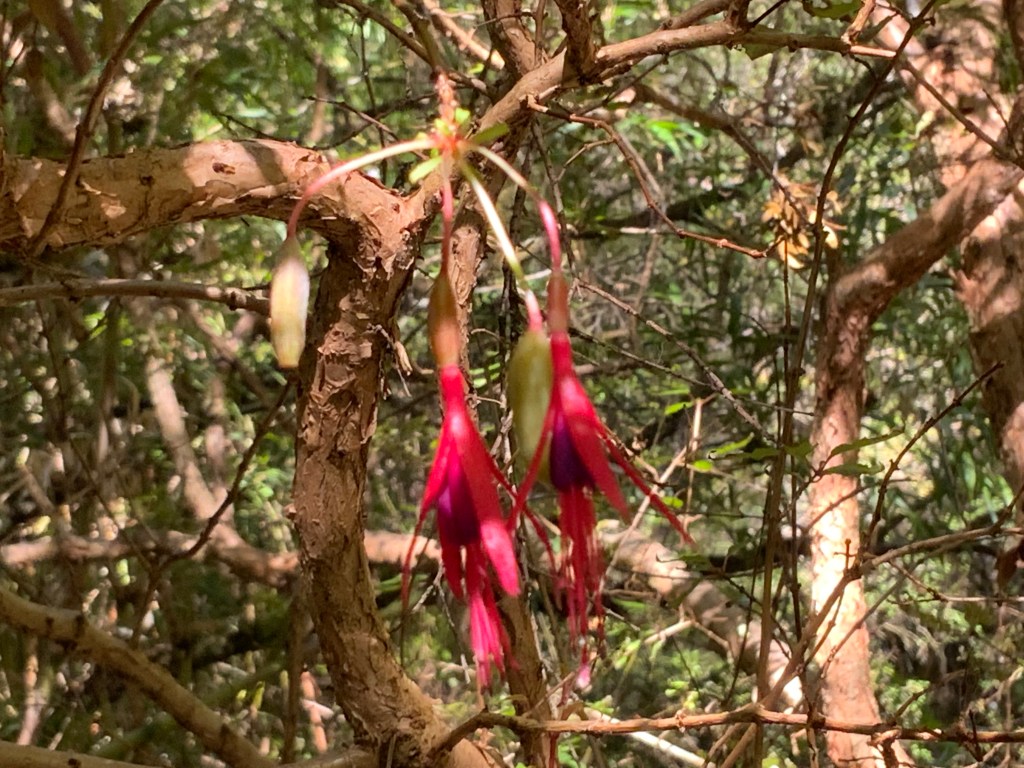
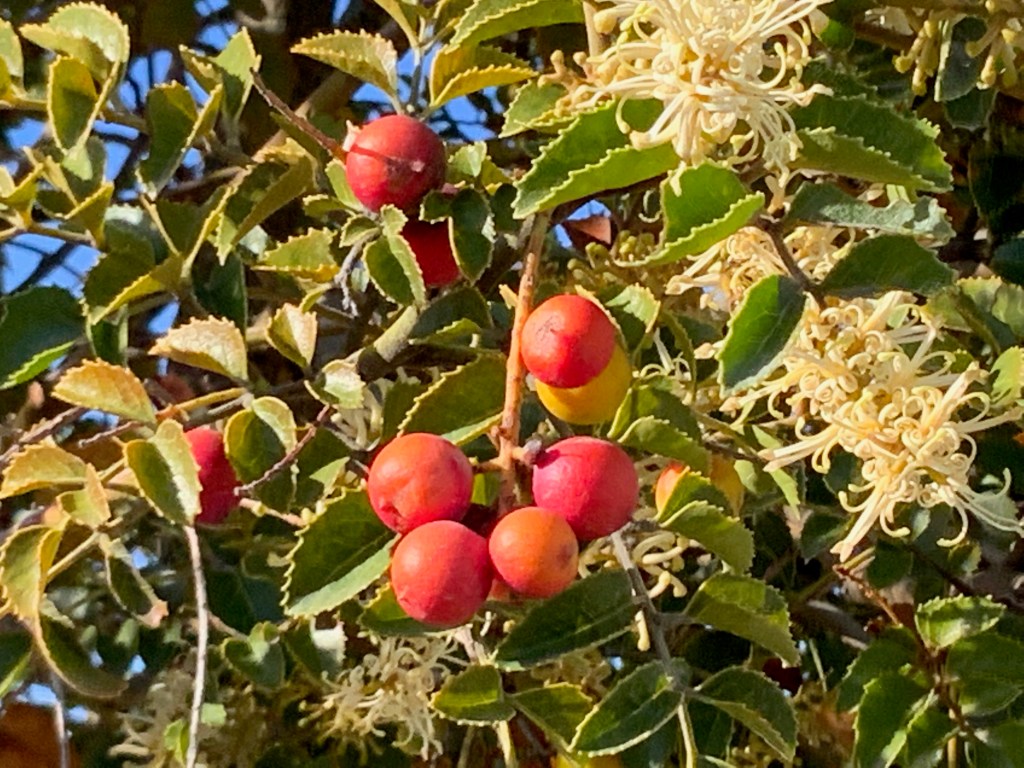
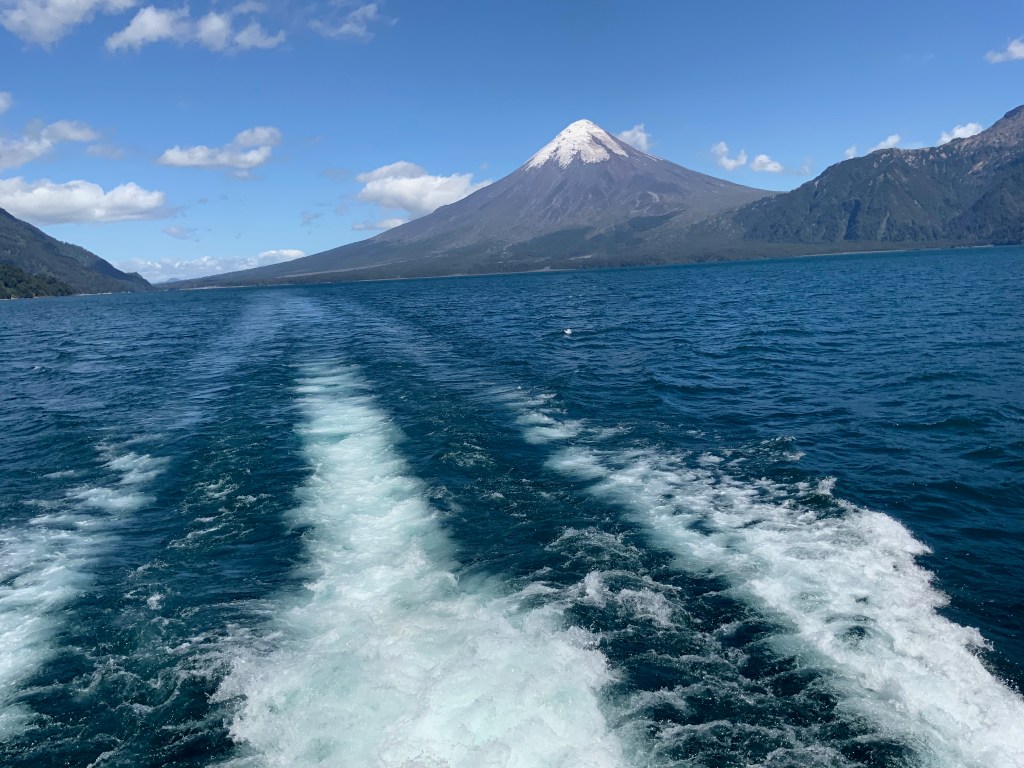
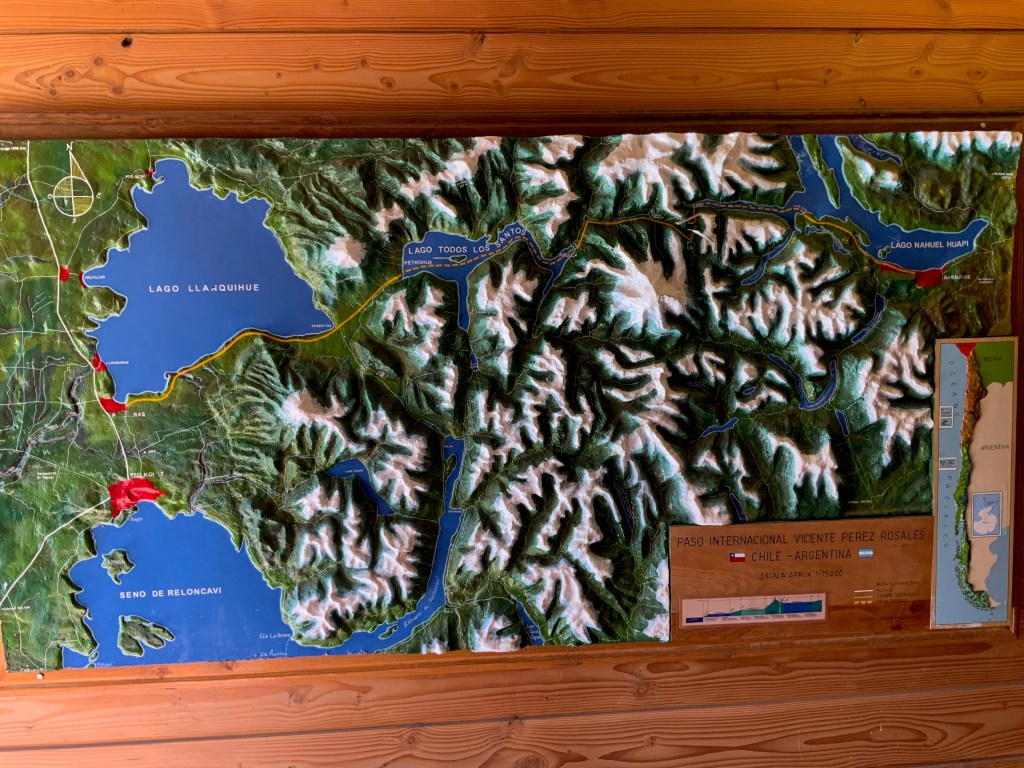
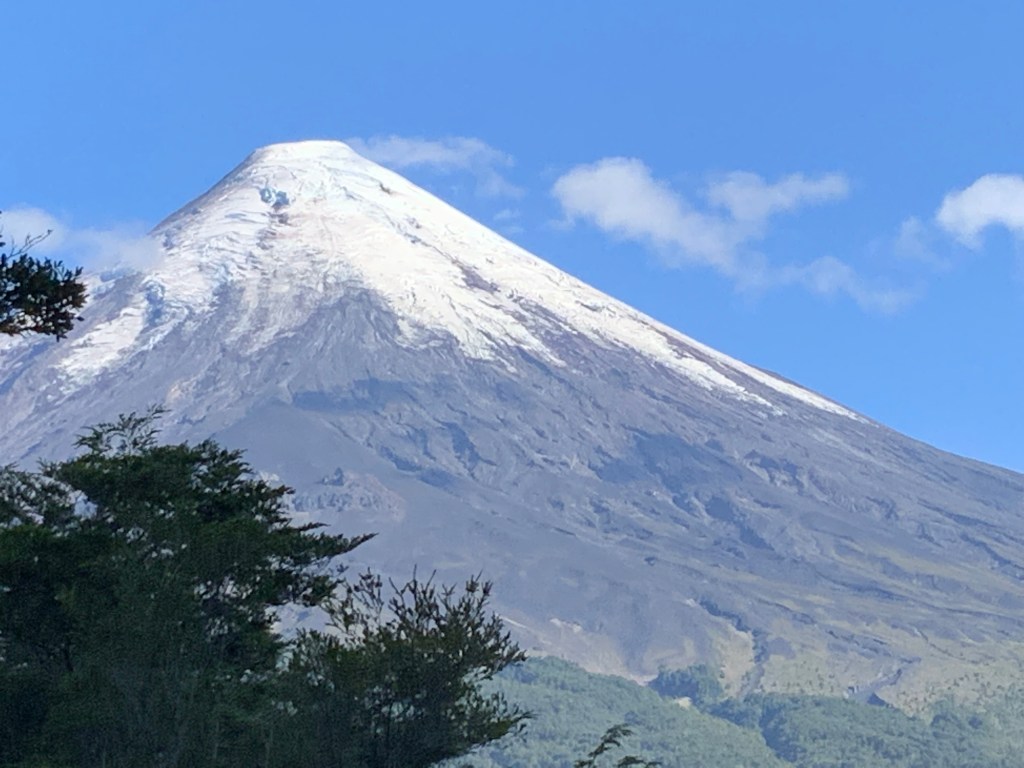
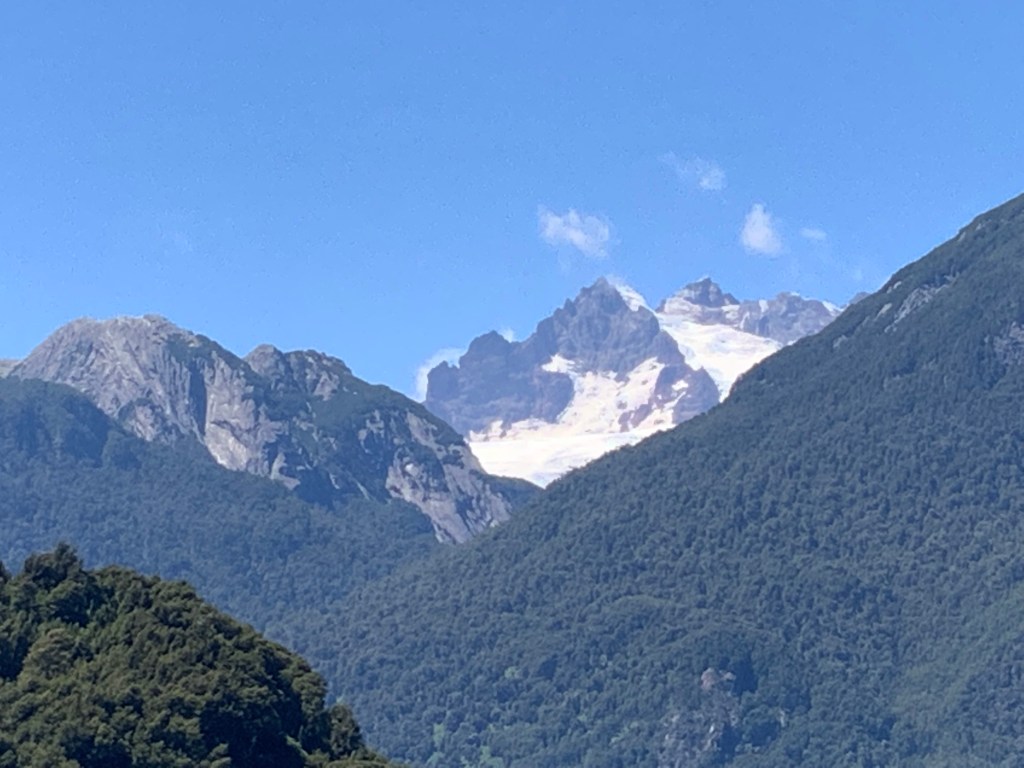
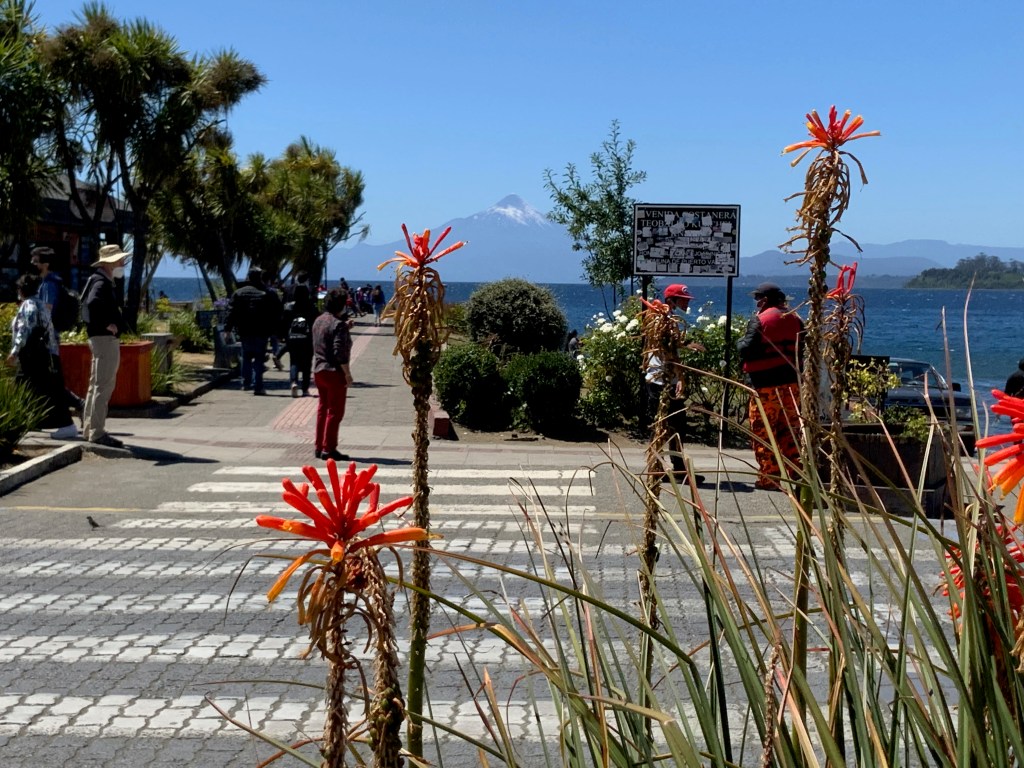
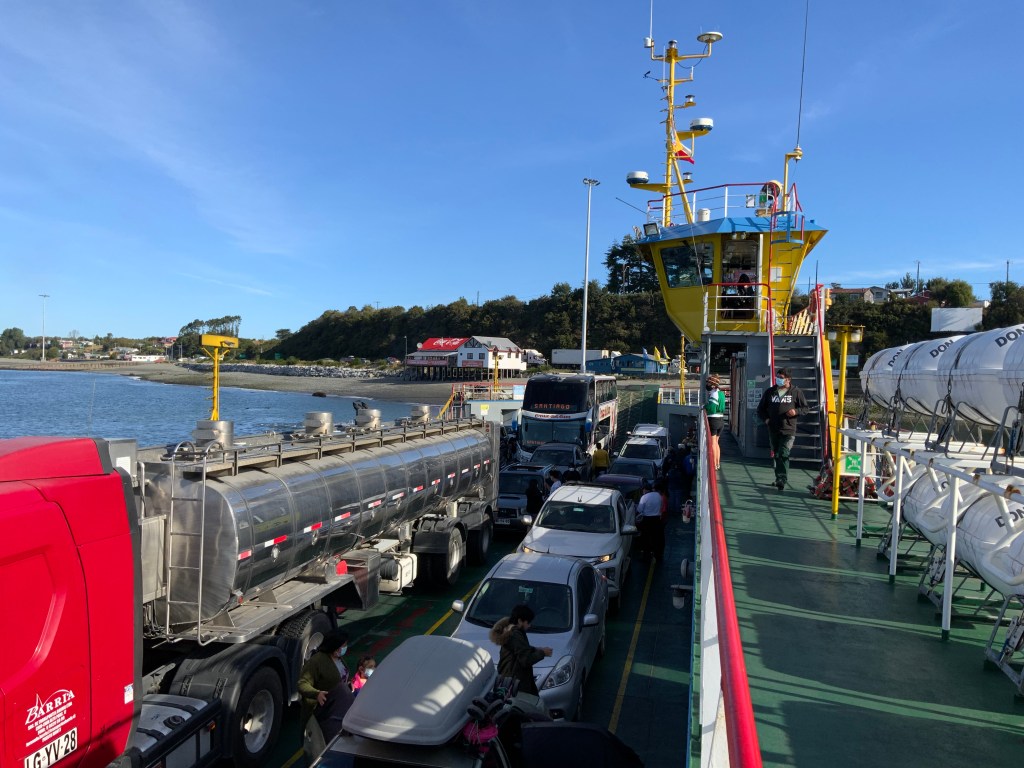
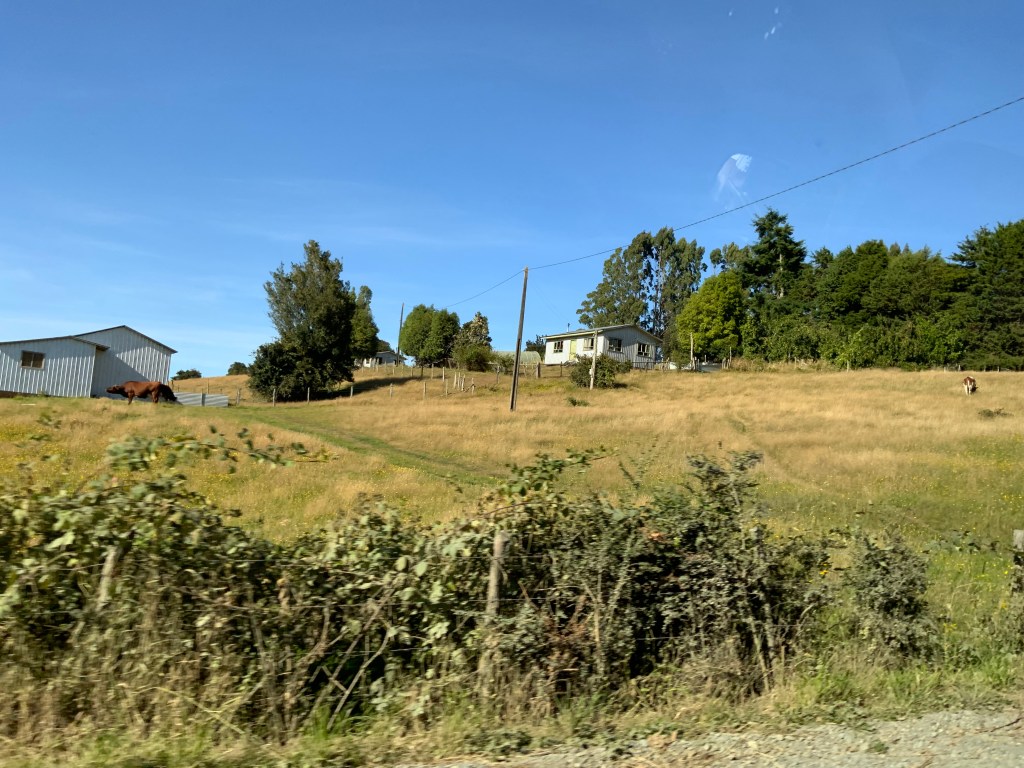
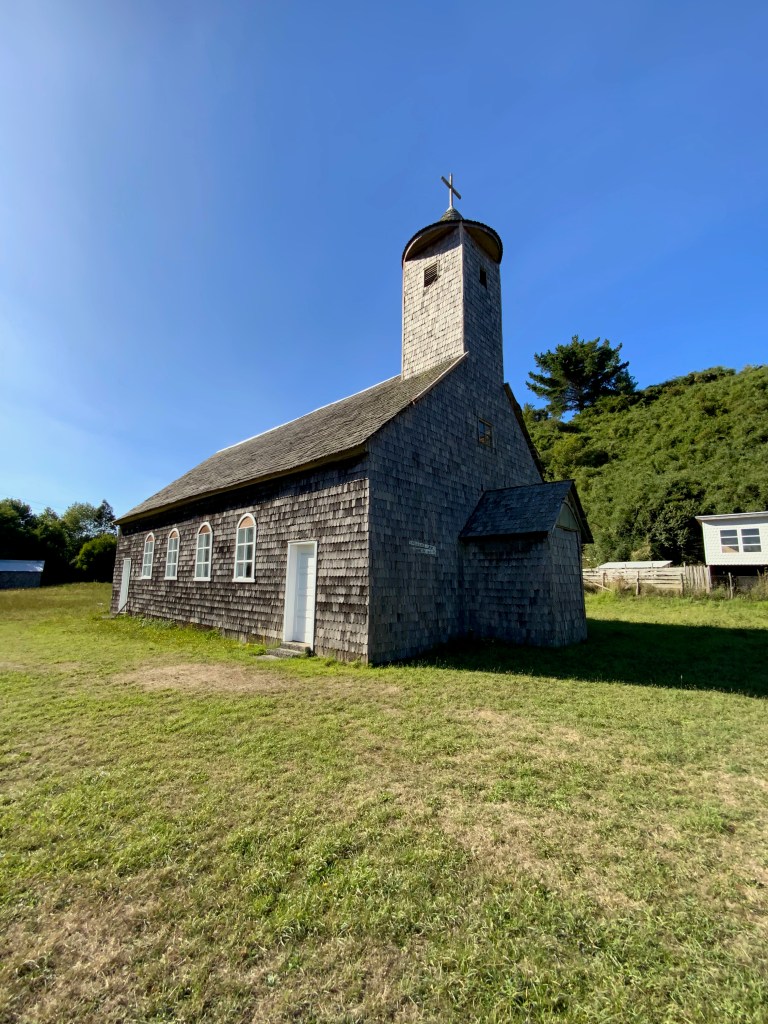
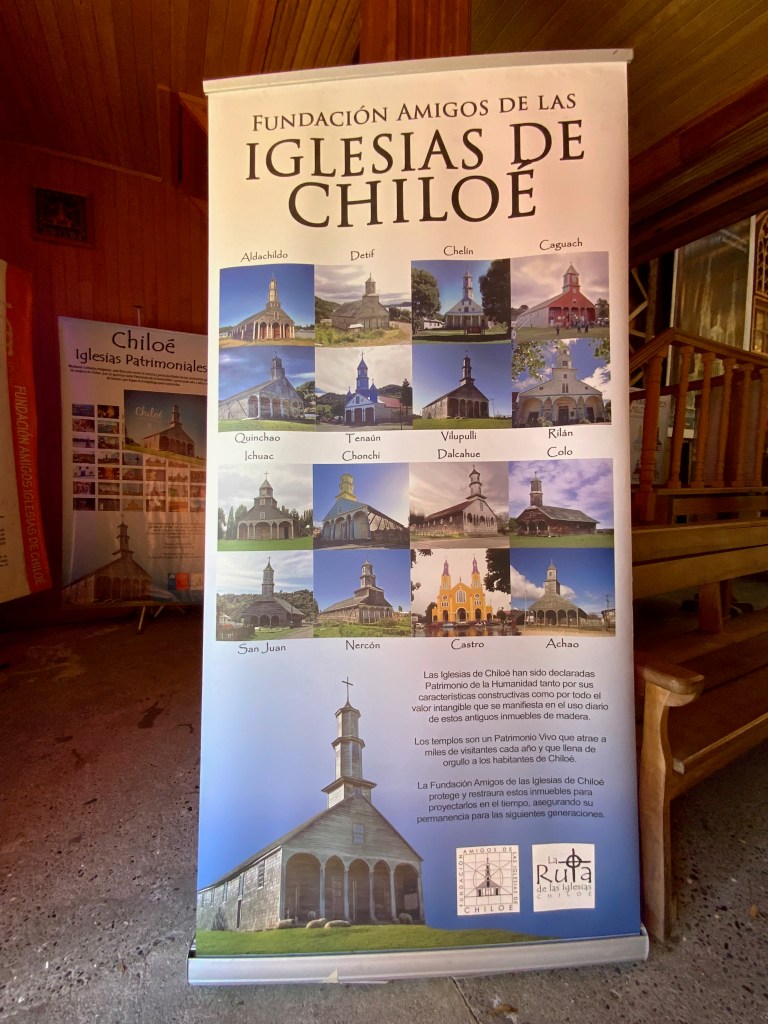
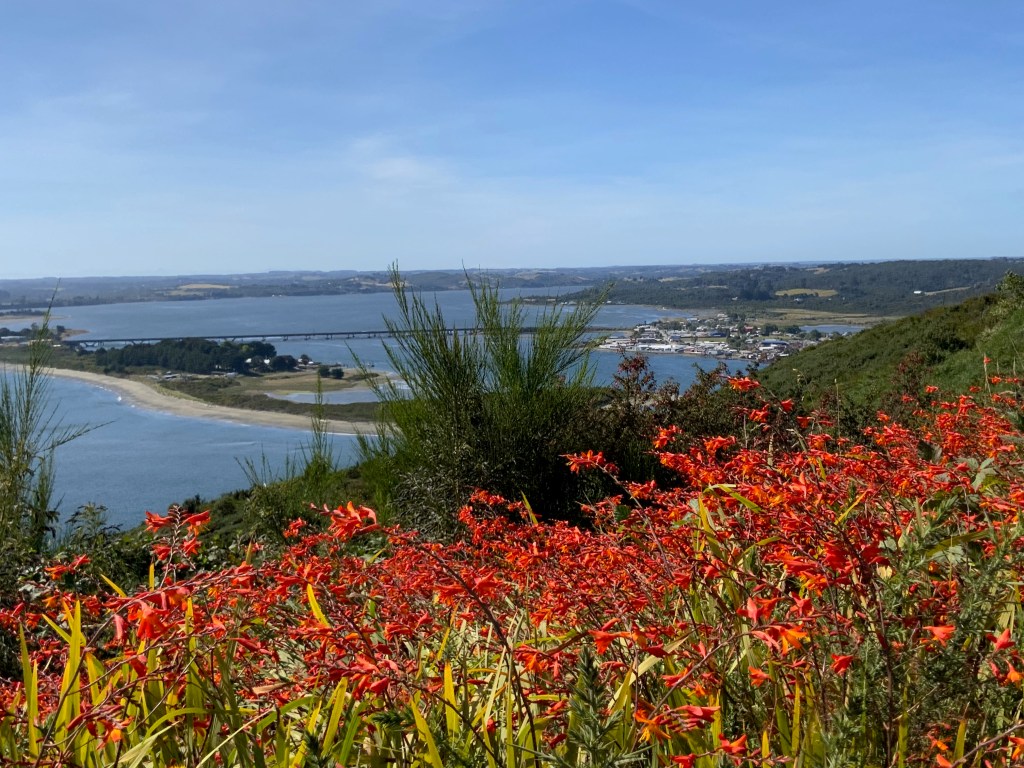
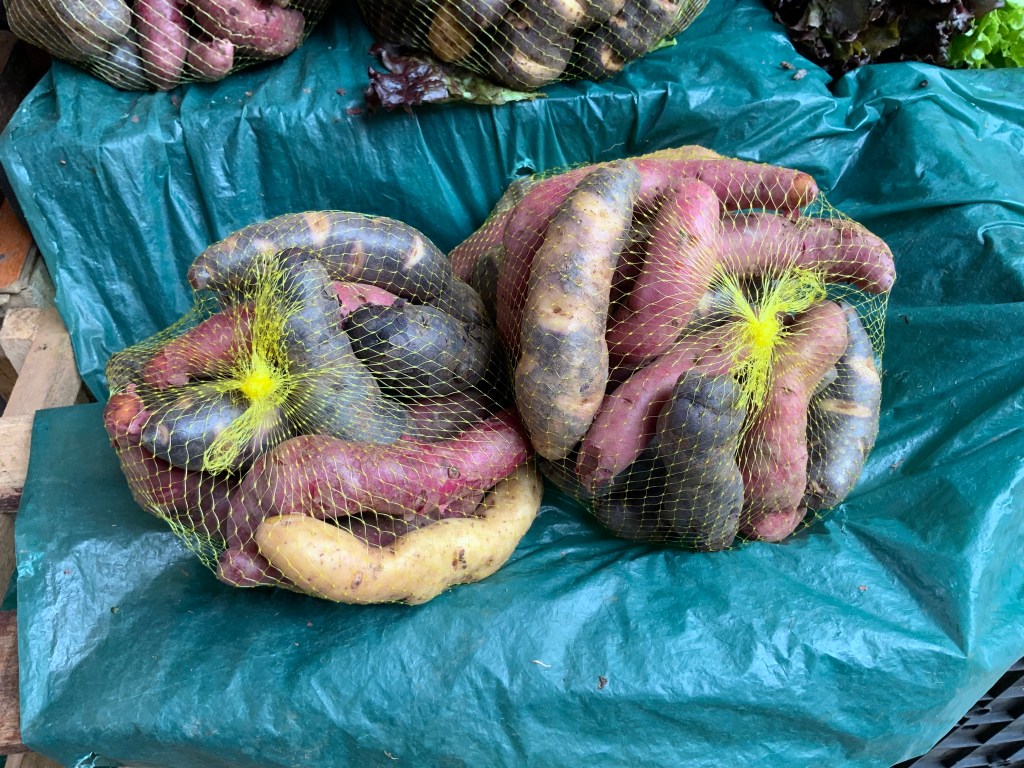
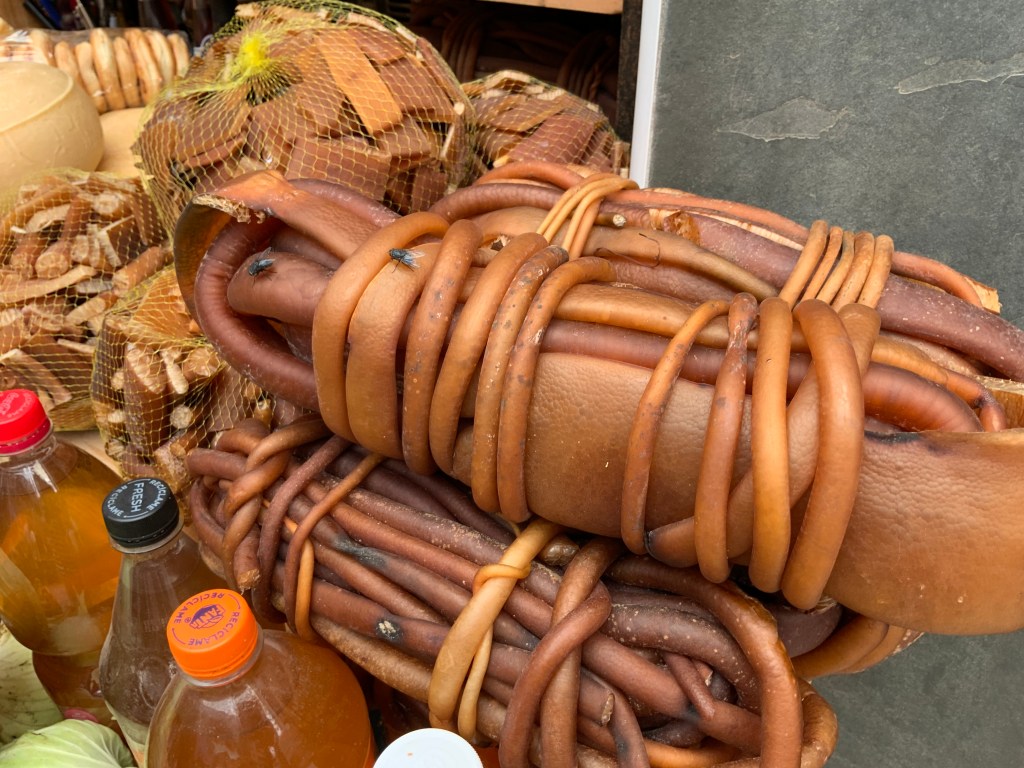
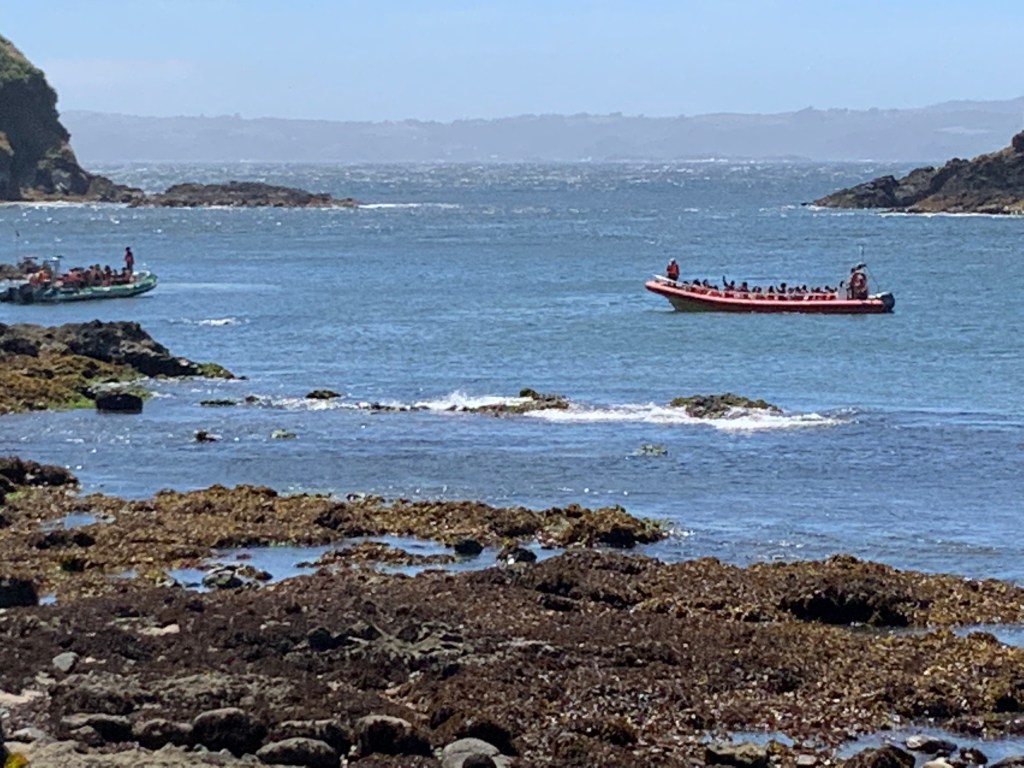
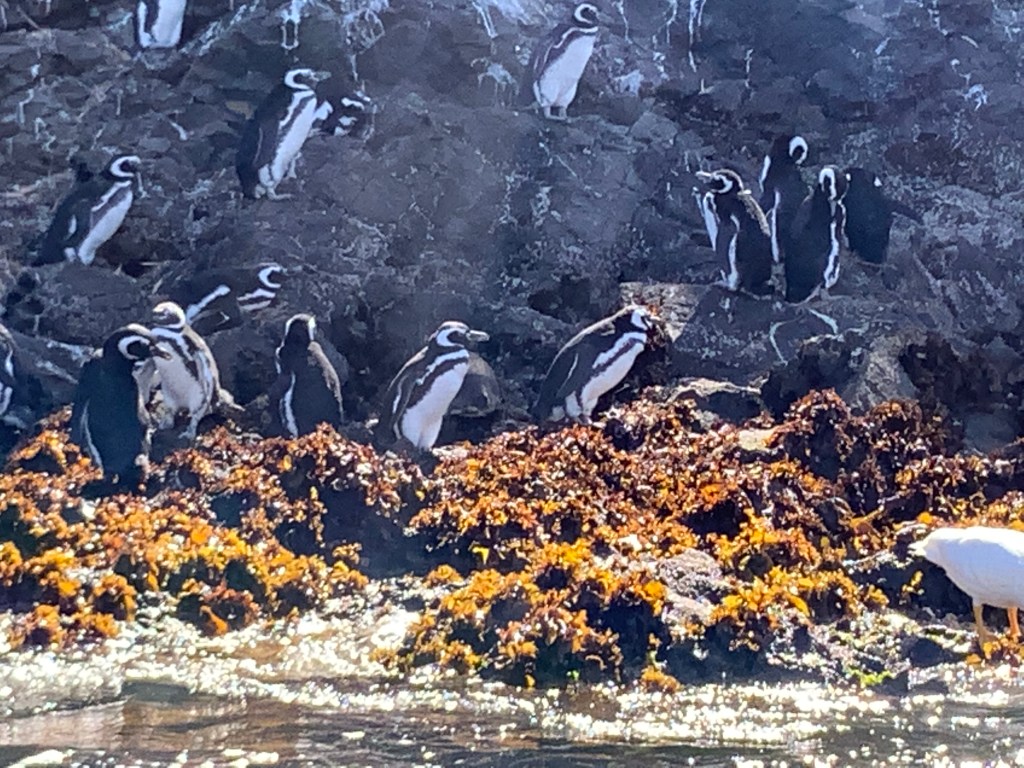
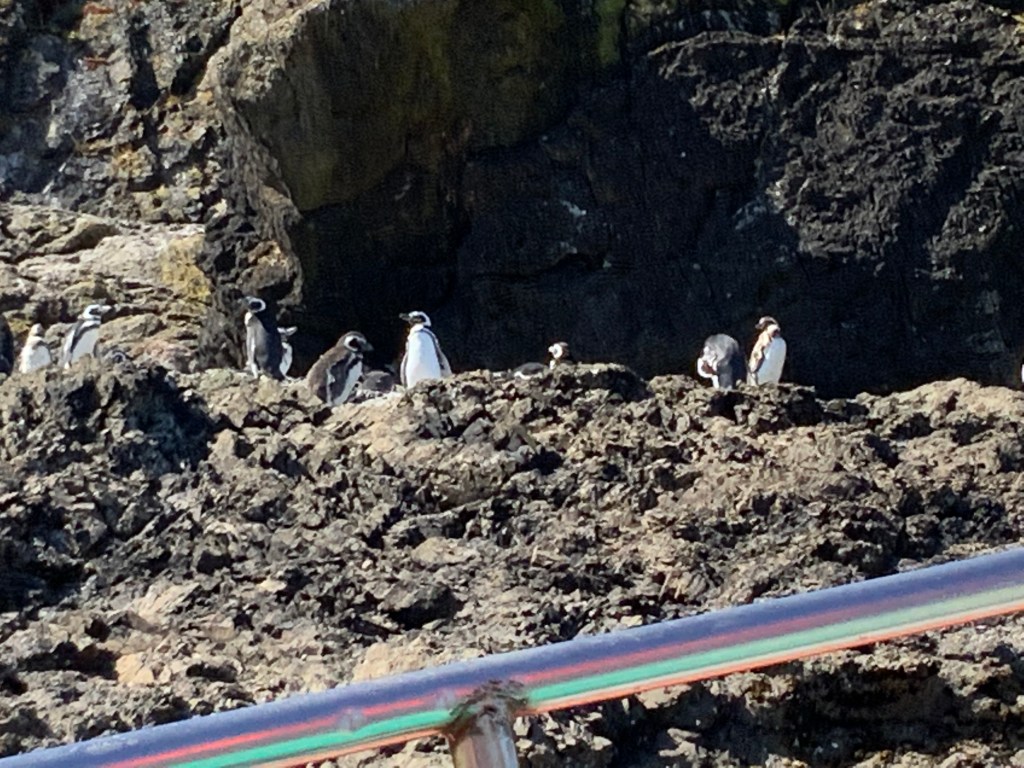
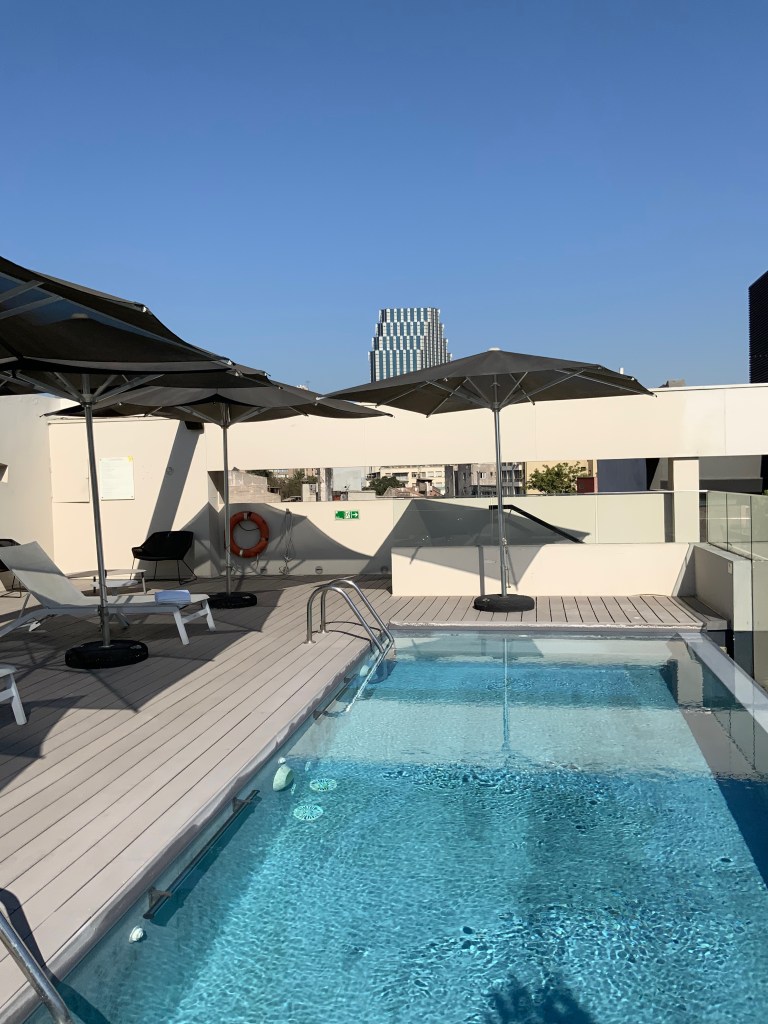
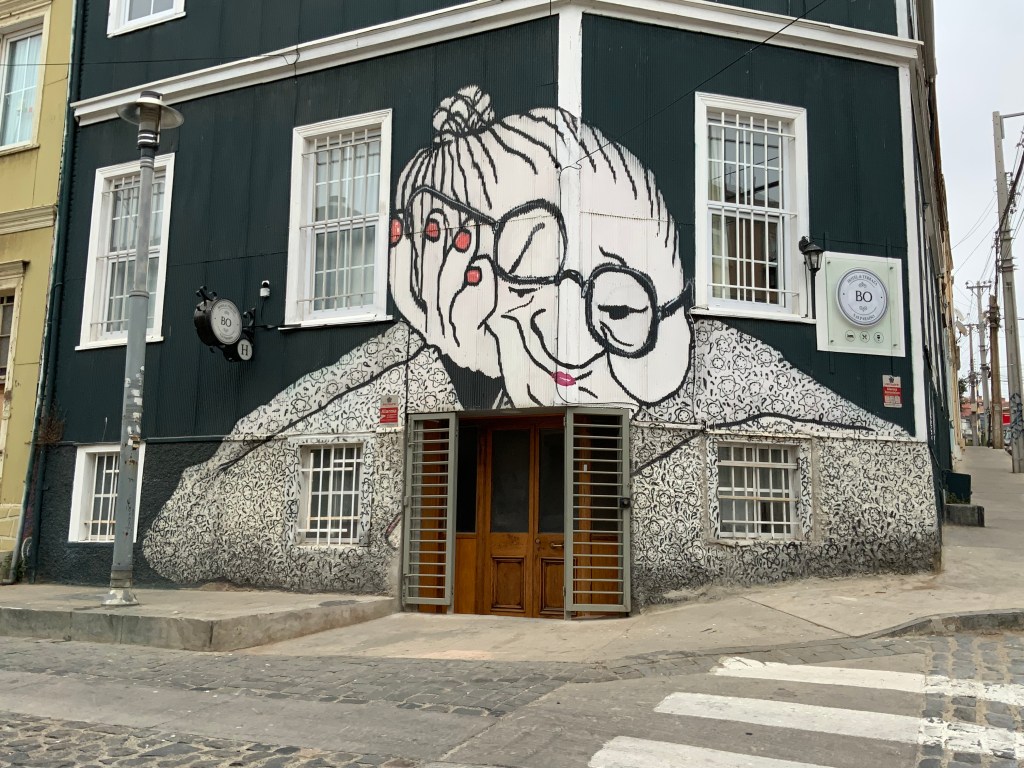
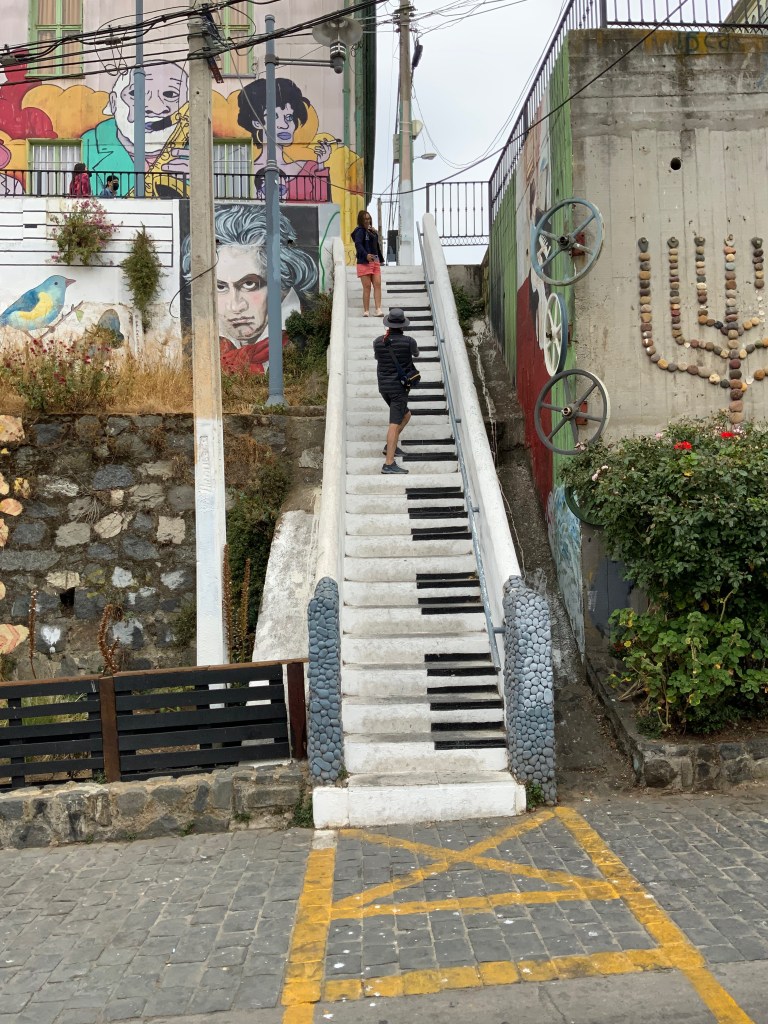
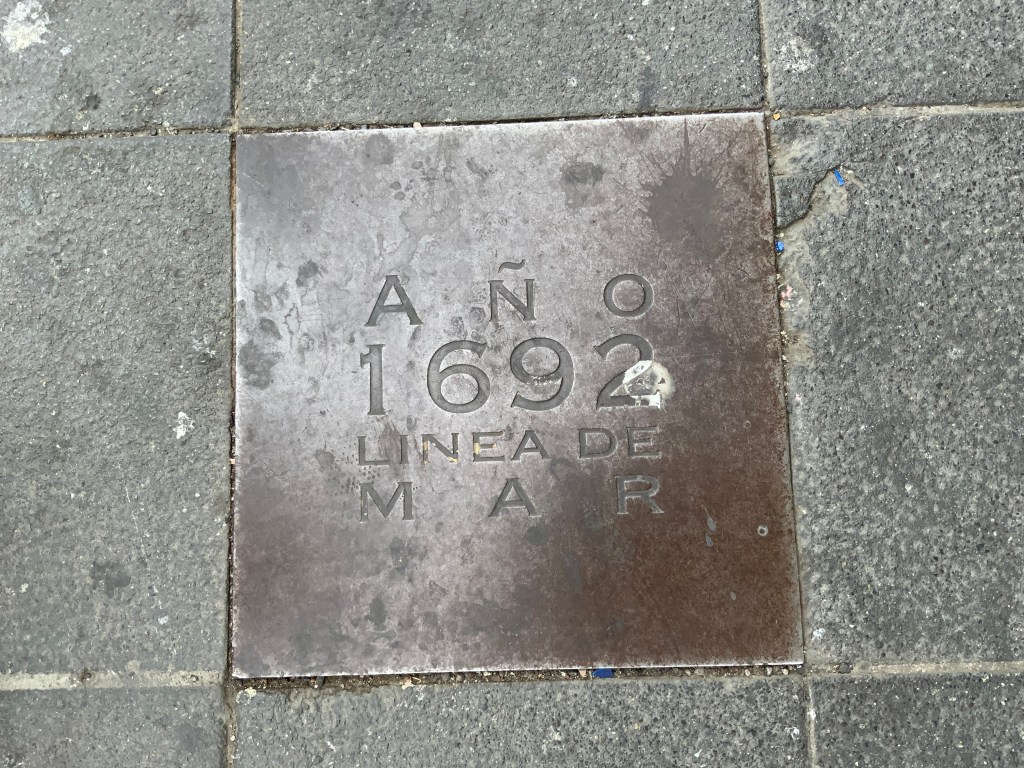
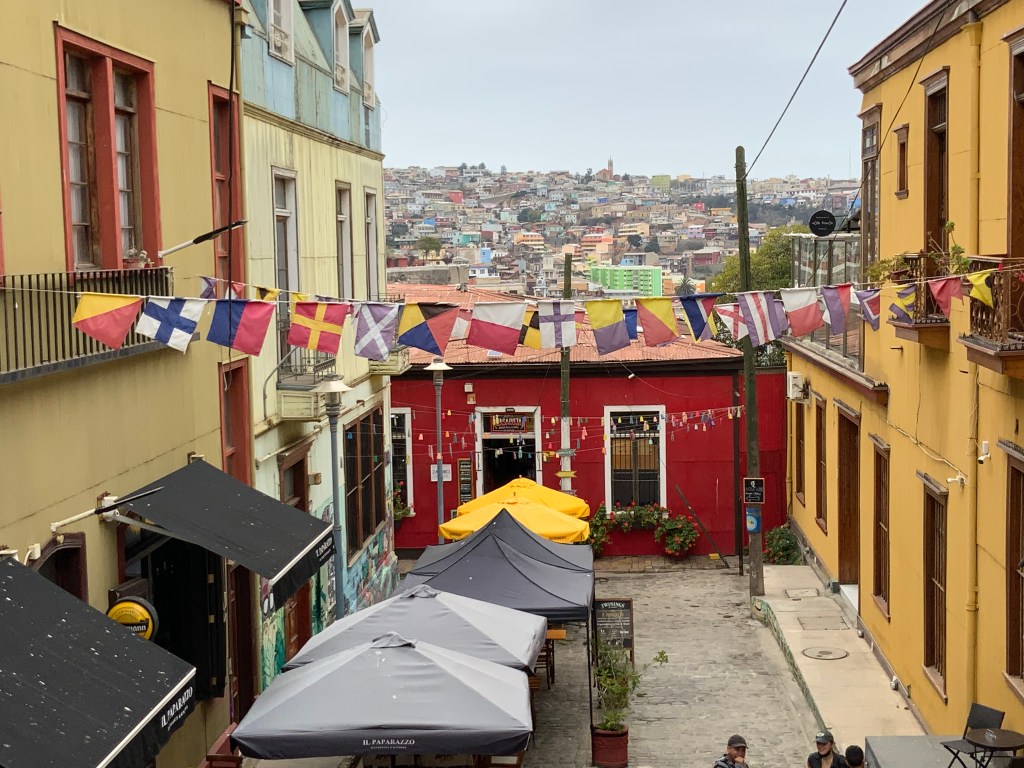
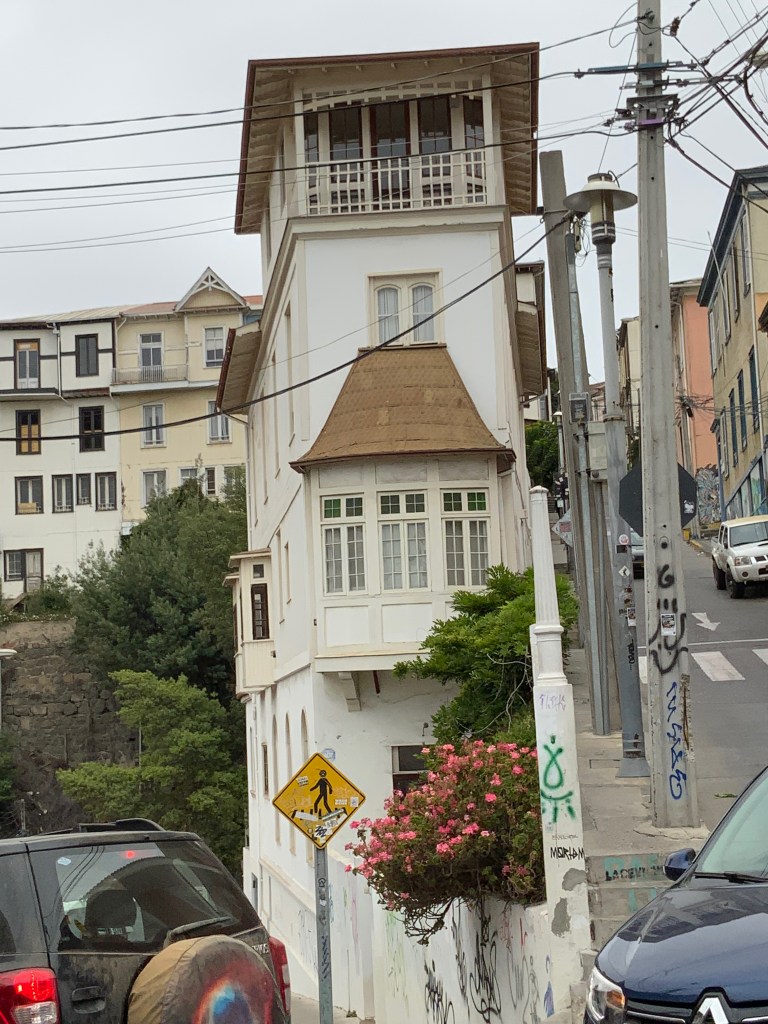
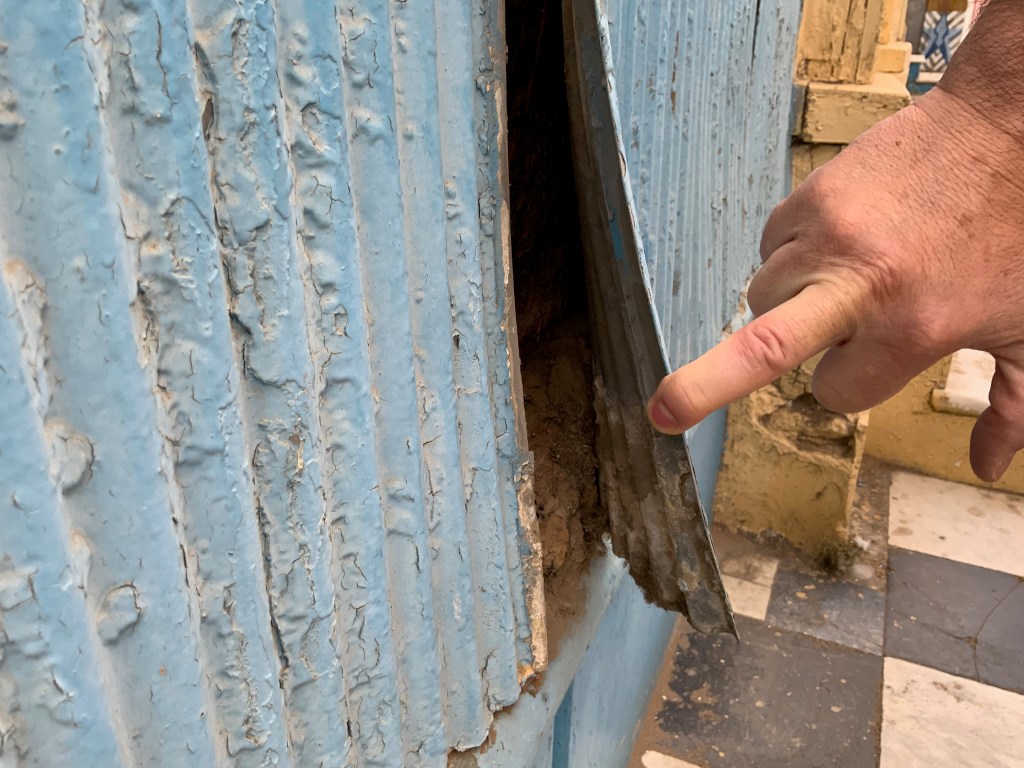
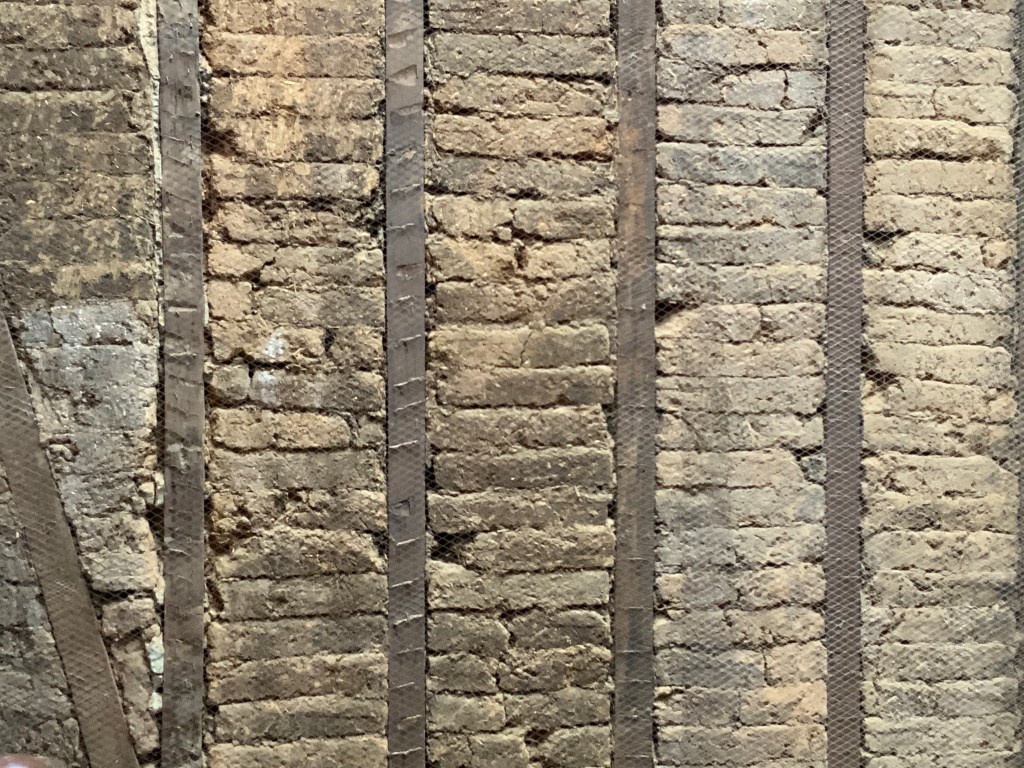
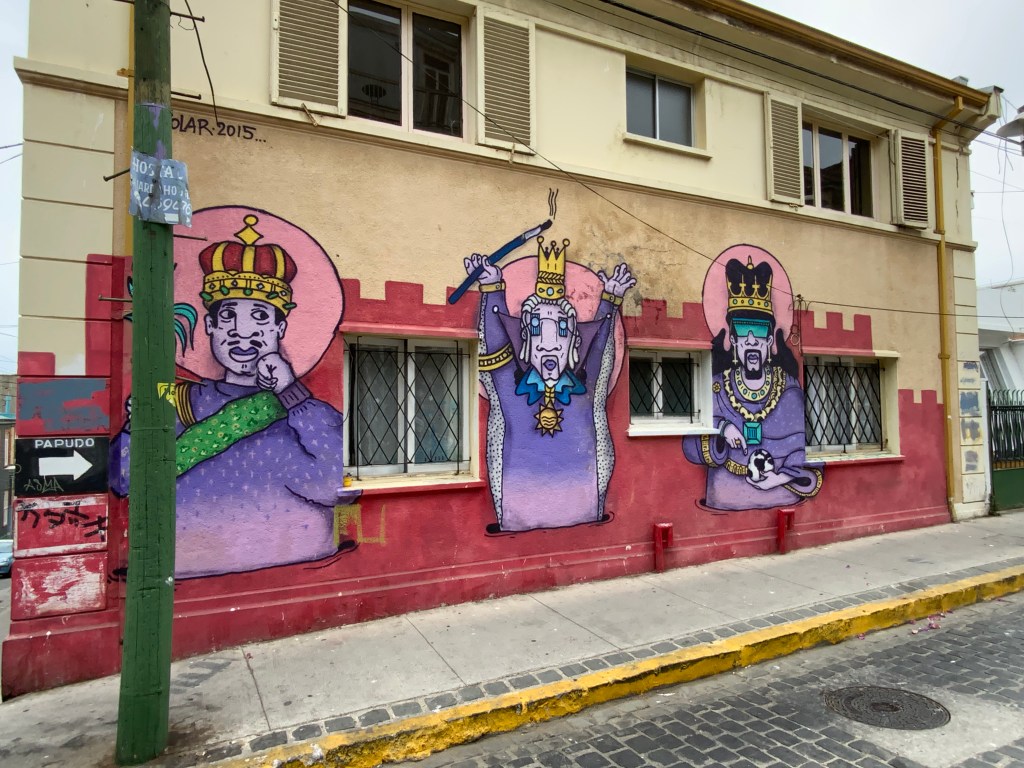
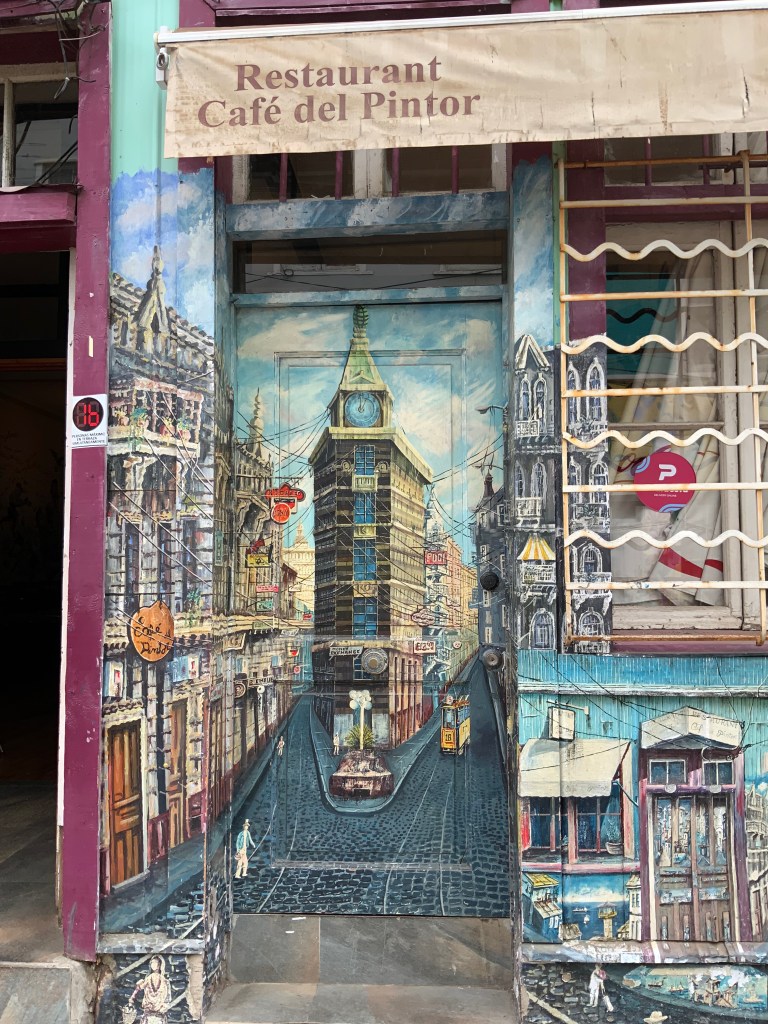
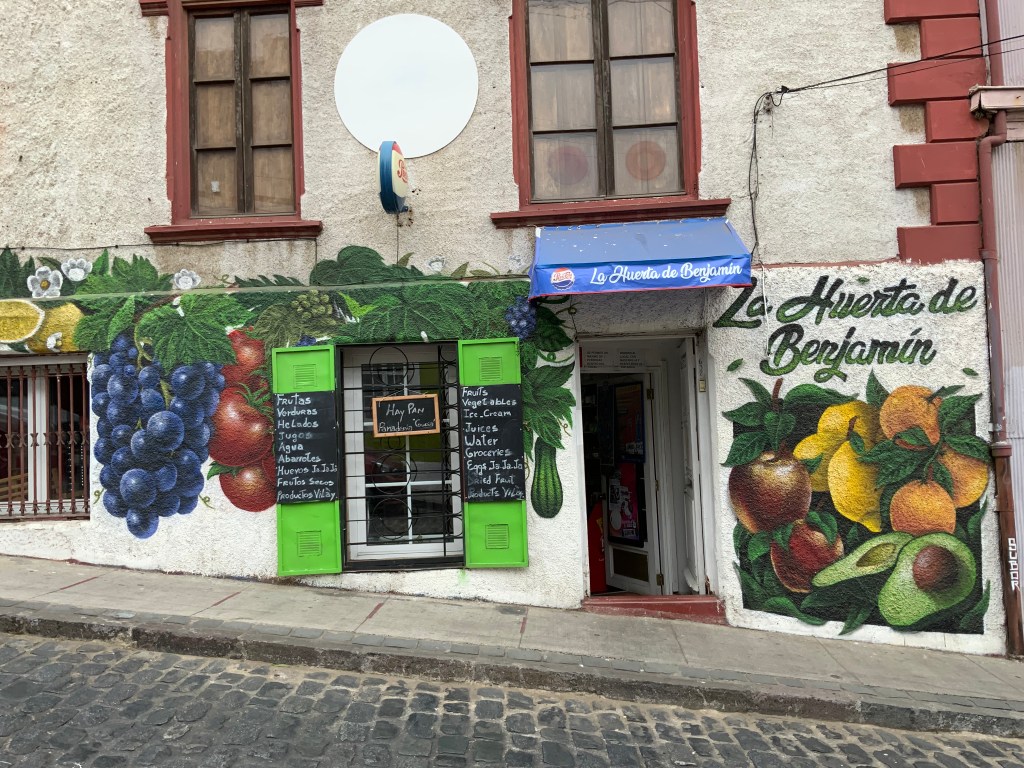
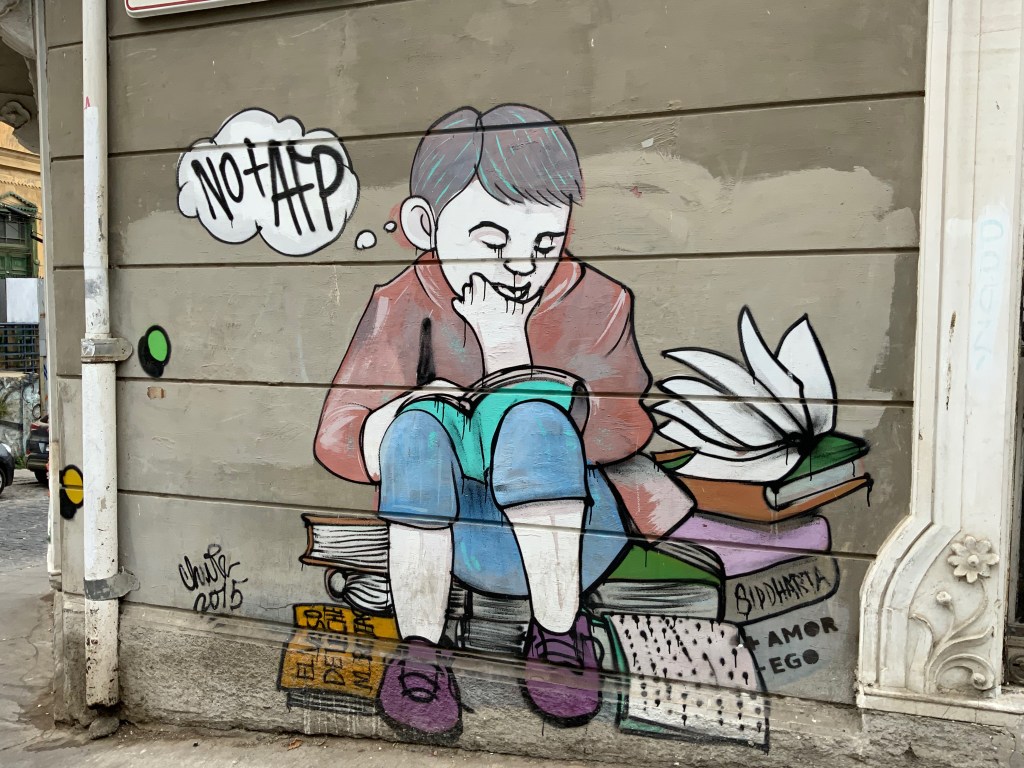
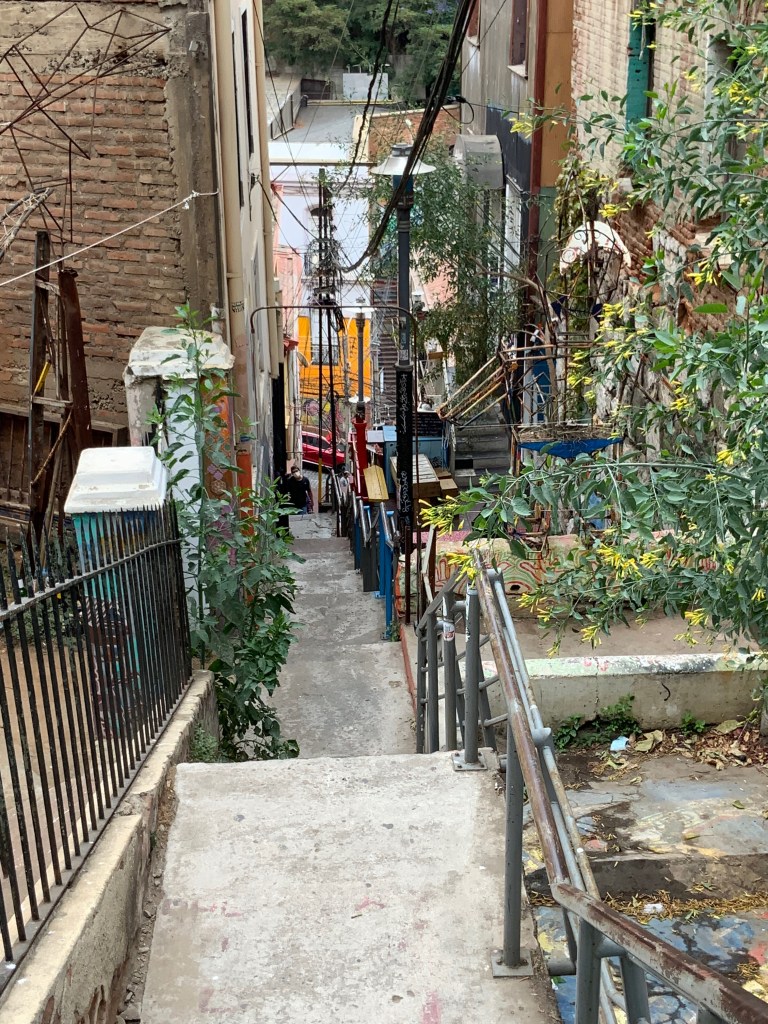
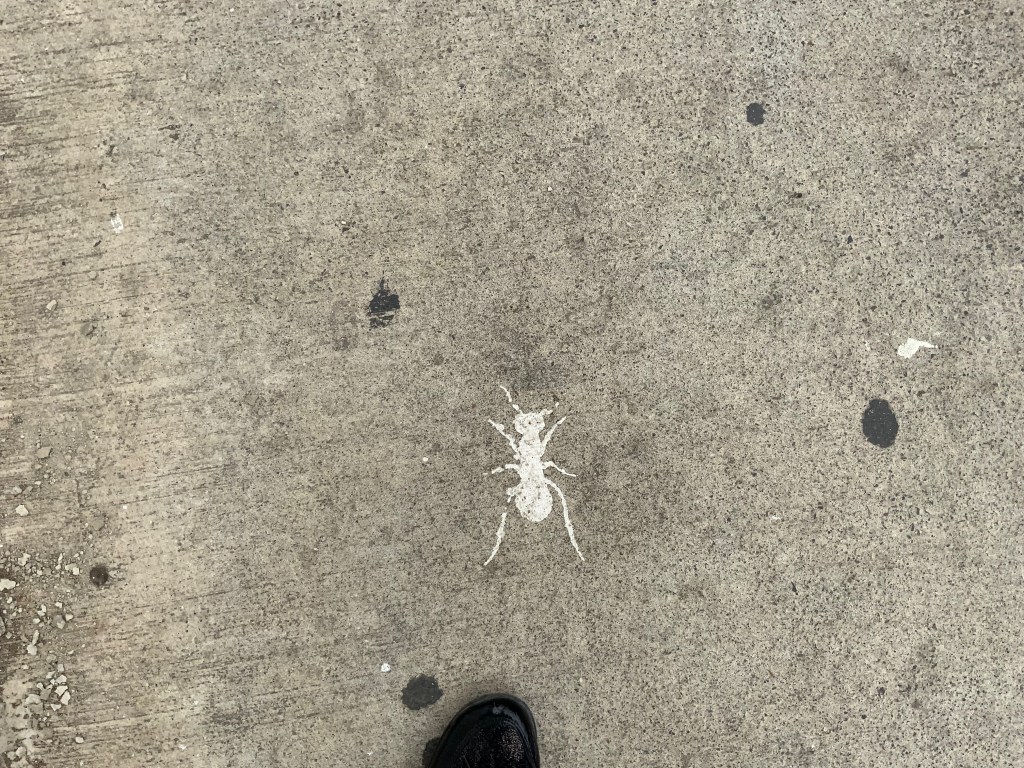
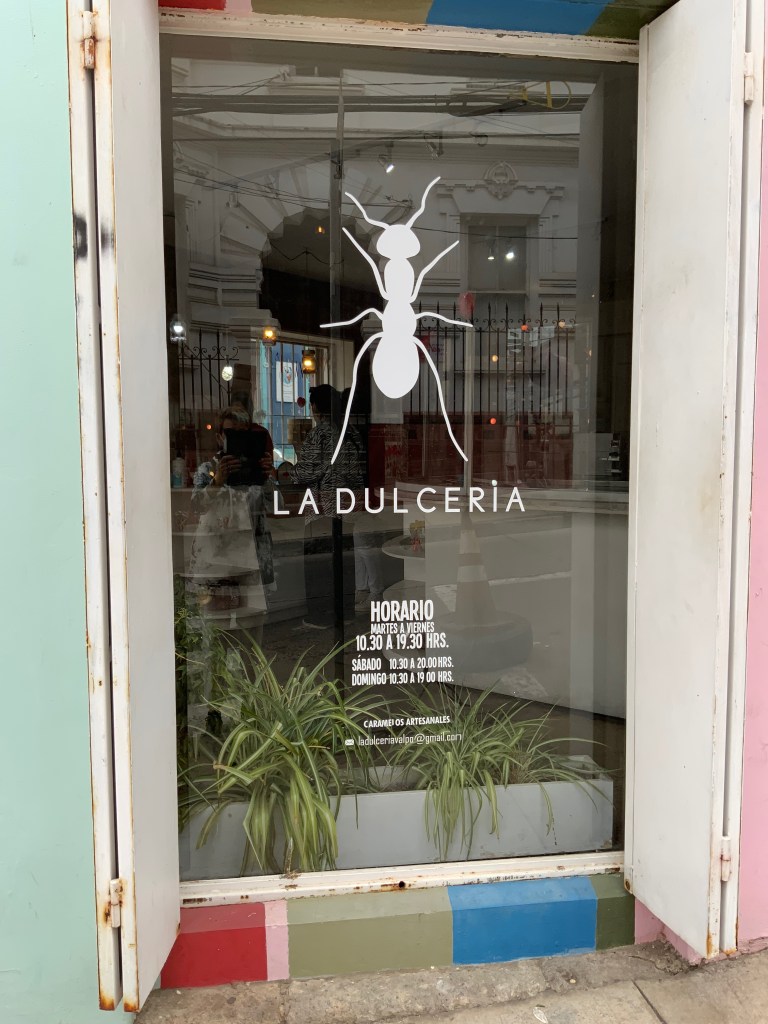
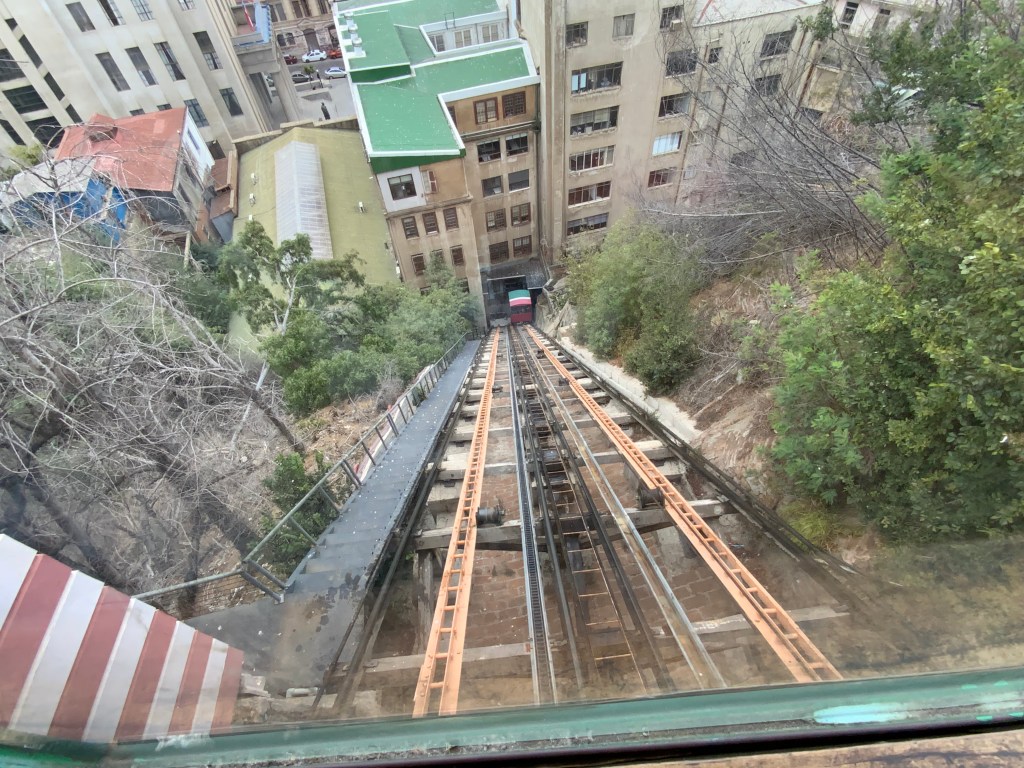
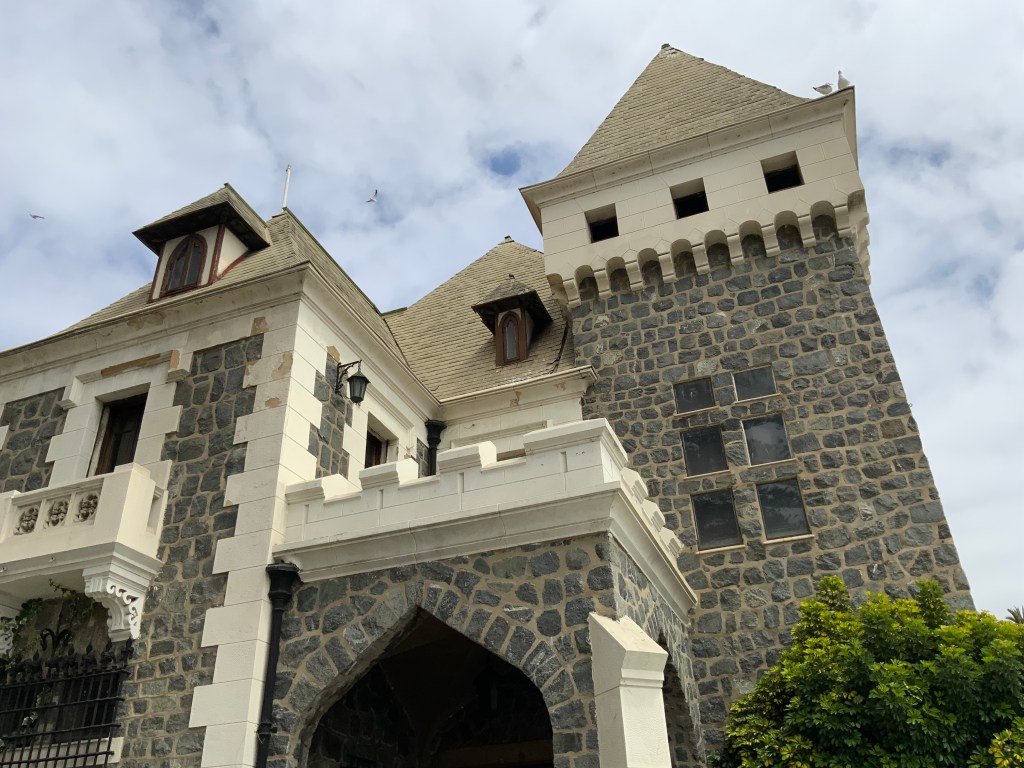
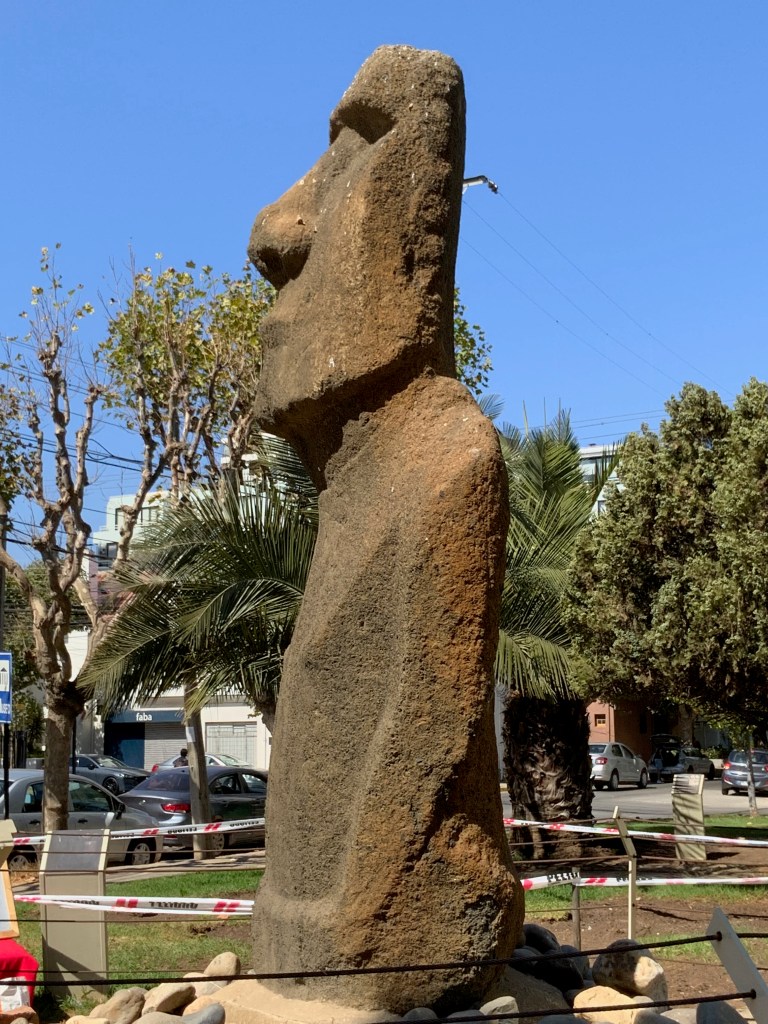
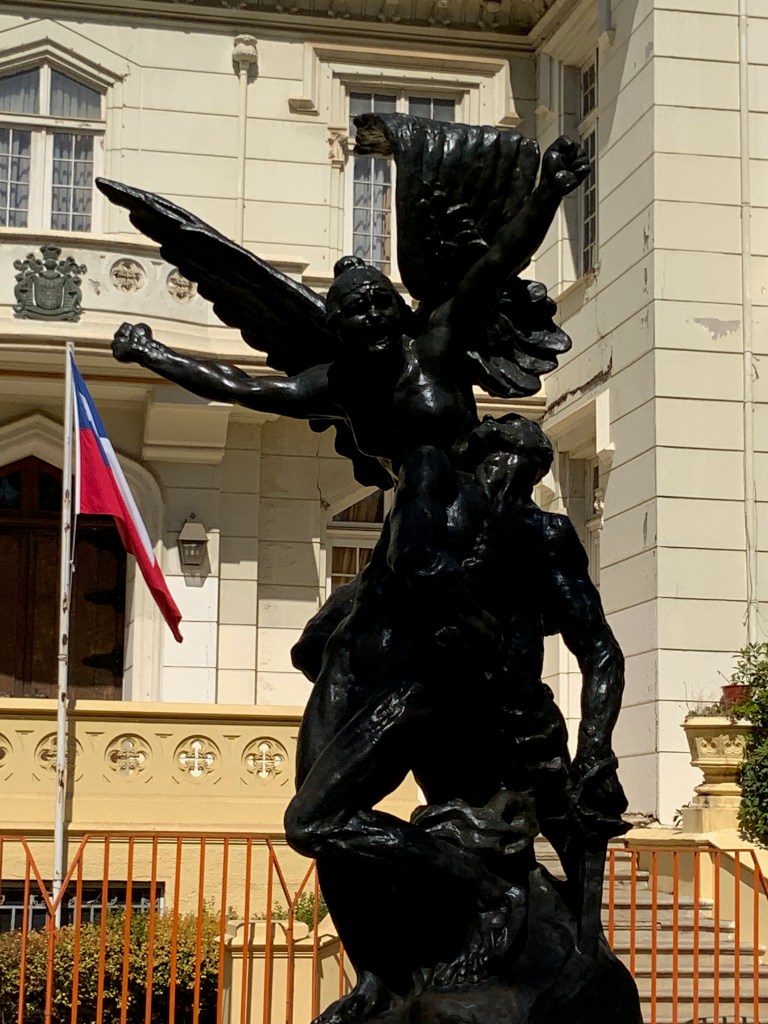
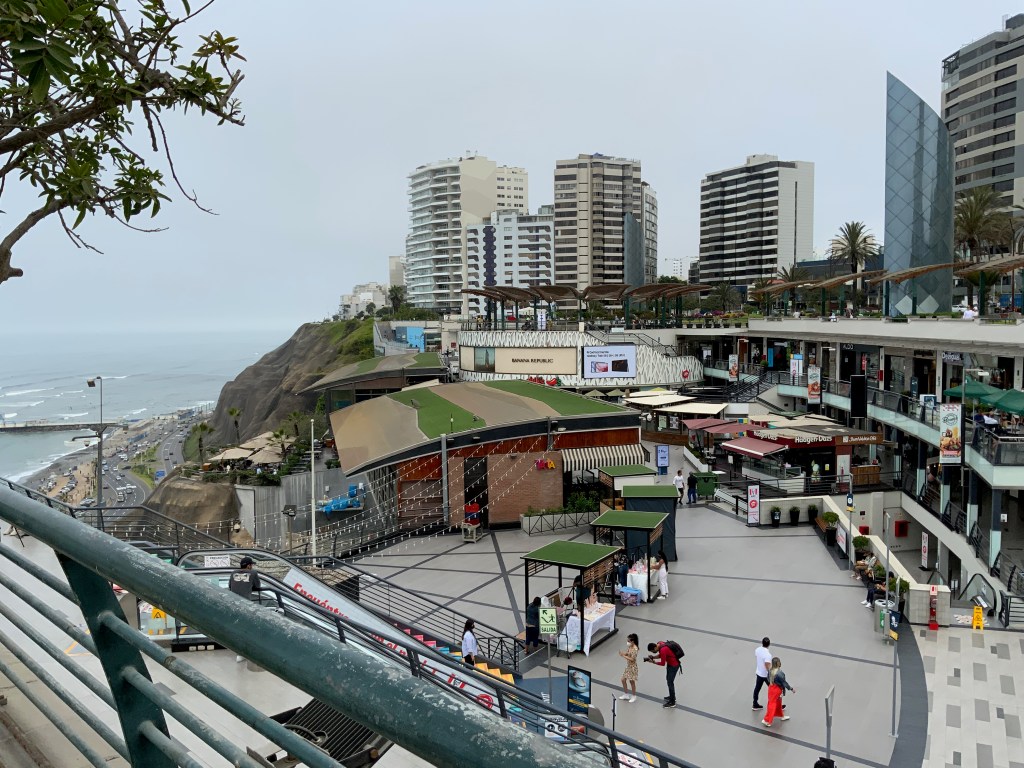
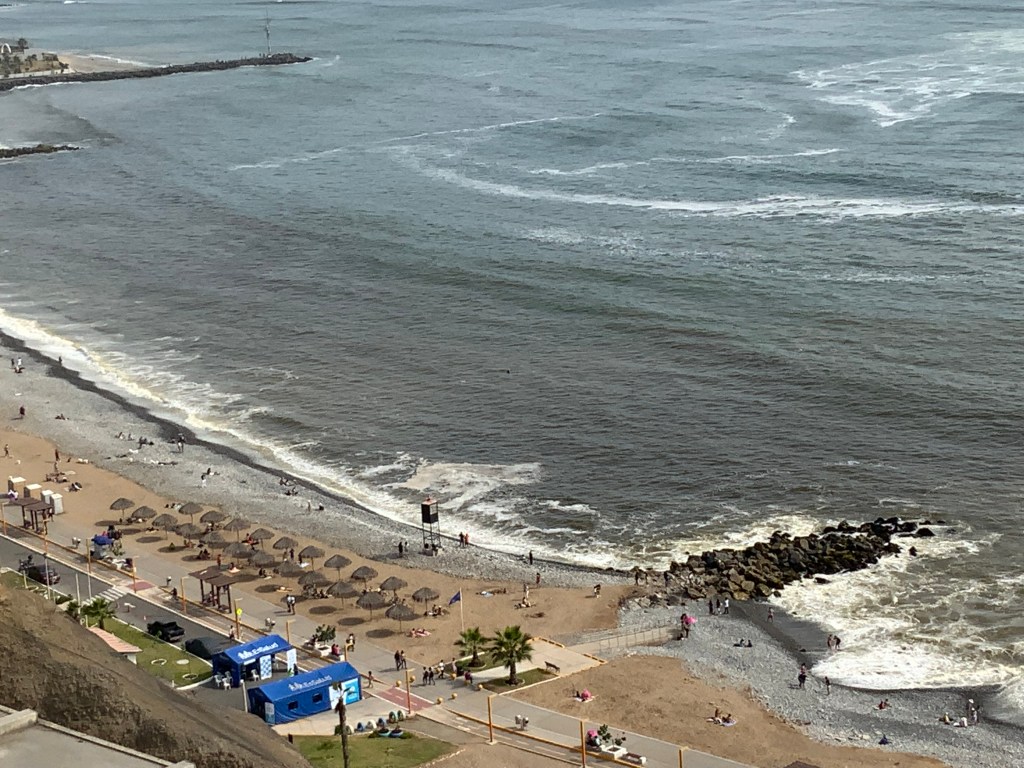
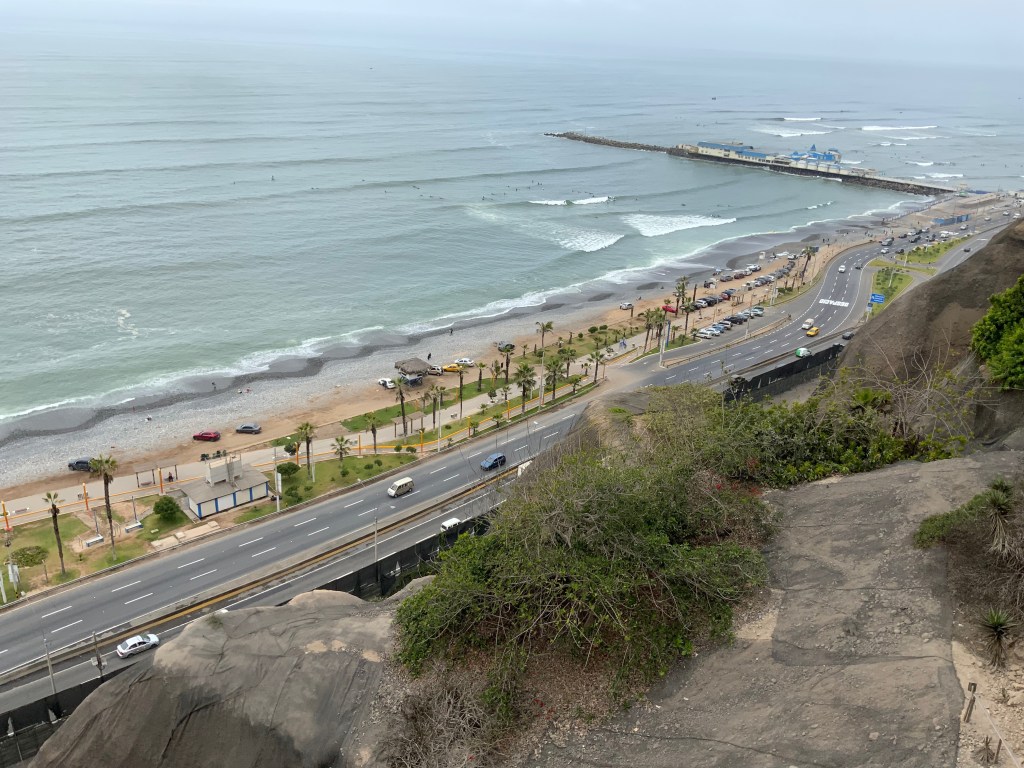
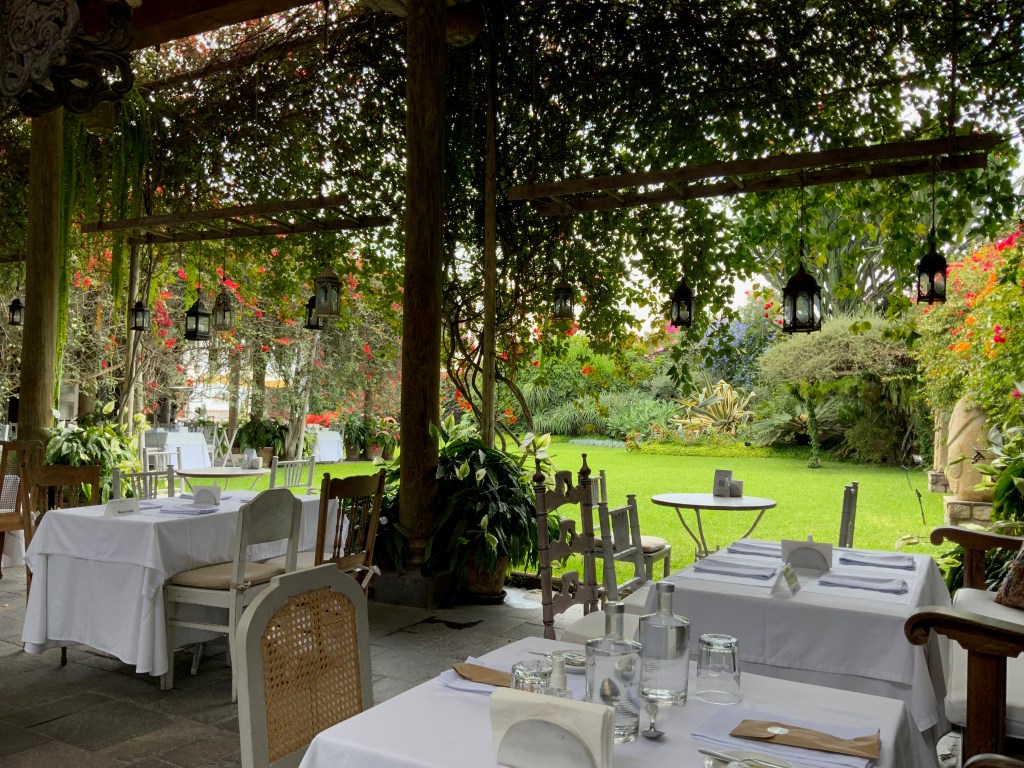
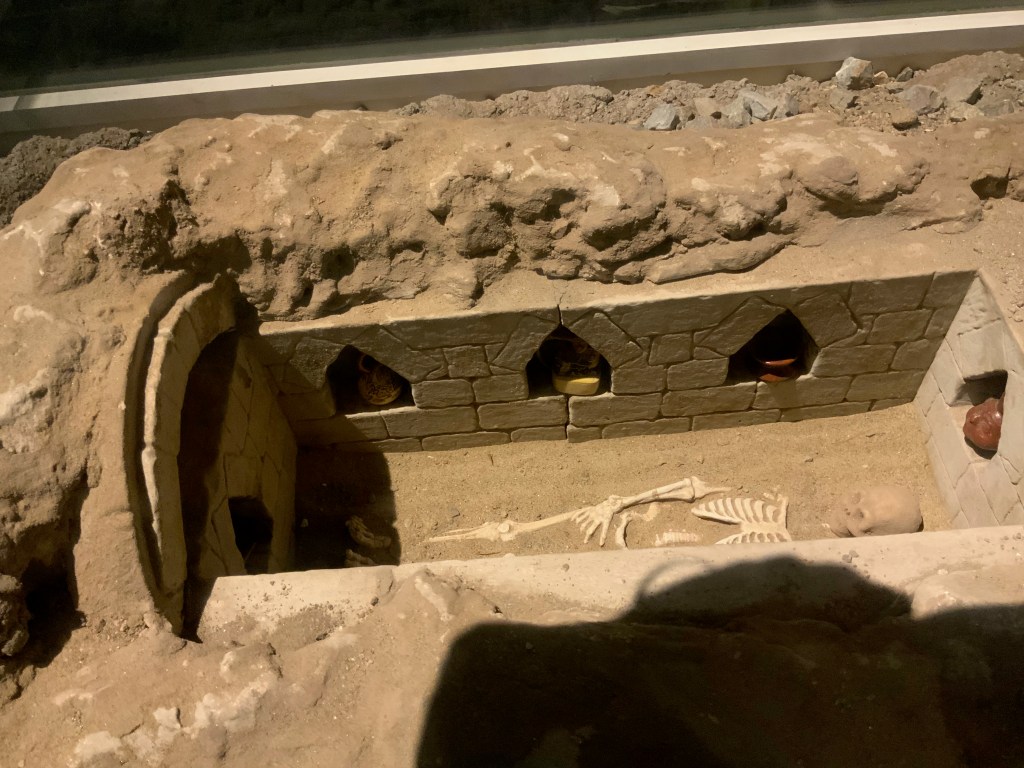
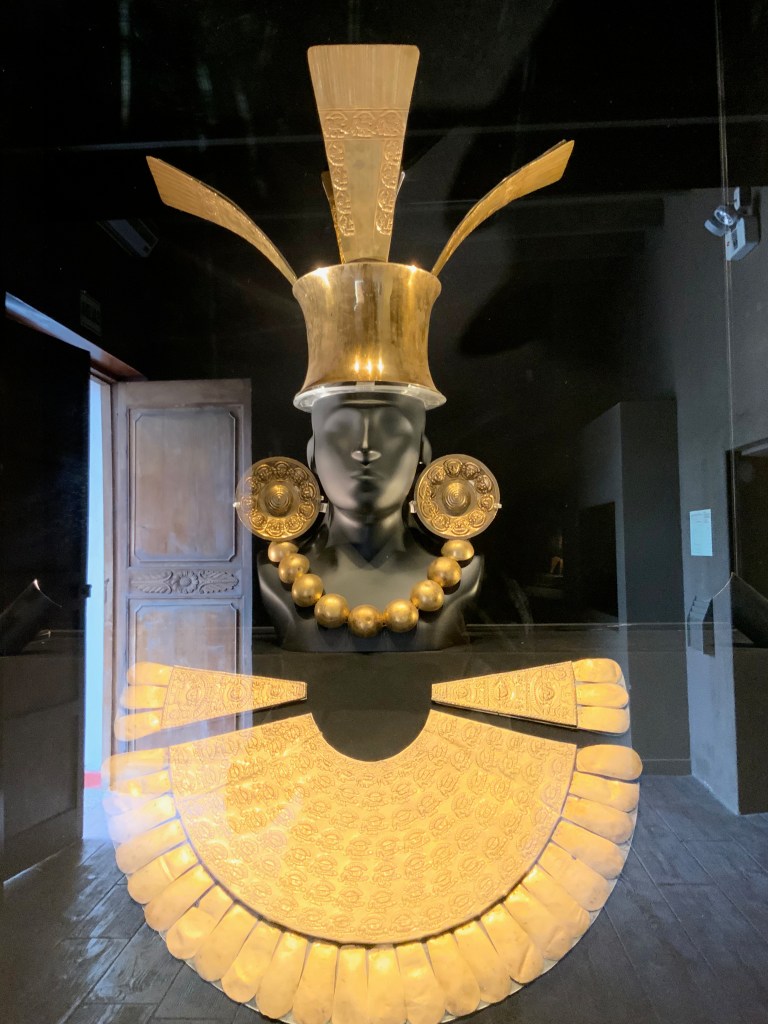
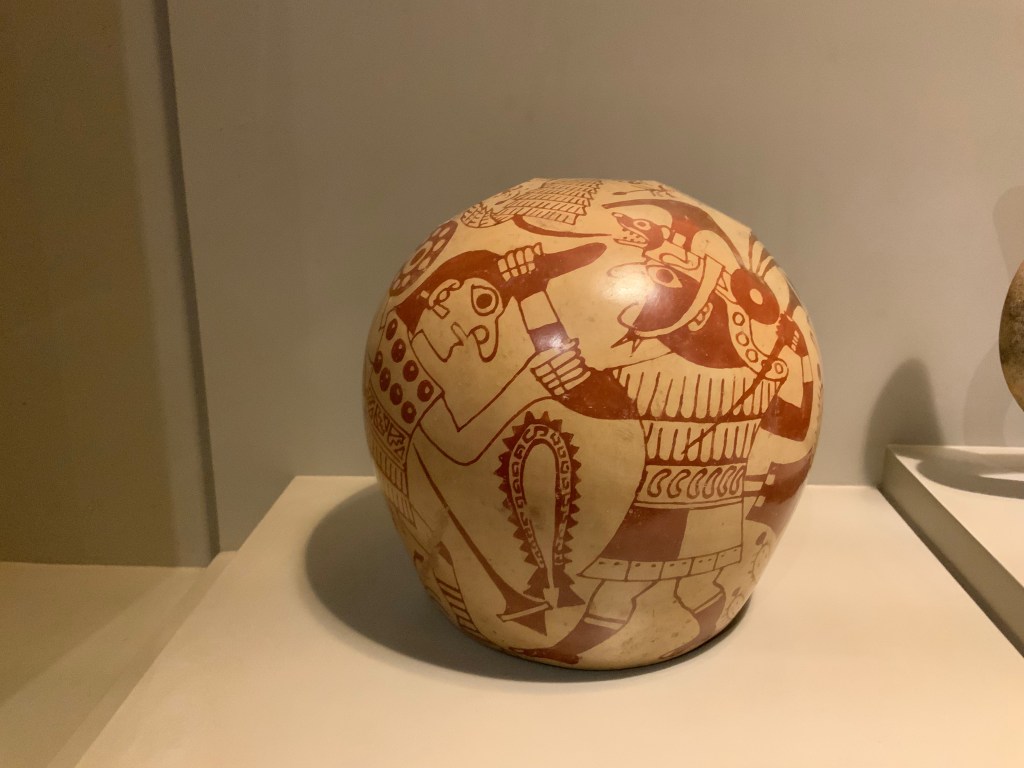
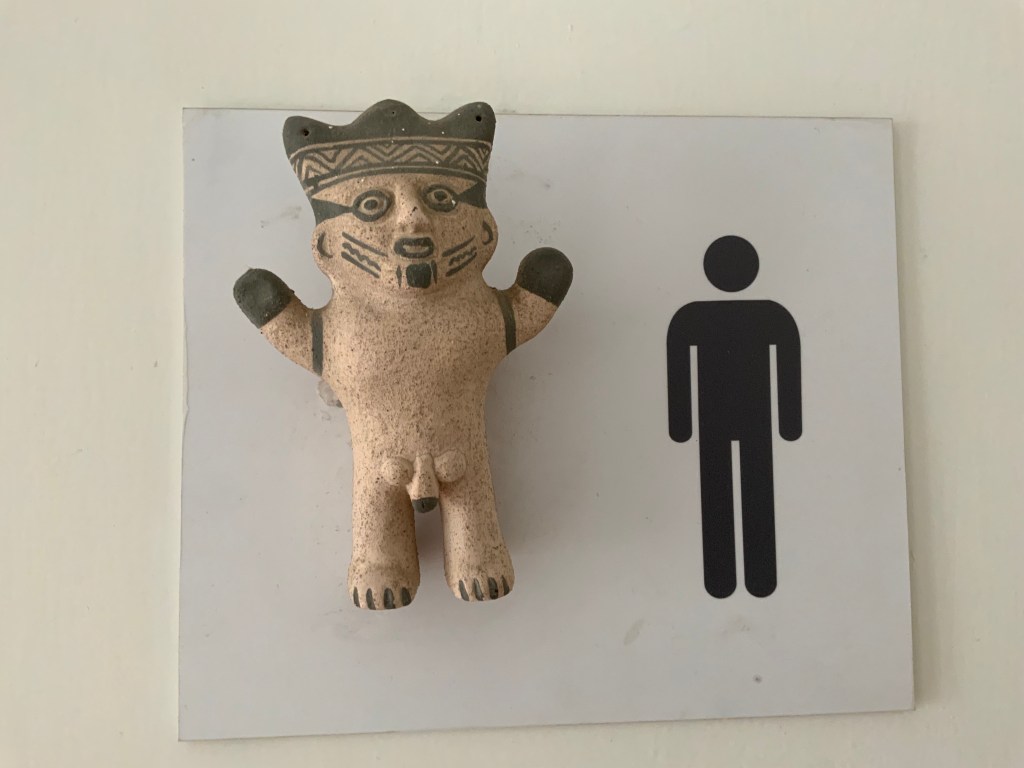
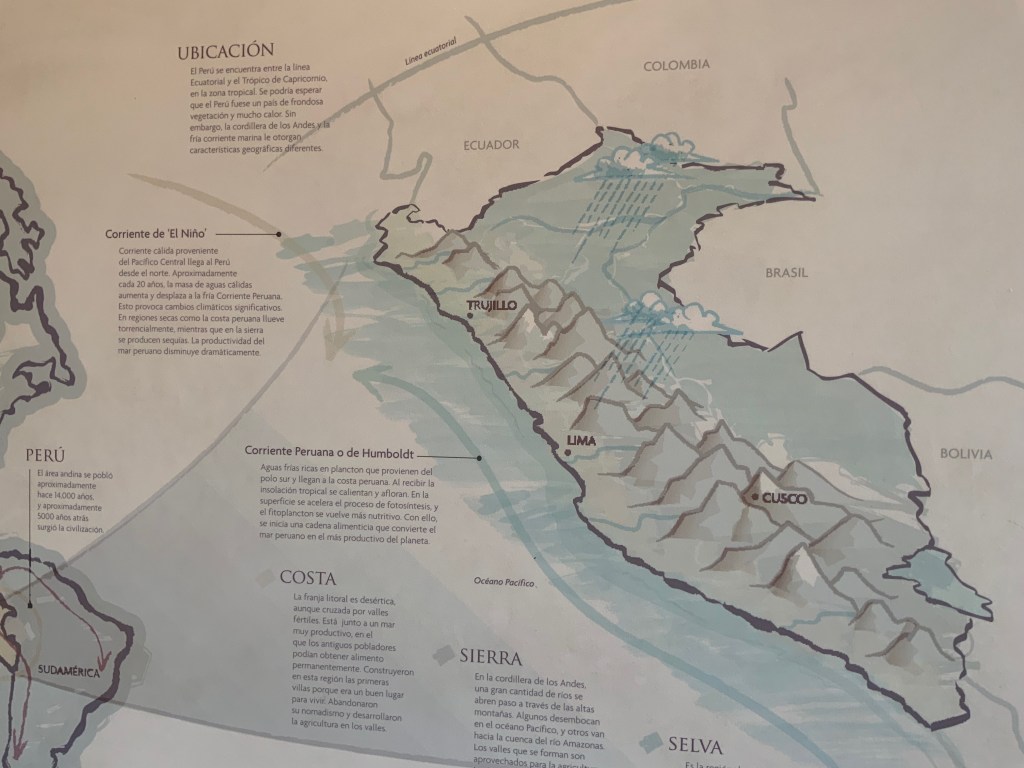
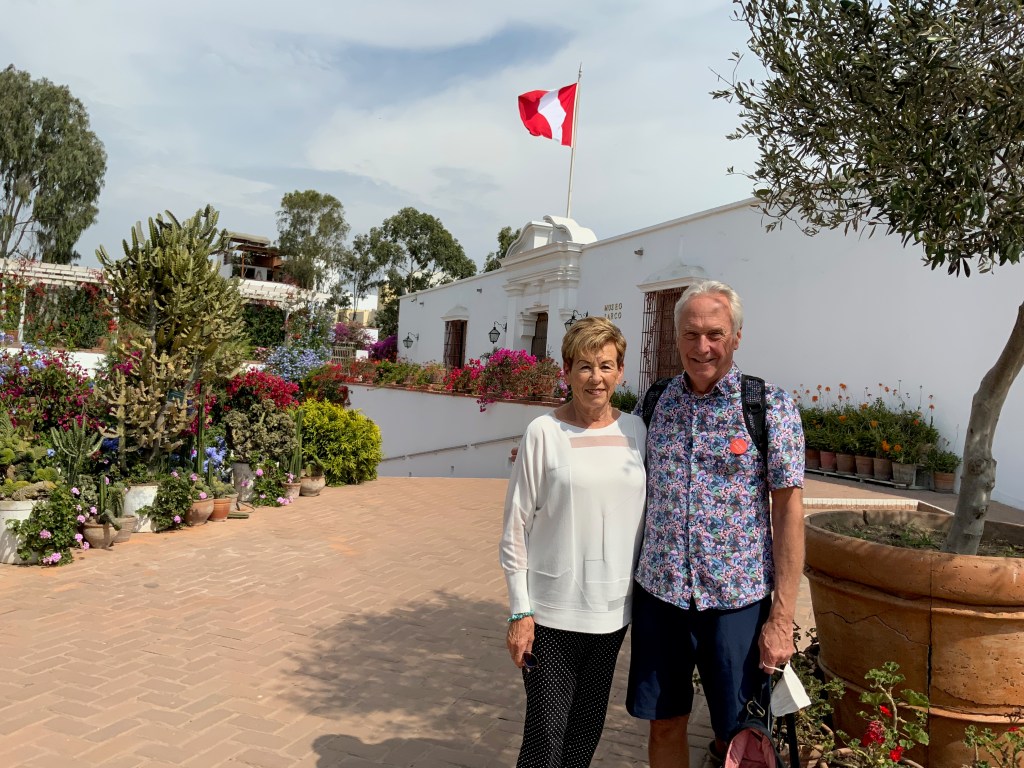
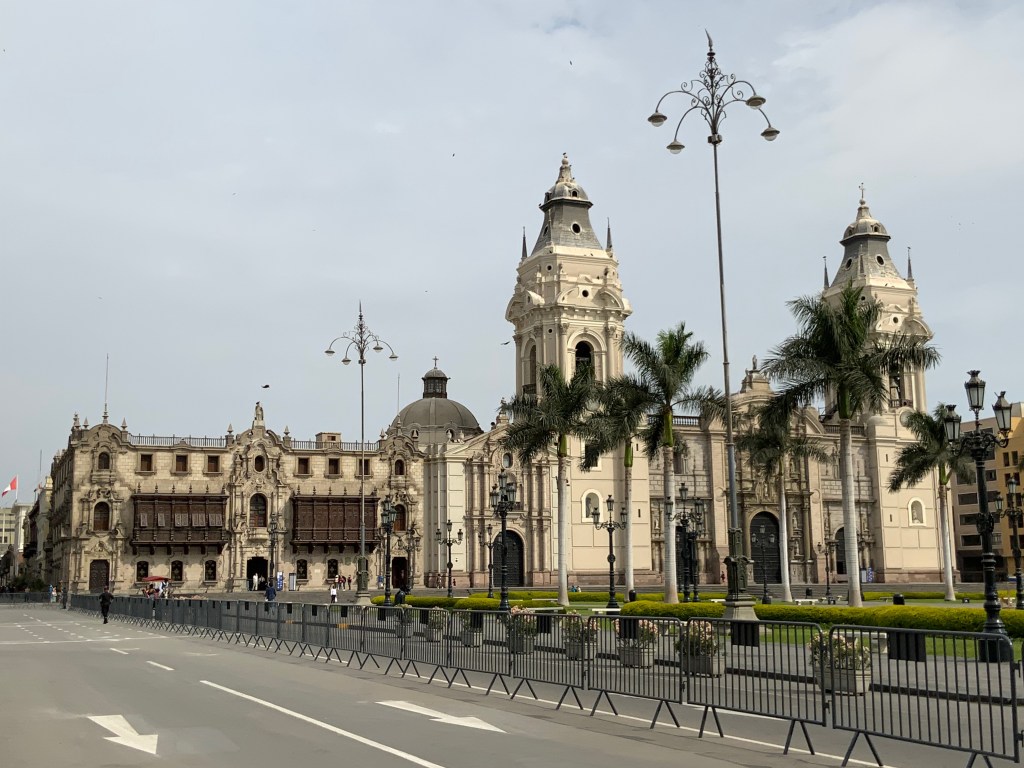
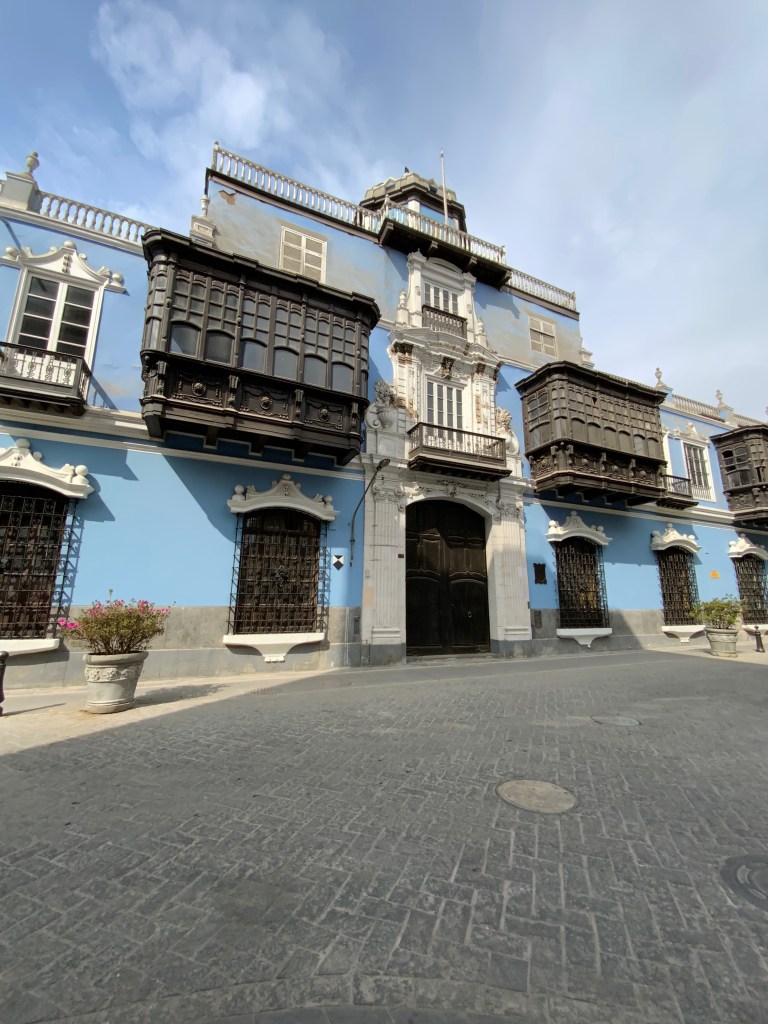
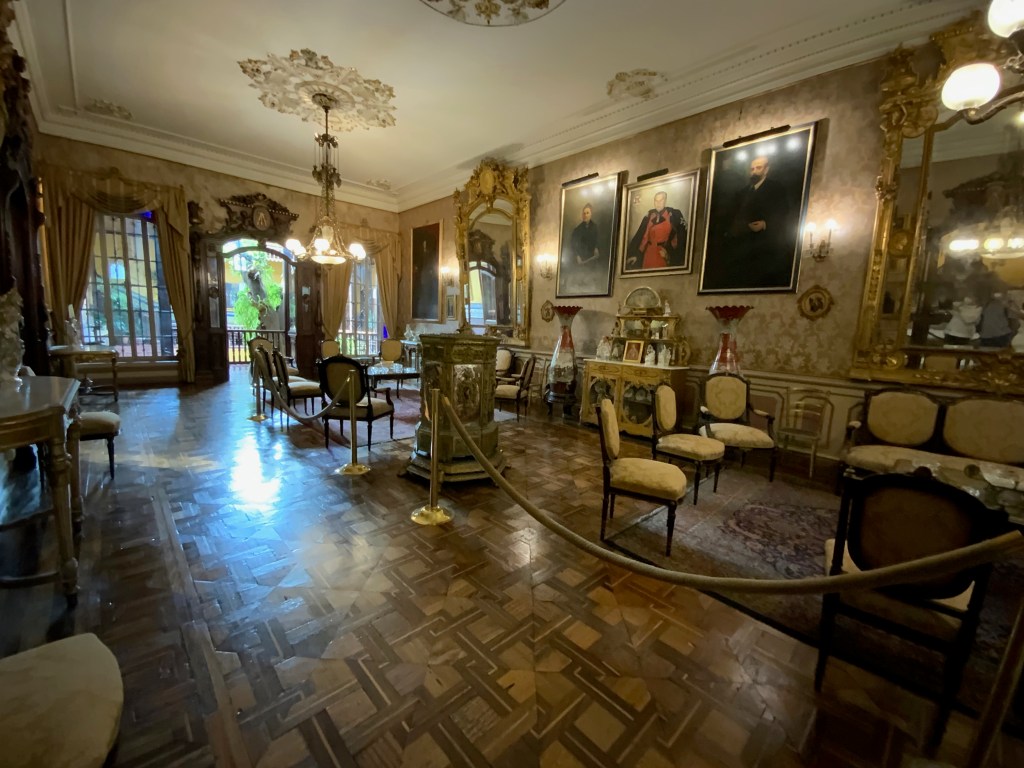
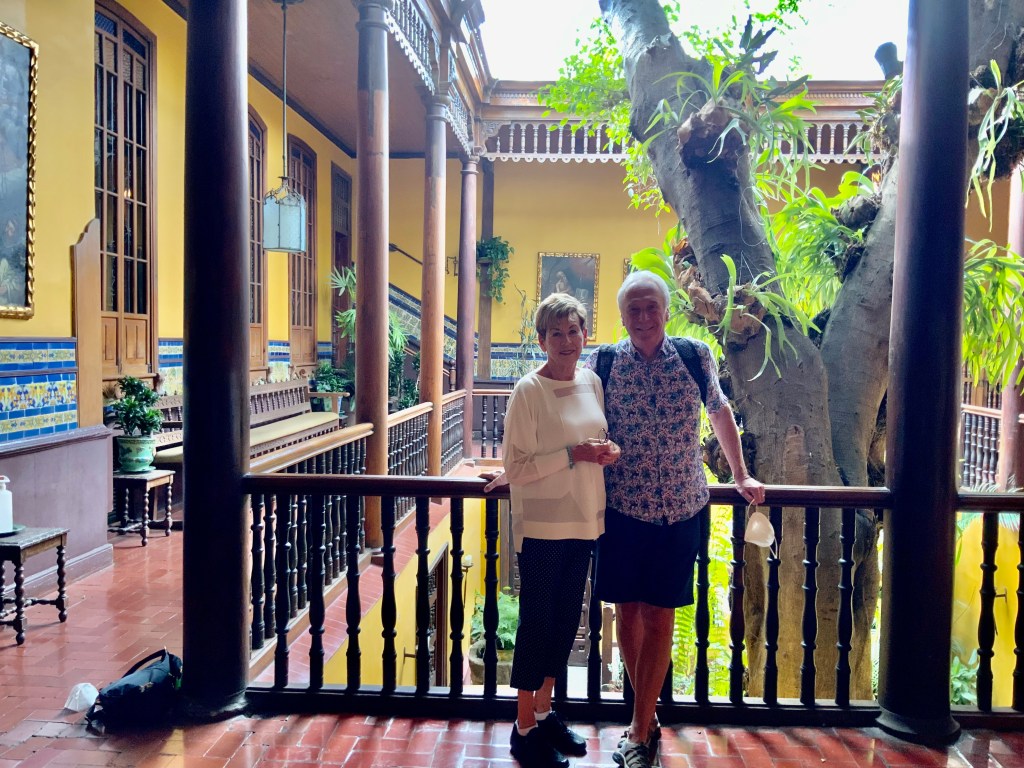
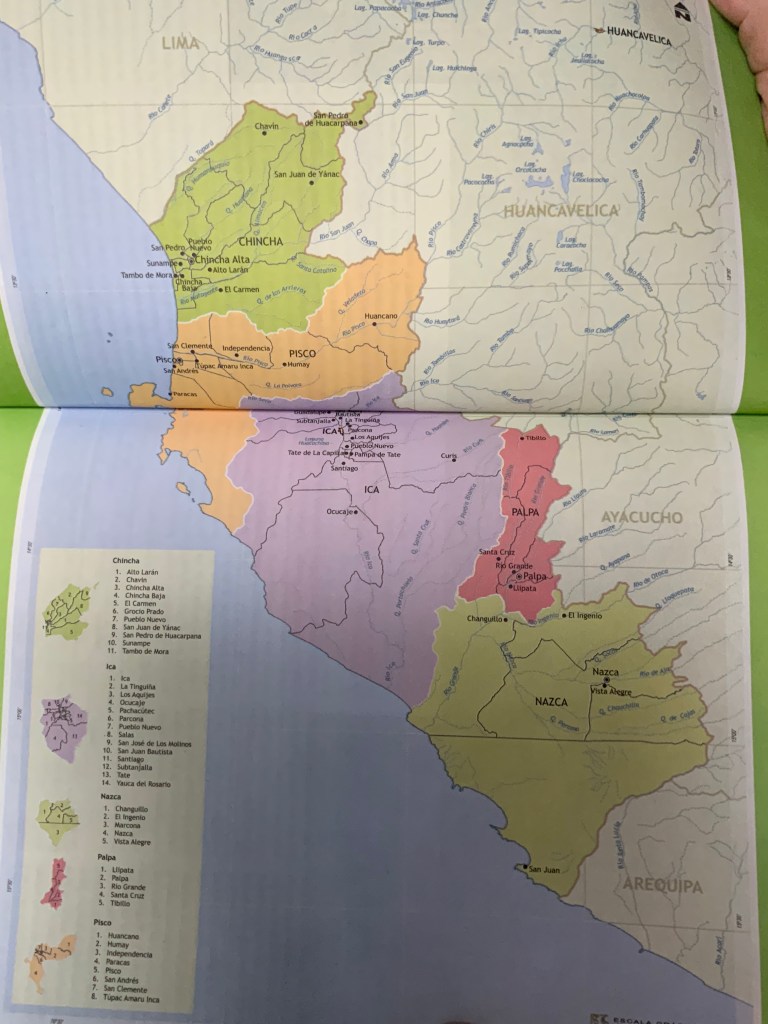
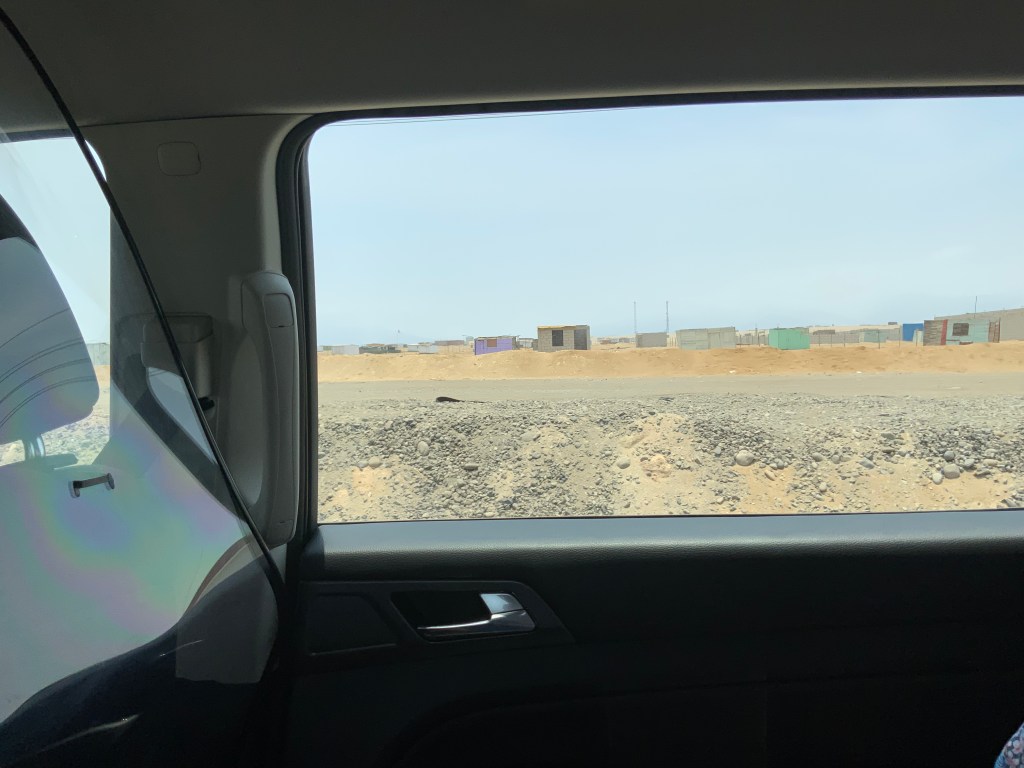
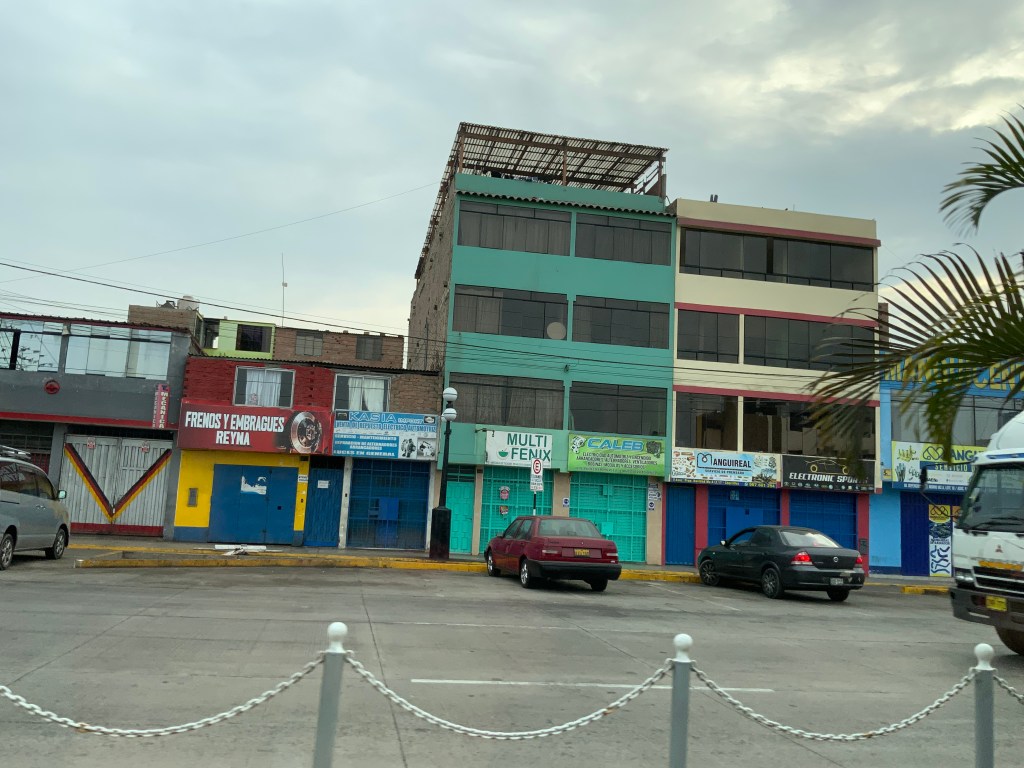
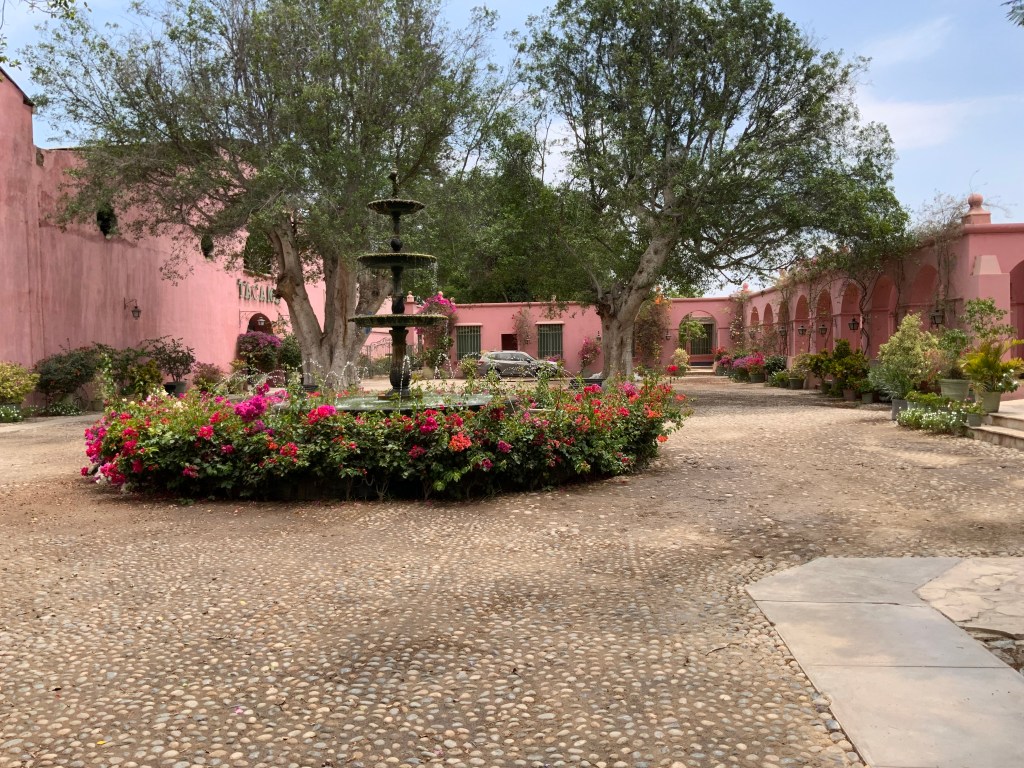
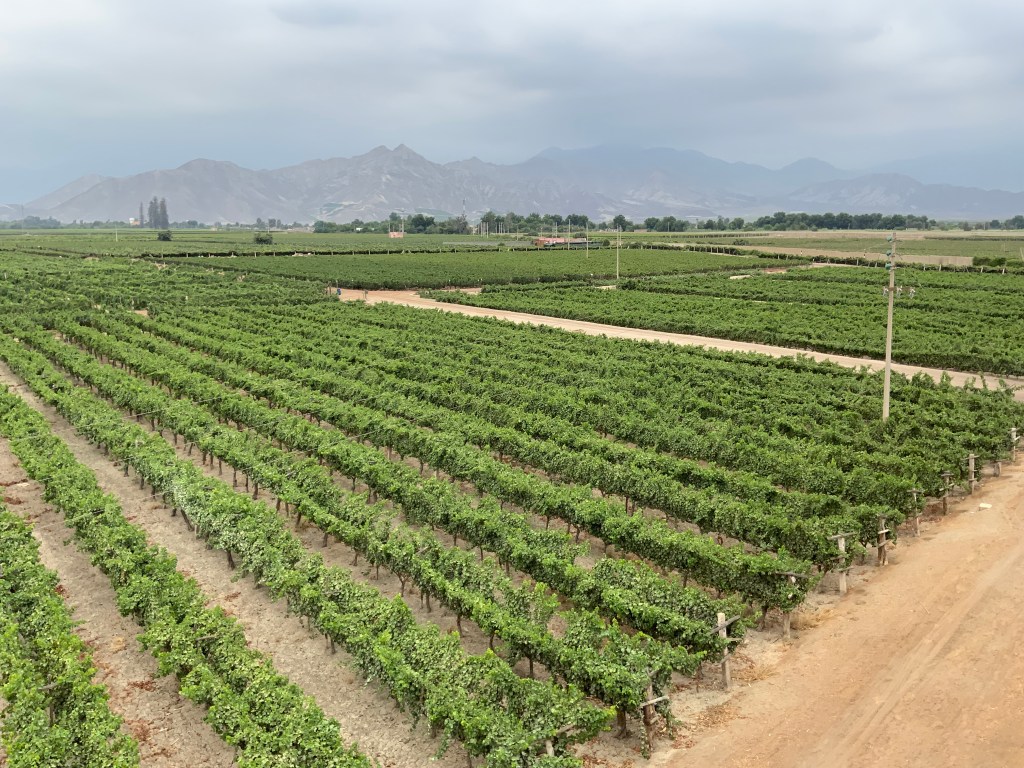
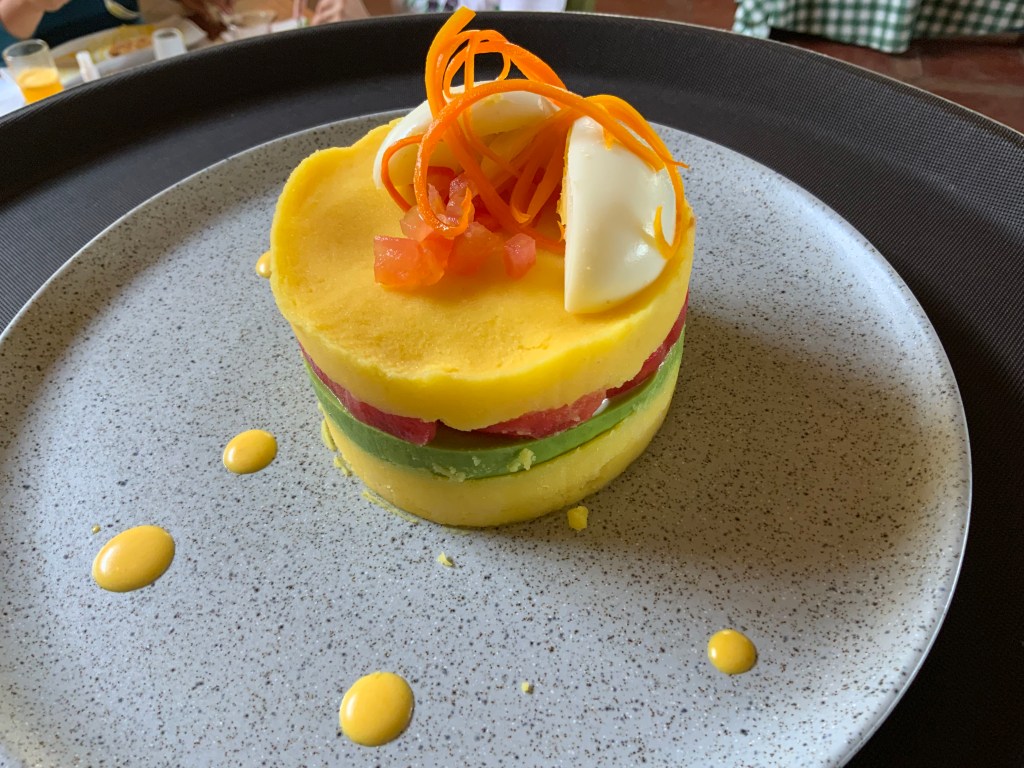
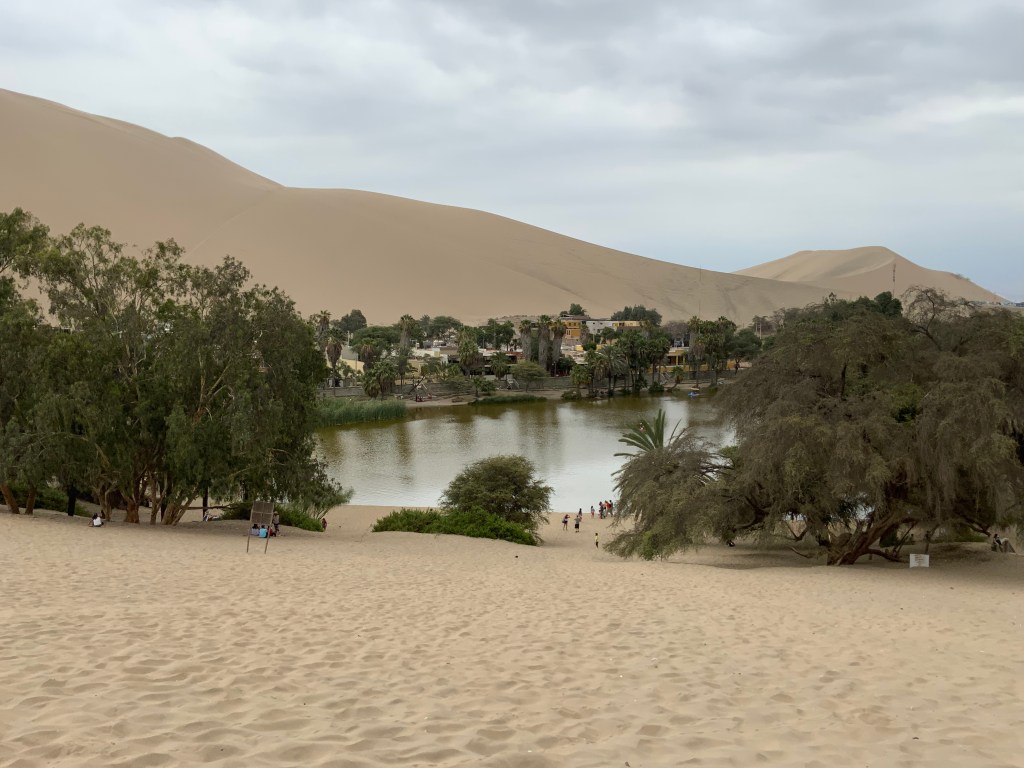
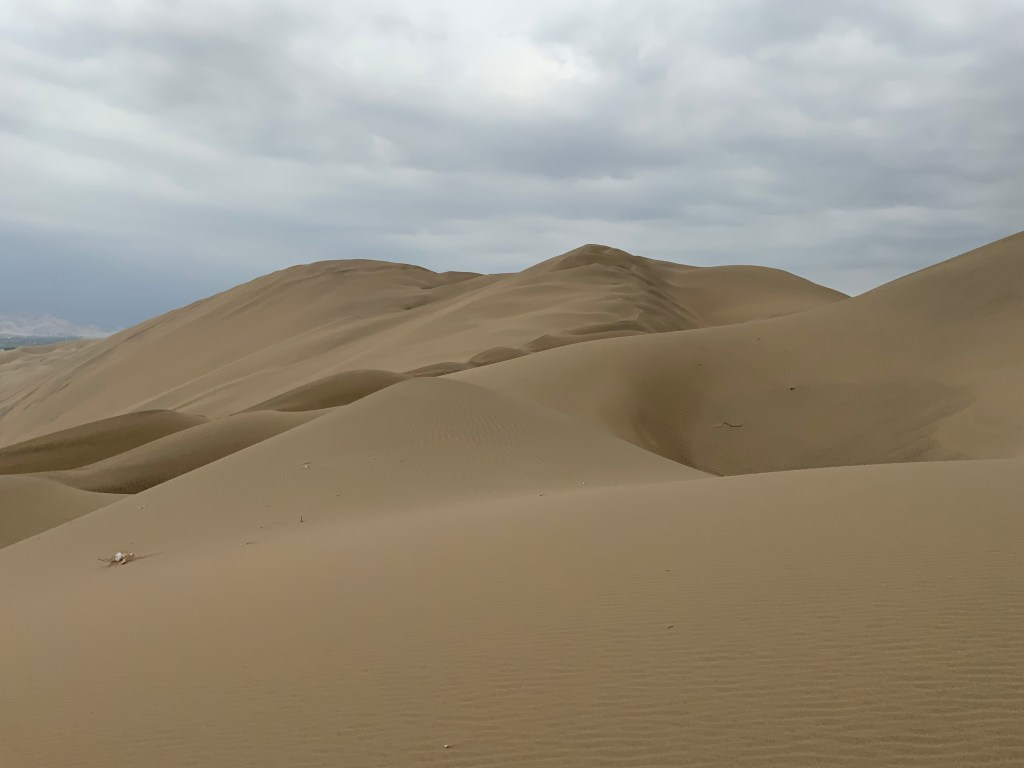
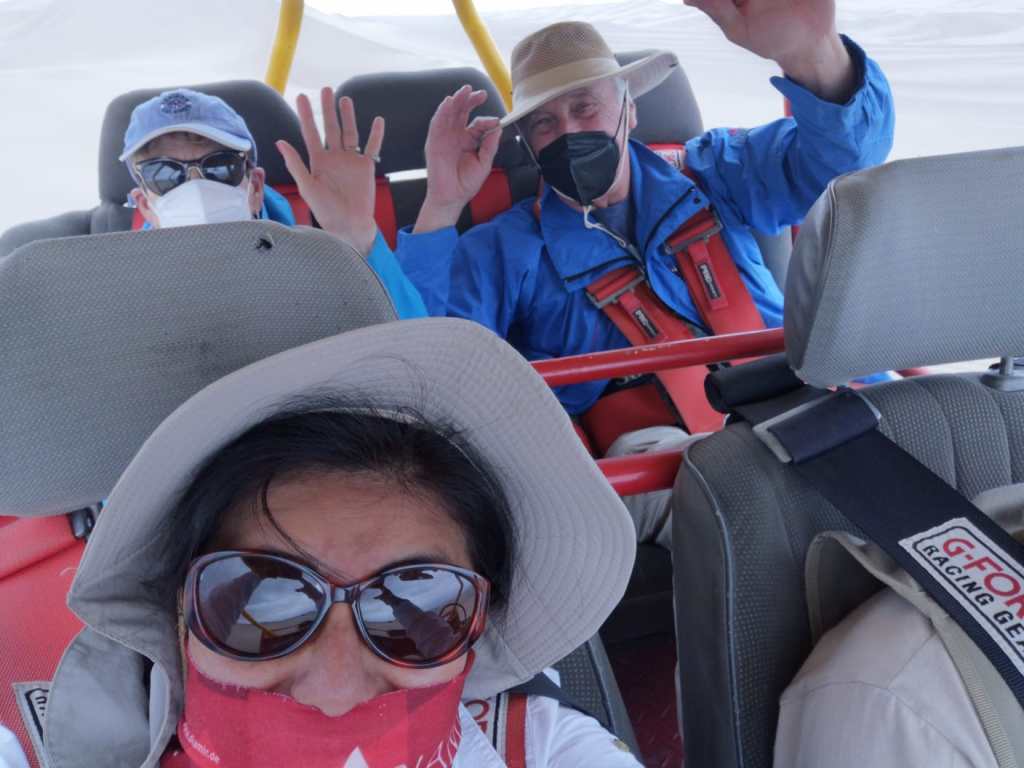
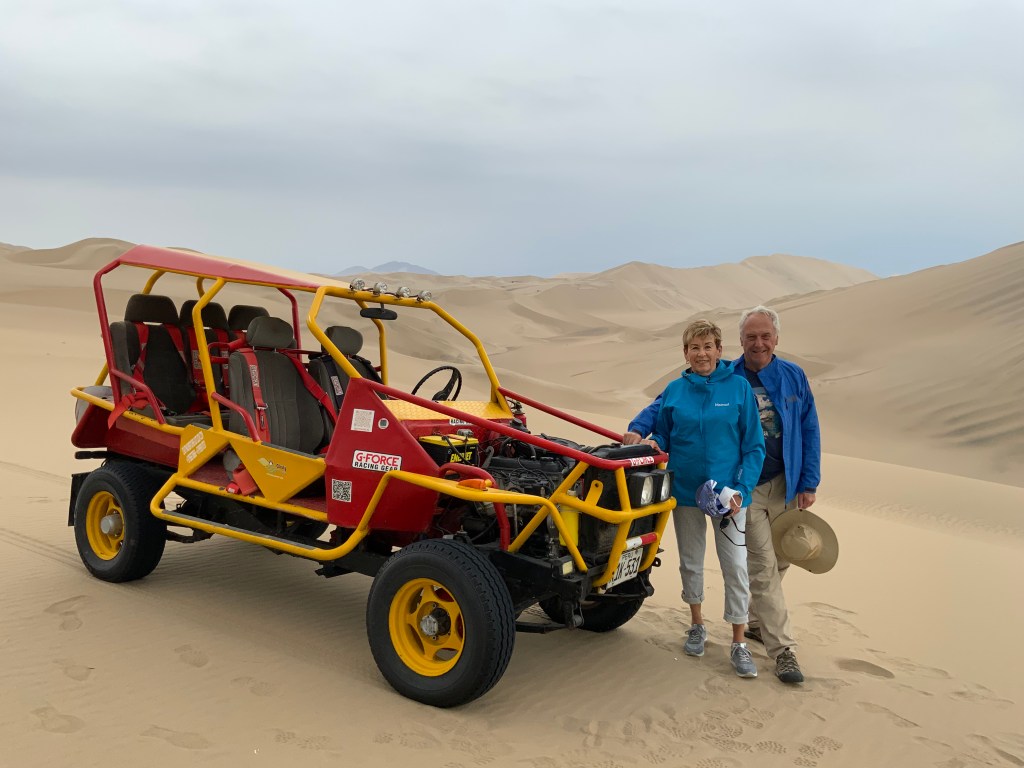
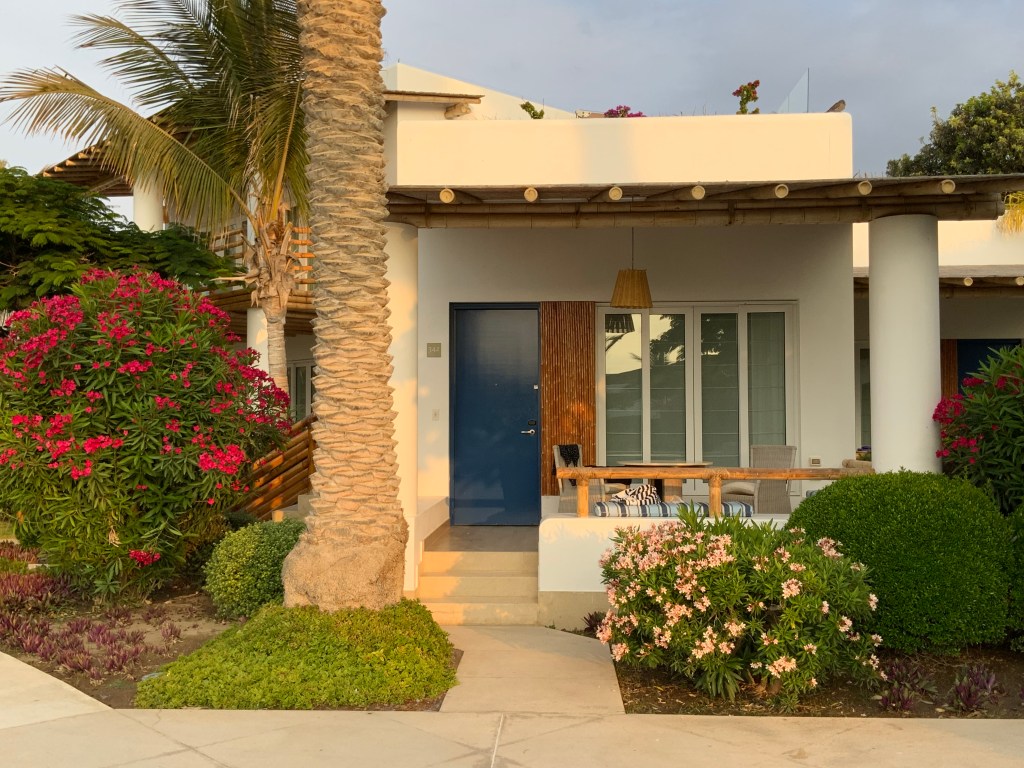
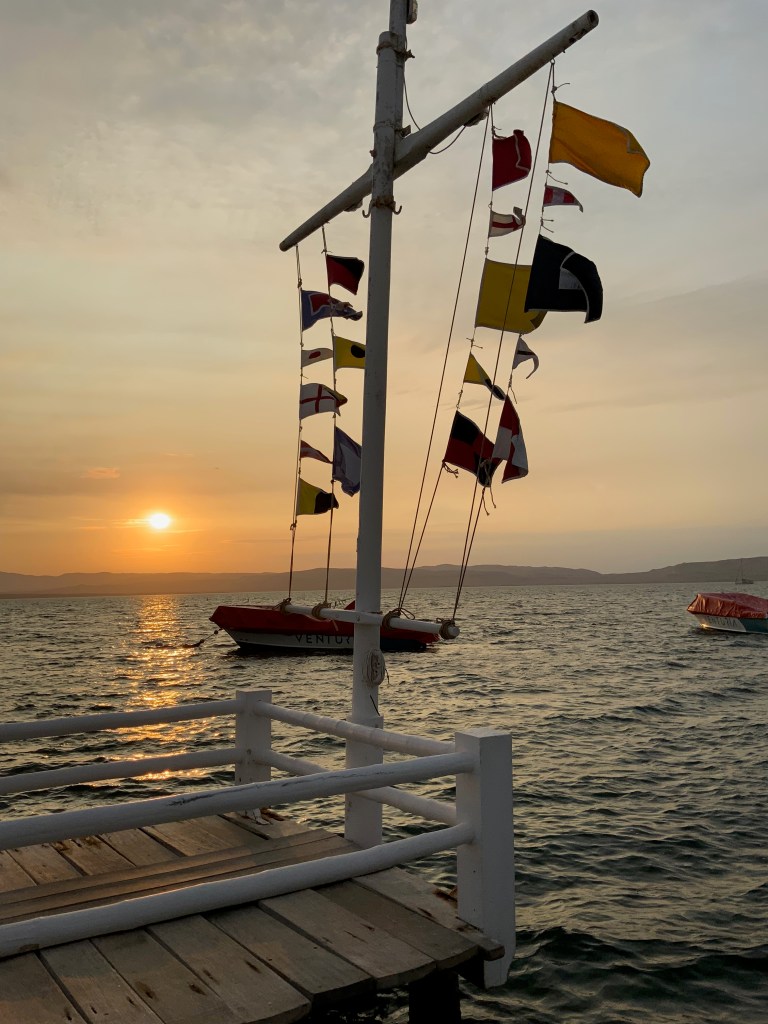

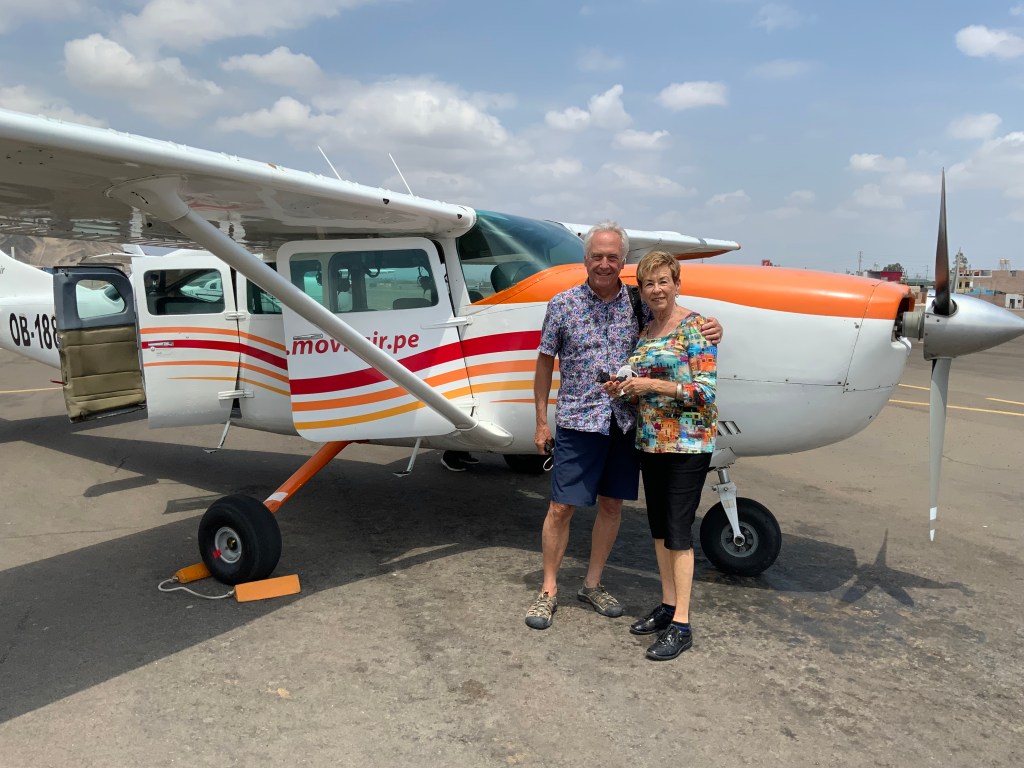
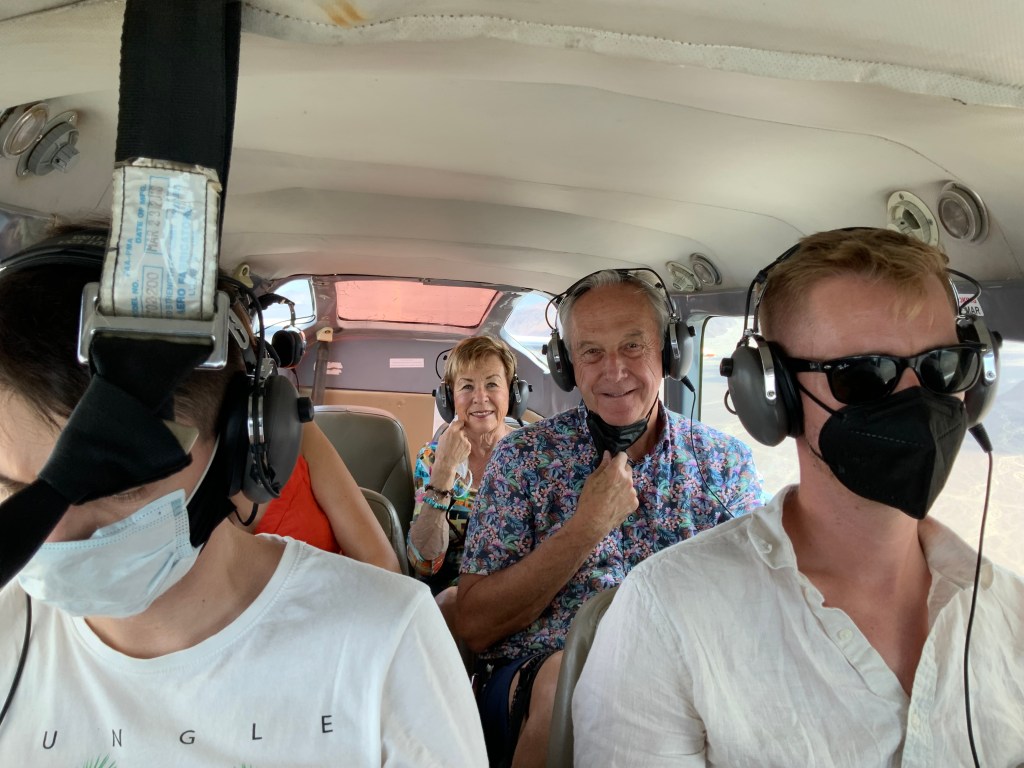
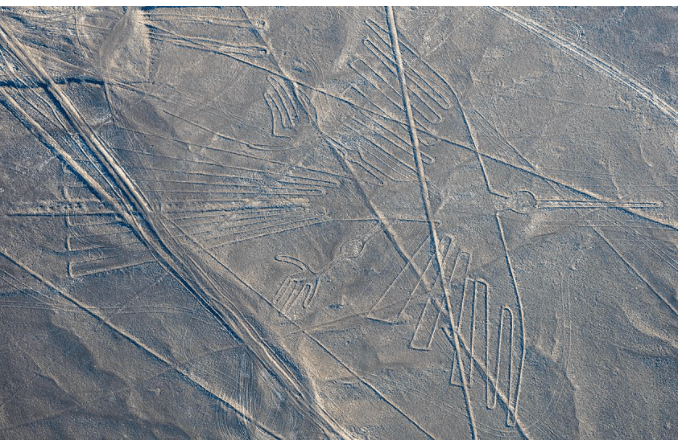
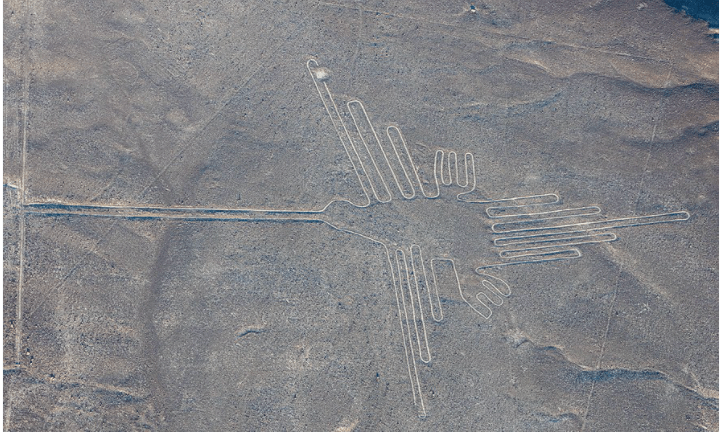
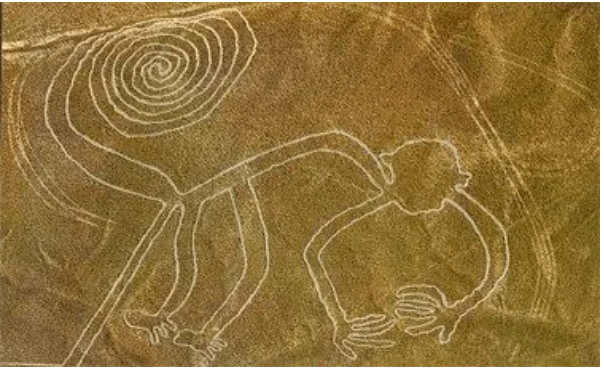
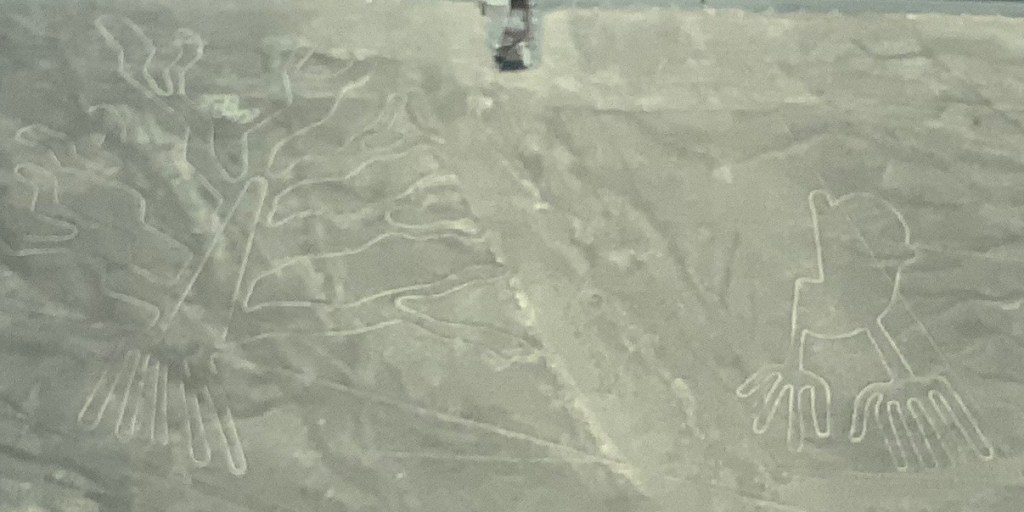
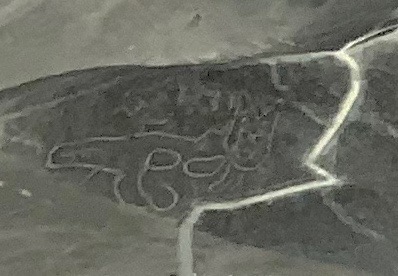
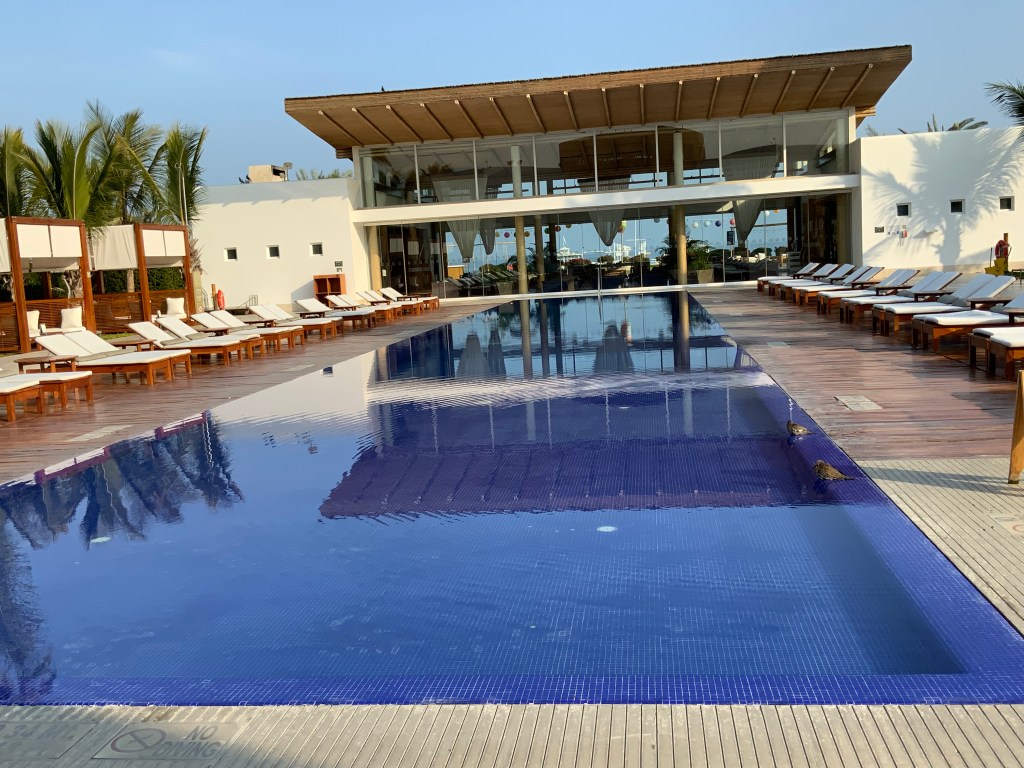
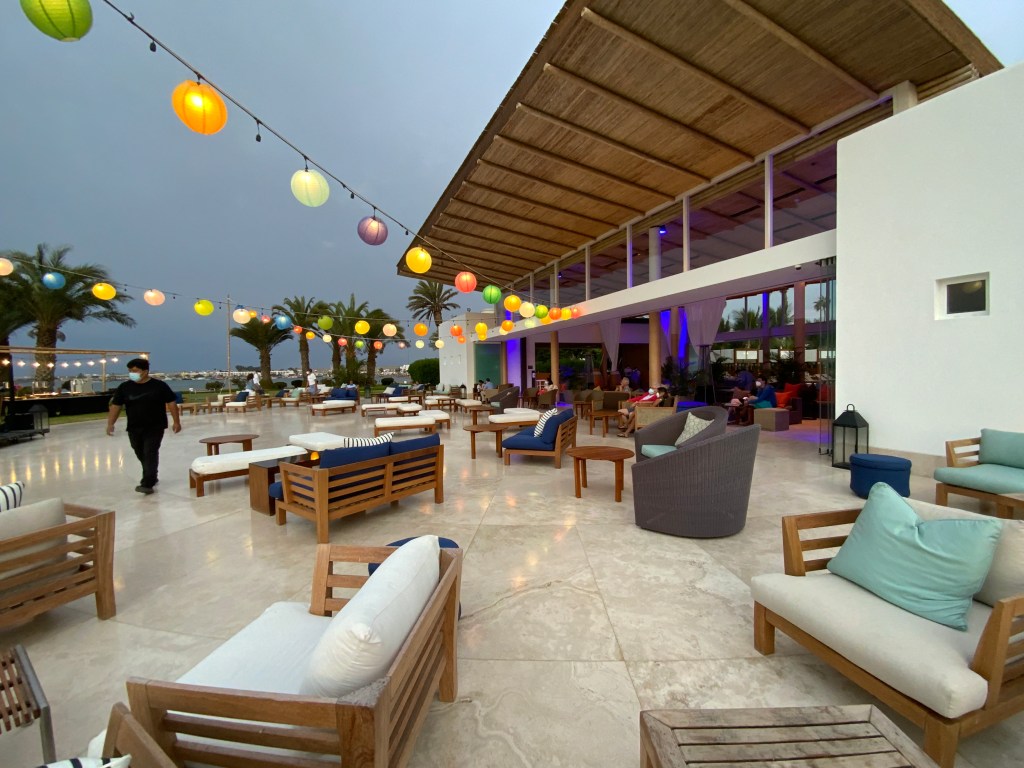
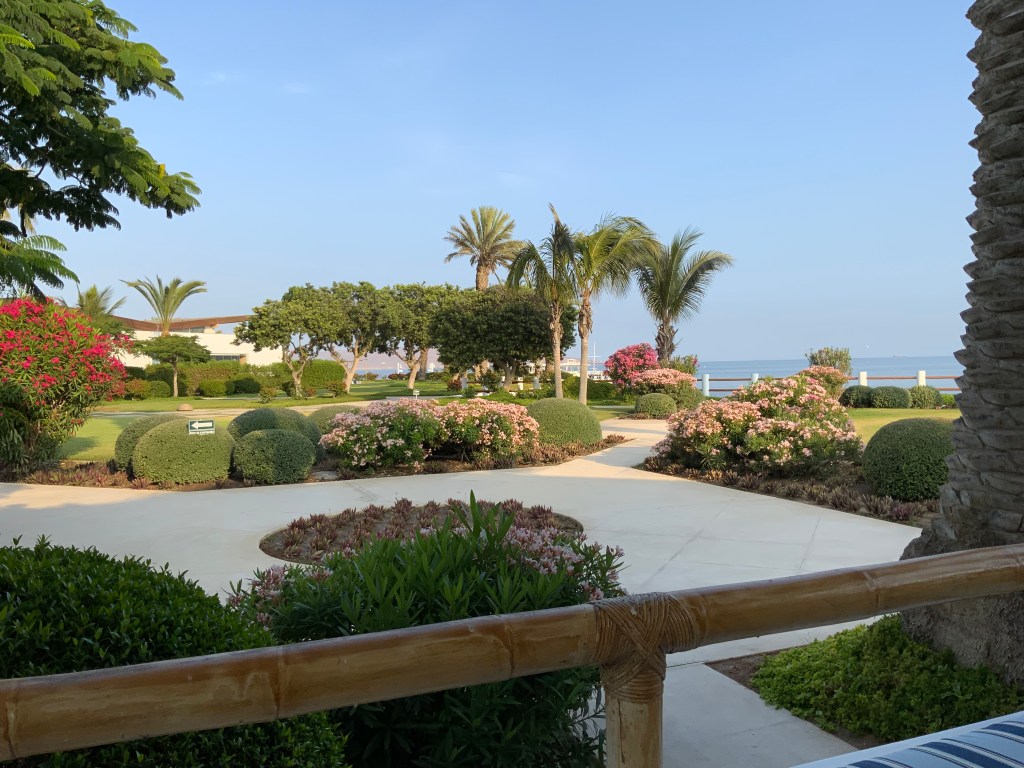
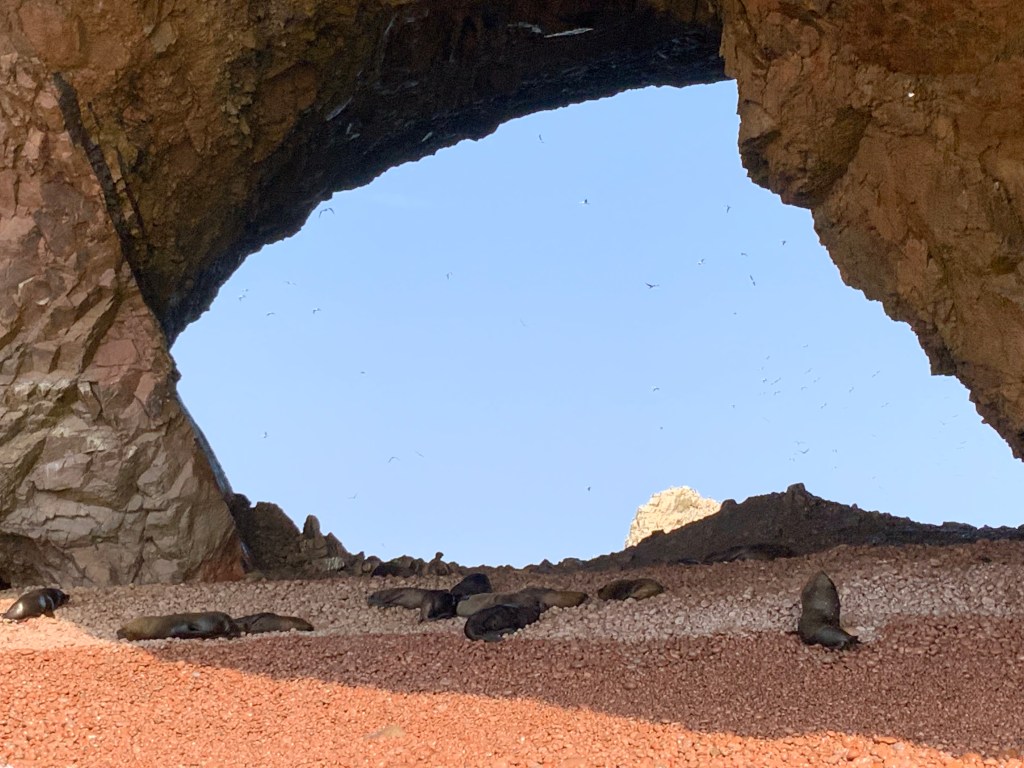
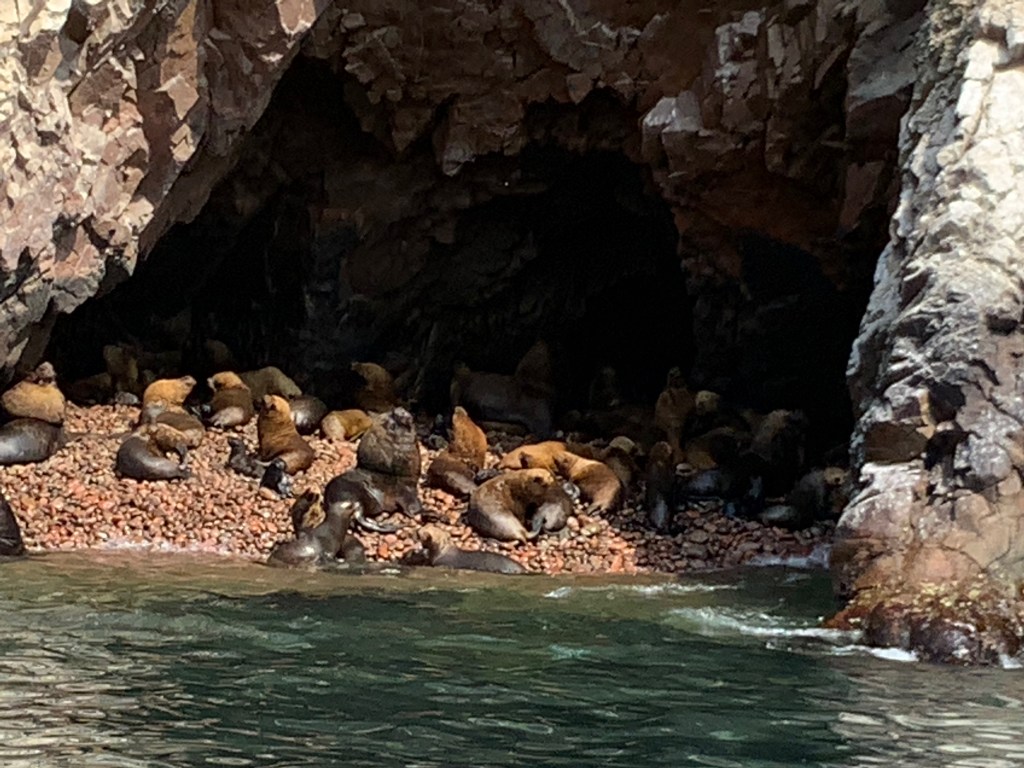
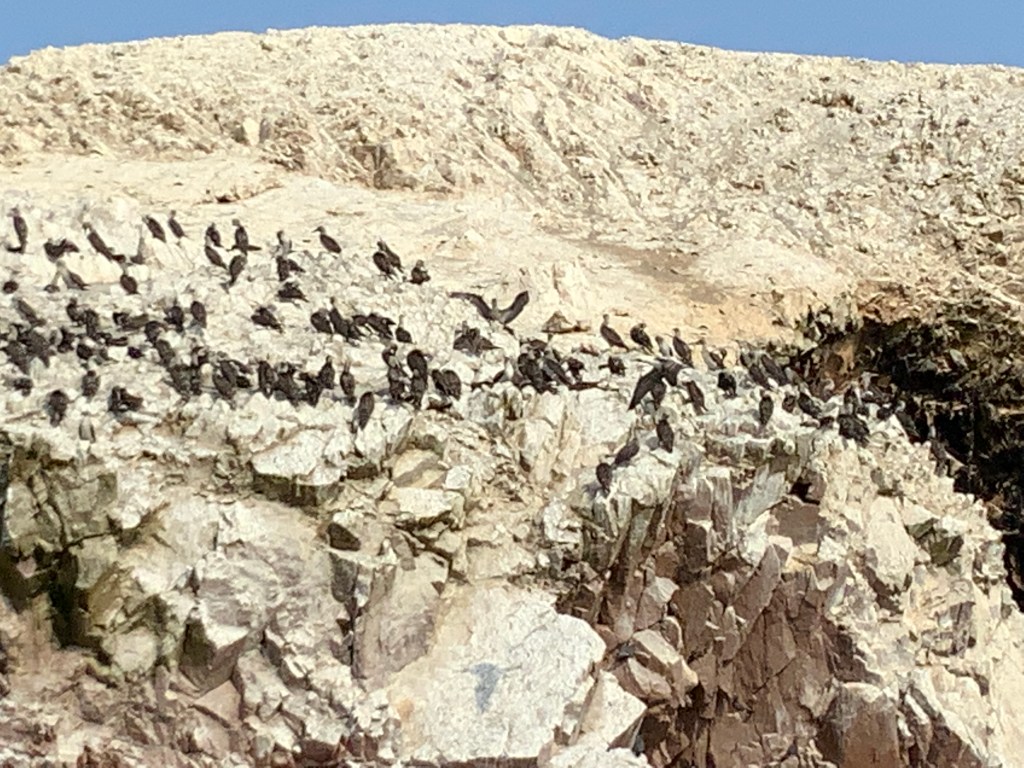

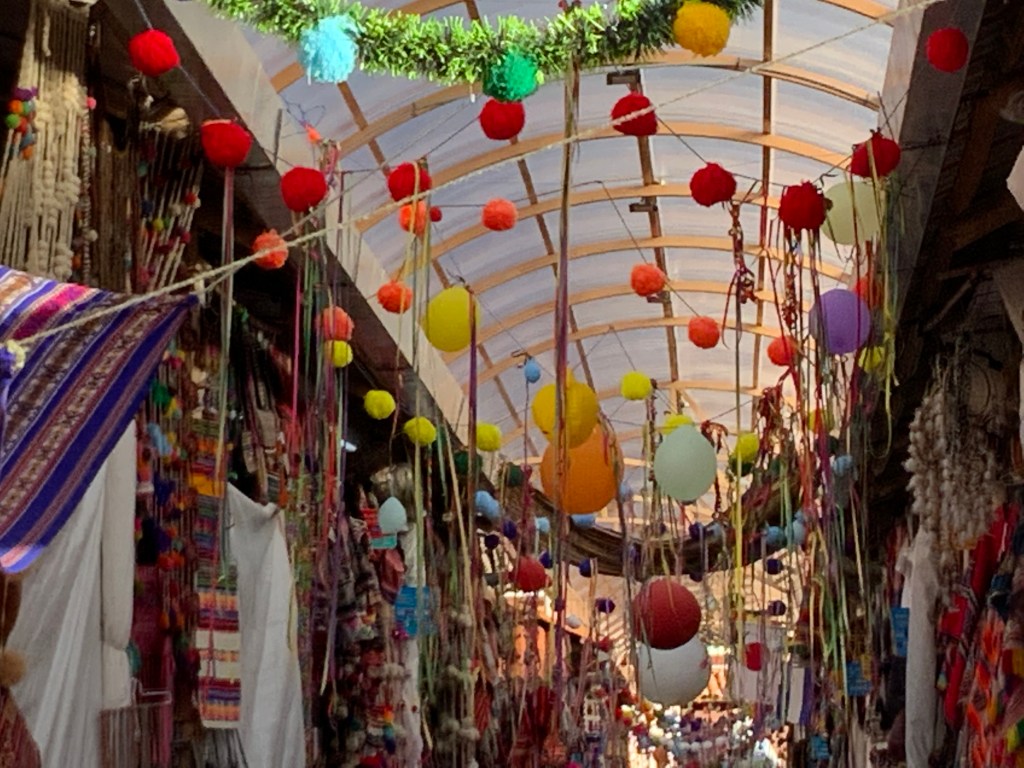
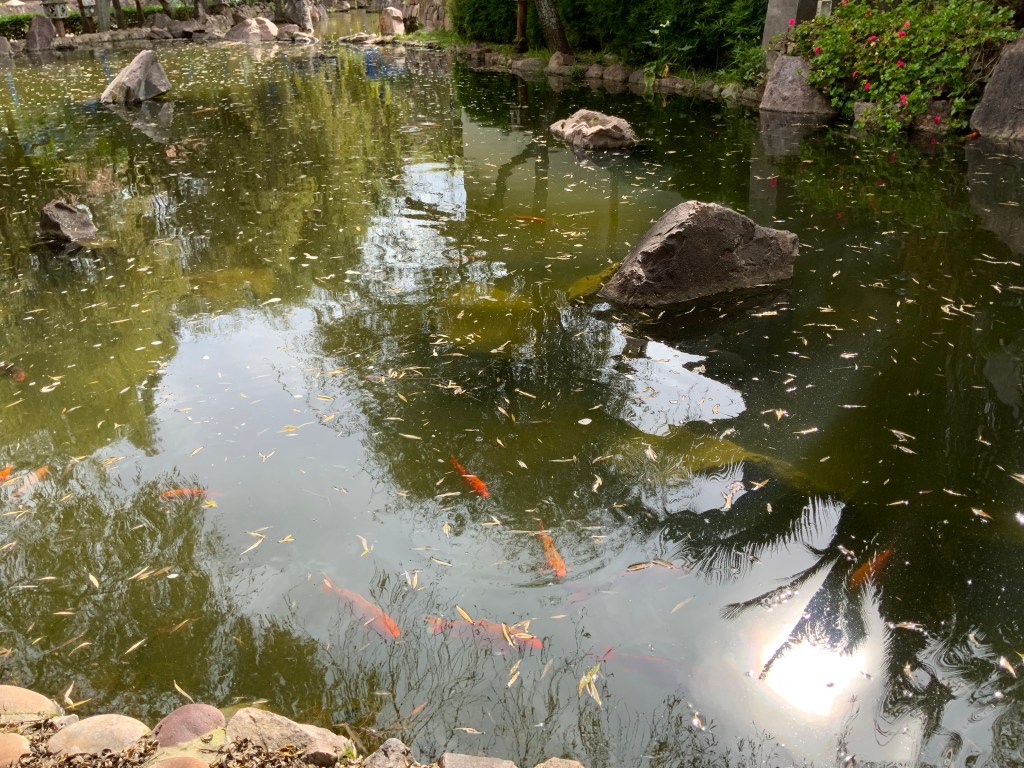
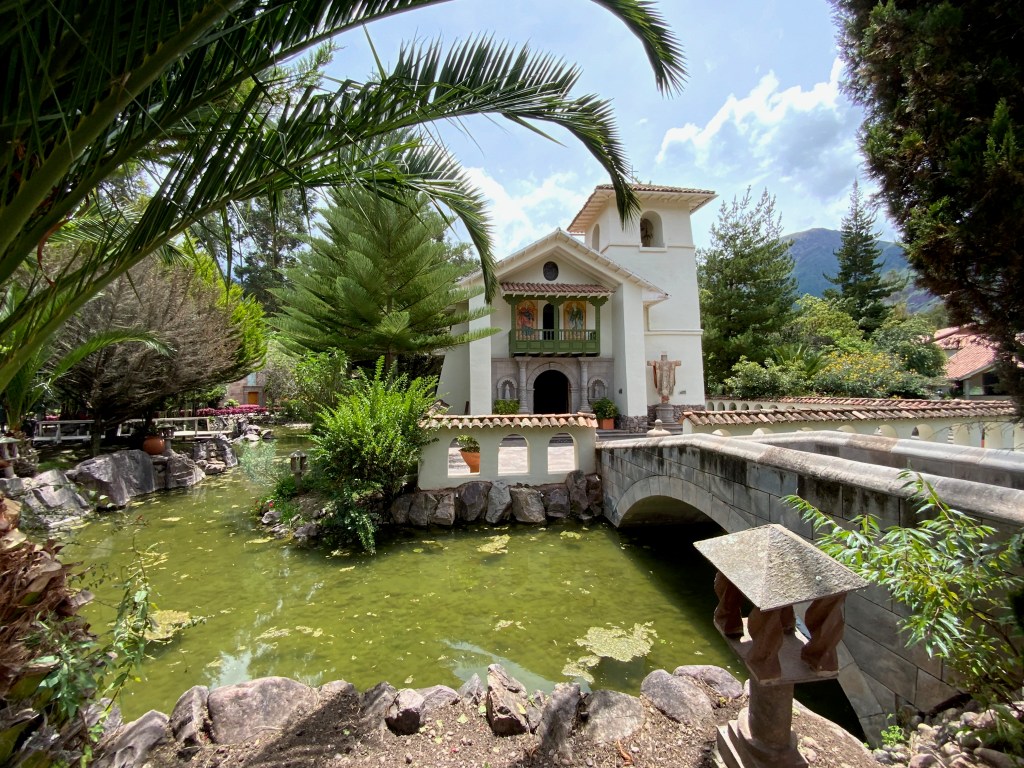
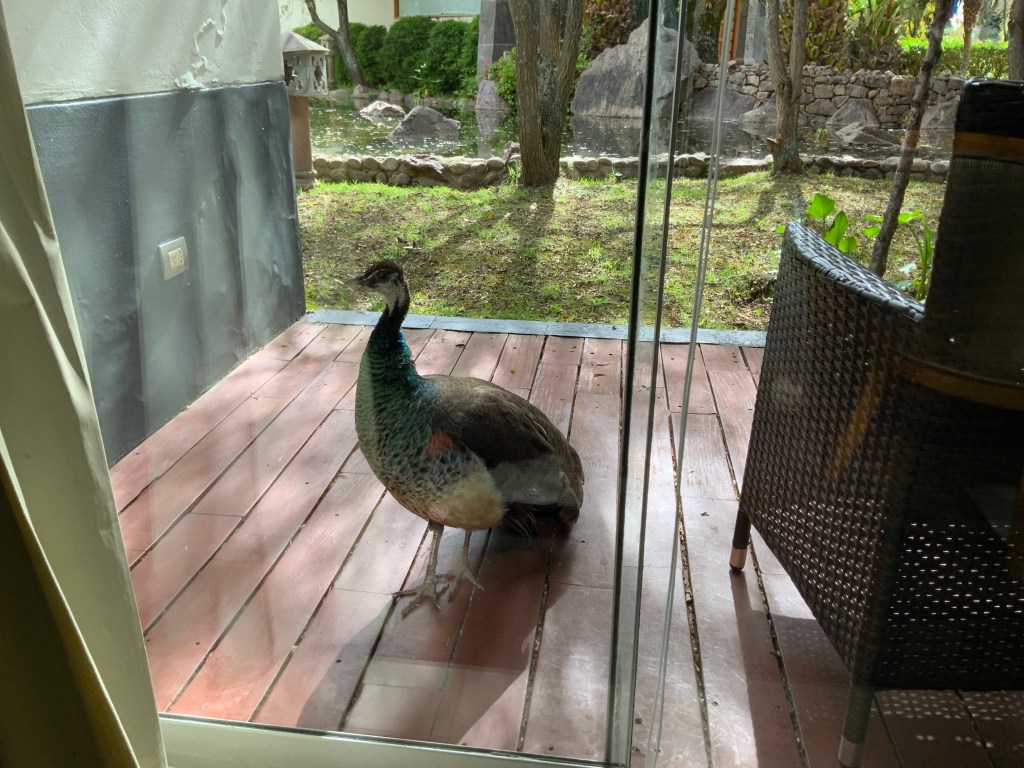
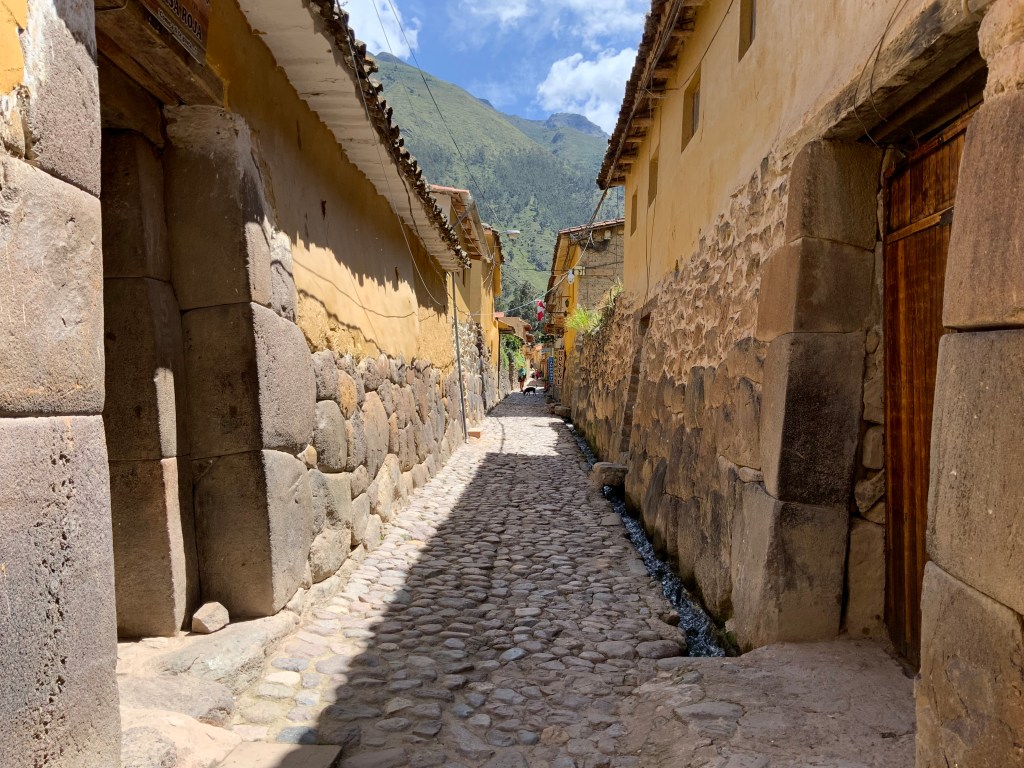
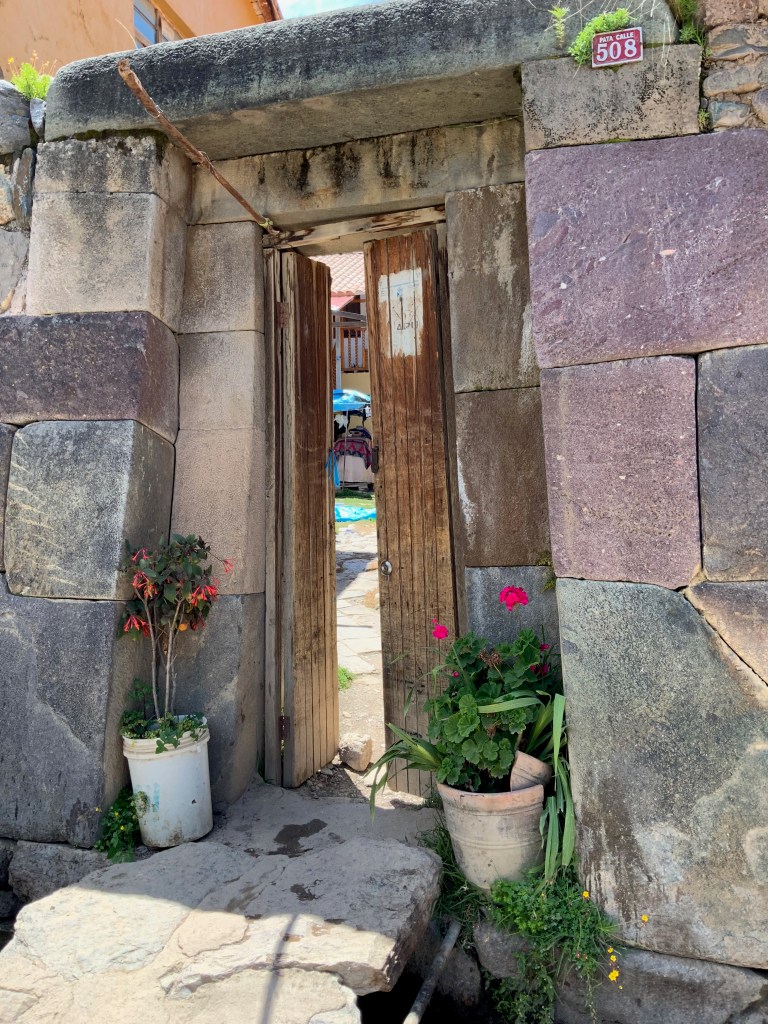
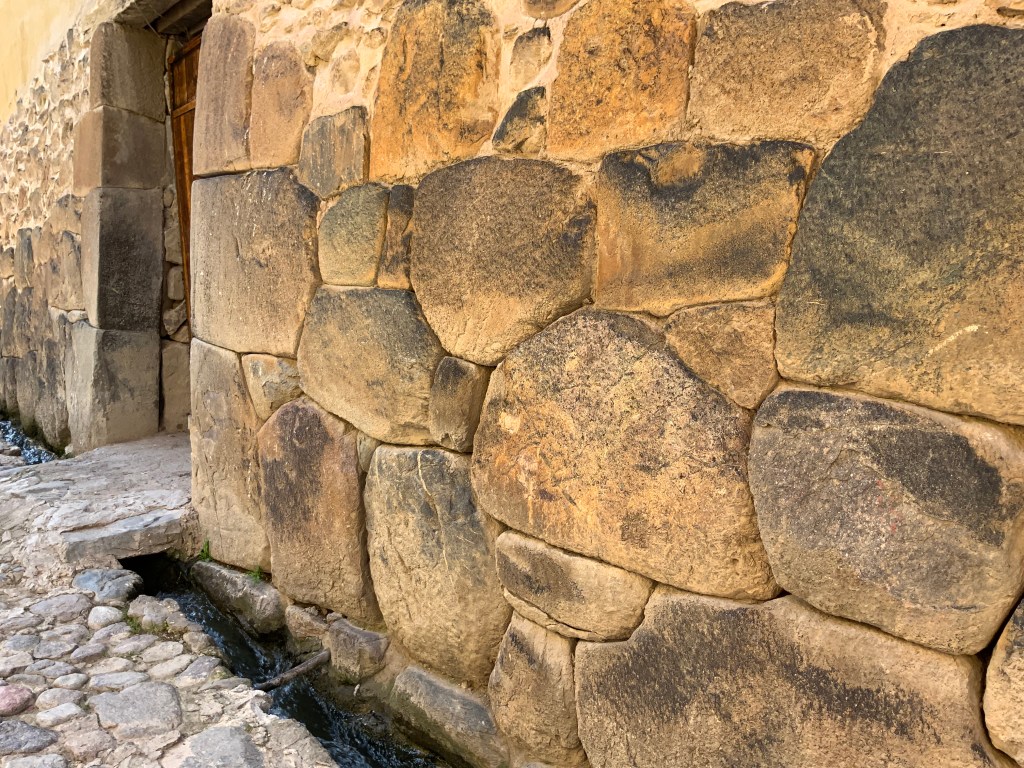
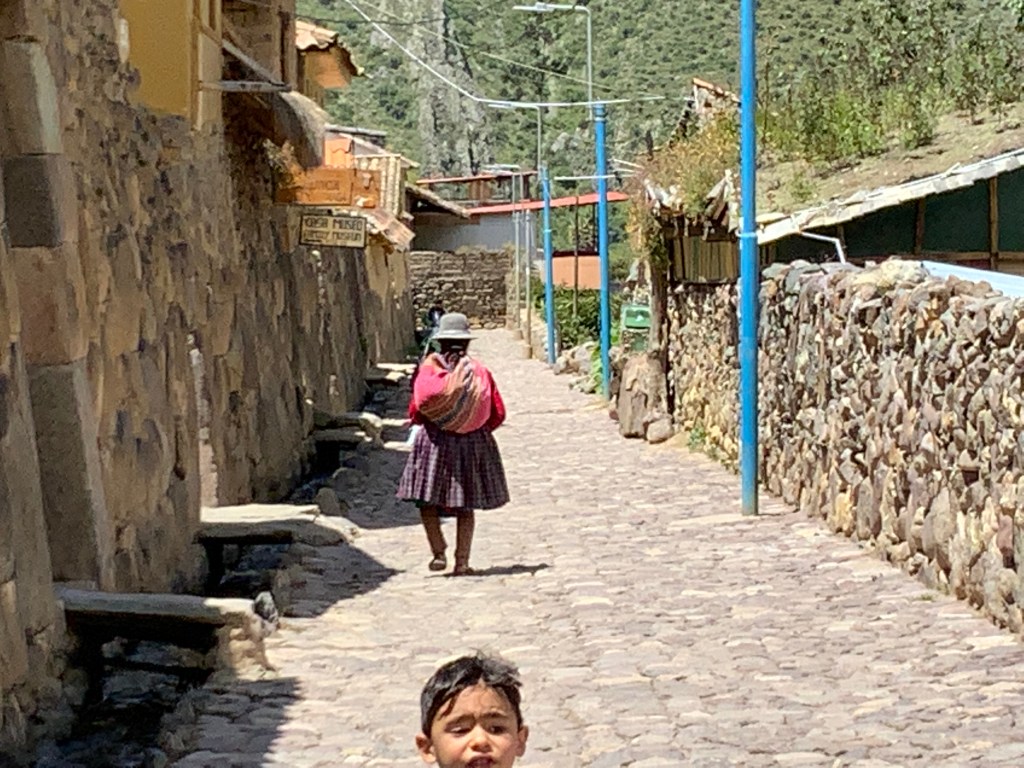
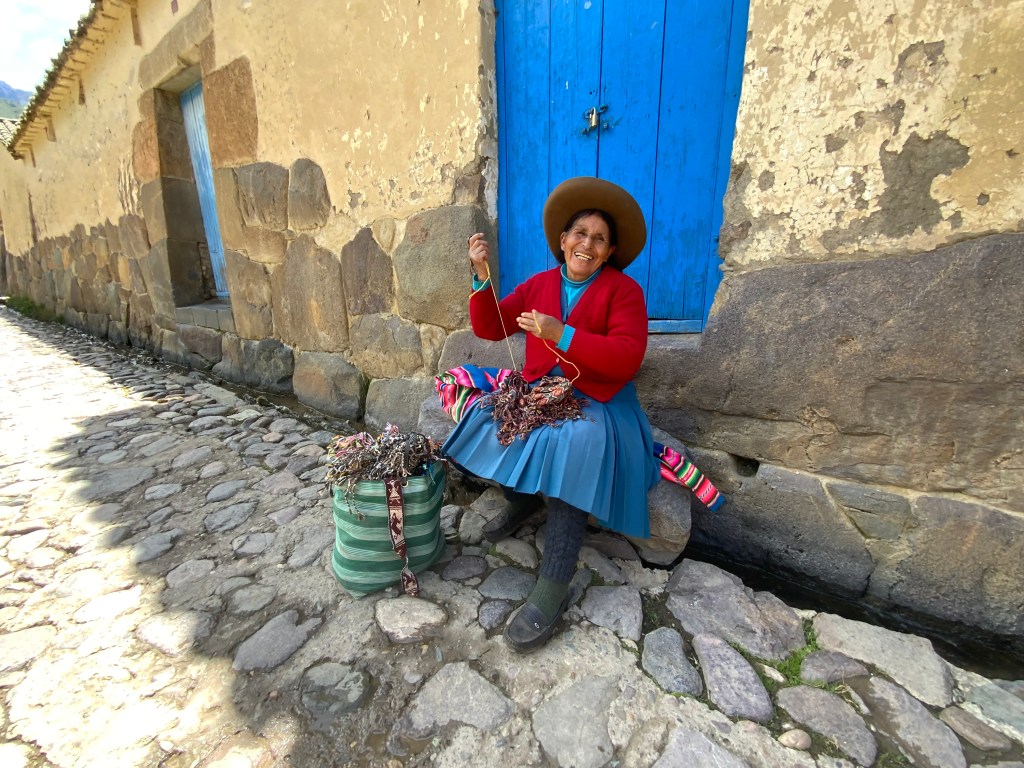
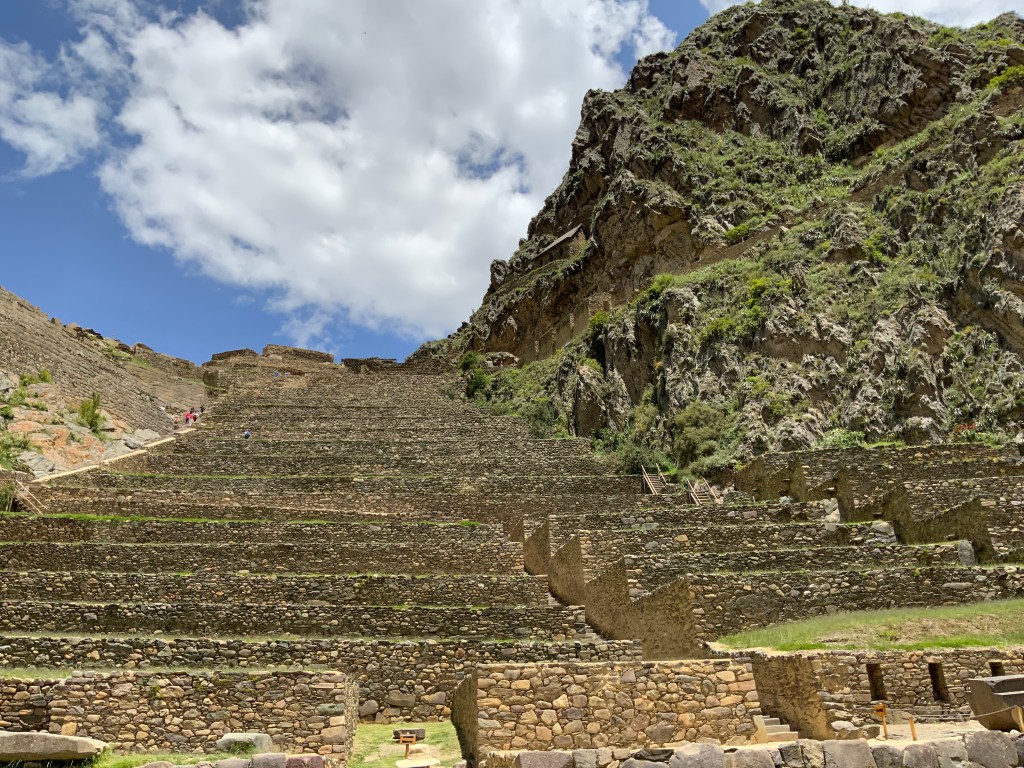
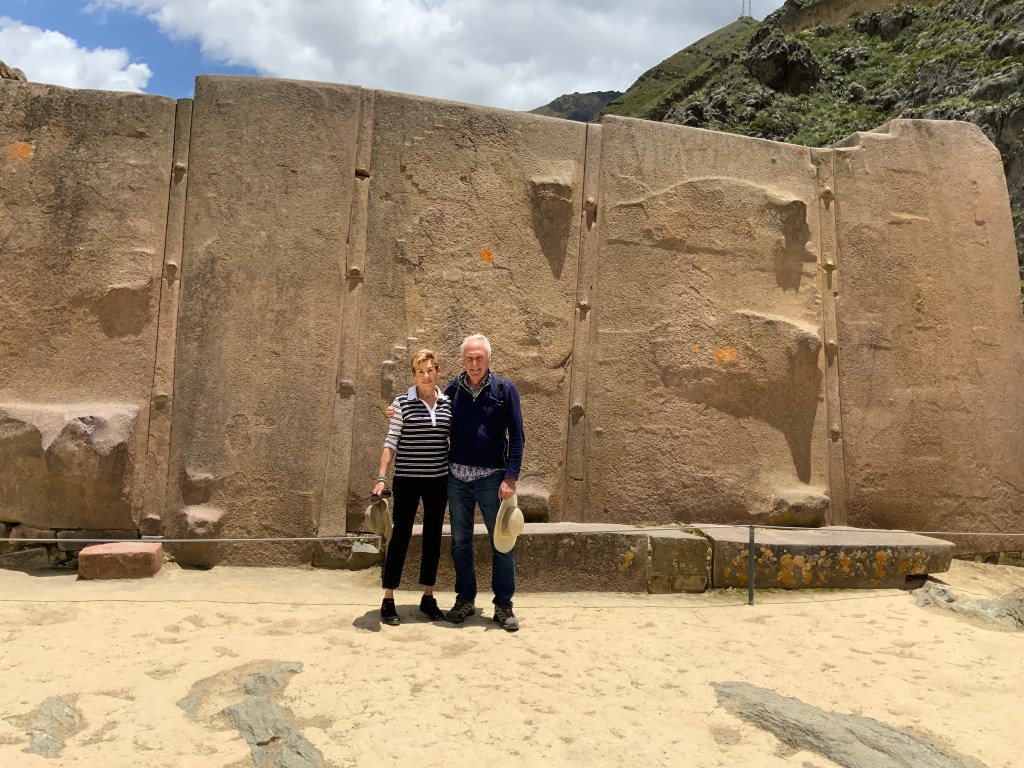
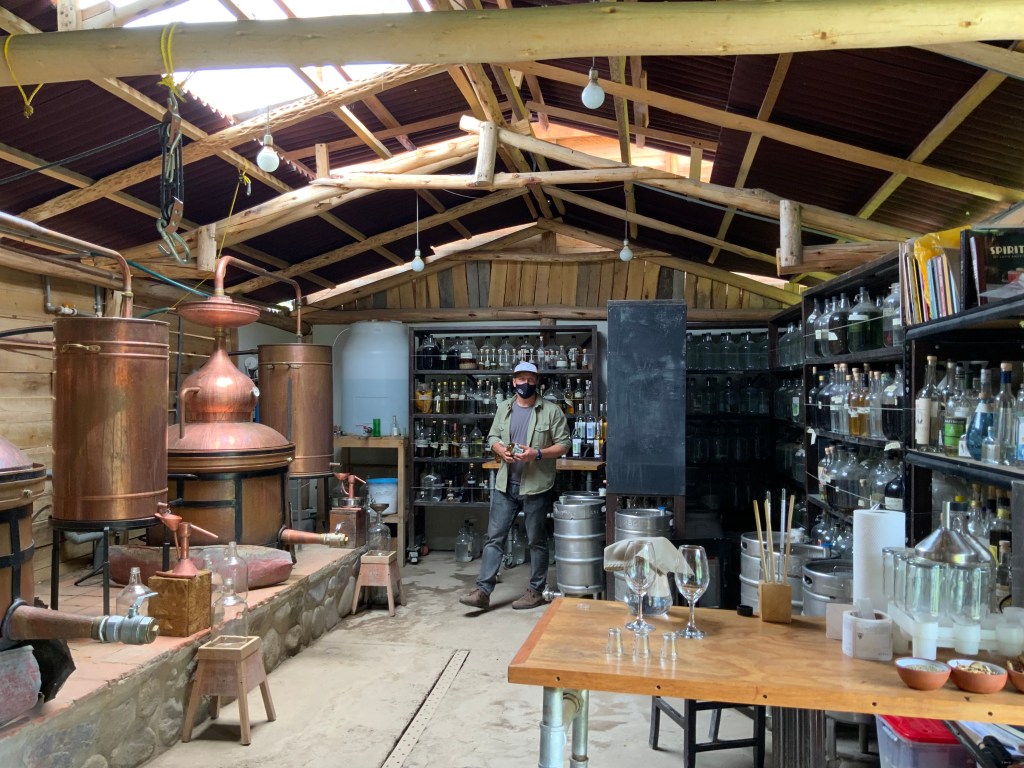
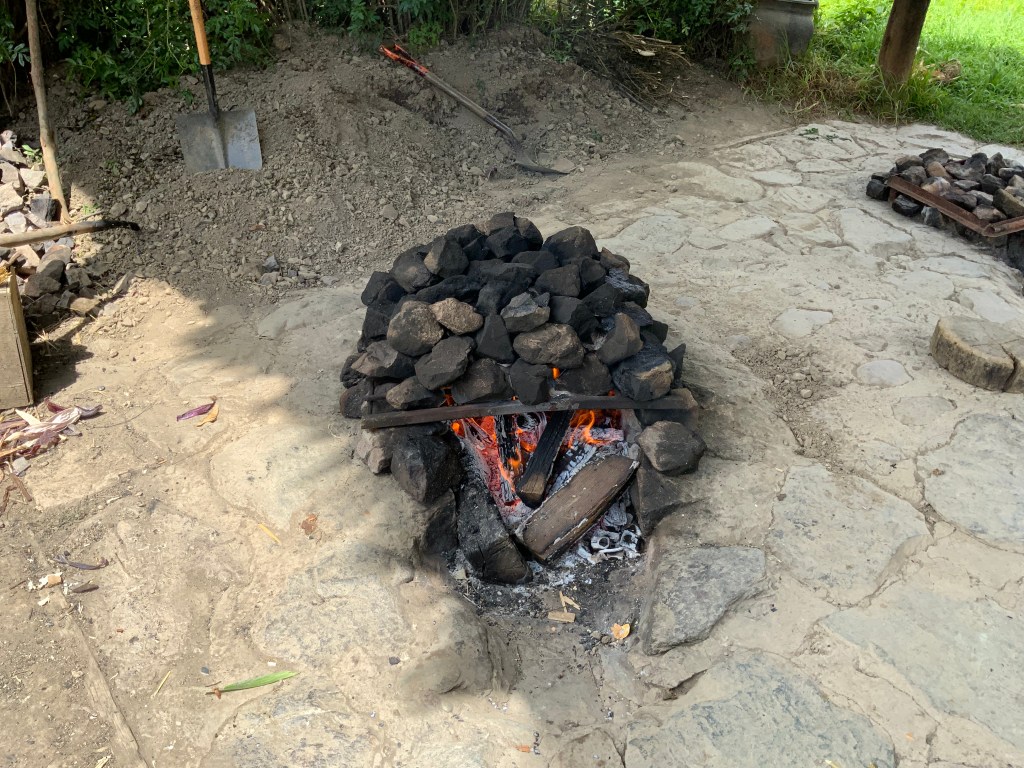
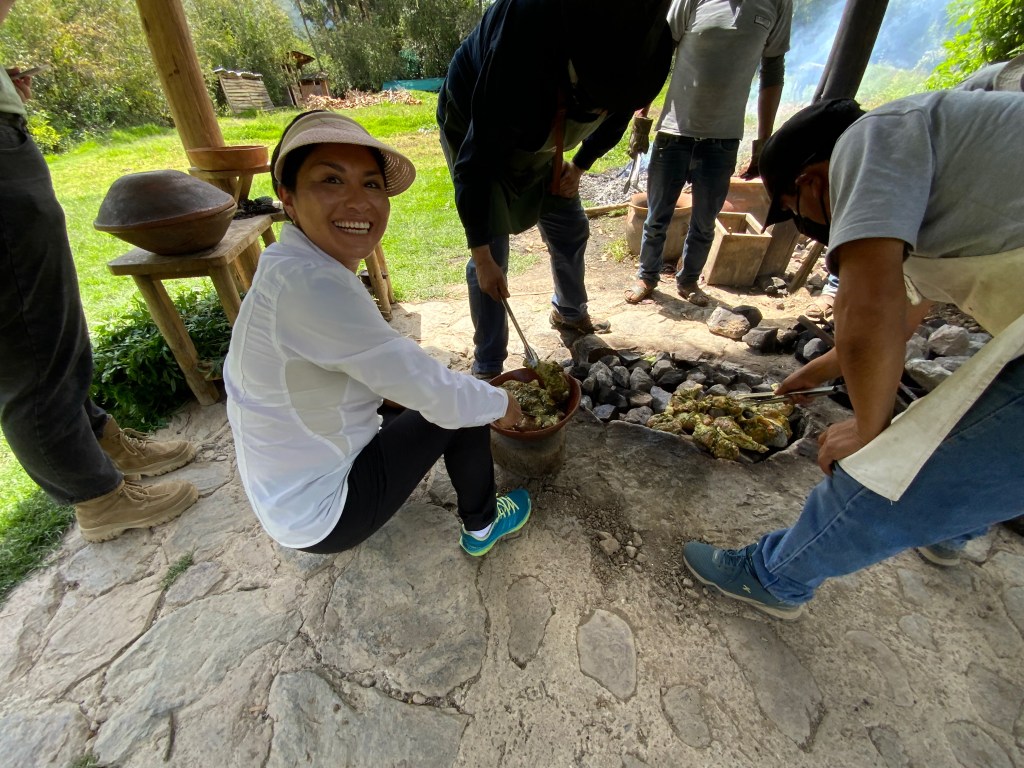
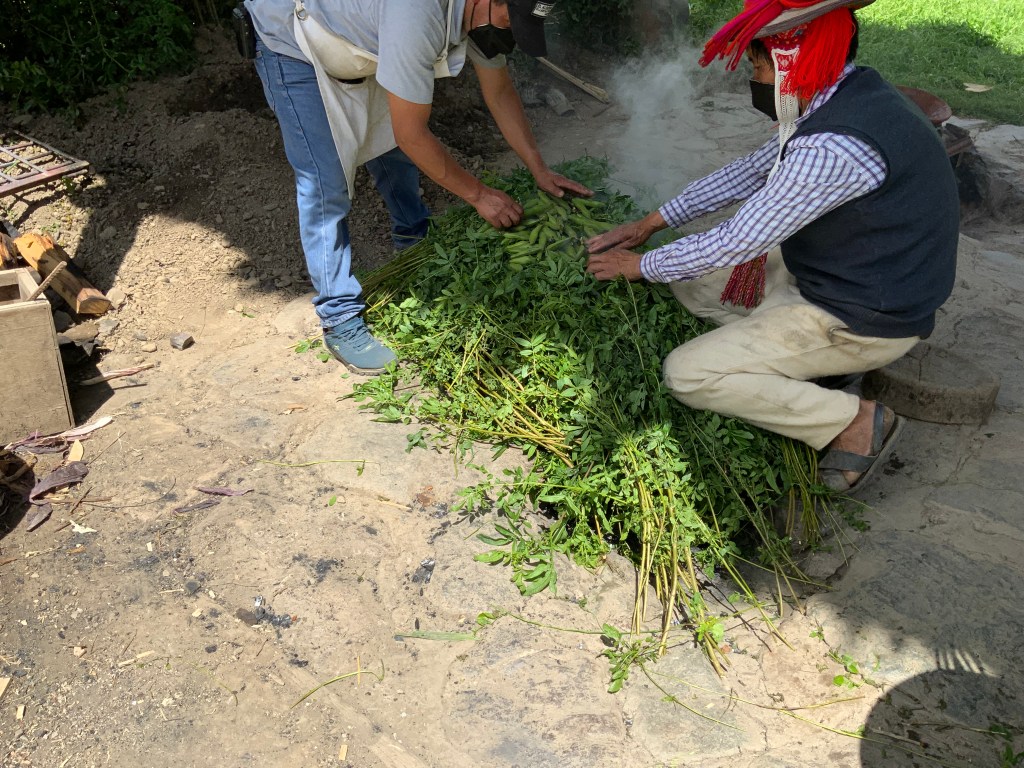
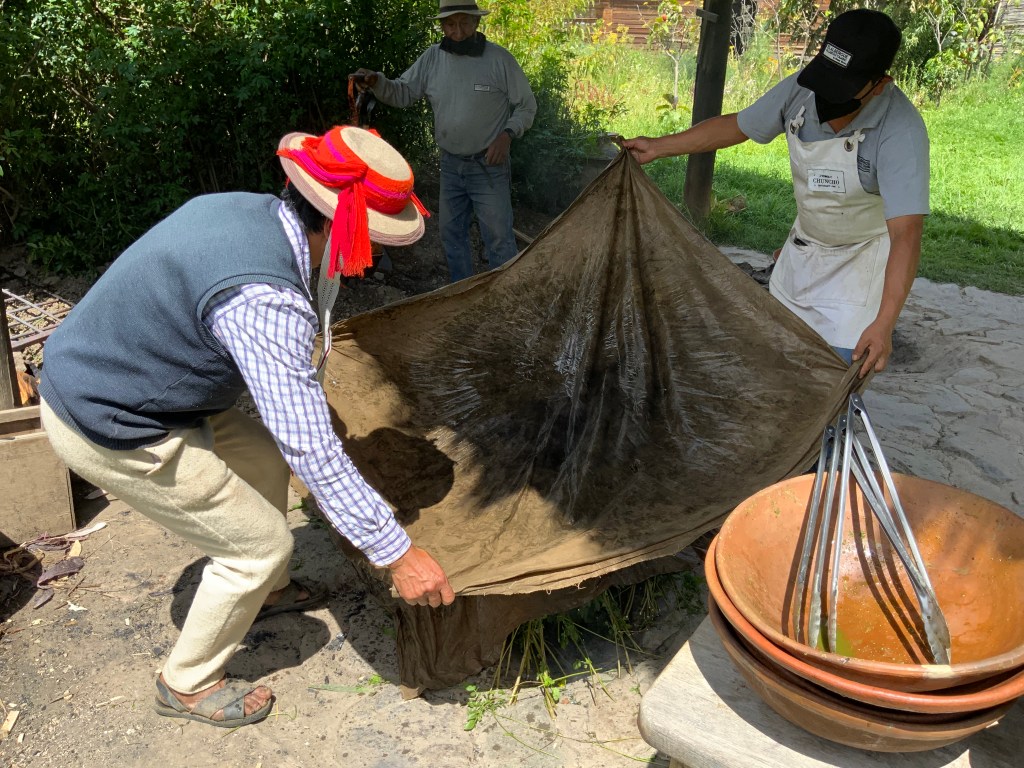

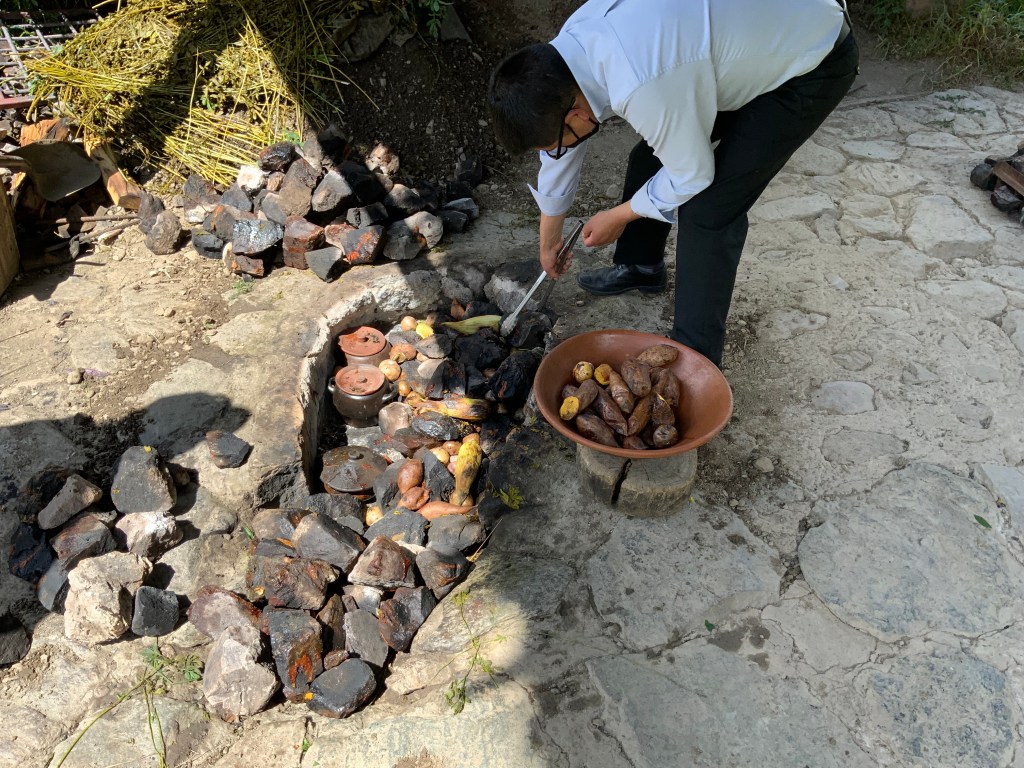
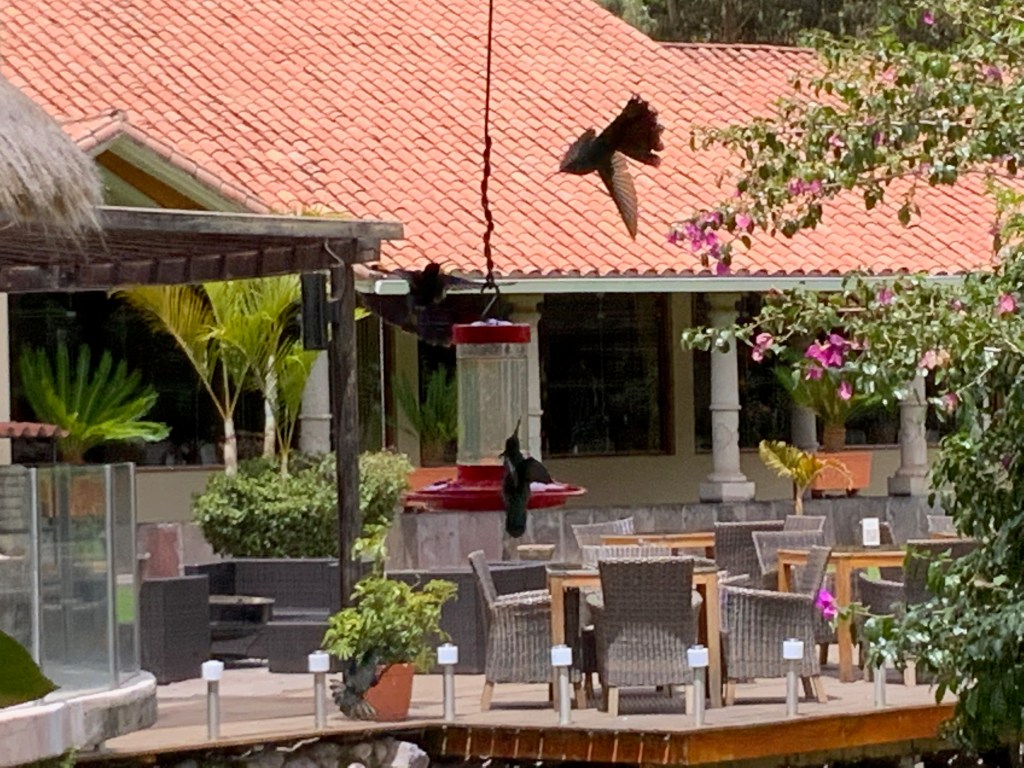
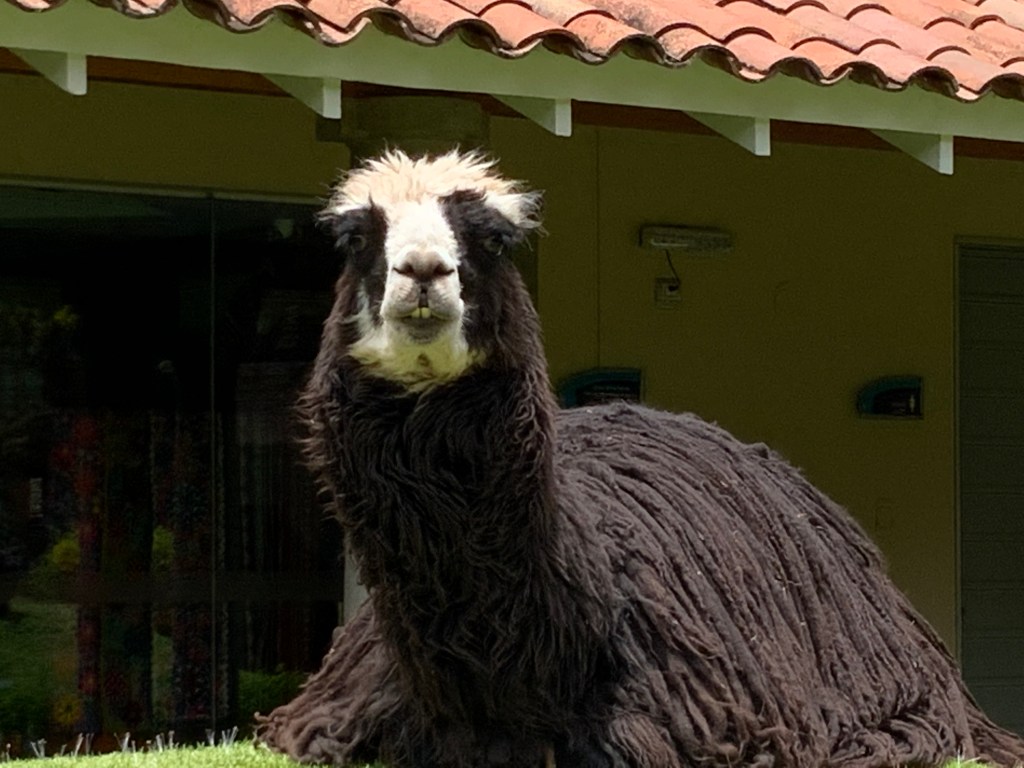
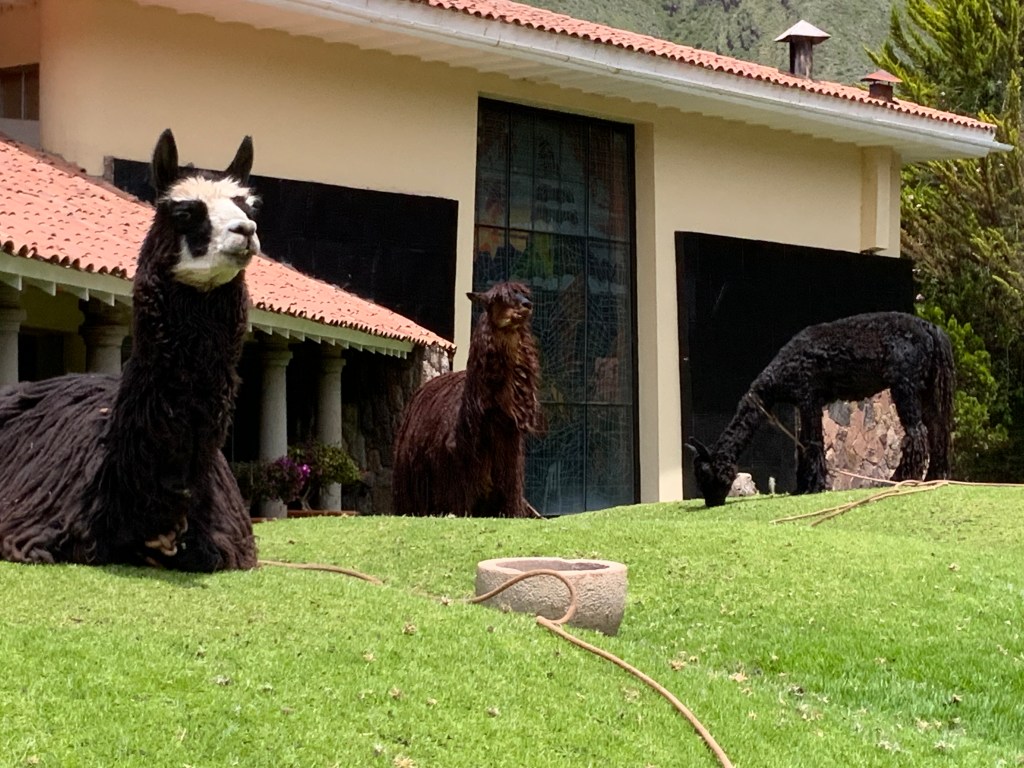
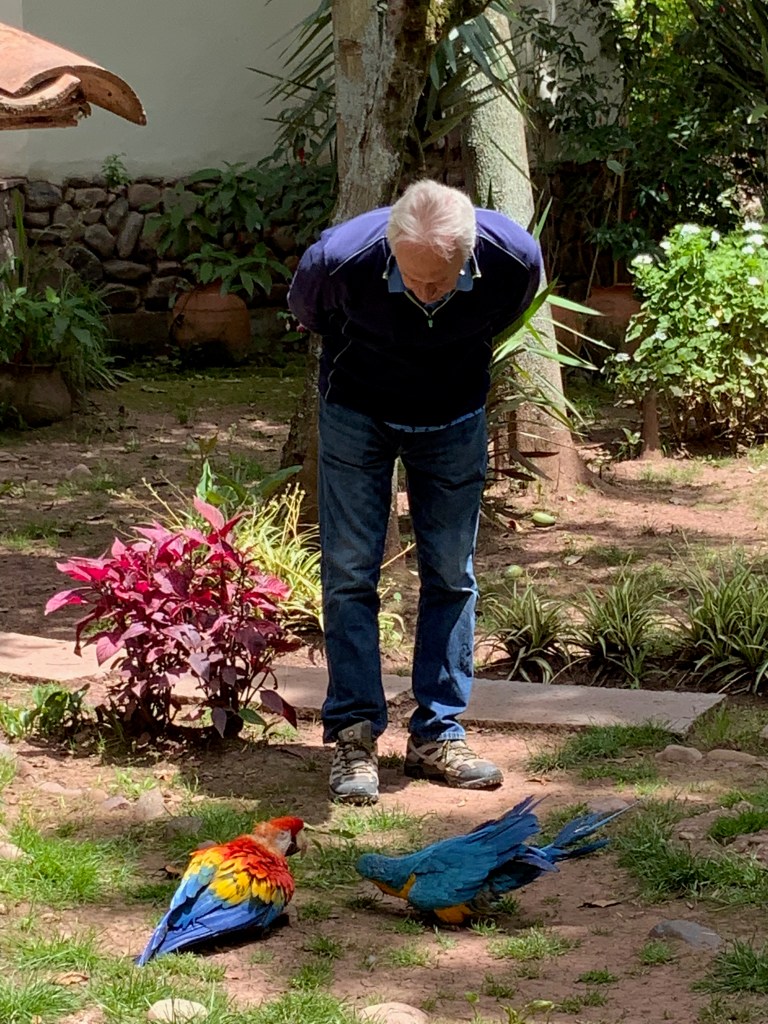
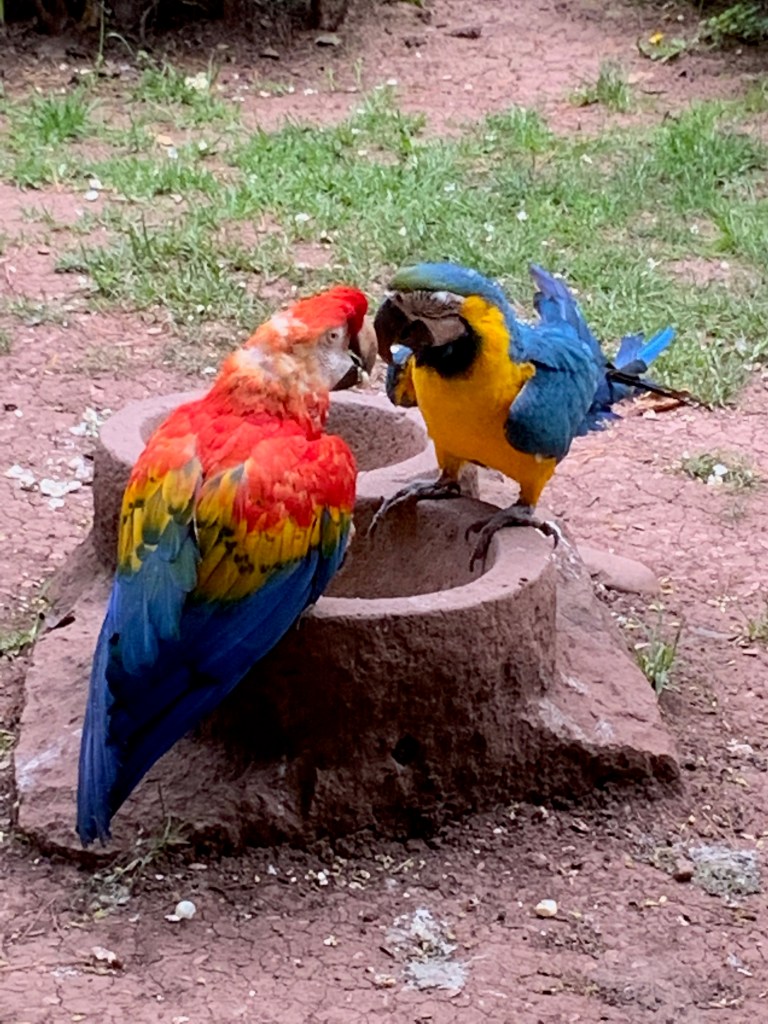
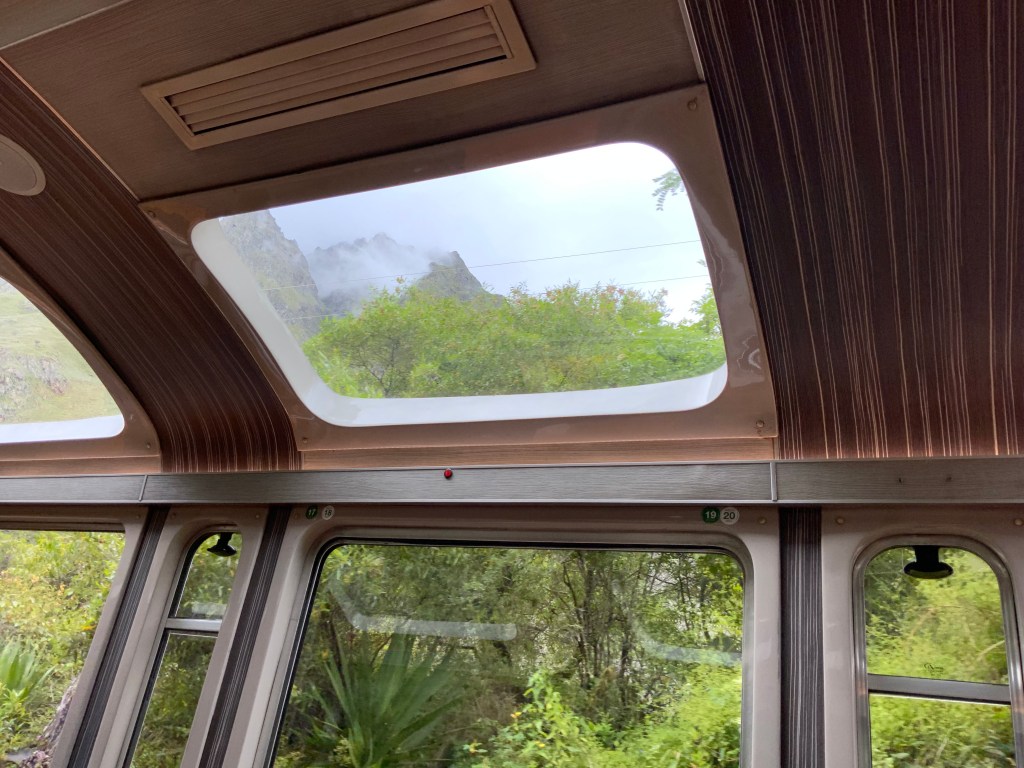
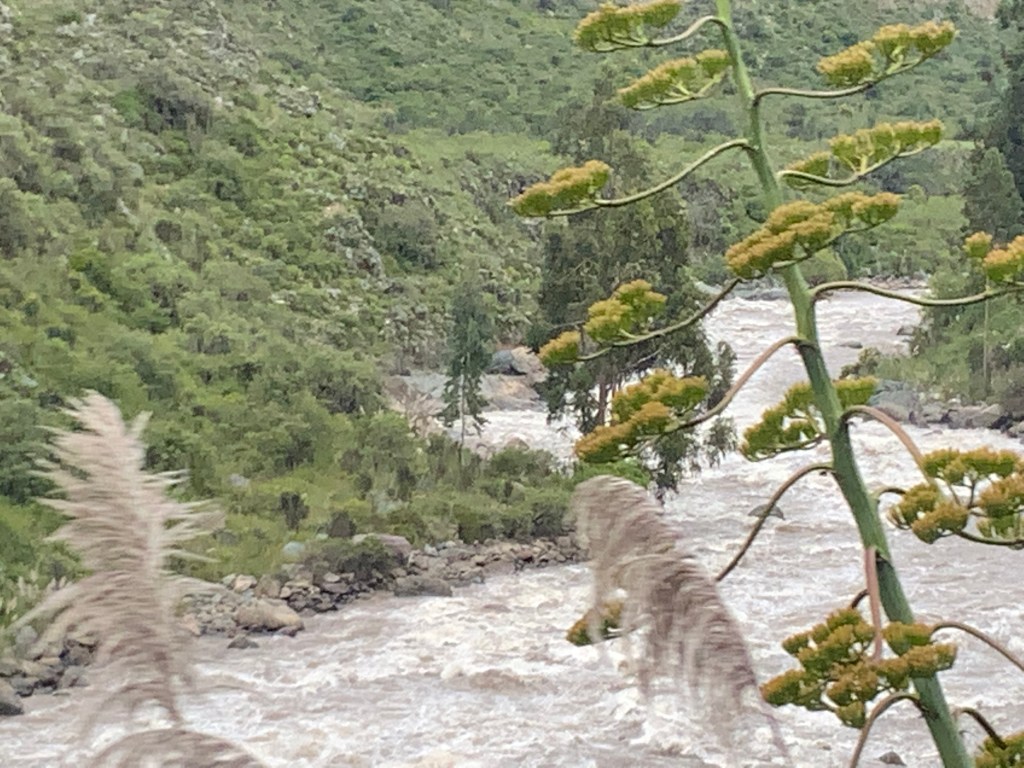
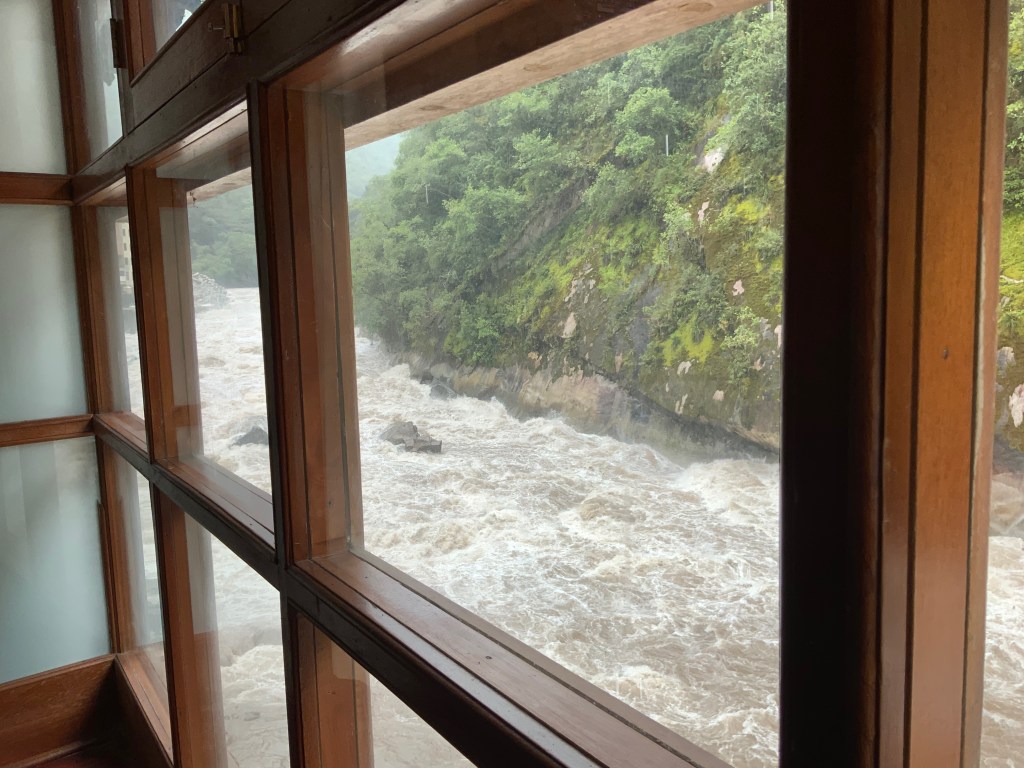
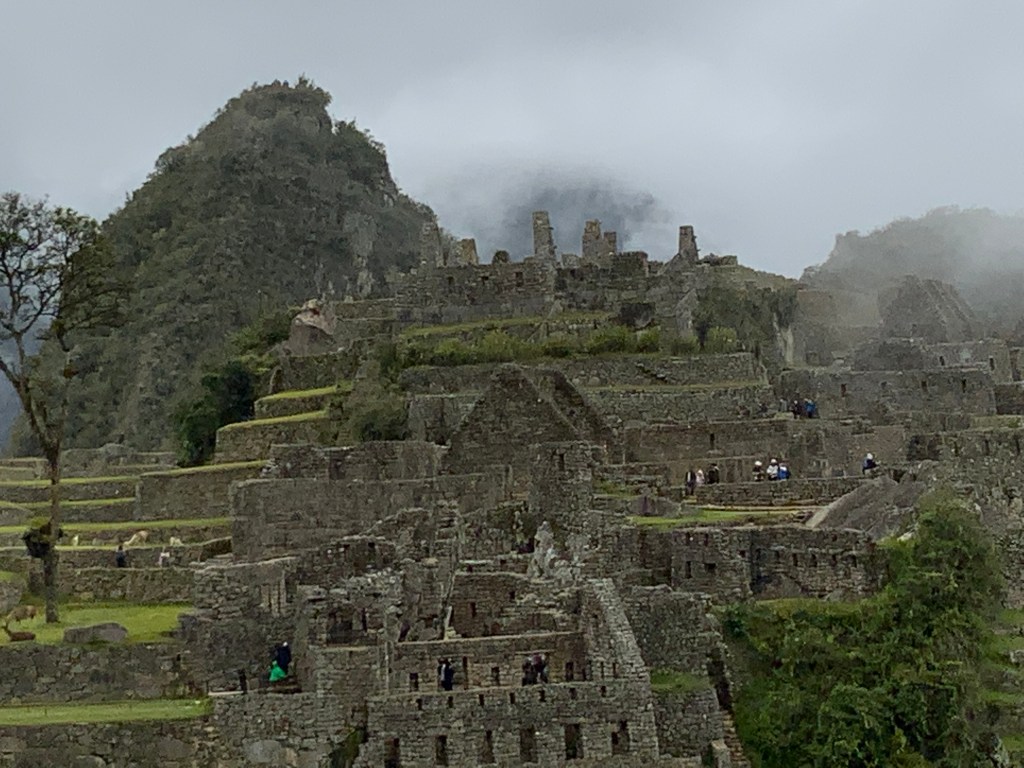
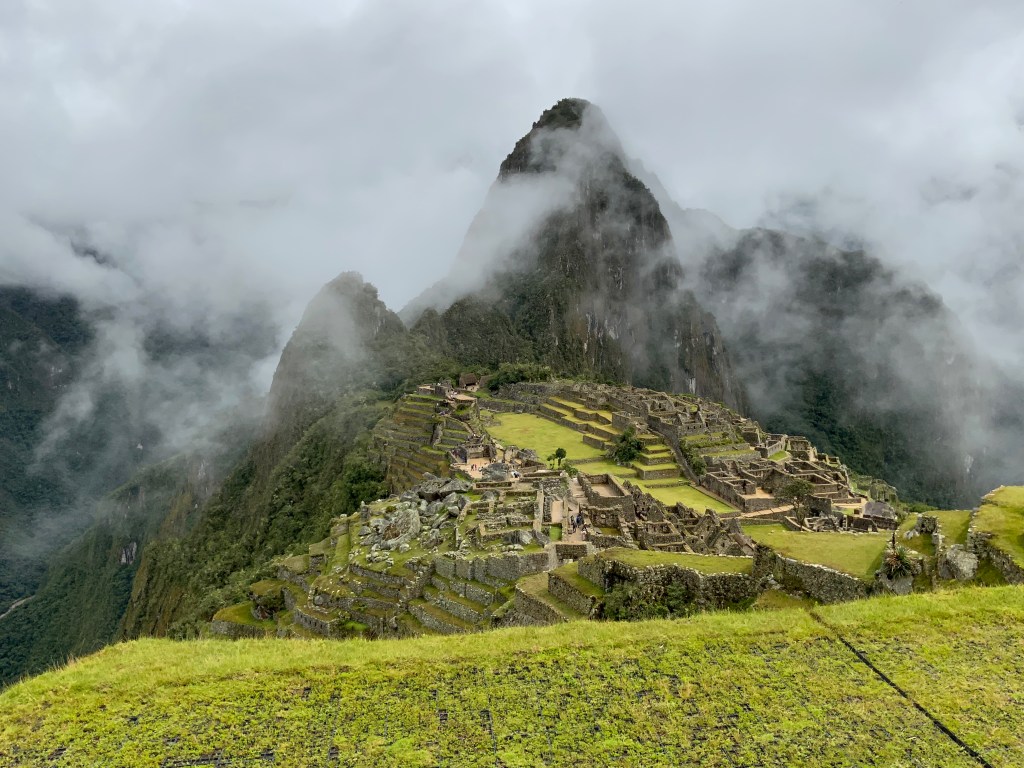
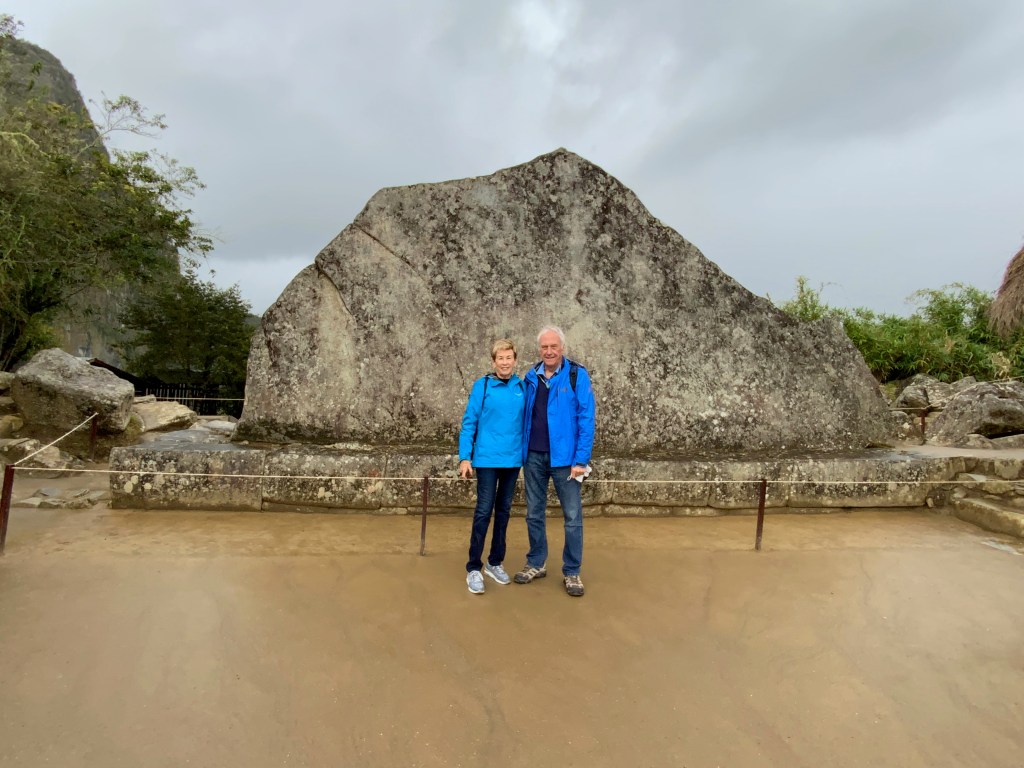
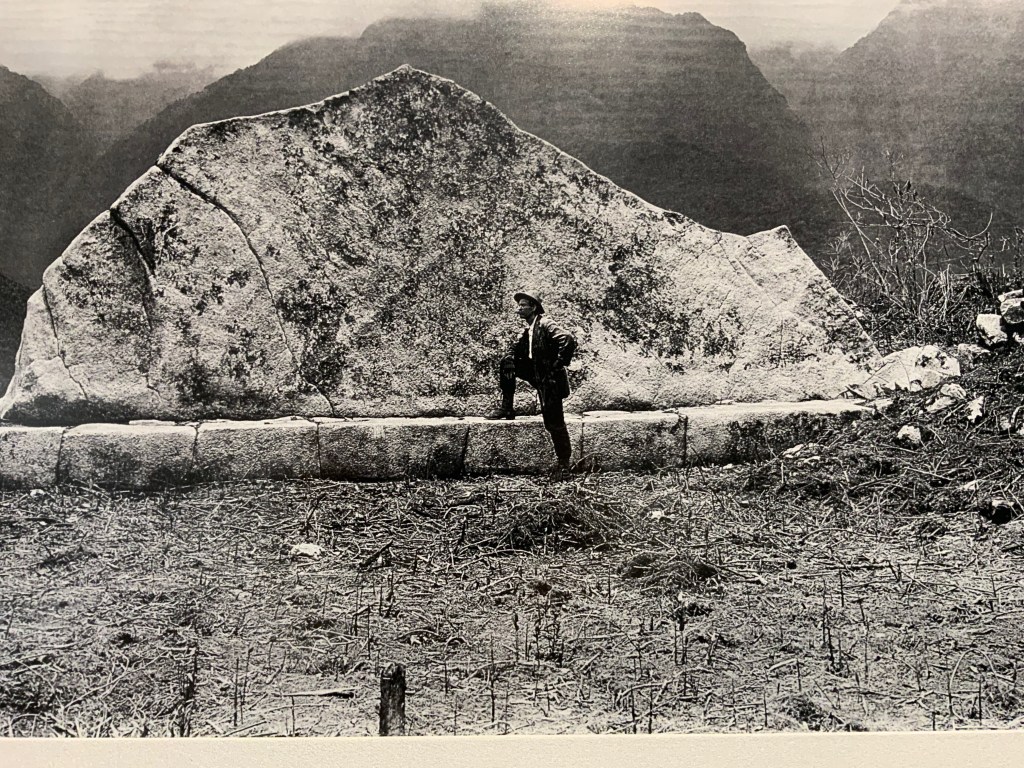
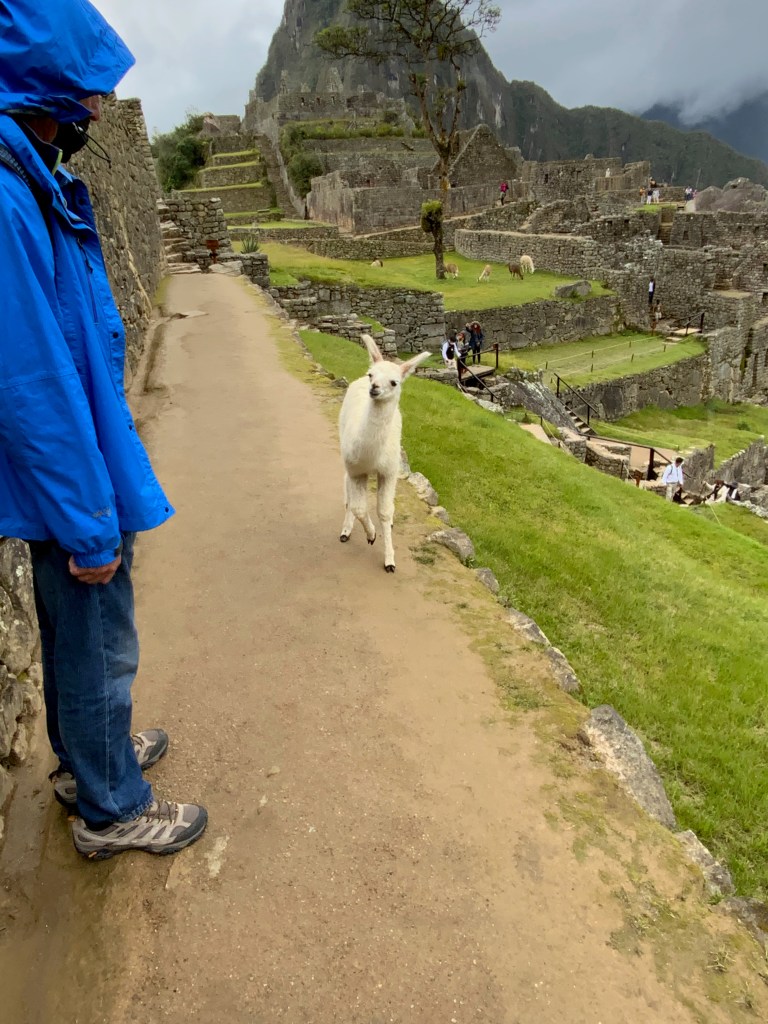
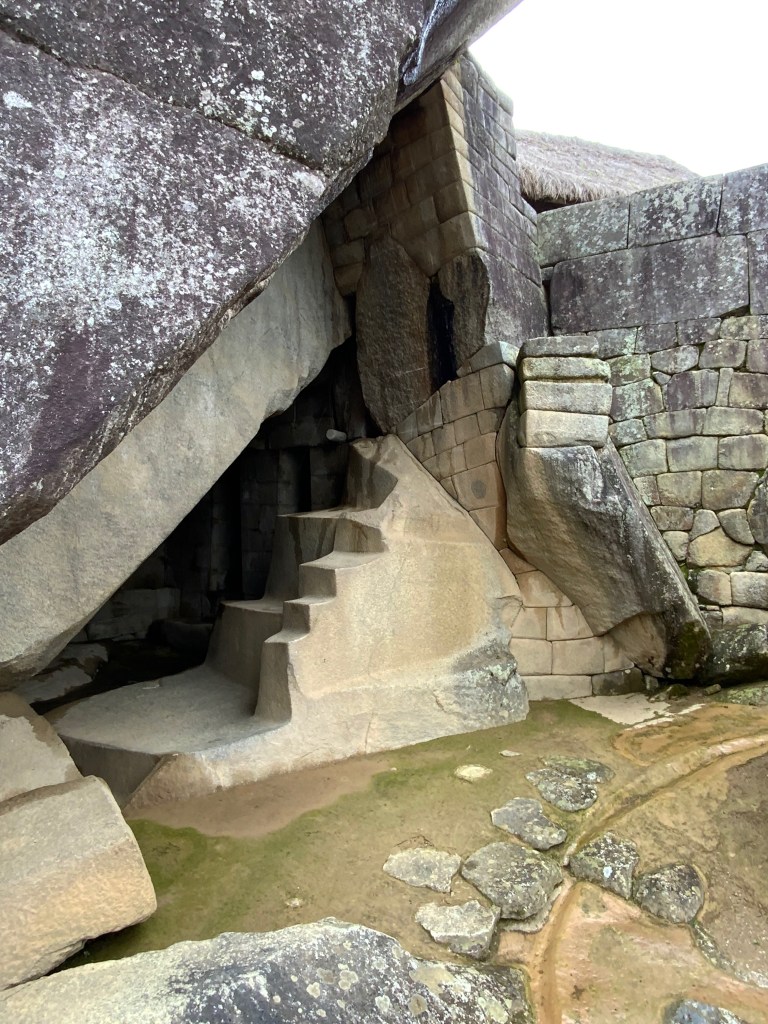

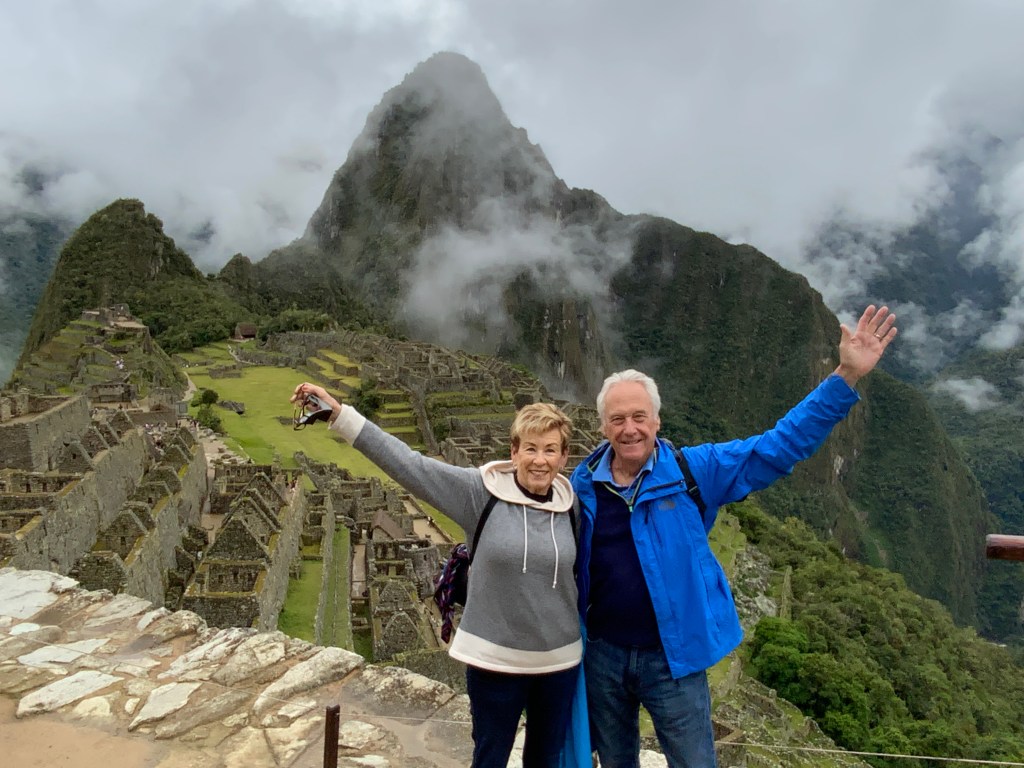
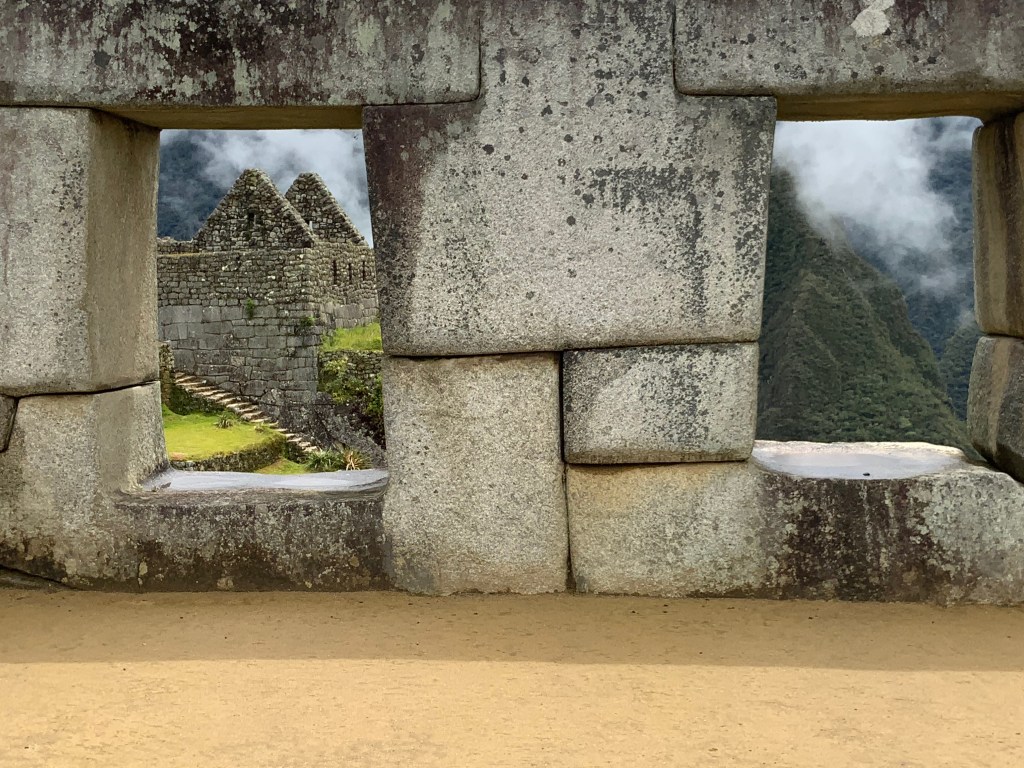
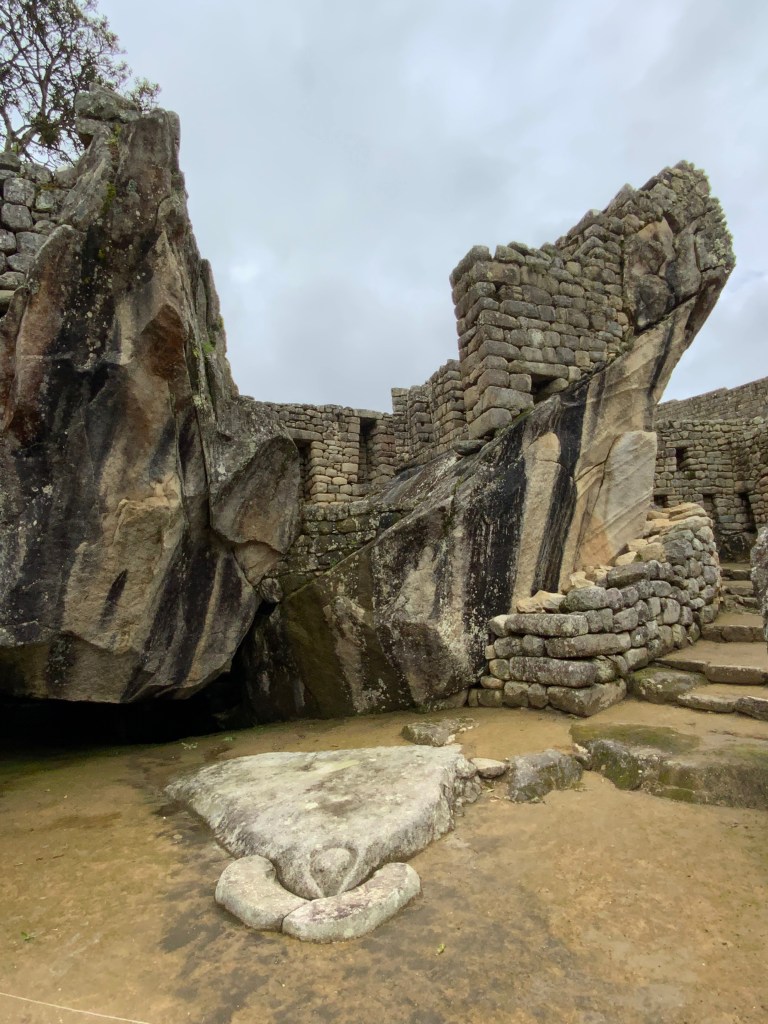
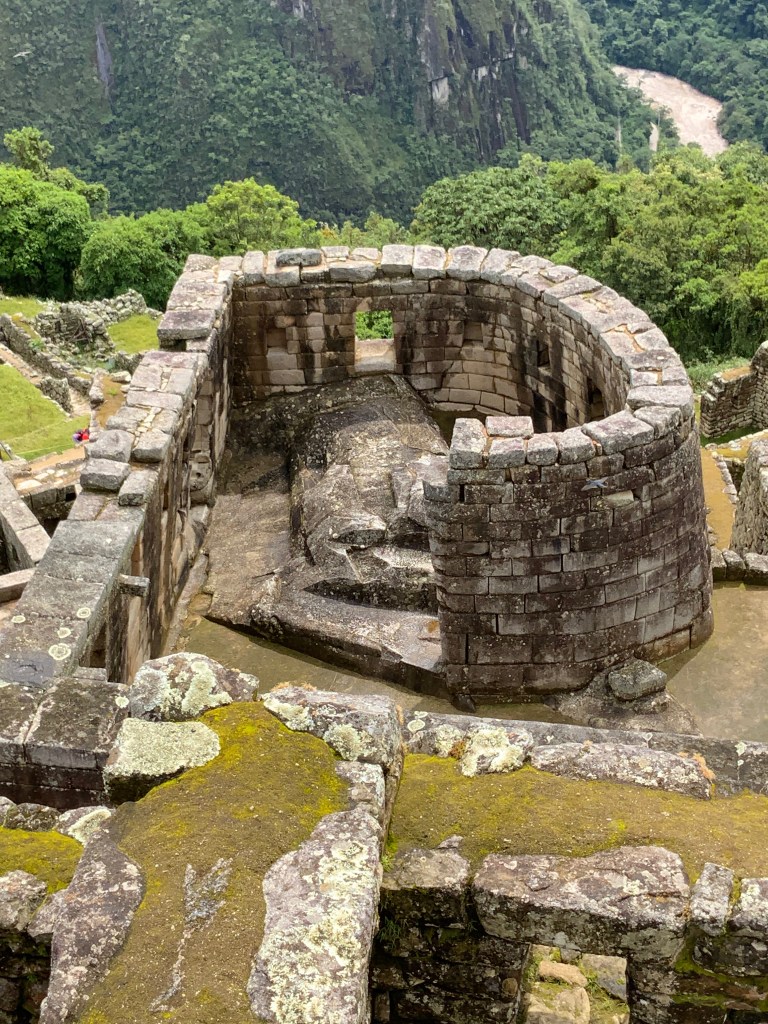
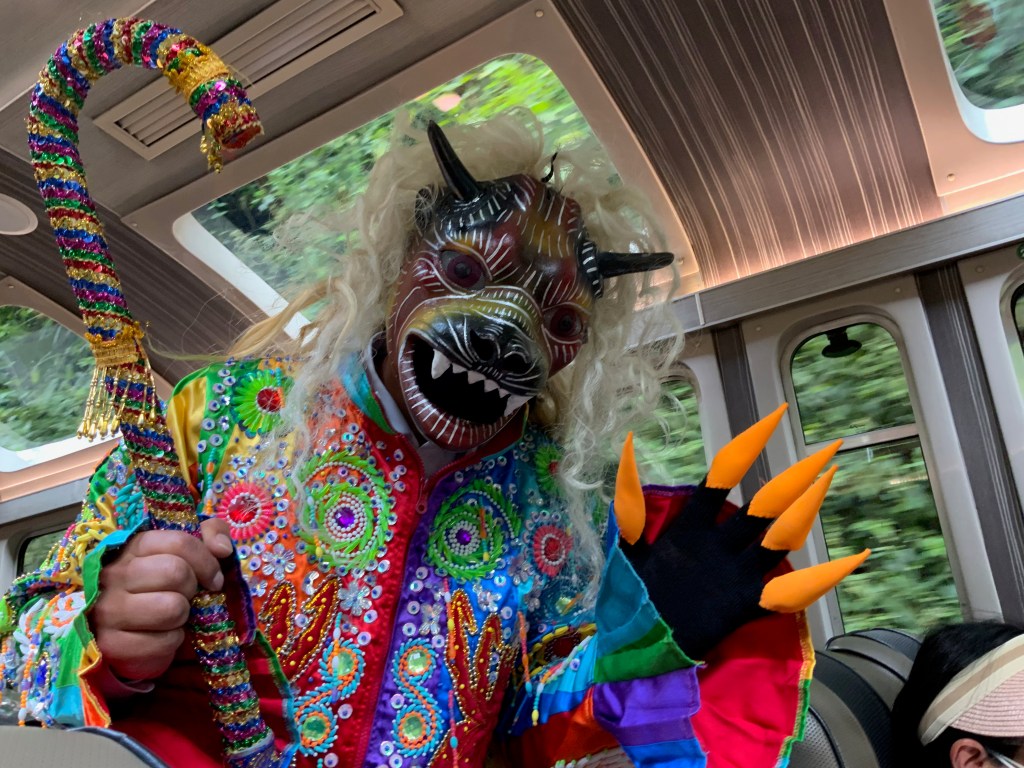
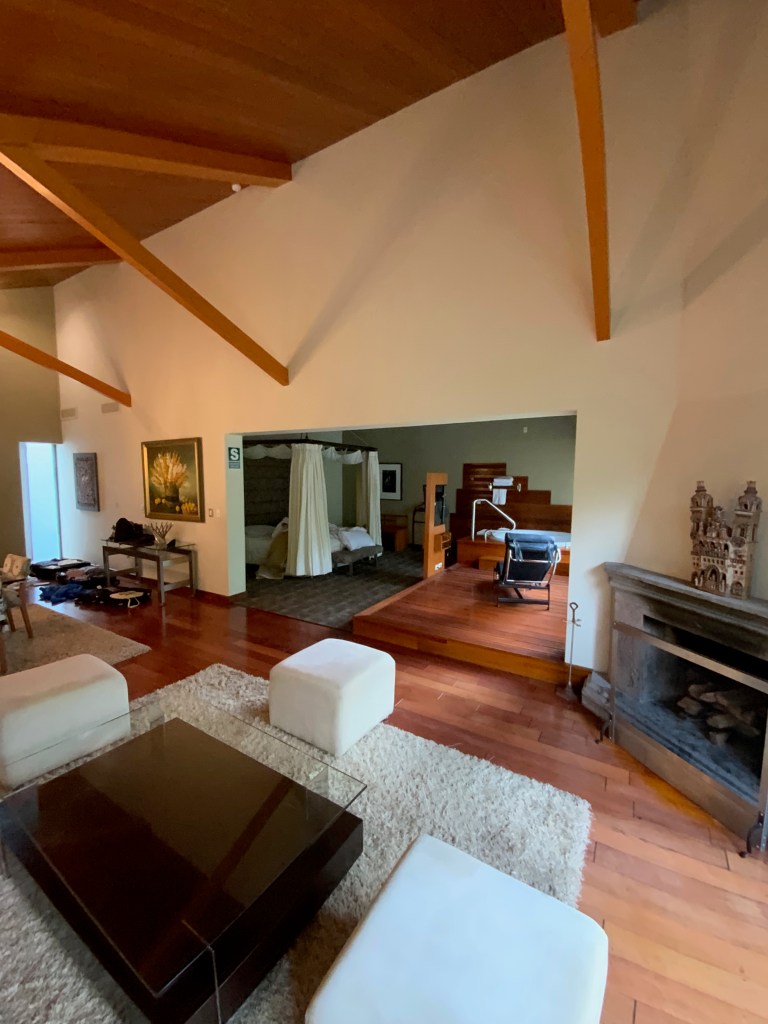
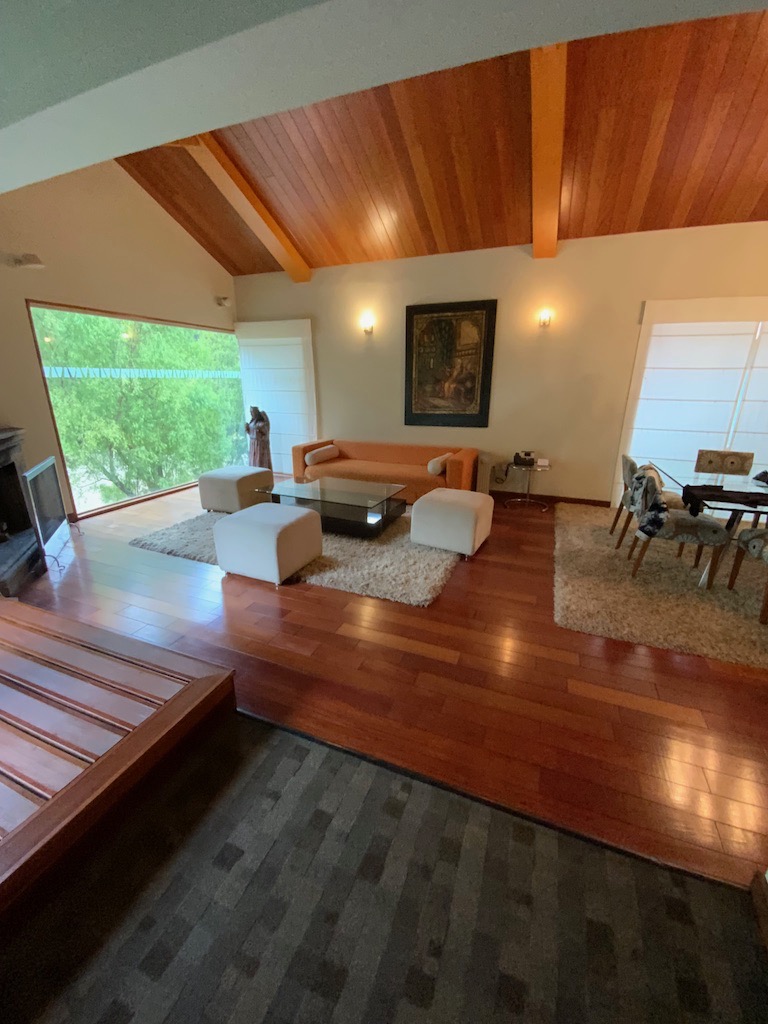
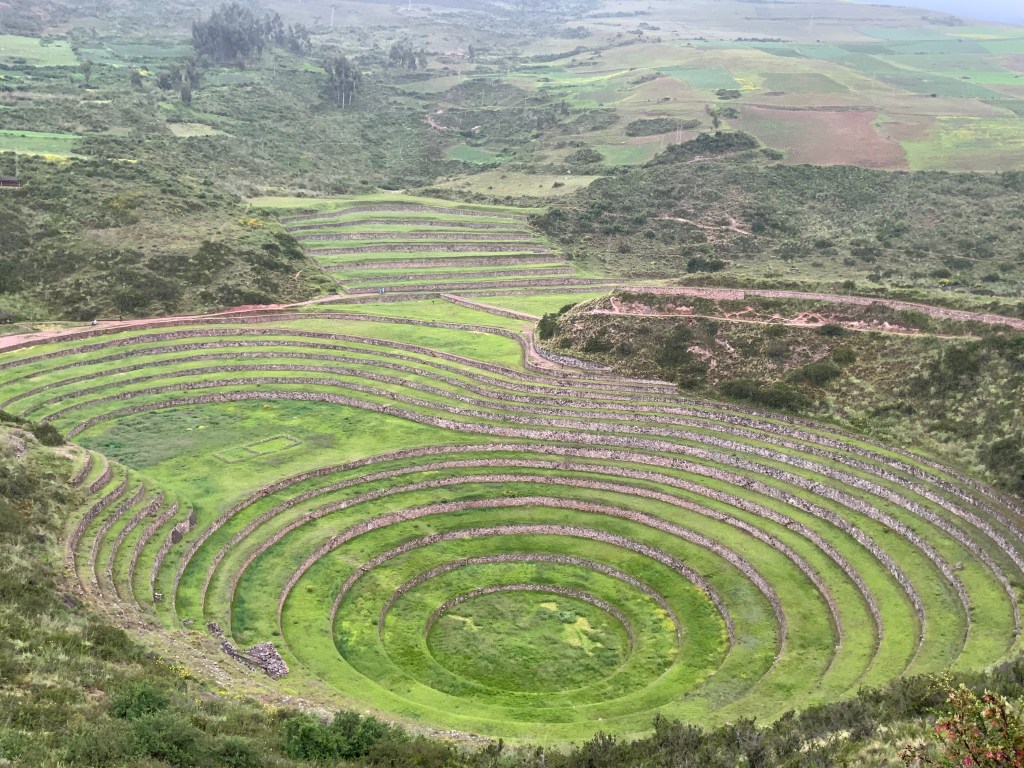
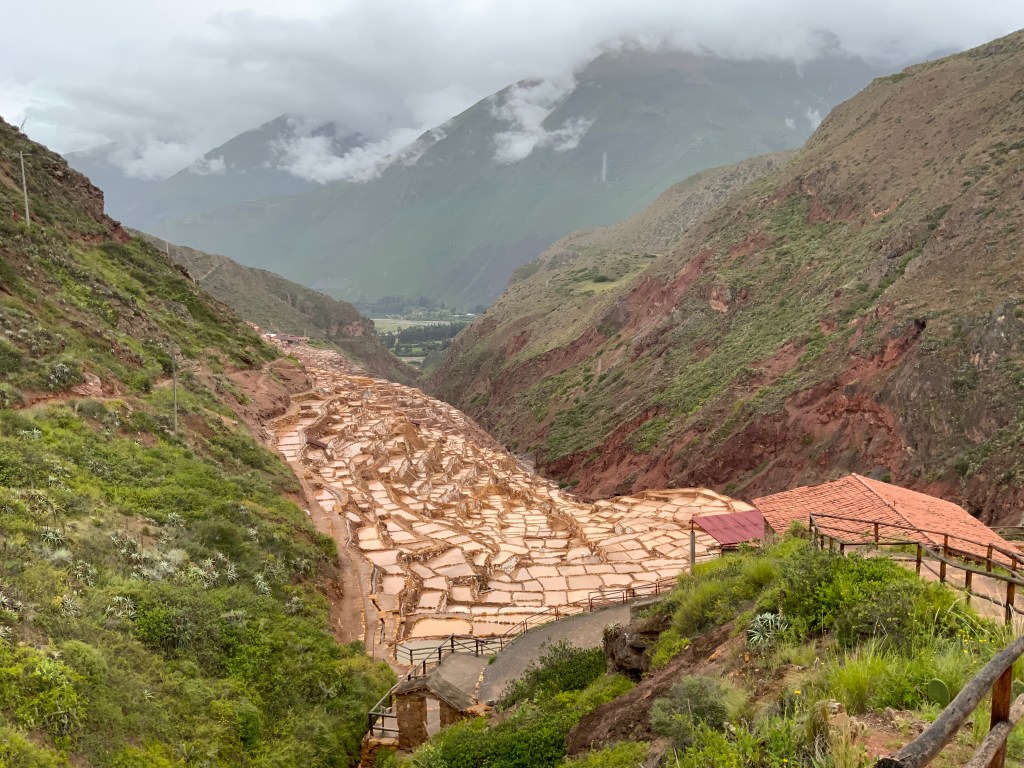
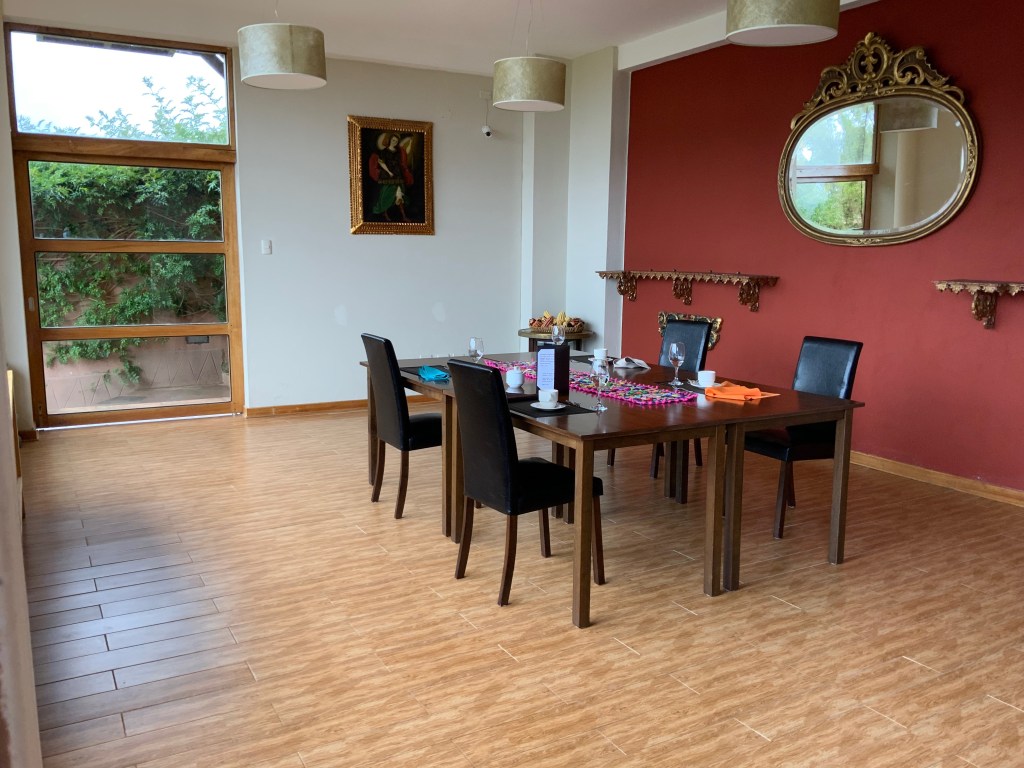
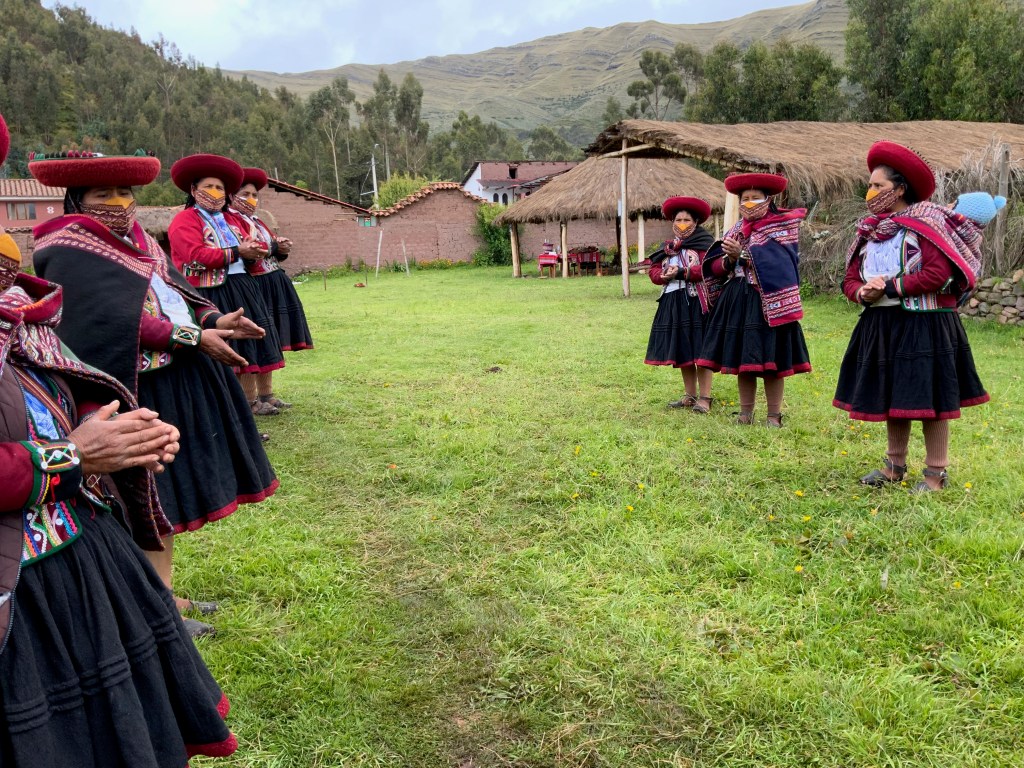
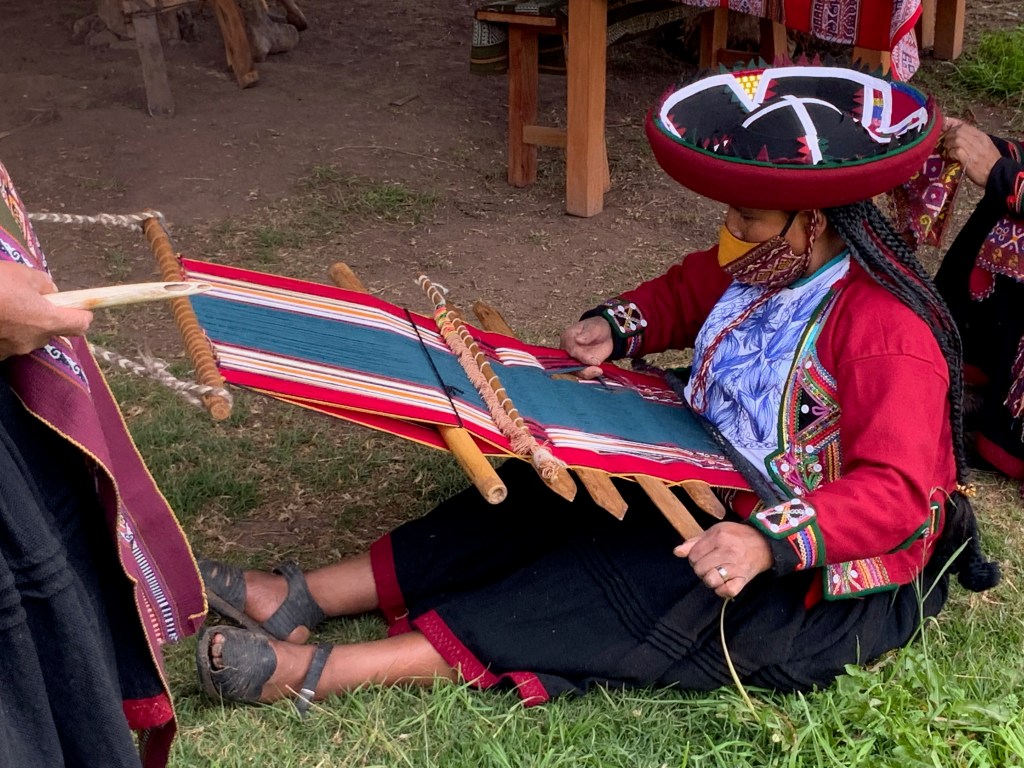
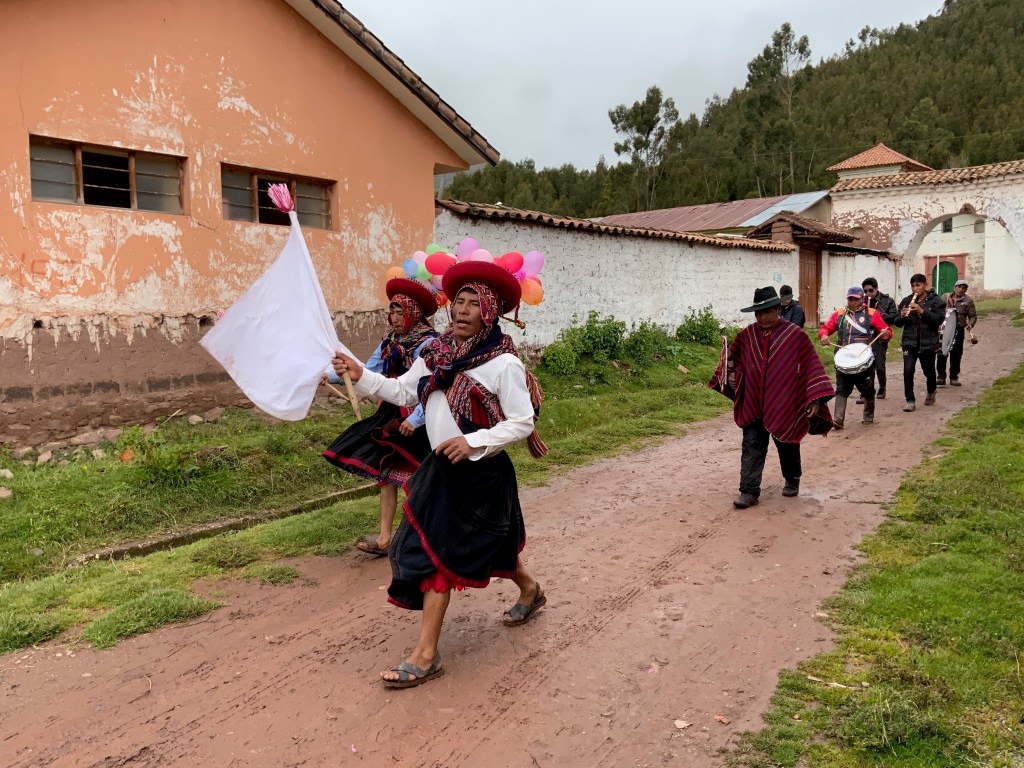
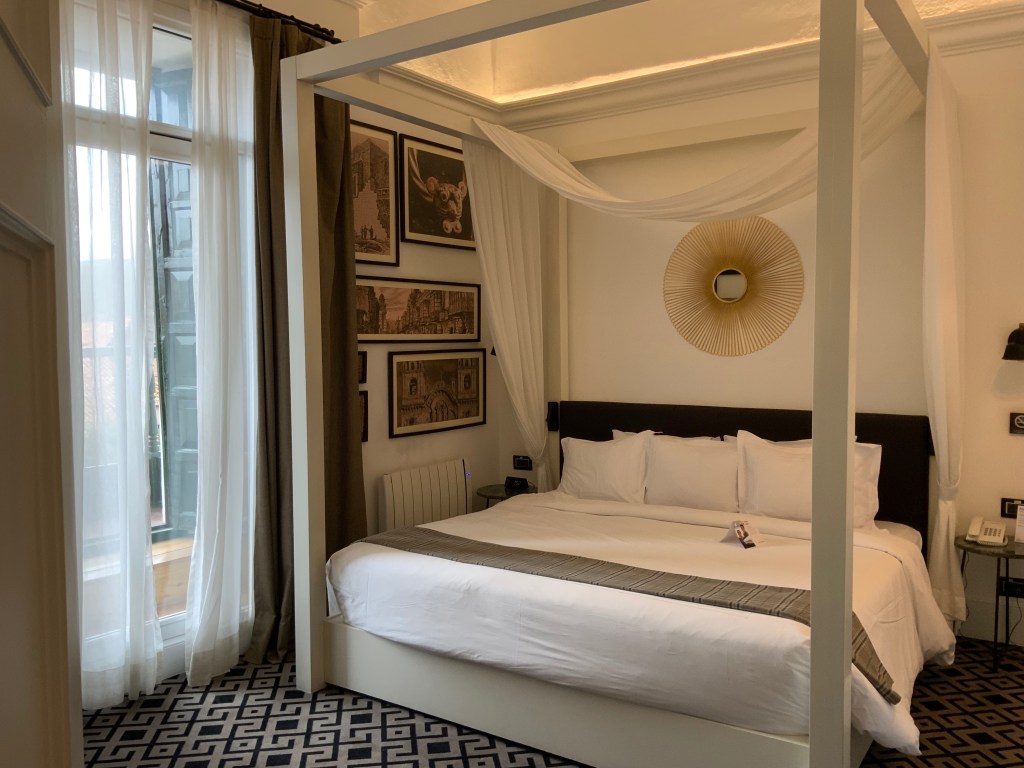
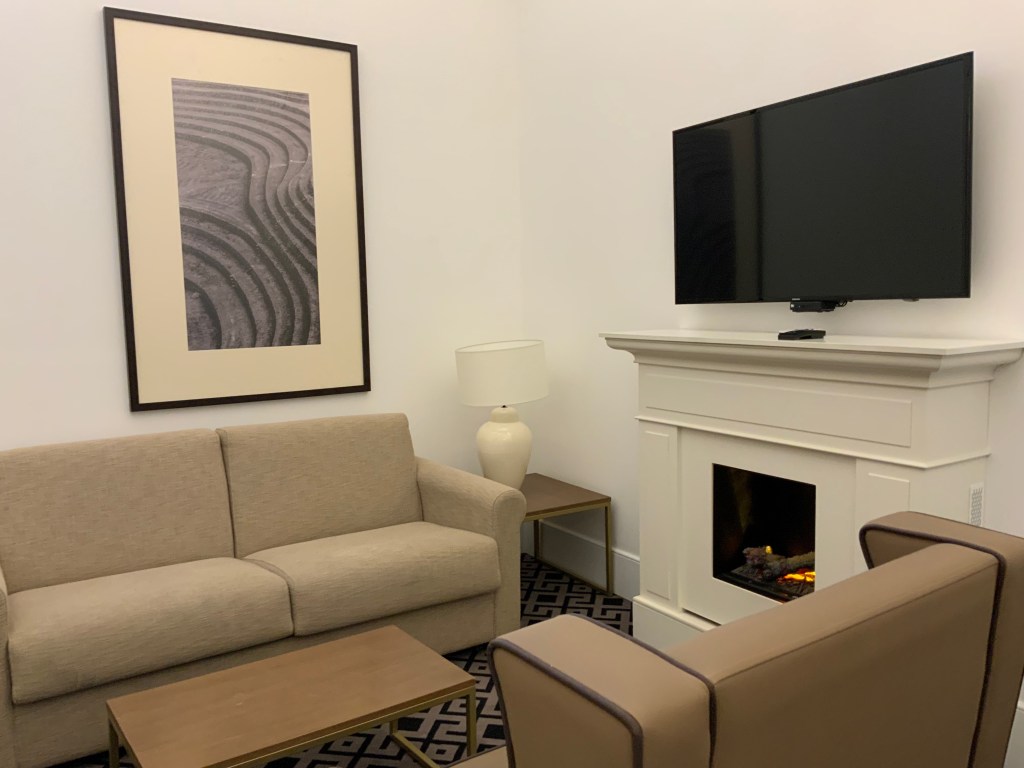
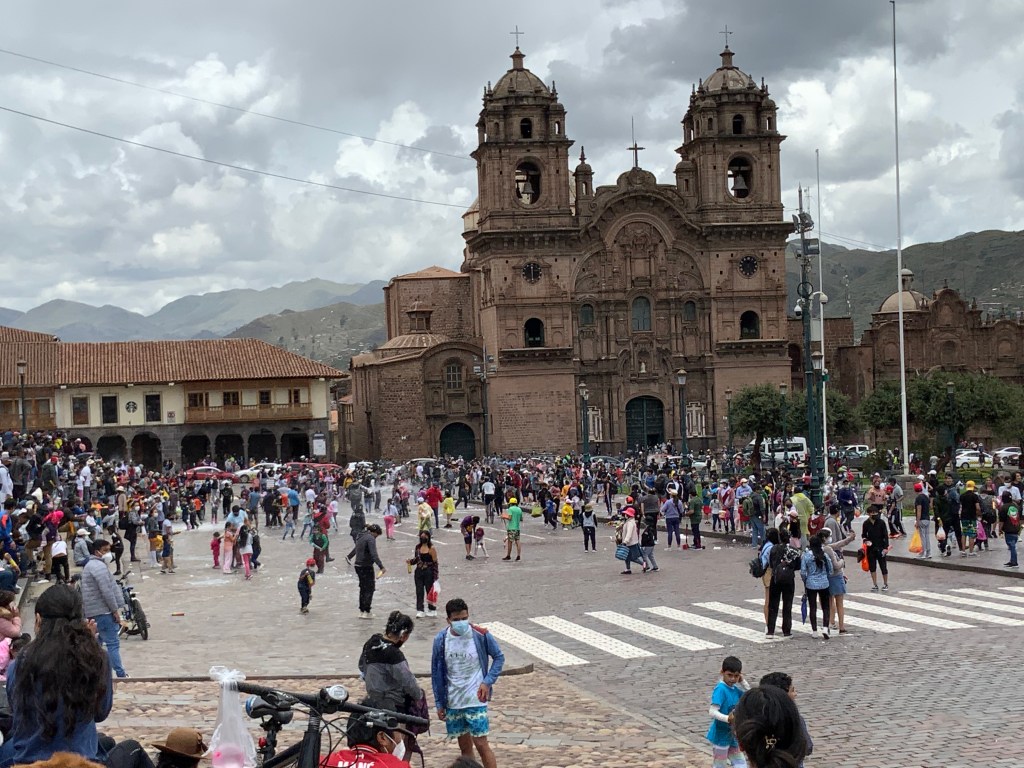
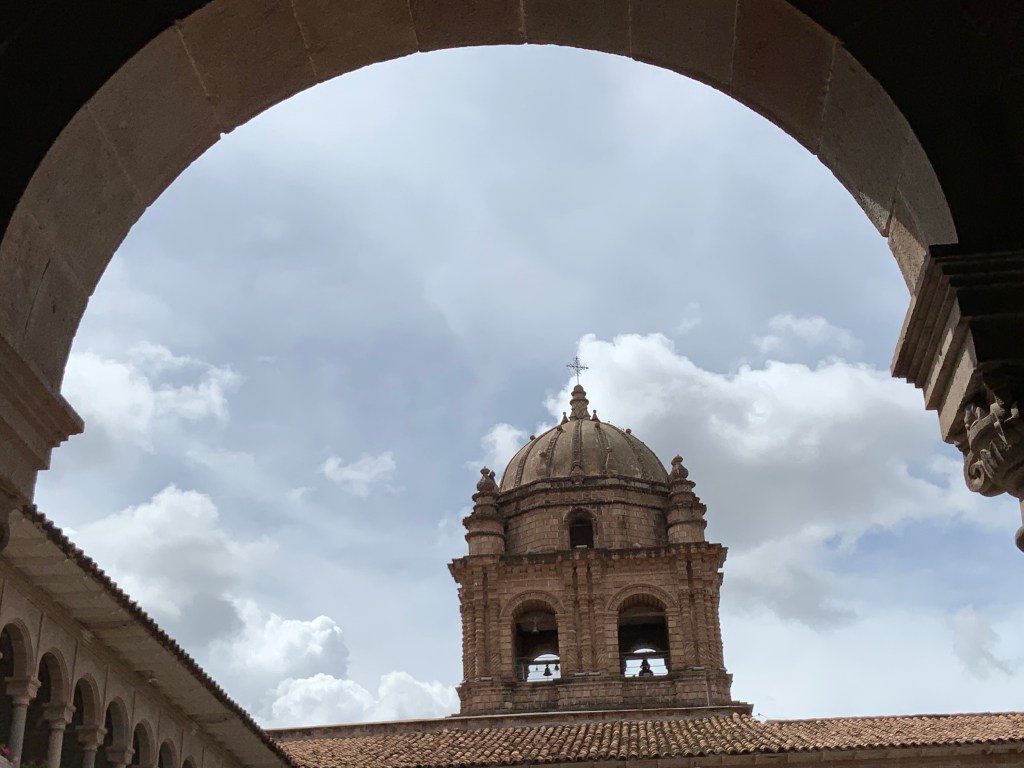
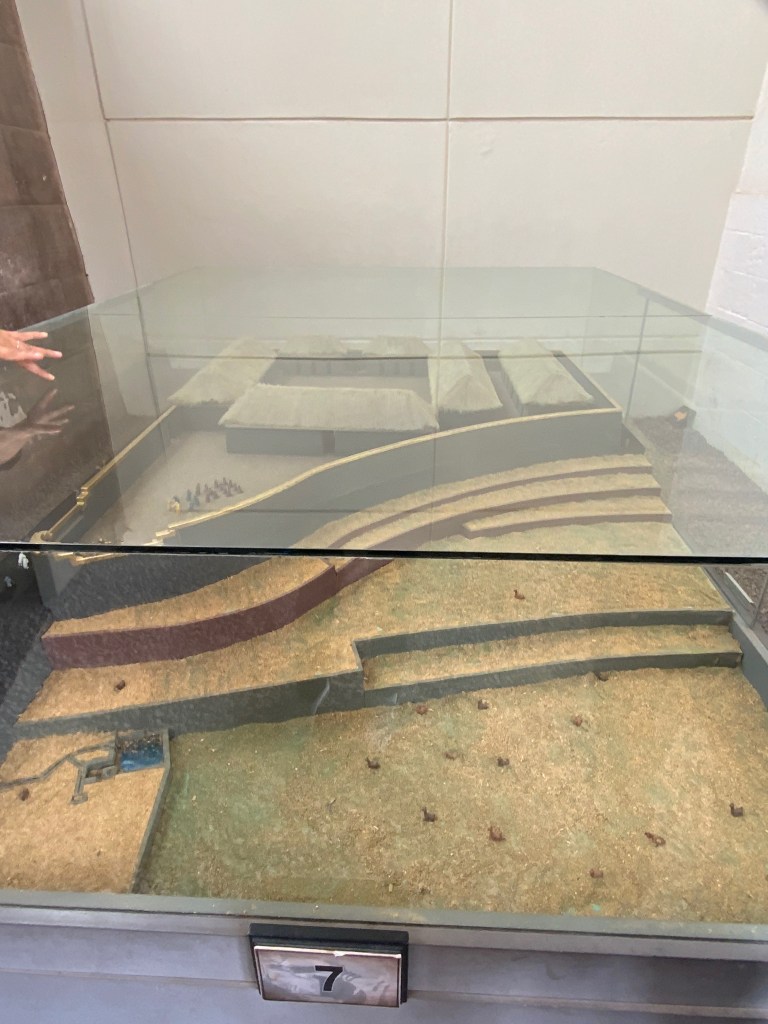
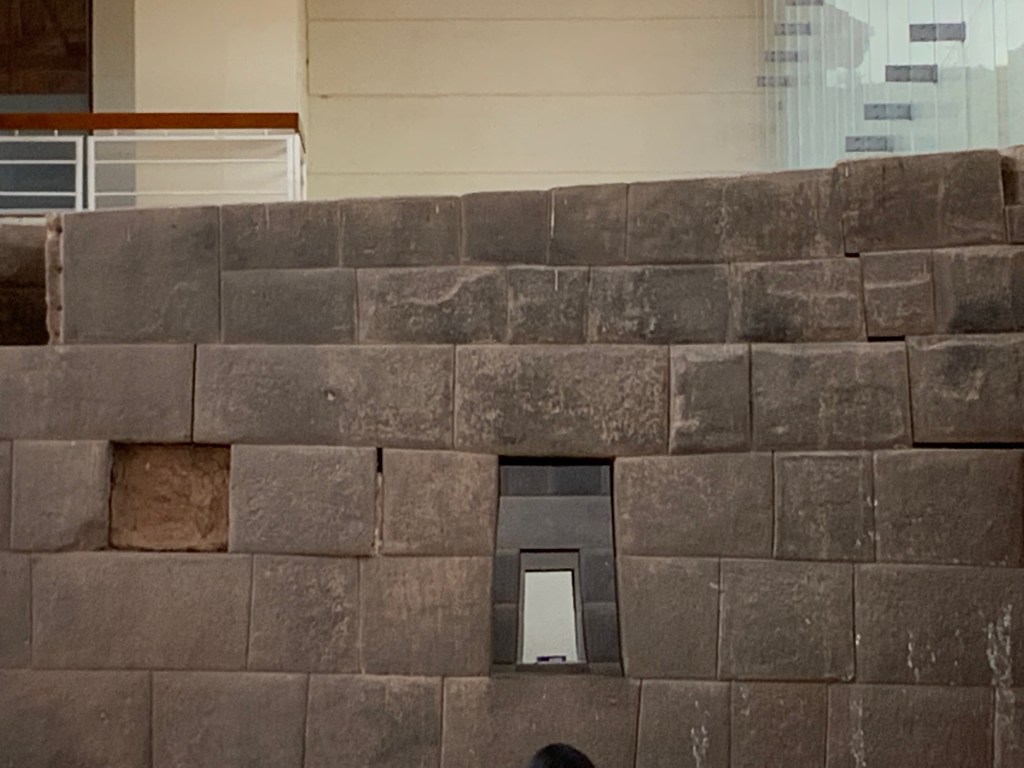
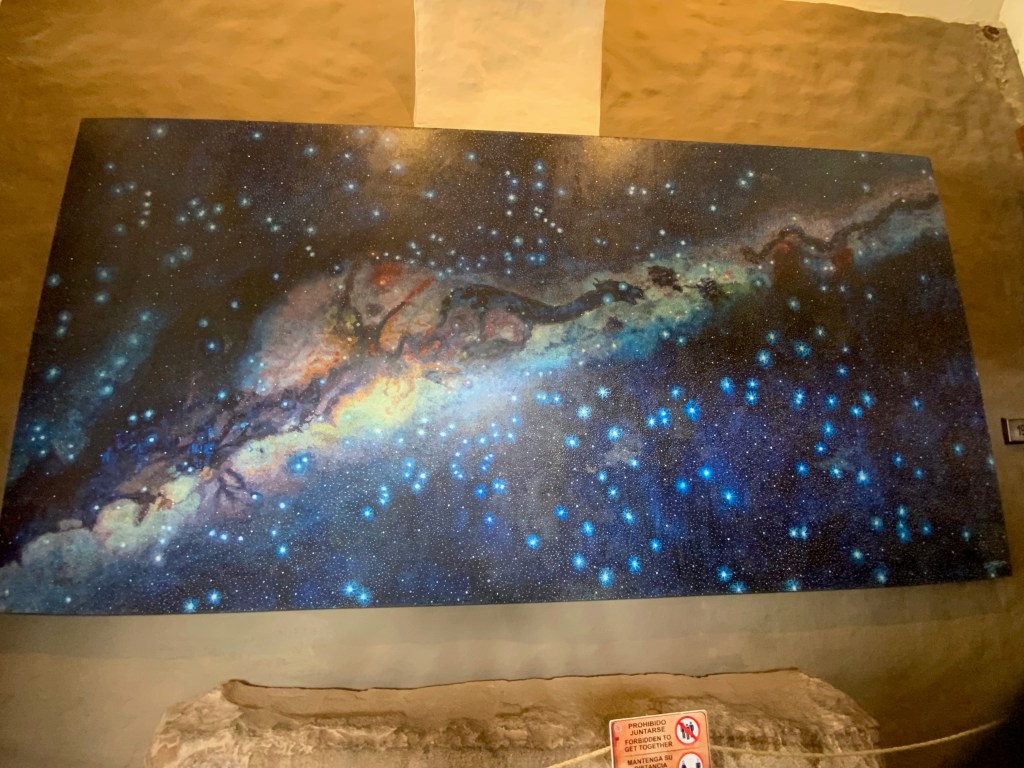
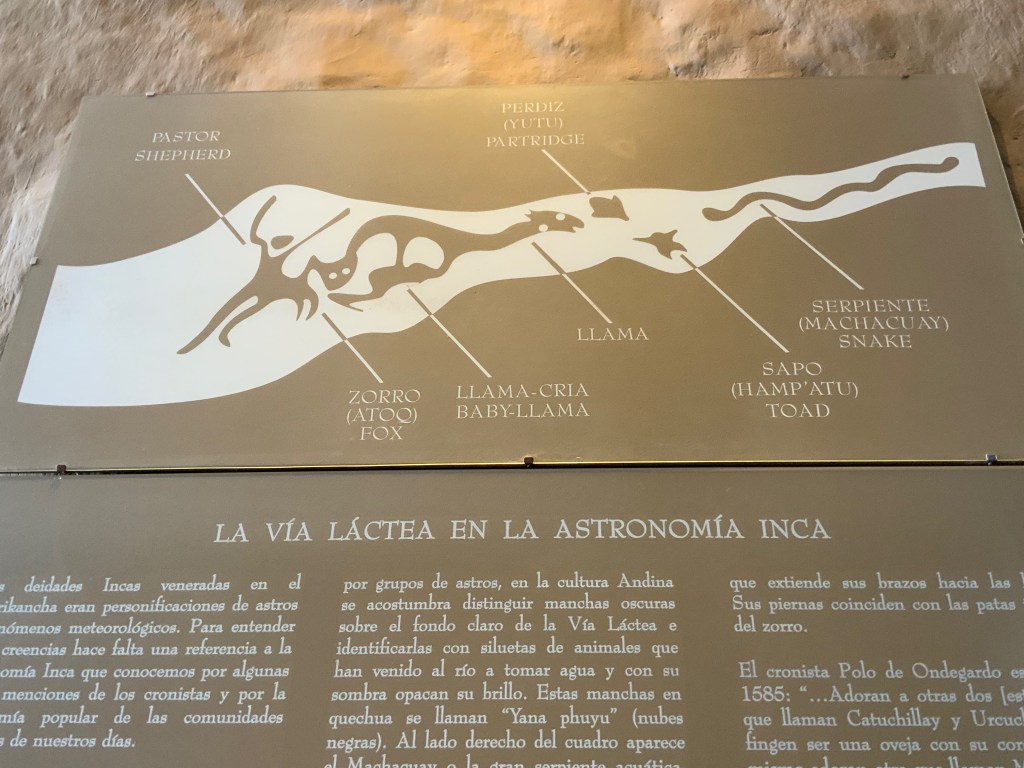
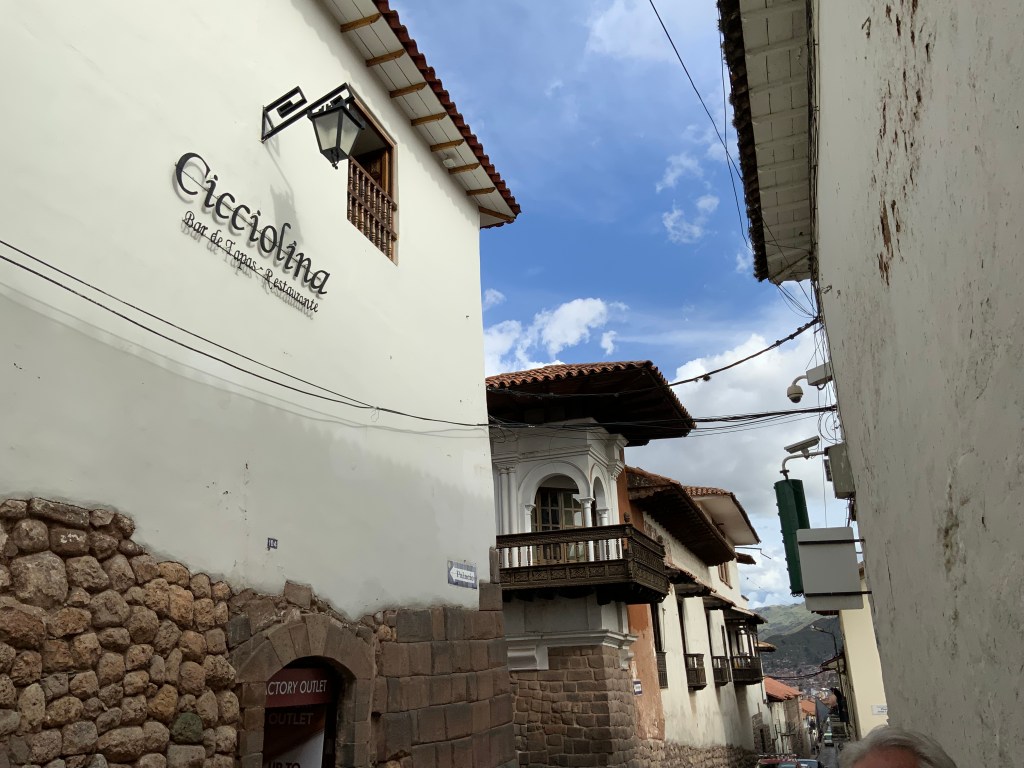
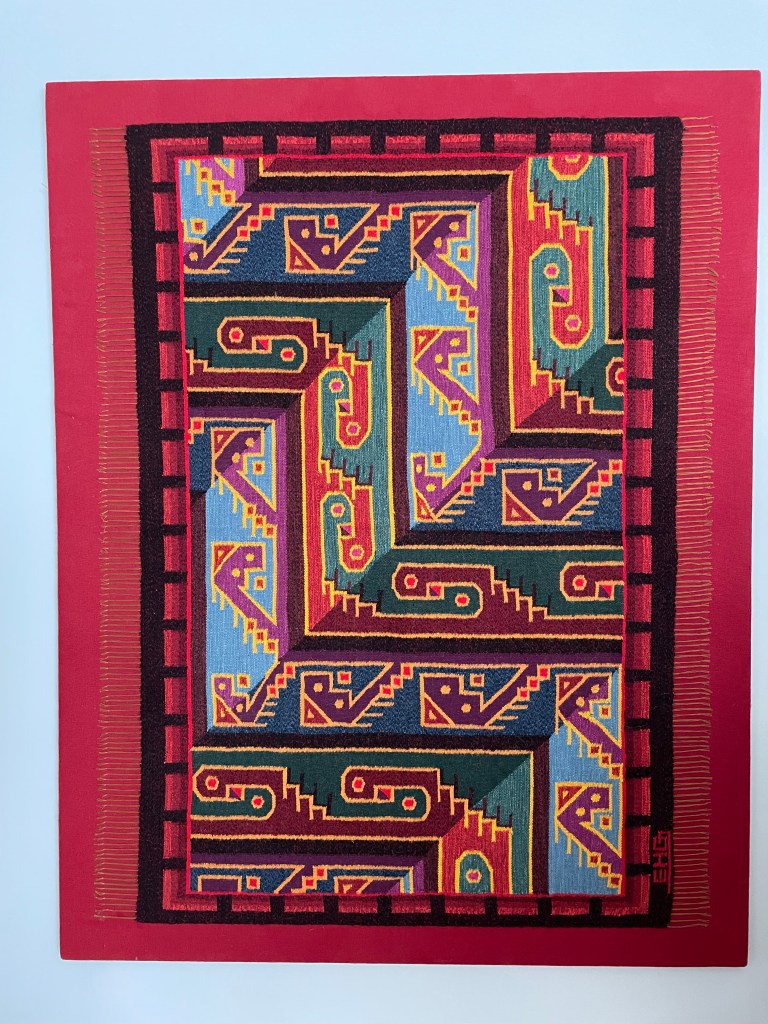
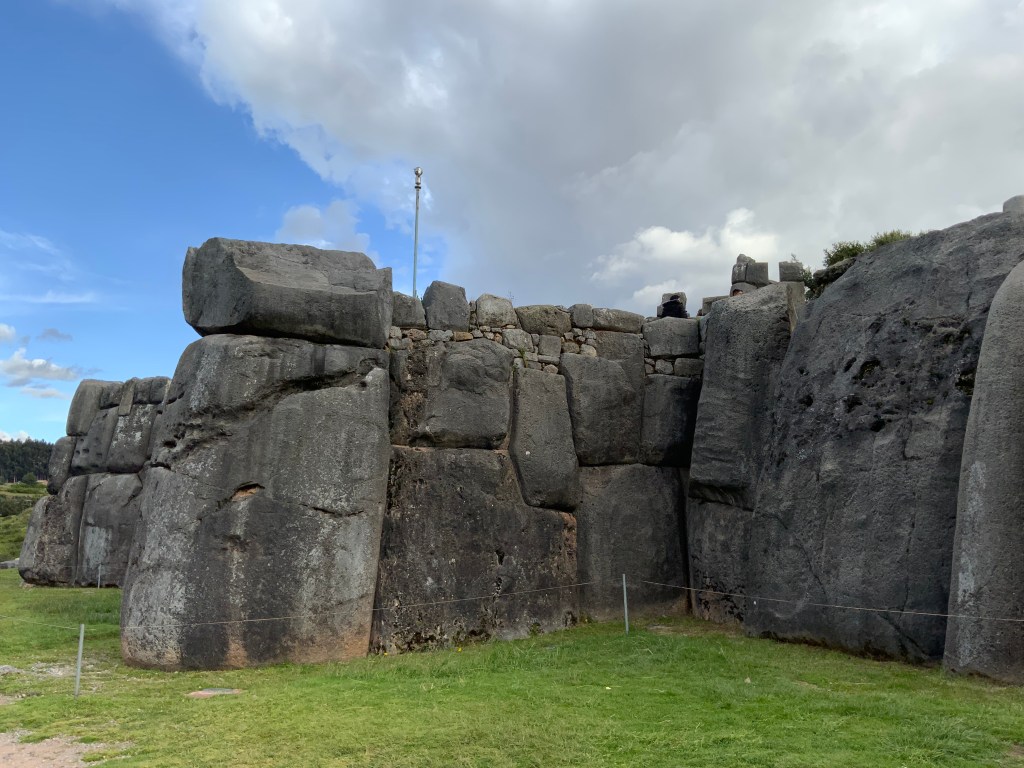
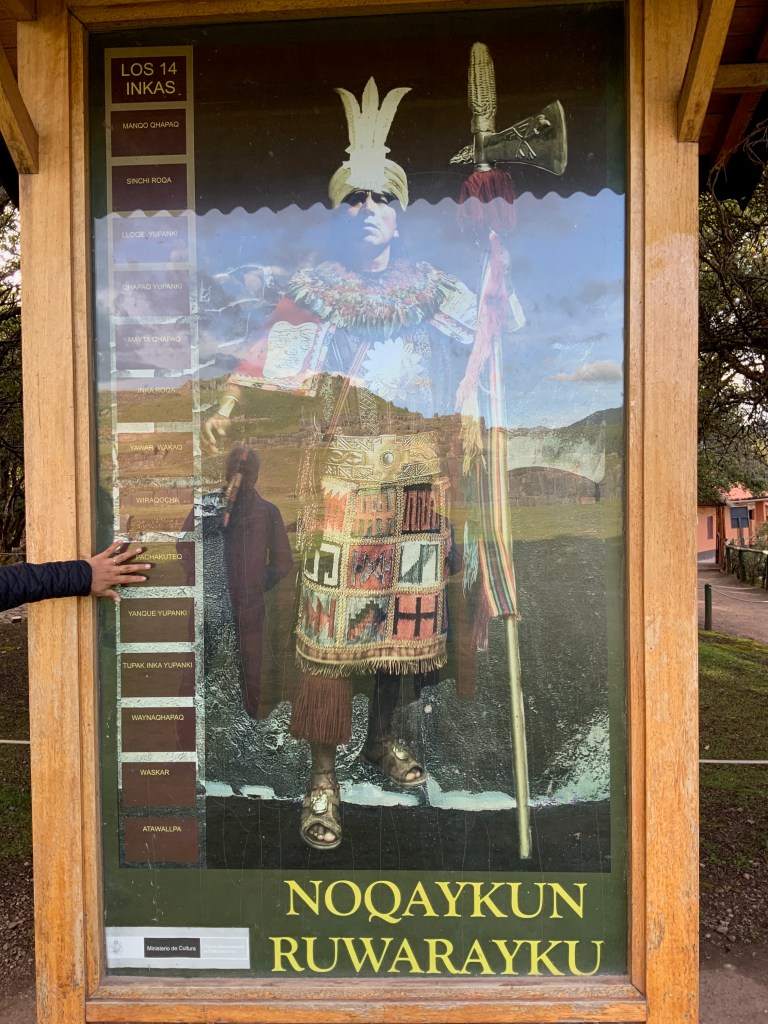
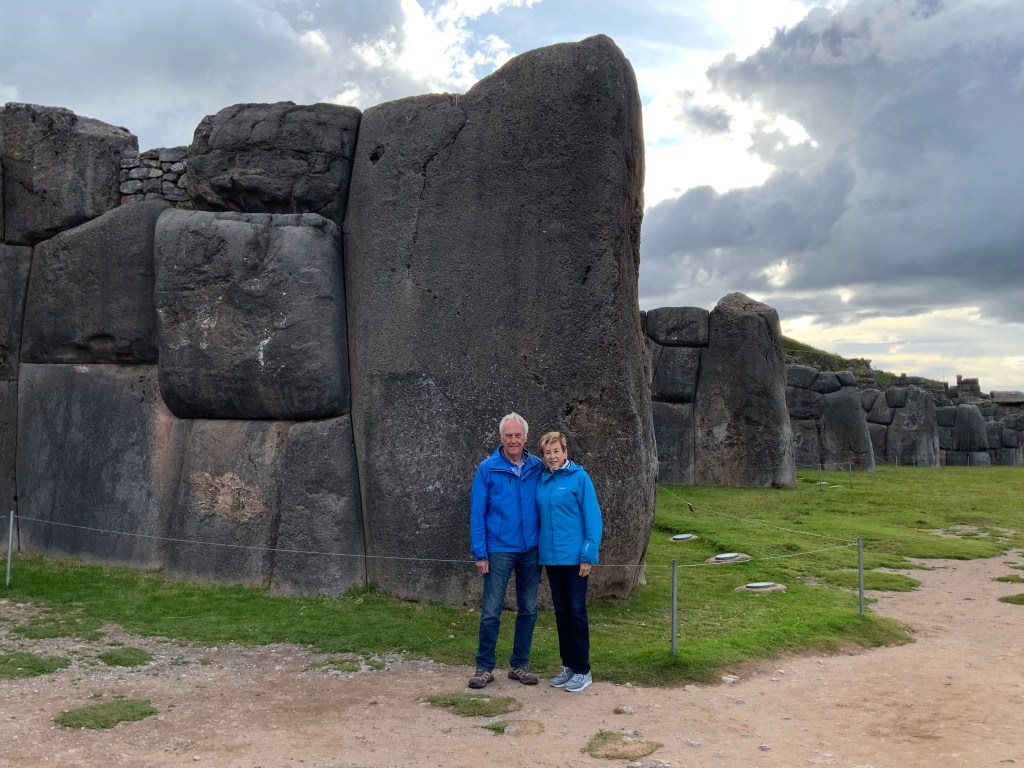
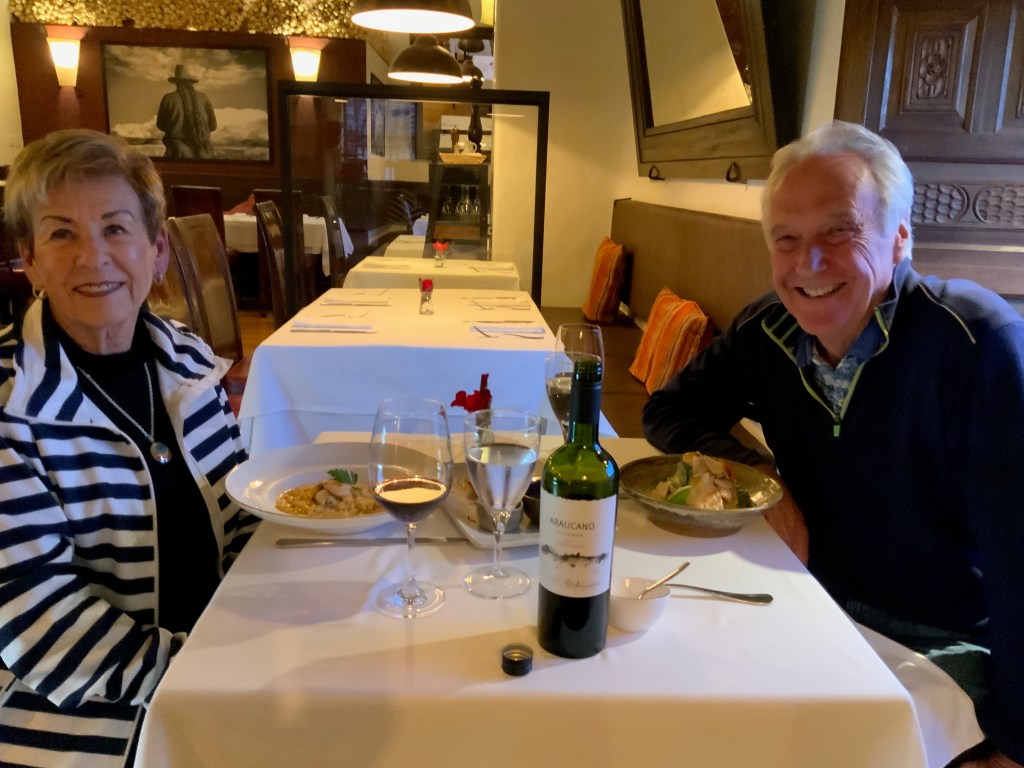
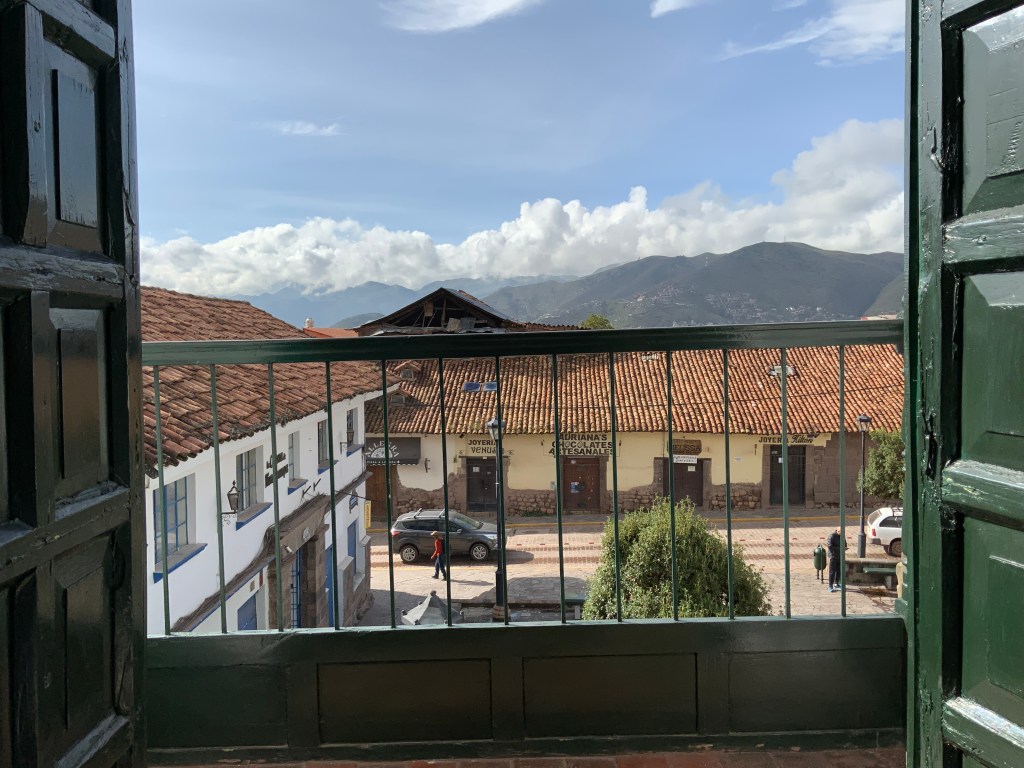
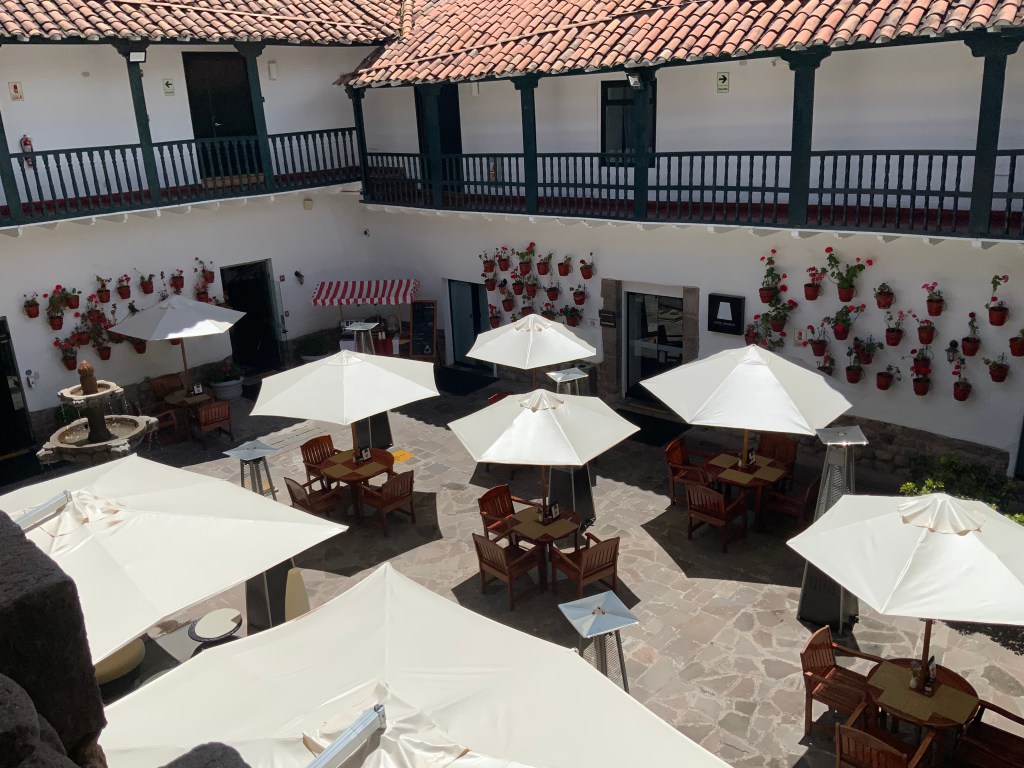
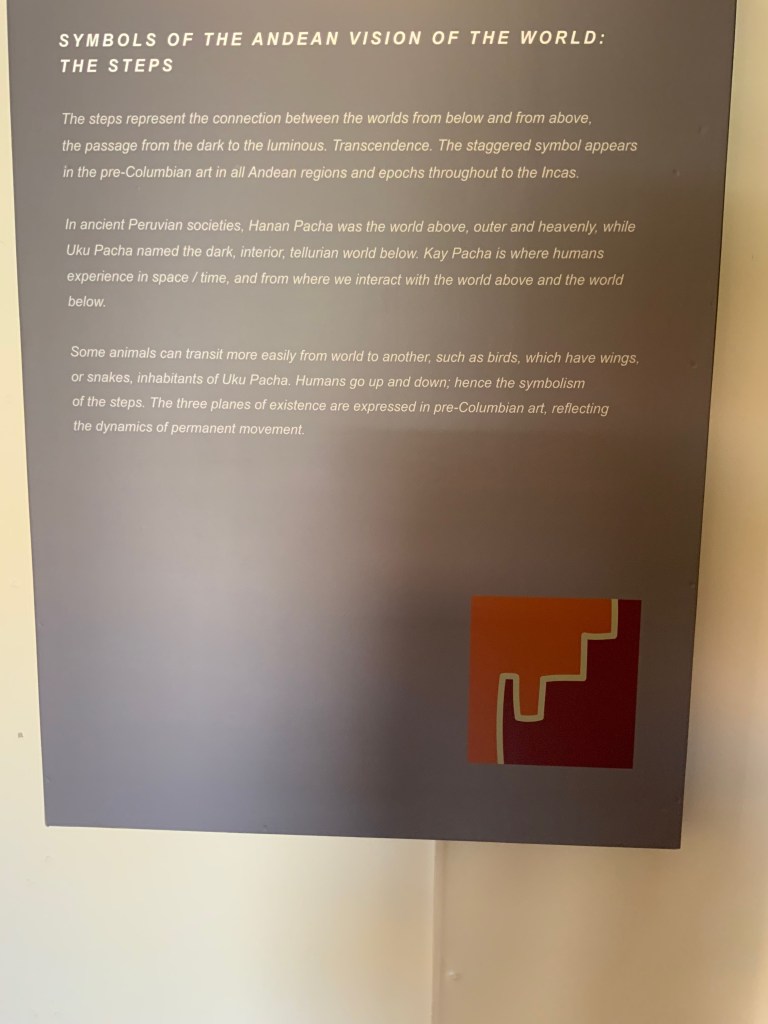
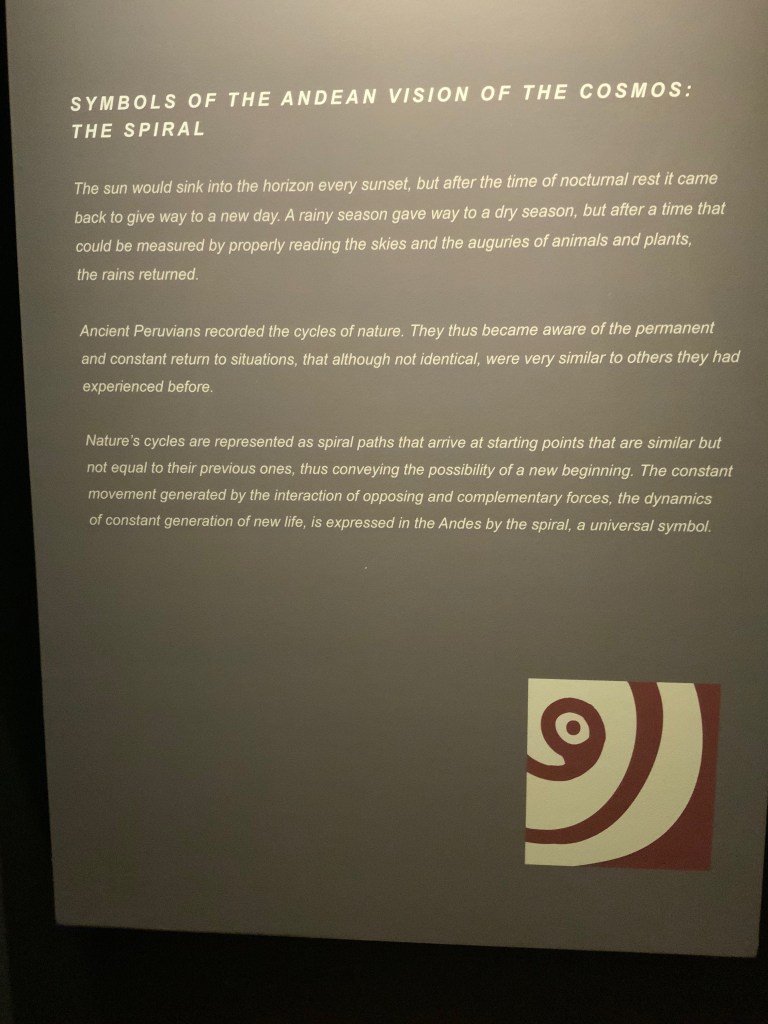
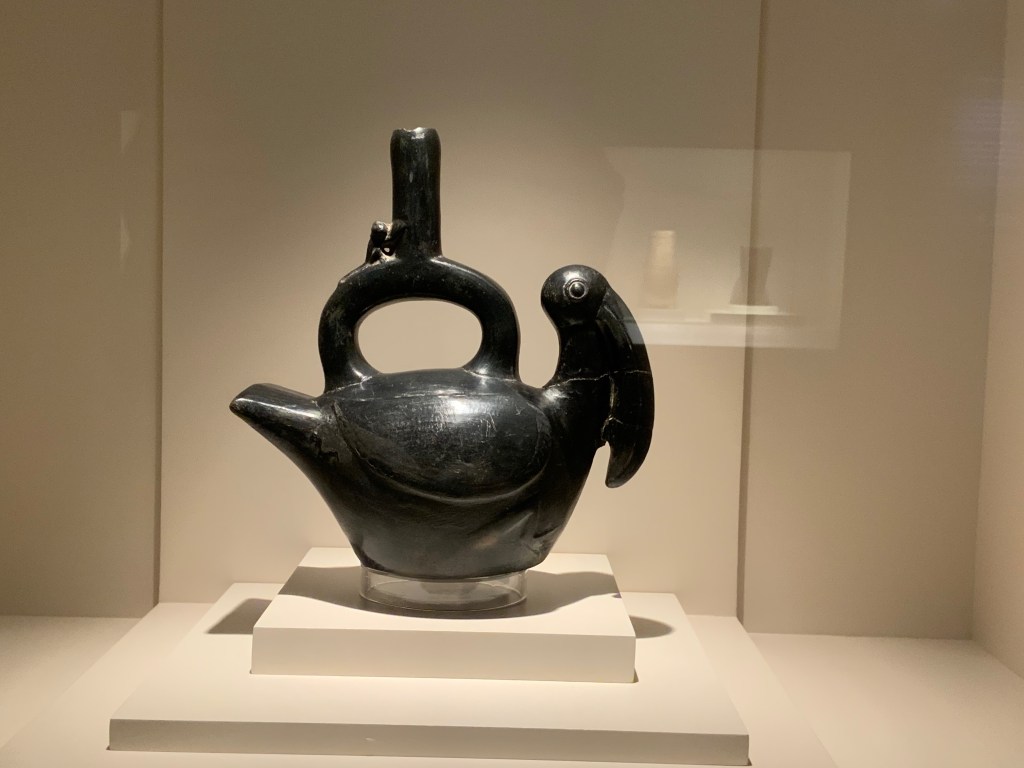

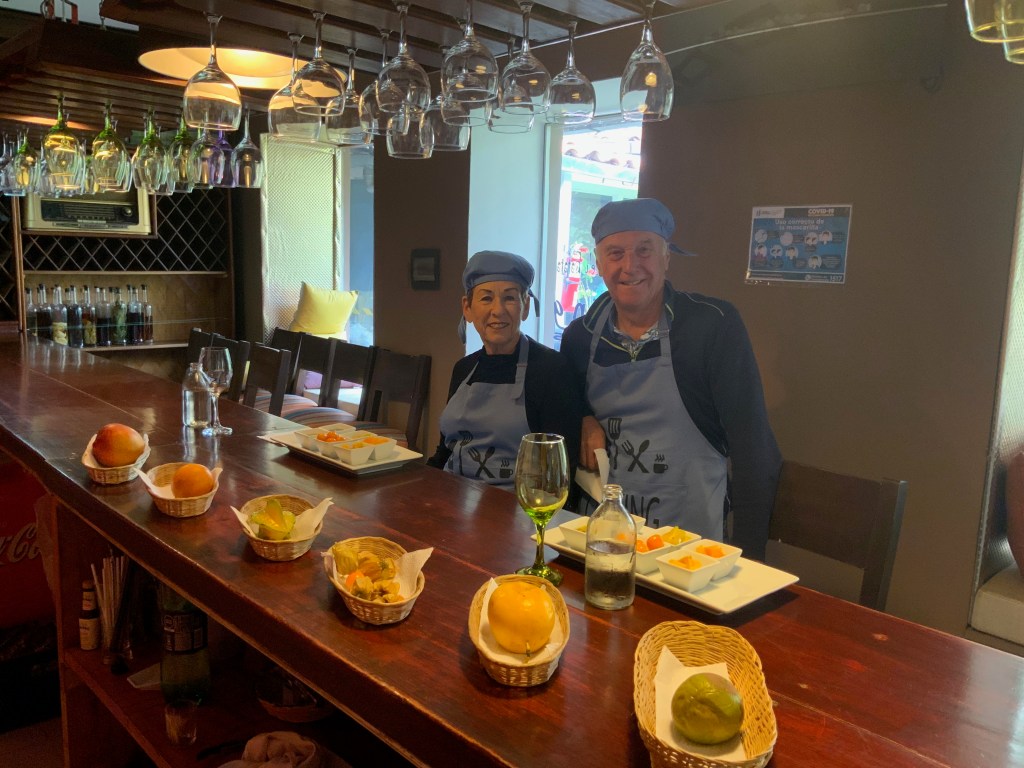
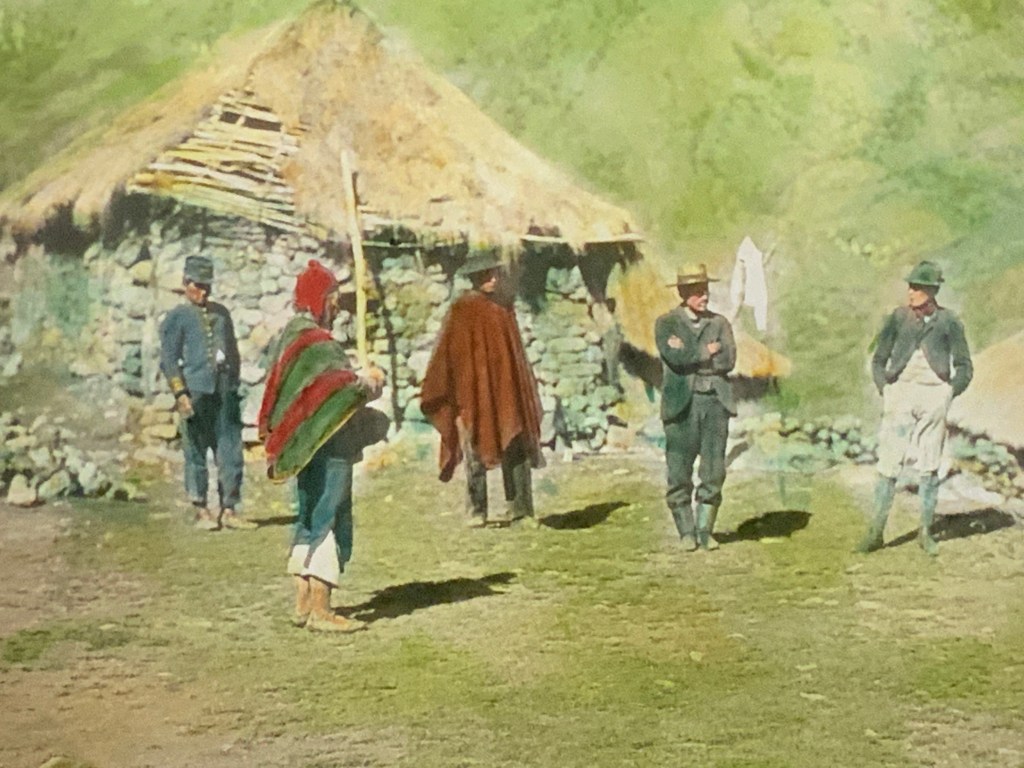
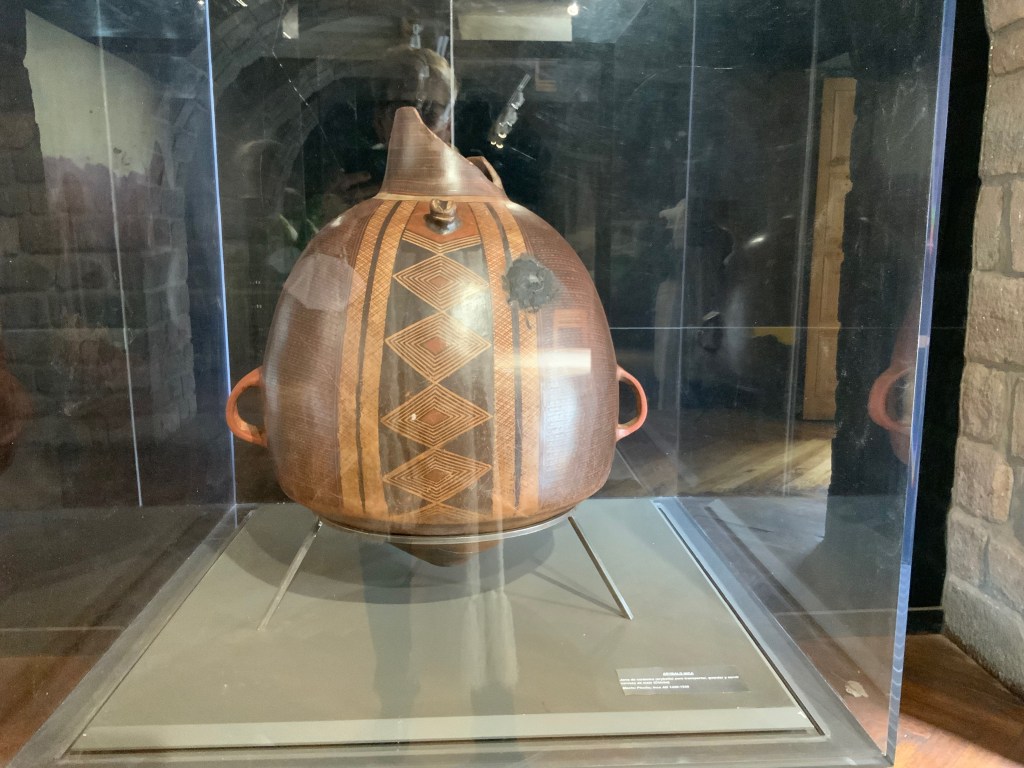
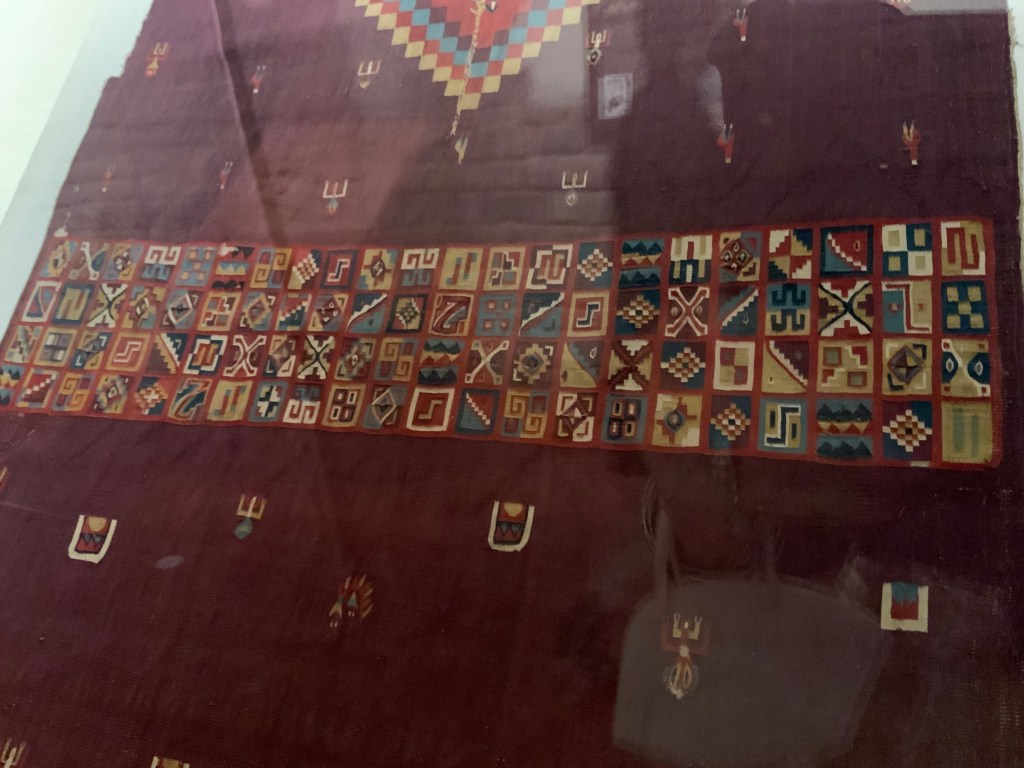
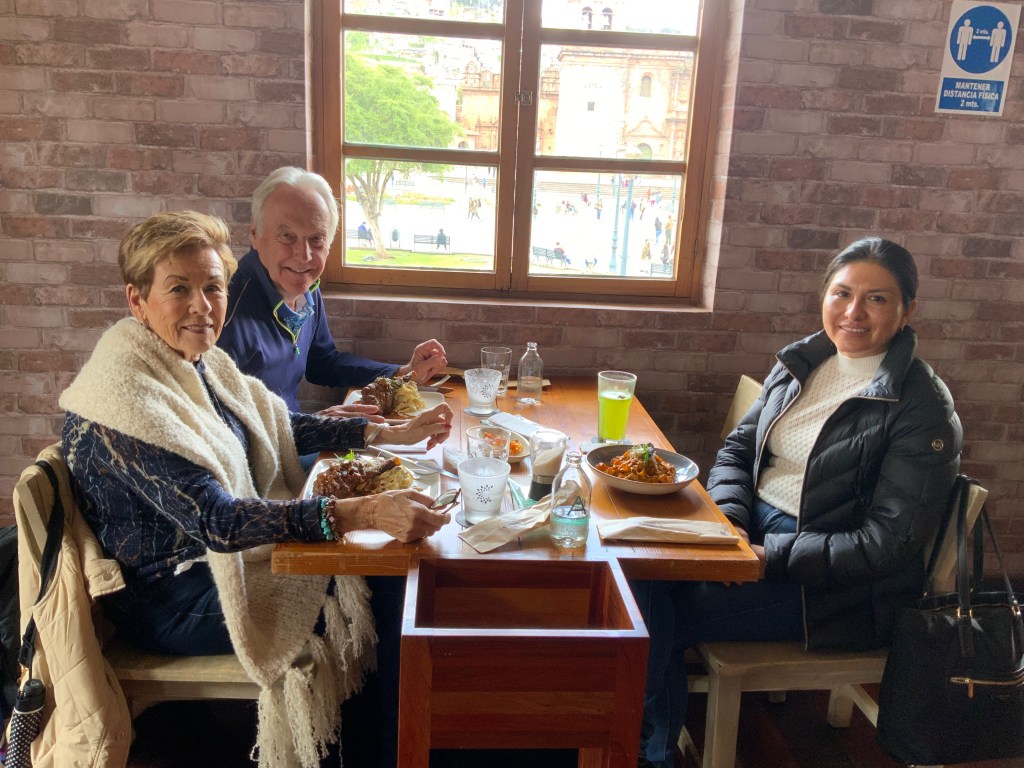
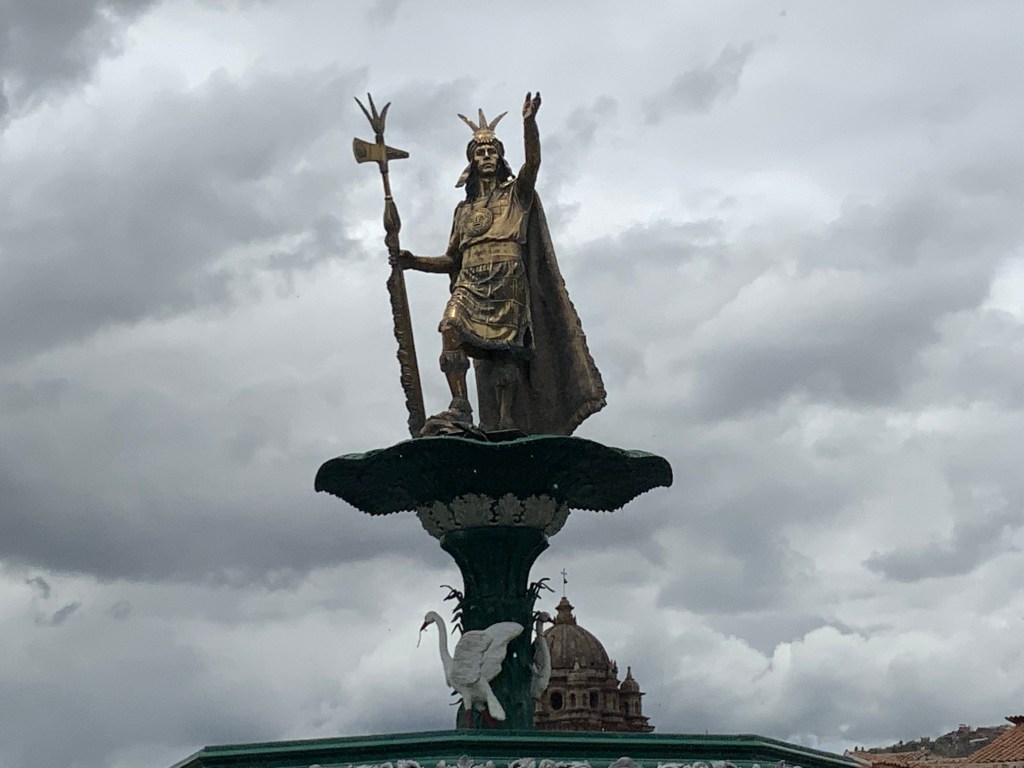
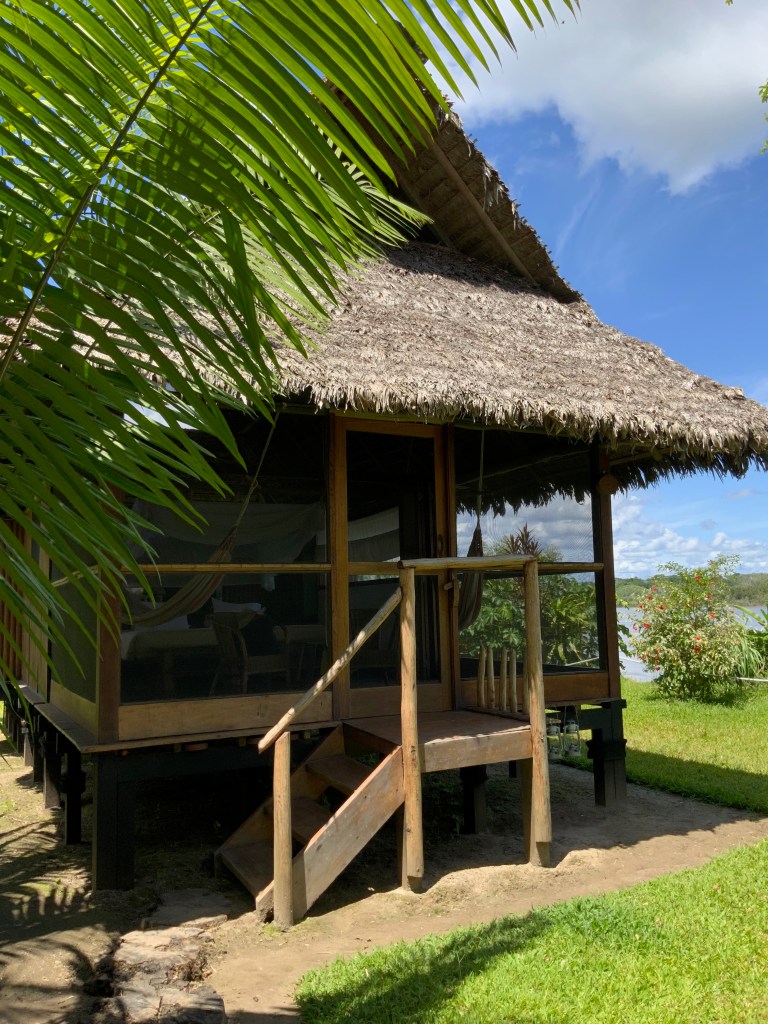
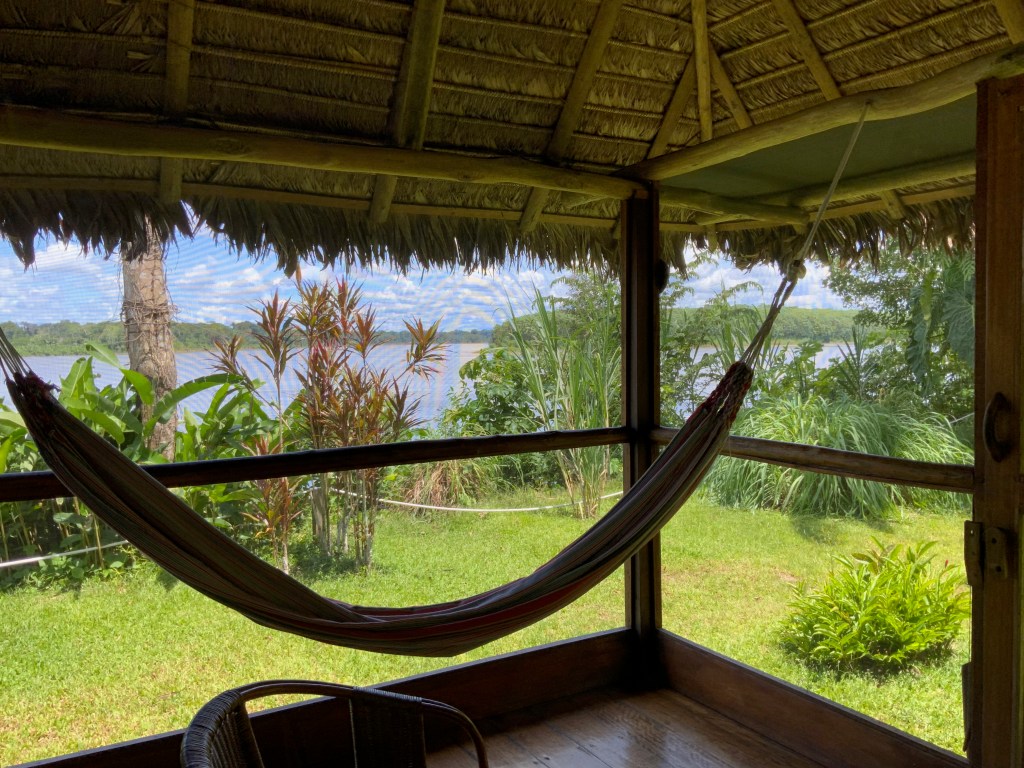
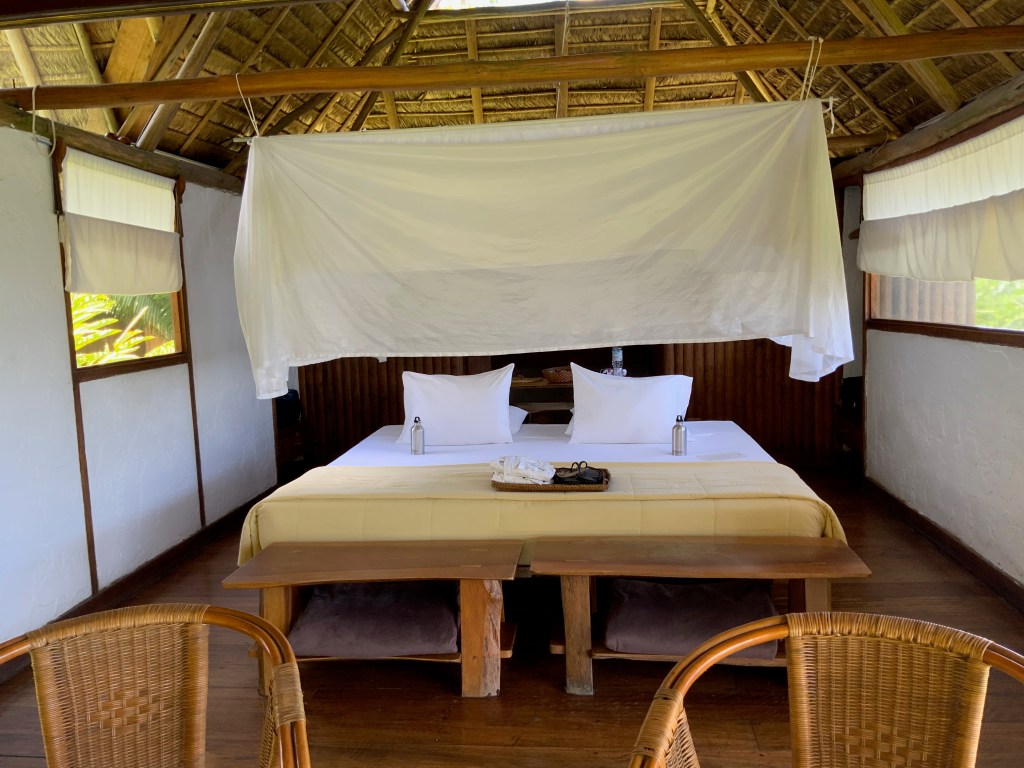
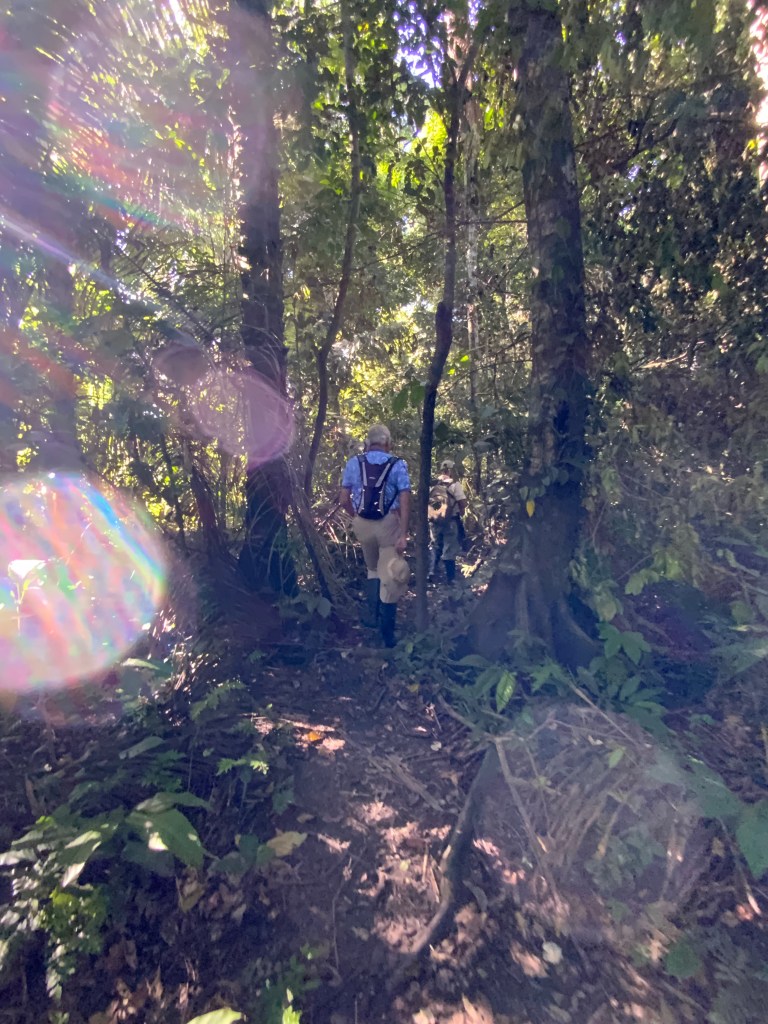
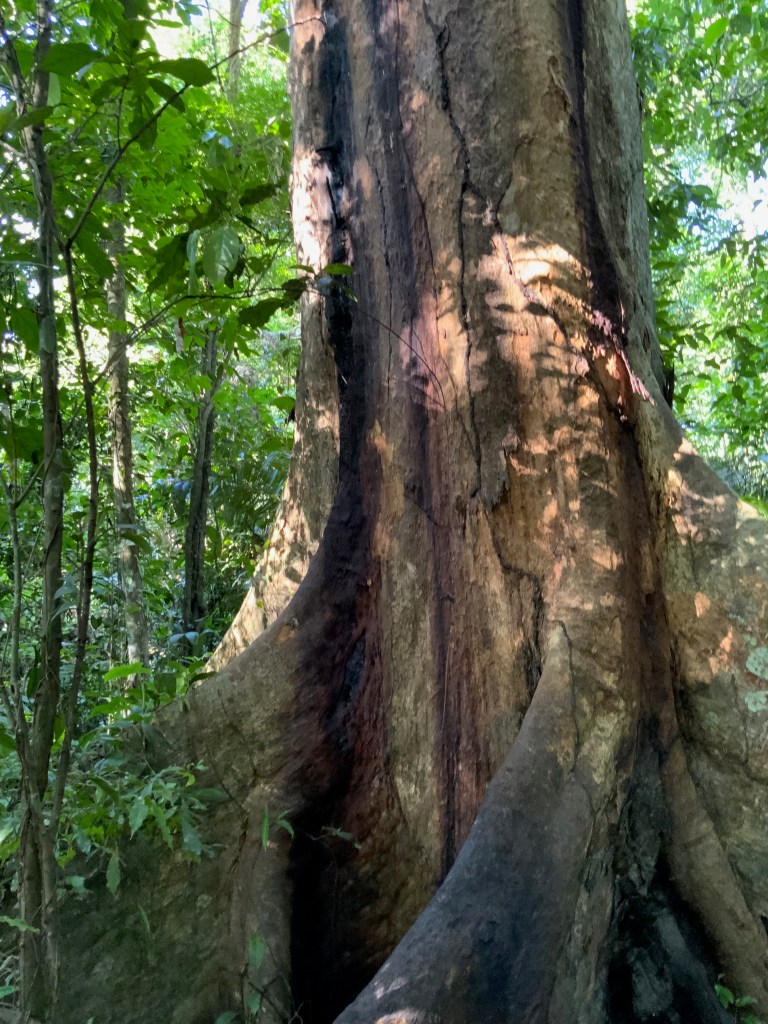
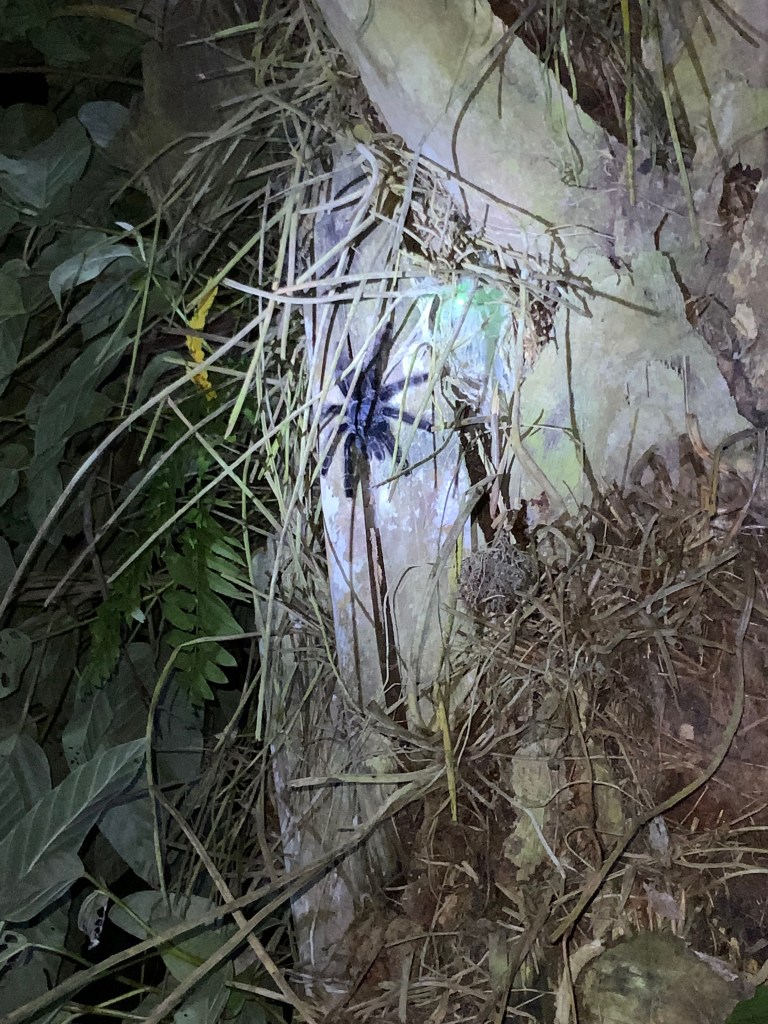
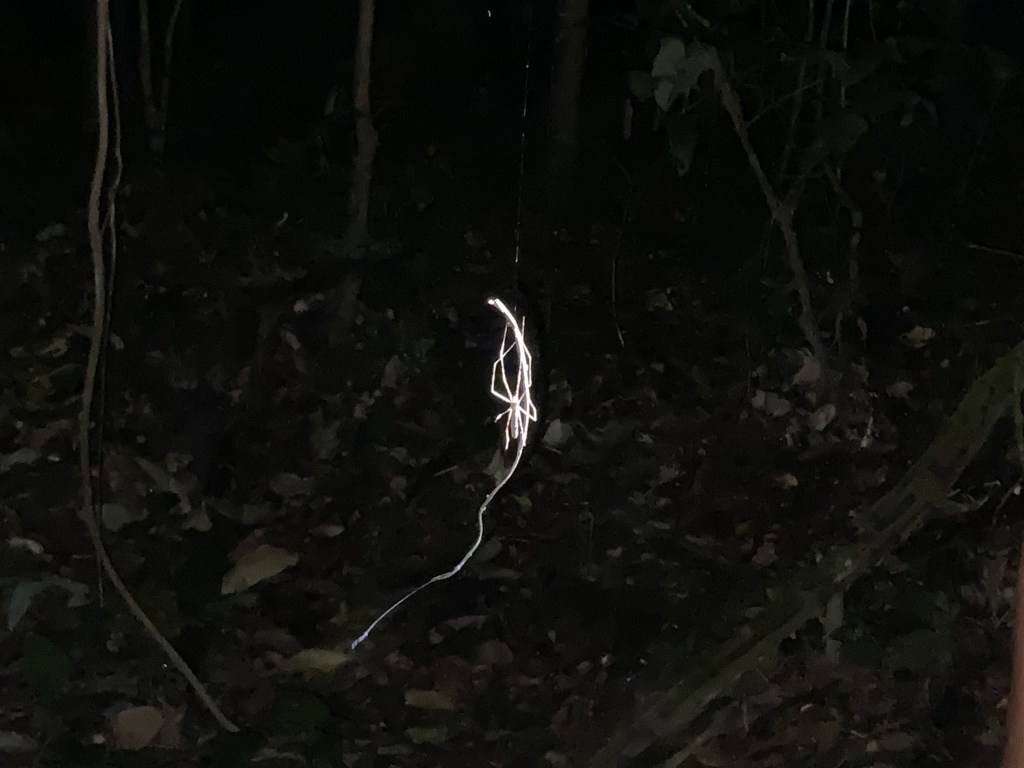
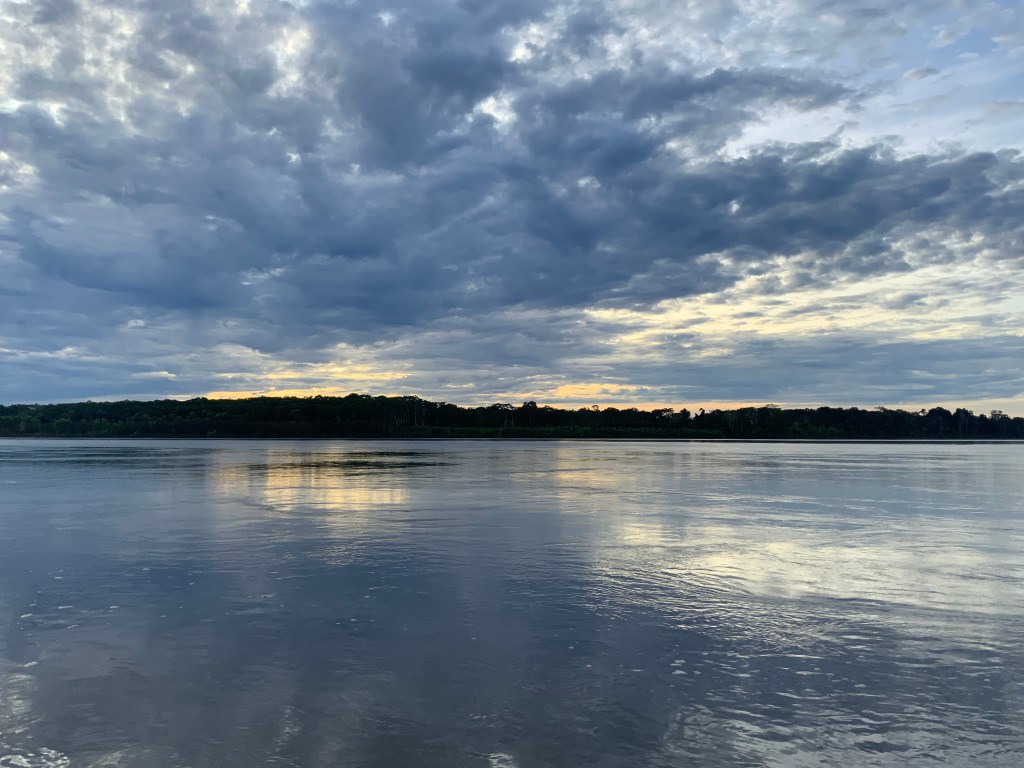
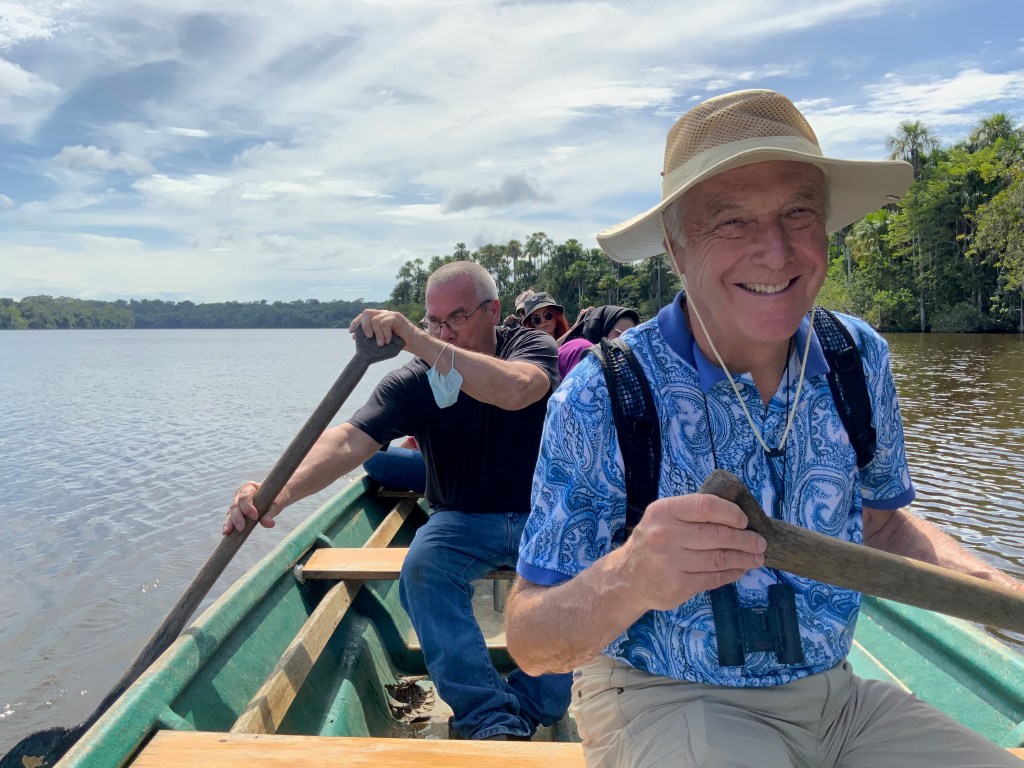
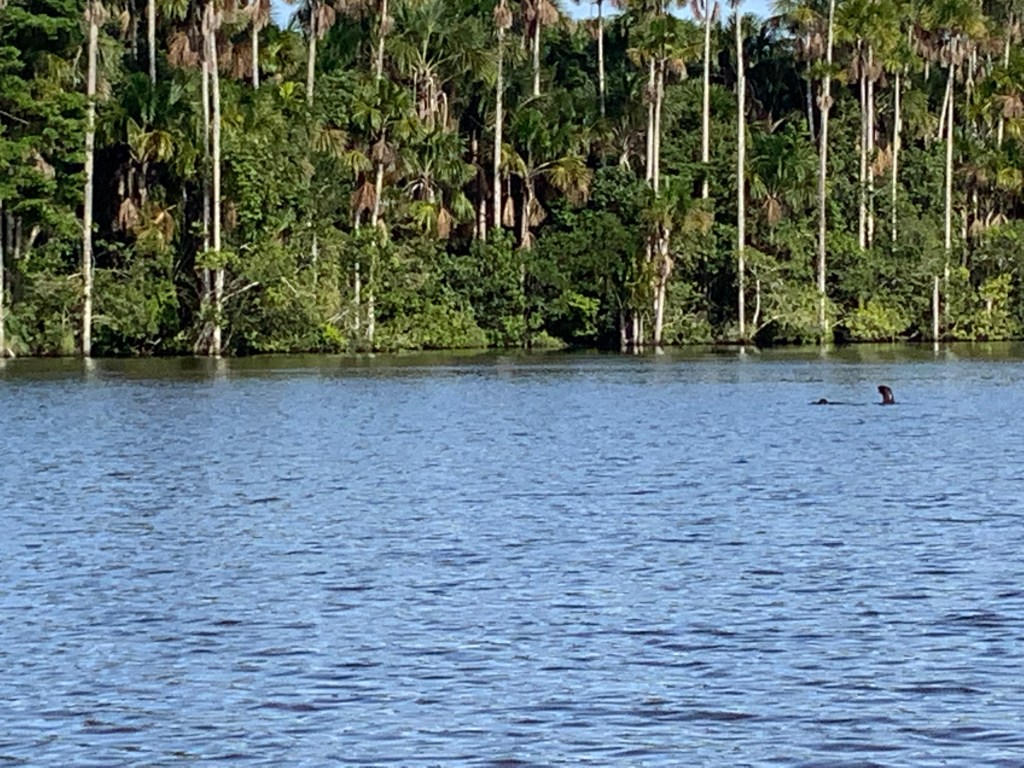

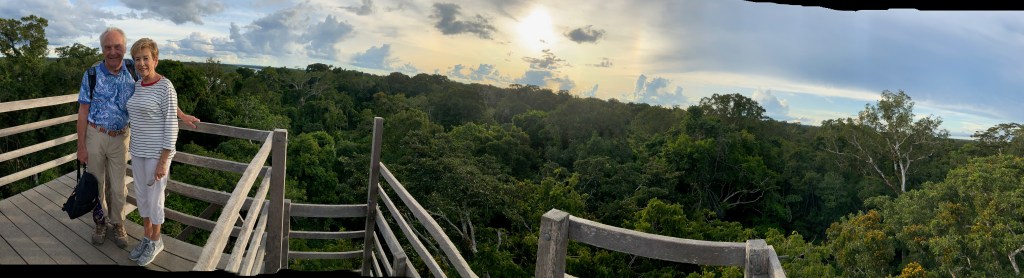
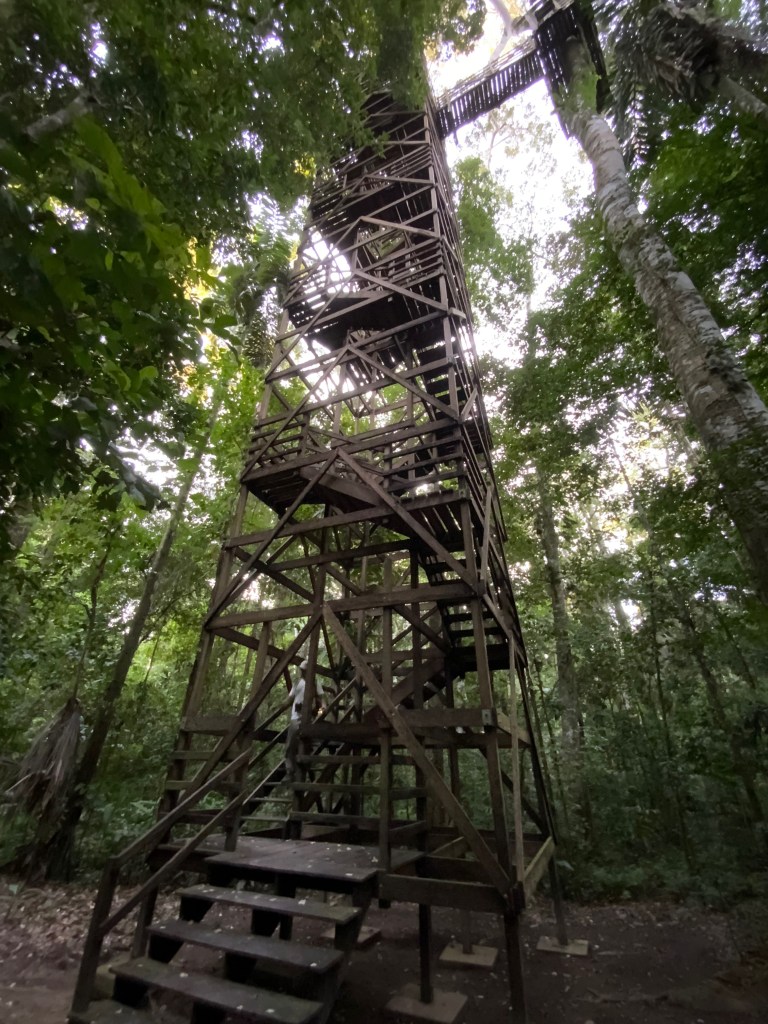
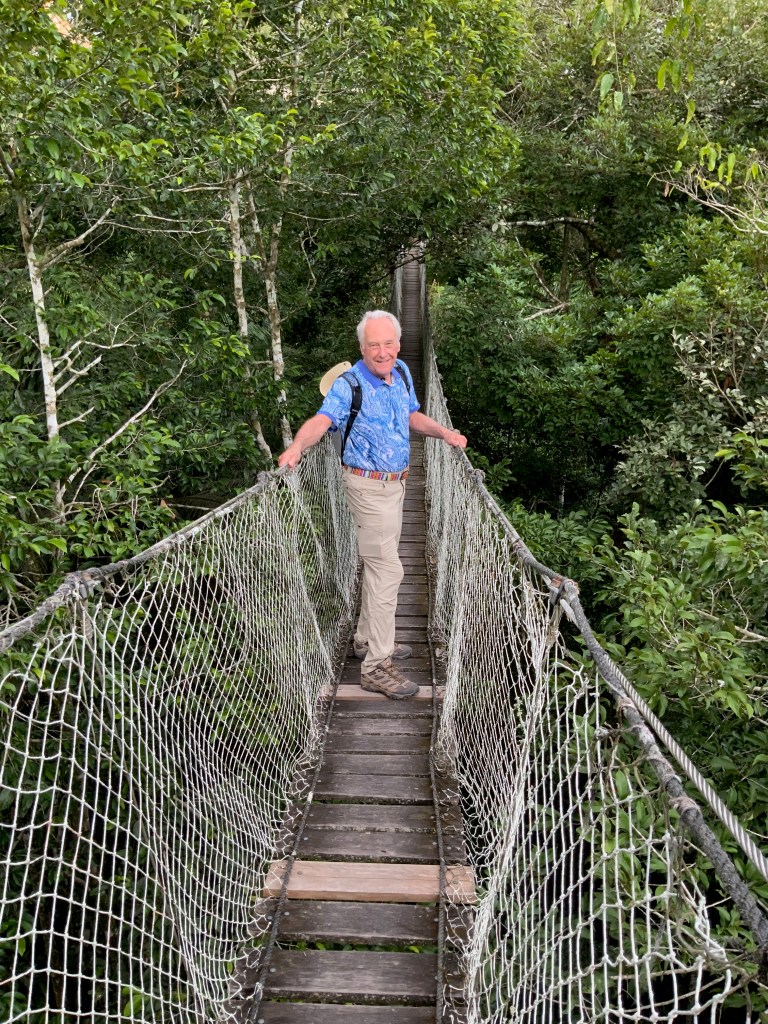
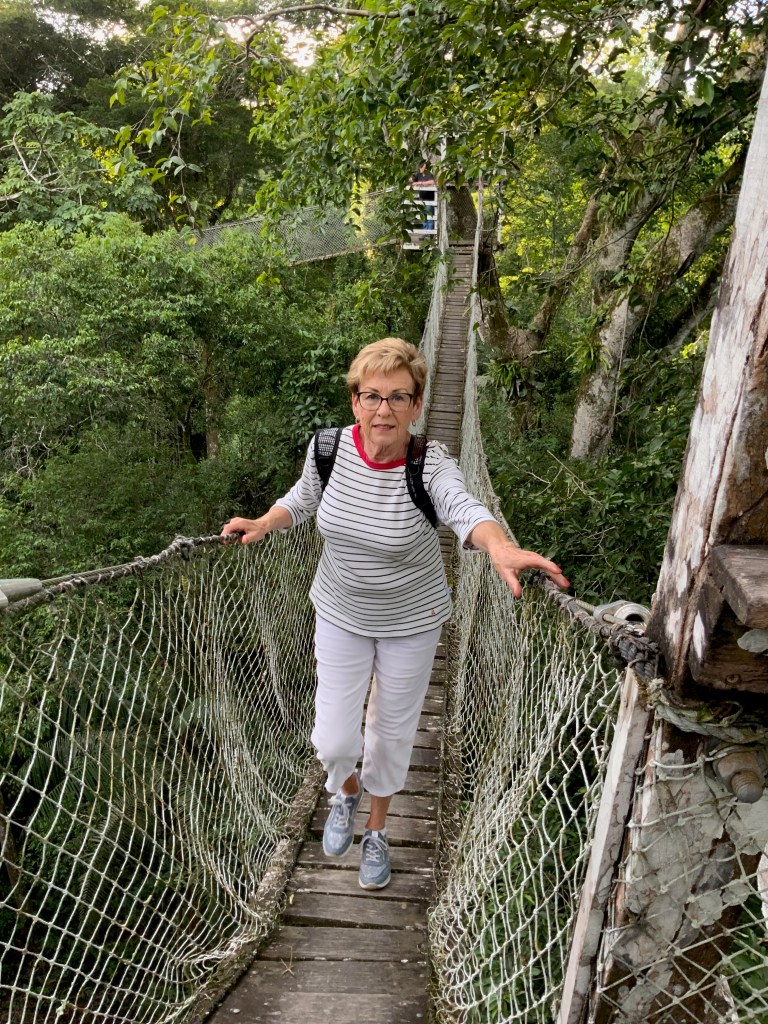
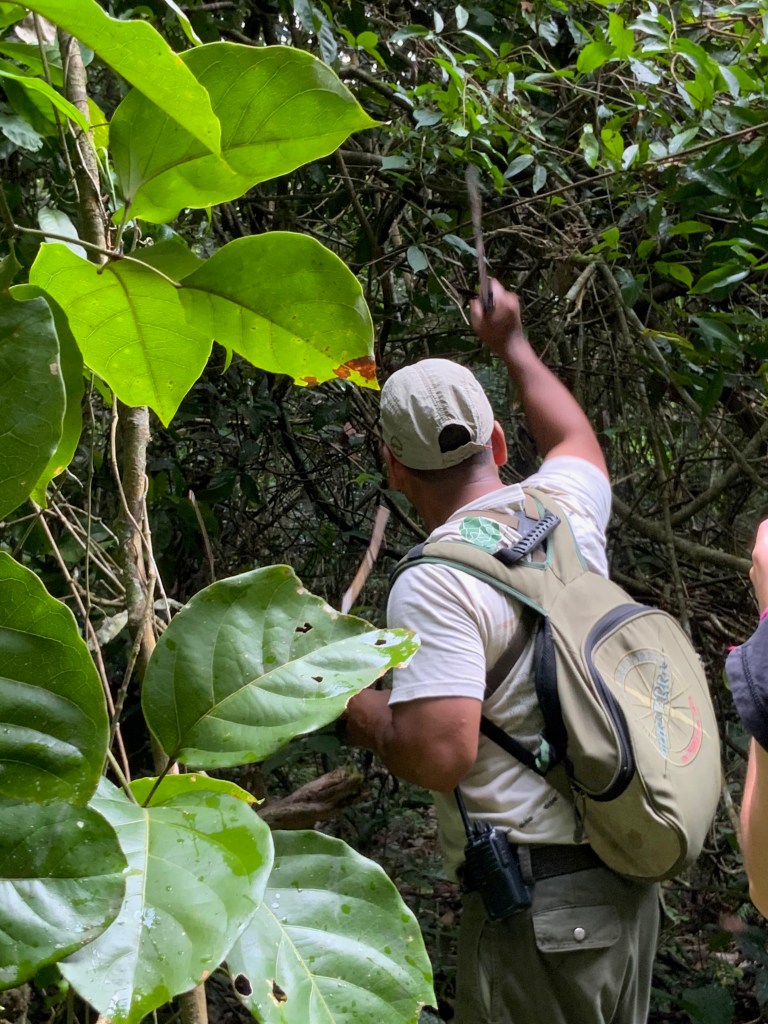
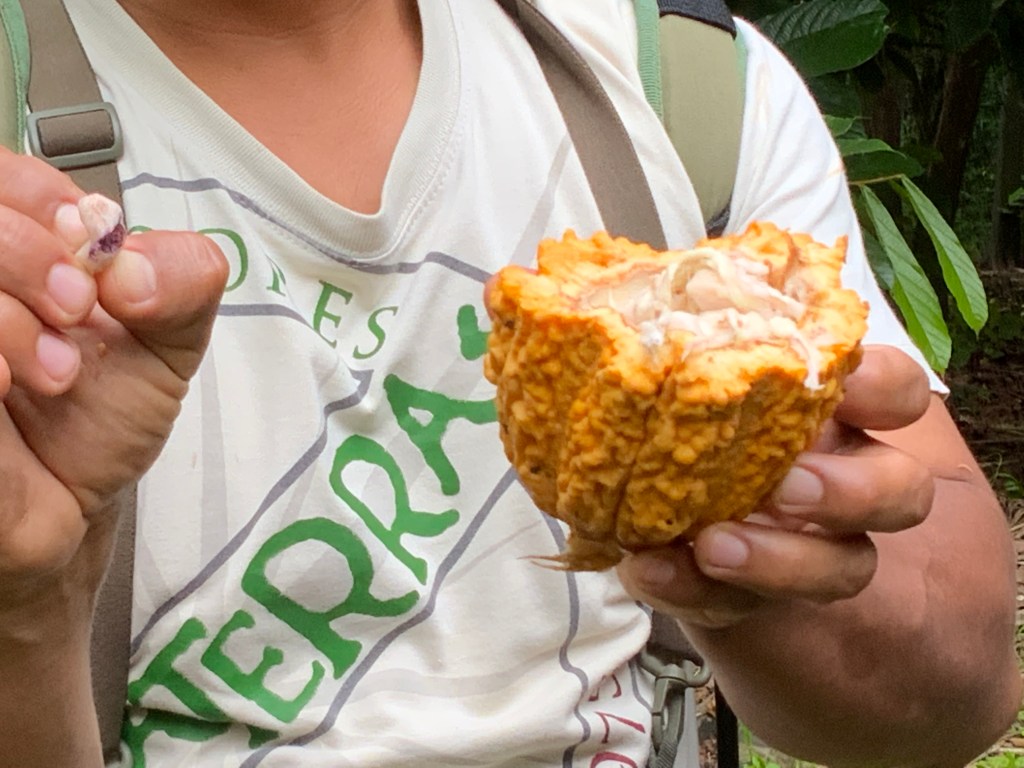
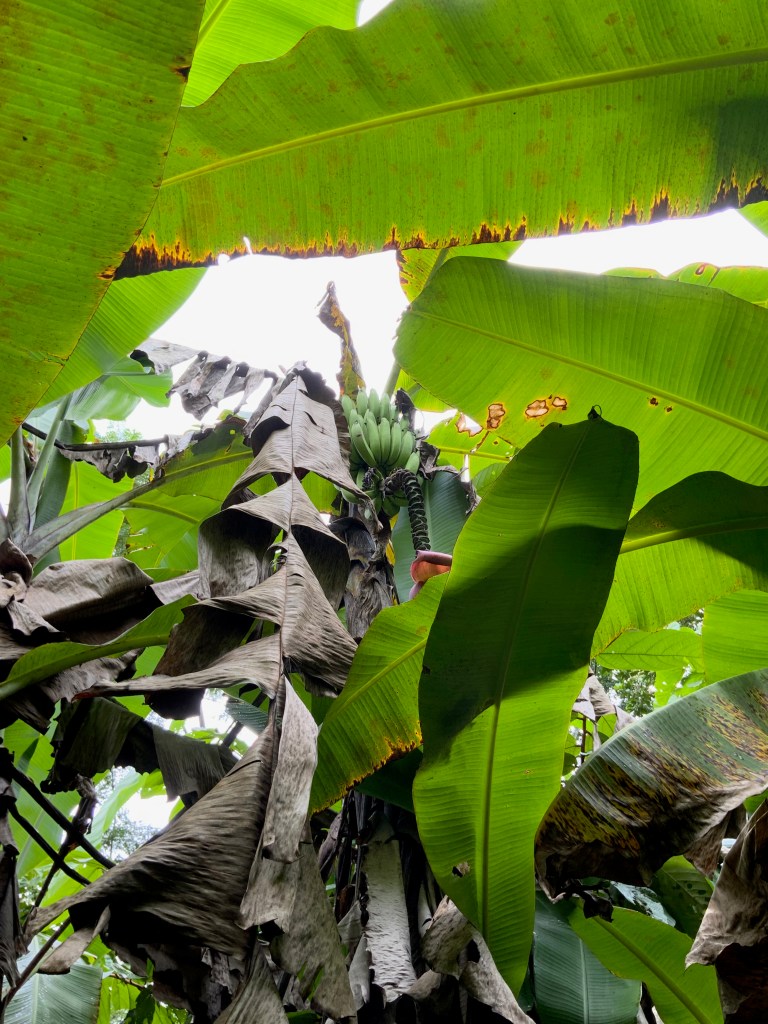
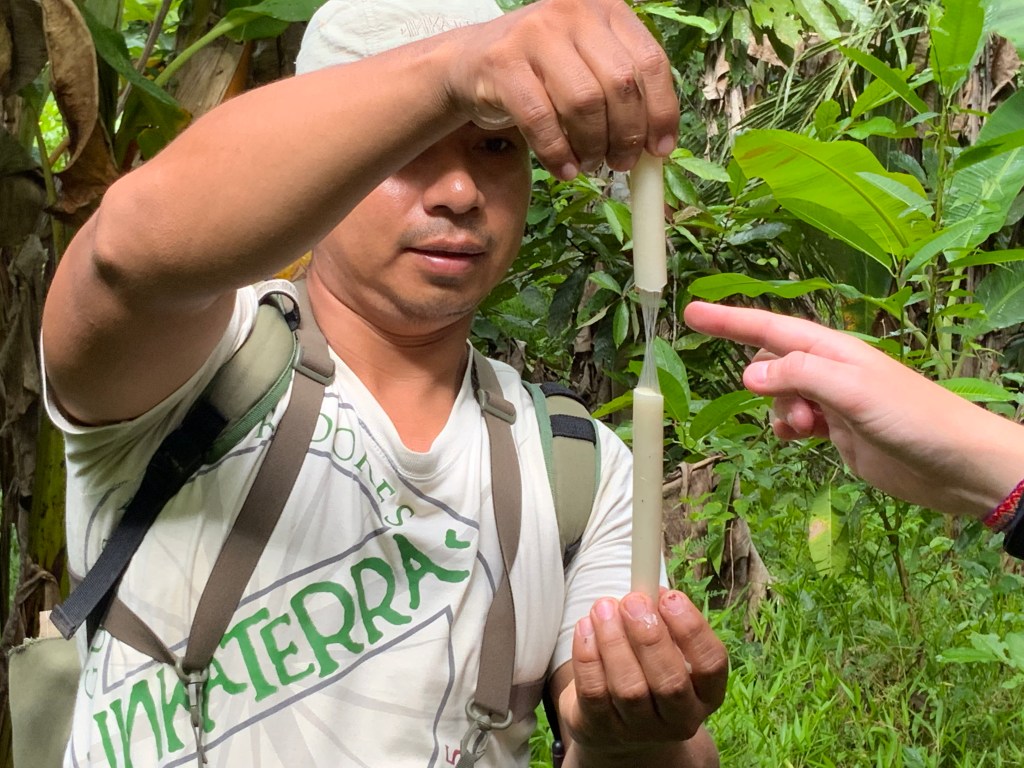
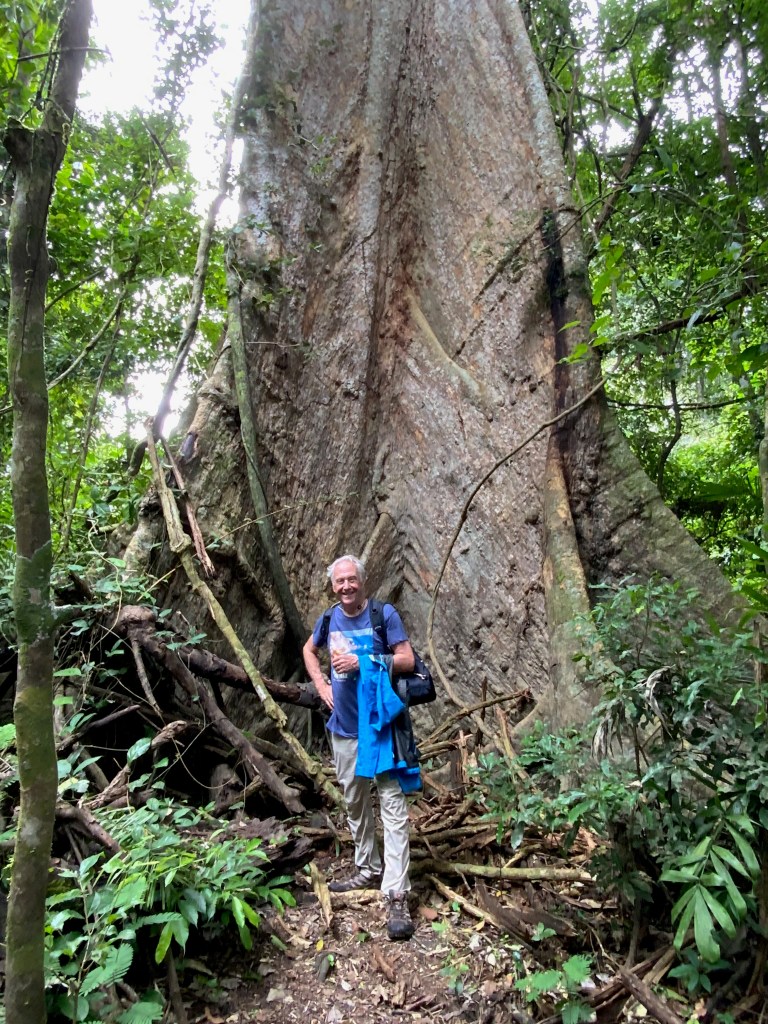
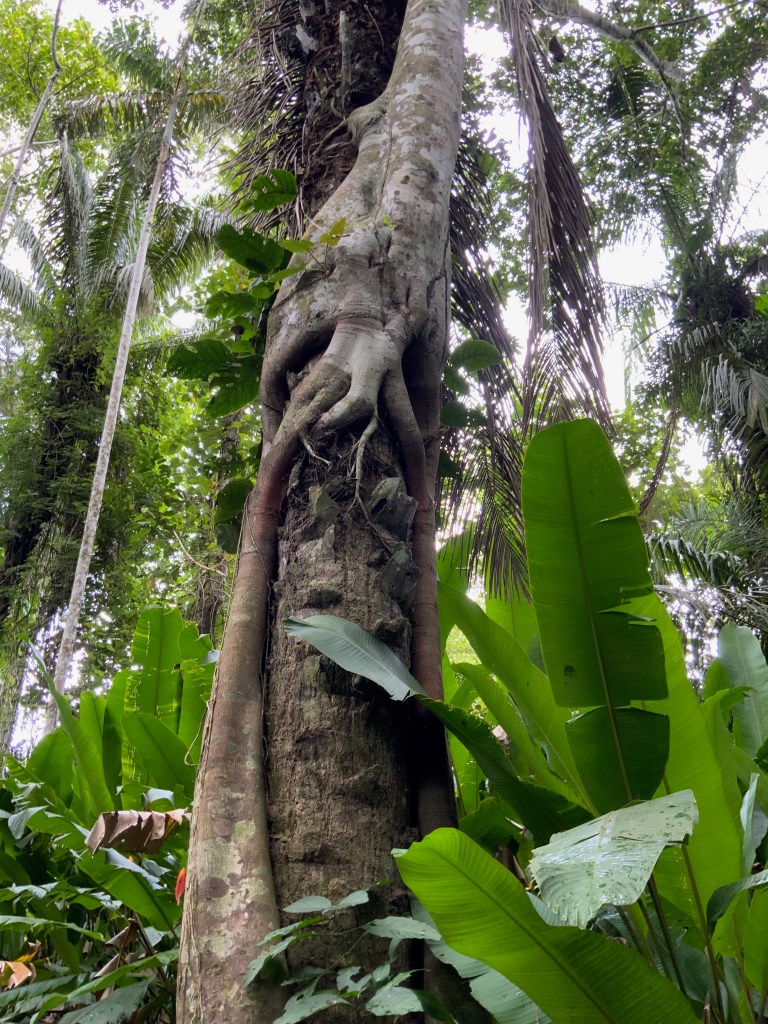

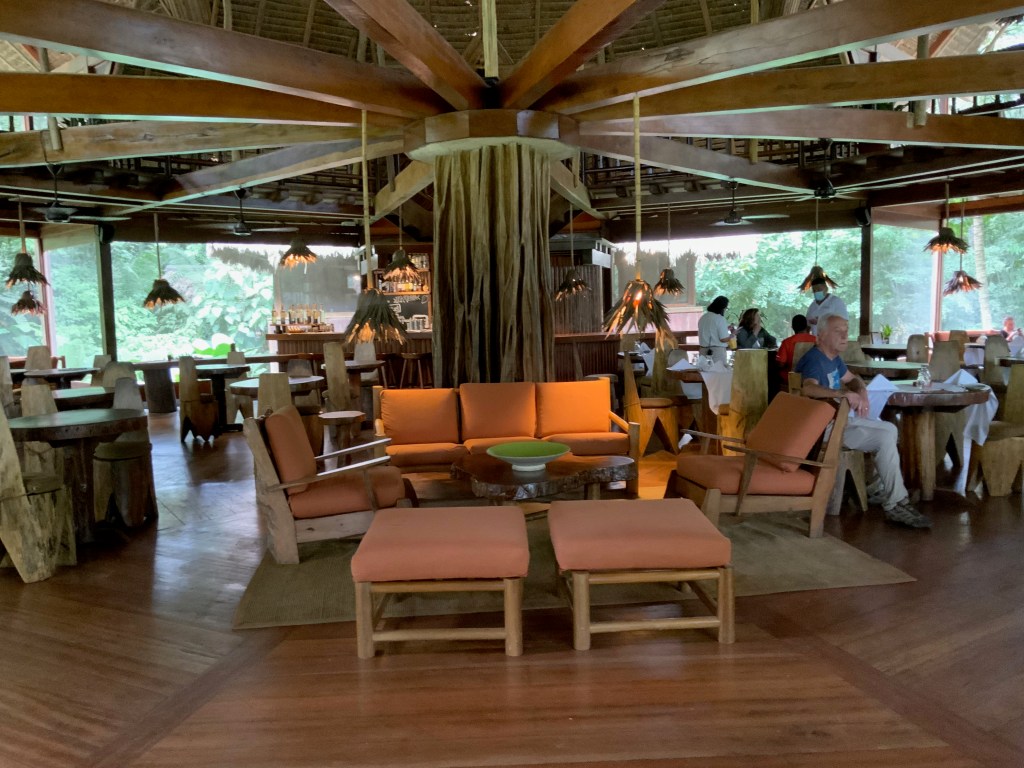
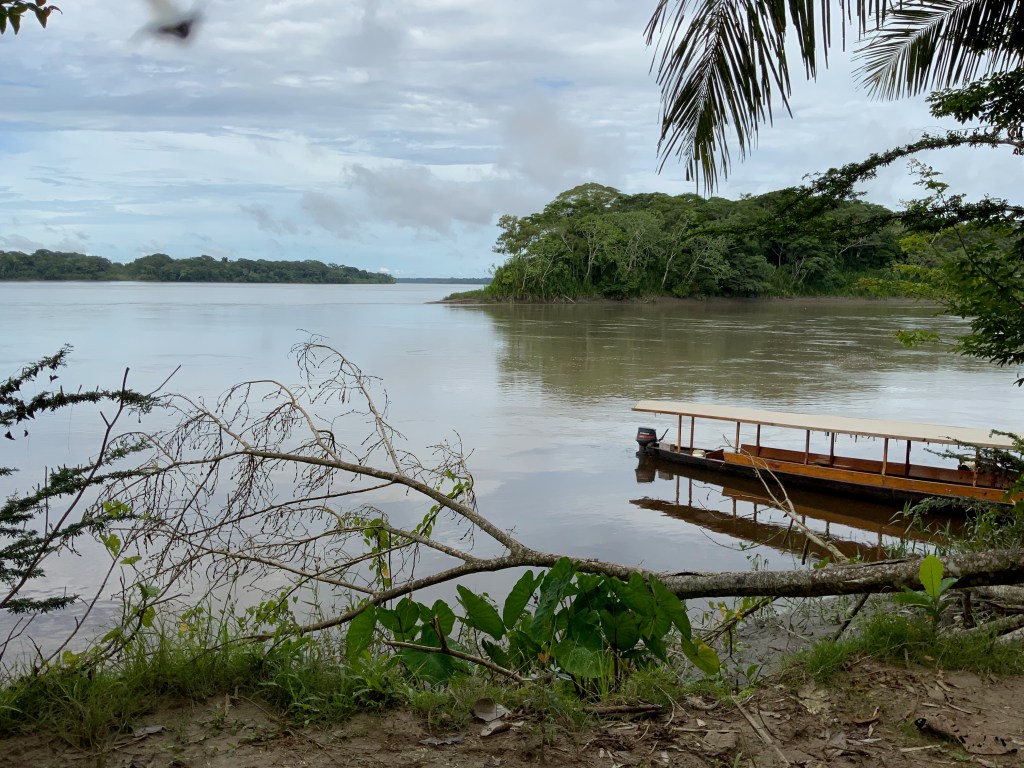
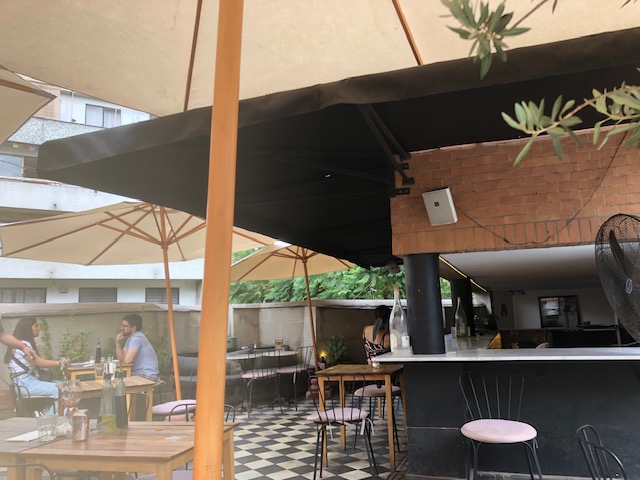
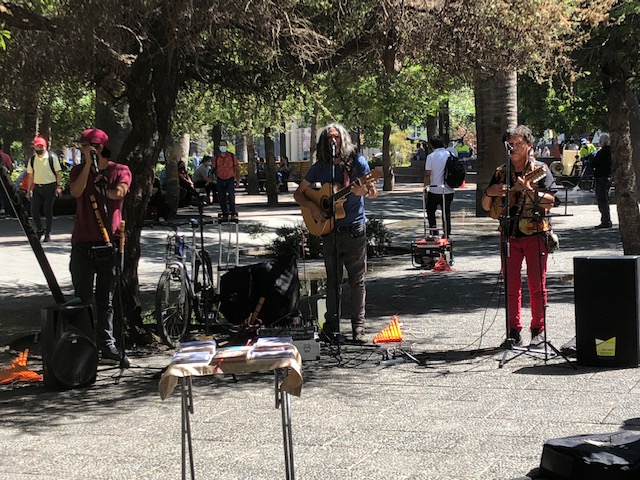
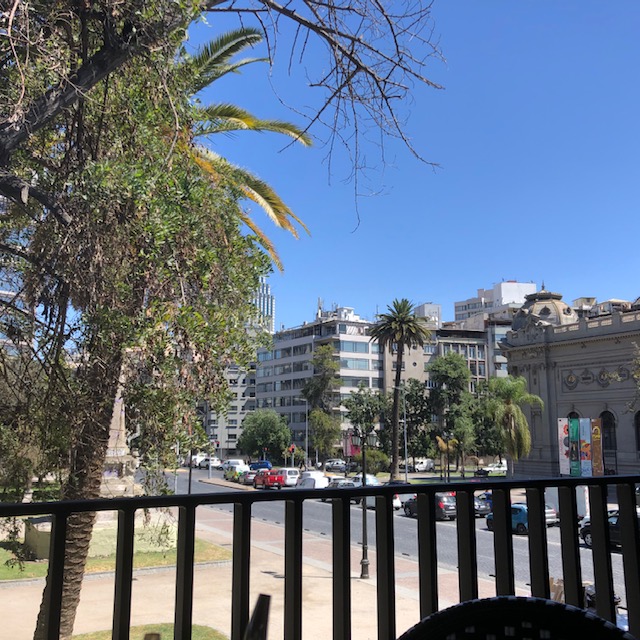
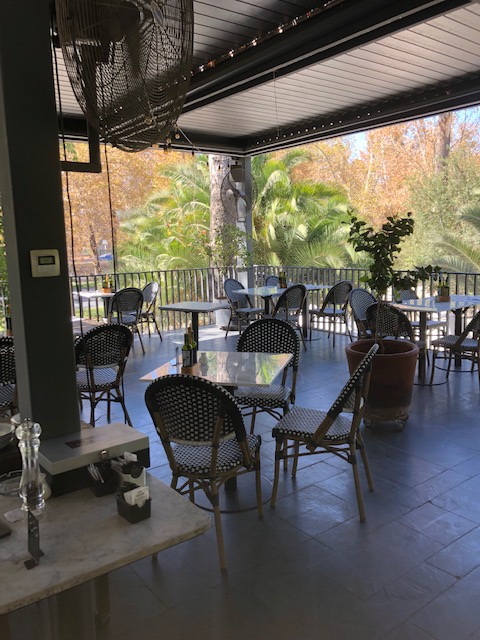
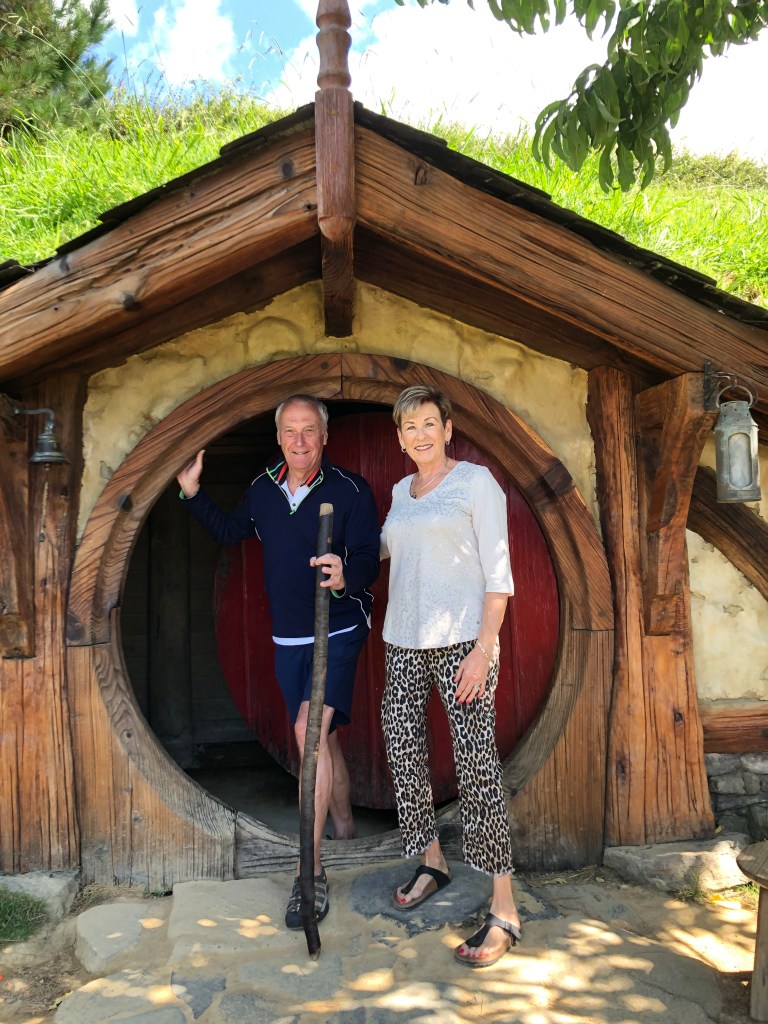
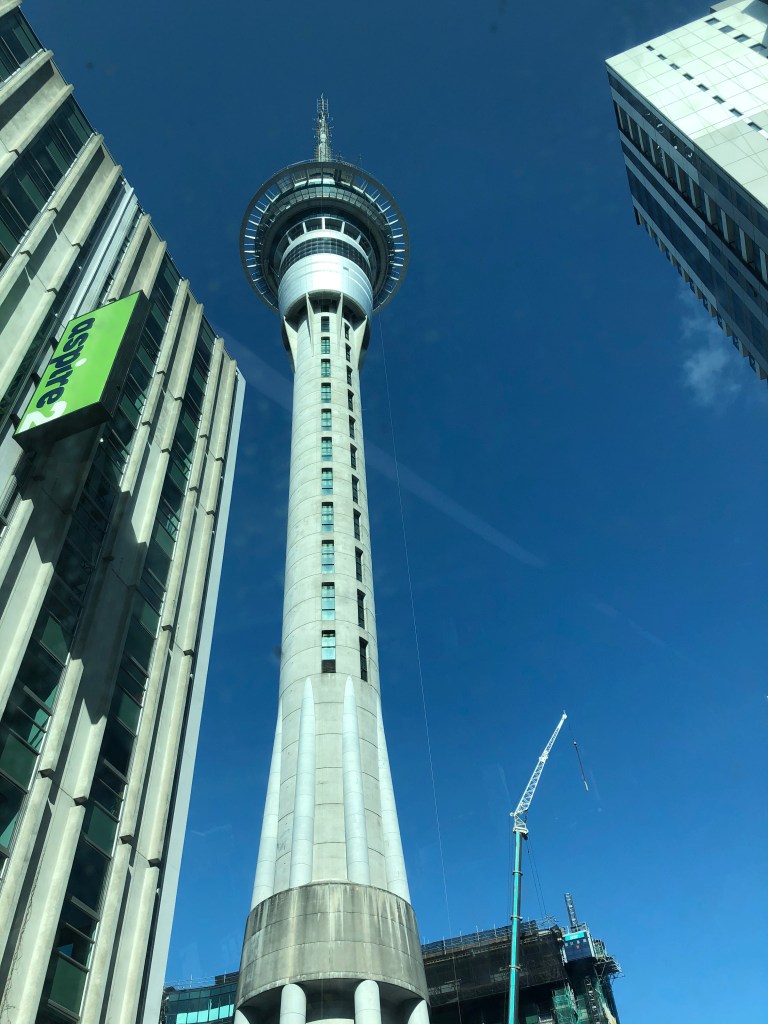
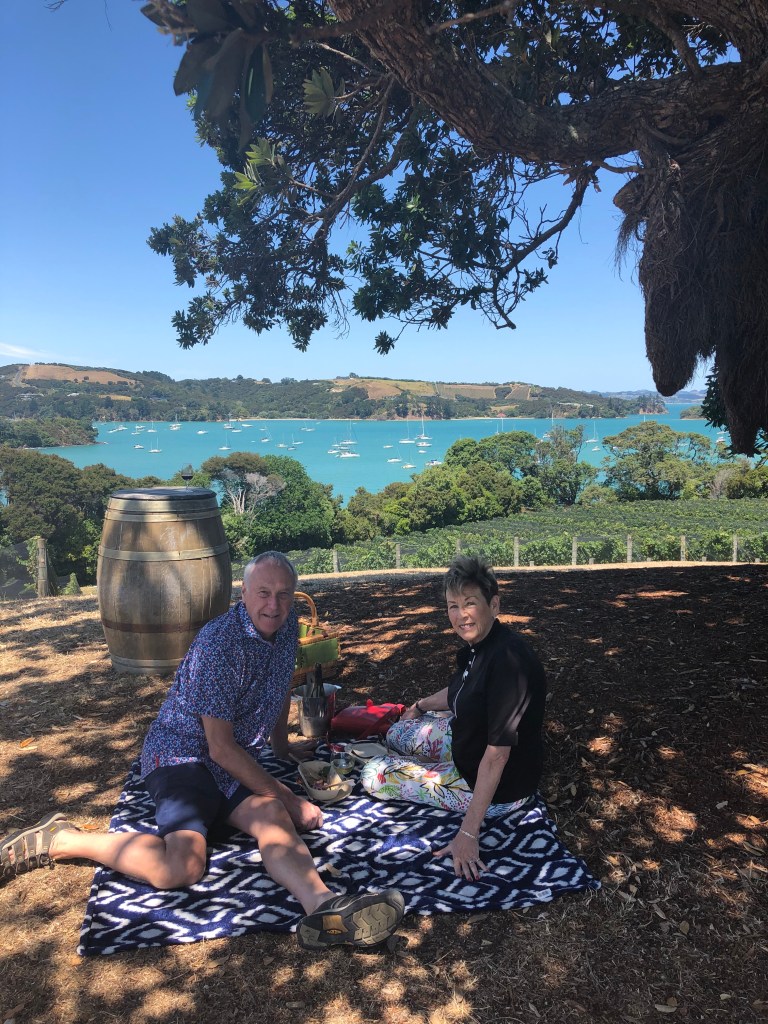
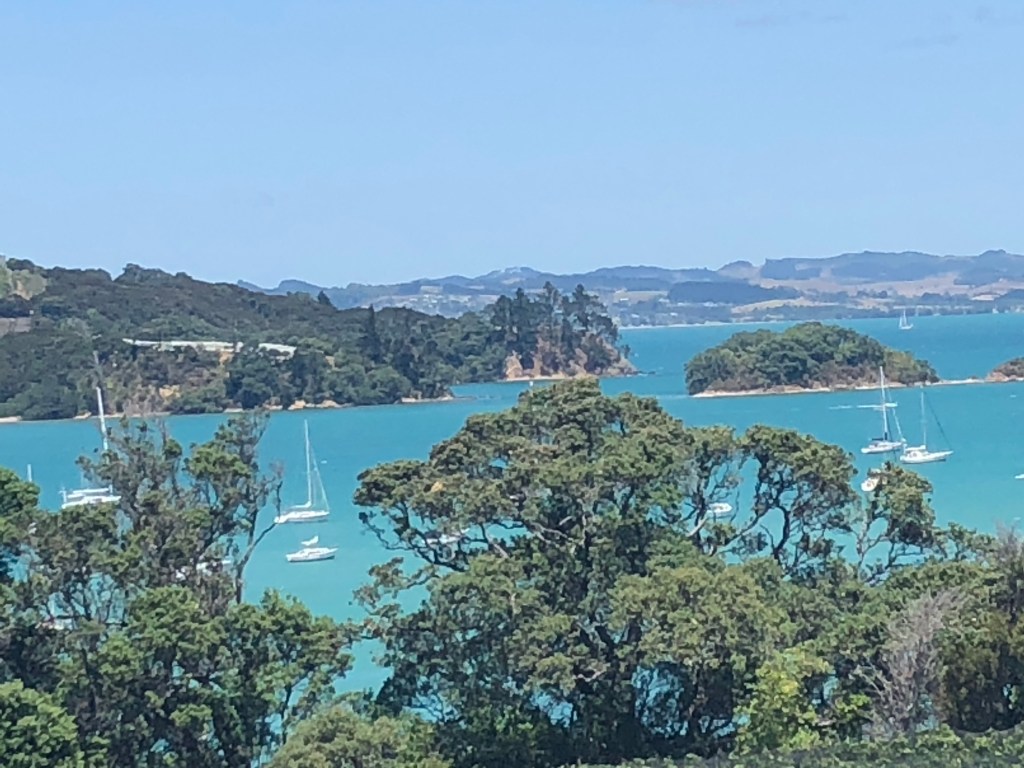
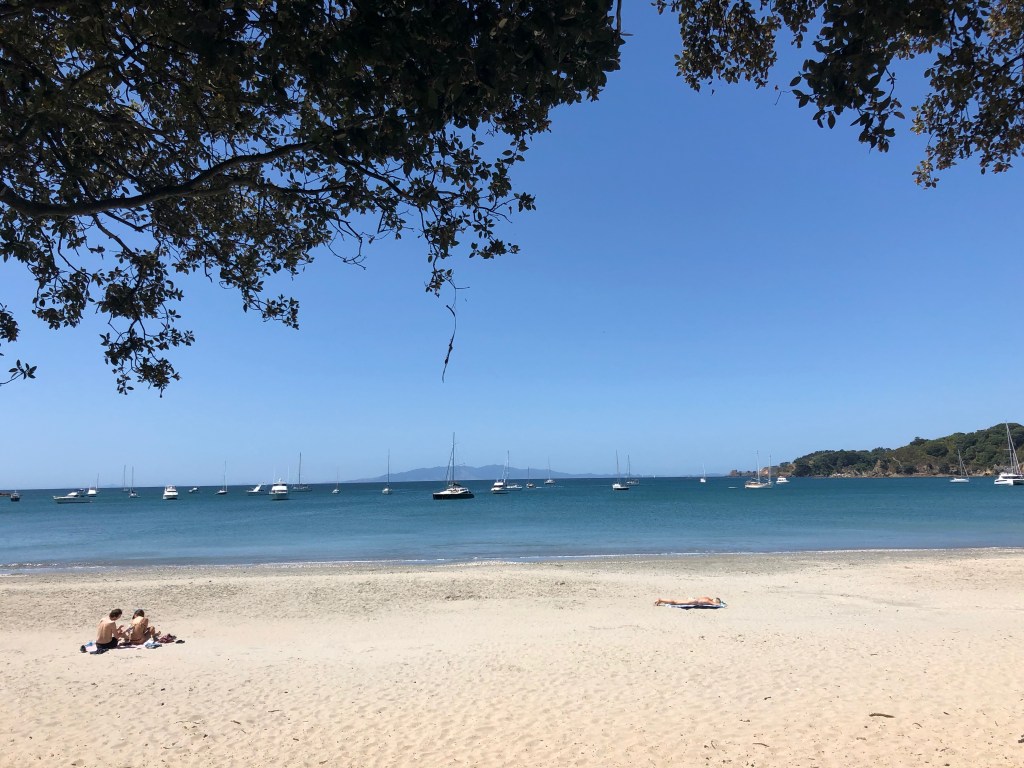
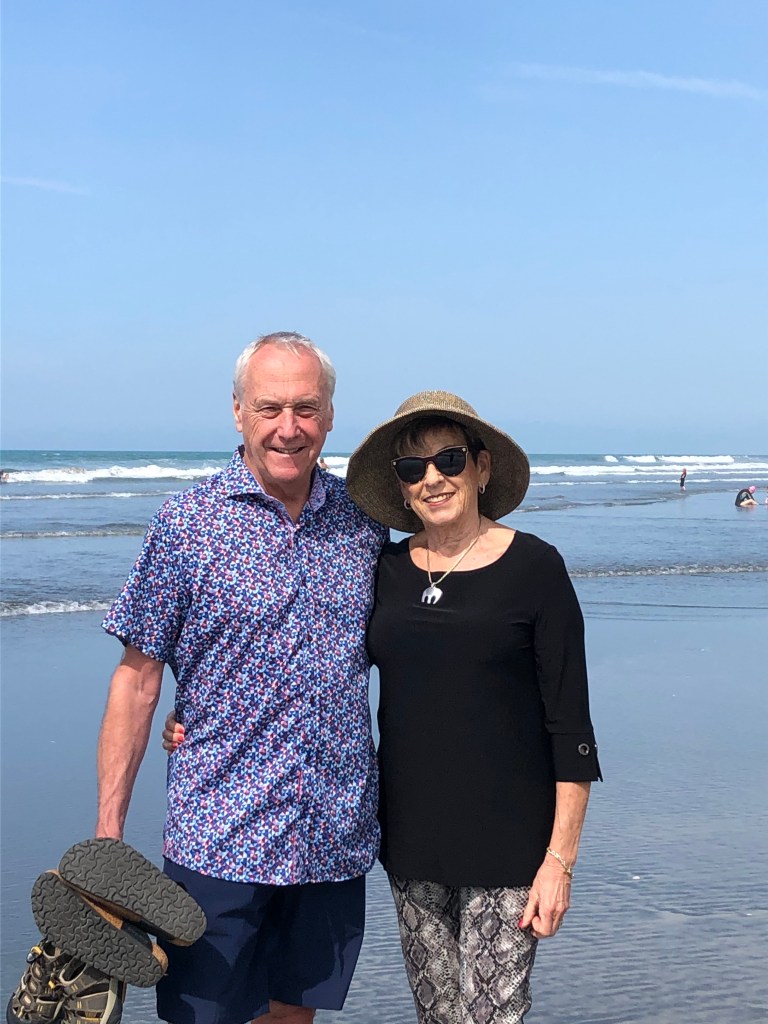
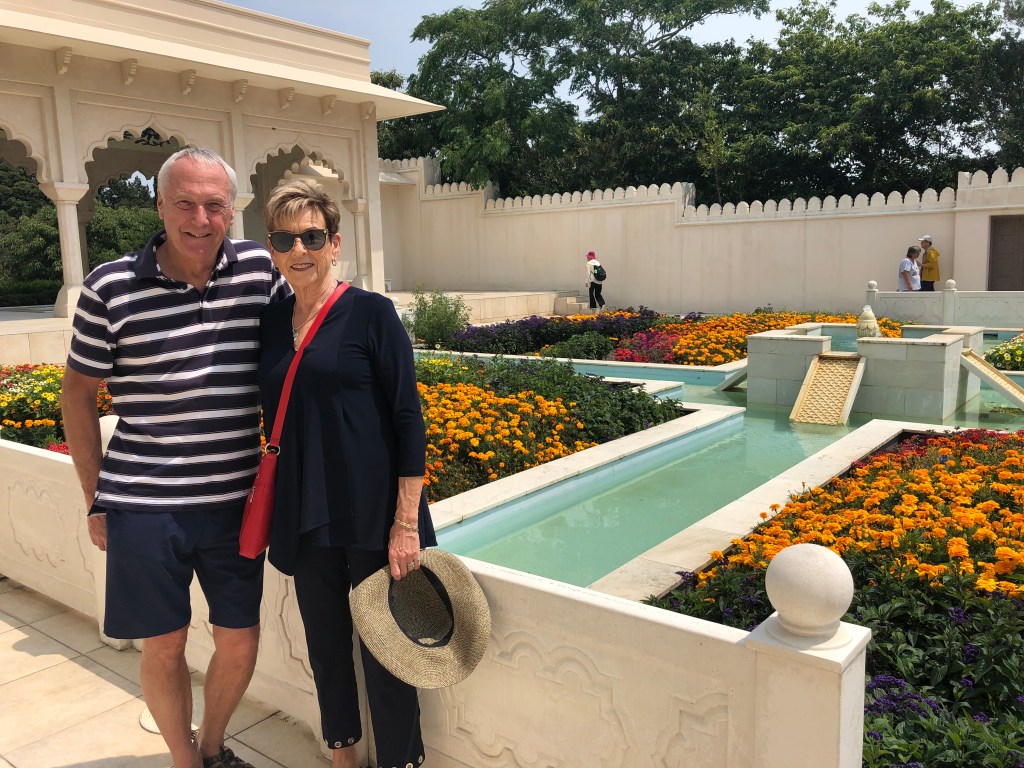
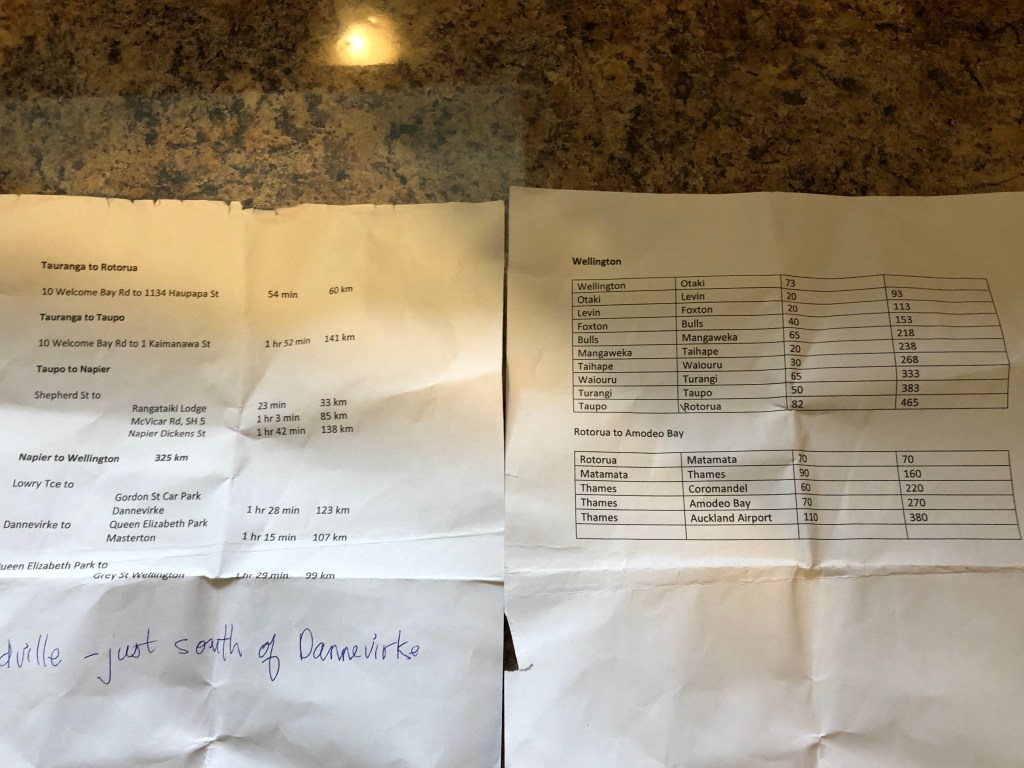
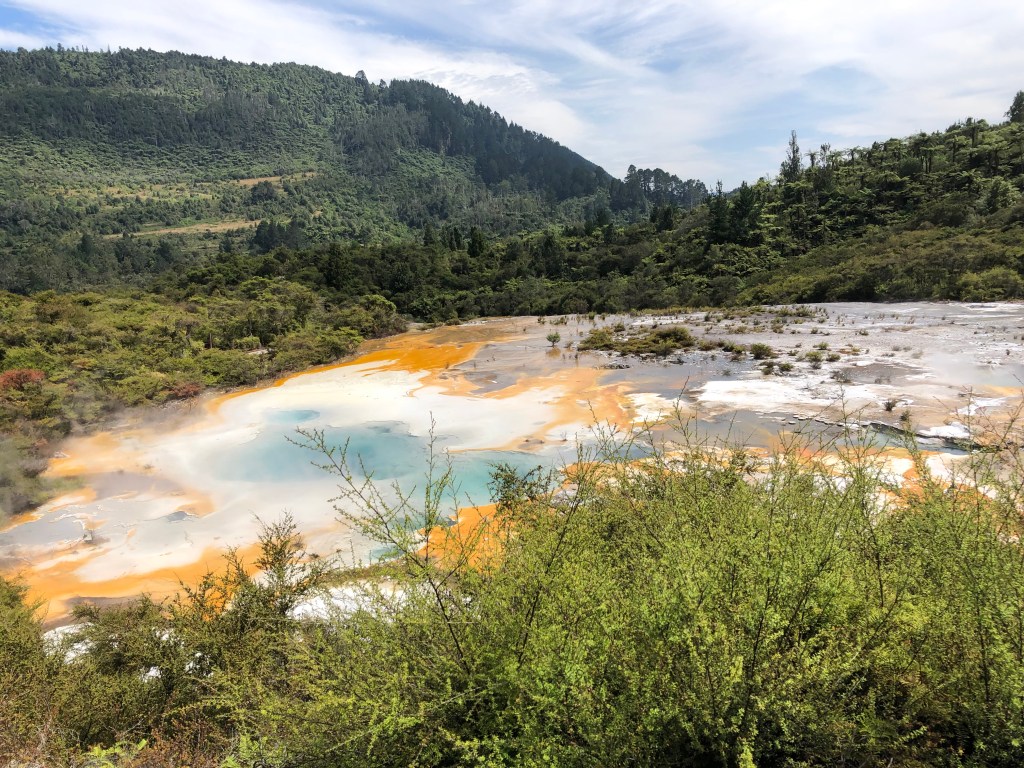
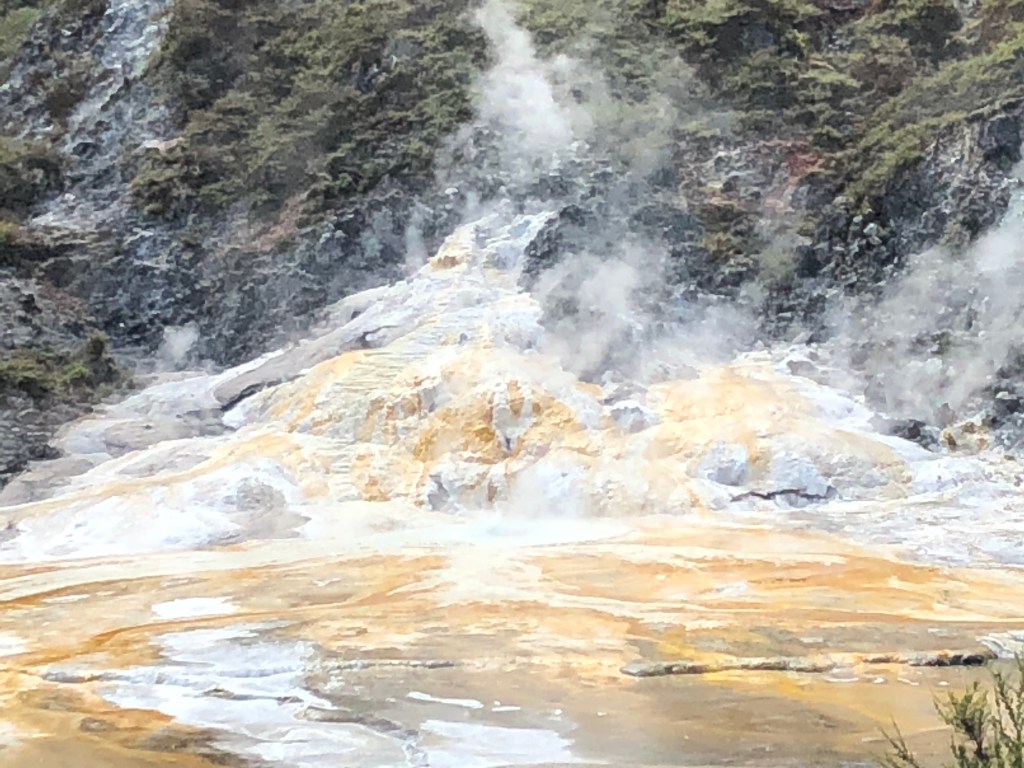
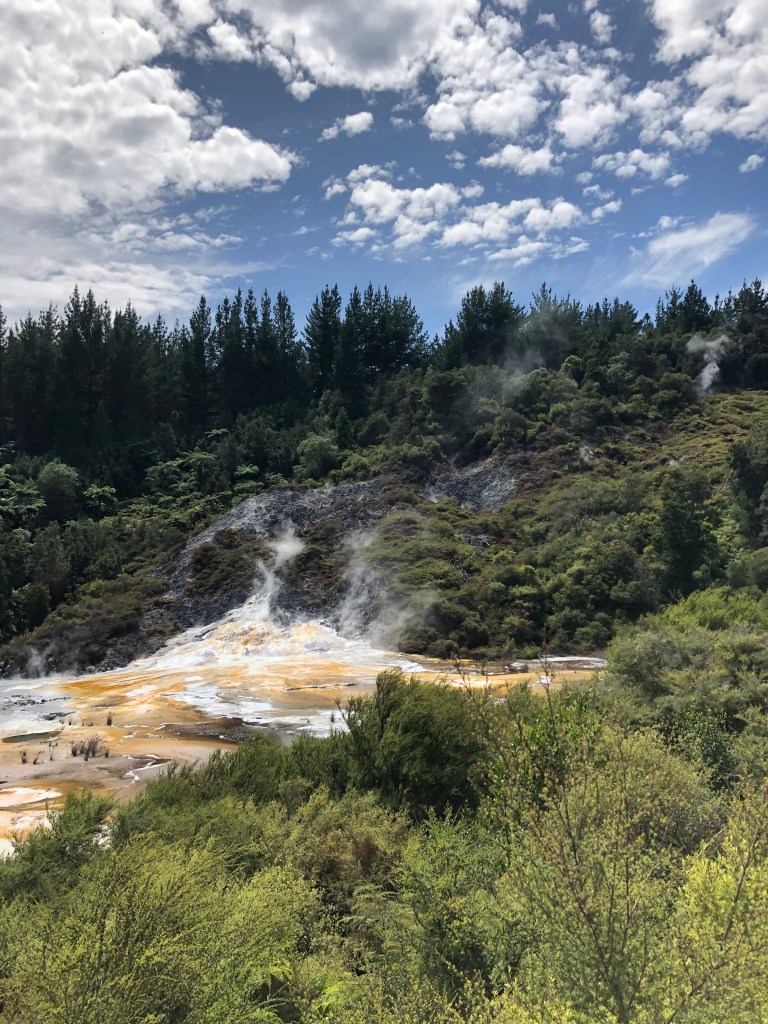
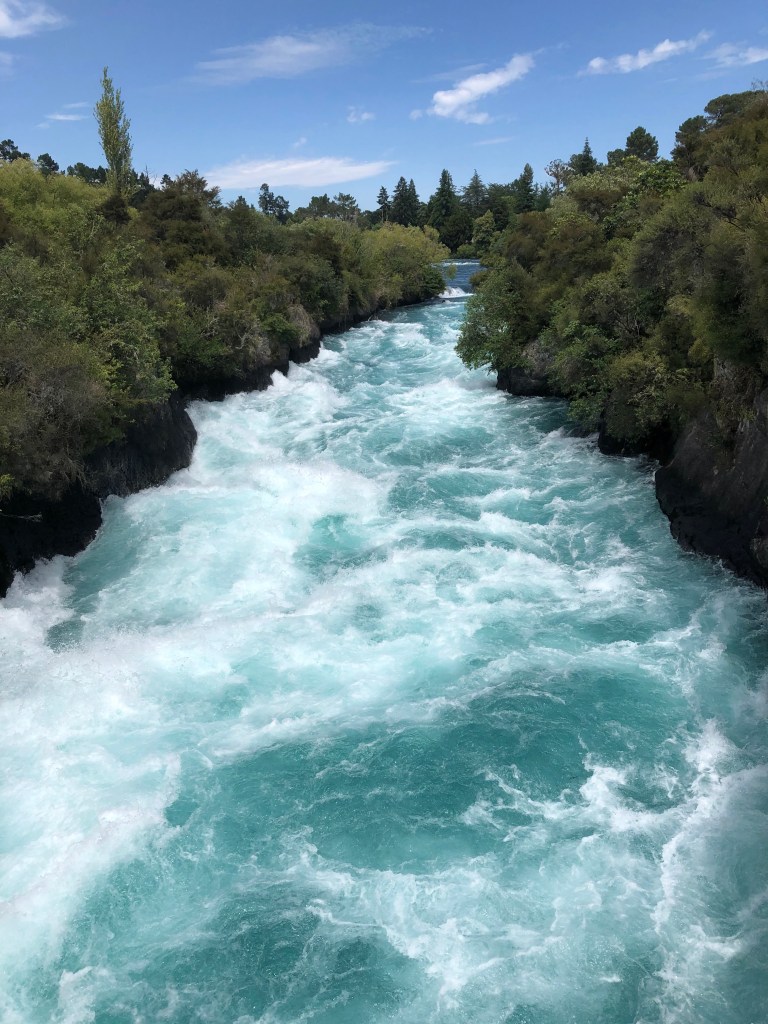
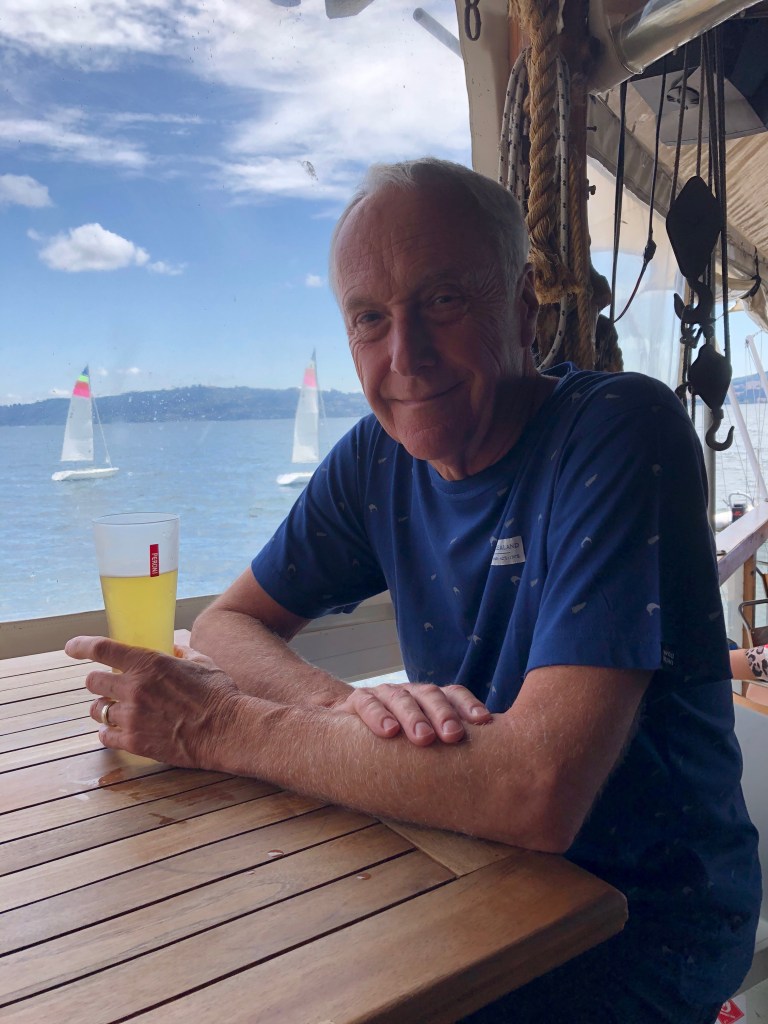
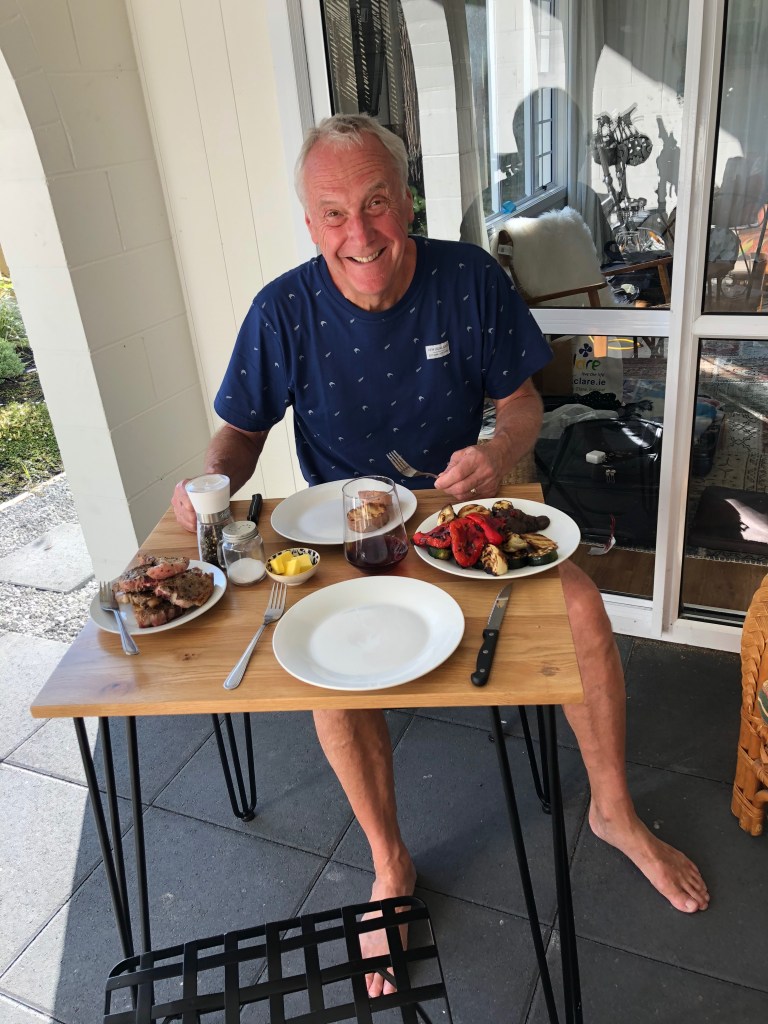
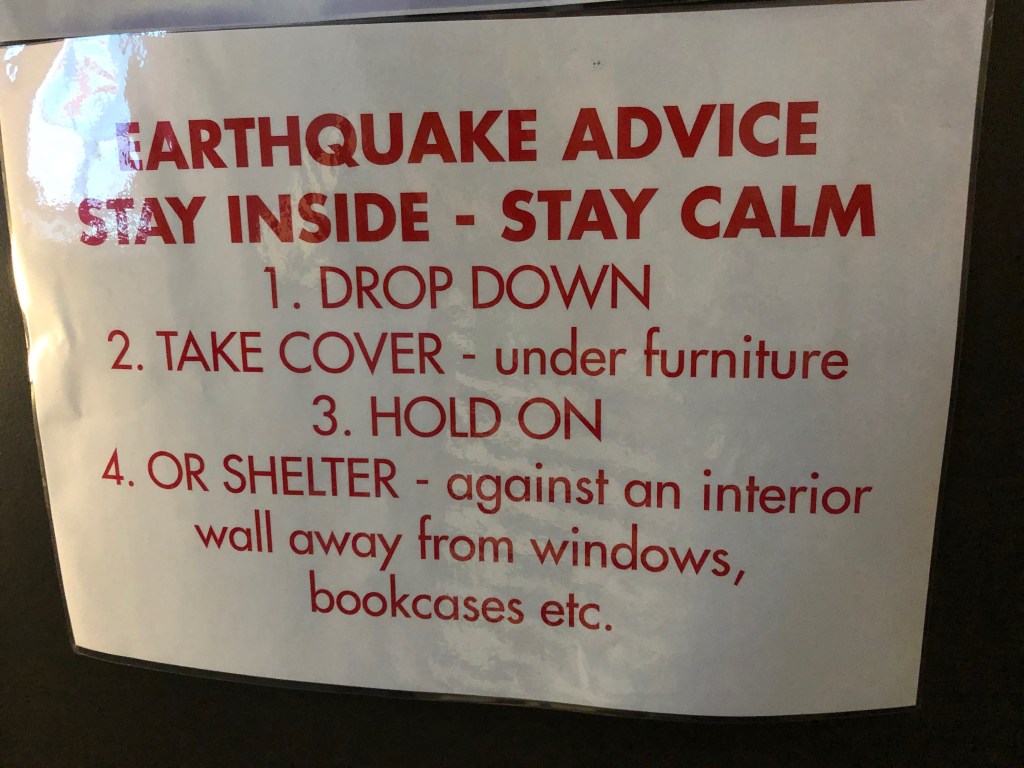
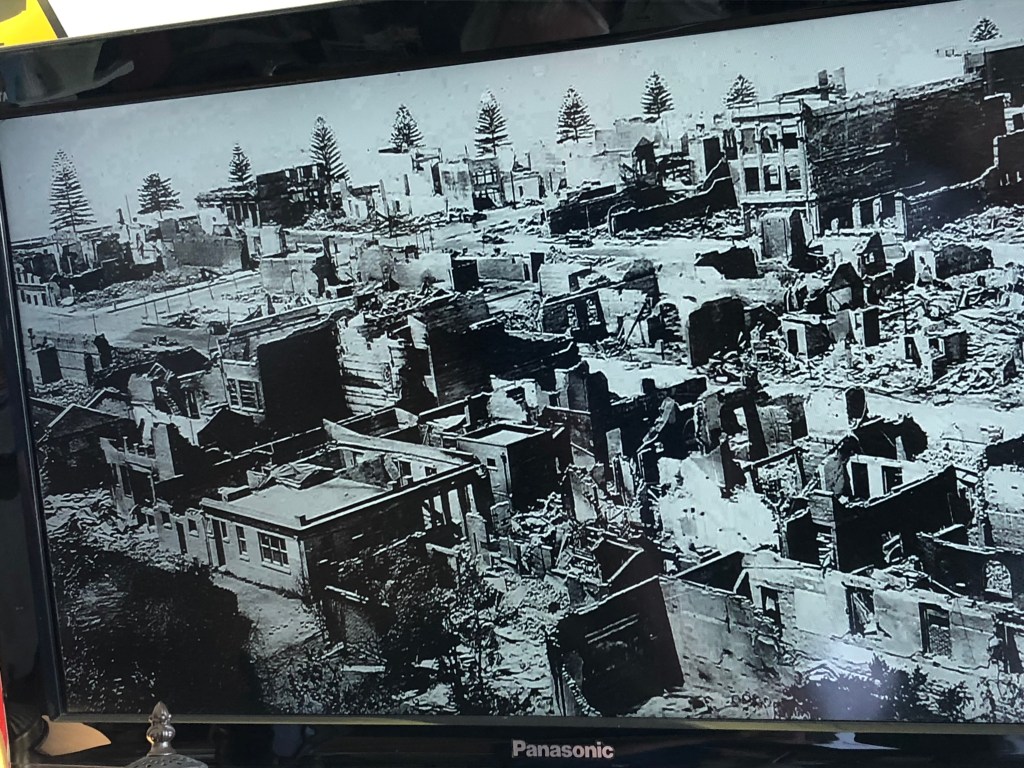
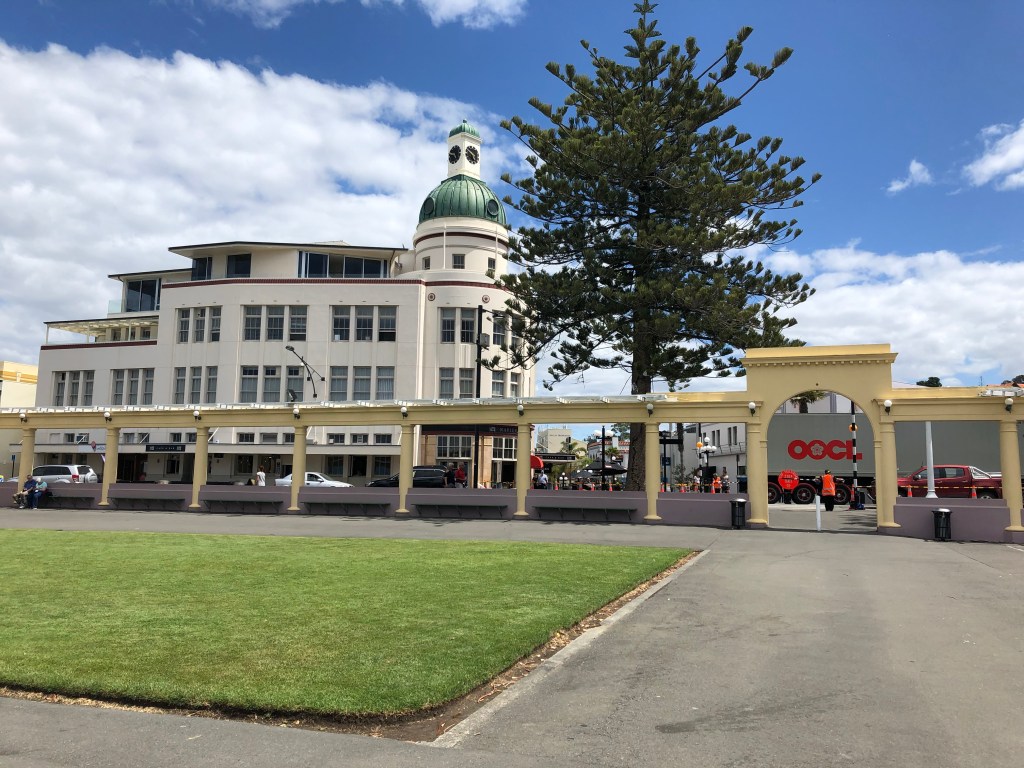
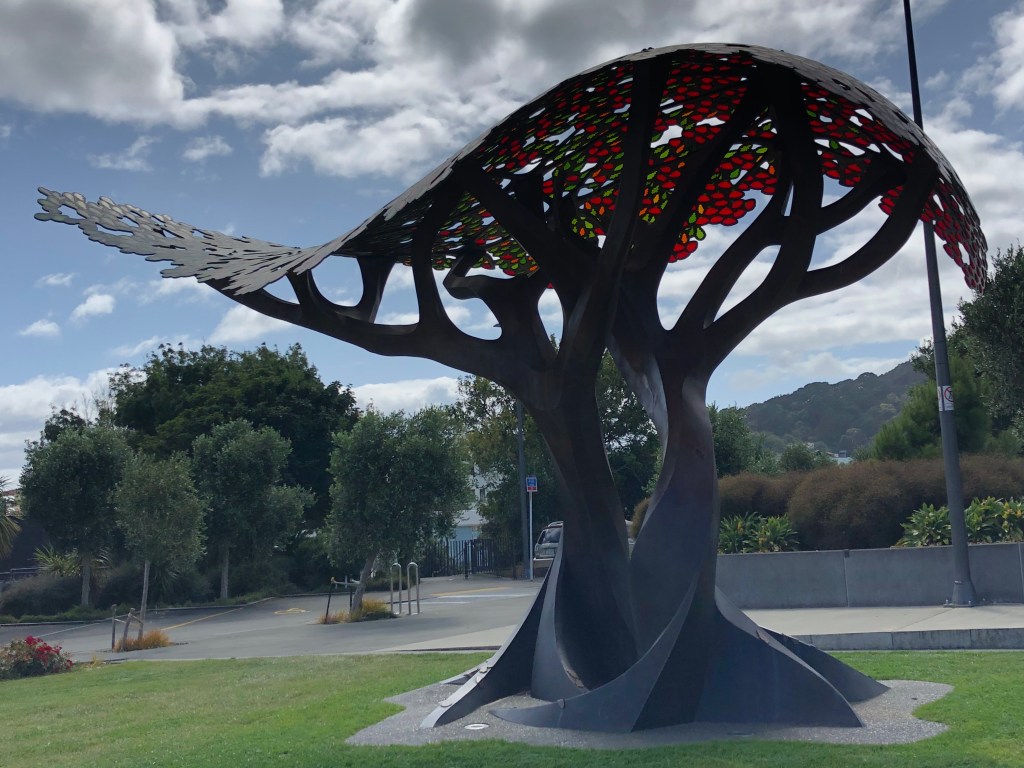
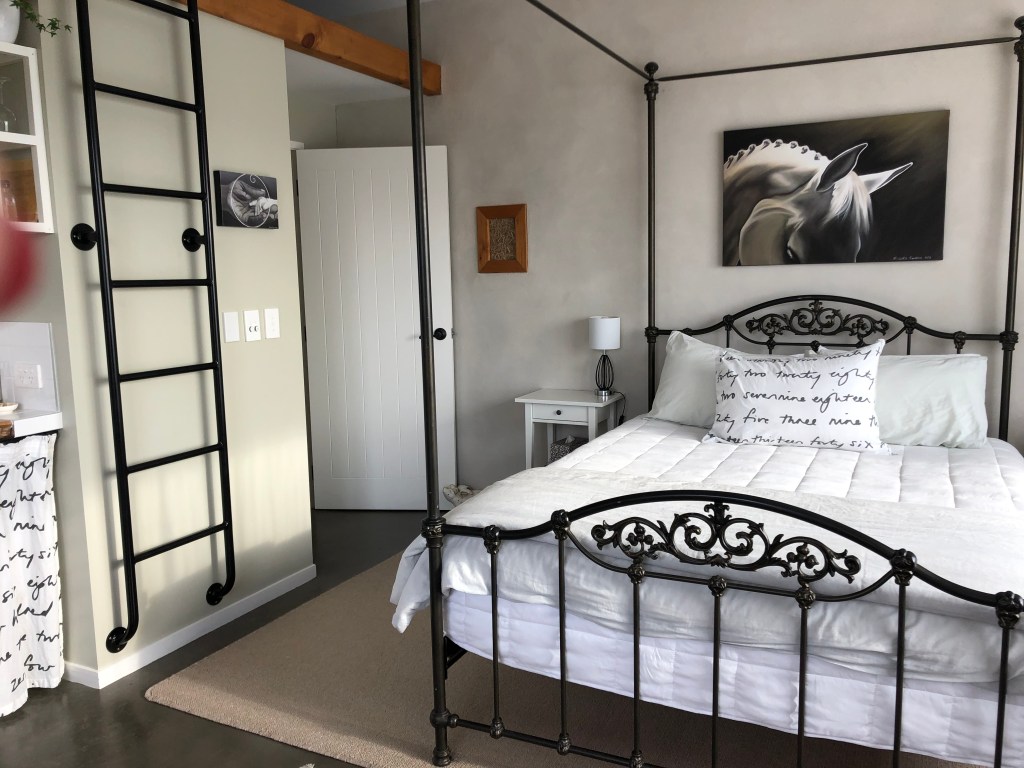
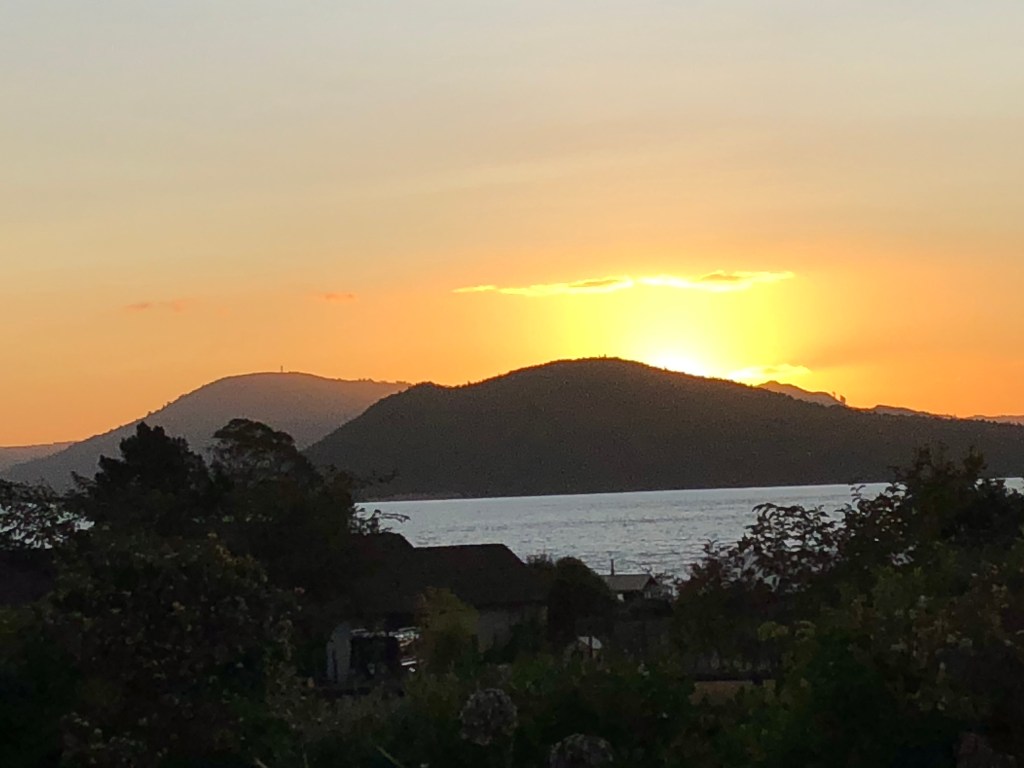
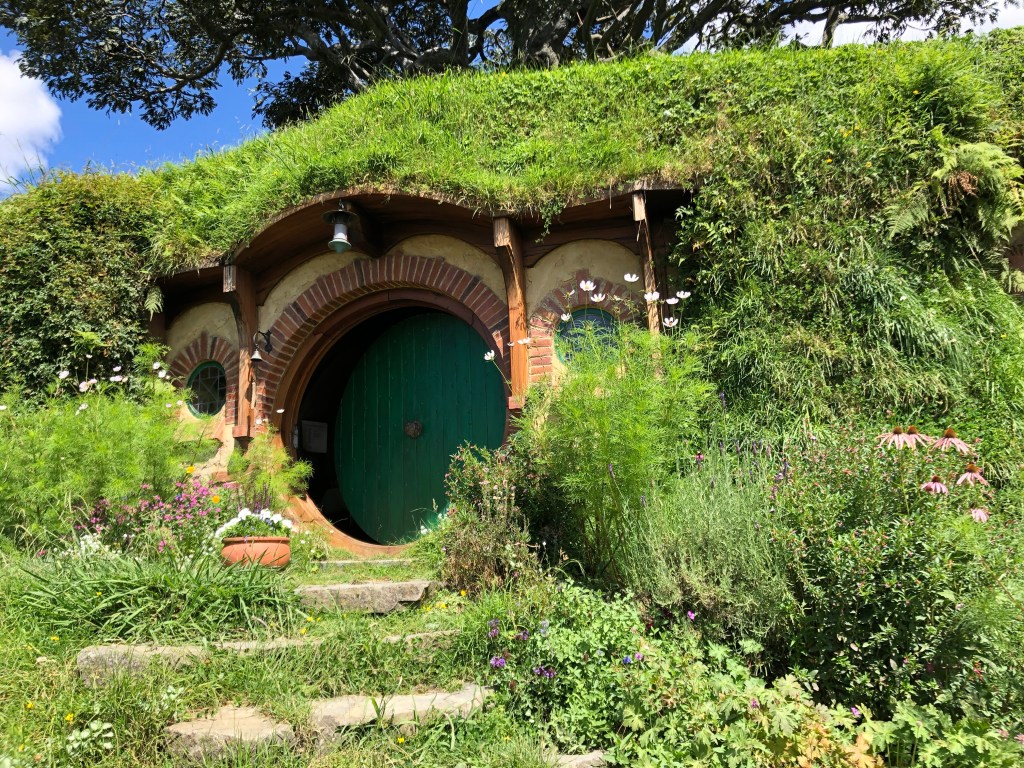
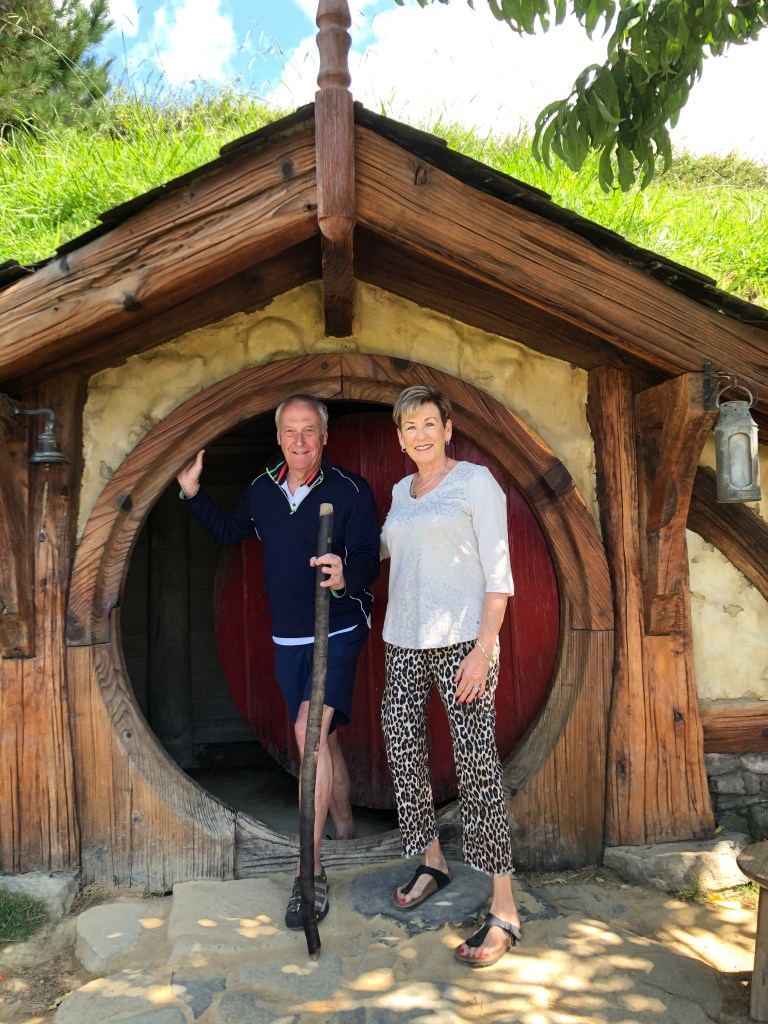
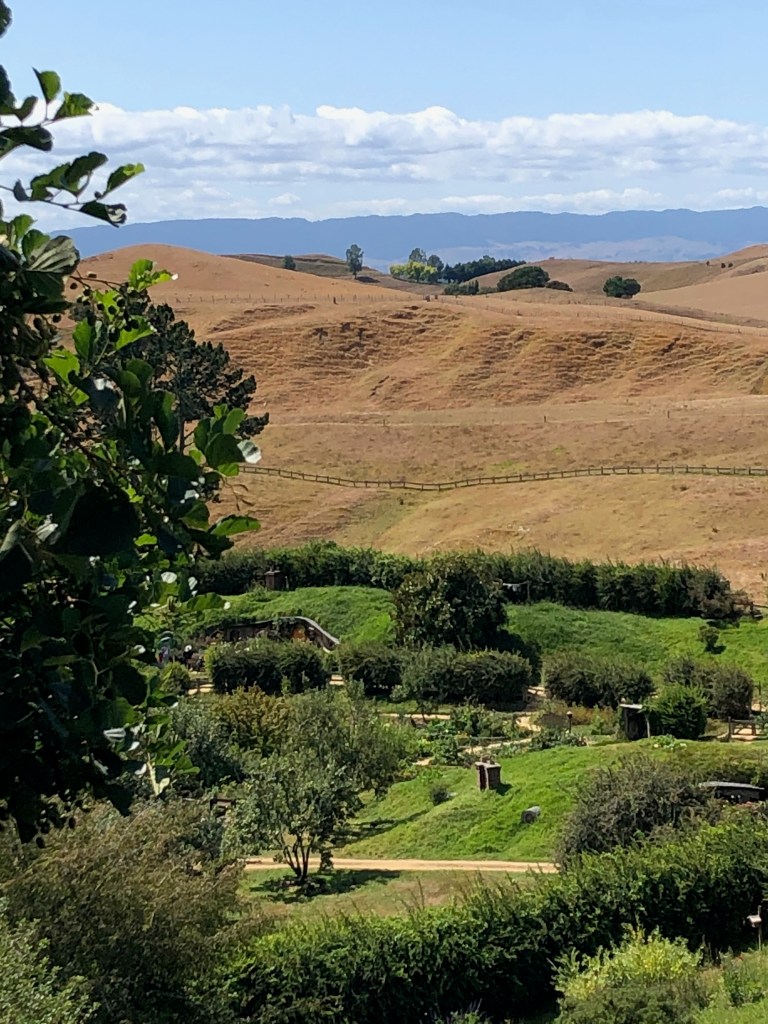
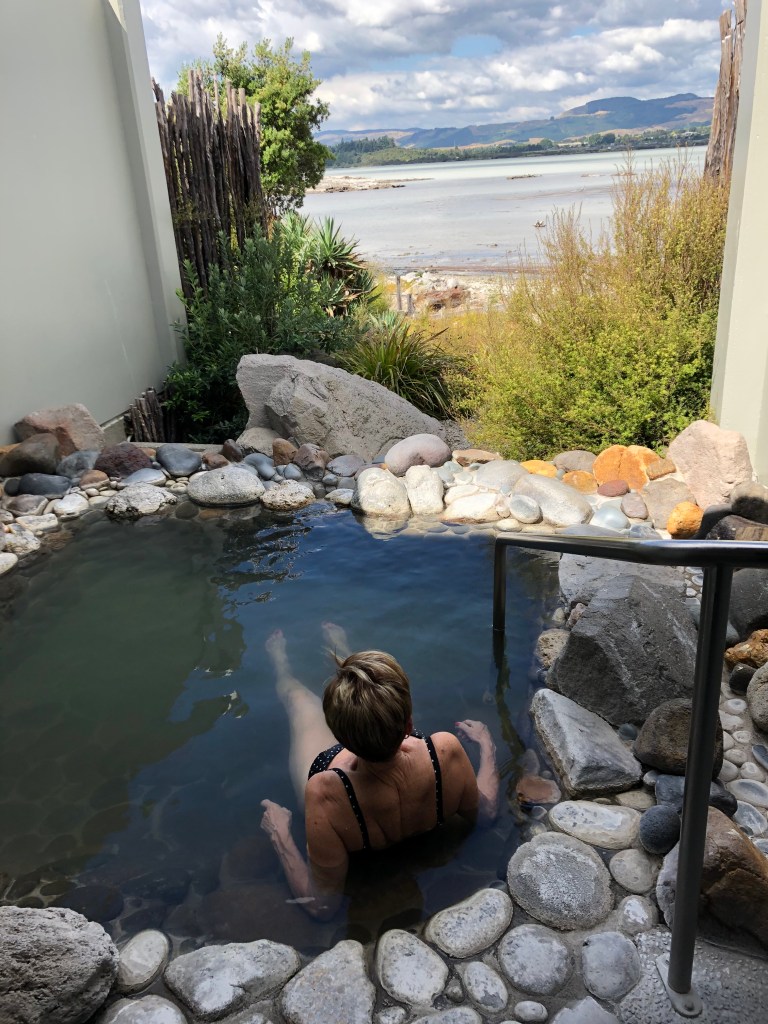
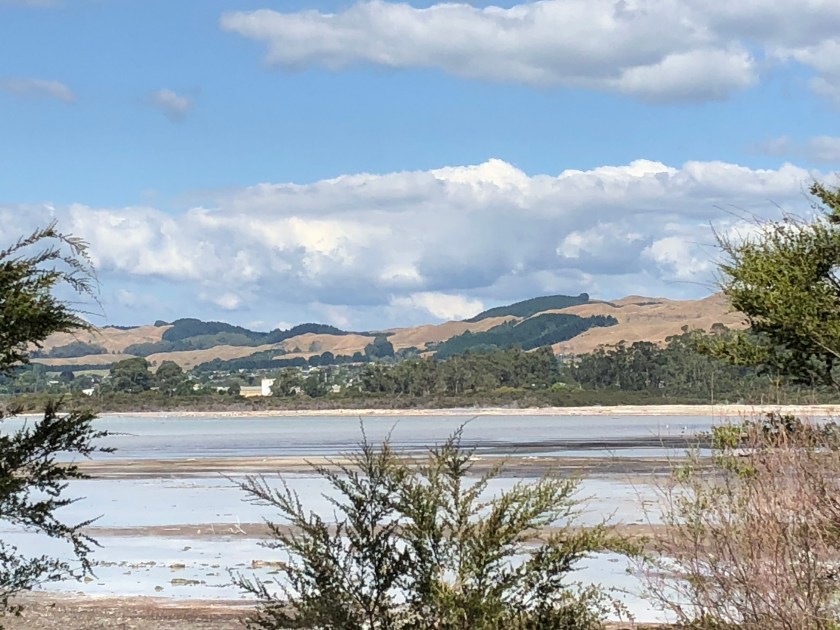
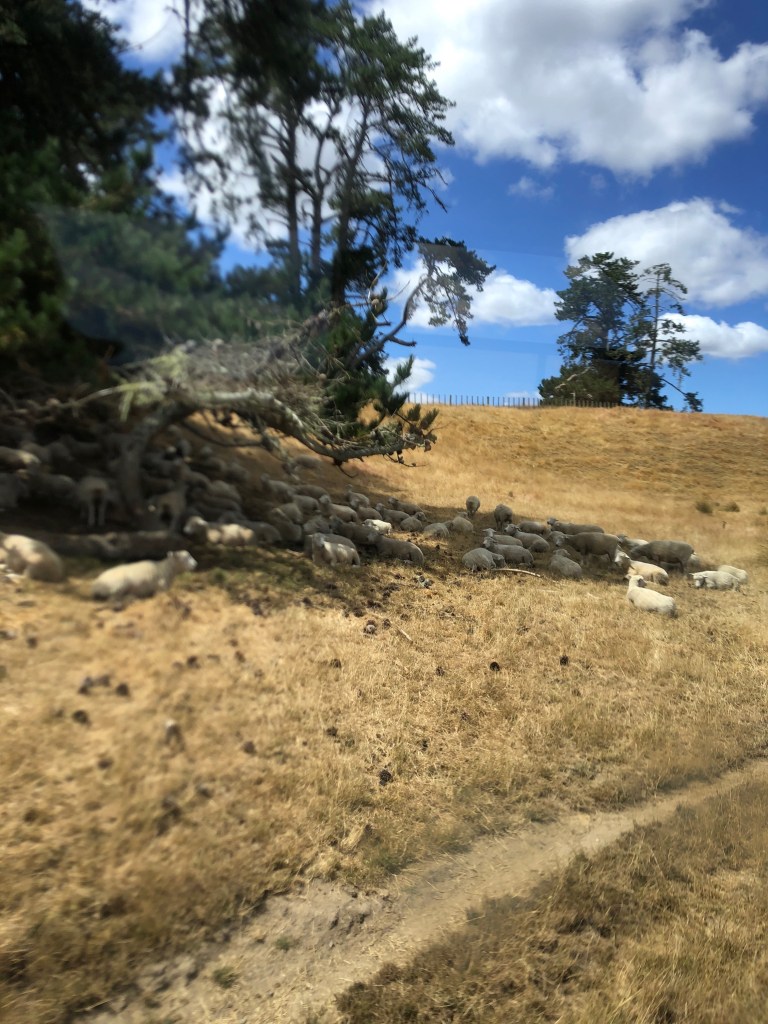
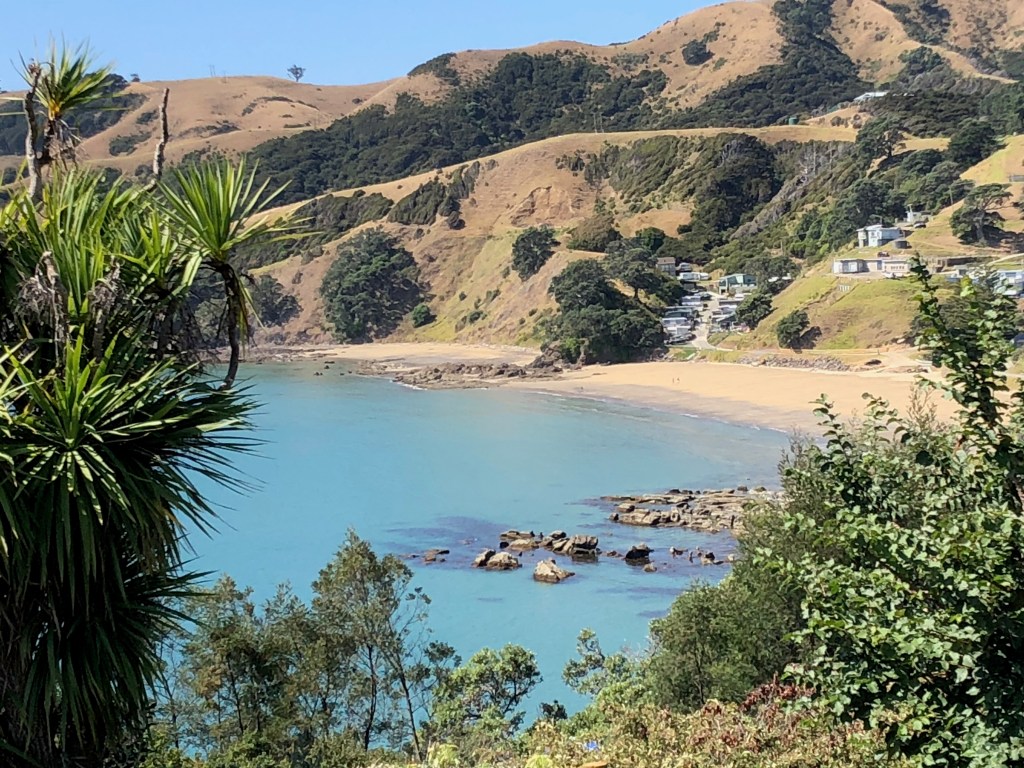
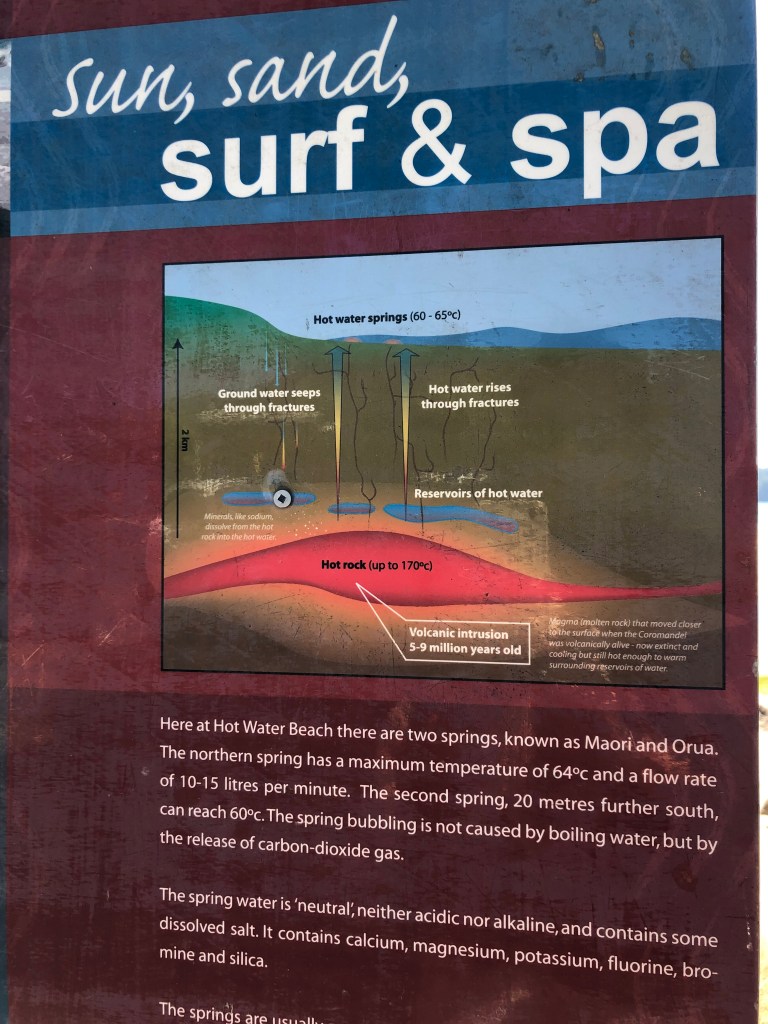
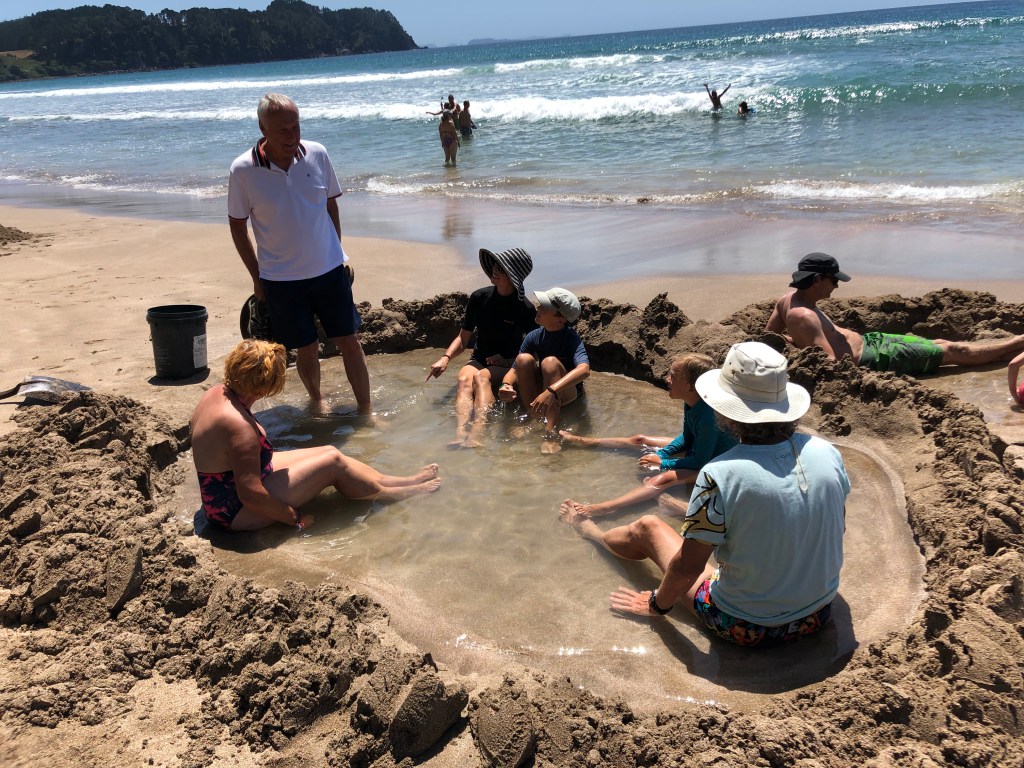
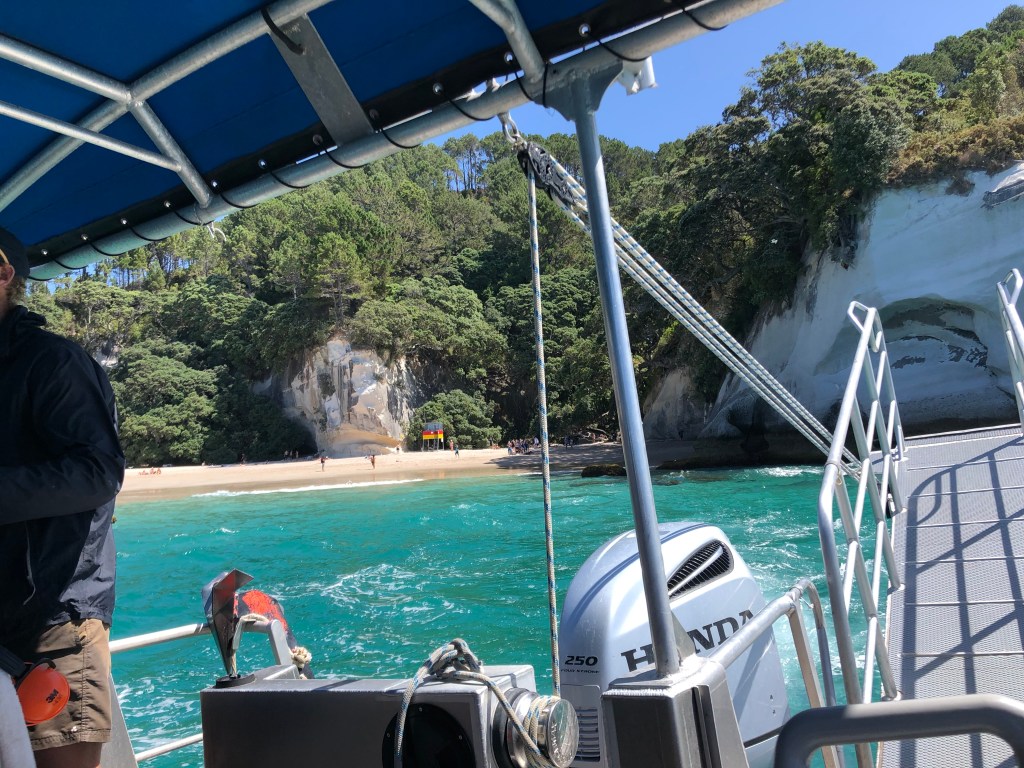
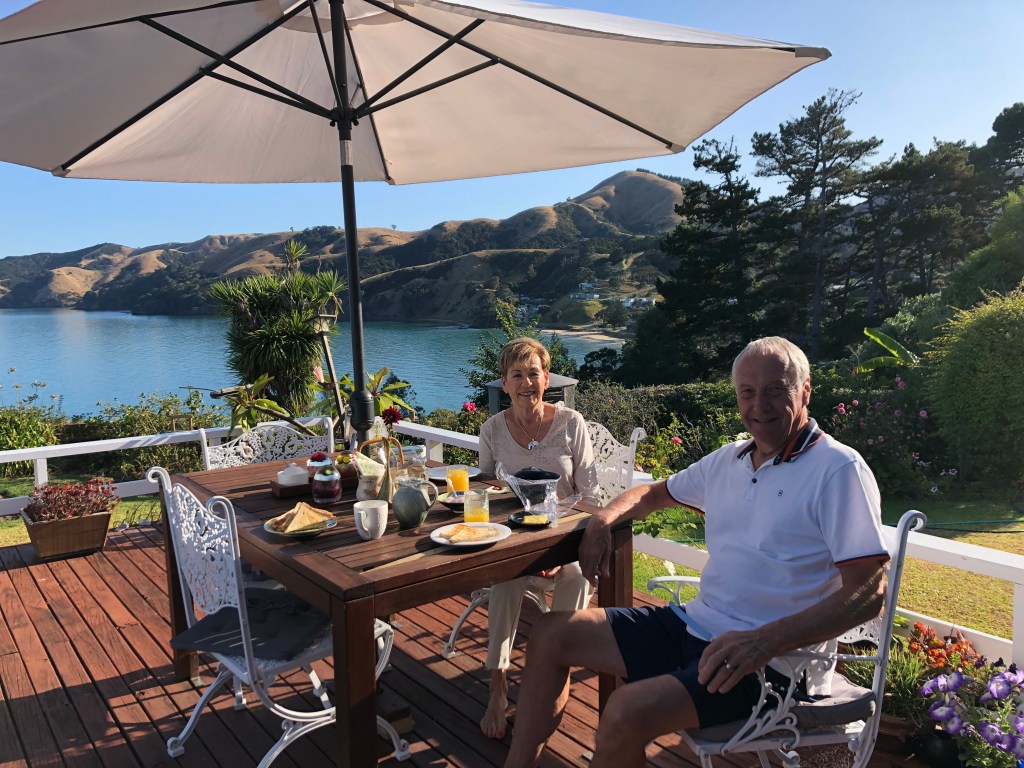
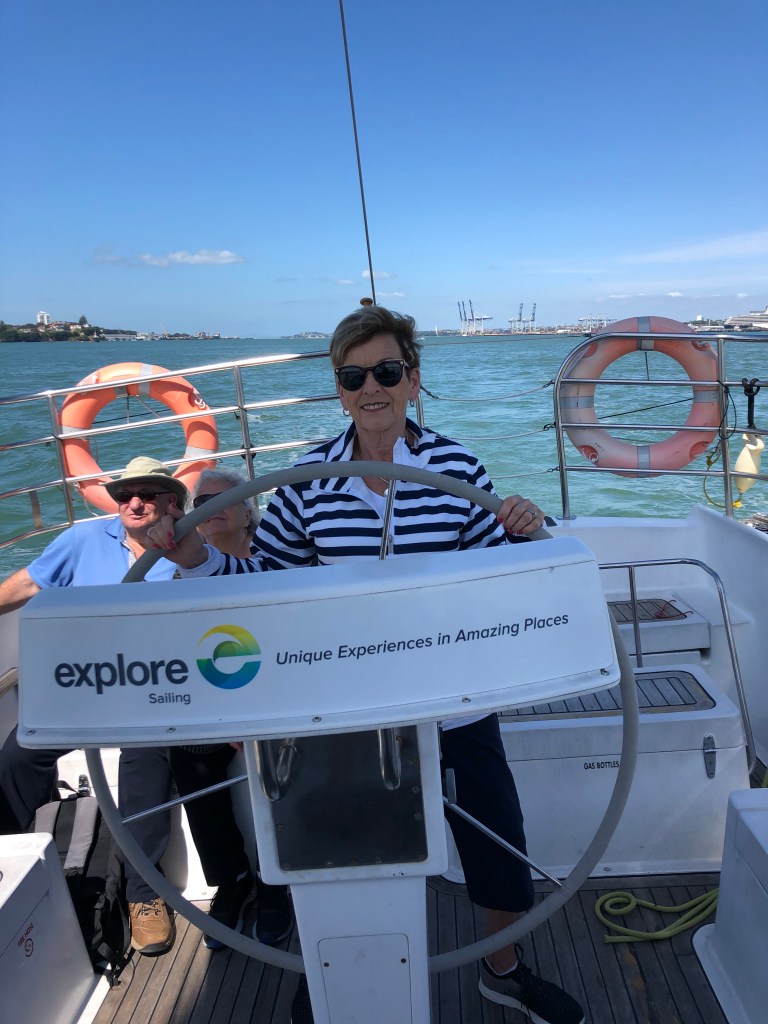
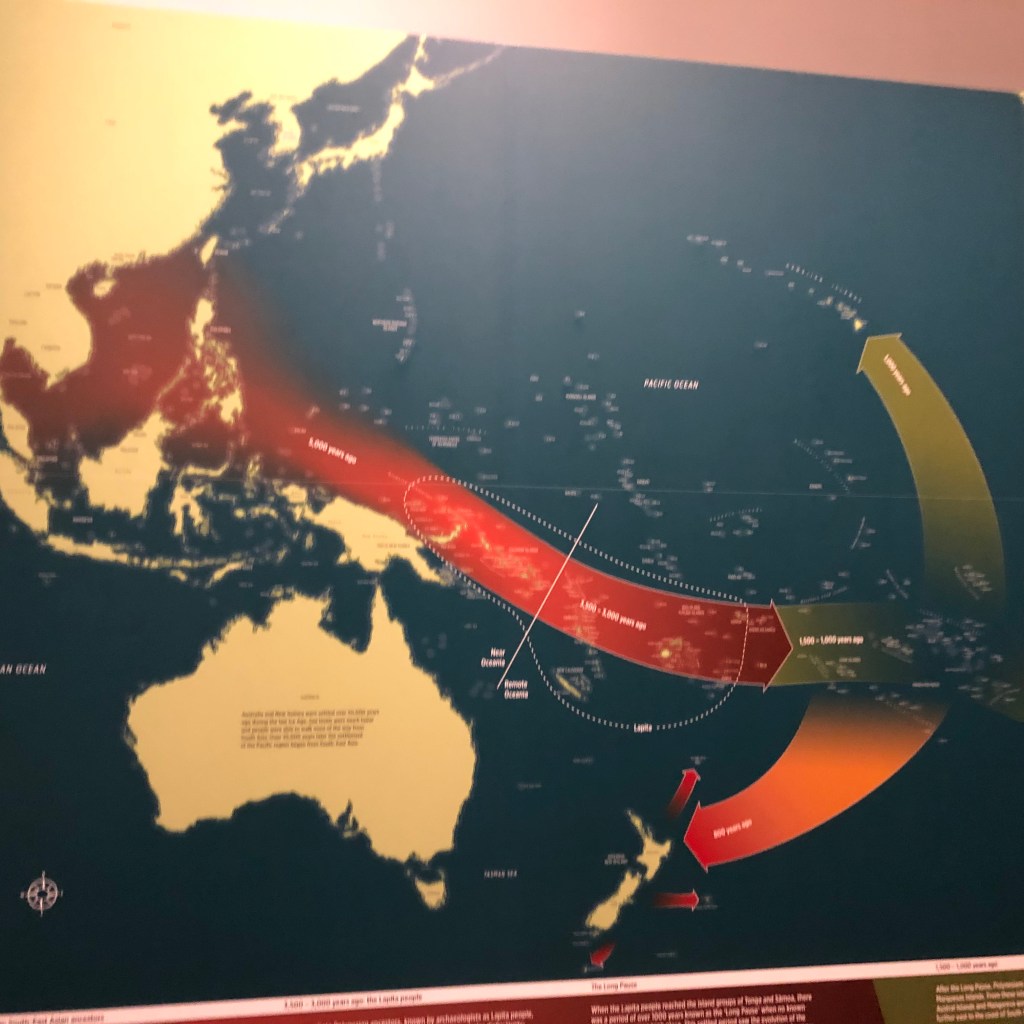

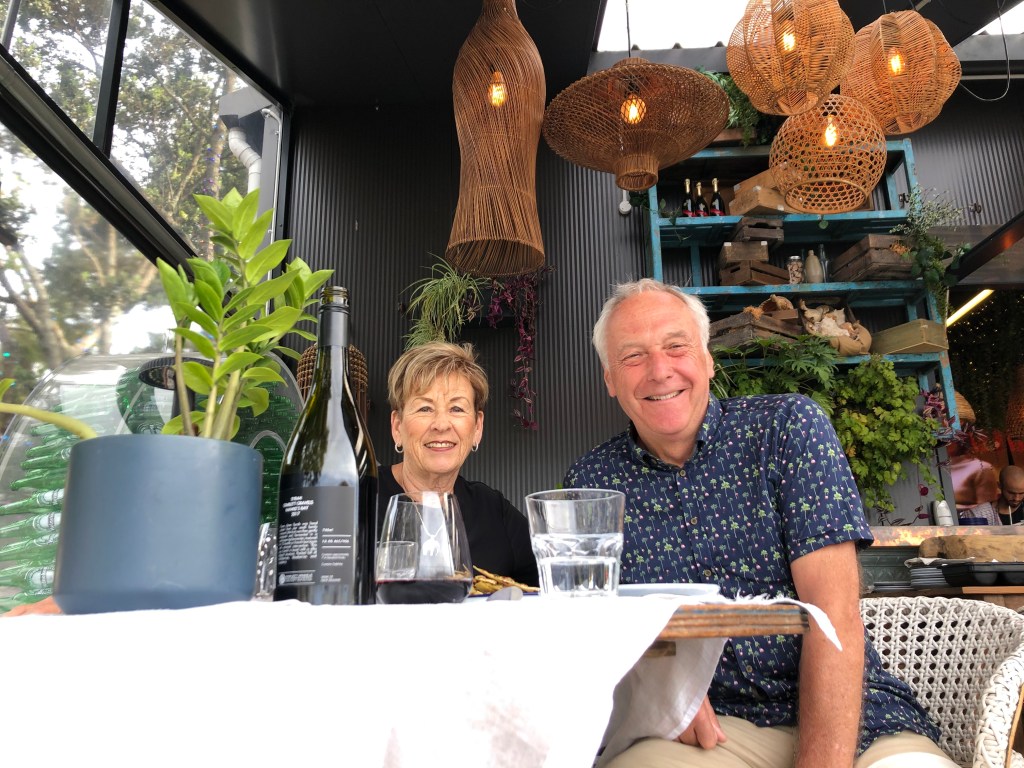
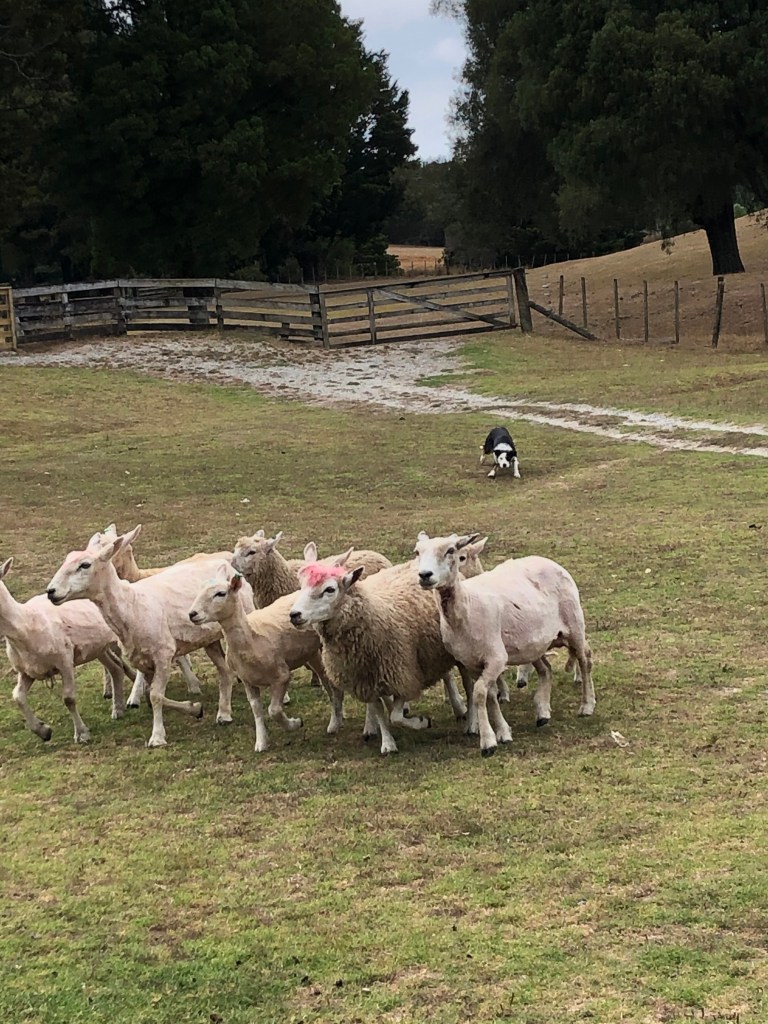
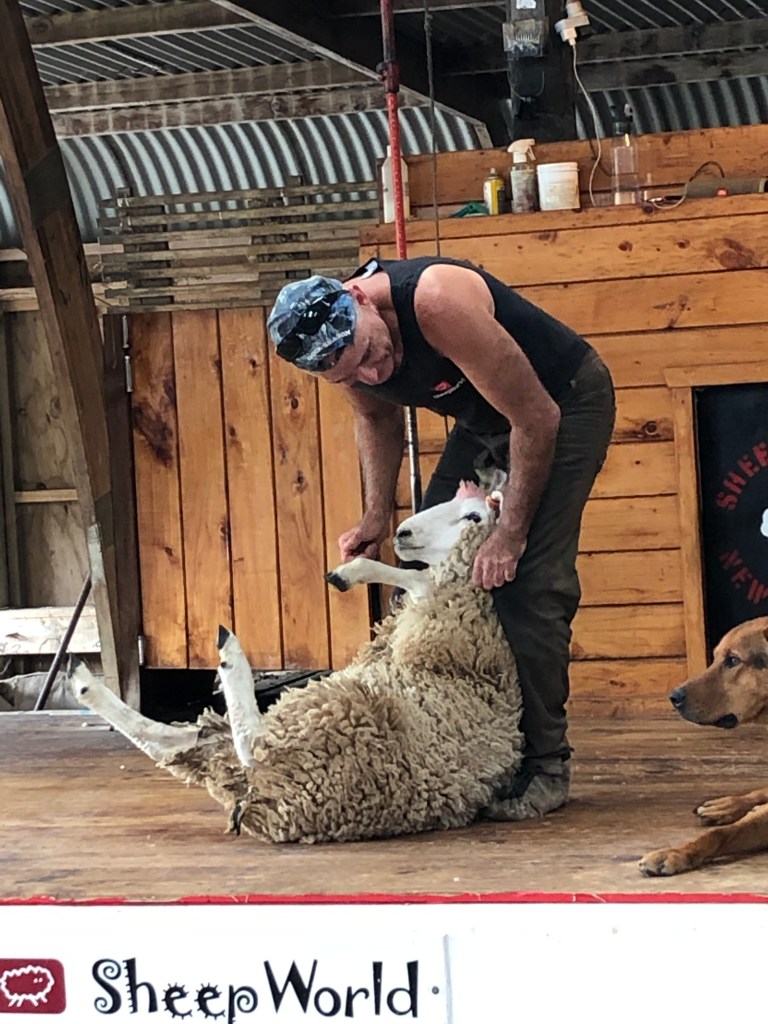
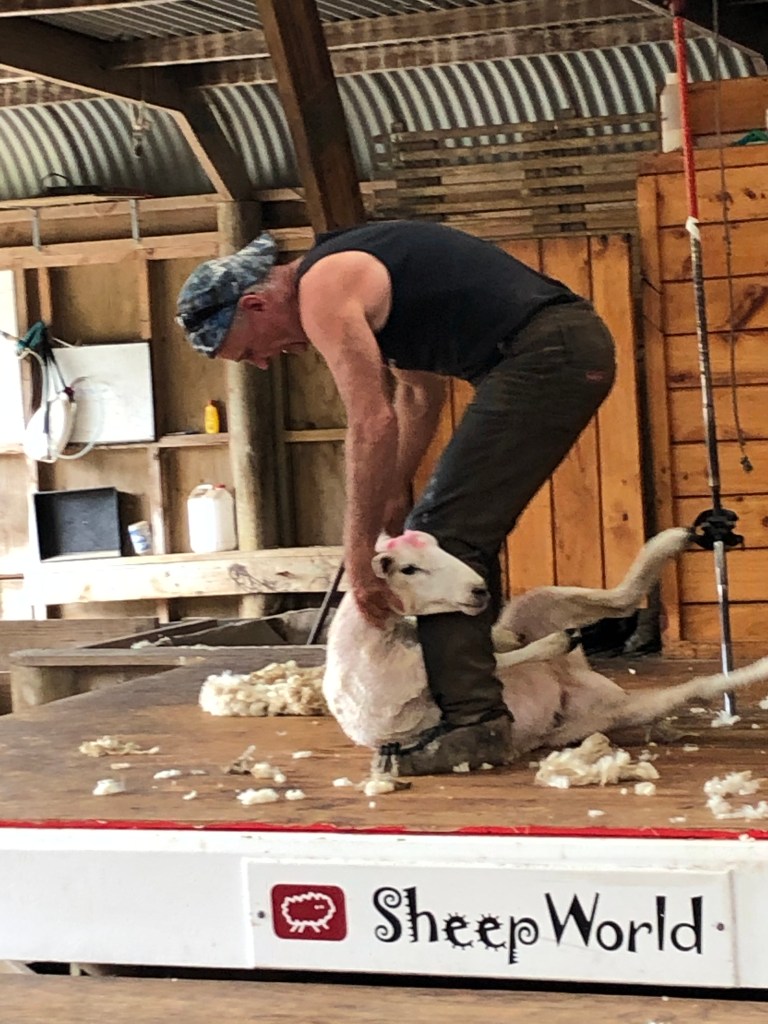

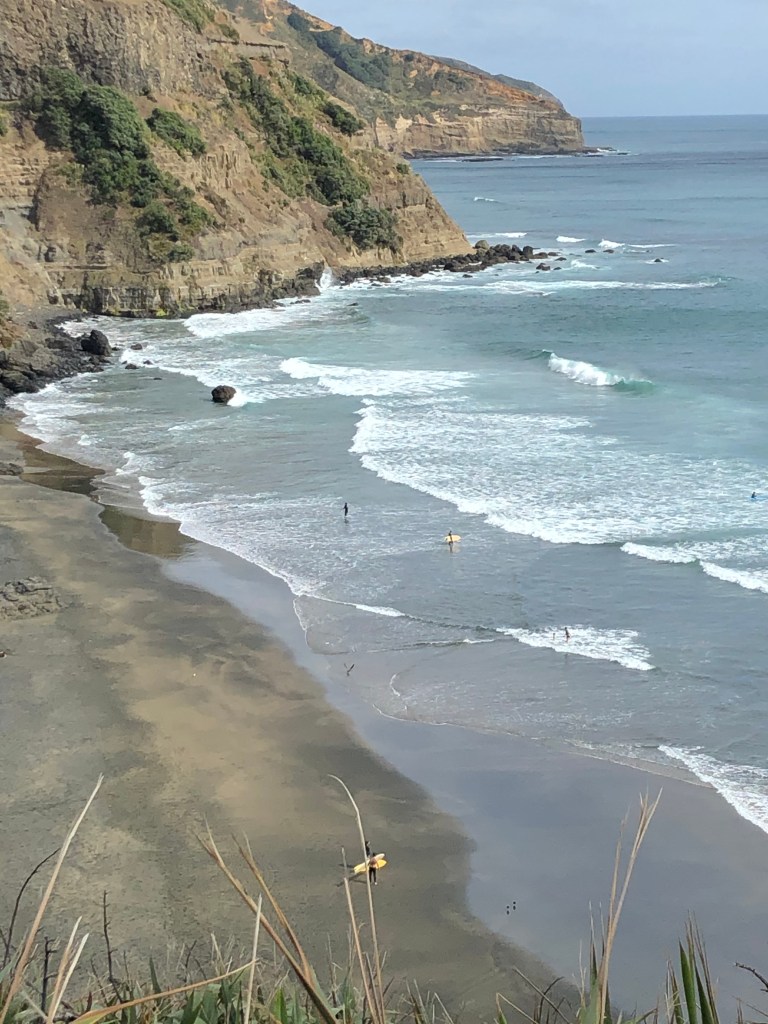
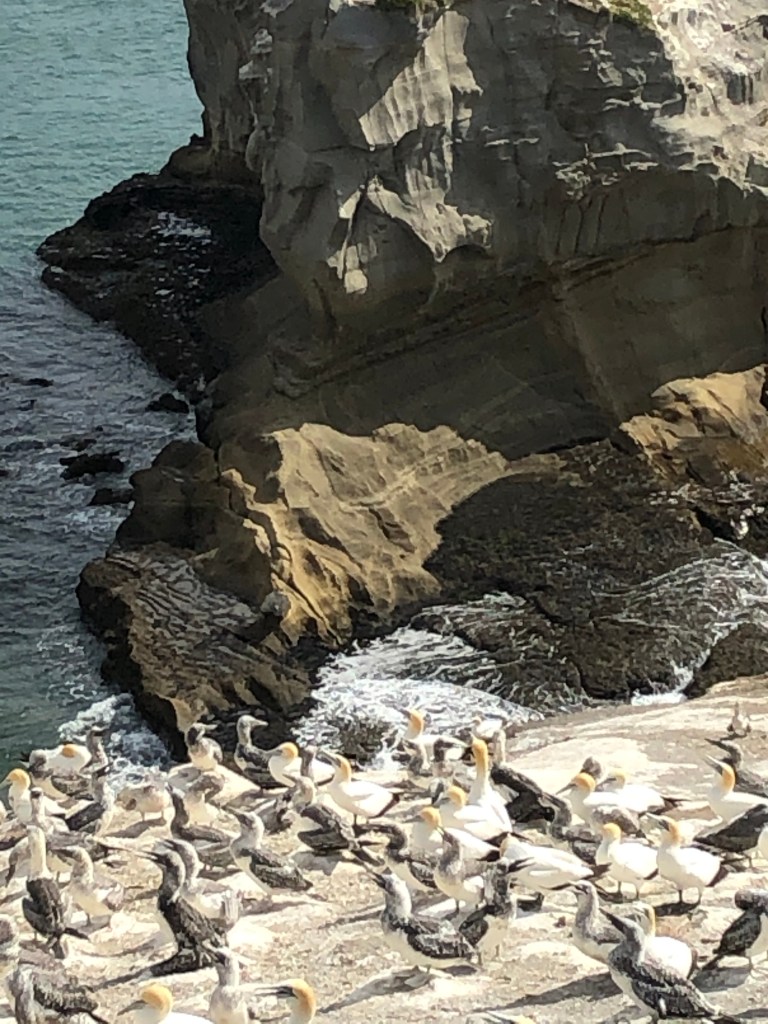
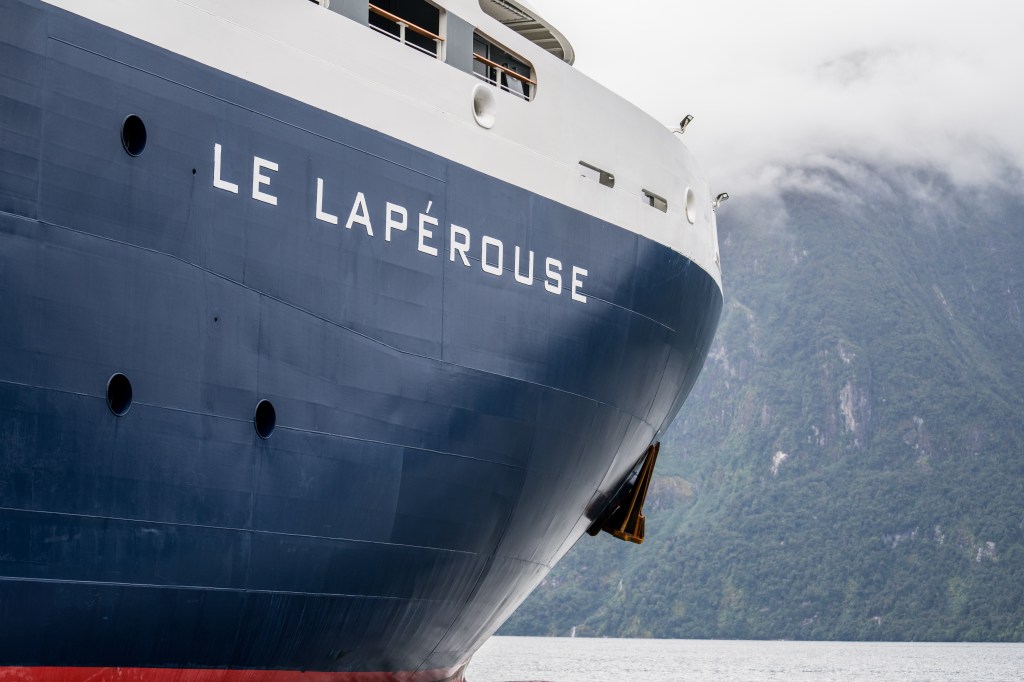
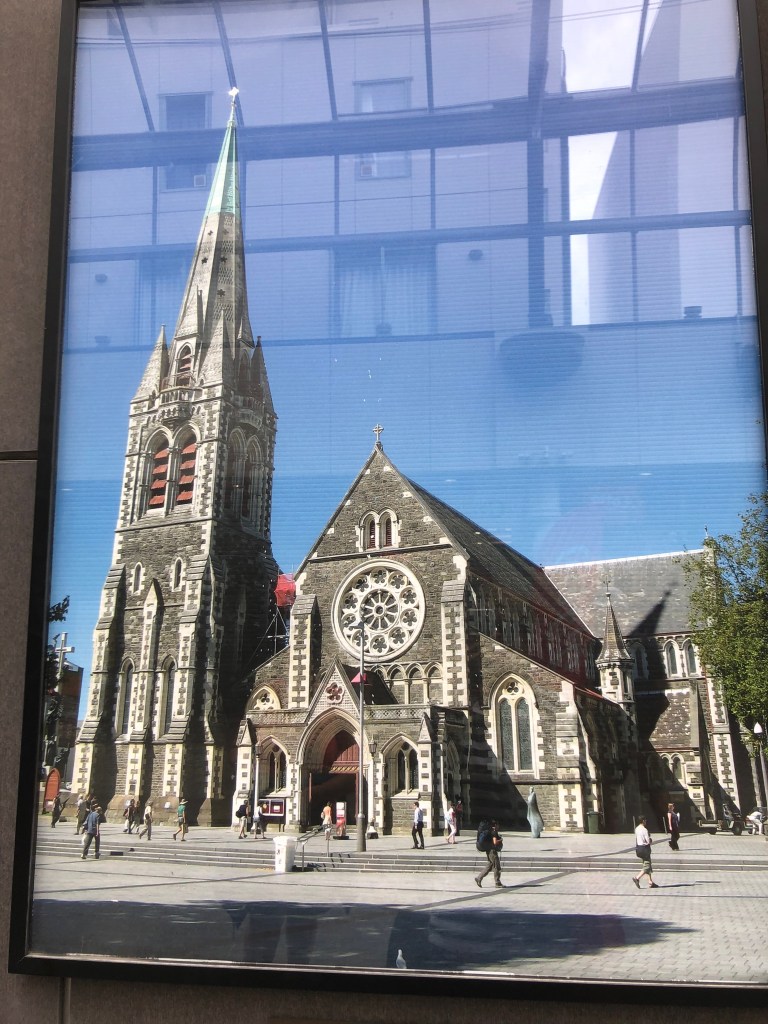
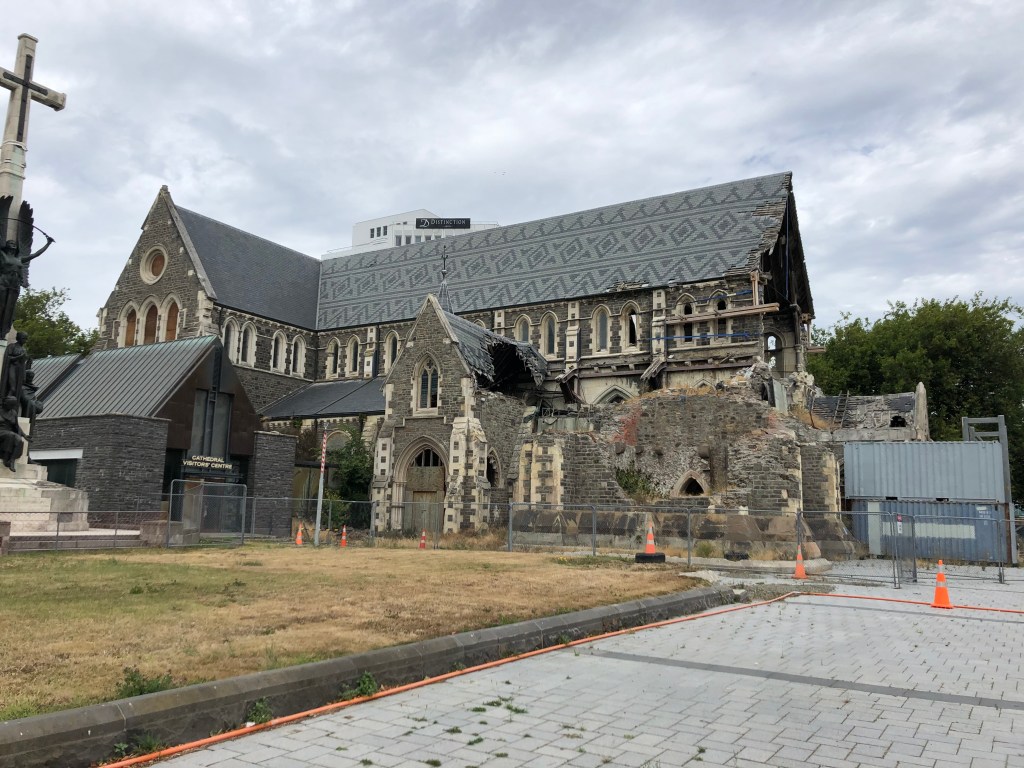
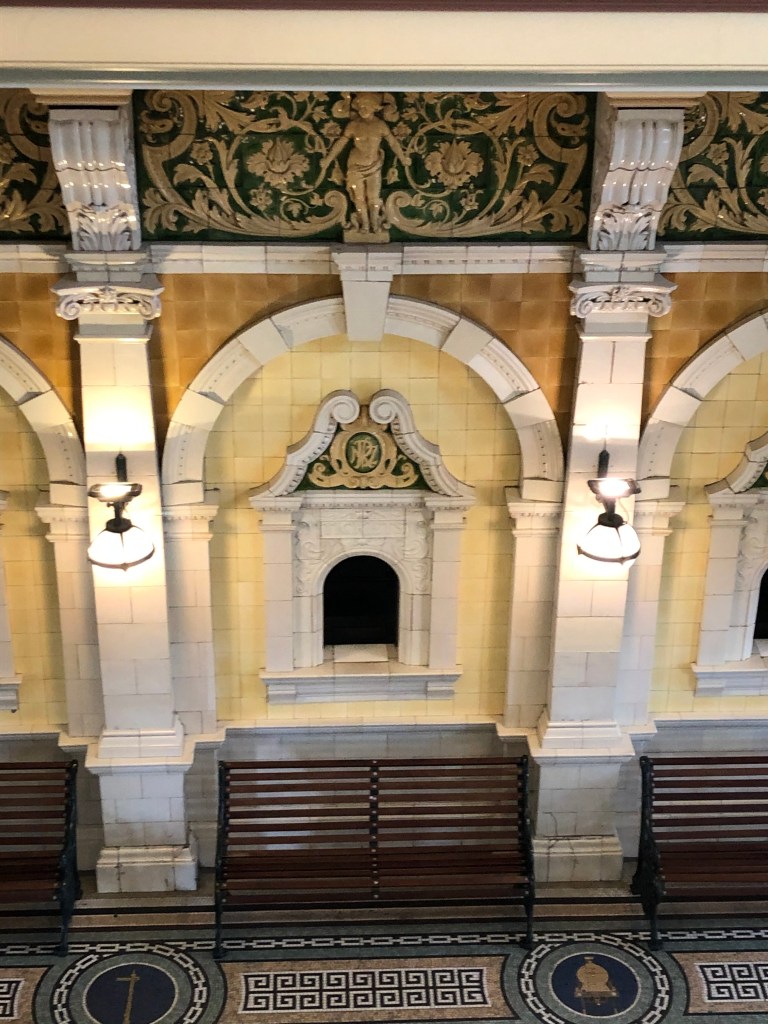
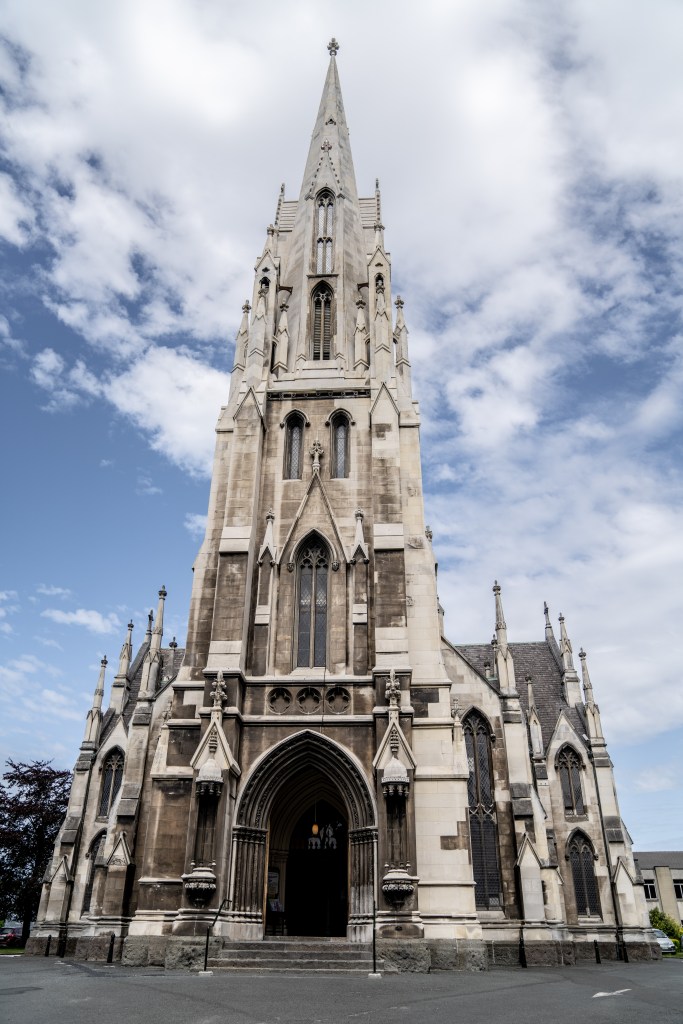
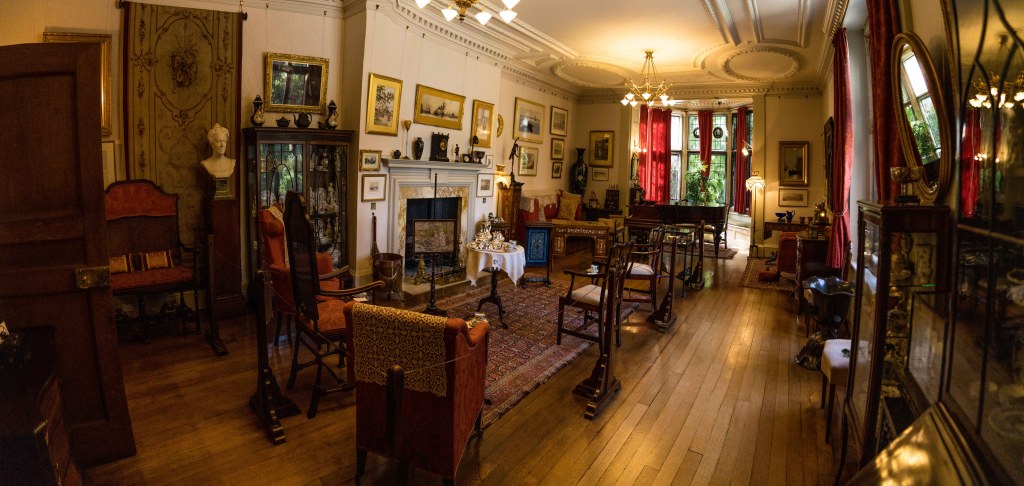
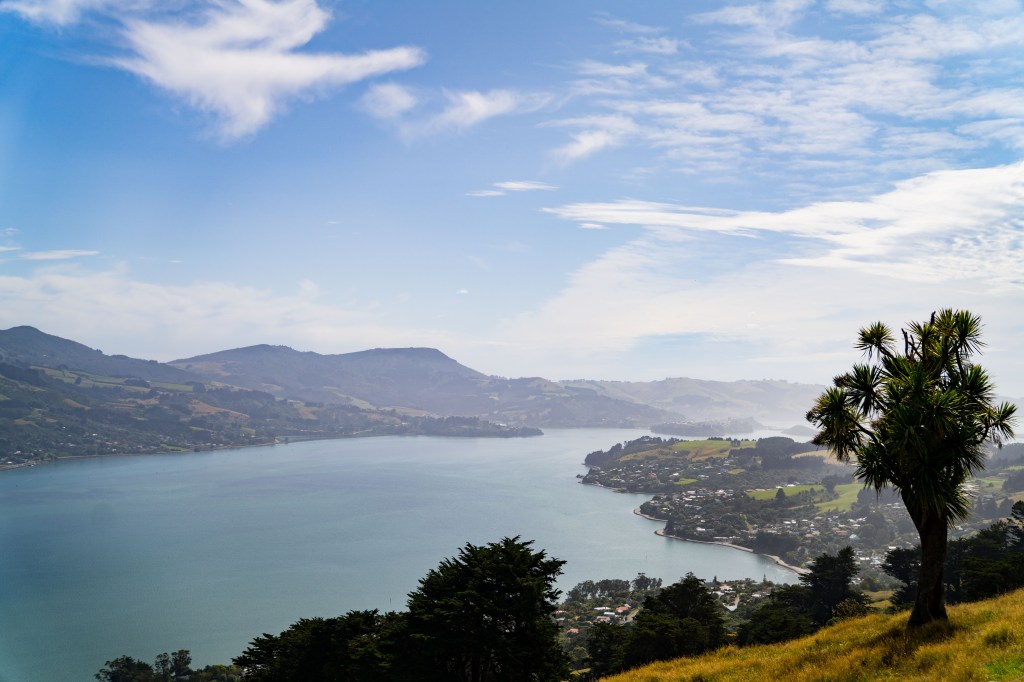
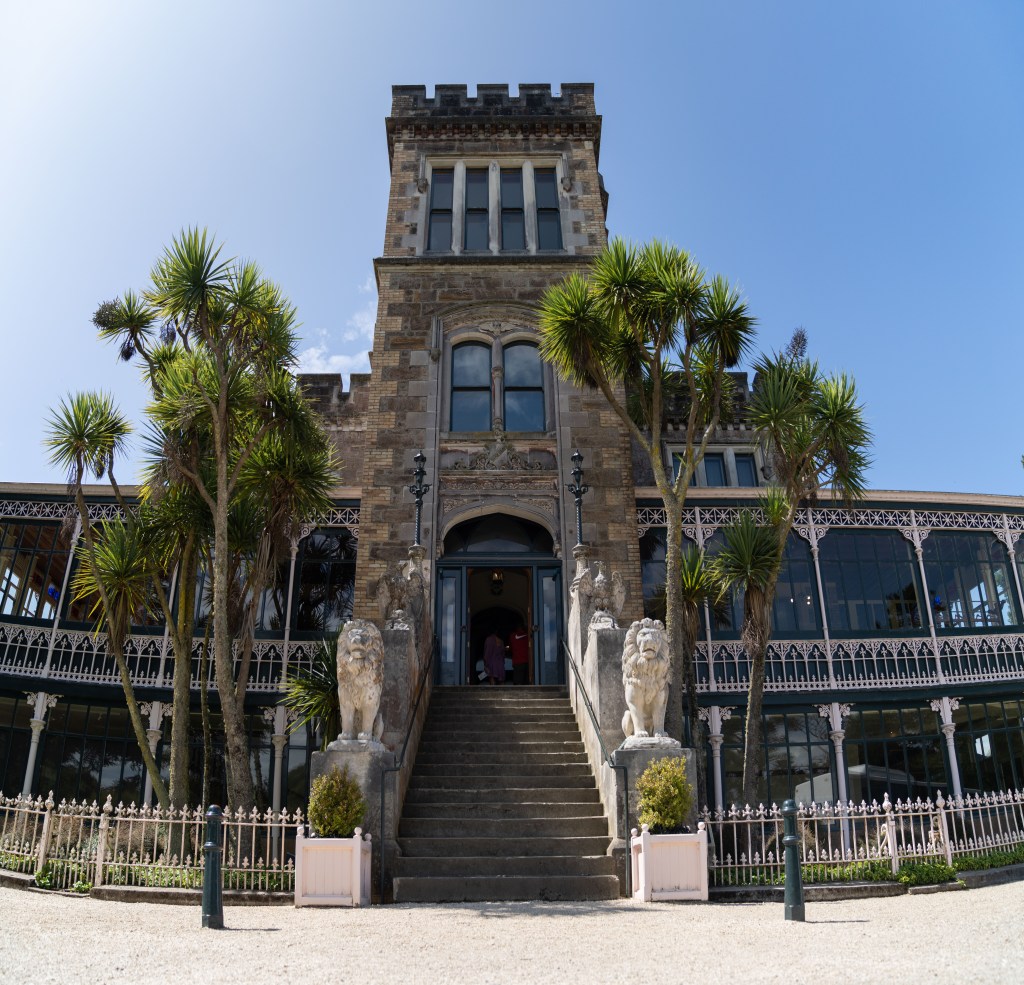
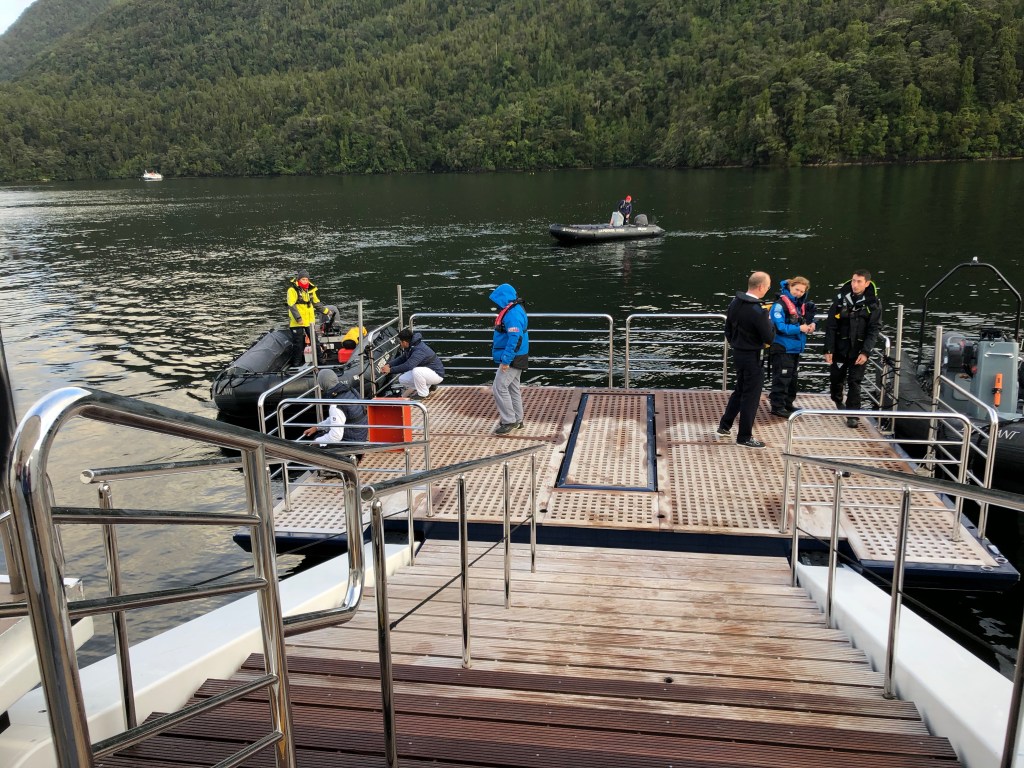
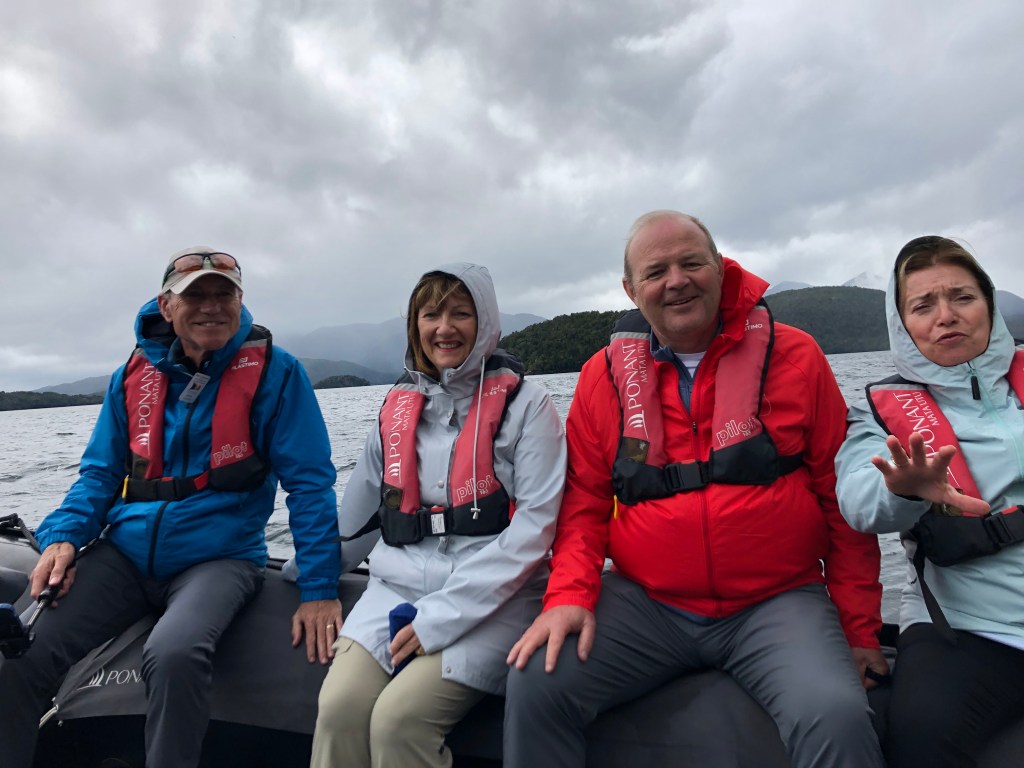

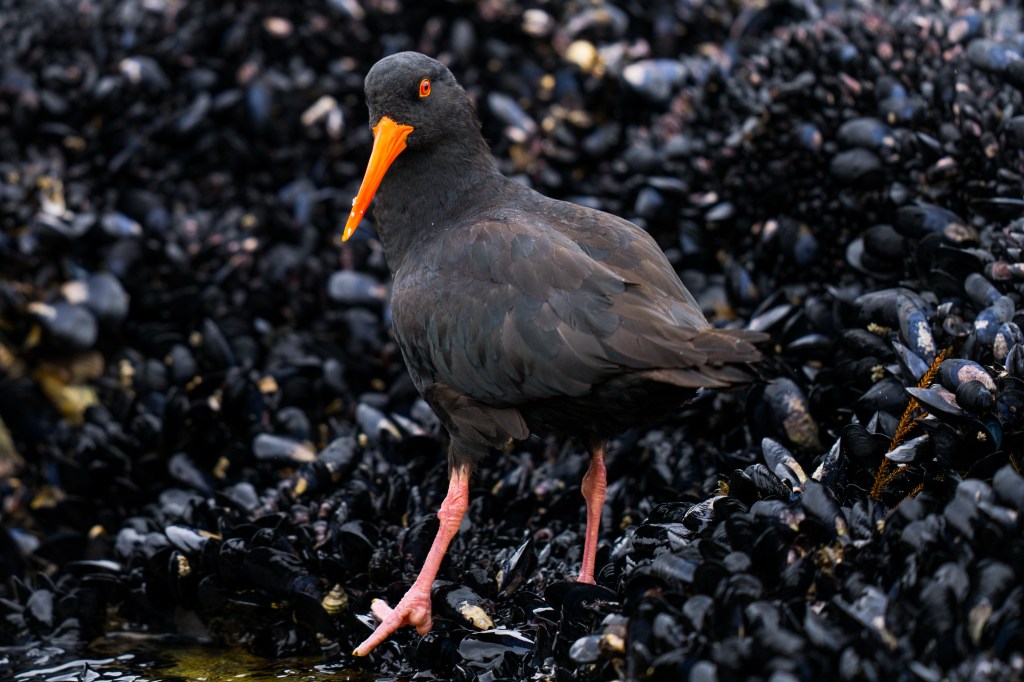
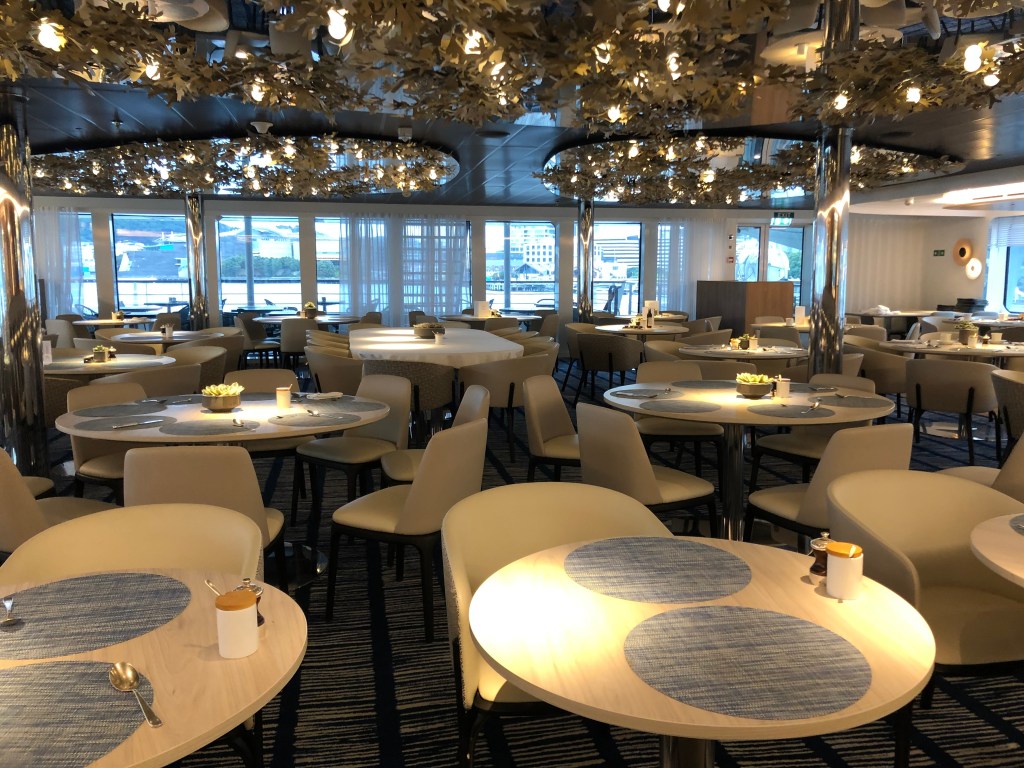
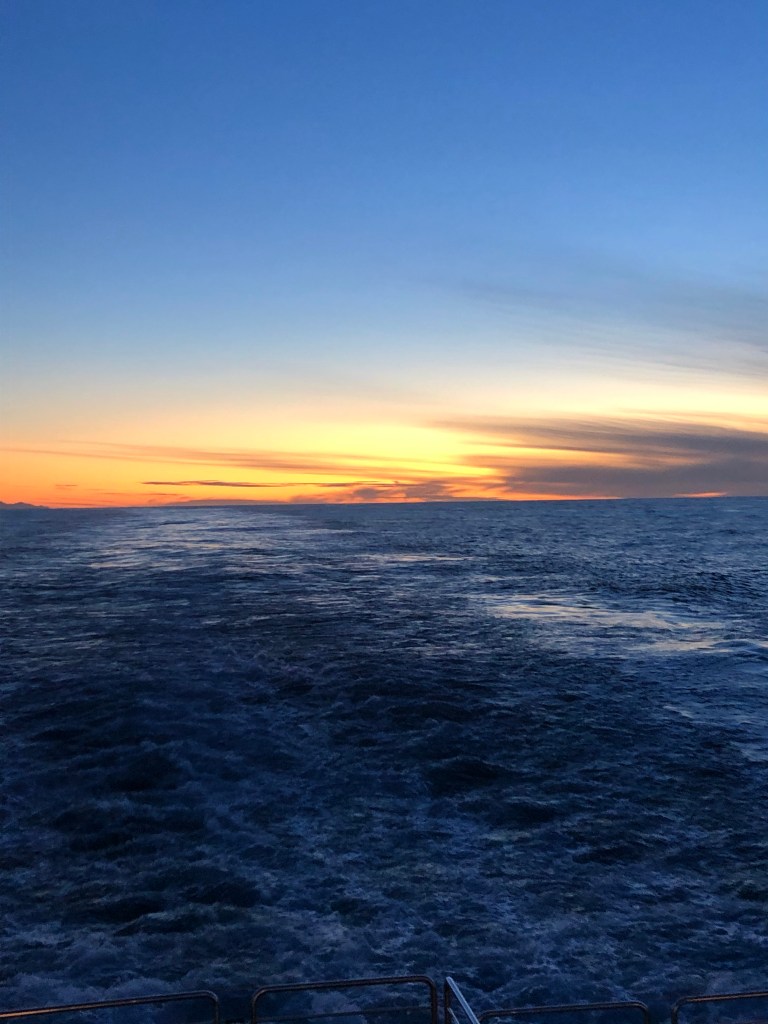
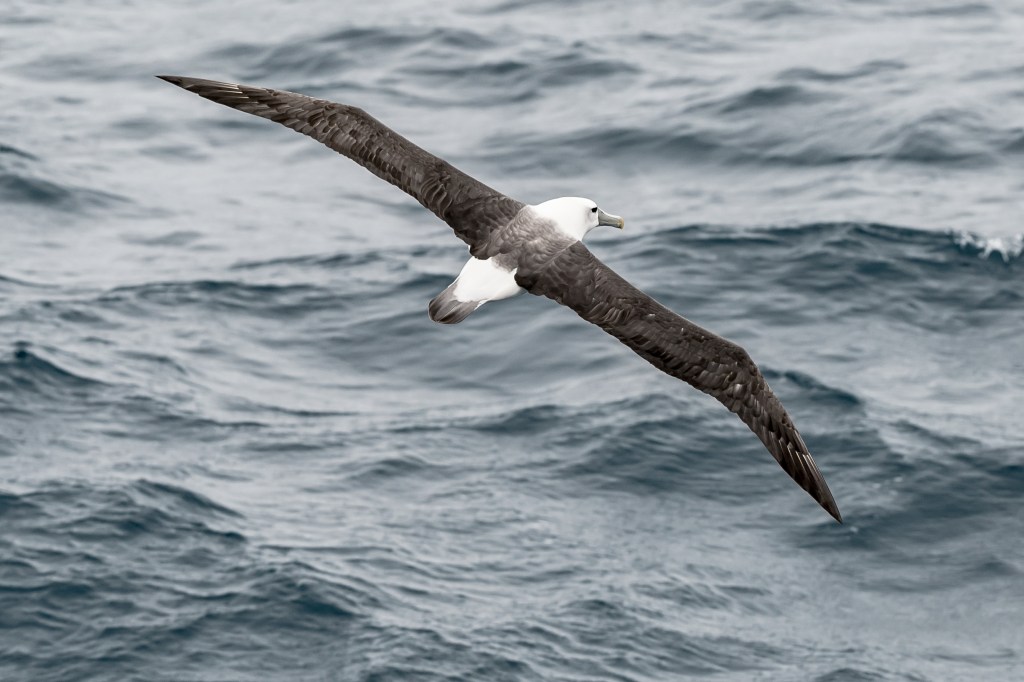
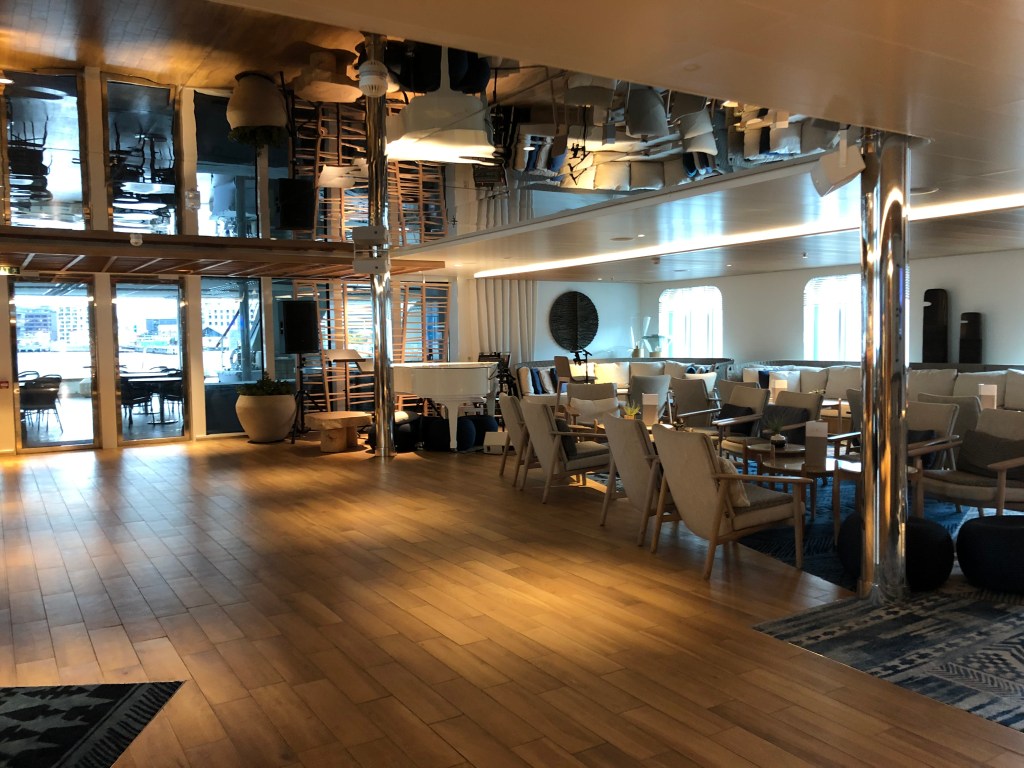
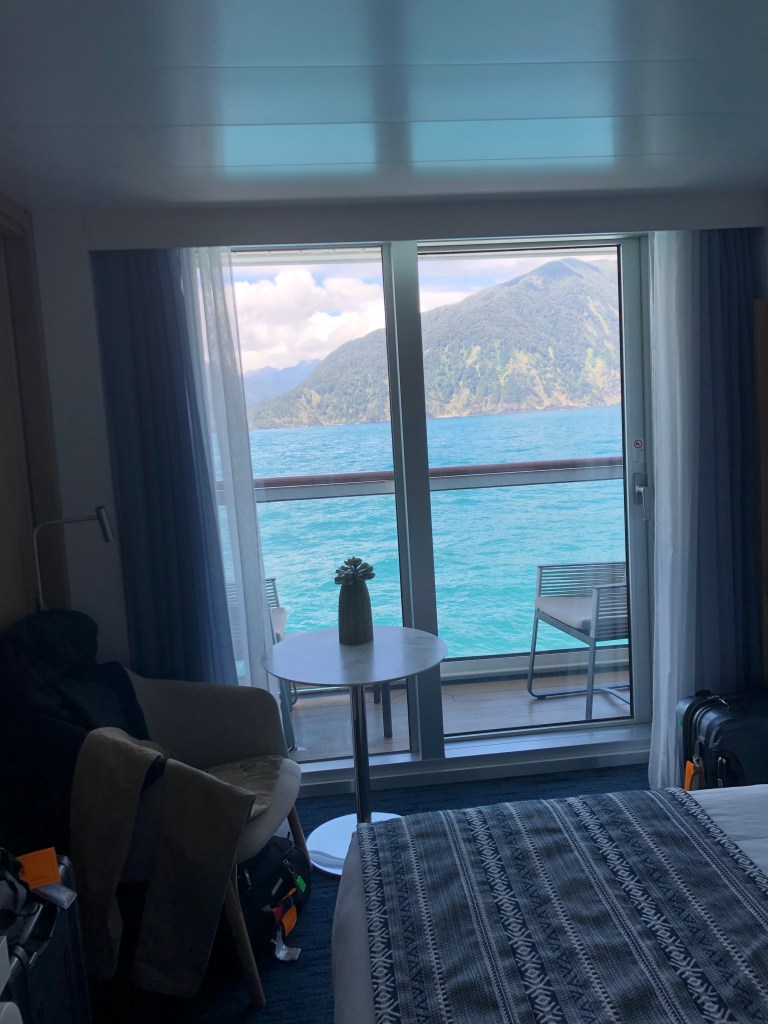
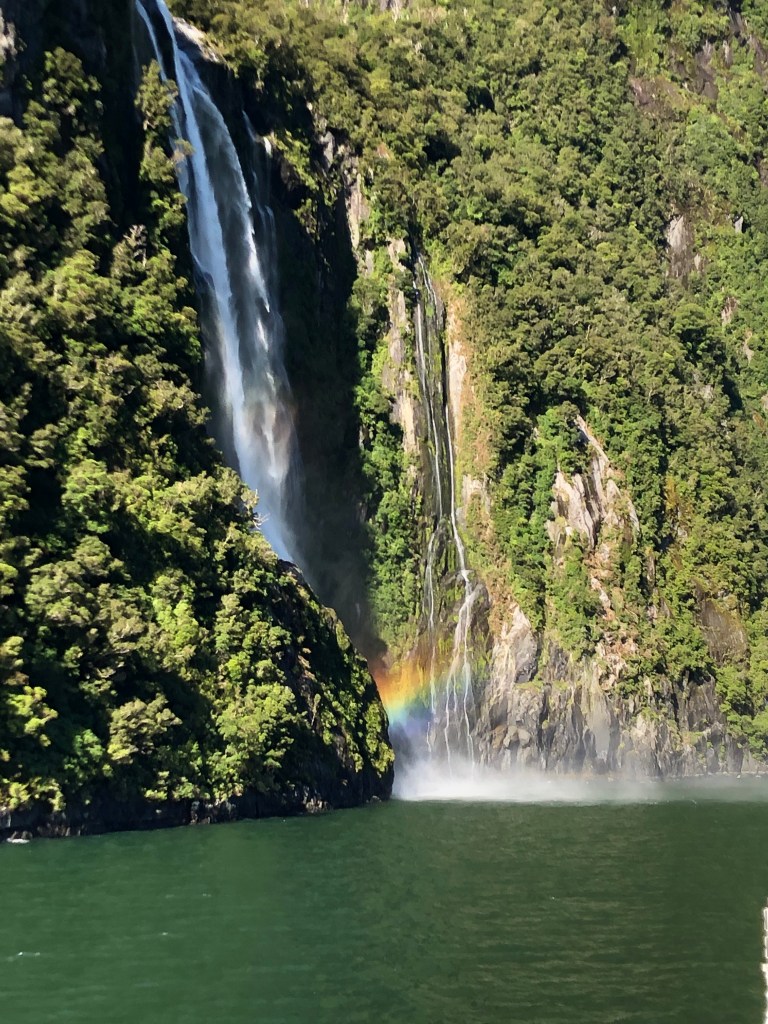
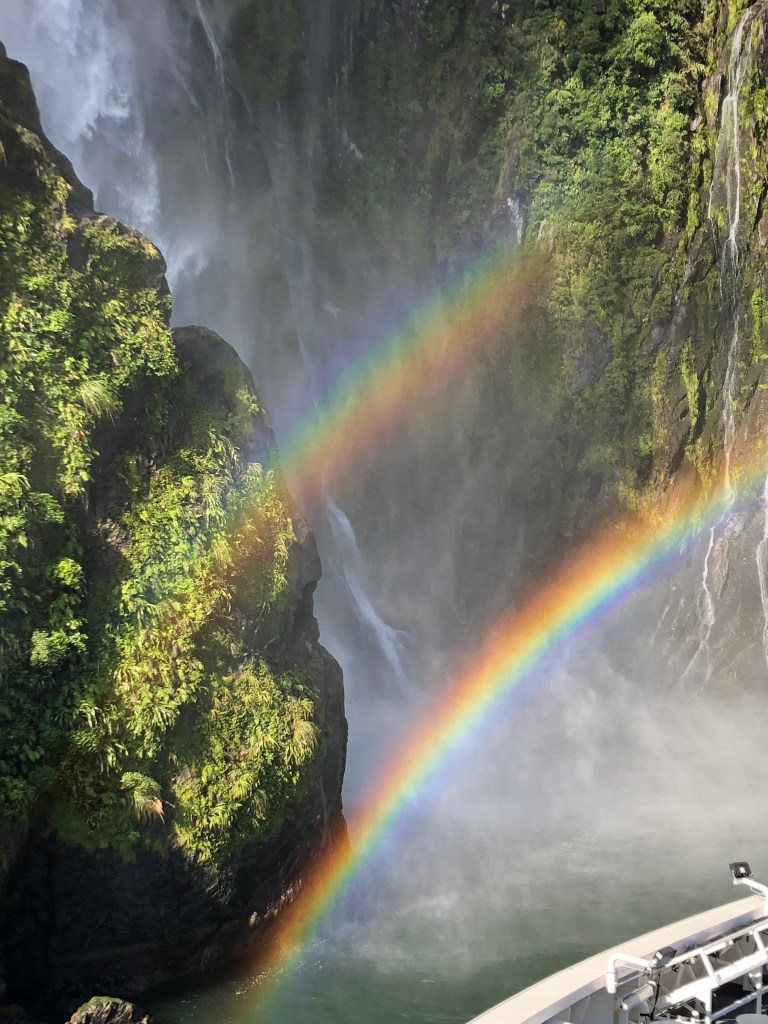
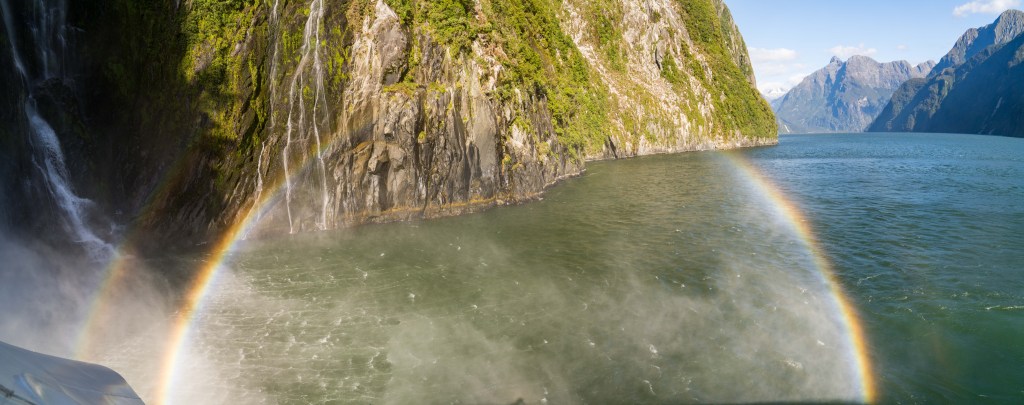
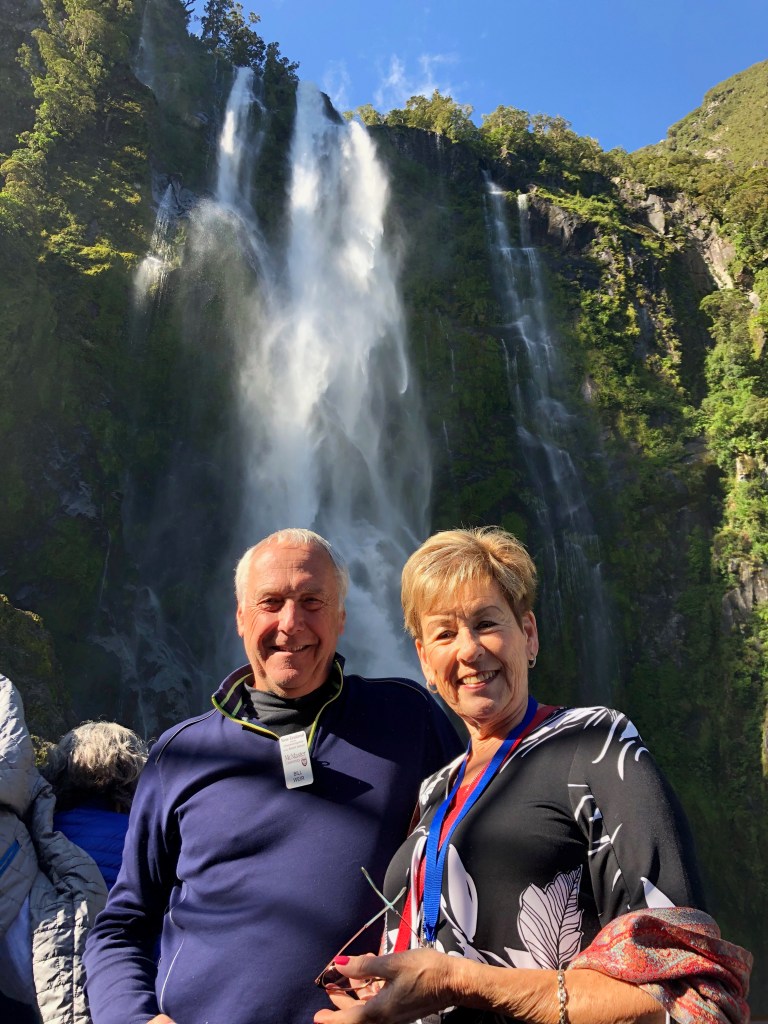
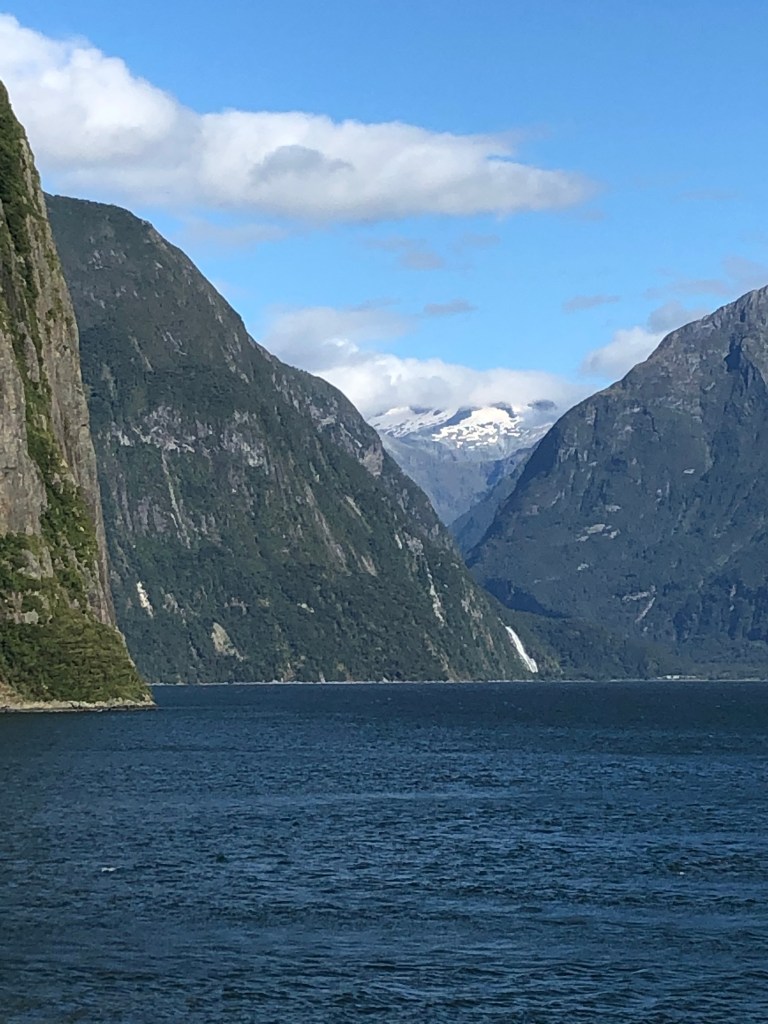
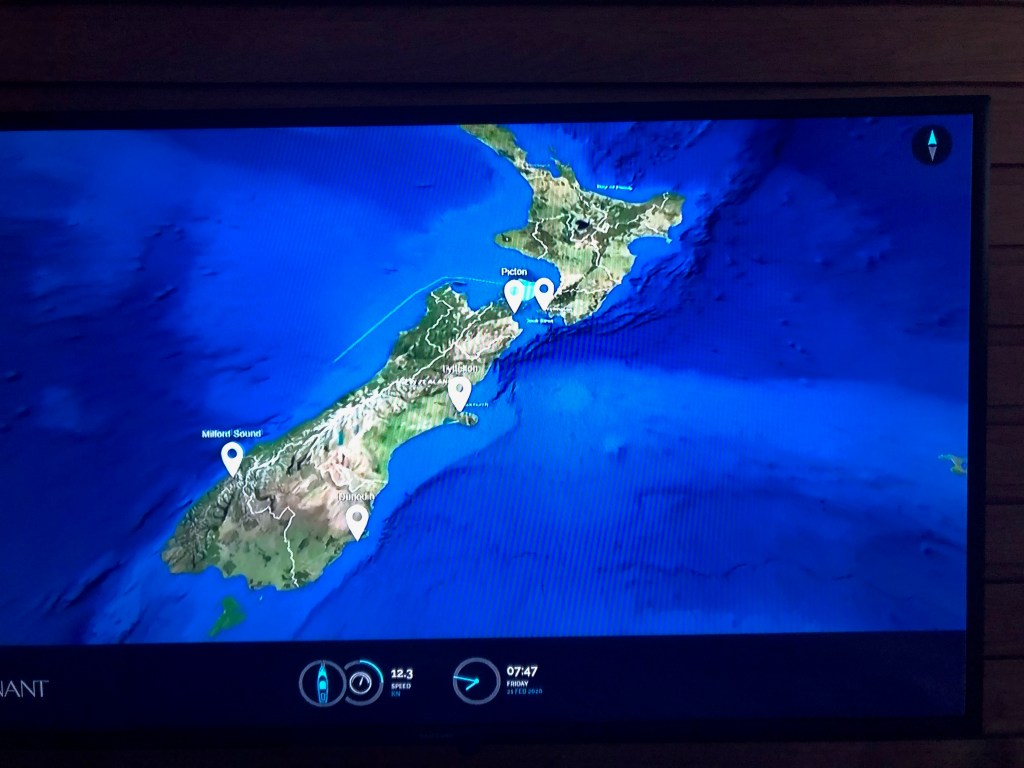
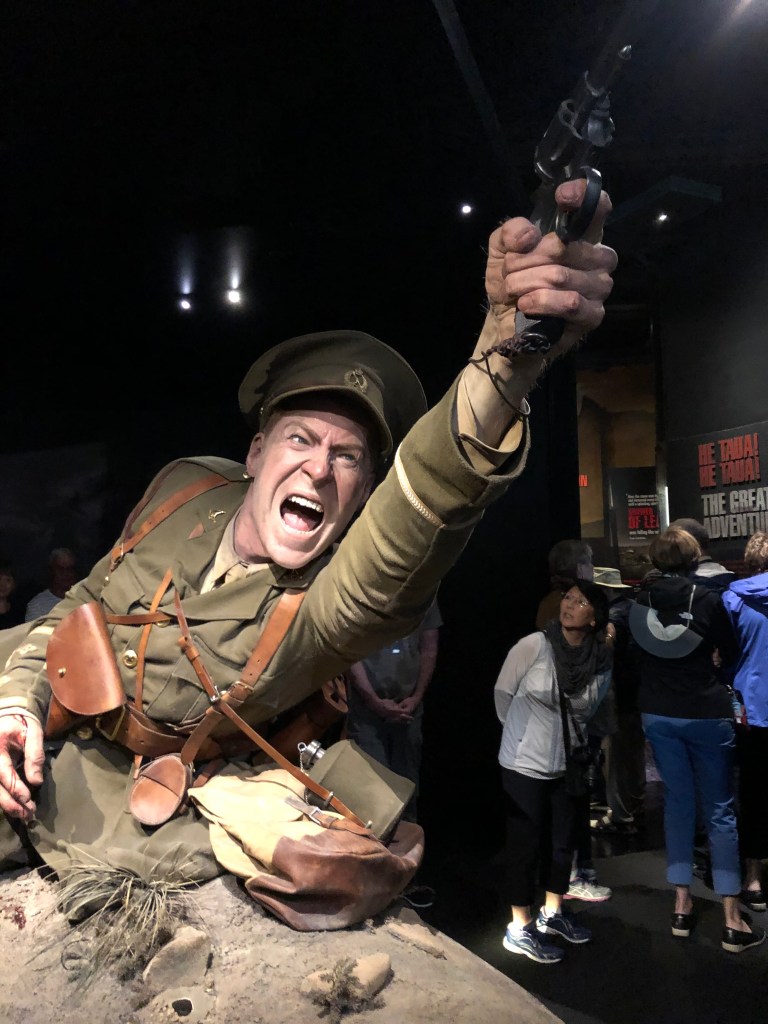
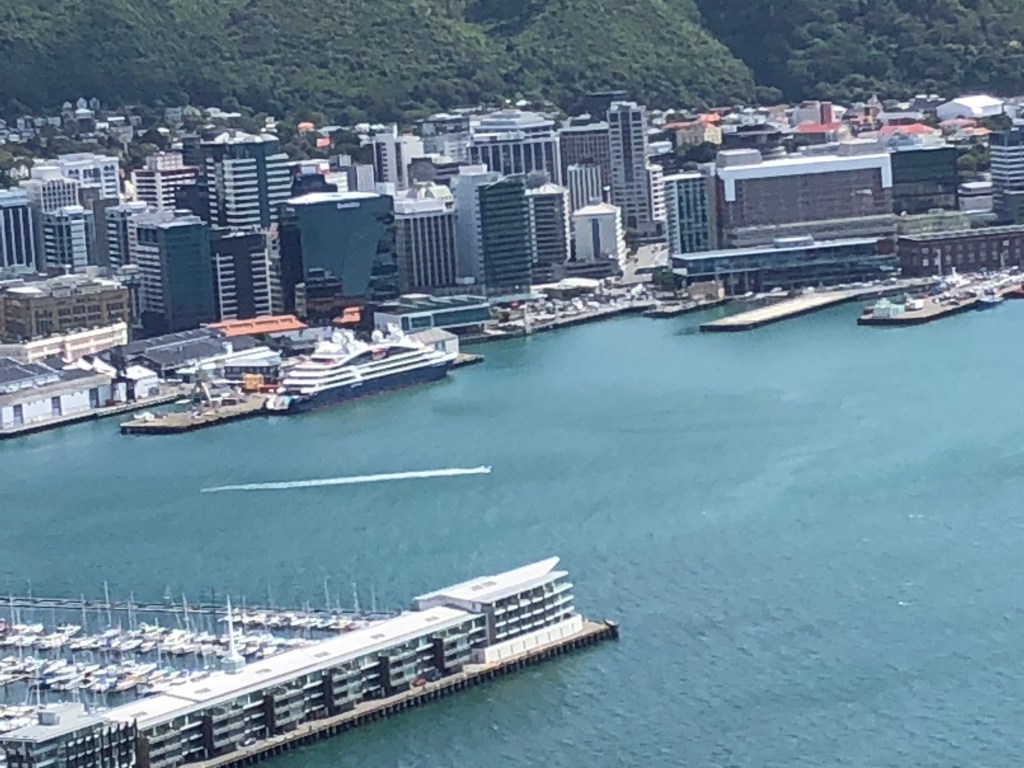
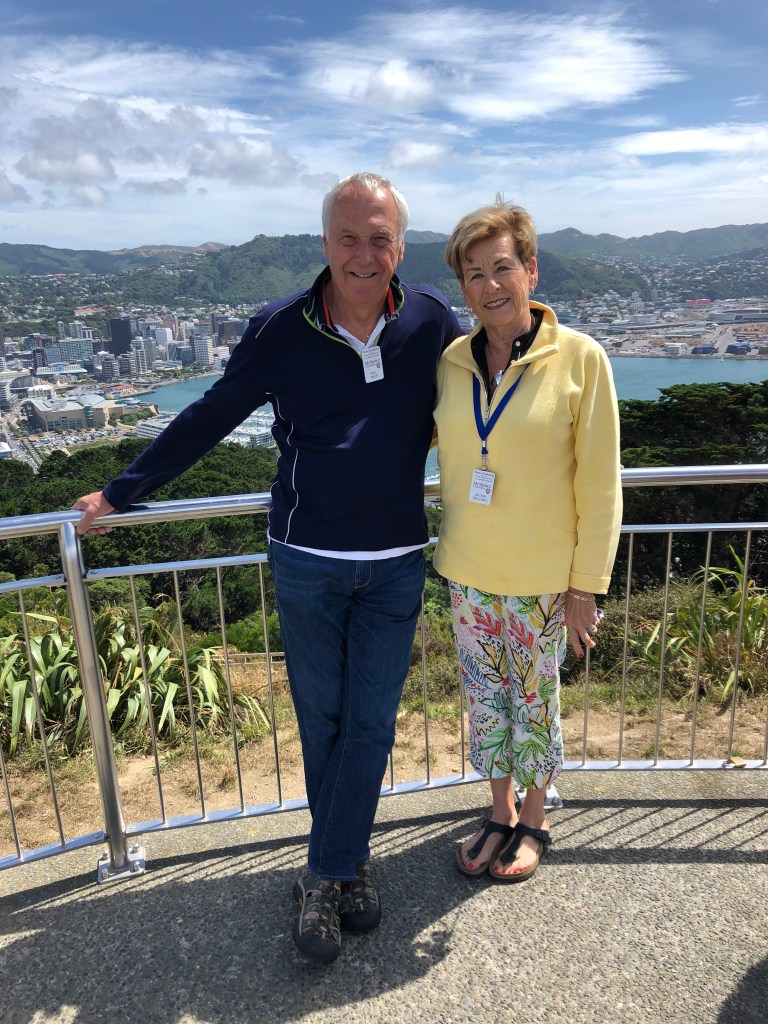
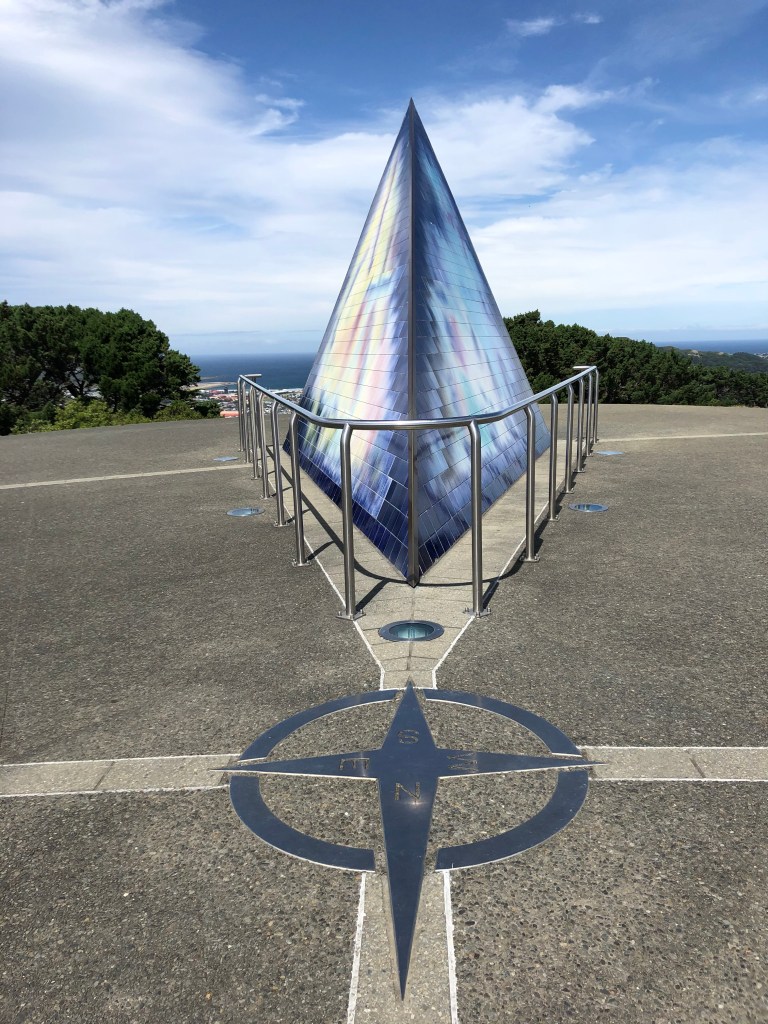
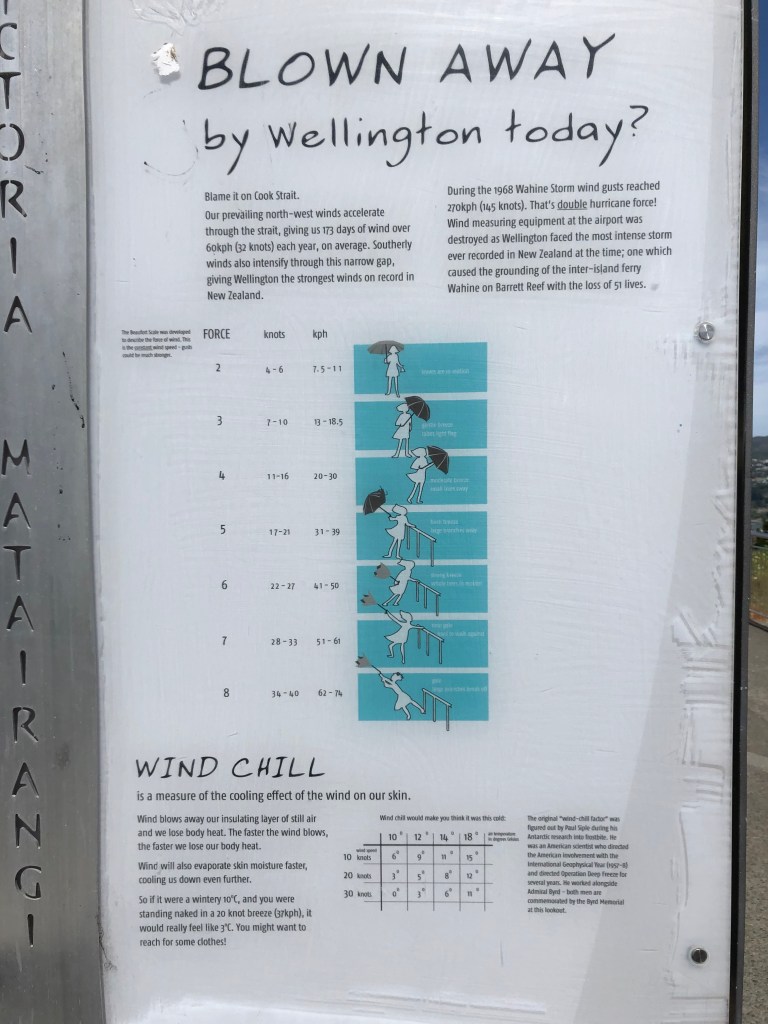
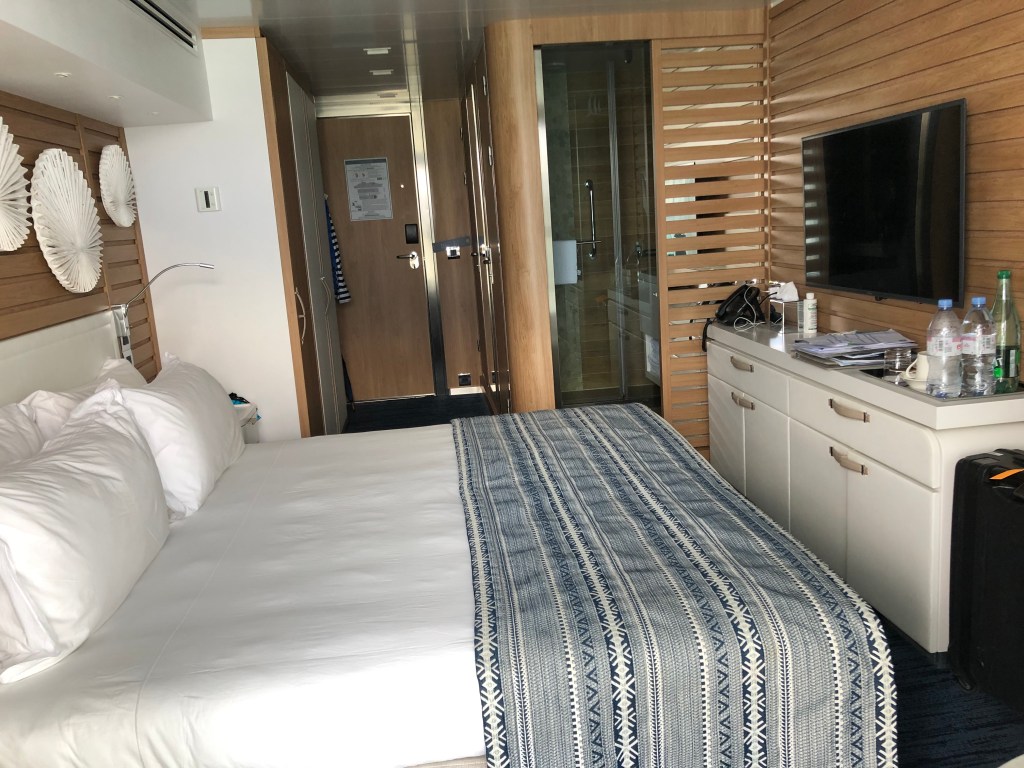
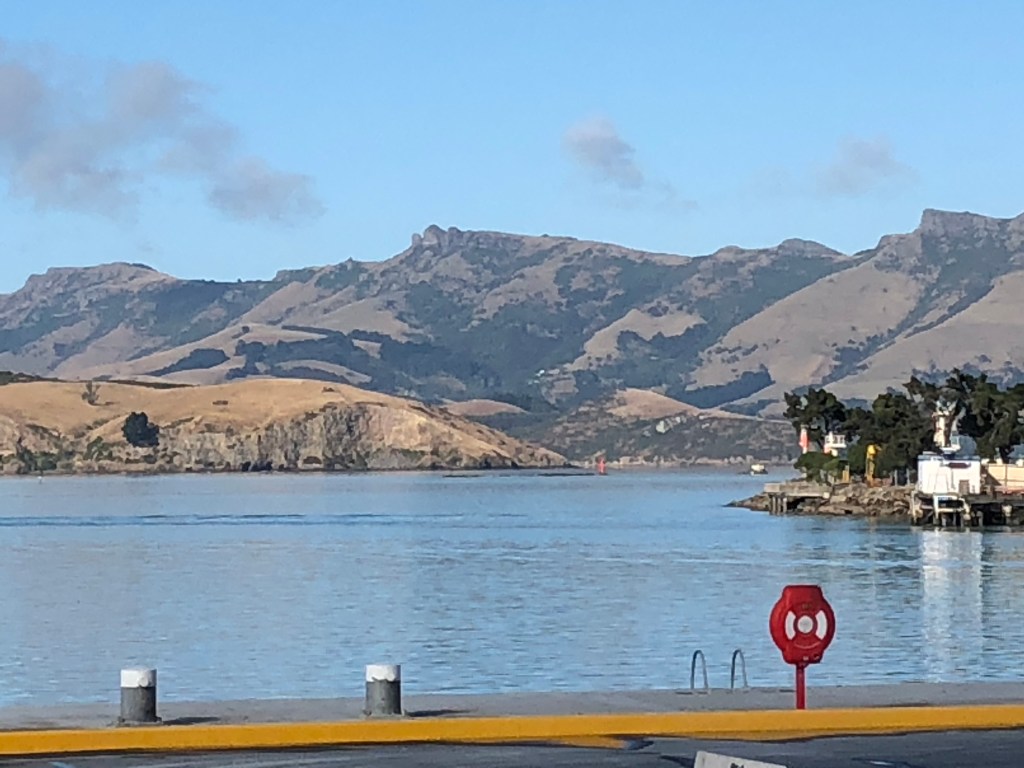
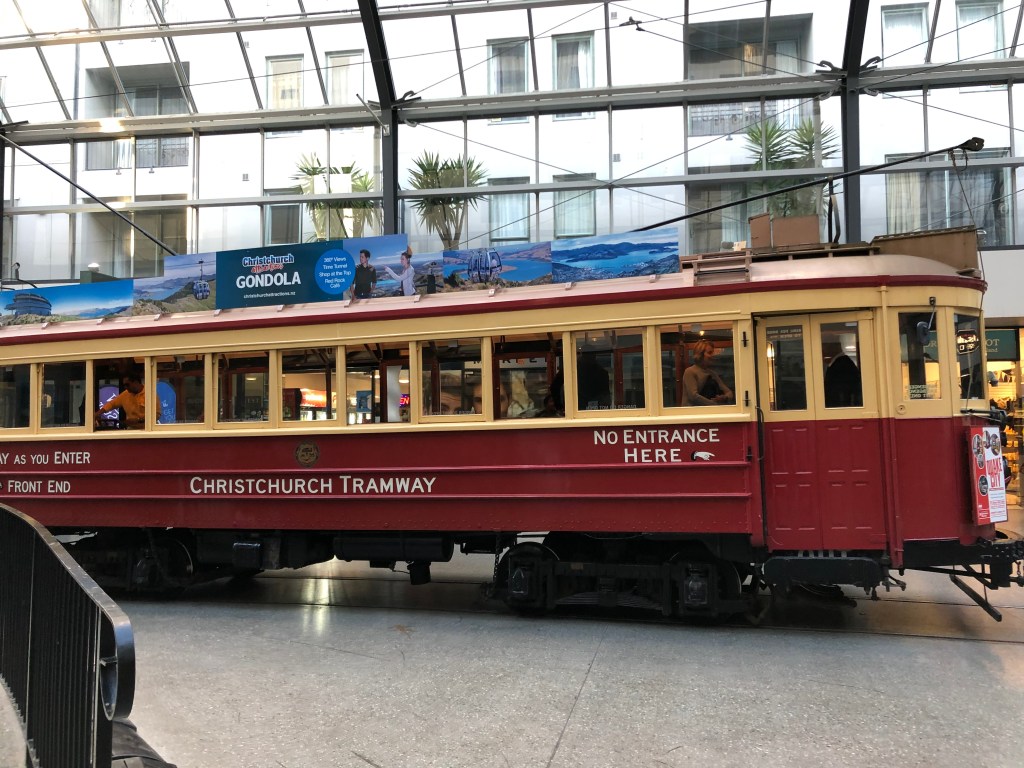
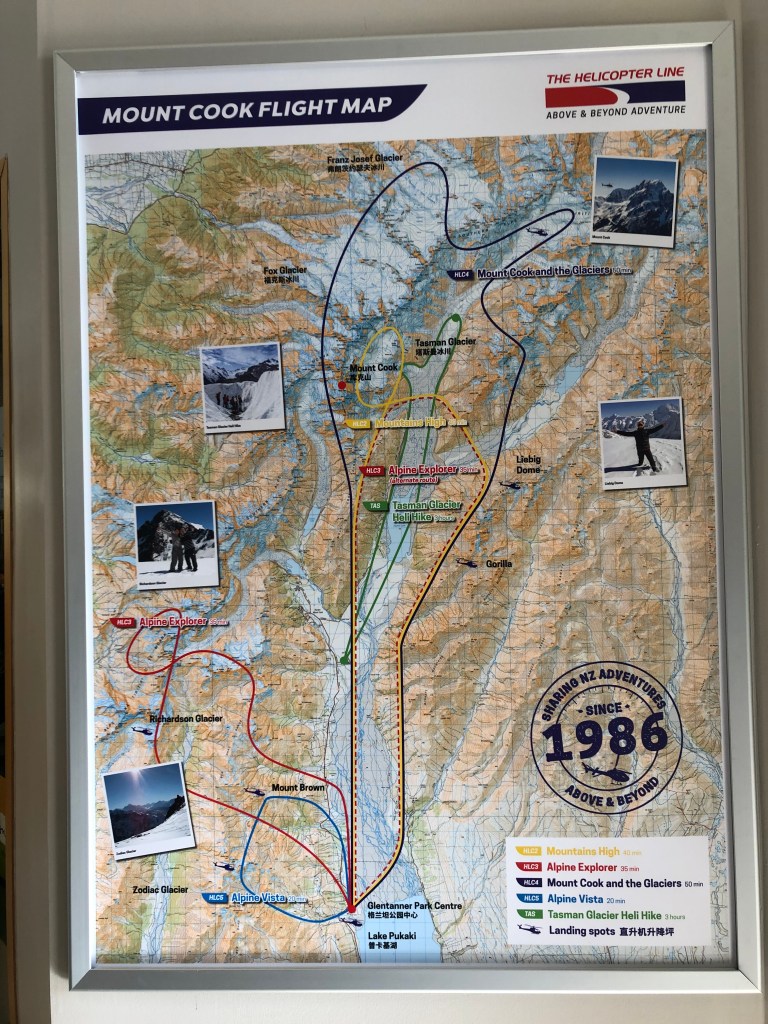
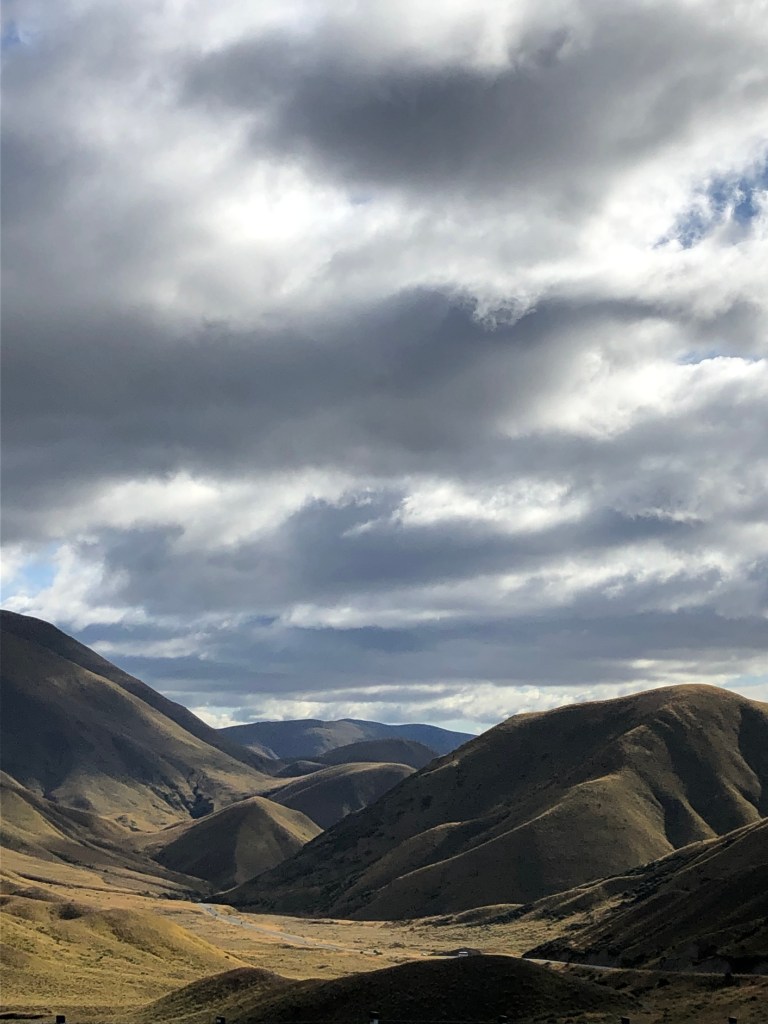
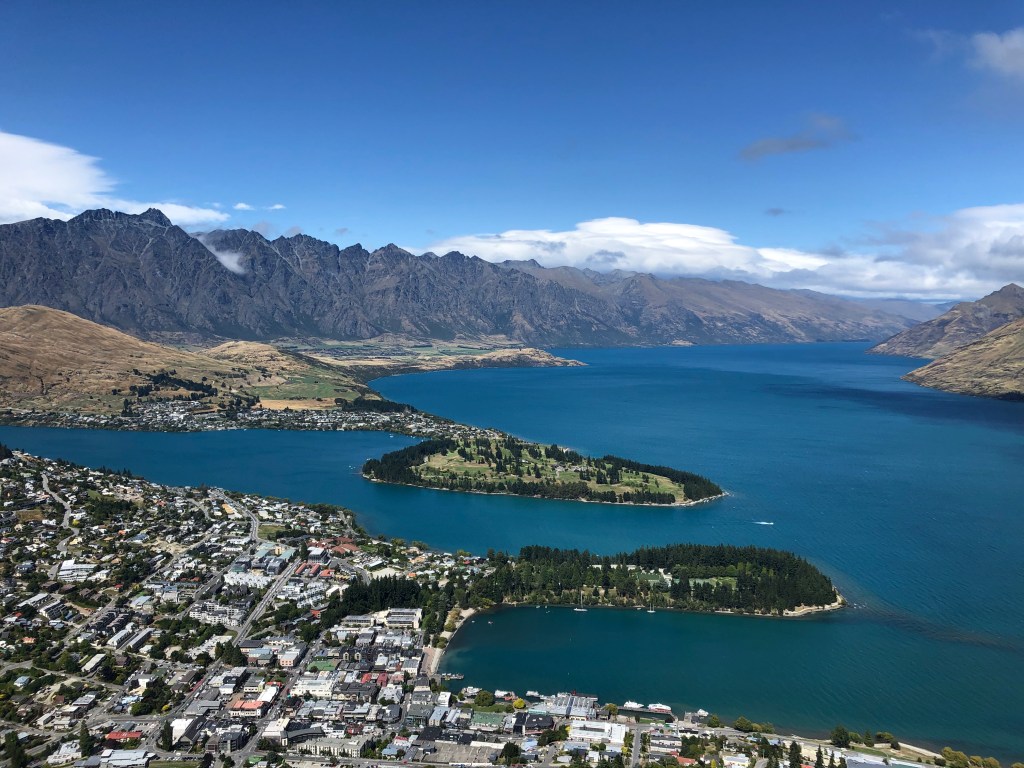
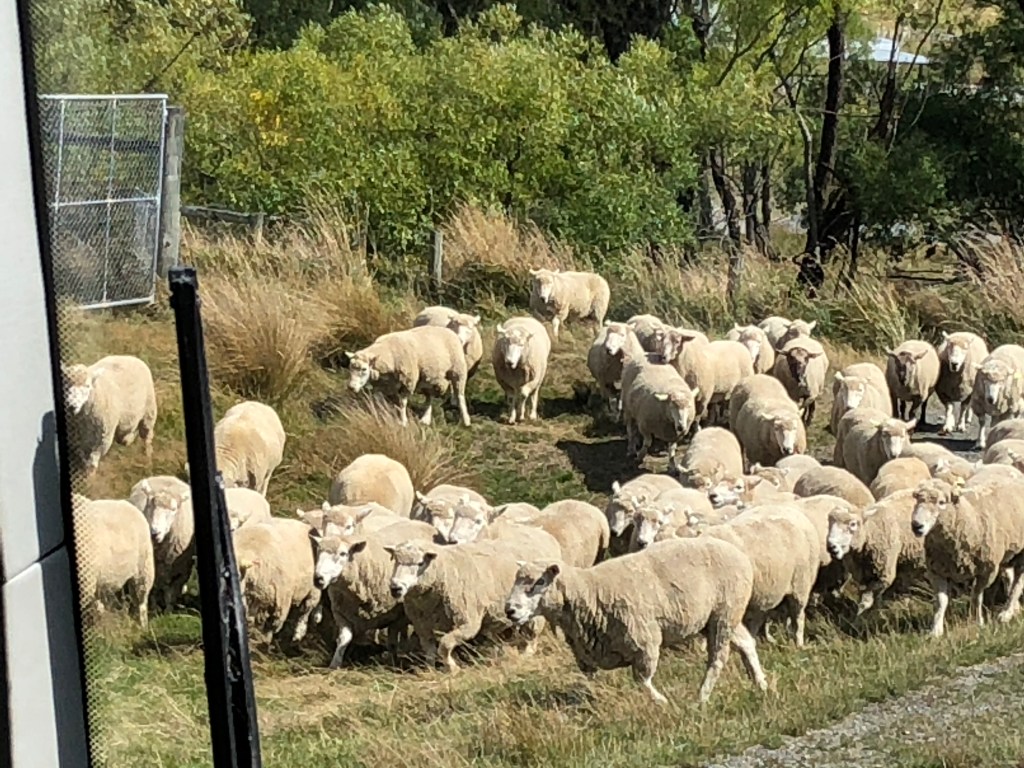
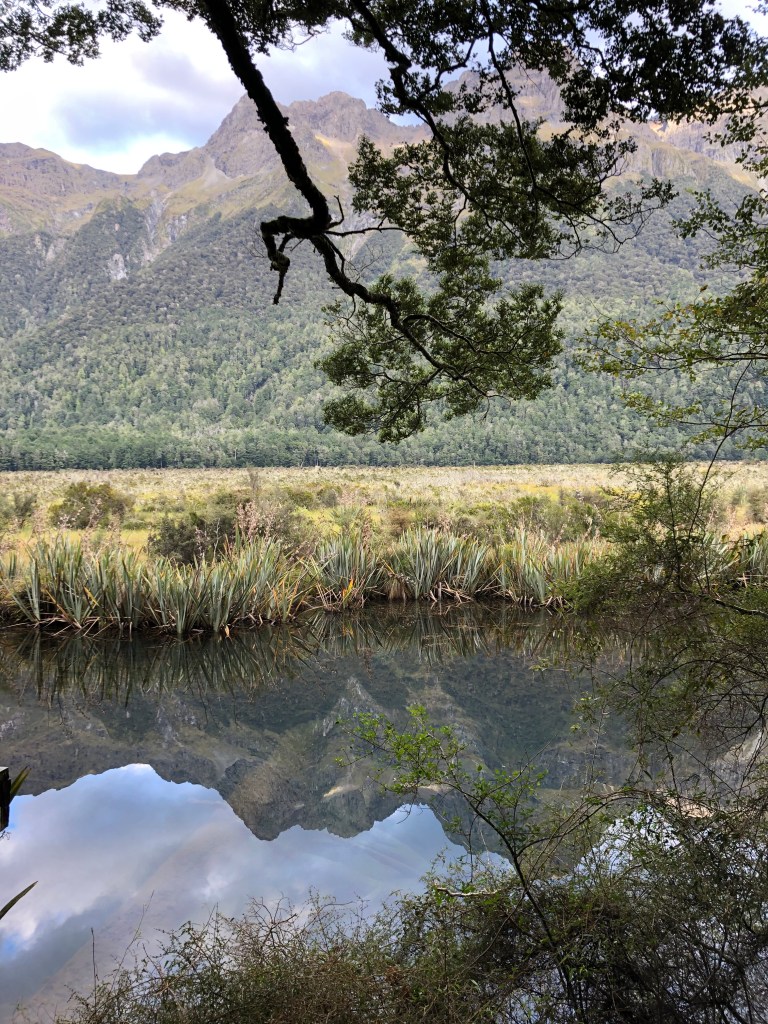

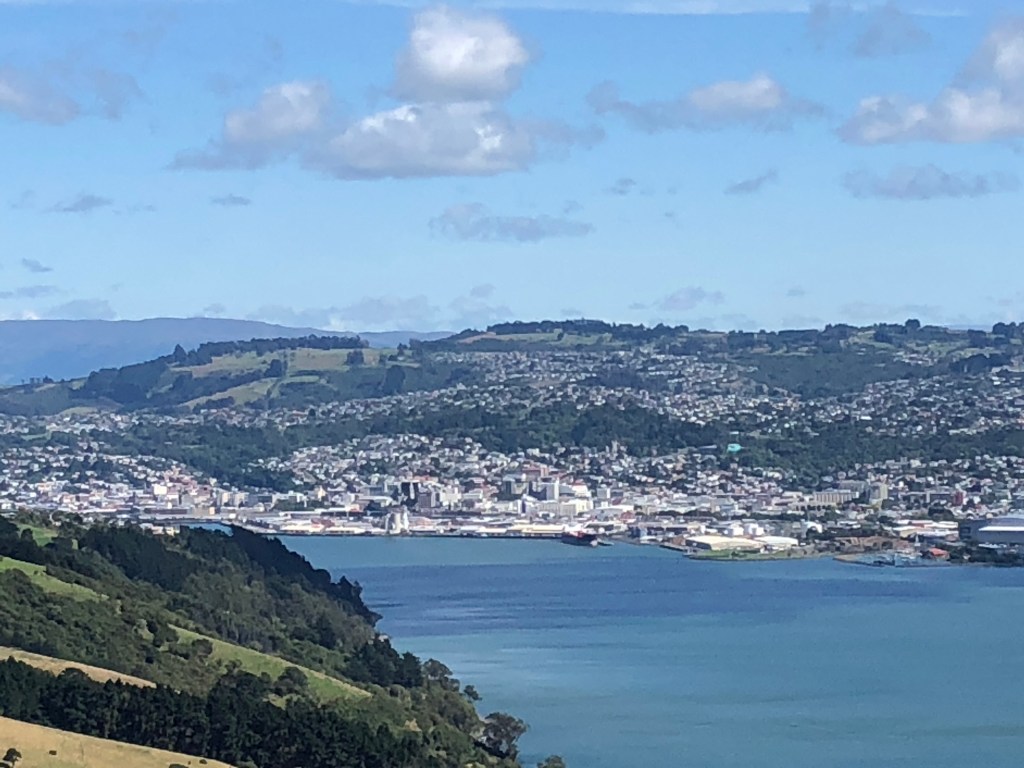
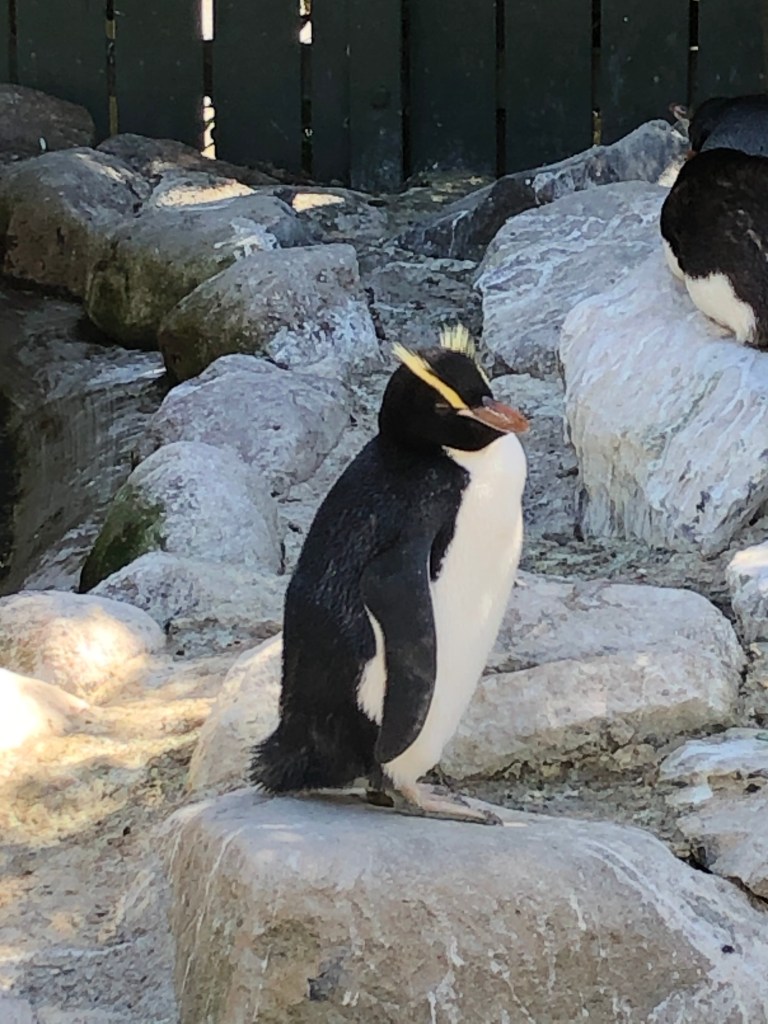
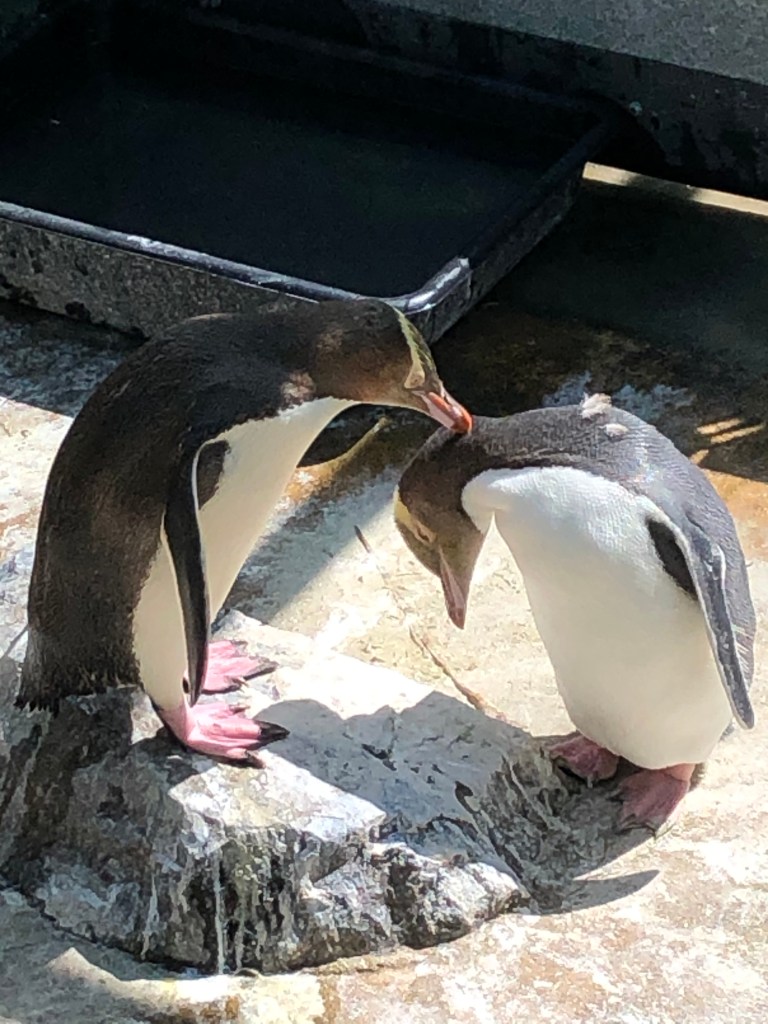
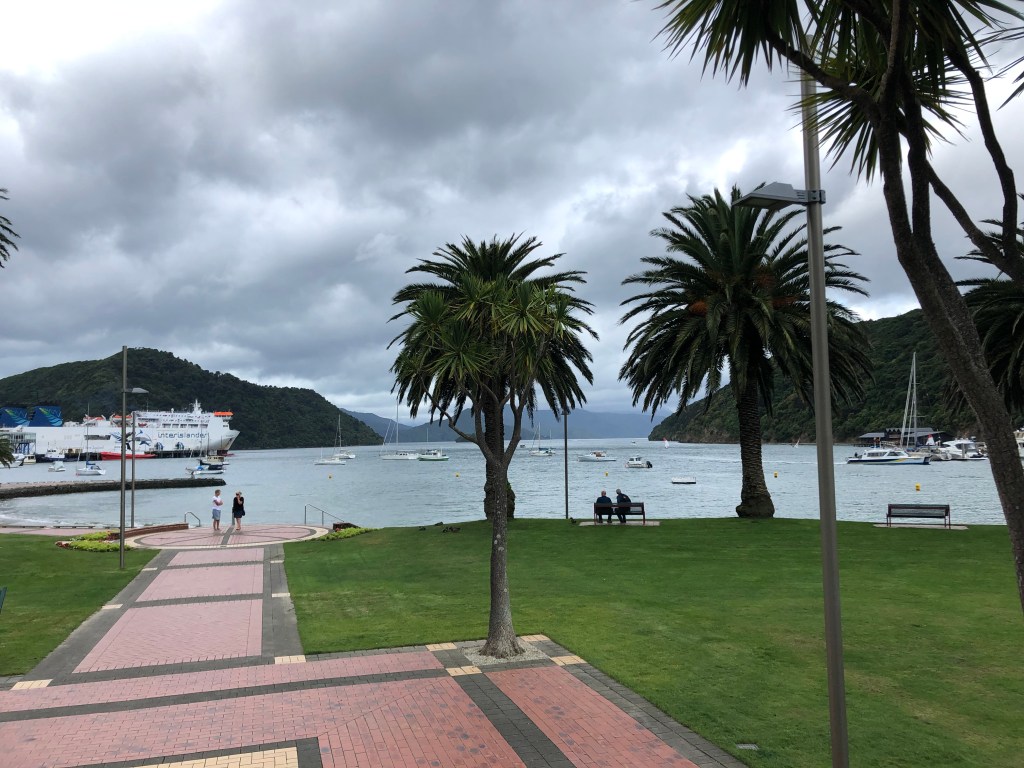
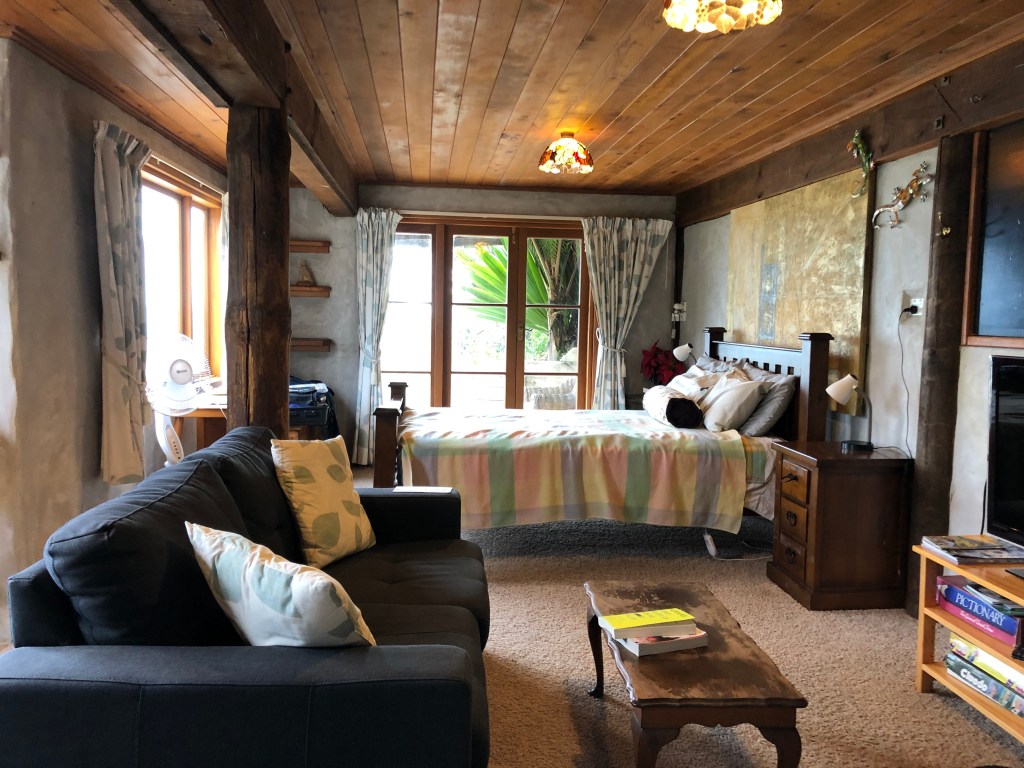
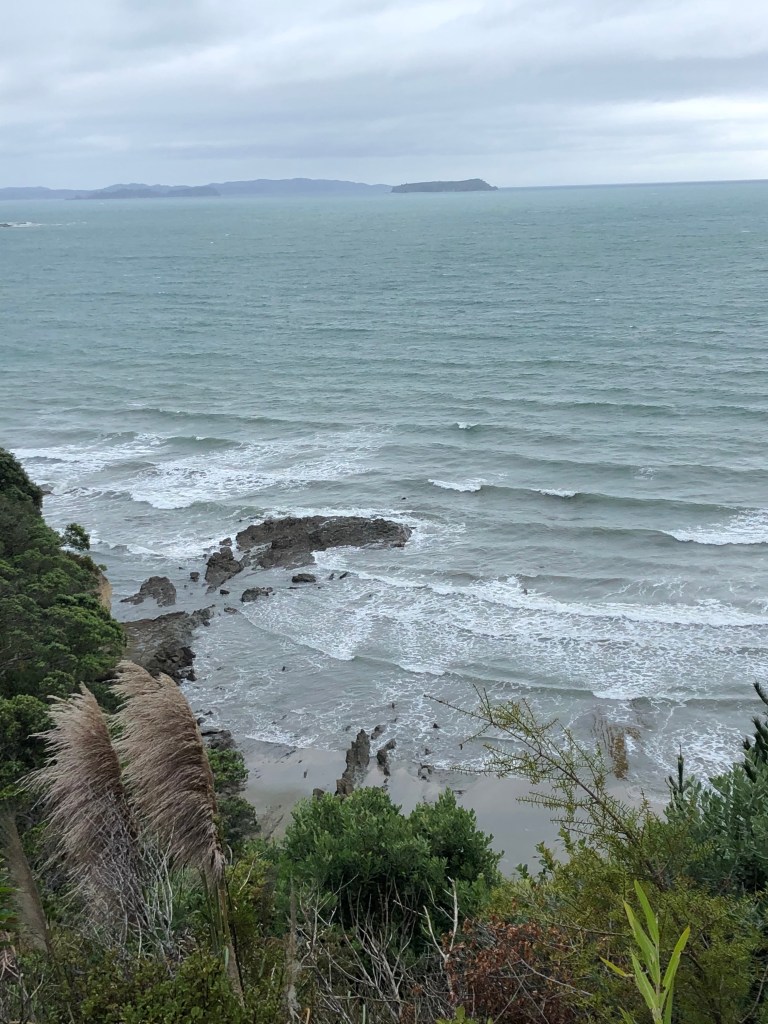
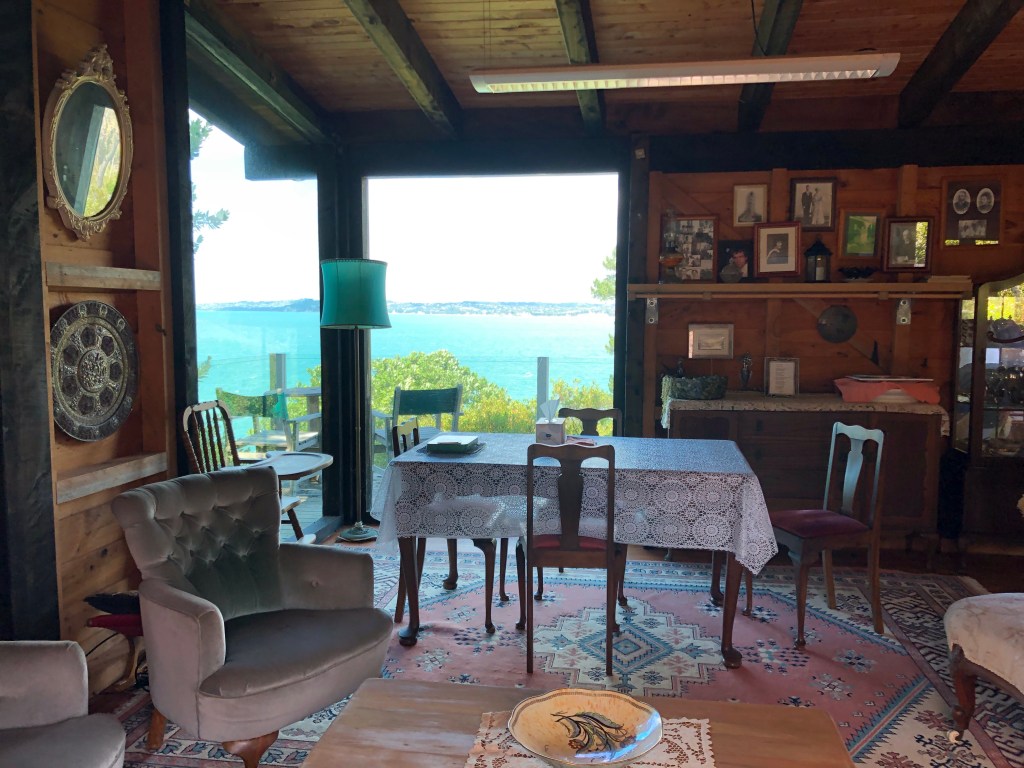
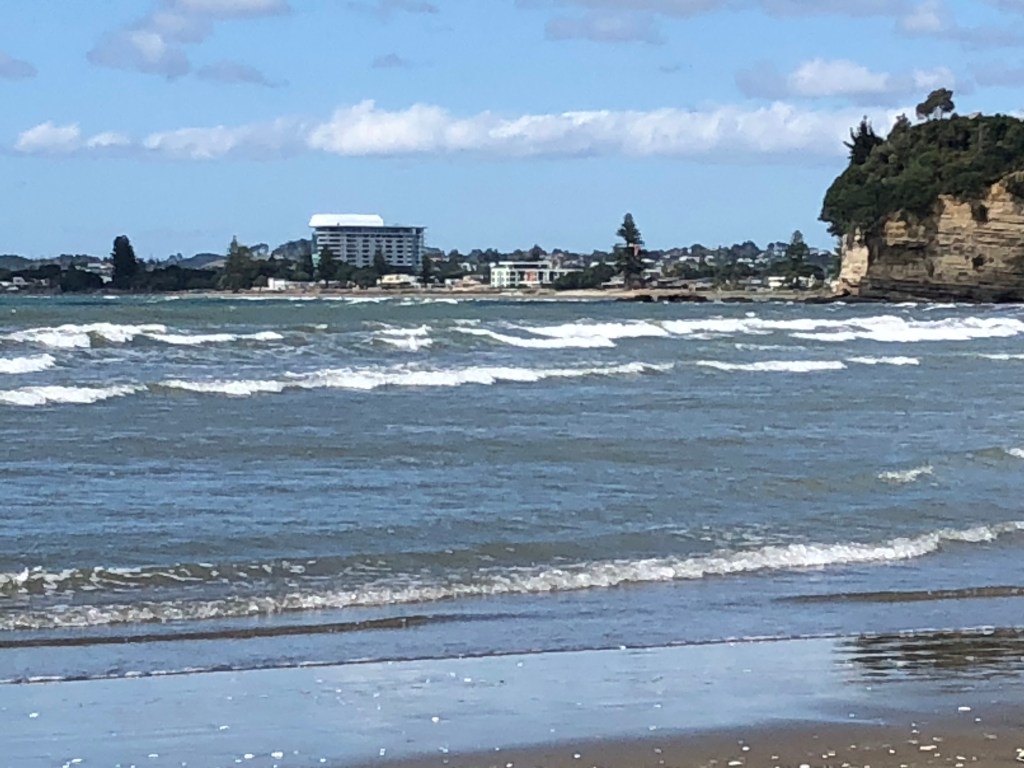
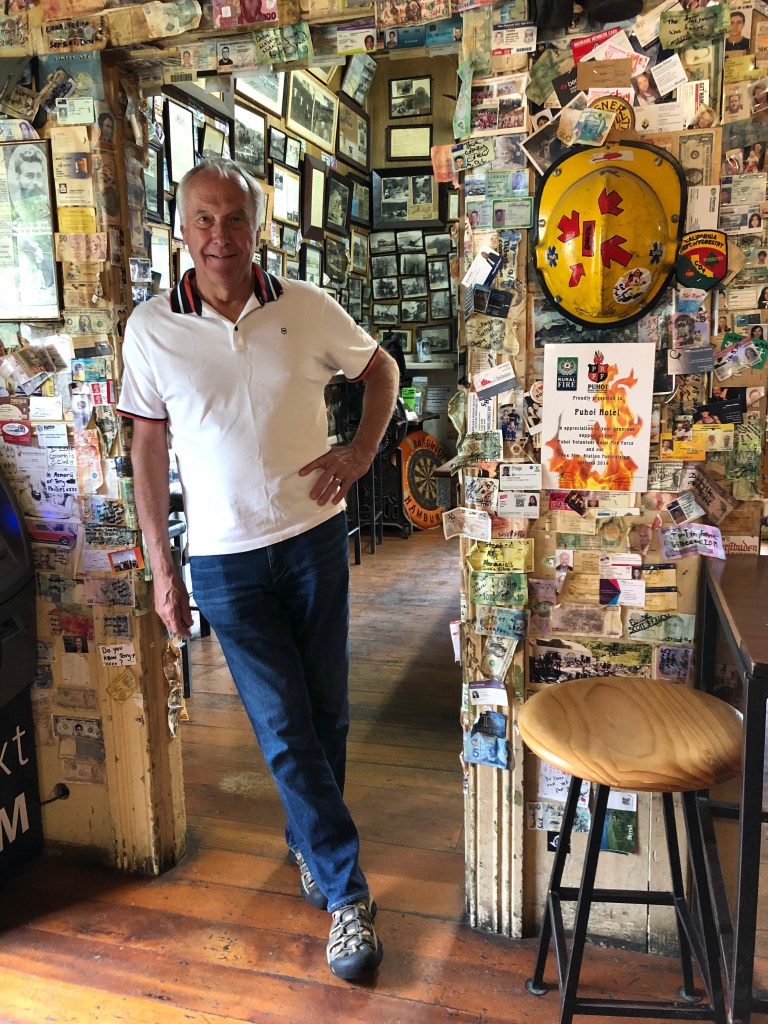
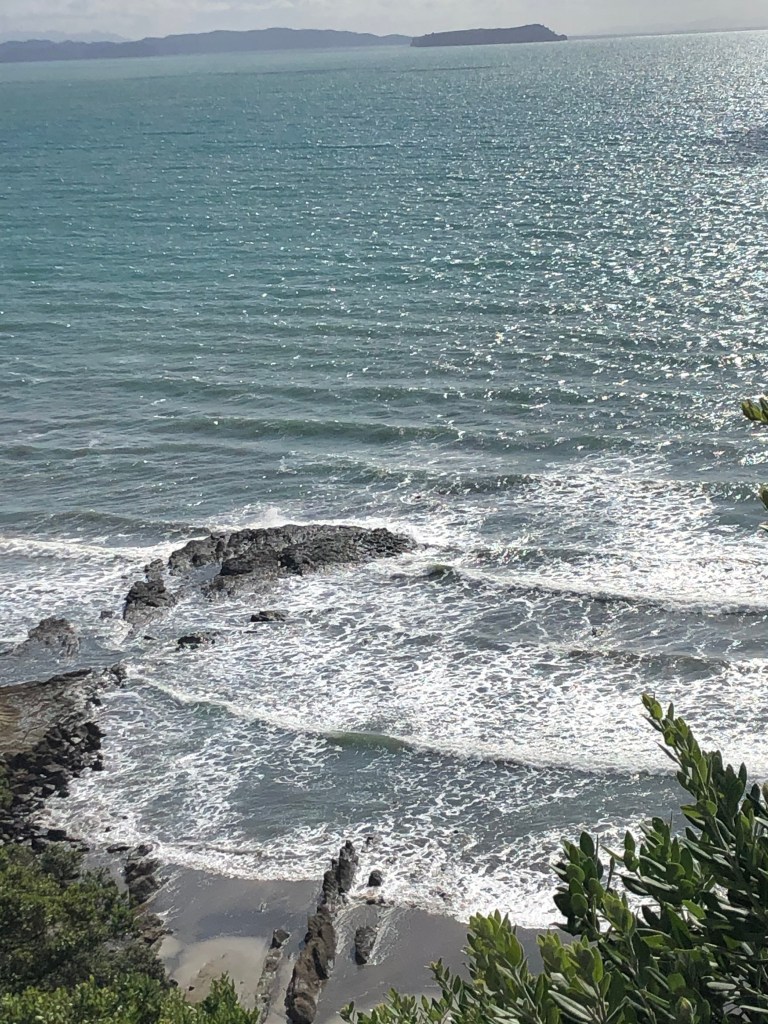
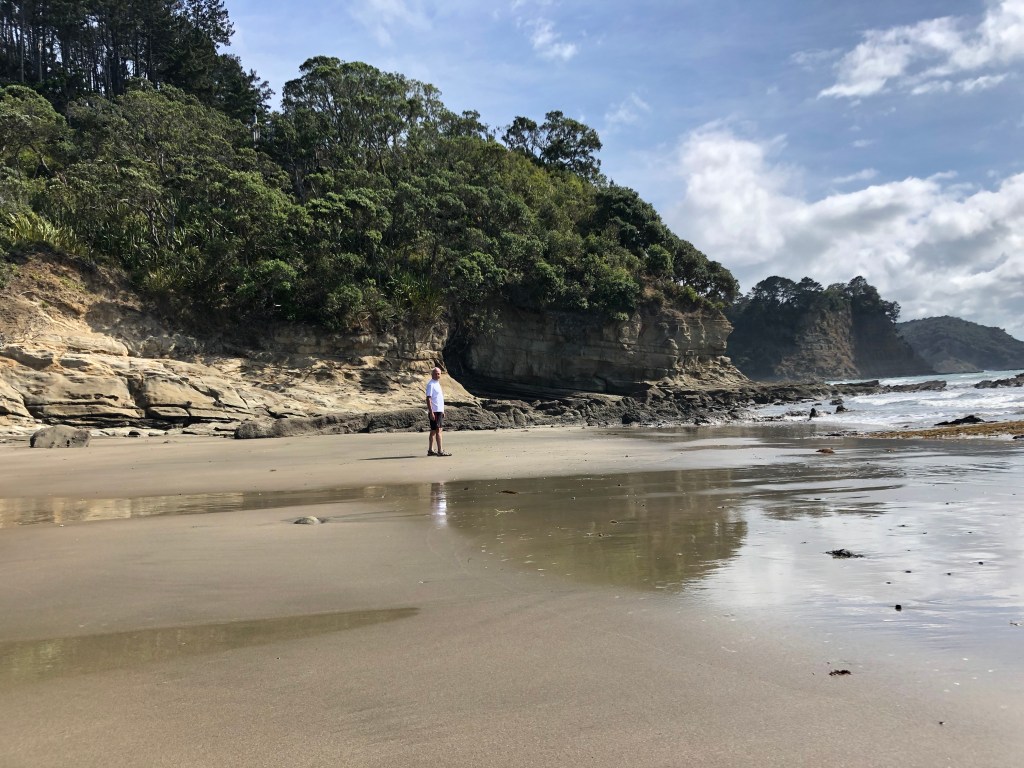
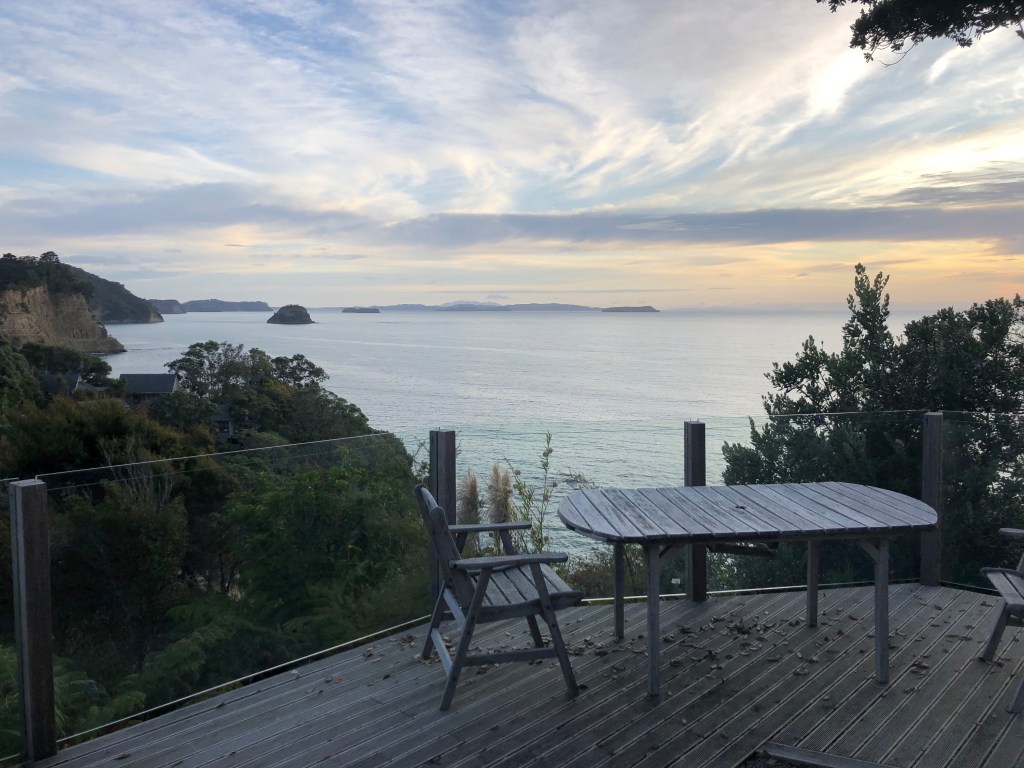
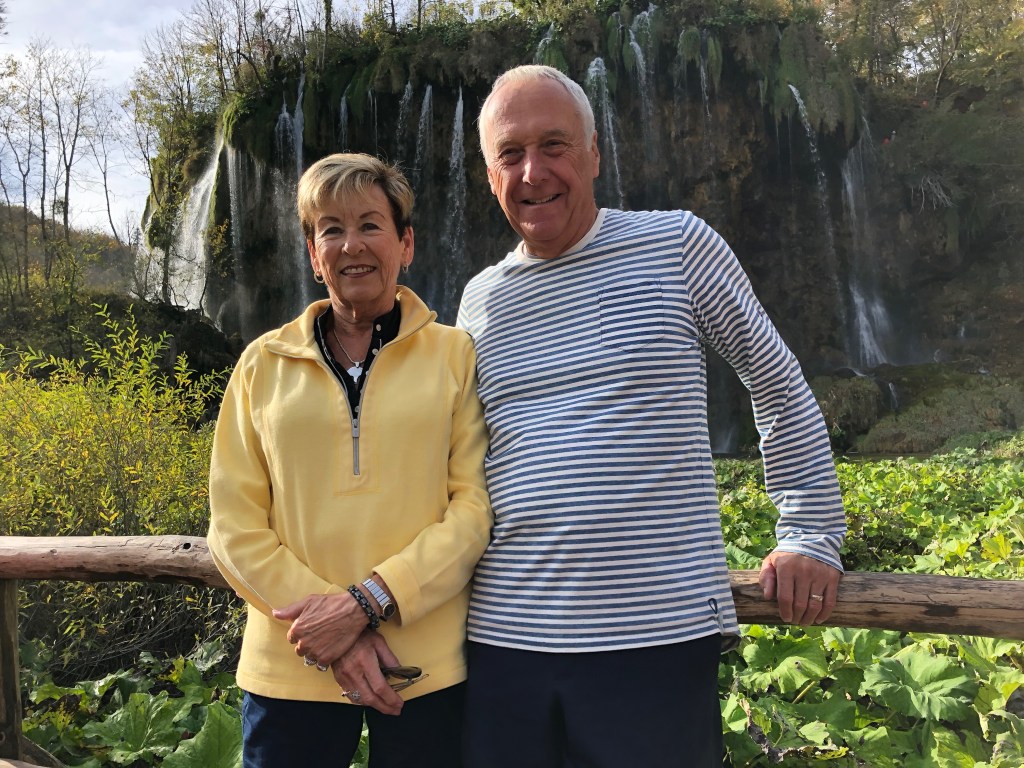
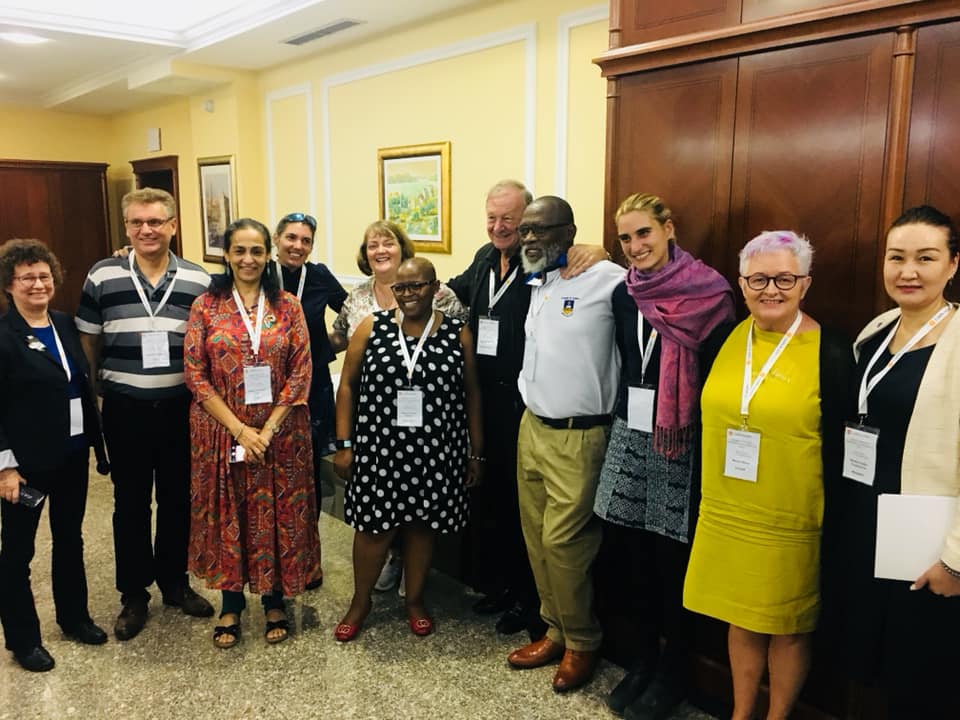
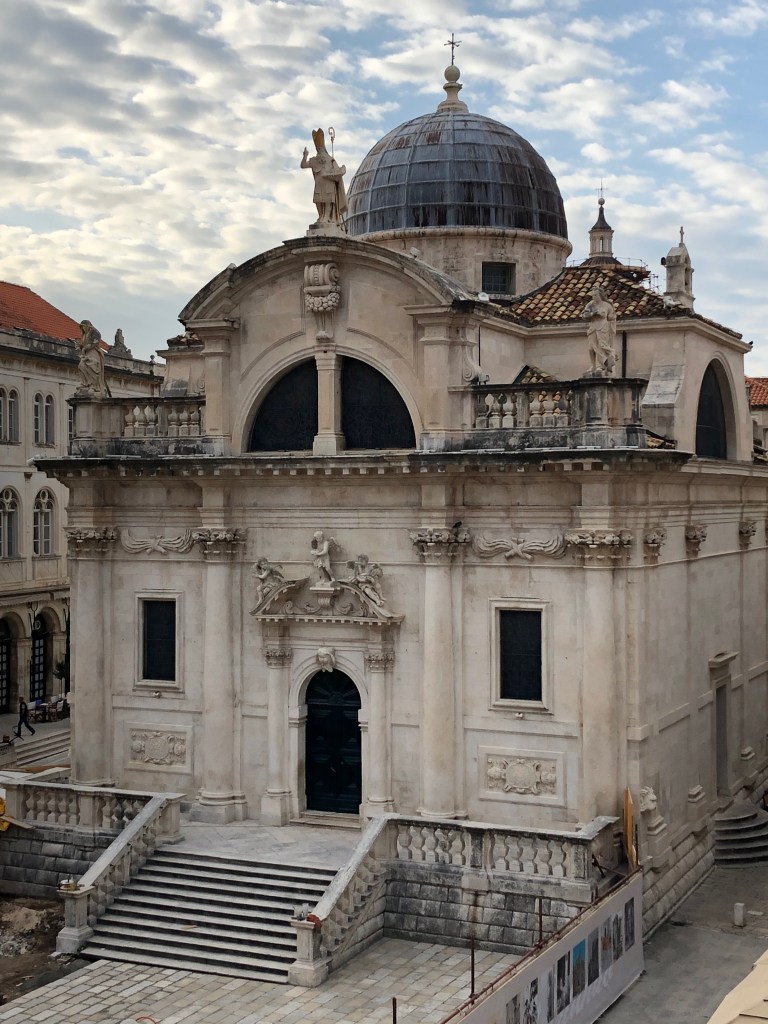
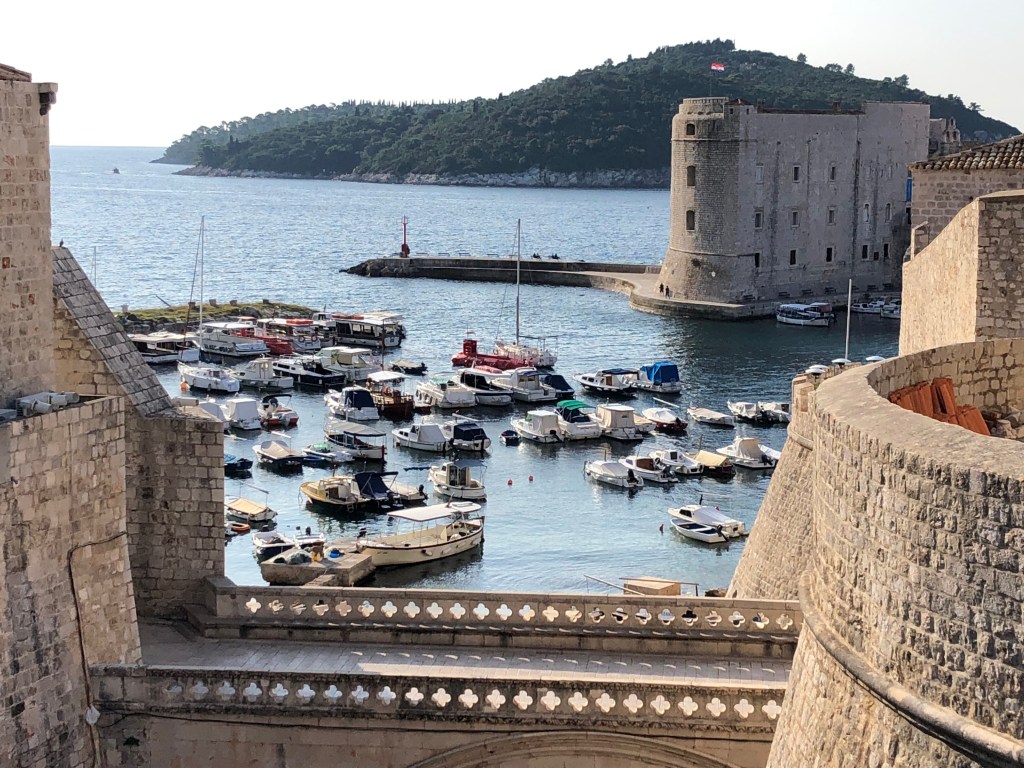
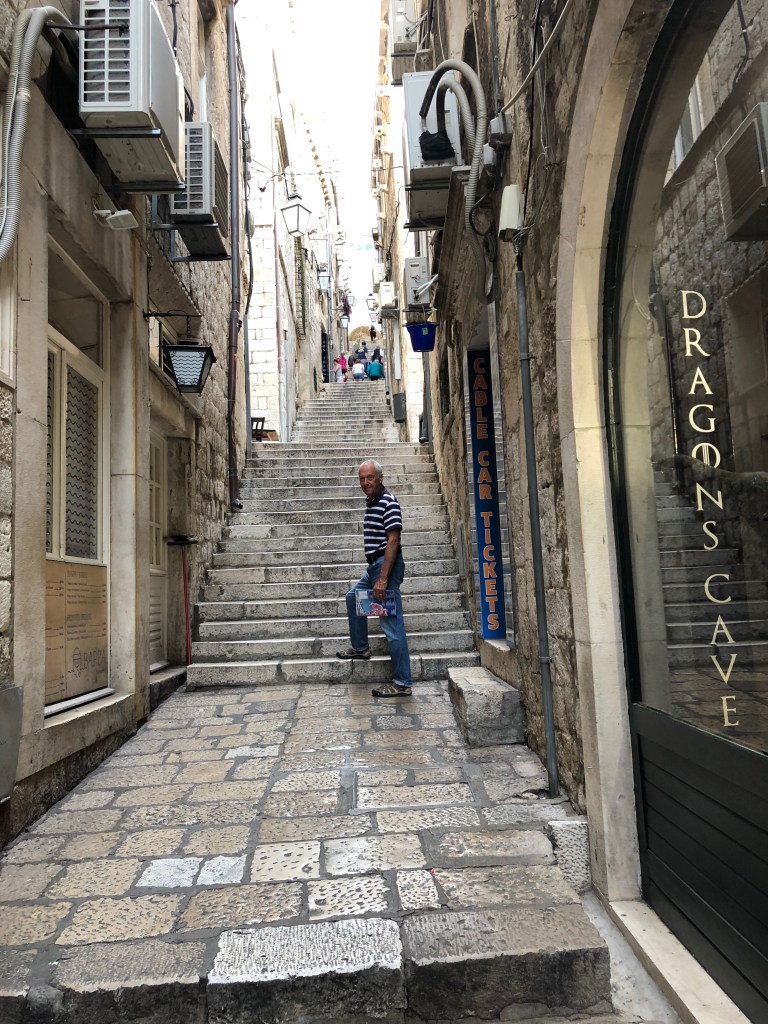
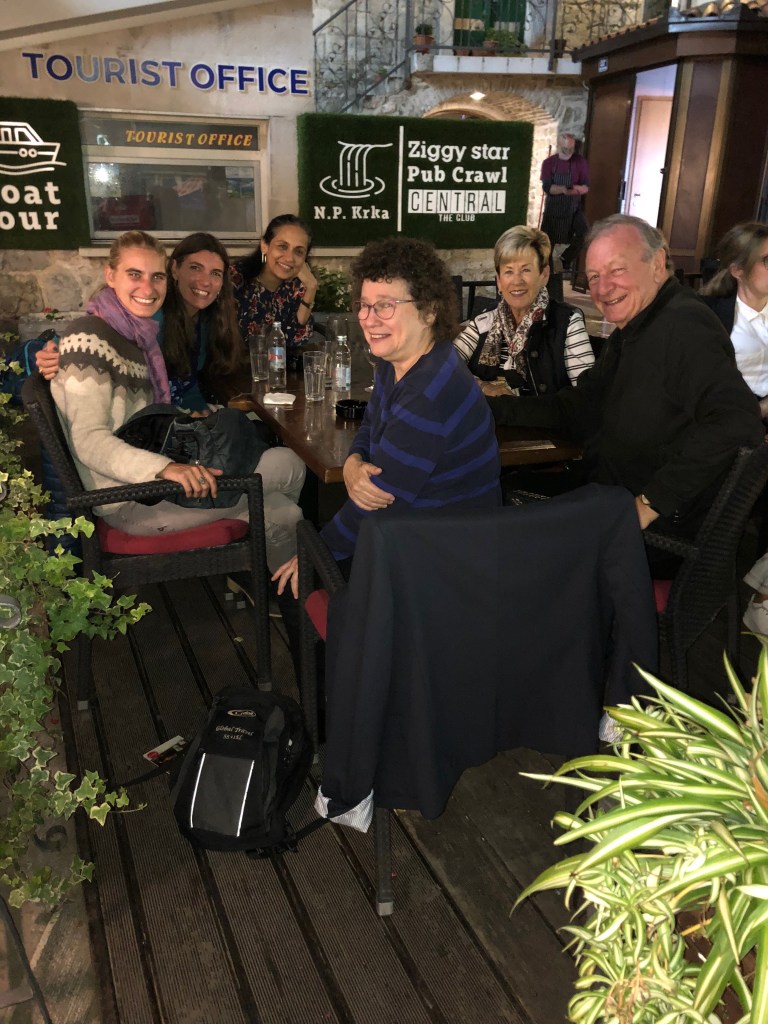
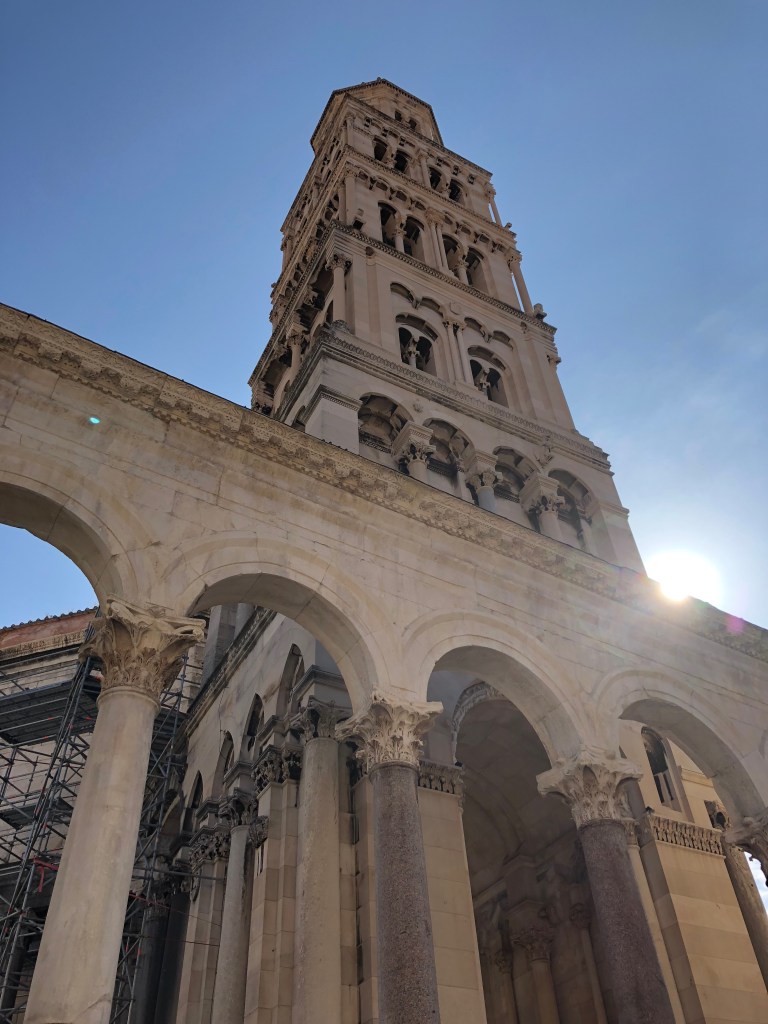
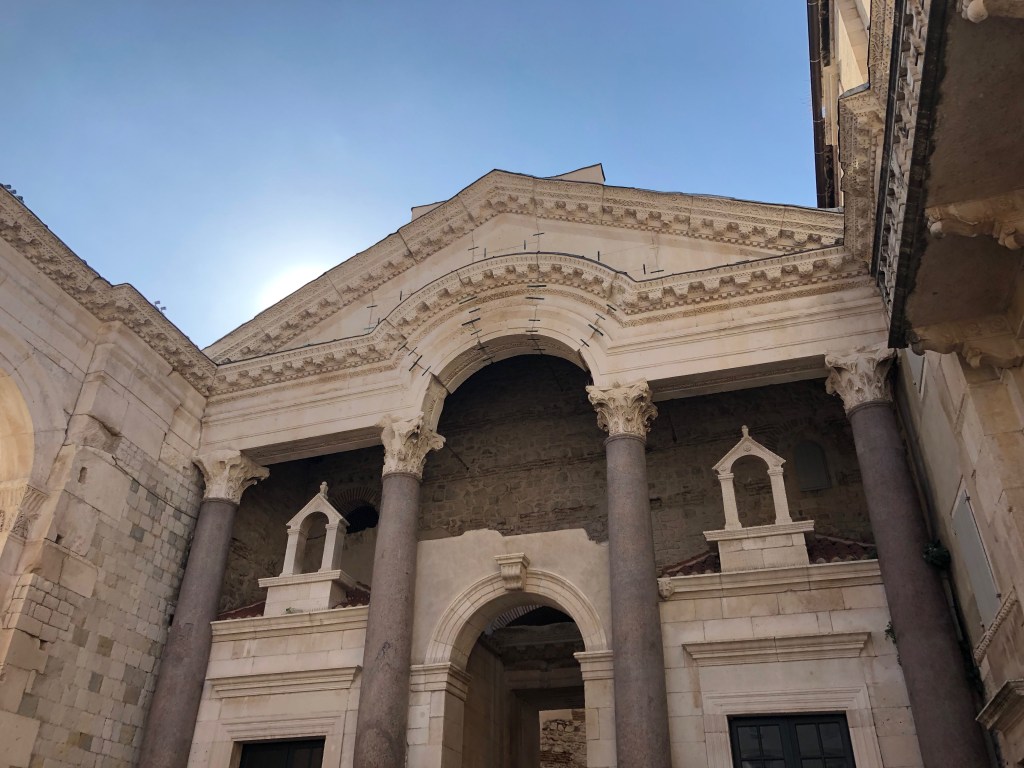
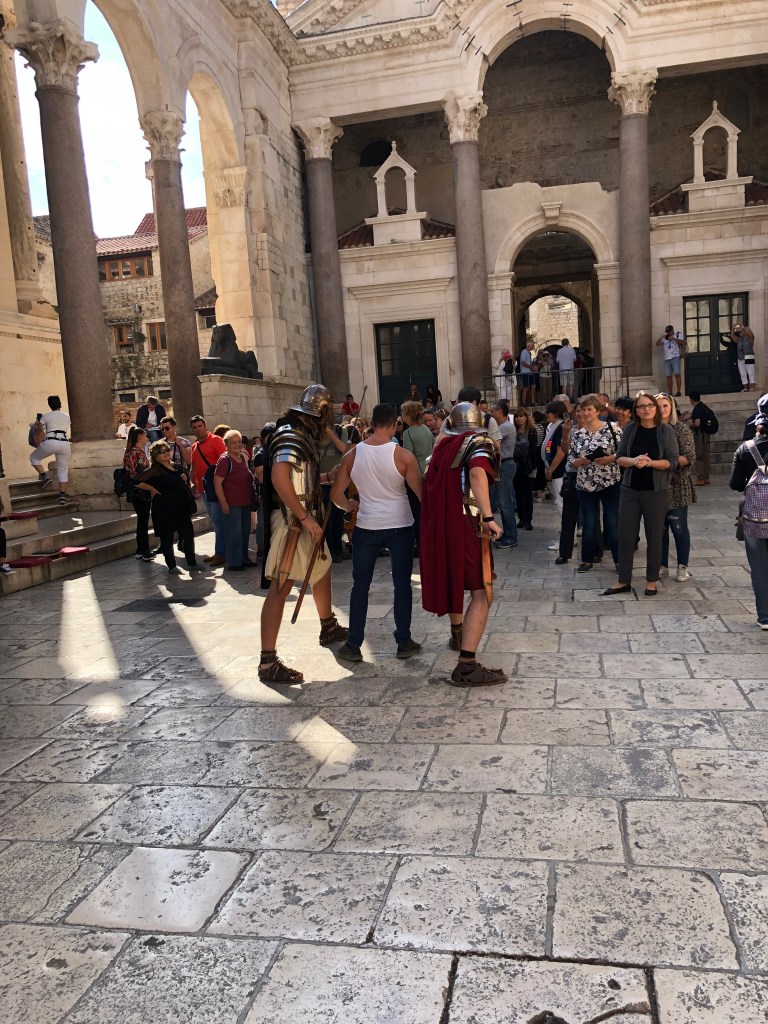
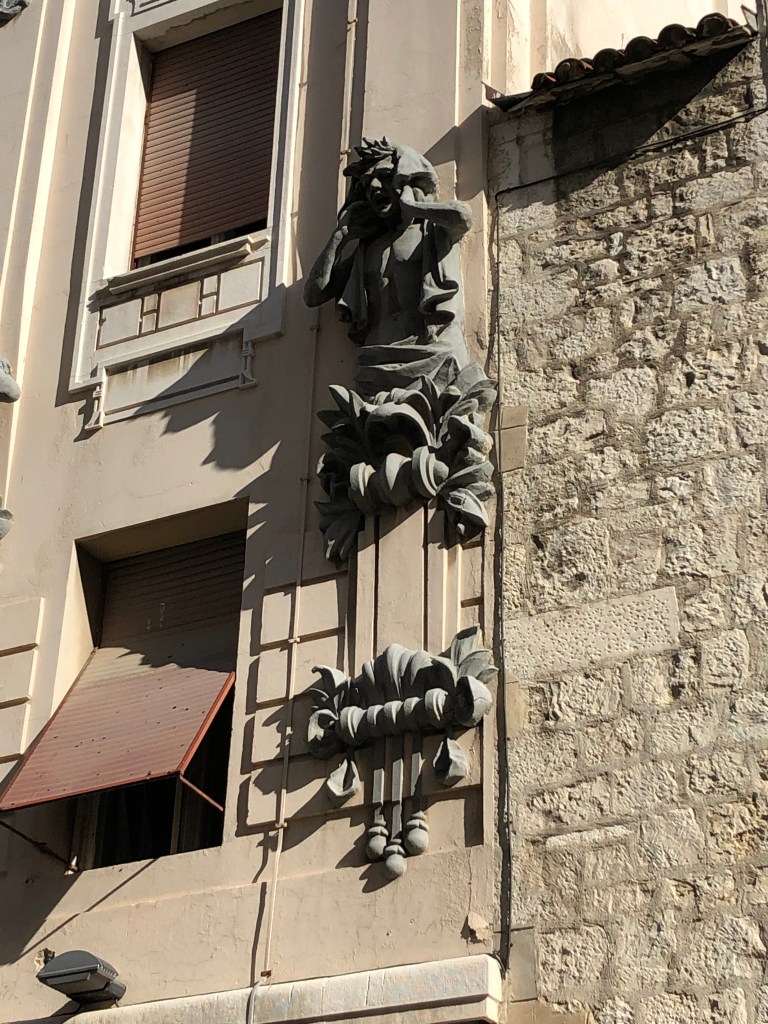
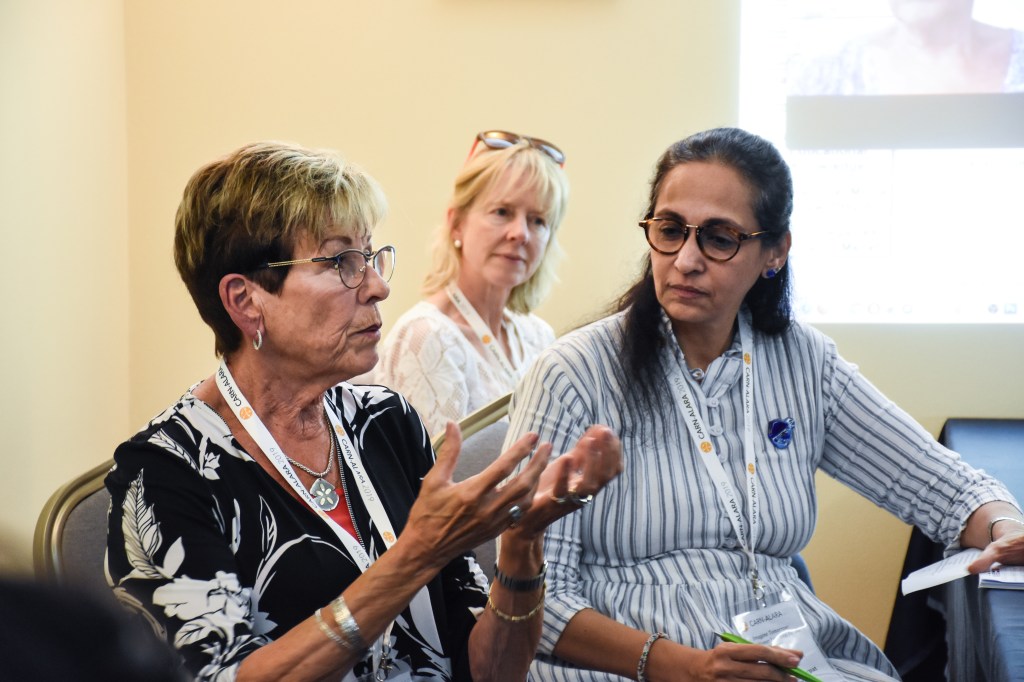
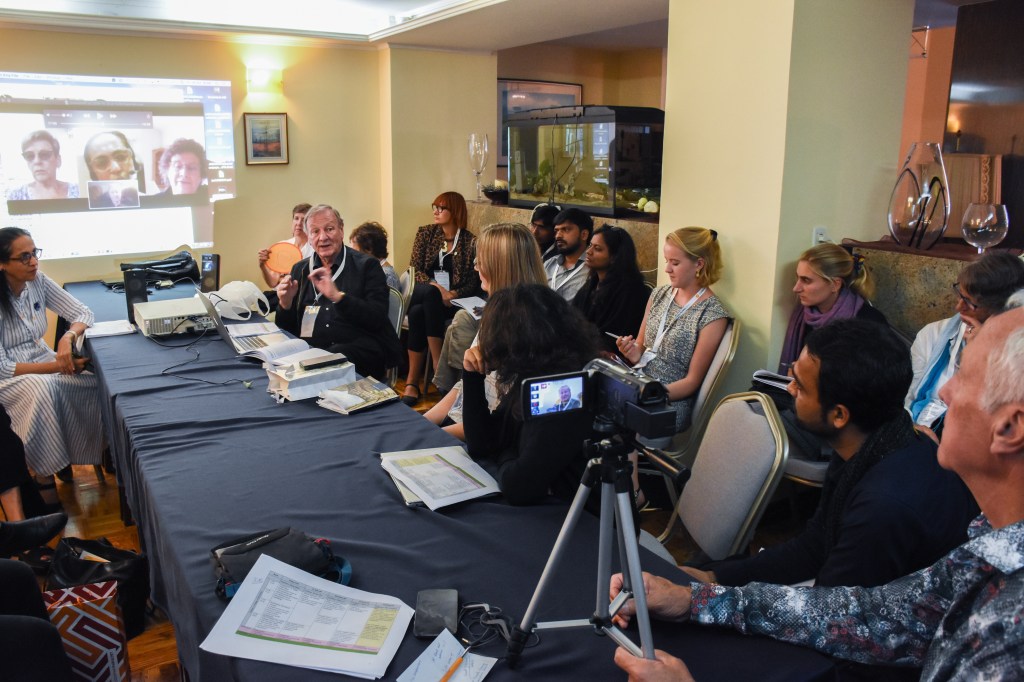

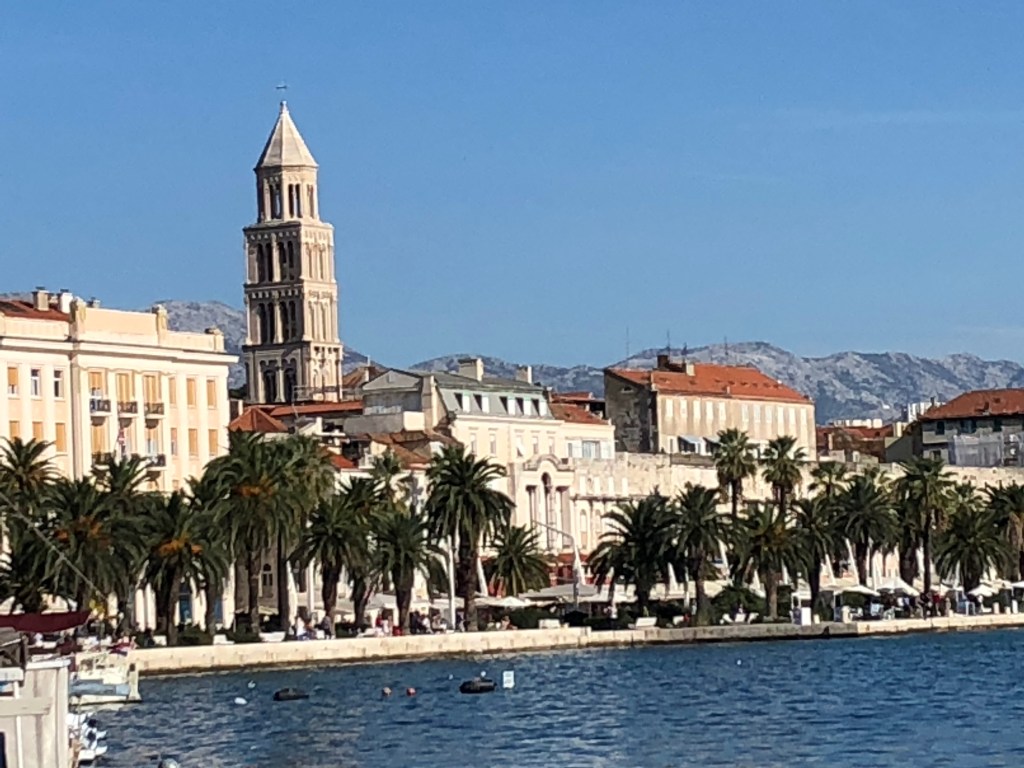
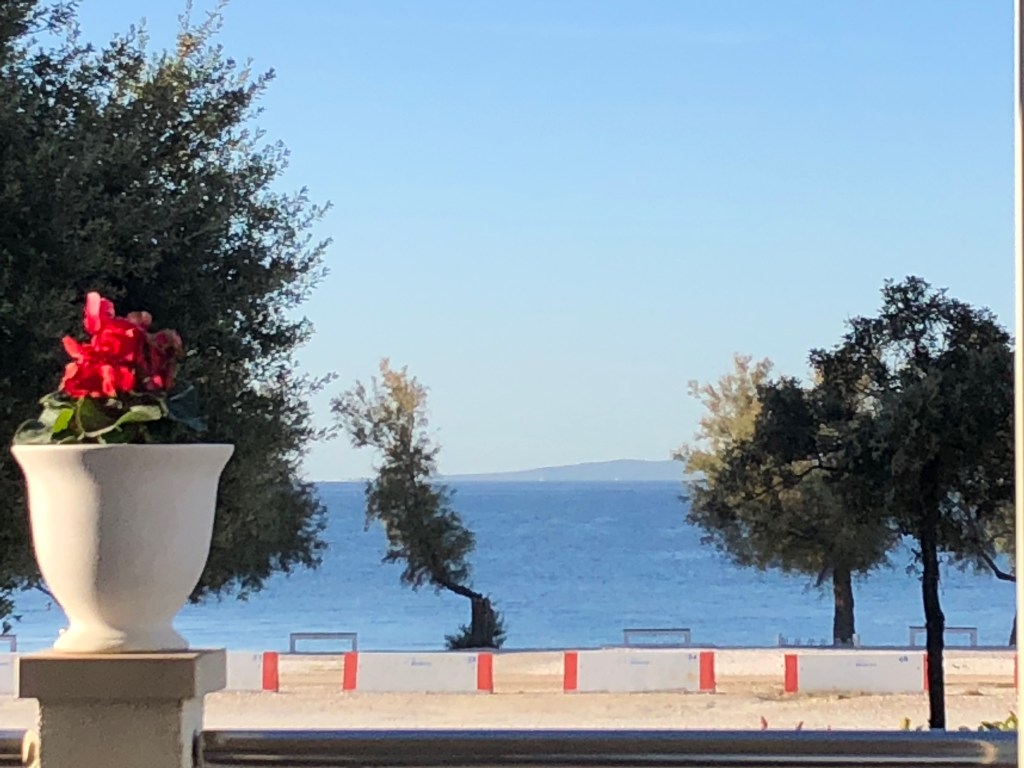
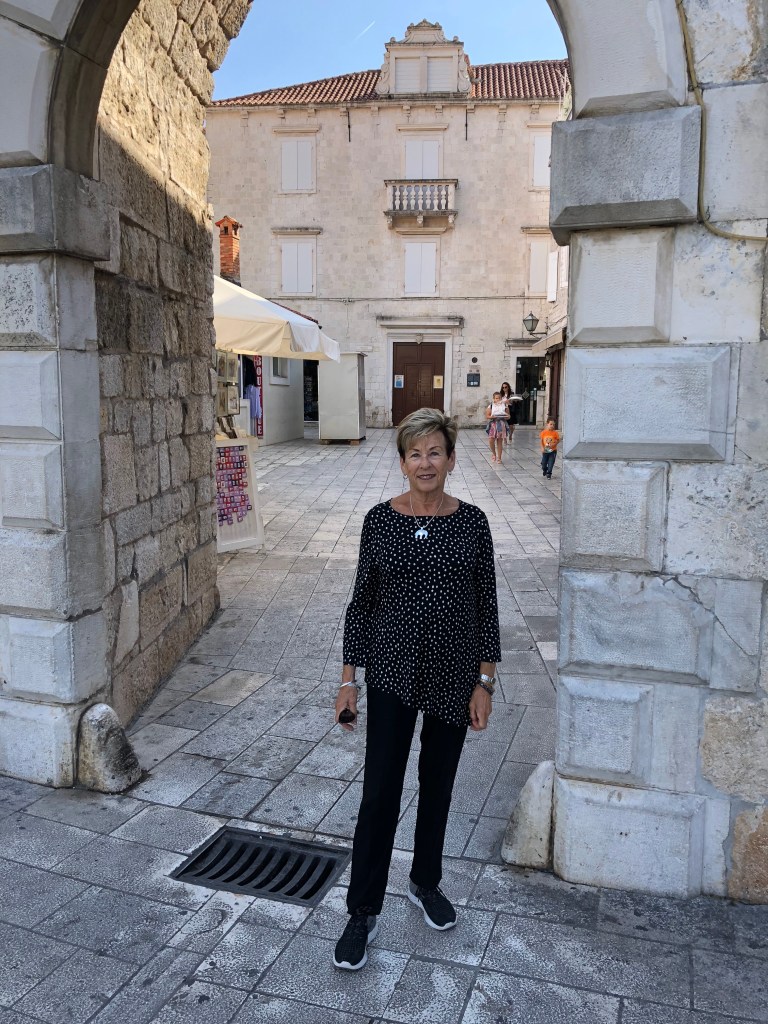
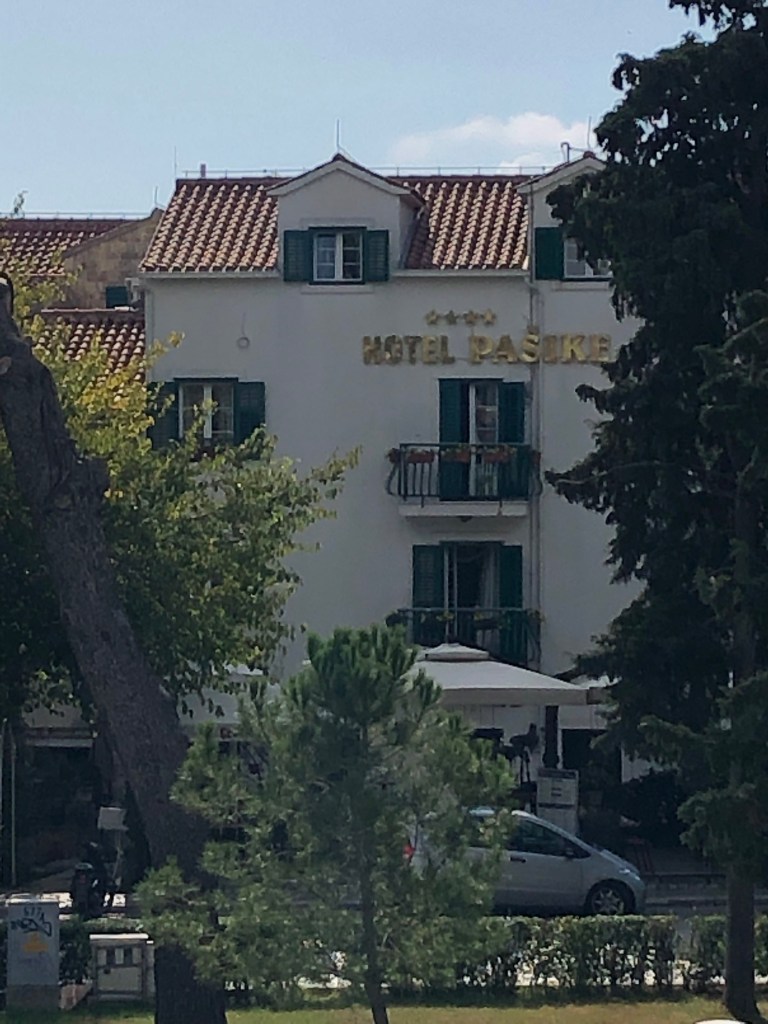
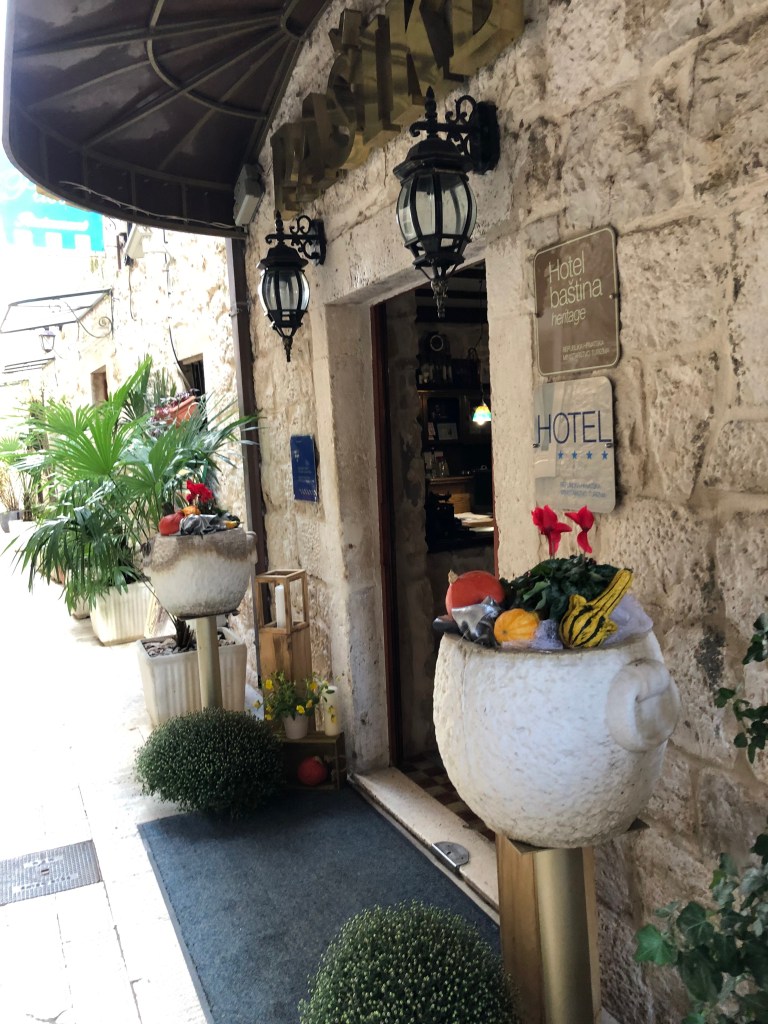
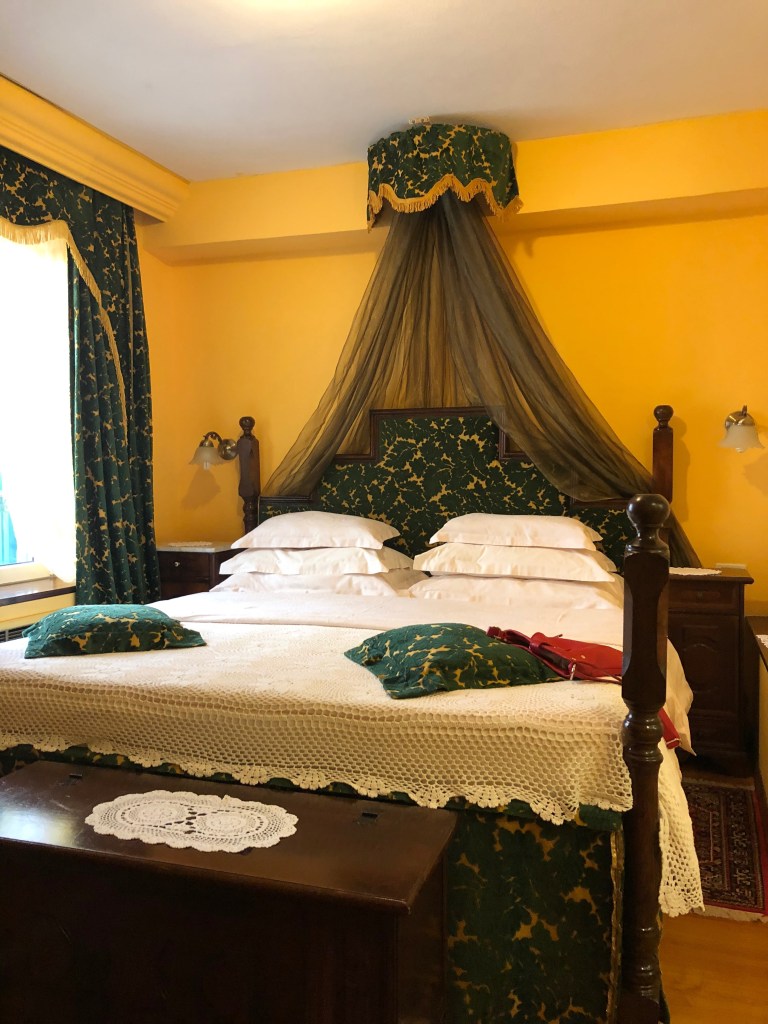
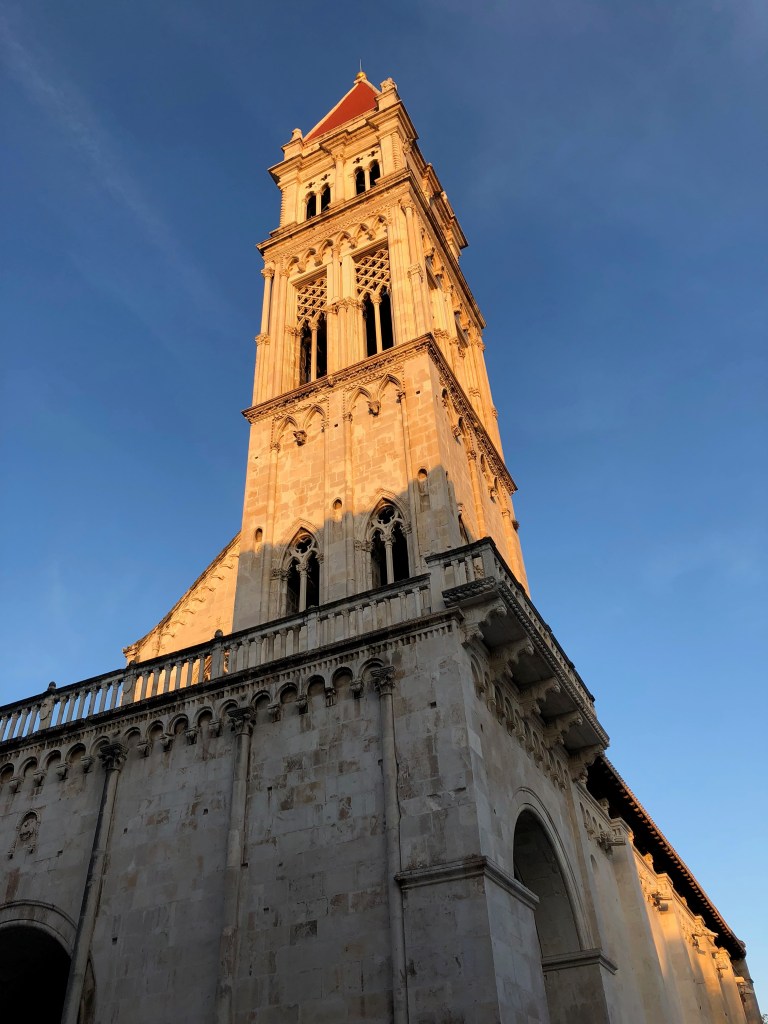
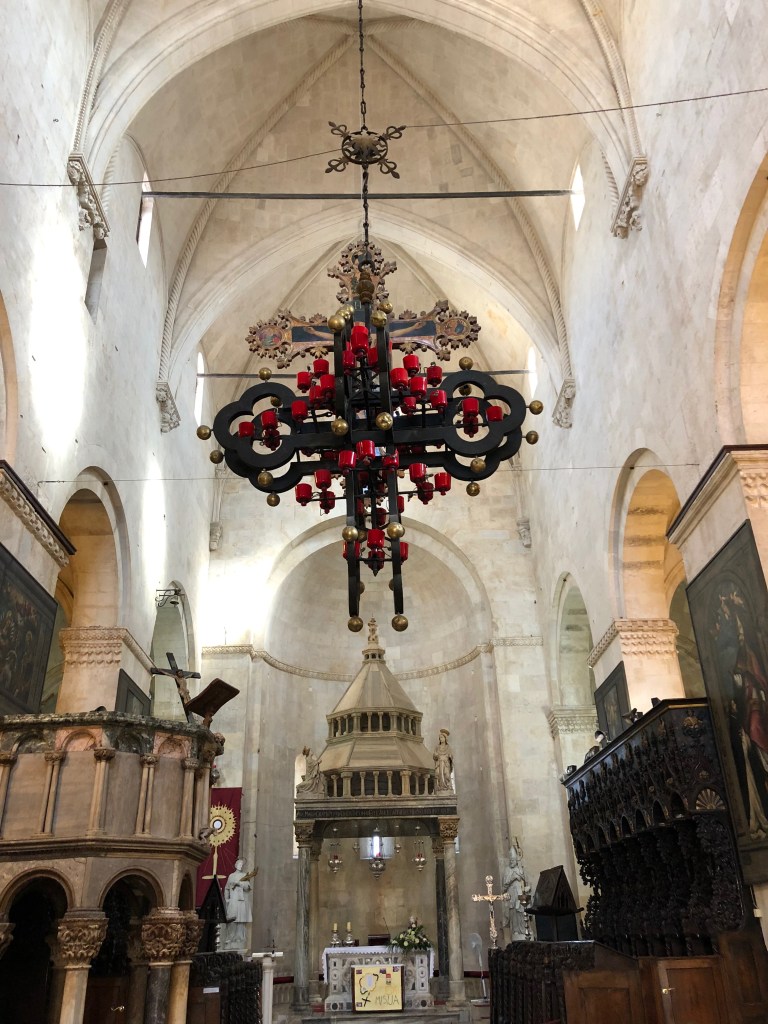
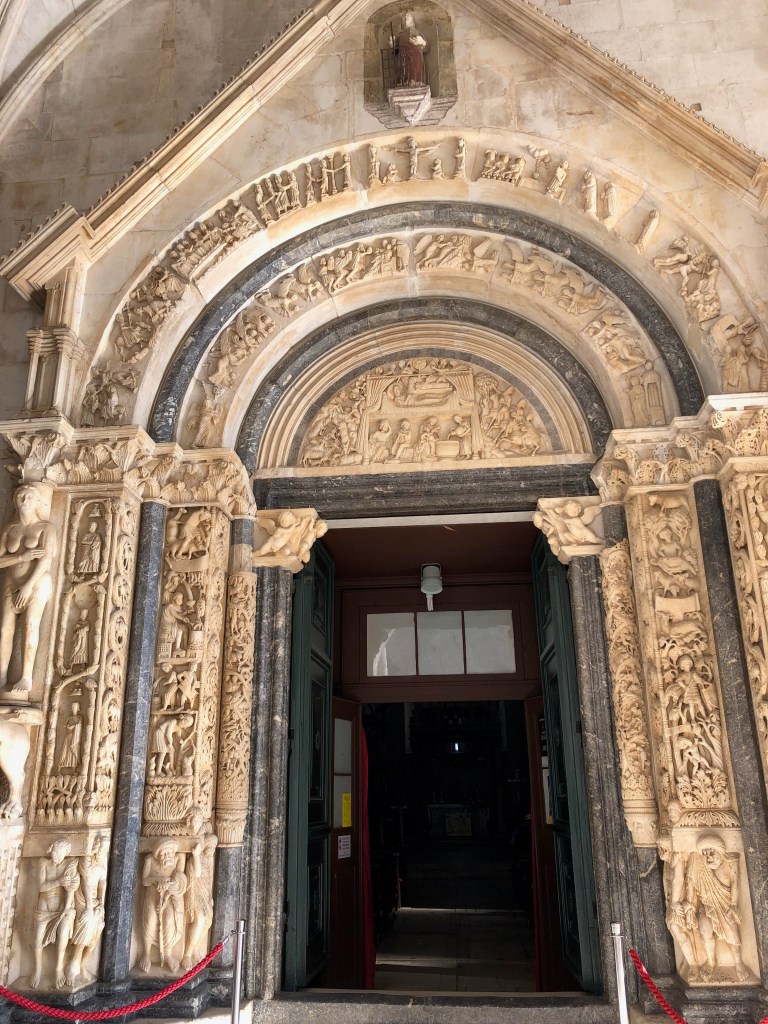
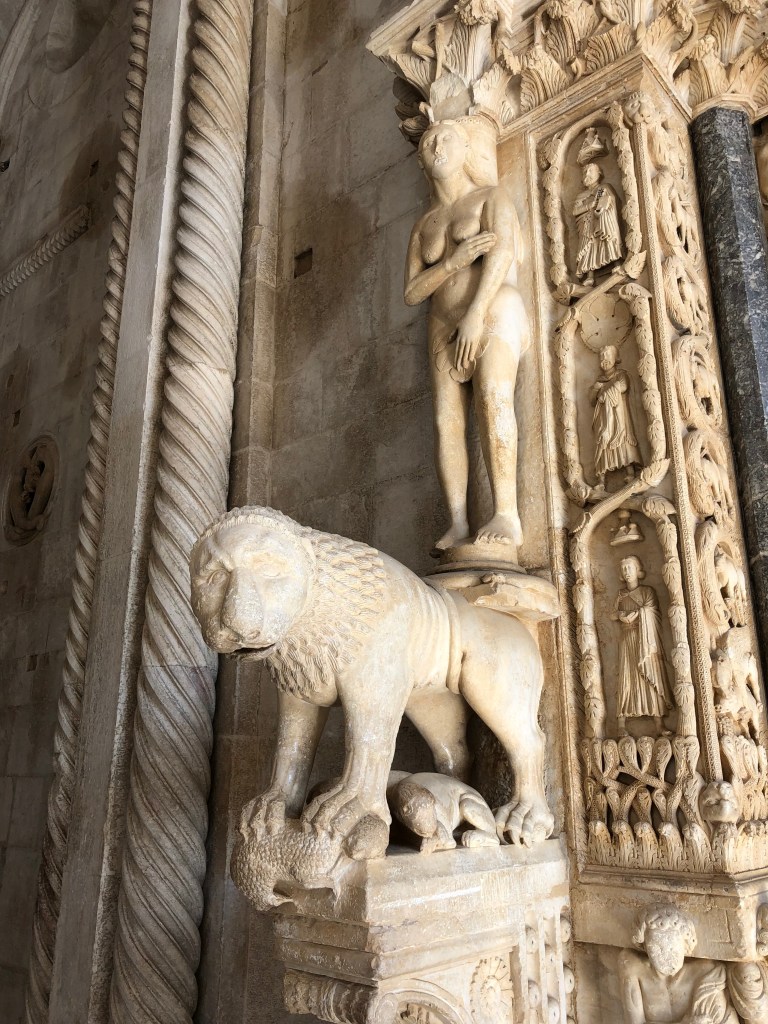
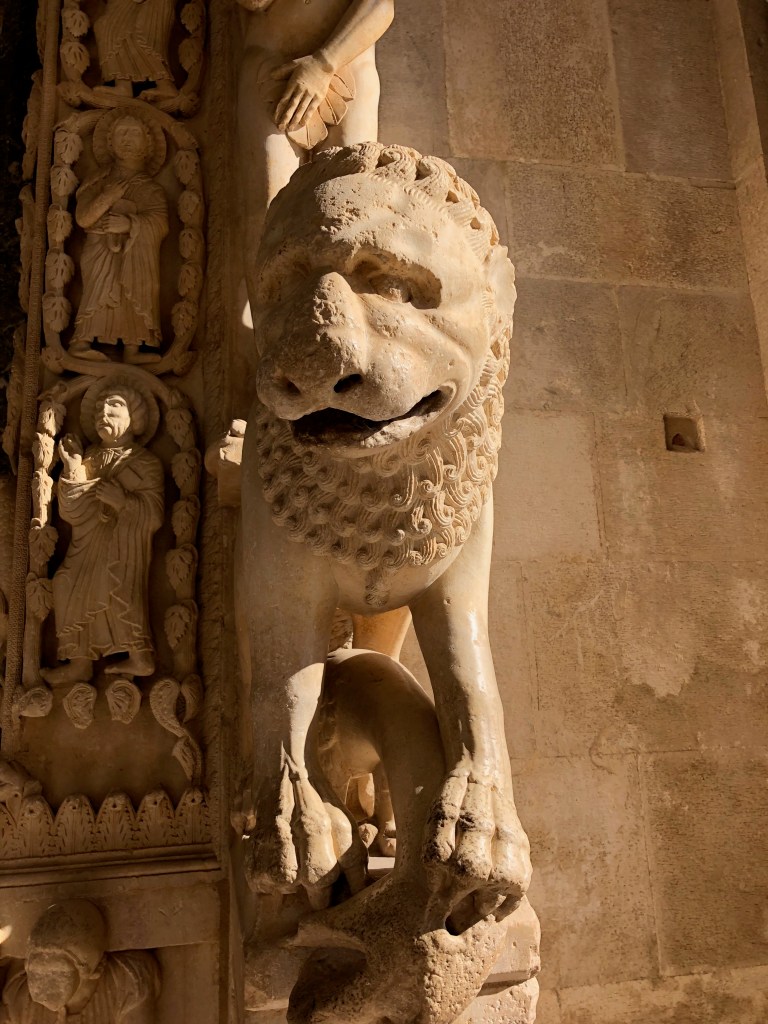
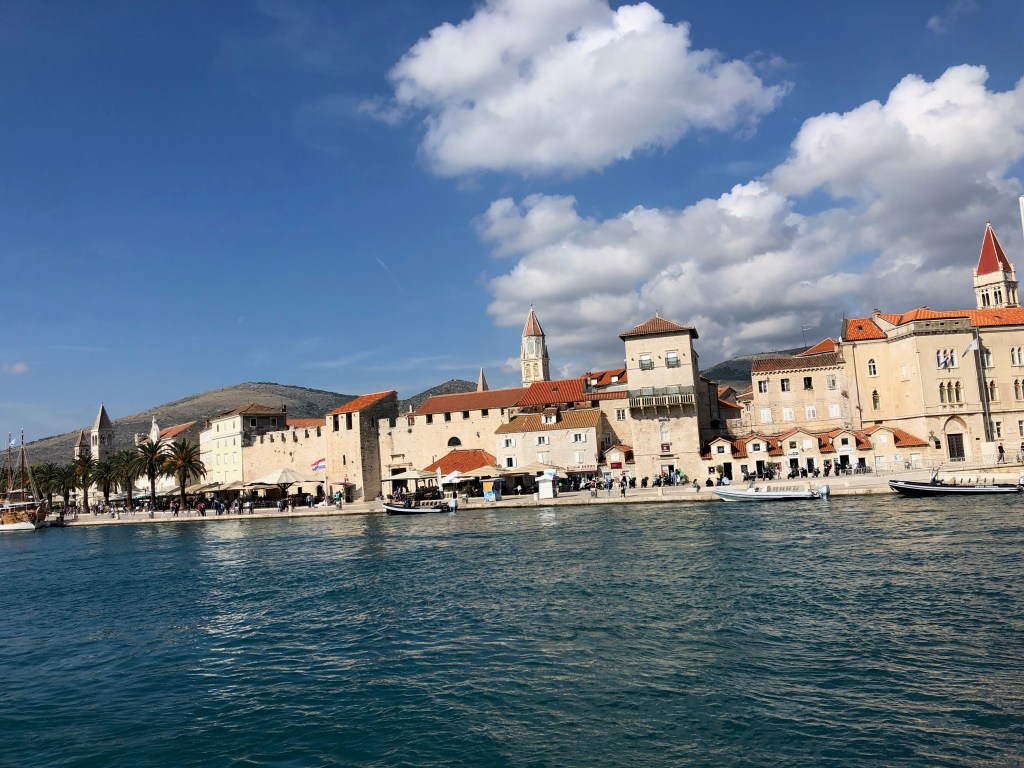
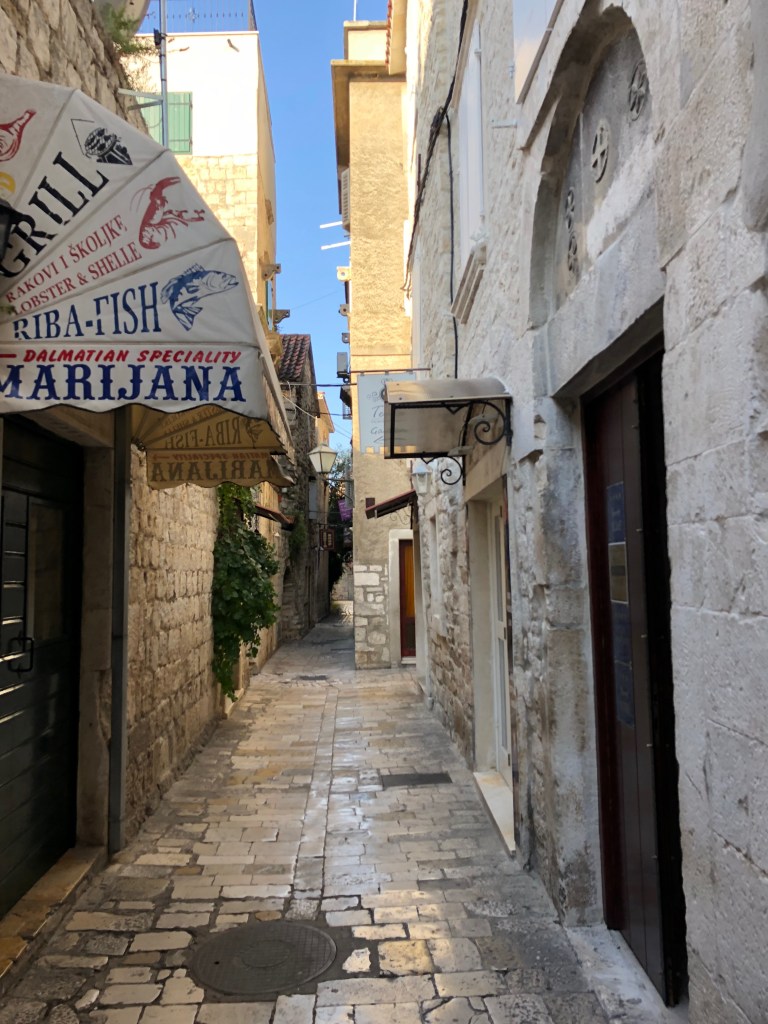
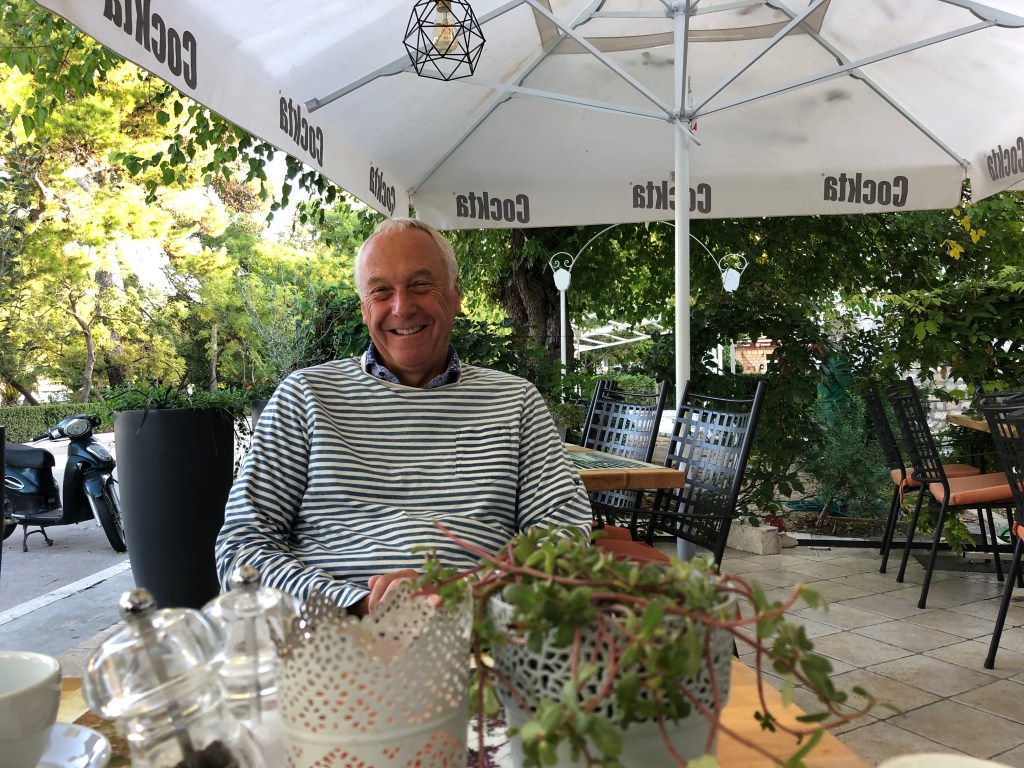
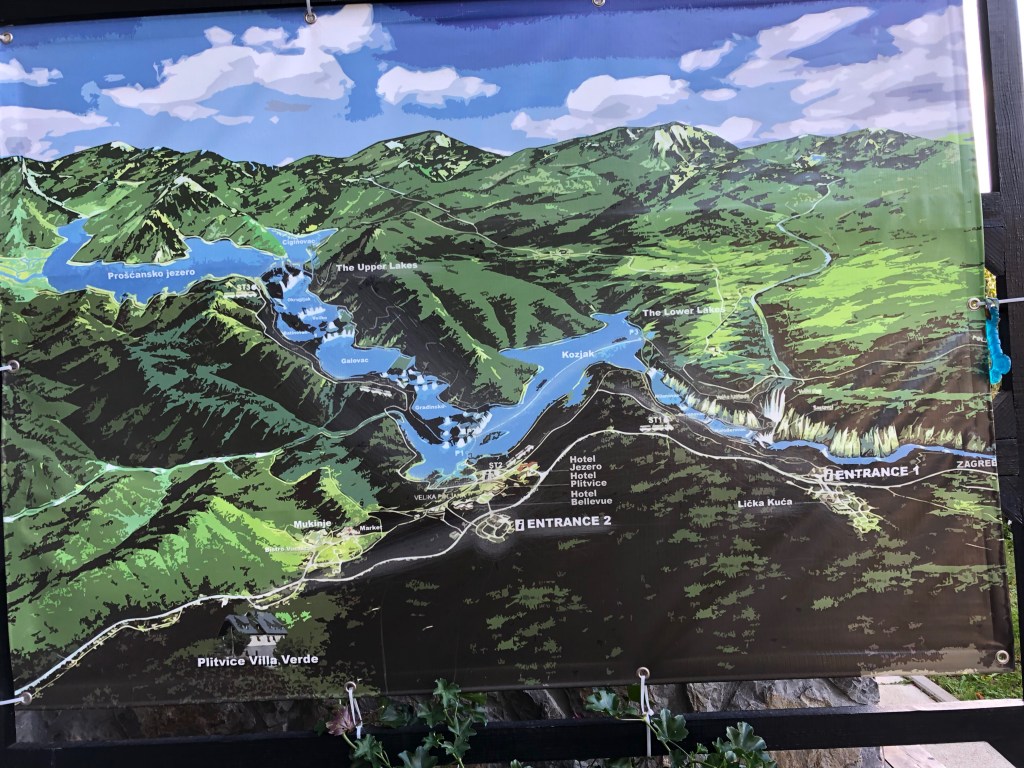
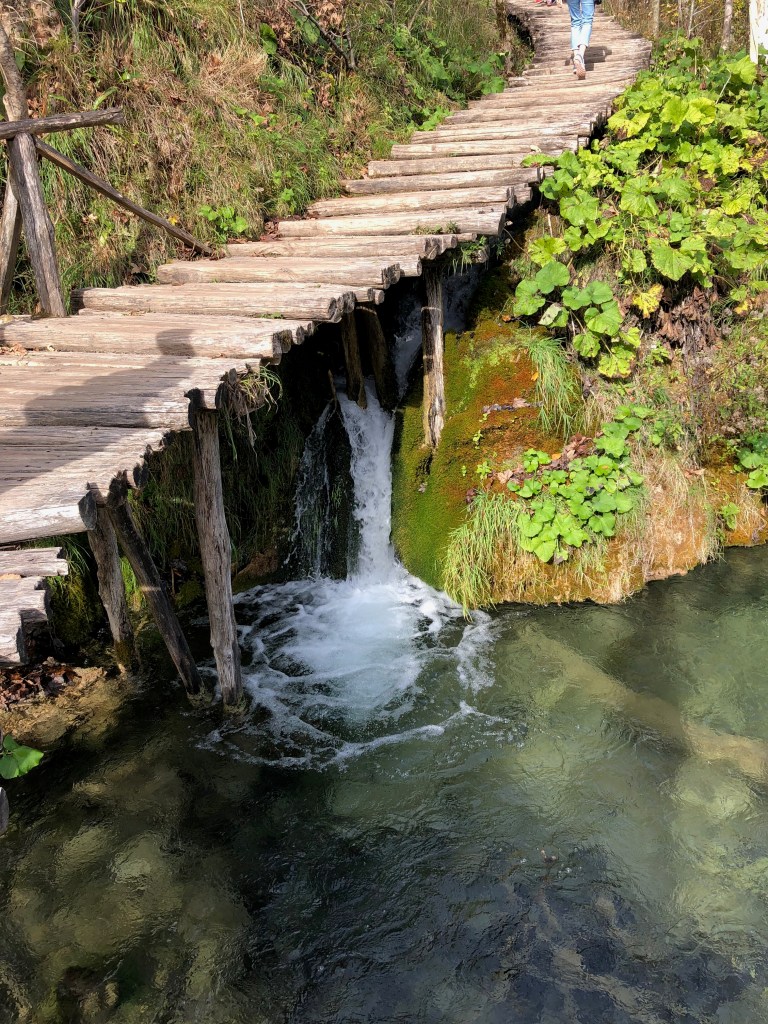
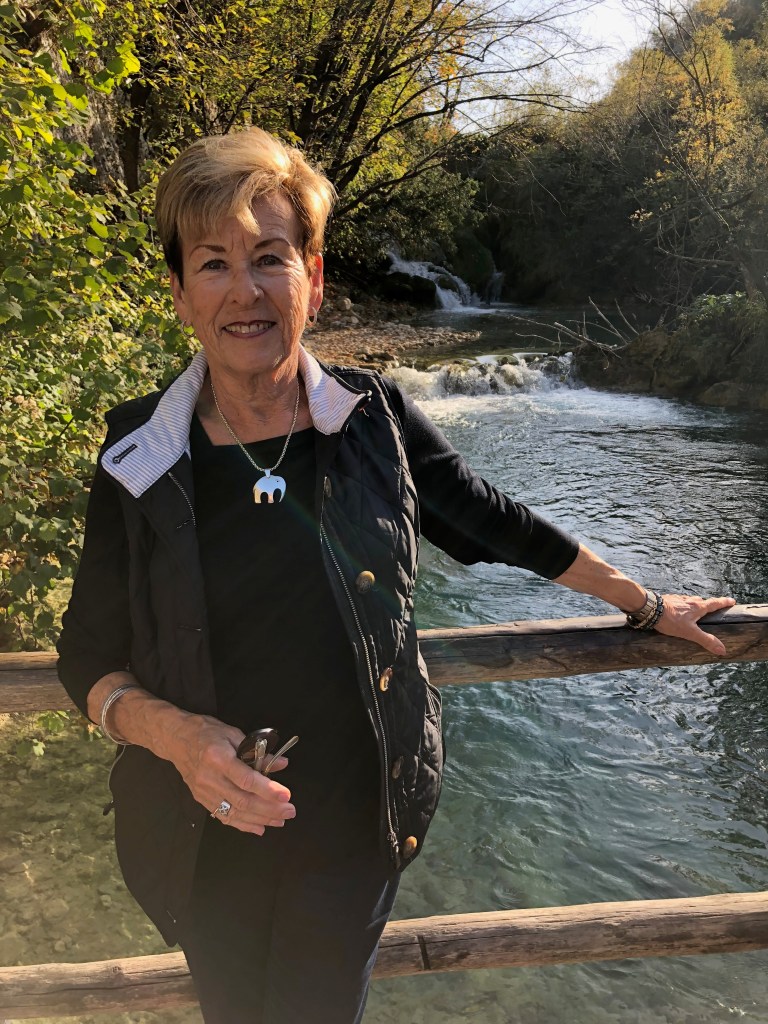

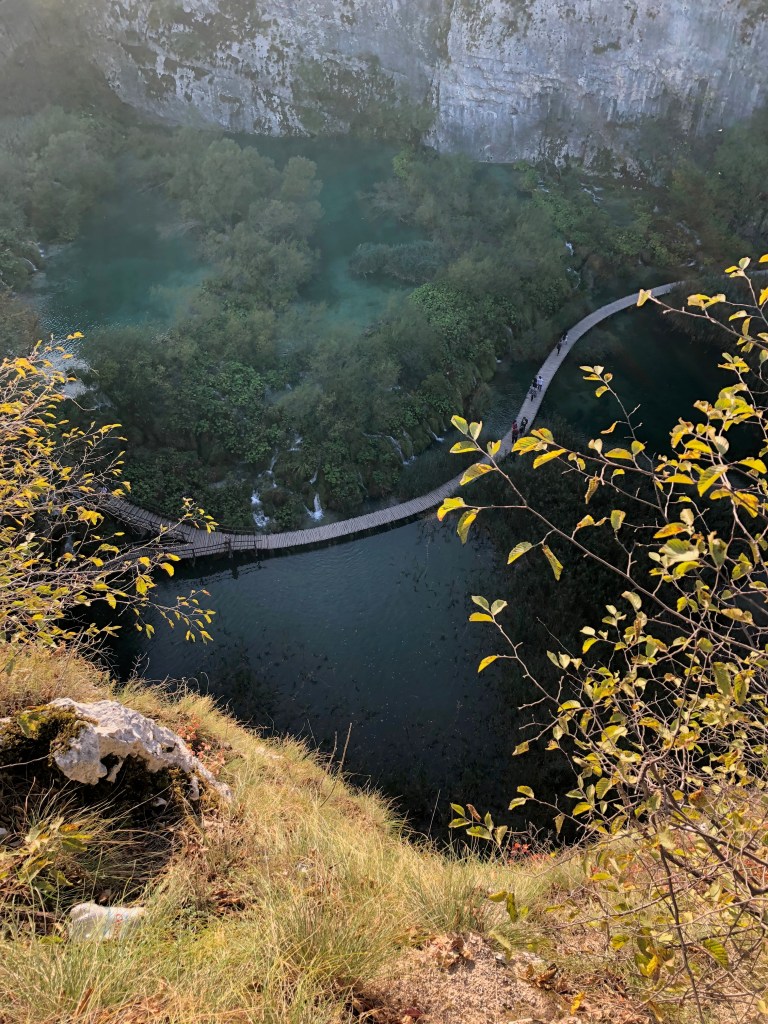
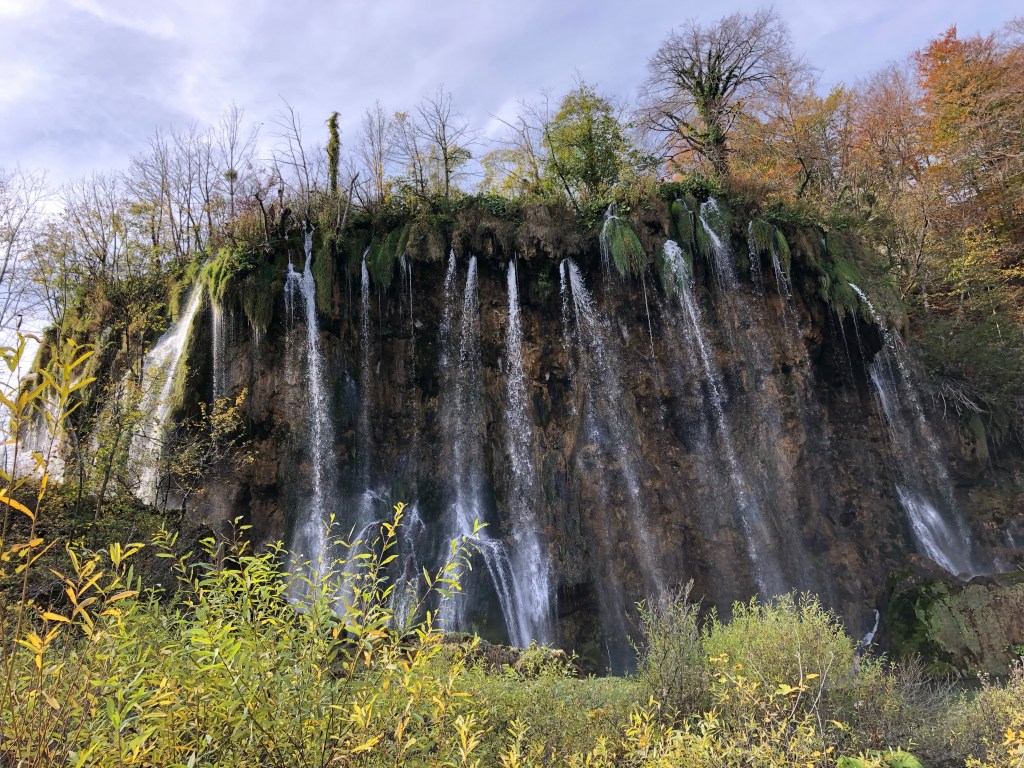
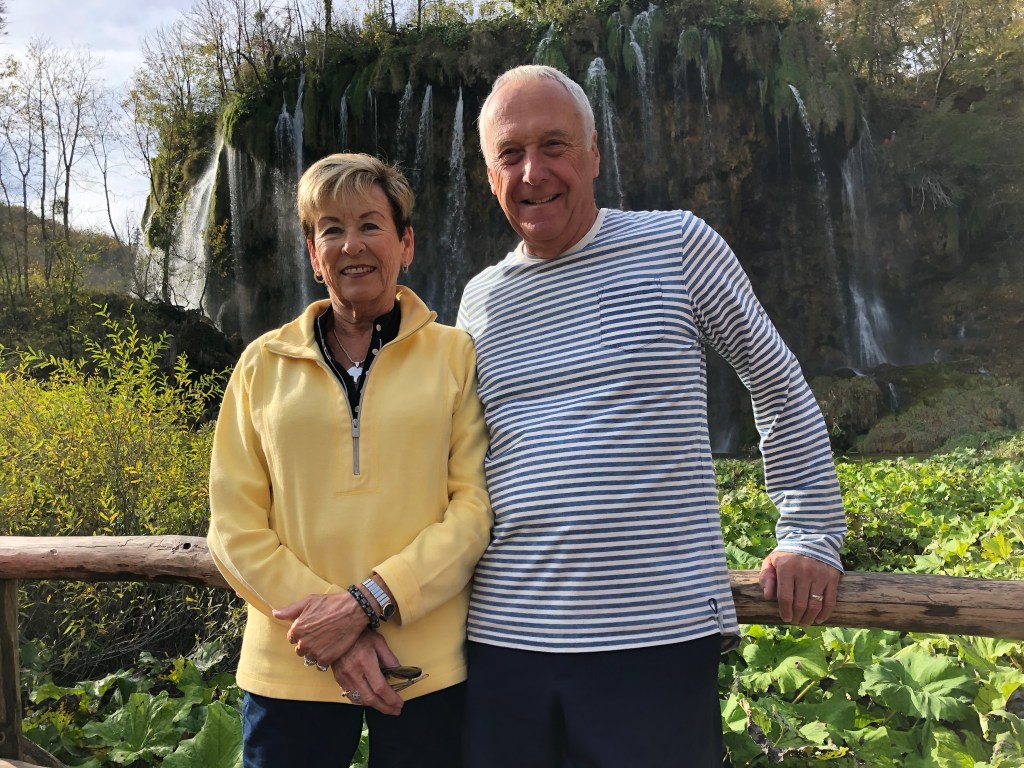
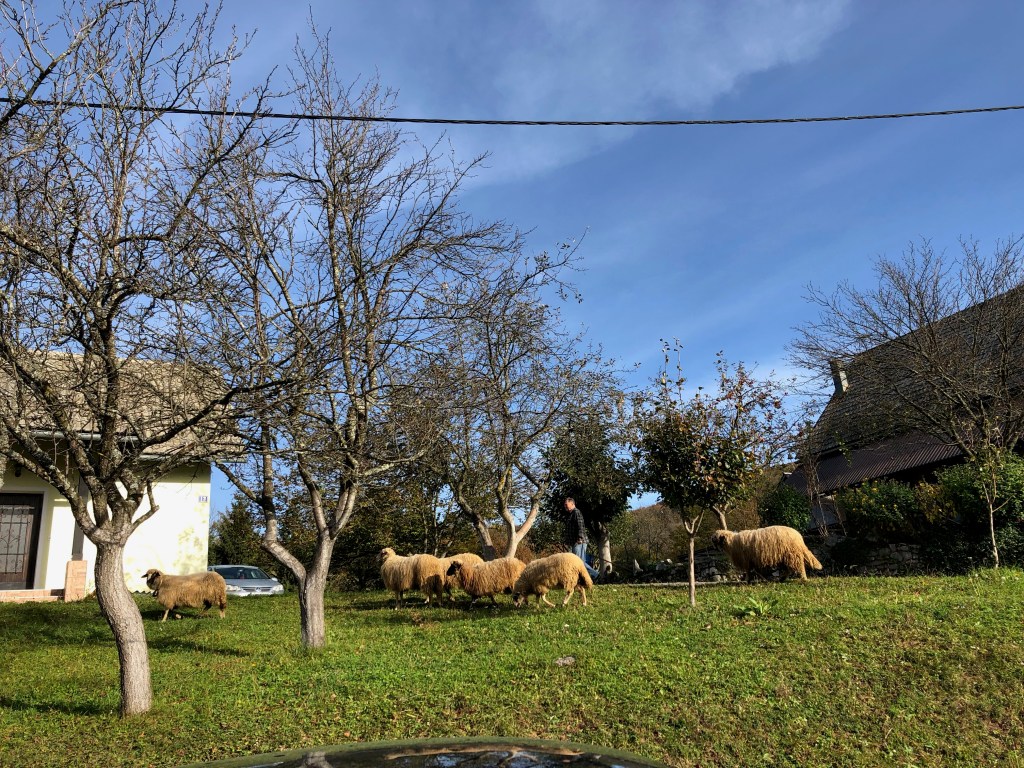





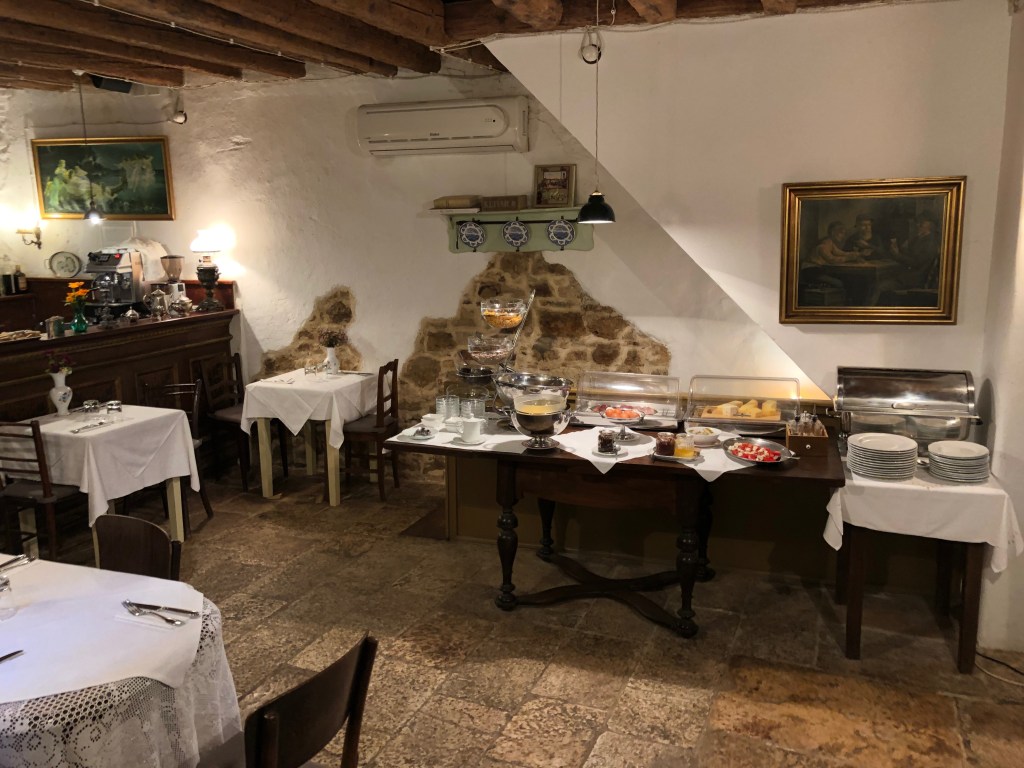
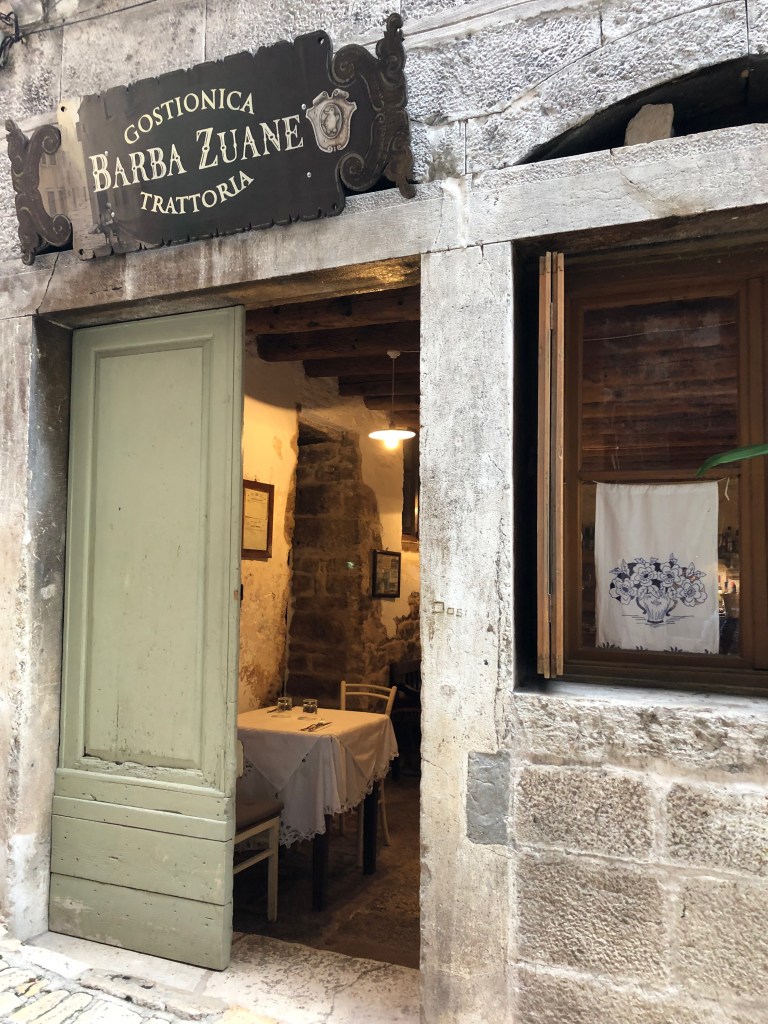
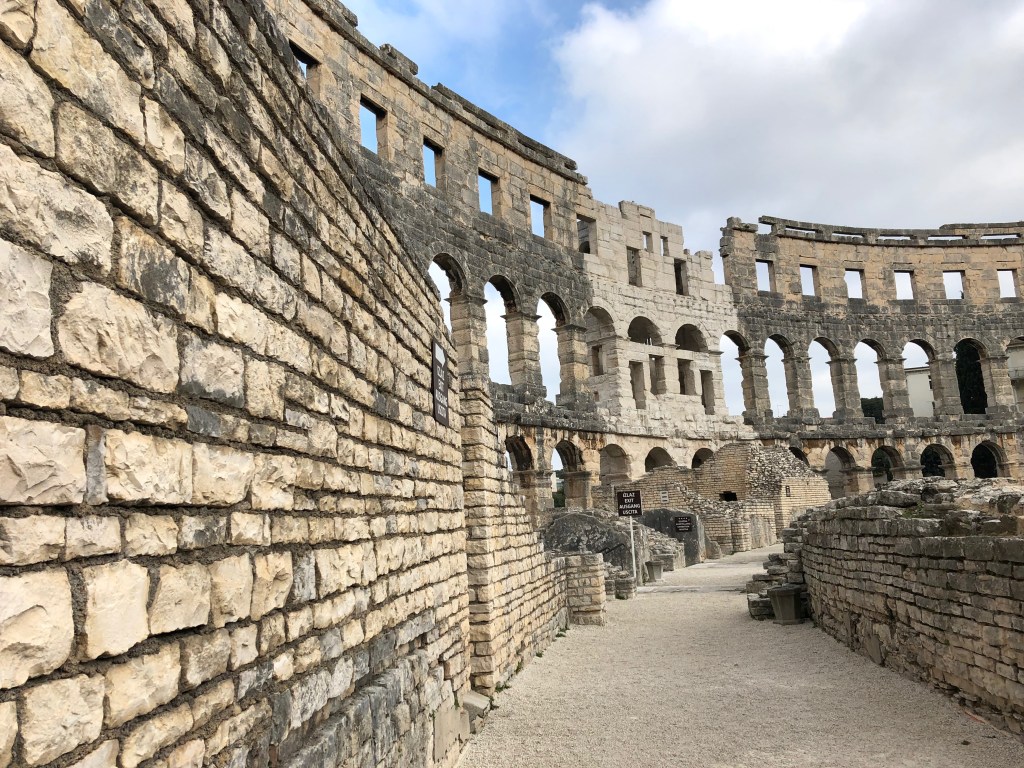

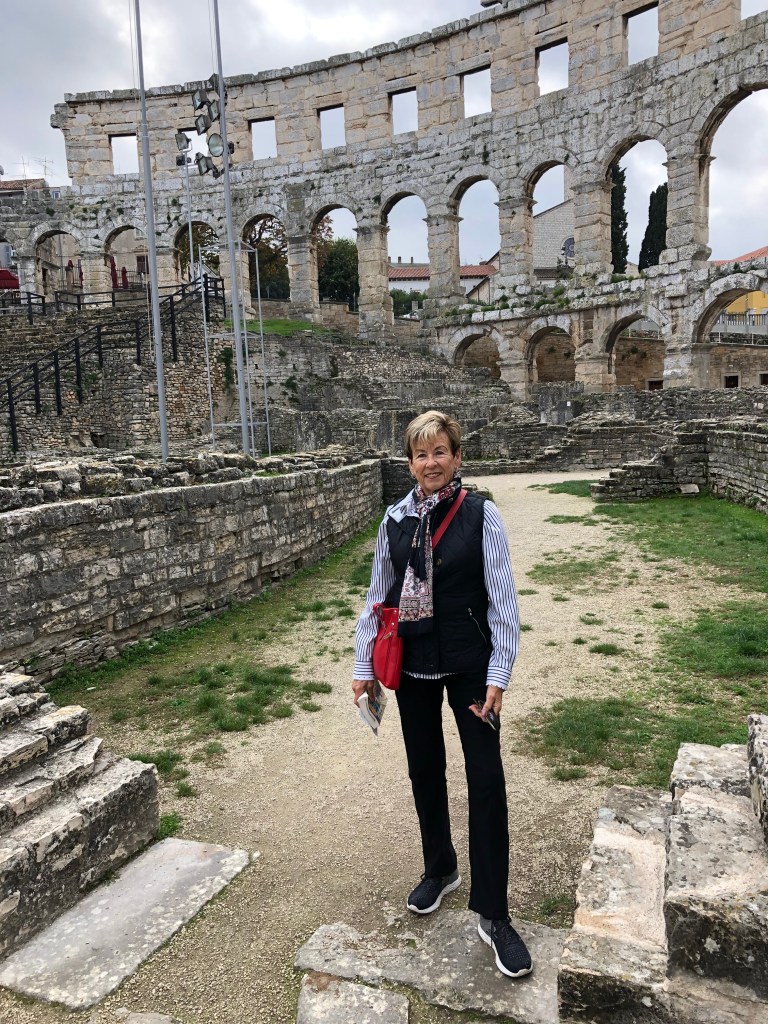
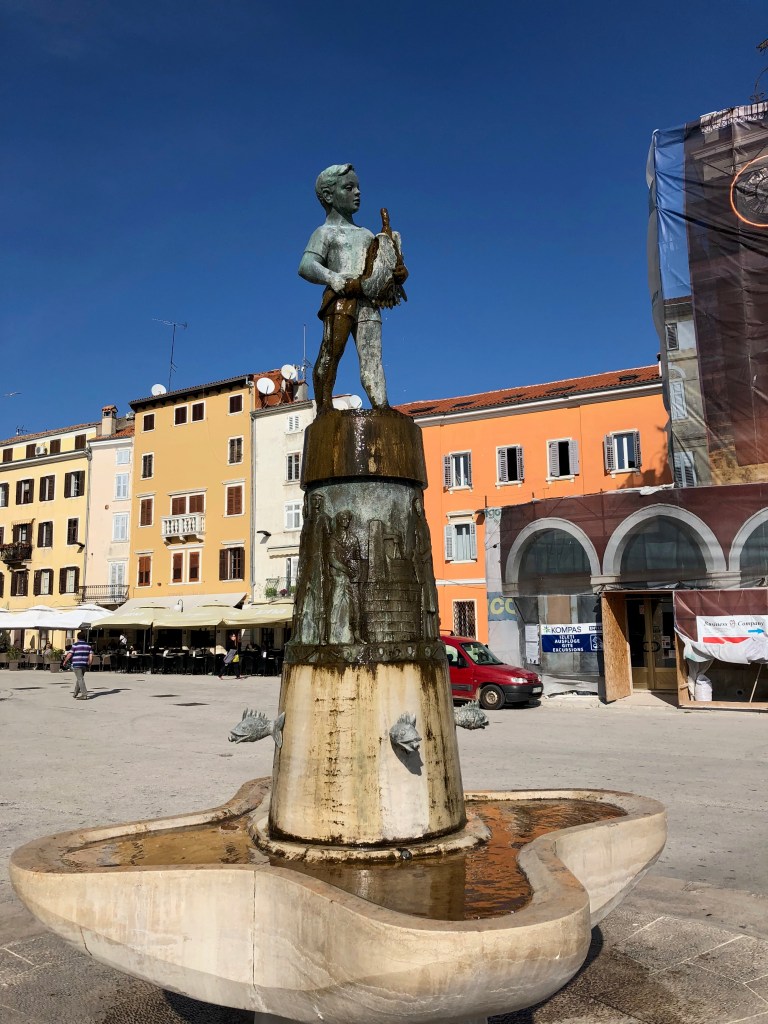
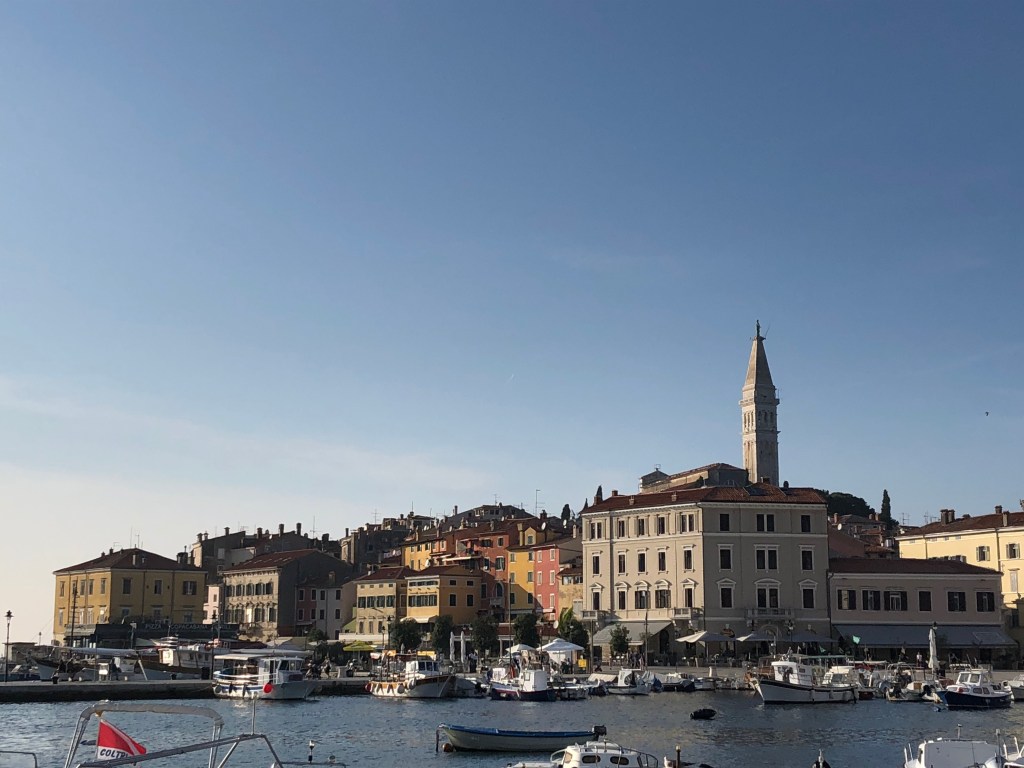
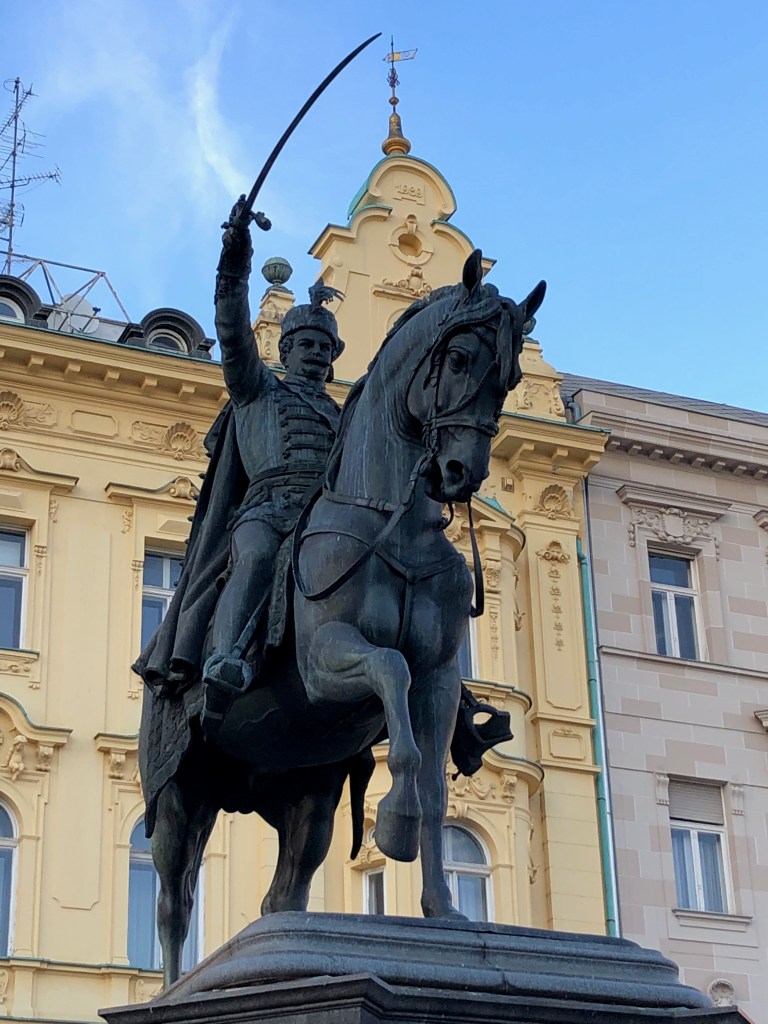
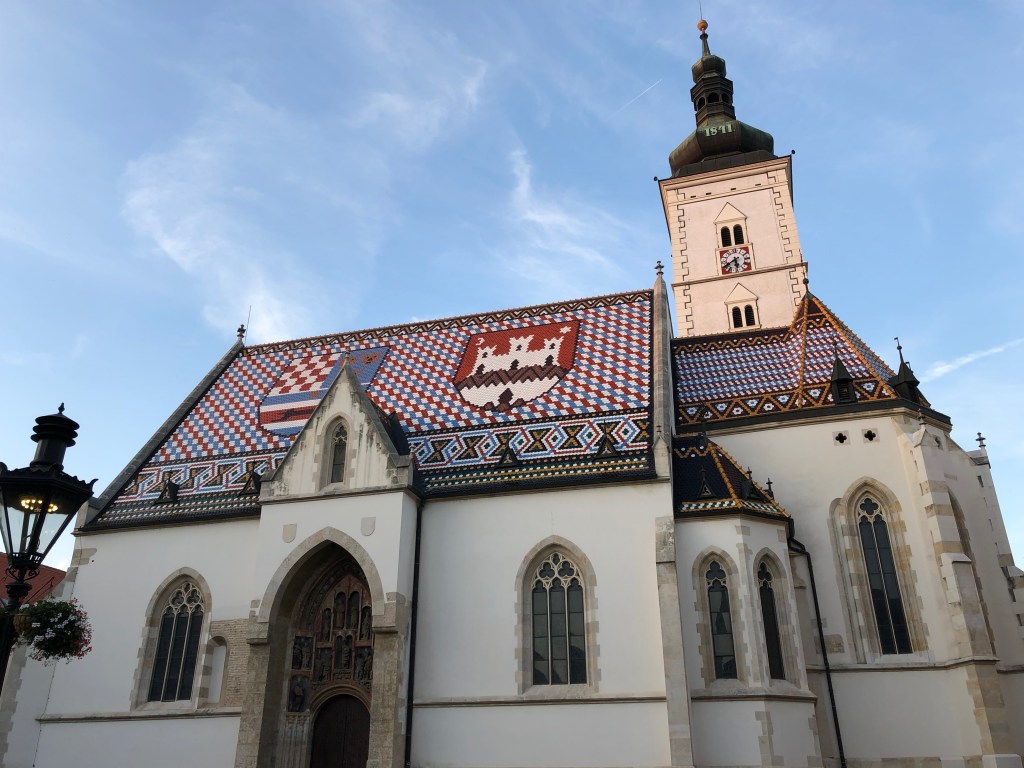
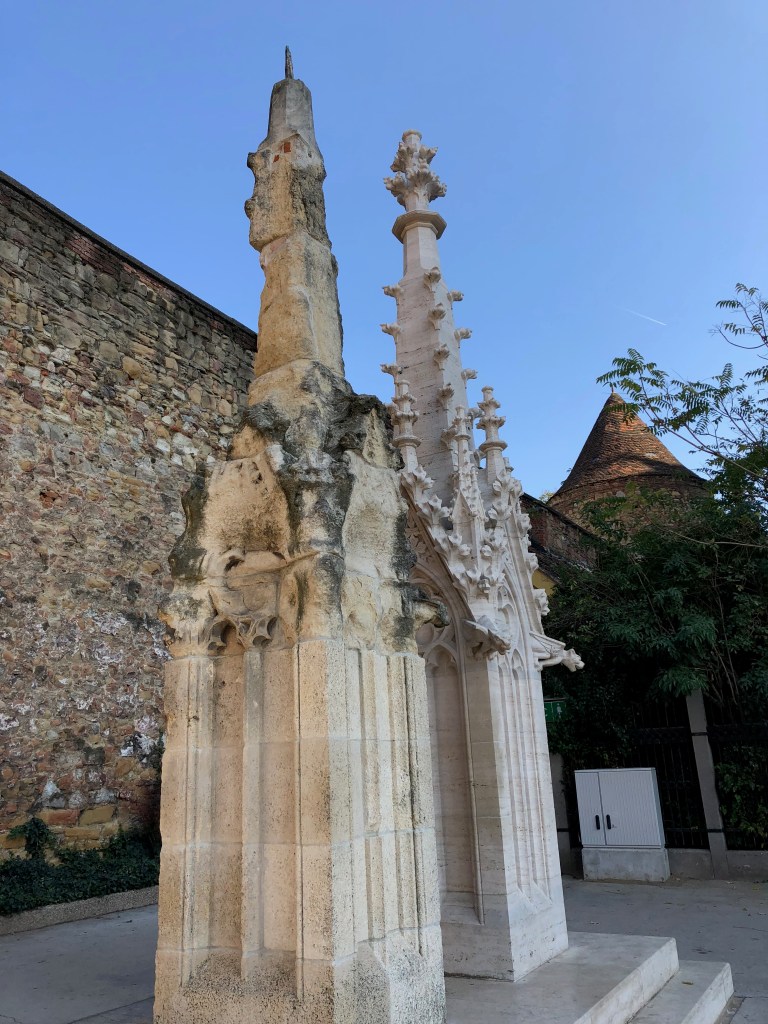
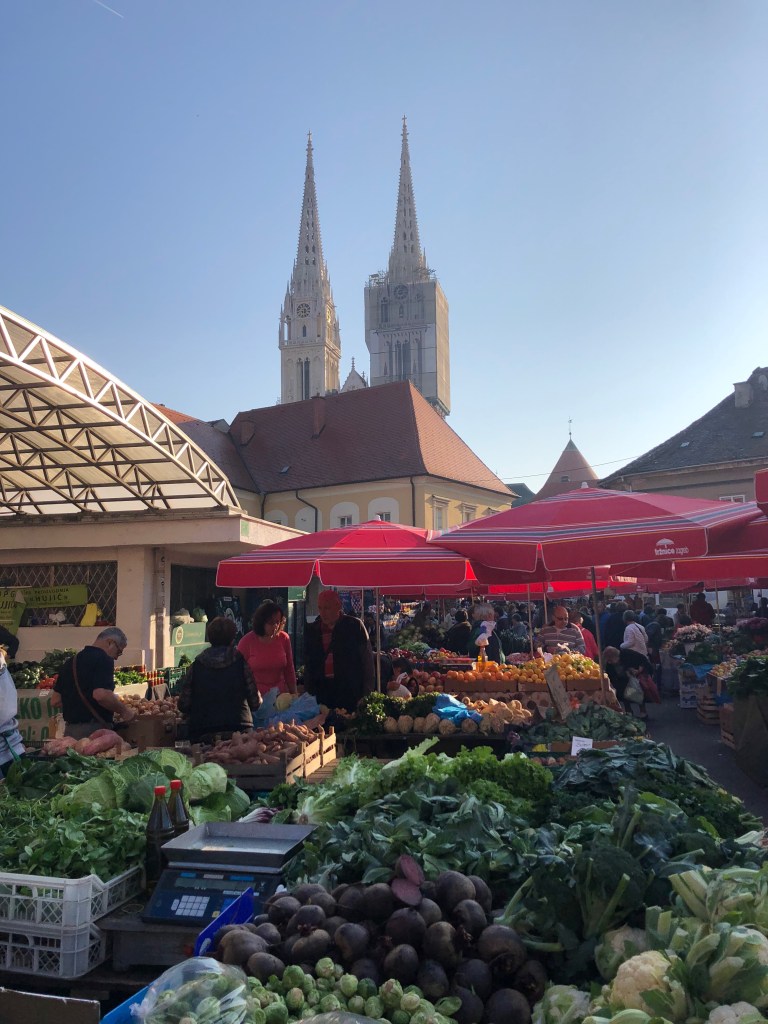
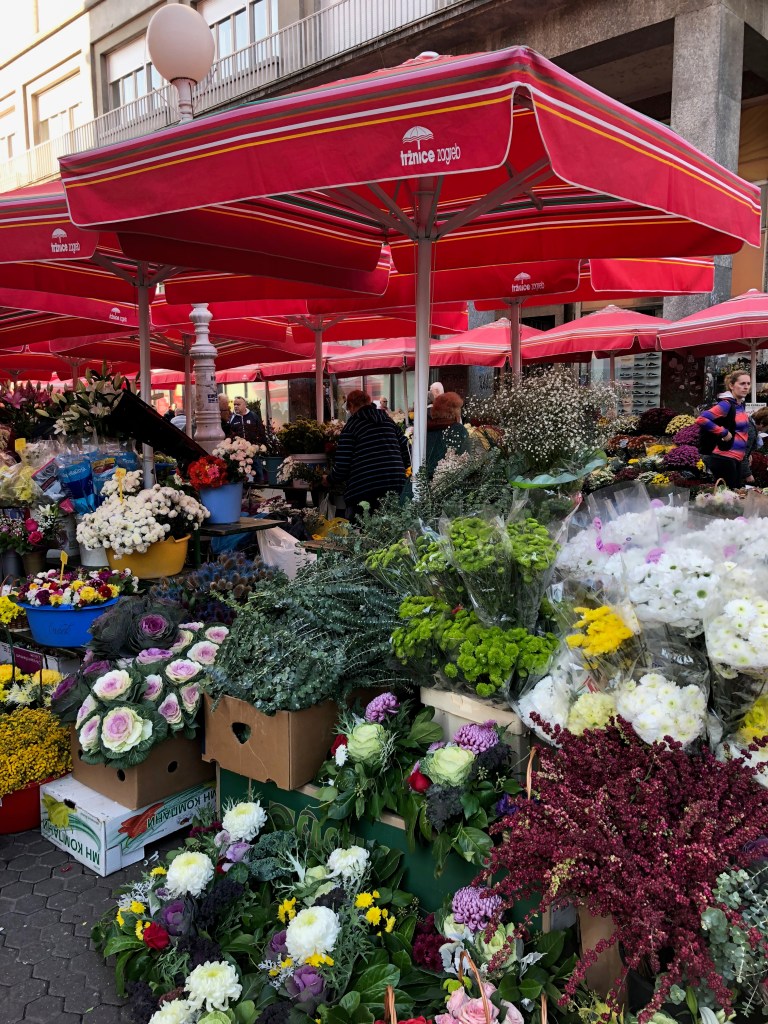
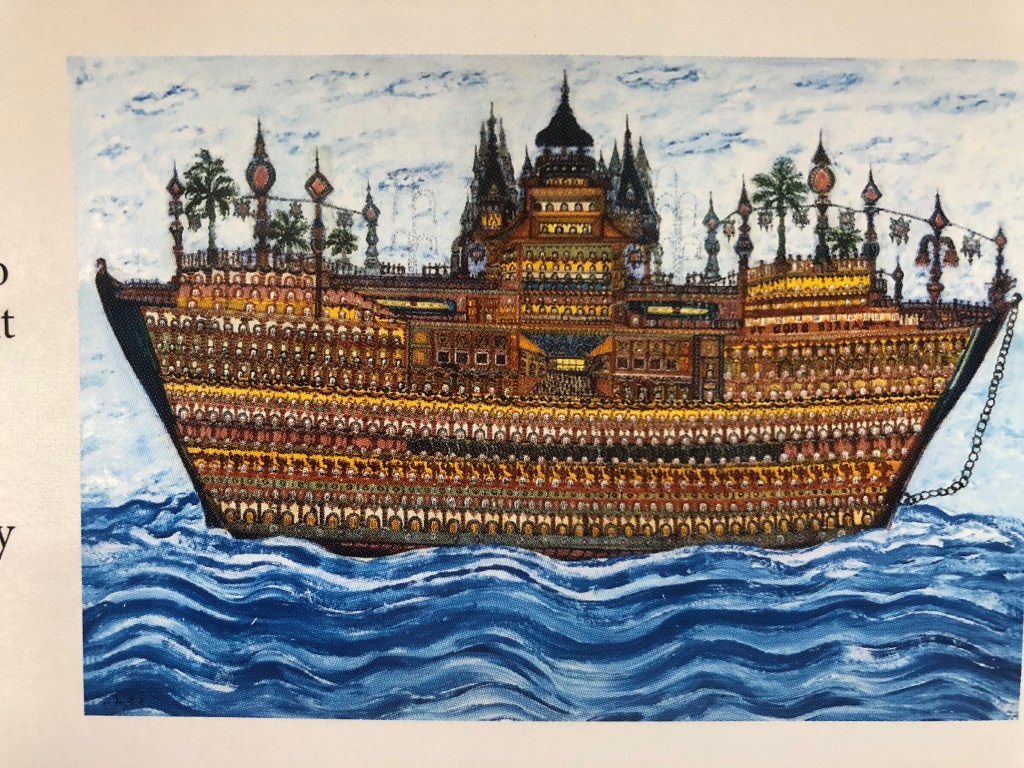
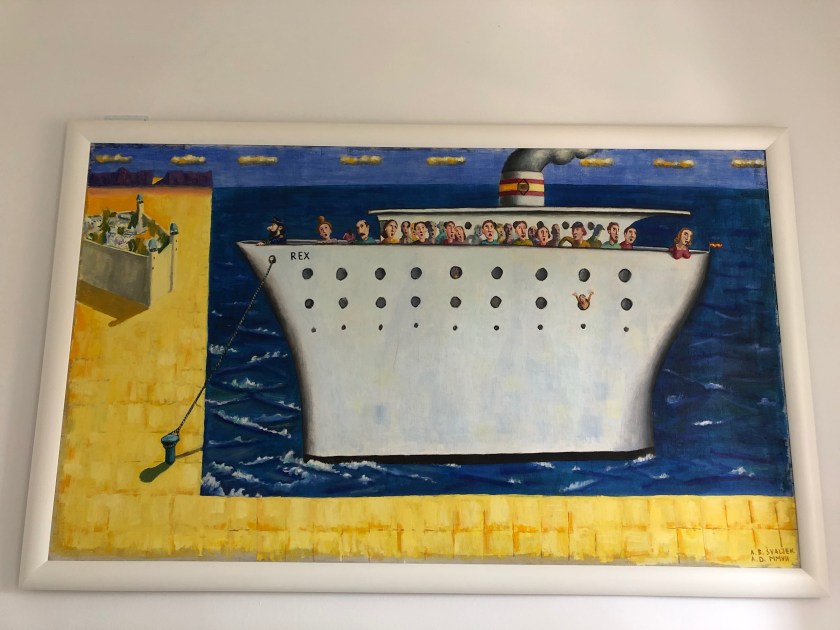
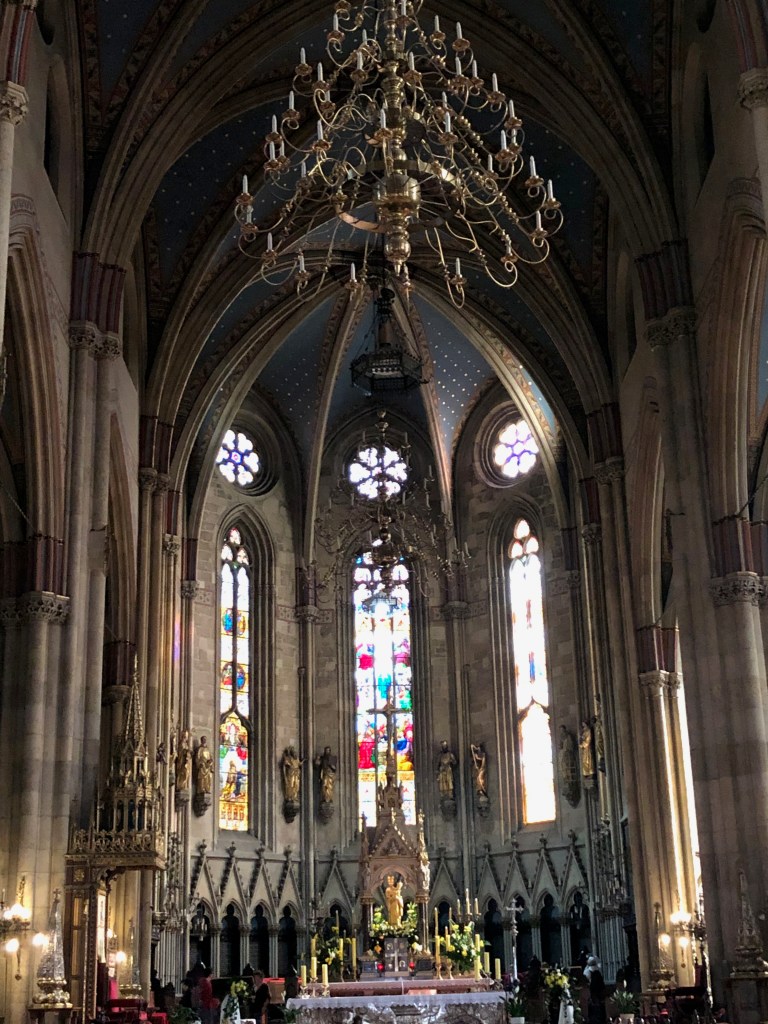
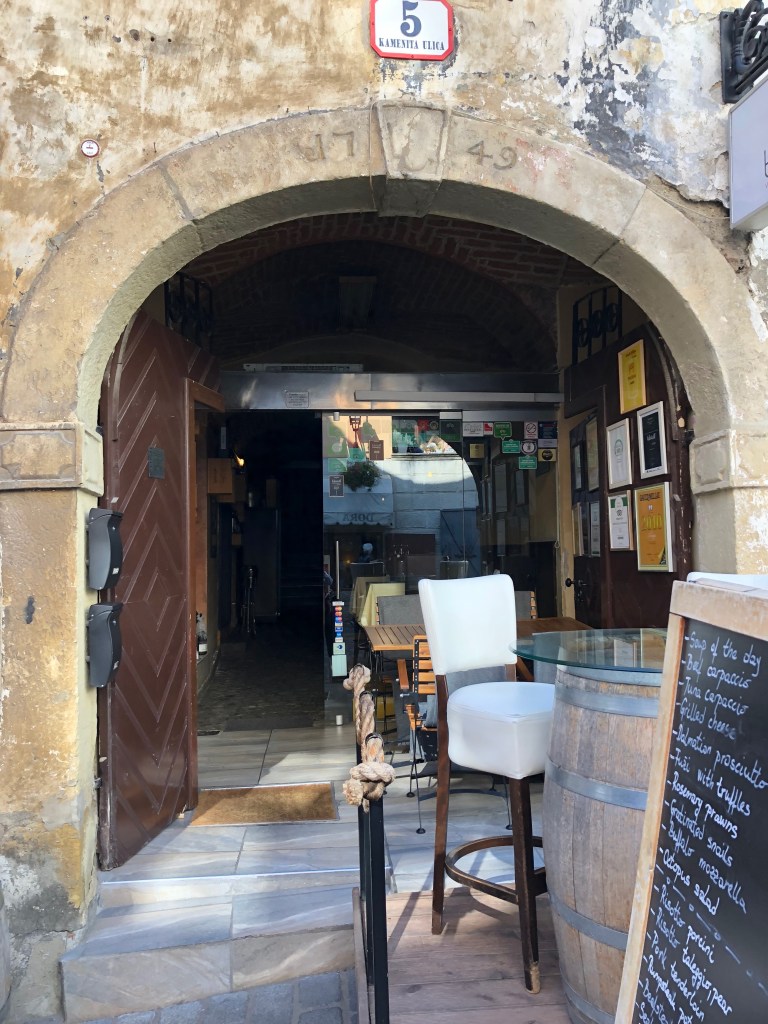
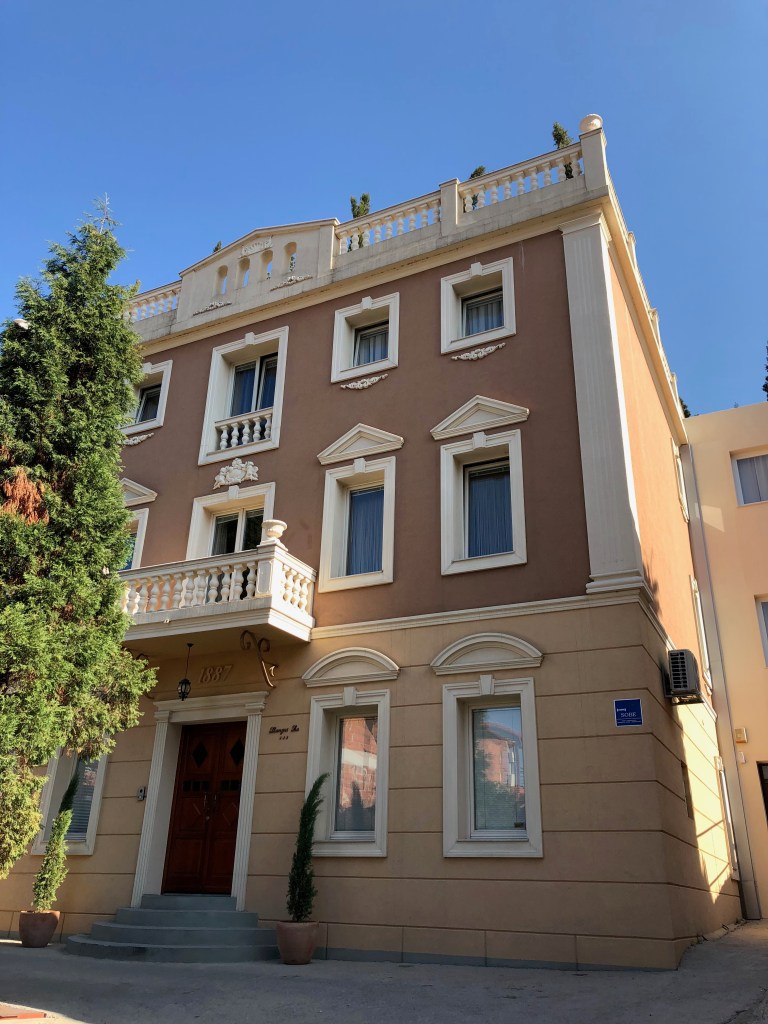
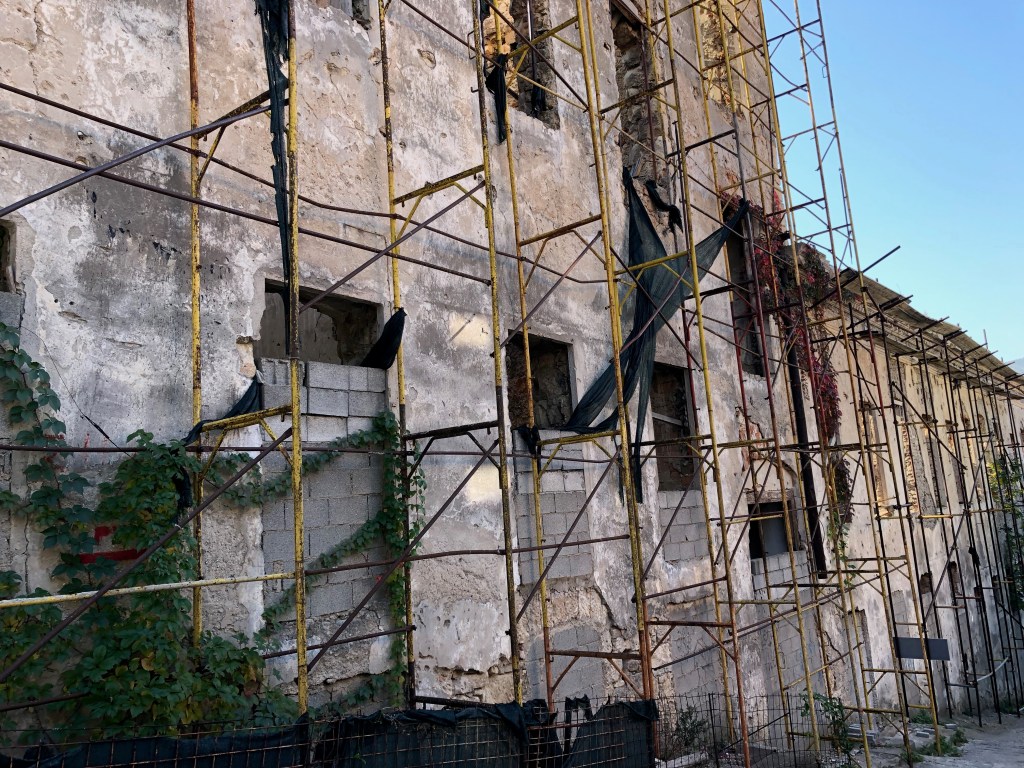
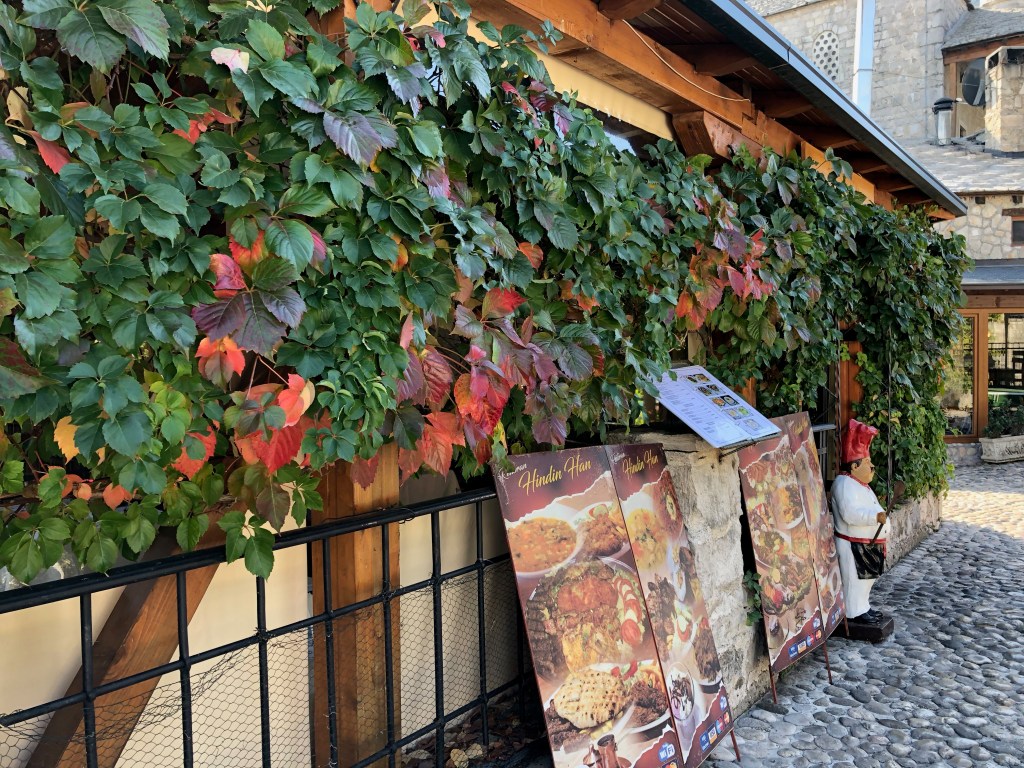
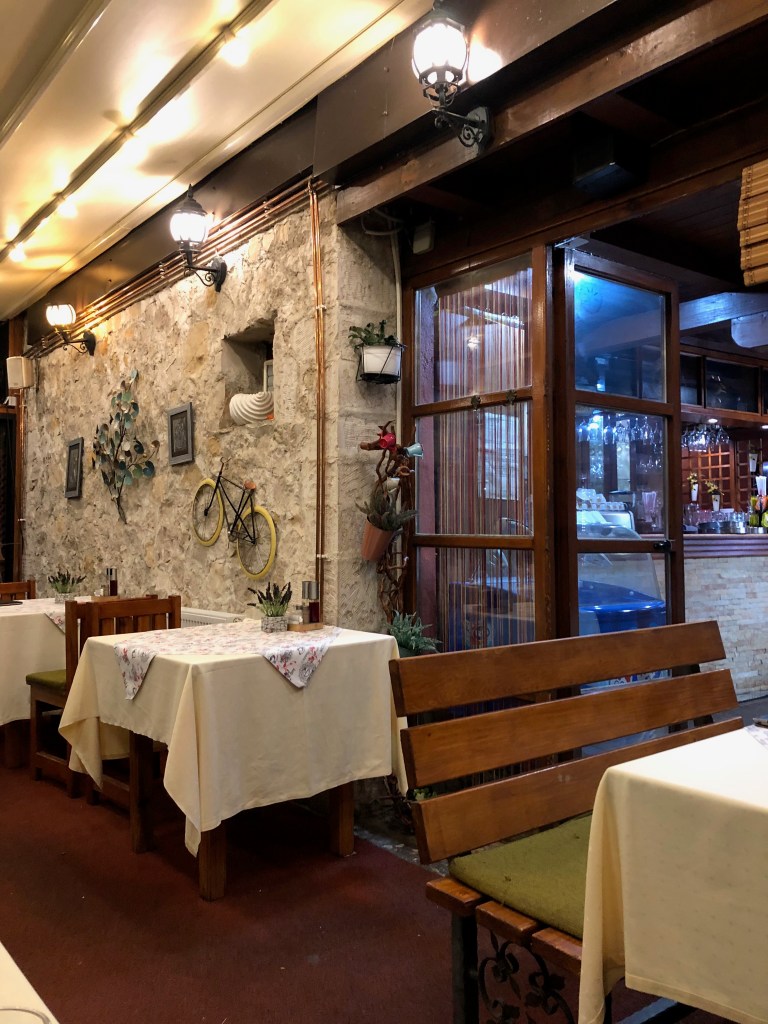
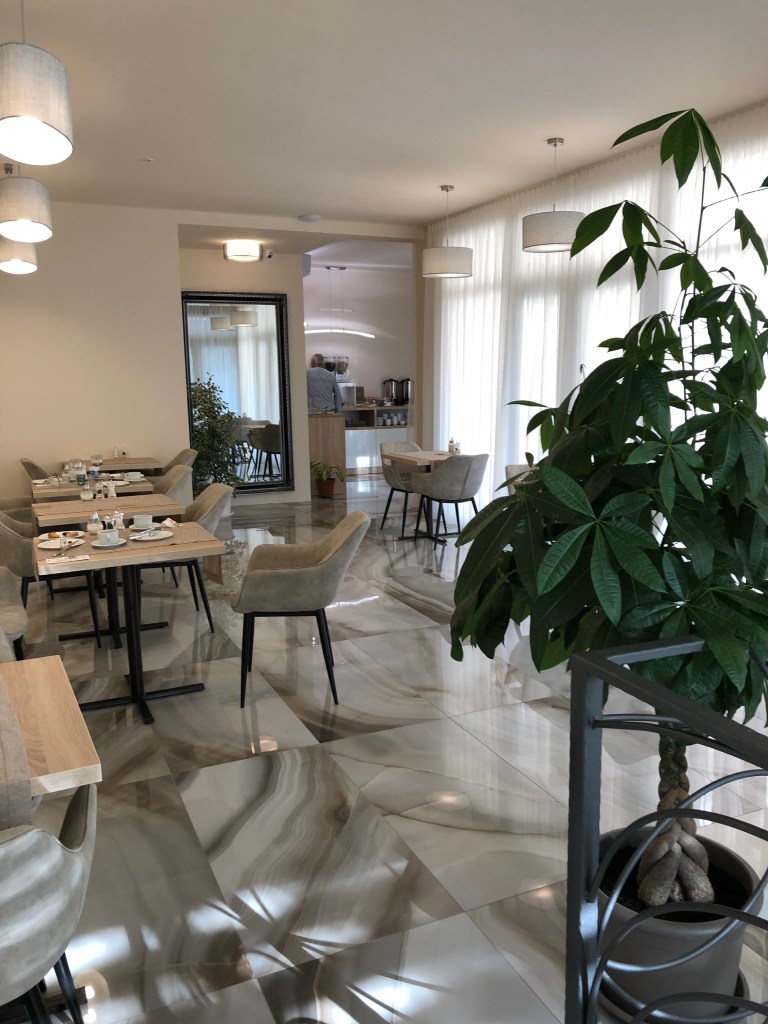
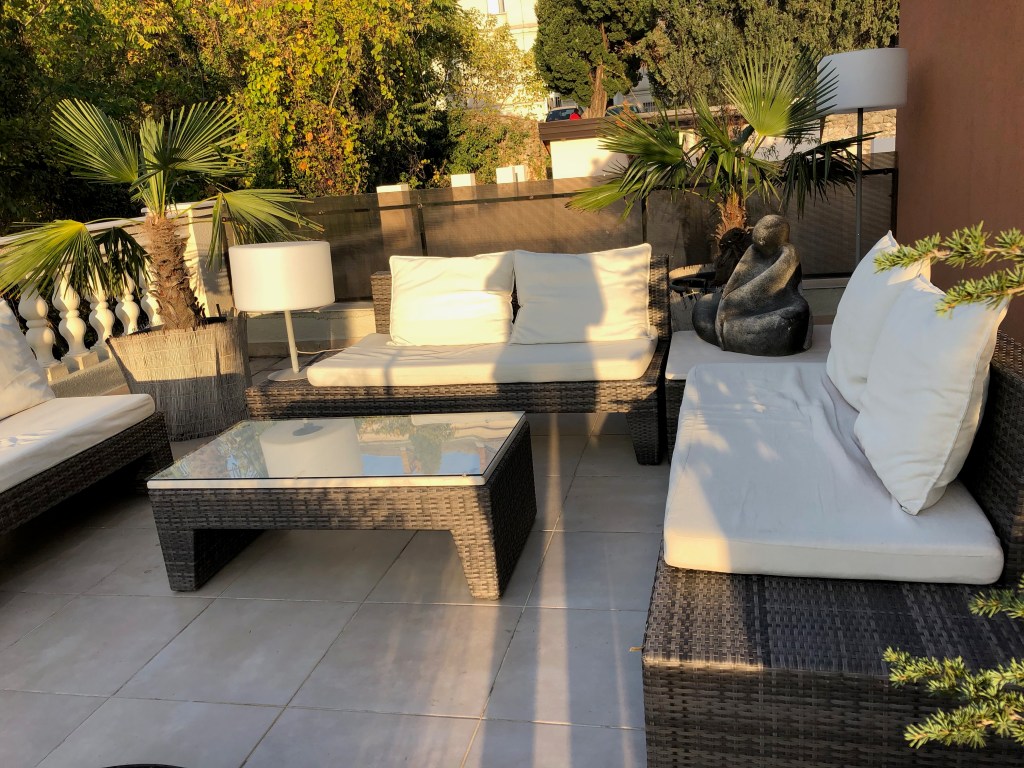
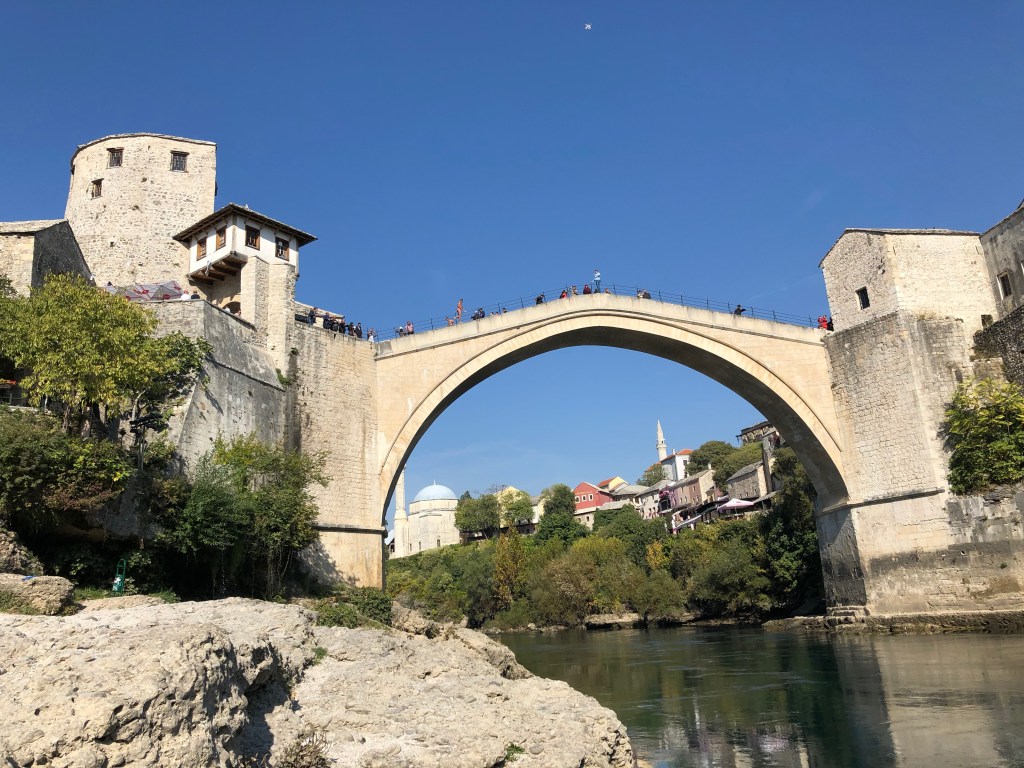
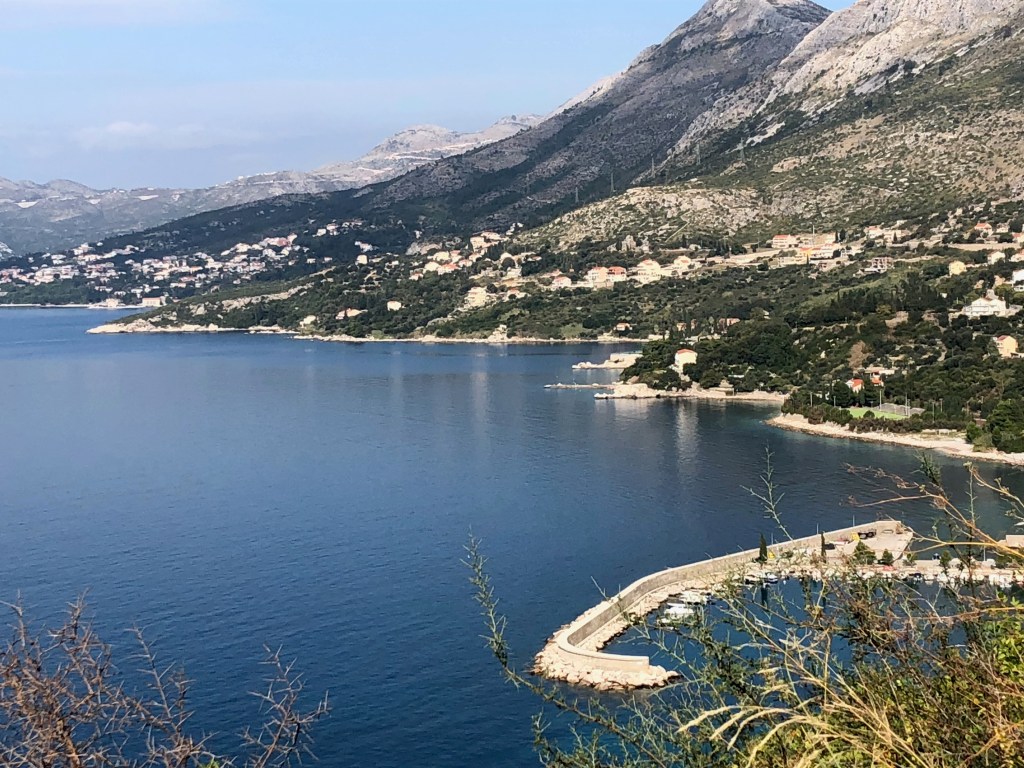
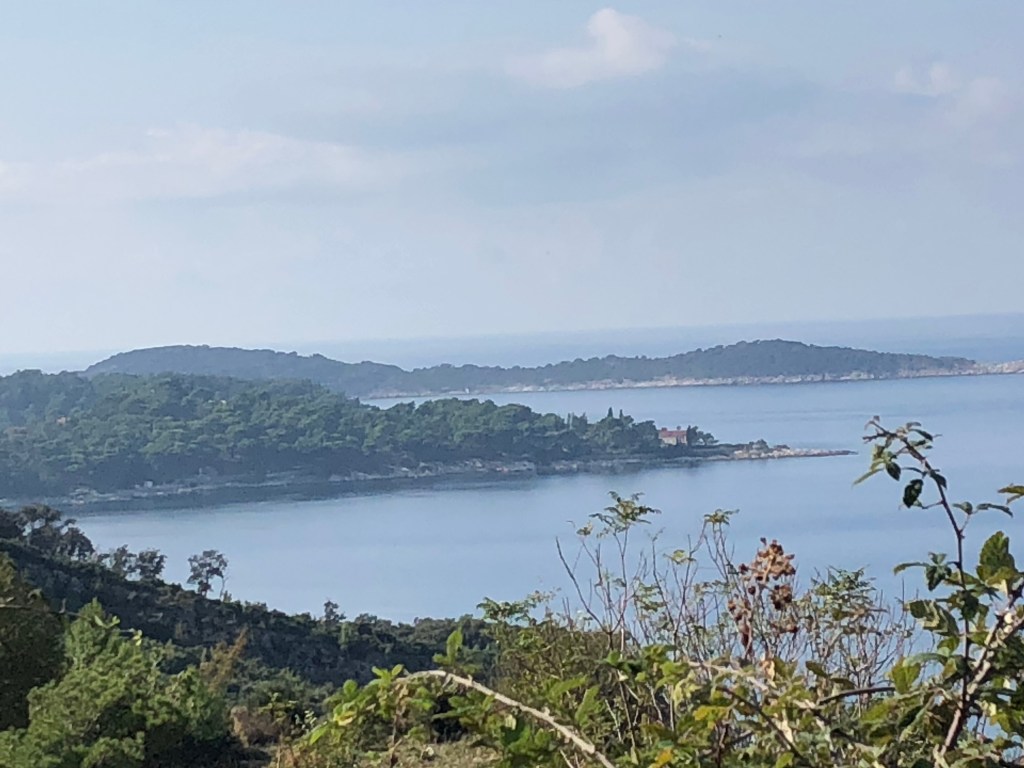
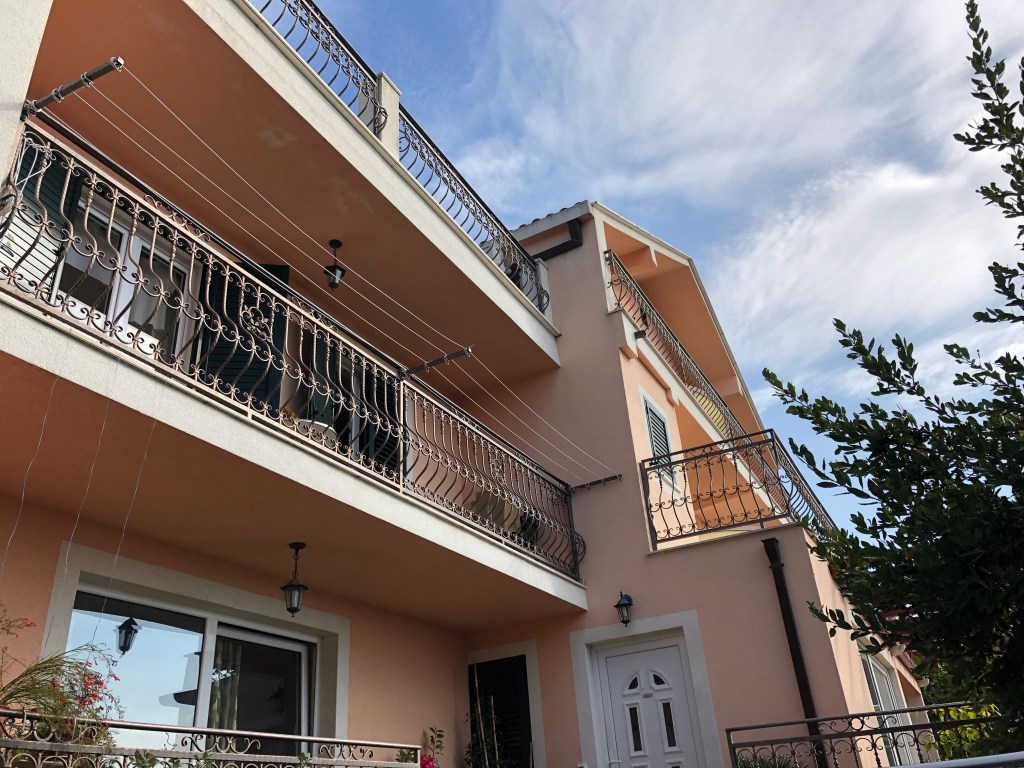
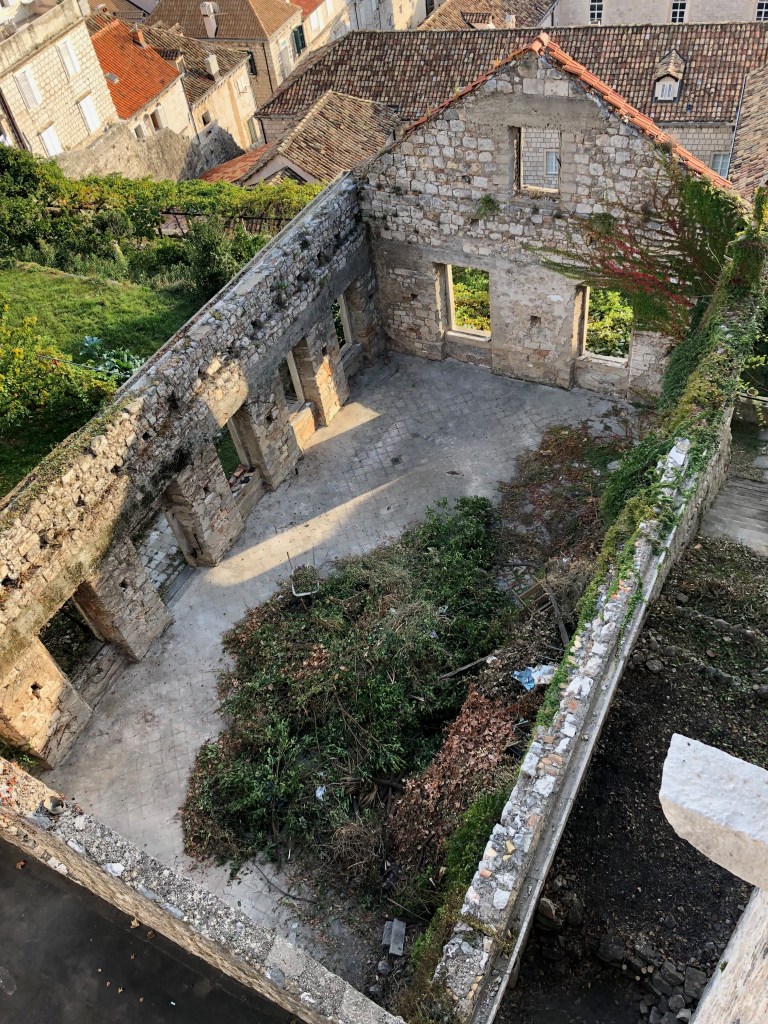
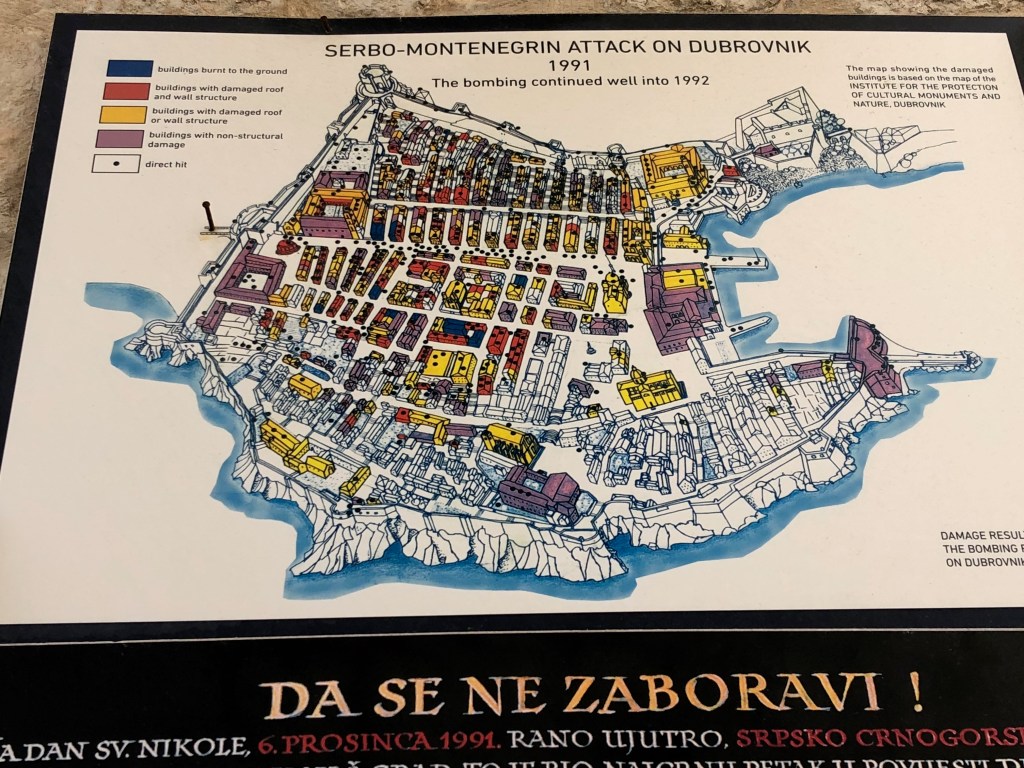
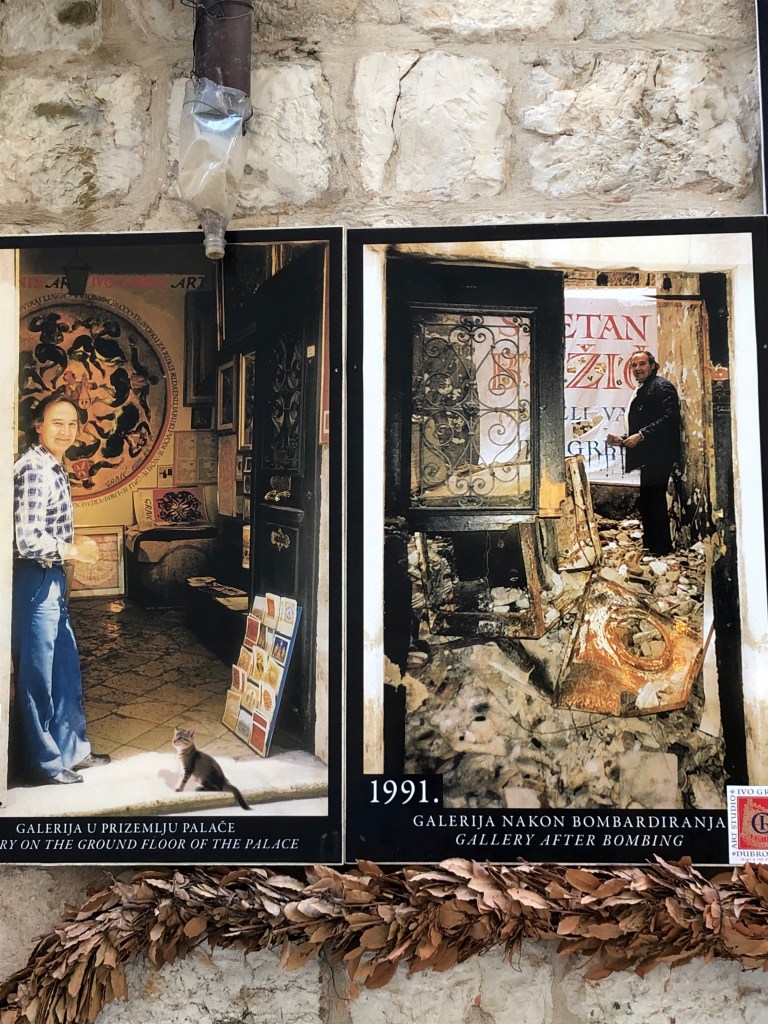
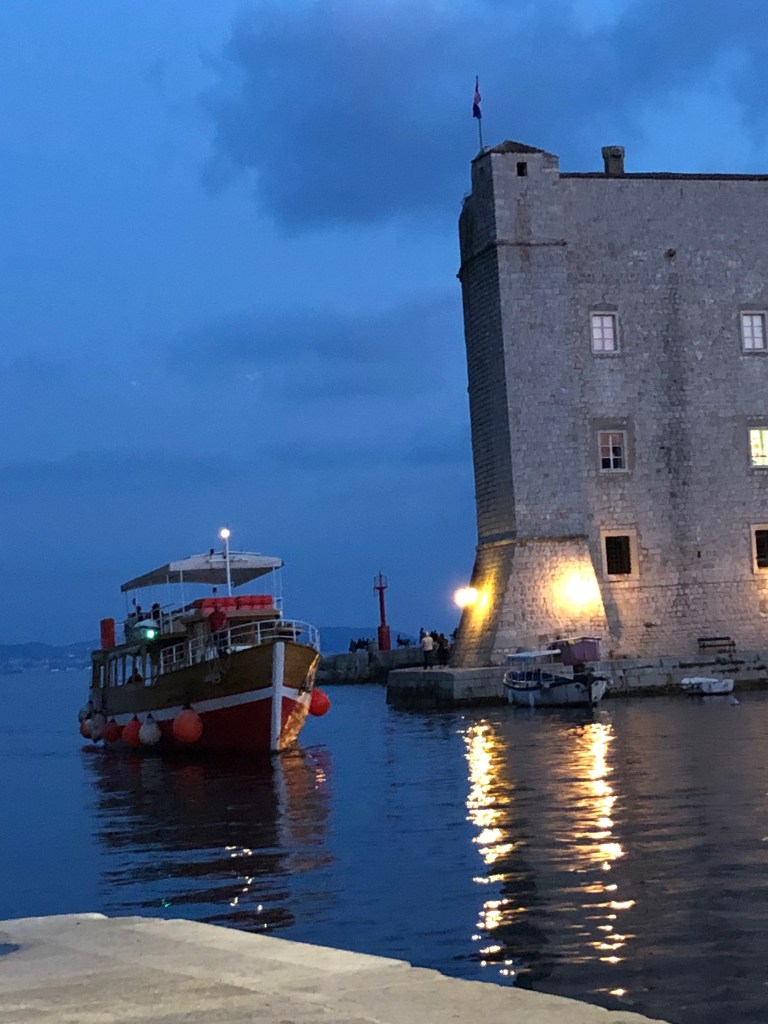
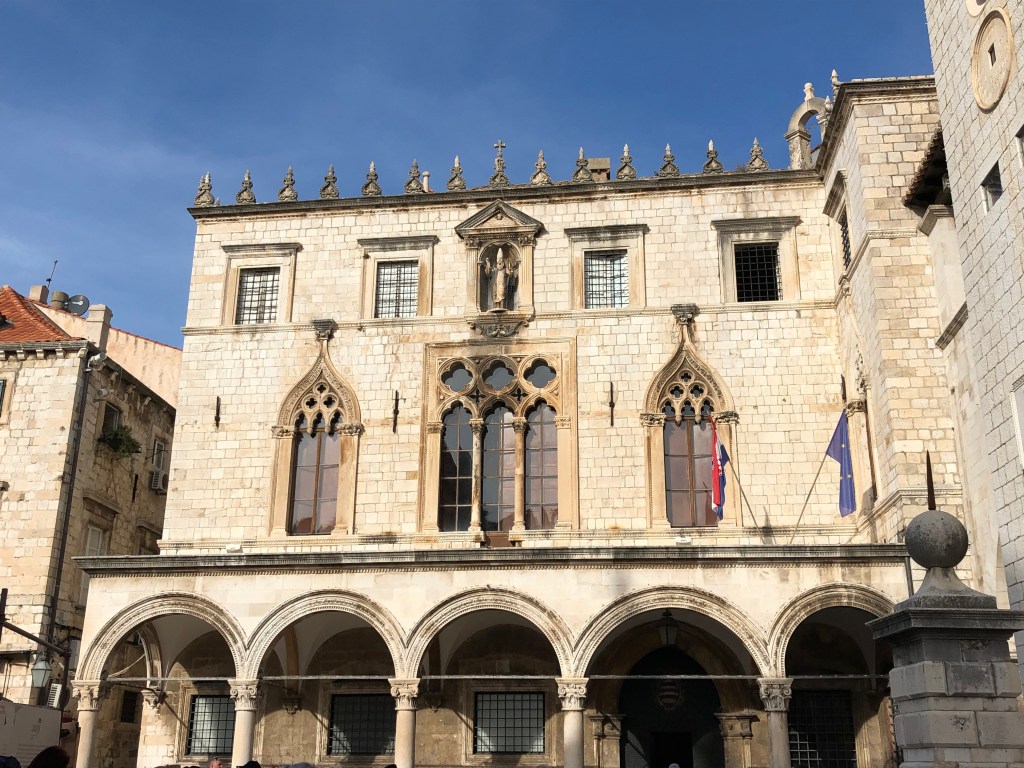
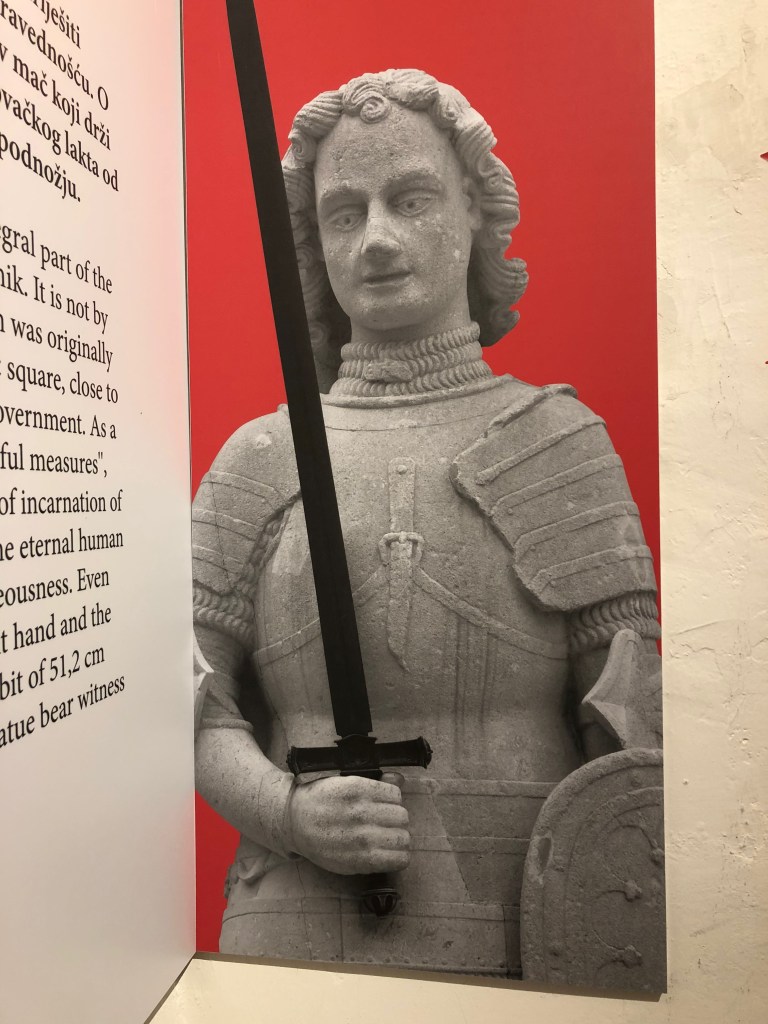
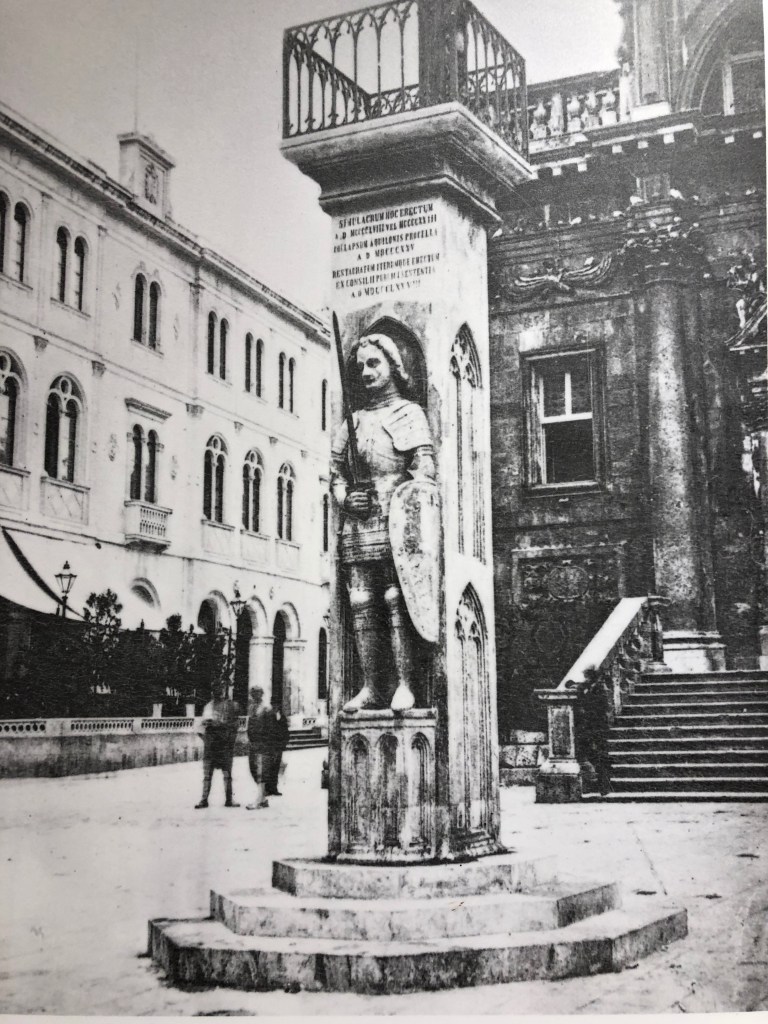
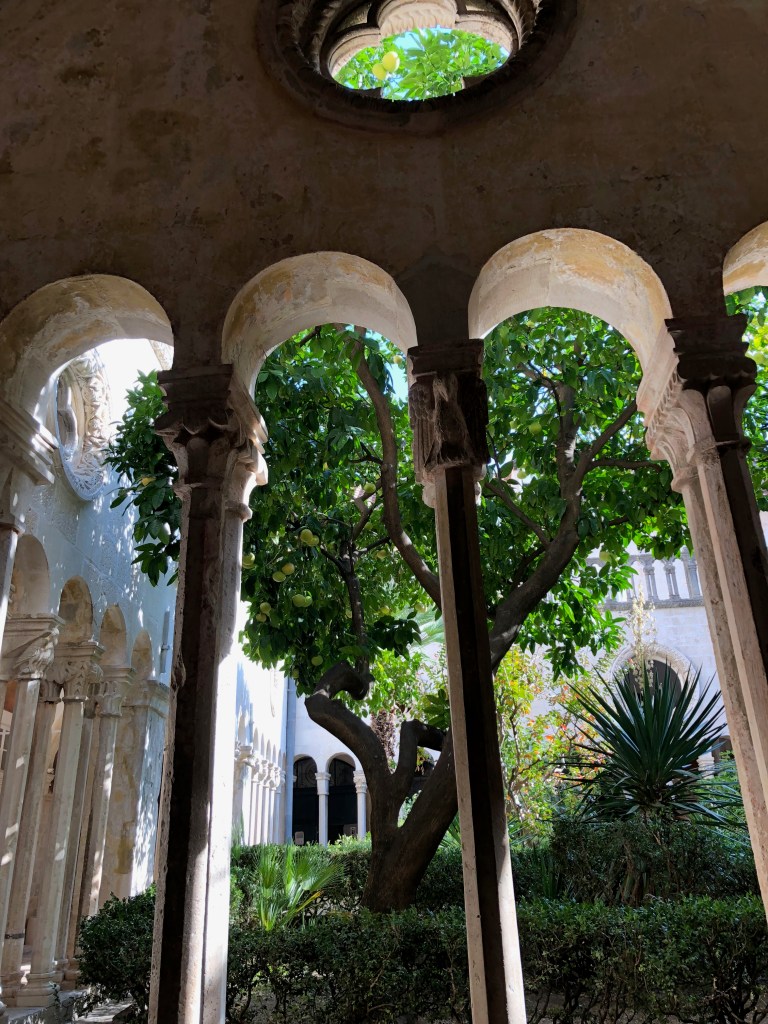
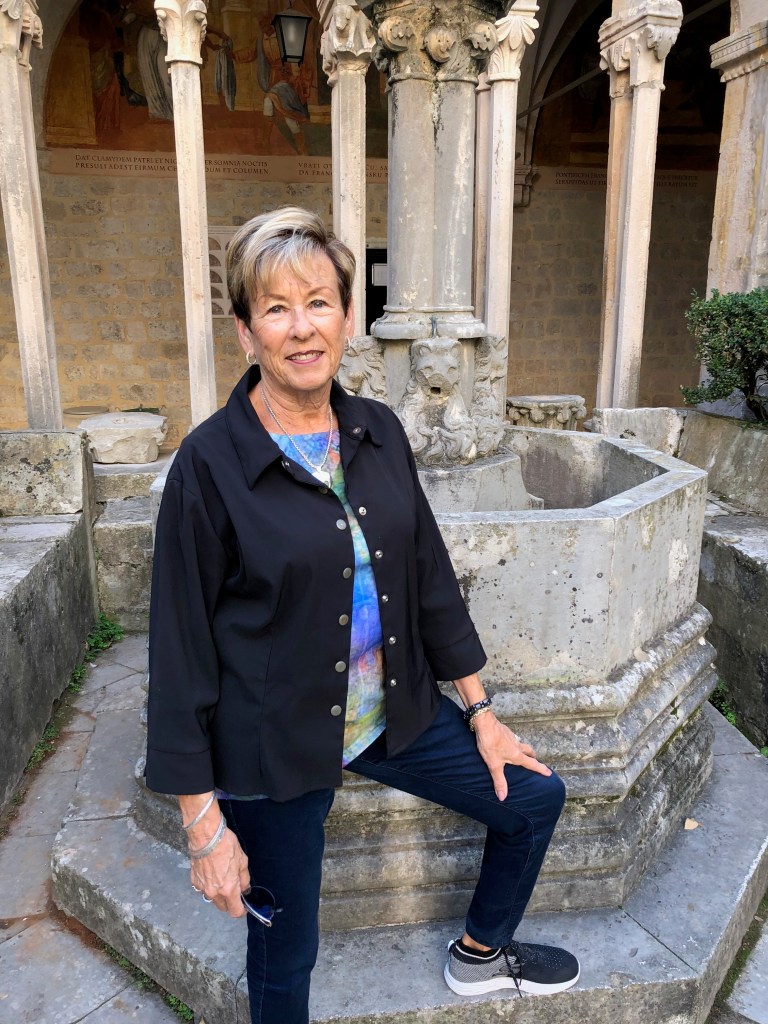
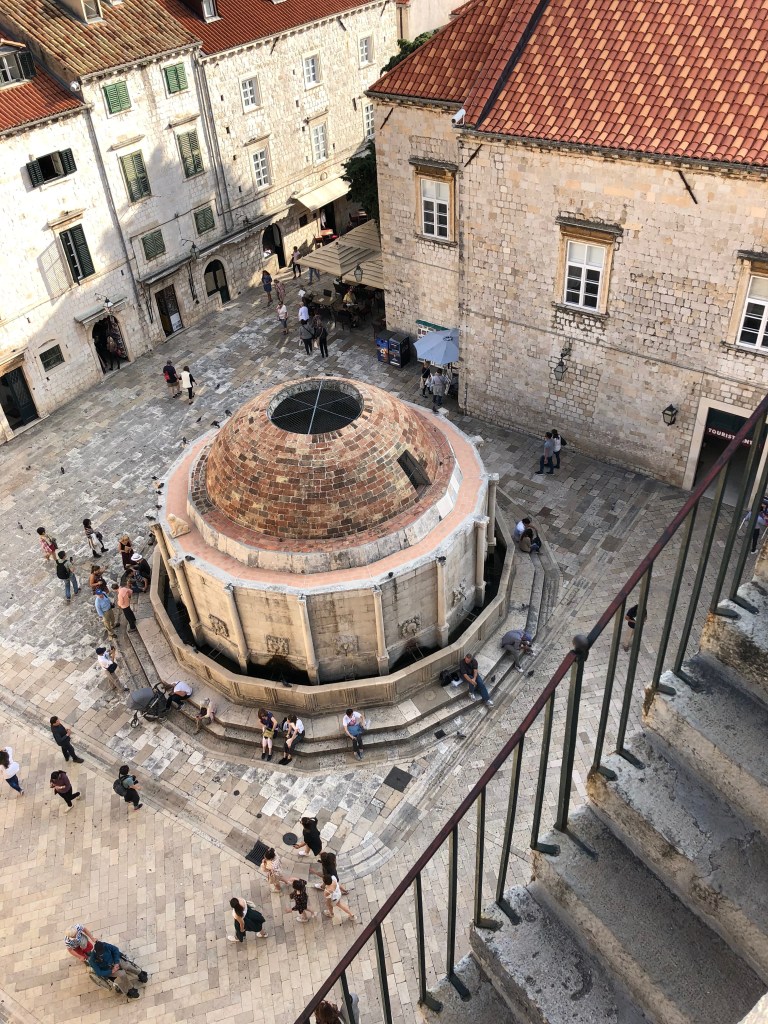
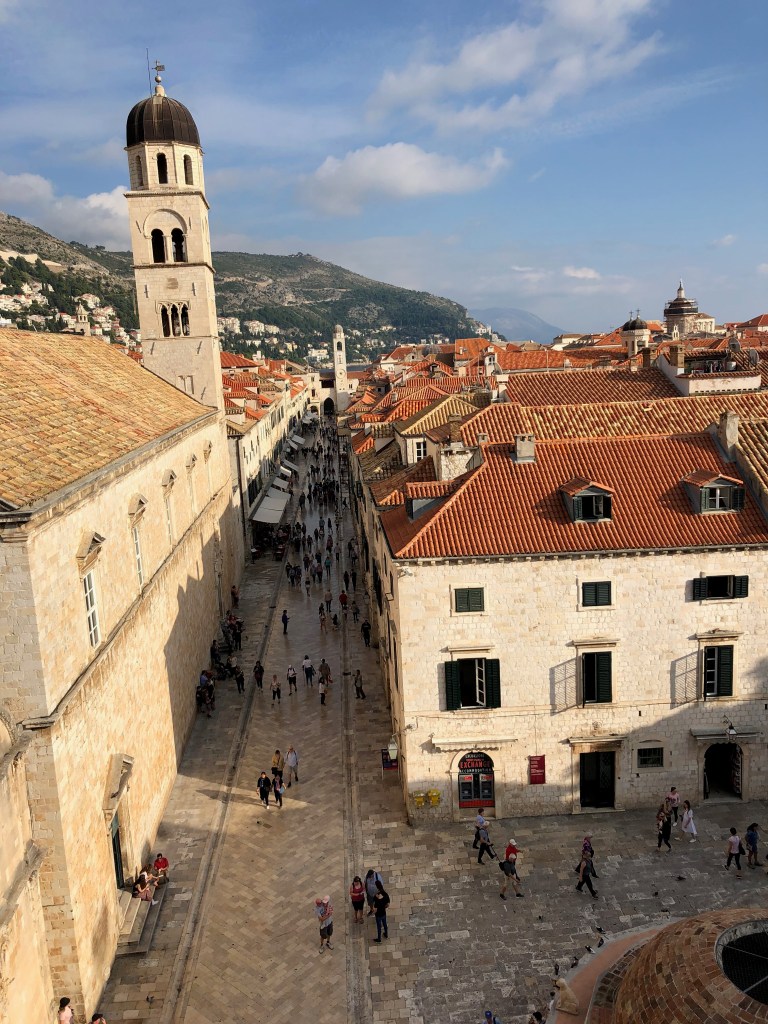
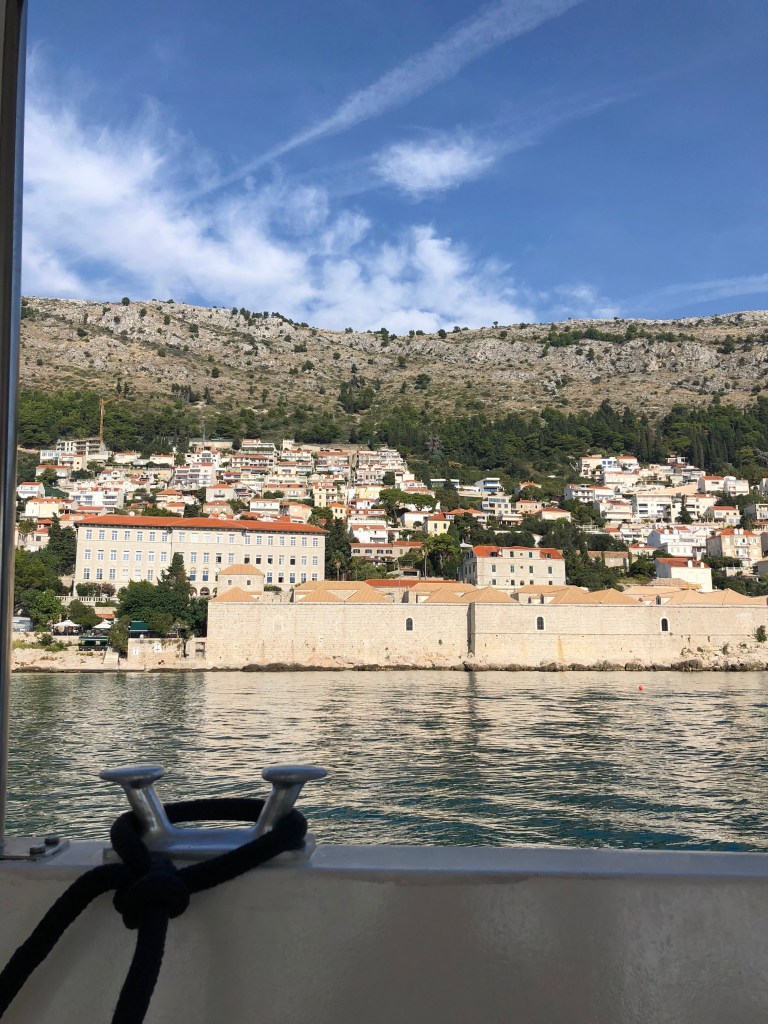
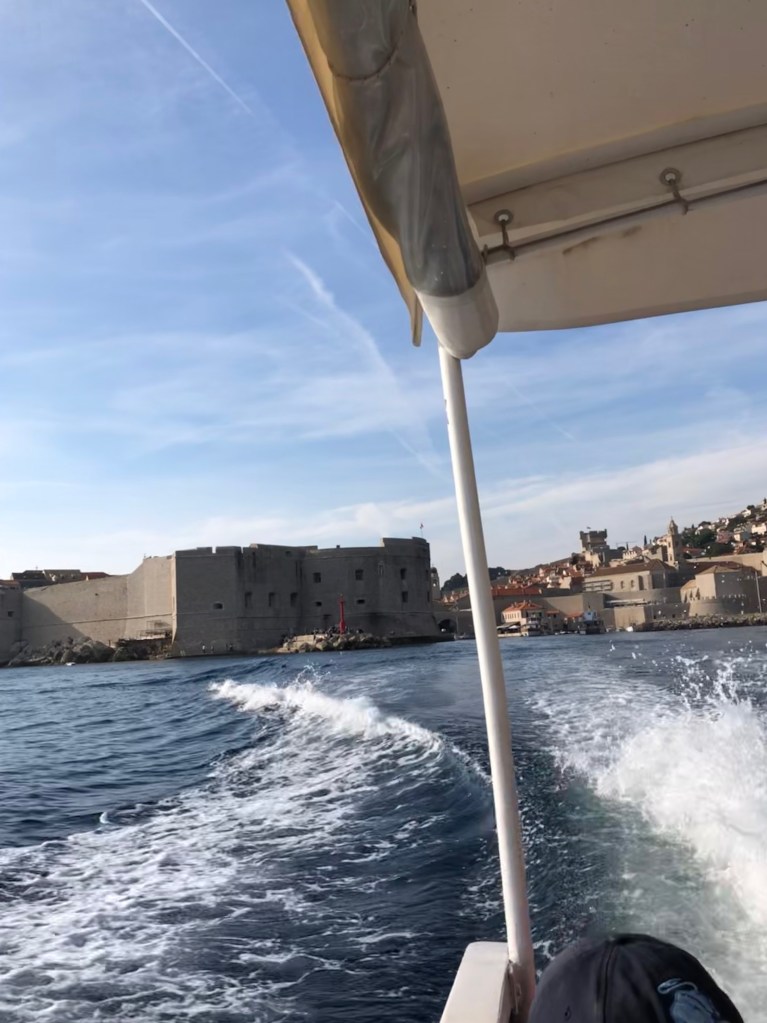
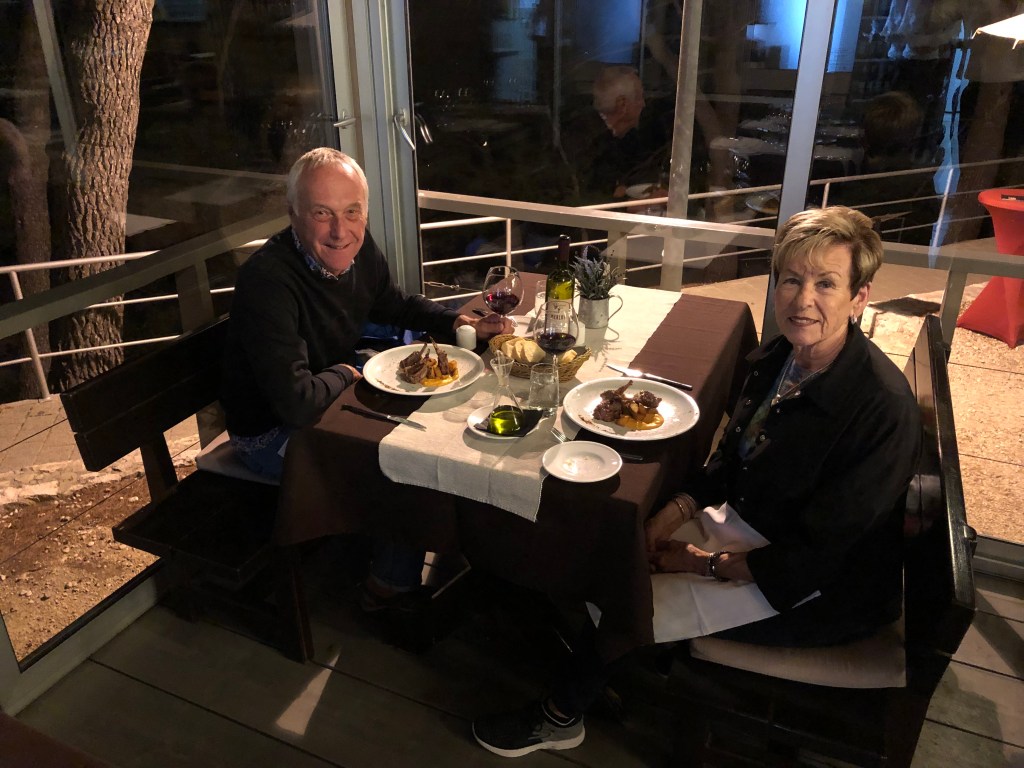
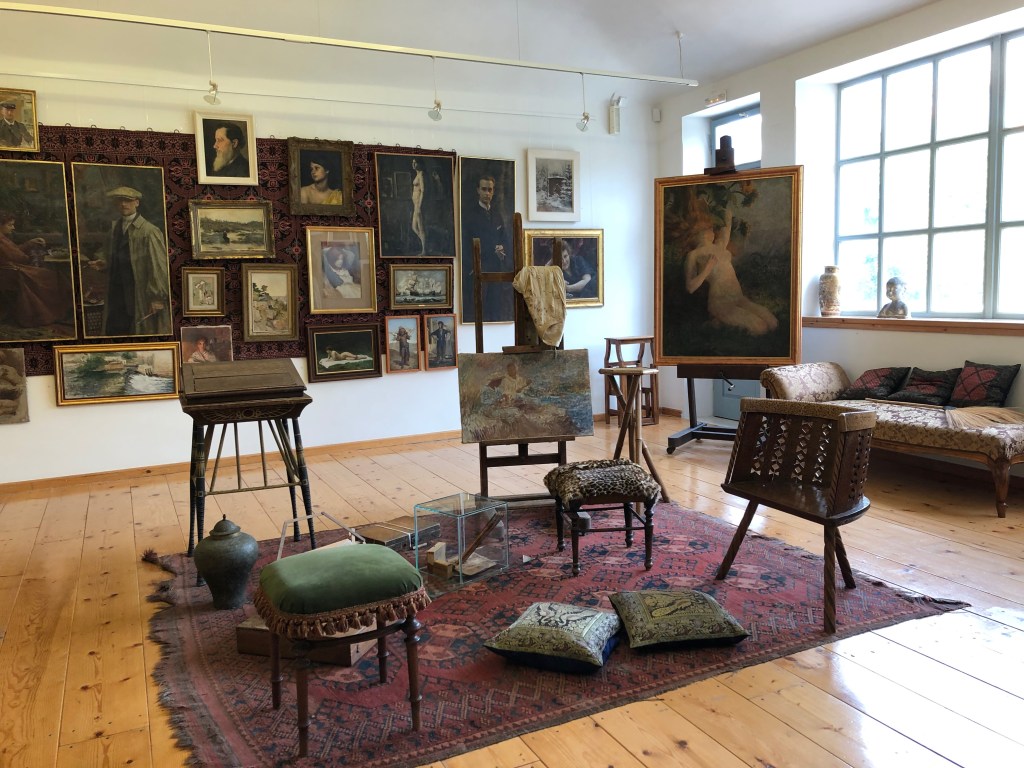
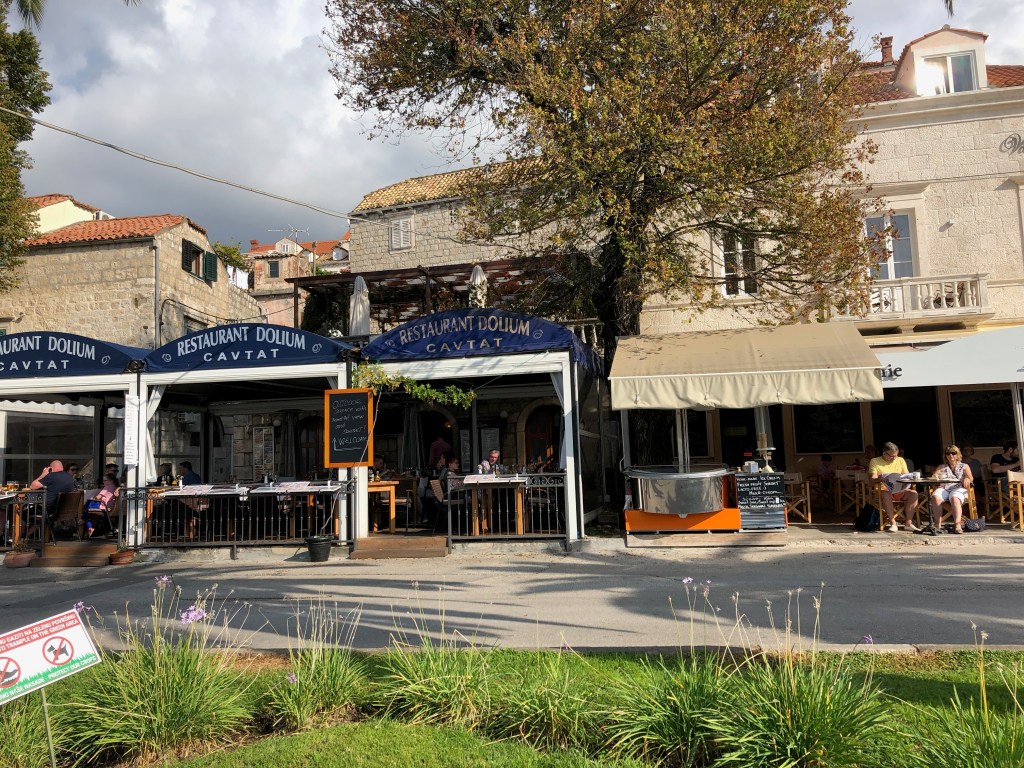
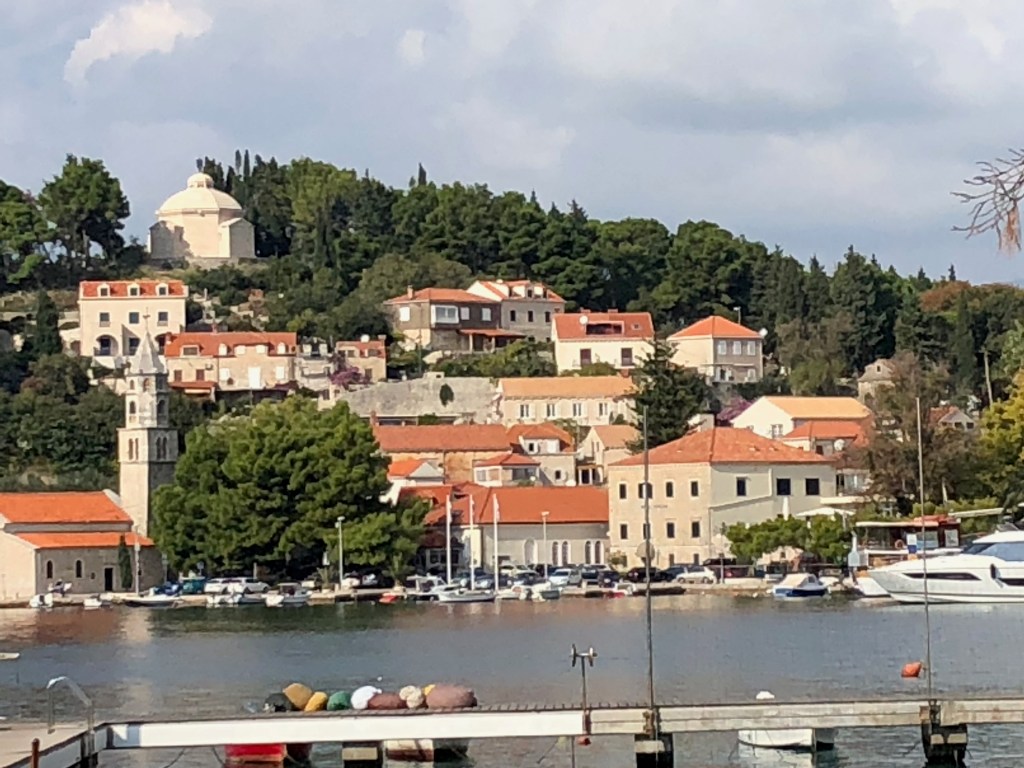
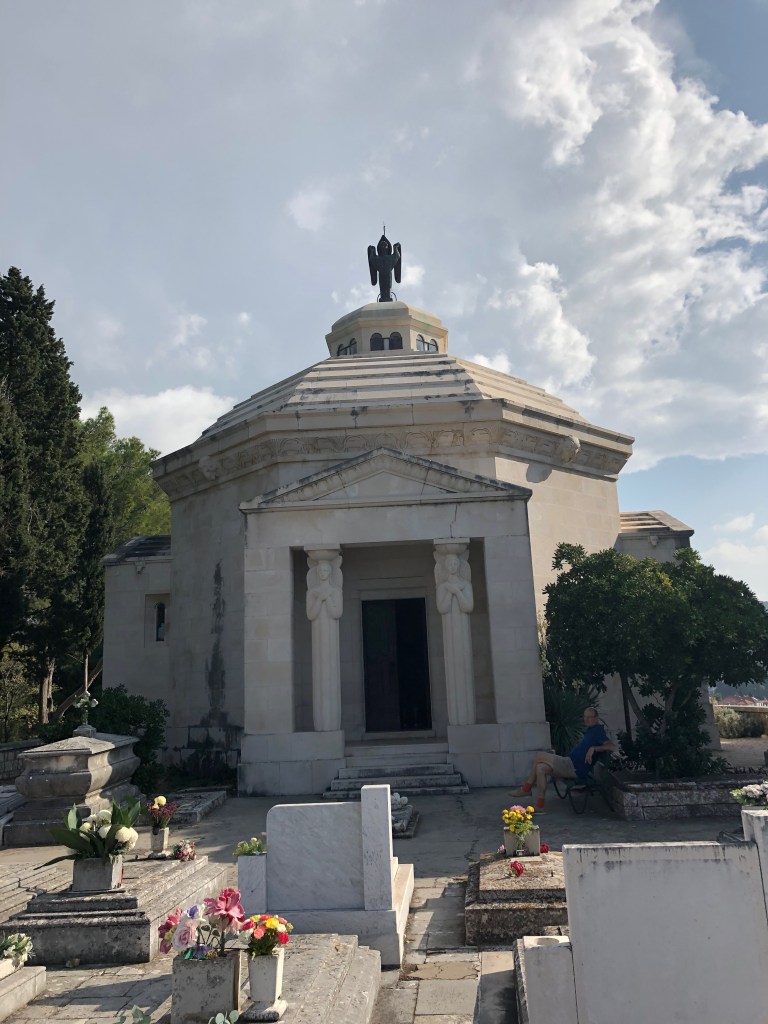
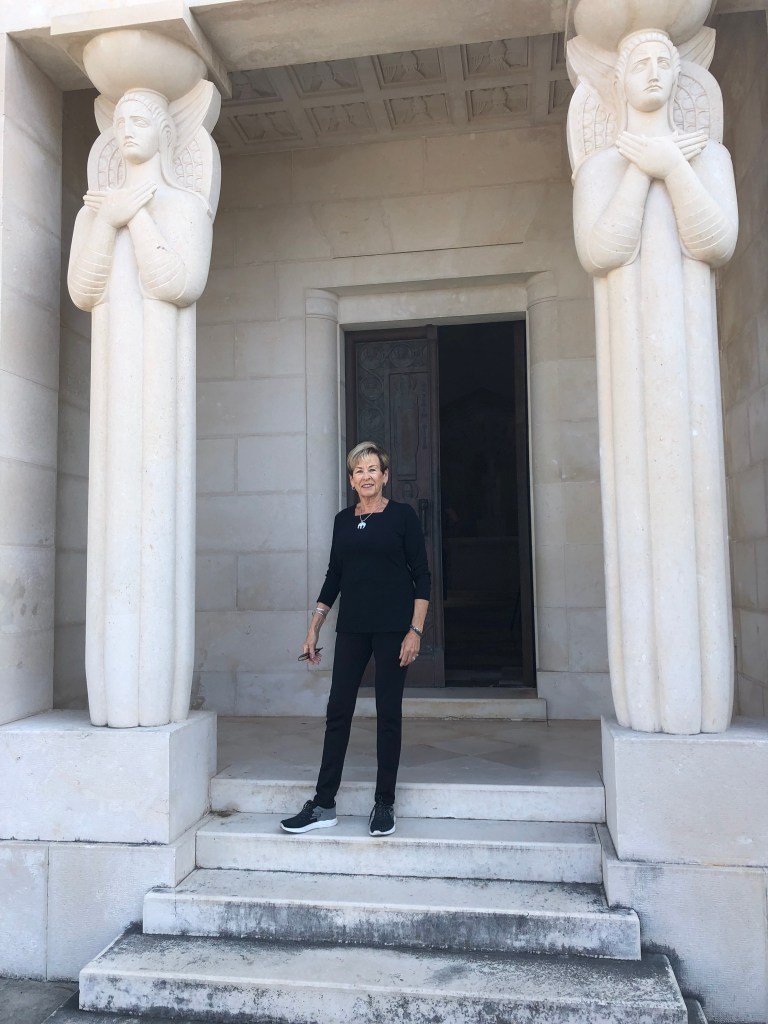
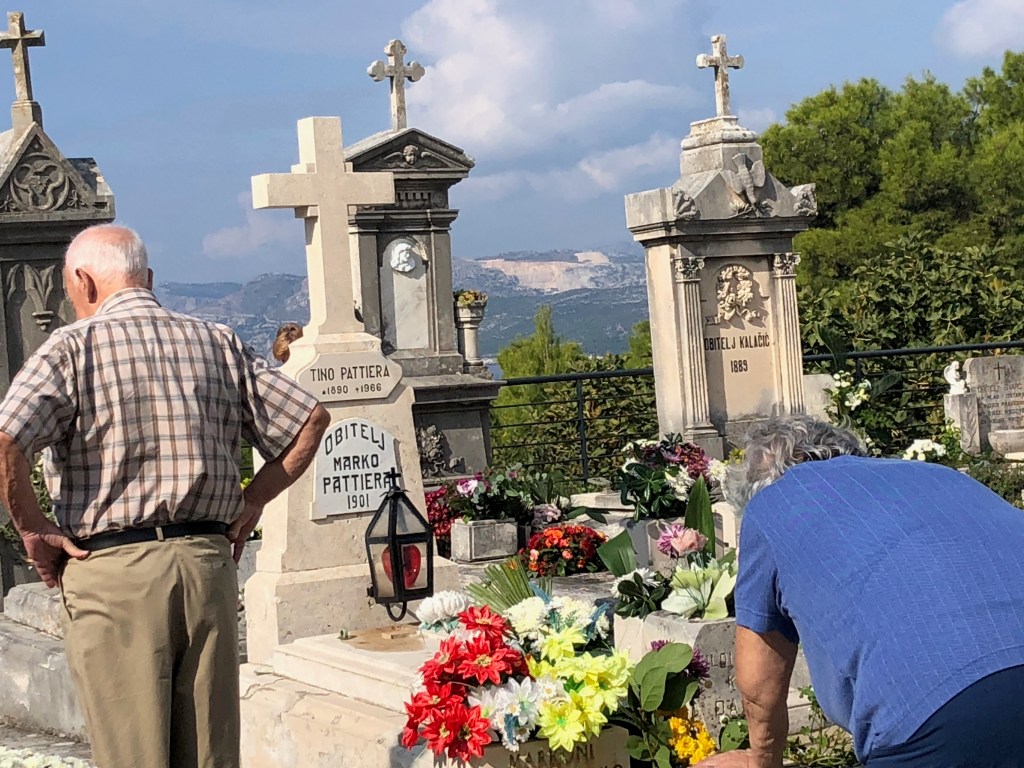
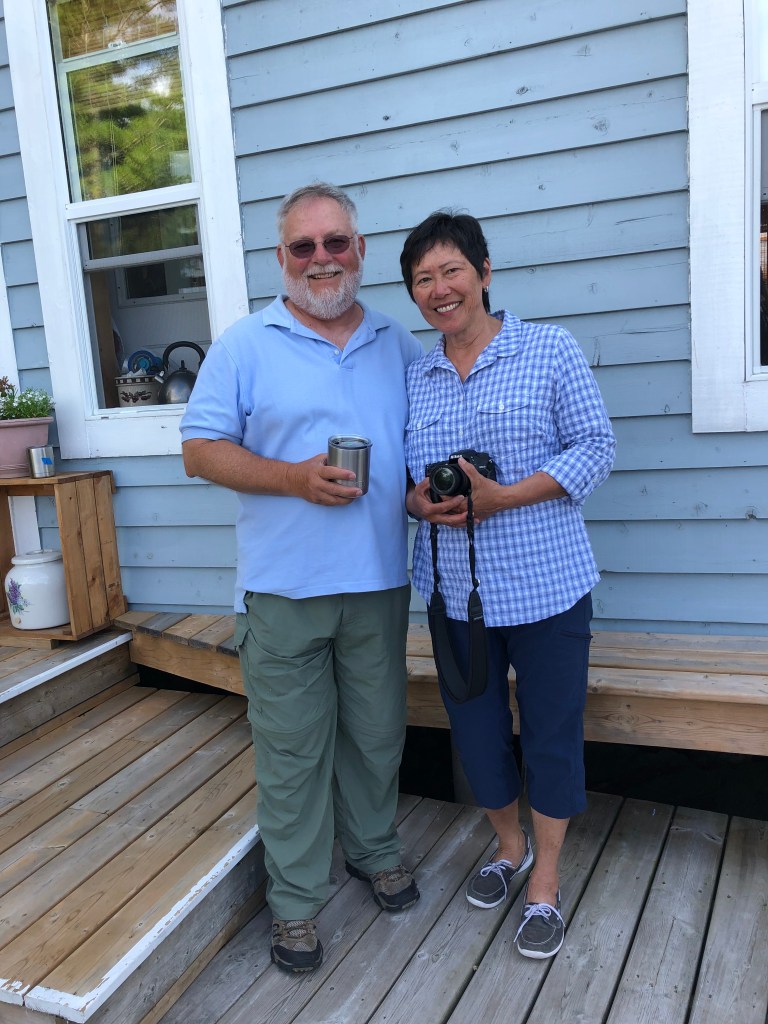
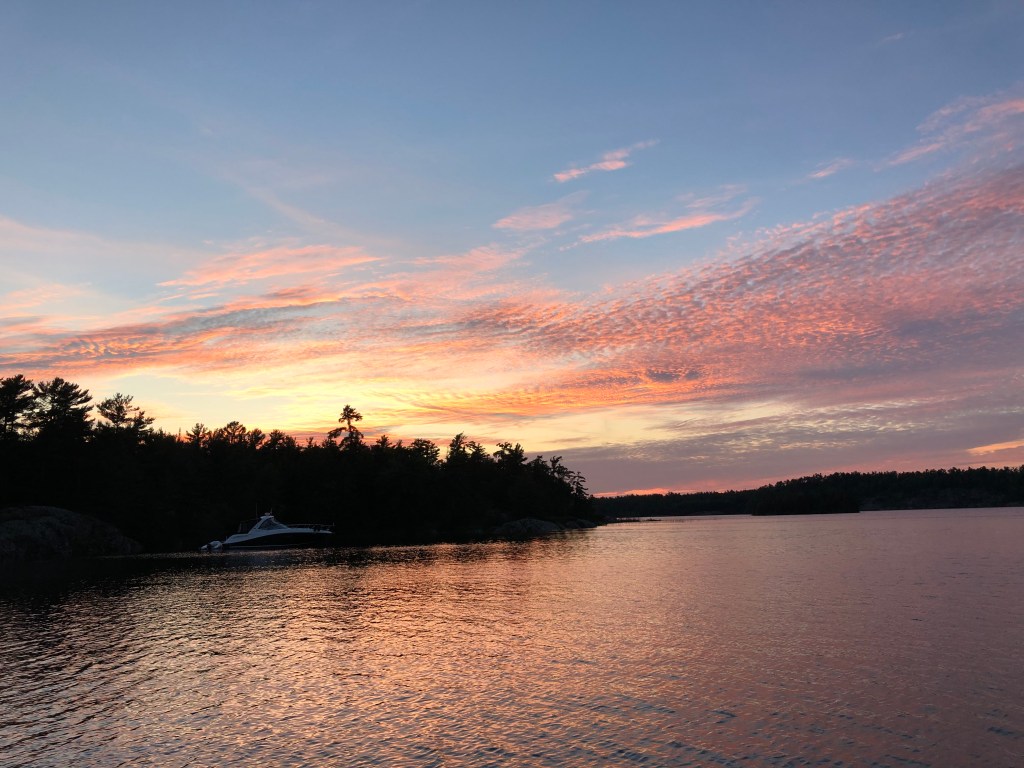
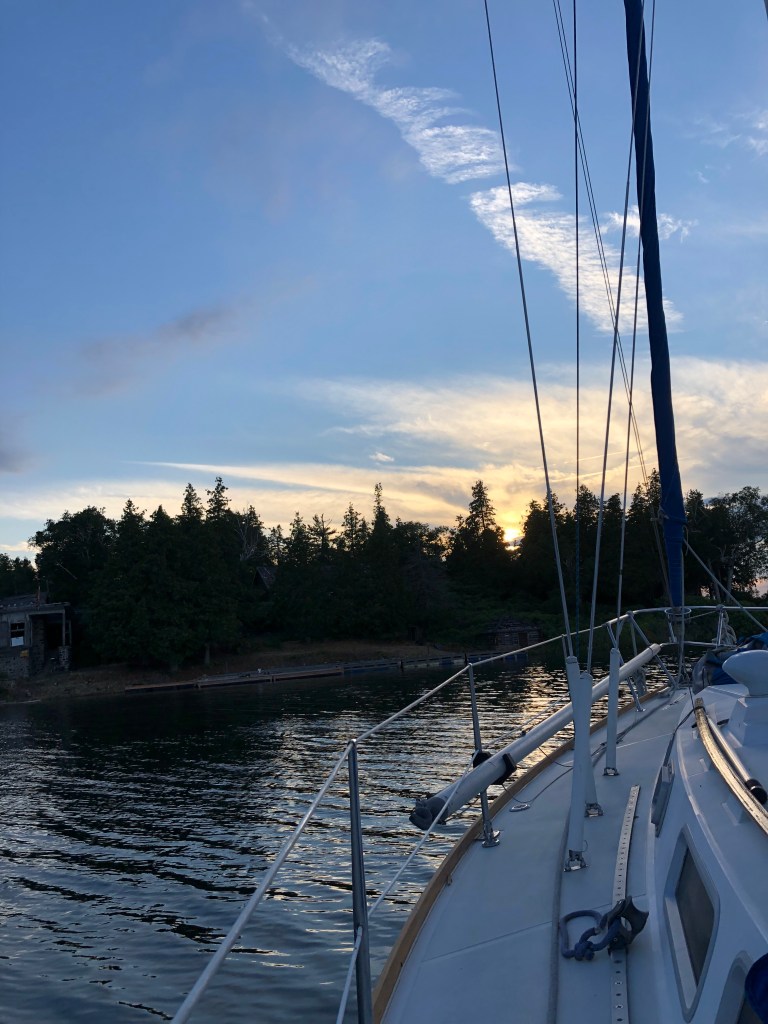
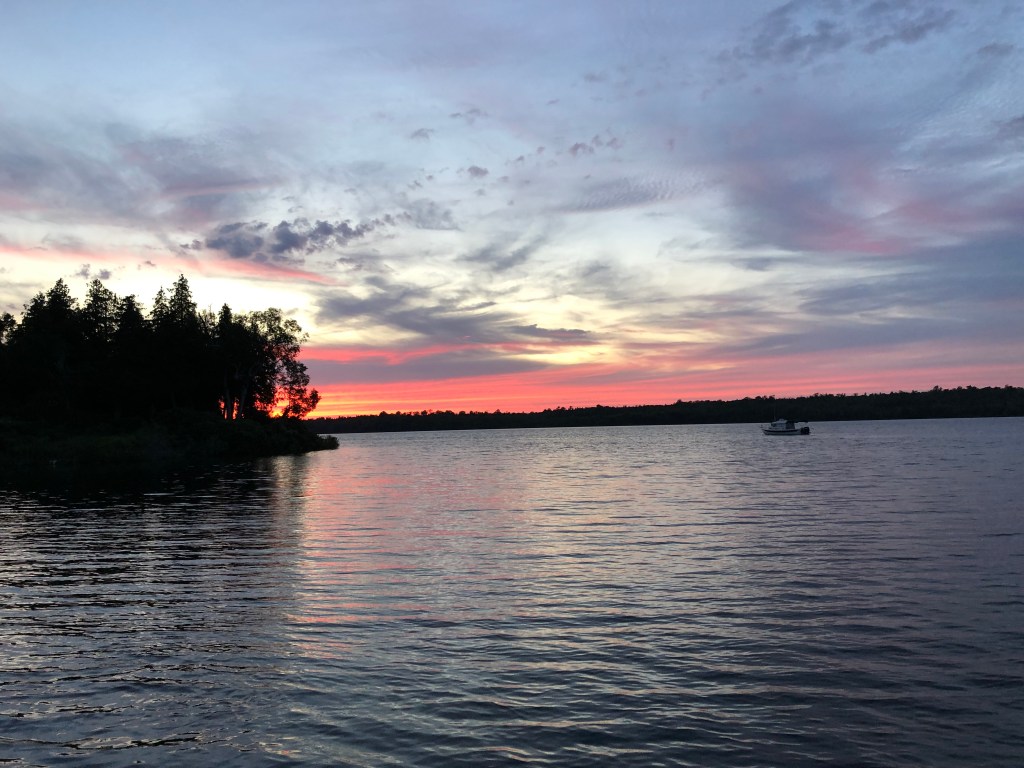




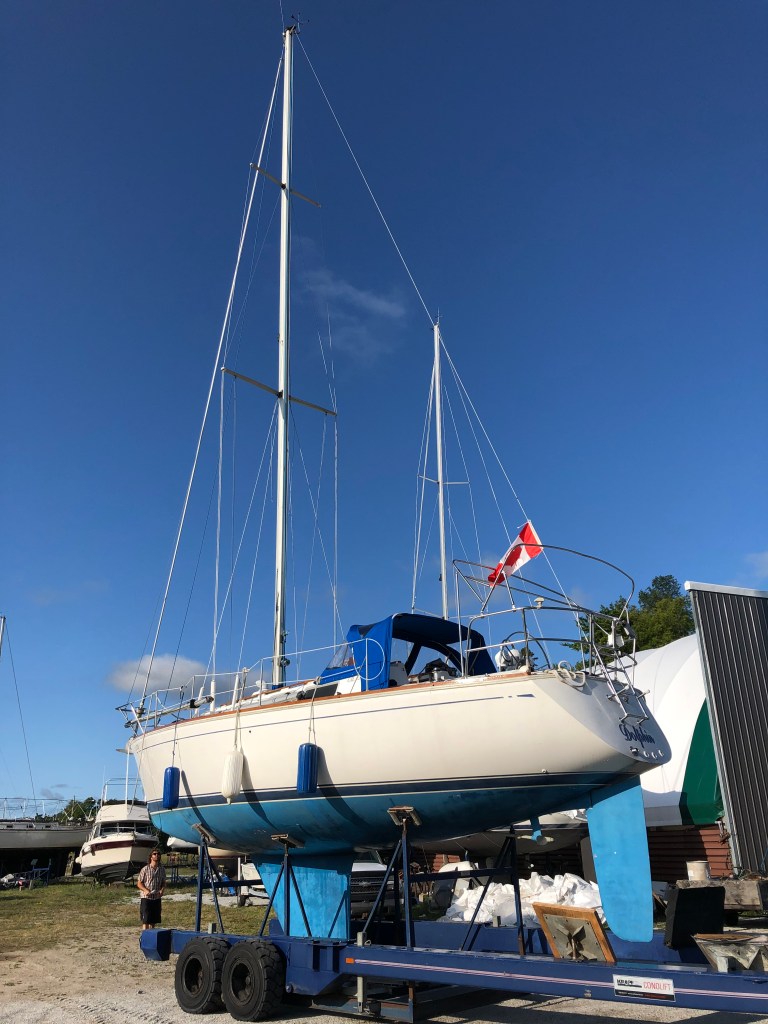
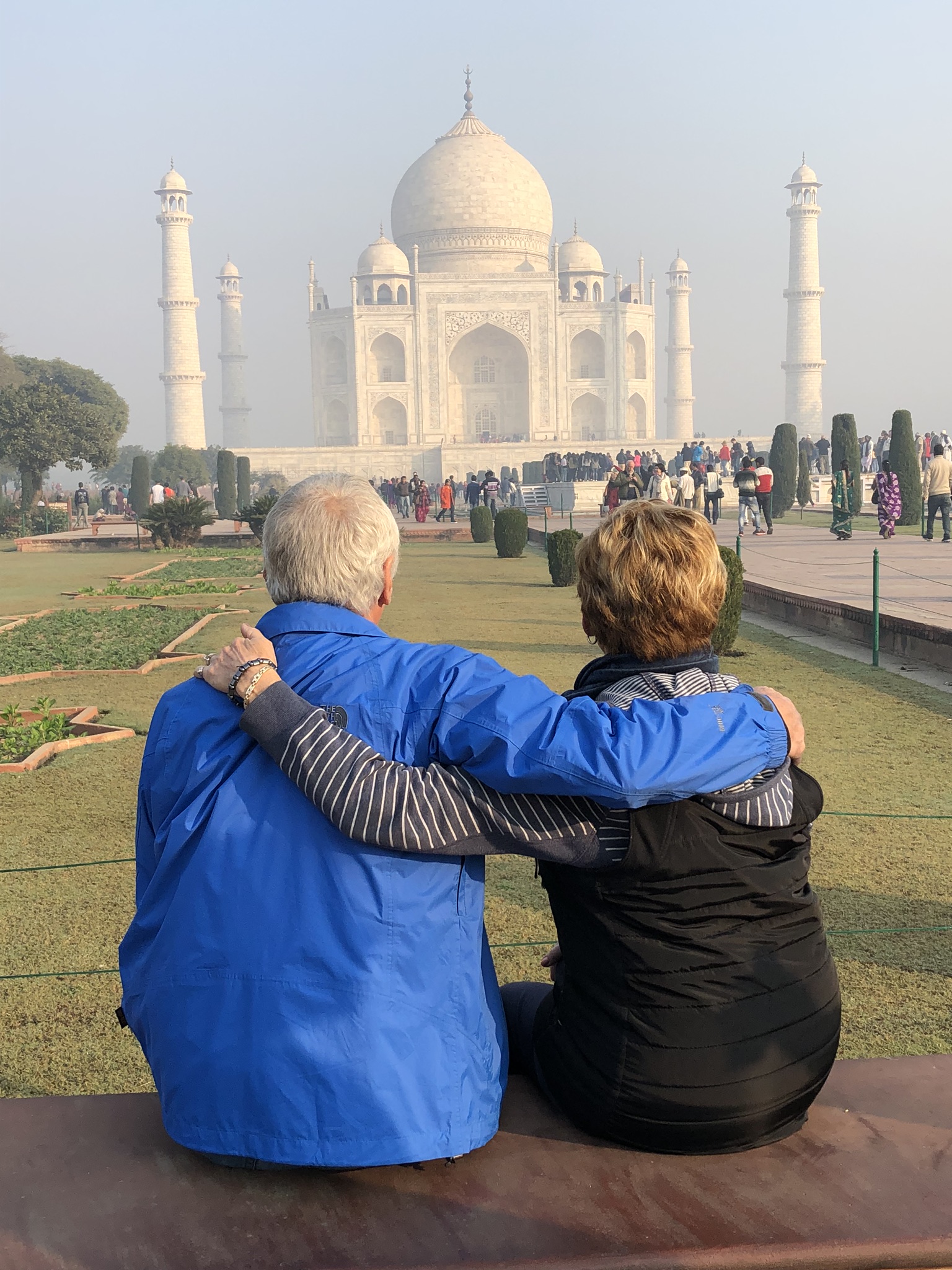


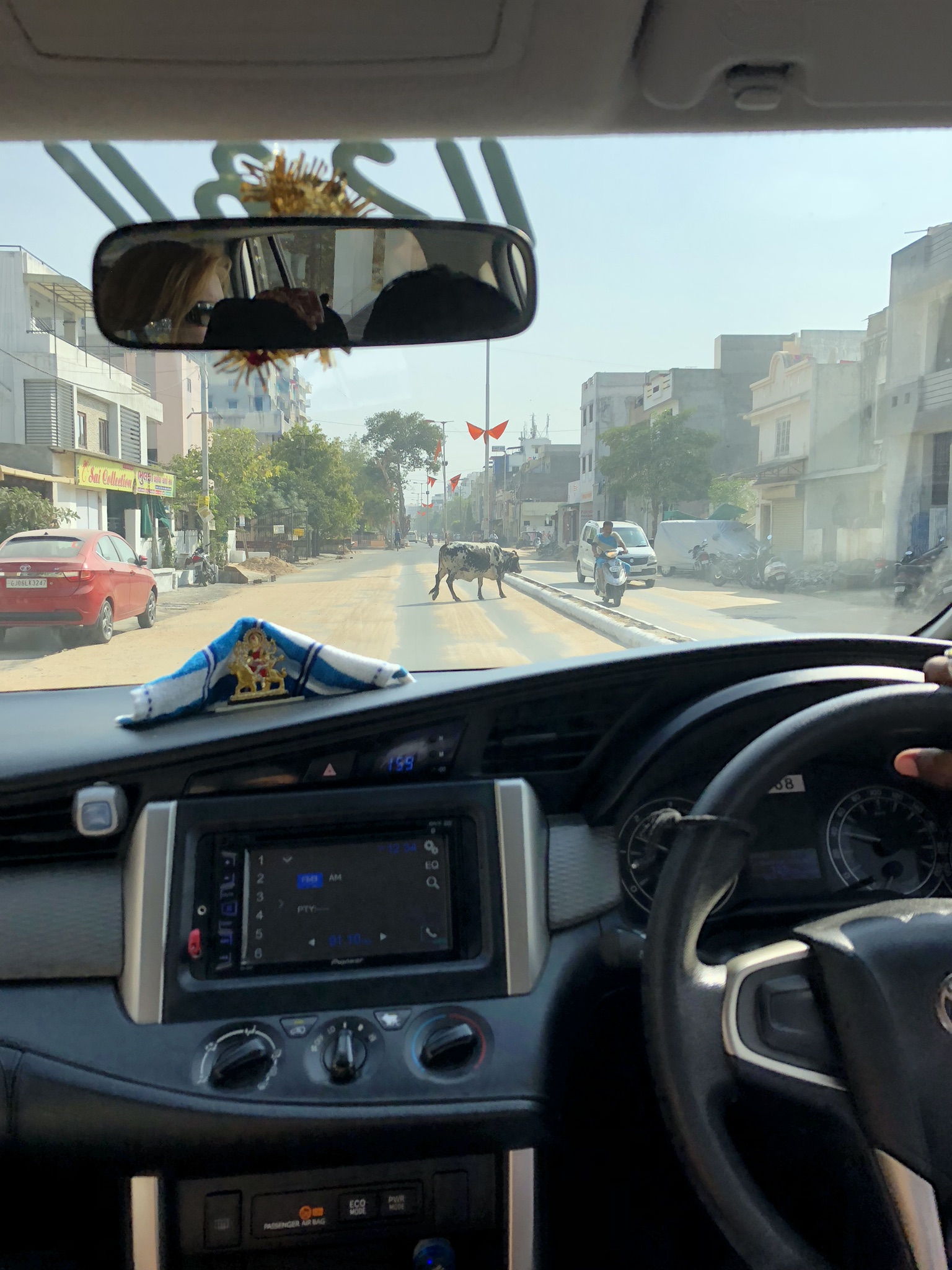




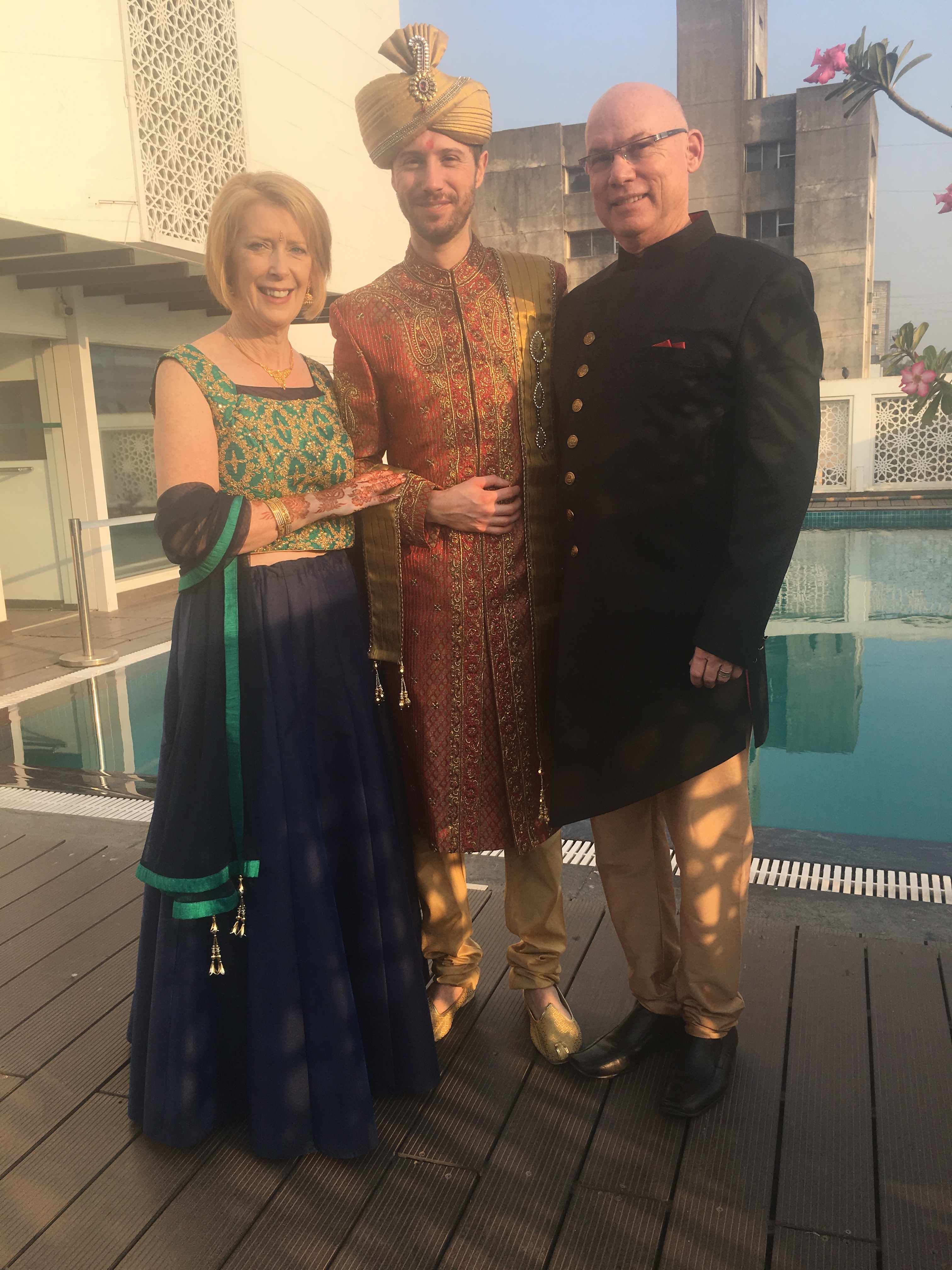


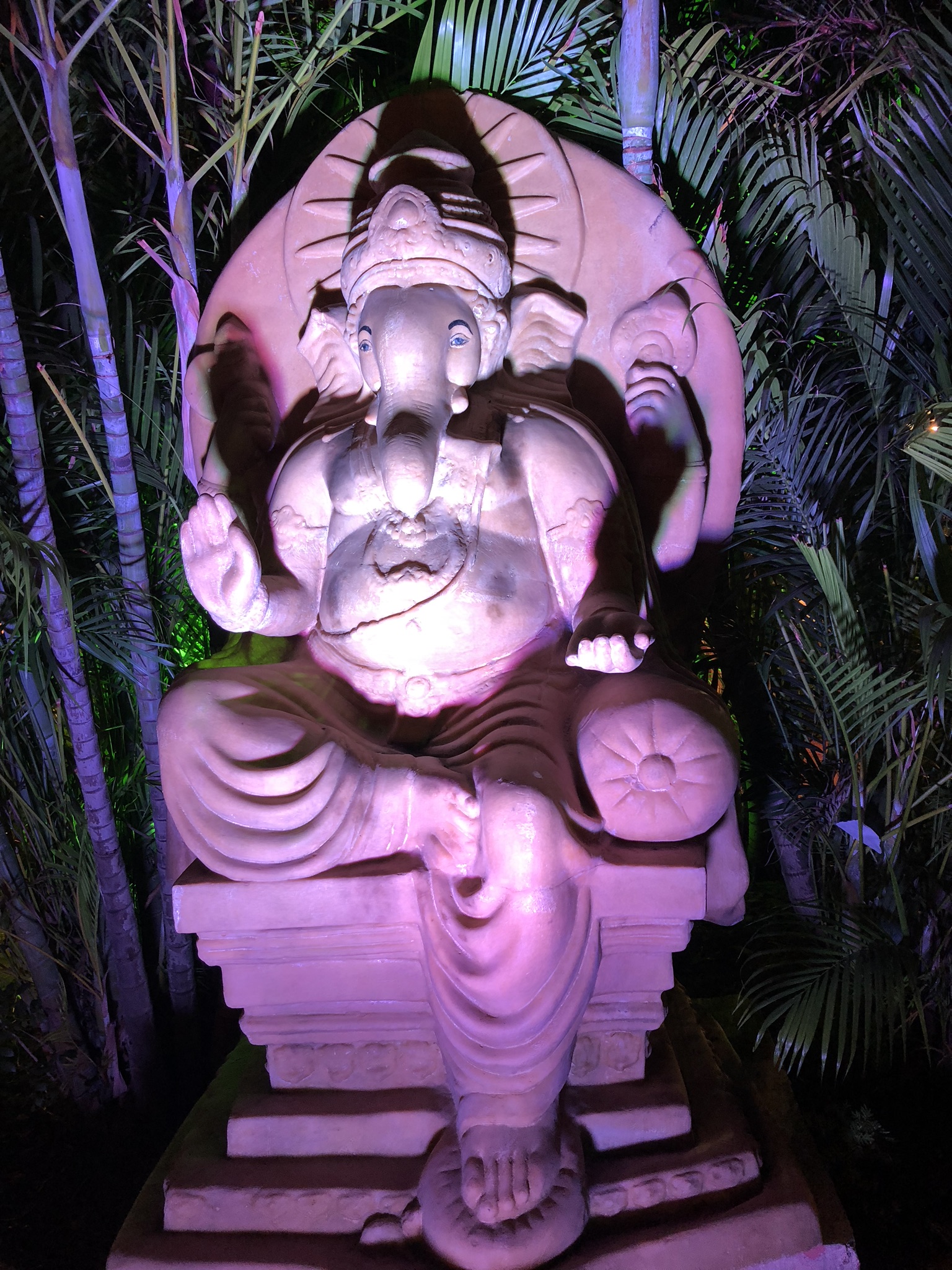




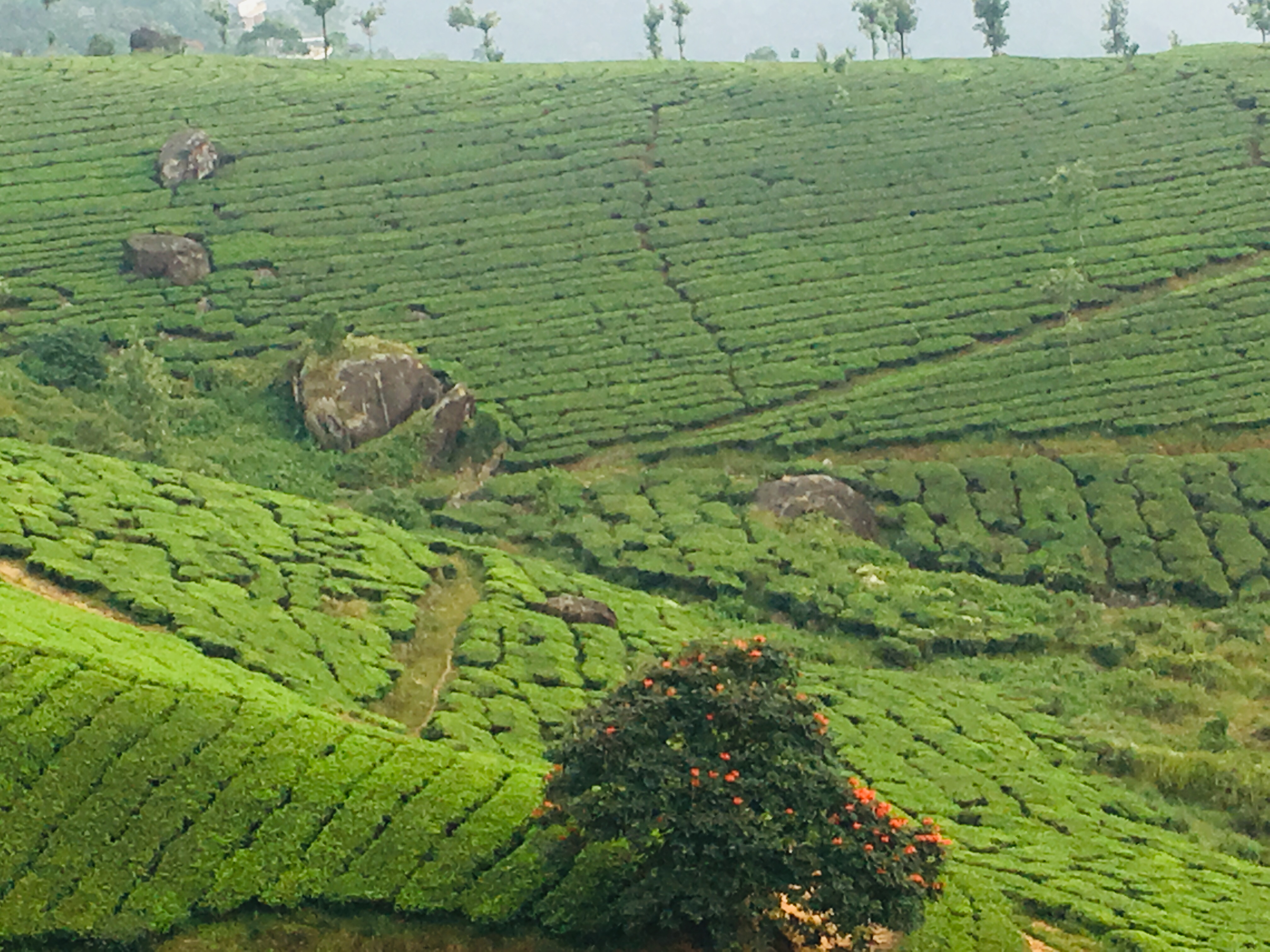






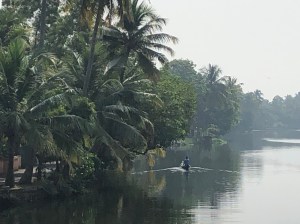


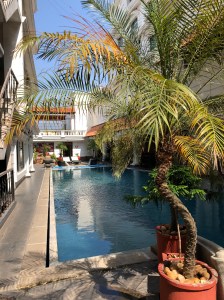
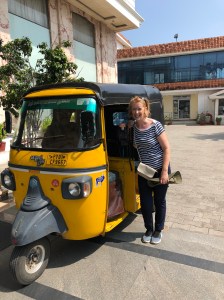


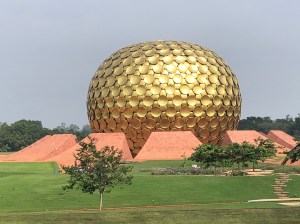




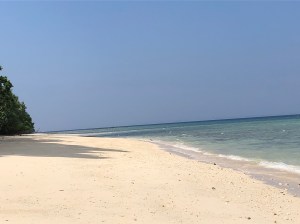
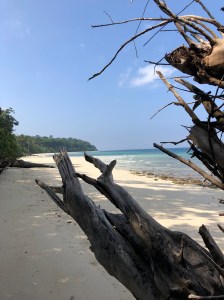


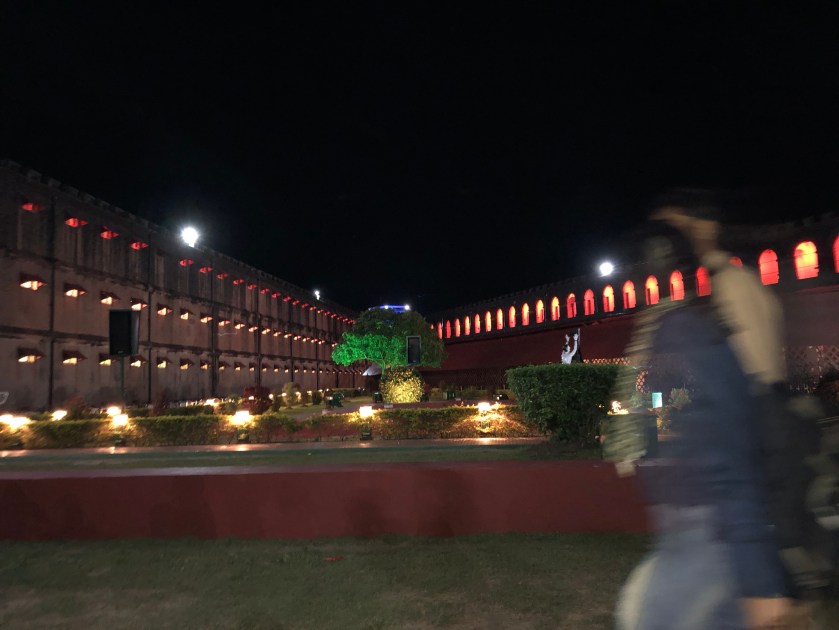


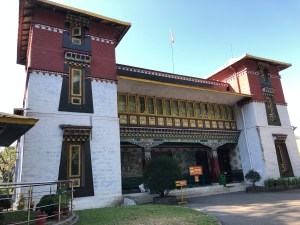
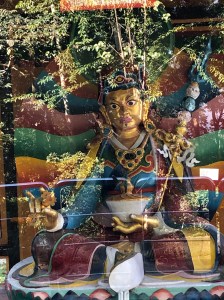


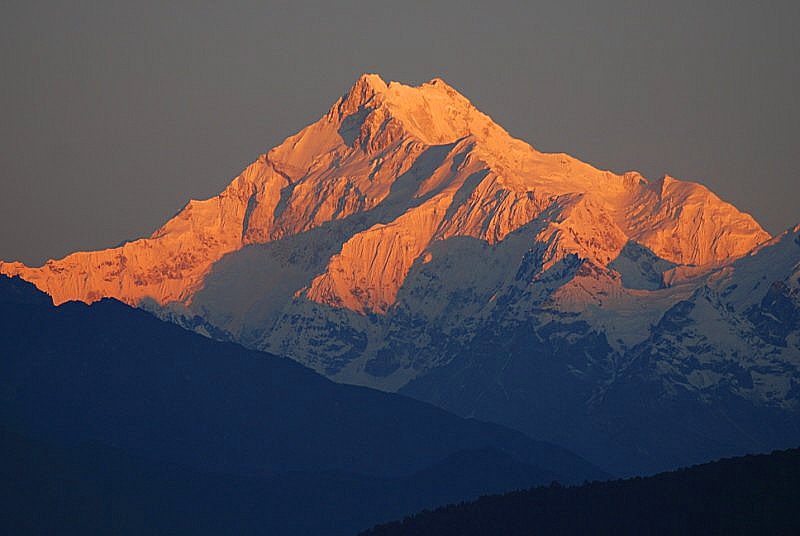


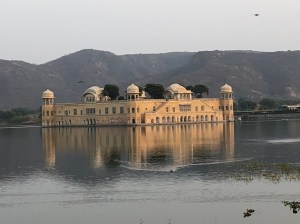


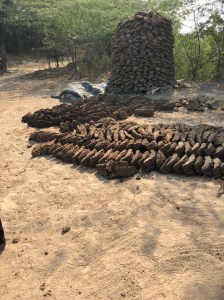


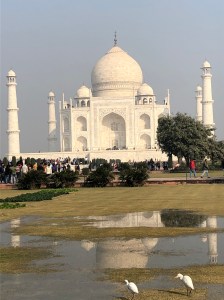





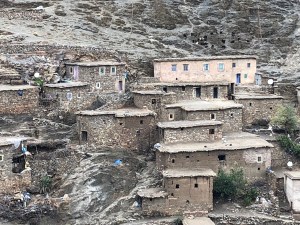


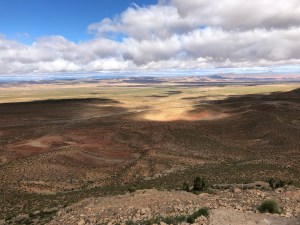
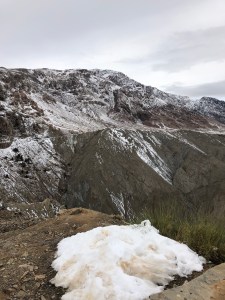


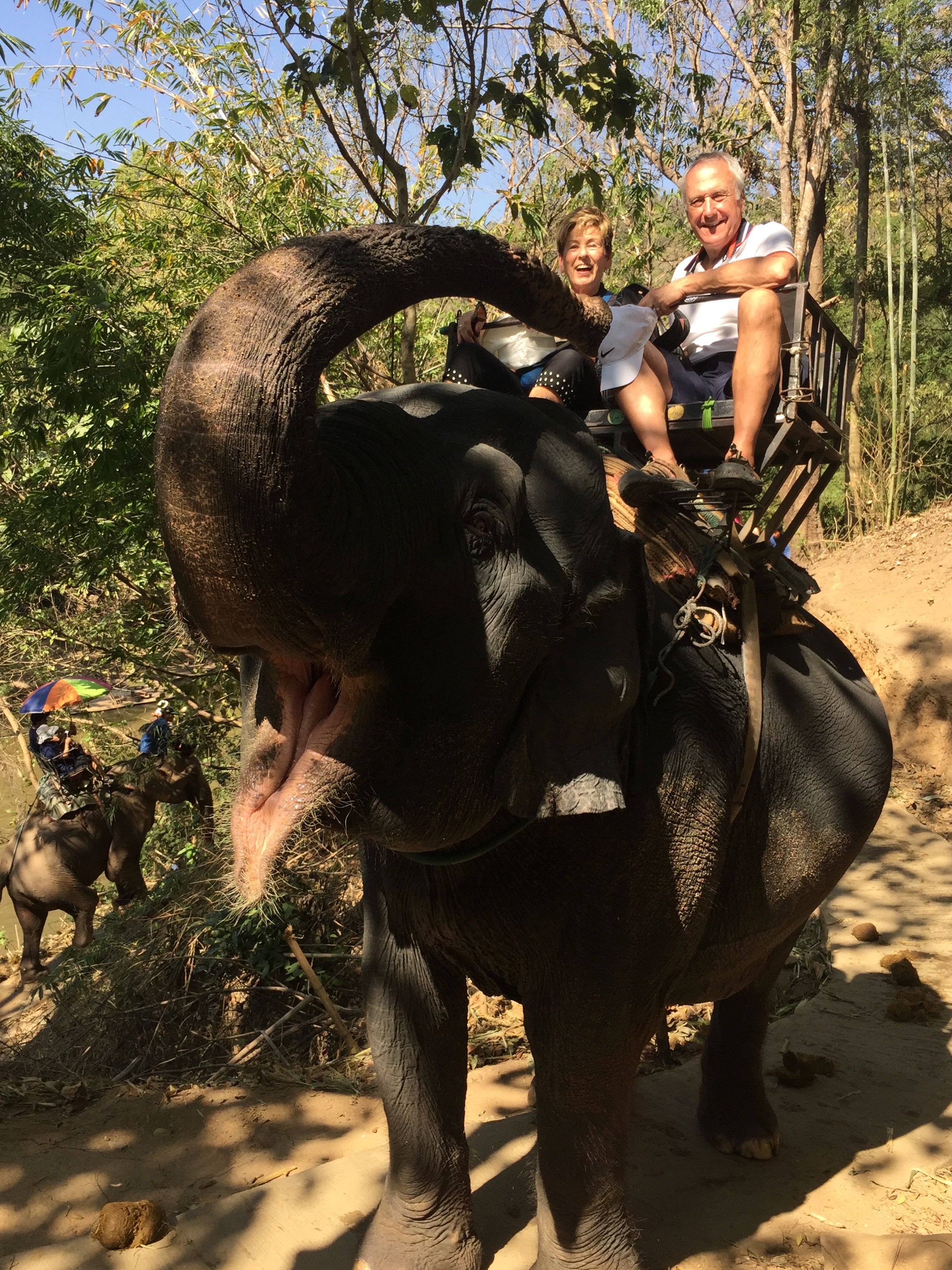
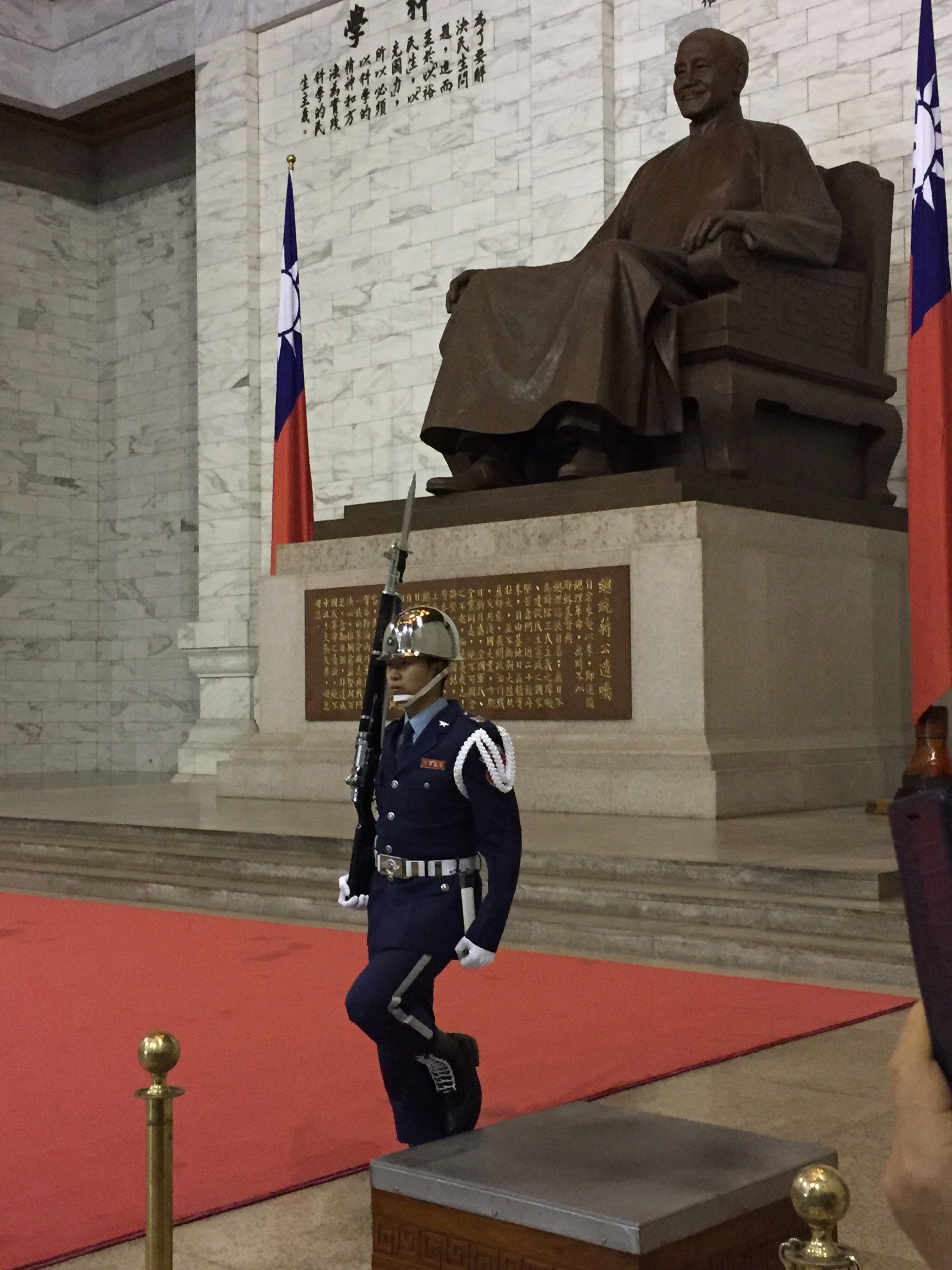
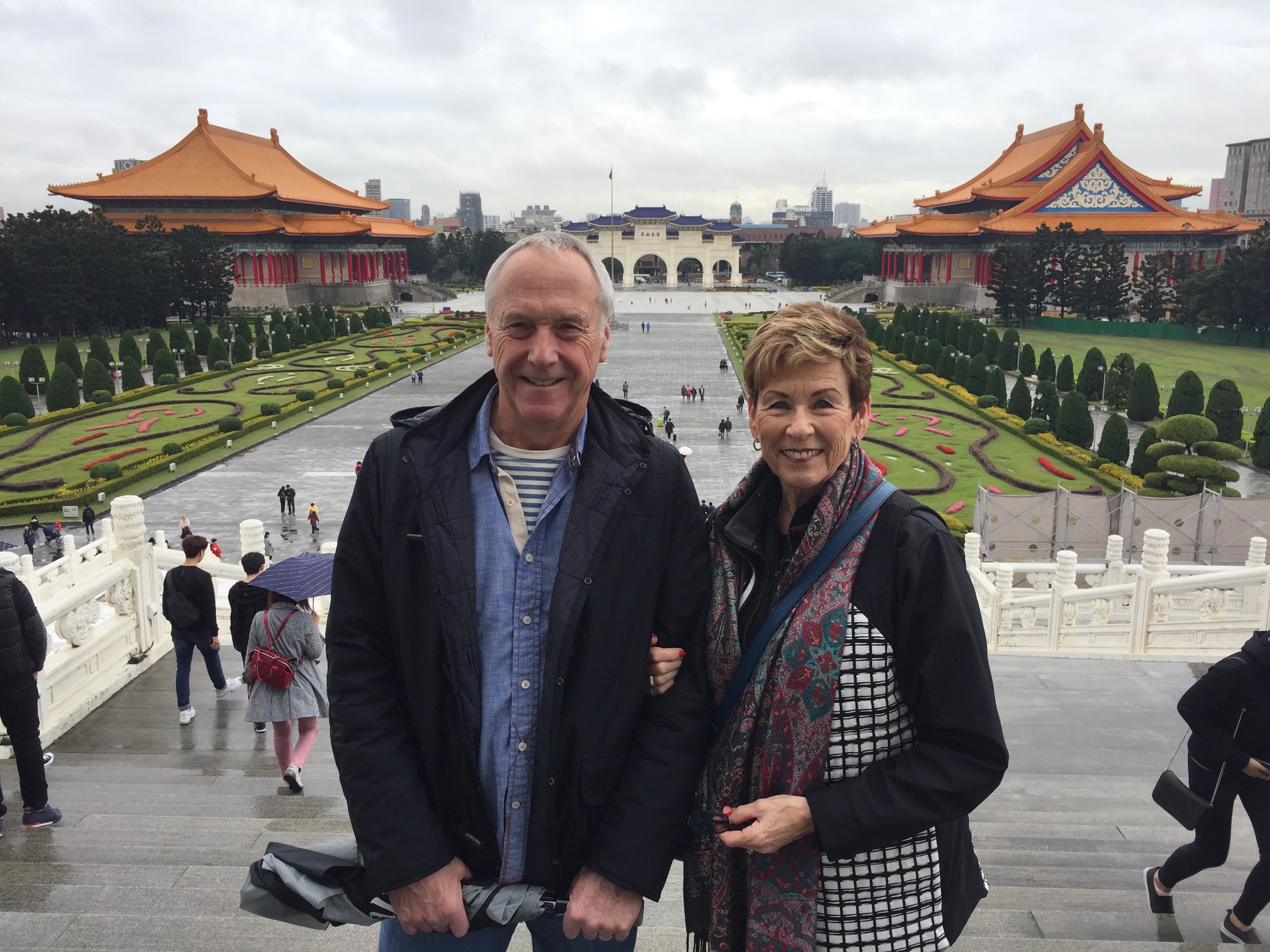
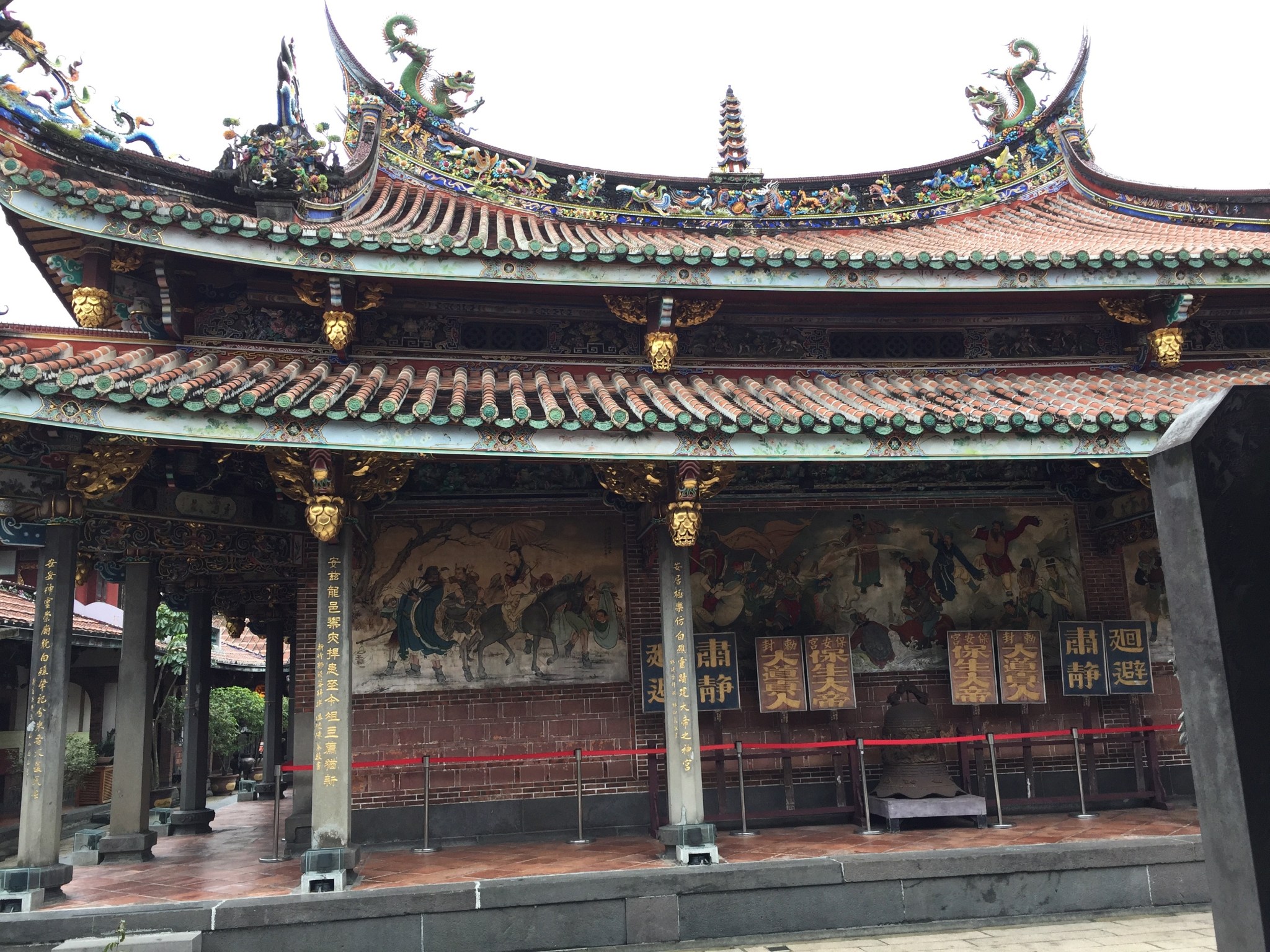
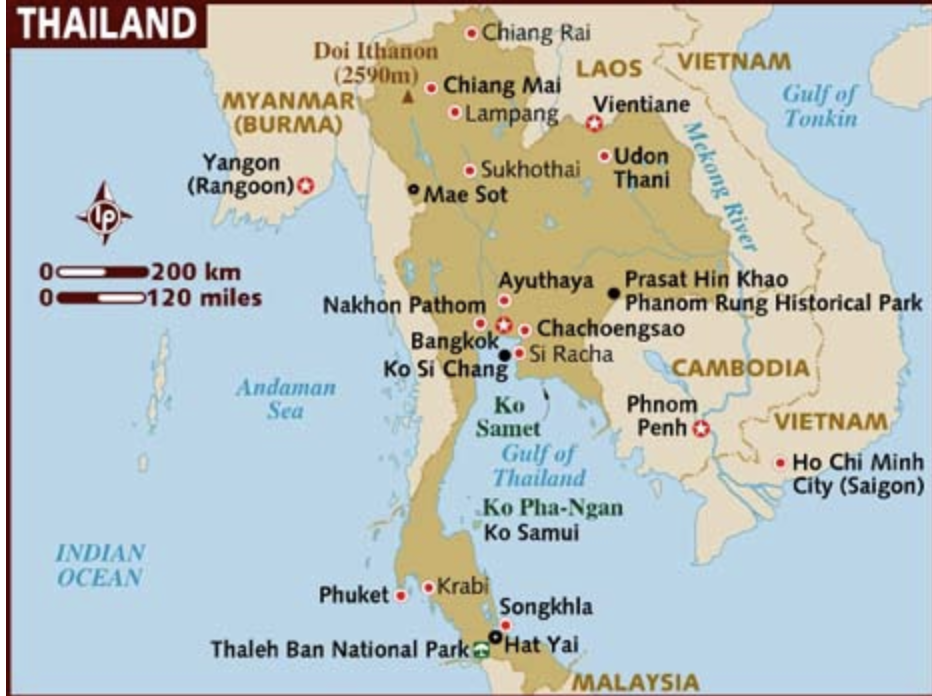 Map of Thailand
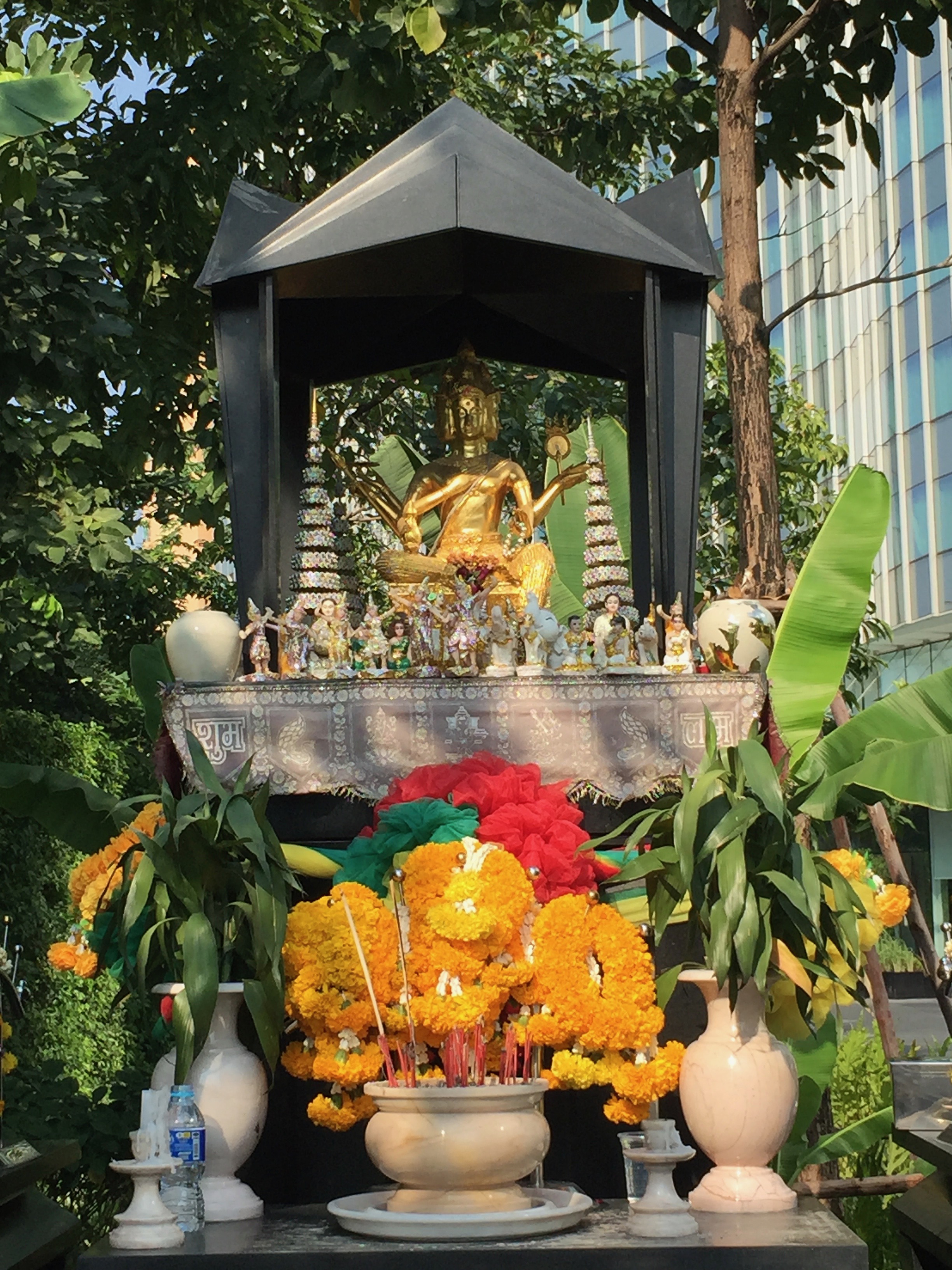
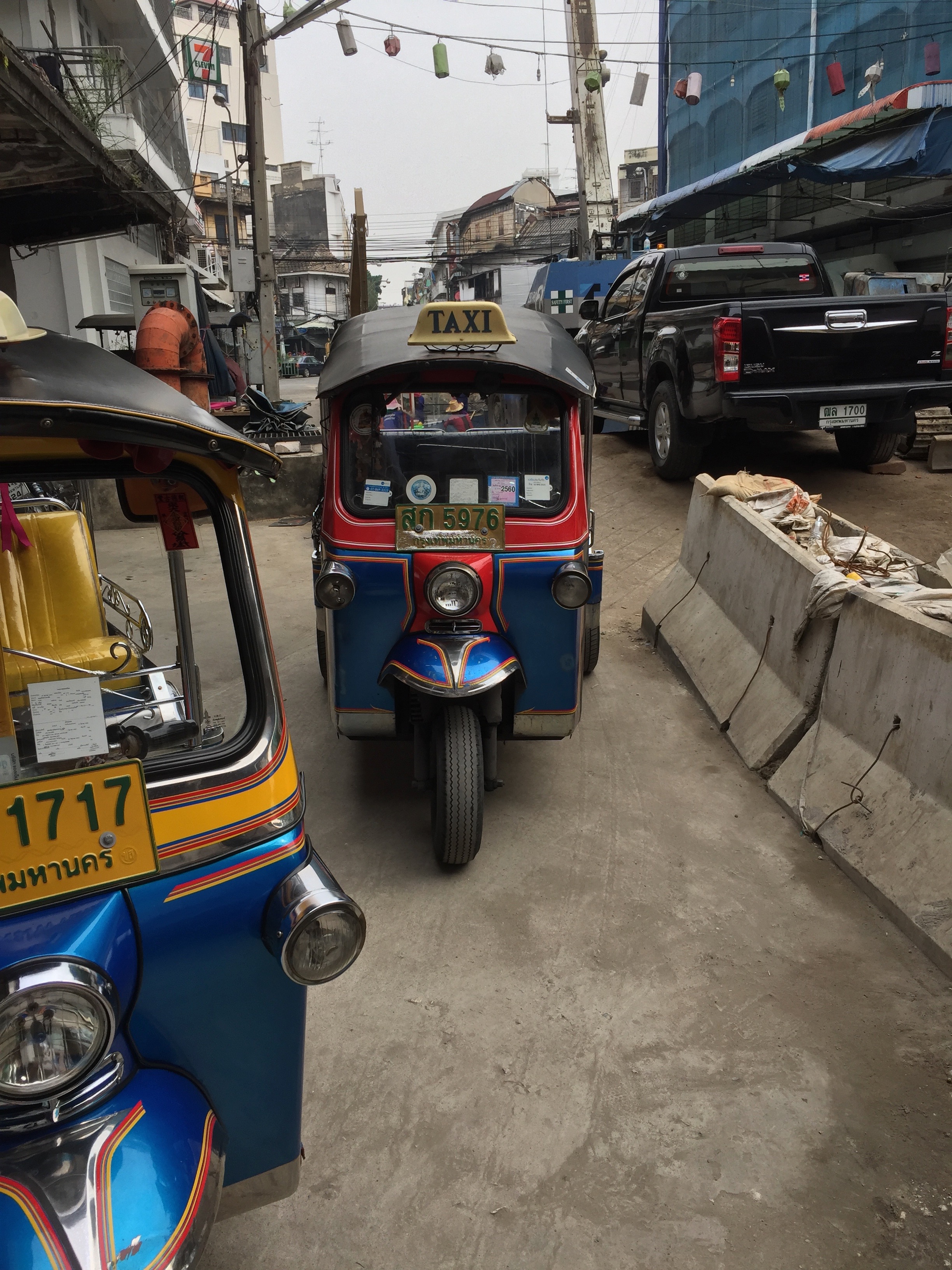


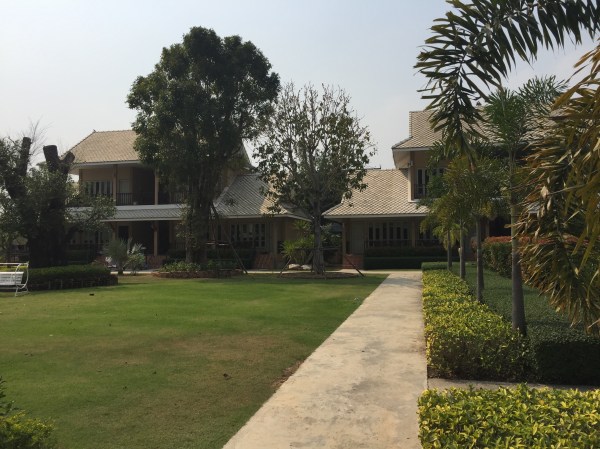
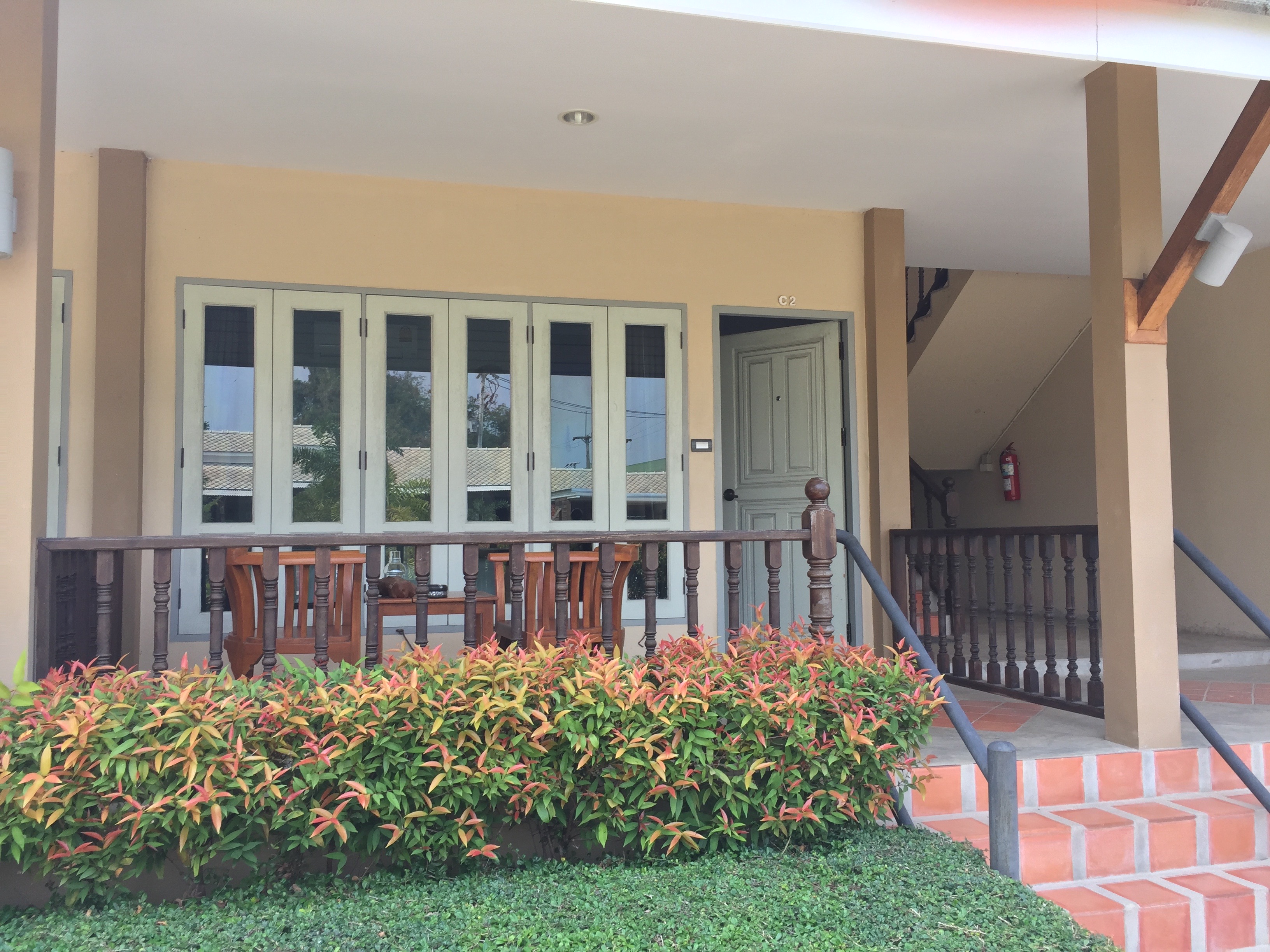


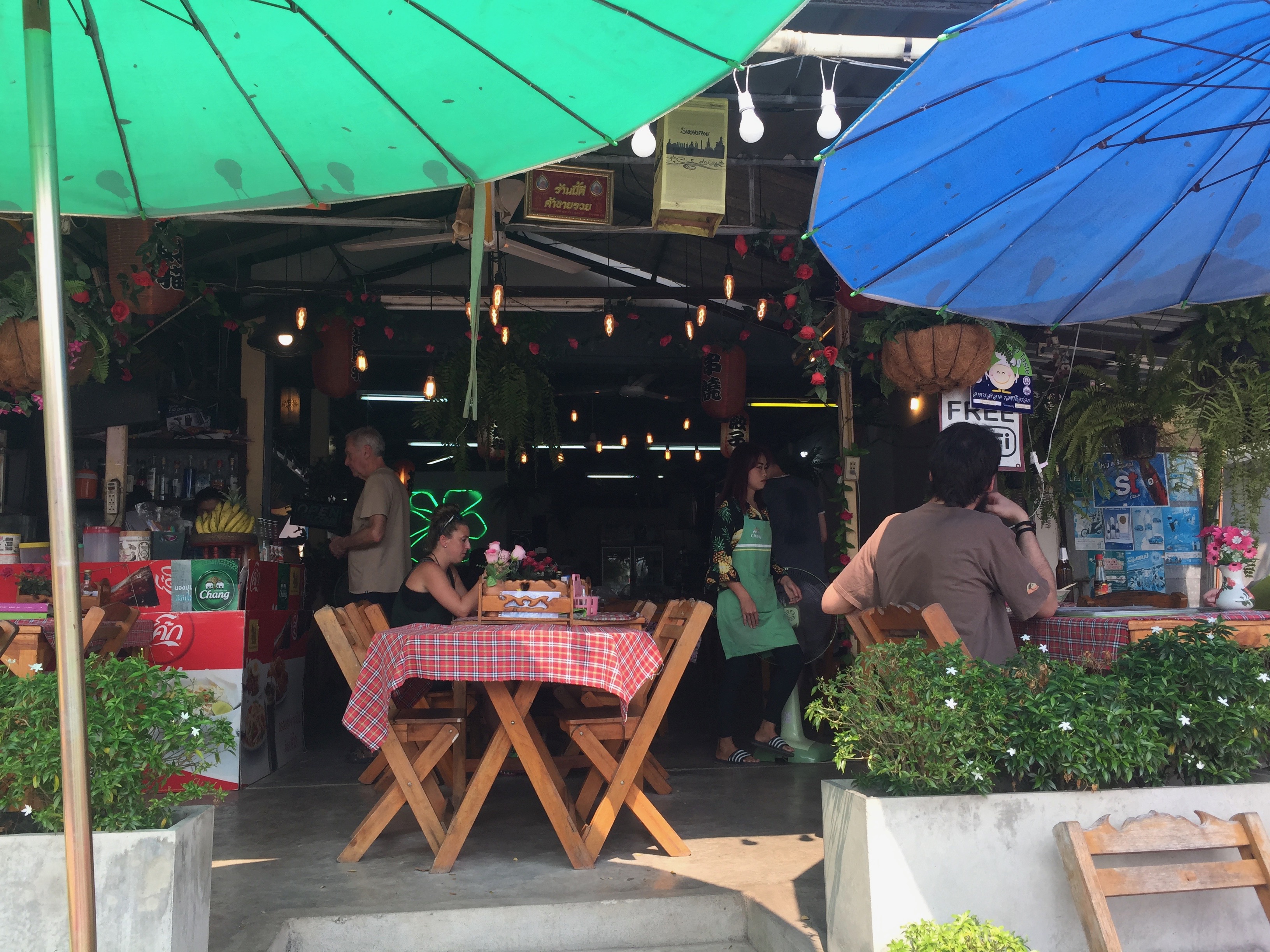
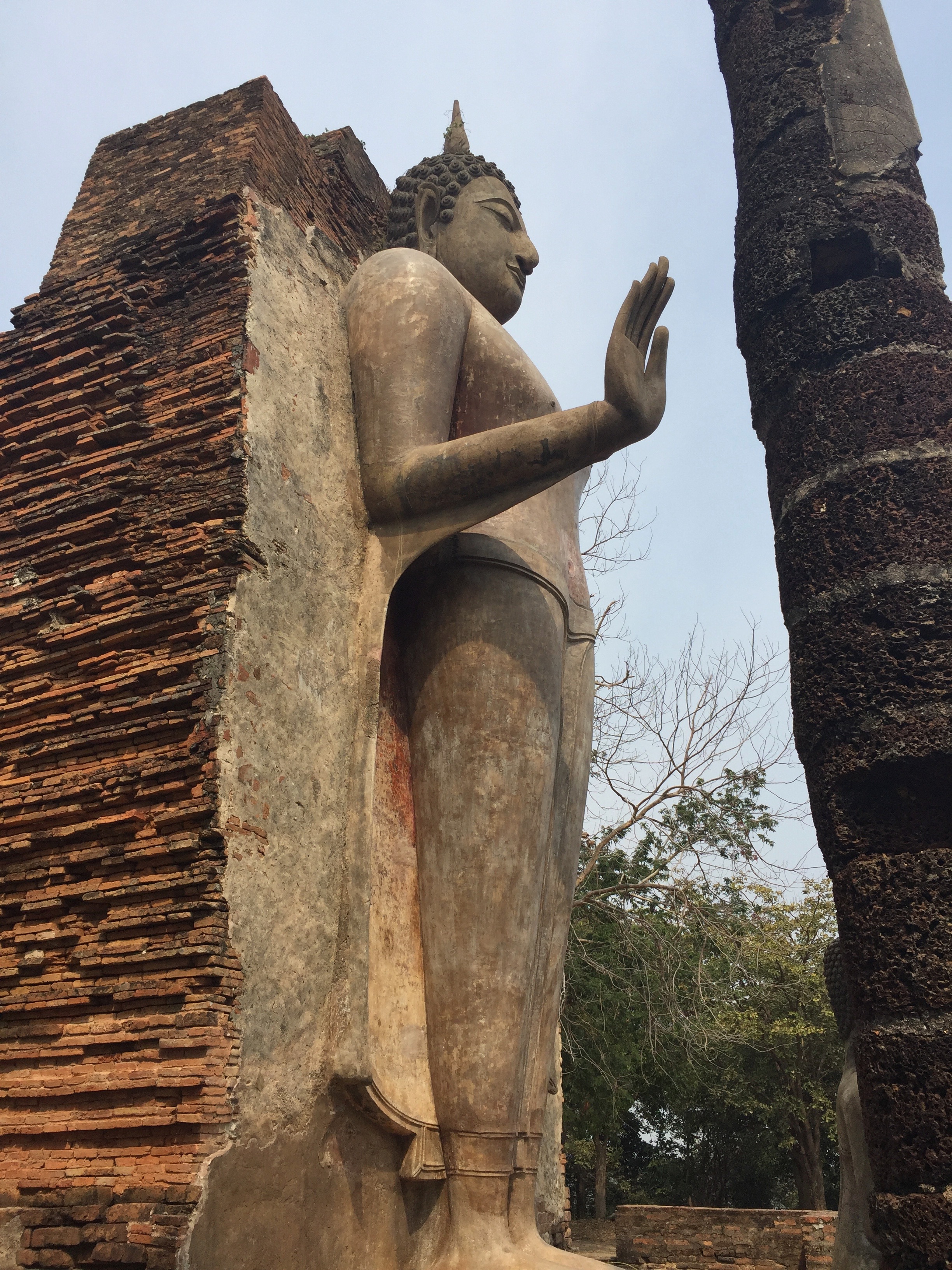


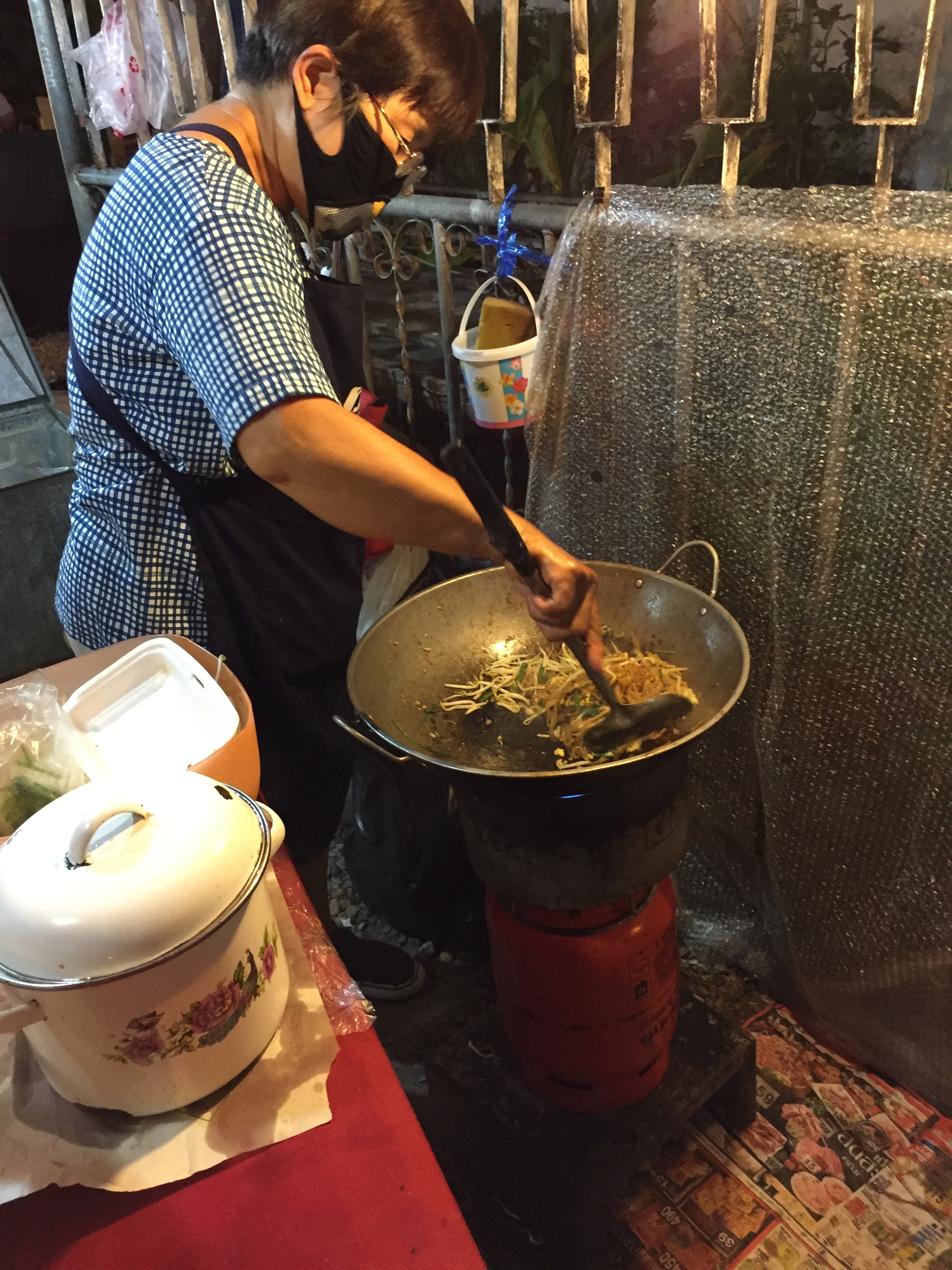
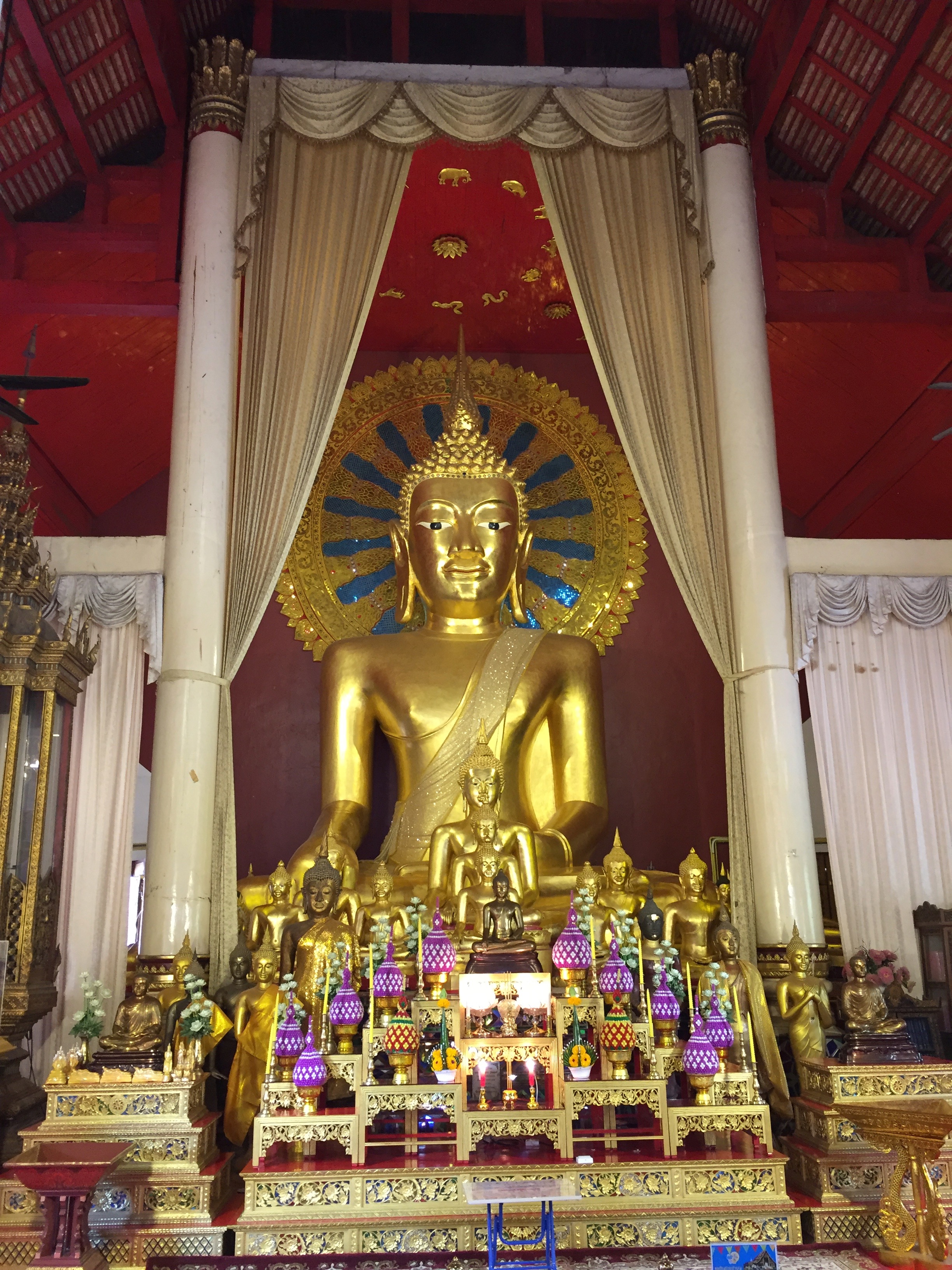




 Site Title