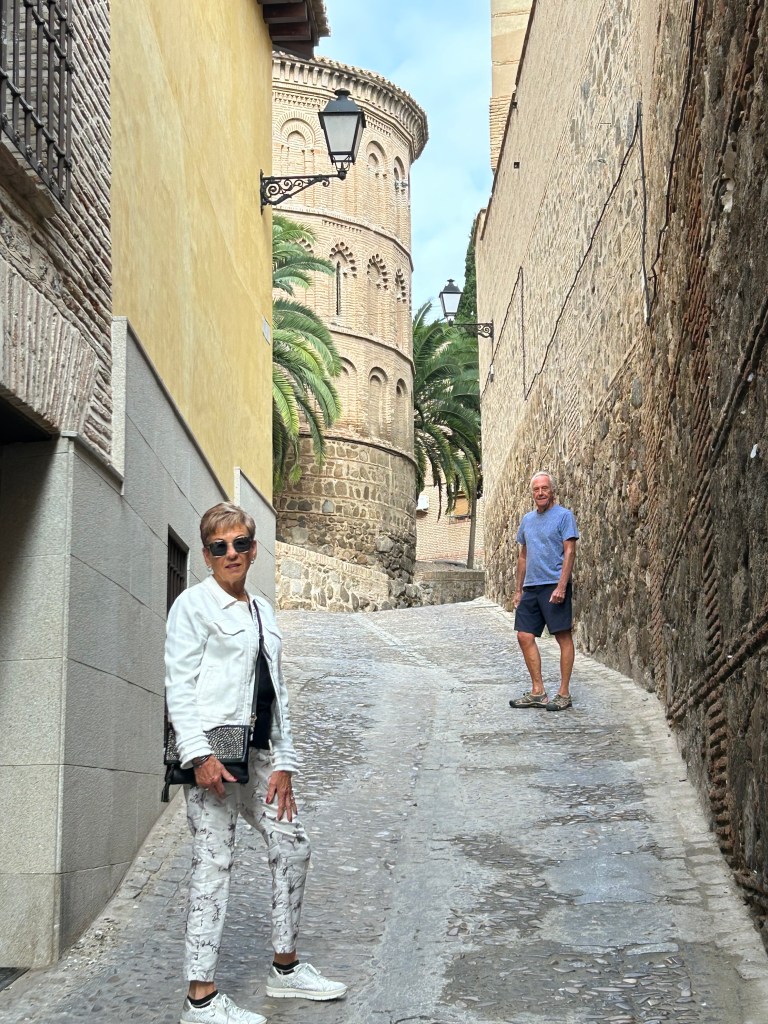
Bill and I spent the fall of 2023 at our condo in Torre de la Horadada and visited Manchester, UK, and area. The primary reason for the UK trip was presenting at the Collaborative Action Research Network (CARN) Conference in Manchester and then a week of touring the area: Manchester, Liverpool and the Lake District. Daughter, Shannon, visited from October 11 to 22nd and for three days we visited Toledo. The photos are mostly mine but I have recognized Shannon’s as SJF.
Spain 2023 September 13-November 22.
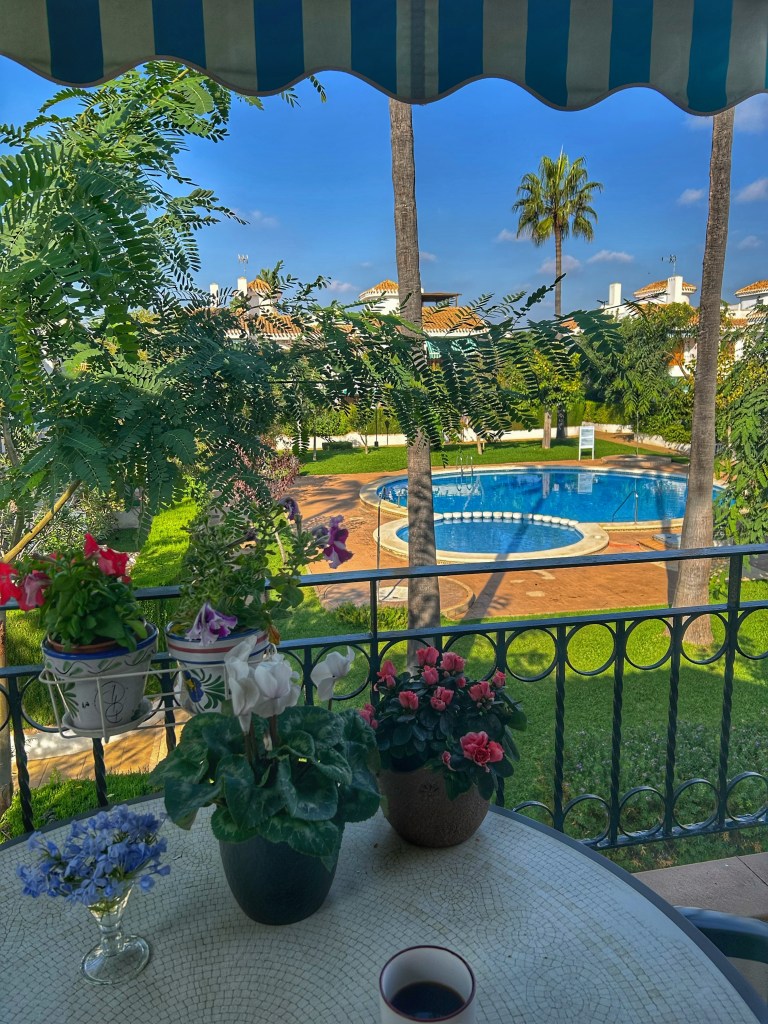
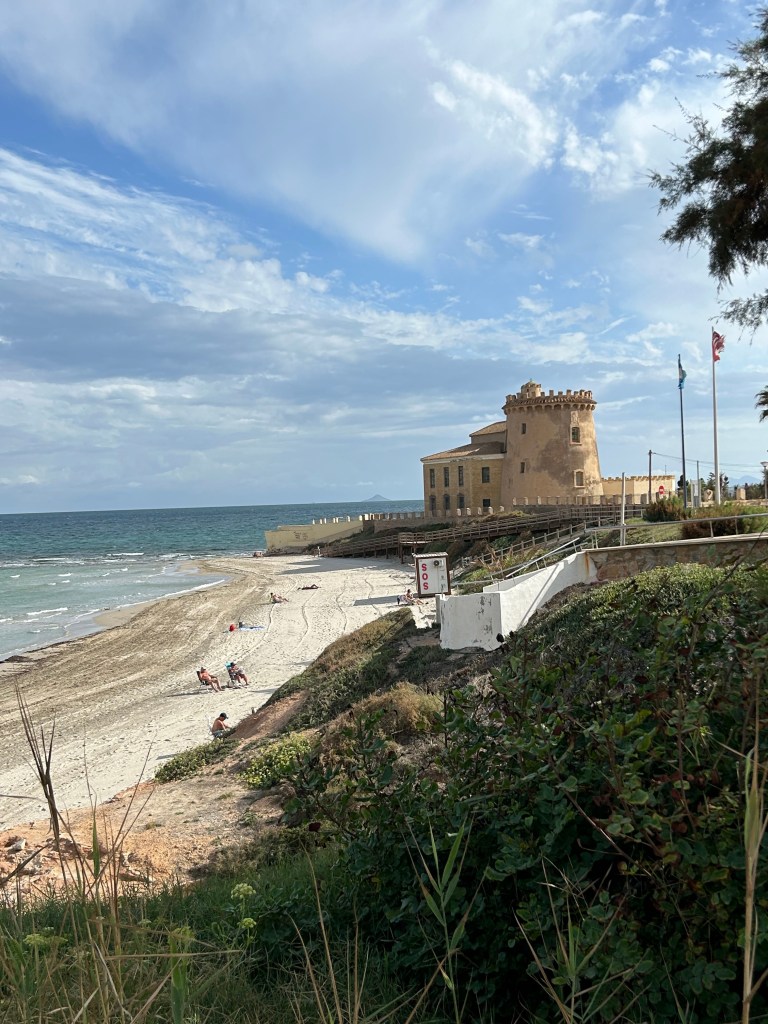
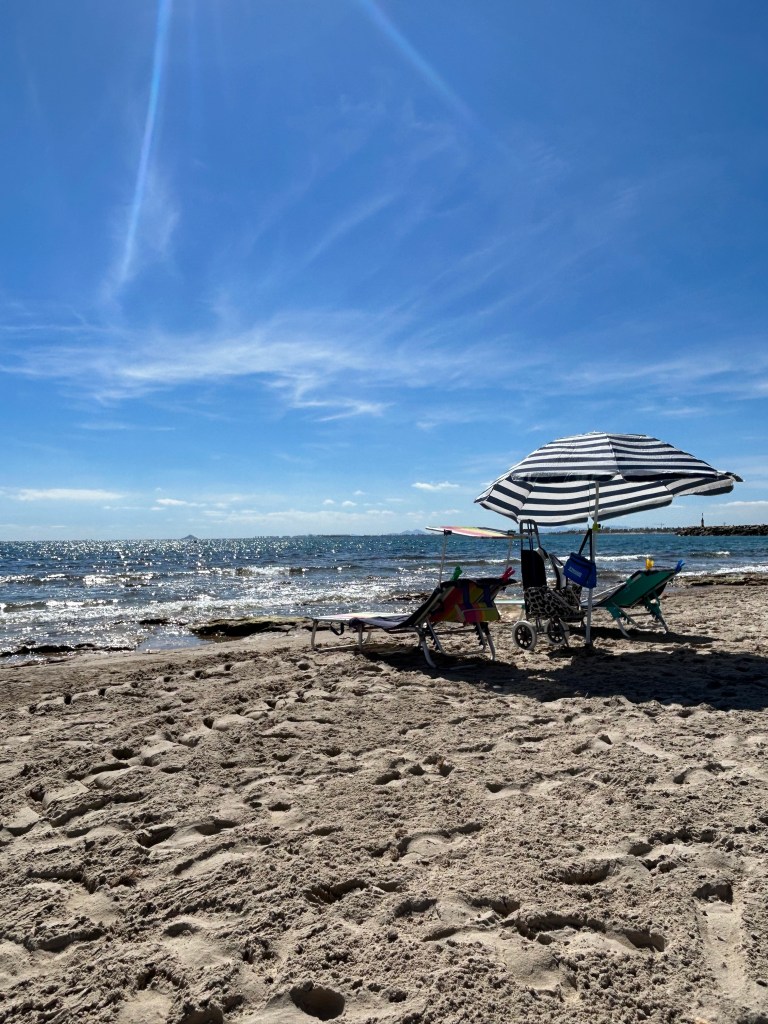
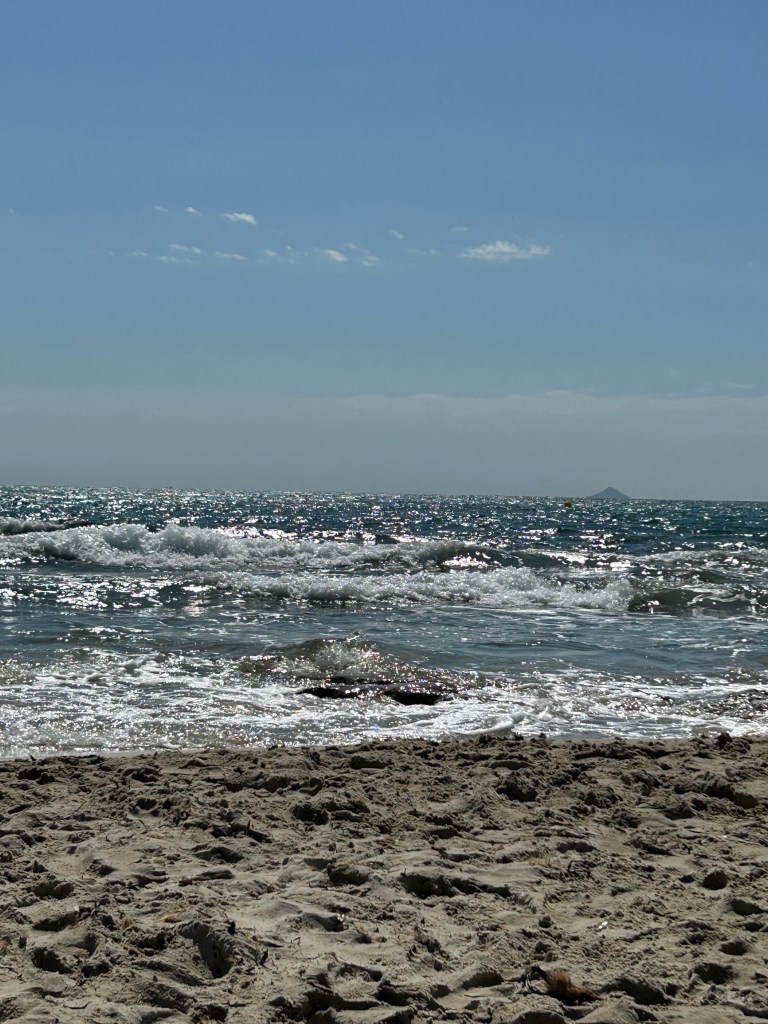
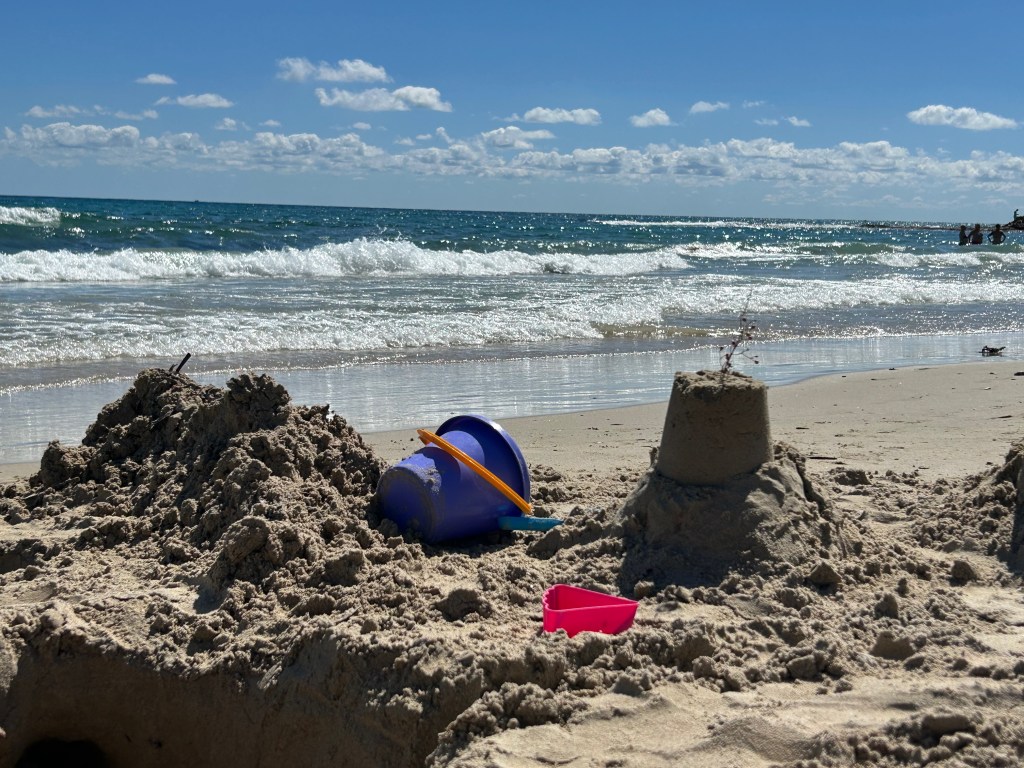
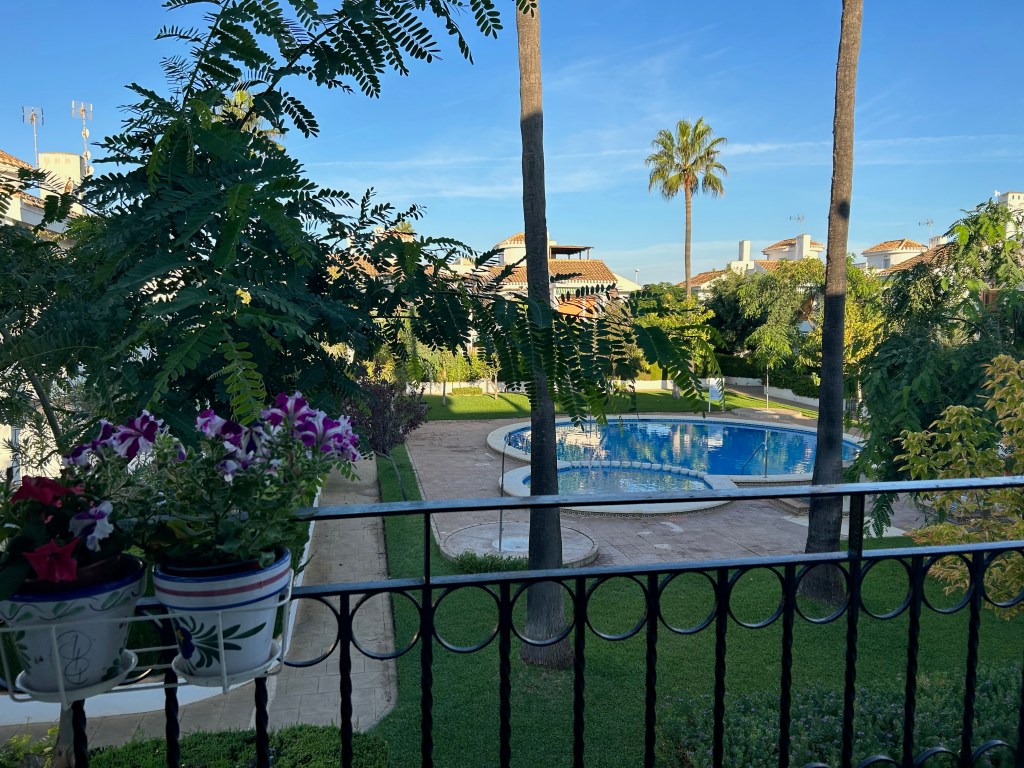
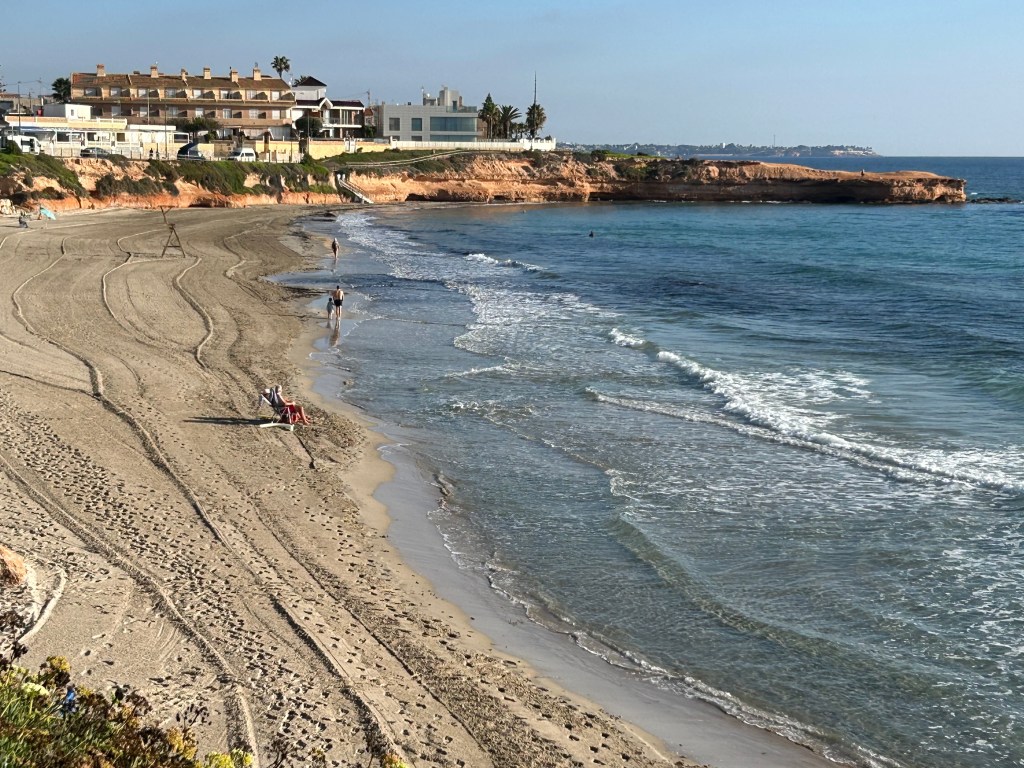
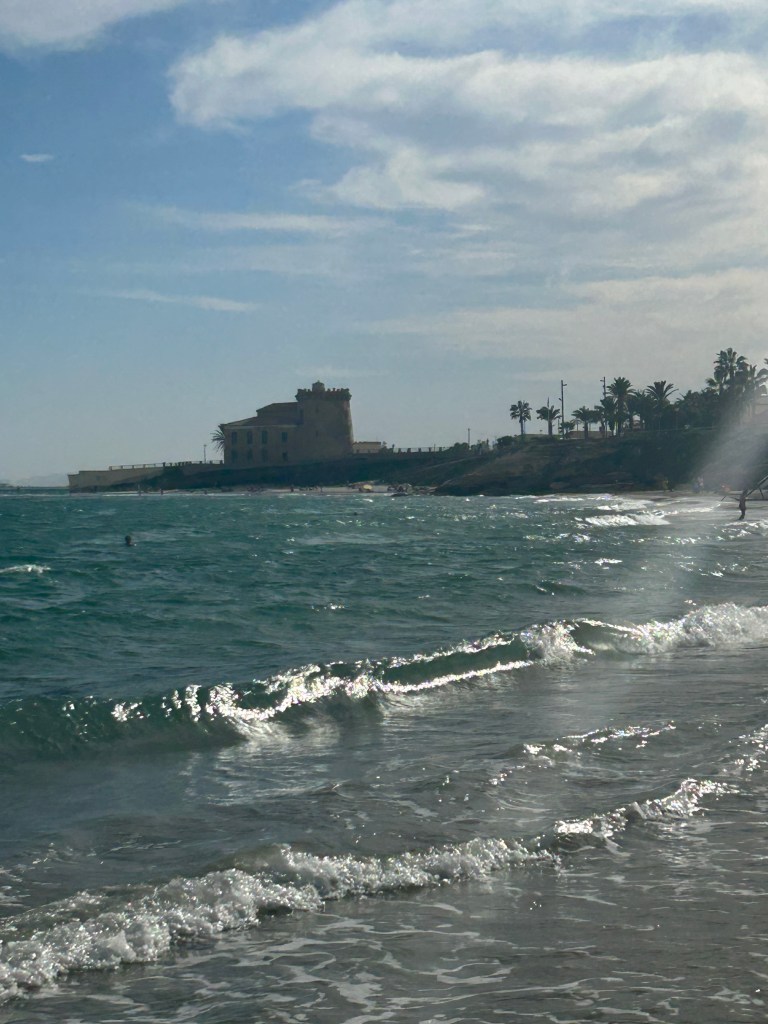
On September 13, we arrived in Alicante after an uneventful flight and good connection in Lisbon with Air Portugal. We picked up our car from Europcar, bought groceries at Mercadona and arrived at our special place mid-afternoon. It actually rained a little on the trip which is very unusual. The next day was cloudy and windy but after that mostly hot and sunny. I know that it’s the same photos that I have taken for over 30 years but I still like to take them.
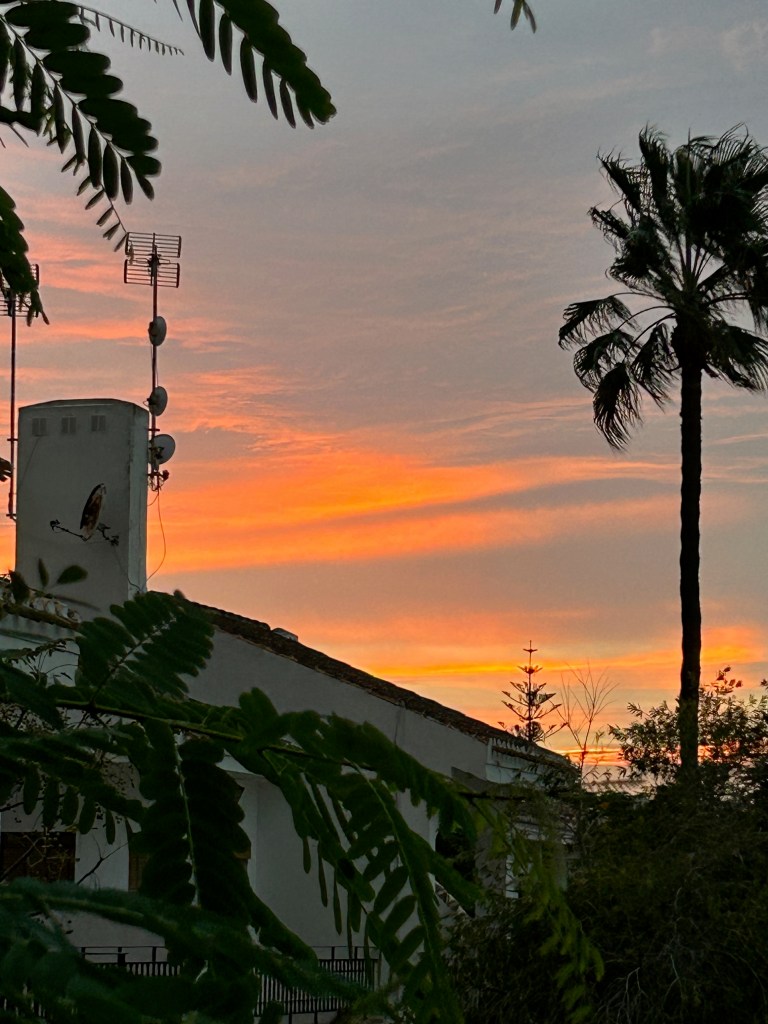
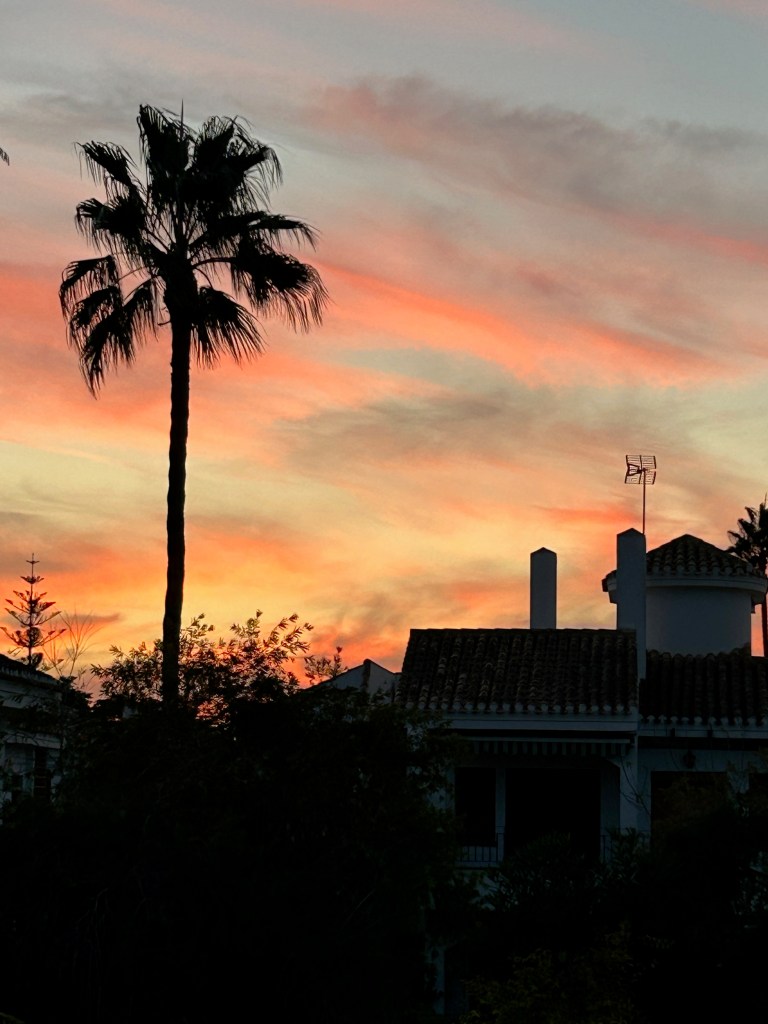
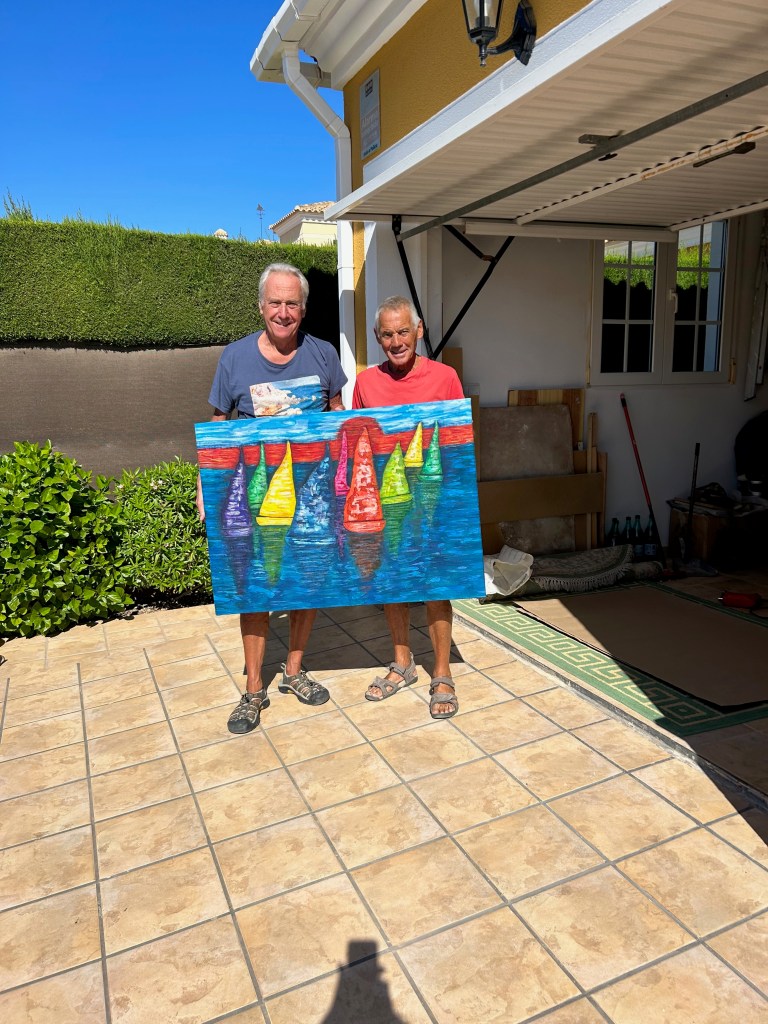
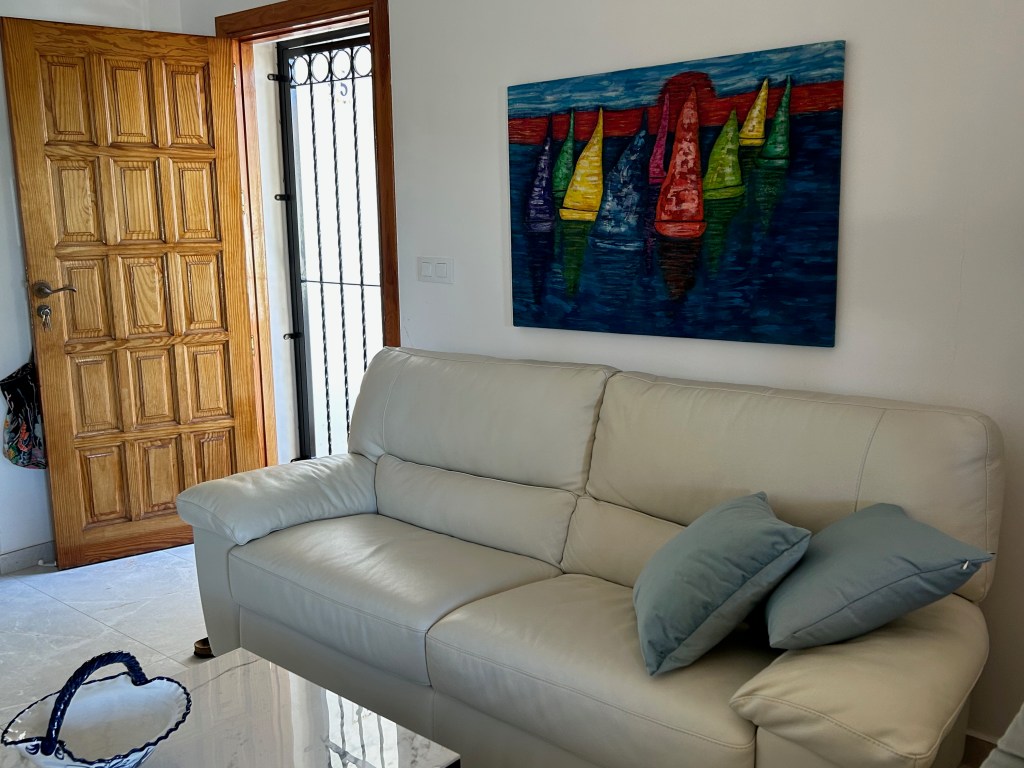
Susan Cunningham painted a silk painting for our living room.
October 15-17: Toledo
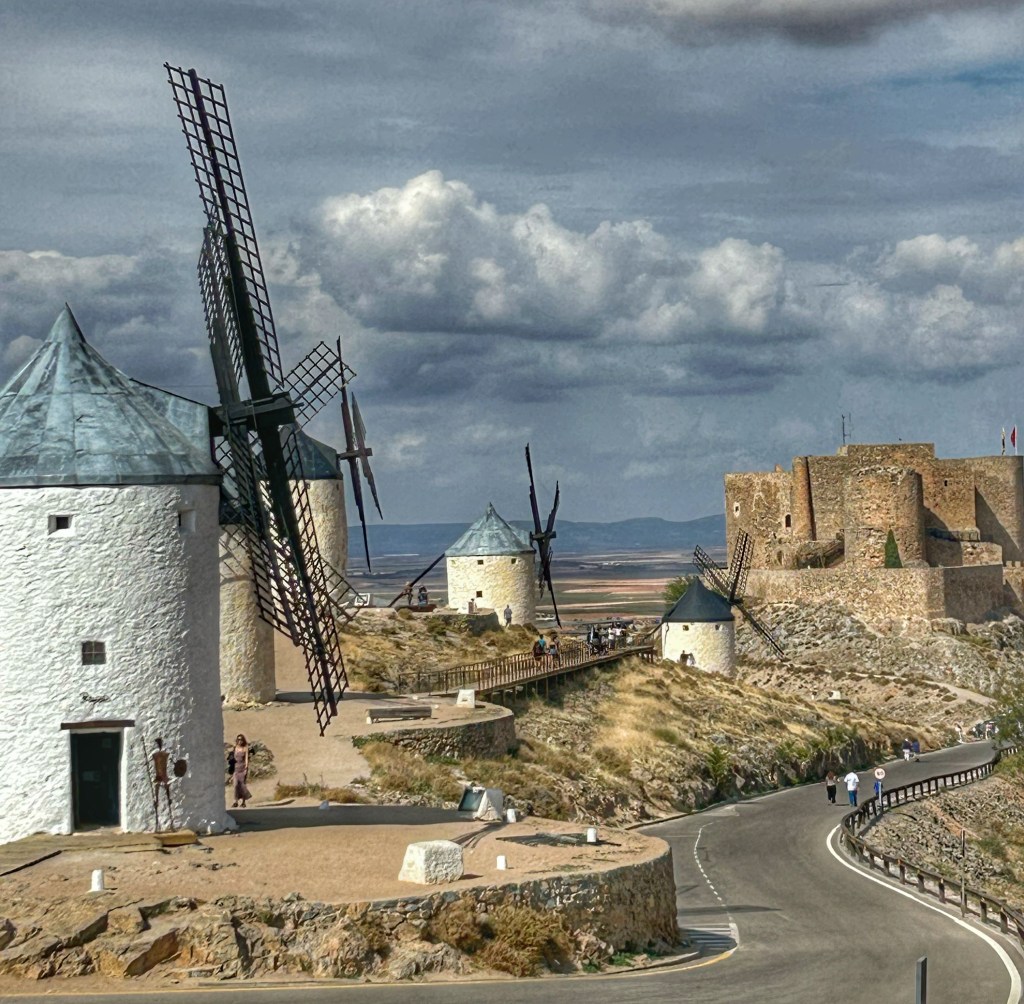
We travelled to Toledo for three days as Shannon had not been there and it had been some time since we were there. On the way, we stopped to see the windmills at Consuegra.
On top of the Cerro Calderico mountain in the quaint historic town of Consuegra, 12 white tower windmills crown the hill, surrounded by the sprawling plains of Castilla-La Mancha and backdropped by a striking medieval castle. These iconic towers are believed to be the windmills described by Miguel de Cervantes in his famous 17th-century novel Don Quixote.
Each of the Consuegra windmills has a unique name taken from the novel, in which Don Quixote de la Mancha mistakes the towers for giants and picks a fight with them in a particularly memorable scene that coined the term “tilting at windmills.”
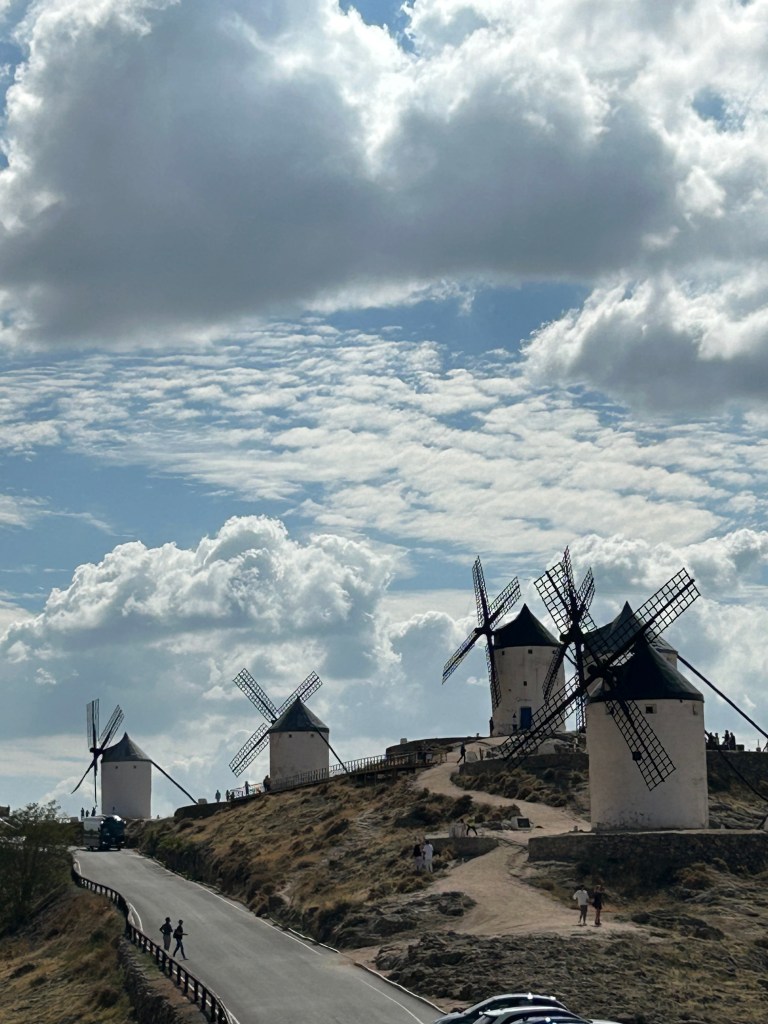
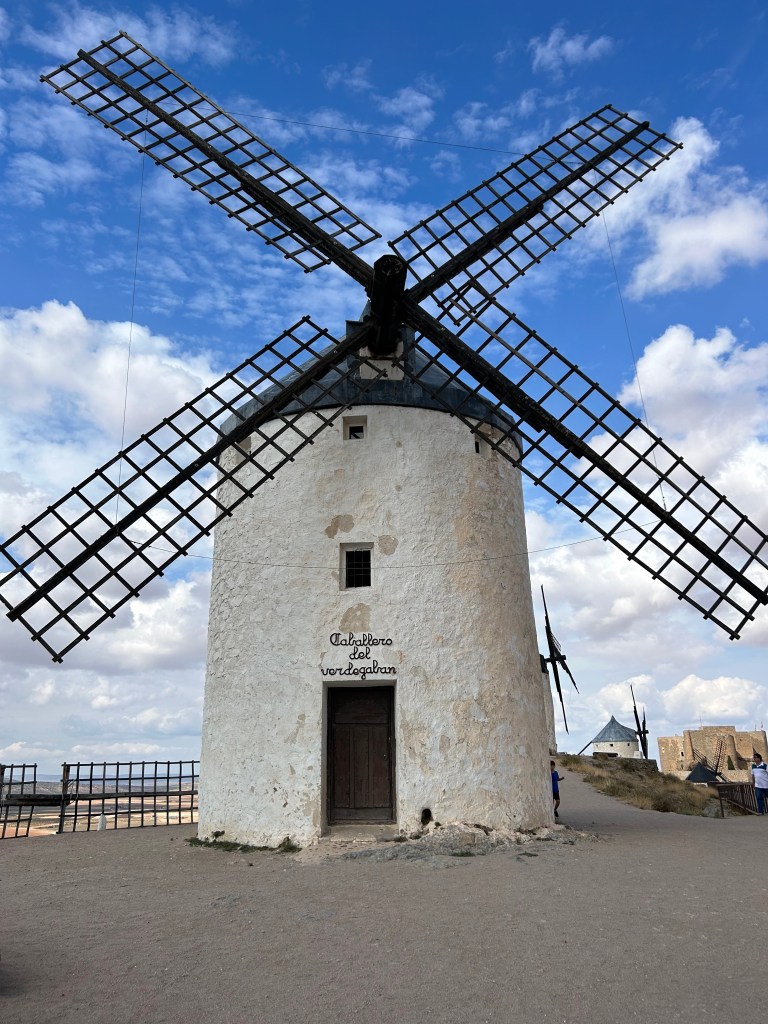
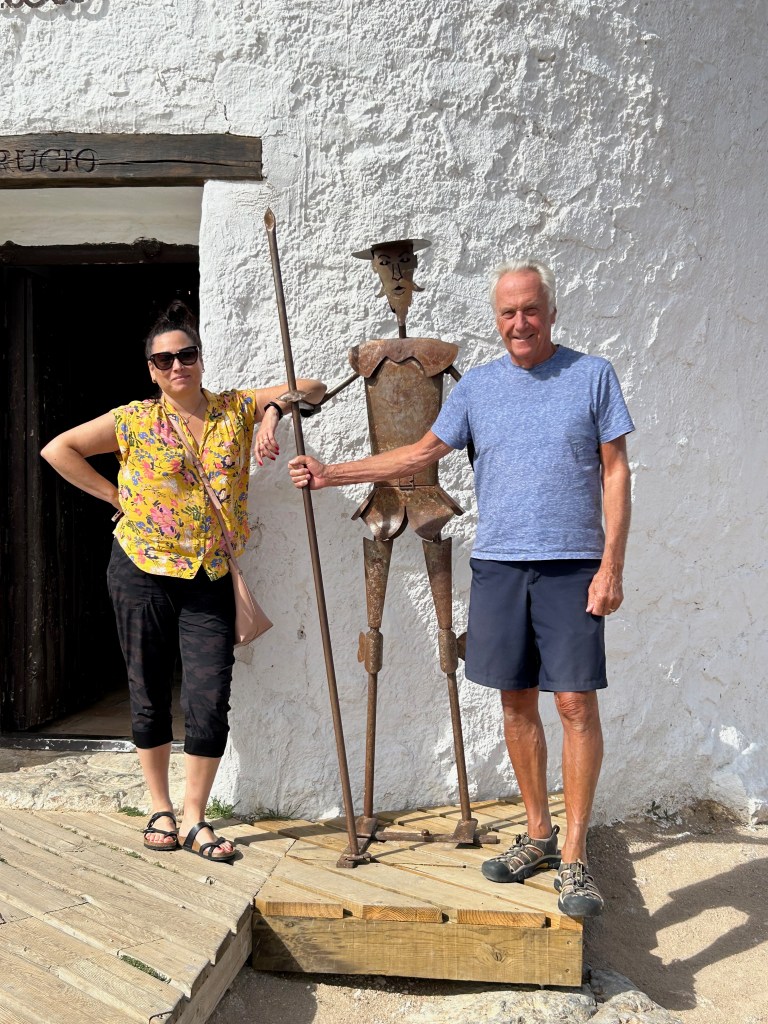
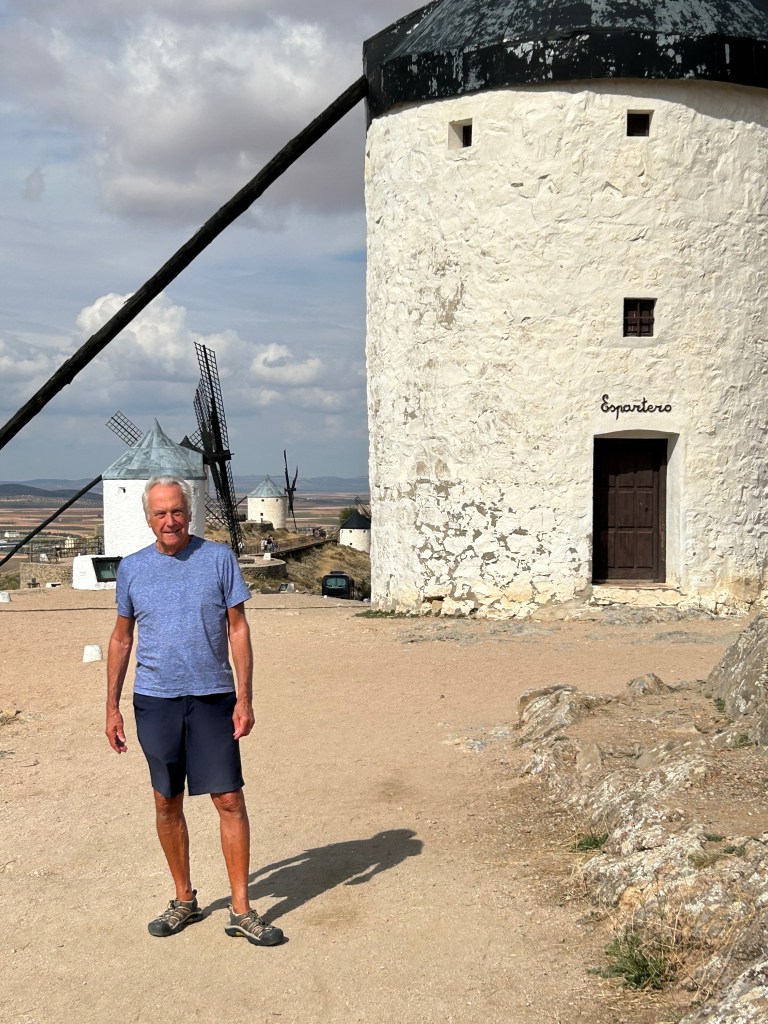

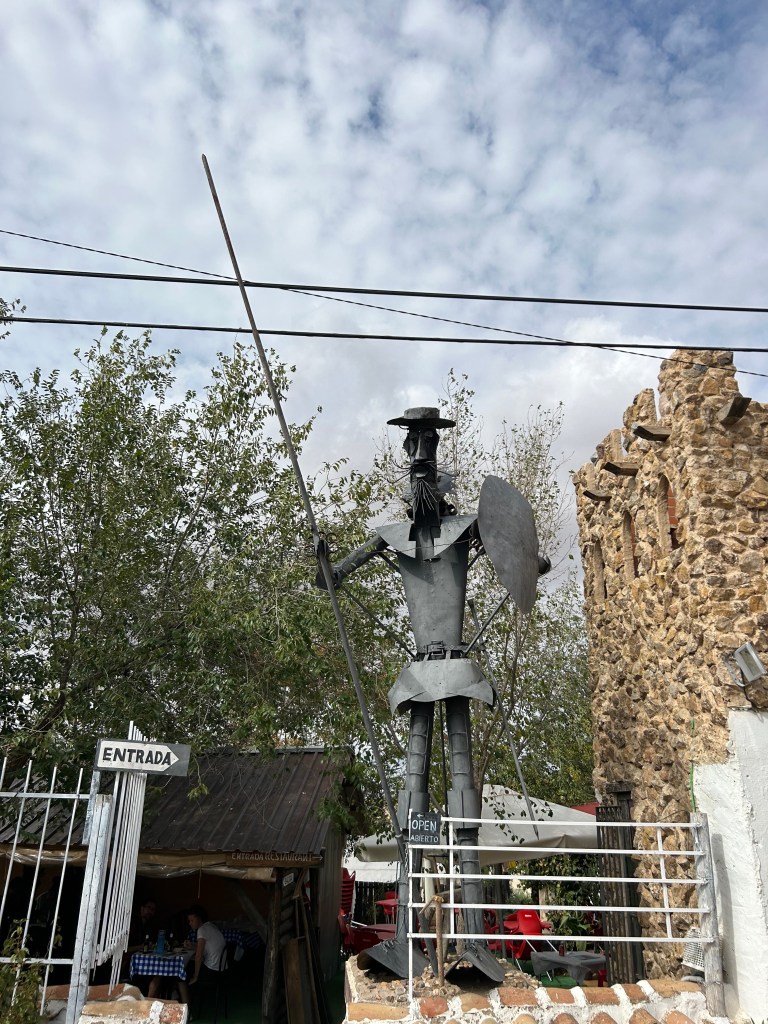
We had lunch at the restaurant right next to the windmills and Don was there!
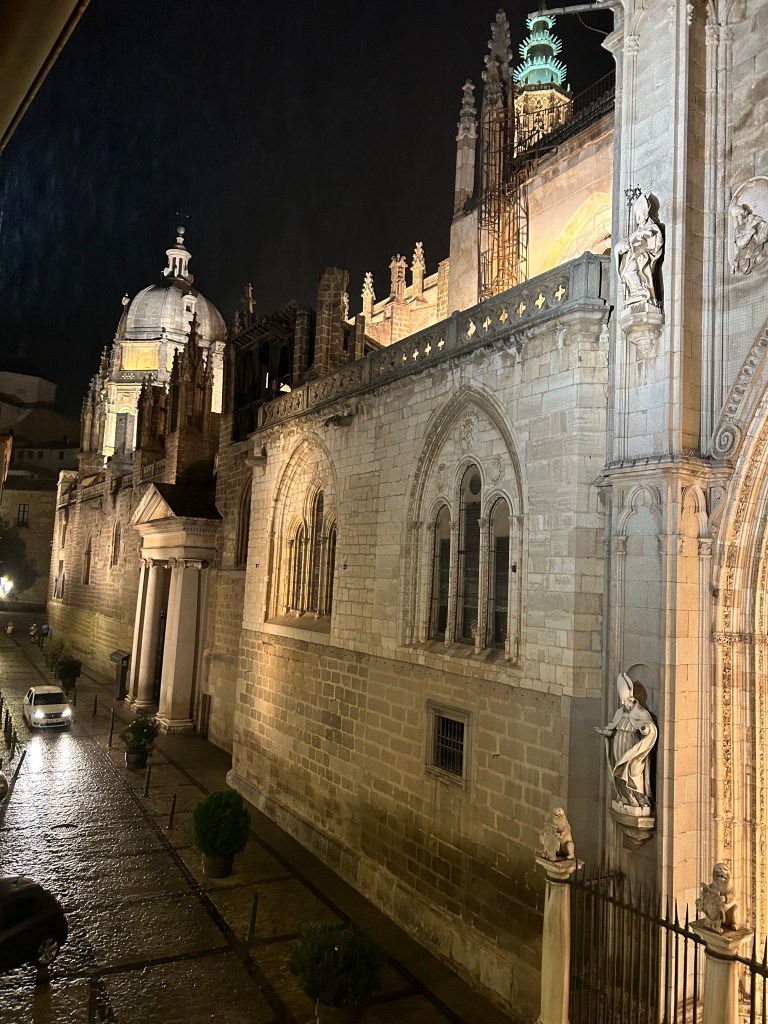
We arrived in Toledo, parked the car inside the walls and walked to the airbnb we had rented right next to the cathedral. It was new, clean and a good sized space. The view was spectacular.
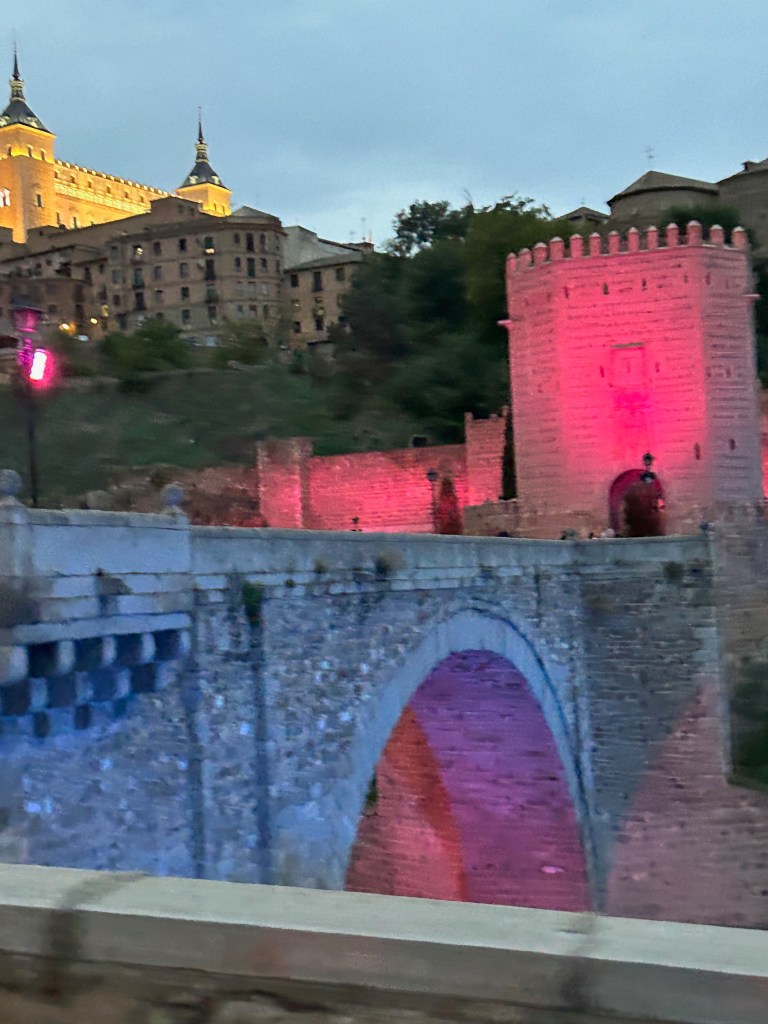
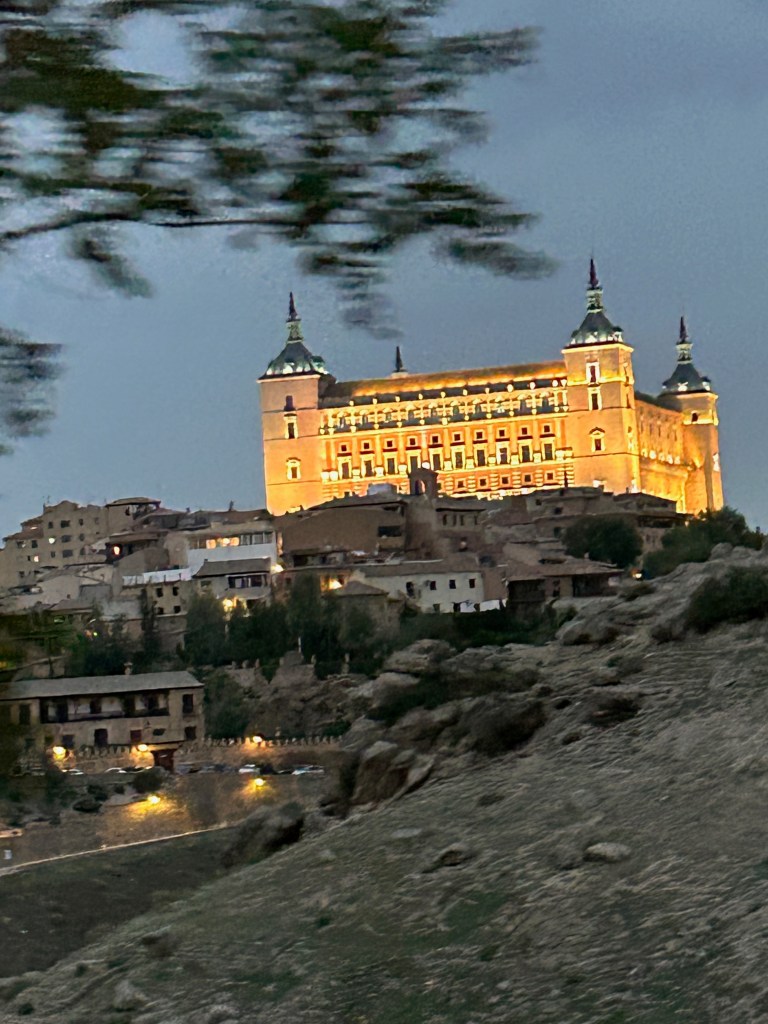
We headed out soon after we got settled in the apartment for the train that runs around the city. It was later in the day, 6:30, and getting dark so we got to see the city lit up.
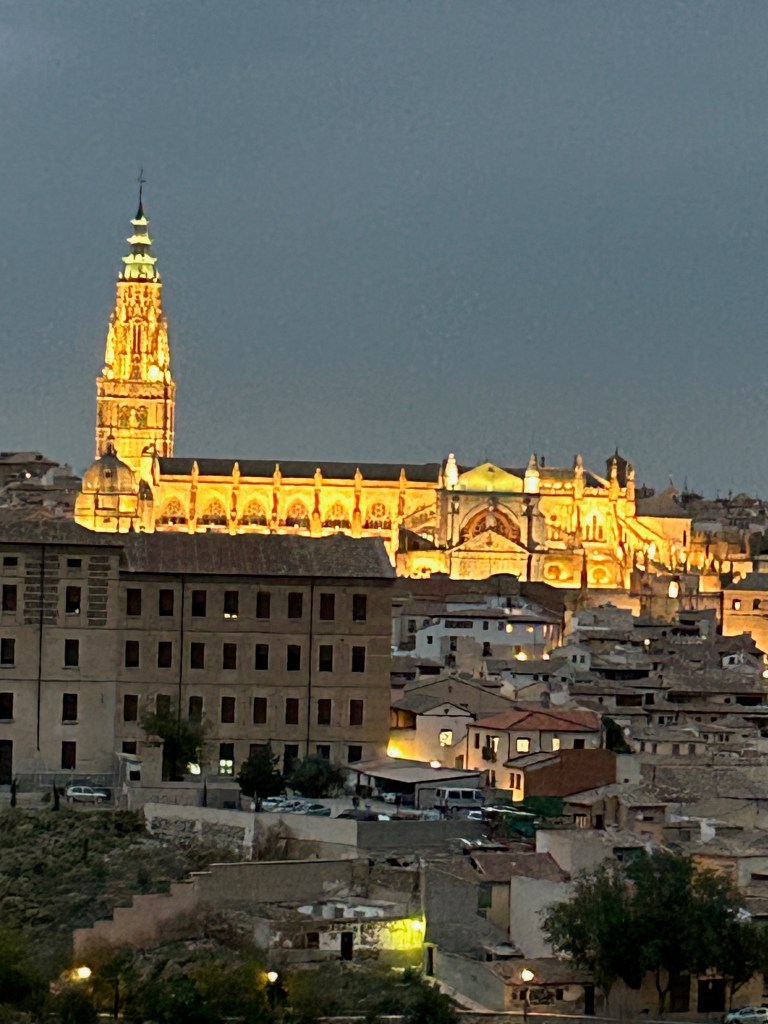
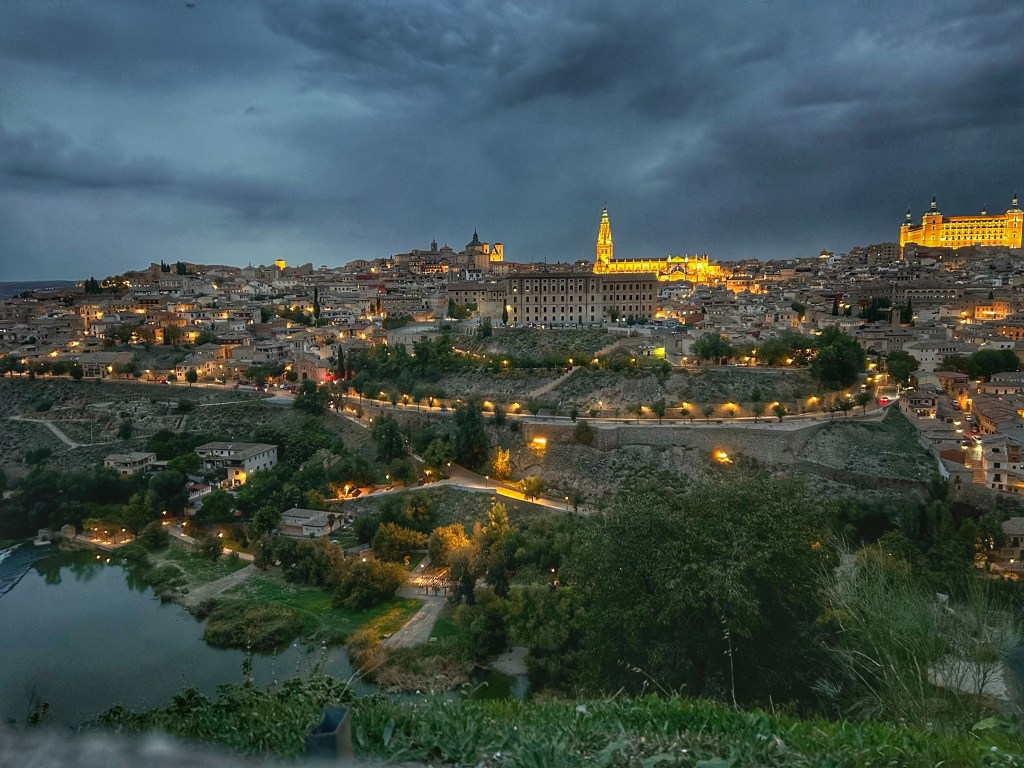
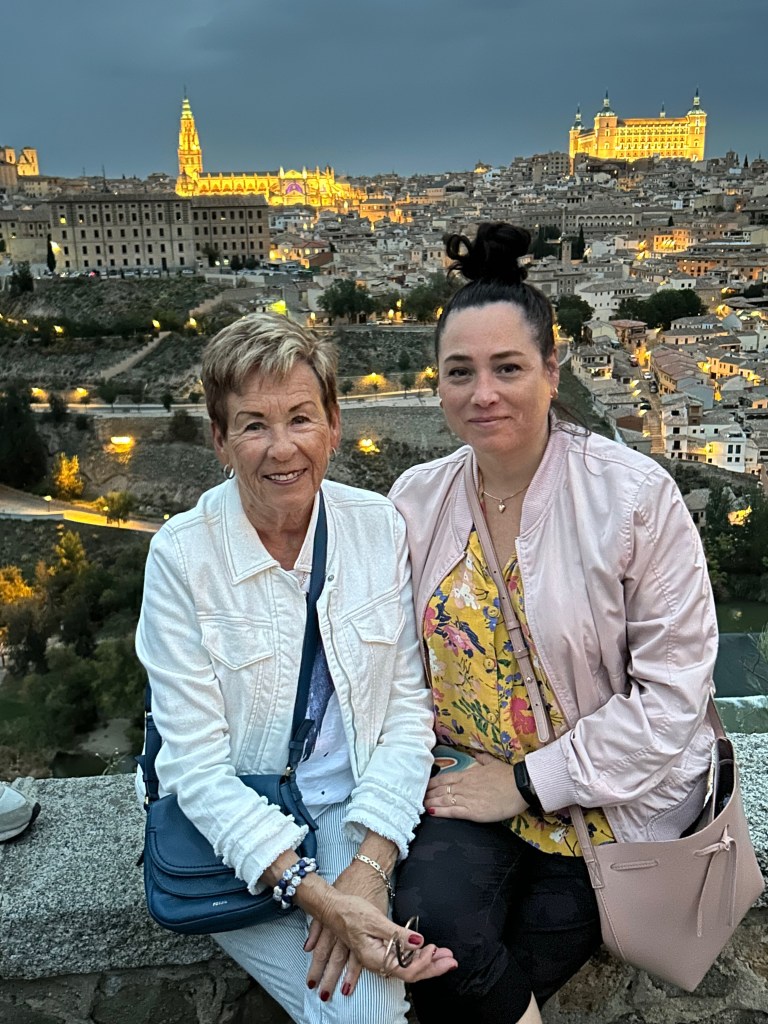
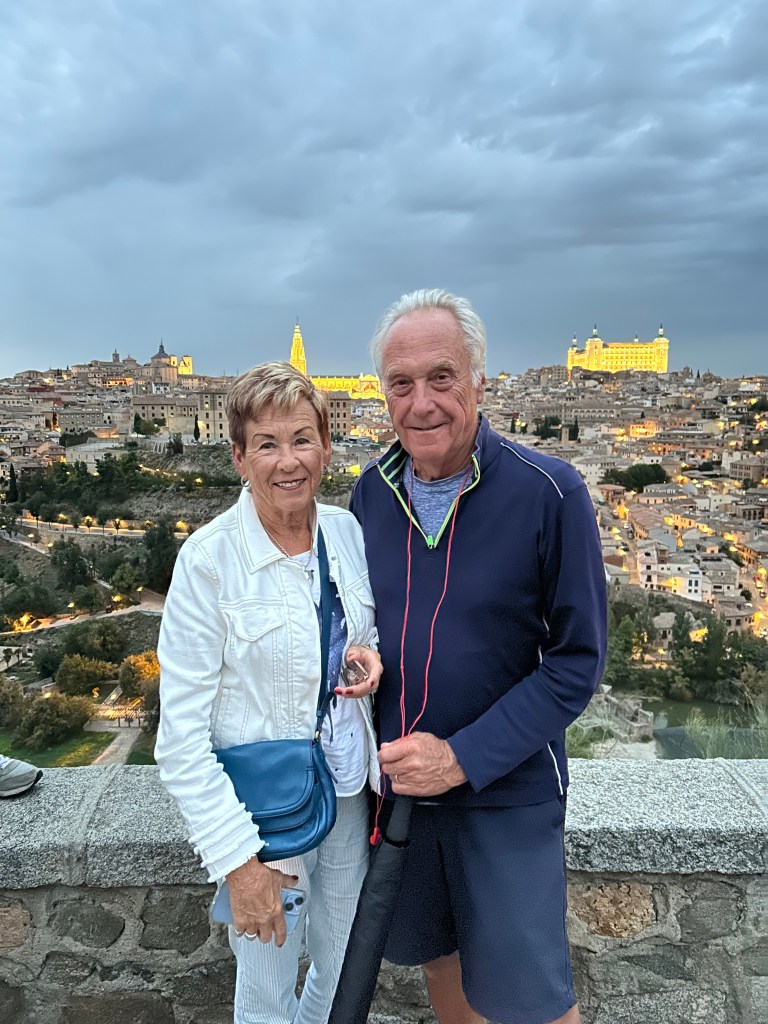
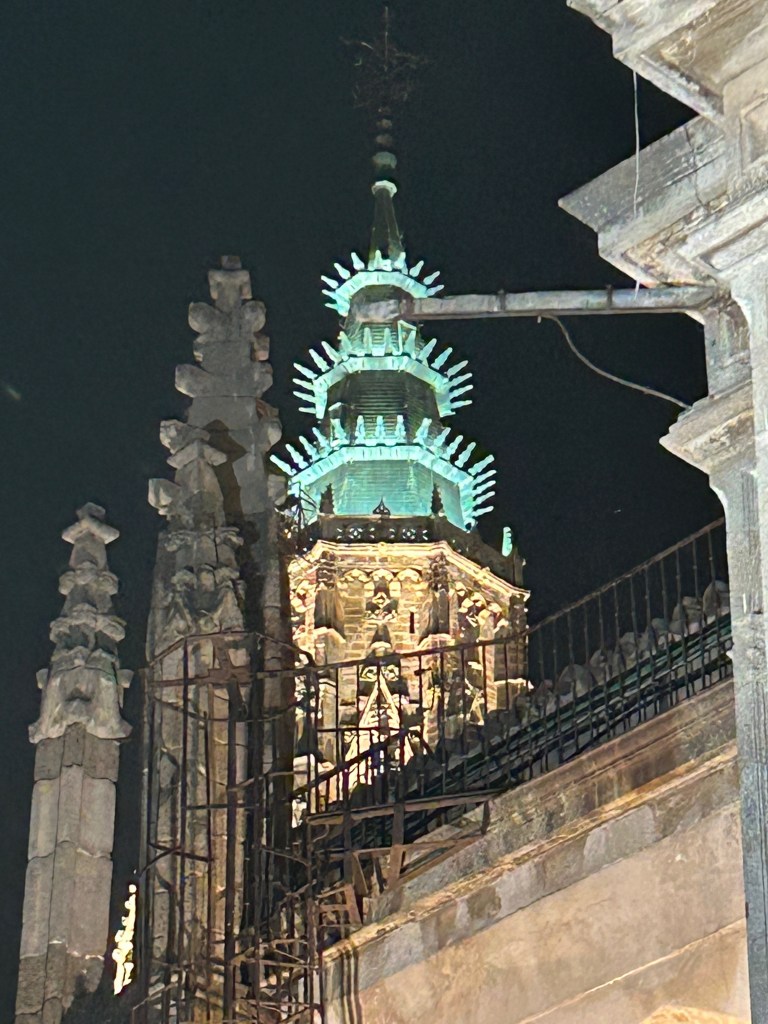
We visited the very beautiful main cathedral – massive and hard to capture the size of it.
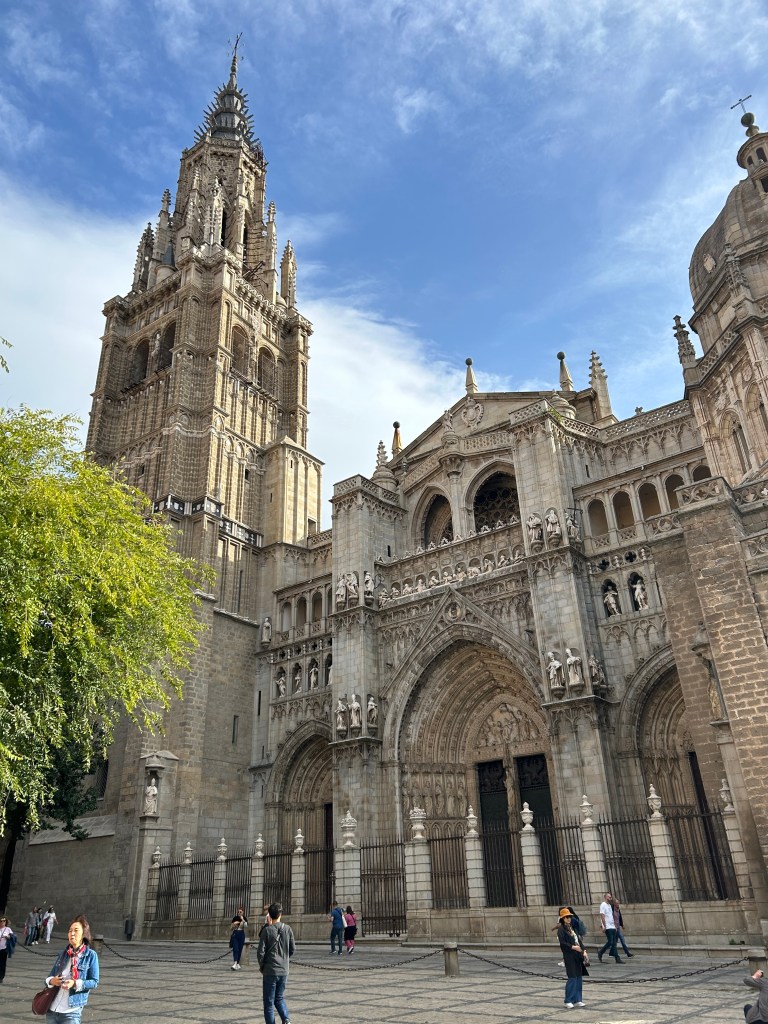
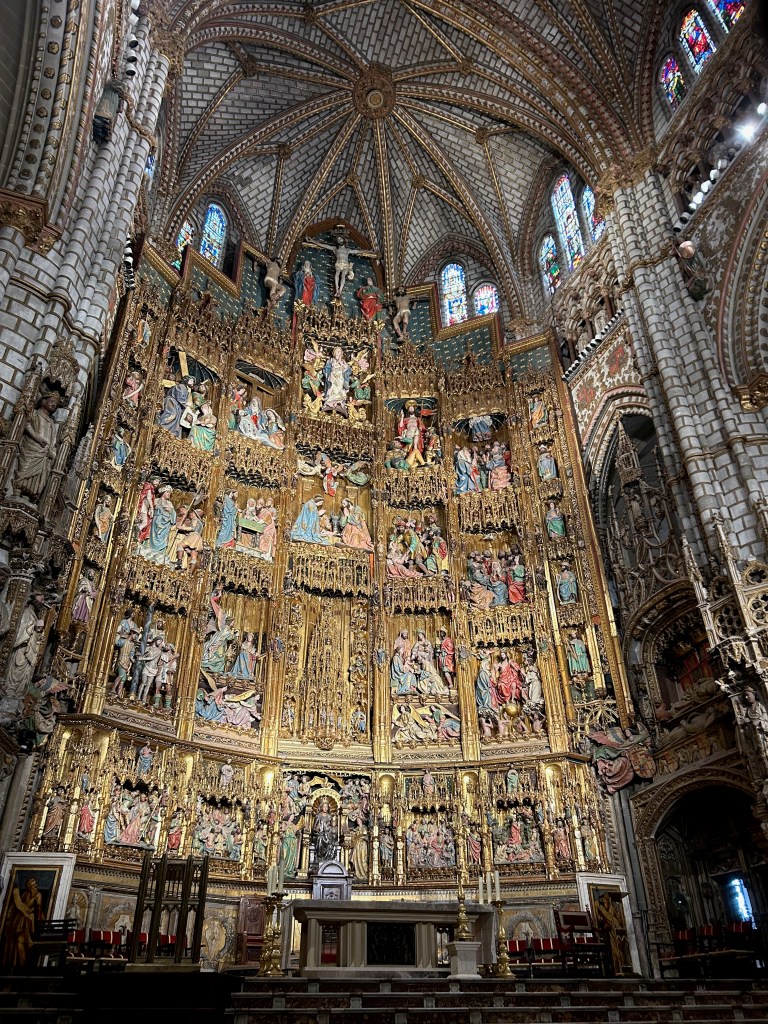
It is massive inside with a very spacious main hall and many smaller chapels all around.
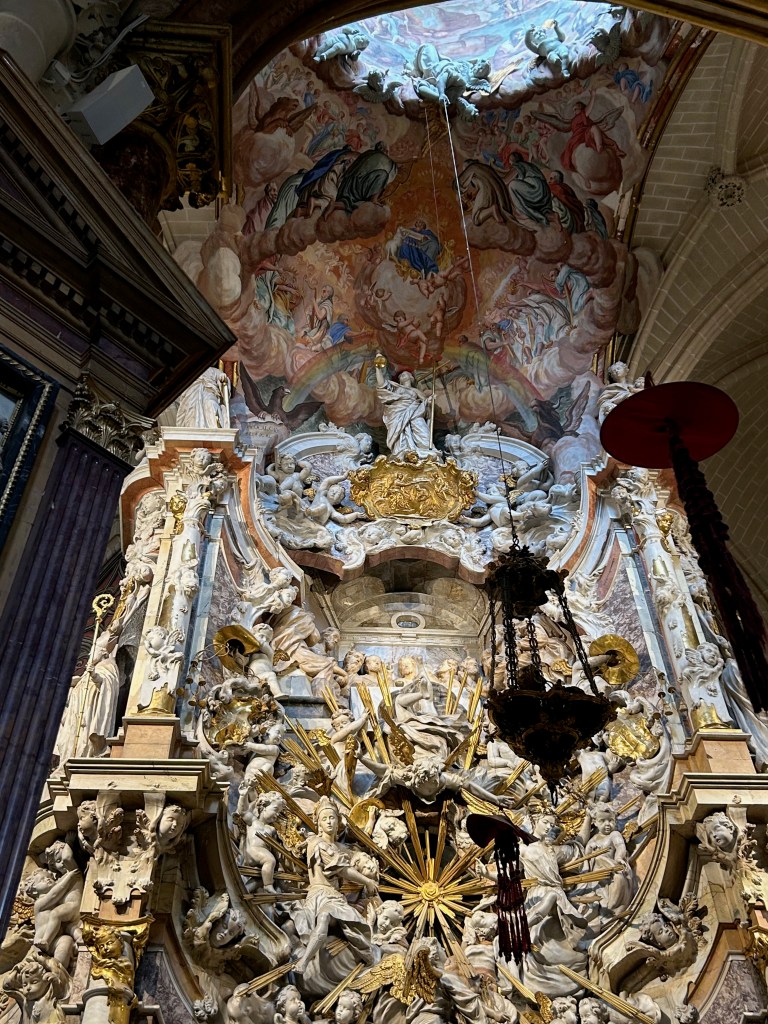
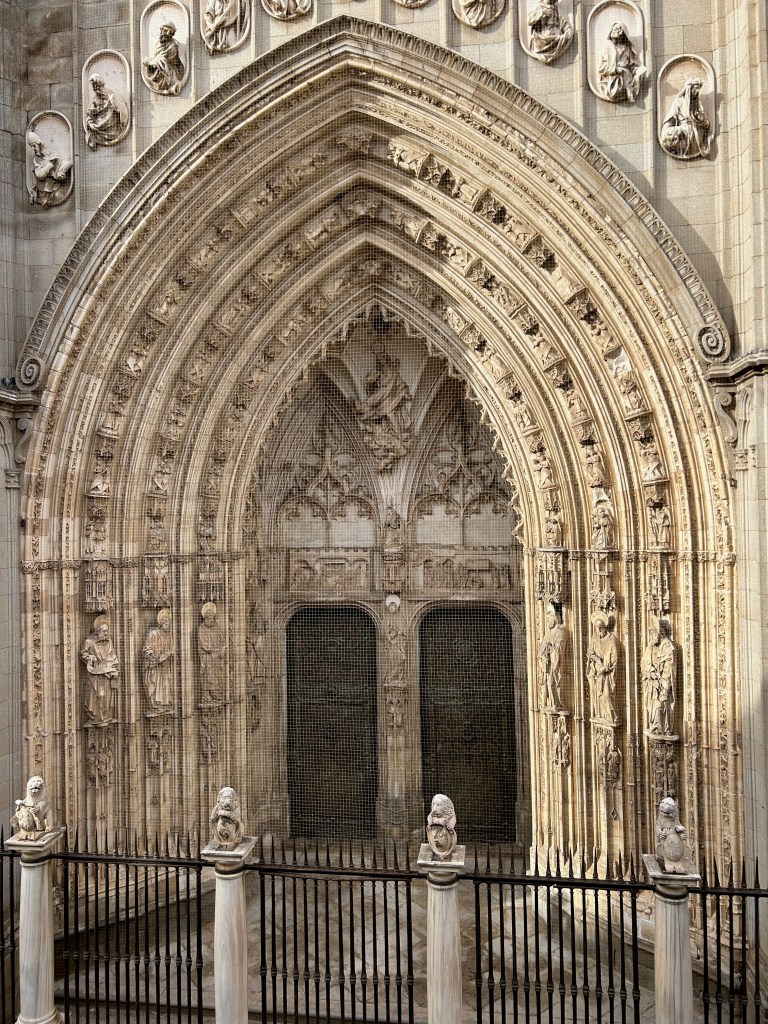
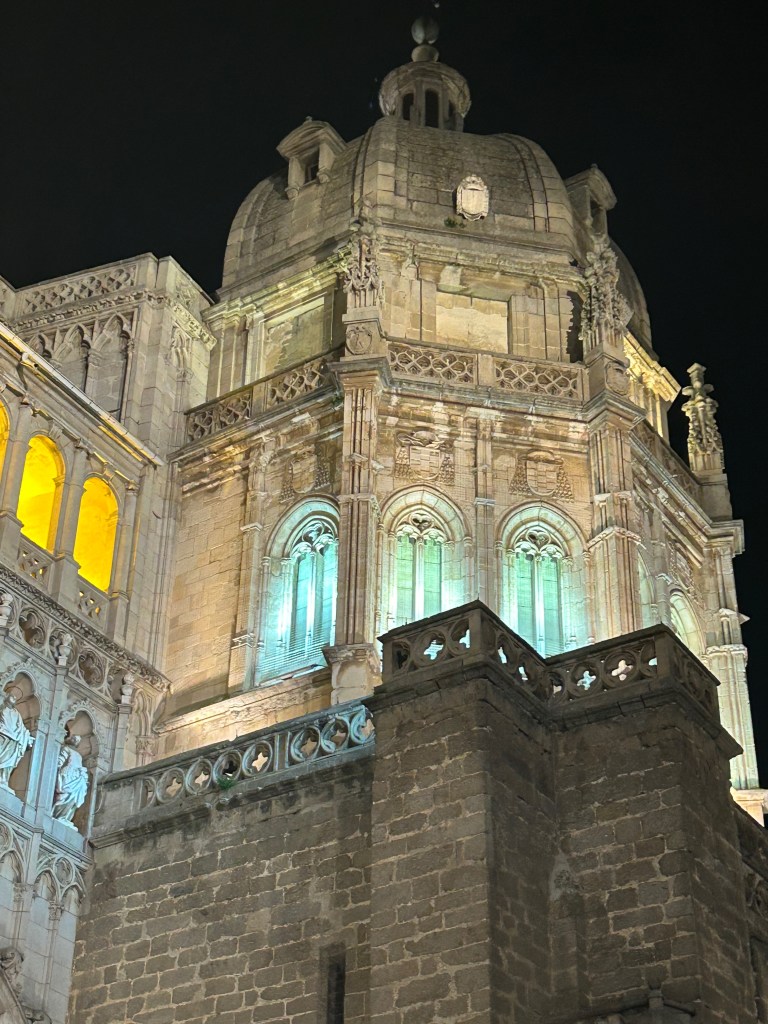
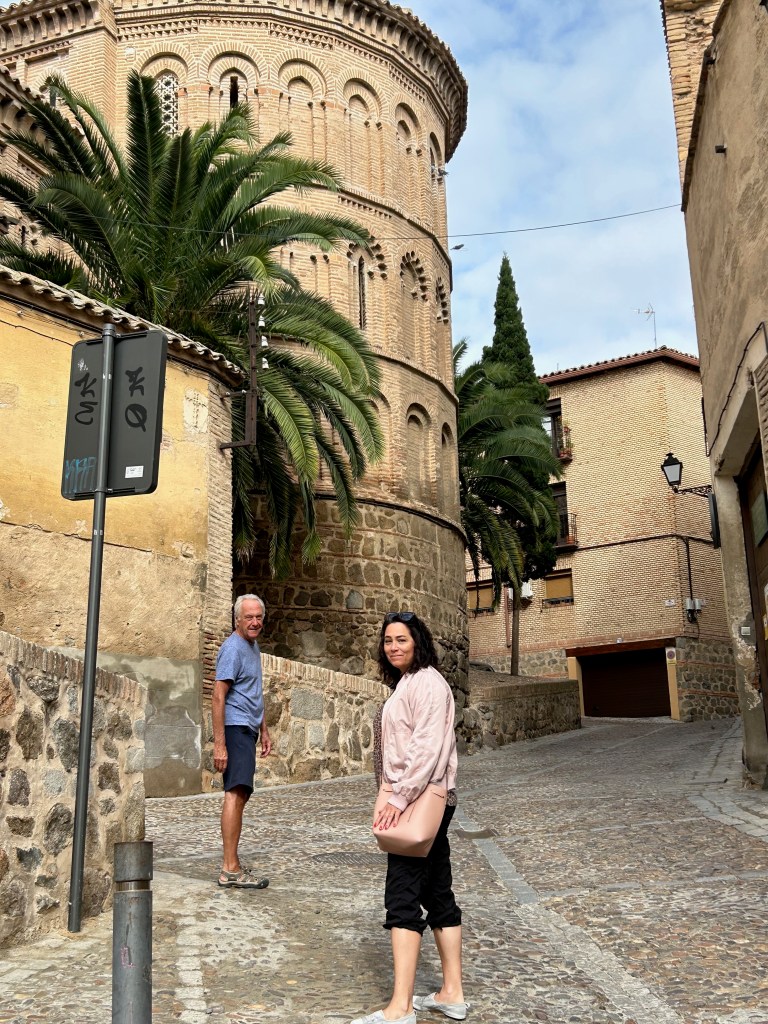
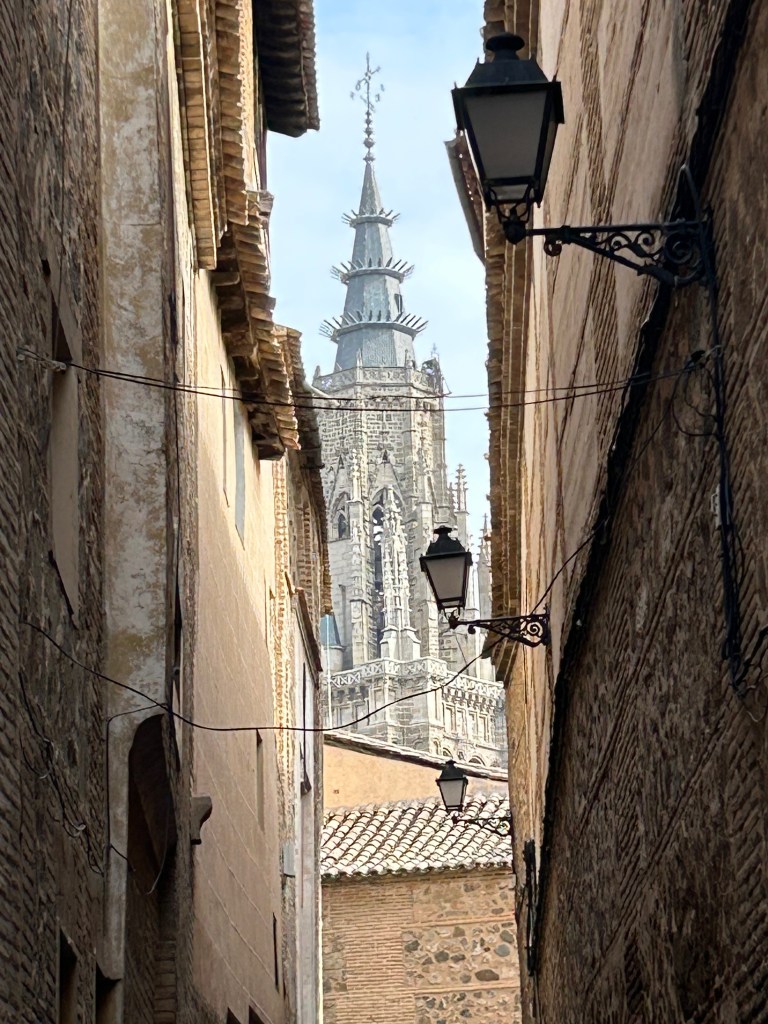
We walked up and down the streets of Toledo visiting the cathedrals, synagogues and other sites and often getting lost. We were limited by the fact that many museums were closed on Mondays.
We then went to the El Greco museum. This may have been the most inspirational for us- just learning about a new-to-us painter. “My sublime work,” El Greco himself called this painting, in a court proceeding. Yet humbly and obediently he had but painted here a story commissioned by the parish priest of Santo Tome.
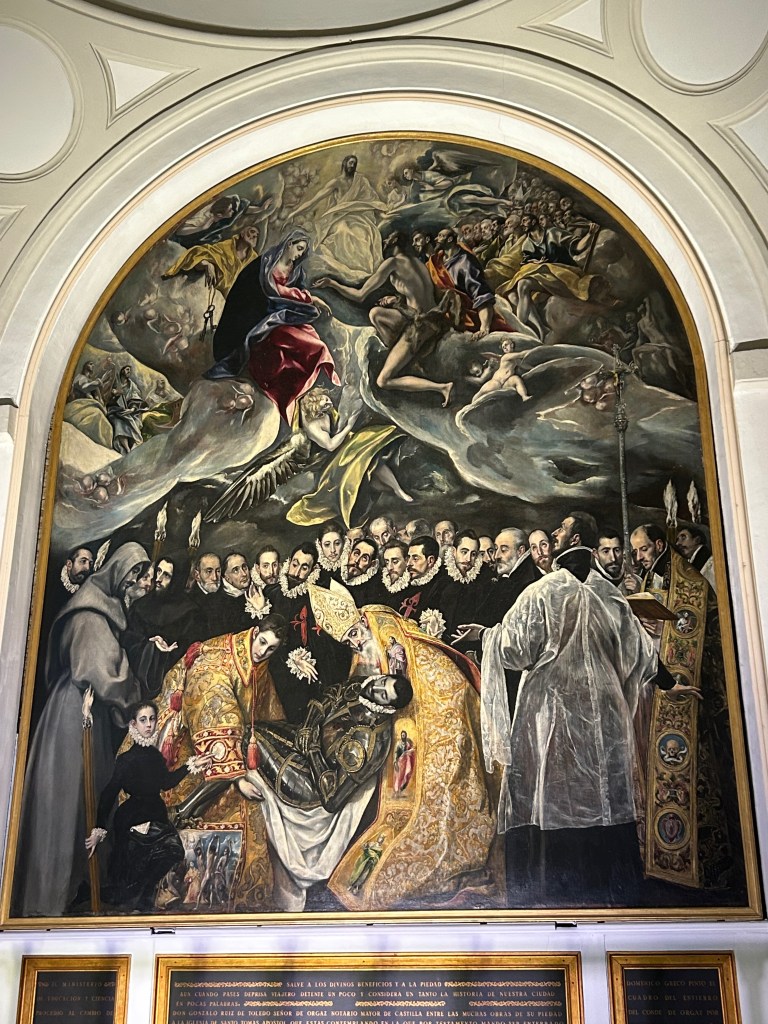
A long inscription below the huge picture tells us this story: Two-and-a-half centuries earlier, at the passing away of the pious Lord of Orgaz, Don Gonzales Ruiz, the dead knight was honored at this Church of Santo Tome, amidst assembled nobles and clerics, by the descent from open heaven of St. Stephen and St. Augustine, who themselves lifted the body and put it in its sepulcher.
The artist was asked to paint this miracle, and he painted it as he saw it: as the witnessing of a miracle. A little boy in the left hand corner (Greco’s son, perhaps) introduces himself and us to the event.
The faces are so silent, the hands so telling. Below, the rhythms are quiet, undulant; above, a swirling vortex. The nearness of so much happening. Everything here belongs to the psychological world of witnessing.
Is it the juxtaposition of two worlds that is painted here heaven and earth; pictorial richness and privation; warmth of tonality and coolness of color contrasts; solitary figures and consolidated forms? Is it conciliation or conflict? And is the radiant beauty, melancholy, and kindness of all these men’s faces a deep memory of ancient Greece? Or is it Greco’s rejection of all violence in life above all the violence of death, the execution and destruction of beautiful faces and beautiful bodies too often seen by him there, in Toledo, when victims of the Inquisition were executed ?
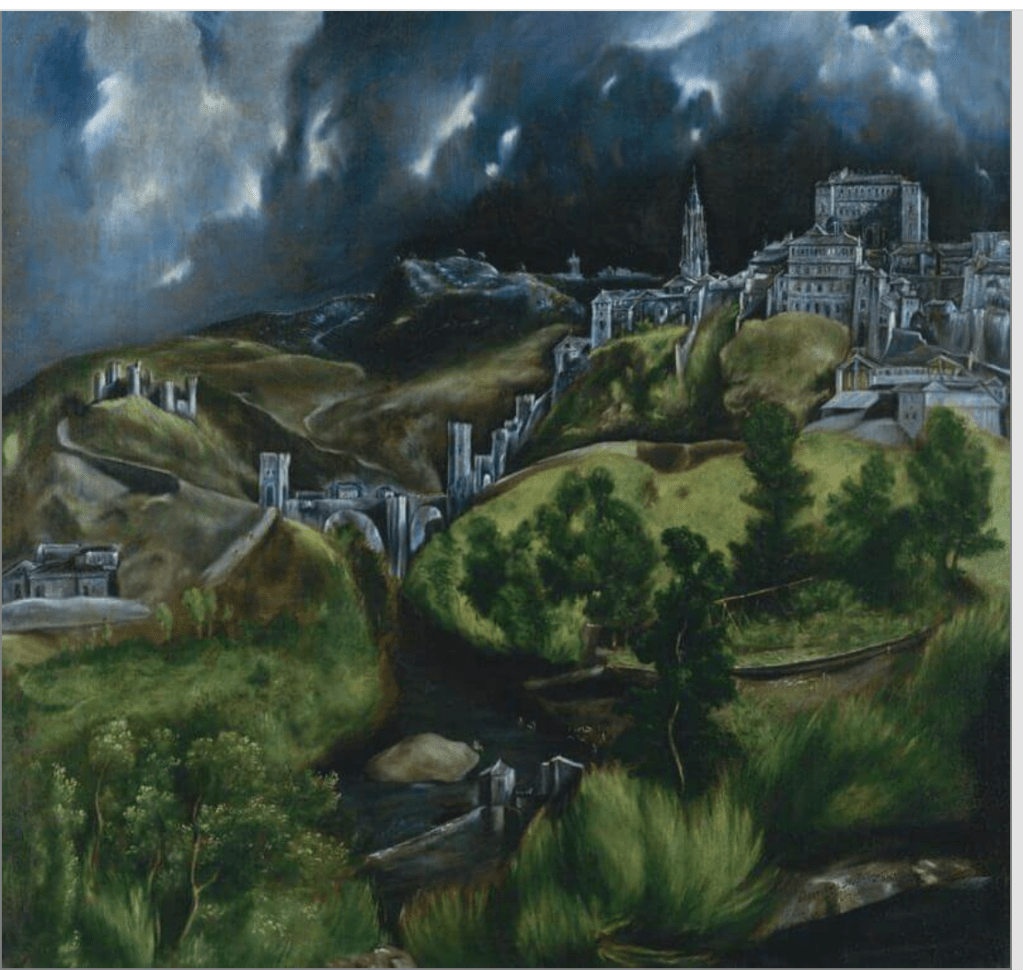
In one of the reviews of El Greco’s work, it is suggested that he criticized Michaelangelo’s work and therefore was less popular and got fewer opportunities to paint for the nobility.
We visited El Greco’s house/gallery where a noble had bought what he thought was El Greco’s house but was not. In any case, it is a lovely setting for many of his paintings and because it was a Monday in October we were there alone to enjoy the works.
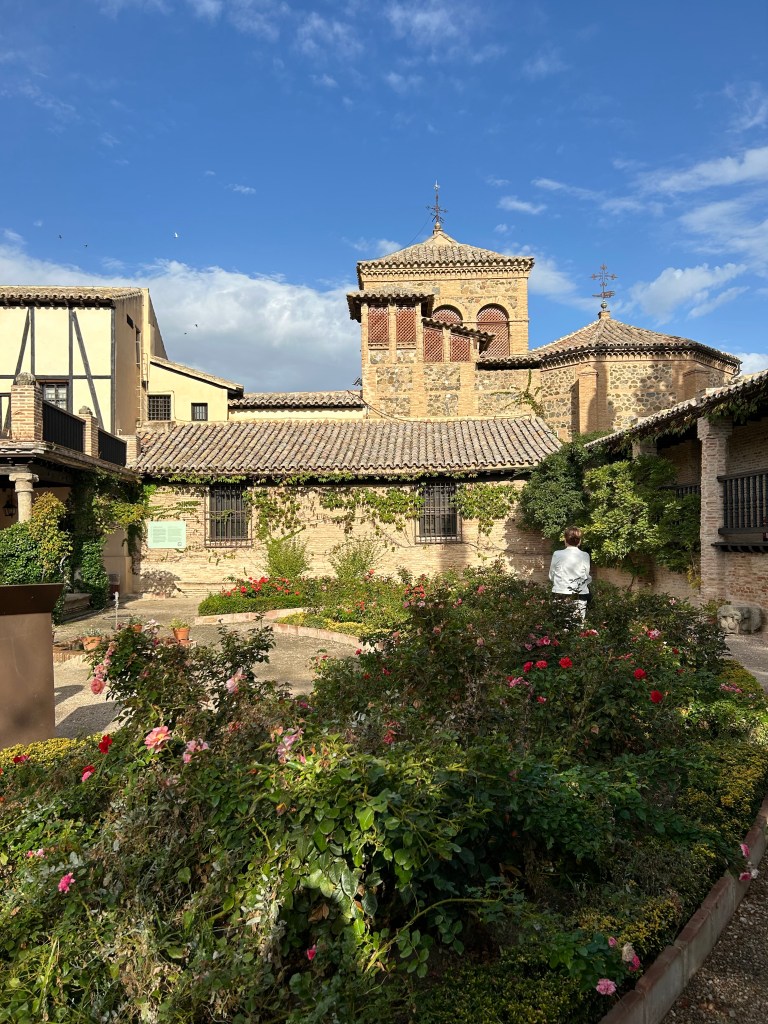
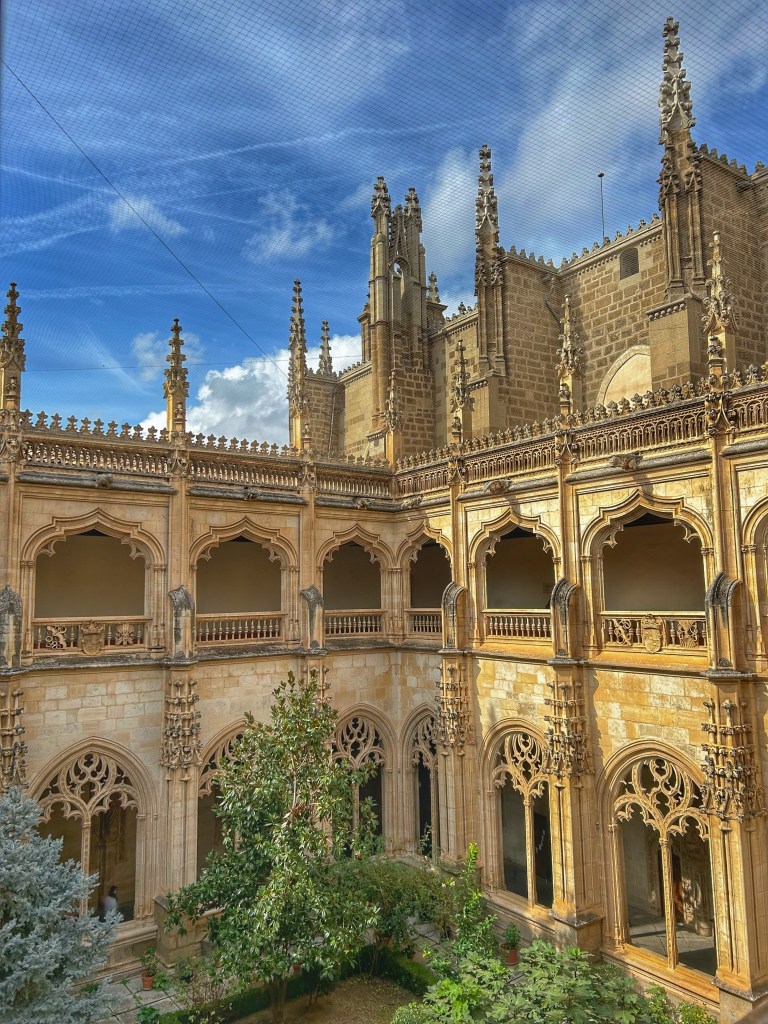
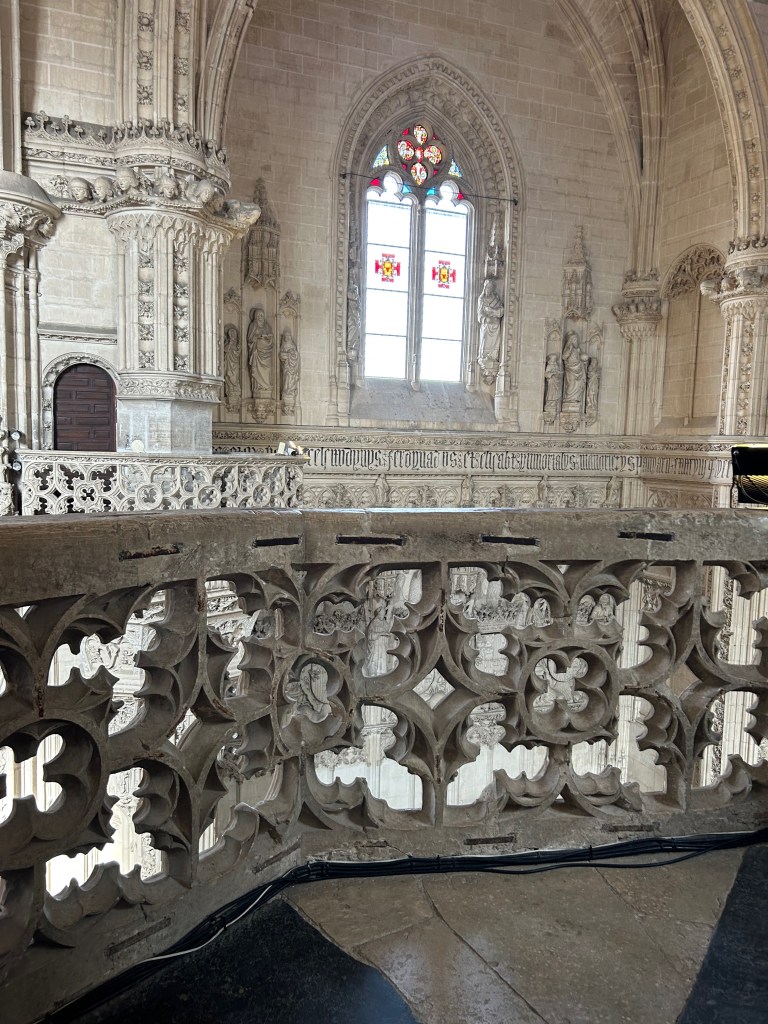
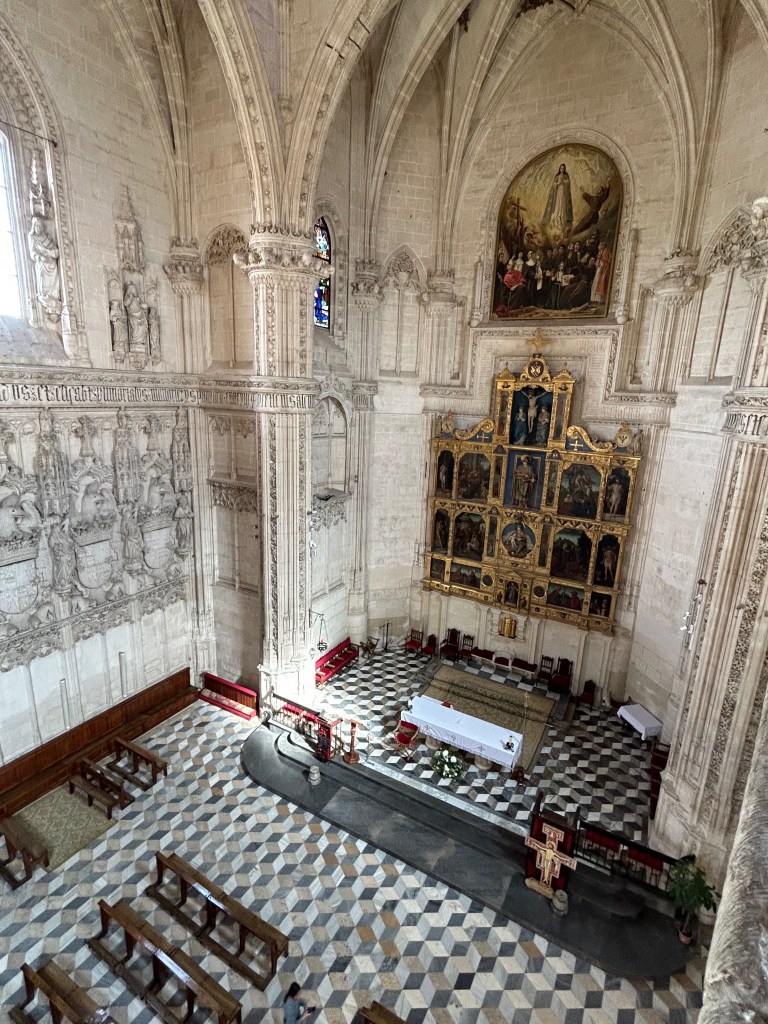
Our favourite church was the Monastery of San Juan de los Reyes (originally, Isabelle and Ferdinand intended their bodies to be buried here), maybe because it was smaller and more intimate but still grand.
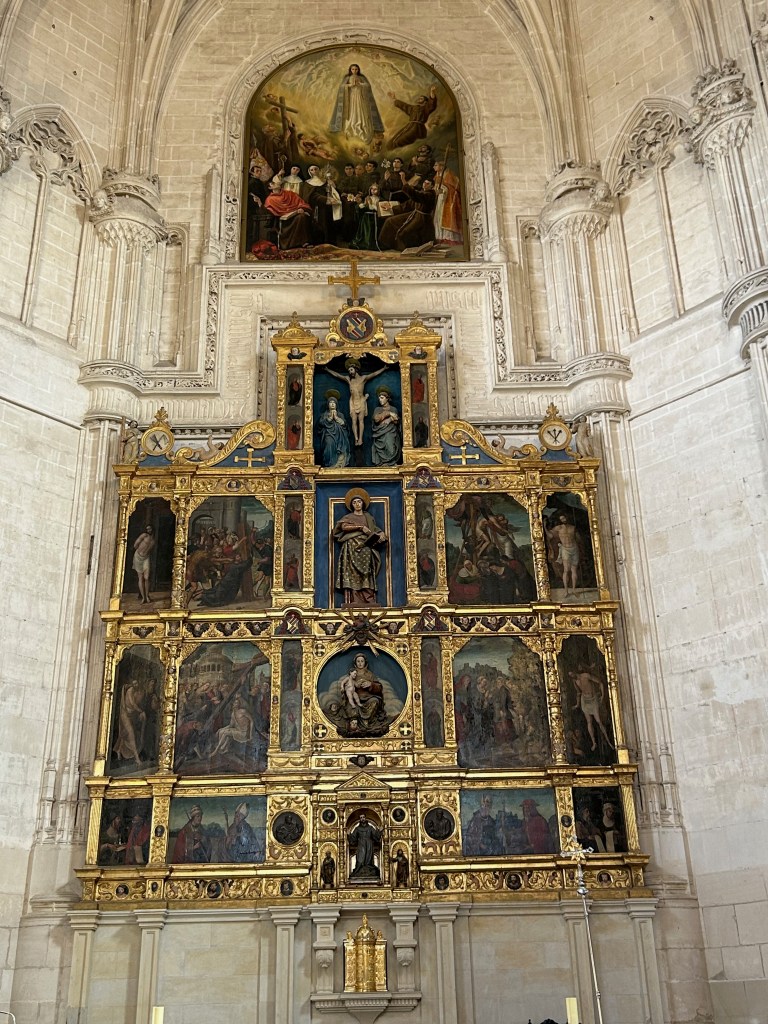


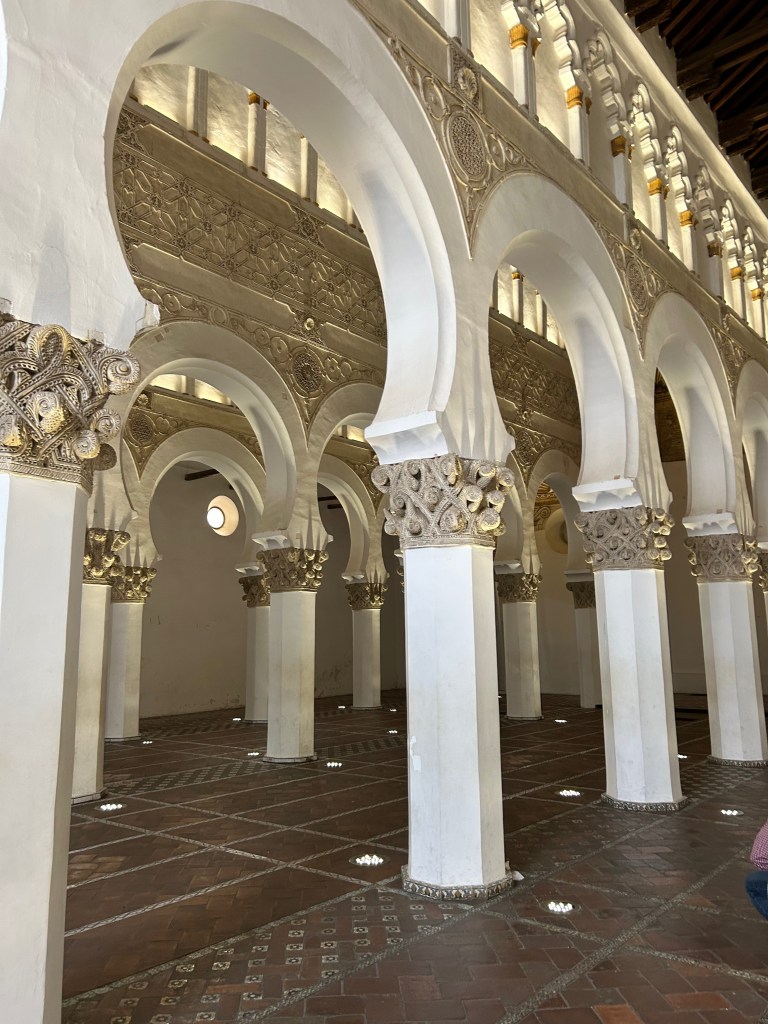
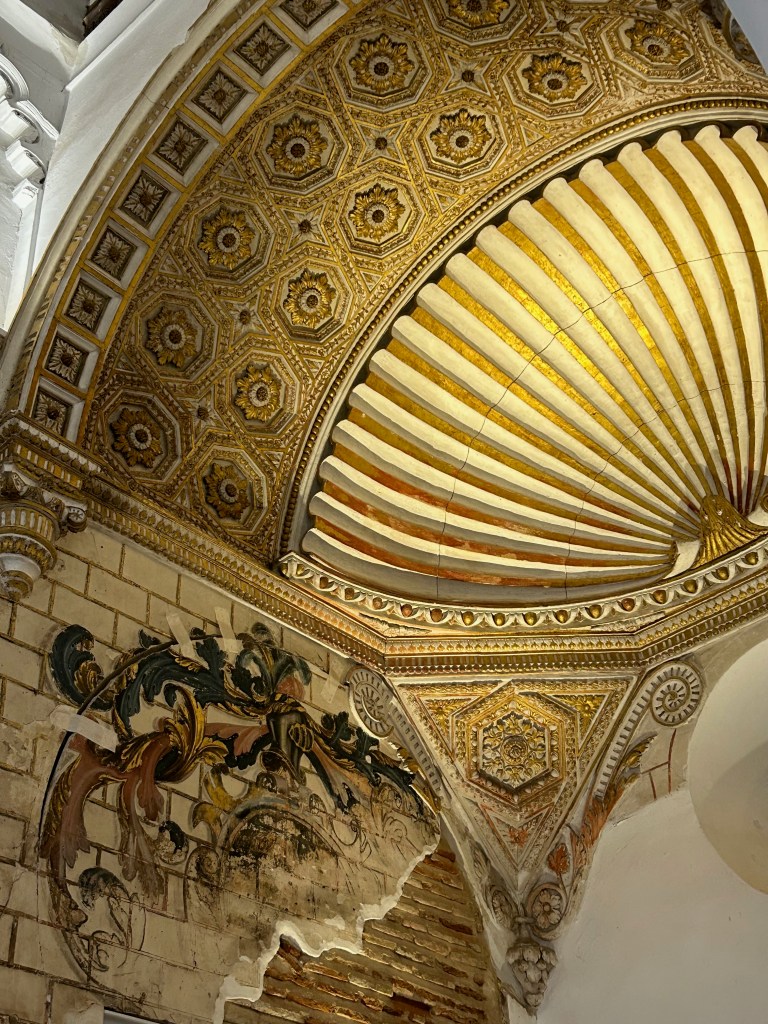
We then visited the synagogue of Santa Maria La Blanca, Siglio XIII, very reminiscent of the Mesquite in Cordoba. It’s interesting to note that for hundreds of years Jews, Christians and Muslims lived together in harmony in Toledo. Unfortunately, with the Reformation, this came to an end.
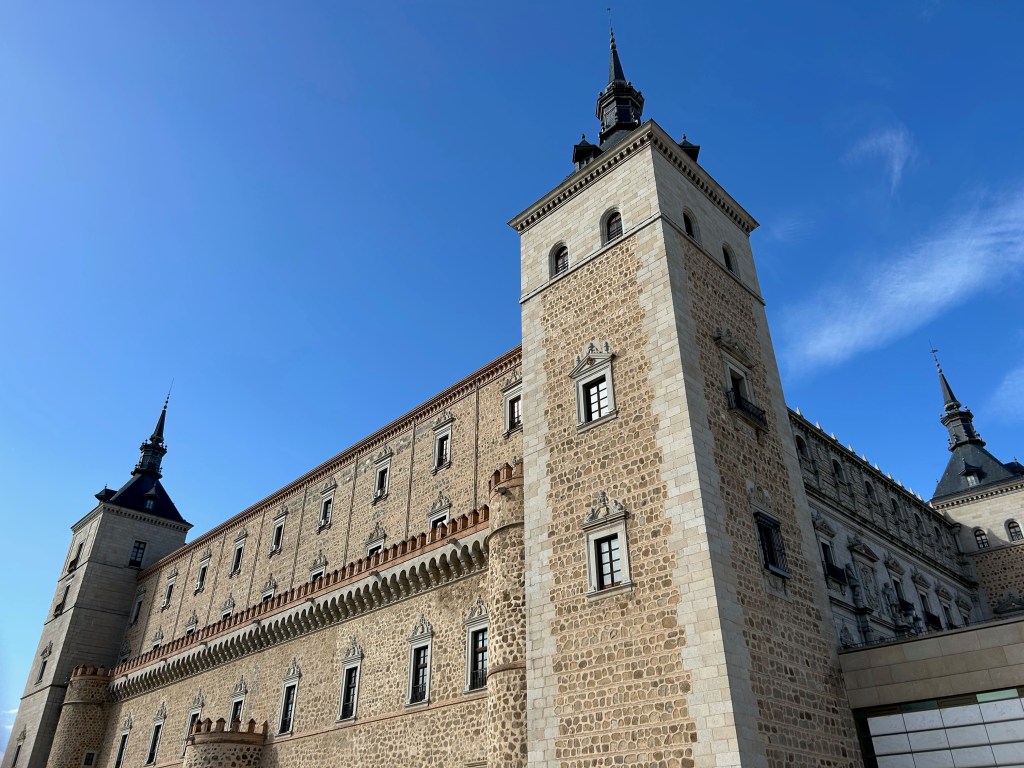
Because it was closed on Monday, we planned to see the Alcazar on the morning of the 18th before we left but when we arrived we found that it was under renovation so we only saw the outside.
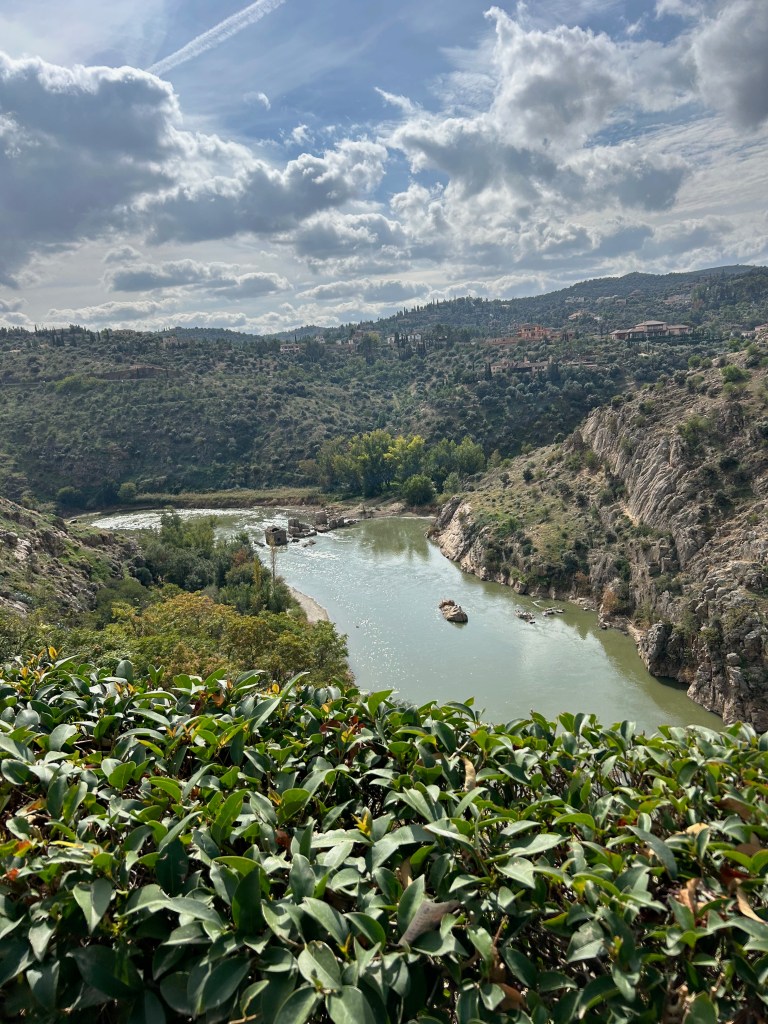
Then we drove the four and a half hours back.
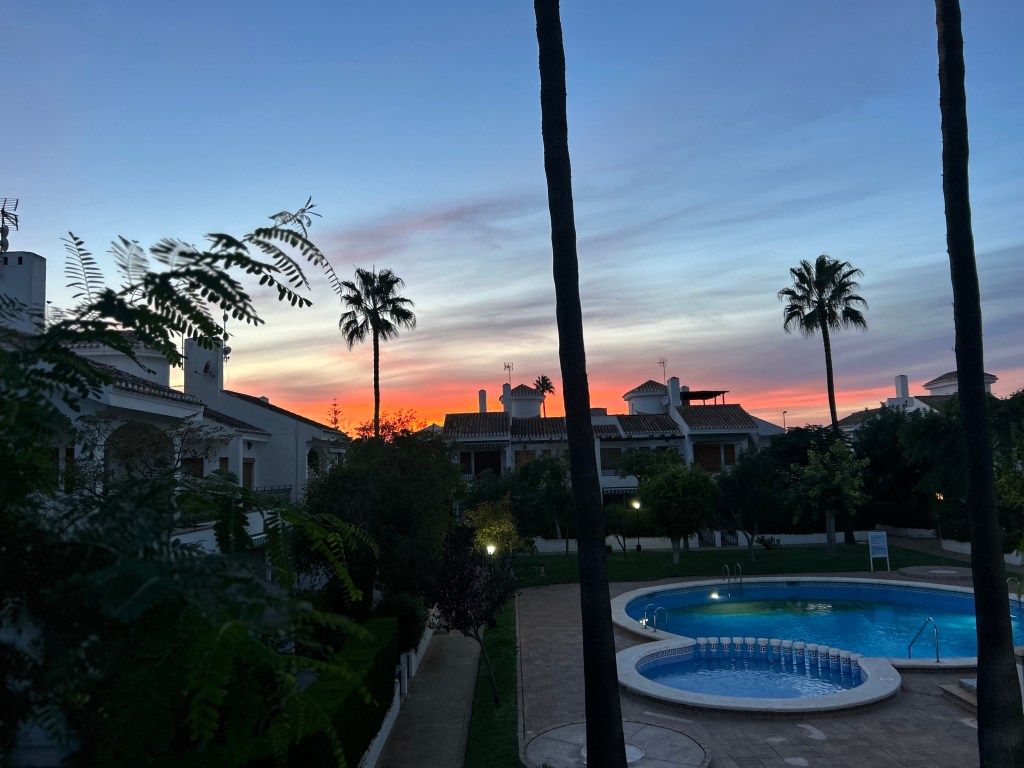
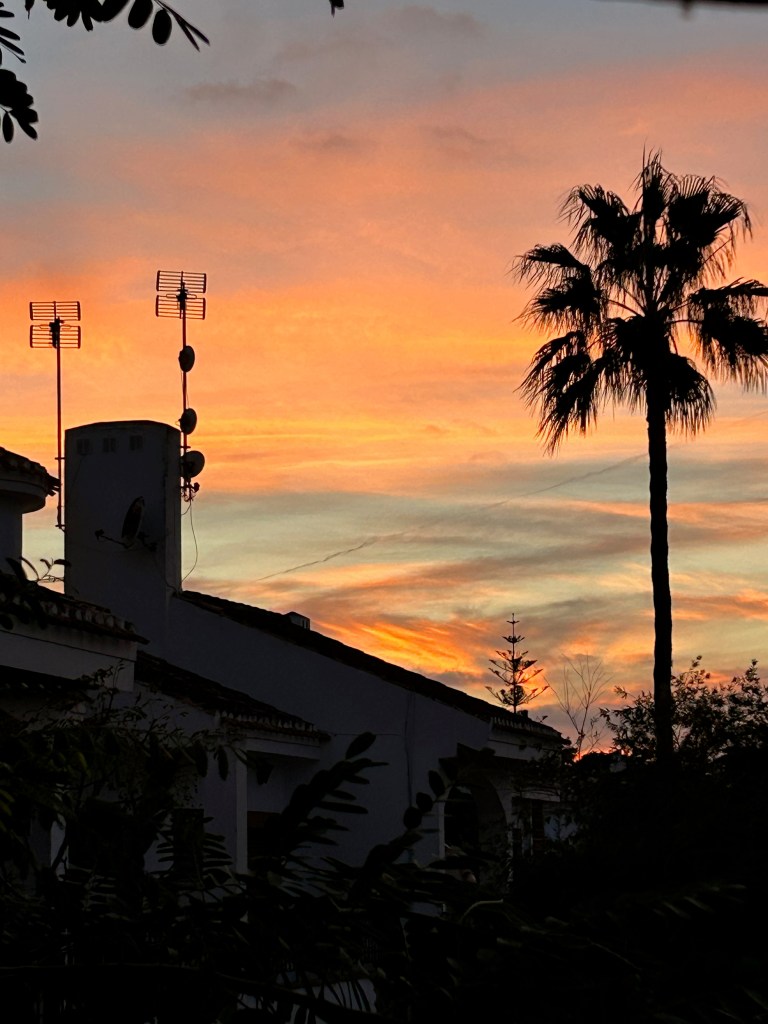
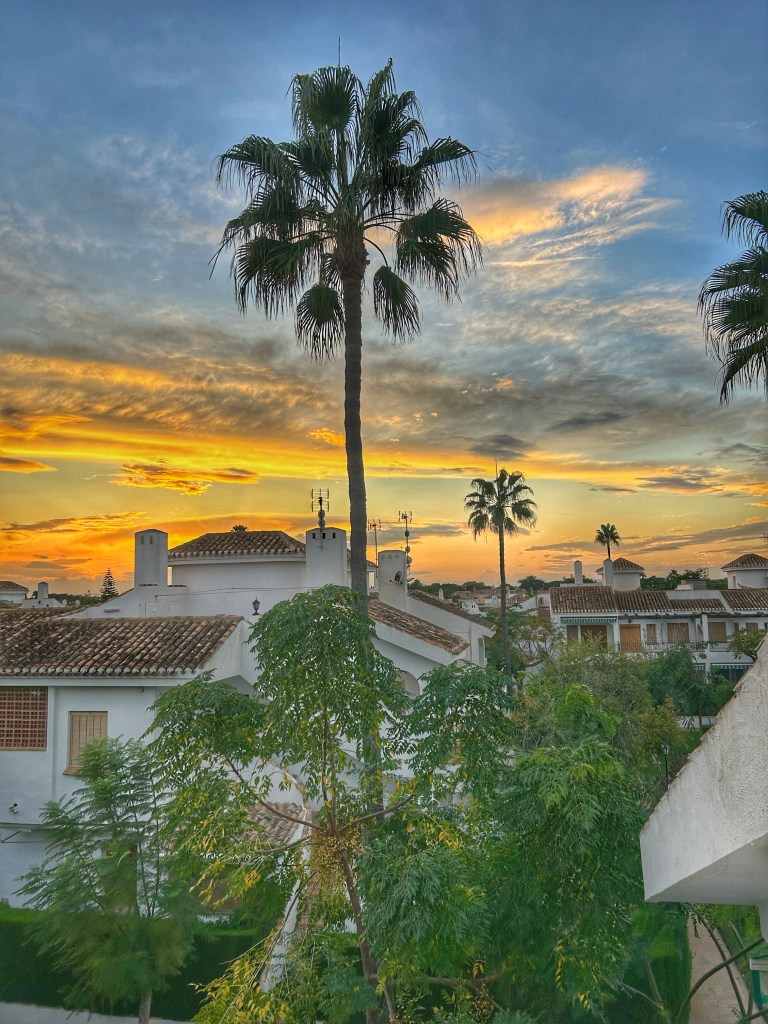
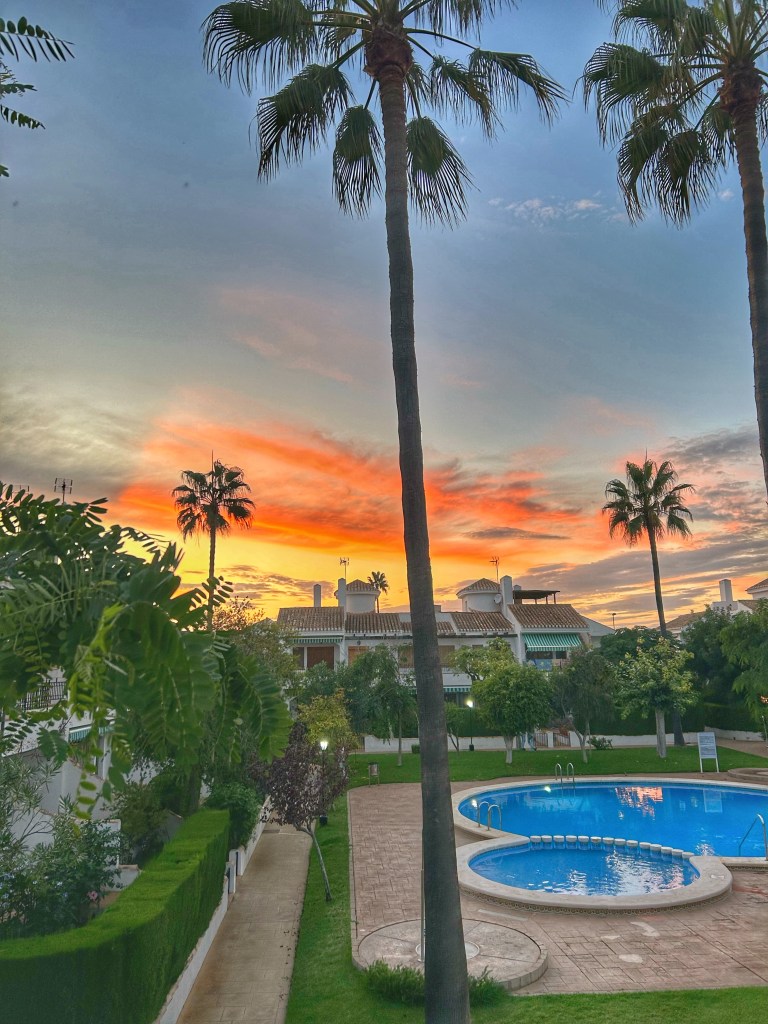
Another beautiful sunset:
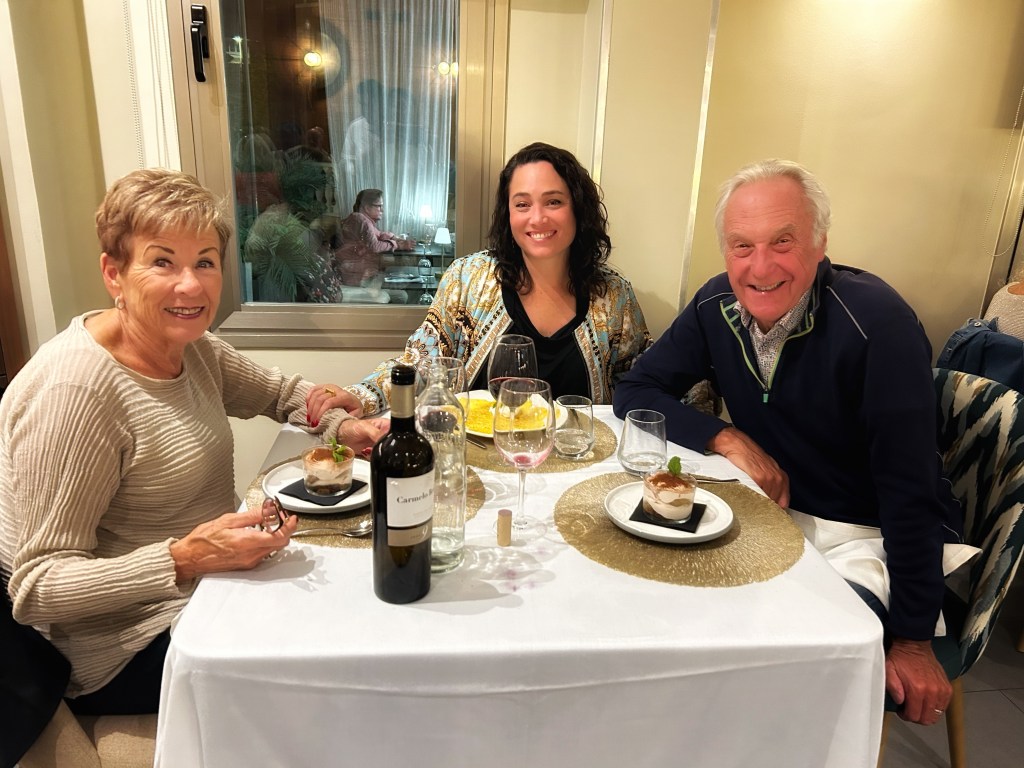
We had a very good meal at Restaurante Casa Araez in Pilar de la Horadada, one of the best in the area before Shannon left.
Manchester
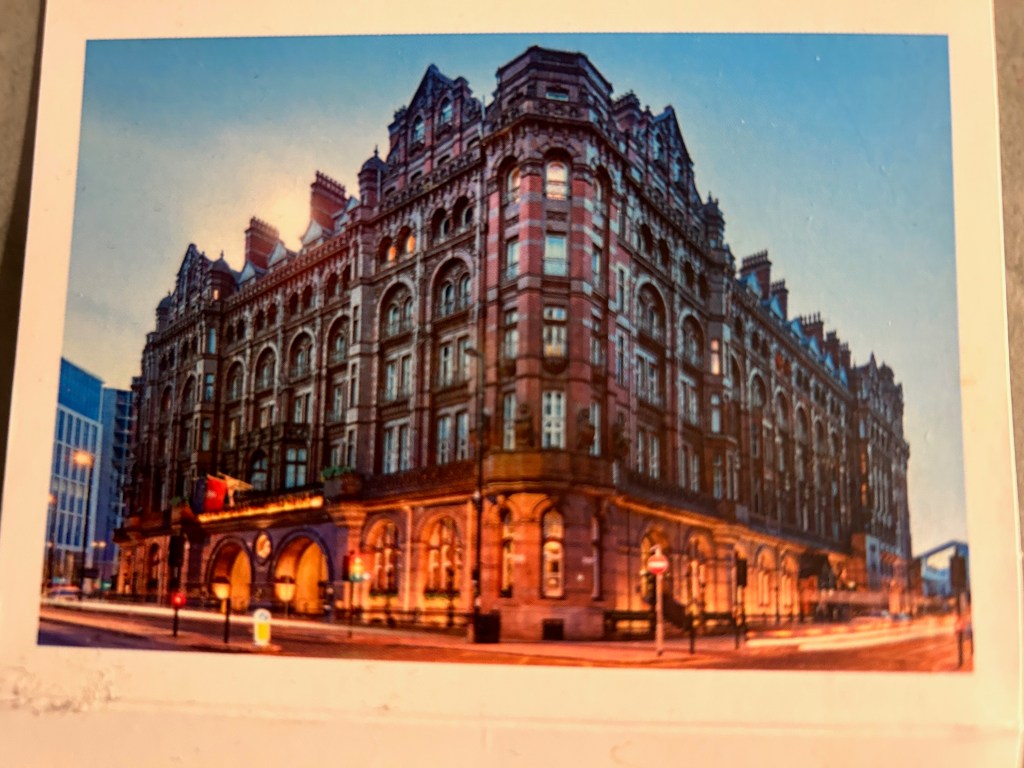
We stayed at The Midland, a massive old hotel, as did Michelle. It was assocaited with the Midlands Railway.
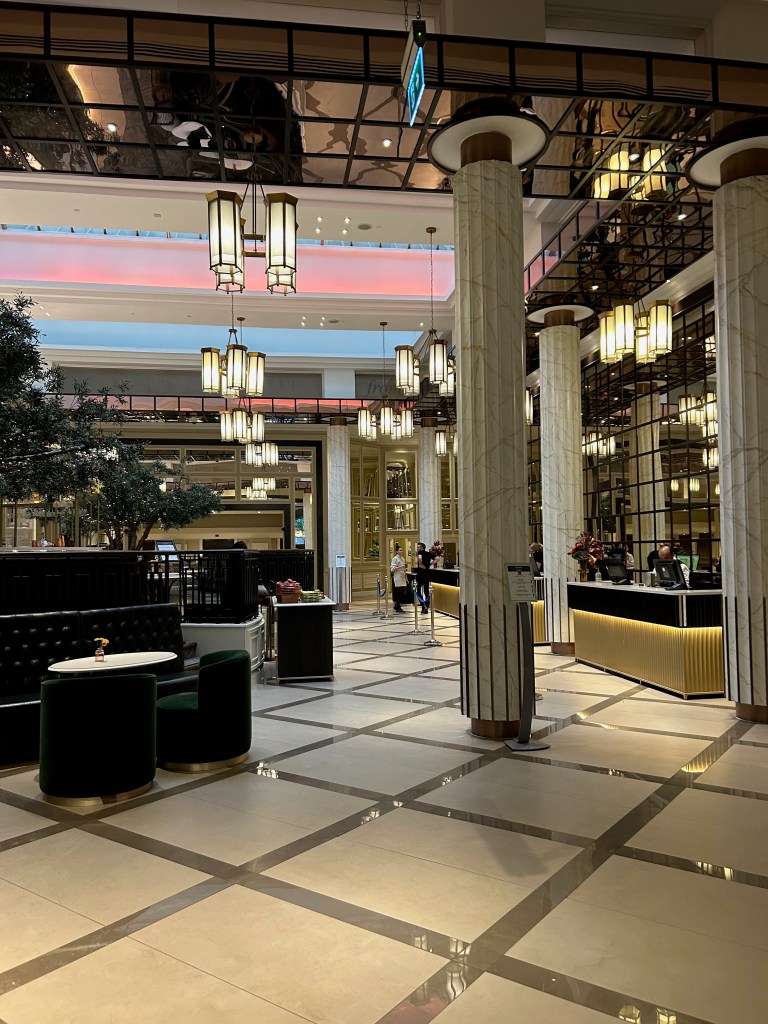
There is also the story of the Midland being the location of the creations of the Rolls-Royce Comany.
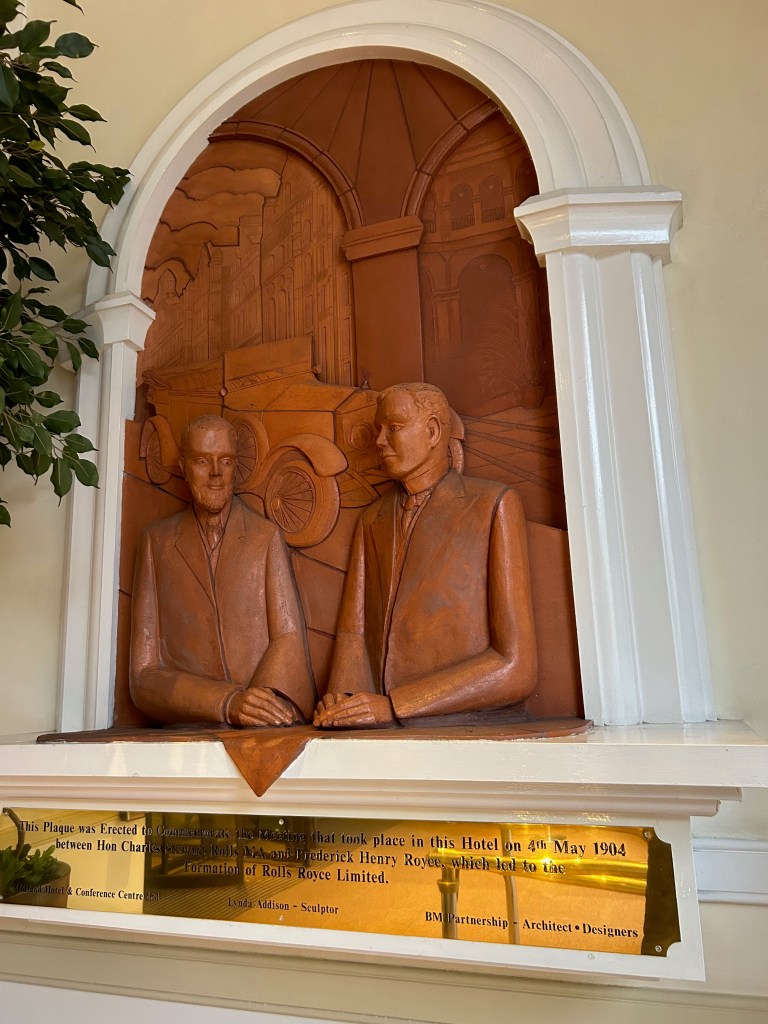
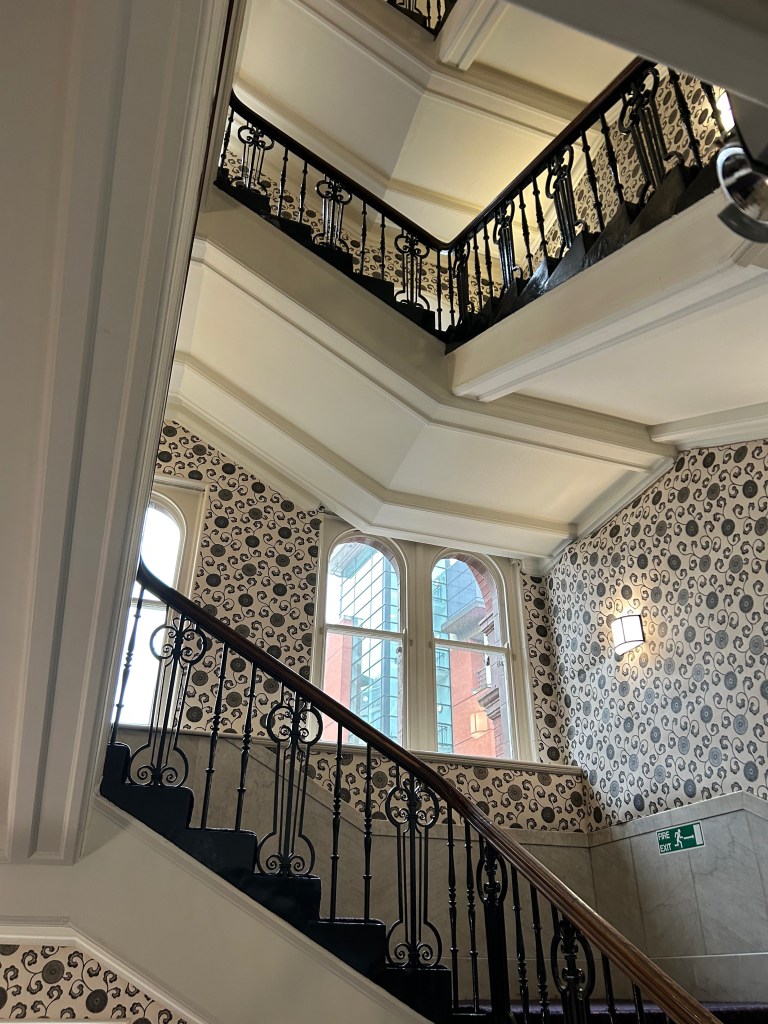
This is a very beautiful hotel and the staircases were exquisite:
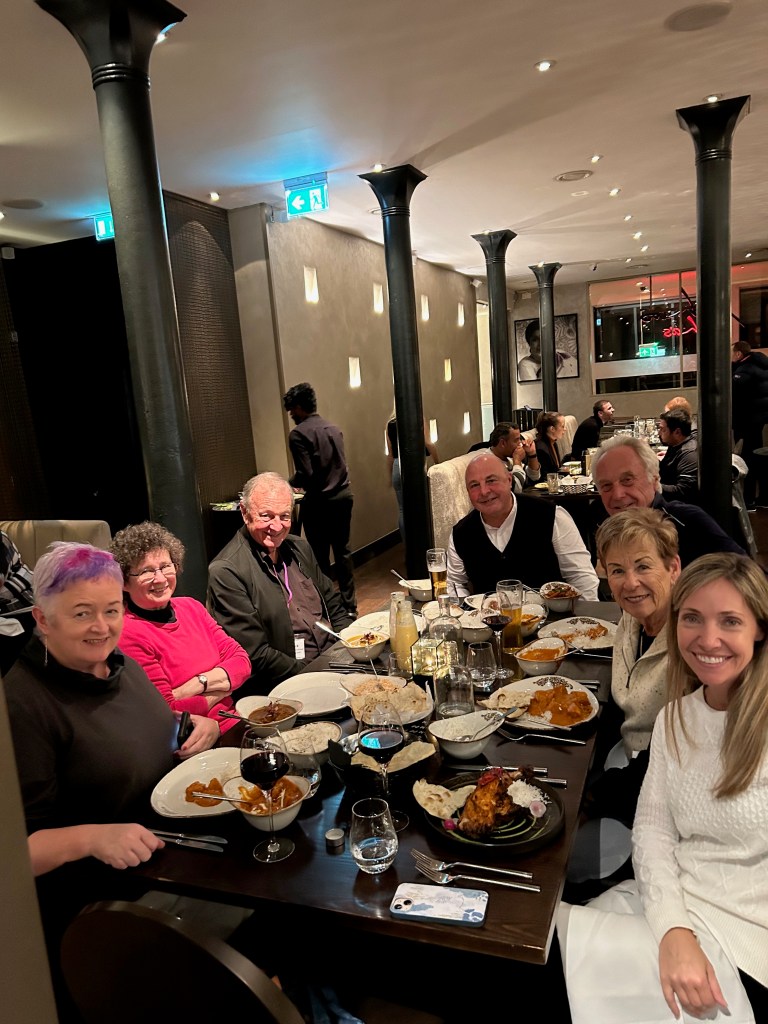
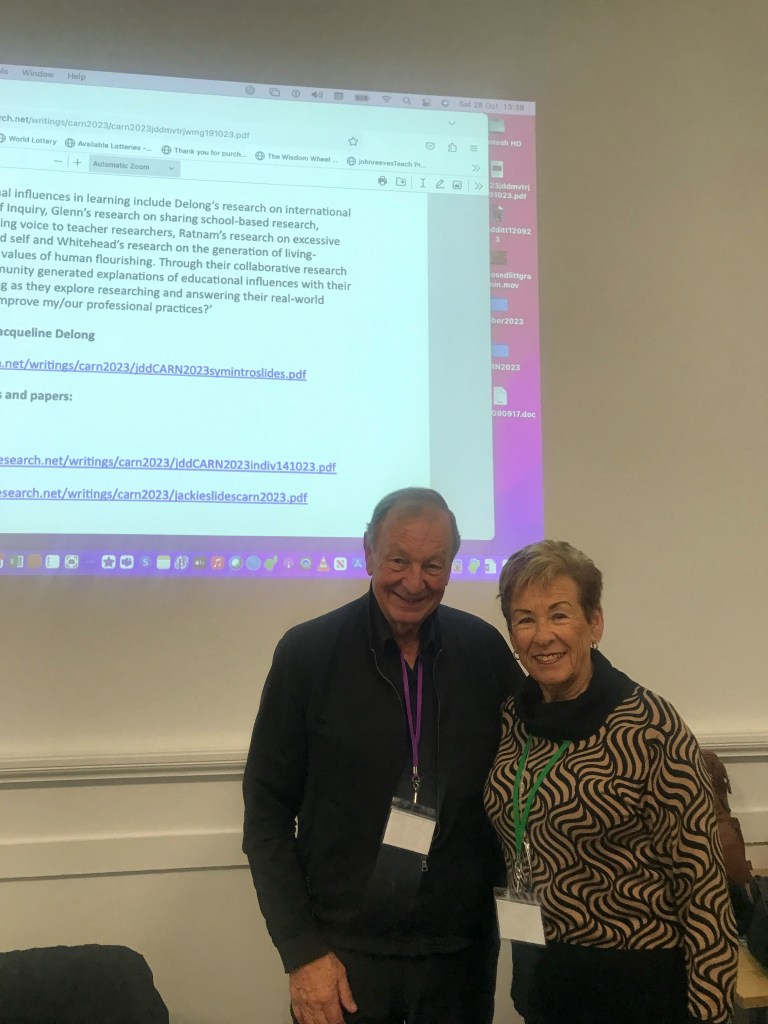
We went to Manchester so that I could meet up with my research colleagues and to present a symposium with Jack, Michelle, Mairin, and Tara (on Zoom) at the CARN Conference. It was great to see the group in person as we have for years only been together virtually because of COVID. On the Thursday night, we all went to dinner at an Indian restaurant.
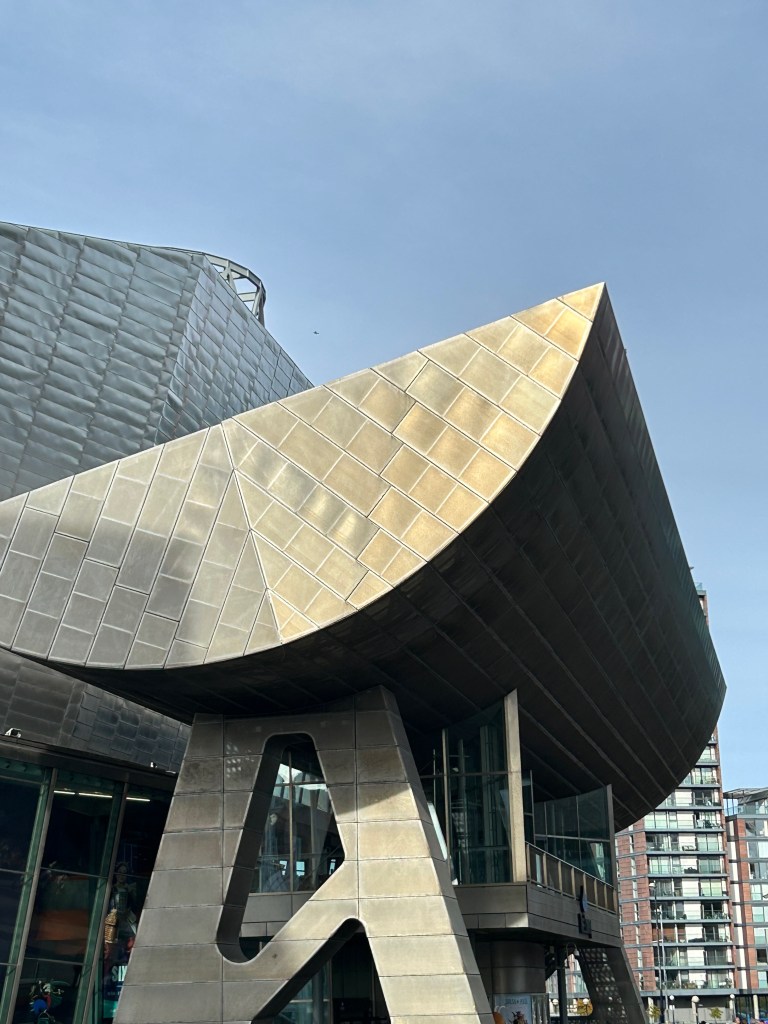
On the Sunday after the conference, we had a full day to tour Manchester on the hop on hop off bus. We visited the recovered dock area: the media centre was created from the original cotton and textile warehouses. Most of the BBC shows and studios are filmed in this area.

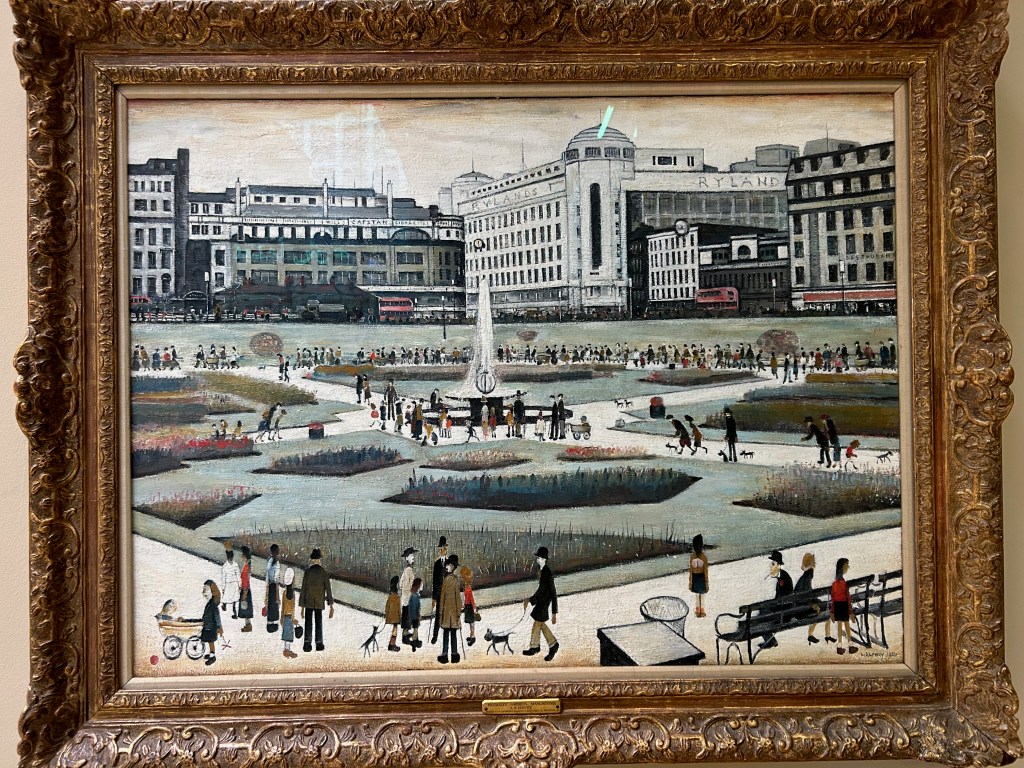
The famous artist, L. S. Lowry, is featured in this building that is architecturally reminiscent of the Guggenheim in Bilbao.
His work featured the manufacturing scenes that reflected Manchester of the 18-1900’s. Jack said that when he was growing up in Morecambe north of there, the air in Manchester was so smoggy that you had to wear a scarf over your face in order to breathe.
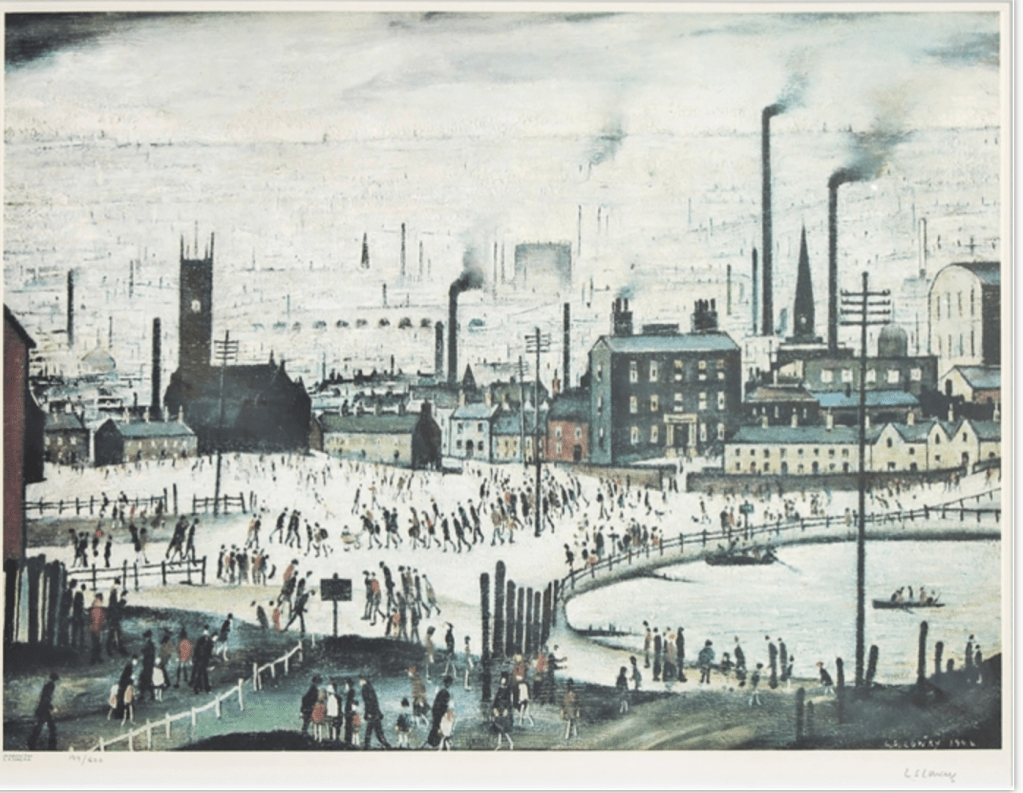
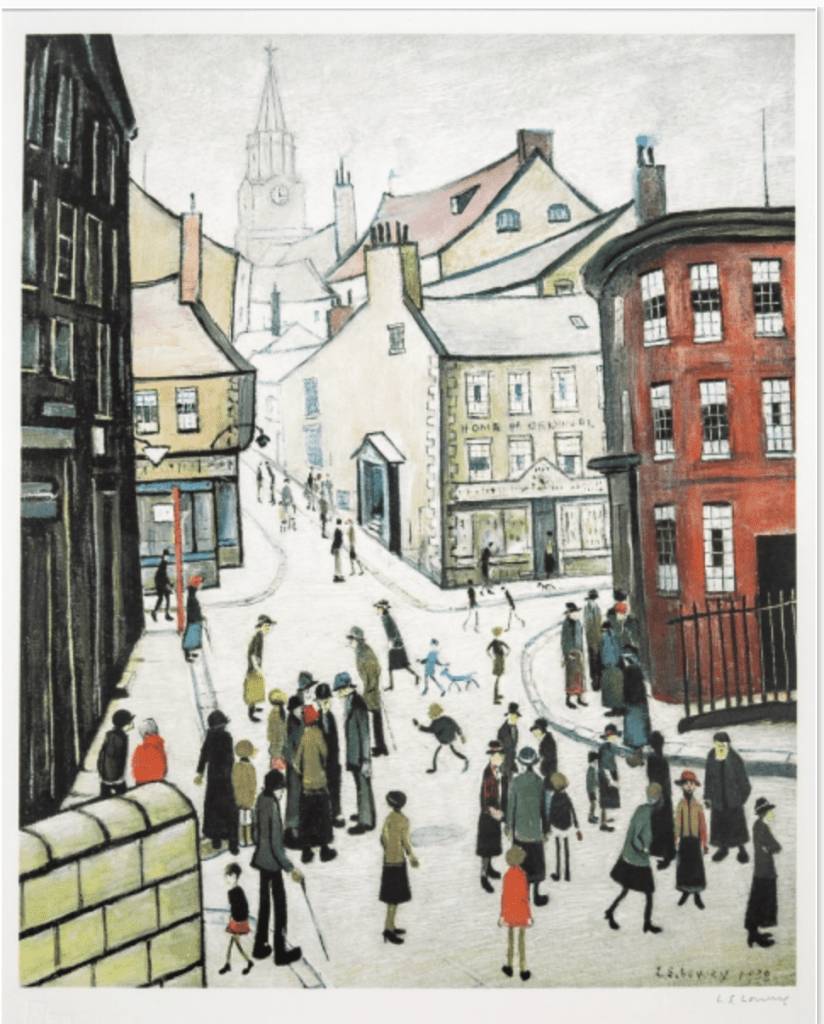
People said that the people in the paintings looked like stick figures and he said that he painted them as he saw them.
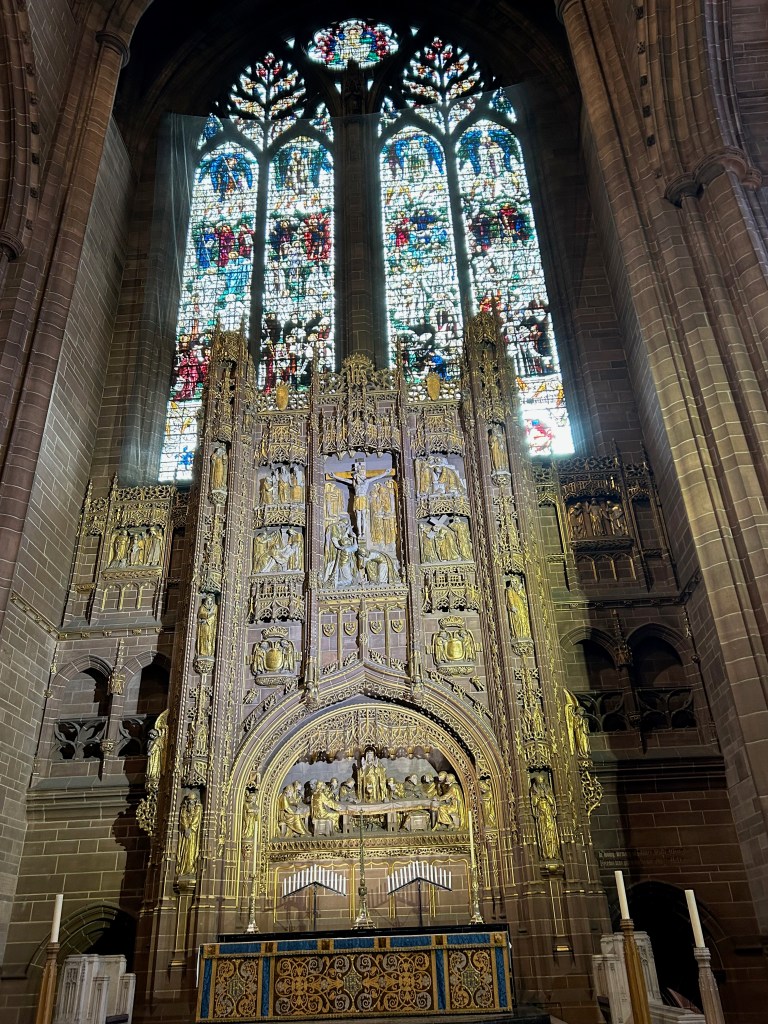
Then we got back on the hop on hop off and visited the Manchester Cathedral.
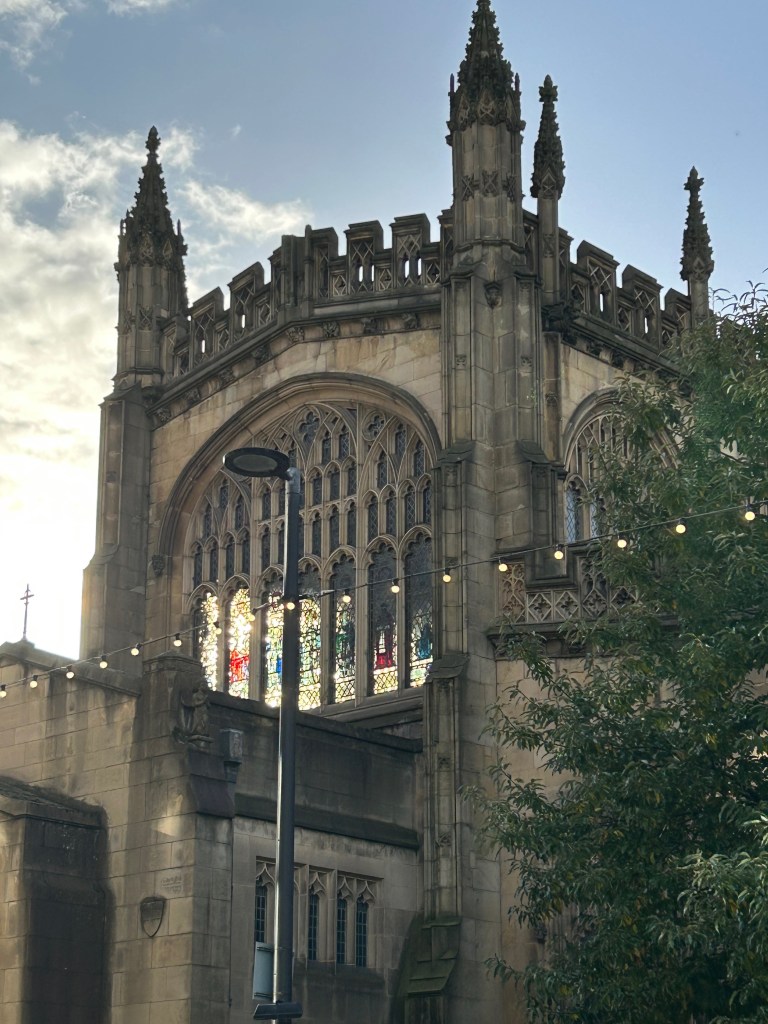
We had dinner at a Japanese restaurant and travelled by train to Liverpool on Monday, October 30.
Liverpool
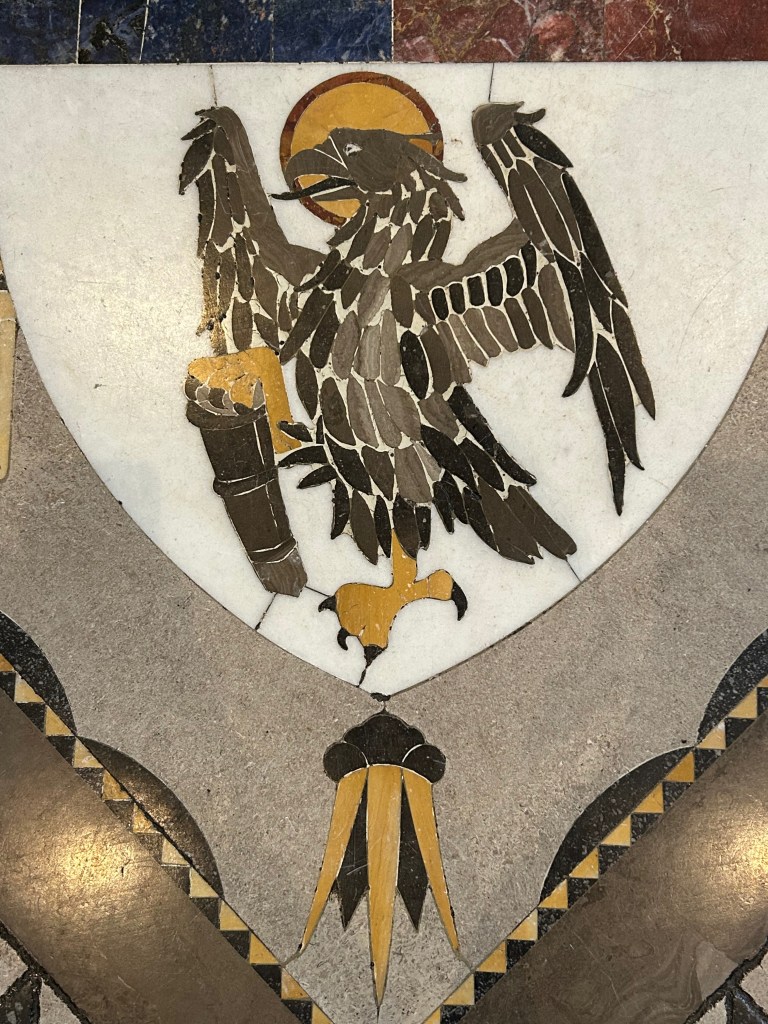
Marcus picked us up and gave us an overview of his city. The history of the symbol for Liverpool was that it was intended to be a Cormoran with wings extended but because the artist only knew eagles, he gave it an eagles’ head and thus, it is called a mystical bird.
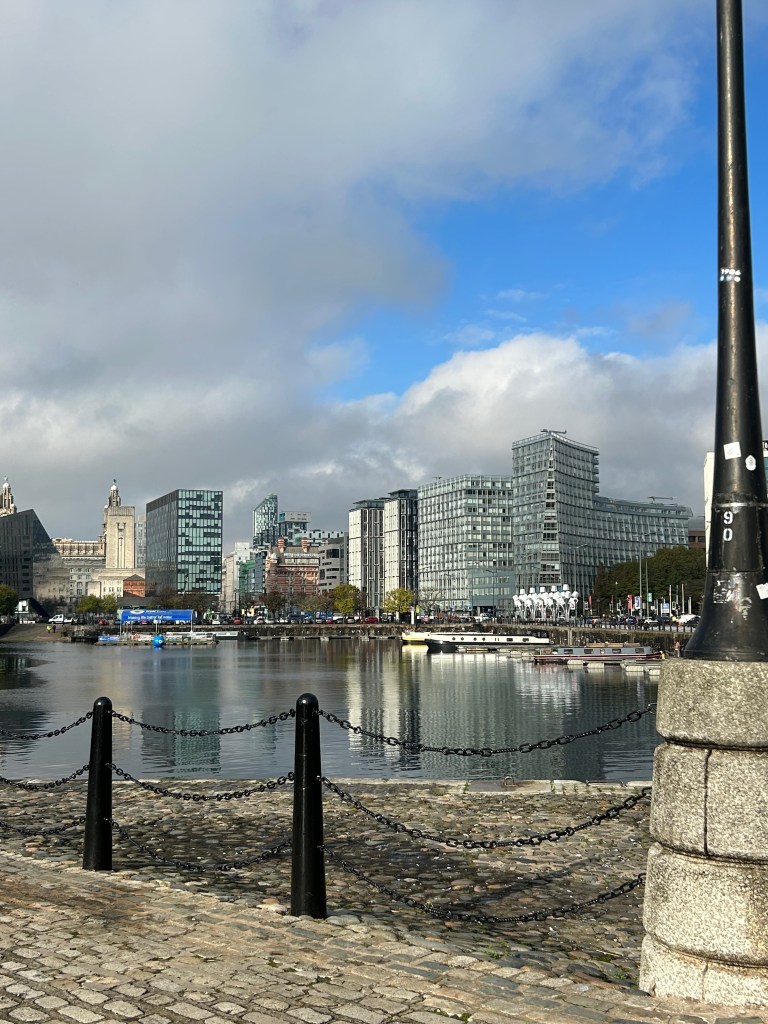
We stayed the two days at the Hilton right across from Albert Dock. It was already decorated with Christmas Trees.

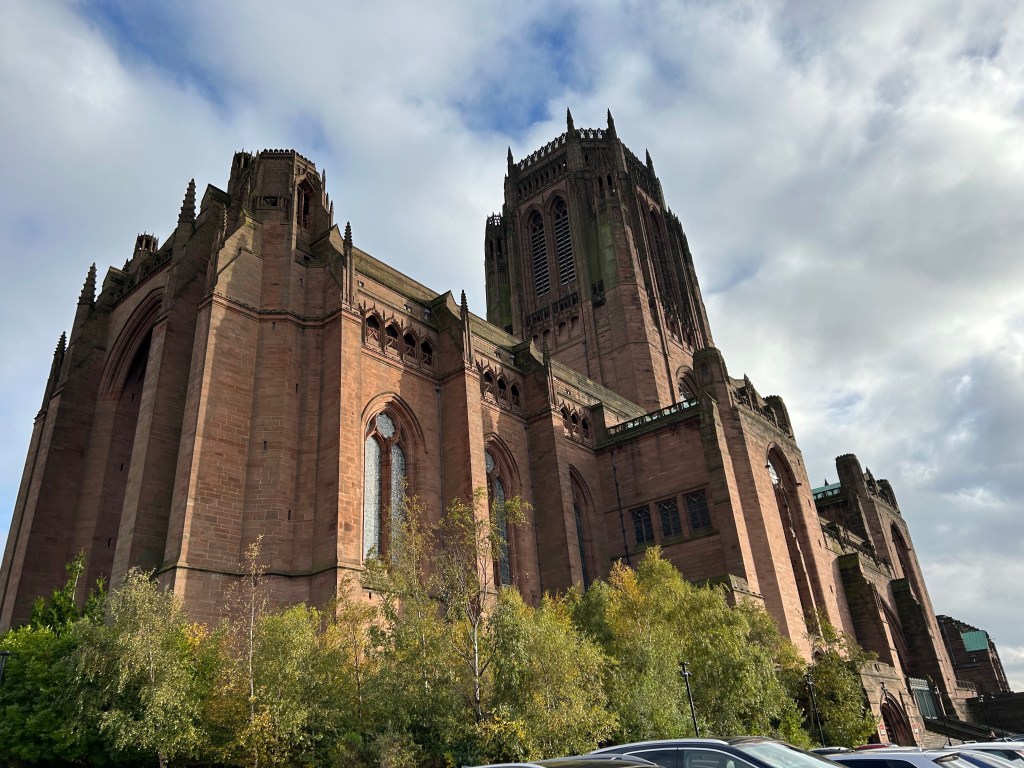
We walked up the hill to the Massive Anglican Cathedral. We were very fortunate to recruit the services of a volunteer, Brian Mcdougall, whose wife Denise was a priest at the cathedral. He was a fountain of information.
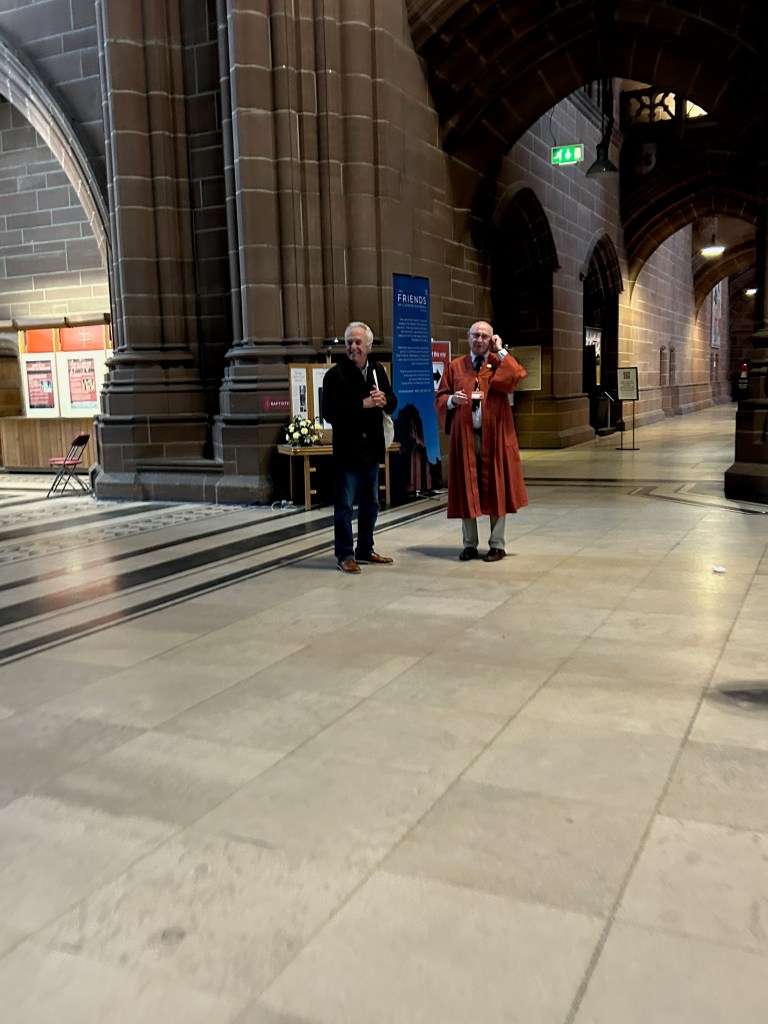
This is the largest cathedral in the UK and fifth largest in Europe.
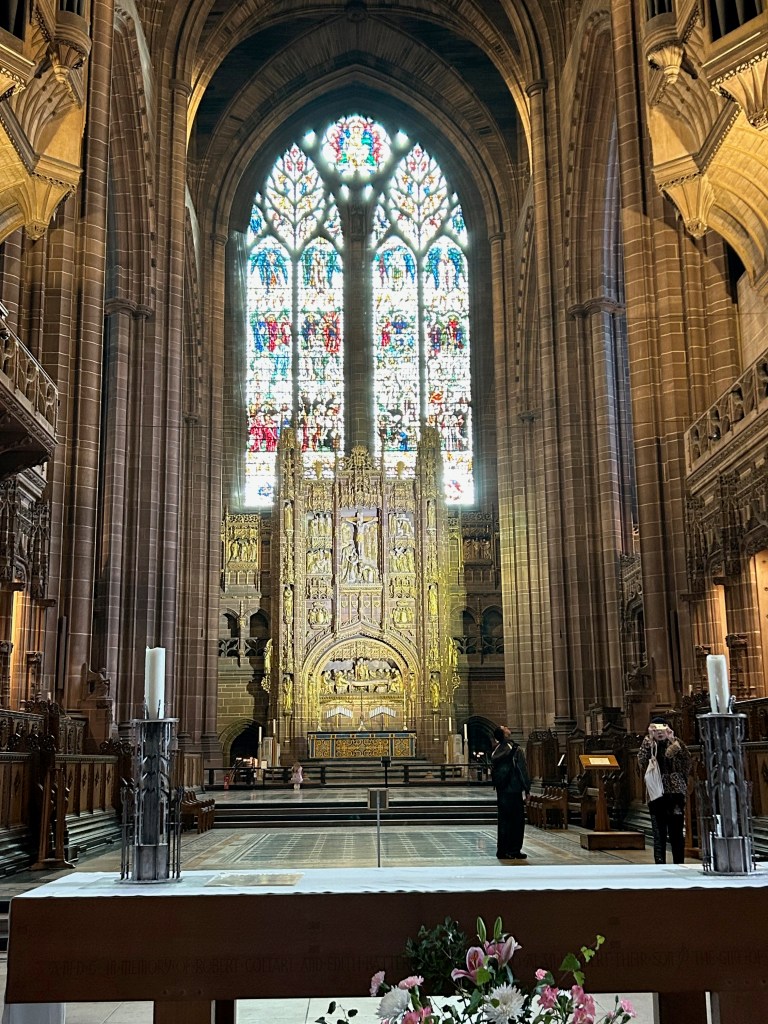
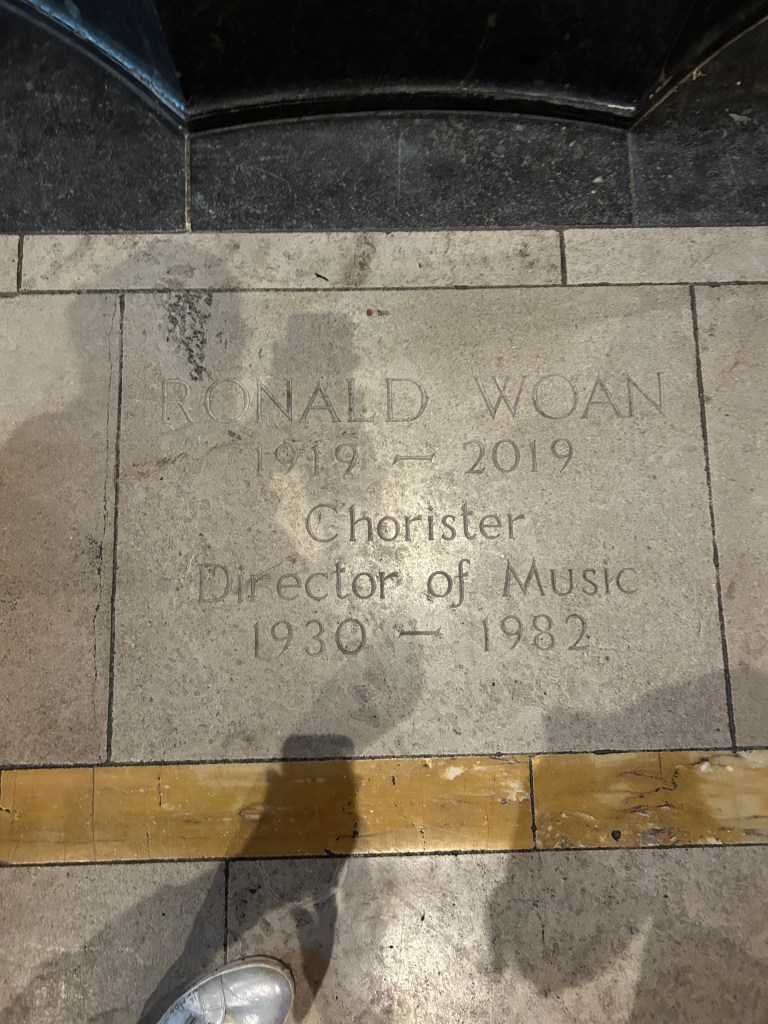
The massive leaded windows and indeed the whole church was built with donations. One of the windows paid for by the owners of the Cunard Shipping Line. The stories about the cathedral are great. One is that the choirmaster, Donald Woan, told Paul McCartney that his voice wasn’t good enough to make the choir.
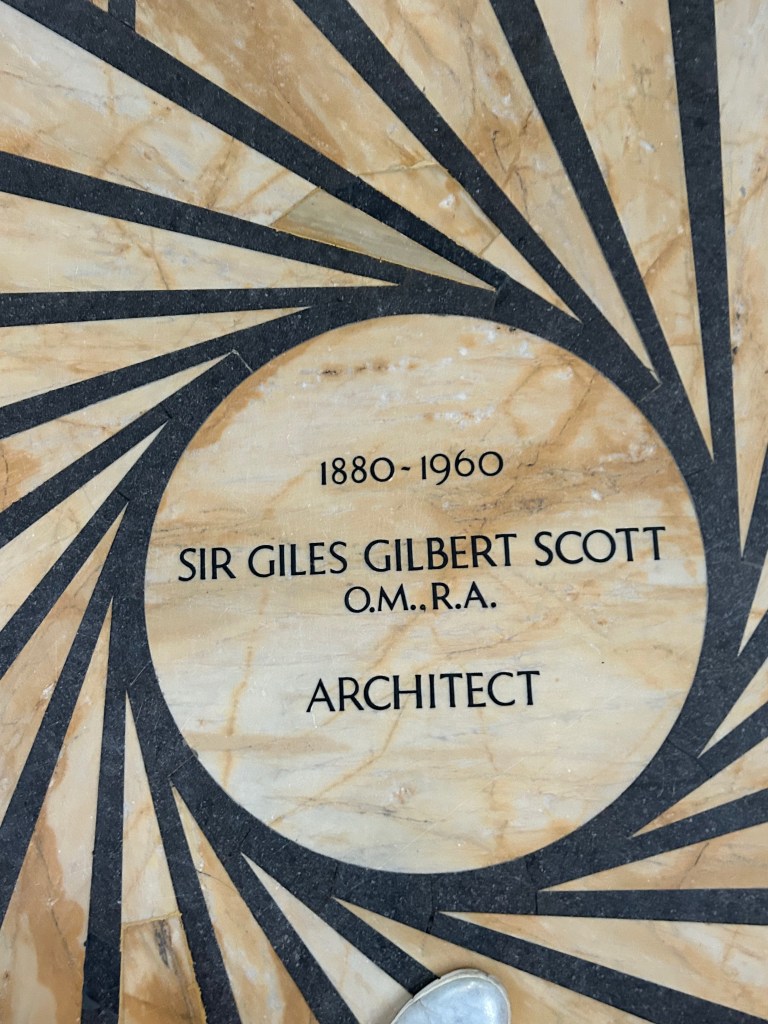
Another of the stories that Brian told us was of the architect, Sir Giles Gilbert Scott, who also designed the telephone box and the Swansee Power station and whose granddaughter was the first to be baptised in the church.
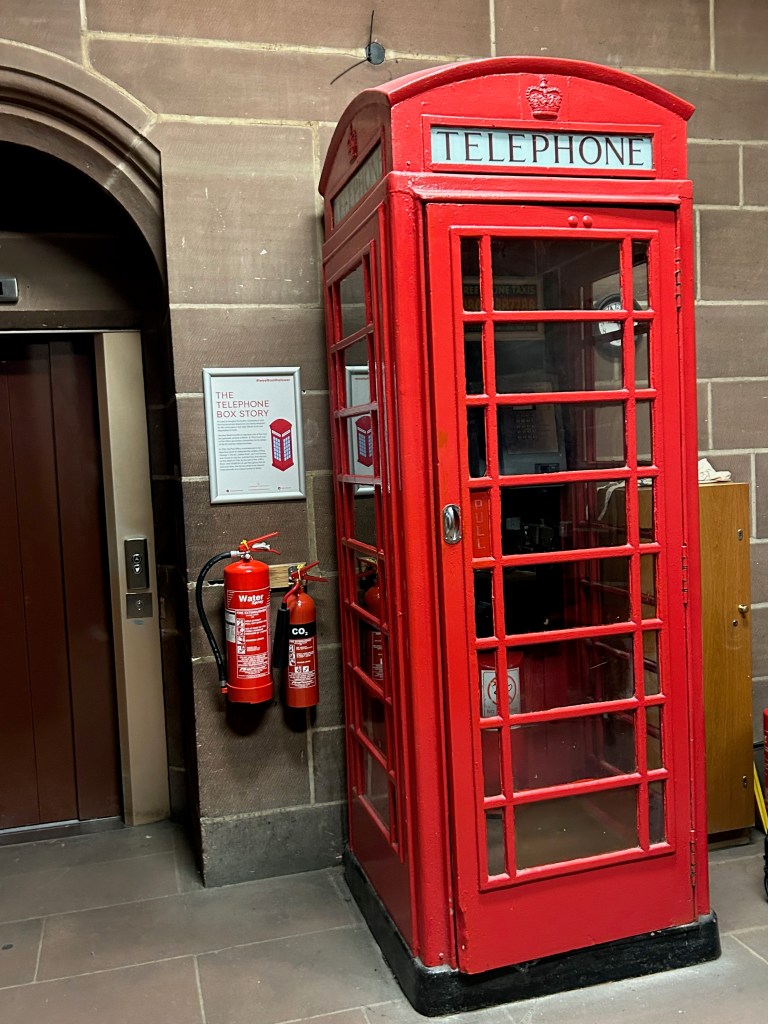
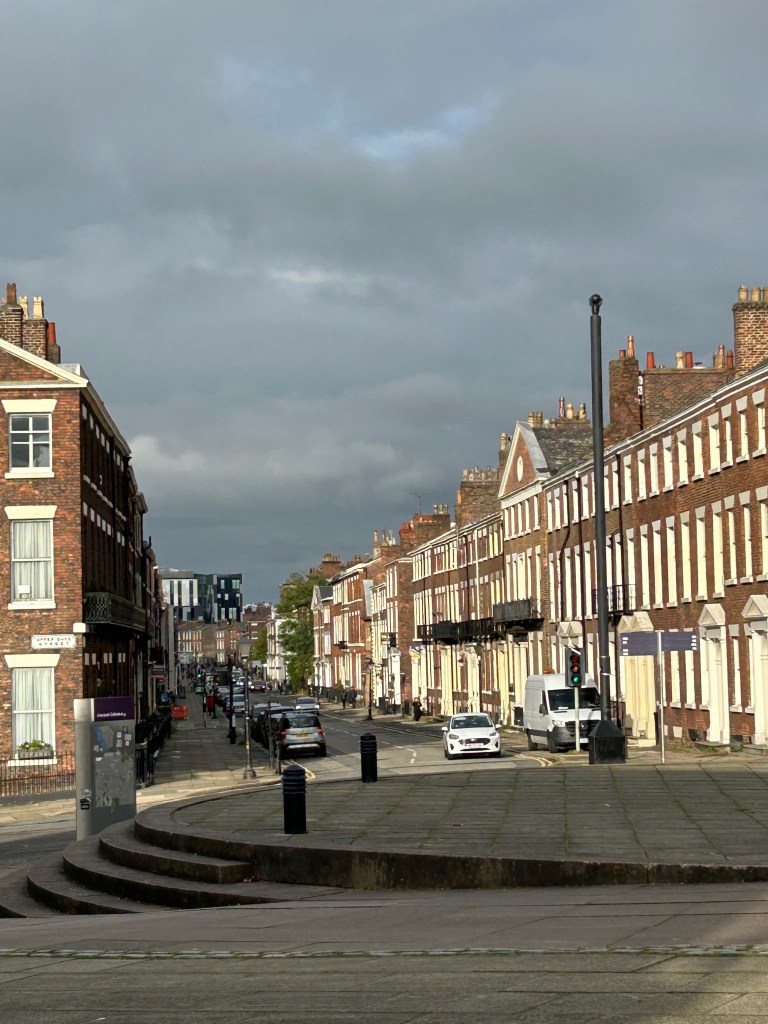
Liverpool Day 2 October 31.
We had a full Beatles’ day on October 31: the Beatles story exhibit at Albert Dock in the morning and the Magical Mystery Tour in the afternoon capped off by a visit to The Cavern.
The Beatles Story, Albert Dock
This exhibit/experience was a number of displays of the major events in the lives of the Beatles. It was meaningful for us because we lived the musical phenomenon in our teenage years.
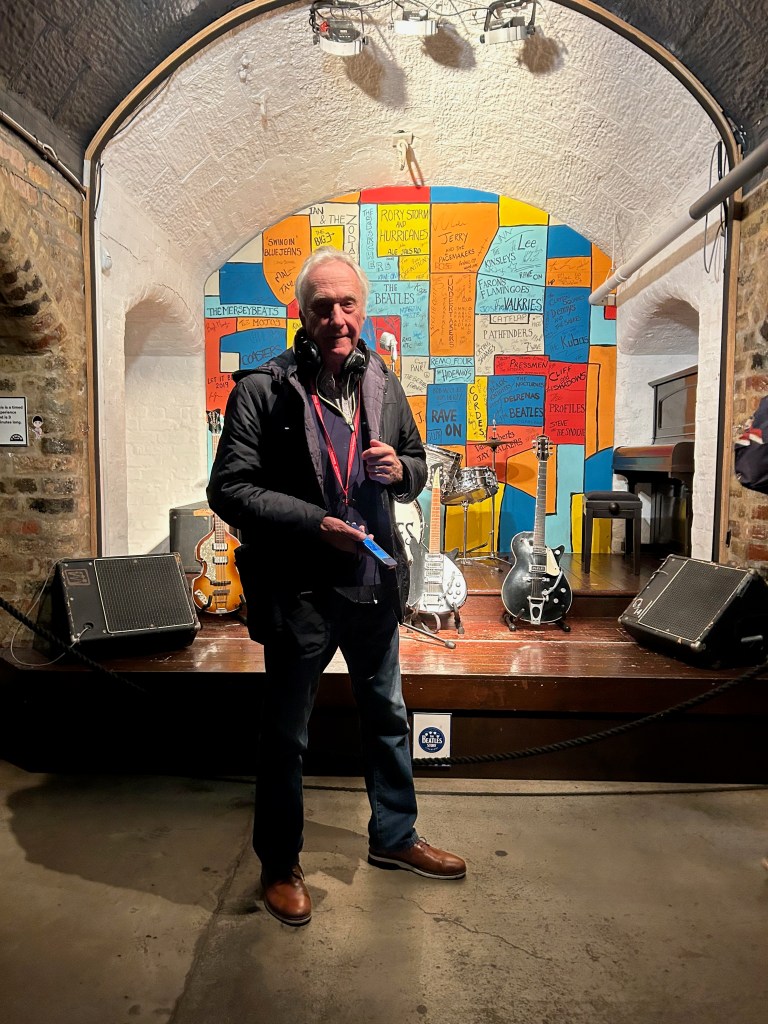

This Beatles experience was extremely well done: it followed the history of the music phenomenon that affected us both in the 60’s.
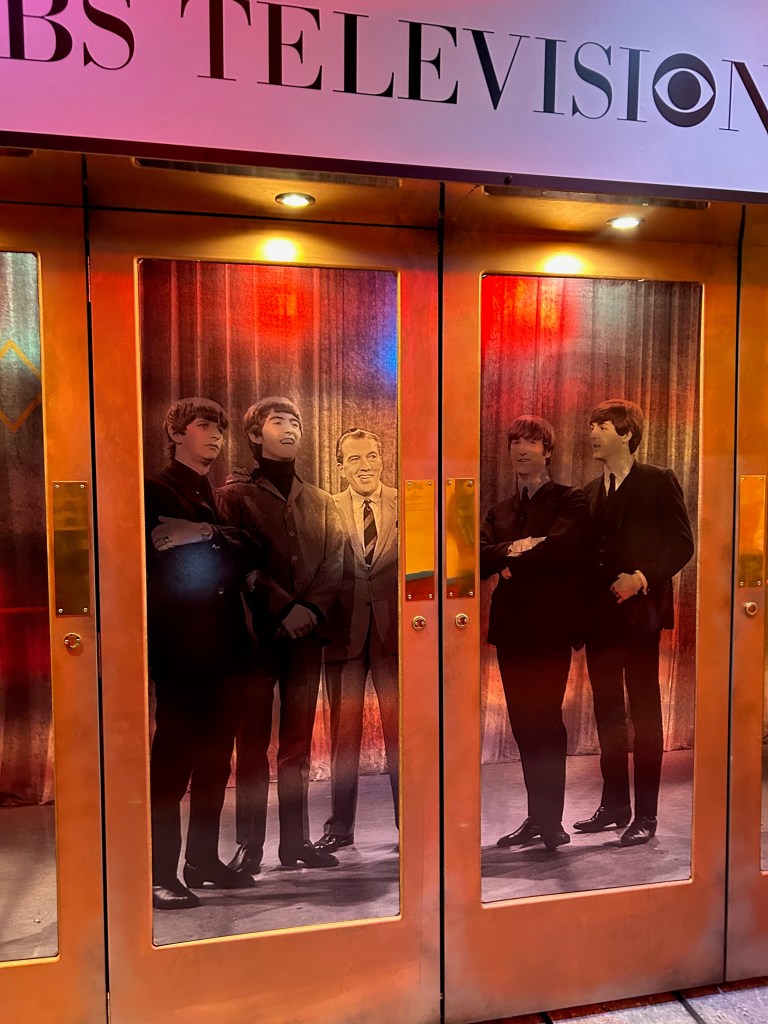
We both watched the Ed Sullivan shows. Interesting point that was shared was that Brian Epstein set up these performances so that there was much hype by the time they landed to great attention. Also, while performers were being paid $25,000 a show, Epstein offered 3 shows for $11,000 as he was focused on exposure.
There were rooms set up to focus on each of the Beatles as well as their early beginnings and the various albums and movies.
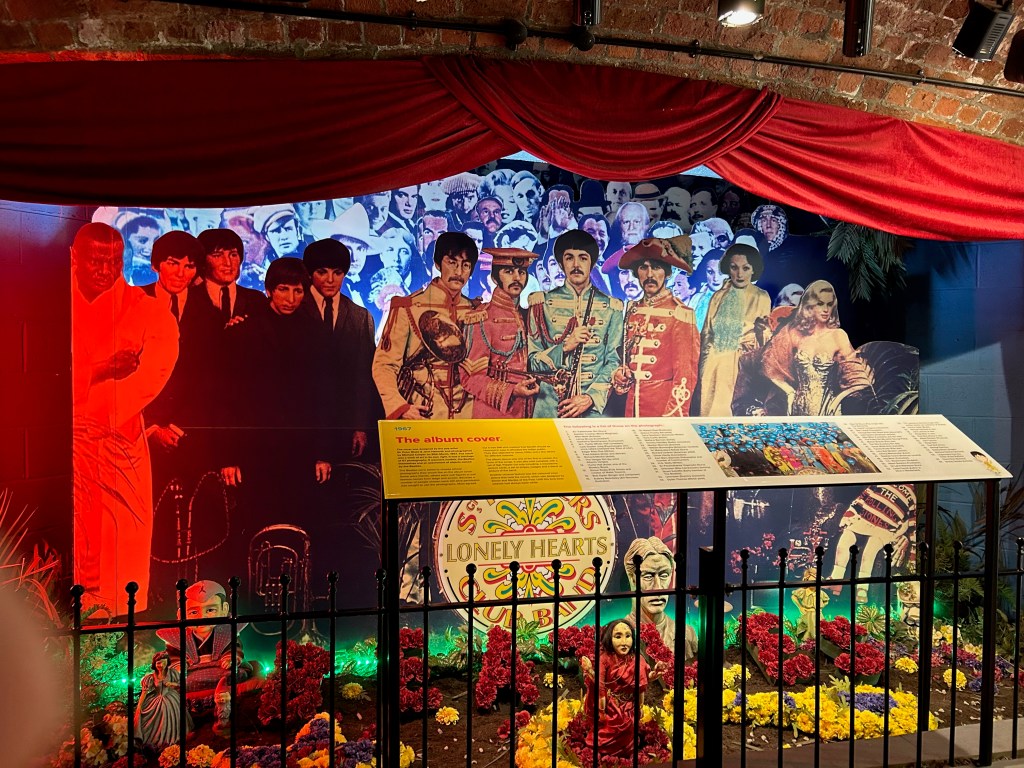
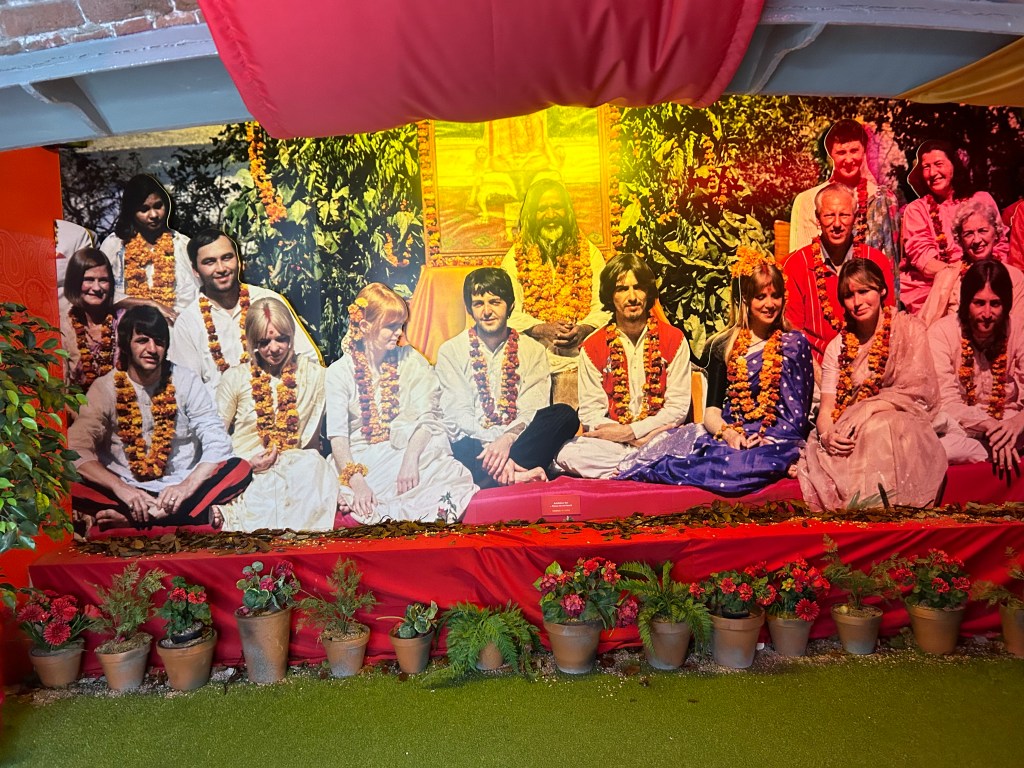
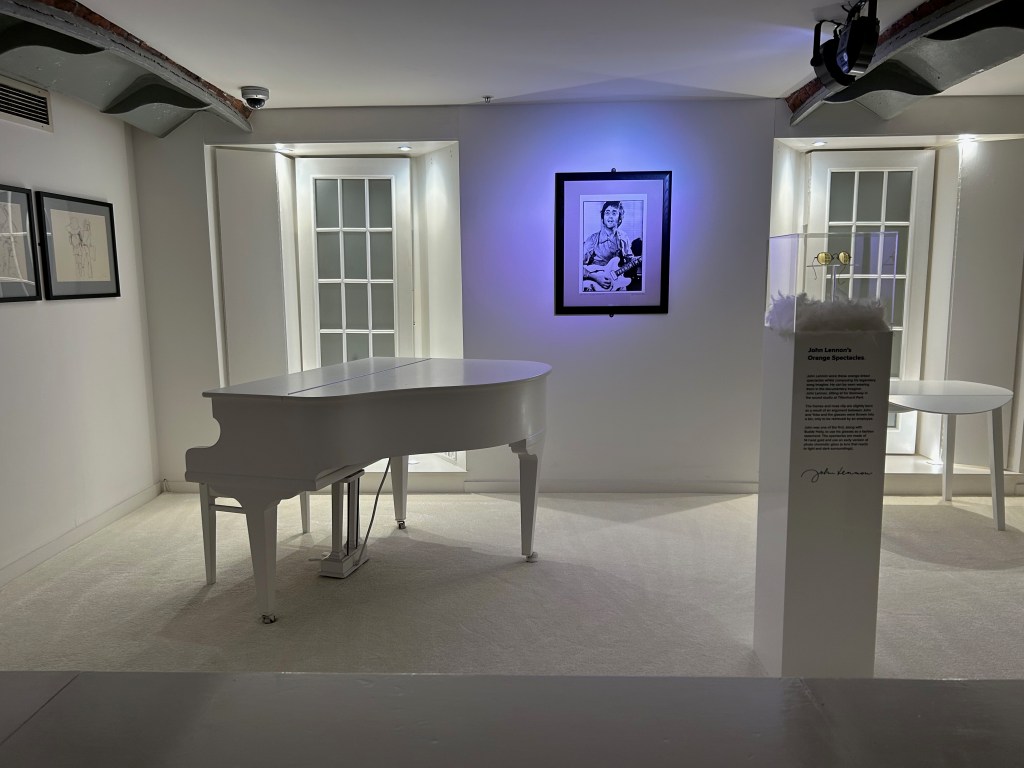
Magical Mystery Tour
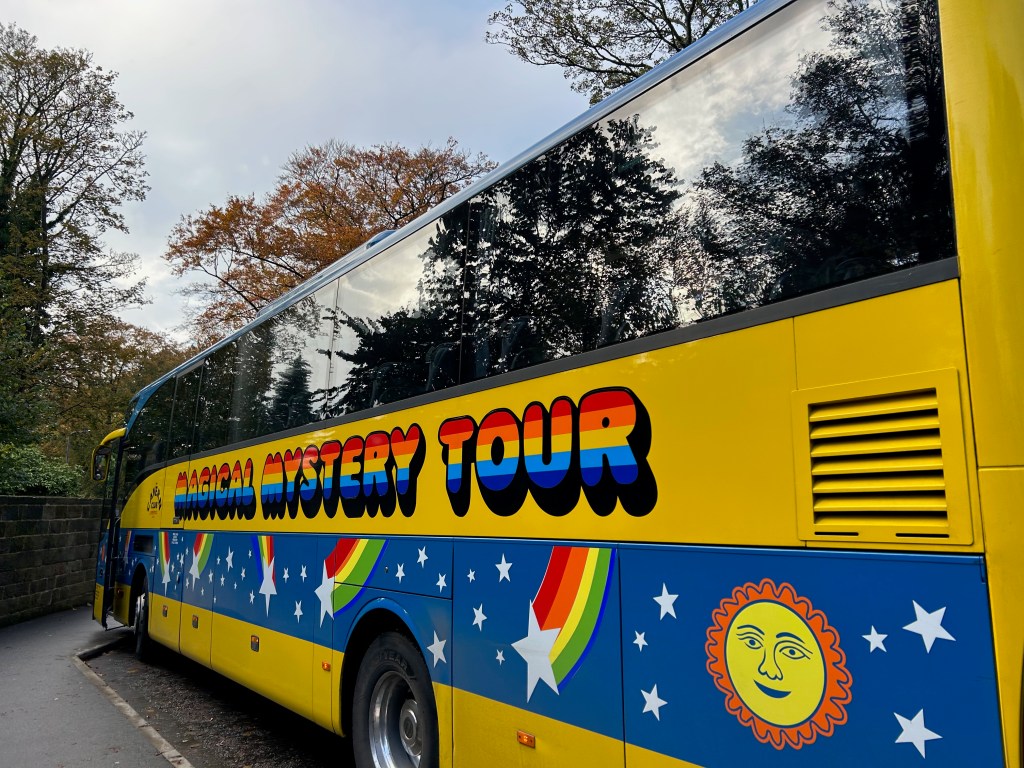
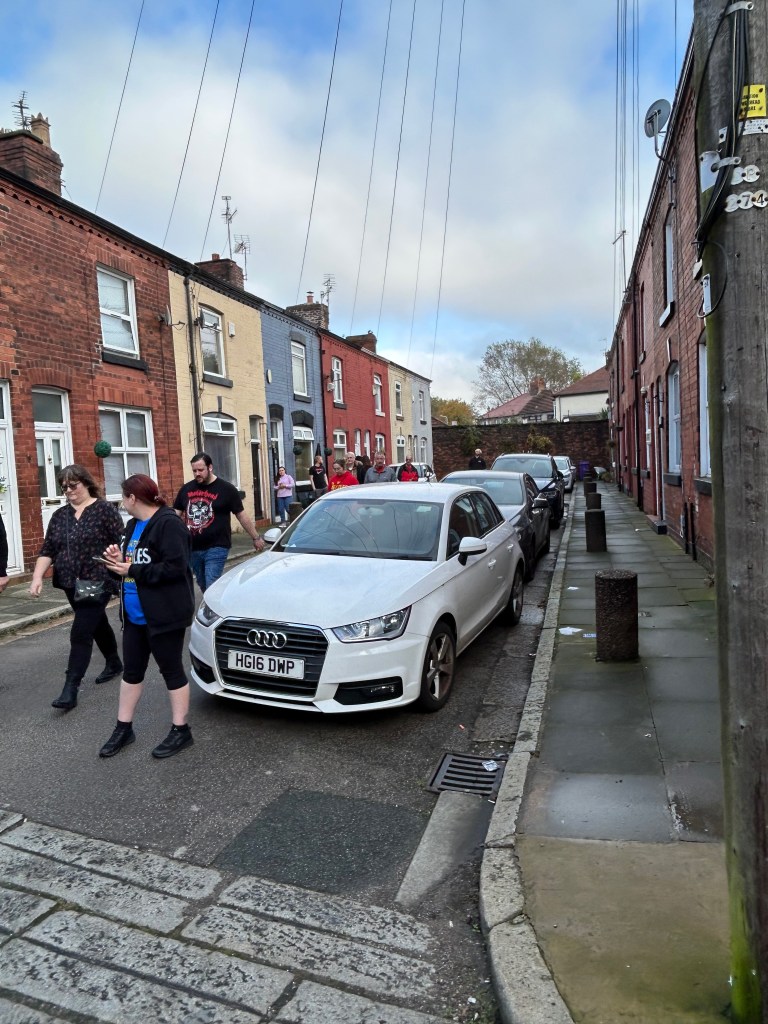
Our two-hour tour of the homes and haunts of the Beatles band members was led by a musician at The Cavern, Charles. He was full of information and humorous stories about the Fab Four, his favourite being George Harrison.
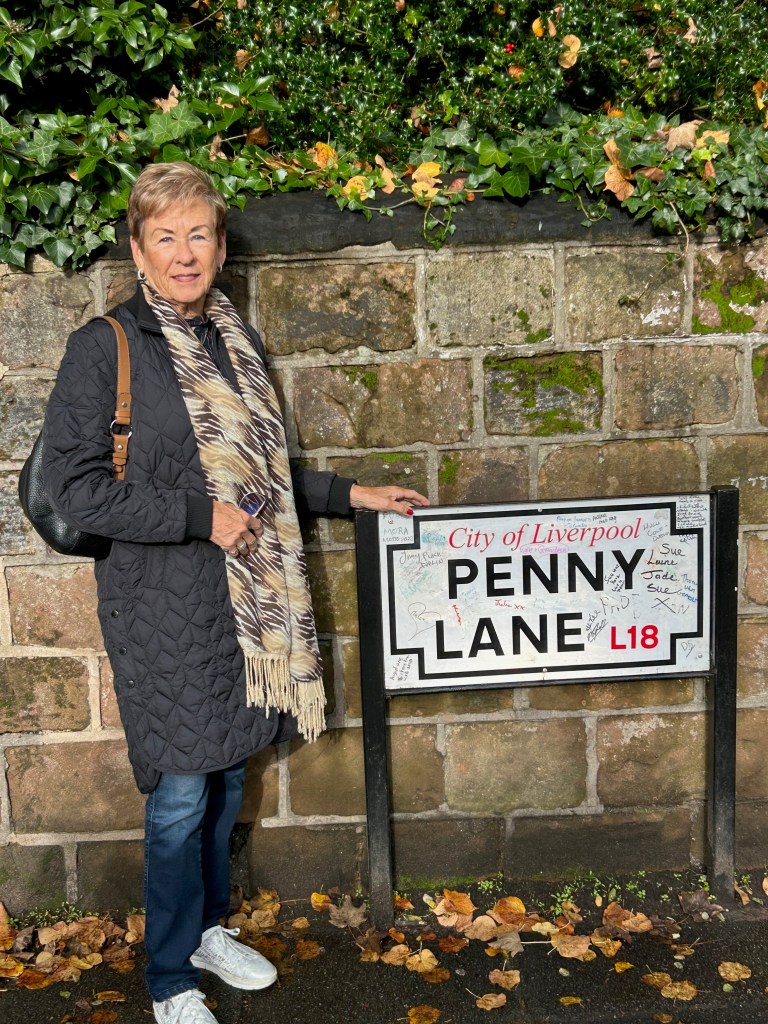
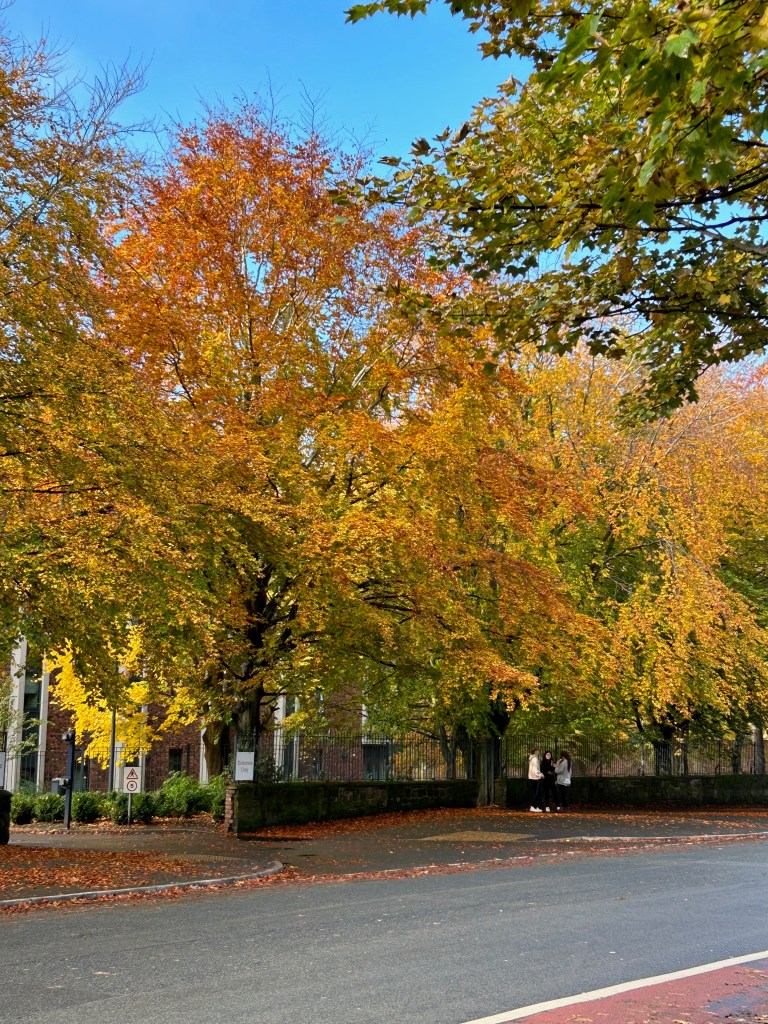
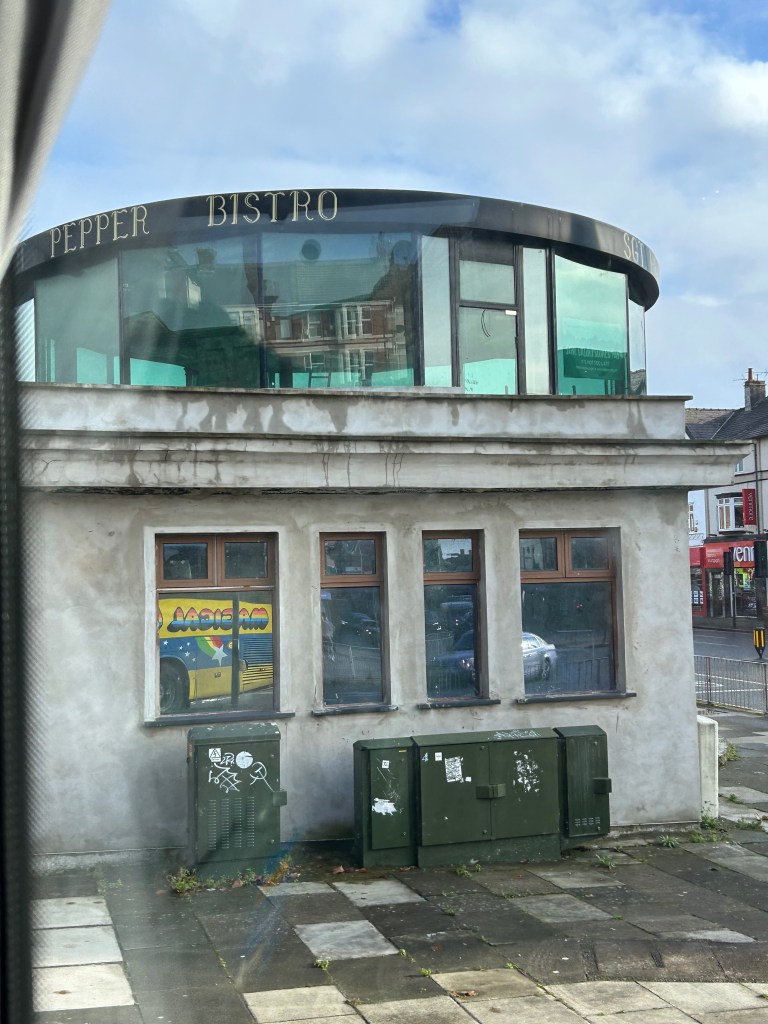
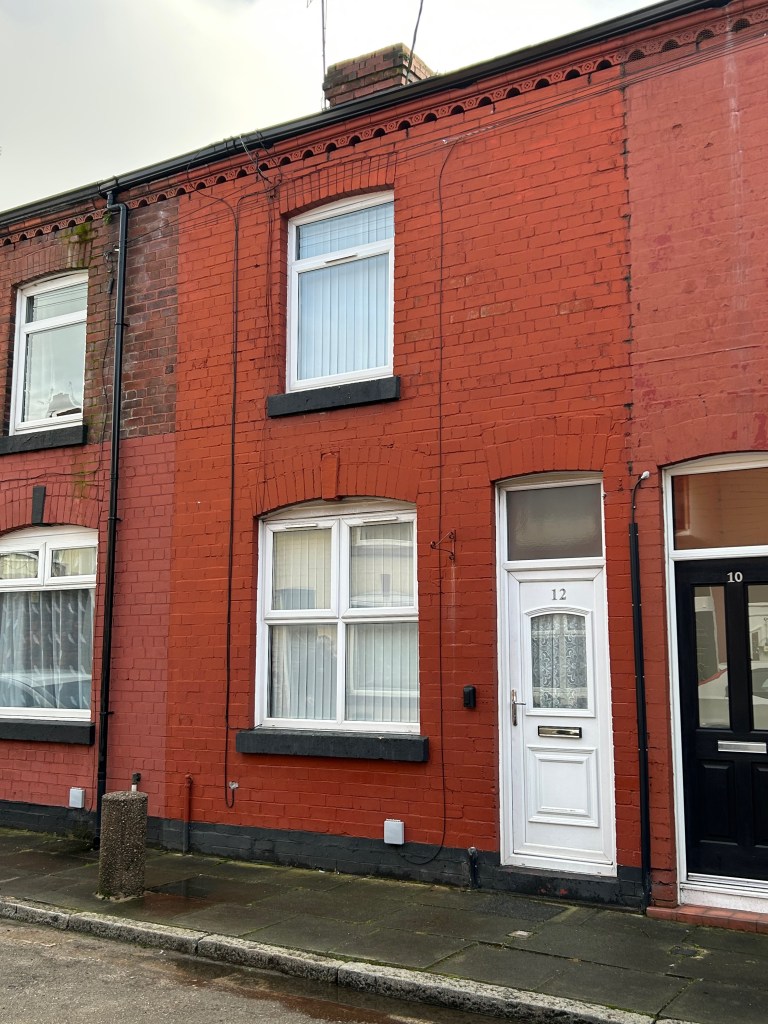
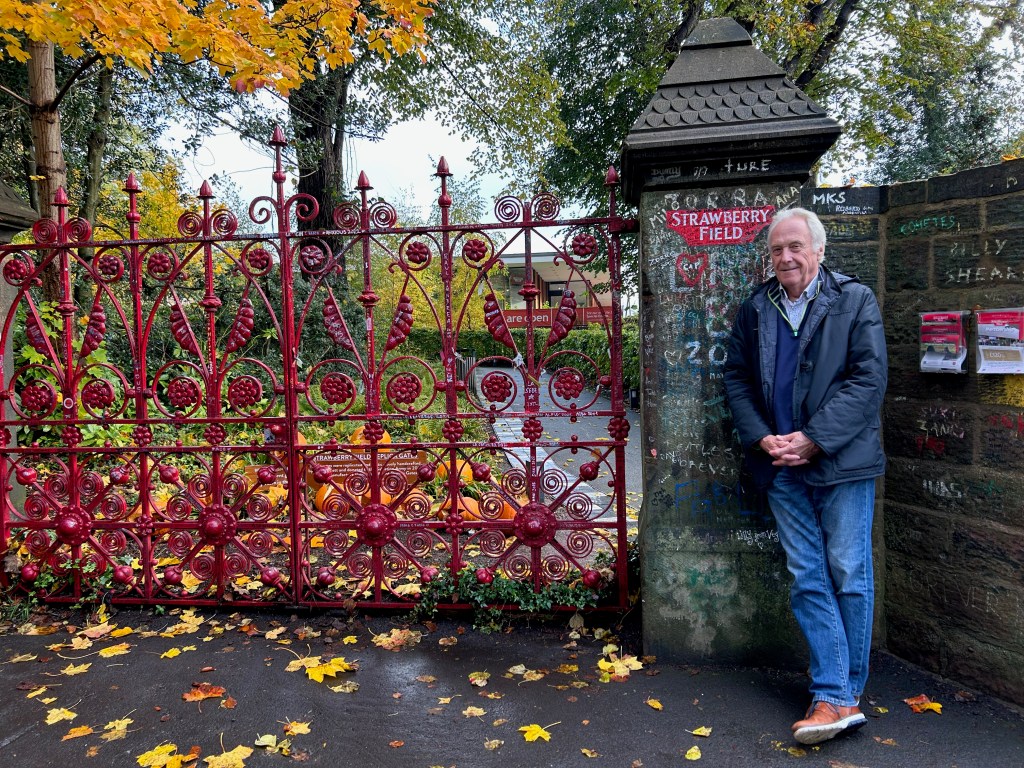
Strawberry Fields was an orphan’s home, girls only, where John climbed a tree and listened to the girls’ band and ultimately got into trouble for hanging out there. It was derelict but re-built by local philanthropists. The original red gates are in the museum on the property along with John’s first piano.
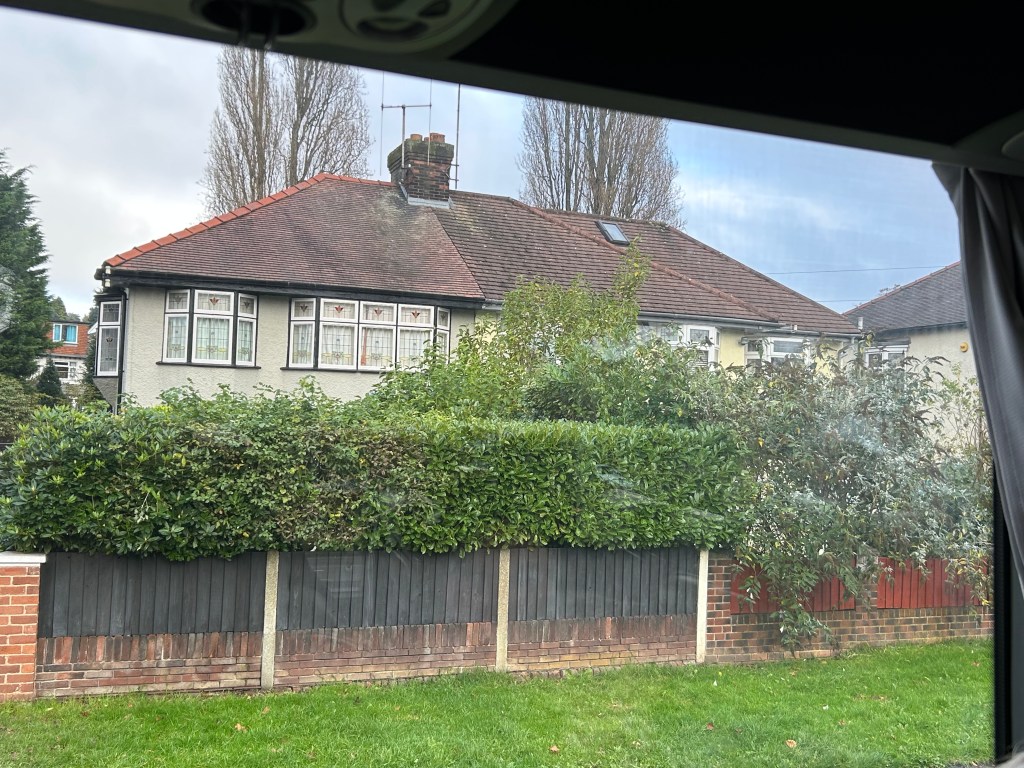
Aunt Mimi
John Lennon lost his father at 5 and then his aunt, Mimi, took him from his mother Julia on the threat of calling social services because of her living with a partner and unmarried. This house was in a middle class neighbourhood so he lived in some comfort for many years but felt like an orphan. When he was 17, he left to live with his mother where he was happier but she unfortunately died soon after when hit by a car.
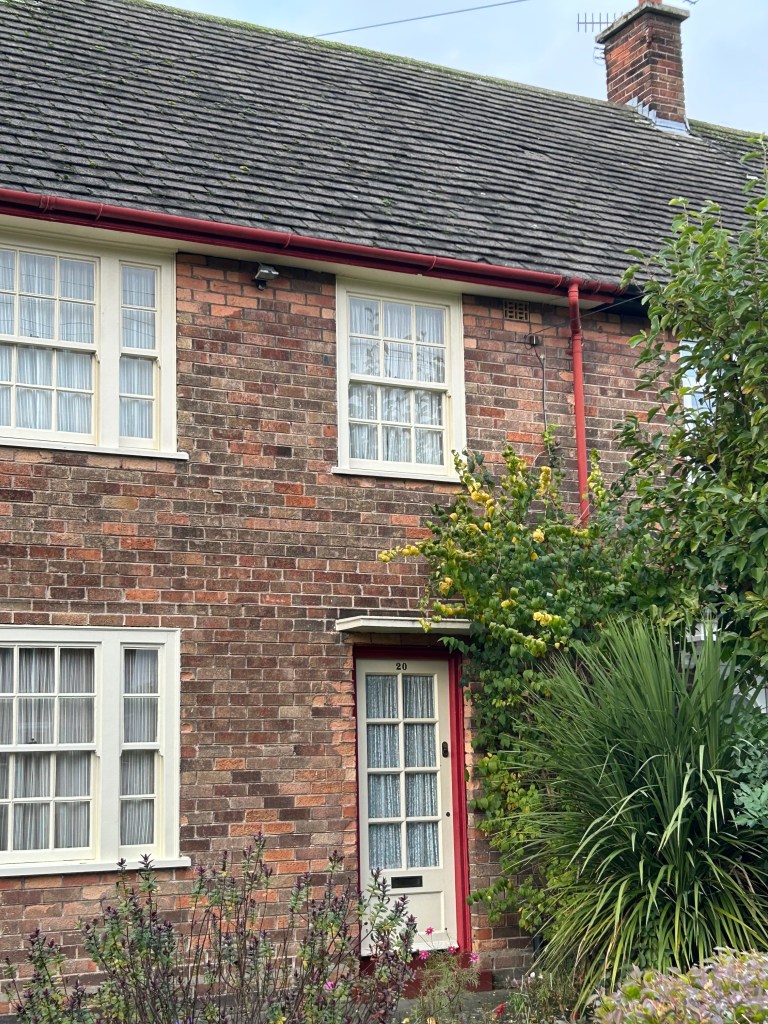
Paul McCartney had a fairly middle class upbringing with mother a nurse and father a musician and teacher. His father encouraged him and John to write and play music. Over 100 songs were written in this house.
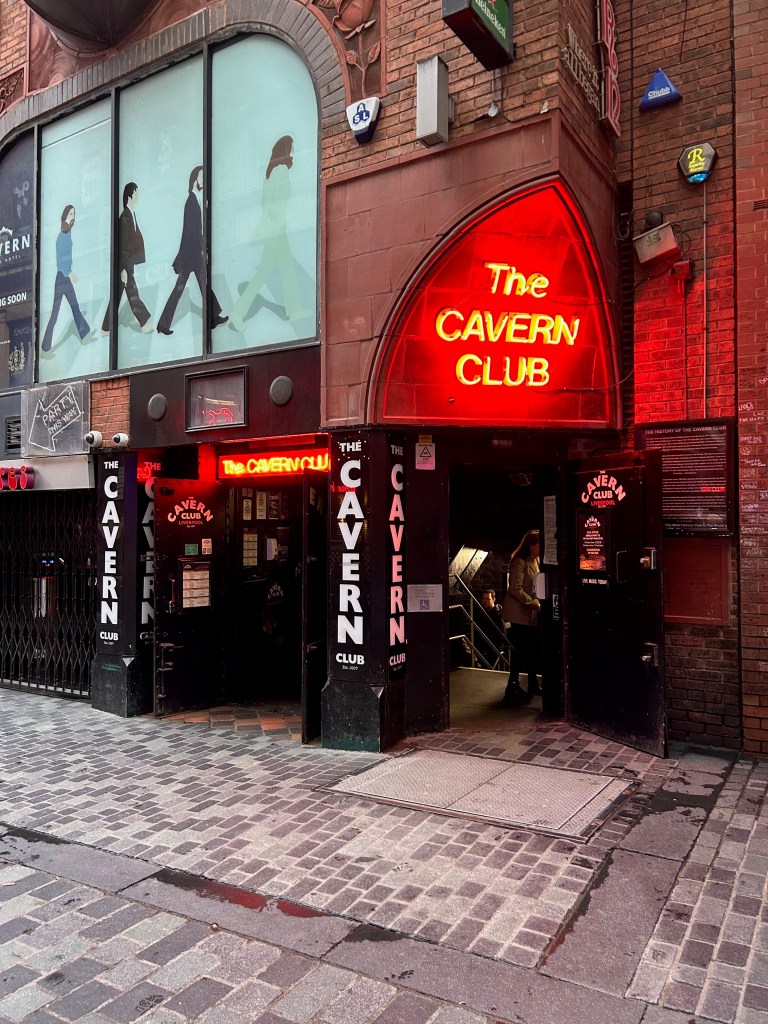
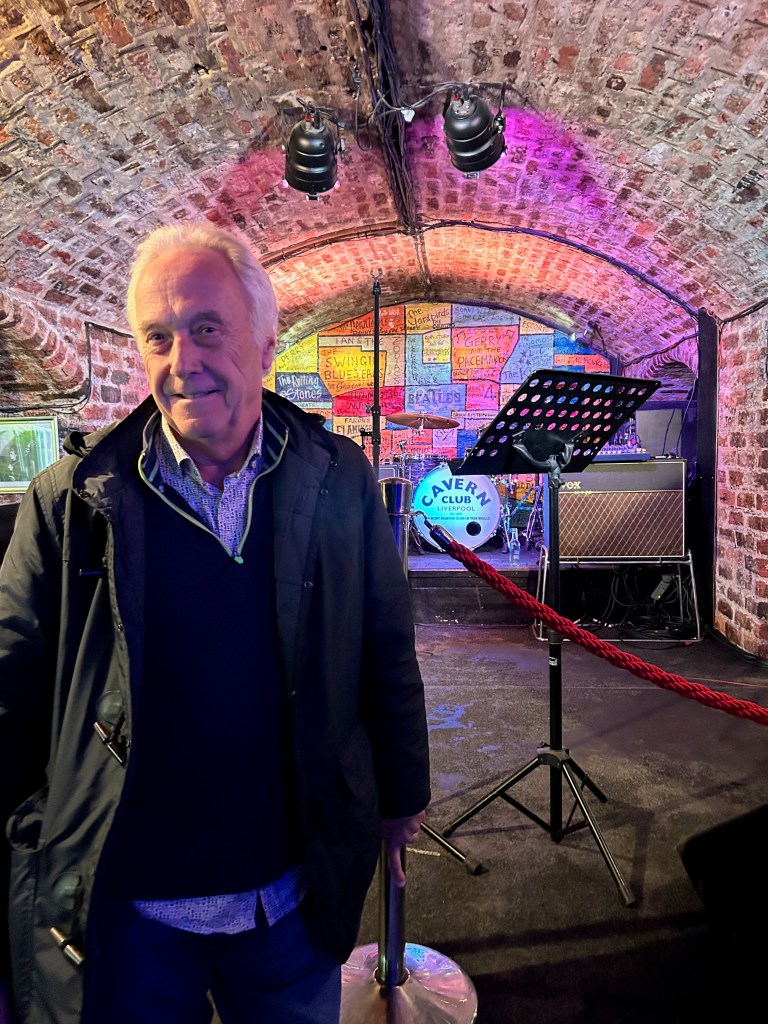
Although The Cavern was closed because of an intended pipeline planned for the area, the pipeline was not built and the place lay empty for some time. When plans were underway to re-open it, it had to be moved a short distance and the ground floor dug deeper to provide more stability for the building.
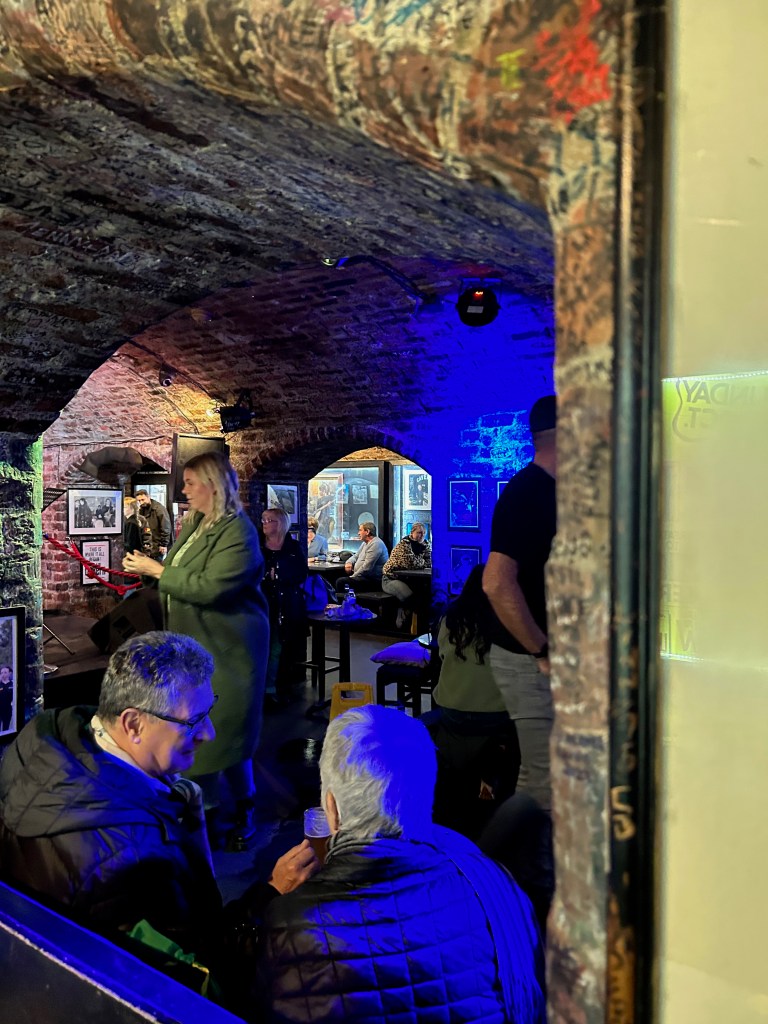
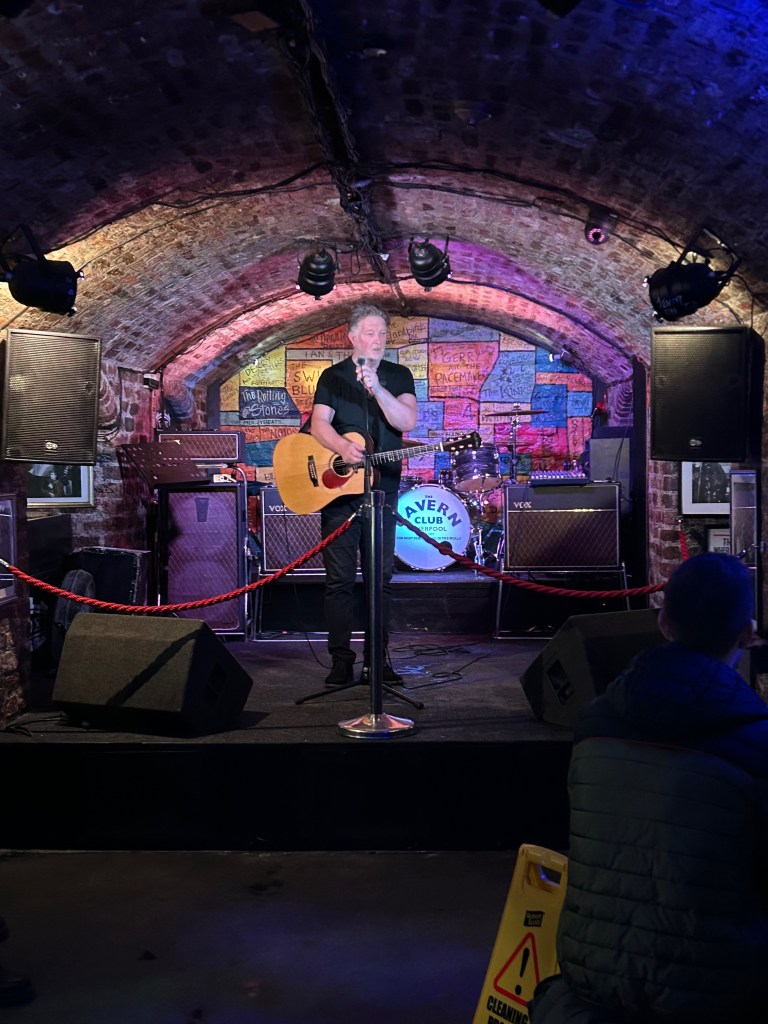
This musician who played and sang very well was in fact Charlie’s (the guide on the tour) father! There was memorabilia on all the walls of all the musicians who had played there.
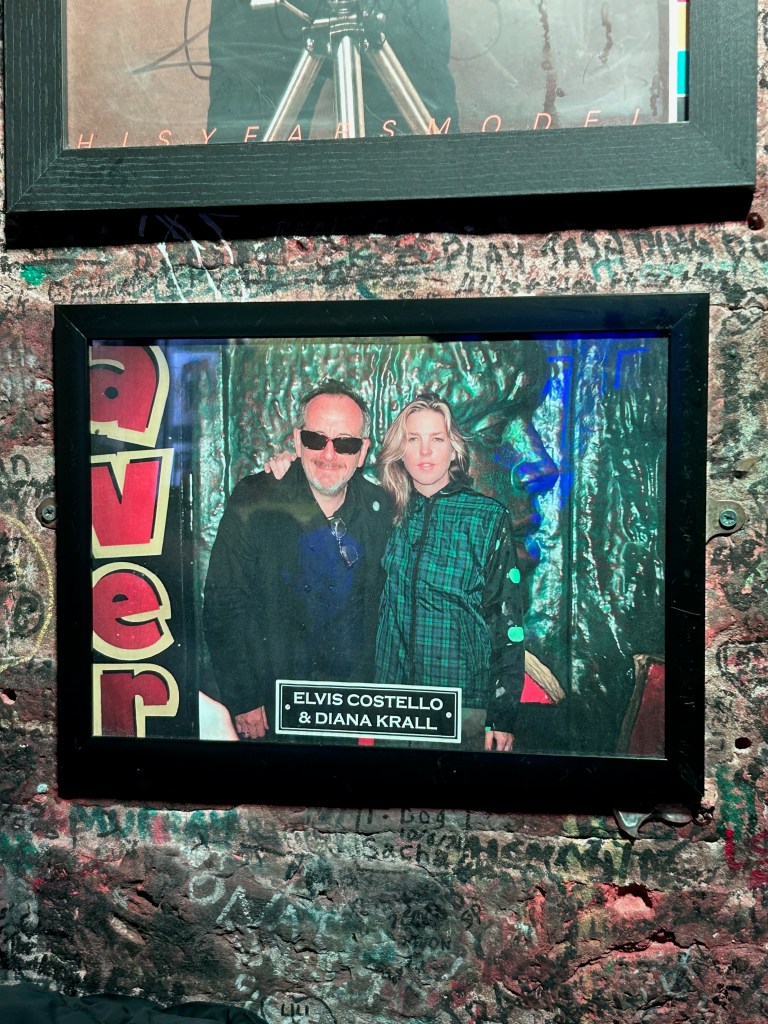
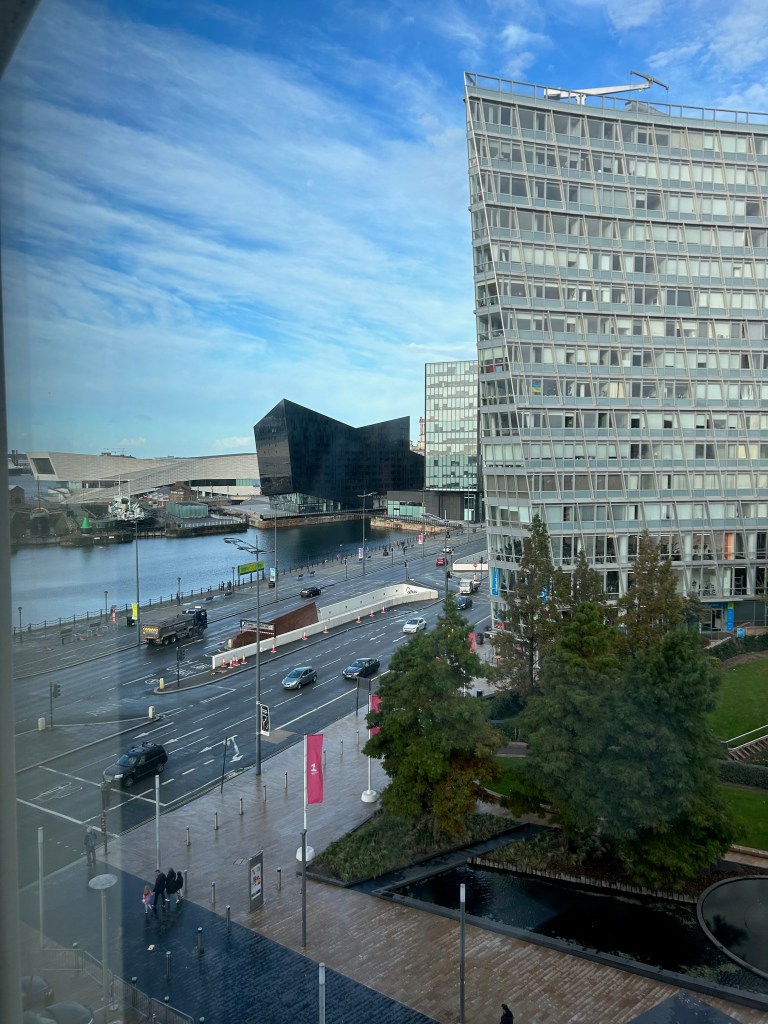
Goodbye to Liverpool: we enjoyed your energy!
Windermere
Marcus dropped us off and we took the train to Oxenholme with transfer at Wignan (a little late here). We were picked up in Oxenhome and driven to the Beech Hill Hotel. Our room wasn’t ready and it was raining so we waited in the bar/lounge.
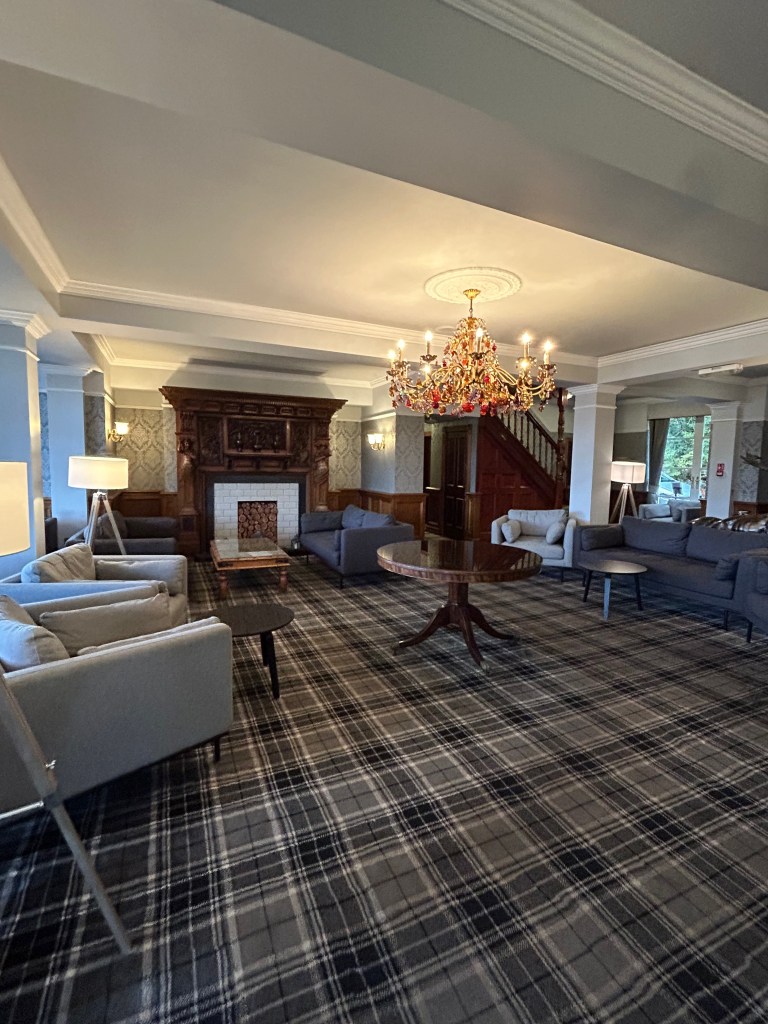
Our room was a disappointment. The carpet was stained; the windows were partly covered so you had to stand to see out; there were two steps to the bedroom and one up to the bathroom; the bed was small, soft and lumpy and the pillows flat. We complained but to no avail.
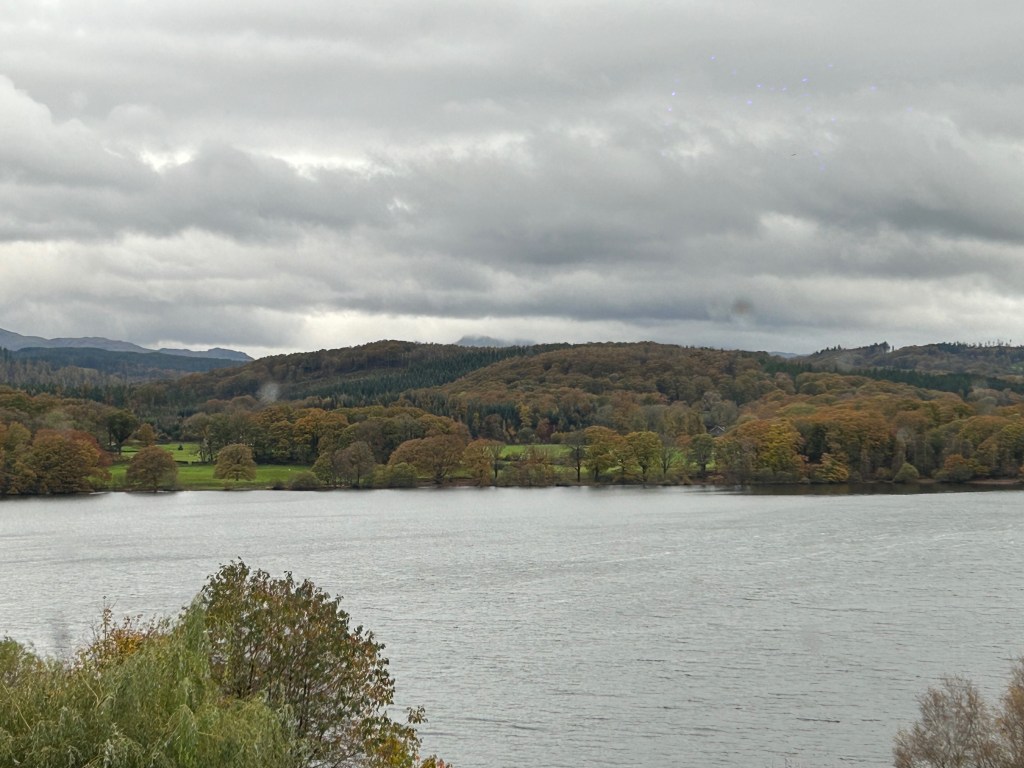
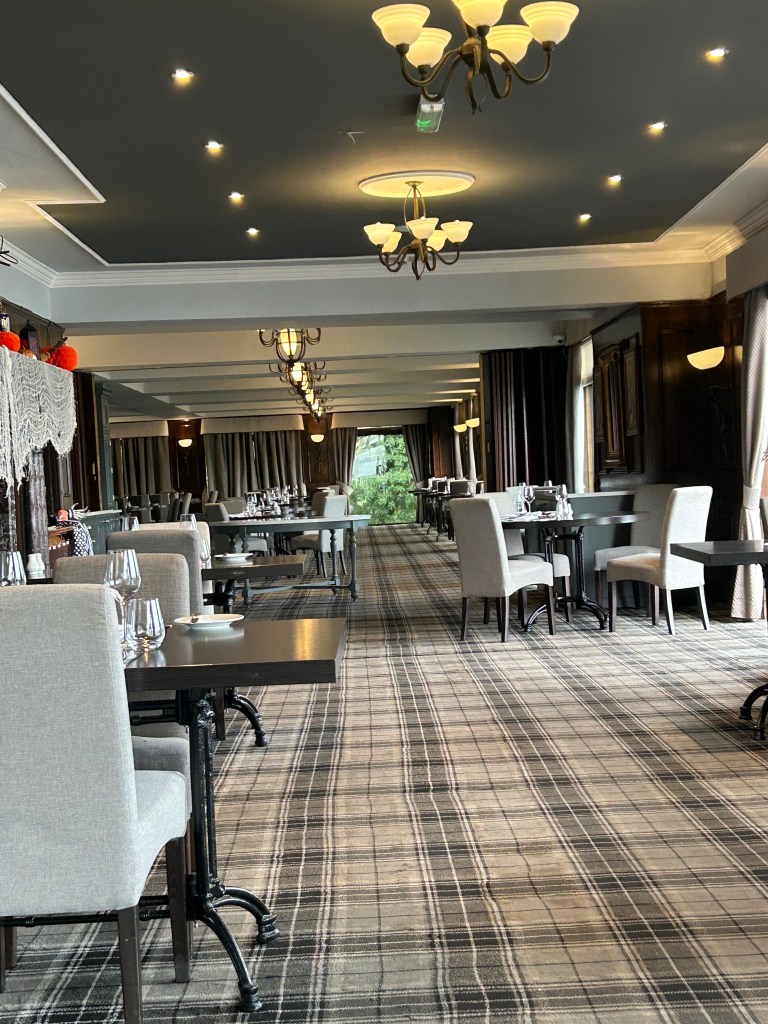
However, the dinner of appetizers of veal carpaccio and risotto and main of lamb and vegetables was very good. Unfortunately, it was pretty heavy and we did not sleep well.
It was not clear in the itinerary when we would be picked up for the tour and for the transfer to the train on Friday so I contacted customer service at GoWay Travel when my own agent was on holiday. Customer service responded to my email and sorted the tour pick-up and transfer out but could not solve the room issue.
Thursday, November 2: Ten Lake Small Group Tour
Tony arrived at 9:05 in the Mountain Goat 16 seat van and then picked up Wau at a nearby Hotel and there were just the three of us. Tony said that the season is over for this tour but they decided to run it. The weather was rainy and cool all day but we managed to stay mostly dry.
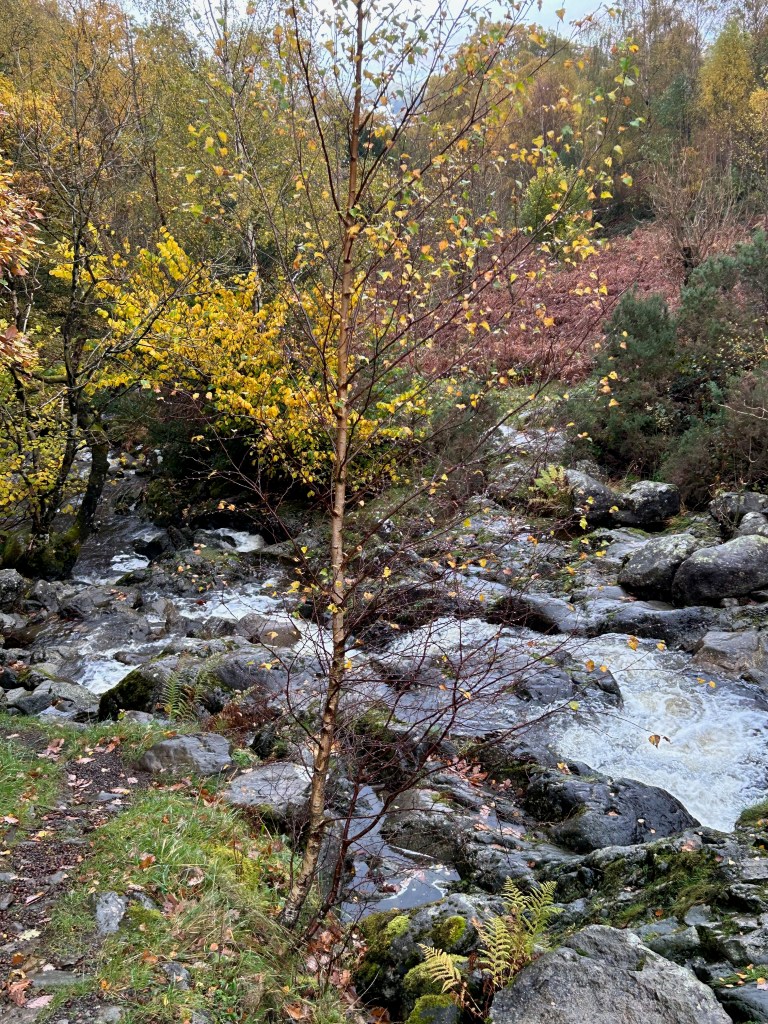
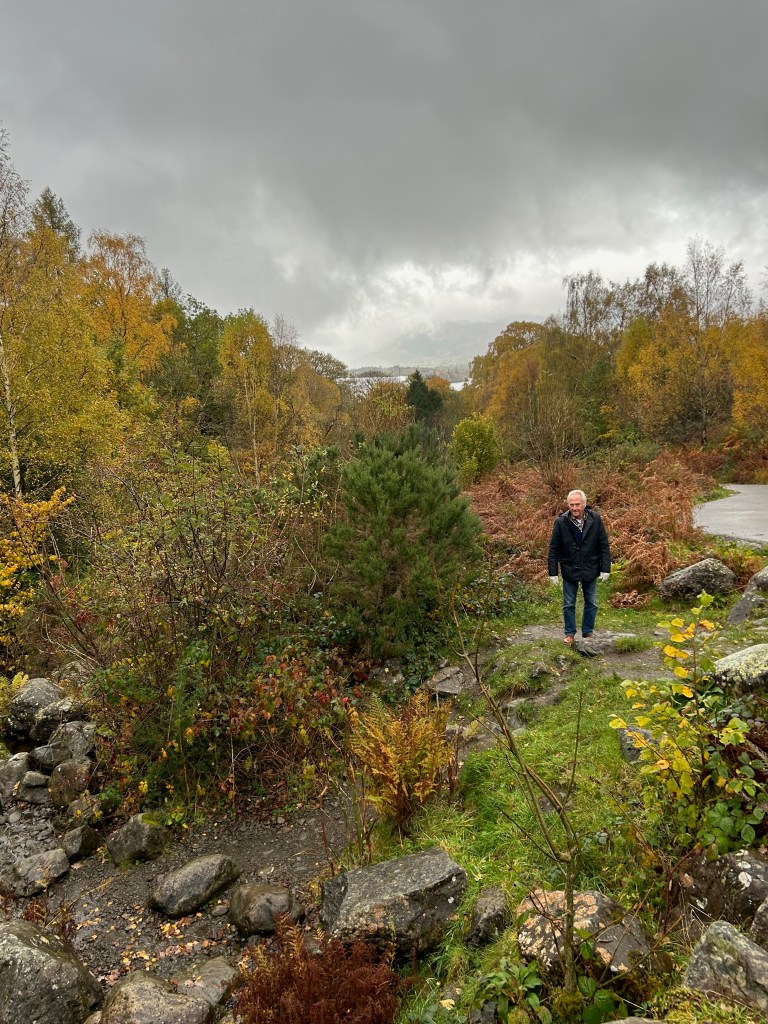
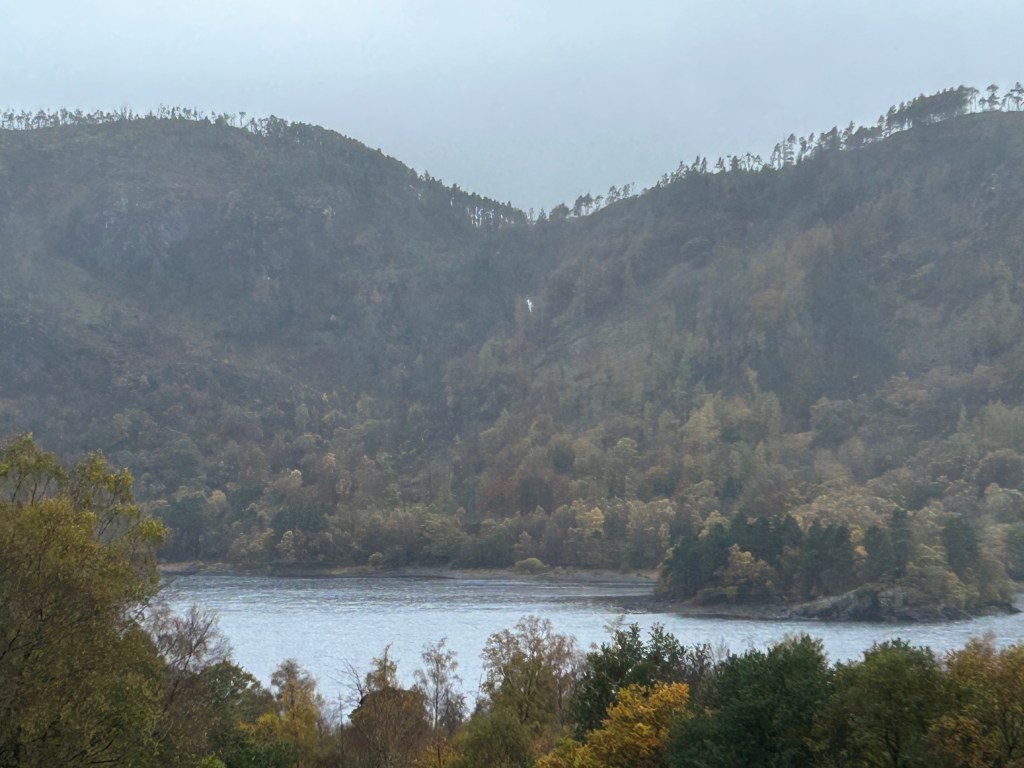
The tropical storm, Cieren, arrived on Thursday and while it was much worse in the south of England, it was invasive. Despite the rainy, windy, cool weather, we enjoyed one of England’s most picturesque regions on a full-day tour of the Lake District and visited mysterious Castlerigg Stone Circle and Lakeland villages. Unfortunately, the photos are not very clear because of the foggy, cloudy, wet conditions.
Itinerary
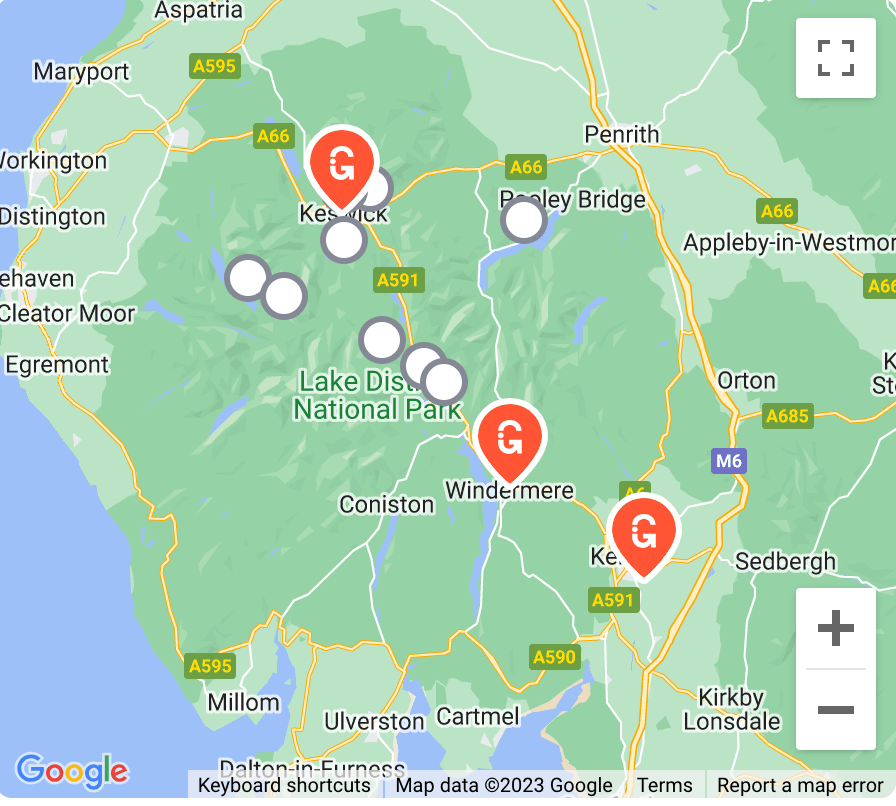
Travel over the famous Kirkstone and Honister passes whilst enjoying some spectacular mountain scenery. From beautiful valleys to waterfalls and traditional Lakeland villages, enjoy plenty of stops for admiring the views and taking photographs.
Eat lunch at the market town of Keswick, where you can try a typical pub lunch, or seek out a charming restaurant. Get the chance to stretch your legs at either the magnificent lake of Derwent water or Ullswater, where you can see the tranquility of the Lake.
- Lake District Photo stop, Sightseeing, Scenic drive, Scenic views on the way
- Ullswater Break time, Photo stop, Visit
- Surprise View Break time, Photo stop, Visit
- KeswickBreak time, Photo stop, Visit
- Castlerigg Stone Circle Photo stop, Visit, Sightseeing, Scenic drive, Scenic views on the way
- Buttermere Photo stop, Sightseeing, Scenic drive, Scenic views on the way
- Honister Pass Break time
- Grasmere Break time, Photo stop, Visit, Free time
- Rydal WaterPhoto stop.
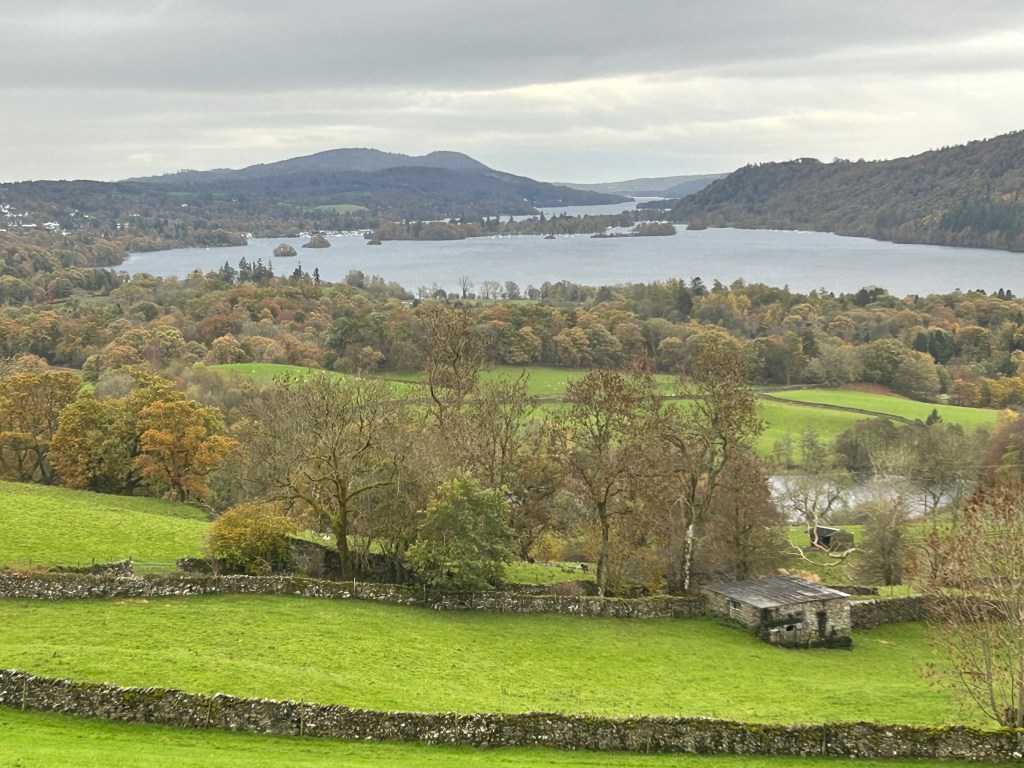
Lake Windermere is the longest of the lakes at 7 miles but not the deepest. Our driver from Oxenholme Train Station said that she sails on the lake.
This is Beatrix Potter’s stomping ground. After she had written her wonderful children’s books on Peter Rabbit and family, she suffered a loss of eyesight and decided to turn her hand to sheep farming. She, in fact, created a new breed and bought 6-8 farms and gave them to the National Trust.
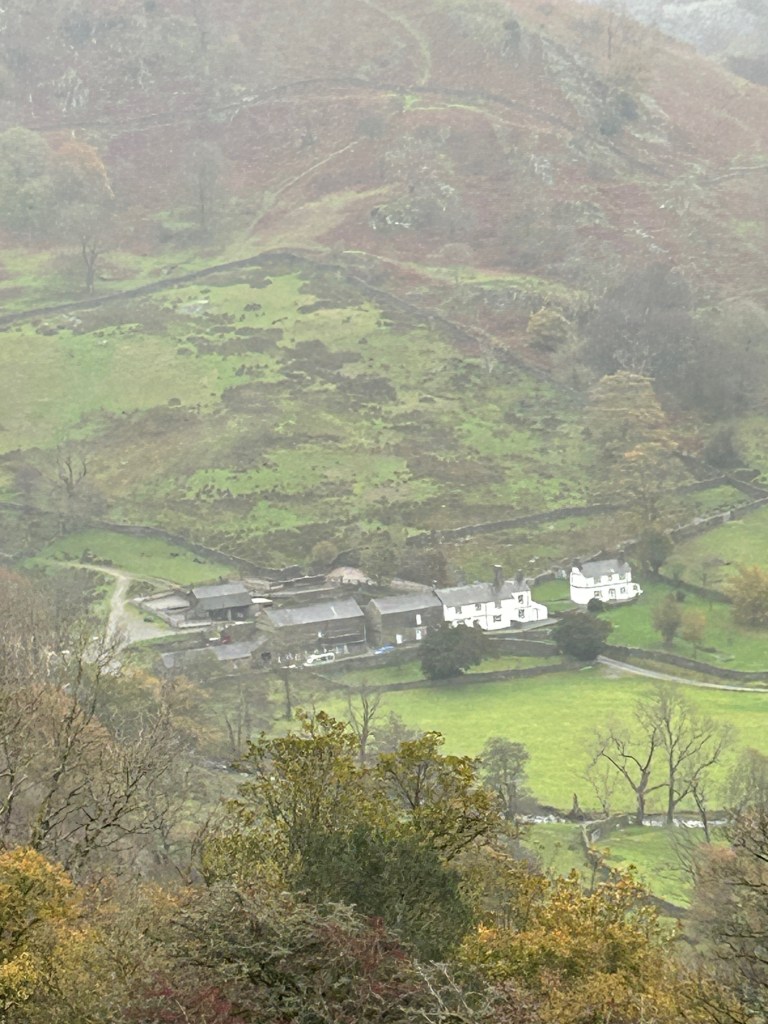
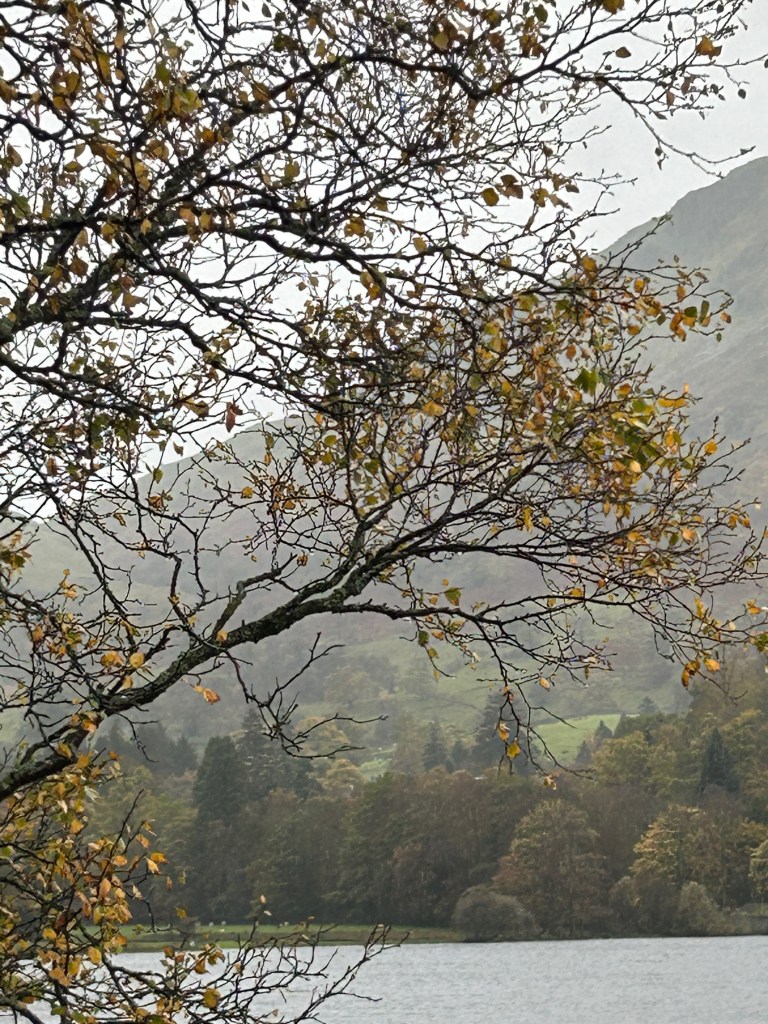
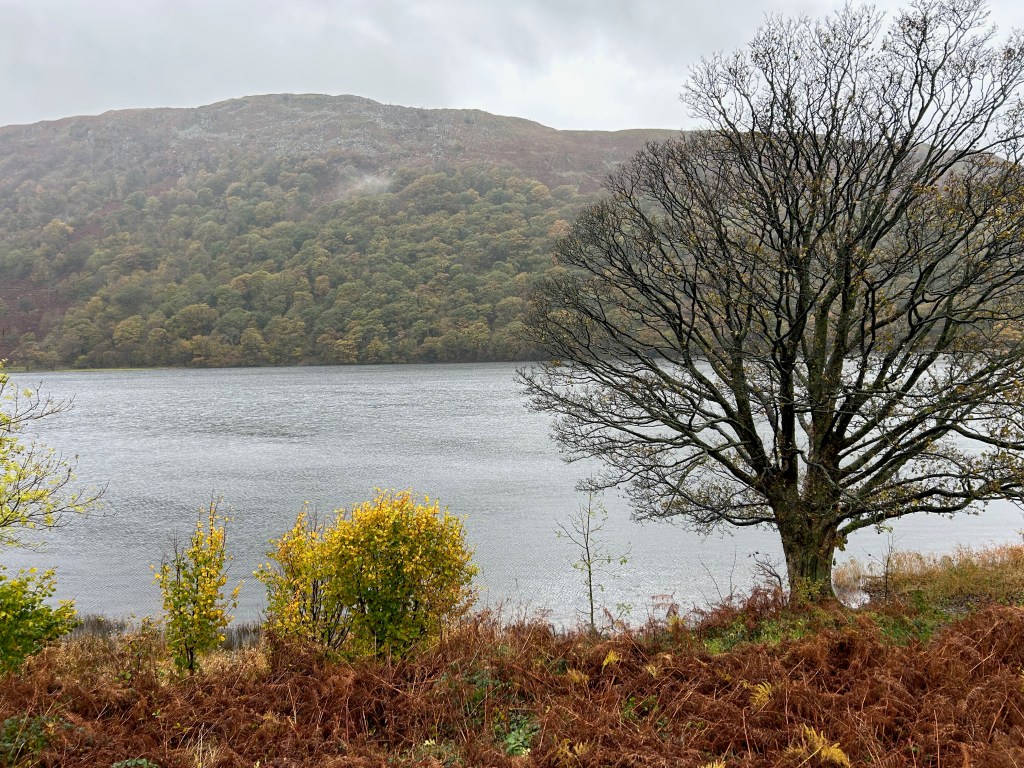
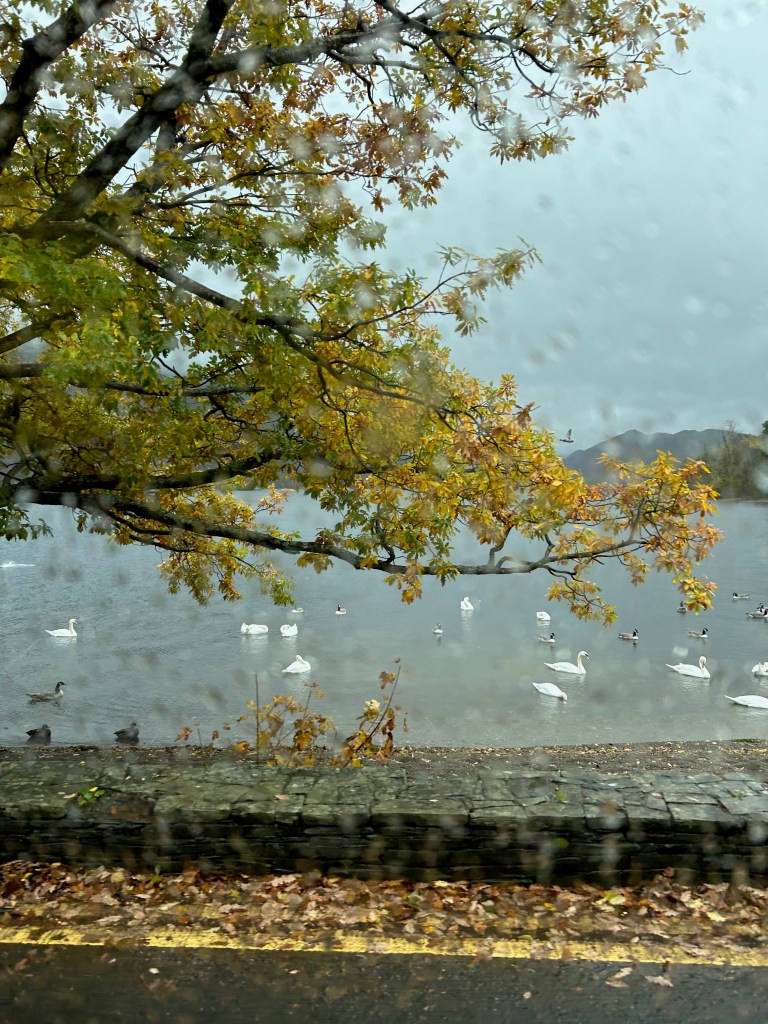
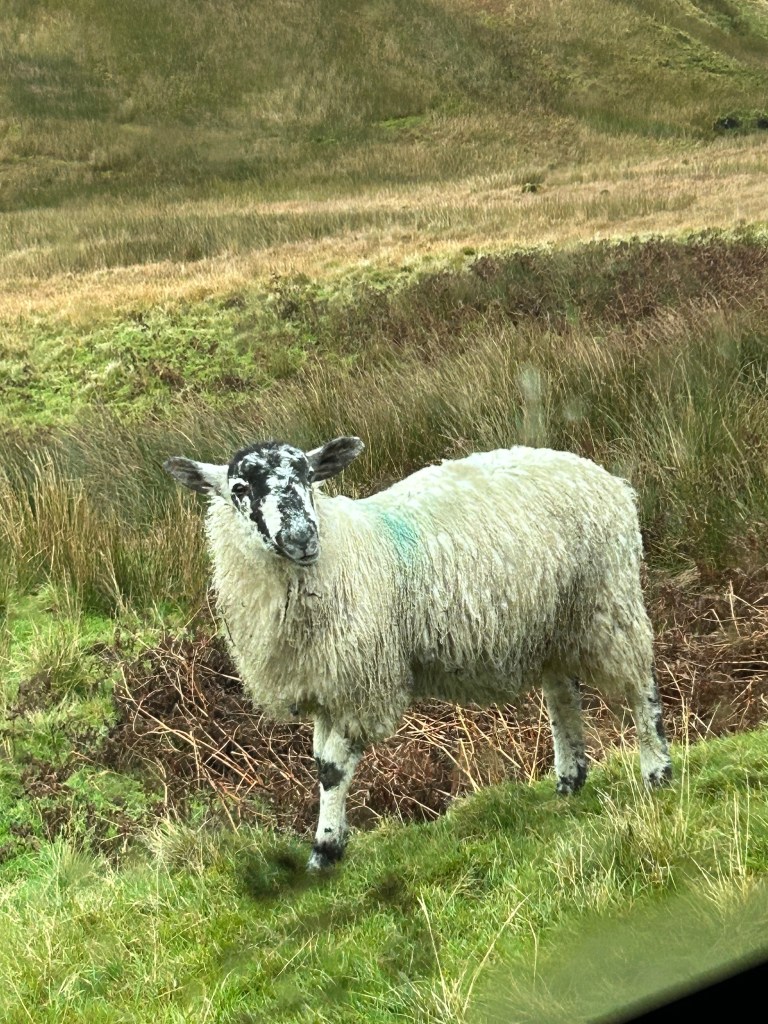
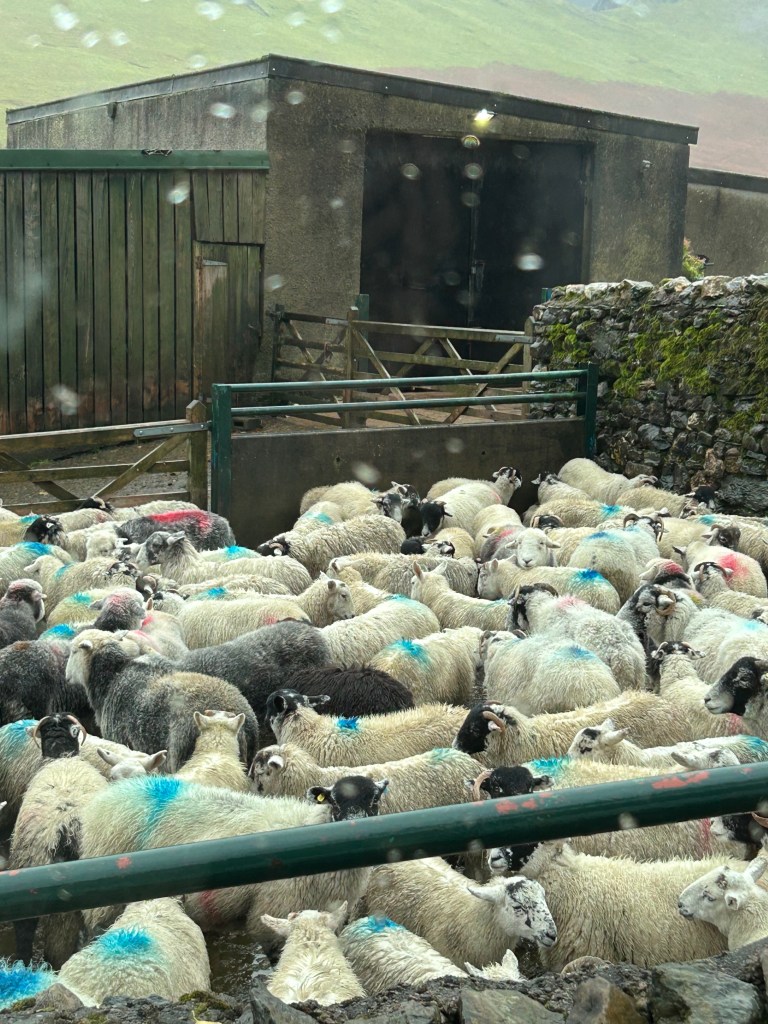
This is definitely sheep country. The breeds here are bred to be hardy to stay outside all year round. Their wool is, therefore. stiff and course and used only for carpets. They are in the fields and all over the hillsides.
Castlerigg Stone Circle was built around 4500 years ago by prehistoric farming communities who settled on the fertile regions around the mountainous heart of the Lake District. This site was carefully chosen to impress and draw upon the natural drama provided by the surrounding fells.
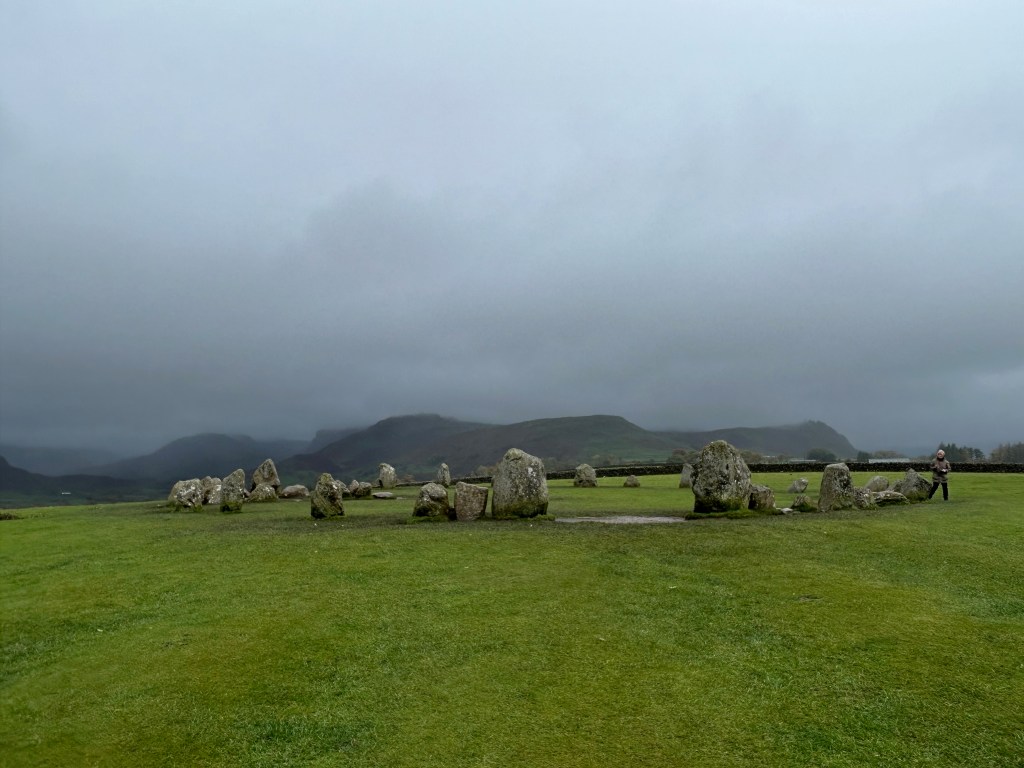
A place for ceremony and exchange: Stone circles served an important function with prehistoric communities, providing a setting for ritual or ceremonial activities, social exchanges and the movement of goods. It’s possible that negotiations took place here about the seasonal movement of animals into the upland pastures or the right to quarry stone for the manufacture of axes and other tools.
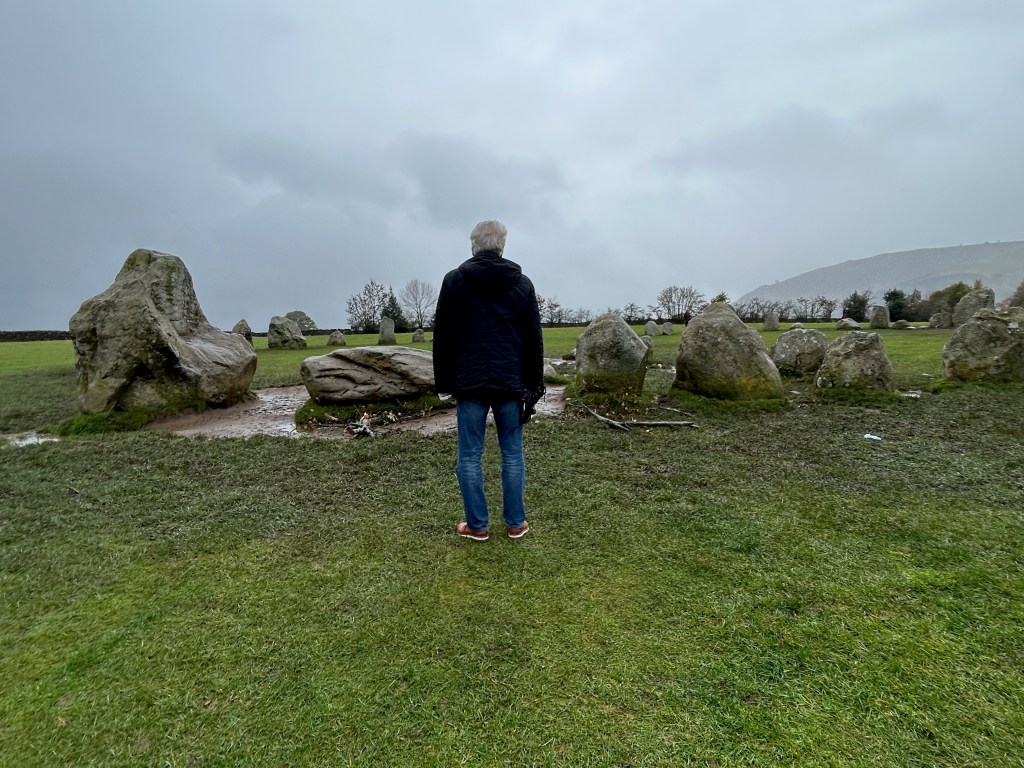
The mystery of the Sanctuary: The rectangular stone setting within the circle, known as the ‘Sanctuary’, is likely to be a later addition. It may have been constructed to focus attention upon one part of the circle in order to add significance to the rituals taking place within. This might reflect the increasing hierarchy that developed in prehistoric society towards the end of the monument’s use.
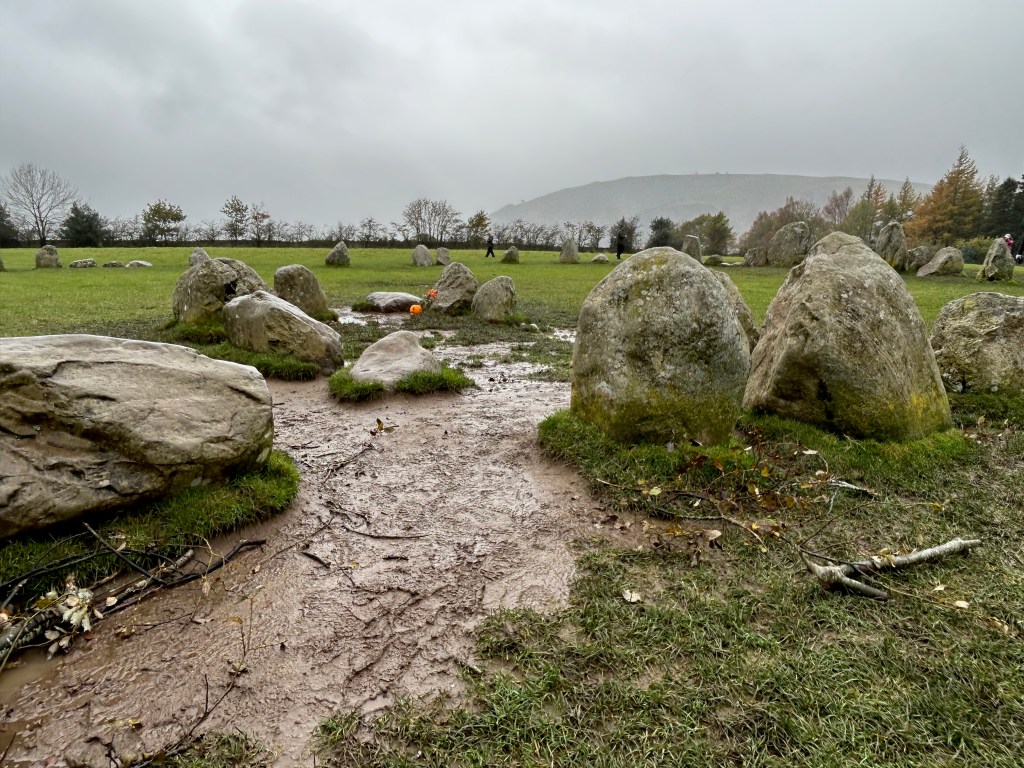
It was amazing that we were there alone. Now it was pouring rain and very muddy in early November but it was great to be there without crowds.
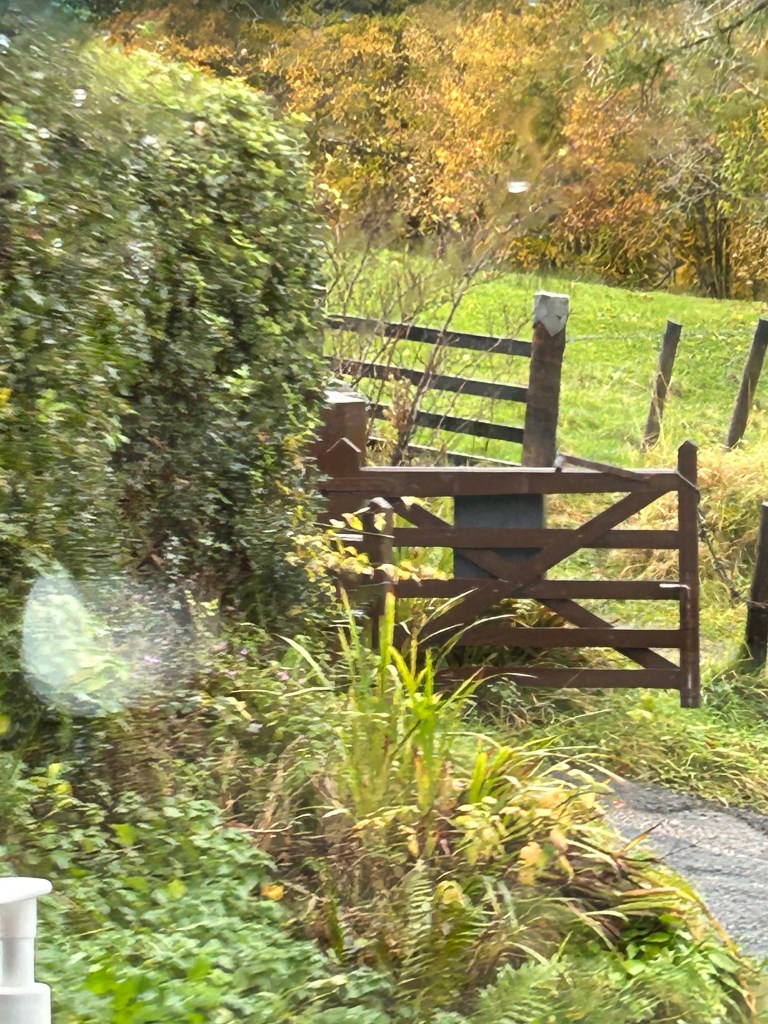
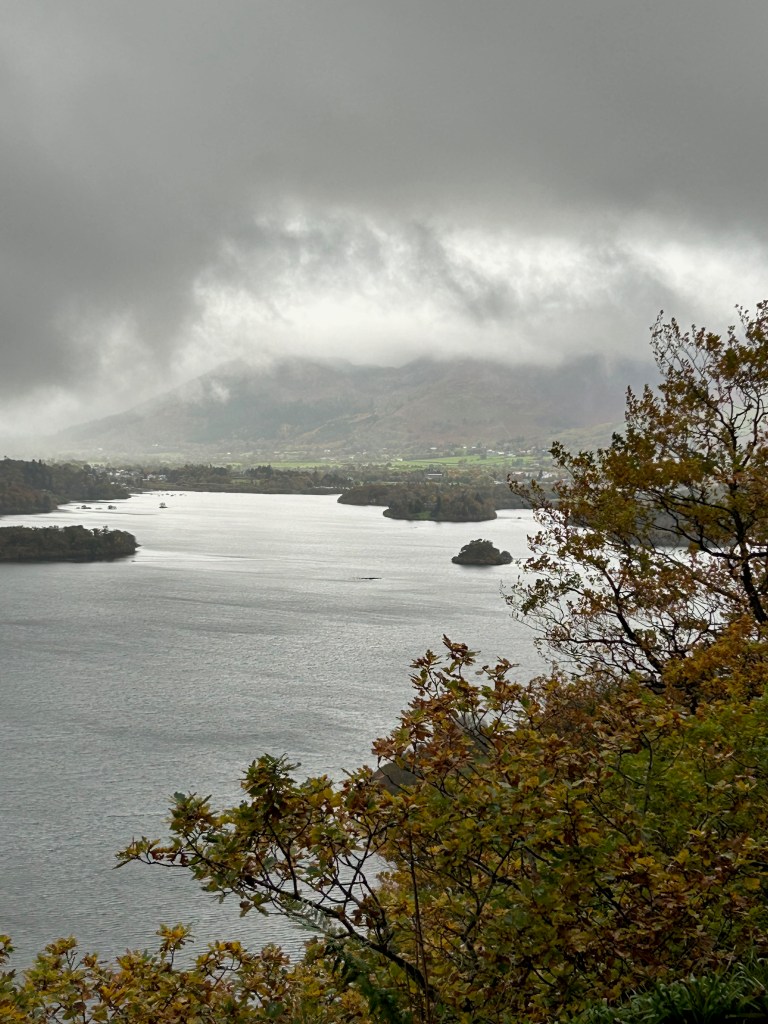
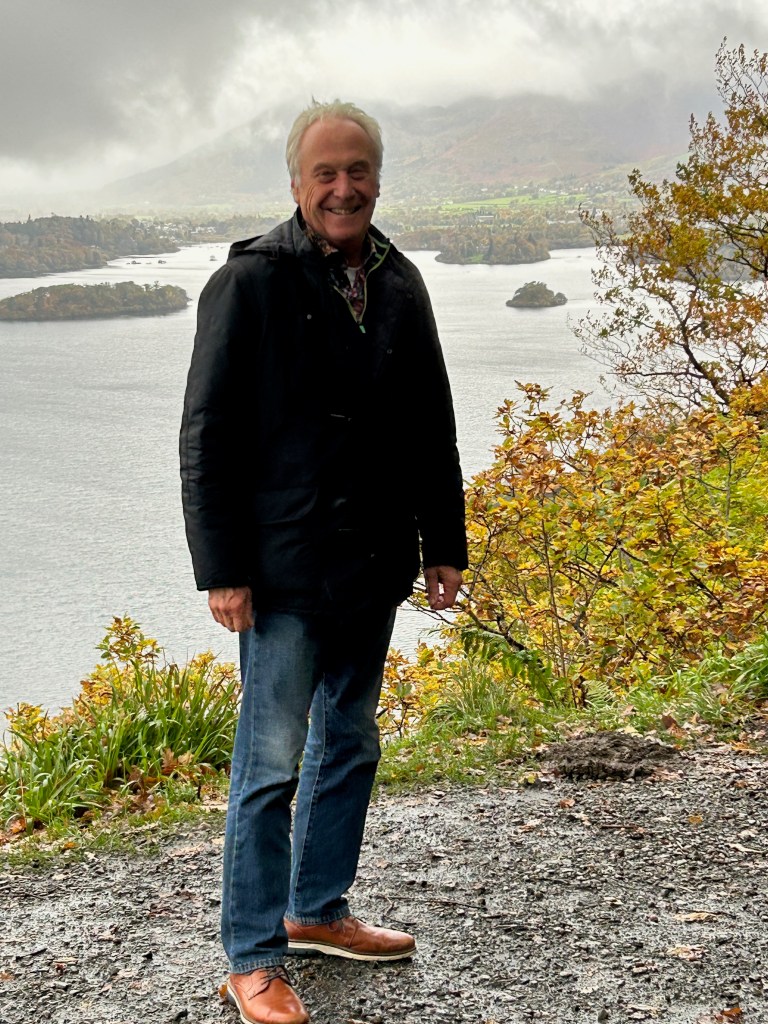
Before we get to Ashness Bridge a little further up the hill is Surprise View, a magnificent panorama overlooking Keswick and Derwentwater.
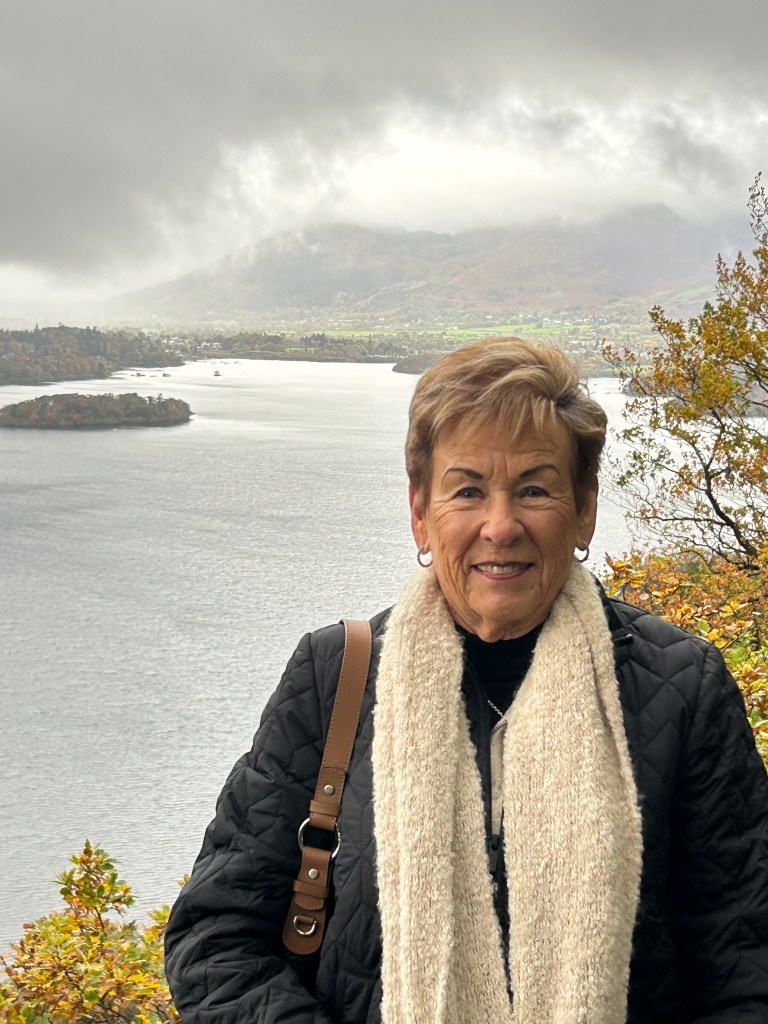
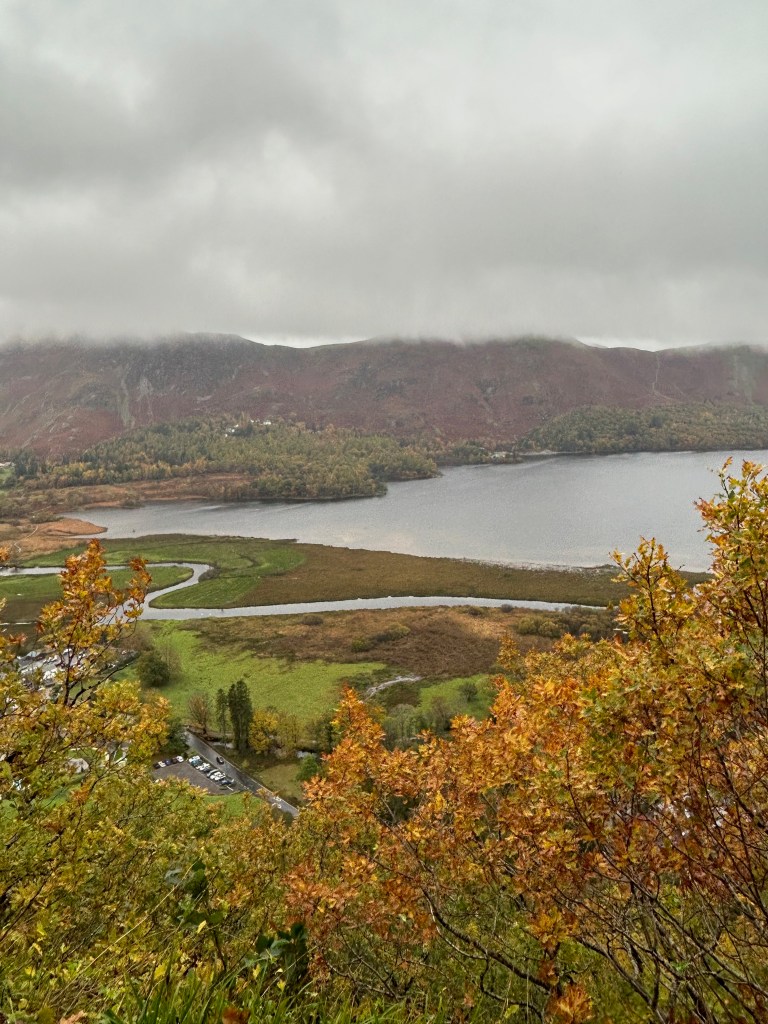
South from Keswick, the B5289 winds along close to the shore of Derwentwater, offering magnificent views across the lake to Catbells and Maiden Moor. A minor road branching off to the left leads to Watendlath over and past one of the most photographed bridges in the Lake District- Ashness Bridge. Its image is often seen to be adorning biscuit tins and tea towels. This fine small packhorse bridge, striding over a fast running beck, is a perfect foreground for the amazing views.
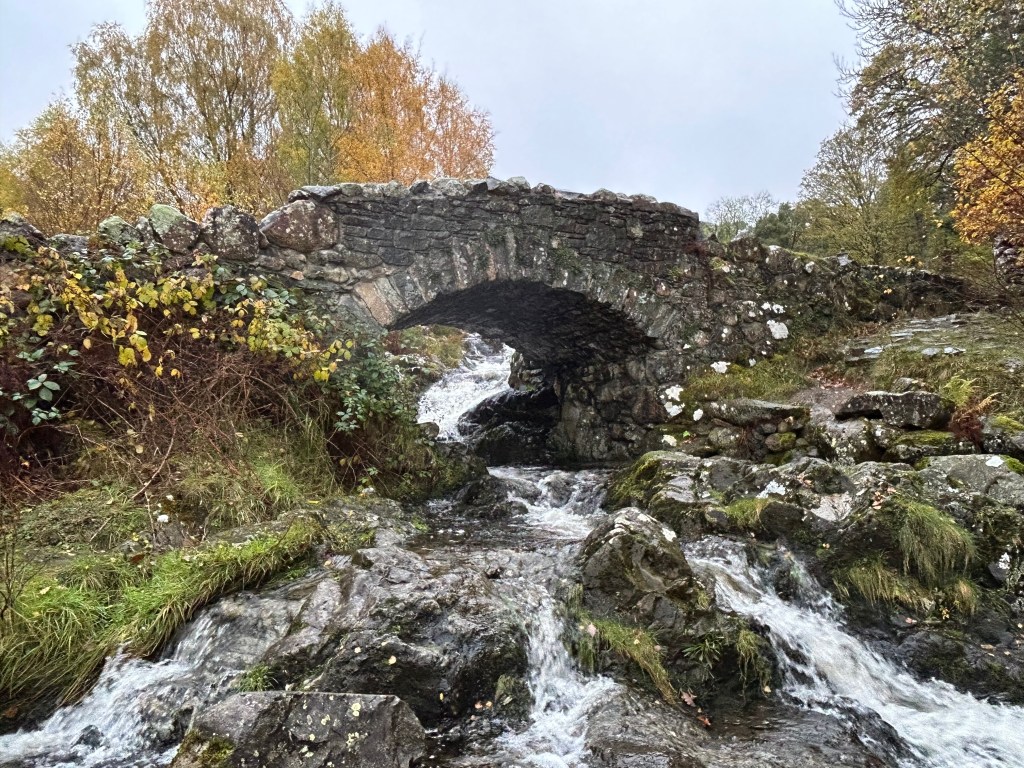
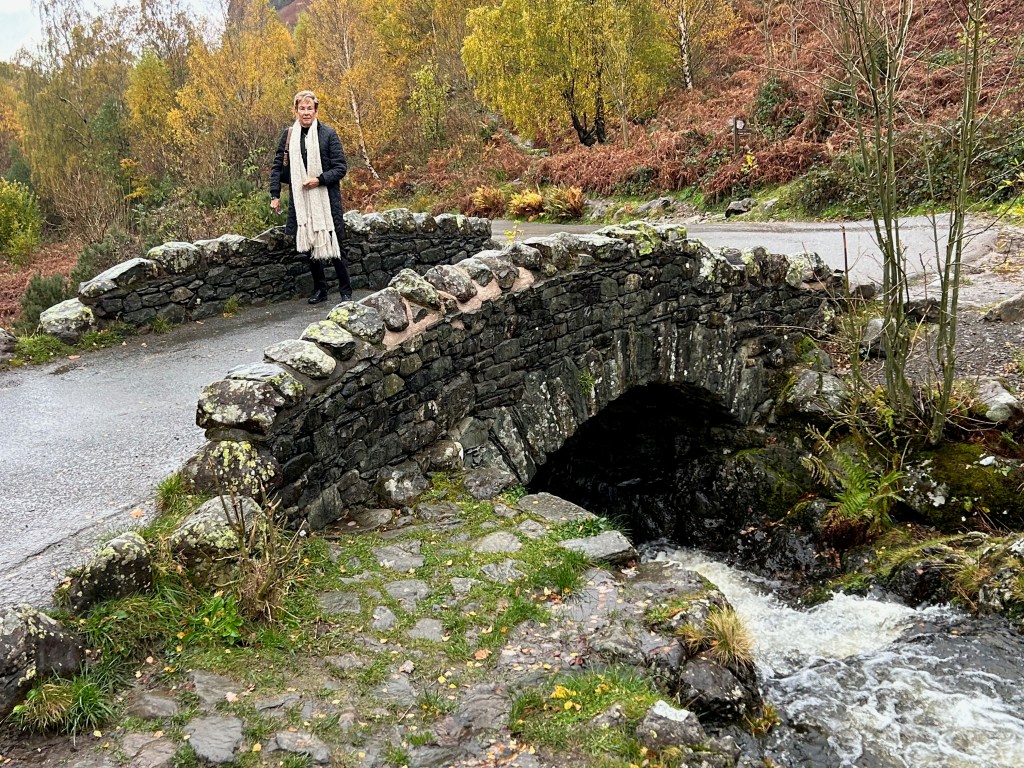
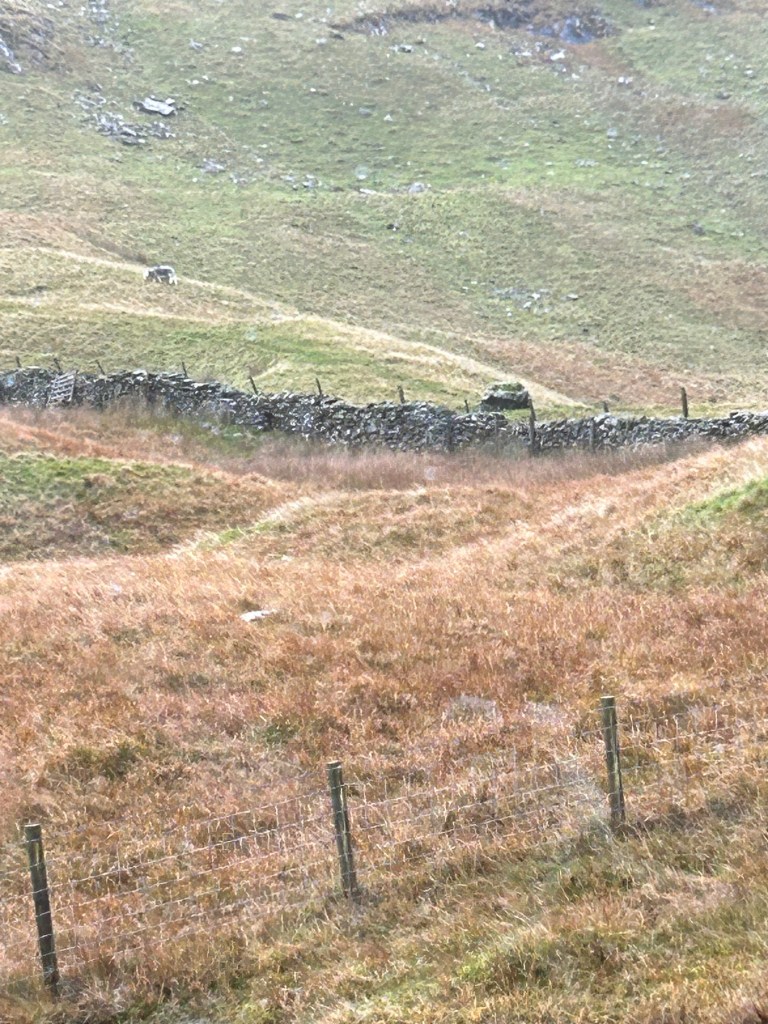
All over the countryside the hills are lined with dry stone walls; some date back to the Vikings and are a thousand years old. The farmers were told to build fences to define their property and the fields were full of stones so they fit the stones together dry (without mortar) for fences. Then the county could charge them property taxes.
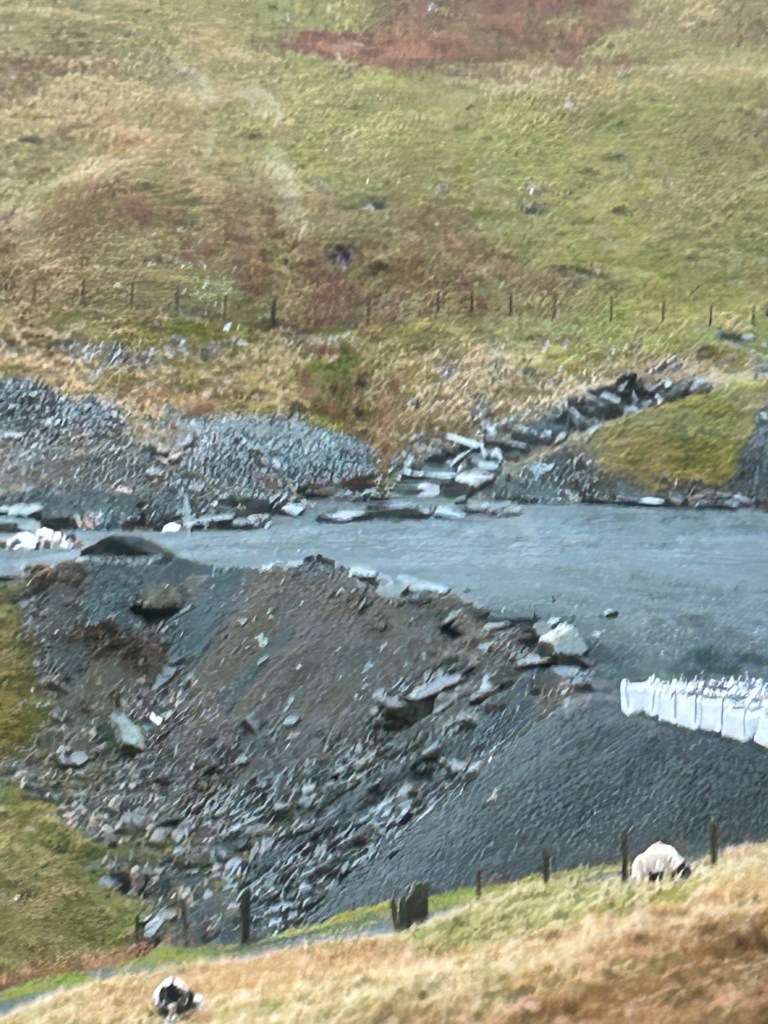
Honister Green Slate is over 450 years old and sourced from inside a Lake District mountain at England’s last, working slate mine. This family-run business produces high quality green slate revered for its durability, texture, density, longevity and colour. An environmentally-friendly product, the craftsmen use traditional skills to create a range of slate products: workshops, fire hearths, headstones, house signs, flooring and roofs. This slate is on the roof of Buckingham Palace.
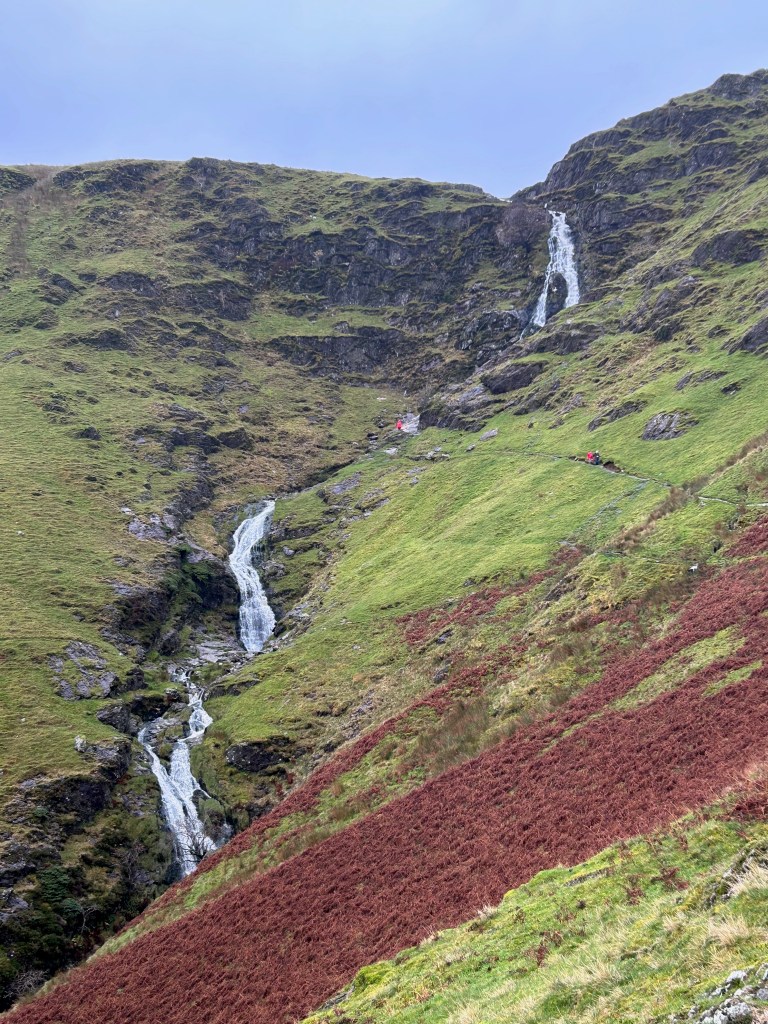
The story goes that a Count took Kaiser Wilhelm to this viewpoint and told the Kaiser that he owned all this land – which was a lie.
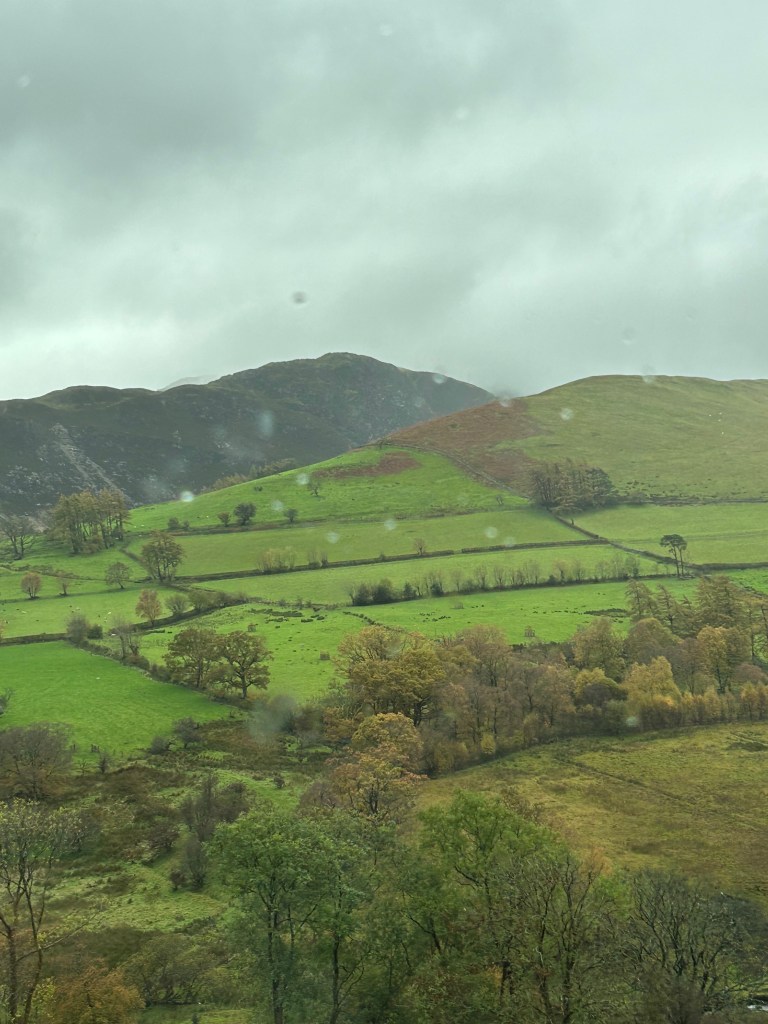
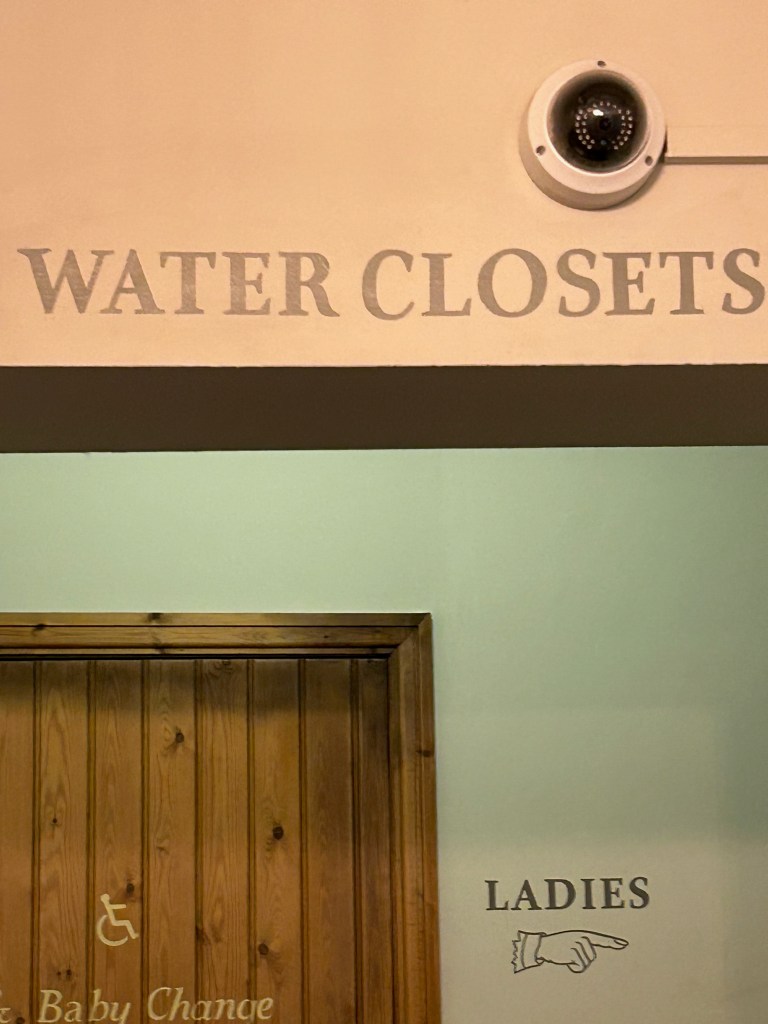
We stopped for lunch in Keswick and being that it was pouring rain, we went to a very nice pub, the Royal Oak, where I put my feet under the radiator to get them warm. I visited the ‘water closets’ there. We visited the Market for a bit and then headed back to the van.
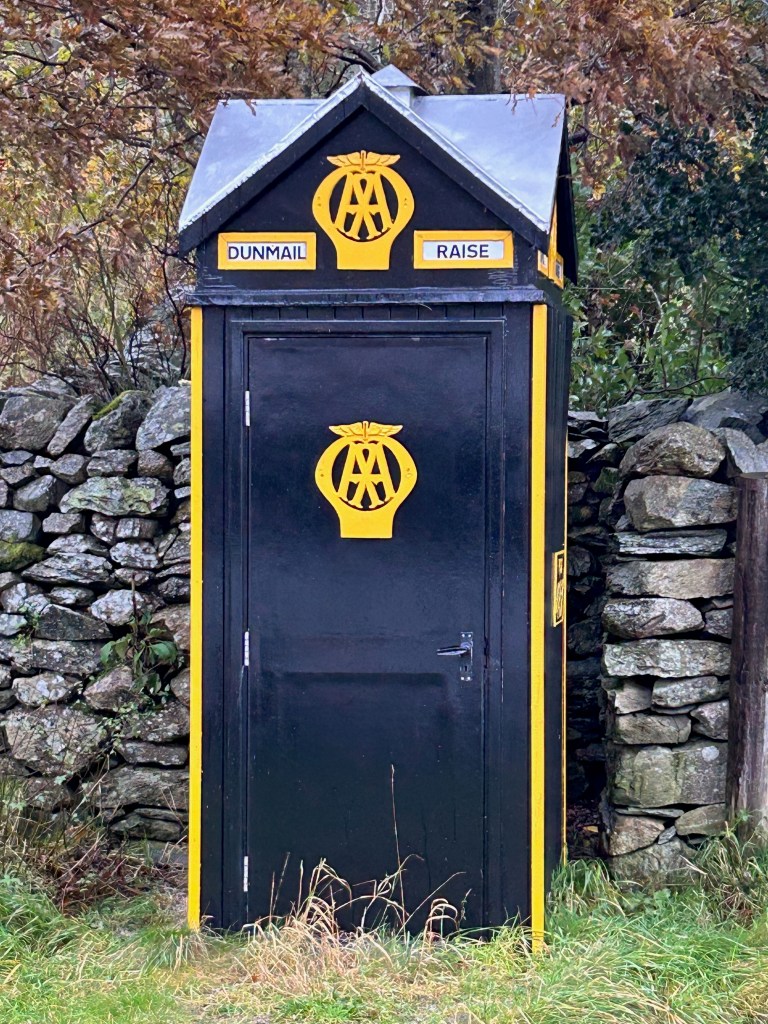
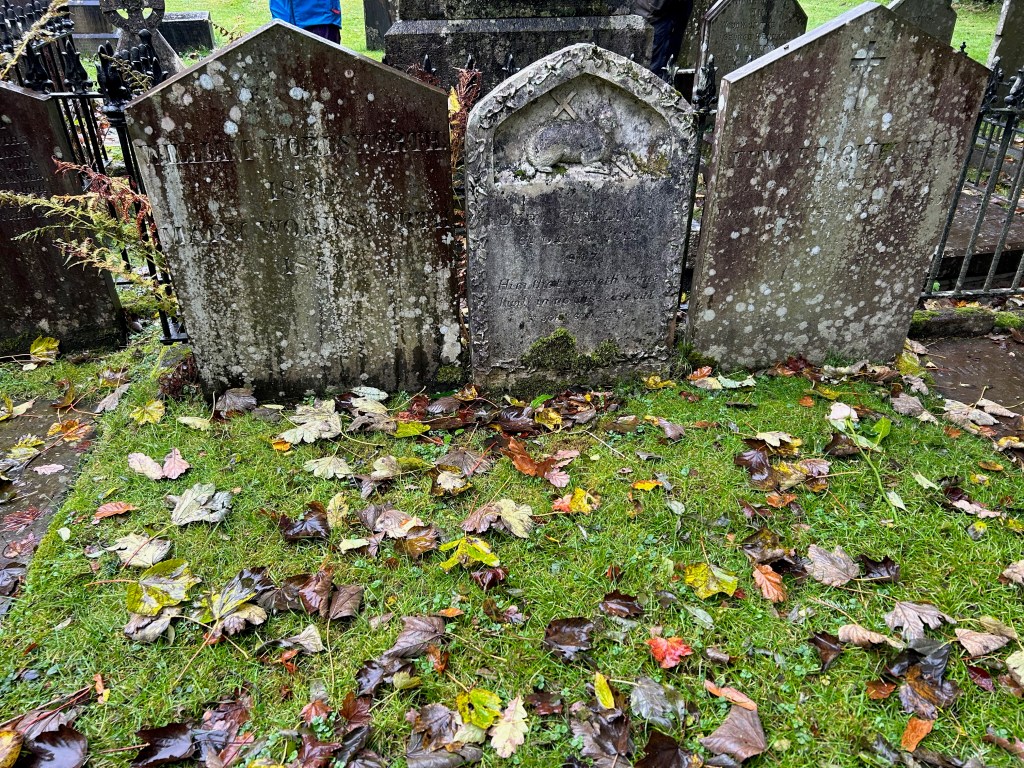
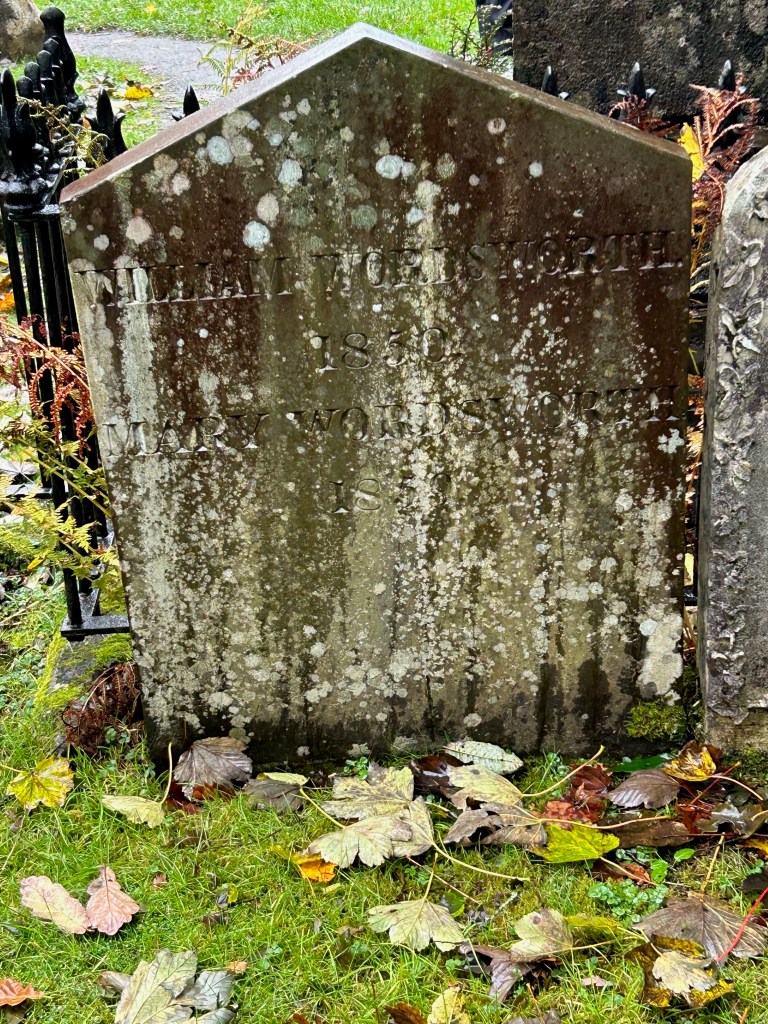
Dove Cottage
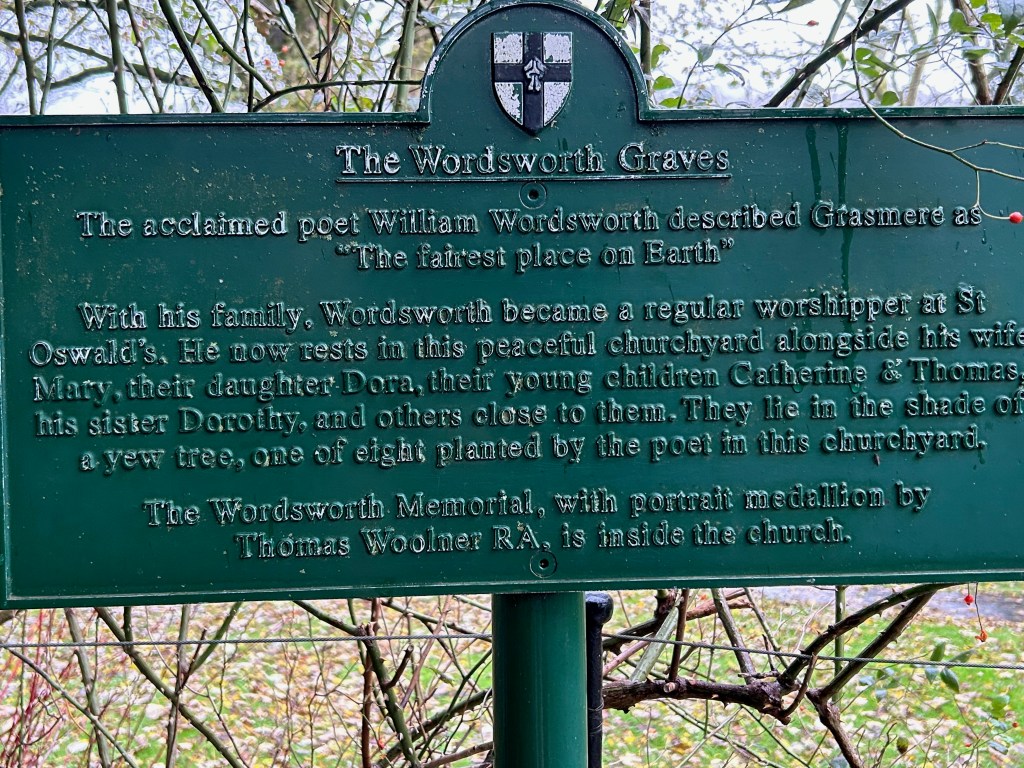
We only saw Dove Cottage from a distance because the road was blocked. It was in this little cottage, at times ‘crammed edge full’ with people, in the heart of the remote Lake District, that William Wordsworth wrote some of the greatest poetry in the English language and Dorothy kept her famous ‘Grasmere Journal’, now on display in the Museum.
William came across his first Grasmere home by chance as he and his brother John walked along this lane with his fellow poet Samuel Taylor Coleridge in late 1799. He and his sister Dorothy moved in just a few weeks later. It was to be Wordsworth’s home for the next eight years. In 1802 William married Mary Hutchinson and three of their five children were born here.
The Dove Cottage garden, a place of refuge, meditation and inspiration was where they planted flowers and vegetables, watched birds and butterflies and, most importantly, read, talked and wrote poetry.
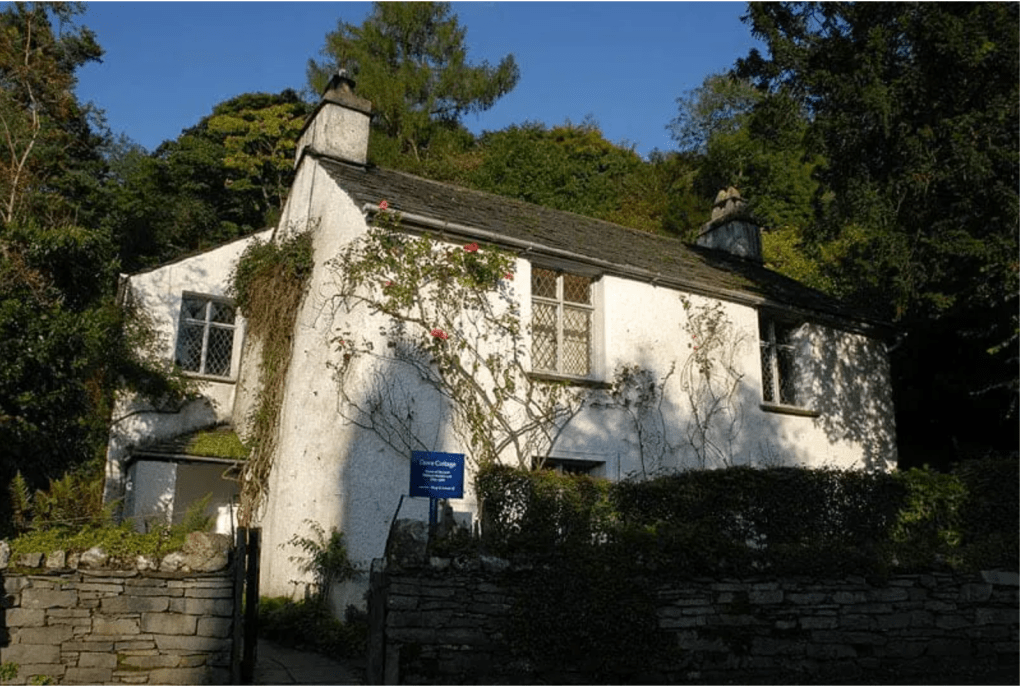
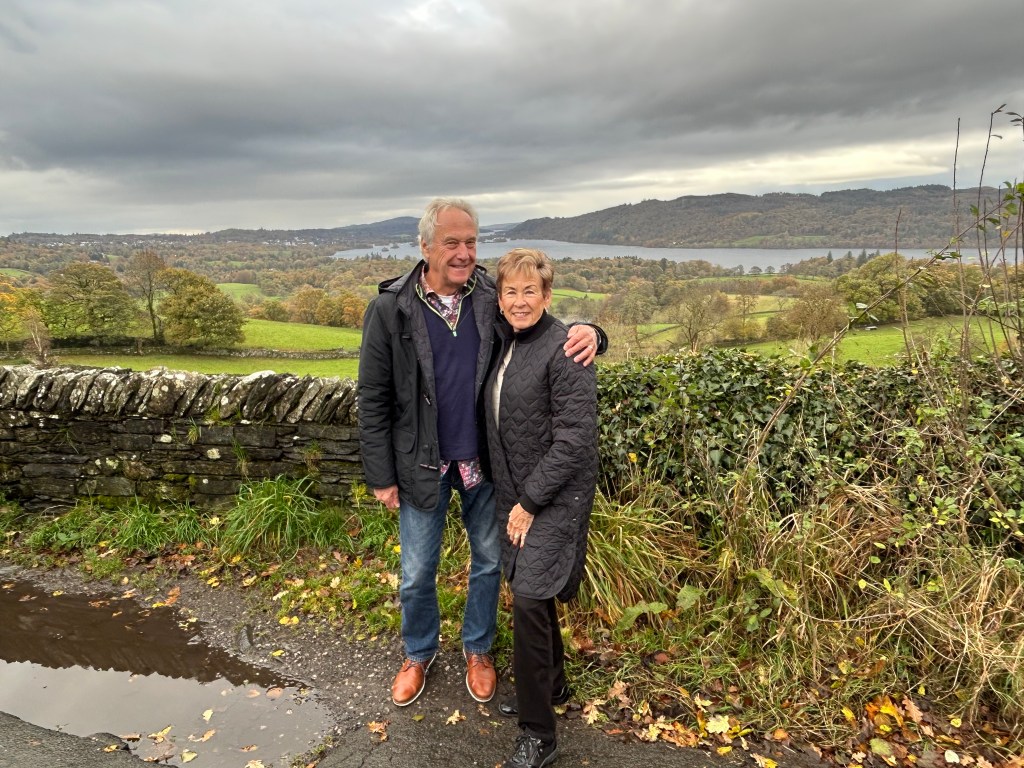
On Friday, the weather had cleared and the photos of Windermere Lake were spectacular.
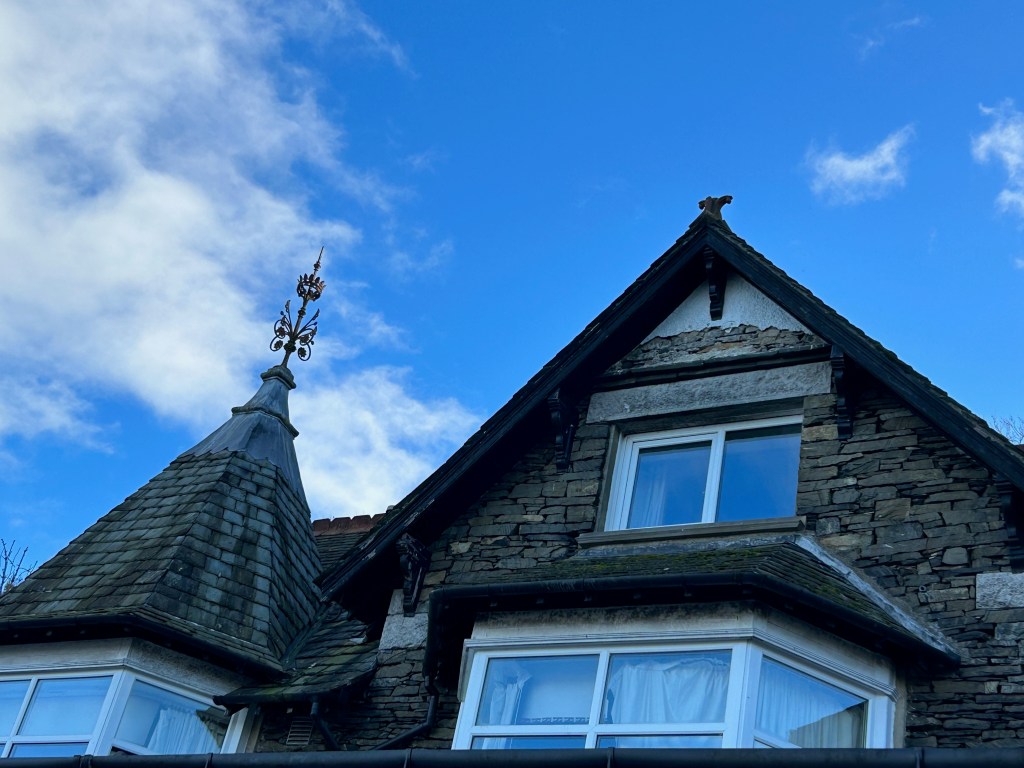
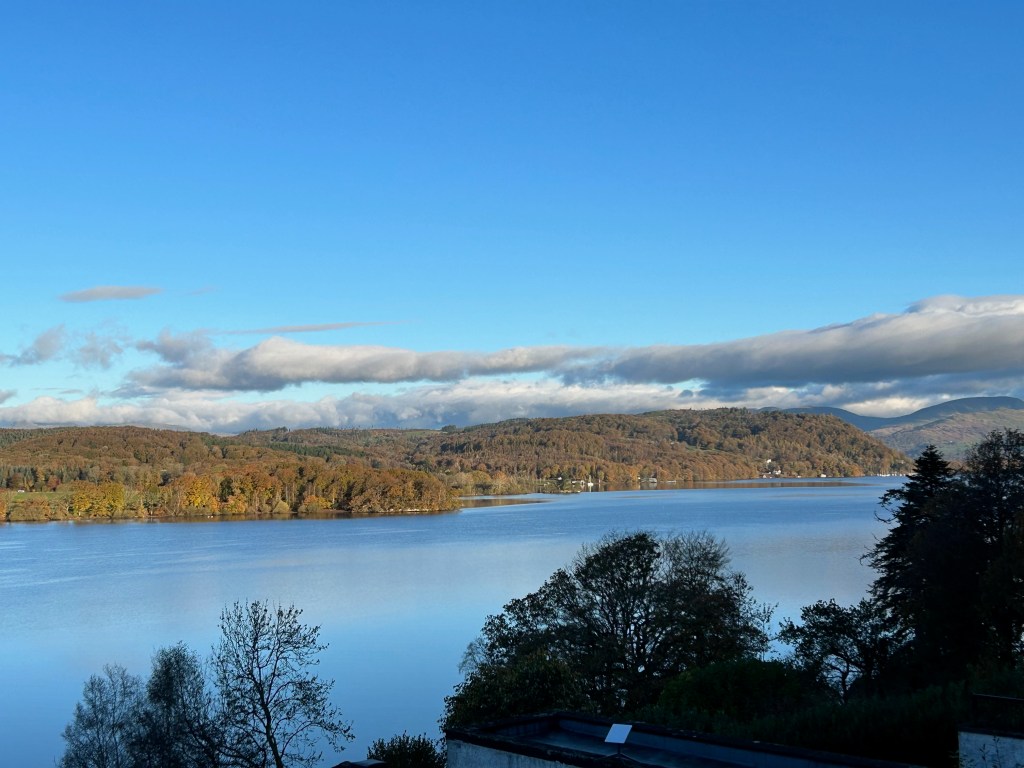
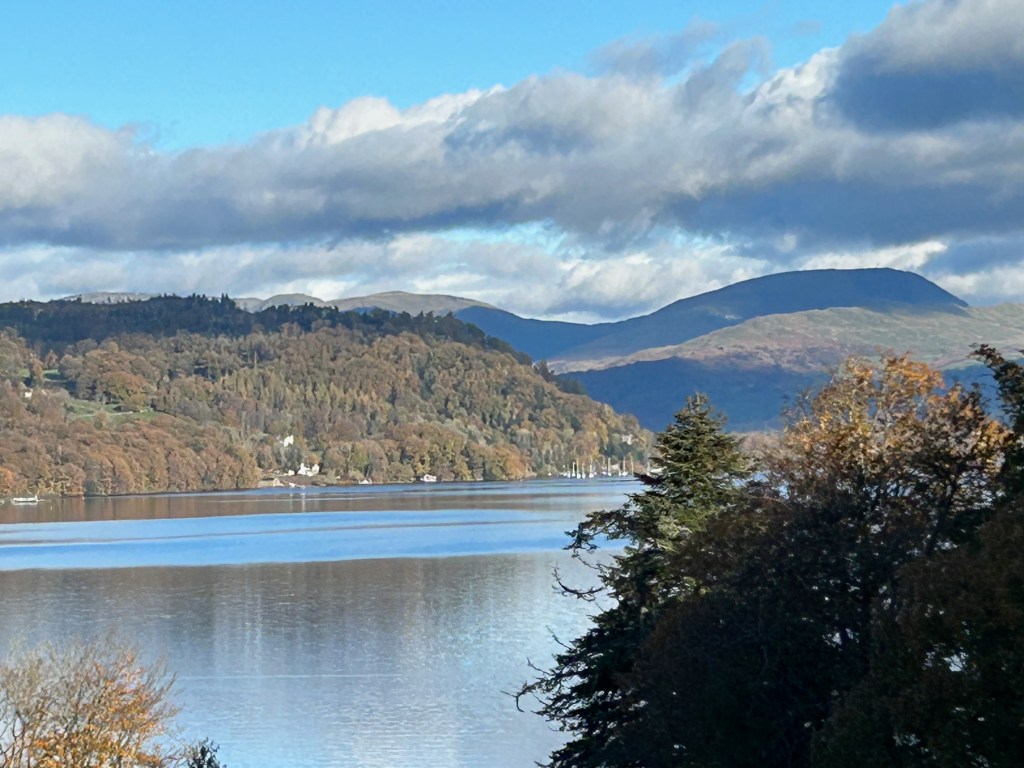
We were picked up, taken to the train station in Oxenholme and arrived in Manchester shortly after noon. Our room at The Midland was not ready so we headed out for the Manchester Art Gallery. We enjoyed some of the pre-Raphealite paintings and then saw one of Lowry’s paintings.
Because of the rain, we took a taxi to the airport just before noon; the check-in at Ryan Air and the security process was very smooth. This was very unlike our experience on the way over when we almost missed our flight because of the security hold-ups. We arrived in Alicante at 6:30, picked up the car we had arranged for when we took Shannon to the airport, stopped for a few groceries at Mercadona and arrived home around 8:30. Tired but happy to be back.
The rain and cloud is over: 21-27 degrees and sunny going forward! The remaining two and a half weeks were spent on maintenance (painting the railings, varnishing wooden doors and windows (especially the sea side) ensuring enough money in the bank to pay the monthly/annual bills, replacing the bottom strip of the awning and finally packing up for the winter to come home.

 Site Title